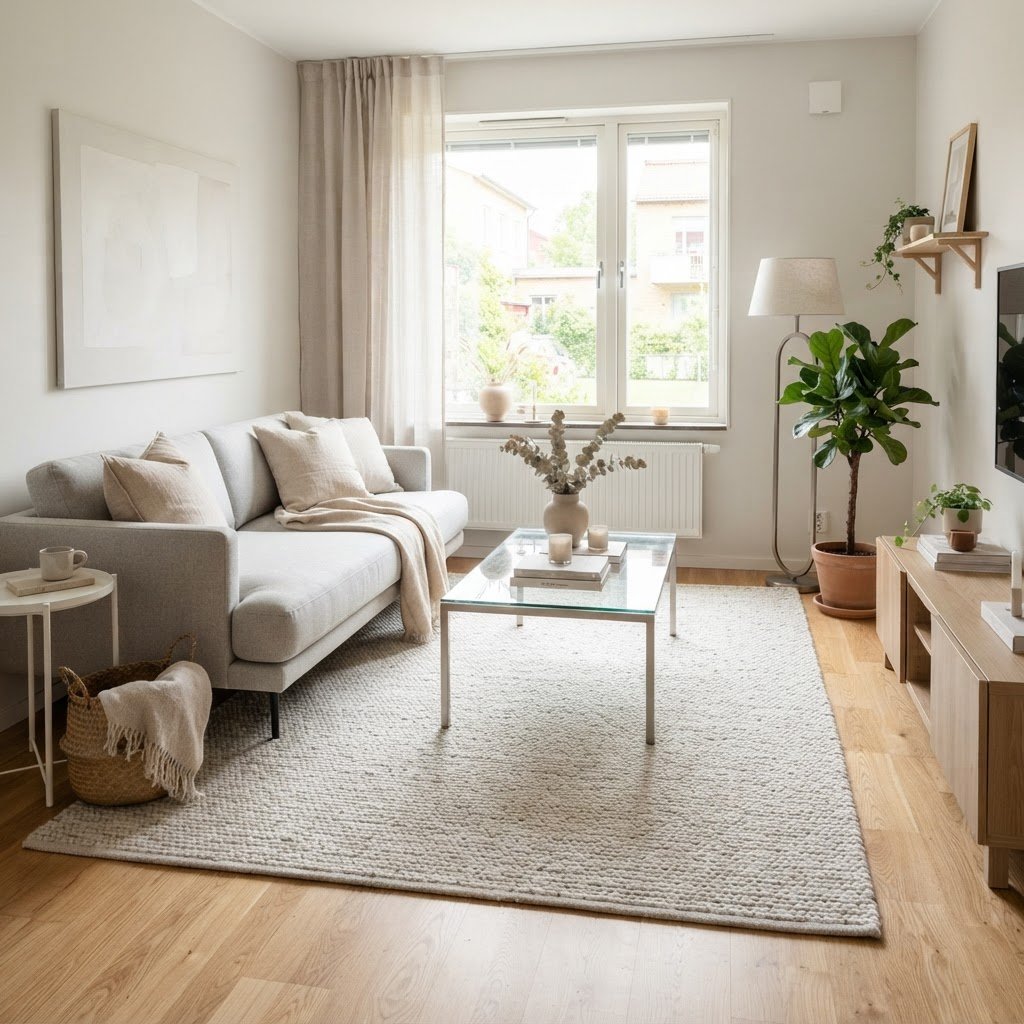
Designing a small living room requires a delicate balance between function and aesthetics. When you are working with limited square footage, every square inch counts, and the way you arrange your furniture can completely transform your home. The goal is to create a living space that feels open and welcoming rather than cramped or cluttered. By understanding the flow of your floor plan and selecting the right pieces, you can turn even the tightest area into a cozy sanctuary.
The Fundamentals of Small Space Planning
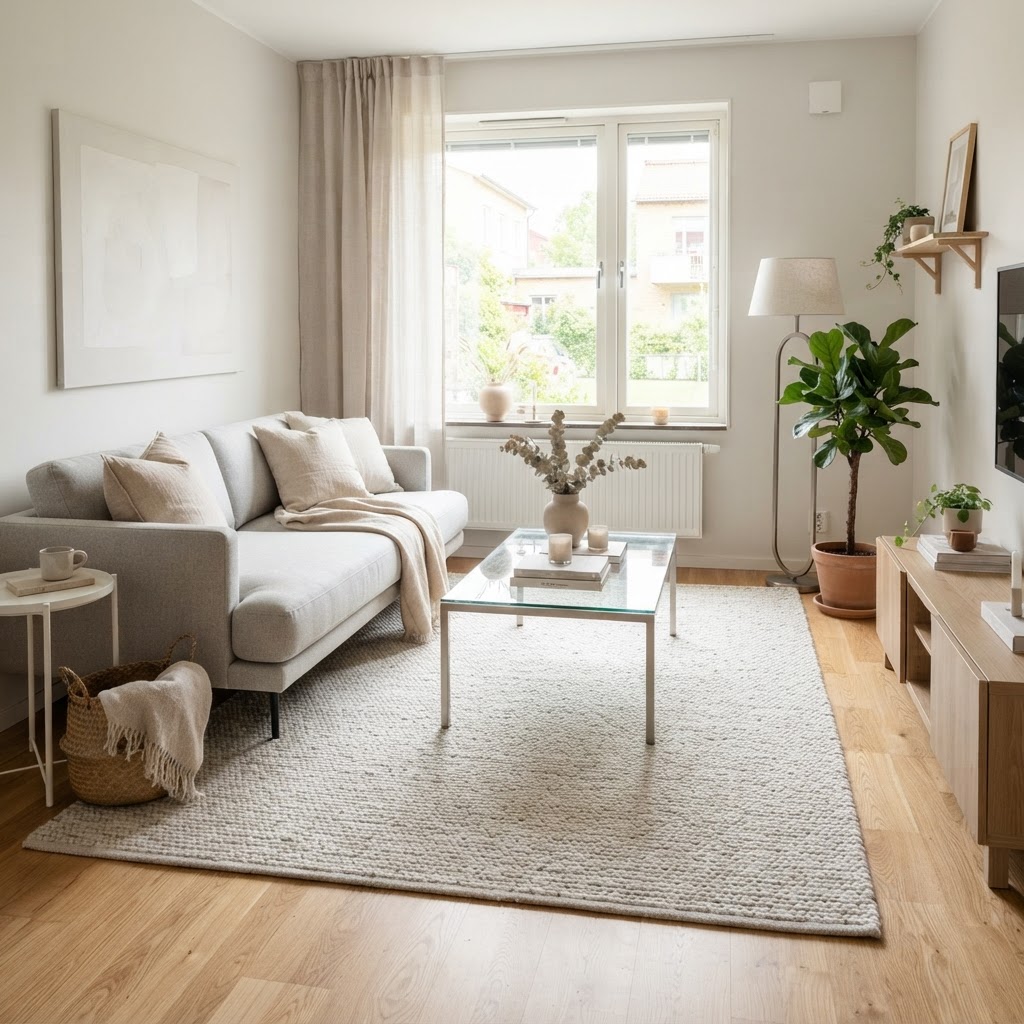
The secret to mastering a small living room layout is to prioritize multi-purpose furniture. Before you start moving pieces around, take a moment to evaluate the primary purpose of your room. Are you mostly using it for relaxing, or do you need a workspace included in your living area? Once you define these zones, the layout begins to fall into place naturally. Always leave clear pathways between items to ensure the room feel remains airy.
Choosing the Right Furniture Scale
One common mistake people make in a small apartment living room is buying furniture that is far too bulky. While a plush sofa might look comfortable in a store, it can easily overwhelm a small space. Instead, look for low-profile seating that doesn’t block sightlines. When your eyes can see the floor under a piece of furniture, the room instantly feels larger and more breathable. A slim sofa paired with a lightweight coffee table can create a refined look that doesn’t sacrifice comfort.
Defining Your Focal Point
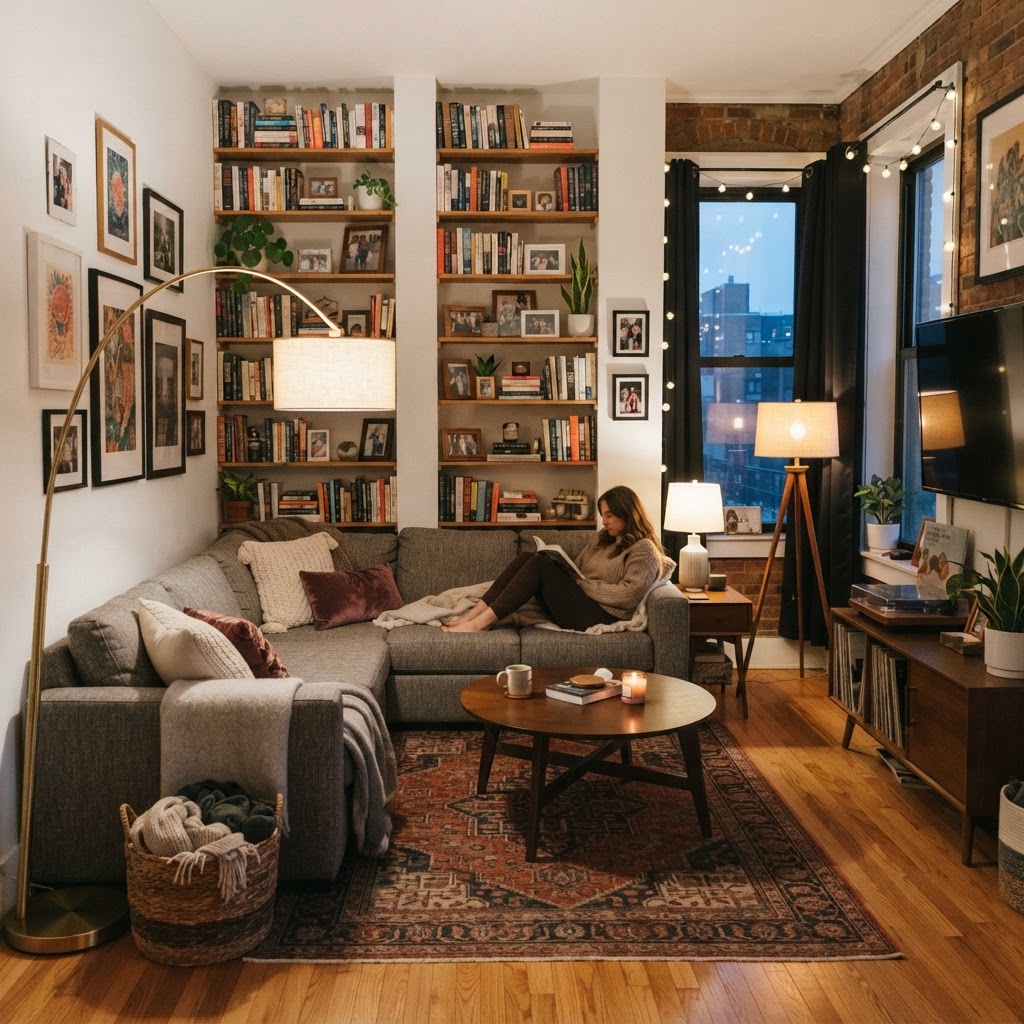
Every room needs a focal point to anchor the design. In a standard apartment, this might be a window, a fireplace, or a wall where you mount your television. When you identify this point, arrange your sofa and chairs to face it directly. This creates a natural gravity in the room that draws the eye toward the most important architectural feature. If your room lacks a natural focal point, consider creating one using an accent wall with bold wallpaper or a large piece of art.
Arranging Seating for Better Flow
How you place your seat options can make or break the flow of traffic. If you have a square living area, try floating your furniture away from the walls. This may seem counterintuitive, but pushing everything to the perimeter often leaves a dead zone in the middle. By pulling a small sectional or chair into the center, you create an intimate conversation area that makes the room feel sophisticated and well-planned.
Using Rugs to Delineate Zones
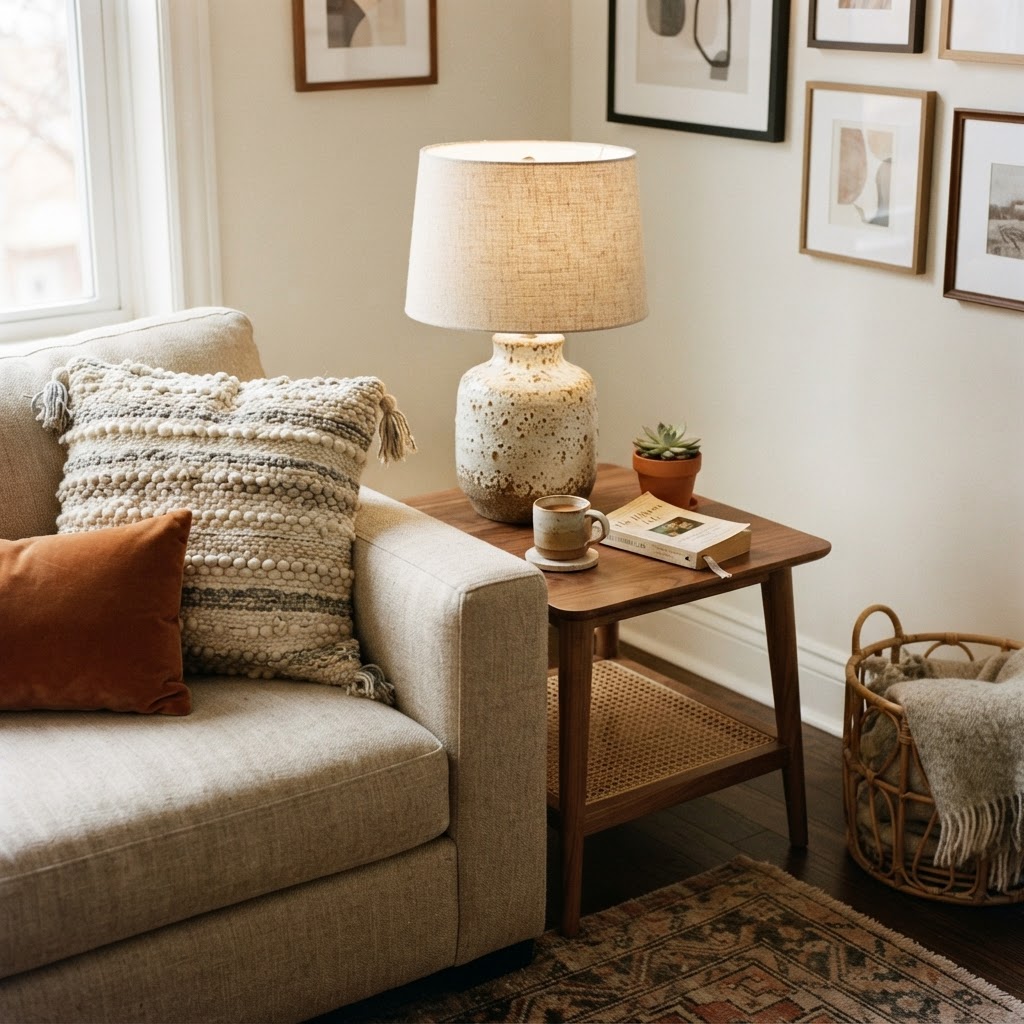
Integrating a rug is one of the easiest ways to make the room feel cohesive. A rug acts as a visual frame that ties your sofa, side table, and chairs together into one unified zone. In an open-plan apartment, the rug is essential for clearly defining where the living space ends and the dining or kitchen area begins. Ensure the rug is large enough that the front legs of your furniture rest on it, which helps ground the entire arrangement.
Choosing the Right Texture and Color
For a small living room, light-colored or neutral rugs can help brighten the floor space. You don’t have to avoid patterns, but aim for something subtle rather than overwhelming. A simple textured rug adds depth without visual clutter, which helps keep the small apartment feeling clean and organized. Remember that the goal is to make the room feel expansive, not busy.
Creative Storage Solutions
Storage is the biggest challenge in small apartment living room design. To keep things tidy, look for furniture that pulls double duty, such as ottomans with hidden compartments or sofa designs that include shelving in the arms. Every cushion should serve a purpose, and vertical space is your best friend. Install wall-mounted shelves to hold books or decor so you can free up floor space for a coffee table or a desk.
Keeping Surfaces Clear
Clutter is the enemy of a small living room. If you have a small space, try to keep your surfaces like the side table and coffee table clear of excess items. Use a small tray to group small decorative pieces together, which makes the display look intentional rather than messy. When everything has a designated home, your living room will feel significantly more peaceful and spacious.
Maximizing Vertical Potential
If you run out of floor room, look toward your walls. Tall bookshelves or floor-to-ceiling curtains can draw the eye upward, creating the illusion of higher ceilings. In a small apartment living room, floor-to-ceiling storage units can house everything from electronics to extra blankets. By keeping items off the floor, you maintain a sense of openness that is crucial in a small home.
Lighting for Atmosphere
Never rely solely on one overhead light. Layered lighting is key to making a small living room feel warm and inviting. Use floor lamps behind your sofa to provide soft ambient light, and consider small lamps on your side table for task lighting. The right mix of light sources makes the space feel larger by eliminating dark corners that can make a room feel smaller than it actually is.
Selecting the Perfect Sofa
Your sofa is the most significant investment in your living room layout. For small apartments, consider a sofa with legs rather than a solid base to keep the sightlines open. If you want a sectional, look for modular options that can be reconfigured based on your specific layout needs. A compact sectional can be surprisingly efficient if tucked into a corner, freeing up the rest of the room for movement.
Enhancing Comfort with Textiles
Comfort is non-negotiable, even in a tiny footprint. Use a high-quality cushion on your seating to add personality and softness to the room. Don’t be afraid to experiment with different fabrics; velvet adds luxury, while linen offers a casual, airy vibe. These small decorative choices help make the room feel like a personal reflection of your style rather than just a functional space.
Conclusion
Designing a small living room doesn’t mean you have to compromise on style or comfort. By focusing on smart layout choices, multi-functional furniture, and vertical storage, you can turn your apartment into a space that feels surprisingly large. Whether you are working with a tiny studio or a modest one-bedroom, these strategies will help you create a home you love. Start small by decluttering your current layout, and let us know in the comments which change made the biggest difference in your space!

Leave a Reply