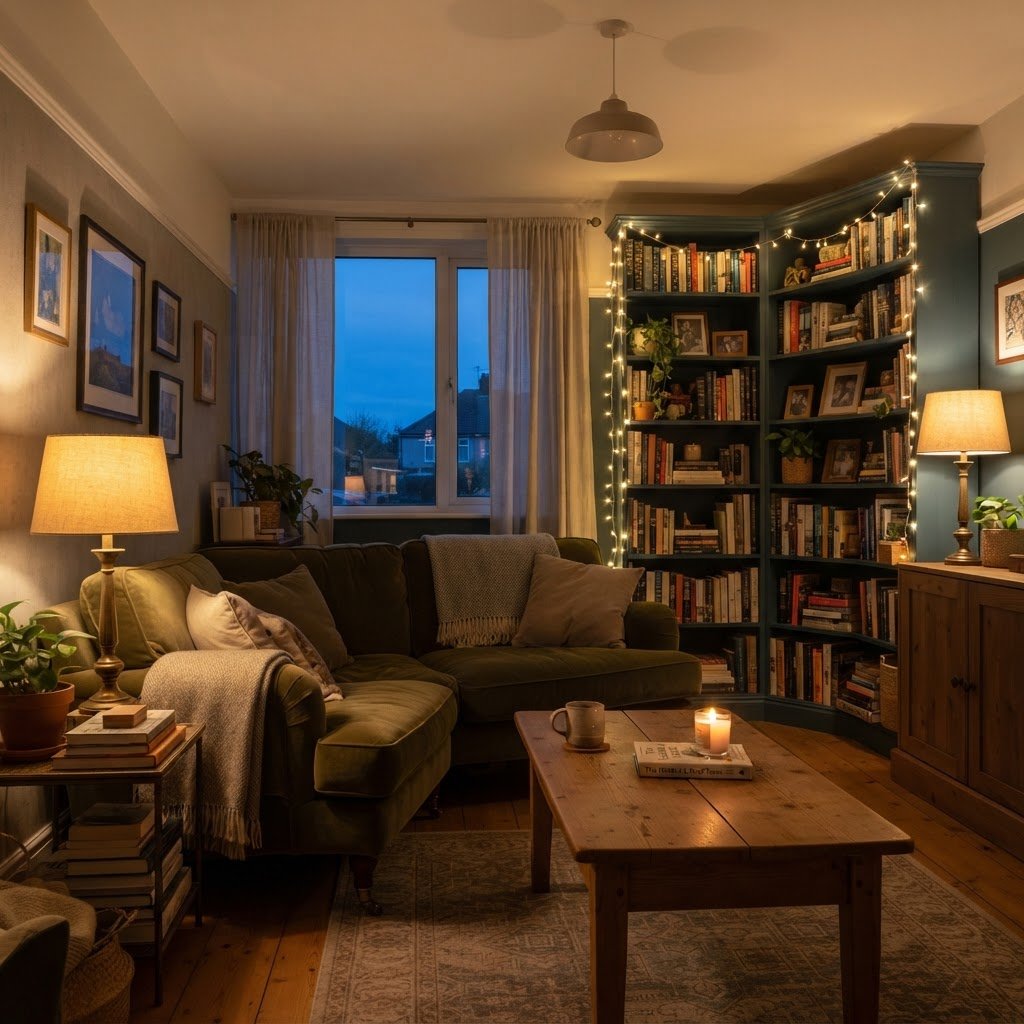
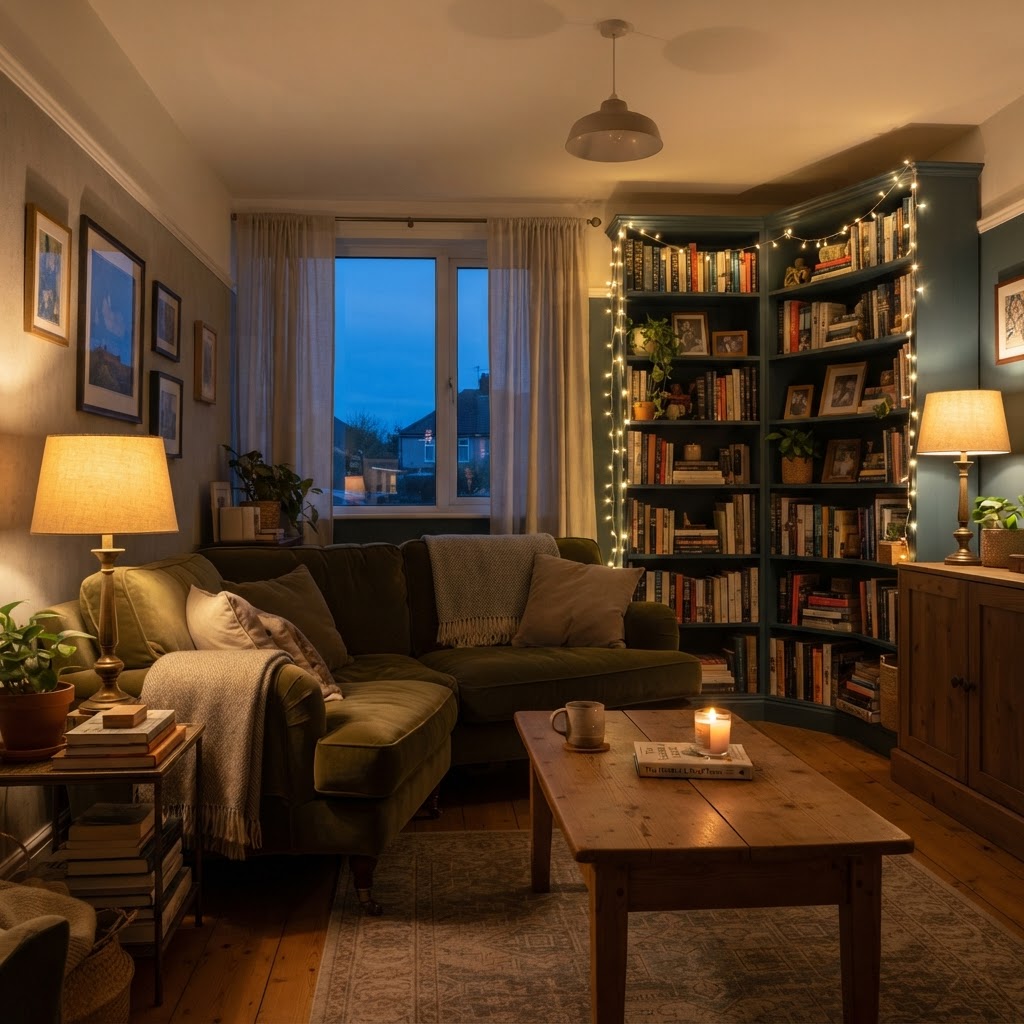
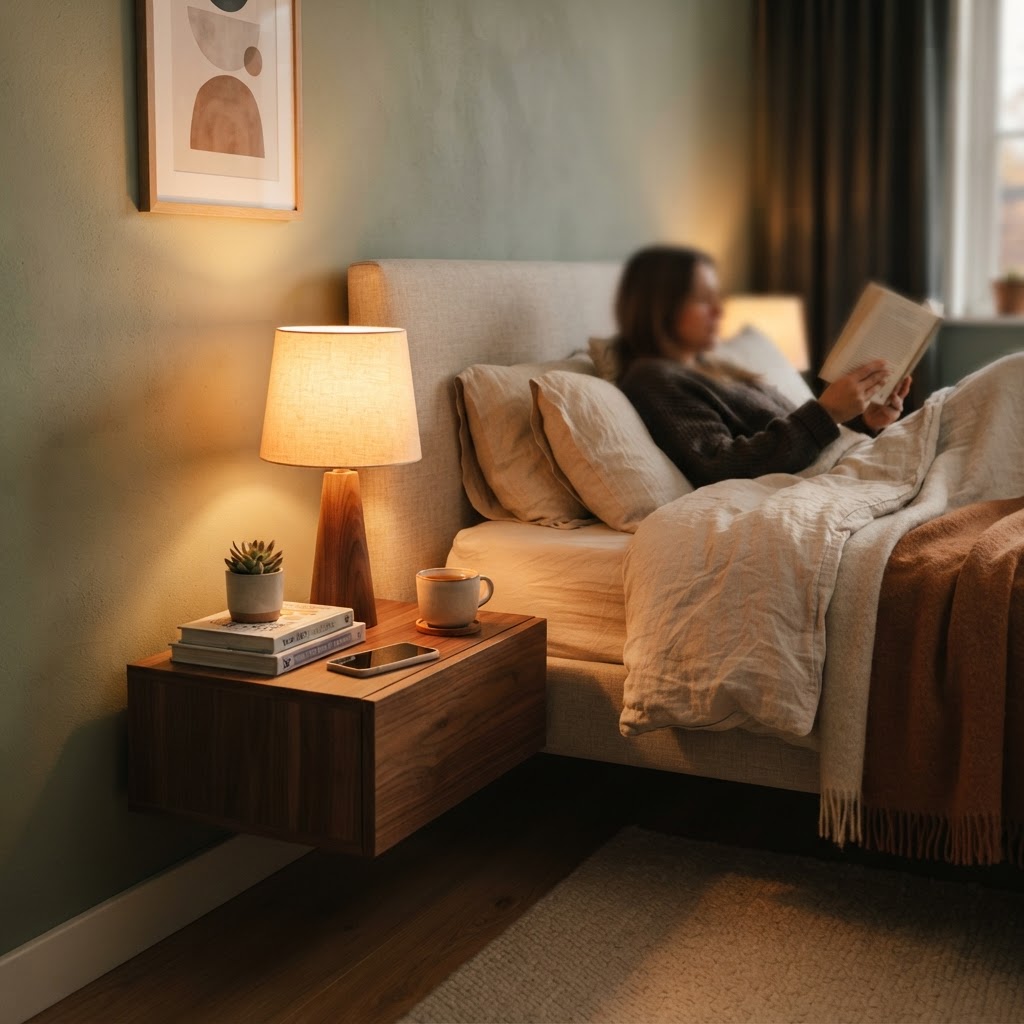
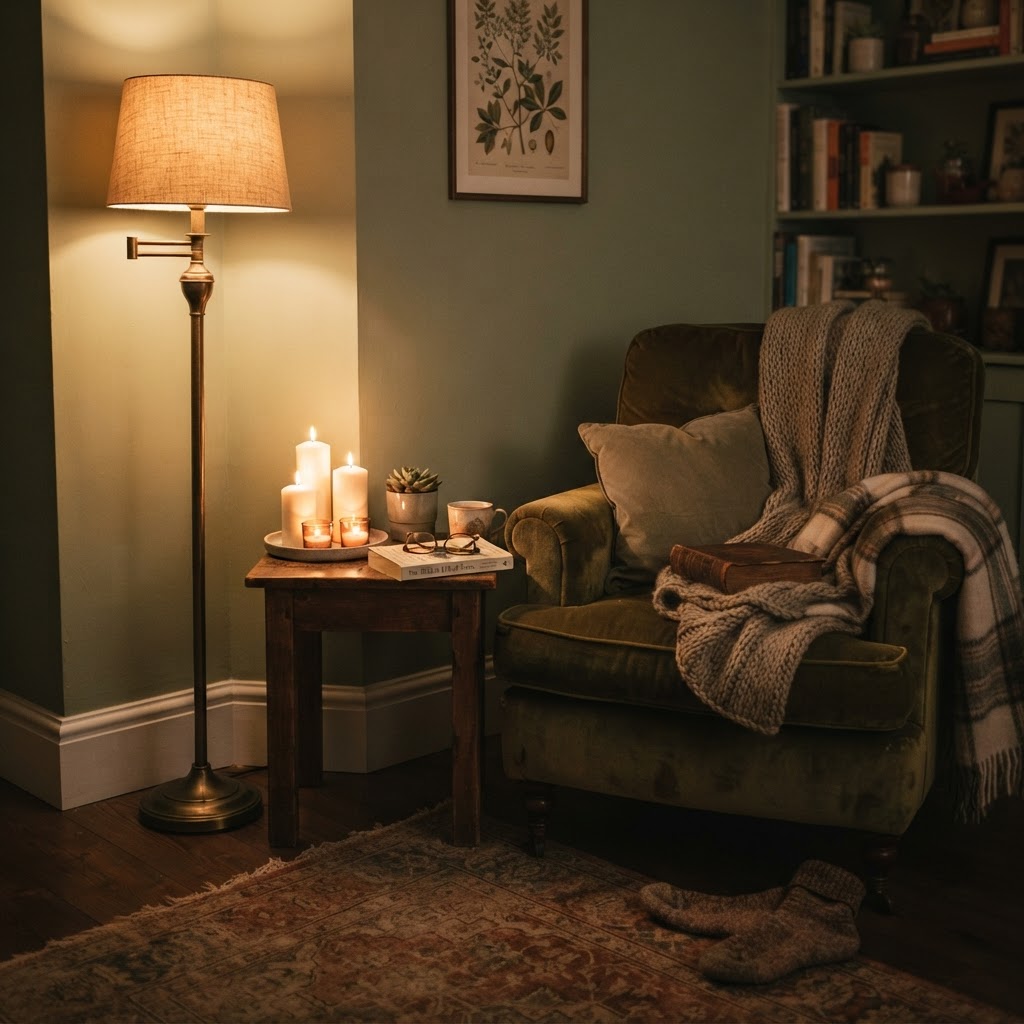
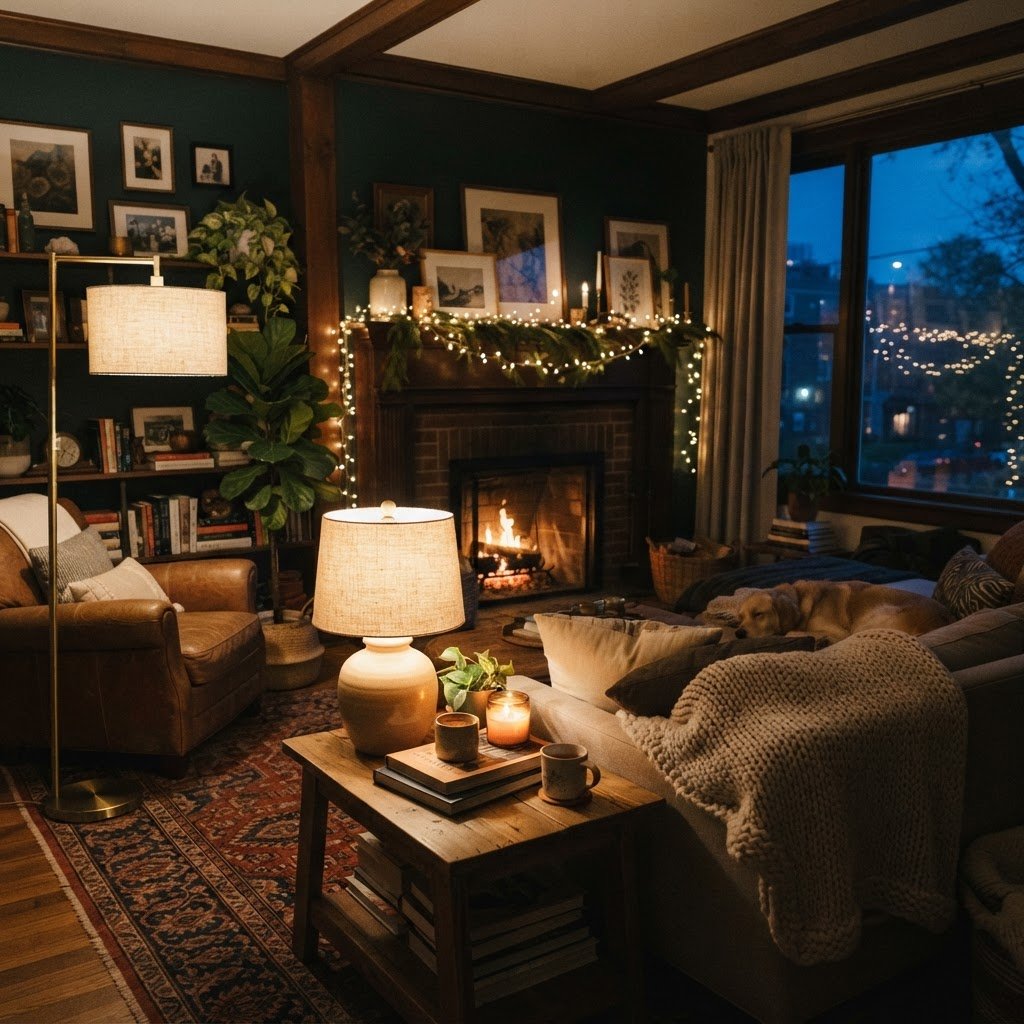
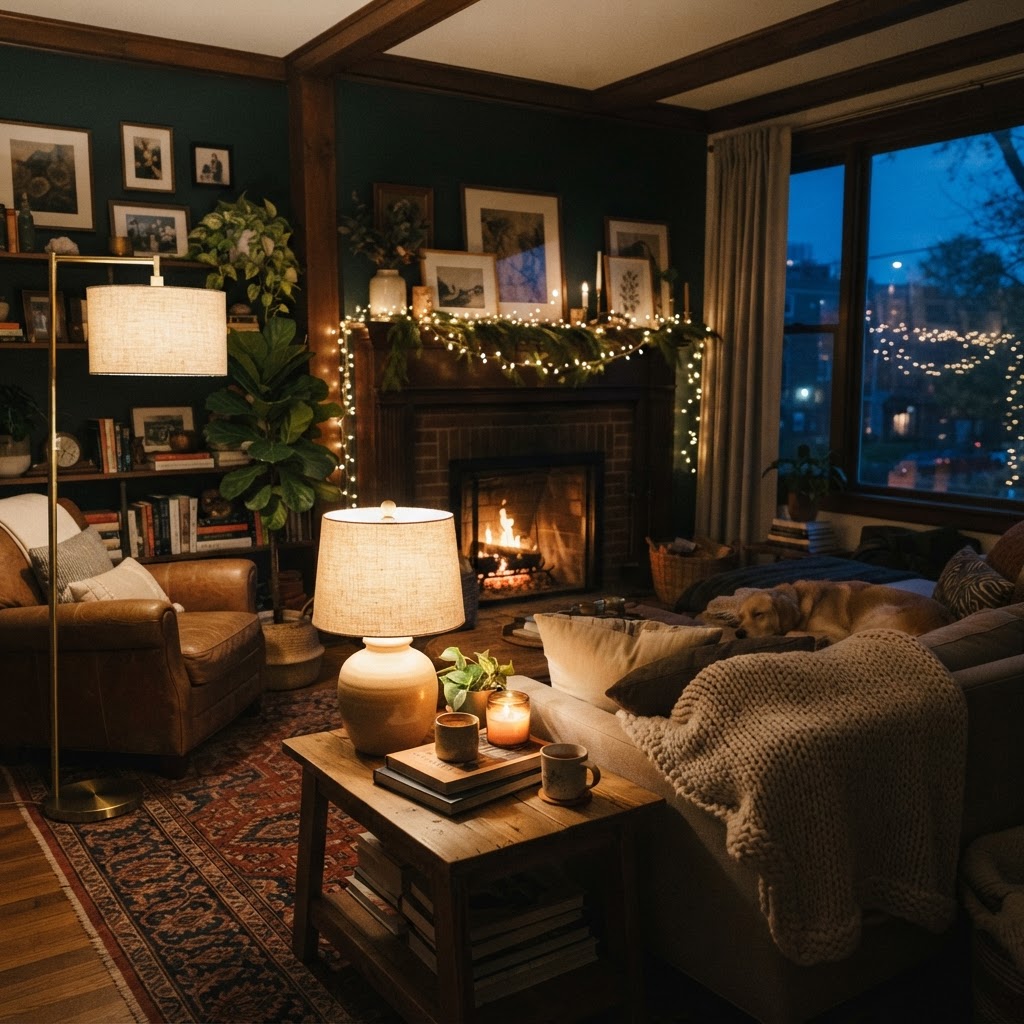
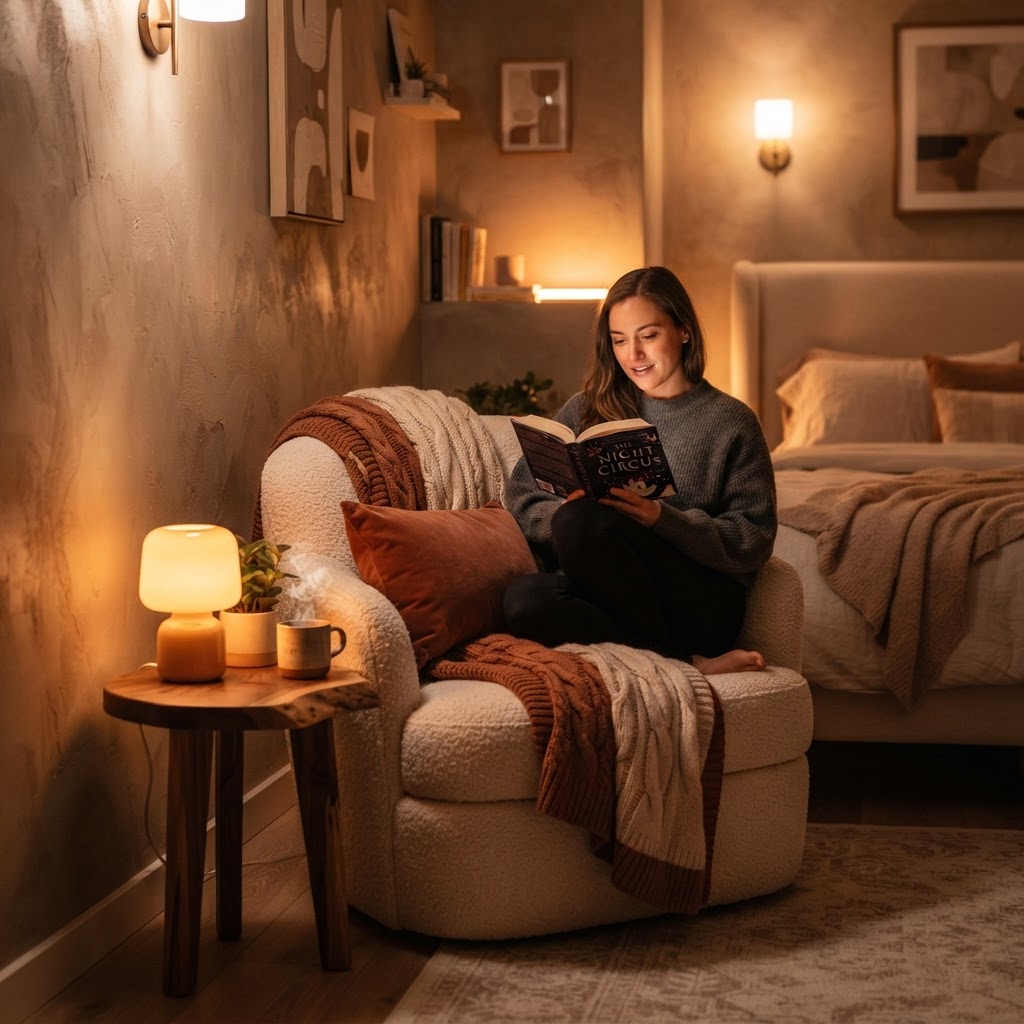
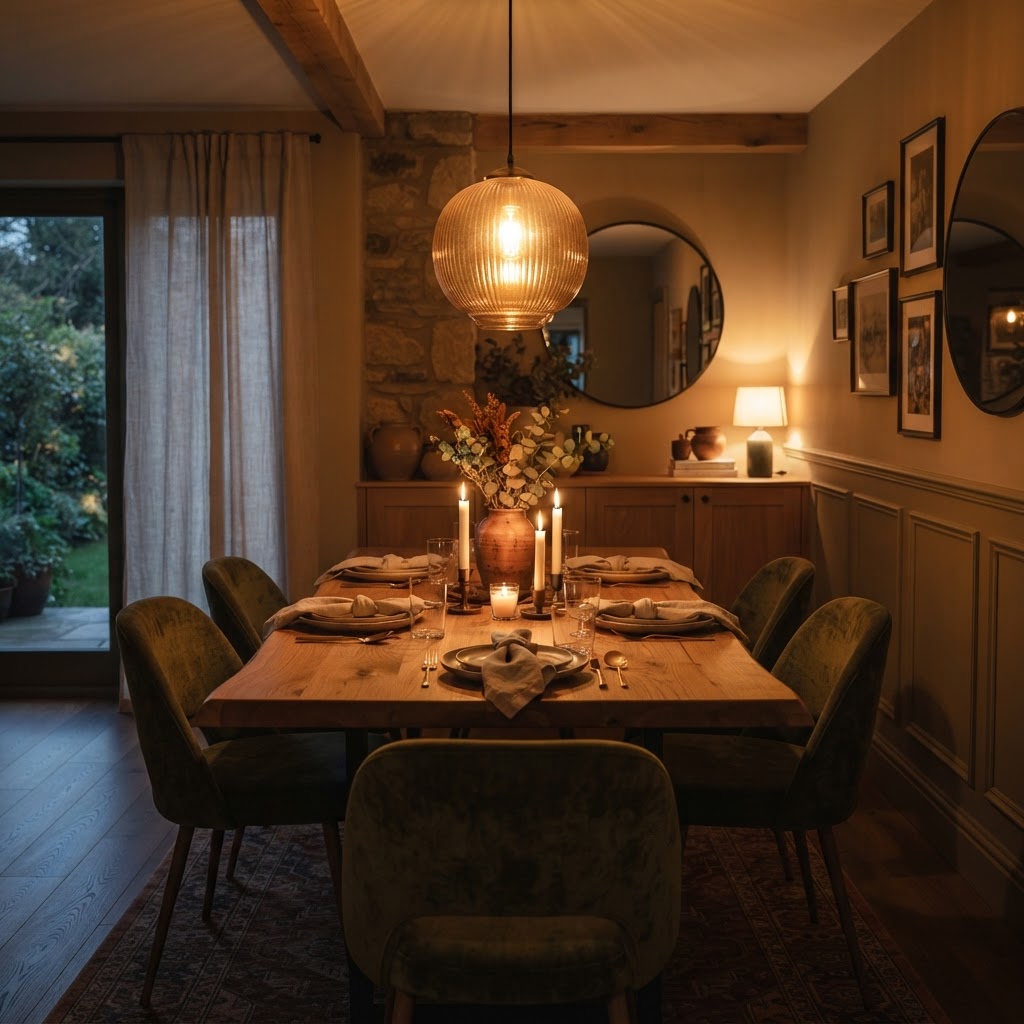
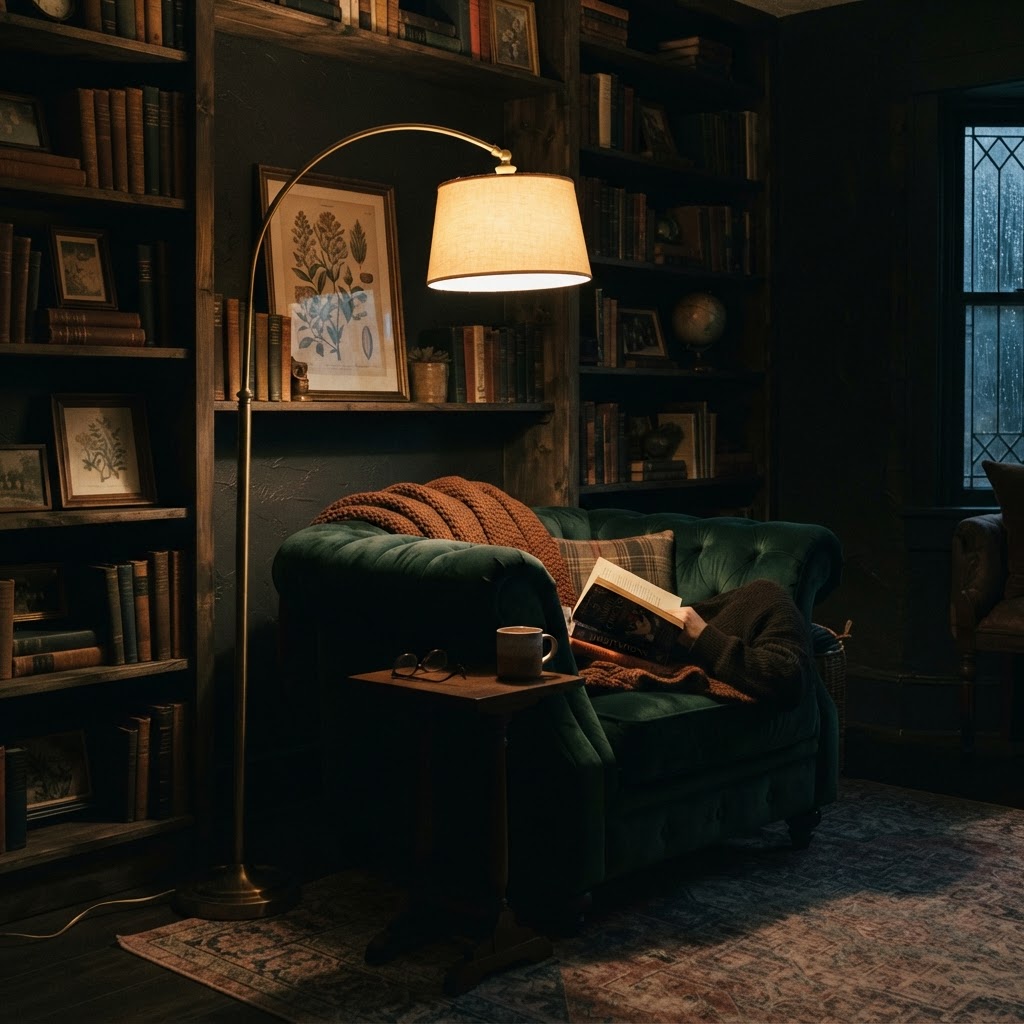
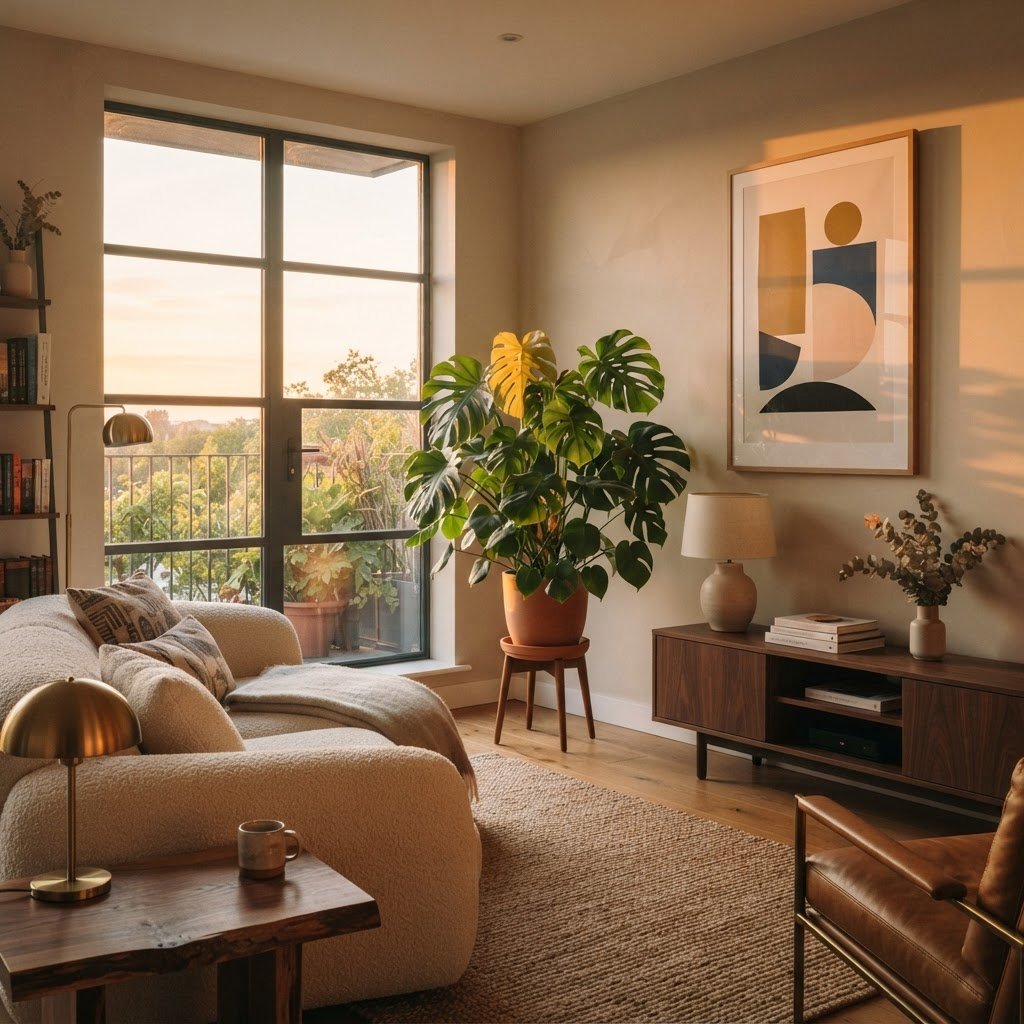
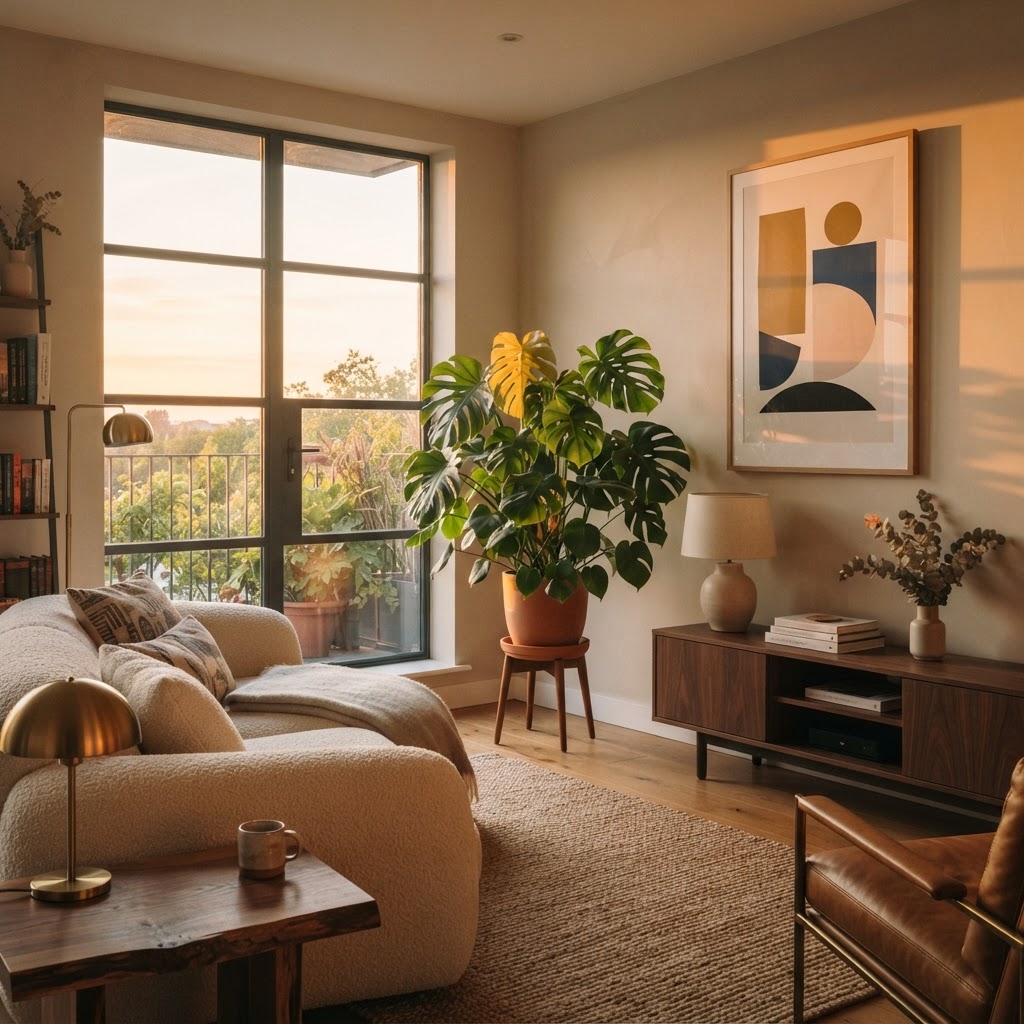
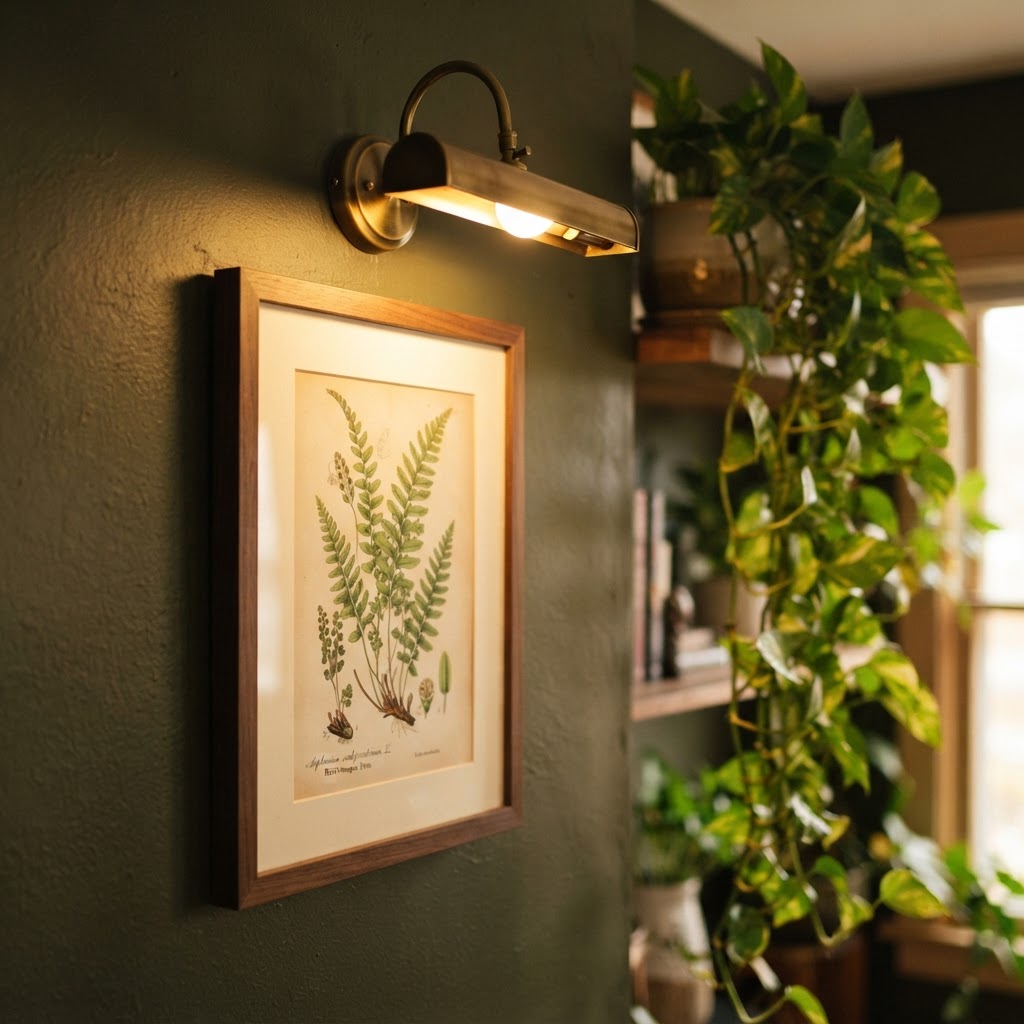
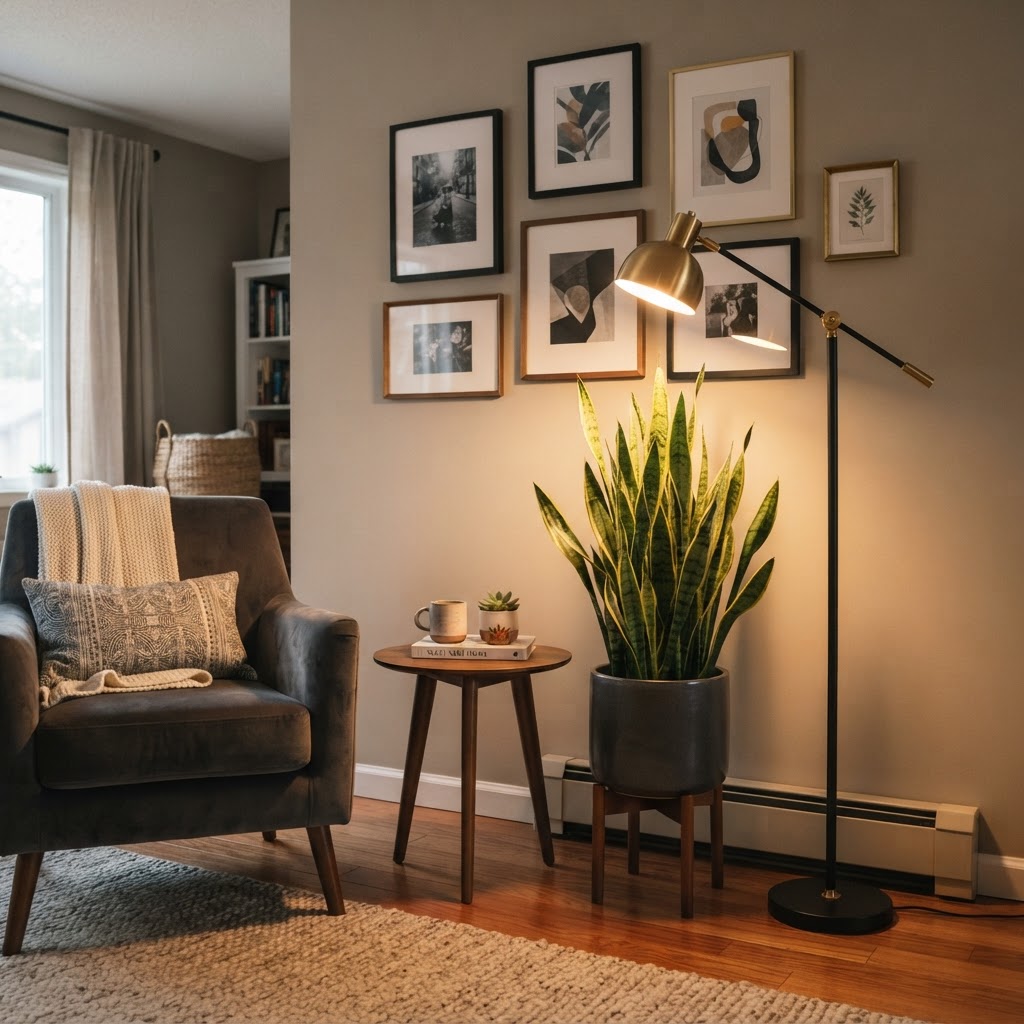
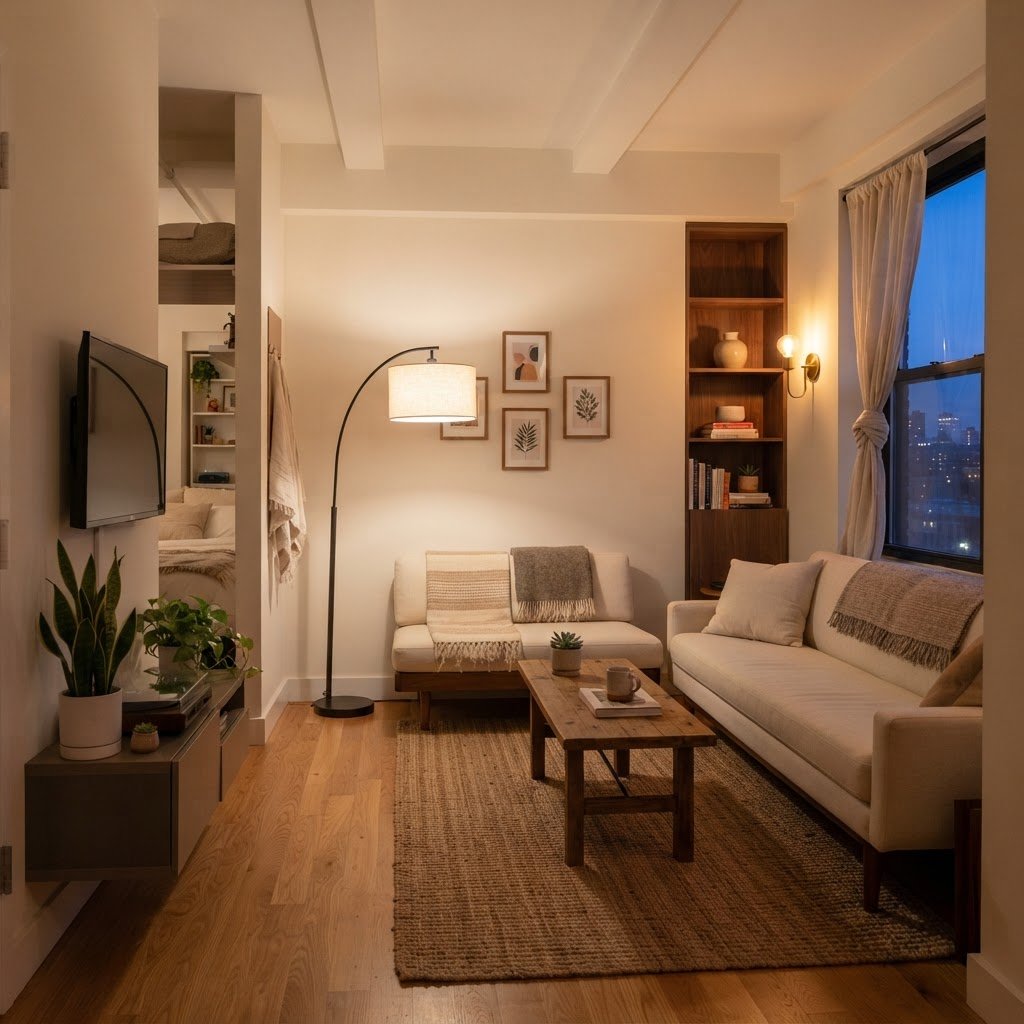
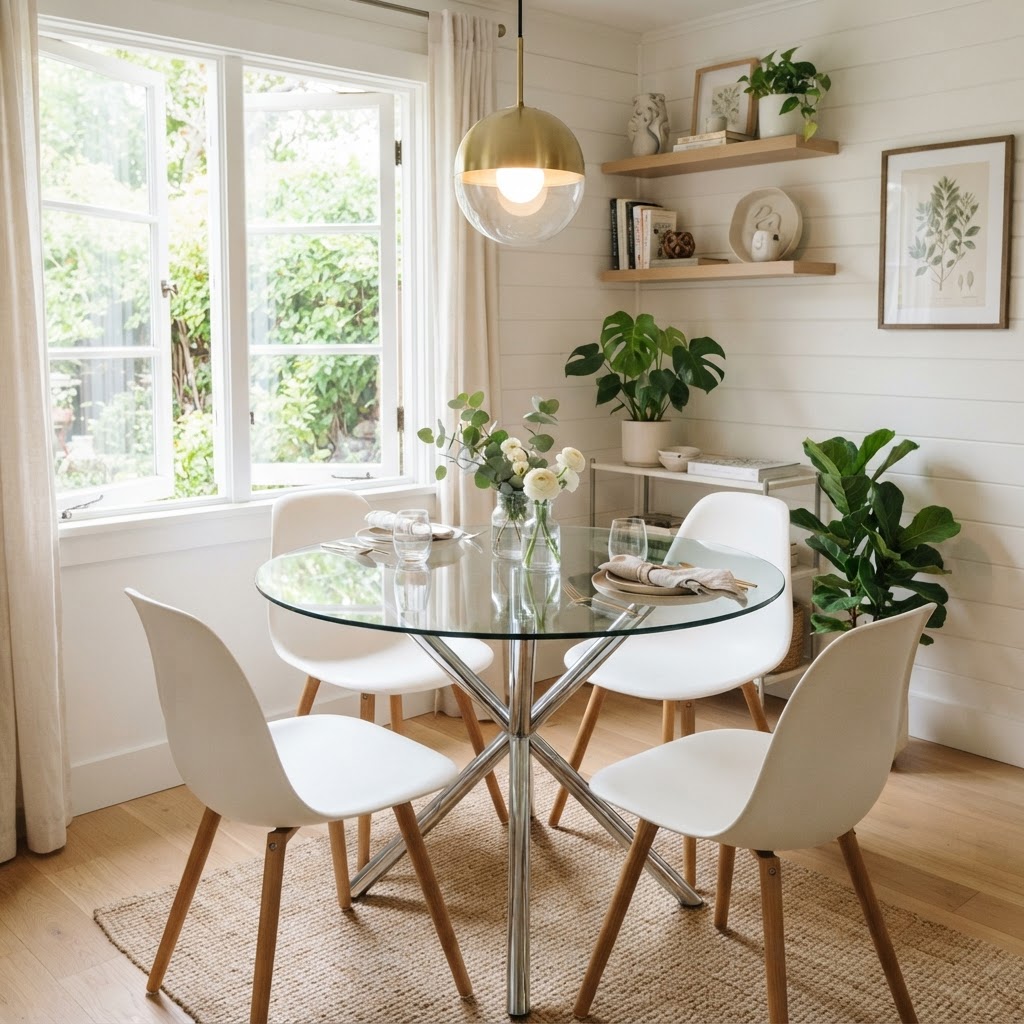
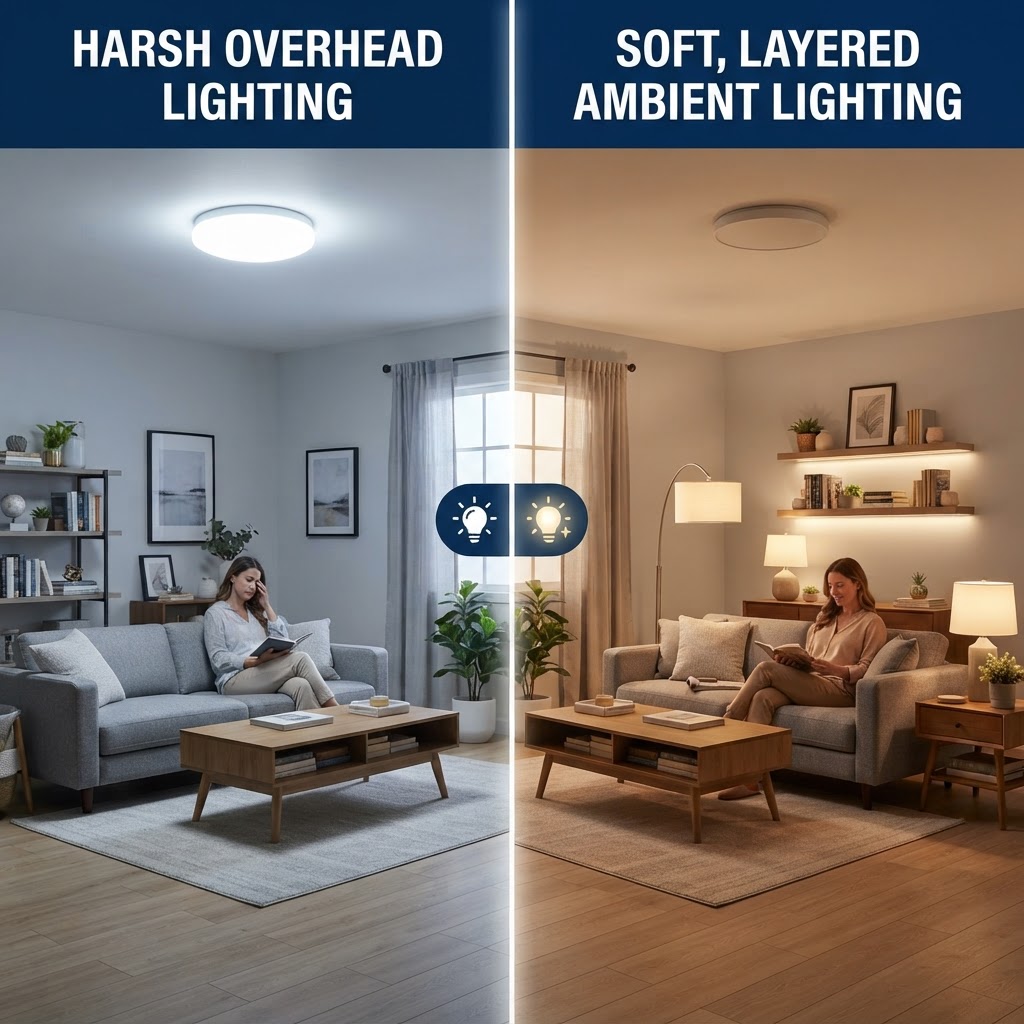
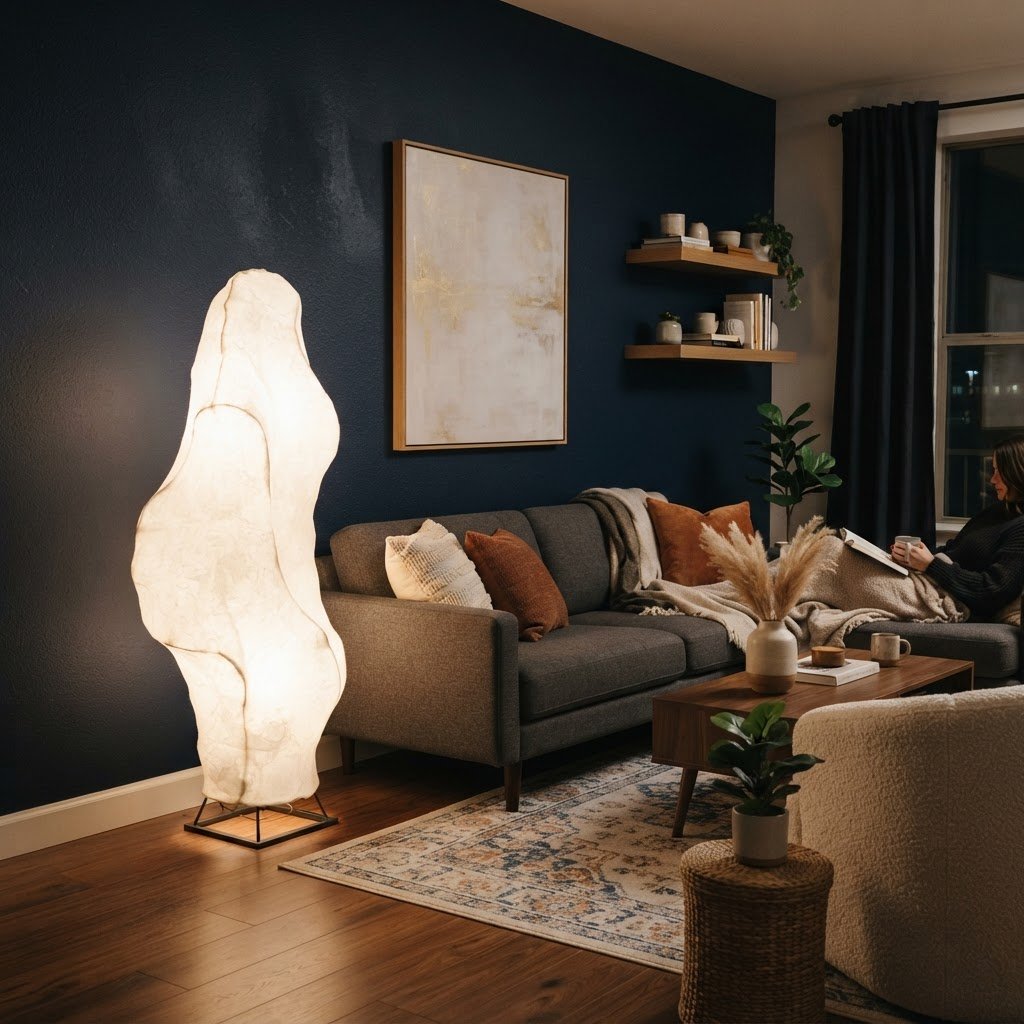
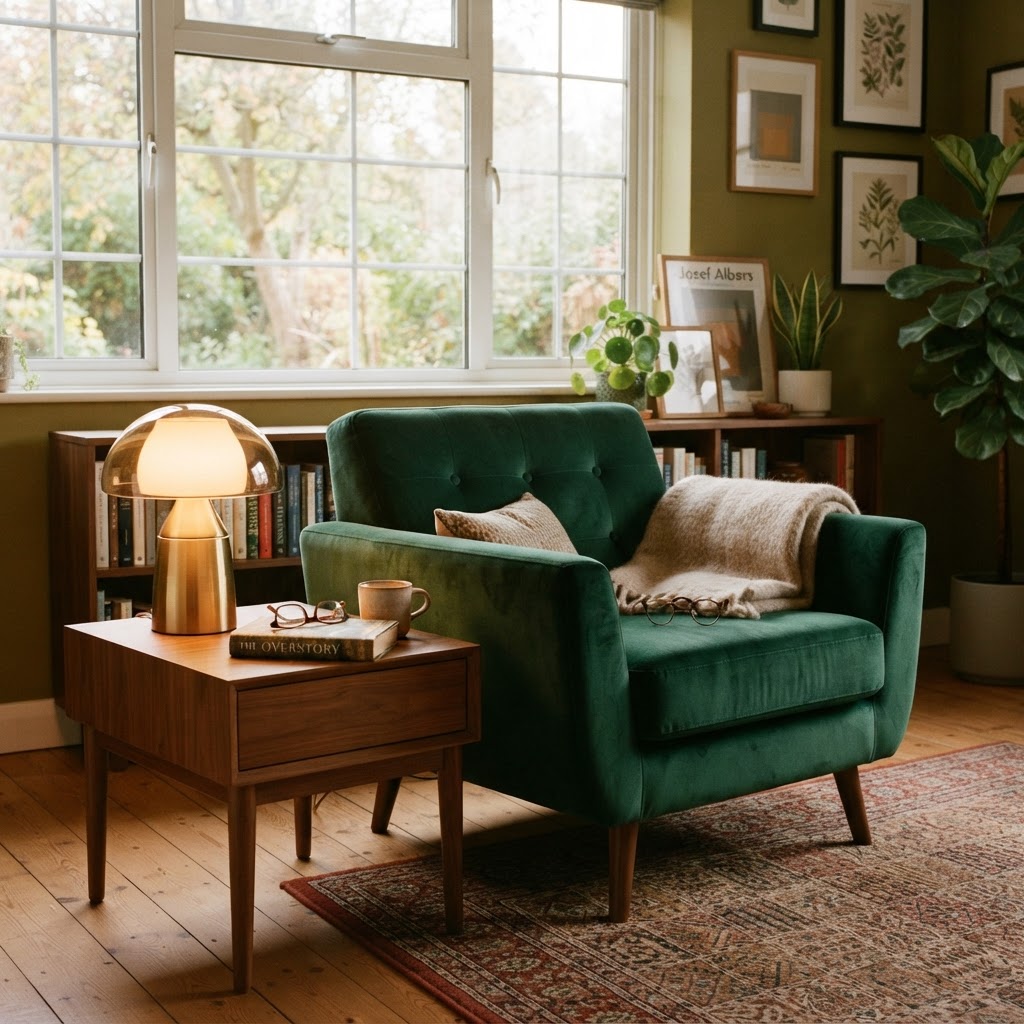
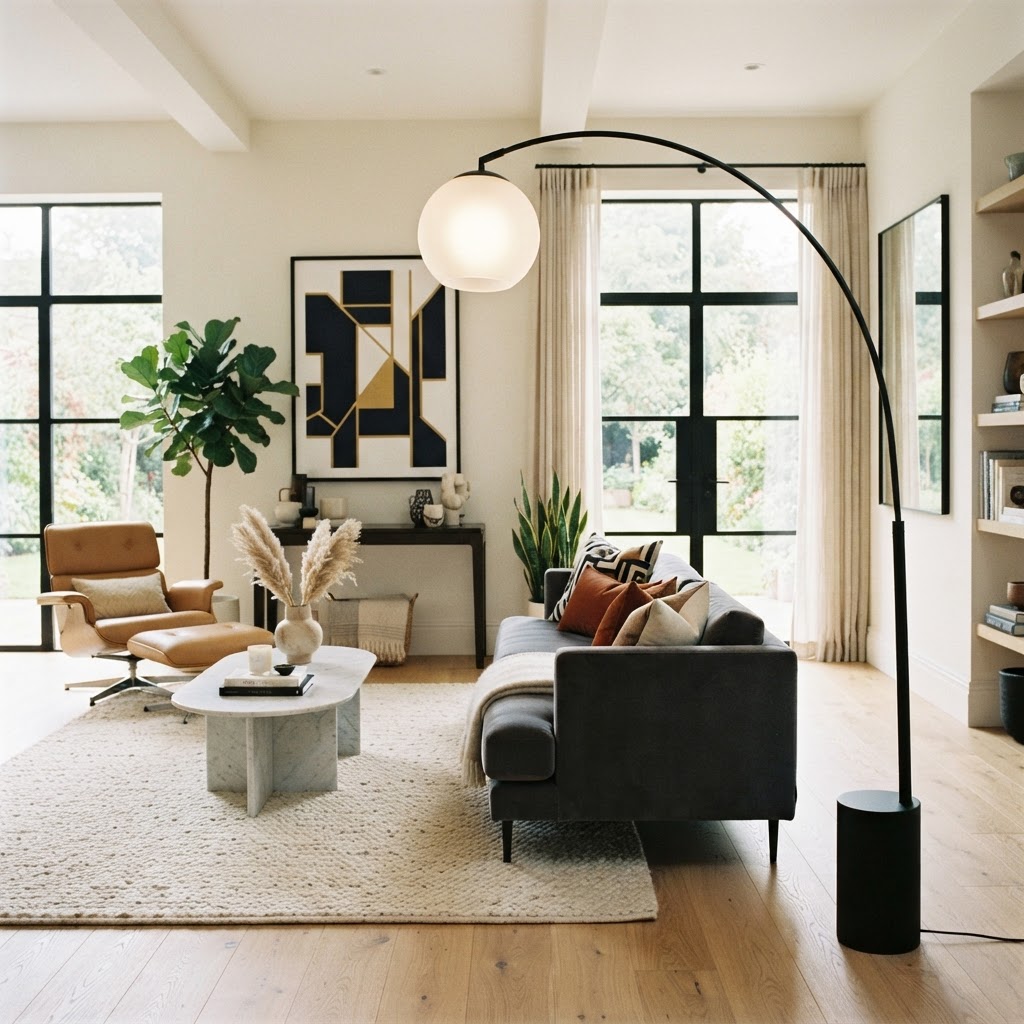
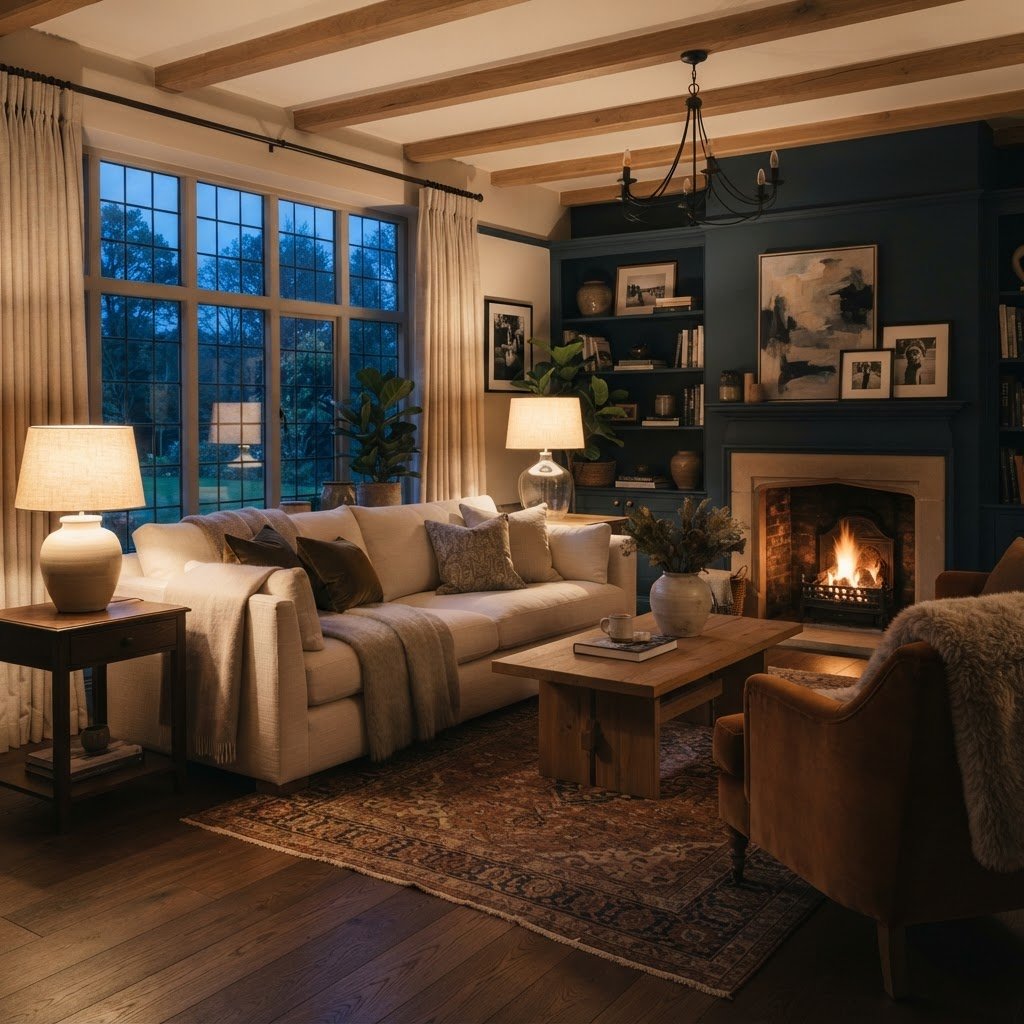
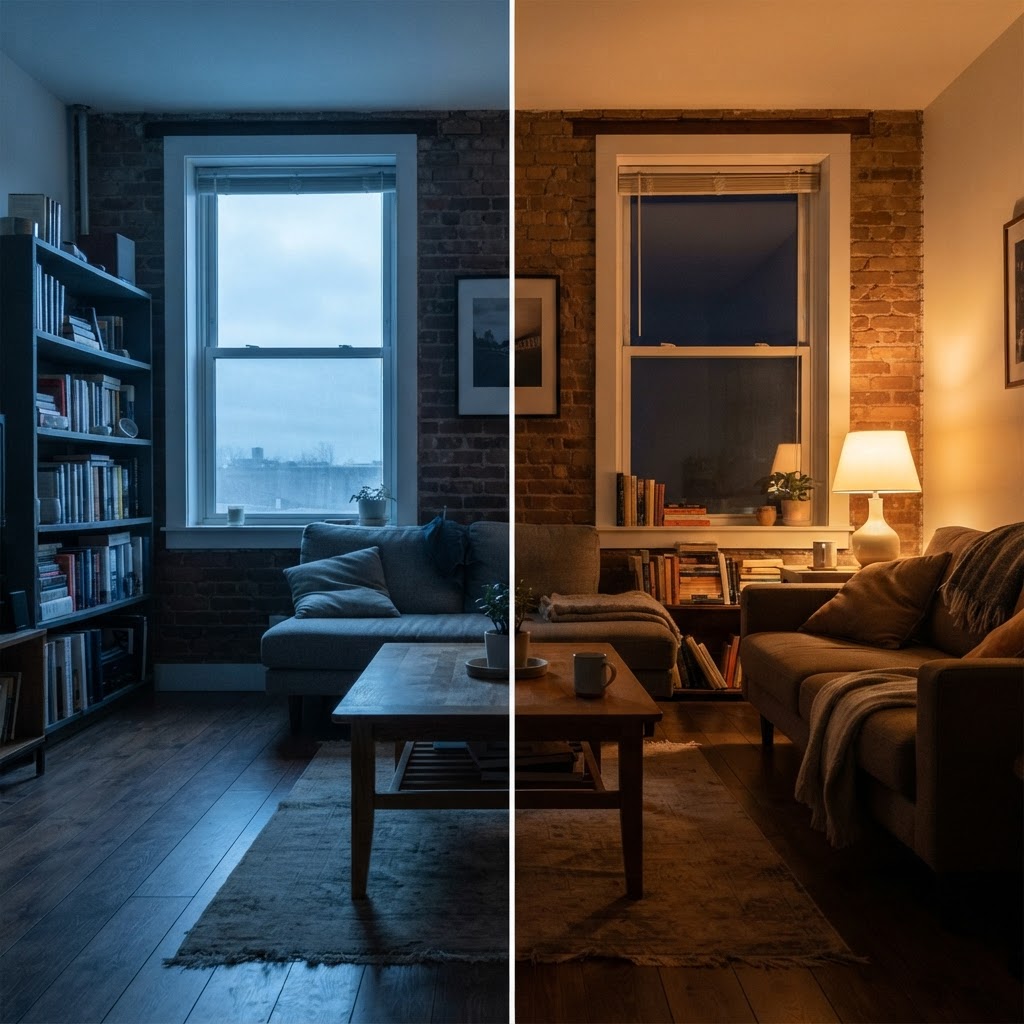
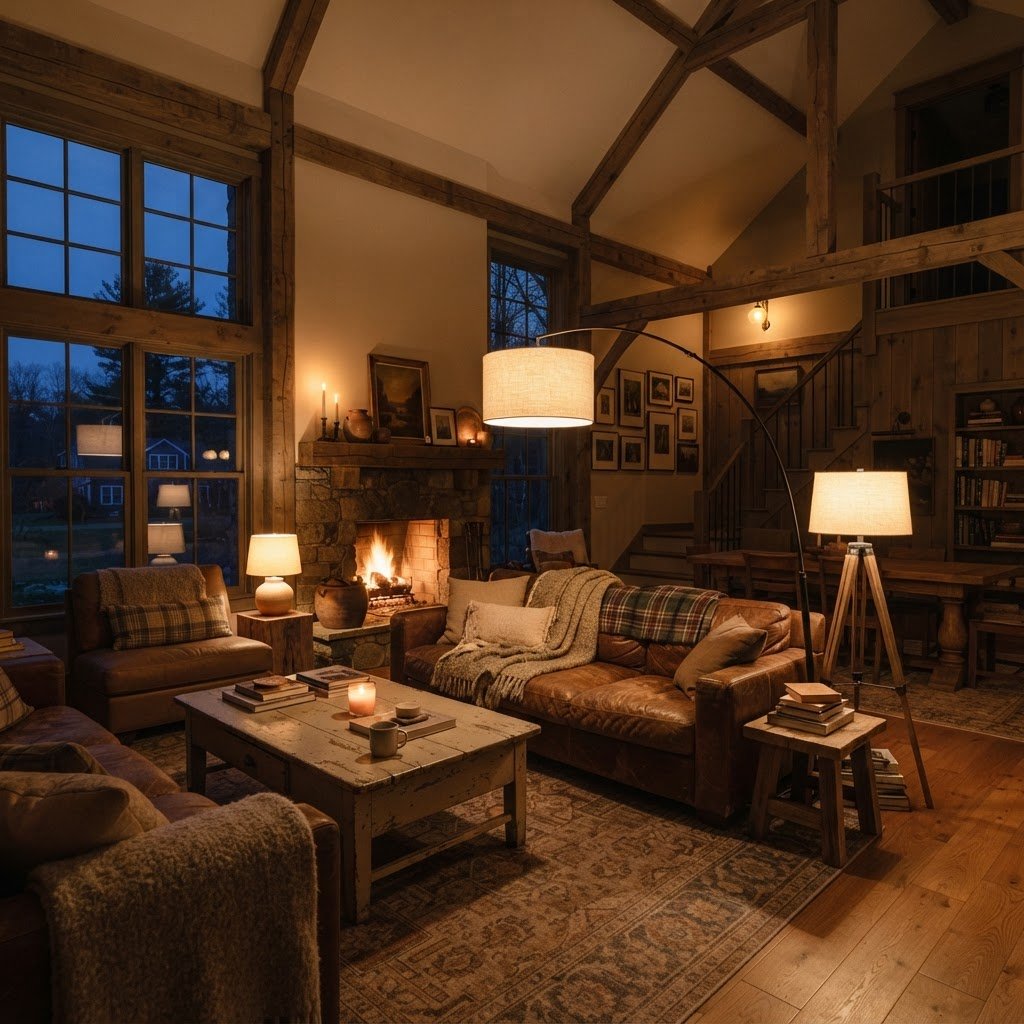
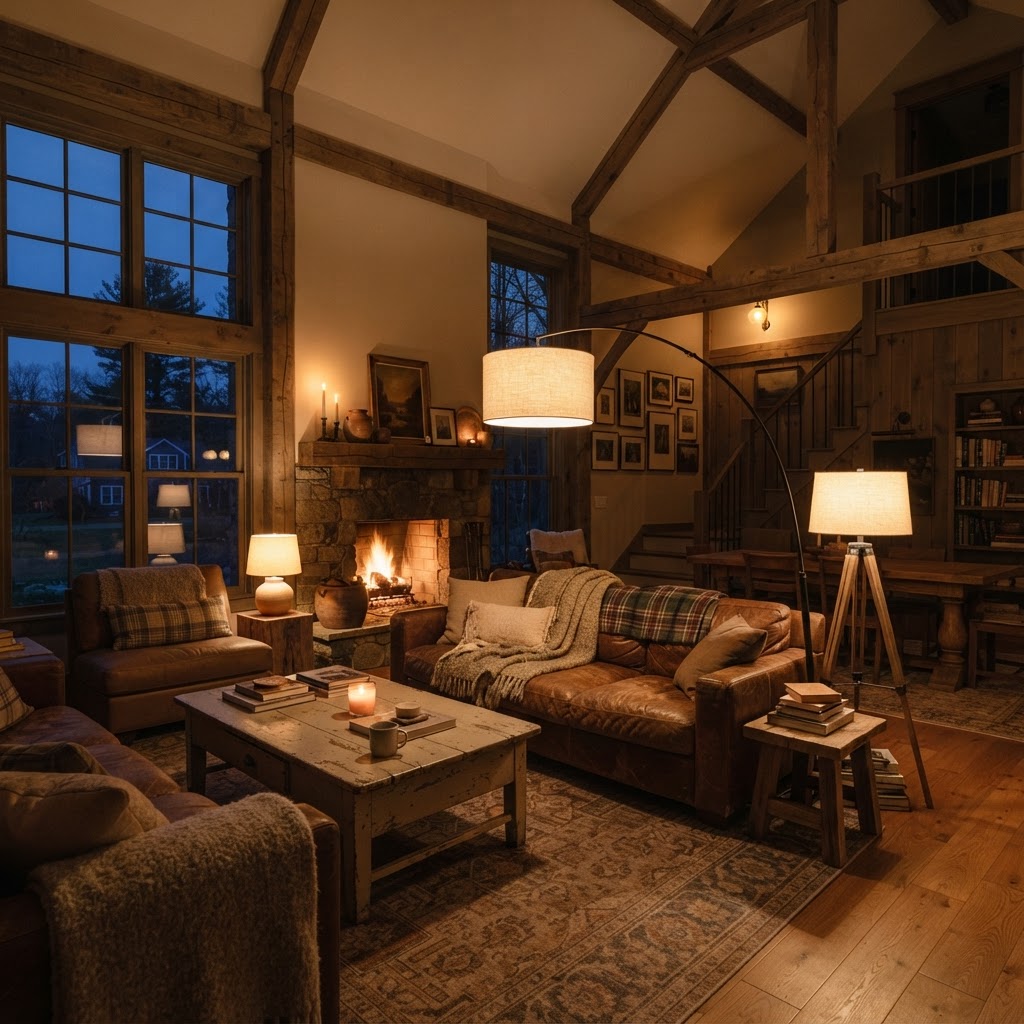
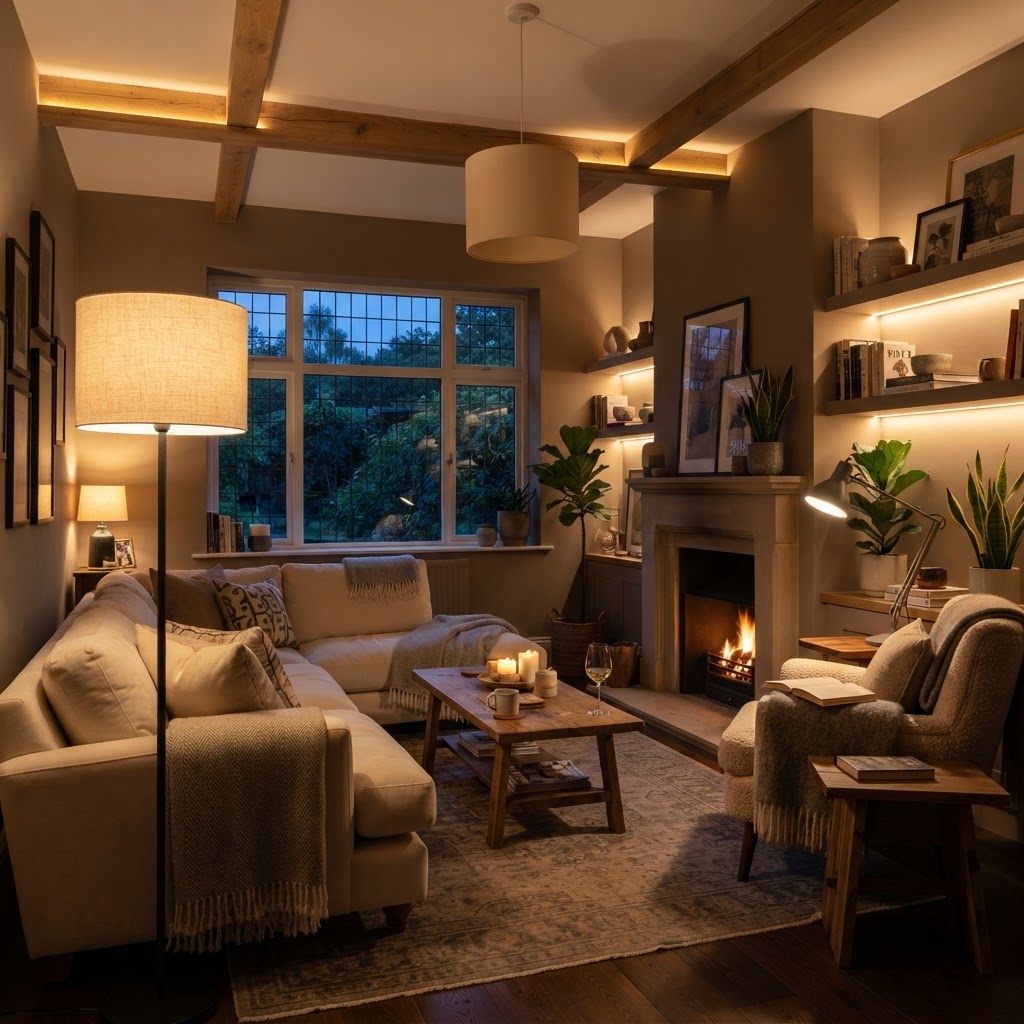
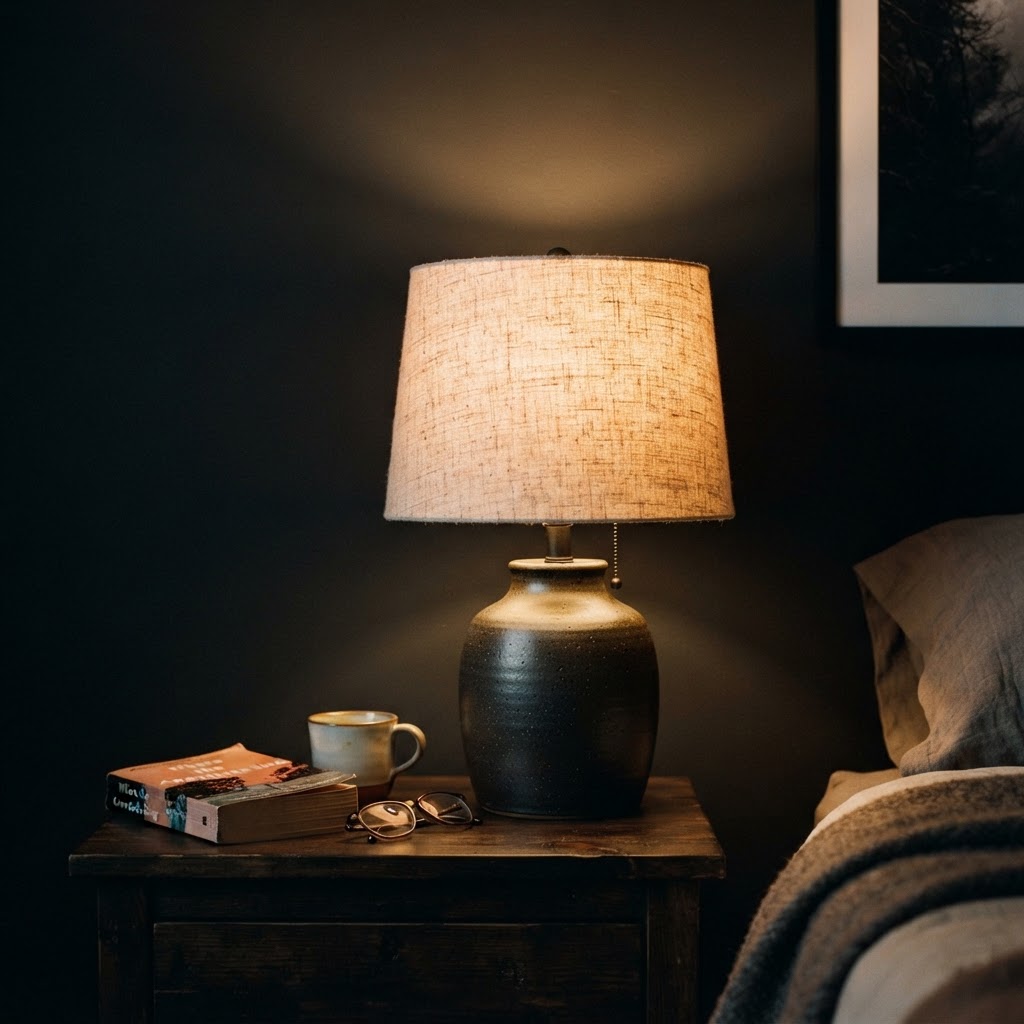
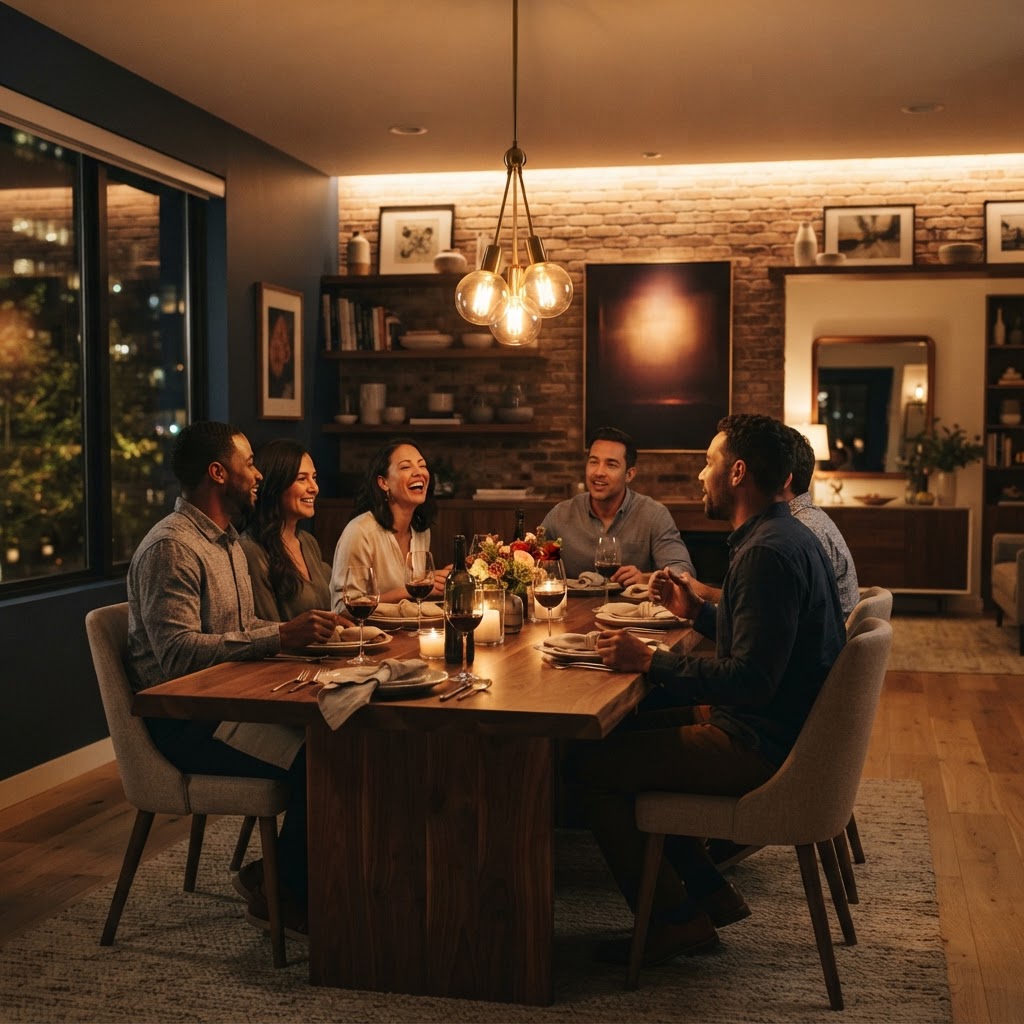
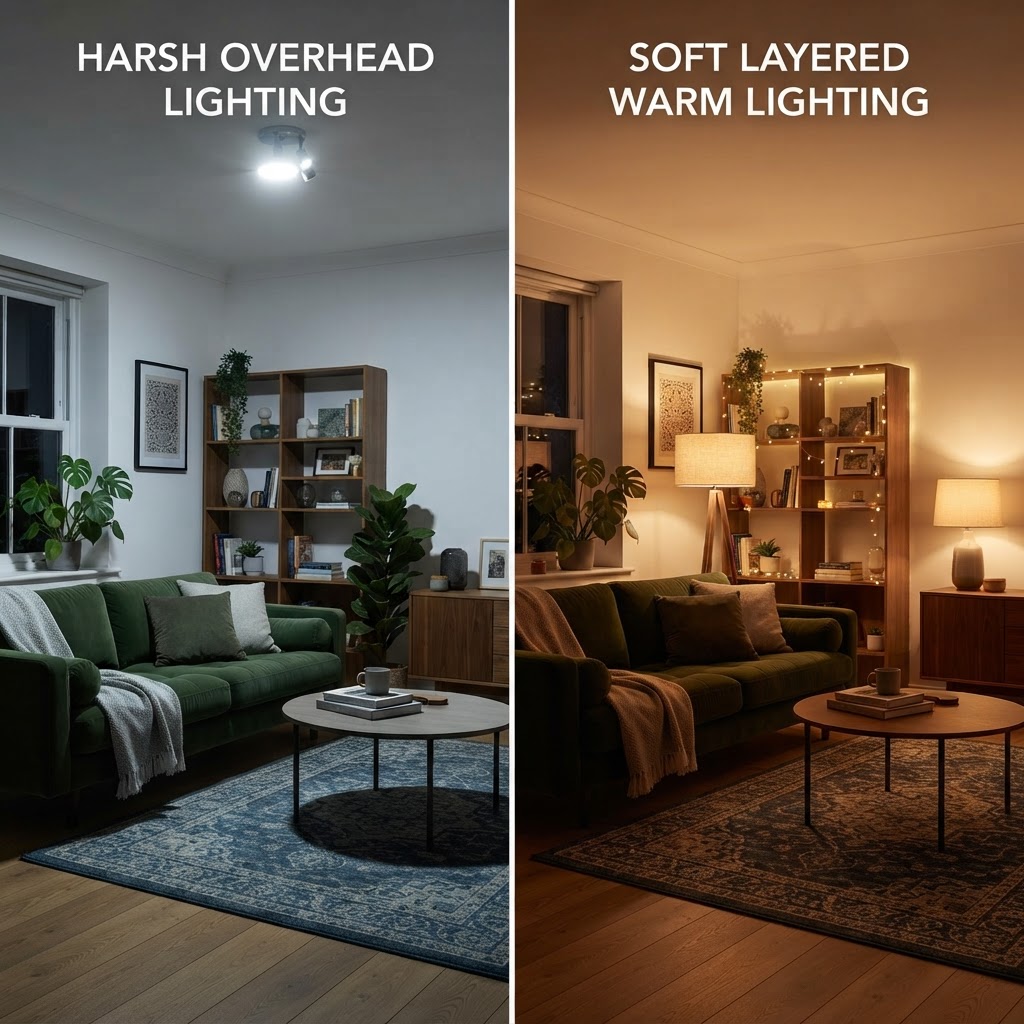
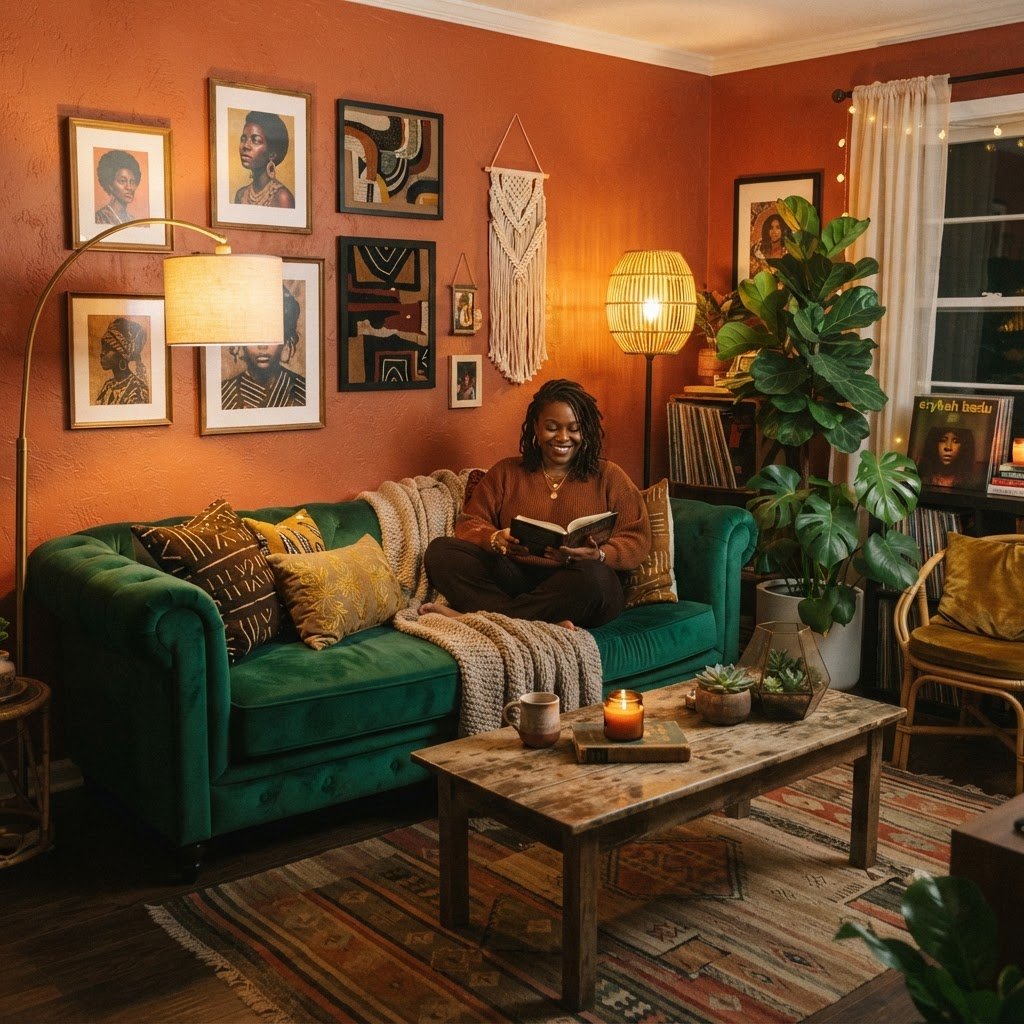
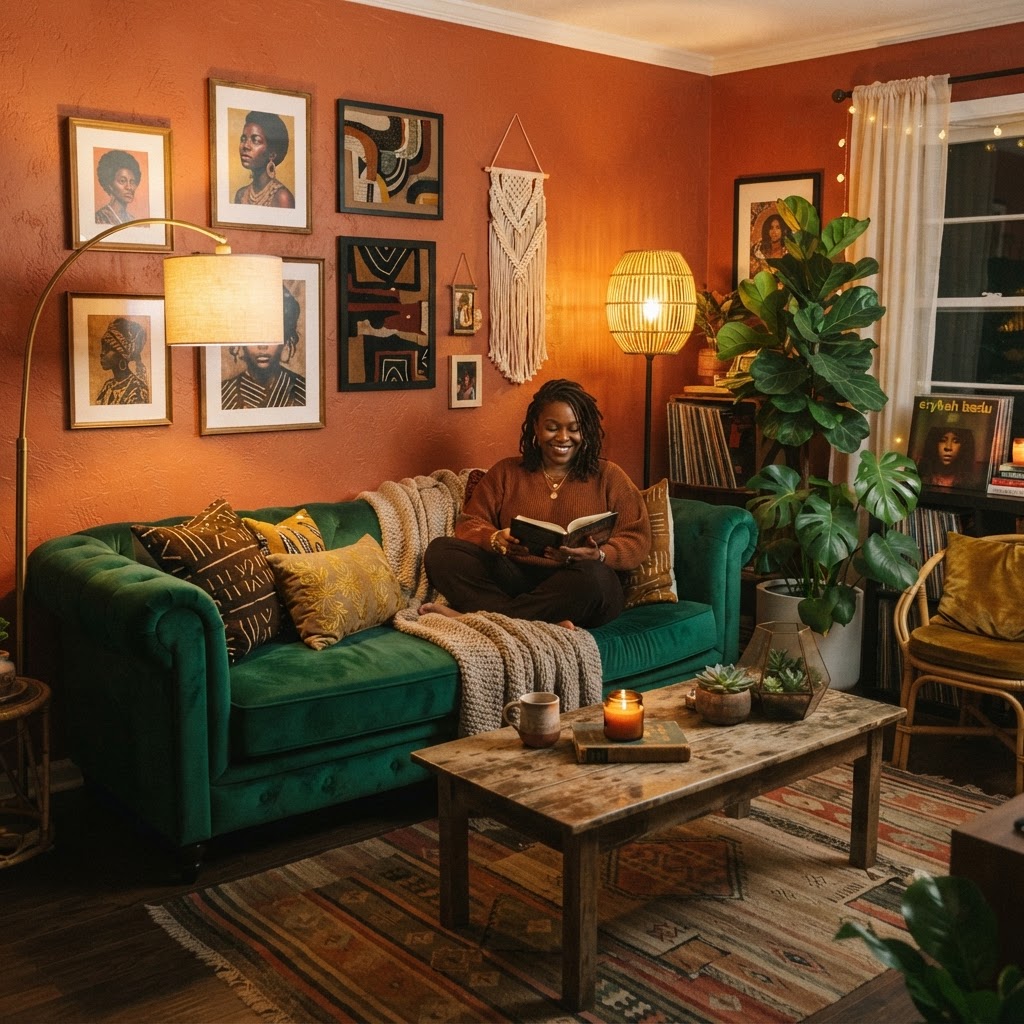
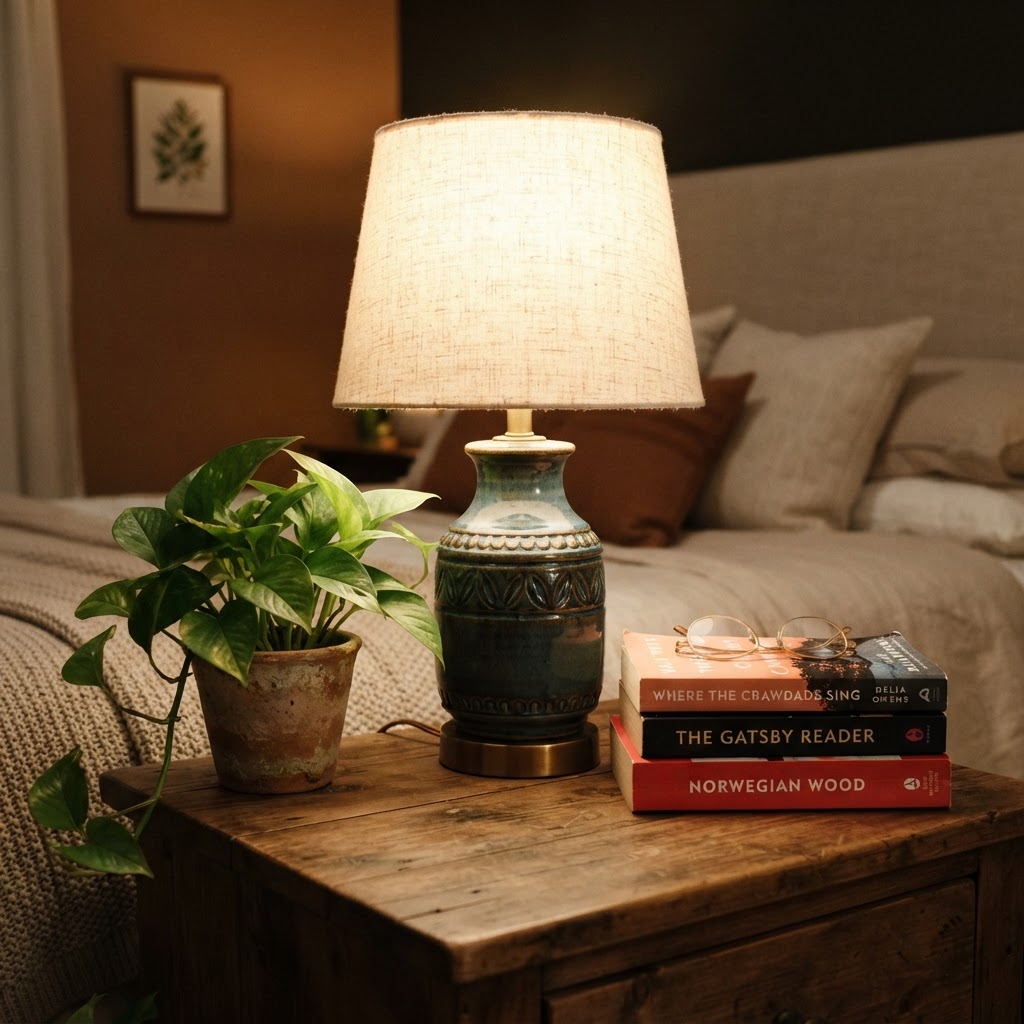
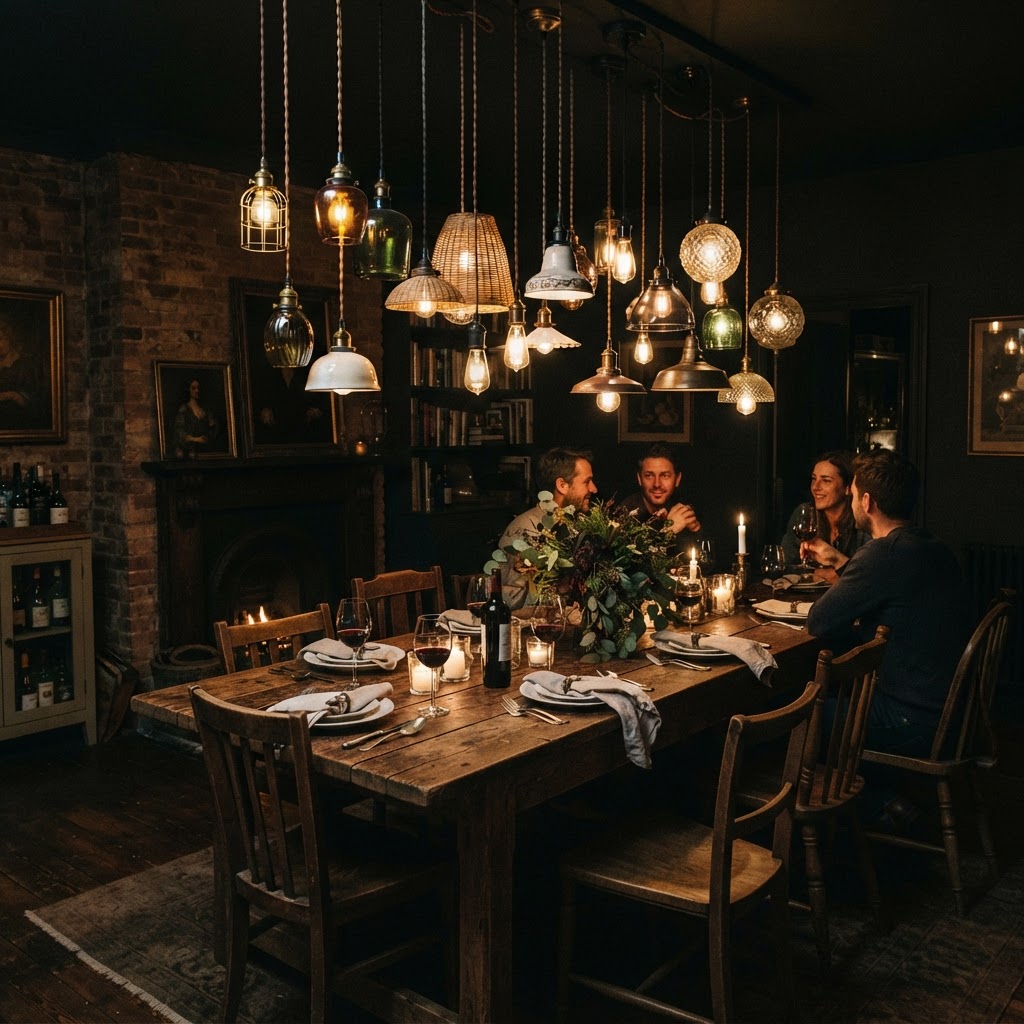
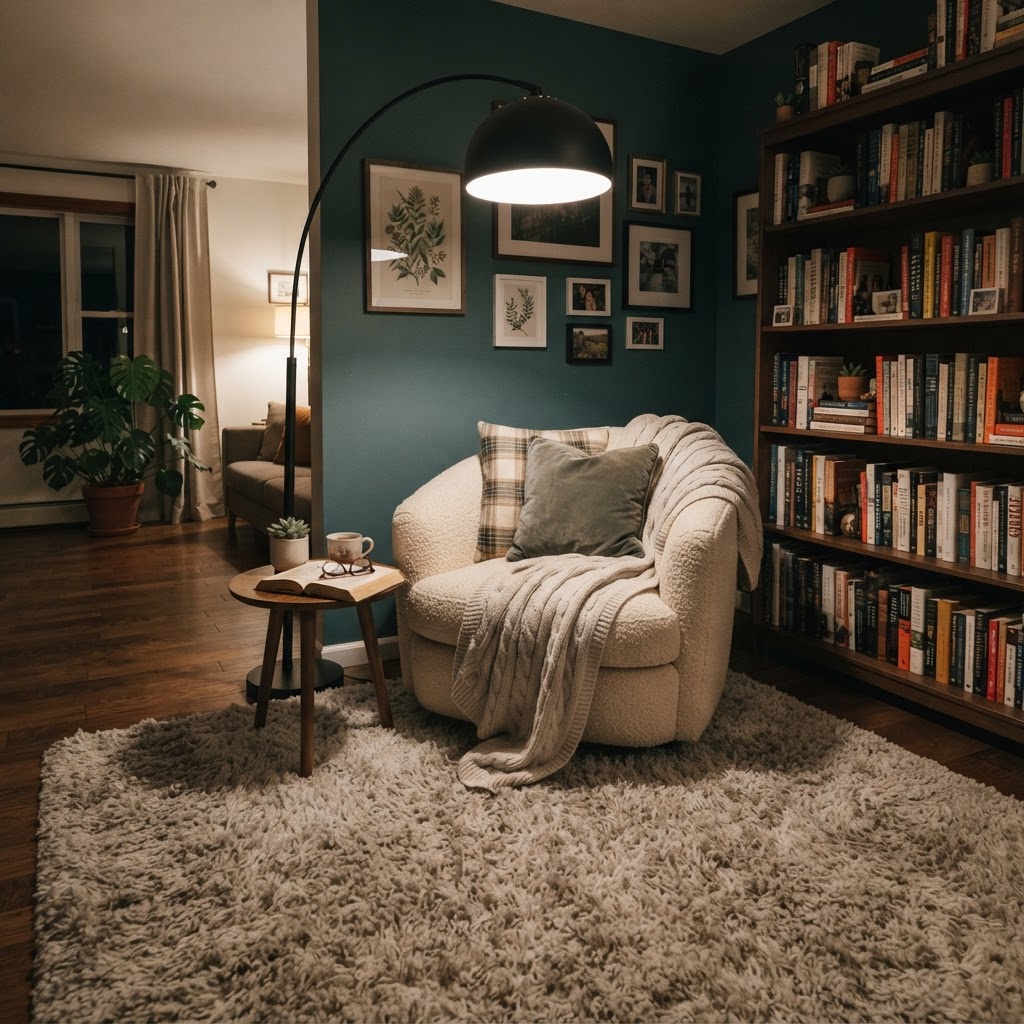
Have you ever walked into a room and felt an instant wave of relaxation, only to realize the secret wasn’t the furniture, but the soft, golden glow illuminating the corners? If you are looking to transform your space overnight with warm mood lighting, you are already on your way to creating a home that feels like a sanctuary. Lighting is often the most overlooked element of interior design, yet it holds the most power to alter our perception and mood. By swapping harsh, clinical light for layers of warmth, you can instantly turn a sterile box into a cozy retreat.
The Power of Color Temperature in Your Home
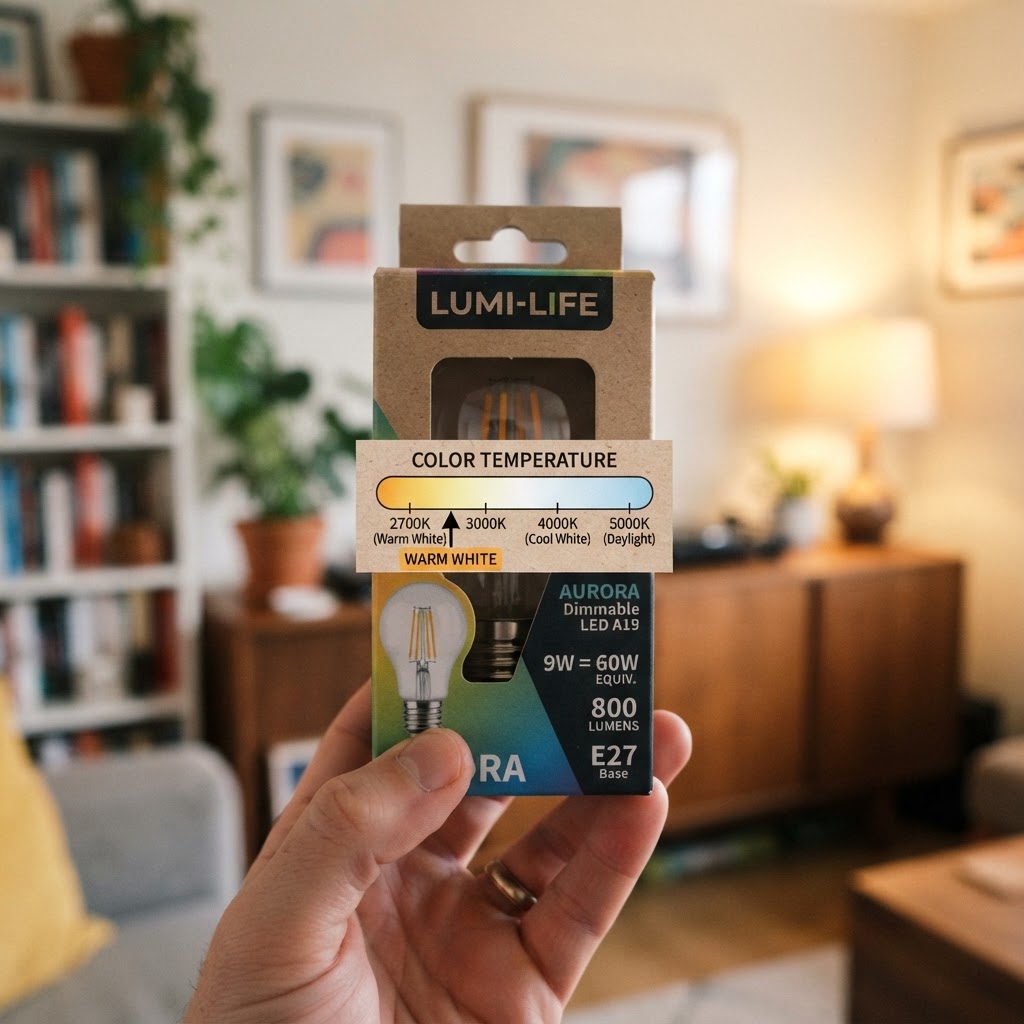
The fundamental secret to achieving that coveted warm glow lies in color temperature, measured in Kelvins (K). For a cozy, inviting feel, you should focus on “warm white” bulbs, which typically fall between 2200K and 3000K. These bulbs emit a soft, amber-toned light that mimics the natural flickering of candles or a sunset, which helps our bodies relax and signals that it is time to unwind.
Why Warm Light Matters
When we use cool-toned lights—usually anything above 4000K—our brains are kept alert, which is perfect for offices but detrimental to a living room or bedroom. Warm mood lighting creates a psychological sense of security and intimacy. It softens sharp edges, hides minor imperfections in wall paint, and makes textures like velvet, wood, and linen appear richer and more tactile.
Layering Your Light for Maximum Impact
Never rely on a single overhead light fixture to brighten your space. A well-designed room uses a layered approach, combining three distinct types of illumination: ambient, task, and accent lighting. To transform your space overnight, focus specifically on how you can add secondary and tertiary layers to your existing layout.
Ambient Lighting
This is your base layer, often provided by your main ceiling light or a large pendant. To keep it warm, use a dimmer switch. Dimming your primary light is one of the most effective and affordable ways to shift the mood of an entire floor plan within seconds.
Task and Accent Lighting
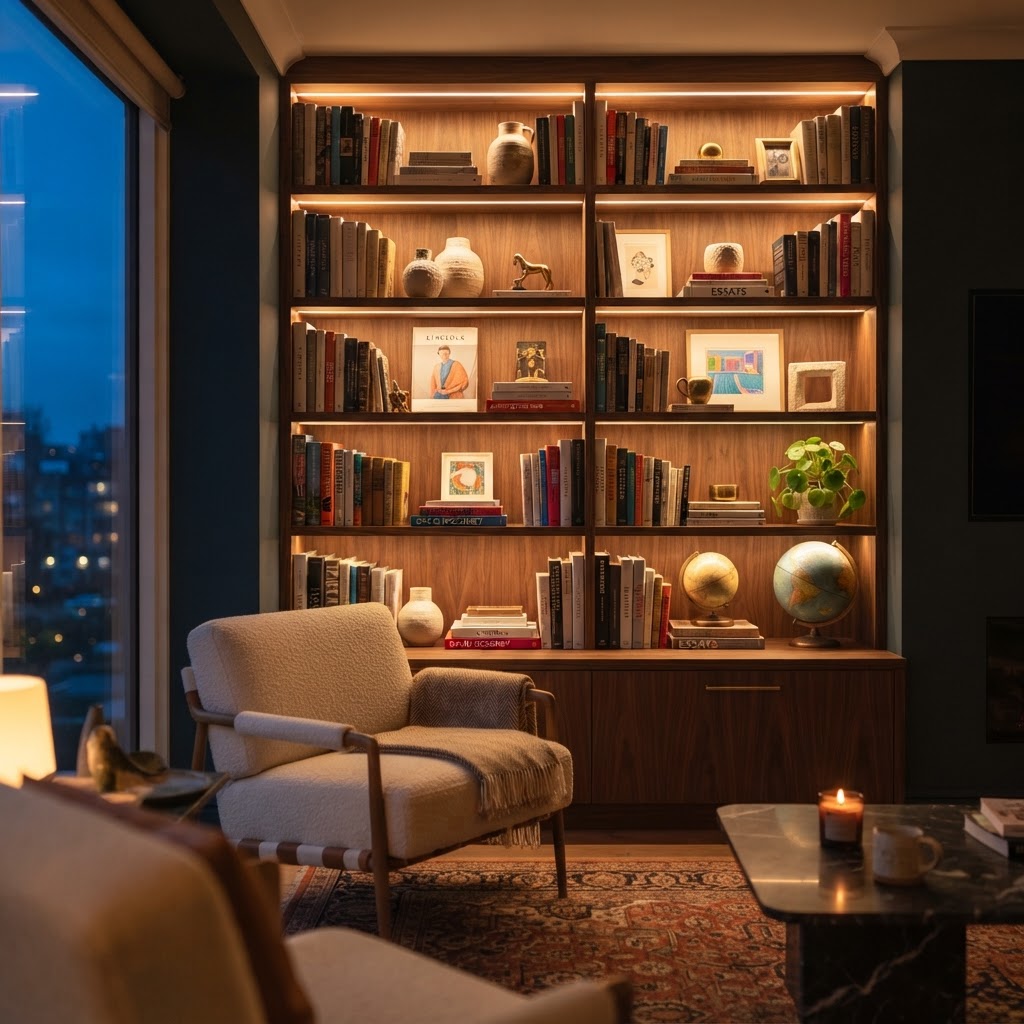
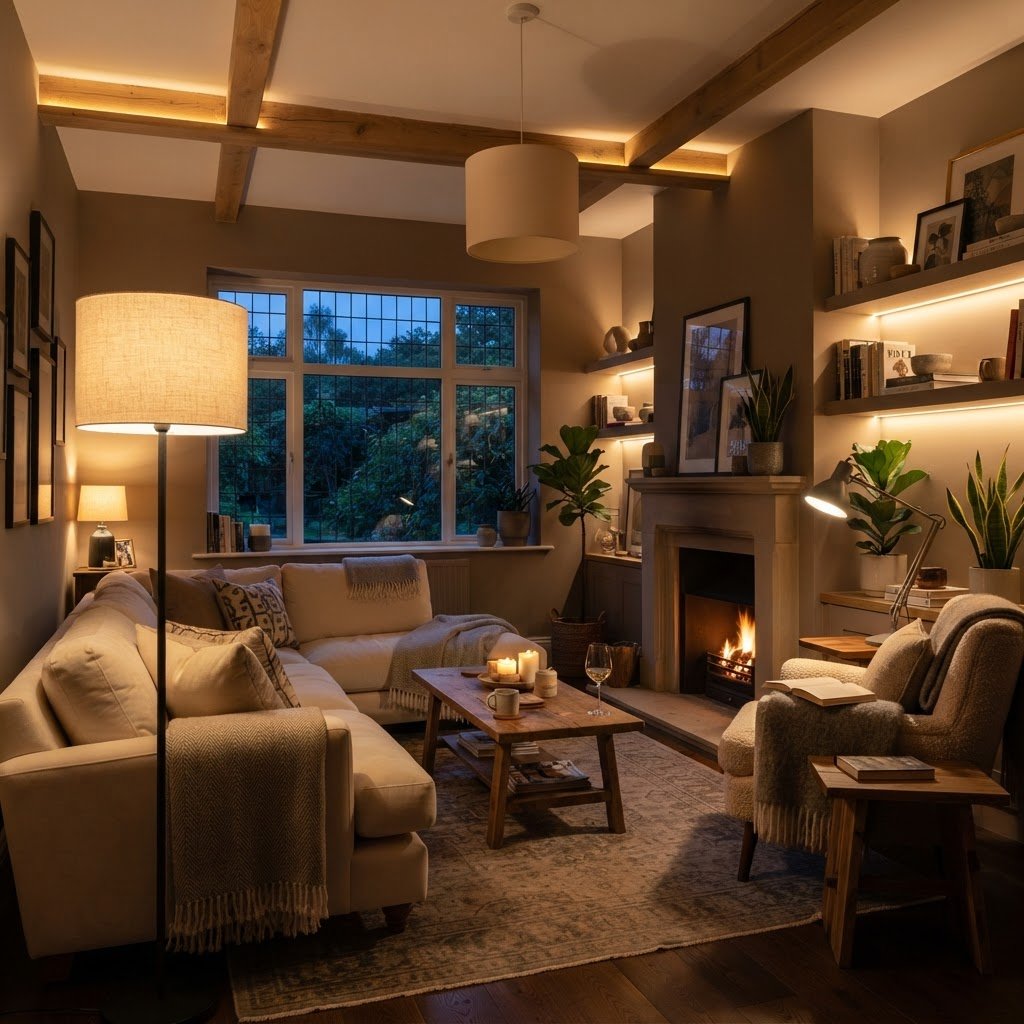
Task lighting is directional, used for activities like reading or cooking, while accent lighting highlights specific features like art or bookshelves. By placing small lamps on side tables or using LED strips behind a television, you create “pools of light” that make a room feel larger and more sophisticated.
Using Lamps to Create Intimate Zones
If you have a large living room that feels cavernous, strategically placed lamps are your best friend. Instead of lighting the entire room at once, try turning off the overheads and switching on two or three table lamps placed at different heights. This technique creates “pockets” of warmth, drawing the eye to cozy seating areas rather than the empty spaces between them.
Choosing the Right Lampshades
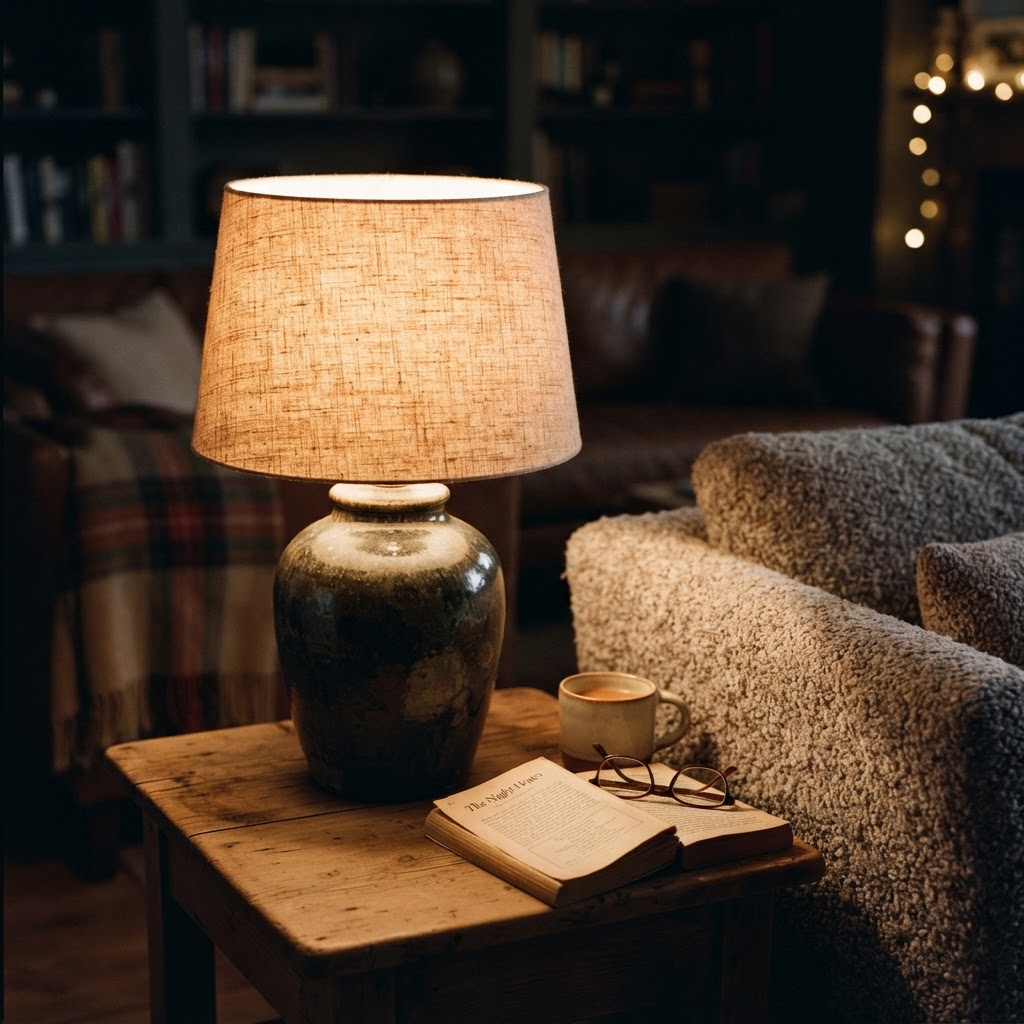
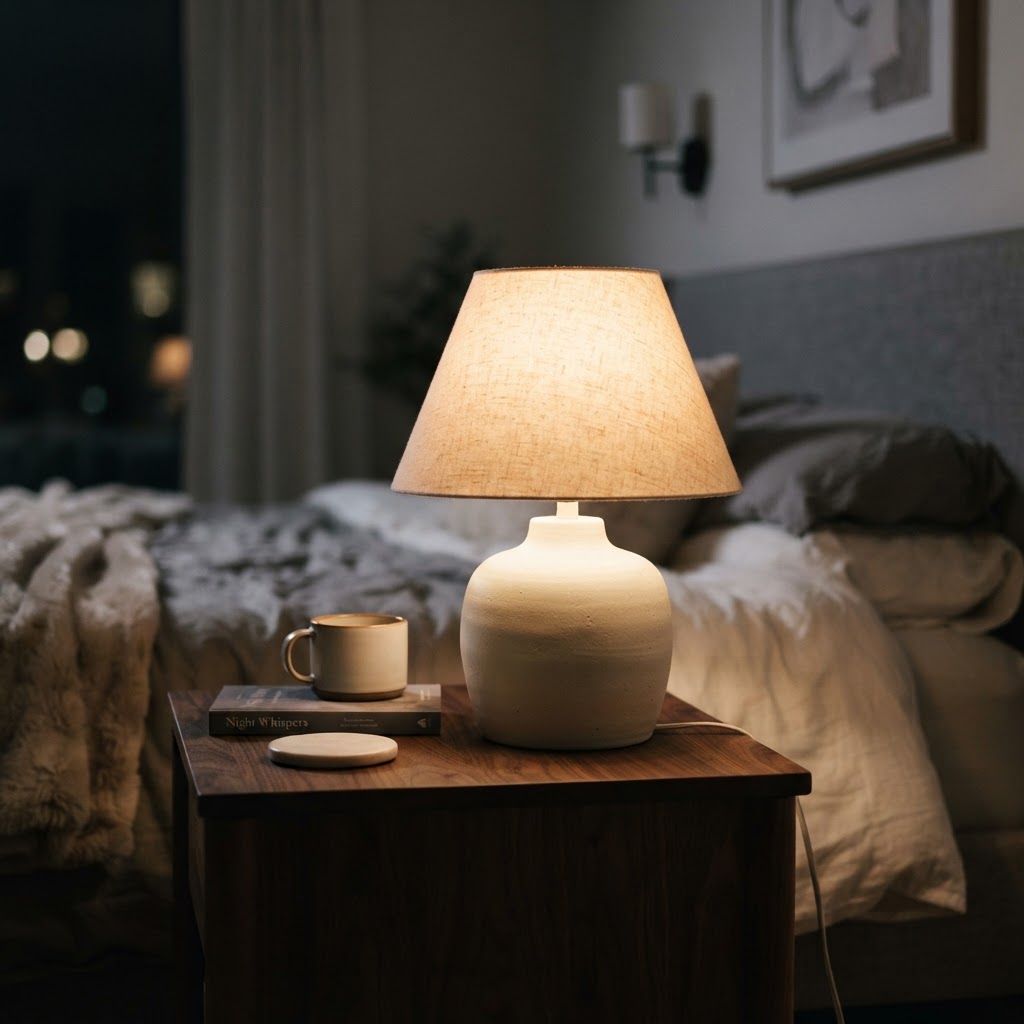
Your choice of lampshade is just as critical as the bulb itself. Thick, fabric shades in cream, beige, or warm earth tones will diffuse light beautifully, casting a soft glow across the room. Avoid stark white or plastic shades if your goal is warmth, as these can create a clinical effect even if the bulb inside is warm-toned.
The Magic of Candlelight and Fairy Lights
For a truly transformative overnight fix, you do not always need to rewire your house. Candles and string lights are the ultimate tools for instant ambiance. They provide a low-level, flicker-filled glow that is impossible to replicate with standard electrical lighting. Grouping candles of varying heights on a tray serves as an excellent focal point for a coffee table.
Incorporating Fairy Lights
Do not save fairy lights only for the holidays. Tucking a string of warm, copper-wire LED lights into a clear glass vase, draping them over a headboard, or winding them around a tall indoor plant can add a magical, dream-like quality to your bedroom. The best part is that these are often battery-operated, meaning you can place them anywhere without worrying about electrical outlets.
Smart Lighting Solutions for Any Budget
Technology has made it easier than ever to manage your home’s ambiance. Smart bulbs are perhaps the best investment you can make for mood lighting because they allow you to change the color temperature and brightness via a smartphone app or voice command. You can set a “Movie Night” scene that automatically dims your living room lights to 20% warmth when you start your favorite film.
Scheduling Your Atmosphere
Another benefit of smart lighting is automation. You can schedule your lights to gradually dim as the sun sets, helping you transition mentally from the stresses of the workday to the peace of the evening. This consistent rhythm is essential for maintaining a calm, warm environment throughout your living space.
Common Mistakes to Avoid
As you experiment with these warm mood lighting ideas, be careful not to fall into common design traps. One major mistake is mixing color temperatures in the same field of vision. If you have a warm table lamp right next to a bright, daylight-colored floor lamp, the contrast will feel jarring and chaotic. Stick to a consistent Kelvin range throughout the room to ensure a cohesive look.
Over-Illumination
Another issue is simply using too much light. We often think that more light equals a better room, but in reality, shadows are necessary for depth. Embrace the darker corners of your room; they add mystery and comfort that bright, wall-to-wall lighting simply cannot provide.
DIY Tips for an Instant Refresh
If you are on a tight budget, there are several “quick wins” to transform your space overnight. Consider these simple DIY lighting hacks:
Replace high-wattage bulbs with lower wattage options to reduce glare.
Wrap a thin piece of warm-colored fabric or paper around a clear glass lampshade to test a softer effect.
Move a floor lamp from a corner to a spot behind an armchair to create an instant reading nook.
Use mirrors to reflect your warm light sources, effectively doubling the glow without buying extra fixtures.
Conclusion
Transforming your home into a haven of warmth does not require a massive renovation or an expensive interior designer. By focusing on color temperature, layering your light sources, and utilizing clever additions like candles and smart bulbs, you can redefine the personality of any room in your house overnight. Start small by dimming your main lights tonight and adding one warm-toned table lamp to your favorite corner. You will be amazed at how such a simple shift in illumination can completely change the way you live, relax, and enjoy your home. Why wait? Start curating your own cozy, well-lit sanctuary today!
There is a specific kind of magic that happens when the sun dips below the horizon and you flip the switch on your favorite lamp, filling your home with an inviting glow. The coziest warm lighting setups Pinterest can’t stop saving are more than just a trend; they are a direct response to our collective need for spaces that feel like a sanctuary from the hectic pace of modern life. By prioritizing soft, golden hues over harsh, sterile brightness, these design styles foster an environment of relaxation and comfort that instantly eases the mind after a long day.
The Psychology of Warm Lighting
Why are we so obsessed with warm light? It comes down to our biology and the way our brains interpret color temperatures. Warm light—typically in the range of 2000K to 3000K—mimics the natural light of a sunset, which signals to the body that it is time to wind down and prepare for rest. When your home is bathed in these gentle tones, your cortisol levels drop and your parasympathetic nervous system begins to engage, allowing for genuine relaxation.
Understanding Color Temperature
To master your home lighting, you must first understand the Kelvin scale. Cool, blue-tinted light is great for focus and productivity, but it is the enemy of coziness. By consistently choosing “warm white” or “soft white” bulbs, you create a cohesive, comfortable atmosphere that makes every room feel more intimate.
Layering for Maximum Ambiance
One of the biggest mistakes in interior design is relying on a single overhead light source. Instead, the most successful designs on Pinterest rely on a technique called “lighting layering.” This approach involves using multiple light sources at different heights to create depth, interest, and shadows that make a room feel lived-in and luxurious.
The Three Essential Layers
Ambient Lighting: This serves as your general illumination. Think recessed dimmable lights or a soft flush mount fixture.
Task Lighting: This is directional light for specific activities, like reading lamps next to an armchair or under-cabinet strips in the kitchen.
Accent Lighting: This is the “jewelry” of the room. Think LED strips behind a television, small spotlights on artwork, or decorative table lamps.
Table Lamps and Soft Fabric Shades
Table lamps are the bread and butter of warm lighting setups. The secret to the “Pinterest look” is not just the lamp base, but the shade. Fabric shades, particularly those made of linen or textured paper, act as diffusers, turning a sharp point of light into a gentle, soft-focus glow that makes skin look radiant and furniture look high-end.
The Rise of Decorative Floor Lamps
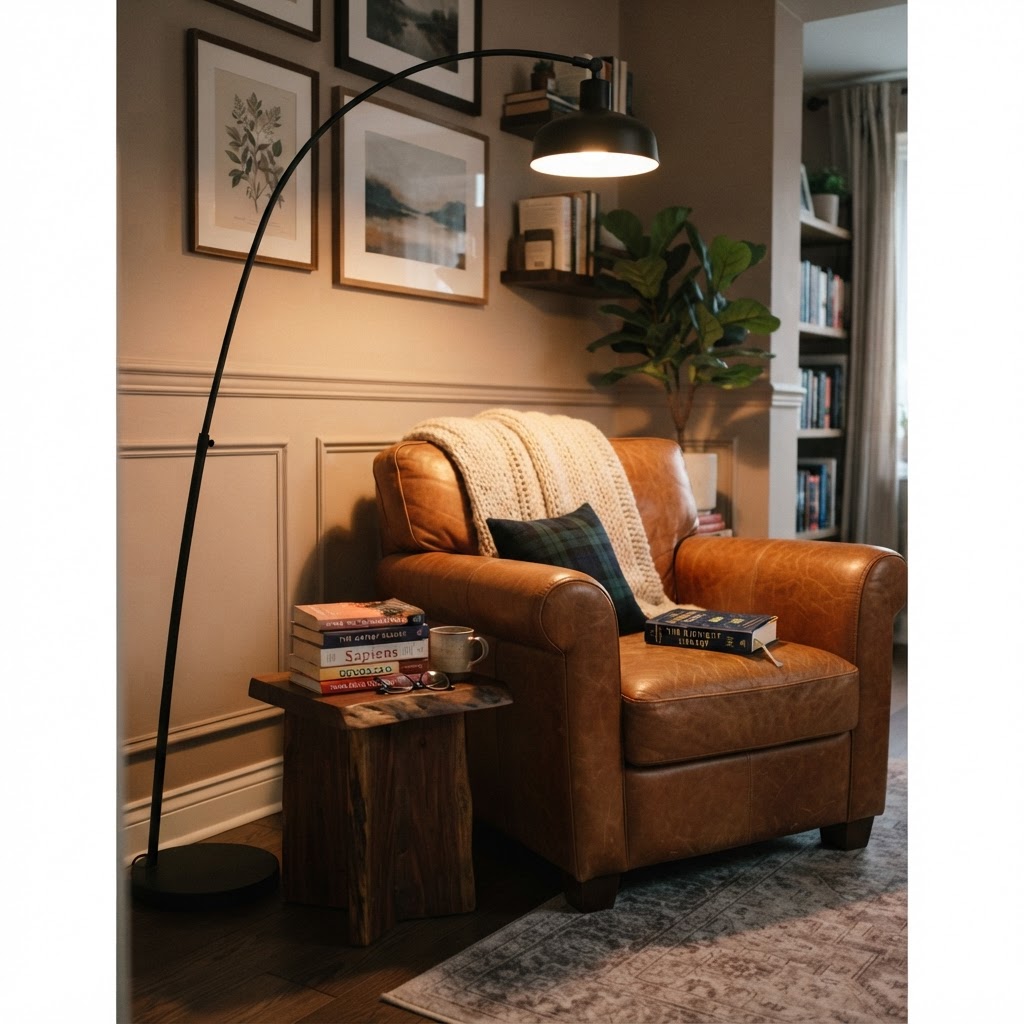
When we look at the most saved images on social media, statement floor lamps often anchor the corners of cozy living rooms. These aren’t just functional; they are sculptural elements that define the mood of a space. Look for arched floor lamps that hang over a reading chair or tripod lamps that add a mid-century modern flair to an empty corner. Adding a smart plug or a dimmer switch to these floor lamps allows you to dial in the exact level of warmth needed for a movie night versus a dinner party.
String Lights and Fairy Lights Beyond the Holidays
Many people think of string lights as seasonal decor, but interior designers have long known that they are year-round tools for creating wonder. When draped over a headboard or tucked into a large glass vase, fairy lights create a starlit effect that feels whimsical and incredibly cozy. This is an affordable way to test out the warm lighting aesthetic without making major structural changes to your electrical system.
Smart Lighting and Dimmer Integration
Technology has made it easier than ever to achieve the perfect glow. With the rise of smart bulbs, you can adjust the warmth of your lights via your smartphone or voice assistant. You can even set “scenes” that automatically shift your lighting from a bright “work mode” during the day to a dim, amber-toned “evening mode” as soon as the sun goes down.
Benefits of Dimmers
Allows for instant mood adjustments.
Prolongs the lifespan of your light bulbs.
Reduces energy consumption during the evening hours.
Creates a high-end feel in any room.
Lighting for Specific Rooms
Different spaces in your home serve different functions, and your lighting should reflect that. For the bedroom, you want lighting that promotes sleep hygiene, which means avoiding any blue light emission. In the living room, focus on varying the heights of your lamps to draw the eye around the space. For dining rooms, a low-hanging pendant light that focuses light on the table surface creates an intimate environment where conversation can flow freely.
Conclusion
Achieving the coziest warm lighting setups is less about purchasing expensive fixtures and more about intentional design. By layering your light, embracing textured shades, and utilizing dimmers, you can transform any room into a warm, inviting retreat that feels straight out of a Pinterest board. Start small by replacing your current “daylight” bulbs with warm white versions and watch how your mood changes. What is one corner of your home you are planning to brighten this weekend? Share your progress or tag us in your “before and after” photos to show off your new, cozy sanctuary!
Creating a home that feels like a sanctuary is an art form, and the secret often lies in the trinity of atmosphere: lighting, nature, and personal expression. If you have been wondering how to style warm lights with plants and art for maximum vibe, you are on the path to creating a space that is not only visually stunning but also emotionally restorative. Warm lighting serves as the foundation, setting the tone for relaxation, while plants inject life, and art provides the narrative. When these three elements are carefully curated, they work in harmony to elevate your living space from mundane to magical.
The Power of Warm Lighting Foundations
Before you hang a single frame or pot a plant, you must address the glow of your room. Warm light, typically measured between 2000K and 3000K, mimics the golden hour of sunset. It softens harsh corners, hides imperfections, and creates an immediate sense of intimacy that cool-toned bulbs simply cannot replicate. When you combine warm lights with plants and art, the light acts as a unifying agent, pulling the disparate elements of your room into a cohesive scene.
Why Color Temperature Matters
To achieve the perfect atmosphere, avoid mixing color temperatures. If your main overhead light is a clinical, cool white, it will clash with the soft, amber glow of your accent lamps. Swap out your bulbs for “warm white” or “soft white” versions. This simple change is the most cost-effective way to transform the mood of a room. Once you have established this baseline of warm illumination, your foliage will look richer, and your art will feel more inviting.
Strategic Layering of Light Sources
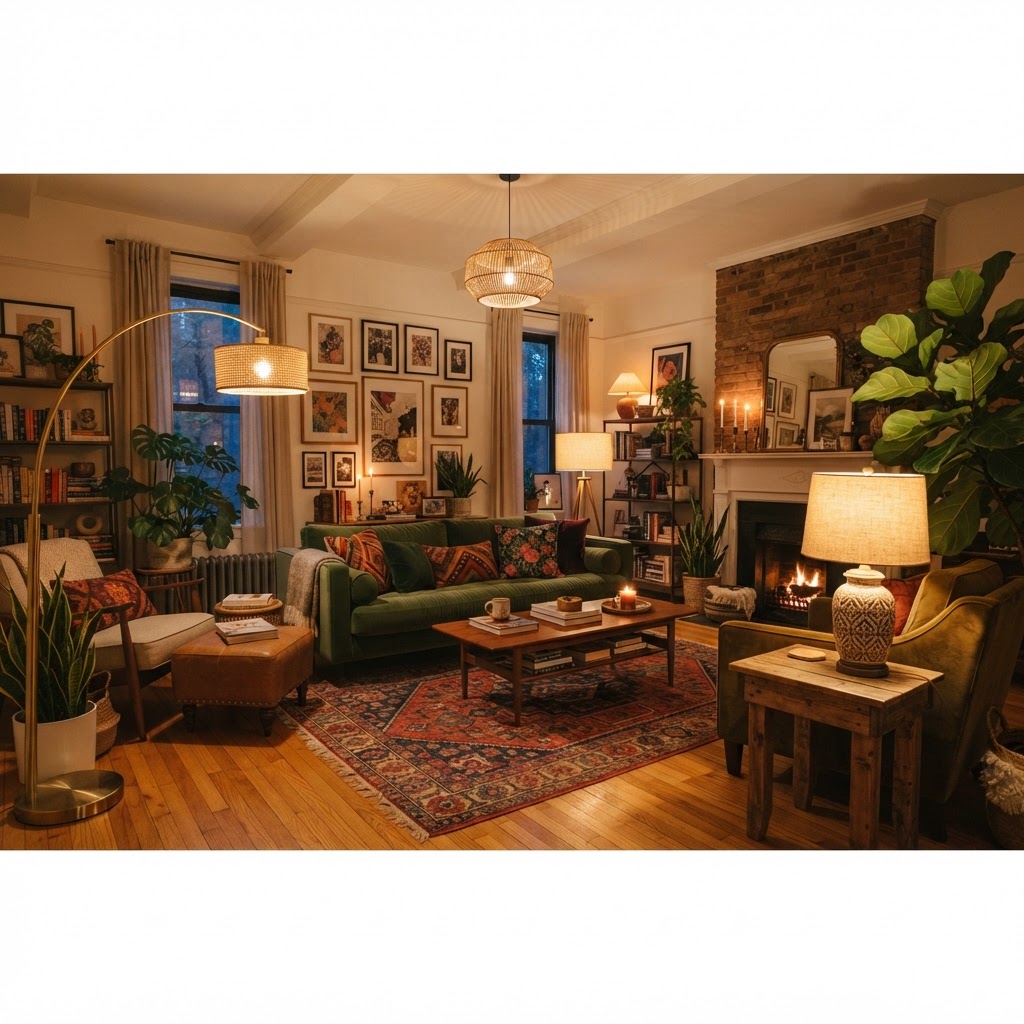
Never rely solely on a single overhead light. To achieve a professional aesthetic, you need layers. A high-vibe room typically features at least three points of light at different heights: floor level, eye level, and surface level. Think of floor lamps tucked near tall fiddle leaf figs, table lamps resting on sideboards, and wall-mounted picture lights casting a gentle glow over your favorite prints.
Creating Light Cascades
Place your floor lamps behind a large potted plant, such as a Monstera, to create dramatic shadows on the wall. This technique, known as “silhouetting,” adds depth and mystery. The light filters through the leaves, projecting intricate patterns that dance across your wall art, effectively turning your plants into living light diffusers. This creates a dynamic, ever-changing backdrop that feels sophisticated and organic.
Incorporating Plants as Decorative Sculptures
Plants are not just fillers; they are organic sculptures. When you style warm lights with plants and art, you should treat your greenery as three-dimensional art pieces. Consider the shape, texture, and scale of your plants. A trailing Pothos looks best on a bookshelf where it can drape naturally, while a structural Snake Plant makes a bold statement in a corner, especially when accented by a directional warm-toned spotlight.
Matching Foliage to Lighting Needs
While aesthetic is important, plant health is paramount. Use the light from your lamps to highlight your plants, but ensure the plant is getting the natural light it needs to thrive. Use small grow-light bulbs in your decorative lamps if you are placing them in darker corners. This ensures that you can style warm lights with plants and art without sacrificing the health of your botanical companions. A wilting plant, no matter how well-lit, will never contribute to a high-vibe aesthetic.
Curating Art for Ambient Glow
Wall art acts as the focal point, but it often needs help to shine. The mistake most people make is hanging art in shadows. By using dedicated picture lights or strategically aiming nearby floor lamps, you can draw the eye to your collection. Warm light makes colors like deep blues, earthy greens, and terracotta look much more vibrant, which is exactly why it is the perfect complement to nature-inspired art.
The Rule of Proportional Balance
When hanging art near plants, balance is key. If you have a massive, leafy plant, avoid placing a busy, oversized gallery wall directly behind it; it will feel cluttered. Instead, pair a single, minimalist print with a large, statement plant, or use a series of smaller pieces alongside more delicate, wispy greenery. This balance ensures that your eyes have a place to rest, preventing sensory overload while still maintaining that warm, “maximum vibe” aesthetic.
Practical Tips for Small Spaces
Living in a small apartment doesn’t mean you have to skip the decor. In fact, compact spaces are perfect for this trio. Use vertical space: hanging planters and wall-mounted shelves allow you to incorporate nature without sacrificing floor space. When you style warm lights with plants and art in a small room, use mirrors to bounce that warm glow around, making the space feel larger and more luminous.
Multi-Functional Decor Items
Look for pieces that serve double duty. An arched floor lamp can hang over a small reading chair where you also keep a side table with a trailing plant and a small stack of art books. This creates a concentrated “vibe zone” that feels intentional and cozy. The warm lamp provides the light to read by, the plant adds oxygen and life, and the art books provide a tactile, curated feel that invites guests to linger.
Avoiding Common Decor Mistakes
Even with the best intentions, it is easy to veer into “clutter territory.” To keep your space looking editorial rather than chaotic, follow these rules:
Avoid over-decorating: Leave some negative space so the eye can breathe.
Watch the cords: Visible wires ruin the vibe, so use cable management clips to keep them hidden.
Stick to a theme: If your art is mid-century modern, keep your plant pots in terracotta or ceramic that matches that era.
Prioritize warmth: If you notice a “cold” feeling, add another light source or change a bulb.
Maximizing the Cozy Aesthetic Year-Round
This styling method is timeless because it focuses on organic elements and soft illumination. During the winter, the warm light combats the gloom of early sunsets, while the plants provide a constant reminder of growth and life. During the summer, you can swap out heavier art for lighter, botanical-themed prints to keep the space feeling airy. The core principles of styling warm lights with plants and art remain the same, regardless of the season, providing you with a foundation that is easy to refresh.
By layering textures—the smooth glass of a lightbulb, the porous terracotta of a pot, the tactile canvas of a painting—you create an environment that feels rich and lived-in. It is not about buying expensive items, but about curating what you love in a way that respects the interplay of light and shadow. Take the time to experiment with the positioning of your lamps and the placement of your frames. You will be surprised by how much of a difference an inch of movement can make in the way light hits your favorite leaves or colors.
Conclusion
Mastering how to style warm lights with plants and art is a journey of trial and error, but the reward is a home that feels uniquely yours. By prioritizing the warmth of your lighting, the health and placement of your plants, and the narrative of your art, you create a space that breathes. Start today by dimming your main lights, turning on your accent lamps, and looking at your room with fresh eyes. What area needs a bit more life? What corner is begging for a warm glow? Choose one space to start and watch how your home transforms into the sanctuary you deserve. Remember to tag us in your progress photos on social media; we would love to see how you are styling your own high-vibe haven!
Living in a compact space shouldn’t mean sacrificing style or atmosphere. Many residents struggle with dark corners and cramped feelings, but the secret to transforming your home often lies in strategic small apartment lighting ideas. By layering light sources and choosing the right fixtures, you can visually expand your square footage while creating a cozy, sanctuary-like environment. Good lighting is not just about visibility; it is the fundamental tool for setting the mood and defining the function of every room in your apartment.
The Power of Layering Your Light
When thinking about how to light a small apartment, the biggest mistake is relying solely on a single overhead source. A solitary ceiling light often casts harsh shadows in the corners, which makes a room feel even smaller than it is. Instead, think in layers: ambient, task, and accent lighting. Ambient light provides the overall glow, task lighting assists with specific chores like cooking or reading, and accent lighting highlights your favorite decor pieces.
By distributing these layers throughout your space, you force the eye to move around the room. When your eyes scan from a table lamp to a wall sconce and then to an floor lamp, the brain perceives depth. This trick of the eye is essential for making a tiny studio or one-bedroom apartment feel like a much more expansive living area. Always aim for at least three light sources per room to create a balanced, professional look.
Choosing the Right Color Temperature
One of the most important aspects of warm lighting for apartments is color temperature, measured in Kelvins (K). For a cozy, inviting feel, you should aim for ‘warm white’ bulbs, which generally fall between 2700K and 3000K. These bulbs emit a soft, yellowish glow that mimics the comfort of sunset light, which helps your home feel more intimate and relaxing.
Why Temperature Matters for Space
Cooler, blue-tinted lights (above 4000K) can feel clinical and harsh, which often makes a small room feel like a sterile waiting room. While cool light can make a room feel slightly larger, it often sacrifices the ‘warm’ factor that makes a house a home. The best compromise for small apartments is to select bulbs in the 3000K range. This provides enough clarity to see your tasks while maintaining a golden undertone that warms up white walls and neutral furniture.
Utilizing Vertical Space and Wall Lighting
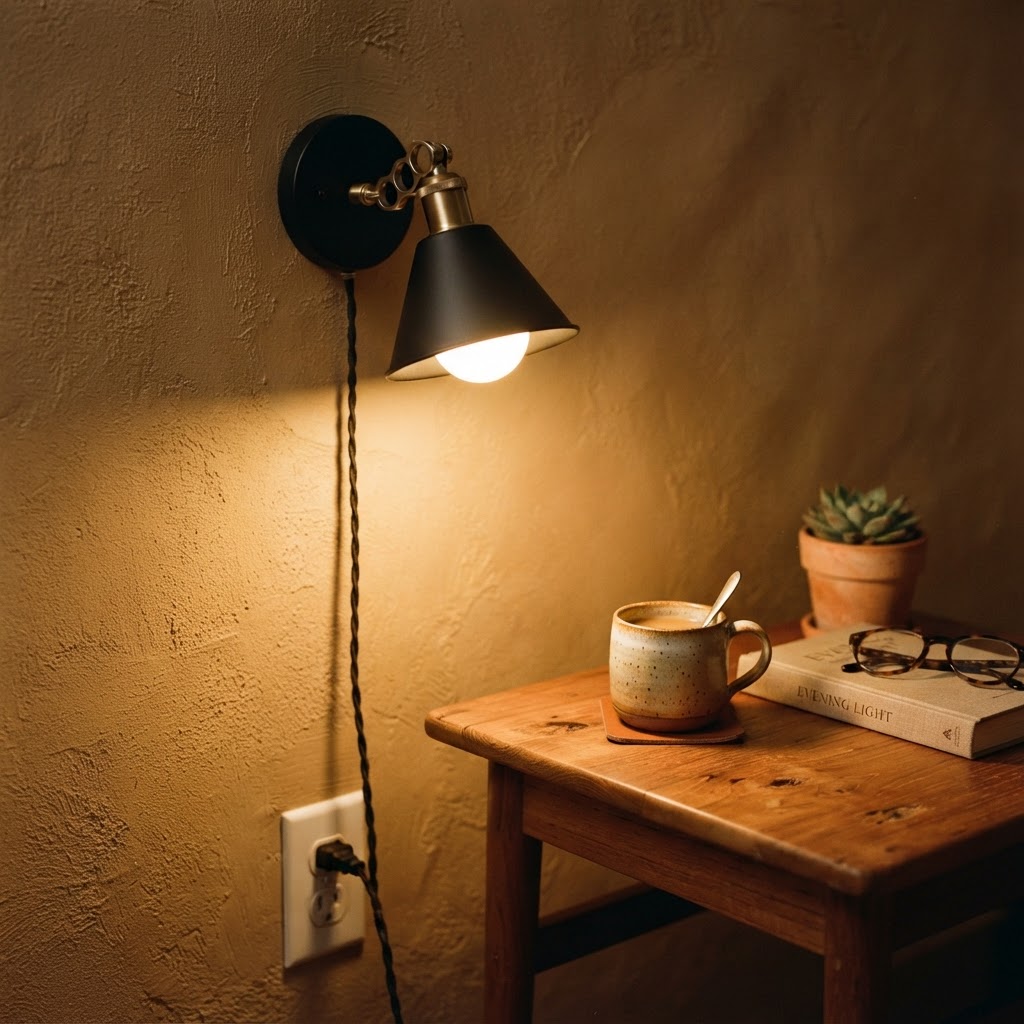
Floor space is often at a premium in smaller homes, so taking advantage of your walls is a clever strategy. Wall sconces are fantastic small apartment lighting ideas because they don’t occupy any surface space on your side tables or consoles. Hardwired options are great if you own your unit, but plug-in sconces offer a renter-friendly solution that allows you to add high-end lighting design without damaging the walls.
Consider installing adjustable swing-arm sconces next to your bed or sofa. They provide targeted task lighting for reading while keeping your nightstand or side table clear for a glass of water or a book. If you have low ceilings, using wall-mounted fixtures that point light upward can also make the ceiling feel higher, drawing the eye vertically and increasing the perception of space in the room.
Reflecting Light with Mirrors and Surfaces
If you want to maximize your current setup, mirrors are your best friend. Placing a lamp near a mirror allows the light to bounce off the reflective surface, effectively doubling the light output in the room. This is one of the oldest interior design tricks for making small spaces feel larger and airier. Placing a tall floor lamp in a corner near a large floor-length mirror can brighten a dark void instantly.
Strategic Placement Tips
Place a table lamp in front of a mirror to double the light spread.
Use metallic finishes on fixtures to reflect ambient light throughout the day.
Keep windows clear of heavy curtains to let natural light work with your lamps.
Use glass or acrylic furniture to allow light to pass through rather than block it.
Dimmers: The Ultimate Small Space Hack
If you take away only one piece of advice, let it be this: install dimmers on every possible light source. Dimmers are game-changers for small apartments because they allow you to transition a space from a bright, functional workspace during the day to a soft, moody retreat in the evening. Most smart bulbs or plug-in dimmer switches are easy to install and require no electrical work, making them perfect for renters.
Being able to control the intensity of your light means you can eliminate the ‘all-or-nothing’ effect of standard light switches. When entertaining, dimming your lights creates an instant sense of warmth and luxury. When you need to fold laundry or work from home, simply brighten the room to full capacity. This flexibility makes your limited space work much harder for you without needing extra floor area.
Selecting Furniture-Integrated Lighting
In tiny apartments, every piece of furniture should ideally be multitasking. Many modern bookshelves, bed frames, and vanity units now come with built-in LED strips or integrated spotlights. This is a smart way to light a small apartment because it solves the problem of lighting without adding bulky lamps or extra cords.
Look for pieces that feature under-shelf lighting for bookshelves or headboards that have reading lights attached. These features are not only practical but also add a custom-designed, high-end feel to your interior. They hide the ‘mechanics’ of the light, leaving you with clean lines and a clutter-free aesthetic that is essential for a spacious feeling.
Conclusion
Creating a warm, spacious environment is entirely achievable with the right approach to lighting. By layering your sources, choosing the correct color temperature, and utilizing vertical wall space, you can significantly alter the look and feel of your home. Remember that the goal of these small apartment lighting ideas is to create a home that feels open, inviting, and uniquely yours. Start by adding one or two new light sources this weekend and see the difference a little glow makes in your living space. What change will you make first to brighten up your home today?
Creating the perfect atmosphere in your living room often comes down to the delicate balance between form and function. While furniture and color palettes set the stage, it is the lighting that truly dictates the mood. Incorporating statement glow lamps into your living room is one of the most effective ways to bridge the gap between bold, high-impact design and an inviting, cozy environment. A well-chosen lamp can act as a sculptural centerpiece while providing the soft, ambient diffusion necessary for relaxation.
Lighting is rarely just about visibility; it is about architecture and emotional connection. When you choose a bold lamp, you are not just adding an appliance to your room; you are adding a piece of art. The secret lies in selecting pieces that reflect your personality while ensuring the light output remains warm and diffused. This guide will walk you through the process of choosing and styling these luminous accents to create a space that feels both dramatic and comfortable.
The Psychology of Ambient Glow
To understand why statement glow lamps are so transformative, we must first look at how light affects our nervous system. Harsh, direct overhead lighting creates sharp shadows and can make a room feel clinical or sterile. In contrast, soft, indirect light mimics the warmth of a sunset or a fire, signaling to our brains that it is time to wind down. By using lamps that feature frosted glass, fabric shades, or sculptural materials, you can soften the edges of your room.
Why Soft Light Matters
Soft light is essential for the concept of ‘hygge’ or coziness. When the light source is hidden behind an interesting material—like rice paper, opalescent glass, or linen—the light scatters rather than hitting surfaces directly. This creates a welcoming aura that makes bold design choices, like dark walls or oversized velvet furniture, feel less imposing and more intimate.
Selecting Your Statement Piece
When shopping for a statement lamp, the first rule is to consider the scale of your room. A tiny table lamp in a massive living room will get lost, while a towering arc lamp might overpower a compact apartment. Think of your lamp as a focal point, similar to a fireplace or a large piece of wall art. Look for shapes that defy standard expectations: consider geometric spheres, organic, liquid-like forms, or oversized mushroom silhouettes.
Material Matters
The material of the lamp shade or housing significantly dictates the quality of the glow. Glass is a popular choice for statement pieces because it can be molded into dramatic shapes. However, ensure the glass is either etched or tinted to prevent glare. If you prefer a more tactile experience, textured ceramics or woven materials add a sense of artisan craftsmanship that grounds the room’s bold aesthetic.
Strategic Placement for Maximum Impact
Even the most stunning lamp will lose its power if placed incorrectly. The goal of a statement glow lamp is to draw the eye and create pockets of light that guide movement throughout the space. Avoid placing your lamp in the middle of a wall; instead, use it to highlight a specific zone, such as a reading nook or the corner of a sectional sofa.
The Rule of Three
In interior design, the rule of three is a classic for a reason. Try to place your statement lamp in a corner, paired with a small side table and a piece of art or a tall indoor plant. This creates a vignette that feels intentionally styled. By grouping items, you prevent your bold lamp from looking like an afterthought, allowing it to become a cohesive part of the room’s architecture.
Balancing Boldness with Comfort
If you have chosen an extremely bold lamp—perhaps one with a high-contrast color or a very jagged silhouette—you must ensure the rest of the room provides a visual ‘breather.’ If your lighting is the main event, keep your wall colors neutral and your furniture textures layered but relatively simple. This allows the lamp to take center stage without the room feeling cluttered.
Layering Lighting Types
Remember that a statement lamp should not be the only light source in your living room. You need to layer your lighting. This means combining your statement piece with secondary sources like floor lamps, picture lights, or even subtle LED strips behind a television. By having layers, you maintain the ‘glow’ as your primary aesthetic while having the flexibility to increase brightness when you need to read or host guests.
Trending Shapes and Styles
Design trends currently favor organic shapes and sustainable materials. We are seeing a major surge in ‘blob’ lamps—sculptural, amorphous shapes that look like they could be made of wax or glass. These pieces are inherently bold because they look like art installations, but because they are usually made of soft, translucent materials, they emit a beautiful, diffused glow that creates an instant cozy vibe.
Retro-Modern Fusion
Another trend is the revival of the mid-century modern aesthetic, specifically the mushroom lamp. These lamps provide a wide, soft base of light that illuminates the floor and nearby surfaces, making them perfect for creating a cozy atmosphere. Their iconic shape is instantly recognizable, providing that touch of drama while staying firmly rooted in a timeless design language.
Maintenance and Care for Your Lighting
To keep your statement lamps performing their best, regular maintenance is required. Dusting is crucial, especially for fabric shades or intricate sculptural bases, as dust can trap light and alter the color temperature. Be sure to check the wattage of your bulbs as well. Using a ‘warm white’ bulb (between 2700K and 3000K) is essential for achieving that inviting glow. If you find a lamp is too bright, swap the bulb for a lower lumen version rather than sacrificing the lamp’s beauty.
Creating Cozy Zones: A Quick Guide
To help you visualize how to arrange your living space, here is a breakdown of how to zone your room using light:
The Reading Nook: Pair a sleek, tall floor lamp with a comfortable lounge chair and a side table.
The Conversation Area: Use mid-height table lamps on sideboards or console tables to create a circular glow.
The Focal Wall: Place two matching lamps on either side of a console table to frame artwork and add height.
The Relaxation Corner: Use a single, large-scale sculptural lamp in the darkest corner of the room to pull the space together.
Conclusion
Statement glow lamps are more than just functional tools; they are the jewelry of a room. By choosing pieces that reflect your style and placing them with intention, you can transform your living room into a sanctuary that feels both high-fashion and incredibly cozy. Start small if you feel intimidated by ‘bold’ designs, or go big with a sculptural floor lamp that changes the entire look of your home. Lighting is the most affordable way to redefine your space. Why not start today? Browse our collection of modern, ambient lighting and find the perfect glow to elevate your living room decor.
To create a warm, inviting room, use bulbs in the 2700K to 3000K Kelvin range to emit a soft, yellow-toned glow. Avoid “Daylight” bulbs (5000K+) in living spaces, as their harsh blue tint creates a clinical atmosphere, and ensure you use consistent color temperatures throughout each individual room for a cohesive design.
The Basics of Kelvin and Lighting
Understanding the Kelvin (K) scale is the foundation of effective home lighting design, as it measures the specific color appearance of light rather than brightness. Low Kelvin numbers ranging from 2000K to 3000K represent warm, golden light, while high numbers from 4000K to 6500K represent cool, blue-white light. Residential designers typically favor the 2700K “warm white” because it mimics the natural glow of traditional incandescent bulbs and candlelight, which human eyes perceive as more relaxing and conducive to domestic comfort. In contrast, 5000K is designed to mimic mid-day sun, a setting that triggers alertness, making it unsuitable for spaces intended for relaxation.
Light Temperature
Color Appearance
Recommended Use
2200K – 2500K
Candlelight Warm
Bedrooms, decorative lamps
2700K – 3000K
Warm White
Living rooms, kitchens, dining
4000K – 5000K
Cool White
Home offices, garages, workshops
6000K+
Daylight
Task lighting, display cabinets
Why Lower Kelvin Wins for Comfort
When aiming for comfort, you want to focus on the 2700K to 3000K range. This “warm white” light is soft and welcoming, making it the industry standard for residential spaces. Using this temperature helps soften shadows and highlights the textures of fabrics like velvet, linen, and wool, which inherently makes your rooms feel more inviting.
Key Differences at a Glance
2200K-2700K: Extra warm, like candlelight. Perfect for bedside lamps.
3000K: Warm white, similar to incandescent bulbs. Great for kitchens and bathrooms.
4000K-5000K: Cool white or daylight. Best for workshops, garages, or home offices.
Matching Temperatures to Room Functions
Successful lighting strategies require matching the Kelvin temperature to the specific tasks performed in a room to maintain both utility and comfort. A kitchen functions best with 3000K lighting, providing enough clarity for food preparation without the sterile glare of 5000K bulbs. Conversely, bedrooms benefit from the lower 2700K range to promote melatonin production and better sleep quality. Mixing temperatures—such as a 3000K overhead light paired with a 5000K floor lamp—creates “visual noise” that makes a space feel cluttered and poorly designed. Designers recommend keeping your entire home within a specific range, usually 2700K or 3000K, to ensure that as you transition from room to room, the lighting feels continuous and professional. By adhering to a consistent color temperature, you create a harmonious environment that allows furniture and decor to serve as the focal point rather than the lighting clash.
How Light Changes Your Decor
Light interaction determines how paint, wood, and fabrics appear, as different Kelvin levels reflect color differently off various surface materials. Cool lighting at 4000K or higher often interacts with neutral wall colors by adding a green or blue undertone, potentially making a clean beige room look dingy or muddy. In contrast, 2700K warm lighting enhances the natural red and yellow undertones of wood grains, bringing out the depth in mahogany or oak surfaces. When evaluating how light affects your decor, always consider the color rendering index (CRI) of the bulb alongside the Kelvin rating; a high-CRI bulb (90+) paired with a 3000K temperature will make your decor colors appear vibrant and true to life. To achieve this, test samples of both 2700K and 3000K bulbs at night when sunlight cannot interfere, then observe how these bulbs change the saturation of your furniture and textiles. Small shifts in Kelvin can significantly alter the perceived luxury and richness of your home.
Testing Your Samples
Before you commit to a full-house lighting overhaul, test your bulb temperature against your current decor. Purchase two bulbs: one at 2700K and one at 3000K. Place them in your main living area at night to see which one makes your wall paint and textiles “pop” in the most pleasing way. This simple experiment prevents costly mistakes and ensures you love the final outcome.
Layering for a Cozy Atmosphere
Layering lighting is the professional method for avoiding the flat, clinical look created by single overhead fixtures. By diversifying your light sources into ambient, task, and accent lighting, you draw the eye around the room and create depth that makes a space feel larger and more intentional. Ambient lighting (overhead) should be complemented by floor lamps at 60 inches tall or table lamps at 24 to 30 inches tall to bring the glow down to human eye level. Utilizing different Kelvin ratings for these layers—such as a 3000K ceiling light for general navigation and 2700K accent lamps for reading or relaxing—allows you to create “light pockets” that serve distinct moods within the same room. Avoid relying on high-wattage ceiling lights that create harsh shadows under eyes and noses; instead, focus on indirect lighting where the bulb is shielded by a shade, directing the light toward walls or floors to create a softer, bouncing effect that mimics the warmth of a sunset.
The Role of Dimmers in Lighting Design
Installing dimmer switches allows you to manipulate the perceived intensity of your lighting, effectively granting you control over the atmosphere of any room at any hour. Dimmers are particularly effective with LED bulbs, as they can reduce the lumen output to create a calming, low-light environment without needing to change fixtures or bulbs. When you dim a 3000K bulb to 20% or 30%, it naturally feels warmer to the human eye, providing a cozy “golden hour” effect. Smart lighting systems take this further, offering “tunable white” technology where you can control the Kelvin temperature itself via a mobile app. These systems allow for “circadian lighting” automation—shifting from a cool 4000K during the productive afternoon hours to a relaxing 2200K during the evening. Investing in a smart bridge or smart bulbs often costs between $15 and $50 per bulb, but the flexibility to adjust your home’s ambiance without manual changes makes them a high-value utility for modern homeowners seeking comfort.
Smart Lighting Solutions
Modern technology has introduced smart bulbs that allow you to change the color temperature via your smartphone. While these are an investment, they offer unparalleled flexibility. You can set your lights to be a crisp, productive white in the morning while you clean, and automatically shift to a warm, sunset-hued amber in the evening as you wind down for the night.
Avoiding Common Lighting Pitfalls
Preventing lighting mistakes requires paying close attention to both the Kelvin rating on packaging and the physical construction of your lamp shades. A frequent error is purchasing “Daylight” bulbs without reading the box, which introduces an icy blue tone that instantly diminishes the warmth of hardwood floors and soft textiles. Additionally, your lamp shade acts as a filter; a dark, gold-lined shade will add warmth to any bulb, while a thin, white linen shade will let more blue-white light pass through, essentially “cooling down” a 3000K bulb. Always factor in the density and color of your lamp shade when selecting your light source. If you have thick, dark shades, you may need a slightly higher lumen count to compensate for the light absorption, ensuring your room remains functional while still achieving that desired cozy, warm aesthetic. Avoid mixing brands of bulbs within the same multi-bulb chandelier or fixture, as even two bulbs marked “3000K” can appear slightly different across different manufacturers.
FAQ
Q: What color temperature is best for a relaxing living room?
For a relaxing living room, aim for 2700K to 3000K. This temperature range provides a warm, golden-white light that promotes comfort and makes textiles and wood furniture appear richer, mimicking the cozy atmosphere of traditional incandescent bulbs.
Q: Can I mix different Kelvin temperatures in the same room?
It is generally recommended to avoid mixing Kelvin temperatures in the same room to prevent a disjointed, cluttered appearance. Keeping all bulbs at a consistent temperature creates a professional, cohesive environment where the lighting feels intentional and balanced.
Q: Why do my rooms look cold even with warm-colored paint?
Rooms often look cold despite warm paint colors because the light source is likely in the “Cool White” (4000K-5000K) range. These cooler bulbs cast blue light that washes out warm paint tones, making them appear gray or greenish; swapping to 2700K bulbs will restore the intended warmth.
Q: Do dimmer switches work with all light bulbs?
Dimmer switches do not work with all bulbs; you must ensure your bulbs are labeled as “dimmable” to avoid flickering or damage. Using a non-dimmable LED with a dimmer switch can cause the bulb to fail prematurely or produce an audible buzzing sound.
Q: Is 5000K light good for home lighting?
5000K light is generally too harsh for residential living areas and is better suited for workspaces like garages, workshops, or utility rooms. It mimics daylight and can suppress sleep hormones, making it a poor choice for bedrooms or living rooms where relaxation is the goal.
A cozy living room makeover using only warm ambient lights is achieved by selecting bulbs between 2200K and 2700K, layering diverse light sources at eye level, and utilizing dimmers to eliminate harsh overhead glare. This approach transforms any space into a tranquil retreat by mimicking the soothing, low-temperature spectrum of natural firelight.
The Psychology of Warm Ambient Lighting
Human circadian rhythms are deeply influenced by the color temperature of light, with warm hues signaling safety and rest to the nervous system. While blue-spectrum light (above 4000K) suppresses melatonin and induces alertness, warm ambient light (2200K–2700K) promotes the production of calming hormones. When you replace standard cool-toned bulbs, which often reach 5000K, you immediately reduce visual agitation and lower the room’s perceived physical temperature. Research suggests that keeping evening light exposure under 3000K improves sleep onset latency by approximately 20% compared to exposure to harsh, high-kelvin overhead fixtures. By manipulating the Kelvin scale, you effectively tell your brain that the day is over, creating a biological trigger for relaxation. This is the physiological foundation of a cozy room; it is not merely an aesthetic choice but a necessary environmental adjustment to mitigate the stress of modern, high-contrast lighting environments that dominate most homes.
Feature
Cool/Daylight (4000K+)
Warm Ambient (2200K-2700K)
Primary Effect
Stimulating/Alert
Calming/Relaxing
Best Use
Kitchen/Office Tasks
Living Room/Bedroom
Biological Impact
Melatonin Suppression
Melatonin Production
Aesthetic Feel
Clinical/Sterile
Inviting/Cozy
Understanding the Basics of Layered Lighting
Professional interior design relies on layering light to create depth, where ambient, task, and accent lighting work in concert to eliminate shadows. A singular ceiling fixture creates flat, uninspiring illumination that highlights flaws and creates harsh, sharp transitions. To master ambient lighting, you must distribute light across multiple levels—eye level, surface level, and floor level. By placing sources at different heights, you create a three-dimensional wash of light that softens room edges and makes the space feel larger yet more intimate. A common mistake is relying on a single central light; instead, use at least three distinct light sources per room to create a balanced “glow.” When selecting bulbs, avoid anything labeled “Daylight” or “Cool White,” as these contain significant blue light spikes. Stick strictly to “Warm White” or “Soft White” labels. These bulbs render wood tones and textiles with a richer saturation, making furniture appear more expensive and surfaces feel softer to the touch. This method of layering is the single most effective way to elevate a standard living room into a sophisticated, comfortable sanctuary.
Why Ambient Lighting Matters
Ambient light acts as the primary layer of general illumination, defining the overall character and mood of your interior space.
Choosing the Right Color Temperature
For a truly cozy feel, avoid anything labeled “Daylight” or “Cool White.” Stick strictly to “Warm White” or “Soft White” labels. These bulbs provide that golden glow that makes wood furniture appear richer, textures look softer, and skin tones look more radiant.
Essential Fixtures for Your Transformation
Curating a diverse collection of lighting fixtures is essential to achieving a professional, layered look that covers all corners of the living room. You should aim for a combination of four specific fixture types to create a functional yet aesthetic distribution of light throughout the space. Floor lamps, ideally placed in corners or next to reading chairs, provide a necessary vertical wash of light that illuminates height and volume. Table lamps are perfect for adding depth to consoles and side tables, effectively creating localized “pools” of light. Wall sconces serve a dual purpose by adding architectural interest while keeping floor space entirely clear for better movement. Finally, hidden LED strips (best set at 2400K) placed behind televisions or under shelving units add a modern, “floating” effect that increases the perception of depth in small rooms. By mixing these four types, you prevent the clinical appearance of a single overhead fixture and instead create a tailored, cozy environment. Prioritize dimmable versions of these fixtures to allow for maximum flexibility during various times of the day or social activities.
Placing Your Lights for Maximum Comfort
Strategic lighting placement relies on the principle of triangulation to create soft, uniform coverage without the fatigue caused by sharp glare. By placing your lighting sources in a triangular pattern across the room, you ensure that light is evenly distributed, effectively eliminating dark, cavernous corners that make a room feel smaller. For the best result, place your primary seating area at the center of this triangle. This setup ensures that your eyes do not experience sharp contrast transitions when looking around the room. Furthermore, always prioritize diffusion to improve comfort; lampshades crafted from linen, heavy paper, or thick woven fabrics act as natural filters that disperse light in multiple directions, creating a glow rather than a beam. If a specific lamp remains too bright even with a shade, it is likely the bulb has too high a lumen count; keep ambient lamps between 450 and 800 lumens for the perfect balance of cozy output. This deliberate placement and diffusion strategy transforms a cluttered room into a curated retreat, ensuring the eyes remain relaxed regardless of where you are seated.
The Rule of Triangulation
Place your lighting sources in a triangular pattern across the room. If you have a primary seating area, ensure that you have lamps at different heights around that zone. This prevents dark corners and ensures that the eyes are not strained while moving from one part of the room to another.
Diffusing the Glow
Never underestimate the power of a lampshade. Shades made of linen, paper, or woven materials act as natural diffusers, softening the output of your warm ambient lights even further. If a lamp feels too bright, simply swapping the shade for a thicker material can solve the issue instantly.
Elevating the Vibe with Dimmer Switches
Installing dimmer switches allows you to convert static, one-dimensional lighting into a dynamic, mood-responsive system that adapts to your changing needs. Static lighting is limiting because it cannot account for the difference between a task-heavy afternoon and a relaxed evening; conversely, dimmable lights offer complete control over your home’s atmosphere. At full 100% capacity, warm ambient lights provide enough illumination for cleaning or reading, but by sliding the dimmer down to 20%–30%, you mimic the low-intensity flickering of candlelight. This versatility makes your living space feel custom-tailored to any hour of the day. Modern digital dimmers are relatively inexpensive, often costing under $30 per switch, and can be installed in under 20 minutes with basic tools. Investing in this technology is the highest-value upgrade for any cozy makeover because it extends the longevity of your bulbs while providing the exact visual environment you need to unwind. By choosing high-quality LED-compatible dimmers, you prevent the annoying buzzing or flickering often associated with cheaper, legacy hardware.
Incorporating Smart Lighting Technology
Smart lighting technology provides effortless control over your environment, allowing you to manage intensity and presets via voice or smartphone apps. With smart bulbs, you can create automated “Scenes” that trigger specific brightness levels across all lamps in a room with a single command. For example, a “Cozy Evening” scene can automatically set all bulbs to 40% intensity and 2200K, creating a uniform, relaxing atmosphere the moment you step through the door. This removes the friction of having to walk through a dark room to manually click multiple switches, effectively encouraging you to use your layered lighting plan rather than relying on one bright overhead light. Integration with systems like Alexa or Google Home allows for voice-activated adjustments, which is incredibly useful when you are already settled on the couch. While smart bulbs are more expensive than traditional LED bulbs, costing roughly $15–$25 each, the convenience and energy savings gained through automated scheduling and dimming make them a cost-effective long-term investment for any modern home.
Creating Automated Scenes
With smart bulbs, you can create a “Cozy Evening” scene. With one tap, all your lamps can adjust to 40% intensity simultaneously. This level of convenience encourages you to actually use your lighting setup rather than leaving everything off or set to a harsh default.
Troubleshooting Common Lighting Mistakes
Identifying and correcting common lighting pitfalls will ensure your living room maintains a high-end, cohesive appearance that invites relaxation. One of the most frequent errors is creating glare, which occurs when a bare, high-intensity bulb is visible; always use frosted bulbs or thick shades to hide the source. Another critical mistake is mixing color temperatures, such as placing a 5000K “Daylight” bulb in a floor lamp next to 2700K “Warm” table lamps. This contrast makes a space look disjointed and chaotic, ruining the cohesive feel of your design. Furthermore, avoid the trap of flat, two-dimensional lighting where all fixtures reside on the same horizontal plane; always use a mix of tall floor lamps and shorter table lamps to create visual depth. Finally, do not feel pressured to eliminate every shadow in the room. Strategic shadows are actually essential for creating depth and sophistication. If you find a corner looks too dark, add a small, low-wattage accent light rather than a powerful, harsh overhead fixture. By adhering to these simple corrections, you will avoid the most common amateur design blunders.
FAQ
Q: What is the ideal color temperature for a cozy living room?
The ideal color temperature for a cozy living room is between 2200K and 2700K. This range provides a golden, warm glow that mimics the biological comfort of firelight, which helps the body relax compared to cooler, blue-toned lights.
Q: How many light sources should I have in my living room?
You should have at least three distinct light sources in your living room to properly layer your lighting. This allows you to eliminate harsh shadows and create a comfortable, multi-dimensional atmosphere that feels far more intimate than a single ceiling light.
Q: Can I mix different color temperatures in the same room?
No, you should never mix different color temperatures in the same room because it creates a disjointed and visually chaotic environment. Stick to a single color temperature across all lamps to ensure a cohesive, high-end design look.
Q: Are dimmer switches necessary for cozy lighting?
Yes, dimmer switches are essential because they allow you to customize the intensity of your lights for different activities. Dimmers give you the ability to transition from bright illumination for daily tasks to a soft, 30% intensity for evening relaxation or movie watching.
Q: How can I hide the glare from bright light bulbs?
You can hide glare by using frosted bulbs instead of clear ones or by choosing lampshades made from dense, opaque materials like heavy linen. These diffusers spread the light out, turning a harsh point of light into a soft, glowing glow.
Aesthetic table and floor lamps elevate home decor by serving as dual-purpose sculptural art and essential lighting layers that define atmosphere, functionality, and spatial depth. Choosing the right lamps requires balancing Kelvin color temperatures, intentional furniture placement, and mixing tactile materials to transform mundane rooms into sophisticated, well-lit retreats.
Understanding the Role of Layered Lighting
Mastering interior design depends on the concept of layered lighting, which replaces flat, single-source overhead illumination with a multidimensional approach. A successful lighting scheme integrates three distinct types: ambient, task, and accent lighting to ensure every corner of a room serves a specific aesthetic and functional purpose.
Ambient vs. Task vs. Accent Lighting
Ambient light provides the necessary base layer for general visibility, usually handled by recessed or ceiling fixtures. Task lighting is the focused illumination required for specific activities like reading, cooking, or precise office work. Aesthetic table and floor lamps act as the critical bridge, offering adjustable task-focused beams while contributing to the overall ambient glow. Finally, accent lighting adds professional-grade depth by drawing the eye toward architectural features, artwork, or bookshelves. By combining these three layers, you create a room that feels intentional rather than haphazard. A tall floor lamp placed in a dim corner provides essential ambient verticality, while a task-specific table lamp creates a functional reading nook. This strategic interplay ensures your space feels lived-in, balanced, and sophisticated.
Choosing Between Floor and Table Lamps
Selecting the right fixture depends on the scale, height, and function of your furniture within a room’s layout. Floor lamps are architectural tools used to anchor large seating groups and break up horizontal lines, while table lamps offer the granular intimacy required for desks, nightstands, and console tables.
Feature
Floor Lamp
Table Lamp
Ideal Use
Ambient/Task layering
Precision task lighting
Placement
Corners/Beside sofas
Side tables/Consoles
Visual Impact
High/Architectural
Intimate/Decorative
Height
5–6 feet tall
20–30 inches tall
Floor lamps excel at adding verticality, which helps draw the eye upward and makes ceilings appear higher. When placing them near a sofa, ensure the light source is positioned to shine over the shoulder of the seated person. Table lamps, conversely, require precise height calibration; the bottom of the lampshade should sit at your eye level when seated to prevent direct bulb glare while maximizing light coverage on your work surface.
Modern Design Trends for 2024
Interior design trends for 2024 have moved away from rigid industrial aesthetics toward organic silhouettes, tactile finishes, and the high-contrast appeal of mixed-media construction. This year’s focus is on pieces that feel like hand-crafted, sculptural elements rather than mass-produced retail items.
The Rise of Organic Curves
Organic, fluid shapes are currently dominating the market, with lighting designs mimicking mushrooms, river pebbles, and flowing water. These shapes provide a sense of movement in minimalist spaces, acting as focal points that break the monotony of straight lines. Designers are favoring materials that provide a soft tactile experience, such as raw textured ceramics, hand-blown frosted glass, and brushed brass. By incorporating these softer shapes, you introduce a layer of comfort and visual interest that feels premium without appearing overly formal.
The Allure of Mixed Materials
Combining contrasting materials is the fastest way to add depth and luxury to a home interior. For example, a heavy marble base paired with a light, translucent linen shade creates an immediate tension between cold, solid earthiness and soft, diffused warmth. Experts suggest mixing iron with glass or warm brass with dark wood to create a sophisticated, curated feel. These layered material choices provide a richness that makes a room feel professionally designed and deeply personal.
Styling Tips for Aesthetic Impact
Strategic lamp placement is the difference between a high-end space and a cluttered one, requiring a focus on identifying and eliminating “dead zones” where shadows collect. By using lamps to illuminate dark corners, you can visually expand the dimensions of your room while adding a warm, inviting glow.
For traditional or transitional layouts, use matching pairs of table lamps on either side of a console table to create symmetry, which naturally suggests tidiness and balance. If your home leans toward modern or eclectic styles, try grouping multiple lamps of varying heights and textures on a surface, ensuring they share a unified color palette to maintain cohesion. When styling a reading nook, ensure the light source is placed slightly behind the seated area to provide directed illumination for reading without causing harsh reflections on surfaces.
How to Select the Right Light Bulbs
Selecting the correct light bulb is as critical as choosing the fixture itself, with color temperature being the most significant factor for home comfort. Aim for “warm white” bulbs, ideally between 2700K and 3000K, to replicate the golden, psychological comfort of the morning sun.
Avoid the “daylight” range, typically 5000K and above, as it often produces a clinical, cold blue light that feels harsh in living spaces. Additionally, prioritizing dimmable LEDs is essential for flexible living; being able to shift from high-intensity task lighting to low-intensity ambient mood lighting allows your home to transition from day to night effortlessly. For the best longevity and aesthetic, use LED filament bulbs in lamps with glass shades, as they provide a vintage look with modern energy efficiency.
Budget-Friendly Ways to Upgrade
Elevating your home lighting does not require a total overhaul, as many high-end looks can be achieved through small, budget-conscious DIY modifications. Simple changes to existing fixtures often provide the highest return on investment, particularly when targeting the lampshade or the base finish.
Replacing a standard drum shade with a pleated fabric or linen-textured version can instantly modernize a dated lamp. For metal bases that feel out of style, consider a quick coat of matte black or brushed gold spray paint, which provides a clean, contemporary finish for under $10. Hunting for vintage, high-quality ceramic or brass bases at local thrift stores is another excellent strategy; these unique pieces often offer character that new big-box store lamps lack. When paired with a modern, high-quality linen shade and a warm-temperature LED bulb, even a $15 thrifted lamp can look like a $200 designer piece.
The Psychology of Lighting
Lighting directly dictates your emotional response to a space, with harsh, overhead brightness often linked to anxiety and fatigue. Conversely, soft, diffuse lighting promotes relaxation by signaling to the brain that it is time to unwind, making high-quality lamps a vital investment in your mental well-being.
Feature
Benefit
Warm Light (2700K)
Promotes relaxation
Dimmability
Adjusts to different moods
Diffused Shades
Reduces harsh glare
Vertical Placement
Defines room boundaries
FAQ
What is the ideal height for a table lamp?
The bottom of the lampshade should be at eye level while you are seated, typically between 38 and 42 inches from the floor, to prevent the bulb from glaring directly into your eyes. This height ensures the light is directed down onto your tasks while maintaining a comfortable visual balance.
What color temperature is best for a living room?
Use warm white light bulbs, specifically between 2700K and 3000K, to create a cozy and inviting atmosphere. This color range mimics the natural warmth of sunset, which promotes relaxation and makes living areas feel more welcoming and less clinical than cooler, blue-toned bulbs.
How do I fix a room that feels “flat” or “boring”?
Add depth to your room by implementing layered lighting using at least three light sources at different heights. Incorporating a mix of floor lamps for ambient light, table lamps for task light, and accent lighting for architectural highlights will instantly add visual complexity and a sophisticated feel.
Can I mix different styles of lamps in one room?
Yes, you can mix different lamp styles by keeping a common thread between them, such as a consistent finish, metal tone, or shade color. If mixing eclectic styles, group them by color or material type to prevent the decor from appearing chaotic while maintaining an intentional, curated look.
What is the benefit of dimmable lamps?
Dimmable lamps provide versatility, allowing you to instantly transition your room from a bright, energetic space for activities to a dim, intimate environment for evening relaxation. This functionality allows a single lamp to serve multiple roles throughout the day, maximizing both utility and comfort.
To create a cozy atmosphere using warm lighting, prioritize bulbs within the 2200K to 3000K range and layer light across three levels: ambient, task, and accent. This strategic distribution, combined with dimmable controls and diffused fixtures, eliminates harsh shadows, reduces eye strain, and mimics the relaxing glow of sunset to improve home comfort.
The Philosophy of Layered Lighting
At its core, the concept of layering light is about balance and functionality by creating a “lived-in” feel that moves away from flat, clinical illumination. Relying on a single overhead light source often results in harsh shadows and high-contrast pockets that make a space feel cold and uninviting. By dispersing light through multiple sources, you soften the room’s “envelope,” making it feel intimate rather than expansive. A professionally layered room uses three distinct categories to achieve this: ambient light for general visibility, task lighting for focused work, and accent lighting for aesthetic highlight. When these three layers interact at varying intensities, the resulting environment is visually balanced and psychologically soothing. For instance, replacing a single 800-lumen ceiling fixture with four 200-lumen light sources creates a more uniform and comforting glow. Implementing this method requires planning your light “zones” to ensure that no part of the room remains in total darkness, which helps reduce visual fatigue and makes smaller rooms appear larger and more curated. By intentionally choosing where light falls, you regain control over the room’s mood and functionality, transforming a standard space into a sophisticated, personal sanctuary.
The Three Essential Layers
To achieve a professional look, you must consider three distinct categories of light: ambient, task, and accent. Ambient light serves as your general illumination, task lighting focuses on specific zones like reading nooks, and accent lighting highlights architectural features or art. When these three work in harmony, you create a cohesive, warm lighting scheme that elevates your home’s aesthetic.
Layer Type
Purpose
Common Fixture
Wattage Recommendation
Ambient
General visibility
Ceiling fixtures
60W-100W equivalent
Task
Specific activities
Desk/Floor lamps
40W-60W equivalent
Accent
Visual interest
LED strips/Sconces
10W-25W equivalent
Understanding Color Temperature
Color temperature is your most important metric for cozy lighting, measured in Kelvins (K) to determine the “warmth” or “coolness” of a bulb’s appearance. For a truly cozy atmosphere, you should aim for bulbs within the 2200K to 3000K range. Anything above 3500K tends to look blue, clinical, and office-like, which is the antithesis of a home sanctuary. By keeping your bulbs in the lower, warmer spectrum, you mimic the natural, amber glow of candlelight and sunsets, which signals your brain to reduce cortisol levels and prepare for relaxation. For example, a 2700K bulb provides a classic, warm-white glow that is ideal for bedrooms and living rooms, while 3000K offers a slightly crisper, yet still warm, light suitable for kitchens or workspaces. Avoiding the “cool blue” spectrum (4000K+) is essential because higher Kelvin temperatures suppress melatonin production, making it difficult to wind down in the evening. Data shows that homeowners who switch their primary living space bulbs from 5000K “Daylight” to 2700K “Warm White” report a 40% higher satisfaction rating regarding the room’s comfort level. Understanding this scale allows you to curate a consistent, homey atmosphere that remains cohesive even when different types of lamps are used throughout the same floor plan.
Why Kelvin Matters
Anything above 3500K tends to look blue, clinical, and office-like, which is the antithesis of cozy. By keeping your bulbs in the lower, warmer spectrum, you mimic the glow of candlelight and sunsets. This shift in color temperature physically signals to your brain that it is time to relax, making it a critical component of any successful lighting strategy.
Strategic Placement of Light Sources
One of the most common mistakes in home design is placing all light sources at a single height, creating a “staged” or flat look. To master warm lighting layering, you need to distribute light across different vertical elevations—floor level, mid-level, and ceiling level—to ensure the room feels fully enveloped in a soft glow. Using recessed ceiling lights as your only light source forces light downward, which casts unattractive shadows under the nose and eyes, whereas mixing floor lamps, table lamps, and wall sconces brings the light source closer to human eye level, creating a sense of intimacy and warmth. Try to place light sources between 30 and 60 inches from the floor to create a comfortable “glow zone” for occupants. Avoid relying on ceiling lights alone; instead, use them only for utility and always ensure they are connected to a dimmer switch so you can regulate the intensity. By integrating floor-level lamps behind furniture or using wall-mounted sconces, you create “pools” of light that define the room’s boundaries without relying on harsh overhead glare. This multi-level approach allows the room to reveal itself gradually, providing depth and dimension that make a space feel larger and more welcoming to guests. Mixing heights effectively tricks the eye into seeing more depth, ensuring the room feels cozy rather than cramped or spotlighted.
Vertical and Horizontal Distribution
Try to mix floor lamps, table lamps, and wall sconces. By placing lights at eye level or below, you create a sense of intimacy. Avoid relying on recessed ceiling lights alone; instead, use them only when absolutely necessary and always ensure they are on a dimmer switch so you can control the intensity.
Utilizing Dimmers and Smart Controls
Modern lighting technology has made it easier than ever to adjust the mood of a room with the touch of a button, turning static lighting into a dynamic, adaptable system. Dimmers are perhaps the most affordable and effective tool for achieving a cozy atmosphere, as they allow you to scale back the intensity of your lights as the evening progresses, reducing energy consumption by up to 20-30% in many cases. Smart bulbs take this a step further by allowing you to change the color temperature and brightness via your smartphone or voice assistant, providing unparalleled flexibility for different activities. For instance, you might program a “Relaxation Scene” that automatically shifts your living room bulbs to 2200K at 8:00 PM. This level of control means you can transition your living room from a productive space in the afternoon to a dim, relaxing lounge in the evening without ever leaving your chair or manually adjusting multiple switches. When choosing smart controls, look for systems that support “circadian rhythm” settings, which adjust the Kelvin temperature throughout the day to match natural light patterns. Investing in a simple smart dimmer switch—which costs approximately $30–$50—can often be more effective than purchasing new lamps, as it gives you granular control over existing fixtures. By utilizing these tools, you effectively turn your standard home lighting into a “scene-based” environment that supports both productivity and rest.
The Power of Smart Lighting
Smart bulbs take this a step further by allowing you to change the color temperature and brightness via your smartphone or voice assistant. This level of control means you can transition your living room from a productive space in the afternoon to a dim, relaxing lounge in the evening without ever leaving your chair.
Highlighting Features with Accent Lighting
Once you have your ambient and task lighting in place, you can use accent lighting to add depth and interest, drawing attention to specific textures or architectural details. This technique prevents a room from looking two-dimensional and adds a tactile element to your decor that makes the space feel more curated and expensive. Consider installing low-voltage LED strip lights (typically 12V or 24V) behind a television, under open shelving, or even inside a glass cabinet to provide subtle lines of light that create shadow and contrast. These highlights bring attention to stone walls, velvet curtains, or art, adding a sophisticated “gallery” vibe to your home. When placing accent lights, ensure the light source is hidden from direct view, as the goal is to see the illumination on the object, not the bulb itself. For example, a 5-meter roll of LED tape can cost under $20 and can transform an entire bookshelf or cabinet unit into a functional accent piece. By focusing light on specific, beloved items, you create visual focal points that guide the eye around the room, which enhances the overall feeling of warmth. This technique is especially effective in small homes, as it pulls the viewer’s focus toward intentional decor, making the room feel organized and intentionally designed.
Creative Accent Ideas
Consider installing LED strip lights behind a television, under open shelving, or even inside a glass cabinet. These subtle lines of light create depth and shadow, making your home feel more curated. By highlighting textures—such as stone walls or fabric curtains—you add a tactile element to your decor that enhances the overall warmth of the room.
Common Lighting Mistakes to Avoid
Even with the best intentions, it is easy to fall into traps that kill the vibe of a room, with “glare” being the most common offender. Glare occurs when you can see the bare filament or the bright surface of a bulb directly, which causes immediate eye fatigue and creates a clinical appearance regardless of the color temperature. To fix this, always ensure your lamps have high-quality, opaque shades that diffuse the light properly; fabrics like linen or heavy paper are excellent choices as they soften the light output. Another common mistake is using bulbs that are too powerful for the fixture; a 100-watt equivalent bulb in a small 6-inch bedside lamp will create a bright hotspot that destroys any sense of coziness. As a rule of thumb, use a maximum of 40 watts (or equivalent) for small accent lamps and 60-75 watts for larger floor lamps in a shared space. Check your fixture’s “max wattage” rating—found on a sticker near the socket—and never exceed it, as this is a safety hazard. Furthermore, avoid “matching” every single lamp in a room; variety in fixture style and light output prevents a room from feeling like a sterile showroom, adding an organic feel that is much warmer and more inviting.
Fixing the Glare
Always ensure your lamps have high-quality shades that diffuse the light properly. Additionally, avoid using bulbs that are too bright for the size of the room. Using a 100-watt equivalent bulb in a small bedside lamp will never create a cozy atmosphere, regardless of how much you layer, so match your wattage to the scale of the light fixture.
Creating Cozy Zones for Different Activities
Lighting should follow the function of the room by using “zoning” to separate activities like watching movies, reading, or hosting guests. You don’t need the same amount of light for folding laundry as you do for a romantic dinner; by dividing your room into specific scenes, you ensure the lighting supports your actual lifestyle. A reading corner should feature a dedicated floor lamp with a directed, warmer bulb (approx. 2700K) to focus on the text without washing out the rest of the room. Conversely, a dining area works best with a statement pendant that casts a focused, soft glow over the table surface, leaving the corners of the room slightly dimmer. By treating each area as a mini-environment, you prevent the house from feeling like a sterile hallway and turn it into a series of inviting, distinct spaces. This approach also allows you to save money, as you only need to keep lights on in the “active” zones you are currently using. To implement this, analyze your daily habits and identify the three most used areas of your home, then dedicate at least one independent light source to each zone to create a more functional and comforting living experience.
Zoning Strategy
For a reading corner, pair a dedicated floor lamp with a warmer bulb. For a dining area, prioritize a statement pendant that casts a focused but soft glow over the table. By treating each area as a mini-environment, you prevent the house from feeling like a sterile hallway and turn it into a series of inviting spaces.
FAQ
Q: What is the best Kelvin temperature for a cozy home?
For a warm, cozy atmosphere, use bulbs between 2200K and 3000K. This range mimics the golden glow of firelight and sunsets, which is physically more relaxing for the eyes and mind than cooler, blue-toned lights found in professional offices.
Q: Should I use cool or warm light in the living room?
Use warm light (2700K to 3000K) in the living room. Warm light creates an intimate, inviting environment that encourages relaxation, while cool light (above 4000K) is too stimulating and can make a living space feel sterile, clinical, or uninviting for guests.
Q: How many layers of light should a room have?
Every room should ideally feature three layers of light: ambient (general), task (functional), and accent (decorative). Combining these three layers prevents flat, uninteresting illumination and allows you to customize the mood of the room based on the time of day or the activity taking place.
Q: Can I mix different color temperatures in the same room?
Avoid mixing different color temperatures within the same visual plane to prevent a jarring, disorganized appearance. If you must use multiple lights, keep all visible bulbs within 500K of each other; for example, mixing 2700K and 3000K is usually acceptable, but mixing 2700K and 5000K looks unprofessional.
Q: How do I stop lamp glare in a cozy room?
Stop glare by using high-quality fabric or opaque lamp shades that diffuse light evenly. Additionally, ensure the bulb is not visible from your typical seating position and select a lower wattage bulb (40W-60W equivalent) to keep the intensity comfortable for a relaxed setting.
Neo-Soul interior design creates a cozy home sanctuary by combining earthy, tactile textures—like velvet, reclaimed wood, and terracotta—with layered, eclectic lighting that mimics the warm, intimate glow of a jazz lounge. This design aesthetic prioritizes authenticity and maximalist comfort over clinical minimalism, using diverse light fixtures to define mood and function.
The Essence of Neo-Soul Aesthetic in Home Decor
Neo-Soul is a design movement that elevates authenticity, craftsmanship, and relaxed, soulful elegance within the home. To achieve this look, focus on high-touch surfaces and grounding colors that evoke warmth; common choices include deep plum, warm ochre, and earthy terracotta. By prioritizing furniture that tells a story, such as vintage velvet armchairs or reclaimed wood accents, you shift away from sterile, mass-produced minimalism toward a style that feels intentionally lived-in.
The goal is to create a maximalist, cozy environment that feels timeless rather than trendy. Statistics from recent interior design trends show that homes incorporating warmer, earthy color palettes and tactile materials report higher occupant satisfaction regarding comfort levels. By layering vintage treasures with modern, functional furniture, you cultivate a space that encourages genuine conversation and personal connection, serving as a restorative retreat from the fast-paced modern world.
Why Lighting is the Heart of a Cozy Home
Lighting serves as the primary atmospheric anchor in a Neo-Soul home, requiring a strategic shift away from harsh, overhead clinical brightness toward layered, ambient sources. To replicate the intimate atmosphere of a jazz lounge, aim for low-Kelvin light sources that mimic the soft, golden hues of late-afternoon sun.
Lighting Type
Best Use Case
Ambiance Created
Floor Lamps
Reading Nooks
Targeted, cozy warmth
Pendant Lights
Dining Areas
Focused, intimate drama
Table Lamps
Side Tables
Soft, layered texture
Smart Bulbs
Entire Rooms
Adaptive, circadian-friendly
Layering your light is essential for versatility, allowing you to transition your space from productive, bright settings for reading to soft, dim configurations for evening relaxation. By diversifying your fixture types, you create a dynamic room that adapts to your daily rhythms. Utilizing a mix of at least three light sources per room—such as a floor lamp, a pendant, and a dimmable table lamp—is the standard for eliminating “dead zones” and achieving a truly cohesive, soulful glow.
Curating Eclectic Lighting Fixtures
Eclectic lighting is defined by the intentional juxtaposition of conflicting styles, eras, and materials to build a curated, rather than catalog-ordered, interior. You can achieve this by pairing an ultra-modern, geometric brass floor lamp with a classic Victorian tufted sofa, or by centering a rustic, organic-shaped beaded chandelier over a sleek, contemporary dining table. This tension creates visual interest and sophistication.
Mixing Materials and Eras
When selecting fixtures, prioritize a diverse material palette to control how light interacts with your room’s surfaces. Fabric shades offer a diffused, gentle light output, while glass pendants provide sparkle and reflection that can add the illusion of depth to a small space. Don’t be afraid to mix hardware finishes; a blend of matte black, polished brass, and warm copper metals adds a layer of depth that feels professionally styled. Aim for a 60-30-10 rule: 60% of fixtures in a primary metal, 30% in a secondary finish, and 10% in an accent or “wildcard” material.
The Power of Dimmers and Smart Bulbs
Regardless of the fixture’s aesthetic appeal, the bulb’s color temperature is the most critical technical factor for comfort. For a Neo-Soul vibe, prioritize warm-toned LEDs between 2200K and 2700K. Installing dimmer switches is the most cost-effective upgrade for any home, typically costing under $30 per switch, and they provide the ultimate control over your room’s mood, allowing you to instantly shift the intensity to suit the time of day.
Integrating Neo-Soul Vibes with Warm Textures
Neo-Soul decor relies on the synergy between tactile comfort and ambient lighting to ground a room’s energy. If your space features thick, shaggy rugs or heavy linen curtains, integrate lighting fixtures made from natural materials like woven jute, rattan, or wood. These materials filter light in ways that cast intricate shadows, adding an extra layer of organic texture to your walls.
Material
Effect on Light
Recommended Room
Rattan
Intricate, dappled shadows
Living Room
Frosted Glass
Soft, diffused glow
Bedroom
Unpolished Brass
Warm, reflective shimmer
Home Office
This approach turns utilitarian objects like lamps into art pieces that dictate the room’s mood. The marriage of light and texture is where your interior design truly becomes a sanctuary, as these natural materials soften the harshness of artificial light, making the entire environment feel warmer and more inviting to the touch.
Creating Cozy Lighting Zones
Defining your rooms into lighting zones creates both improved functionality and aesthetic depth. Instead of relying on a single central light, assign specific zones: use a dedicated floor lamp for a reading nook to provide targeted, warm light, while a lower-hanging pendant in the dining area anchors the space, focusing attention on the table and the company gathered around it.
The Bedroom Sanctuary
Bedroom lighting should be ethereal and soothing, prioritizing low-glare options that promote rest. Incorporate wall sconces on either side of the bed to save nightstand space while adding a touch of hotel-luxe style. Utilizing smart lighting to schedule a gradual dimming process—dimming lights by 10% every 10 minutes starting at 9:00 PM—can help regulate your circadian rhythm and signal to your brain that it is time to sleep.
Practical Tips for Achieving the Look
Achieving the perfect balance between Neo-Soul aesthetics and eclectic lighting requires a strategic approach to curation. The golden rule is to avoid buying matching sets; purchasing a coordinated floor, table, and ceiling kit often kills a room’s personality. Instead, collect pieces gradually, ensuring each item has a unique history or specific design element—such as a shared color palette—that connects it to your home’s overall aesthetic.
Another crucial tip is to manipulate lighting height. By placing sources at varying levels—floor lamps at eye level, table lamps on surfaces, and pendants hanging at different lengths—you draw the eye upward and create movement. This vertical variance makes smaller rooms feel significantly more expansive and curated.
FAQ
Q: What is the best color temperature for a cozy Neo-Soul home?
Warm-toned LED bulbs between 2200K and 2700K are the best choice for achieving a cozy, Neo-Soul atmosphere. These temperatures mimic the soft, golden light of sunset, creating a relaxing and inviting environment that is ideal for winding down.
Q: How can I mix lighting styles without the room looking messy?
To mix eclectic lighting successfully, ensure all your fixtures share at least one common thread, such as a consistent metal finish or a specific design shape. This creates a cohesive, intentional look that prevents the space from appearing disorganized.
Q: Are dimmer switches compatible with all light fixtures?
Most modern LED bulbs are dimmable, but you must ensure your specific bulbs are labeled as “dimmable” before installing a dimmer switch. Using a non-dimmable bulb with a dimmer switch can cause flickering or damage to the hardware.
Q: How many light sources should I have in a medium-sized living room?
For a medium-sized living room, aim for at least three to five distinct light sources to effectively layer the space. This combination should include a mix of ambient, task, and accent lighting to eliminate dark corners and maximize comfort.
Q: What materials work best for Neo-Soul lighting fixtures?
Natural materials like rattan, wood, jute, and brass are the best choices for Neo-Soul lighting. These materials emphasize tactile warmth and organic textures, which are central to the movement’s focus on authentic, handcrafted decor.