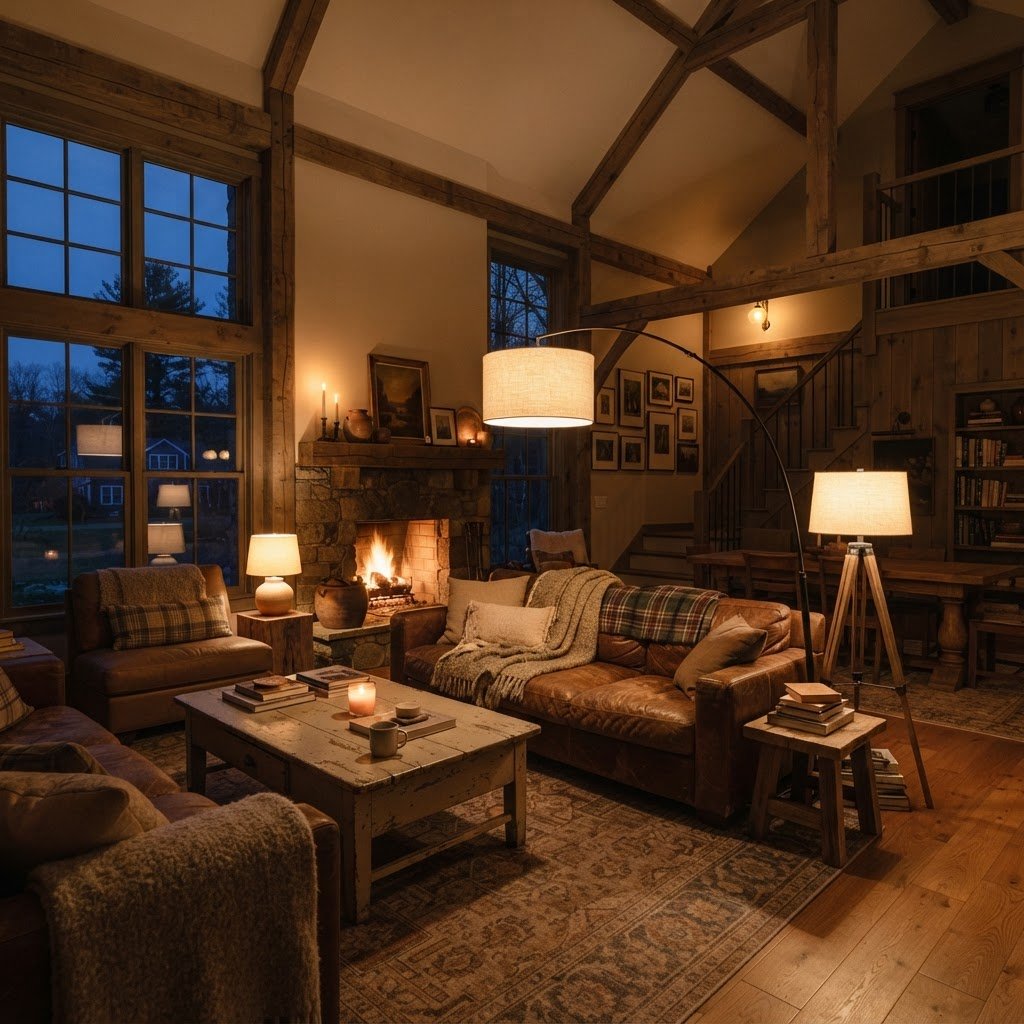
A cozy living room makeover using only warm ambient lights is achieved by selecting bulbs between 2200K and 2700K, layering diverse light sources at eye level, and utilizing dimmers to eliminate harsh overhead glare. This approach transforms any space into a tranquil retreat by mimicking the soothing, low-temperature spectrum of natural firelight.
The Psychology of Warm Ambient Lighting
Human circadian rhythms are deeply influenced by the color temperature of light, with warm hues signaling safety and rest to the nervous system. While blue-spectrum light (above 4000K) suppresses melatonin and induces alertness, warm ambient light (2200K–2700K) promotes the production of calming hormones. When you replace standard cool-toned bulbs, which often reach 5000K, you immediately reduce visual agitation and lower the room’s perceived physical temperature. Research suggests that keeping evening light exposure under 3000K improves sleep onset latency by approximately 20% compared to exposure to harsh, high-kelvin overhead fixtures. By manipulating the Kelvin scale, you effectively tell your brain that the day is over, creating a biological trigger for relaxation. This is the physiological foundation of a cozy room; it is not merely an aesthetic choice but a necessary environmental adjustment to mitigate the stress of modern, high-contrast lighting environments that dominate most homes.
Understanding the Basics of Layered Lighting
Professional interior design relies on layering light to create depth, where ambient, task, and accent lighting work in concert to eliminate shadows. A singular ceiling fixture creates flat, uninspiring illumination that highlights flaws and creates harsh, sharp transitions. To master ambient lighting, you must distribute light across multiple levels—eye level, surface level, and floor level. By placing sources at different heights, you create a three-dimensional wash of light that softens room edges and makes the space feel larger yet more intimate. A common mistake is relying on a single central light; instead, use at least three distinct light sources per room to create a balanced “glow.” When selecting bulbs, avoid anything labeled “Daylight” or “Cool White,” as these contain significant blue light spikes. Stick strictly to “Warm White” or “Soft White” labels. These bulbs render wood tones and textiles with a richer saturation, making furniture appear more expensive and surfaces feel softer to the touch. This method of layering is the single most effective way to elevate a standard living room into a sophisticated, comfortable sanctuary.
Why Ambient Lighting Matters
Ambient light acts as the primary layer of general illumination, defining the overall character and mood of your interior space.
Choosing the Right Color Temperature
For a truly cozy feel, avoid anything labeled “Daylight” or “Cool White.” Stick strictly to “Warm White” or “Soft White” labels. These bulbs provide that golden glow that makes wood furniture appear richer, textures look softer, and skin tones look more radiant.
Essential Fixtures for Your Transformation
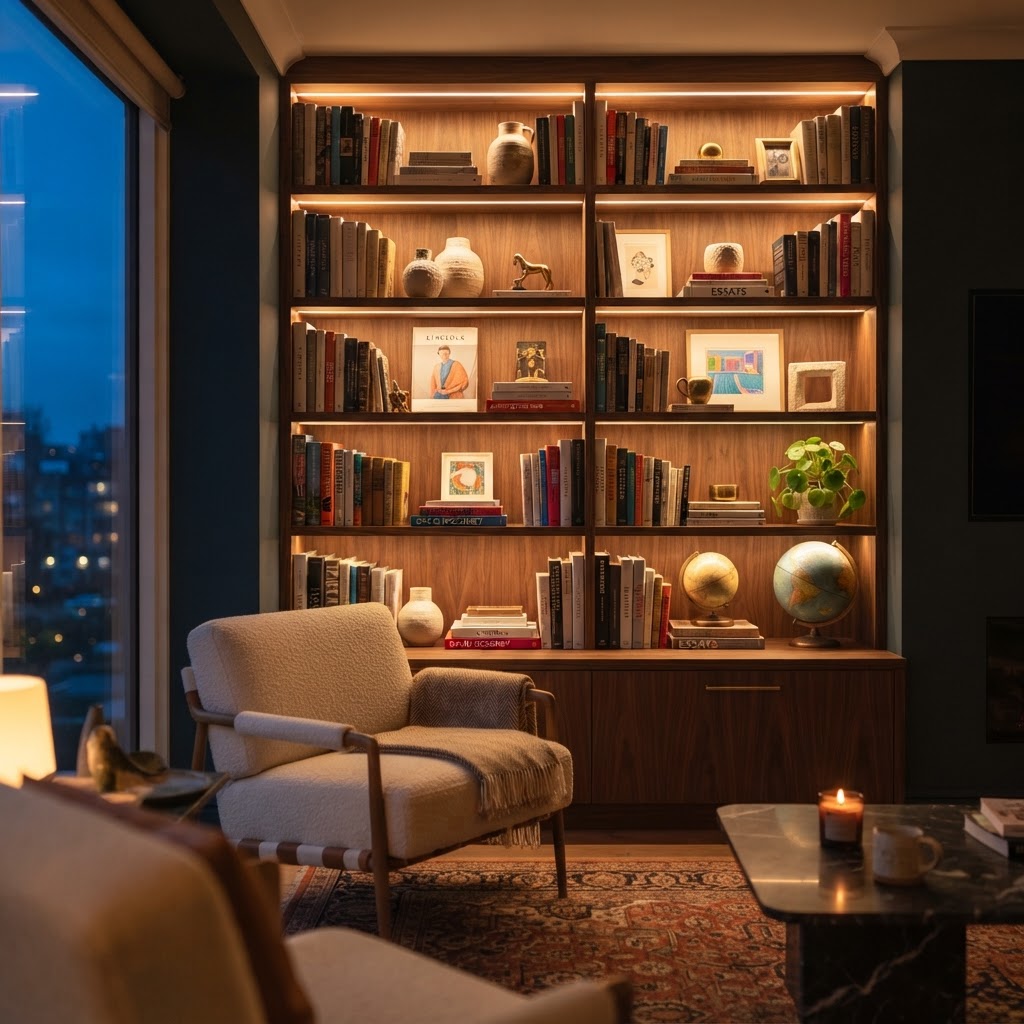
Curating a diverse collection of lighting fixtures is essential to achieving a professional, layered look that covers all corners of the living room. You should aim for a combination of four specific fixture types to create a functional yet aesthetic distribution of light throughout the space. Floor lamps, ideally placed in corners or next to reading chairs, provide a necessary vertical wash of light that illuminates height and volume. Table lamps are perfect for adding depth to consoles and side tables, effectively creating localized “pools” of light. Wall sconces serve a dual purpose by adding architectural interest while keeping floor space entirely clear for better movement. Finally, hidden LED strips (best set at 2400K) placed behind televisions or under shelving units add a modern, “floating” effect that increases the perception of depth in small rooms. By mixing these four types, you prevent the clinical appearance of a single overhead fixture and instead create a tailored, cozy environment. Prioritize dimmable versions of these fixtures to allow for maximum flexibility during various times of the day or social activities.
Placing Your Lights for Maximum Comfort
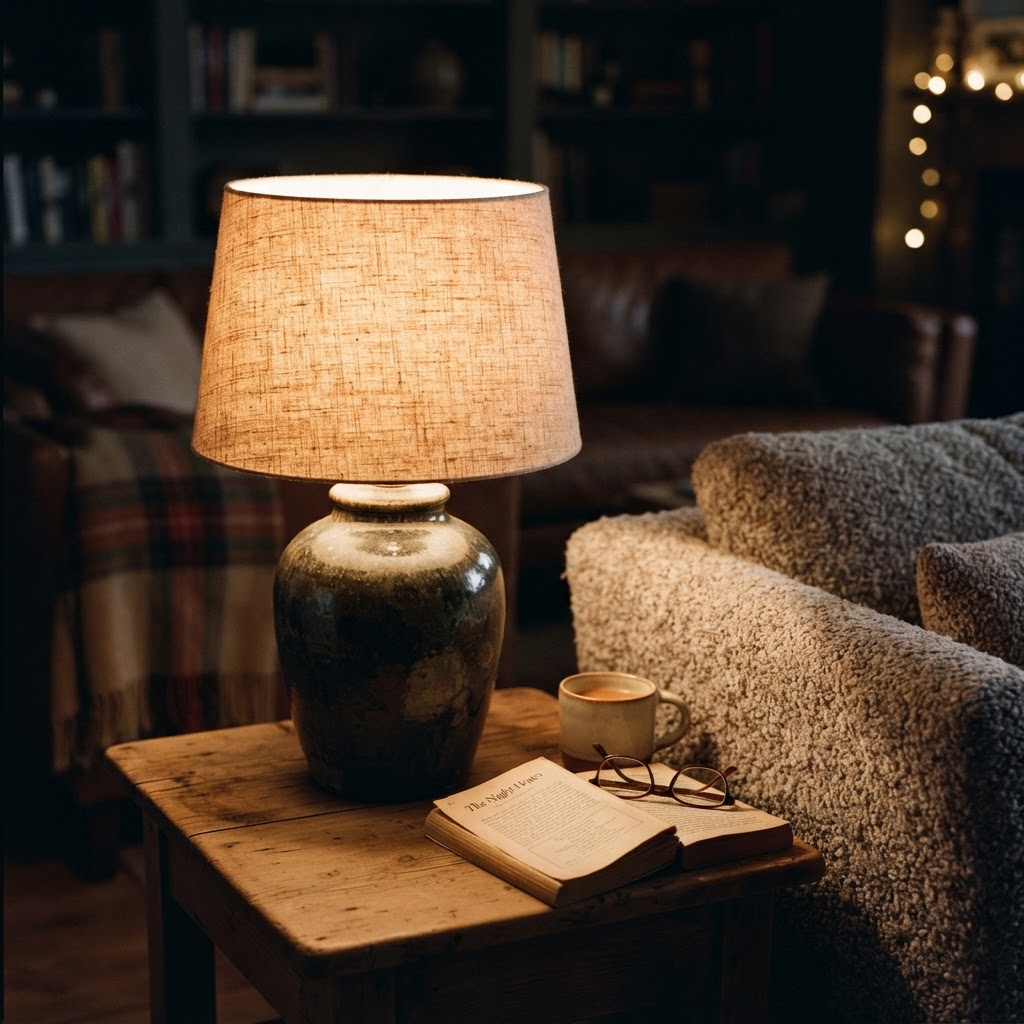
Strategic lighting placement relies on the principle of triangulation to create soft, uniform coverage without the fatigue caused by sharp glare. By placing your lighting sources in a triangular pattern across the room, you ensure that light is evenly distributed, effectively eliminating dark, cavernous corners that make a room feel smaller. For the best result, place your primary seating area at the center of this triangle. This setup ensures that your eyes do not experience sharp contrast transitions when looking around the room. Furthermore, always prioritize diffusion to improve comfort; lampshades crafted from linen, heavy paper, or thick woven fabrics act as natural filters that disperse light in multiple directions, creating a glow rather than a beam. If a specific lamp remains too bright even with a shade, it is likely the bulb has too high a lumen count; keep ambient lamps between 450 and 800 lumens for the perfect balance of cozy output. This deliberate placement and diffusion strategy transforms a cluttered room into a curated retreat, ensuring the eyes remain relaxed regardless of where you are seated.
The Rule of Triangulation
Place your lighting sources in a triangular pattern across the room. If you have a primary seating area, ensure that you have lamps at different heights around that zone. This prevents dark corners and ensures that the eyes are not strained while moving from one part of the room to another.
Diffusing the Glow
Never underestimate the power of a lampshade. Shades made of linen, paper, or woven materials act as natural diffusers, softening the output of your warm ambient lights even further. If a lamp feels too bright, simply swapping the shade for a thicker material can solve the issue instantly.
Elevating the Vibe with Dimmer Switches
Installing dimmer switches allows you to convert static, one-dimensional lighting into a dynamic, mood-responsive system that adapts to your changing needs. Static lighting is limiting because it cannot account for the difference between a task-heavy afternoon and a relaxed evening; conversely, dimmable lights offer complete control over your home’s atmosphere. At full 100% capacity, warm ambient lights provide enough illumination for cleaning or reading, but by sliding the dimmer down to 20%–30%, you mimic the low-intensity flickering of candlelight. This versatility makes your living space feel custom-tailored to any hour of the day. Modern digital dimmers are relatively inexpensive, often costing under $30 per switch, and can be installed in under 20 minutes with basic tools. Investing in this technology is the highest-value upgrade for any cozy makeover because it extends the longevity of your bulbs while providing the exact visual environment you need to unwind. By choosing high-quality LED-compatible dimmers, you prevent the annoying buzzing or flickering often associated with cheaper, legacy hardware.
Incorporating Smart Lighting Technology
Smart lighting technology provides effortless control over your environment, allowing you to manage intensity and presets via voice or smartphone apps. With smart bulbs, you can create automated “Scenes” that trigger specific brightness levels across all lamps in a room with a single command. For example, a “Cozy Evening” scene can automatically set all bulbs to 40% intensity and 2200K, creating a uniform, relaxing atmosphere the moment you step through the door. This removes the friction of having to walk through a dark room to manually click multiple switches, effectively encouraging you to use your layered lighting plan rather than relying on one bright overhead light. Integration with systems like Alexa or Google Home allows for voice-activated adjustments, which is incredibly useful when you are already settled on the couch. While smart bulbs are more expensive than traditional LED bulbs, costing roughly $15–$25 each, the convenience and energy savings gained through automated scheduling and dimming make them a cost-effective long-term investment for any modern home.
Creating Automated Scenes
With smart bulbs, you can create a “Cozy Evening” scene. With one tap, all your lamps can adjust to 40% intensity simultaneously. This level of convenience encourages you to actually use your lighting setup rather than leaving everything off or set to a harsh default.
Troubleshooting Common Lighting Mistakes
Identifying and correcting common lighting pitfalls will ensure your living room maintains a high-end, cohesive appearance that invites relaxation. One of the most frequent errors is creating glare, which occurs when a bare, high-intensity bulb is visible; always use frosted bulbs or thick shades to hide the source. Another critical mistake is mixing color temperatures, such as placing a 5000K “Daylight” bulb in a floor lamp next to 2700K “Warm” table lamps. This contrast makes a space look disjointed and chaotic, ruining the cohesive feel of your design. Furthermore, avoid the trap of flat, two-dimensional lighting where all fixtures reside on the same horizontal plane; always use a mix of tall floor lamps and shorter table lamps to create visual depth. Finally, do not feel pressured to eliminate every shadow in the room. Strategic shadows are actually essential for creating depth and sophistication. If you find a corner looks too dark, add a small, low-wattage accent light rather than a powerful, harsh overhead fixture. By adhering to these simple corrections, you will avoid the most common amateur design blunders.
FAQ
Q: What is the ideal color temperature for a cozy living room?
The ideal color temperature for a cozy living room is between 2200K and 2700K. This range provides a golden, warm glow that mimics the biological comfort of firelight, which helps the body relax compared to cooler, blue-toned lights.
Q: How many light sources should I have in my living room?
You should have at least three distinct light sources in your living room to properly layer your lighting. This allows you to eliminate harsh shadows and create a comfortable, multi-dimensional atmosphere that feels far more intimate than a single ceiling light.
Q: Can I mix different color temperatures in the same room?
No, you should never mix different color temperatures in the same room because it creates a disjointed and visually chaotic environment. Stick to a single color temperature across all lamps to ensure a cohesive, high-end design look.
Q: Are dimmer switches necessary for cozy lighting?
Yes, dimmer switches are essential because they allow you to customize the intensity of your lights for different activities. Dimmers give you the ability to transition from bright illumination for daily tasks to a soft, 30% intensity for evening relaxation or movie watching.
Q: How can I hide the glare from bright light bulbs?
You can hide glare by using frosted bulbs instead of clear ones or by choosing lampshades made from dense, opaque materials like heavy linen. These diffusers spread the light out, turning a harsh point of light into a soft, glowing glow.

Leave a Reply