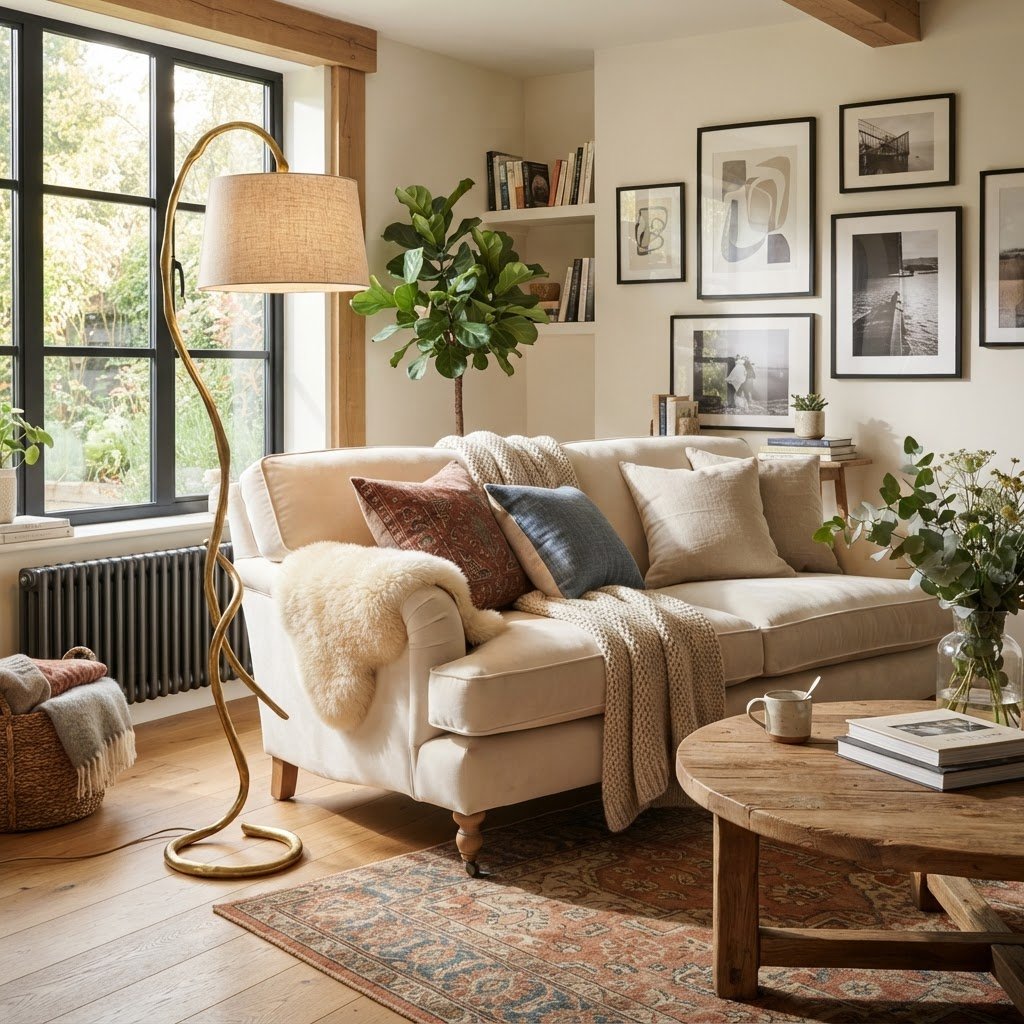
Aesthetic table and floor lamps elevate home decor by serving as dual-purpose sculptural art and essential lighting layers that define atmosphere, functionality, and spatial depth. Choosing the right lamps requires balancing Kelvin color temperatures, intentional furniture placement, and mixing tactile materials to transform mundane rooms into sophisticated, well-lit retreats.
Understanding the Role of Layered Lighting
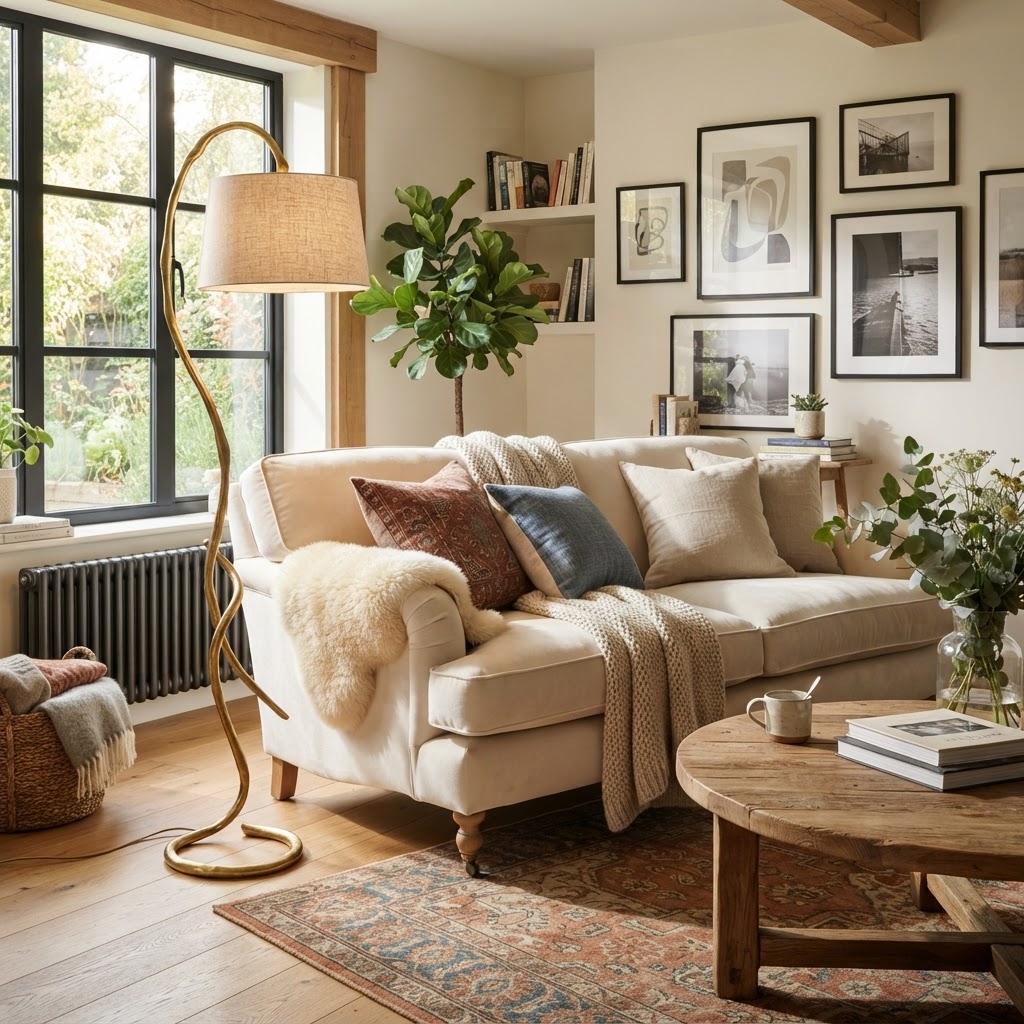
Mastering interior design depends on the concept of layered lighting, which replaces flat, single-source overhead illumination with a multidimensional approach. A successful lighting scheme integrates three distinct types: ambient, task, and accent lighting to ensure every corner of a room serves a specific aesthetic and functional purpose.
Ambient vs. Task vs. Accent Lighting
Ambient light provides the necessary base layer for general visibility, usually handled by recessed or ceiling fixtures. Task lighting is the focused illumination required for specific activities like reading, cooking, or precise office work. Aesthetic table and floor lamps act as the critical bridge, offering adjustable task-focused beams while contributing to the overall ambient glow. Finally, accent lighting adds professional-grade depth by drawing the eye toward architectural features, artwork, or bookshelves. By combining these three layers, you create a room that feels intentional rather than haphazard. A tall floor lamp placed in a dim corner provides essential ambient verticality, while a task-specific table lamp creates a functional reading nook. This strategic interplay ensures your space feels lived-in, balanced, and sophisticated.
Choosing Between Floor and Table Lamps
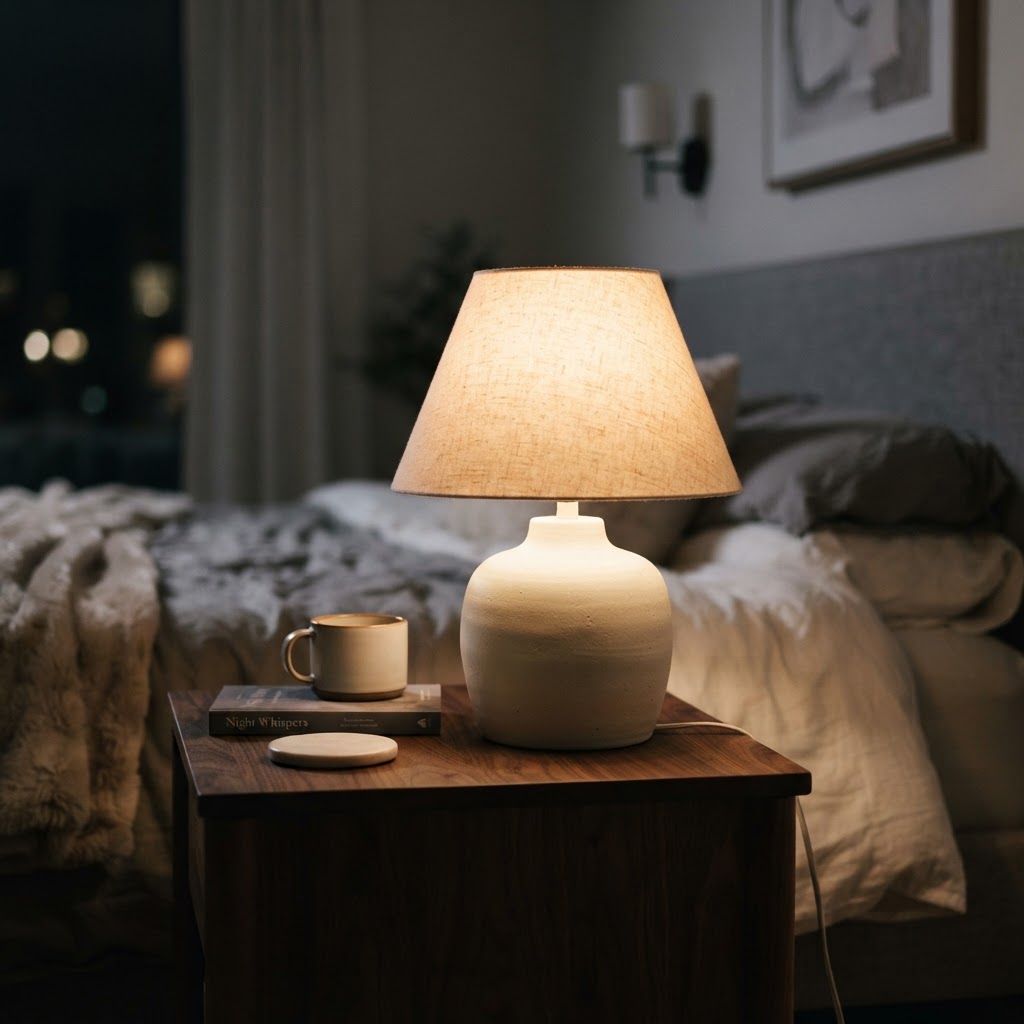
Selecting the right fixture depends on the scale, height, and function of your furniture within a room’s layout. Floor lamps are architectural tools used to anchor large seating groups and break up horizontal lines, while table lamps offer the granular intimacy required for desks, nightstands, and console tables.
Floor lamps excel at adding verticality, which helps draw the eye upward and makes ceilings appear higher. When placing them near a sofa, ensure the light source is positioned to shine over the shoulder of the seated person. Table lamps, conversely, require precise height calibration; the bottom of the lampshade should sit at your eye level when seated to prevent direct bulb glare while maximizing light coverage on your work surface.
Modern Design Trends for 2024
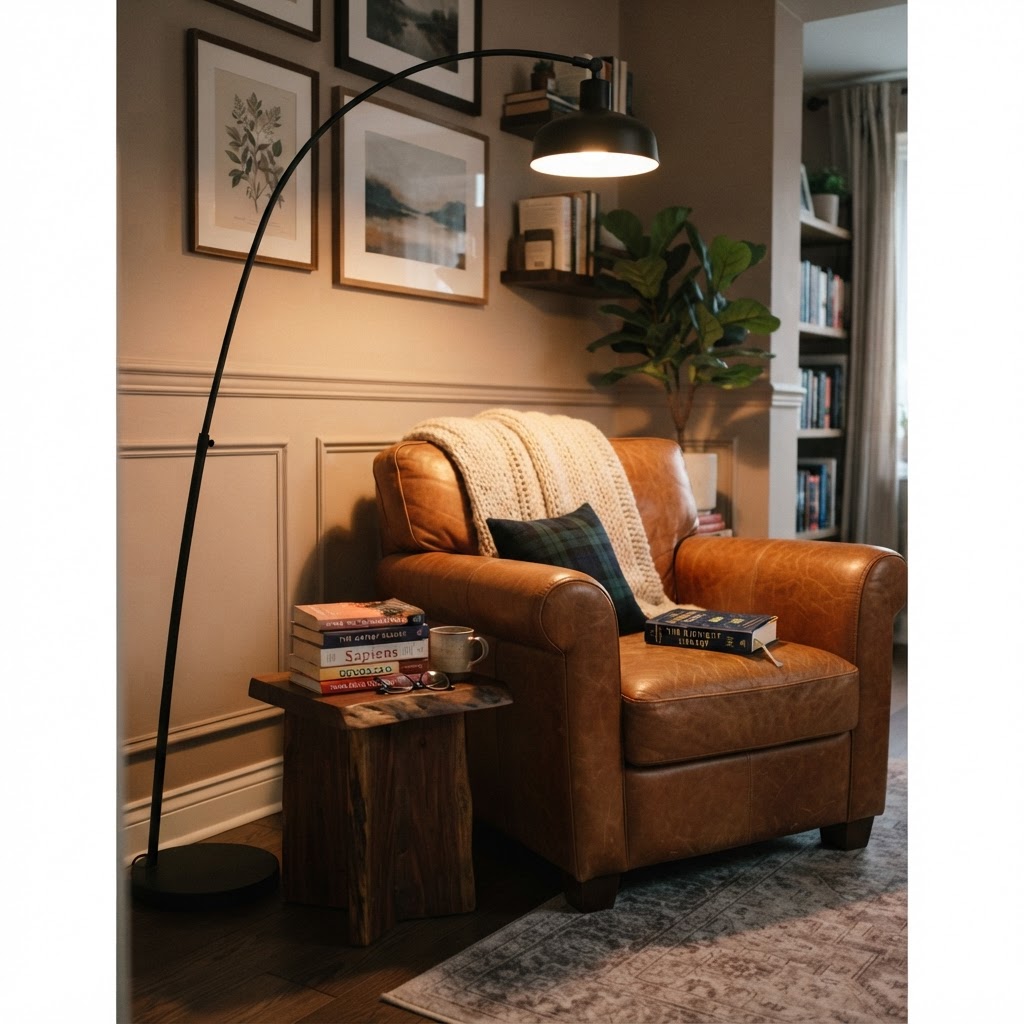
Interior design trends for 2024 have moved away from rigid industrial aesthetics toward organic silhouettes, tactile finishes, and the high-contrast appeal of mixed-media construction. This year’s focus is on pieces that feel like hand-crafted, sculptural elements rather than mass-produced retail items.
The Rise of Organic Curves
Organic, fluid shapes are currently dominating the market, with lighting designs mimicking mushrooms, river pebbles, and flowing water. These shapes provide a sense of movement in minimalist spaces, acting as focal points that break the monotony of straight lines. Designers are favoring materials that provide a soft tactile experience, such as raw textured ceramics, hand-blown frosted glass, and brushed brass. By incorporating these softer shapes, you introduce a layer of comfort and visual interest that feels premium without appearing overly formal.
The Allure of Mixed Materials
Combining contrasting materials is the fastest way to add depth and luxury to a home interior. For example, a heavy marble base paired with a light, translucent linen shade creates an immediate tension between cold, solid earthiness and soft, diffused warmth. Experts suggest mixing iron with glass or warm brass with dark wood to create a sophisticated, curated feel. These layered material choices provide a richness that makes a room feel professionally designed and deeply personal.
Styling Tips for Aesthetic Impact
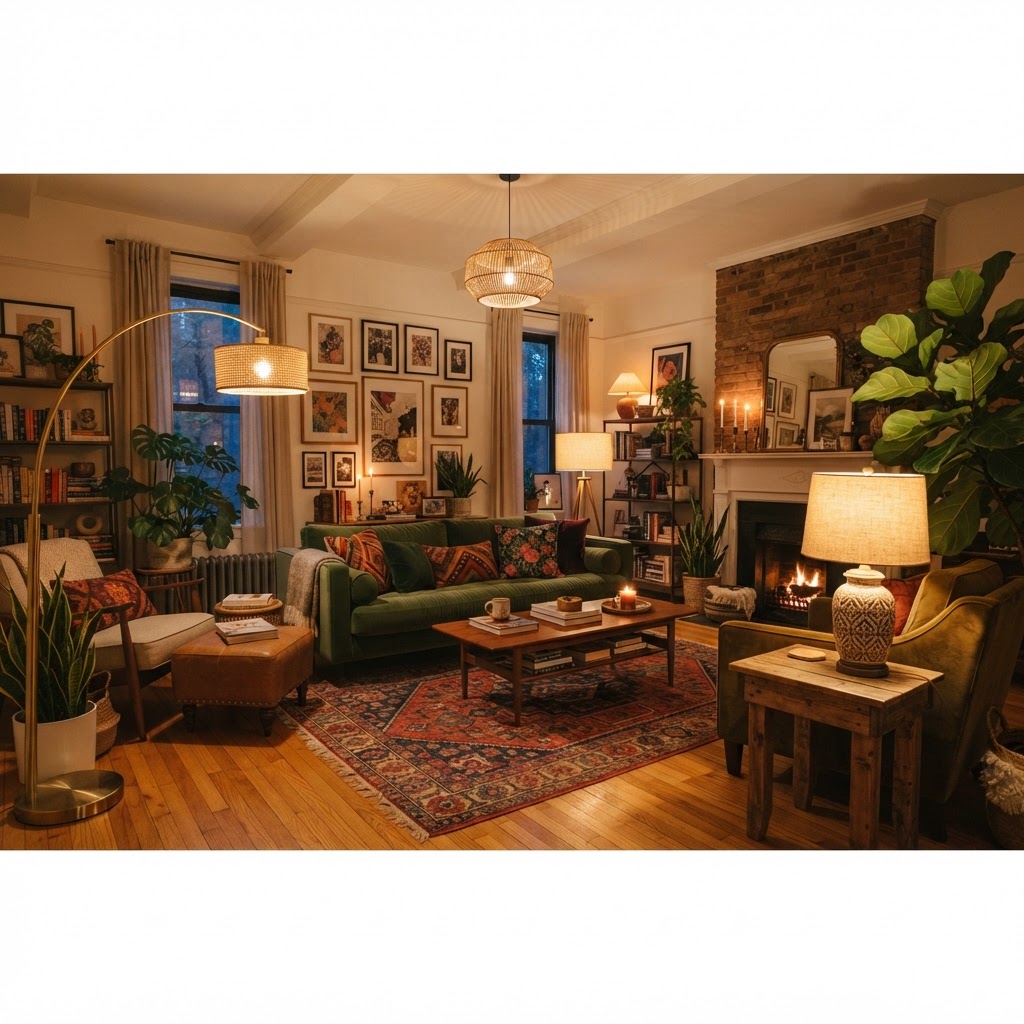
Strategic lamp placement is the difference between a high-end space and a cluttered one, requiring a focus on identifying and eliminating “dead zones” where shadows collect. By using lamps to illuminate dark corners, you can visually expand the dimensions of your room while adding a warm, inviting glow.
For traditional or transitional layouts, use matching pairs of table lamps on either side of a console table to create symmetry, which naturally suggests tidiness and balance. If your home leans toward modern or eclectic styles, try grouping multiple lamps of varying heights and textures on a surface, ensuring they share a unified color palette to maintain cohesion. When styling a reading nook, ensure the light source is placed slightly behind the seated area to provide directed illumination for reading without causing harsh reflections on surfaces.
How to Select the Right Light Bulbs
Selecting the correct light bulb is as critical as choosing the fixture itself, with color temperature being the most significant factor for home comfort. Aim for “warm white” bulbs, ideally between 2700K and 3000K, to replicate the golden, psychological comfort of the morning sun.
Avoid the “daylight” range, typically 5000K and above, as it often produces a clinical, cold blue light that feels harsh in living spaces. Additionally, prioritizing dimmable LEDs is essential for flexible living; being able to shift from high-intensity task lighting to low-intensity ambient mood lighting allows your home to transition from day to night effortlessly. For the best longevity and aesthetic, use LED filament bulbs in lamps with glass shades, as they provide a vintage look with modern energy efficiency.
Budget-Friendly Ways to Upgrade
Elevating your home lighting does not require a total overhaul, as many high-end looks can be achieved through small, budget-conscious DIY modifications. Simple changes to existing fixtures often provide the highest return on investment, particularly when targeting the lampshade or the base finish.
Replacing a standard drum shade with a pleated fabric or linen-textured version can instantly modernize a dated lamp. For metal bases that feel out of style, consider a quick coat of matte black or brushed gold spray paint, which provides a clean, contemporary finish for under $10. Hunting for vintage, high-quality ceramic or brass bases at local thrift stores is another excellent strategy; these unique pieces often offer character that new big-box store lamps lack. When paired with a modern, high-quality linen shade and a warm-temperature LED bulb, even a $15 thrifted lamp can look like a $200 designer piece.
The Psychology of Lighting
Lighting directly dictates your emotional response to a space, with harsh, overhead brightness often linked to anxiety and fatigue. Conversely, soft, diffuse lighting promotes relaxation by signaling to the brain that it is time to unwind, making high-quality lamps a vital investment in your mental well-being.
FAQ
What is the ideal height for a table lamp?
The bottom of the lampshade should be at eye level while you are seated, typically between 38 and 42 inches from the floor, to prevent the bulb from glaring directly into your eyes. This height ensures the light is directed down onto your tasks while maintaining a comfortable visual balance.
What color temperature is best for a living room?
Use warm white light bulbs, specifically between 2700K and 3000K, to create a cozy and inviting atmosphere. This color range mimics the natural warmth of sunset, which promotes relaxation and makes living areas feel more welcoming and less clinical than cooler, blue-toned bulbs.
How do I fix a room that feels “flat” or “boring”?
Add depth to your room by implementing layered lighting using at least three light sources at different heights. Incorporating a mix of floor lamps for ambient light, table lamps for task light, and accent lighting for architectural highlights will instantly add visual complexity and a sophisticated feel.
Can I mix different styles of lamps in one room?
Yes, you can mix different lamp styles by keeping a common thread between them, such as a consistent finish, metal tone, or shade color. If mixing eclectic styles, group them by color or material type to prevent the decor from appearing chaotic while maintaining an intentional, curated look.
What is the benefit of dimmable lamps?
Dimmable lamps provide versatility, allowing you to instantly transition your room from a bright, energetic space for activities to a dim, intimate environment for evening relaxation. This functionality allows a single lamp to serve multiple roles throughout the day, maximizing both utility and comfort.

Leave a Reply