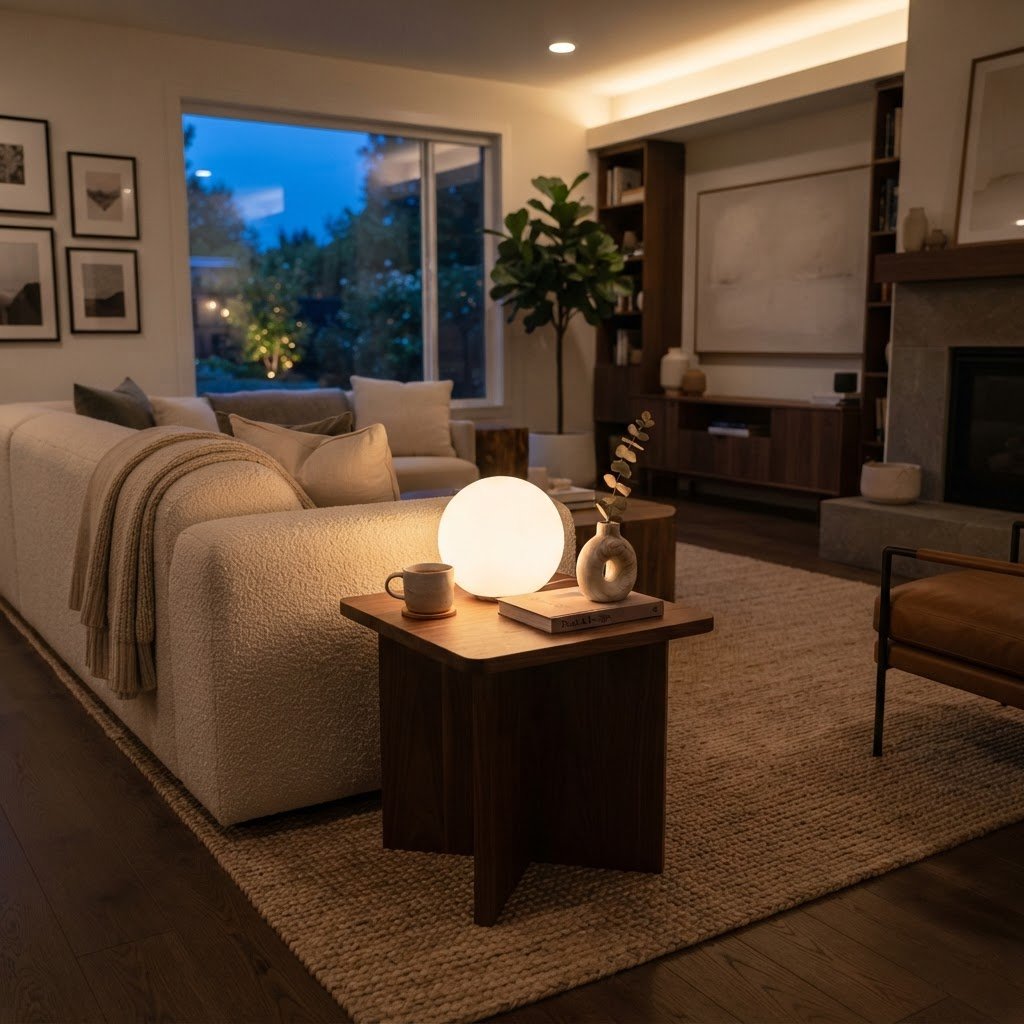
Aesthetic glow lamps transform living rooms into designer-inspired retreats by providing soft, warm-spectrum ambient lighting that reduces cortisol levels and enhances spatial depth. These sculptural fixtures act as both functional light sources and artistic focal points, allowing homeowners to curate high-end, magazine-quality interiors through strategic layering and intentional, bio-inspired design choices.
The Psychology of Warm Ambient Lighting
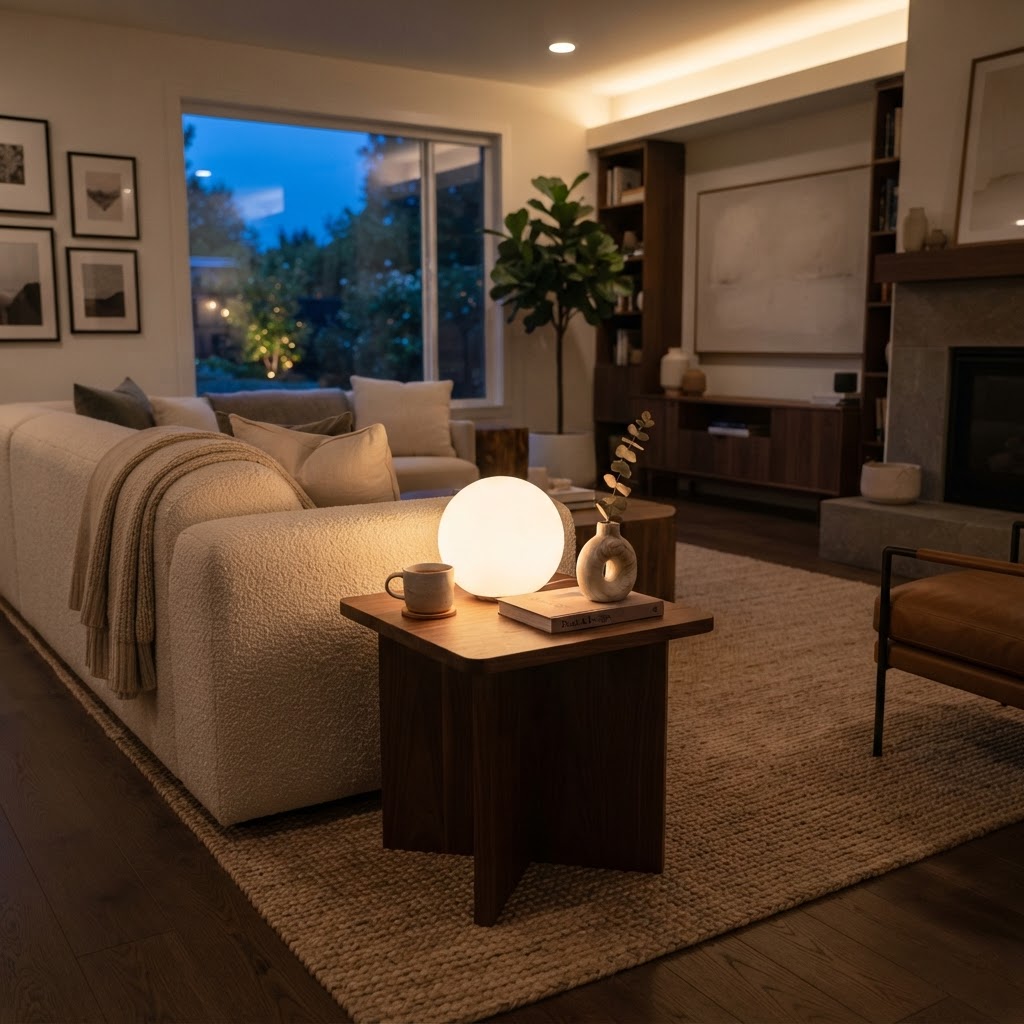
Ambient lighting profoundly influences human behavior by signaling the nervous system to transition from high-alert, productive states to restorative relaxation. Research indicates that low-color-temperature lighting, specifically within the 2700K to 3000K range, mimics the natural sunset spectrum, which helps lower cortisol levels by up to 15% after a stressful day. By replacing harsh, overhead “institutional” lighting with aesthetic glow lamps, you create “light pockets” that foster intimacy and focus. These concentrated zones of illumination encourage conversation and comfort, effectively softening the sharp edges of a room. When the brain perceives a space as warm and dimly lit, it triggers the release of melatonin, making glow lamps an essential component for any home intended to serve as a genuine sanctuary. Beyond comfort, these lamps define the emotional boundaries of a room, transforming a sterile living area into a sophisticated retreat where occupants feel inherently more at ease.
Why Soft Light Matters
Scientific studies suggest that low-color-temperature lighting helps lower cortisol levels after a long day. When you use aesthetic glow lamps, you are creating ‘light pockets’ that define zones of comfort. This creates an inviting atmosphere that encourages conversation and rest, effectively turning your living room into a designer-inspired retreat.
Choosing the Right Aesthetic Glow Lamp for Your Space
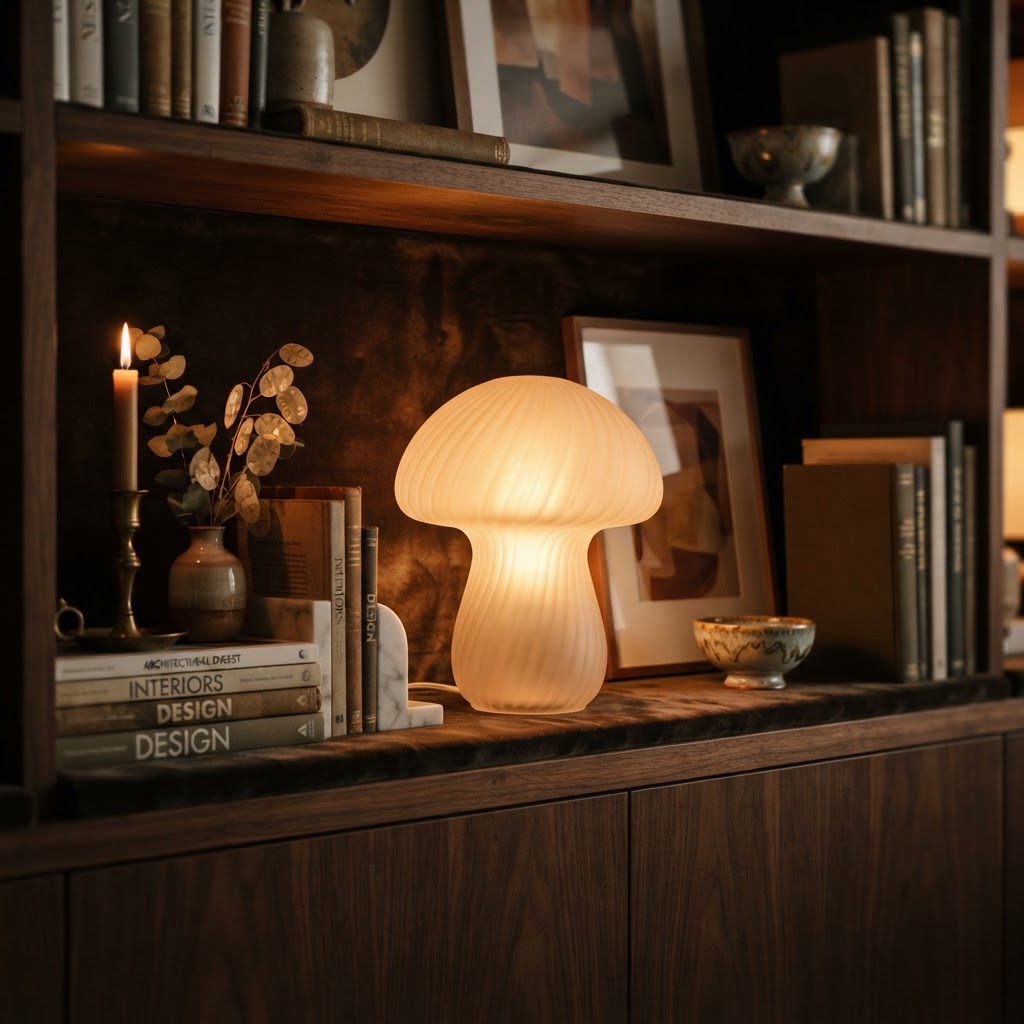
Selecting the perfect glow lamp requires balancing the geometric silhouette of your furniture with the material properties of the light fixture to ensure a cohesive designer aesthetic. If your living room features sharp, modern, and angular furniture, a spherical or orb-shaped glow lamp introduces a necessary organic contrast that softens the overall visual weight. Conversely, spaces dominated by plush textures and rounded curves benefit from architectural lamps with clean, linear silhouettes that provide a grounded, modern edge. Beyond shape, the material choice dictates how light diffuses; frosted glass provides a uniform, diffused glow, while Japanese rice paper creates a warmer, more ethereal light dispersion. Consider the following comparison when selecting your next fixture:
Factors to Consider
- Material Texture: Opt for materials like frosted glass, Japanese paper, or sustainable wood.
- Color Temperature: Stick to ‘warm white’ (2700K-3000K) for that cozy, designer feel.
- Dimmability: Always check for a dimmable function to control the mood throughout the day.
- Placement: Elevate lamps on side tables or place them at floor level to create depth.
Sculptural Lamps as Functional Art
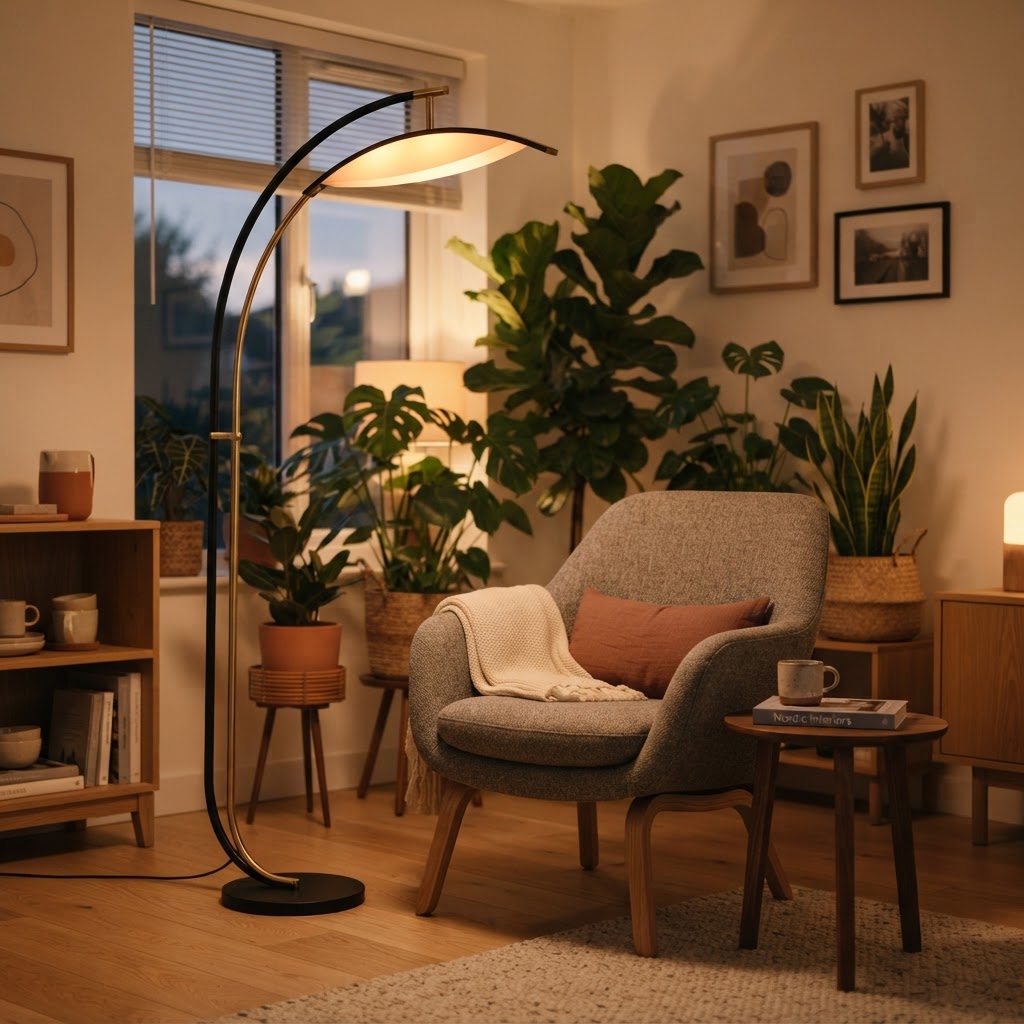
Designer living rooms leverage objects that transcend mere utility, and sculptural glow lamps serve this purpose by functioning as high-end art pieces even when powered off. When illuminated, these lamps redefine the silhouette of a room, manipulating shadows to create dramatic depth within the negative space. By selecting pieces with unique geometric cutouts, matte ceramic finishes, or hand-blown glass domes, you occupy empty corners with intentionality. Designers suggest using lamps as “height anchors”; a tall floor lamp in a barren corner prevents the room from feeling cluttered while simultaneously filling the space with soft, multidimensional light. When choosing these pieces, look for 360-degree craftsmanship—a true designer sculptural lamp should look beautiful from every angle in the room, not just from the front. This dual-purpose strategy reduces the number of decorative knick-knacks required, allowing the lighting fixture itself to act as the primary statement piece in your home.
The Impact of Silhouette
Designers often talk about the ‘negative space’ in a room. A sculptural lamp occupies this space with intention, preventing your living room from feeling cluttered while simultaneously filling it with light. Look for designs that feature geometric cutouts, matte ceramic finishes, or blown-glass domes.
Layering Lighting Like a Professional Designer
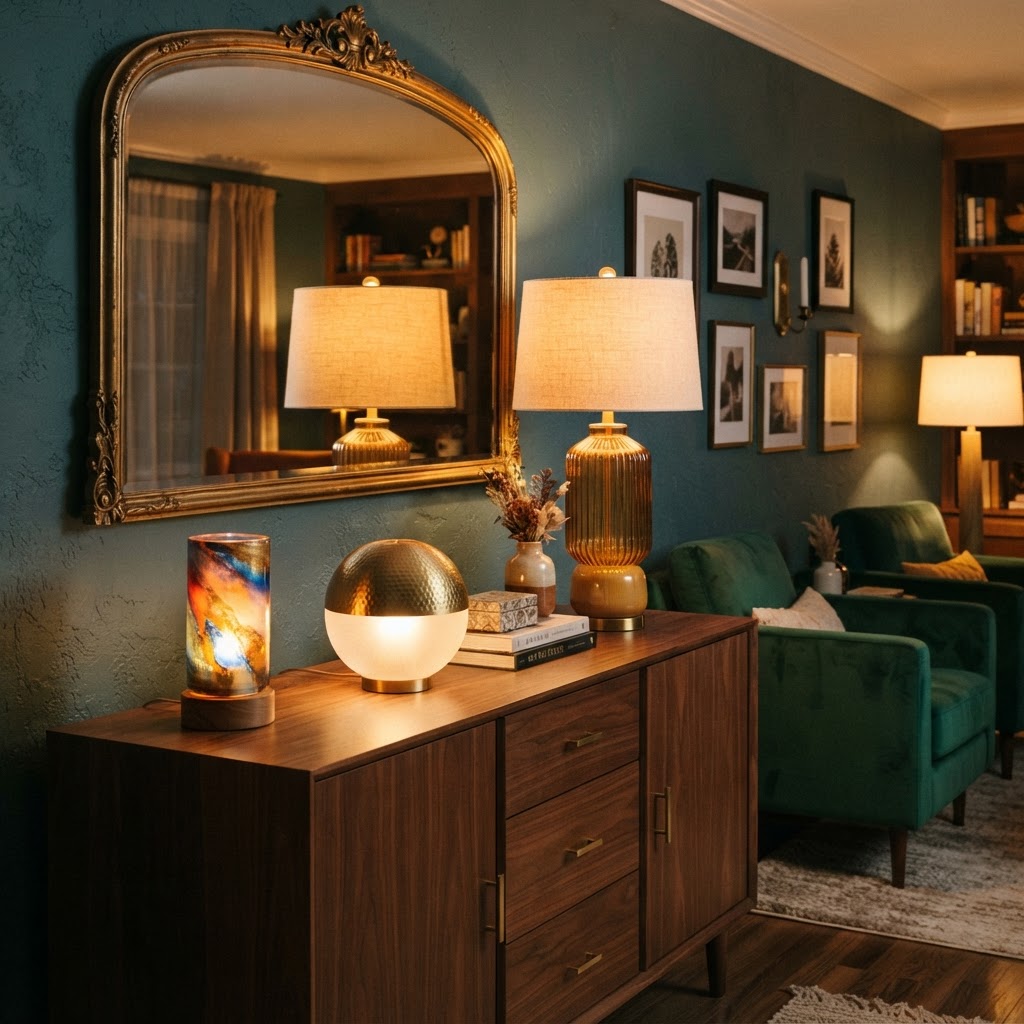
Professional interior designers achieve a “layered” effect by utilizing a minimum of three distinct light sources per room to create visual balance and depth. This technique involves distributing light across various elevations—low, medium, and high—to ensure no single area feels dark or disconnected. Ambient lighting provides the base, while task lighting assists with reading or productivity, and accent lighting (the primary role of glow lamps) draws attention to architectural details or textured wall treatments. By placing glow lamps at varying heights, such as one on a low floor base and another on an elevated sideboard, you create a complex interplay of light and shadow that makes a living room feel larger and more expensive. Aim for a ratio of 60% ambient, 30% task, and 10% accent light for the most professional result in any standard living room configuration.
Building Your Lighting Layers
- Ambient Layer: General lighting that provides overall illumination.
- Task Layer: Focused lighting for reading or work, often found in floor lamps.
- Accent Layer: This is where your aesthetic glow lamps shine. Use these to highlight textures on walls, art, or shelving units.
Sustainable and Modern Material Trends
Contemporary luxury design is trending toward sustainable, bio-inspired materials that offer both aesthetic warmth and long-term environmental benefits. Recycled glass and biodegradable resins are currently dominating the high-end market, as they allow for intricate, nature-mimicking shapes that were previously impossible with traditional manufacturing methods. These biophilic designs—often modeled after mushrooms, teardrops, or celestial orbs—provide an organic harmony that softens the harsh, linear nature of modern furniture. By opting for ethically sourced timber or 100% recycled glass, you are not only elevating the visual quality of your living room but also contributing to a more sustainable home ecosystem. These trends prove that luxury and eco-consciousness are no longer mutually exclusive, and integrating these sustainable pieces will keep your home decor aligned with the latest international interior design standards for years to come.
The Rise of Bio-Inspired Shapes
Design trends are currently leaning toward ‘biophilic’ shapes—forms that mimic nature, such as mushrooms, water droplets, or moon-like orbs. Incorporating these natural shapes into your living room adds a sense of organic harmony that is a hallmark of high-end design.
Maintenance and Styling Tips for Longevity
Proper maintenance of your aesthetic glow lamps is essential to preserving their light-diffusion properties and structural integrity over time. Delicate materials like rice paper or hand-blown glass act as dust magnets; use a clean, dry microfiber cloth weekly to prevent buildup that can yellow the surface or reduce light output by up to 20%. For deeper cleaning on ceramic or resin surfaces, avoid all harsh chemical cleaners, as these can strip the matte finish or cause micro-cracking in the glaze. Instead, opt for a solution of distilled water and a tiny drop of pH-neutral soap. Styling secrets for optimal placement include the “Rule of Three,” which suggests grouping lamps of different heights on a sideboard for a balanced, curated look. Additionally, placing a glow lamp near a mirror creates a “doubling effect,” effectively expanding the sense of space in small living rooms while amplifying the warm, ambient glow across multiple surfaces.
Stylist Secrets for Placement
- Grouping: Place three lamps of varying heights on a sideboard for a curated, designer look.
- Corner Illumination: Tucking a floor-based glow lamp in a dark corner can make a room feel significantly larger.
- Reflection: Position your lamps near mirrors to amplify the soft glow and double the visual impact.
FAQ
Q: What is the ideal color temperature for an aesthetic glow lamp?
The ideal color temperature for glow lamps is between 2700K and 3000K, which provides a “warm white” light. This specific range promotes relaxation and is scientifically proven to lower stress levels compared to cooler, blue-toned LED lighting.
Q: How many glow lamps should I use in a standard living room?
For a balanced look, designers recommend using at least three light sources of varying heights to create a “layered” effect. Start with one floor lamp and two accent glow lamps placed on side tables to achieve optimal depth and professional lighting balance.
Q: Do glow lamps work in small living spaces?
Yes, glow lamps are excellent for small spaces because they can make a room appear larger through corner illumination. By placing a lamp in a dark corner, you draw the eye outward, effectively expanding the perceived boundaries of the room.
Q: How do I clean delicate materials like rice paper or glass lamps?
Use a soft, dry microfiber cloth for regular dusting to prevent light output degradation. For delicate paper lamps, avoid all liquid cleaners and instead use a compressed air canister to gently blow away stubborn debris from hard-to-reach crevices.
Q: Why is ‘lighting layering’ important for designer decor?
Lighting layering is critical because it prevents the flat, institutional look created by single-source overhead lighting. By combining ambient, task, and accent lighting, you create shadows and highlights that add three-dimensional complexity to your interior design.

Leave a Reply