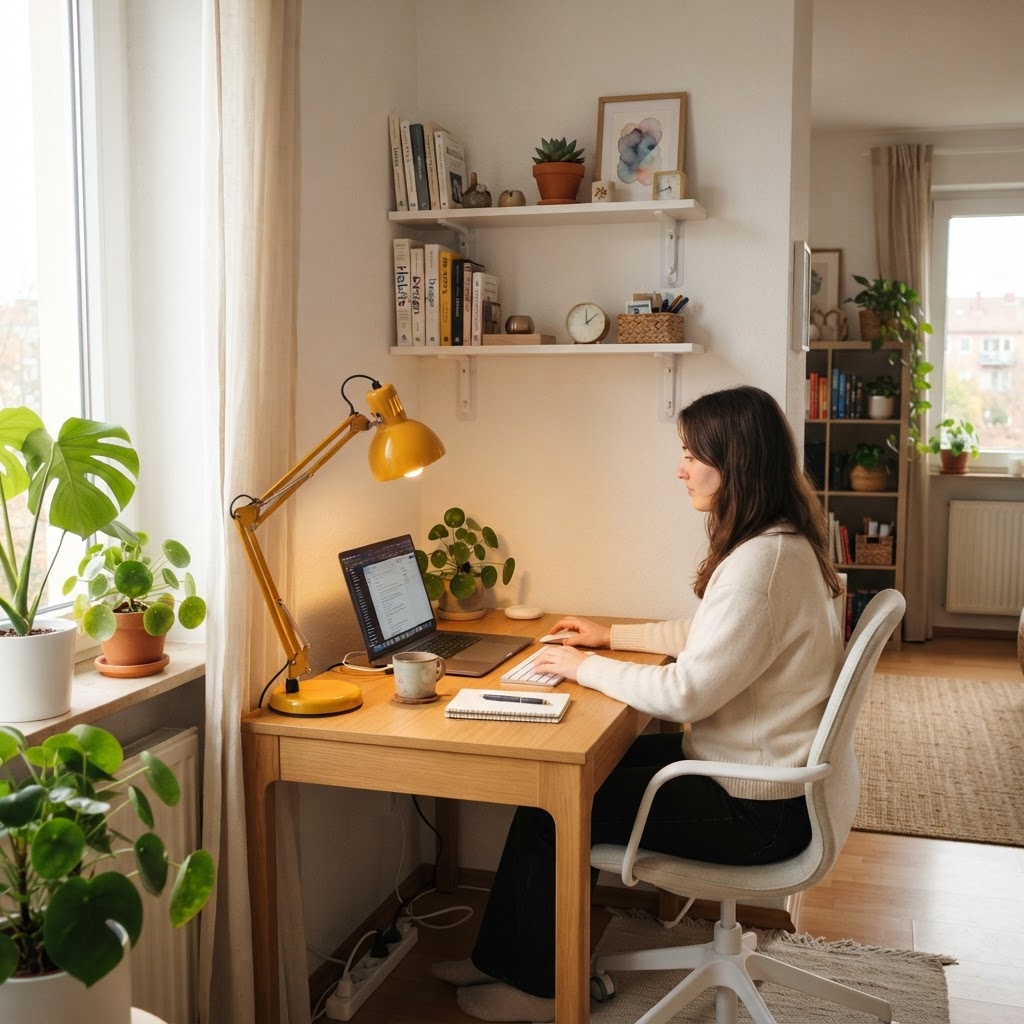
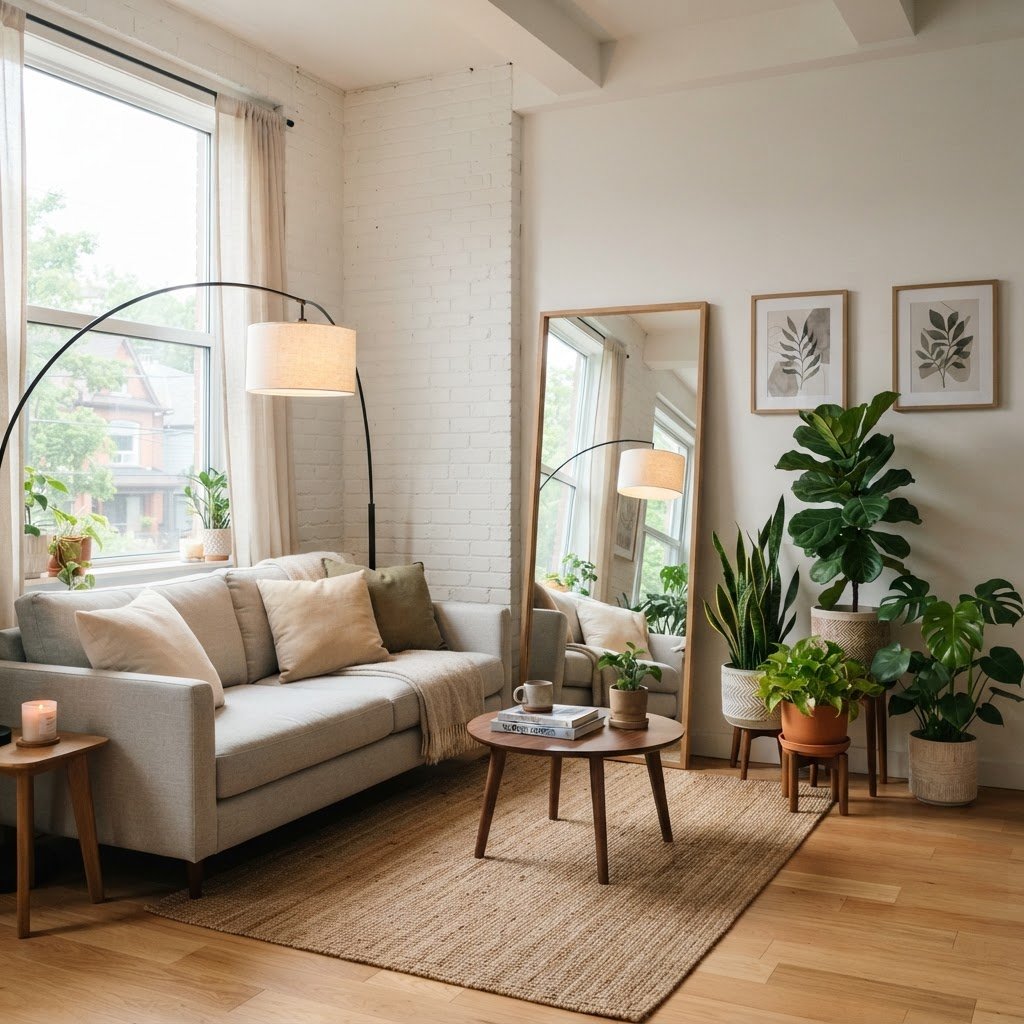
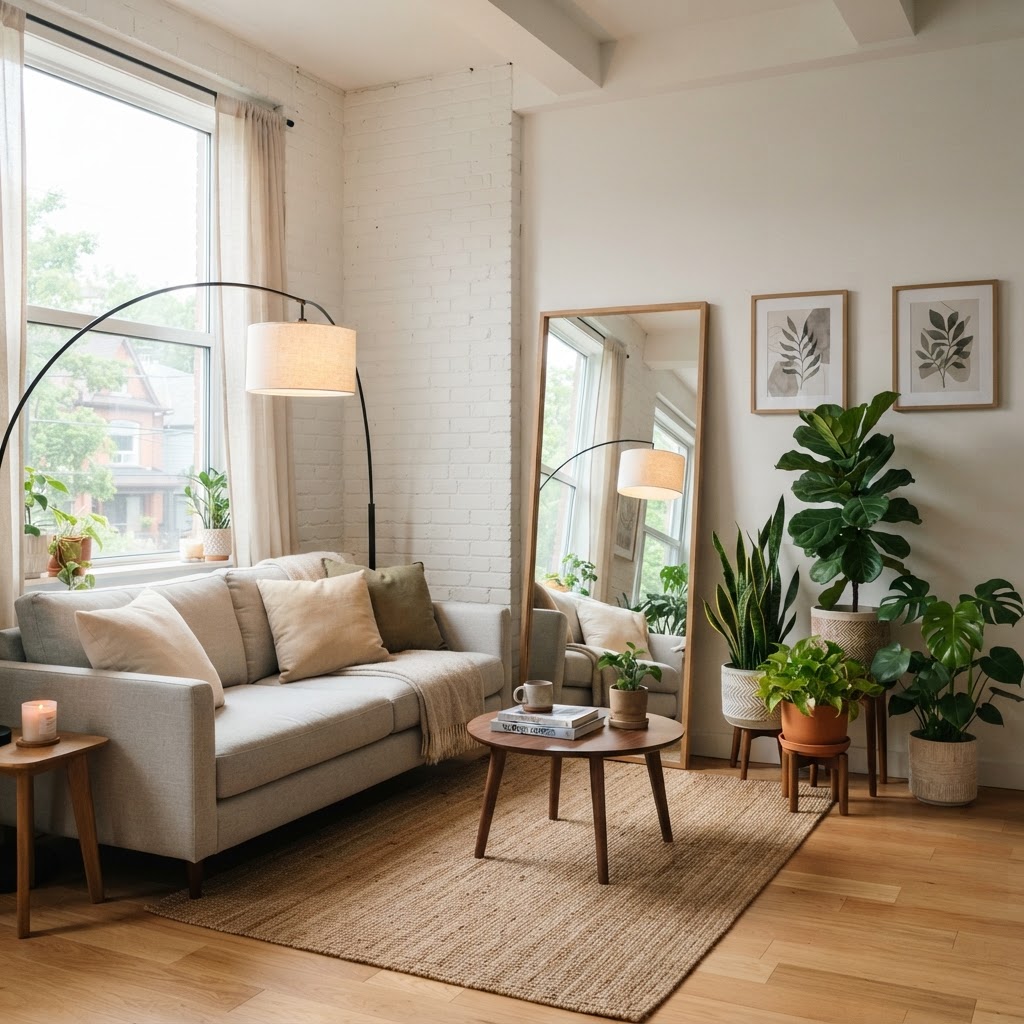
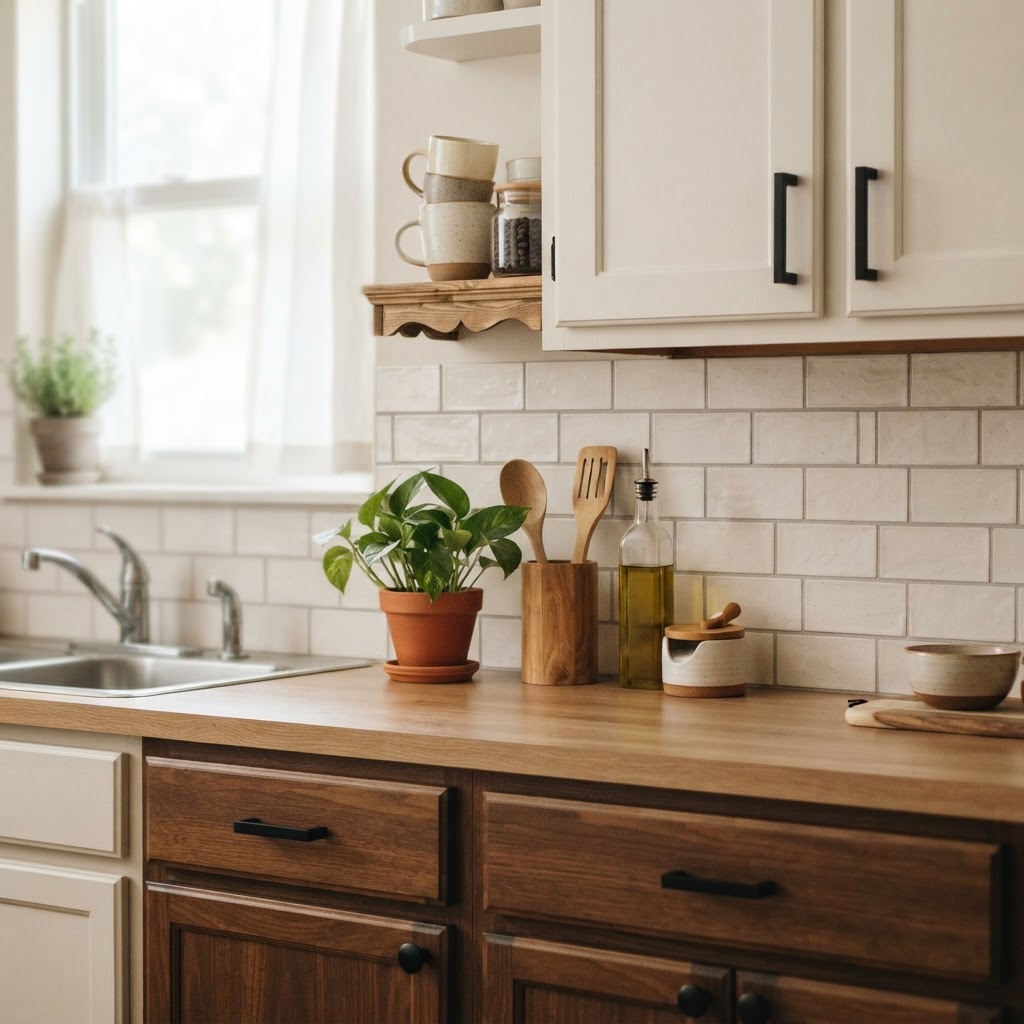
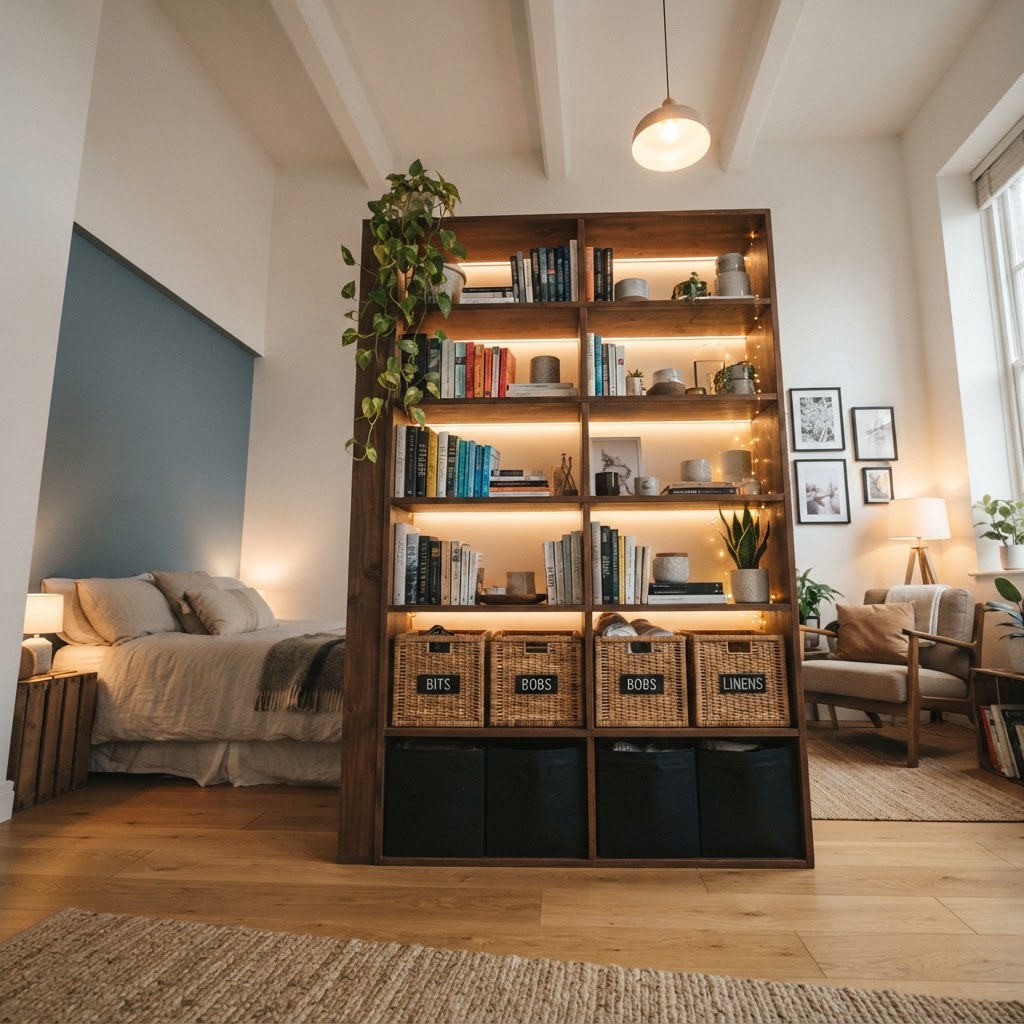
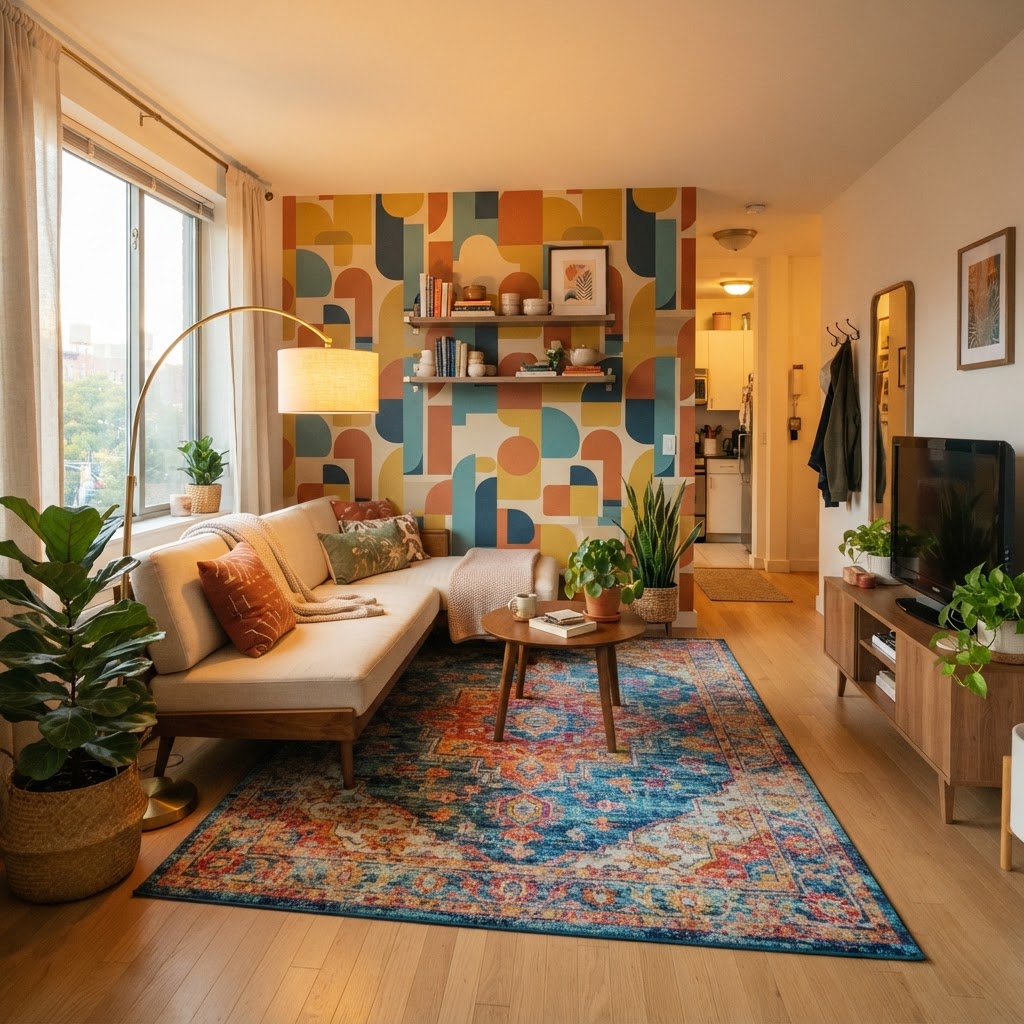
Living in a small apartment often comes with strict rules against making permanent changes, but finding cheap no-drill upgrades for tiny apartments is entirely possible. Many renters feel stuck with white walls and generic finishes, yet a little creativity goes a long way in turning a cramped space into a personalized sanctuary. You do not need power tools or landlord approval to elevate your living environment. By focusing on smart, temporary solutions, you can dramatically improve the aesthetics and functionality of your home while protecting your security deposit.
The Magic of Adhesive Solutions
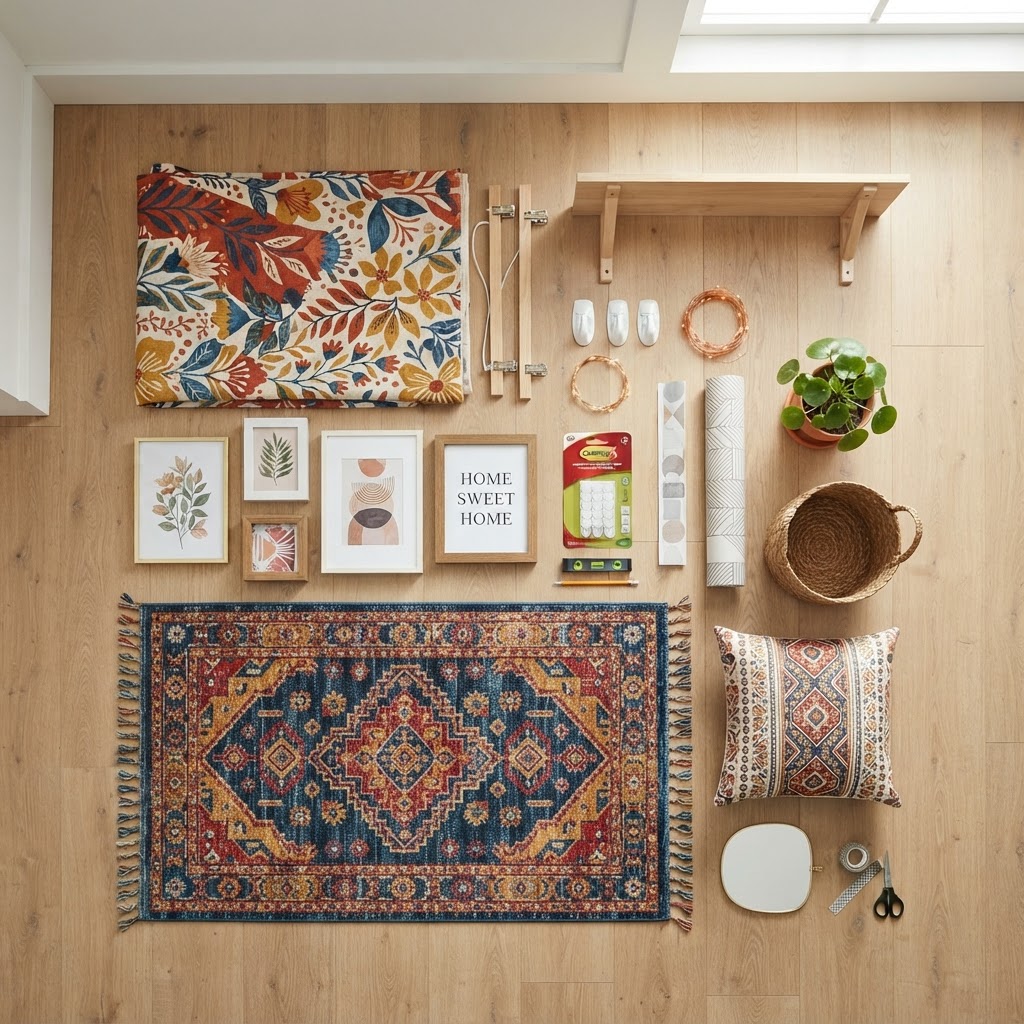
Adhesive technology has evolved significantly, making it the cornerstone of any renter-friendly toolkit. Command hooks, double-sided mounting tape, and adhesive strips are the unsung heroes of temporary interior design. These products allow you to hang art, organize cables, and mount decor without leaving a single hole in the drywall.
Maximize Your Vertical Space
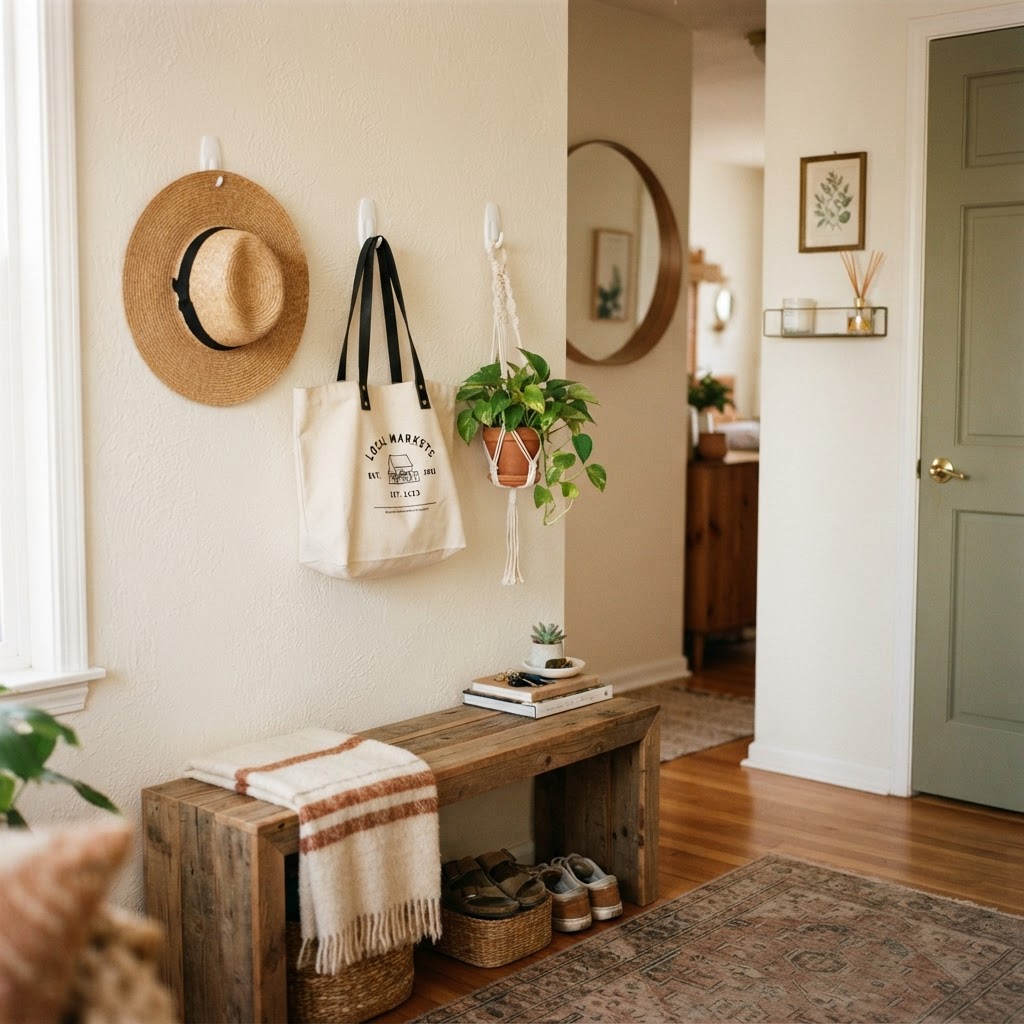
When floor space is limited, the only way is up. Use heavy-duty adhesive hooks to create a hanging system for lightweight decor, kitchen utensils, or even plants. By grouping these items vertically, you draw the eye upward, which visually expands the height of your rooms and makes the space feel larger than it actually is.
Choosing the Right Adhesive
Always match the weight capacity of the hook or tape to the item you intend to hang. A common mistake is overloading a small hook, which can lead to it peeling away and potentially damaging the paint or wallpaper underneath. Always clean the wall surface with rubbing alcohol before applying any adhesive to ensure a long-lasting, secure bond.
Refreshing Walls with Temporary Treatments
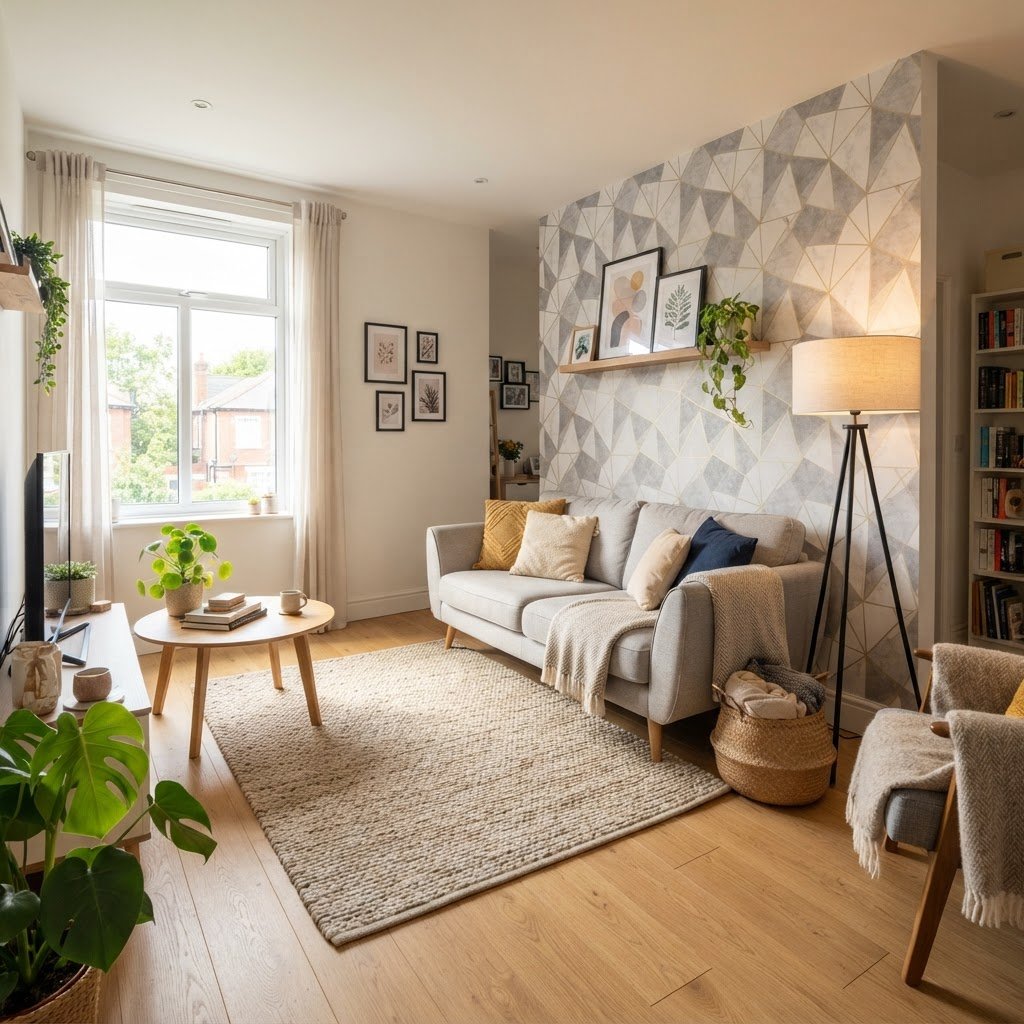
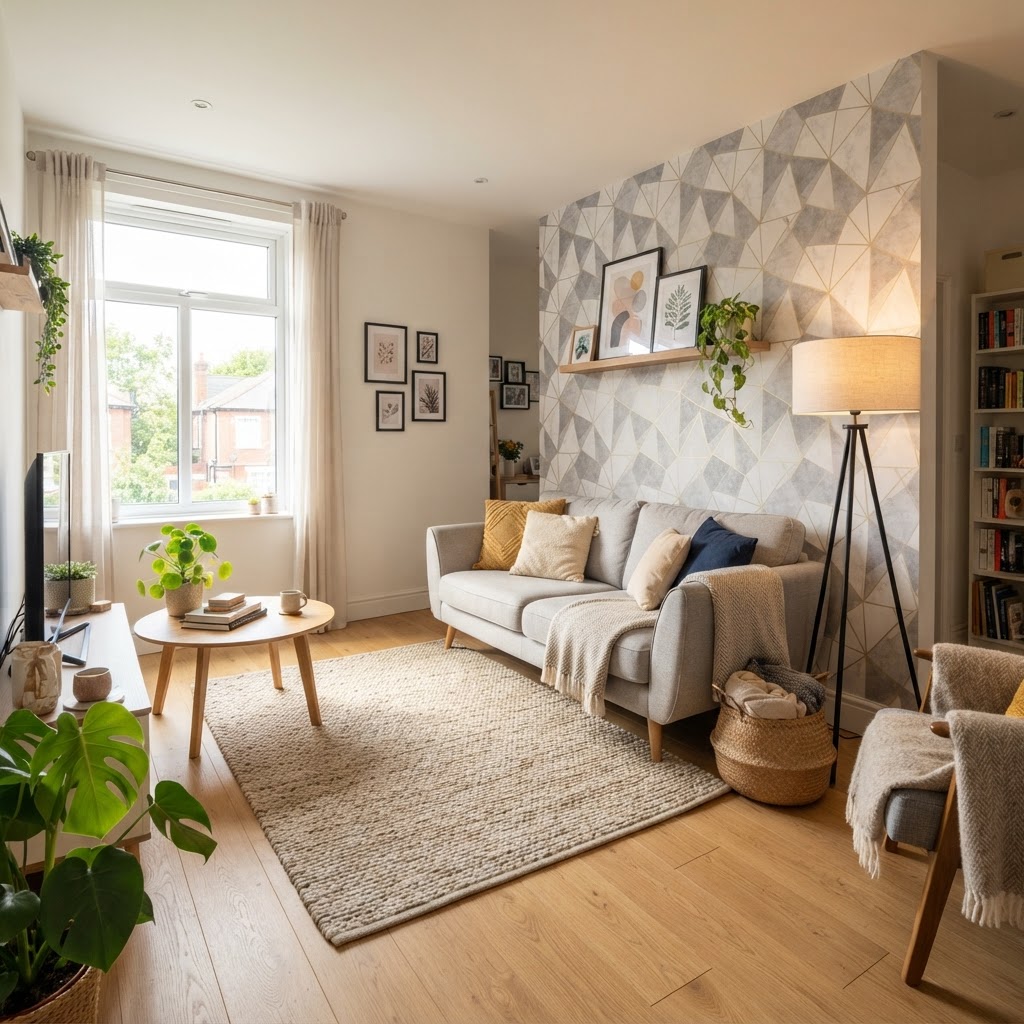
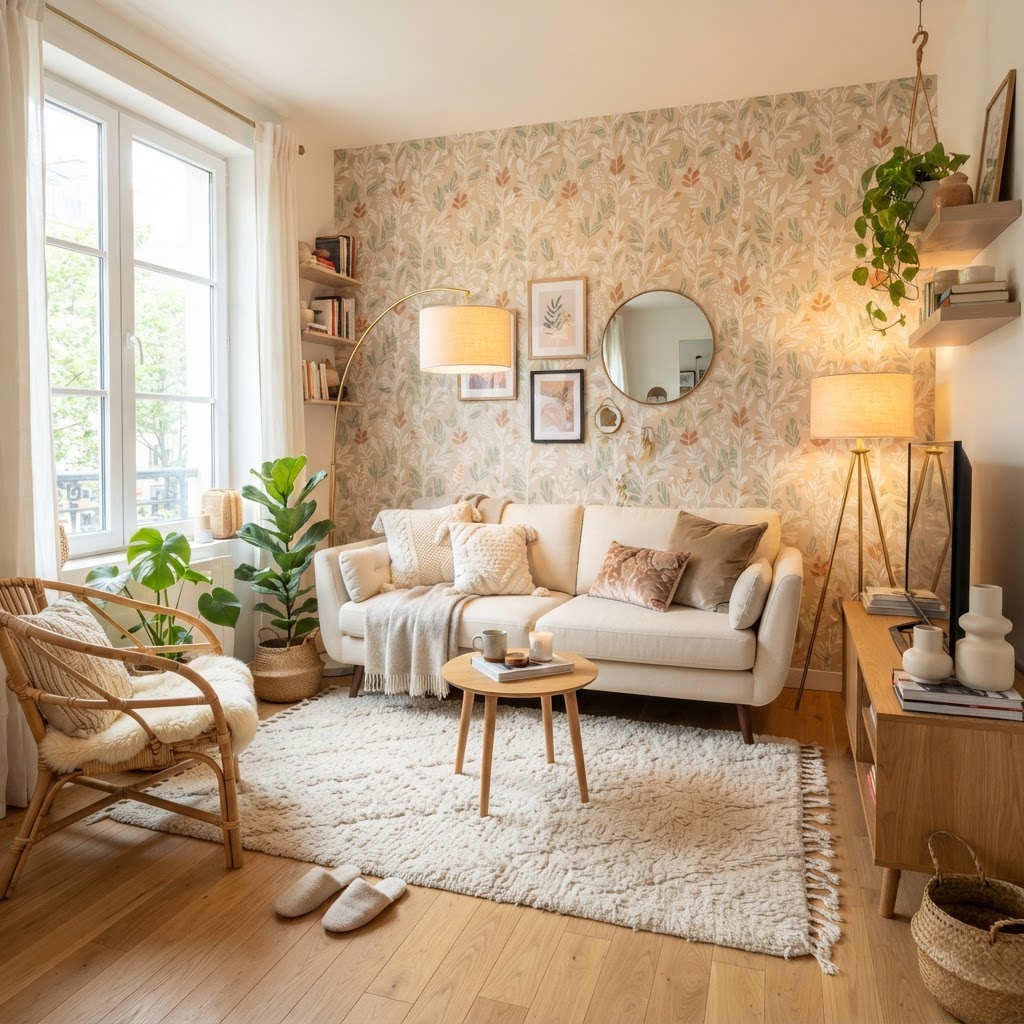
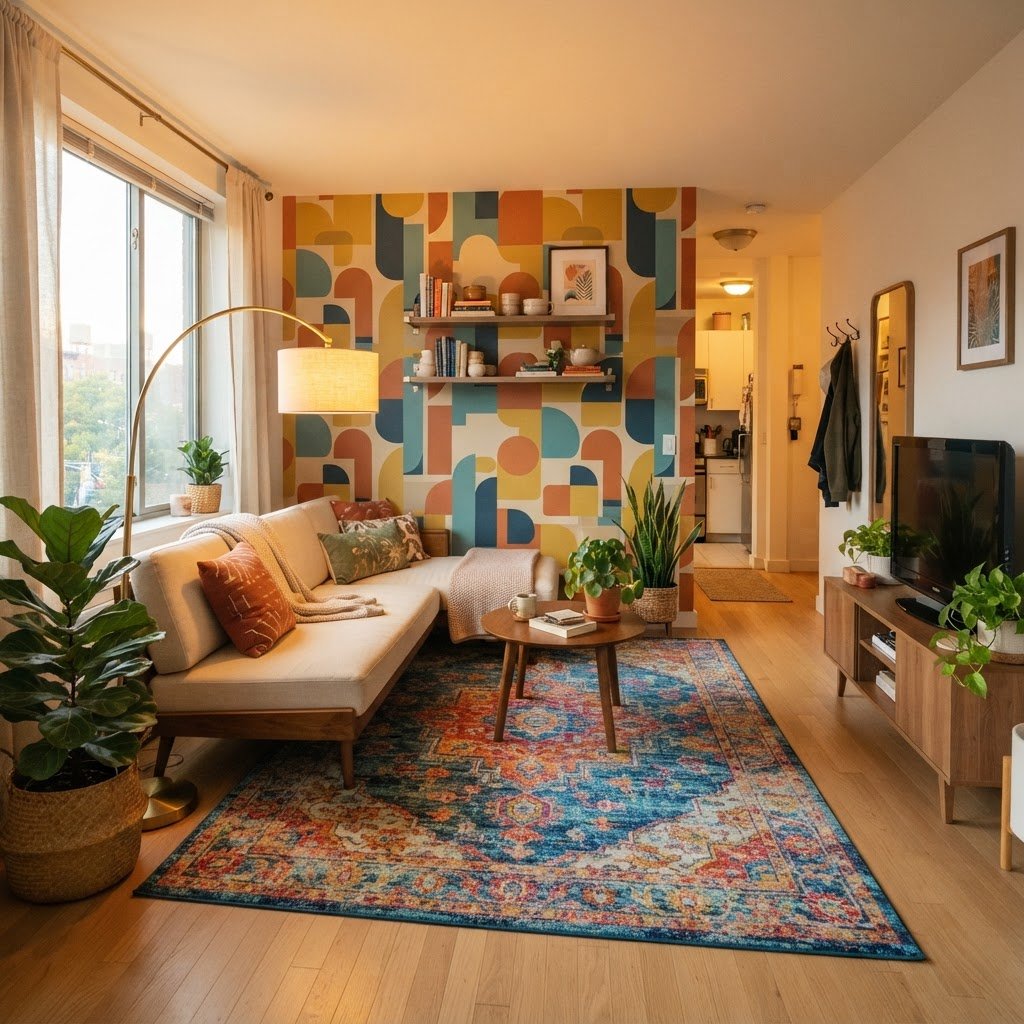
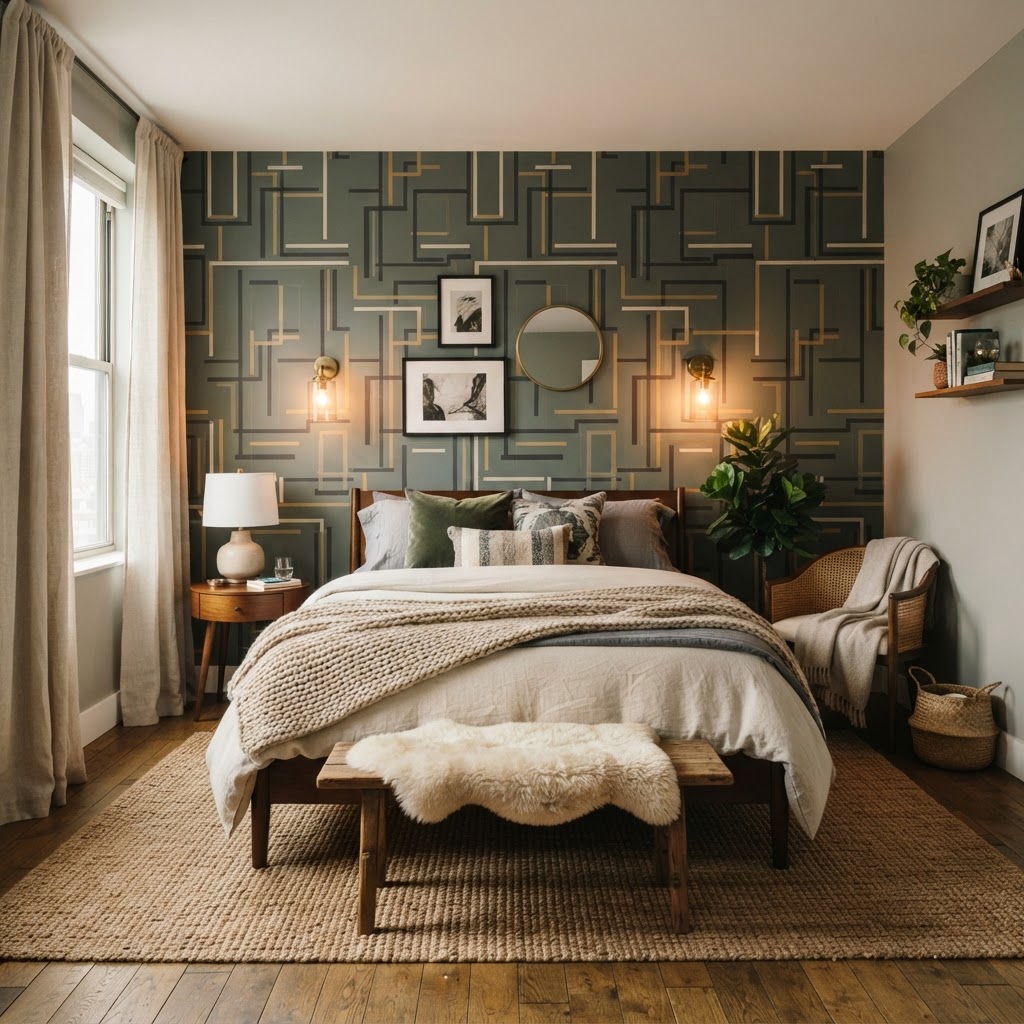
Blank walls are the hallmark of uninspired rentals, but you are not tethered to their monotony. Peel-and-stick wallpaper is a game-changer for those seeking cheap no-drill upgrades for tiny apartments. Whether you choose a bold pattern for an accent wall or a subtle texture to hide imperfections, removable wallpaper is designed to come off easily when your lease ends.
The Power of Washi Tape
For those on an even tighter budget, washi tape is a versatile decorative tool. You can create geometric patterns, faux wainscoting, or even custom wall art silhouettes directly on your walls. Because it is paper-based and low-tack, it leaves no residue behind, making it perfect for creative renters who love to change their decor frequently.
Lighting Enhancements for Ambiance
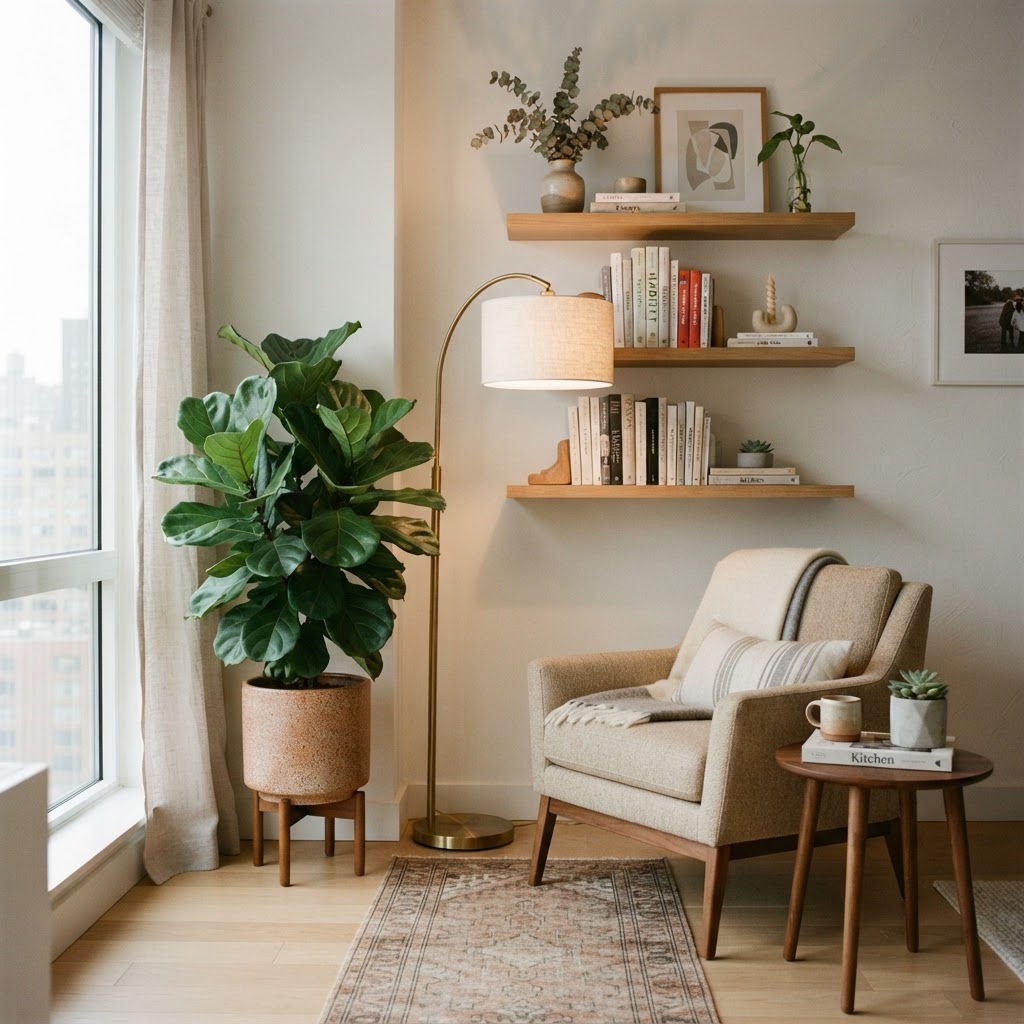
Lighting can instantly change the mood of a room, but many apartments suffer from harsh, fixed overhead lights. Instead of trying to change the fixtures, focus on adding lamps and smart lighting solutions. Floor lamps take up very little floor space, while strip lights can be hidden behind furniture or under cabinets to create an expensive, custom look.
Implementing Smart Tech
Smart bulbs are another fantastic no-drill upgrade. You can swap out standard bulbs for smart ones that change color or brightness via a mobile app. This allows you to transition your space from a bright, productive workspace during the day to a warm, cozy retreat in the evening without changing a single wire or installing new light fixtures.
Kitchen and Bathroom Facelifts
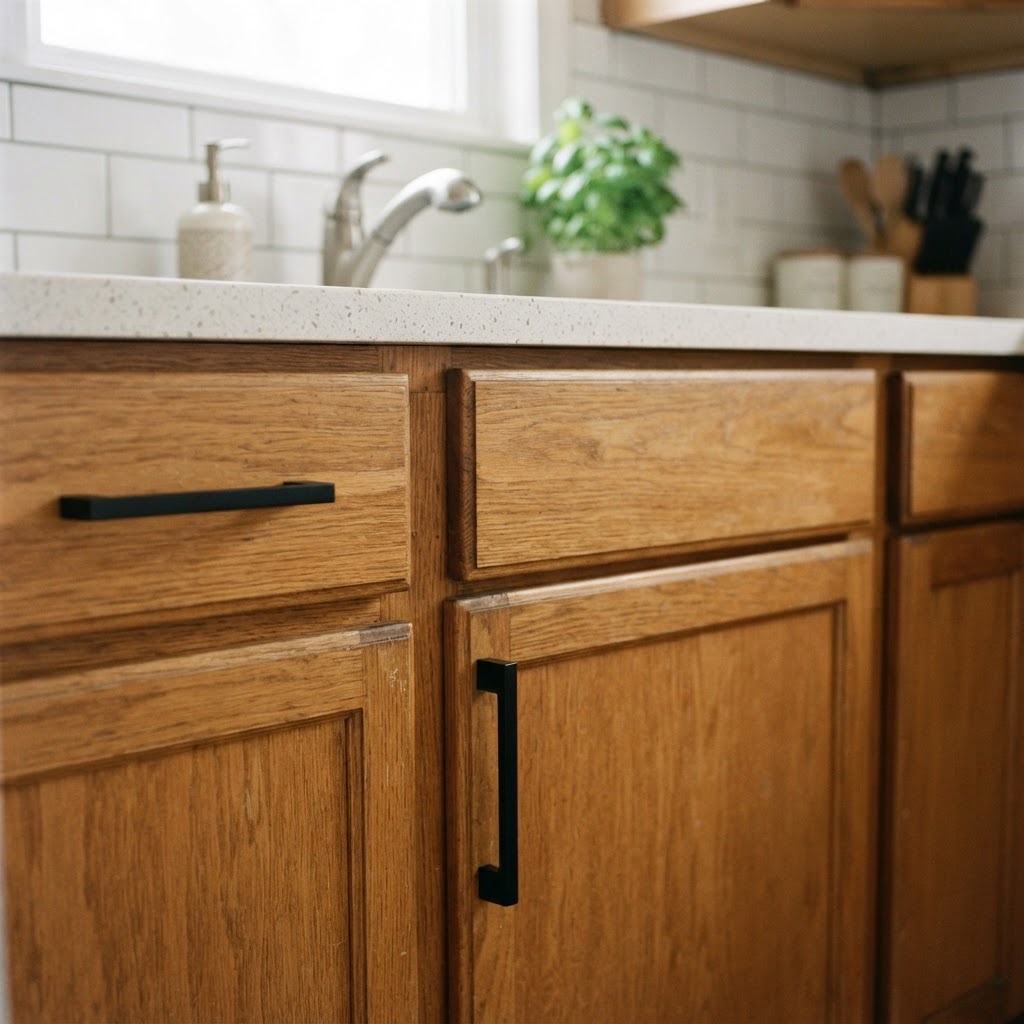
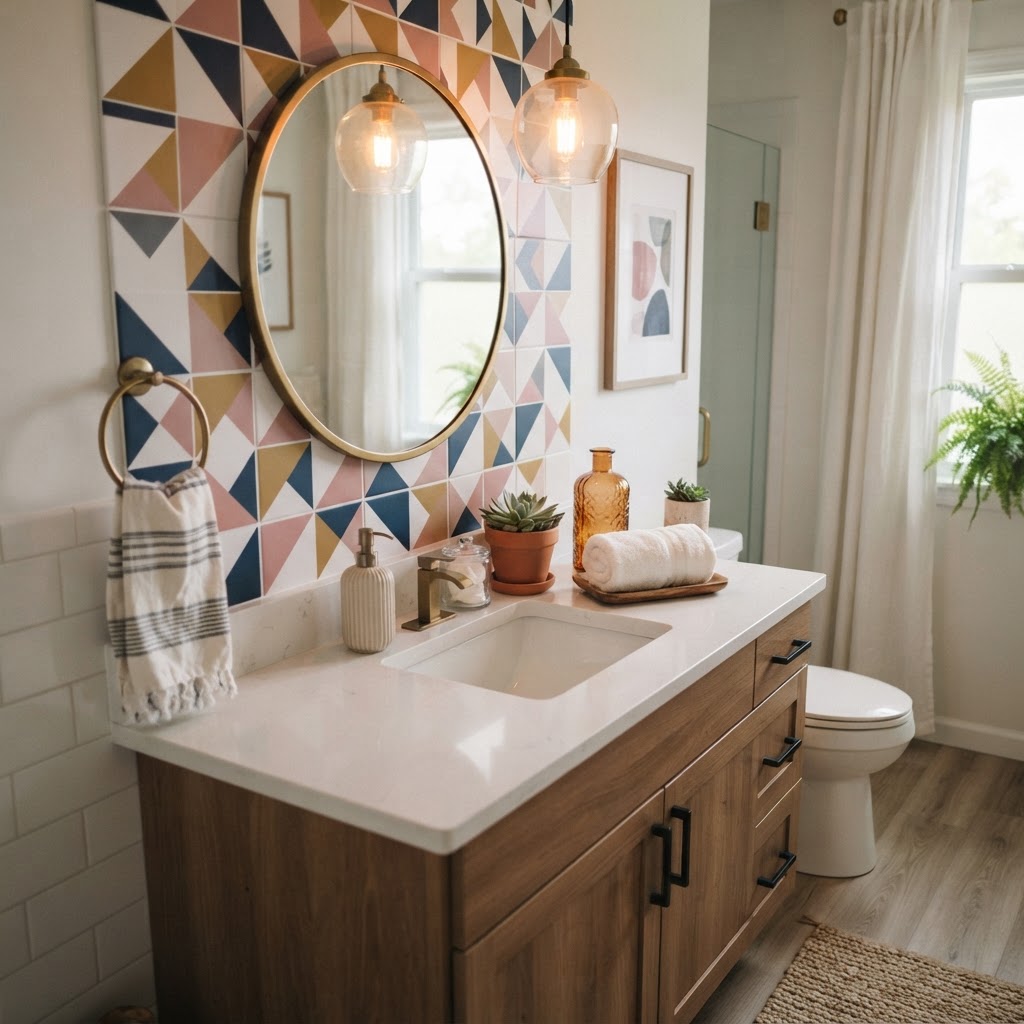
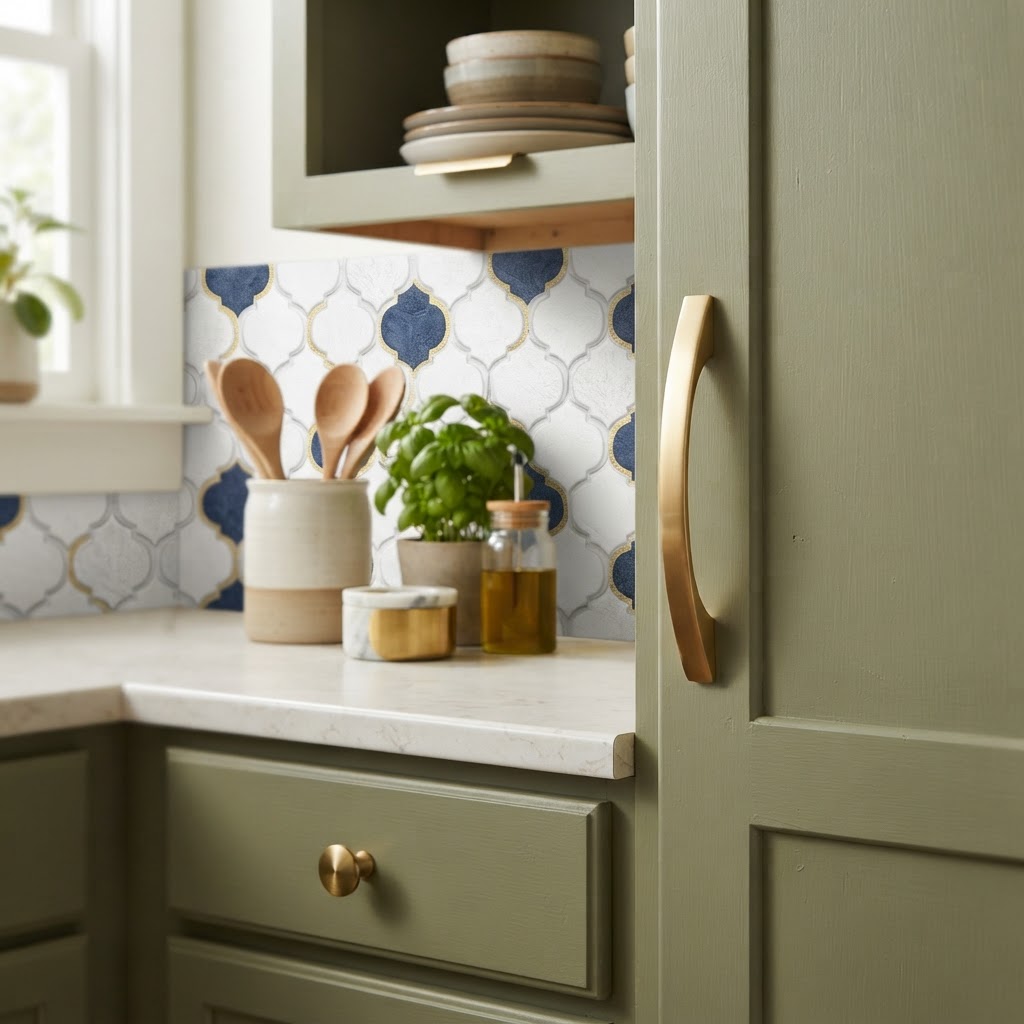
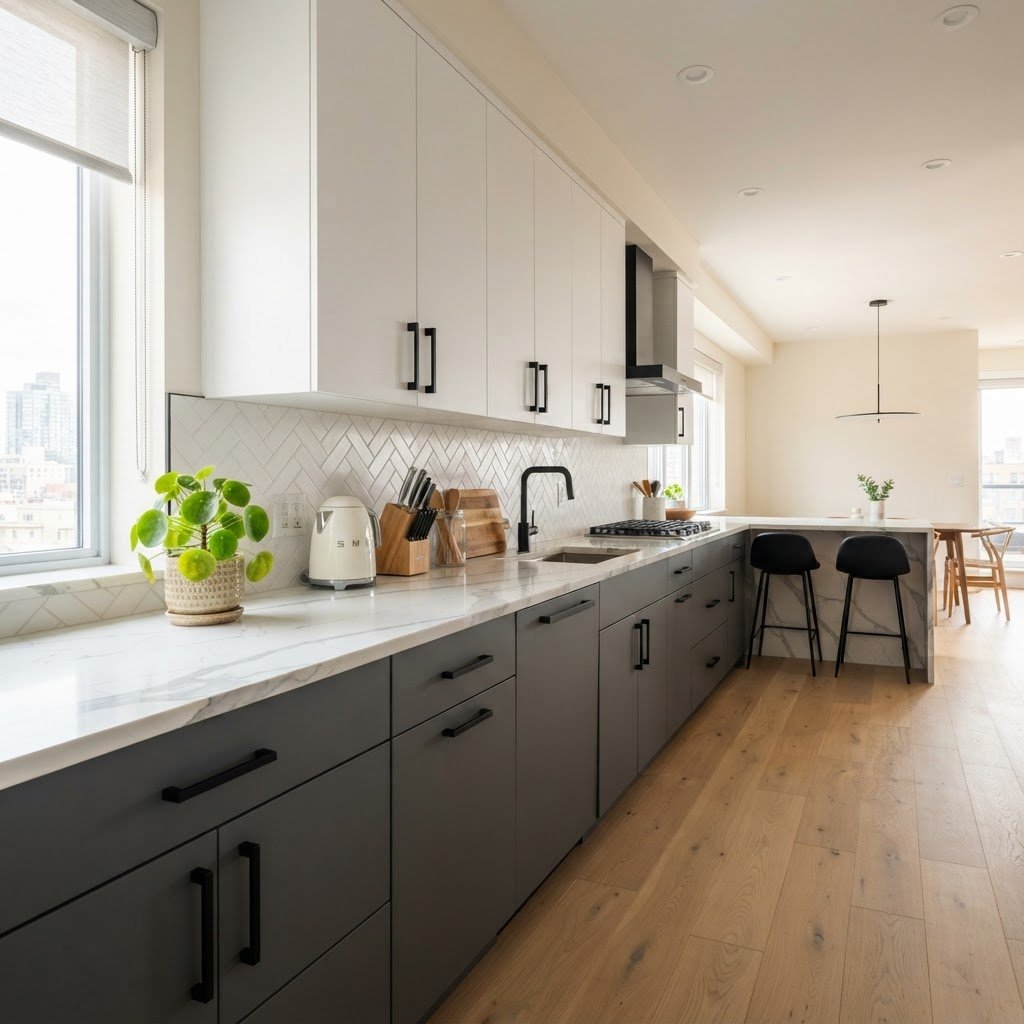
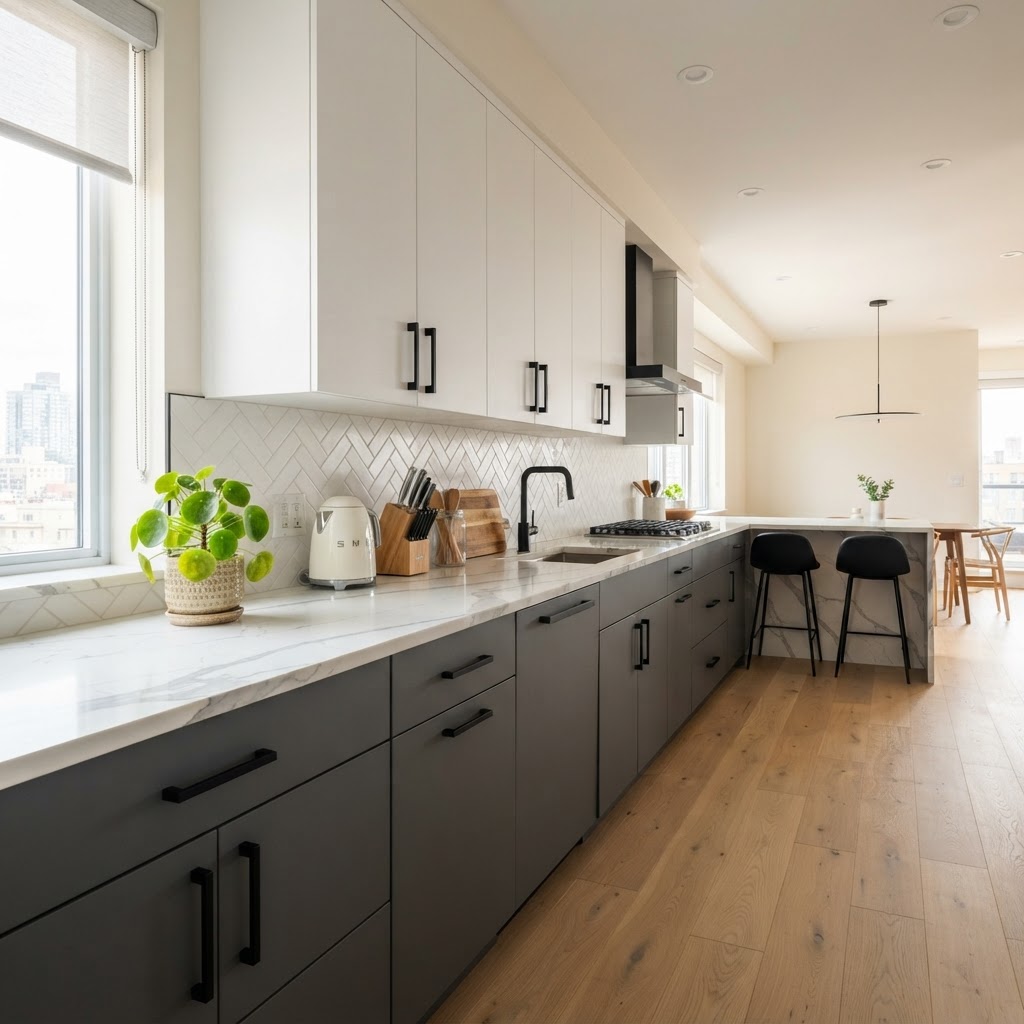
High-traffic areas like kitchens and bathrooms are often the most outdated parts of an apartment. Fortunately, you can swap out cabinet hardware for a modernized look. Simply unscrew the existing knobs or pulls, store them in a safe place, and install your own decorative options. Just remember to put the original hardware back before you move out.
Protecting Countertops and Surfaces
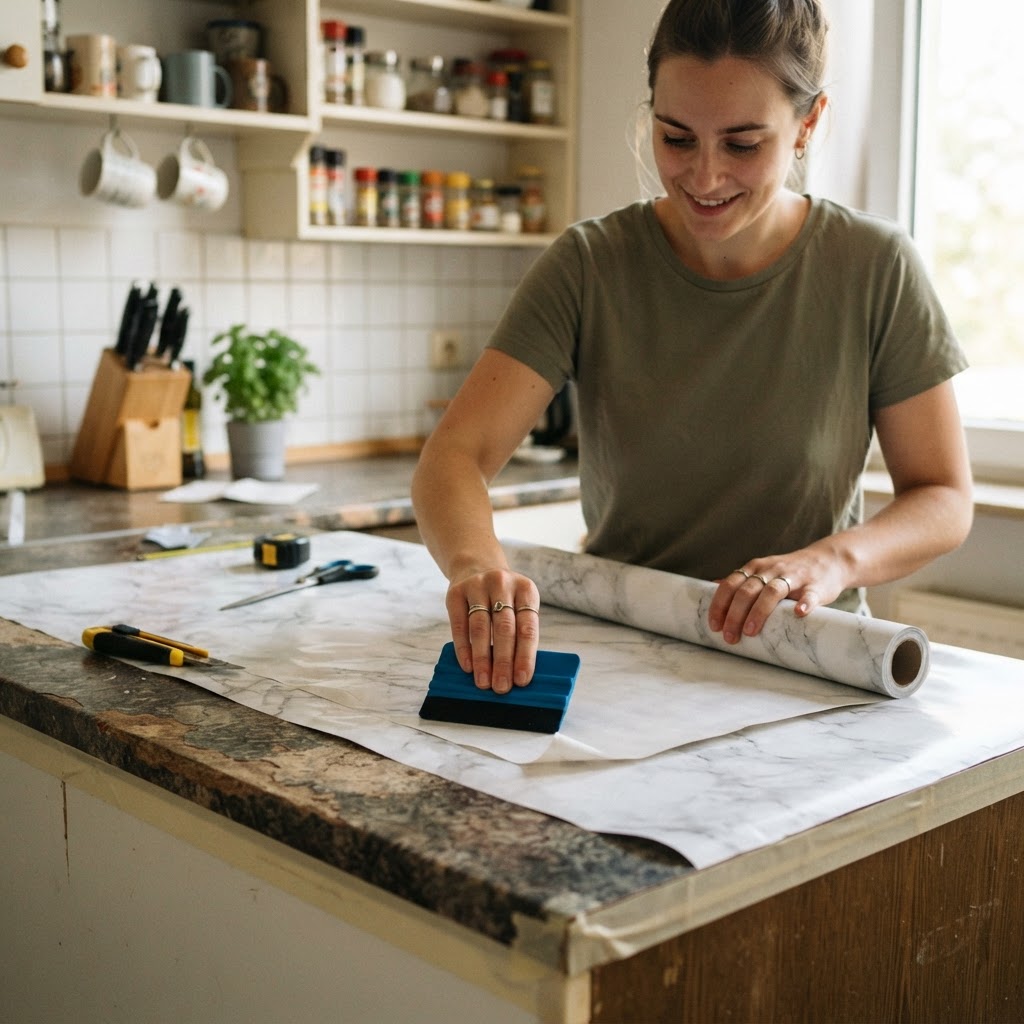
If your laminate countertops are scratched or an ugly color, use contact paper to cover them. It is heat-resistant enough for light tasks and looks remarkably like granite or marble when applied carefully. This small change can make an old, tired kitchen look brand new in a single afternoon.
Smart Storage Solutions for Small Spaces
Clutter is the enemy of tiny apartment living. To keep your home feeling airy and organized, look for furniture that serves double purposes. Ottomans with hidden storage, bed risers that create space underneath for bins, and over-the-door organizers are essential tools for maintaining order without drilling into walls or adding heavy, permanent cabinetry.
Using Tension Rods Creatively
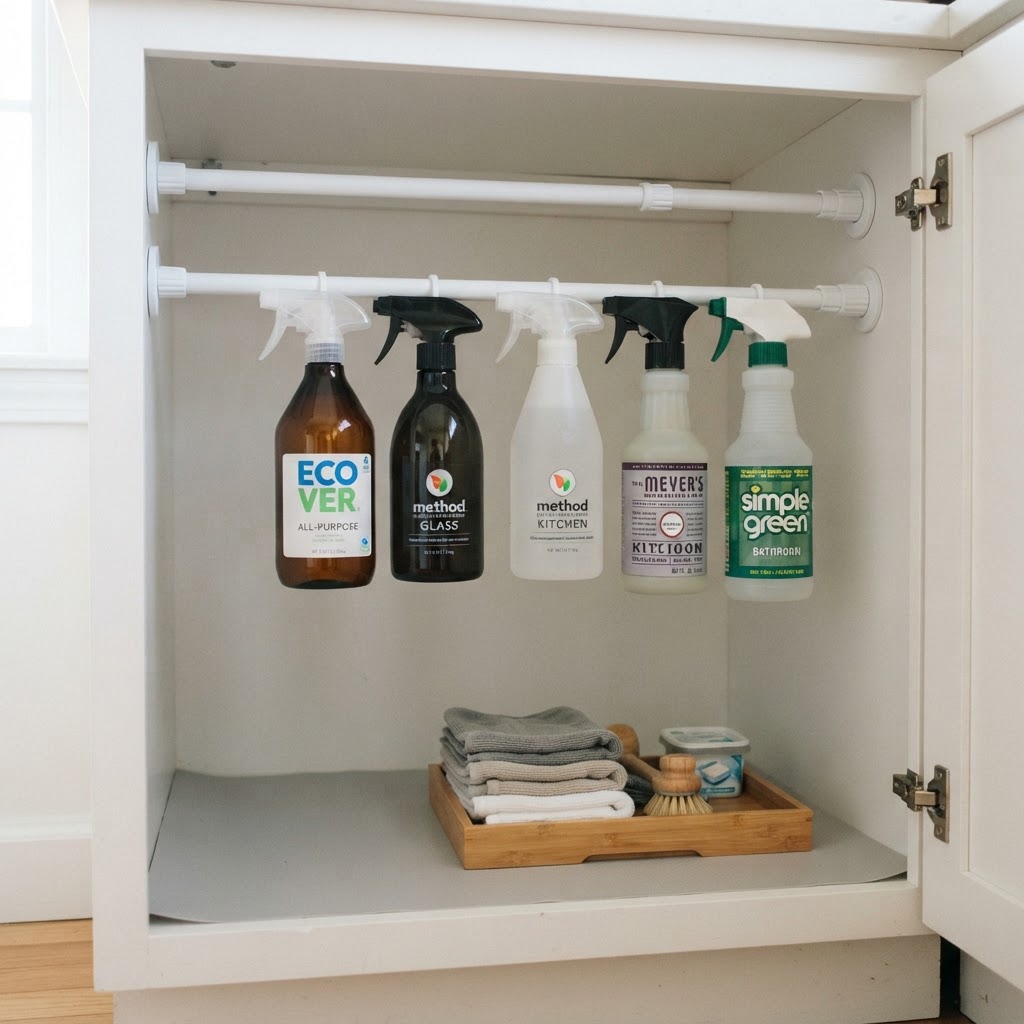
Do not underestimate the utility of tension rods. You can place them inside cabinets to hang cleaning supplies, inside deep drawers to act as dividers, or even inside window frames to hold curtains without using a drill. They are the ultimate non-damaging solution for creating order in confined spaces.
Textiles and Personal Touches
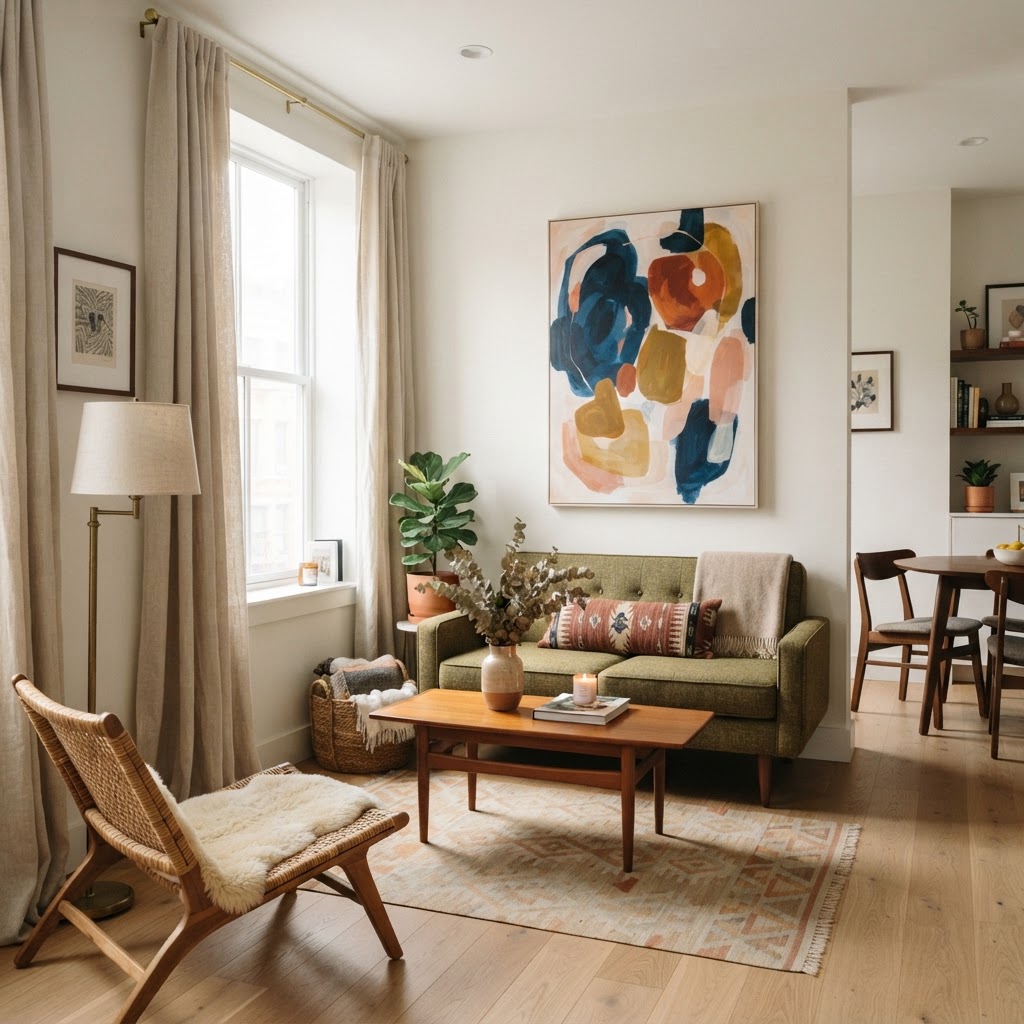
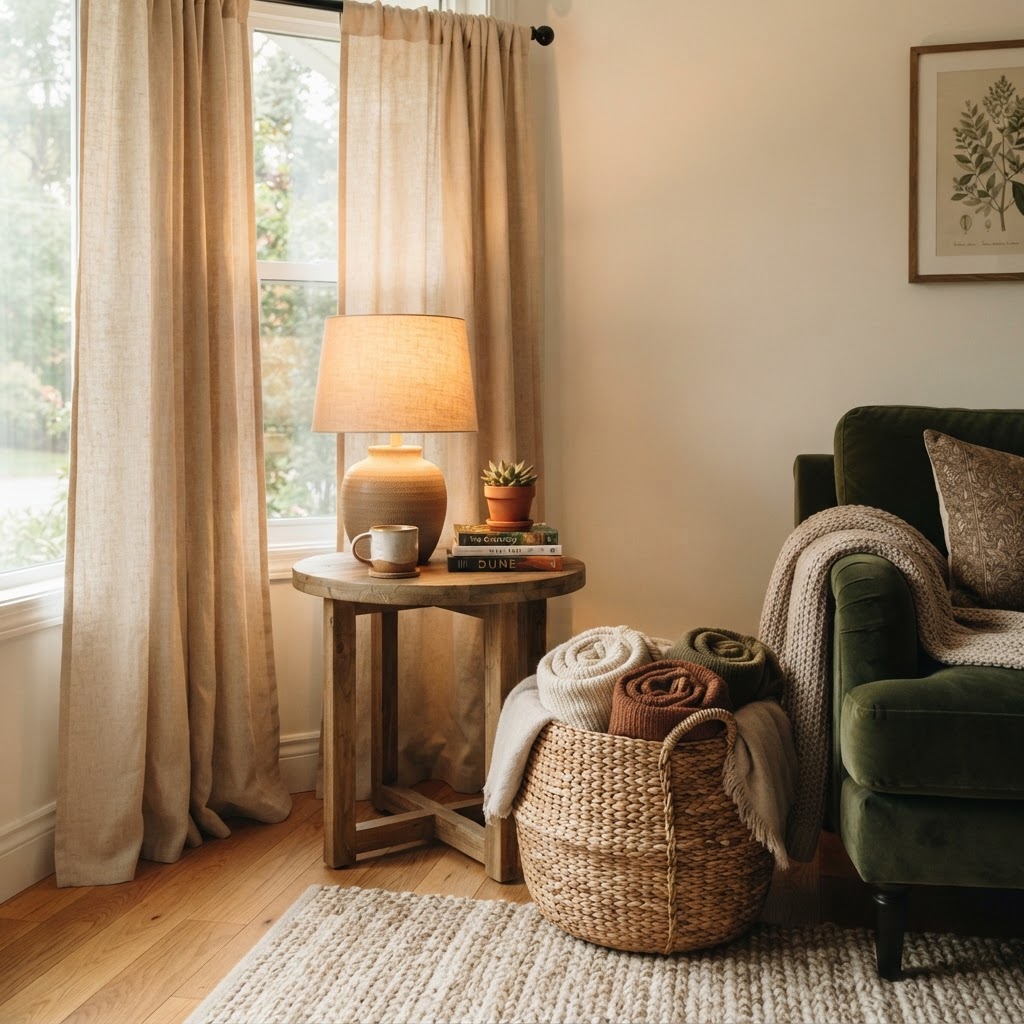
Sometimes the best upgrades are purely decorative. Layering rugs can define separate zones in a studio apartment, while plush throw pillows and curtains can add softness and color to a boxy room. These items don’t require any installation and can easily move with you to your next home.
Choosing the Right Light Fixtures
If your landlord allows, swapping out a basic ceiling flush mount for a plug-in pendant light can make a massive difference. You can simply hang the pendant from a decorative hook, ensuring you keep the original fixture to reinstall when you move out. This simple change shifts the focus from the ceiling to a beautiful, sculptural element that serves as a focal point.
Refreshing Walls Without Paint
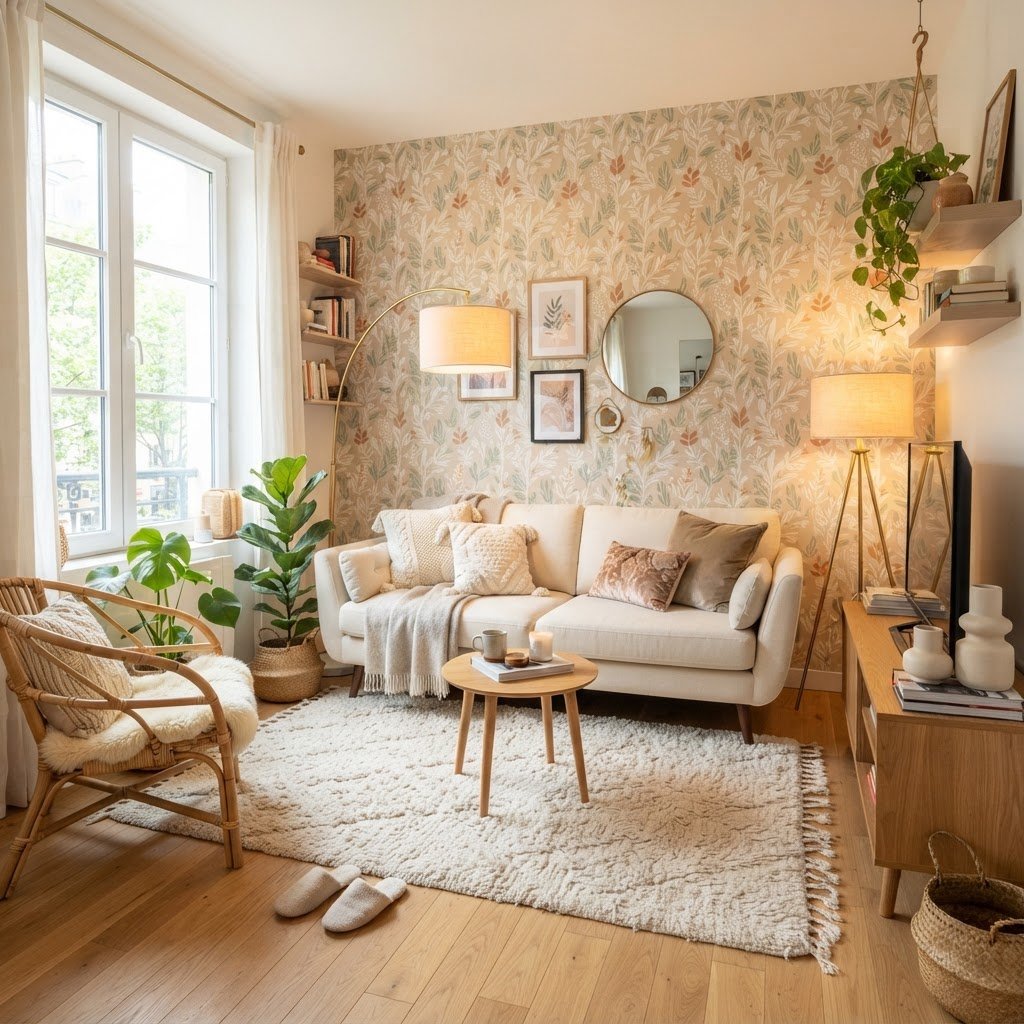
Many leases strictly prohibit painting walls, which can be the biggest hurdle for renters wanting a custom look. Fortunately, peel-and-stick wallpaper has come a long way. This removable alternative allows you to add texture, color, or bold patterns to your walls without damaging the underlying surface. You can use it on a single accent wall to create a professional “designer” look without the commitment of traditional paint.
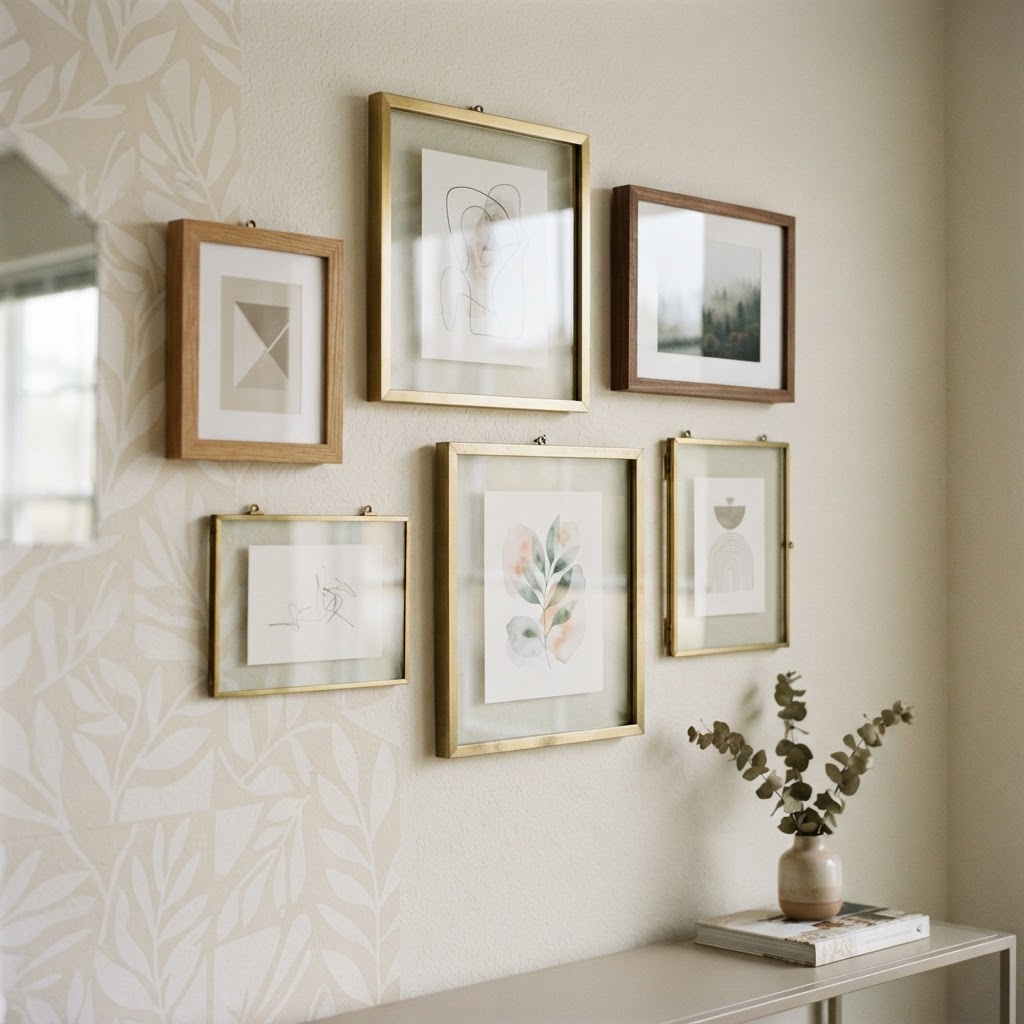
Alternatively, consider creating a gallery wall using removable adhesive strips. By curating a collection of art that speaks to your personal style, you can draw the eye away from bland walls and toward your curated decor choices. Mix sizes, frames, and subjects to give your walls an intentional, collected-over-time atmosphere.
Elevating Your Window Treatments
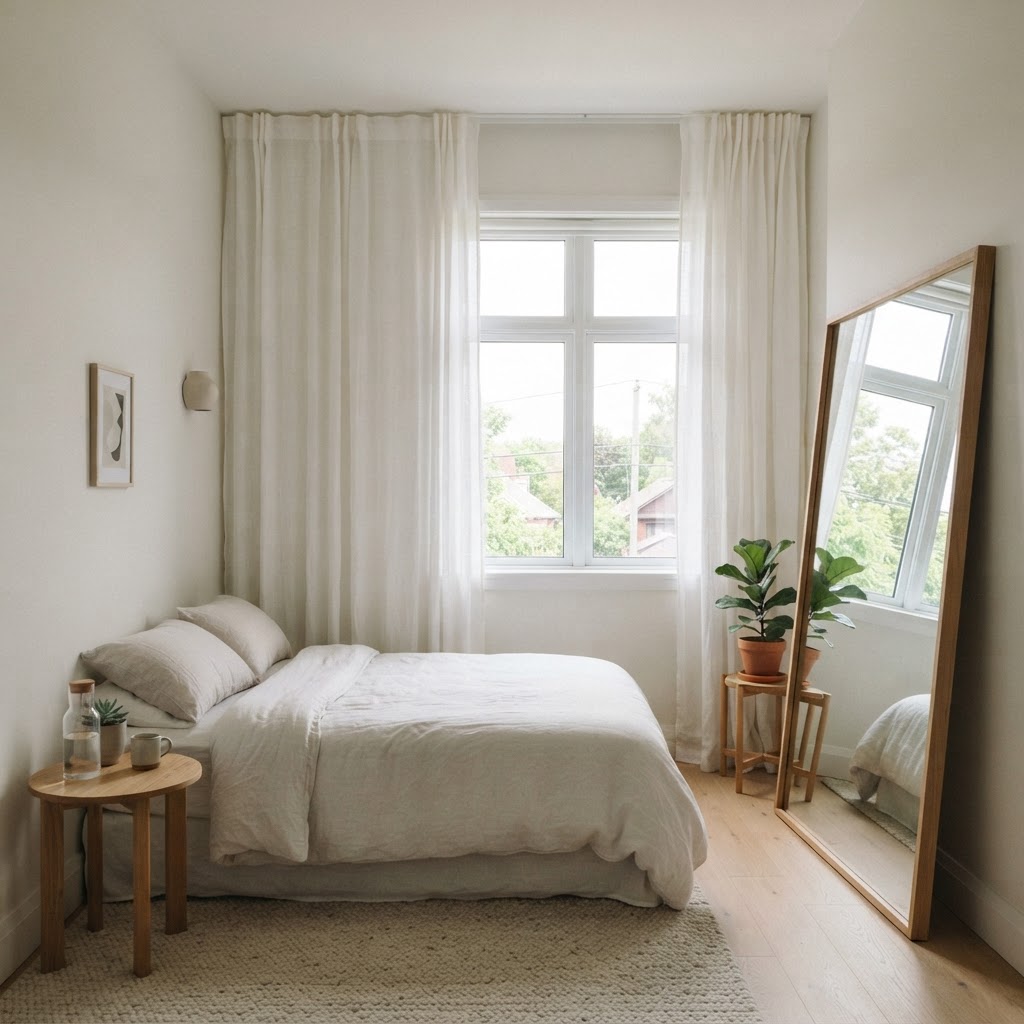
Standard rental blinds are often the first thing people notice in a space, and rarely for good reason. Upgrading your window treatments is one of the most effective budget ideas that help small rentals look a little more designer. By hanging curtains higher and wider than the actual window frame, you can trick the eye into thinking your windows are larger and your ceilings are taller.
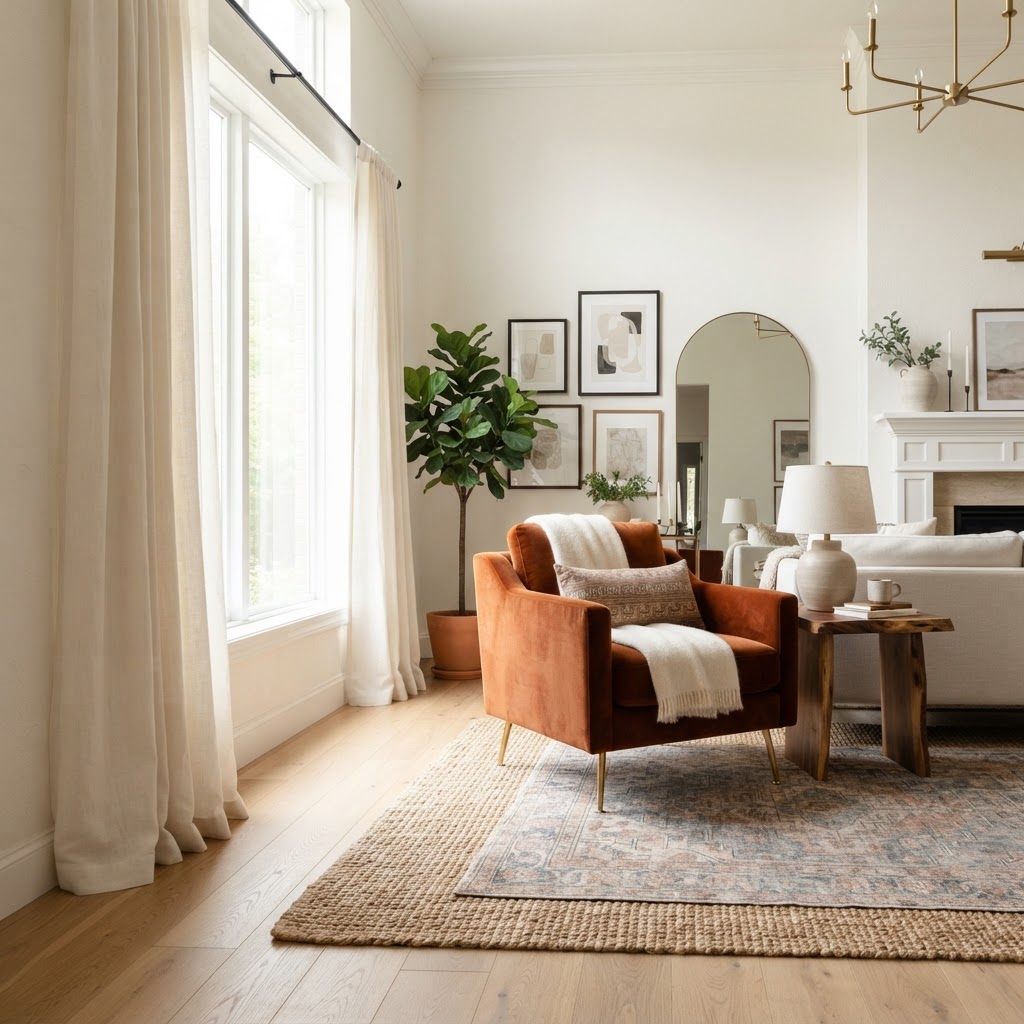
Choose fabric choices that offer a sense of luxury, such as linen, velvet, or high-quality cotton. Installing a curtain rod that spans the entire wall—rather than just the window—adds a sense of drama and architectural interest. This small investment in fabric transforms the room into a soft, high-end sanctuary.
Furniture Choices and Textiles
When living in a small space, every piece of furniture counts. Opt for multi-functional items that serve more than one purpose, such as an ottoman with storage or a console table that doubles as a workspace. These pieces help reduce clutter, which is essential for maintaining a sleek, designer-focused environment.
The Importance of High-End Textiles
Never underestimate the impact of textiles in your home. Layering rugs can add warmth, texture, and a sense of luxury to a room that feels incomplete. Place a smaller, high-texture rug over a larger, neutral jute rug to create an expensive-looking foundation. Add throw pillows in varying fabrics like boucle, velvet, or linen to add tactile depth to your sofa.
Creating Custom Storage Solutions
Clutter is the enemy of a designer look. When you don’t have enough closet space, you must get creative with your storage. Use matching bins or baskets to hide miscellaneous items on open shelves. Uniformity in storage containers immediately makes a space look more organized and professional.
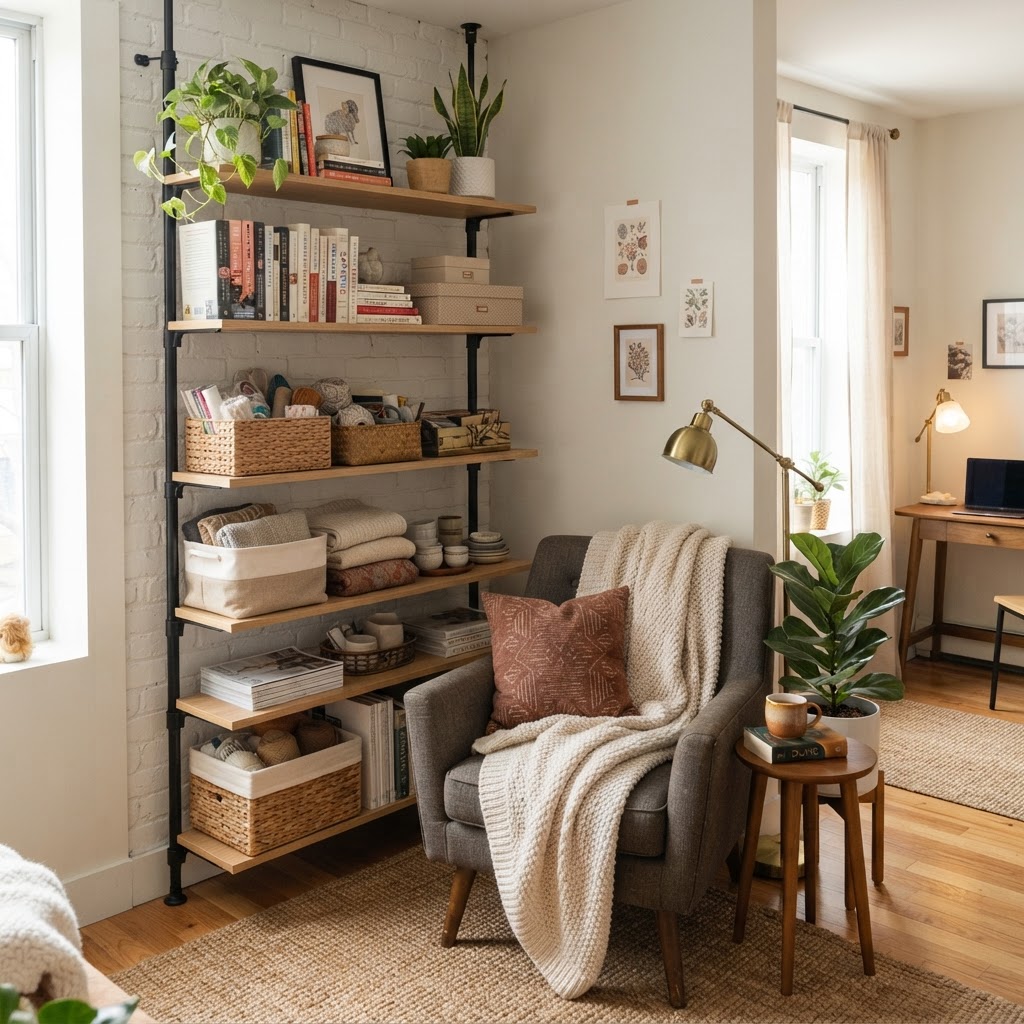
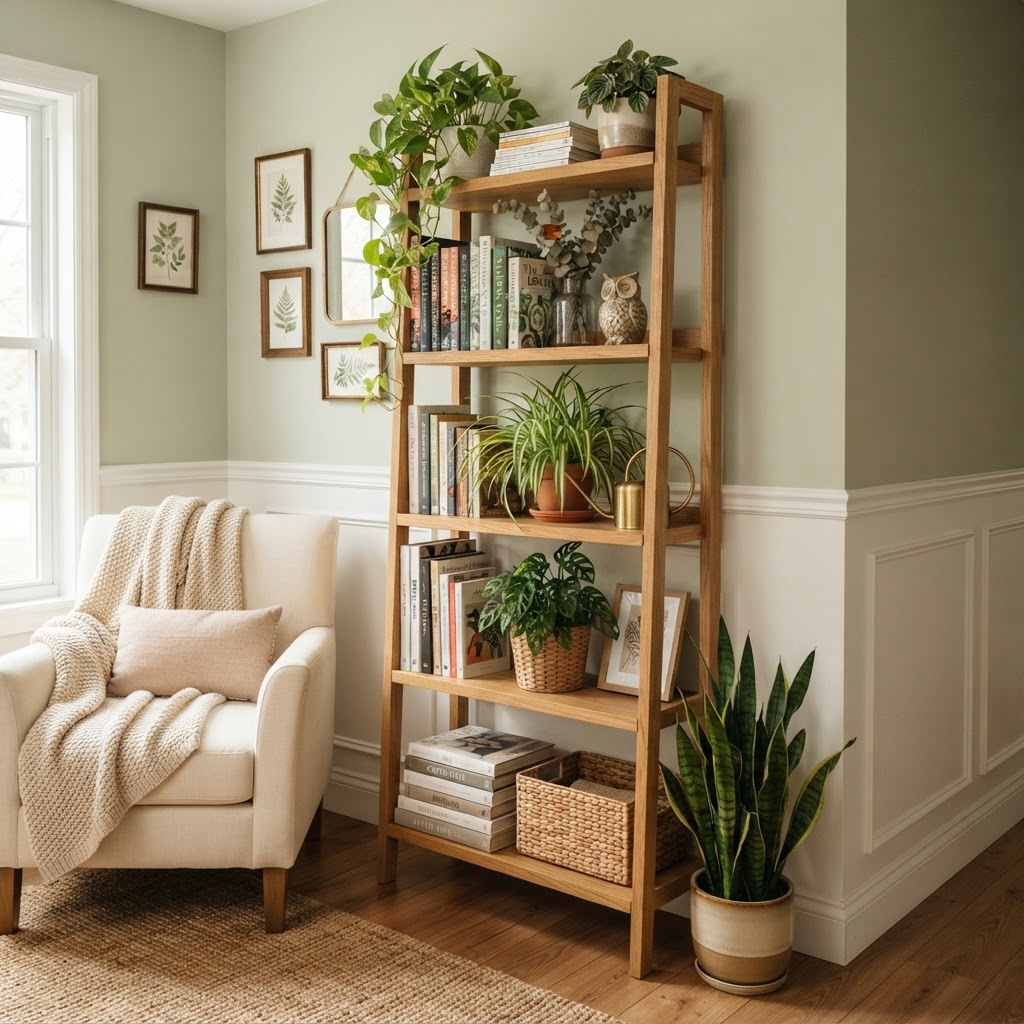
Consider adding vertical shelving units that go from floor to ceiling. This draws the eye upward, making your ceilings appear higher while maximizing your storage potential. By choosing furniture that keeps items tucked away behind doors or inside drawers, you create a cleaner, more minimalist silhouette that reflects a high-end design sensibility.
Incorporating Personal Touches
Design is ultimately about how a space makes you feel. To truly make a rental look designer, you need to inject your own story. This could be through travel souvenirs, family heirlooms, or DIY projects that showcase your creative skills. When you decorate with things that hold personal value, the space feels less like a “rental” and more like a curated home.
Balance your personal items with high-quality basics to keep the look cohesive rather than cluttered. Group items in odd numbers, like threes or fives, which is a classic design trick to make displays look balanced and deliberate. This approach ensures your personal belongings look like intentional decor choices rather than random clutter.
The Role of Greenery in Design
Plants are nature’s best accessories. Incorporating large, statement houseplants adds vibrant color and organic shape to a room. Not only do they improve air quality, but they also bring a sense of life to a space that might otherwise feel static. Use stylish ceramic planters or woven baskets to house your greenery, as these vessels act as decor in themselves.
If you aren’t a green thumb, consider high-quality silk plants that look realistic. The key is to choose plants that fit the scale of your room. A small succulent on a massive coffee table looks lost, but a large Fiddle Leaf Fig or Snake Plant in a corner adds height and architectural presence that mimics a professional interior designer’s touch.
Conclusion
Finding budget ideas that help small rentals look a little more designer is all about intentionality and creativity. By focusing on lighting, textiles, wall interest, and organized storage, you can turn any rental unit into a home that feels uniquely yours. Remember that you don’t need a total renovation to achieve a high-end look; small, consistent changes have the biggest impact.
Start with one room at a time, and don’t feel pressured to complete everything at once. Home design is a journey, not a destination. Which of these rental-friendly hacks are you going to try first? Let us know in the comments below or tag us in your home transformation photos on social media!
Living in a small apartment often feels like a constant battle between wanting to express your personality and the strict “no-damage” policies of your lease. Many renters feel stuck with bland, white walls and outdated hardware, but the good news is that you can implement simple deposit-safe changes for tiny apartments on a budget that breathe life into your home. With a little creativity and a focus on temporary solutions, you can transform your space into a sanctuary without sacrificing your security deposit.
The Philosophy of Temporary Rental Upgrades
When tackling a small rental, the goal should always be reversibility. Before you pick up a tool or a roll of adhesive, ask yourself if the change can be undone in minutes without leaving a trace. This mindset is the cornerstone of successful apartment living where you aim for maximum style with zero permanence. By choosing products designed for temporary use, you ensure that your design choices remain strictly within the bounds of your lease.
Why Budget Matters in Small Spaces
Tiny apartments have a natural advantage: you don’t need much material to make a big impact. A single gallon of peel-and-stick wallpaper or a few sets of command strips can transform an entire room. Because your footprint is small, your budget can stretch further, allowing you to prioritize quality over quantity. Focus on high-impact areas like lighting and wall texture to create a custom look for under a hundred dollars.
Refreshing Your Walls Without Paint
Walls are the biggest canvas in your apartment, yet they are often the most restricted area. Since landlords usually prohibit permanent paint jobs, peel-and-stick wallpaper has become a renter’s best friend. These vinyl decals are available in thousands of patterns, from sophisticated geometric prints to calming botanical motifs, and they peel away cleanly when you are ready to move out.
Creative Wall Treatments
If wallpaper feels too daunting, consider using oversized art or wall tapestries. A large-scale piece of fabric art can cover significant surface area, hiding scuffs or outdated paint colors instantly. Use heavy-duty, damage-free adhesive strips or specialized renter-friendly tension rods to hang these pieces, ensuring no nail holes are left behind.
Elevating Lighting in a Rental
Most apartment lighting is functional but uninspiring. The standard “boob light” or cold, clinical overhead fixture can drain the warmth out of a room. Replacing these fixtures is often prohibited, but you can easily layer light to change the atmosphere. Incorporate floor lamps, table lamps, and LED strips to create a soft, inviting glow that makes a small room feel larger and more luxurious.
Smart Lighting Solutions
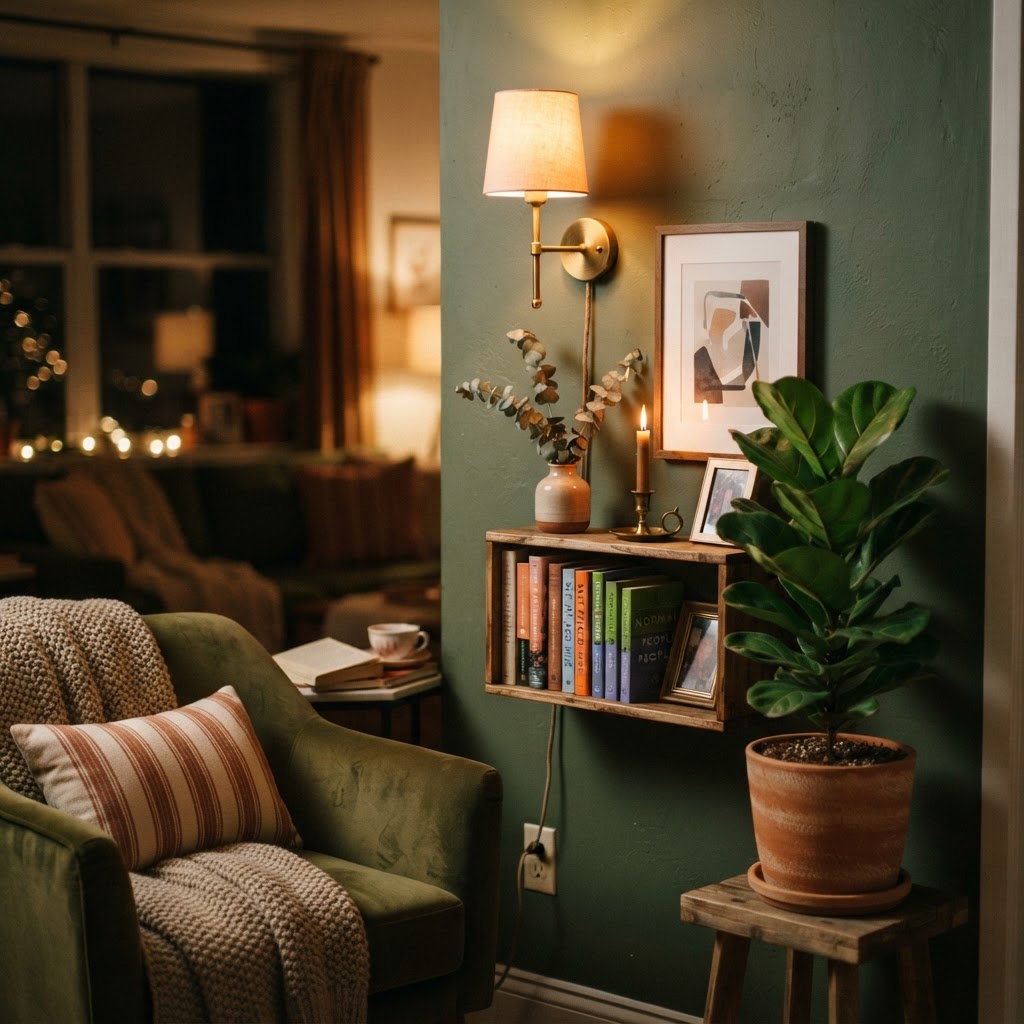
For an even more dramatic upgrade, use plug-in wall sconces. These fixtures mount to the wall with a simple bracket, and the cord runs down to an outlet, often covered by a decorative cord sleeve. They provide the high-end look of hardwired lighting without requiring any electrical work or landlord permission. They are truly one of the most effective deposit-safe changes for tiny apartments on a budget that you can make.
Hardware Swaps and Upgrades
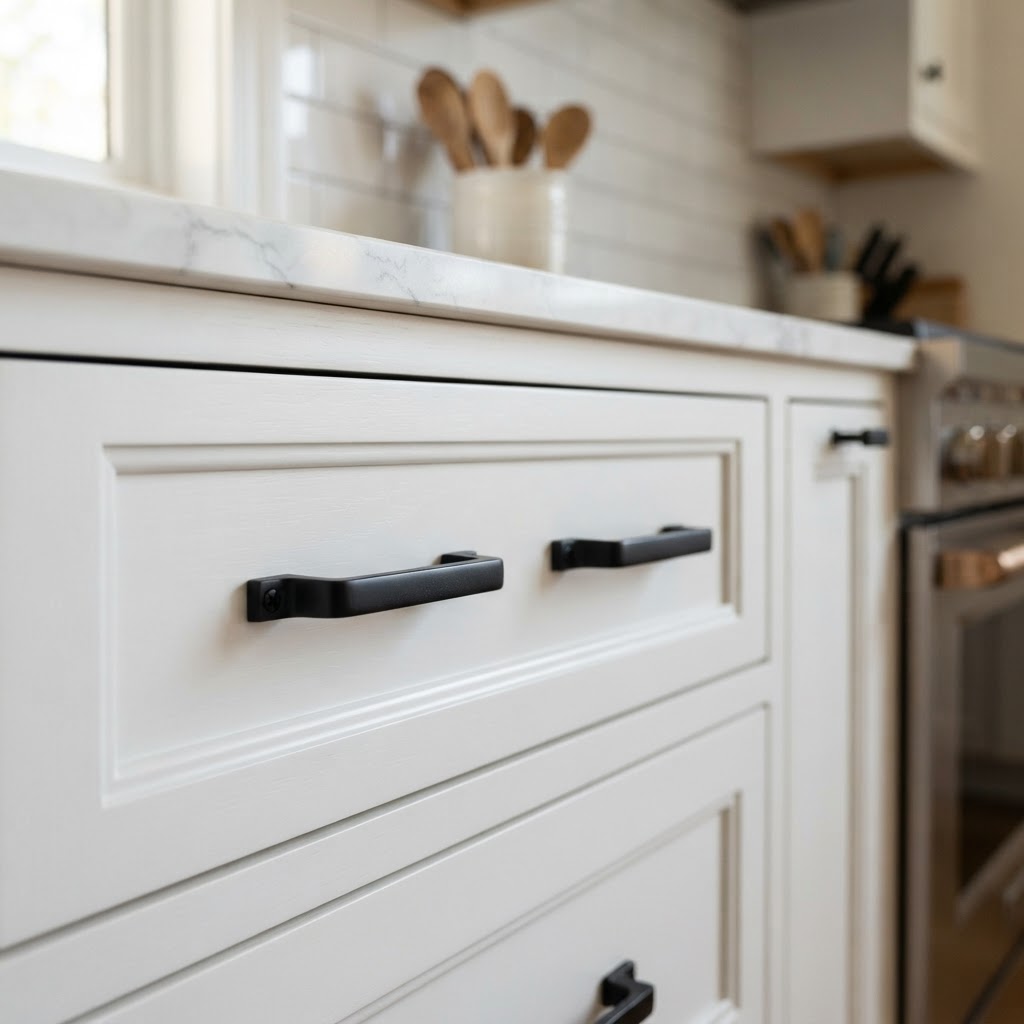
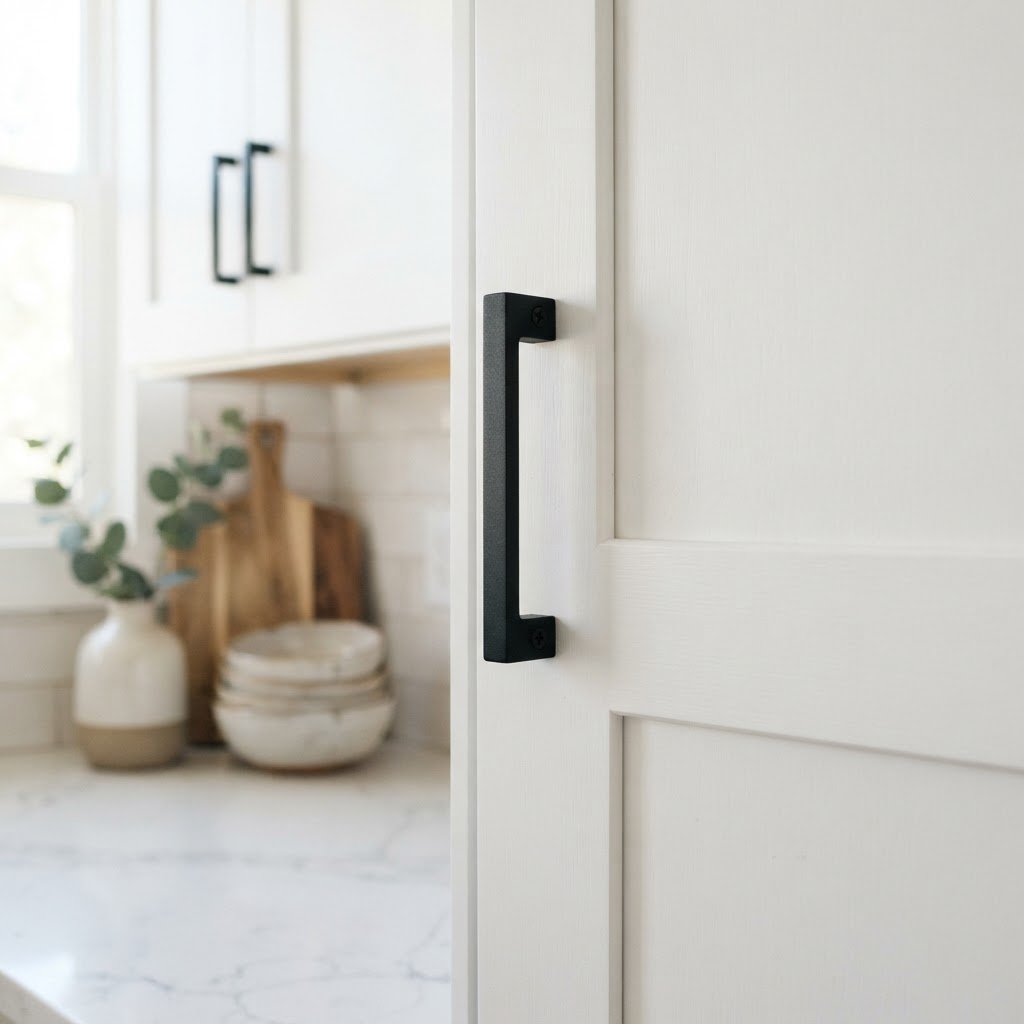
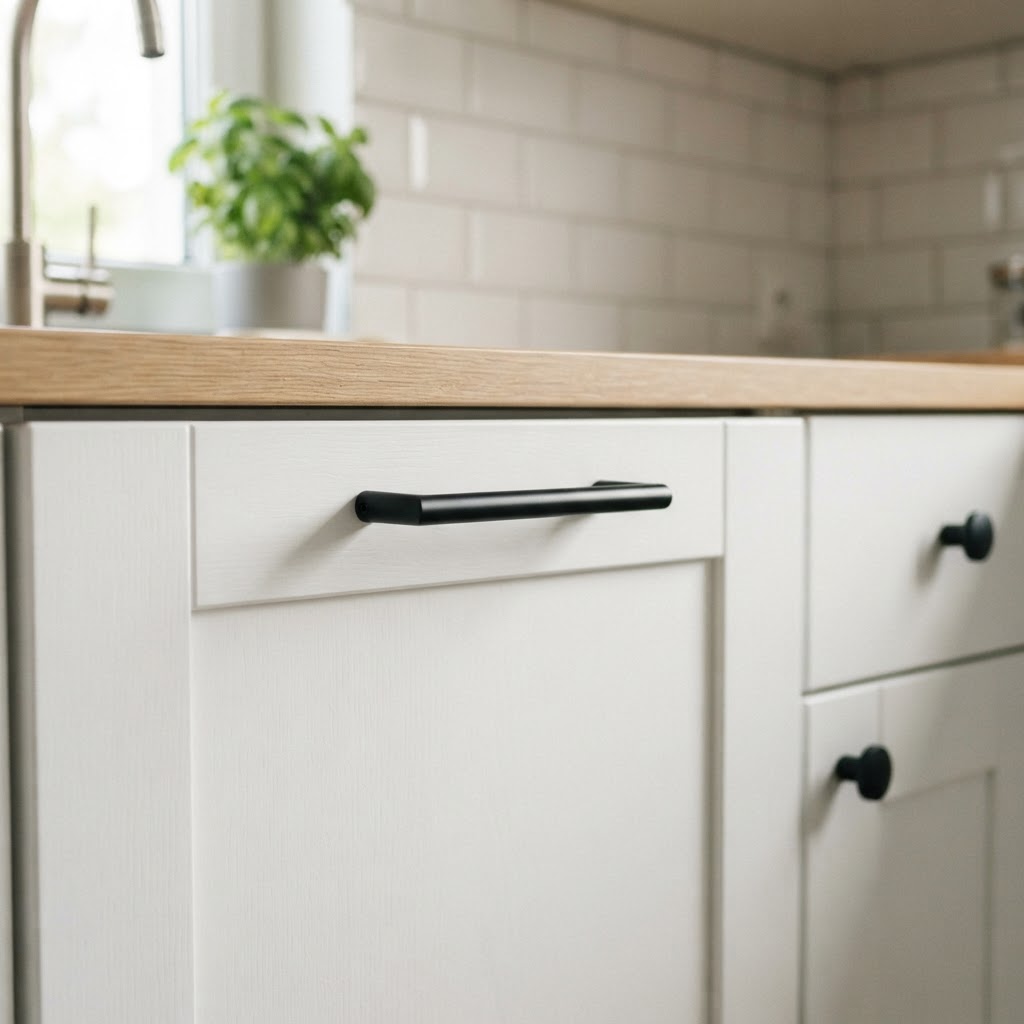
One of the most annoying aspects of a rental kitchen or bathroom is the dated cabinet hardware. While it may seem small, changing out builder-grade plastic knobs for brushed brass or matte black pulls makes a massive difference in the room’s overall aesthetic. The trick is to keep the original hardware in a labeled baggie inside your junk drawer. When it’s time to move, swap them back, and no one will ever know the difference.
The Power of Details
Beyond knobs, look for other temporary swaps. Replace standard outlet covers with stylish alternatives or cover them with decorative decals. If your kitchen faucet is particularly ugly, consider using a high-quality temporary stick-on wrap or simply adding an aerator that improves water flow and appearance. These minor changes add up to a much more polished look.
Managing Clutter and Maximizing Storage
In a tiny apartment, clutter is the enemy of style. If your space feels small, it is often because there are too many items competing for visual attention. To achieve a deposit-safe look that feels professional, you need smart storage solutions. Use vertical space by installing tension-mounted shelves or over-the-door organizers that do not require drilling into the walls.
Furniture as Storage
Choose furniture that serves double duty. An ottoman with hidden storage or a bed frame with built-in drawers can significantly reduce the amount of “stuff” cluttering your living area. When everything has a designated home, your apartment immediately feels more spacious and intentional, allowing your decorative elements to shine.
Soft Goods and Texture Layering
Sometimes, the best way to hide a rental’s imperfections is to distract the eye with texture. Invest in plush area rugs to cover unsightly carpet or damaged flooring. Use curtains that extend from the ceiling to the floor, as this draws the eye upward and makes ceilings appear higher. You can use tension rods or command-strip hooks to hang curtains if you are worried about curtain rod brackets damaging the window frames.
The Comfort Factor
Layering pillows, throws, and textiles brings warmth and personality into the room. Because these items are not attached to the building structure, they are the ultimate deposit-safe decor. They allow you to swap your color palette seasonally or whenever you feel like a change, keeping your apartment feeling fresh without any permanent commitment.
Conclusion: Your Home, Your Rules
Living in a rental does not mean you have to settle for a sterile, temporary environment. By focusing on peel-and-stick applications, smart furniture choices, and clever lighting, you can implement deposit-safe changes for tiny apartments on a budget that make your rental feel truly yours. Remember, the goal is to make the space reflect your personality while respecting the landlord’s property. Start with one small project this weekend—perhaps swapping out your cabinet hardware or adding a new rug—and watch how your apartment transforms from a temporary stopover into a cozy home. Happy decorating!
Check out our latest DIY tutorial series on YouTube for more renter-friendly inspiration and subscribe to our newsletter for budget home decor tips sent directly to your inbox.
10 Affordable Renter Hacks to Make Small Spaces Look Expensive
To make a small rental space look expensive on a budget, prioritize high-impact, non-permanent upgrades like swapping builder-grade hardware, installing floor-to-ceiling curtains, and utilizing oversized mirrors to create depth. These strategic changes manipulate scale and light, tricking the eye into perceiving a more curated, luxurious, and spacious environment.
Lighting Tweaks for Instant Elegance
Replacing standard, builder-grade overhead lighting is the single most effective way to eliminate the clinical, flat glow common in rental properties. If your lease prohibits changing permanent fixtures, use architectural statement lamps to define the room’s character; a high-quality brass or matte black floor lamp serves as both a light source and a sculptural art piece.
Layering Your Light Sources
Layering lighting is the secret to high-end design, and in a 500-square-foot apartment, you should aim for at least three distinct light sources per room. By mixing floor lamps for ambient light, table lamps for task lighting, and wall-mounted sconces for mood, you eliminate harsh shadows and create the depth found in luxury hotel suites. Avoid harsh blue-toned bulbs; opt for warm white LED bulbs between 2700K and 3000K to create a cozy, premium atmosphere.
Lighting Type
Best For
Benefit
Floor Lamps
Anchoring Corners
Adds height & luxury
Table Lamps
Task Areas
Creates intimate pools of light
Smart Bulbs
Mood Transitions
Allows for adjustable color temp
High-End Window Treatments
Swapping cheap plastic mini-blinds for floor-to-ceiling curtains is a high-leverage hack that instantly increases the perceived ceiling height and architectural sophistication of any room. When installing curtains, mount the rod 4 to 6 inches above the window frame or directly against the ceiling; this trick draws the eye upward, making standard 8-foot ceilings appear much taller.
Select heavy, high-quality fabrics like linen blends, cotton velvet, or weighted polyester-silk to achieve a professional finish. Using a double curtain rod—placing sheer panels closest to the window and heavy, opaque drapes on the outside—allows you to control privacy while maintaining a lush, layered look. Ensure the fabric width is at least 2 to 2.5 times the width of the window to ensure the drapes look full and expensive, rather than thin and stretched.
Upgrading Hardware and Fixtures
Kitchen and bathroom hardware in rentals is usually basic, but you can swap these for high-quality alternatives in minutes using only a screwdriver. Replacing standard chrome pulls with brushed gold, matte black, or oil-rubbed bronze hardware provides an immediate visual upgrade that makes cabinets appear custom-built. Always store the original pieces in a Ziploc bag taped inside the vanity to ensure your full security deposit return.
Consider upgrading to a pull-down kitchen faucet or a high-arc bathroom faucet. Modern models are often available for under $100 and can be installed without professional plumbing help in many cases, provided you keep the original unit. These tactile, high-touch points are what guests notice first when entering your kitchen or bathroom, and they contribute significantly to the perceived “quality” of the entire unit.
Curating Your Furniture Layout
Furniture arrangement determines the flow of a room; in small spaces, floating your furniture away from the walls is the hallmark of sophisticated, intentional design. Most renters push furniture against the perimeter, which creates an empty “dead zone” in the center that feels like a waiting room. Pulling the sofa forward, even just 6 inches, adds airiness and allows for better traffic flow.
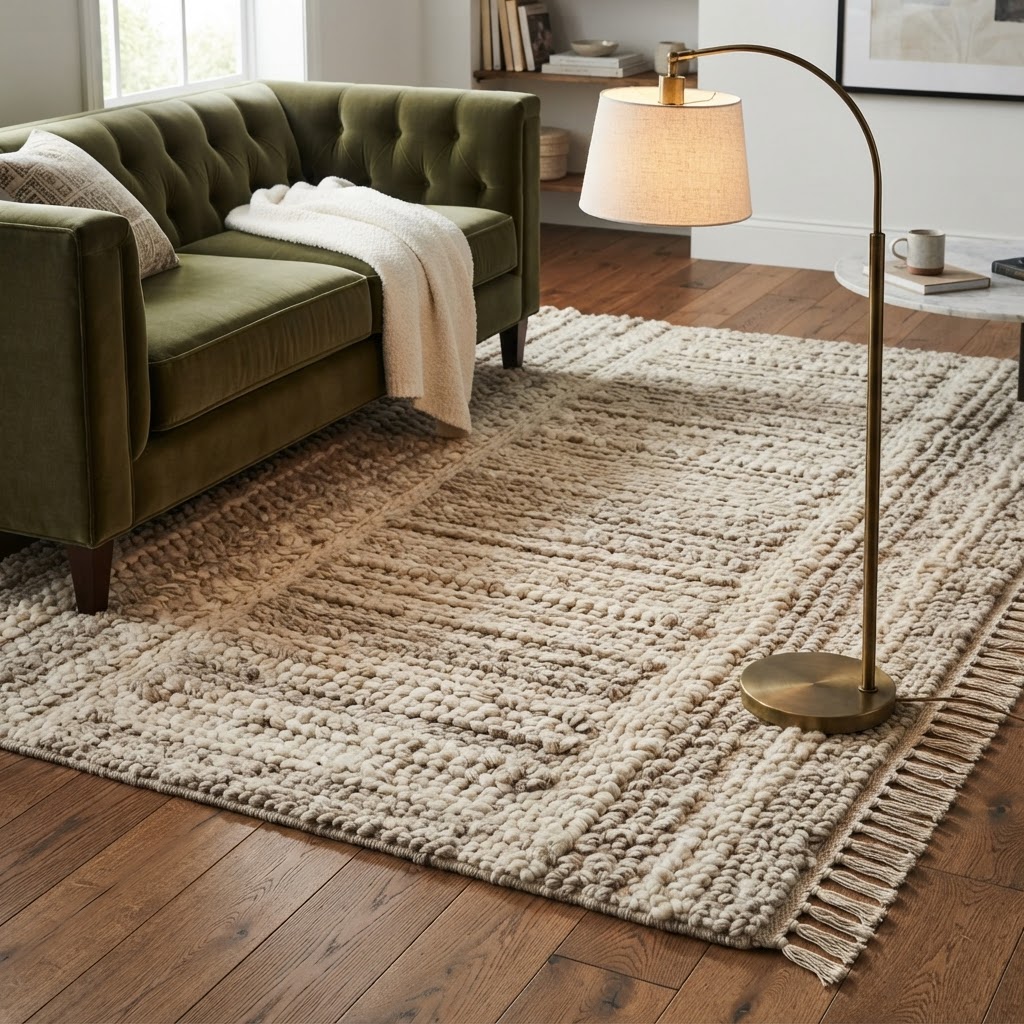
Anchor your living area with a large, appropriately sized area rug; a common mistake is using a rug that is too small, which visually shrinks the room. Aim for at least an 8×10 rug in a standard living space so the front legs of all furniture pieces can sit on it. When choosing furniture, prioritize pieces with exposed legs. By allowing the floor to be seen beneath the furniture, you reduce the “visual weight” of the items, making the floor area appear larger than it actually is.
Utilizing Vertical Space and Mirrors
When square footage is limited, look up and utilize your vertical surfaces to draw the eye away from the narrow floor footprint. Floating shelves offer a clean way to display curated decor without sacrificing square footage, but be sure to keep them organized—over-cluttering leads to a messy aesthetic rather than a luxurious one. Aim to leave 20% of shelf space empty for a “breathable” look.
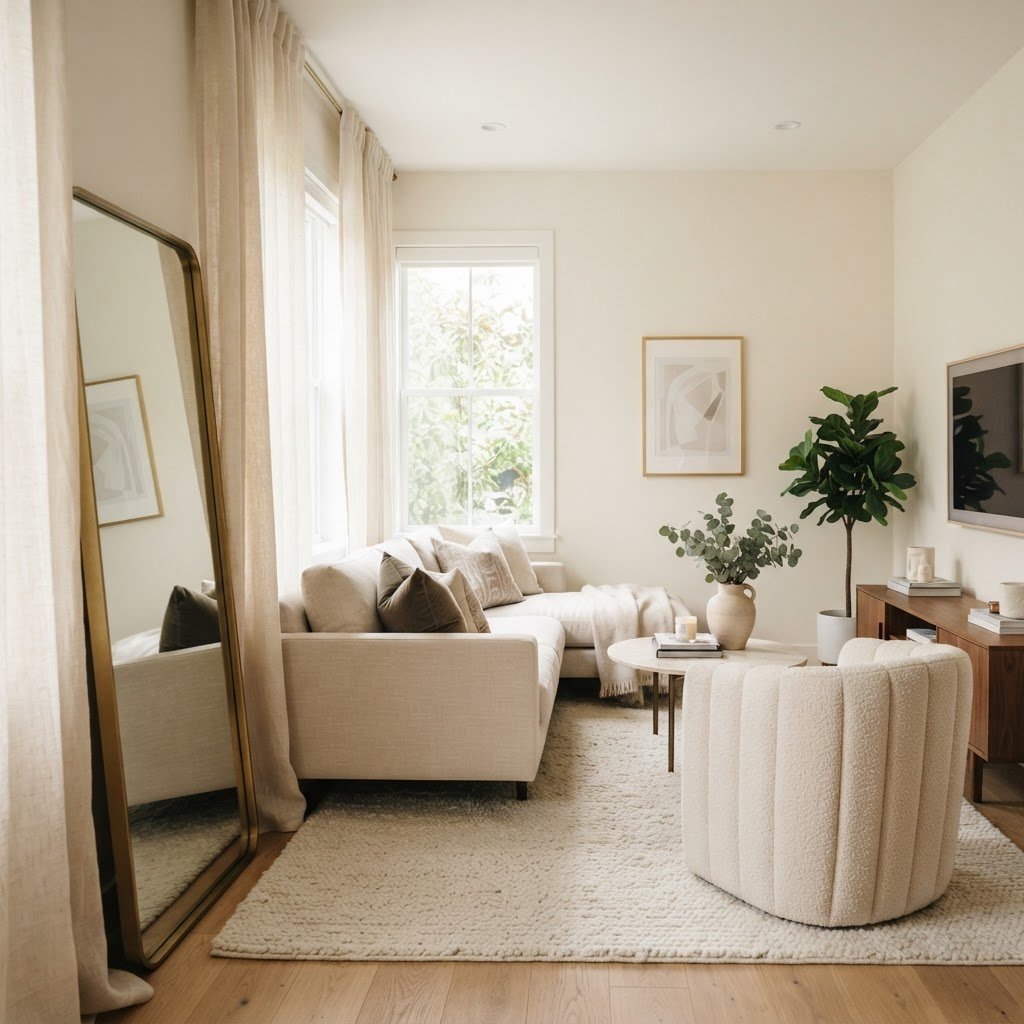
Mirrors are the oldest trick in the book for expanding space, but the secret is in the placement. Hang a large-scale mirror opposite a window to capture and bounce natural light throughout the room, effectively doubling the brightness. For a high-end look, avoid frameless mirrors and opt for oversized pieces with metallic or architectural frames that anchor the room as a true focal point.
Incorporating Textures and Art
Monochromatic rooms look expensive only when they utilize a variety of textures; without texture, a room feels flat and uninspired. Combine high-contrast materials such as a jute rug beneath a soft velvet sofa, or wool throw pillows paired with silk curtains. This layering creates depth and tactile interest that signals a professional, intentional design approach.
Art placement should follow the 57-inch rule: the center of your artwork should be roughly 57 inches from the floor, which is the standard eye-level for museum galleries. Avoid scattered, small pieces, which can make a wall look cluttered. Instead, commit to one large-scale oversized print or a cohesive gallery wall with uniform frames, which gives the space a sense of permanence and intentionality.
Adding Life and Greenery
Plants are a cost-effective way to add organic life to a sterile rental environment. Choose “architectural” plants like a fiddle leaf fig, snake plant, or bird of paradise, which grow vertically and serve as living sculptures. The container is just as important as the plant itself; replace basic plastic nursery pots with heavy ceramic, terracotta, or woven baskets to elevate the look from “temporary” to “designed.”
Plant Type
Care Level
Best Location
Snake Plant
Low
Low light corners
Fiddle Leaf Fig
High
Near bright windows
Pothos
Low
Hanging/Shelves
Affordable Renter Hacks Checklist
Replace generic hardware in the kitchen and bath with modern metals.
Hang floor-to-ceiling curtains 4-6 inches above the window frame.
Invest in an 8×10 or larger area rug to anchor furniture.
Swap overhead lighting for statement floor lamps.
Add floor-length mirrors to reflect natural light.
Style bookshelves with 20% negative space.
Use large-leafed plants in heavy ceramic pots.
FAQ
Can I make a rental look expensive without permanent renovations?
Yes, you can significantly elevate your rental’s aesthetic by focusing on non-permanent, “swappable” upgrades like changing cabinet pulls, adding floor-to-ceiling curtains, and incorporating strategic layered lighting. These items can be easily removed and packed up when you move out, ensuring you keep your full security deposit while upgrading the space.
How do I make a small room feel larger?
To make a small room feel larger, prioritize furniture that shows the floor, such as pieces with raised legs, and use a large area rug to define the space rather than several small ones. Additionally, hanging large mirrors and using light, neutral colors will help bounce light around, creating an airy, open feel.
What is the best way to handle rental lighting?
The best approach for rental lighting is to avoid the standard “big light” and instead layer your space with at least three smaller light sources, such as floor lamps, table lamps, and sconces. Using warm-toned bulbs (2700K-3000K) is critical for creating a luxurious, comfortable atmosphere instead of a clinical one.
Where should I hang my curtain rods?
Always hang your curtain rods as high as possible—ideally 4 to 6 inches above the window frame or directly touching the ceiling. This draws the eye upward and creates an illusion of higher ceilings, which is a classic interior design technique used to make rooms feel more grand and custom.
How many plants are too many for a small space?
In a small space, prioritize quality over quantity by selecting one or two large, sculptural plants rather than dozens of tiny ones. This prevents the room from feeling cluttered and allows the greenery to serve as a high-end focal point that enhances the room’s overall architecture.
You can transform a tiny apartment without drilling by utilizing heavy-duty adhesive hooks, tension rods, peel-and-stick vinyl tiles, and multi-functional modular furniture. These reversible, damage-free upgrades effectively maximize square footage, inject personal style, and ensure your full security deposit return while creating a highly functional and aesthetically pleasing living environment.
Rethinking Your Lighting Strategy
Properly layering light sources is the most effective way to eliminate the ‘sterile’ feel of standard rental overhead lighting and expand the perception of space. By replacing harsh, singular bulbs with a mix of ambient, task, and accent lighting, you can visually push back the walls of a cramped room. For instance, placing a floor lamp in a dark corner removes deep shadows that shrink a room’s footprint. If you lack floor space, plug-in wall sconces mounted with 16-pound capacity adhesive hooks provide hotel-quality lighting without a single nail. Research indicates that using warm-toned bulbs (2700K to 3000K) makes small spaces feel more inviting compared to clinical cool-white bulbs. Aim for at least three distinct light sources per room—a floor lamp, a table lamp, and an accent light—to create depth. This method transforms your apartment from a static ‘box’ into a dynamic, multi-dimensional living area, effectively tricking the brain into perceiving more open square footage than actually exists. Always prioritize LED bulbs to keep energy costs under $2 per month while gaining high-output illumination.
Creating Depth Through Texture
When you cannot renovate, you must decorate with layers. Use floor lamps to highlight corners or dark nooks to push the boundaries of the room visually. By ensuring that every corner of your apartment has a dedicated light source, you effectively erase the shadows that make small areas feel claustrophobic.
Lighting Type
Best For
Rental Installation
Floor Lamp
General Ambiance
Zero impact
Plug-in Sconce
Task/Reading
Command Strips
LED Strip Lights
Cabinet/Shelf
Adhesive Backing
Transforming Walls Without Paint
Peel-and-stick wallpaper and heavy-duty adhesive gallery systems offer a high-impact, temporary solution to the ‘builder-grade’ wall problem found in most rentals. High-quality vinyl wallpaper, which typically costs between $1 and $4 per square foot, allows renters to create a custom focal wall that can be removed in under 30 minutes without leaving residue. Unlike standard wallpaper, modern peel-and-stick products are designed to withstand humidity, making them suitable for bathrooms and kitchens. To maximize visual interest, avoid patterns that are too busy, as they can make a small room feel crowded; instead, opt for geometric shapes or textures that add character without overwhelming the eye. For artwork, utilizing ‘picture hanging’ adhesive strips rated for up to 12 pounds ensures you can display large-scale pieces safely. Research shows that focusing decor on one ‘anchor wall’ behind a sofa or bed provides a psychological sense of permanence. Always test a small patch of wallpaper in an inconspicuous area (like behind a closet door) for 48 hours to ensure the adhesive does not react poorly with the existing paint. This commitment-free approach allows you to experiment with current design trends, such as bold botanical prints or serene textural grasscloth, without violating your lease agreement or losing your deposit.
Elevating Kitchens with Removable Accents
Swapping out standard cabinet hardware and installing temporary backsplash tiles are the fastest ways to modernize a kitchen, providing a custom look that takes less than one hour to complete. By replacing generic, mass-produced knobs with high-quality brass or matte black pulls, you elevate the tactile experience of your kitchen while keeping the original hardware safe in a labeled baggie for move-out. Peel-and-stick backsplash tiles offer an even more significant visual transformation, covering outdated tile or stained walls for roughly $15 per linear foot. These vinyl solutions are heat-resistant up to 140°F, making them durable enough to handle standard stovetop cooking. Furthermore, utilizing magnetic strips held in place with double-sided mounting tape keeps frequently used metal tools and knives off your limited counter space, adding approximately 2 square feet of usable prep area. When choosing kitchen hardware, measure your existing center-to-center hole spacing—standard sizes are typically 3-inch, 3.75-inch, or 5-inch—to ensure the new pieces fit perfectly without needing to create new holes. These minor, reversible upgrades turn a generic rental kitchen into a personalized culinary station.
Strategic Storage Solutions
In a tiny apartment, clutter is the enemy of style. Utilizing vertical storage is essential, but it must be done without drills. Over-the-door organizers are perfect for pantries or bedroom closets, while tension rods can be installed inside cabinets to hang cleaning supplies or lightweight kitchen tools.
Managing Clutter with Modular Furniture
Modular, multi-purpose furniture that sits on legs is the secret to maintaining a sense of openness in a small floor plan. Furniture with exposed legs—often referred to as ‘leggy’ furniture—allows the eye to travel across the floor to the base of the wall, which makes a room feel larger than it would if you used pieces that sit flush to the ground. When selecting items, prioritize pieces that serve dual functions, such as an ottoman with internal storage that can act as a coffee table or a desk that folds into a wall-mounted console. Modular storage systems, like cube organizers or stackable shelves, allow you to adapt your layout to fit specific wall configurations as your storage needs change. Research into spatial design confirms that keeping the floor 30% visible significantly reduces the feeling of ‘overcrowding.’ Aim for pieces that share a similar color palette to your walls; this visual uniformity helps the furniture ‘blend in,’ reducing the visual weight of the room. Always check that your furniture dimensions allow for a minimum 24-inch walking path to ensure your small space remains functional and easy to navigate on a daily basis.
Bringing Nature Indoors
Plants are the ultimate no-drill upgrade because they add height, texture, and life to any corner without needing a single screw. Use plant stands of varying heights to create a lush, layered look. Hanging plants can be placed on top of tall bookshelves or secured using tension-mount rods installed between window frames. Not only do plants purify the air, but they also soften the hard lines of standard apartment architecture. If your apartment lacks natural light, there are plenty of low-light varieties like snake plants or ZZ plants that thrive even in the darkest city apartments. Pair them with decorative pots to introduce color and style to your space.
The Power of Mirrors
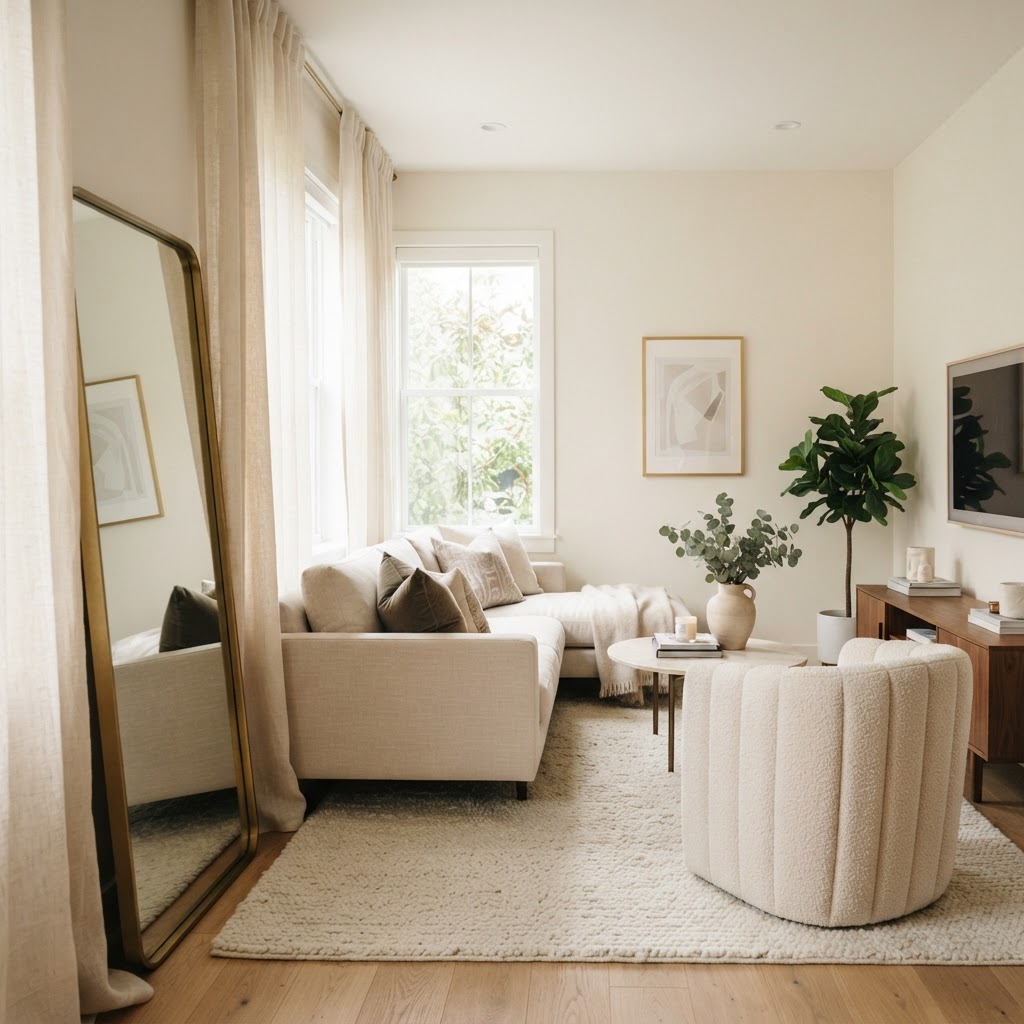
Mirrors are the oldest trick in the design book, but they remain the most effective for tiny apartment dwellers. A large, floor-length mirror leaning against a wall can instantly double the perceived size of a room. It reflects light, draws the eye upward, and creates a sense of luxury that elevates the entire living experience. When selecting a mirror, choose one with a frame that complements your overall aesthetic. A metallic frame adds a touch of glam, while a wood frame provides warmth and grounding. Place your mirror opposite a window to maximize the amount of natural light that flows into your apartment, making it feel bright, airy, and open throughout the day.
Organization for Renter-Friendly Living
Living in a tiny apartment requires ruthless organization. Utilize the back of doors for hooks, or add magnetic strips to walls using heavy-duty command tape to hold spice jars or small metal tools. By keeping surfaces clear, you maintain a sense of calm and order that makes a small room feel like a deliberate choice rather than a limitation. Use clear acrylic bins to organize small items inside drawers or on shelves. This keeps your belongings visible yet contained, preventing the visual chaos that often makes small spaces feel messy. Remember that in a tiny home, everything should have a place, and every place should be utilized to its maximum potential.
Lighting Tweaks for Instant Ambiance
Optimizing your lighting setup is the single fastest way to neutralize the harsh, sterile aesthetic of standard-issue rental fixtures without requiring an electrician. Most builders install high-Kelvin fluorescent or cool-toned LED bulbs that cast an unflattering glare, making rooms feel like institutional offices. Replacing every bulb in your unit with 2700K (warm white) LEDs will instantly soften the room and make wood tones and fabrics appear richer. This is a cost-effective project, usually totaling less than $40 for a standard one-bedroom apartment, and can be completed in under 30 minutes.
The Layering Strategy
Achieve a professional interior design look by incorporating at least three light sources per room to eliminate shadows. Use a “triangle of light” approach: a floor lamp for general ambient light, a task lamp for productivity, and accent lighting (like smart LED strips behind a TV or under cabinets) for depth. If you cannot hardwire permanent fixtures, plug-in wall sconces with cord covers offer an elegant solution that mimics custom electrical work. By keeping your lighting at eye level or below, you soften the room’s “harshness,” making the environment feel intimate and sophisticated, which effectively masks low-quality rental materials like cheap linoleum or generic baseboards.
Textile Upgrades for Softness and Color
Strategic use of textiles acts as a high-impact disguise for unsightly rental features like scuffed hardwood or worn carpeting. An oversized area rug—ideally one that covers 70–80% of the floor space—acts as a visual foundation that anchors your furniture and distracts from aging flooring. Choose high-durability, low-pile materials for high-traffic areas to ensure they stay looking clean longer. Layering a secondary, smaller textured rug on top can introduce color and personality while remaining budget-friendly. These additions also improve acoustic quality in empty, echoing rooms, adding a layer of “heaviness” and luxury to otherwise cold environments.
Choosing the Right Curtains
Mounting curtains at the ceiling line, rather than directly above the window frame, creates an illusion of architectural height that makes standard 8-foot ceilings feel significantly loftier. Use a rod that extends at least 6–10 inches beyond the window frame on each side to ensure the drapes don’t block sunlight when pulled open. This technique allows for a full view of the glass while making the window appear larger. Opt for sheer, light-filtering fabrics if privacy is a concern, as they maintain a bright, airy feeling while preventing neighbors from seeing into your space during the day.
Removable Wall Treatments
Temporary wall treatments, specifically peel-and-stick wallpaper, allow you to inject personality into a rental without violating lease agreements. These products have evolved significantly, now offering textured finishes like grasscloth or vinyl-protected patterns suitable for high-humidity areas like kitchens or bathrooms. A single accent wall can dramatically shift the mood of a room, creating a custom focal point that draws attention away from dated paint colors. Always test a small corner with a sample piece first to ensure the adhesive does not lift existing paint, though most premium brands are engineered to be safe for standard wall finishes.
Art and Gallery Walls
Gallery walls are the most effective way to fill large, empty wall spaces without permanently damaging surfaces. Use damage-free adhesive strips or specialized mounting putty that can hold frames up to 5–10 pounds securely. For a curated look, limit your color palette to two or three cohesive shades, or mix media like photographs, dried pressed flowers, and fabric art to create texture. You can source budget-friendly art through public domain digital archives, printing them at local office supply stores for as little as $2 per print, then placing them in thrifted, matching frames for a high-end, gallery-style aesthetic.
Furniture Placement and Functionality
Effective furniture placement is essential in small rentals because it defines the “flow” of your home without the need for structural changes. Avoid the “perimeter trap”—pushing all your furniture against the walls—which creates a dead zone in the center of the room. Instead, “float” your furniture to create distinct zones, such as a dedicated living area and a separate reading corner. Use area rugs to further delineate these zones. This arrangement encourages better traffic flow and makes the apartment feel intentionally designed. Always leave at least 30 inches of space for major walkways to prevent the room from feeling claustrophobic or cluttered.
Utilizing Vertical Space
When floor square footage is at a premium, utilize the walls for storage to keep the floor clear and the room looking open. Tall, narrow shelving units draw the eye upward, reinforcing the sense of height and providing massive storage capacity for books, plants, and decorative storage bins. When selecting shelving, opt for open-backed styles if you want to keep the space feeling light, or enclosed cabinets if you need to hide clutter. Mounted floating shelves are perfect for small kitchens to display glassware, freeing up essential cupboard space for less attractive pantry items, thereby optimizing your kitchen’s overall function.
Enhancing the Kitchen and Bath
Kitchen and bath upgrades can be executed for under $100 by focusing on modular hardware and surface enhancements. Cabinet pulls and knobs are the most frequent offenders for making a kitchen look dated; swapping these out for matte black or brushed gold hardware creates an immediate modern feel. Keep the original hardware in a labeled plastic bag to swap back before moving out. For bathrooms, focus on upgrading the shower curtain to a high-quality fabric liner rather than a plastic one, as this covers a large percentage of the room’s visual surface area and sets the tone for the entire space.
Simple Bathroom Updates
Transform your bathroom into a spa-like environment by introducing organic elements and high-quality textiles. Replace standard-issue towel bars with adhesive command hooks if you need more hanging space, and invest in a thick, high-density bath mat to cover outdated floor tile. Adding a touch of greenery, such as a moisture-loving pothos or a realistic faux plant, provides a necessary organic pop of color against cold, tiled surfaces. Matching dispensers for soap and lotion, rather than using plastic store-bought bottles, remove visual clutter and create a clean, consistent look that mimics luxury hotel amenities.
Choosing the Right Bulbs
Always opt for soft white (2700K to 3000K) bulbs to add instant coziness to your space. Avoid daylight bulbs unless you have a workspace that requires sharp visibility, as they often wash out colors and make furniture look cheaper than it actually is.
Upgrade Hardware Without Damage
Standard builder-grade kitchen and bathroom hardware is the fastest way to make a space feel dated. Replacing knobs and pulls is one of the most impactful no-damage changes you can make, typically costing under $100 for an entire kitchen. Keep all the original hardware in a clearly labeled Ziploc bag so you can switch them back quickly when your lease ends. High-quality hardware—like solid brass or matte black zinc-alloy—adds a tactile, “weighty” feel that signals luxury to the user. When shopping, prioritize standard center-to-center measurements (usually 3 or 3.75 inches) to ensure a perfect fit with existing pre-drilled holes. This subtle modification changes the entire aesthetic of your kitchen or bathroom, transforming basic white cabinetry into a bespoke, high-end feature. While it is a relatively small investment in terms of time and money, the visual payoff is immense, turning a generic rental kitchen into a space that feels personal and curated. For the best result, stick to a cohesive finish that matches your light fixtures or plumbing hardware to create a professional, designer-led flow throughout the entire apartment.
The Impact of High-End Finishes
Updating cabinet pulls to matte black, brushed brass, or polished nickel changes the entire aesthetic of your kitchen. It provides a “designer” finish that makes basic white cabinets look like custom cabinetry. While it is a small investment, the visual payoff is immense, turning a generic kitchen into a space that feels personal and high-end.
Incorporate Large-Scale Art and Mirrors
Blank white walls are the hallmark of an uninspired rental that makes an apartment feel closed in. Instead of cluttering walls with tiny frames that create visual noise, focus on one large-scale piece of art or a floor-to-ceiling mirror. These items anchor a room and serve as a focal point that distracts from the limited square footage. A mirror measuring at least 60 inches tall placed near a natural light source acts as a “second window,” effectively doubling the perceived depth of the room. When hanging art, use heavy-duty adhesive strips or small finishing nails which leave only pin-sized holes that are easily filled with toothpaste or spackle upon move-out. The goal is to create a “gallery” effect rather than a “dorm room” effect; one oversized piece will always feel more expensive than a collection of smaller, mismatched frames. Strategically placing these items creates an immediate sense of intention and scale, making the apartment feel like a deliberate, designed home rather than a temporary living situation. Always ensure the mirror reflects an organized, clean corner of the home to maximize the sense of openness and tranquility.
Strategic Mirror Placement
Mirrors are the oldest trick in the small-space handbook for a reason: they bounce light and reflect the depth of the room. A large leaning mirror propped against a wall—secured with furniture anchors that require minimal patching—doubles the visual square footage. Ensure the mirror reflects a window or a clean, organized corner of the room to maximize the sense of openness.
The Power of Textiles and Area Rugs
In tiny apartments, flooring is often the most unattractive, “builder-grade” element that dictates a rental’s cheap appearance. If you are stuck with scratched linoleum or worn carpet, cover it completely with large-scale area rugs. A common mistake is buying a rug that is too small, which makes the room feel cramped; instead, ensure your rug is large enough that at least the front legs of all furniture sit on it, which helps define zones and makes the space feel expansive. Layering rugs—perhaps a natural jute base with a softer wool or synthetic blend on top—adds necessary texture, which is a hallmark of professional, designer interiors. Complement this with high-hanging linen or velvet curtains. By mounting your curtain rod as high as possible—closer to the ceiling than the window frame—you effectively draw the eye upward, tricking the brain into perceiving higher ceilings. Utilizing high-quality textiles like heavy velvet pillows or chunky knit throws provides a tactile sense of luxury, softening the hard, sterile edges of modern rental construction and adding a layer of comfort that defines a home.
Textures That Add Luxury
Add depth to your apartment by incorporating different textiles like velvet throw pillows, wool blankets, and linen curtains. Curtains are particularly important; hang them as high as possible—closer to the ceiling than the window frame—to trick the eye into thinking the ceilings are higher than they actually are.
Utilize Renter-Friendly Wall Treatments
If you have a strict “no paint” policy, high-quality peel-and-stick wallpaper is your best tool for a high-impact renovation. Modern adhesive wallpapers are designed for easy, residue-free removal, allowing you to add pattern, color, or texture to an accent wall in a bedroom or entryway. Before applying, always order a sample, as the texture of your wall (e.g., orange-peel vs. smooth) can impact how the adhesive bonds. Clean the surface thoroughly with a mild soap solution and ensure it is bone-dry before beginning. Use a felt-edge squeegee to eliminate air bubbles as you work, and always leave a slight overlap between strips to account for minor wall shifting or expansion. This simple change allows you to inject your personality into a space that feels otherwise stagnant, providing a custom designer look without touching a drop of permanent paint. When it comes time to move, use a hair dryer to slightly warm the adhesive, which makes the removal process clean and entirely damage-free for the drywall beneath.
Best Practices for Peel-and-Stick
Always buy a sample first to test if your wall texture is compatible.
Clean the surface thoroughly with mild soap and water before application.
Use a plastic smoothing tool to remove air bubbles as you go.
Take your time during removal to avoid any adhesive residue.
Vertical Storage and Floating Furniture
Tiny apartments often suffer from a lack of floor space, requiring you to think vertically. Look for storage solutions that maximize height, such as floor-to-ceiling bookshelves or modular wall-mounted units that use tension rather than screws. “Leggy” furniture—pieces with tapered wooden or metal legs—is essential for small-space design because it allows the floor to remain visible underneath, which makes the room feel significantly larger and less congested. Decluttering is the final step in a designer-led transformation. No amount of decor can hide a messy home; invest in decorative woven baskets or lidded ottomans to house daily clutter, keeping your horizontal surfaces clear. An organized, minimalist home naturally feels more sophisticated and expensive. Furthermore, try to create functional zones by using area rugs or furniture placement to divide your studio space into specific activity areas, such as a “living” zone and a “sleeping” zone. By giving every item a home and every activity a defined space, you eliminate visual noise, creating a polished, intentional look that belies the limited square footage of your apartment.
FAQ
Can I paint my apartment walls if I am a renter?
Most leases prohibit painting, but you can use peel-and-stick wallpaper to create the same impact. Always check your specific lease terms, and if you do paint, ensure you have written permission and agree to paint the walls back to their original neutral color before move-out.
How do I hang curtains without putting holes in the wall?
You can use heavy-duty tension rods for inside mounts or adhesive command-hook curtain rod brackets for outside mounts. These solutions are renter-friendly, require no drilling, and can easily support the weight of most standard-weight fabric curtains.
What is the best way to make a small kitchen look expensive?
Replace the existing builder-grade cabinet pulls and knobs with high-quality metal hardware in a consistent finish like brass or matte black. This quick swap provides a professional, custom-designed appearance without needing to replace any permanent fixtures or cabinets.
Do area rugs really make a small room look bigger?
Yes, provided you choose the right size; a large area rug anchors the furniture and defines the space, preventing it from feeling like a random collection of items. A rug that is too small makes the room look fragmented and tiny, while a large rug adds cohesion and depth.
How can I add luxury to a rental without damaging it?
Incorporate high-texture fabrics like velvet, linen, and faux fur to add warmth and tactile luxury to your space. Combining these with soft, warm-toned ambient lighting creates an elevated, boutique-hotel feeling that makes a rental feel like a permanent, custom-designed home.
10 Quick Renter Upgrades Under $30 That Look Expensive
You can transform a rental apartment by focusing on high-impact, low-cost modifications like swapping cabinet hardware, installing peel-and-stick wallpaper, using plug-in lighting, and hanging floor-to-ceiling curtains. These budget-friendly projects, all costing under $30, disguise builder-grade finishes while remaining completely removable to protect your security deposit.
The Power of Hardware Swaps
Replacing standard, builder-grade cabinet hardware is the most effective way to modernize a kitchen or bathroom instantly. Most developers install basic silver or white plastic pulls, but replacing these with matte black, brushed gold, or vintage-inspired brass pieces provides a high-end look for less than $15 per multipack. The key to maintaining your security deposit is to store the original hardware in a labeled Ziploc bag inside your pantry or utility drawer. By keeping these in a designated “move-out kit,” you ensure you can reinstall the original pieces in under 20 minutes before your final inspection.
Where to Shop for Bargains
You do not need to shop at high-end design boutiques to find high-quality handles. Check sites like Amazon, IKEA, or specialized hardware stores where you can find 10-packs of modern pulls for under $25. Choosing a cohesive finish—like matte black or brushed nickel—will make your cabinets look custom-made. When selecting new hardware, verify the center-to-center measurement (the distance between screw holes) to ensure your new pulls fit existing holes perfectly, avoiding the need for drilling or patching.
Hardware Material
Estimated Cost (10-Pack)
Aesthetic Vibe
Brushed Gold
$18 – $25
Luxe / Modern
Matte Black
$15 – $22
Industrial / Minimalist
Oil-Rubbed Bronze
$20 – $28
Traditional / Rustic
Polished Chrome
$12 – $20
Clean / Classic
Elevating Your Lighting Situation
Lighting functions as the jewelry of any room, yet rental units are notorious for harsh overhead “boob lights” that drain the warmth from an interior. Since you cannot rewire, the best strategy involves utilizing plug-in wall sconces that mount using removable adhesive strips or a single small tack. These fixtures provide warm, directional ambient light that mimics the atmosphere of a boutique hotel. By avoiding the primary “big light” in favor of two to three smaller lamps, you can create a curated, expensive feel for approximately $25 to $30 per fixture.
Creating Layers of Light
If you are stuck with an unappealing ceiling fixture, you can cover it with a lightweight, fabric-wrapped drum shade secured with magnets or light-duty wire, provided the bulb does not generate excessive heat. Alternatively, focus on layering lighting at different heights: floor lamps for ambient light, table lamps for task lighting, and smart bulbs set to 2700K (warm white) for comfort. Soft, warm-toned LEDs are essential for luxury aesthetics; avoid anything over 3000K, which can feel clinical or cold. This layering technique masks the limitations of a rental space and focuses the eye on your decor rather than the architecture.
Adding Architectural Interest with Peel-and-Stick
Peel-and-stick wallpaper is a transformative, non-permanent design tool that allows you to add high-end texture or bold patterns for under $30 per roll. Whether you apply it to a single accent wall or the back of an open bookshelf, removable wallpaper creates an instant focal point that feels professional and intentional. It is ideal for renters because it leaves no residue when removed correctly, provided you verify that your wall paint is properly cured and not flaking before application.
When applying removable wallpaper, invest $5 in a professional smoothing tool to prevent air bubbles and creases. A single roll covering 25-30 square feet usually costs between $20 and $28. For a luxury look, opt for subtle patterns like linen, grasscloth, or soft geometric lines rather than high-contrast, busy prints. If you are worried about surface damage, apply a small piece of the paper to an inconspicuous spot (like inside a closet) for 48 hours to test for paint adhesion before committing to an entire wall.
Dressing Your Windows with Purpose
The standard white plastic blinds found in most rentals are aesthetic eyesores that cheapen the look of a home, but they can be easily obscured. You can purchase a sturdy tension rod for under $10 and mount floor-to-ceiling curtains inside the window frame or slightly above it to create the illusion of higher ceilings. To ensure your curtains look expensive, aim for a “fullness ratio” of at least 2:1; this means the total width of your curtains should be double the width of your window.
If floor-to-ceiling panels are over budget, layer woven bamboo shades over your existing plastic blinds. Bamboo adds an organic, textural element that feels high-end and warm, effectively hiding the plastic slats while adding depth to the room. By avoiding cheap, thin synthetic fabrics and choosing cotton-blend or linen-look curtains, you create a finished, custom-designed window treatment that suggests a permanent home rather than a temporary rental. Pairing two different textures—such as bamboo shades and soft fabric side panels—is a classic design trick that adds architectural gravitas to any room.
Transforming Surfaces with Faux Marble or Wood
Countertops in older apartments often show heavy wear and tear, but you can restore them using high-quality contact paper for under $20. Faux marble or wood-grain contact paper is a heat-resistant, water-repellent solution for bathroom vanities or kitchen countertops that need a cosmetic refresh. While not intended for direct knife cuts or extremely hot pans, it provides a clean, polished appearance that instantly modernizes a space. Follow these steps for the best results: clean the surface with a degreaser, use a hair dryer on low to soften the material around edges, and trim with a razor-sharp utility knife.
Quick Tips for Contact Paper Success
Always clean the surface thoroughly with degreaser before application.
Use a hair dryer on a low setting to help the paper wrap around curved edges.
Cut slightly larger than the surface area and trim the excess with a sharp utility knife.
Work slowly to avoid bubbles; if one appears, pop it with a tiny pin.
The Magic of Greenery and Styling
Plants offer immediate visual impact and life, making a space feel vibrant and professionally designed. While large decorative ceramic pots are expensive, you can purchase affordable plastic or terracotta pots for under $10 and update them with textured stone-look spray paint. This simple DIY process mimics the look of high-end, heavy pottery found in luxury catalogs.
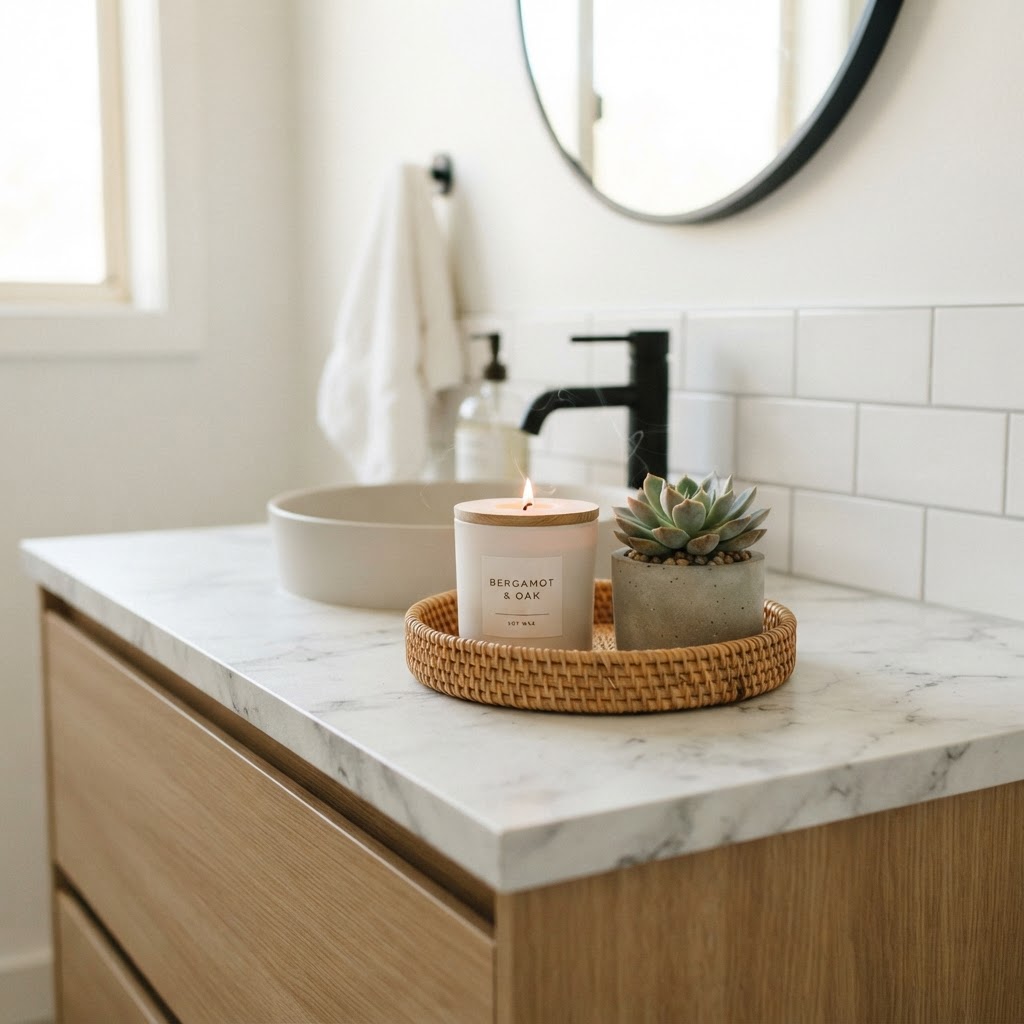
Furthermore, utilize the “tray rule” to style your surfaces. A tray acts as a frame, grouping items into an intentional display rather than a collection of clutter. Place a tray on your coffee table or nightstand and group three items—a candle, a small plant, and a stack of coffee table books—to create a curated vignette. This technique, used by interior designers to create balance, costs almost nothing and instantly elevates the perceived value of your furniture. Proper styling makes the entire room feel thought-out rather than assembled by accident.
Creating Custom Storage Solutions
Clutter is the primary enemy of an expensive-looking, serene home. If your bathroom or entry lacks storage, consider a rolling cart or open shelving secured with damage-free adhesive strips. Using uniform woven baskets to hide toiletries, towels, and cleaning supplies is a quick, budget-friendly upgrade that creates a sense of order. Aim for neutral textures like seagrass, rattan, or heavy canvas, which add warmth and luxury compared to plastic storage bins.
Storage Item
Cost Range
Aesthetic Benefit
Woven Seagrass Baskets
$10 – $15
Adds Organic Texture
Rolling Utility Cart
$25 – $30
Adds Modern Industrial Style
Adhesive Wall Hooks
$5 – $8
Maximizes Vertical Space
Fabric Storage Cubes
$8 – $12
Provides Clean Minimalist Look
FAQ
Q: How do I remove peel-and-stick wallpaper without damaging walls?
To safely remove peel-and-stick wallpaper, use a hair dryer to gently heat the adhesive, which softens the glue for easier, residue-free peeling. Start at the top corner and peel slowly at a 45-degree angle to maintain the integrity of the paint underneath.
Q: Can I paint my rental kitchen cabinets for under $30?
While you can buy paint for under $30, painting cabinets is usually a permanent change that requires landlord permission and significant labor. Instead, focus on swapping the hardware or adding removable contact paper to the countertop, which provides a high-end look without violating lease terms.
Q: Are tension rods sturdy enough for heavy curtains?
Yes, provided you purchase a “heavy-duty” or “spring-loaded” tension rod specifically rated for the weight of your fabric. Ensure the surface where the rod makes contact is clean and dry to maximize friction and prevent the rod from slipping.
Q: What is the best way to hide ugly rental light fixtures?
Use a DIY drum shade or a lightweight fabric canopy to cover the existing fixture, or simply ignore the overhead light entirely. By utilizing multiple plug-in lamps with warm-toned bulbs, you shift the focus to lower-level lighting that creates a cozy, boutique atmosphere.
Q: How do I ensure my contact paper doesn’t look cheap?
Avoid high-gloss or bright white contact papers, which can look plasticky, and instead choose matte-finish designs with realistic marble veining or wood grain. Proper preparation, including deep cleaning and careful trimming, is the most important factor in making the finish look integrated rather than applied.
Cheap ways to upgrade a small rental without losing your deposit include using peel-and-stick wallpaper, swapping cabinet hardware, utilizing tension rods for curtains, and layering area rugs to cover flooring. These non-permanent, reversible modifications allow you to customize your space safely while ensuring you recover your full security deposit upon moving out.
Understanding the Boundaries of Your Lease
Before you pick up a screwdriver or a roll of tape, the absolute first step is to read your lease agreement. Most landlords are reasonable about “normal wear and tear,” but they are notoriously strict about structural changes. Anything that requires nails, paint, or permanent adhesive is usually off-limits. However, understanding these boundaries is actually a creative constraint that forces you to think outside the box.
Knowing What Is Reversible
The golden rule of renting is simple: anything you do must be completely reversible within a few hours. If you add it, you must be able to remove it without a trace. This means avoiding heavy-duty wall anchors, permanent glue, or hardware that requires drilling into cabinetry. If you are unsure, ask your landlord for written permission. You would be surprised how many property owners are open to small upgrades if they don’t have to pay for them. To help plan your approach, refer to this comparison of common renter-friendly techniques:
Modification Type
Reversibility
Impact Level
Estimated Cost
Peel-and-stick wallpaper
High
High
$30 – $80
Swap cabinet knobs
Instant
Medium
$10 – $40
Tension rod curtains
Instant
High
$15 – $50
Command strip art
High
Low
$5 – $20
Lighting Fixes That Make a Big Impact
One of the most effective cheap ways to upgrade a small rental is to swap out harsh, standard-issue lighting for warmer, layered sources. Most rentals come with uninspiring “boob lights” or clinical fluorescent fixtures that instantly age a room. While you shouldn’t attempt to rewire an electrical fixture, you can easily replace the glass shades or bulbs with warmer options. Keep the original fixtures in a labeled box in your closet to reinstall before your move-out inspection.
Wallpaper and contact paper are the best friends of the modern renter, offering an immediate aesthetic shift for less than $100 per project. Peel-and-stick wallpaper has come a long way in terms of quality and style, often featuring vinyl-based materials that resist moisture and humidity. Whether you want a bold accent wall or a subtle textured look, these products provide a high-end finish that pulls away cleanly when you are ready to move. This is one of the most transformative cheap ways to upgrade a small rental without losing your deposit.
Creative Uses for Contact Paper
Contact paper isn’t just for walls. You can use it to cover hideous countertops, dated cabinet fronts, or even to add a faux-marble finish to a cheap IKEA coffee table. The key is to measure twice and cut once. Always clean the surface thoroughly with isopropyl alcohol before applying the adhesive to ensure a smooth, bubble-free finish that peels off easily when you’re done. For high-traffic kitchen areas, select heavy-duty, heat-resistant contact paper to prevent bubbling or tearing over time.
Elevating Floors Without Replacing Them
Rental flooring is often the most difficult element to ignore, as it is usually worn or outdated, but you can effectively mask it with strategic textile choices. Since you cannot replace the carpet or hardwood, the best solution is to cover it up with large area rugs. A high-quality 8×10 rug can anchor a furniture layout and hide an ugly linoleum floor entirely, providing a soft surface that protects your feet and the subfloor. Layering rugs is another great technique that adds texture and personality to a room while softening the sound in a small unit.
Area Rugs as a Design Foundation
When choosing rugs, opt for patterns or colors that complement your existing furniture. If your rental has wall-to-wall carpeting that you dislike, layering a flat-weave rug on top can completely change the aesthetic of the space. Remember to use a rubberized rug pad—typically costing under $30—underneath to prevent slipping and to add extra cushion, which makes a massive difference in comfort and perceived quality of the room.
Smart Window Treatments for Privacy and Style
Rental windows often feature cheap, plastic blinds that feel flimsy and look dated, but you can easily replace them without damaging the casing. A simple solution is to mount tension rods inside the window frame. Tension rods allow you to hang curtains or roman shades without drilling a single hole in the wall. This gives you the flexibility to choose fabric that matches your decor while providing much-needed privacy. By hanging curtains higher and wider than the window frame, you can trick the eye into thinking the windows are larger than they actually are.
Furniture Choices That Maximize Small Spaces
In a small rental, every piece of furniture must earn its keep through multi-functional utility. Look for pieces such as an ottoman with interior storage or a coffee table that rises into a desk. By choosing furniture that serves two purposes, you reduce clutter and create an environment that feels organized rather than cramped. Vertical storage, like tall bookcases or over-the-door organizers, can also help you utilize the height of your rooms, adding an estimated 20-30% more usable surface area in a studio layout.
Creating Zones in Open-Concept Rentals
If your rental is a studio or a small one-bedroom, use furniture to define zones. A bookshelf can act as a room divider between your sleeping area and your living area, effectively creating two distinct rooms without any construction. Rugs, lighting, and placement are the tools you need to build these “rooms” within your apartment. Proper zoning allows for 25% better flow in cramped apartments, preventing the “cluttered storage room” feel.
Elevating Lighting Without Electrical Work
Lighting is the single most important factor in making a space feel custom-designed rather than cookie-cutter, yet most tiny apartments rely on harsh, unflattering overhead fixtures. Fortunately, you can swap out standard builder-grade fixtures for sophisticated, plug-in alternatives that require zero electrical experience or knowledge of wiring. By incorporating layered lighting—ambient, task, and accent—you can create a professional-grade atmosphere for under $100.
Consider adding plug-in wall sconces with adjustable arms to replace stagnant overhead light. These pieces mimic the look of hardwired fixtures while giving you the flexibility to direct light exactly where you need it, whether for reading in bed or highlighting a curated gallery wall. Look for metallic finishes like brushed brass or matte black to add a touch of modern elegance. Using warm-toned LED bulbs (2700K color temperature) in these fixtures will instantly soften the room, creating an inviting, high-end feel that standard cool-white rental lighting simply cannot achieve. By avoiding the overhead “big light,” you create a curated mood that defines the sophistication of your home.
Transforming Walls With Removable Solutions
Bare walls are often the biggest culprit behind a “temporary” feeling home, but modern, peel-and-stick wallpaper has evolved to provide permanent-looking results with zero residue. These wallpapers are now manufactured with vinyl-based materials that offer high-end textures, such as faux grasscloth, concrete, or metallic geometric patterns that are indistinguishable from traditional pasted wallpaper. Applying a pattern to a single accent wall grounds the room, providing a focal point that adds significant visual weight and luxury to an otherwise sterile box.
Benefits of Rent-Ready Wall Treatments
Instant color injection without the labor or lingering fumes of traditional paint.
Ability to hide imperfections, dings, or stains in existing drywall or old paint.
Easy removal process that leaves no sticky residue; ideal for landlords with strict inspection policies.
Cost-effective way to update a space seasonally; a standard roll covers roughly 30 square feet.
Beyond wallpaper, consider using temporary wall decals or framed textile art mounted with damage-free strips. These elements provide warmth and softness, which is essential for making a tiny space feel comfortable rather than cold. By diversifying your wall textures—mixing matte paper with glossy framed art—you add depth, a hallmark of professional interior design. This non-invasive approach allows you to completely alter the room’s color palette for less than $200.
Luxurious Floor Coverings and Area Rugs
Flooring in rentals is often difficult to disguise, yet a high-quality, large-scale area rug is the most effective way to define zones and hide unattractive materials. When selecting rugs for a small space, aim for a 5×8 or 8×10 size that anchors your furniture, preventing the “floating” effect that makes rooms look disorganized. High-pile, plush rugs or those with intricate, vintage-inspired patterns are best for masking underlying floor damage while adding instant luxury to the room.
Layering rugs is a professional designer technique that adds immense depth and comfort. By placing a neutral, oversized jute or sisal rug underneath a smaller, patterned vintage-style rug, you create a complex, textured foundation that elevates the space’s character. This method is highly effective in separating a living area from a dining nook without the need for bulky physical partitions that might cramp the room. When choosing materials, opt for wool or high-quality synthetic blends for durability. According to industry data, rugs cover up to 70% of flooring flaws, making them the ultimate investment for rental aesthetics.
Elevating Hardware for a Custom Look
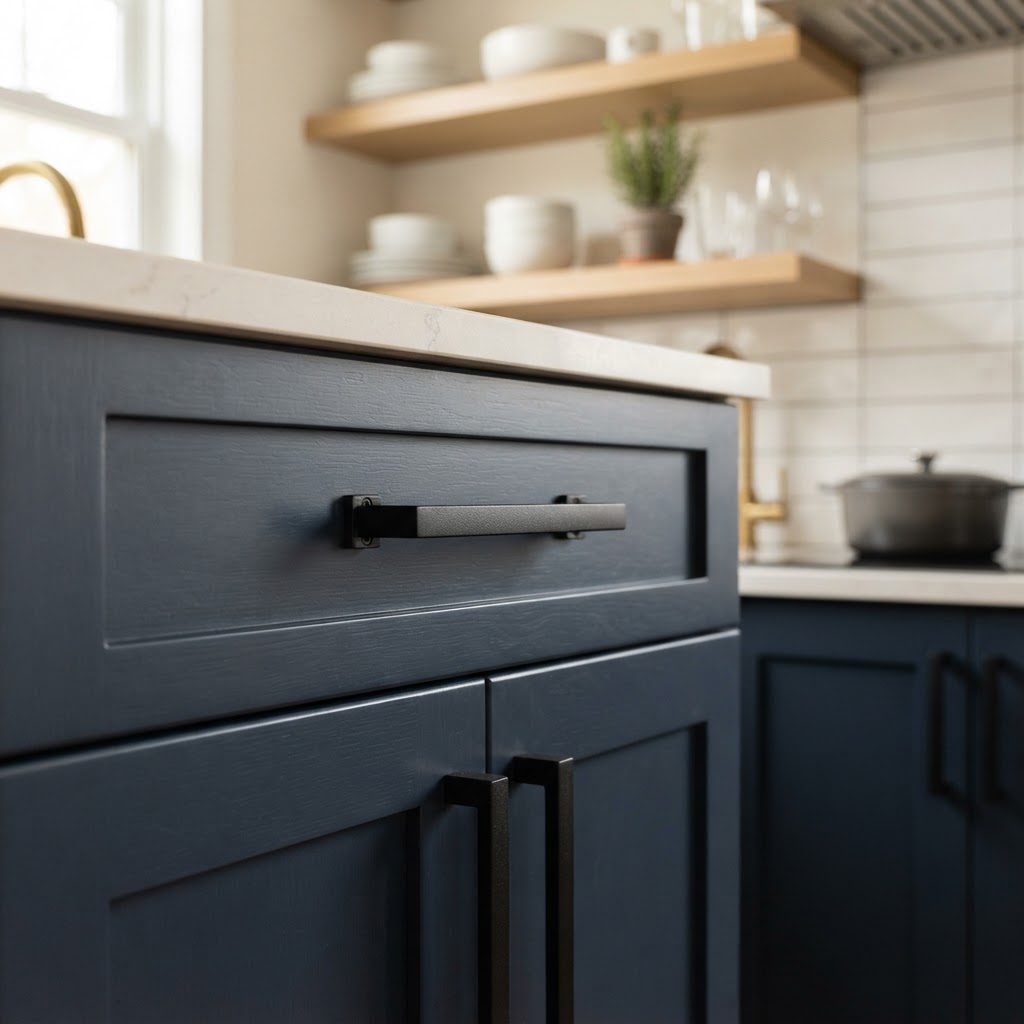
Small details are what define a home’s perceived value, and replacing generic cabinet hardware is a high-impact, low-effort DIY. Most landlords allow this upgrade as long as you retain the original pulls or knobs in a labeled bag to reinstall upon moving out. Replacing standard builder-grade, flat-panel cabinet hardware with matte black pulls, polished brass knobs, or brushed nickel T-bars can make mass-produced cabinetry look like expensive, custom-built millwork.
This is a budget no-drill find in the truest sense; it requires only a standard Phillips-head screwdriver and approximately 15 minutes of labor. When choosing hardware, focus on the scale—larger, 5-inch to 8-inch pulls on drawers can make a kitchen feel significantly more modern and luxurious compared to small, standard-issue knobs. Additionally, consider installing hardware in high-traffic areas like the bathroom vanity or entryway consoles to create a cohesive design language throughout the apartment. This modification adds a tactical, tactile experience of quality that is often missing in entry-level rental properties.
Incorporating Greenery for a Vibrant Atmosphere
Plants are nature’s most luxurious accessory, breathing life into a tiny apartment while improving air quality. To keep your setup renter-friendly, focus on choosing plants that thrive in varying light conditions—like Snake Plants or Pothos—and pair them with elevated, sculptural ceramic planters. Instead of overcrowding the floor, use tension-rod plant stands or floating shelves held up by tension mechanisms to maximize vertical space.
By layering plants of different heights and leaf patterns, you create a dynamic, organic focal point that distracts from structural imperfections. The contrast between lush green foliage and the clean, structural lines of a modern apartment provides a classic aesthetic that mimics the design of a well-lived-in, luxury penthouse. Furthermore, utilizing vertical space for plants leaves your floor area open for movement, which is critical for making small rooms feel larger. For the best impact, place your taller plants in the corners of the room to soften hard edges and create the illusion of a more expansive, curated interior.
Styling Surfaces for a Curated Feel
Luxury is defined by the absence of clutter, but in a small space, this requires intentional, functional decor that doubles as a statement piece. A decorative brass tray on your coffee table or a set of polished marble coasters can make a space feel significantly more expensive and organized. The goal is to avoid “visual noise” by limiting the number of loose items on your surfaces, opting instead for grouped accessories that serve a purpose while looking sophisticated.
Essential Small Space Styling Tips
Curate Your Displays: Rather than having dozens of small trinkets, group items in odd numbers (like threes) on decorative trays to create “vignettes” that look intentional.
Focus on Texture: In a neutral space, use different textures like velvet, linen, and ceramic to keep the environment visually stimulating without adding bulky furniture pieces.
The Power of Mirrors: When in doubt, add a mirror. It is the oldest trick in the design book because it effectively reflects light, creating the illusion of a more spacious room.
FAQ
Q: How do I remove adhesive strips without damaging rental paint?
To remove adhesive strips without damage, pull the tab slowly downward, parallel to the wall, for at least 12-15 inches. This releases the tension safely without pulling off drywall paper or paint, ensuring your security deposit remains protected.
Q: Can peel-and-stick wallpaper work on textured walls?
Peel-and-stick wallpaper generally struggles to adhere to heavy orange-peel or popcorn-textured walls. For the best results, ensure your walls are smooth; if they are textured, consider hanging decorative fabric tapestries or large-format framed prints instead.
Q: Are plug-in sconces safe for all apartments?
Yes, plug-in wall sconces are perfectly safe as they do not involve any hardwiring or electrical modifications to the building’s infrastructure. Ensure the fixture you choose has a UL-certified cord and that you secure the cable using discreet, paintable cable clips.
Q: What is the most budget-friendly way to make a room look expensive?
Changing your cabinet and door hardware to a consistent finish, such as matte black or brushed gold, provides the highest return on investment. It immediately upgrades the look of standard kitchen or bathroom cabinets for less than $50.