Category Entryway & Small Space Solutions

How to Organize a Micro Entryway: Keys, Bags, Mail & Shoes

Walking into a home should be a calming experience, yet for many living in apartments or tiny homes, the front door opens directly into a chaotic pile of footwear and forgotten mail. You can organize a micro entryway by installing vertical wall-mounted hooks, utilizing slim-profile tilt-out shoe cabinets, and establishing a dedicated landing strip for daily essentials like keys and mail within three feet of the entrance. This approach clears floor space, reduces visual noise, and creates a functional buffer zone between your home and the outside world.

The Psychology of the Micro Entryway
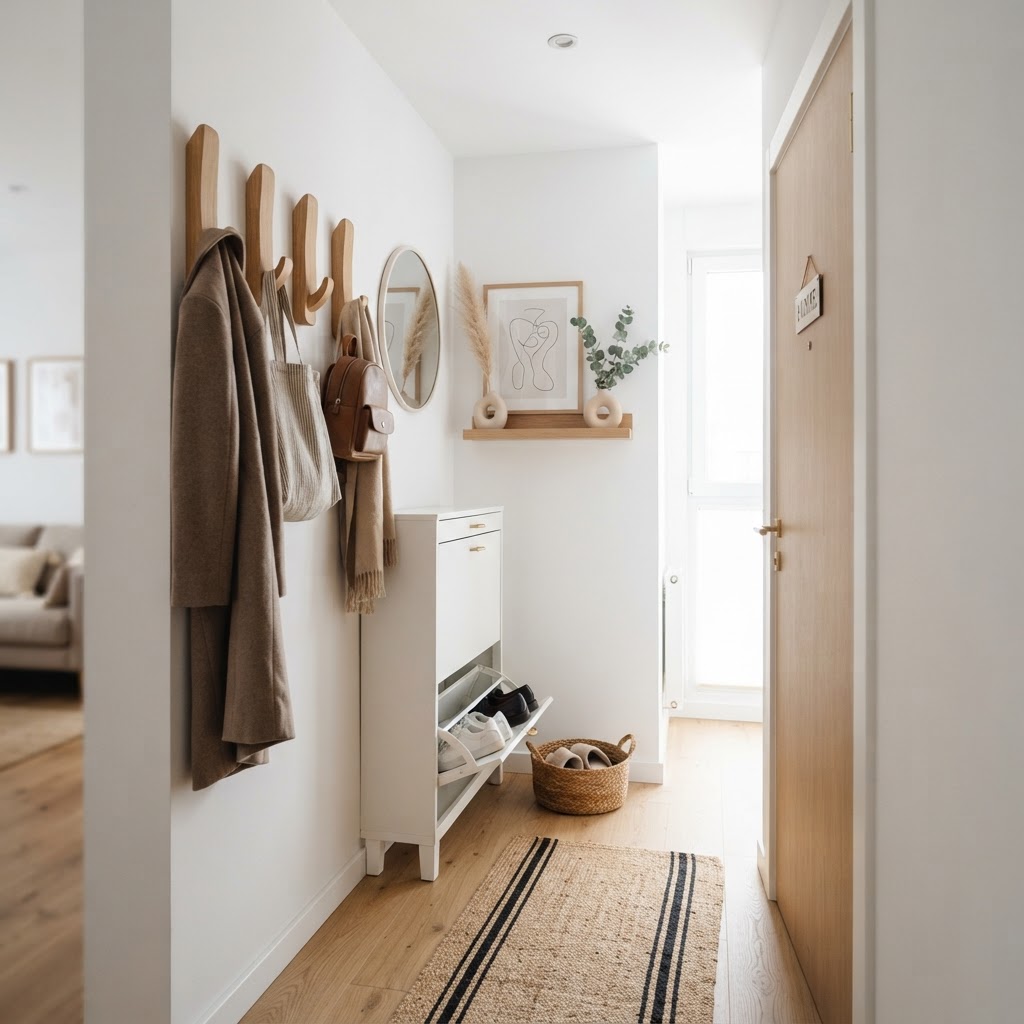
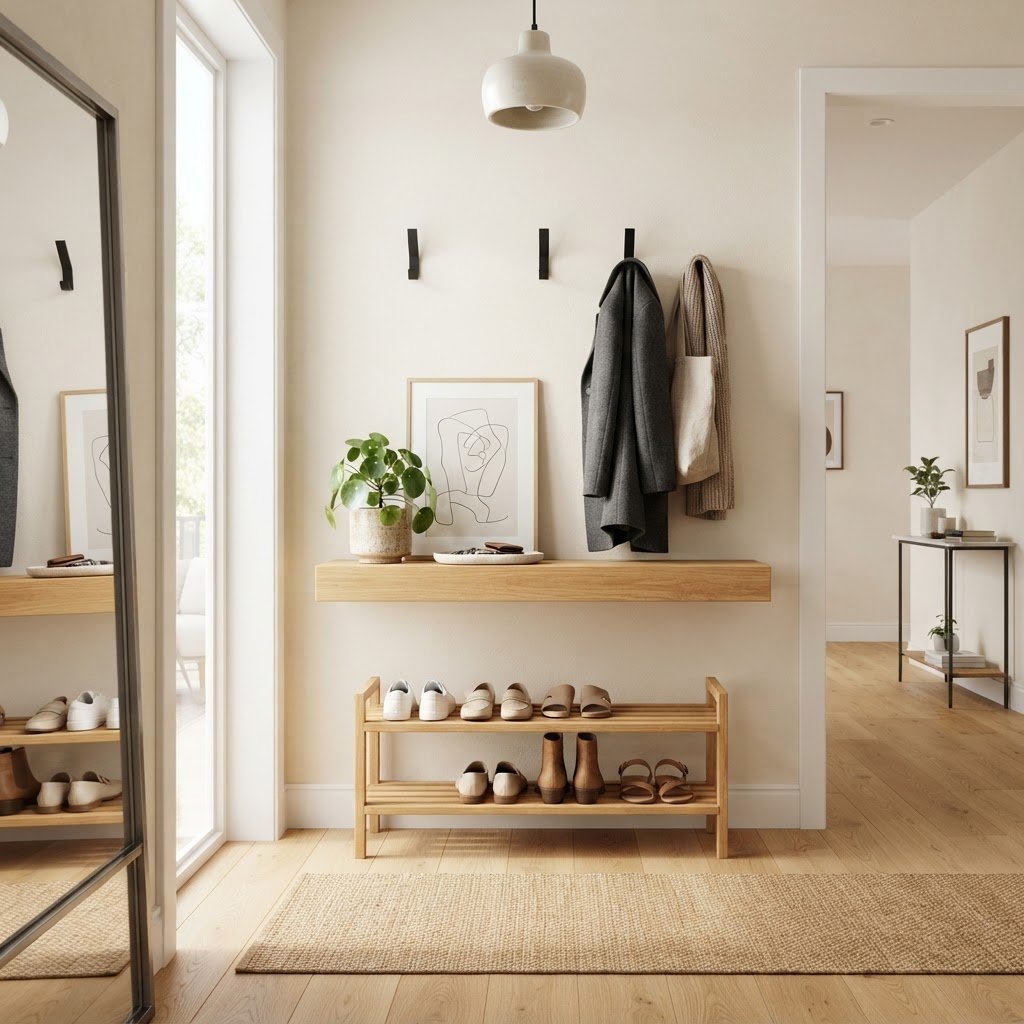
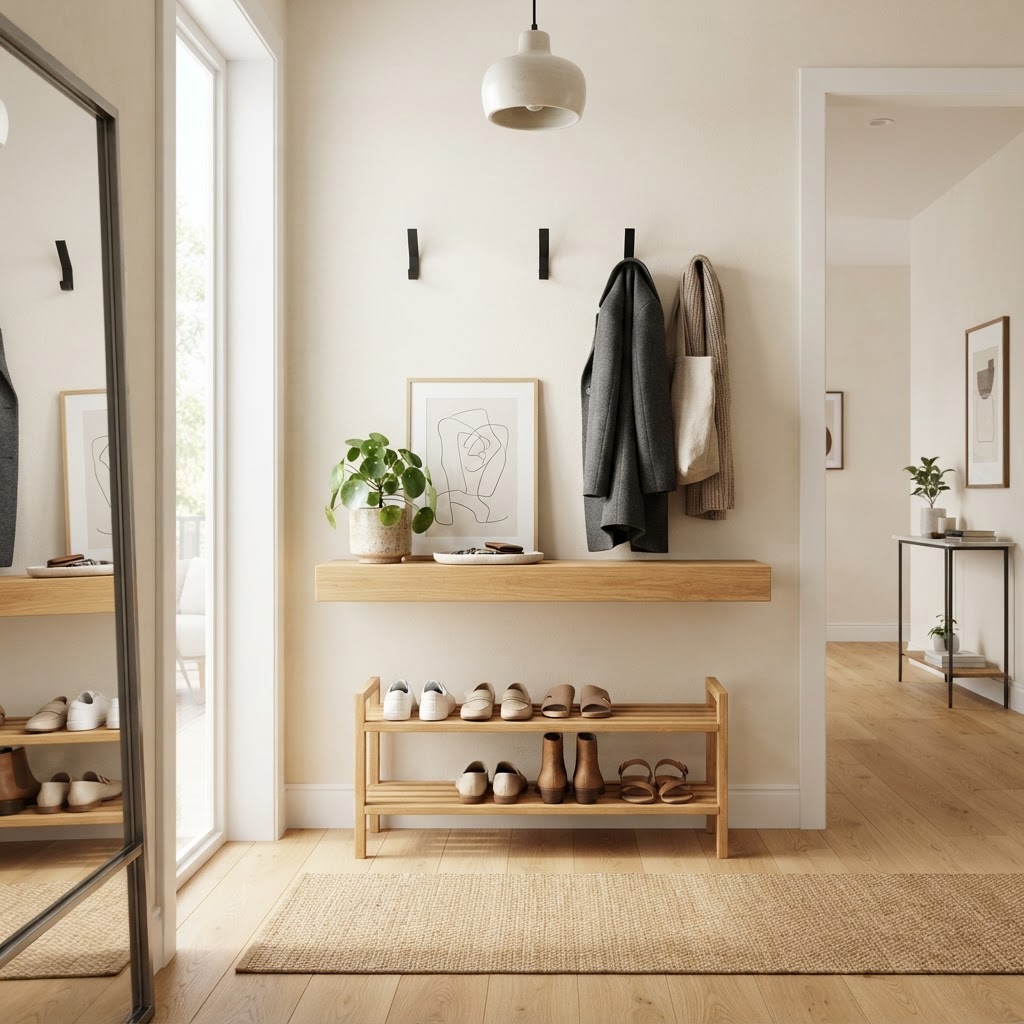
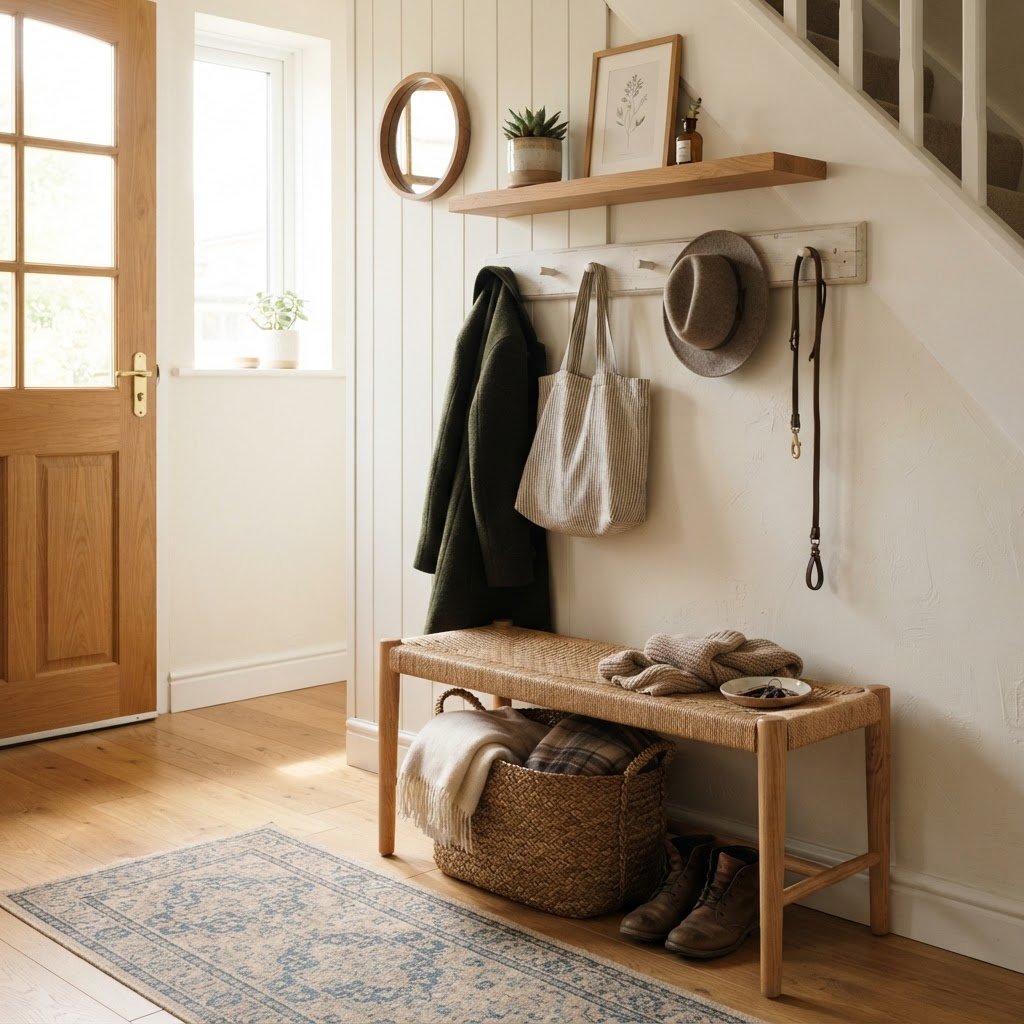
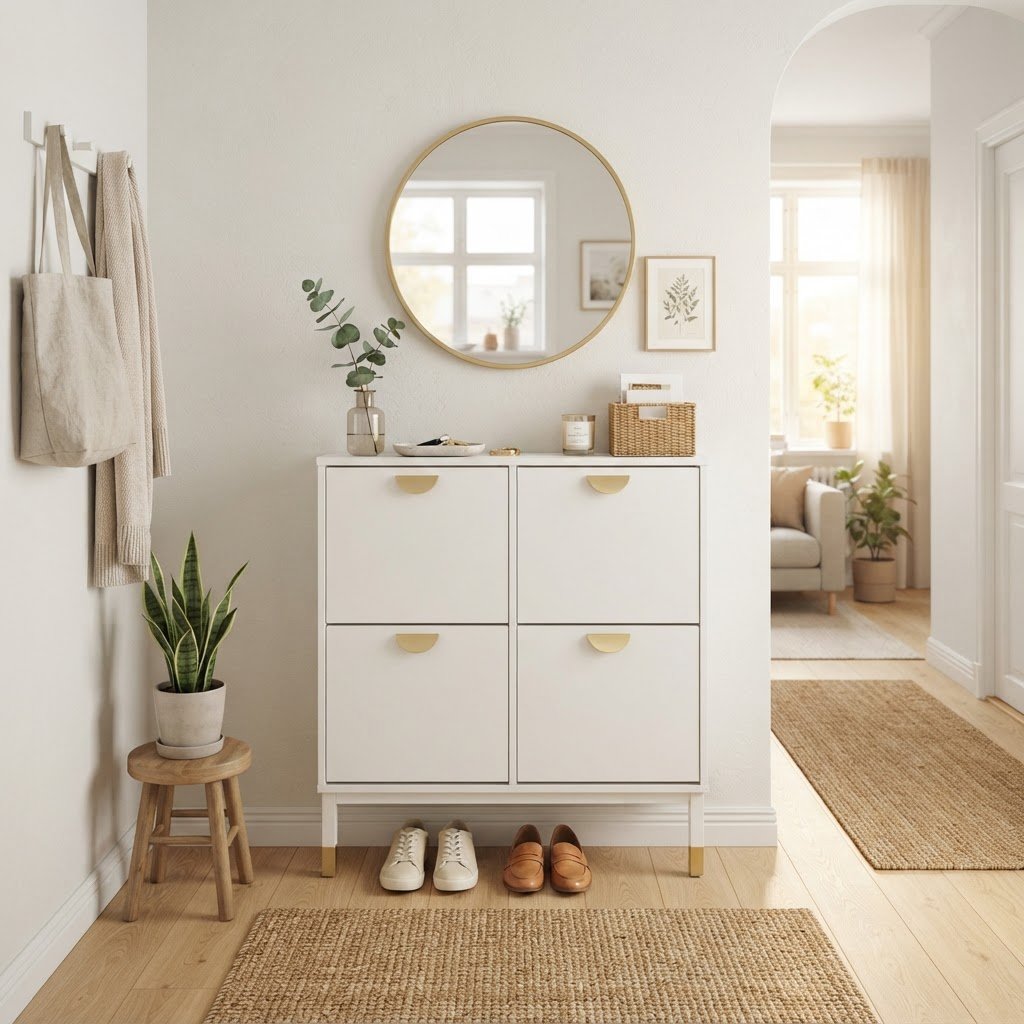
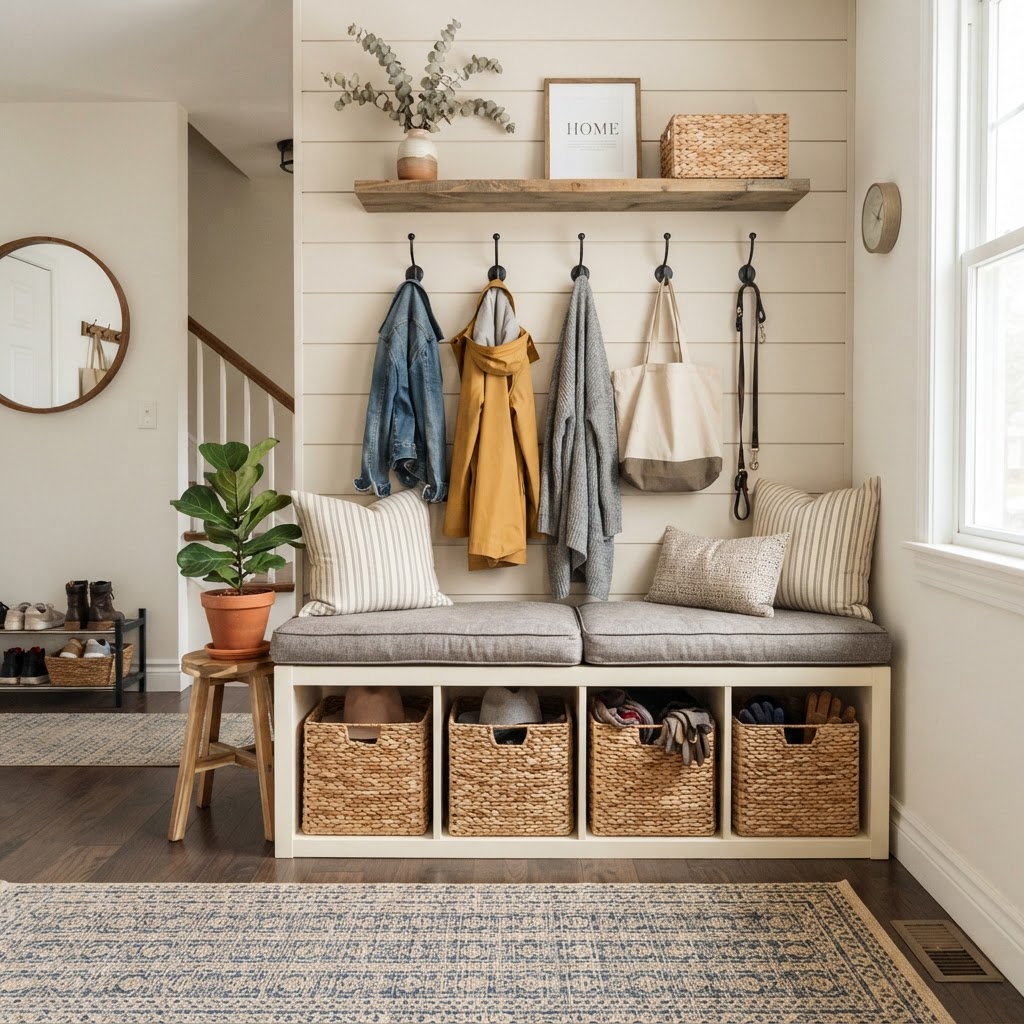
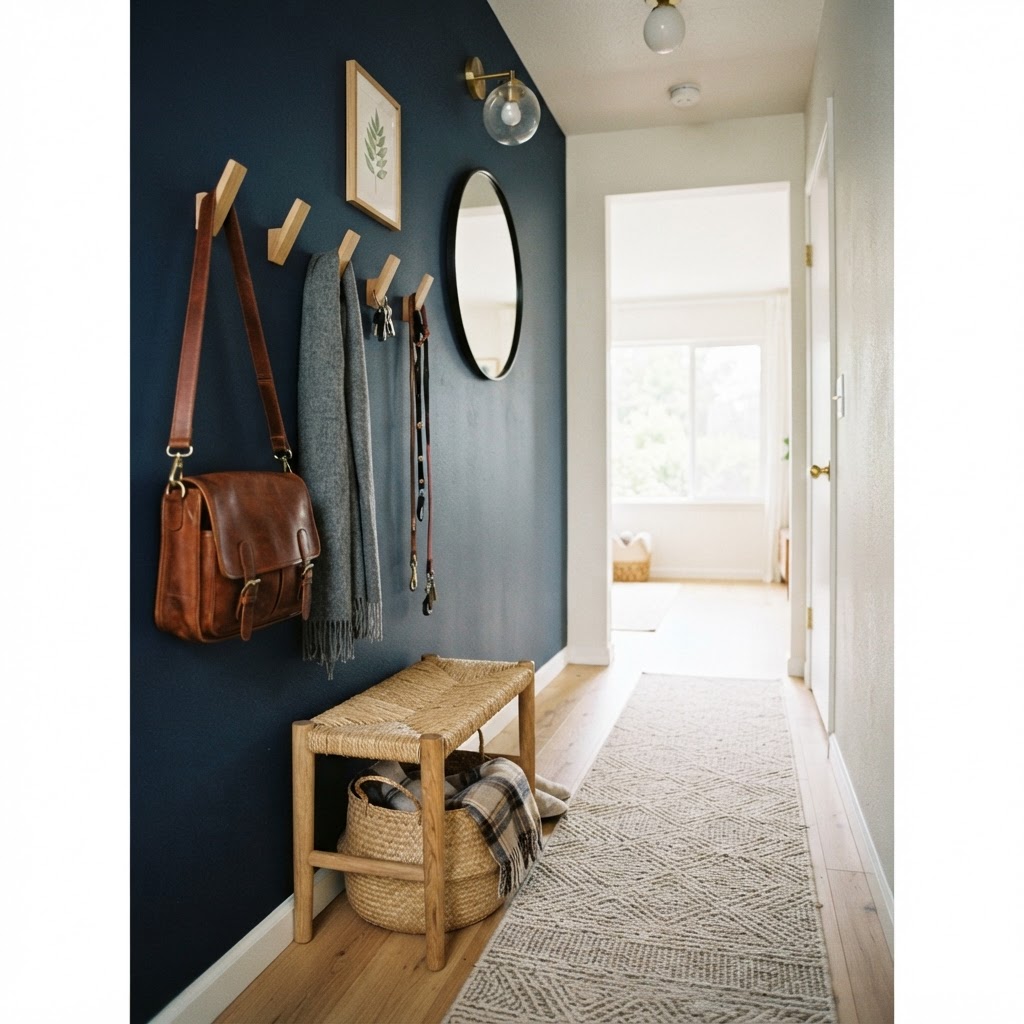
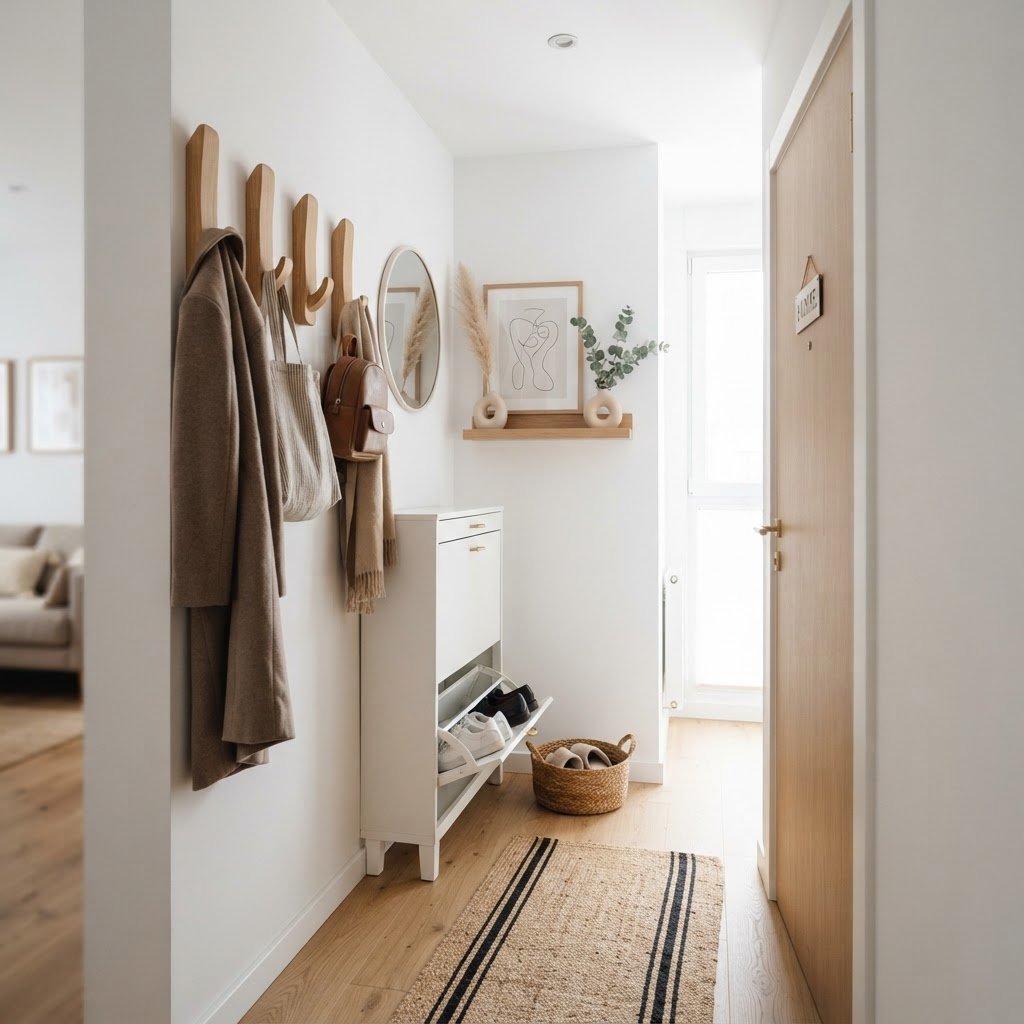
Vertical hooks and slim furniture maximize space in this micro entryway.

Your entryway acts as a psychological buffer zone between the chaos of the outside world and the sanctuary of your home. When this area is clogged with clutter, it creates a subconscious feeling of stress before you have even taken off your coat, as visual clutter is proven to elevate cortisol levels. The goal is to create a ‘drop zone’ that is intentional rather than accidental. In a micro entryway, there is zero margin for error; if you put one bag on the floor, it blocks the path, and if you leave a stack of mail on a chair, it becomes a permanent pile. The lack of surface area means that every single item needs a dedicated home. If an object does not have a designated spot, it will inevitably end up on the floor, contributing to the cycle of mess. Research suggests that keeping entryways clear improves mood, as individuals associate a tidy transition space with a successful shift from professional or social demands back into their private life. By viewing the entryway as a high-value zone rather than a storage closet, you can maintain a cleaner home with minimal daily effort.

Maximizing Vertical Wall Space
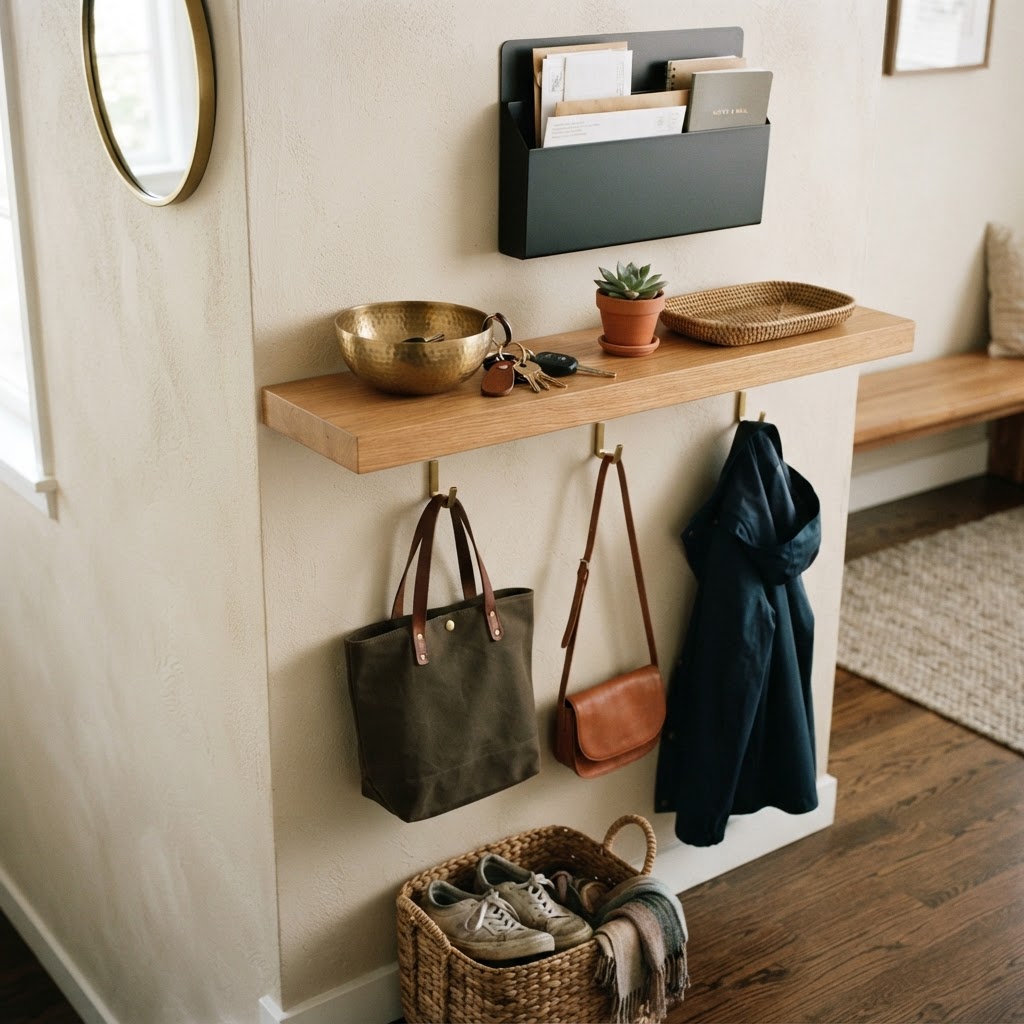
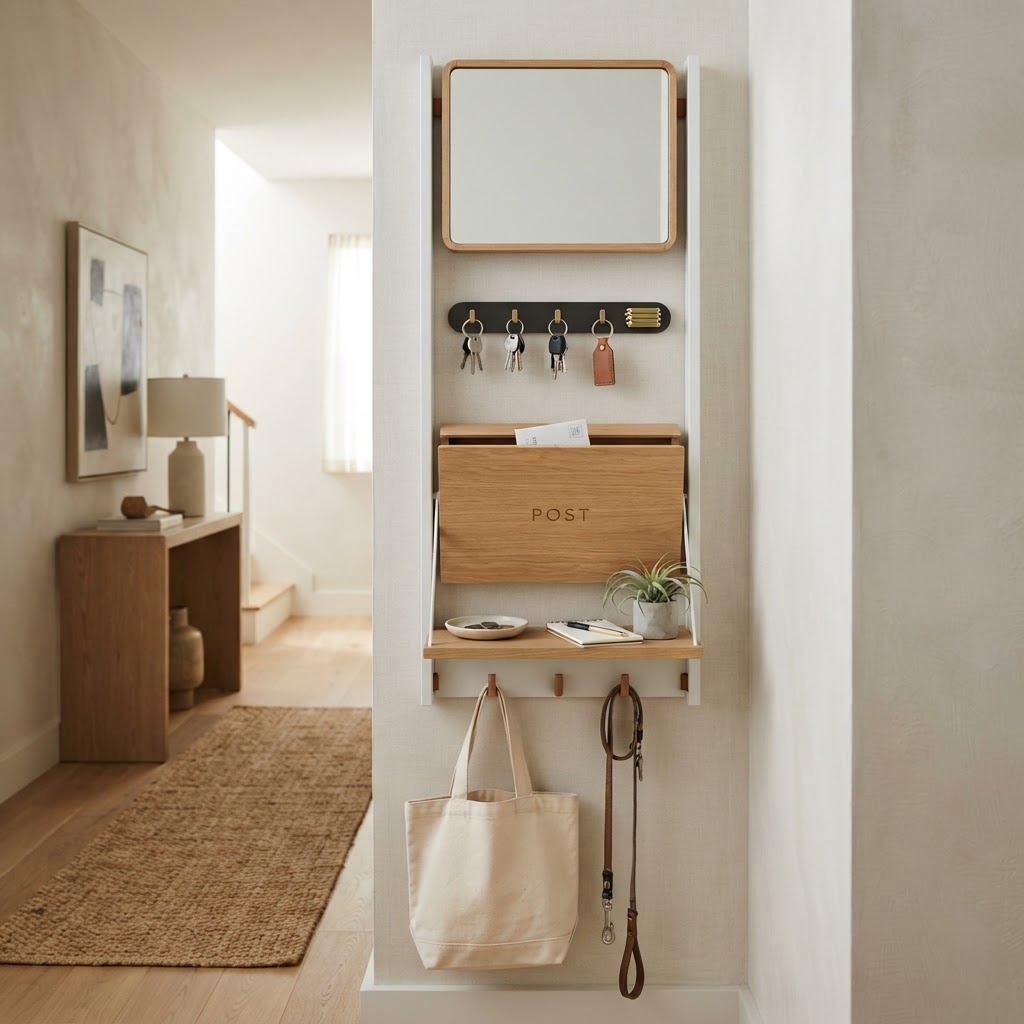
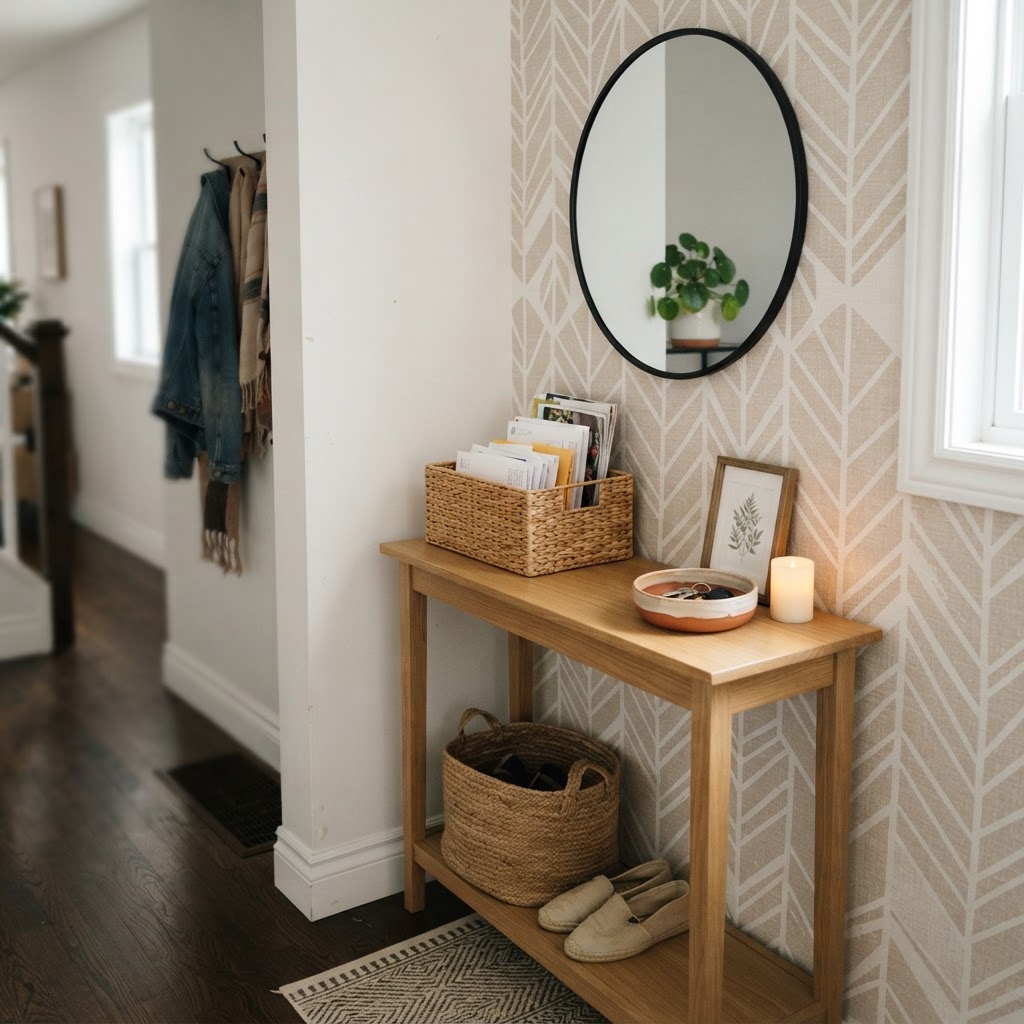
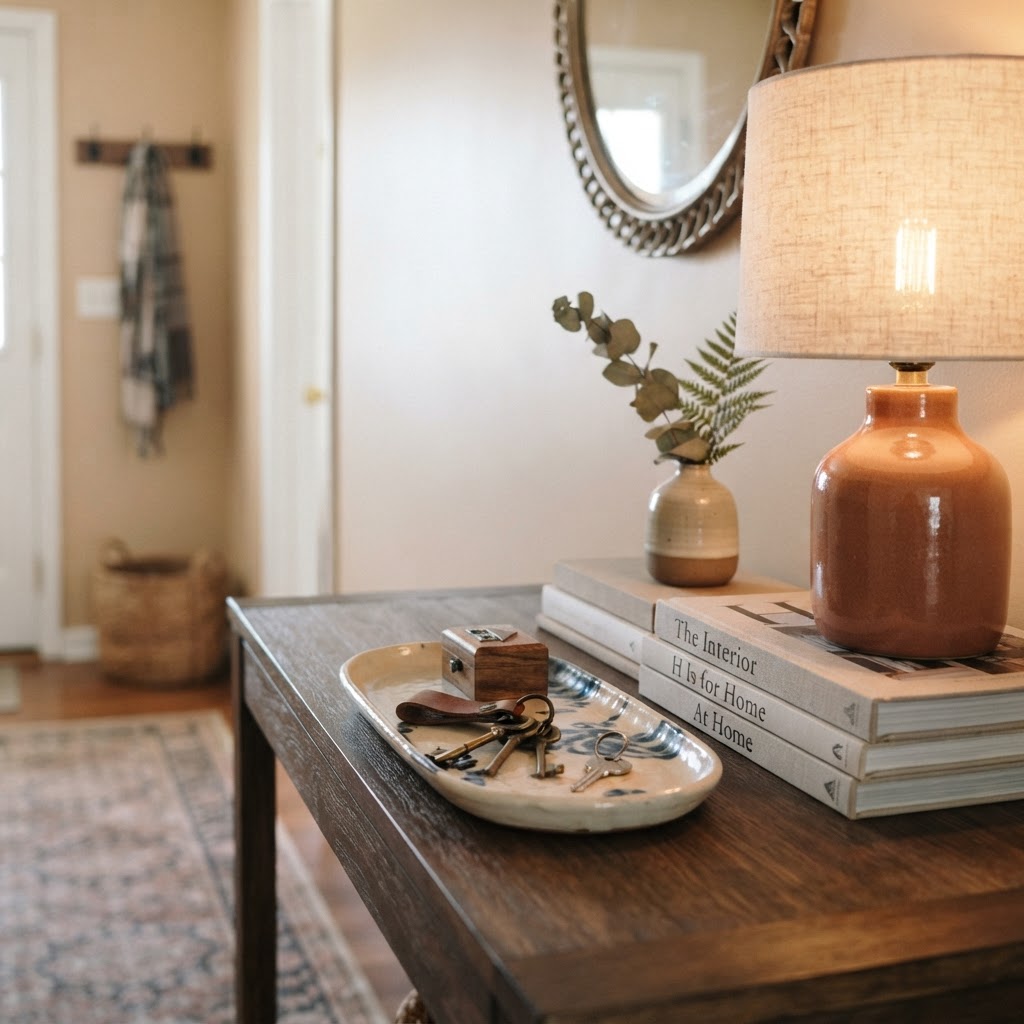
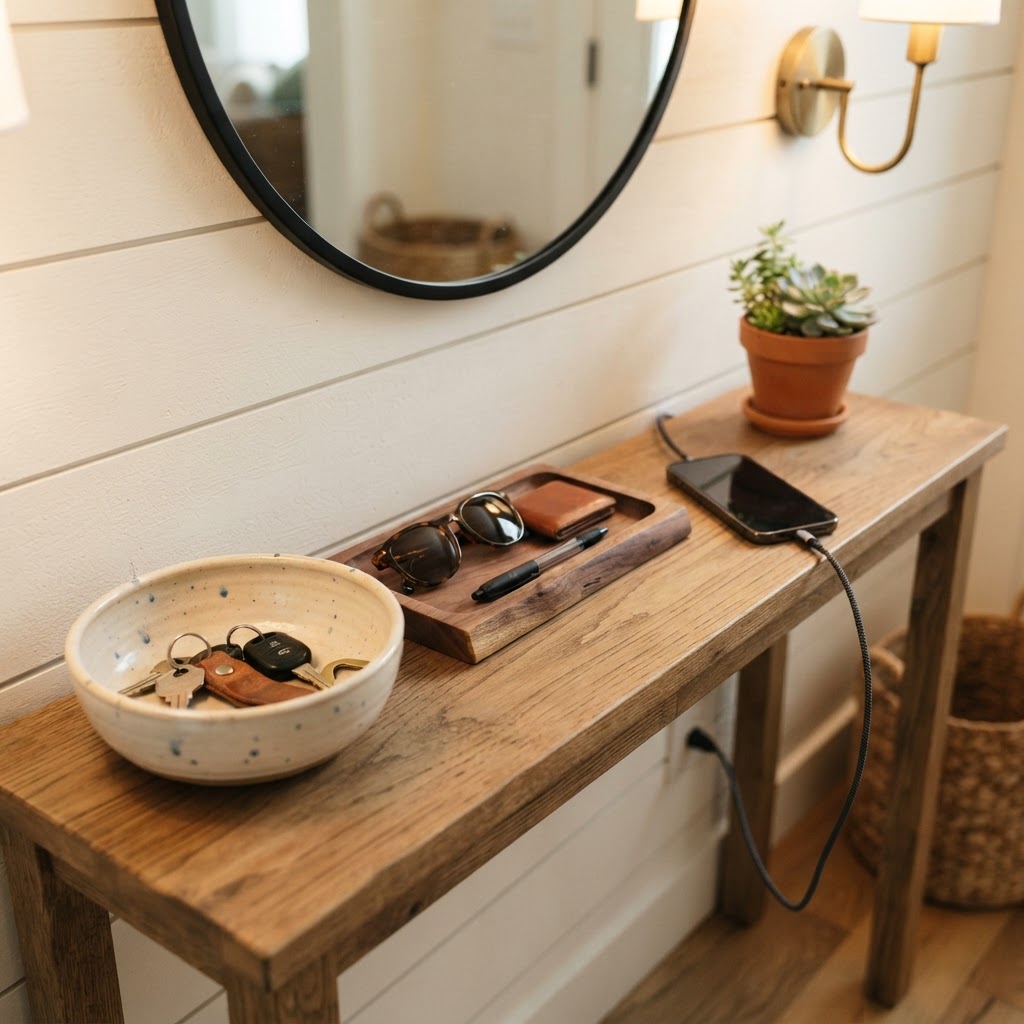
A dedicated drop zone for keys and mail prevents entryway clutter.

When floor space is non-existent, your walls become your most valuable real estate for storage and organizational efficiency. Many people make the mistake of focusing only on what can sit on the floor, but looking up is the secret to successful small-space living. By utilizing the vertical height of your wall, you can lift items off the ground and create a sense of openness. Consider installing a series of hooks at different heights; low hooks (approx. 36 inches from the ground) are perfect for bags and children’s items, while higher hooks (60 inches+) hold seasonal coats or umbrellas. Wall-mounted mail organizers, preferably placed 48 inches high, are game-changers for keeping surfaces clear. By shifting focus vertically, you reclaim 4-6 square feet of floor space in a typical micro-entryway layout.

Solution Best For Typical Depth
Wall-Mounted Hooks Coats & Bags 2–4 inches
Floating Mail Shelf Keys & Letters 5–7 inches
Vertical Rail System Multiple Accessories 1–3 inches

Mastering the Art of Shoe Storage

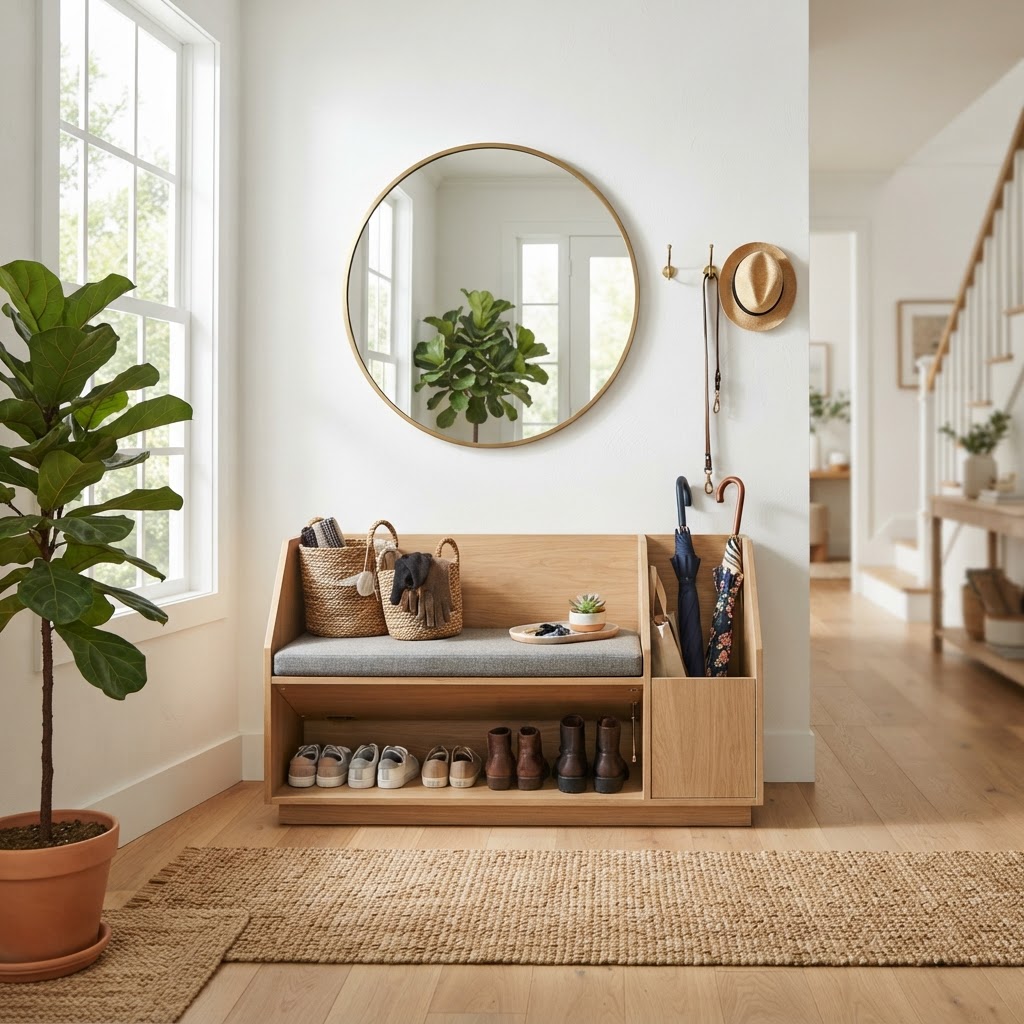
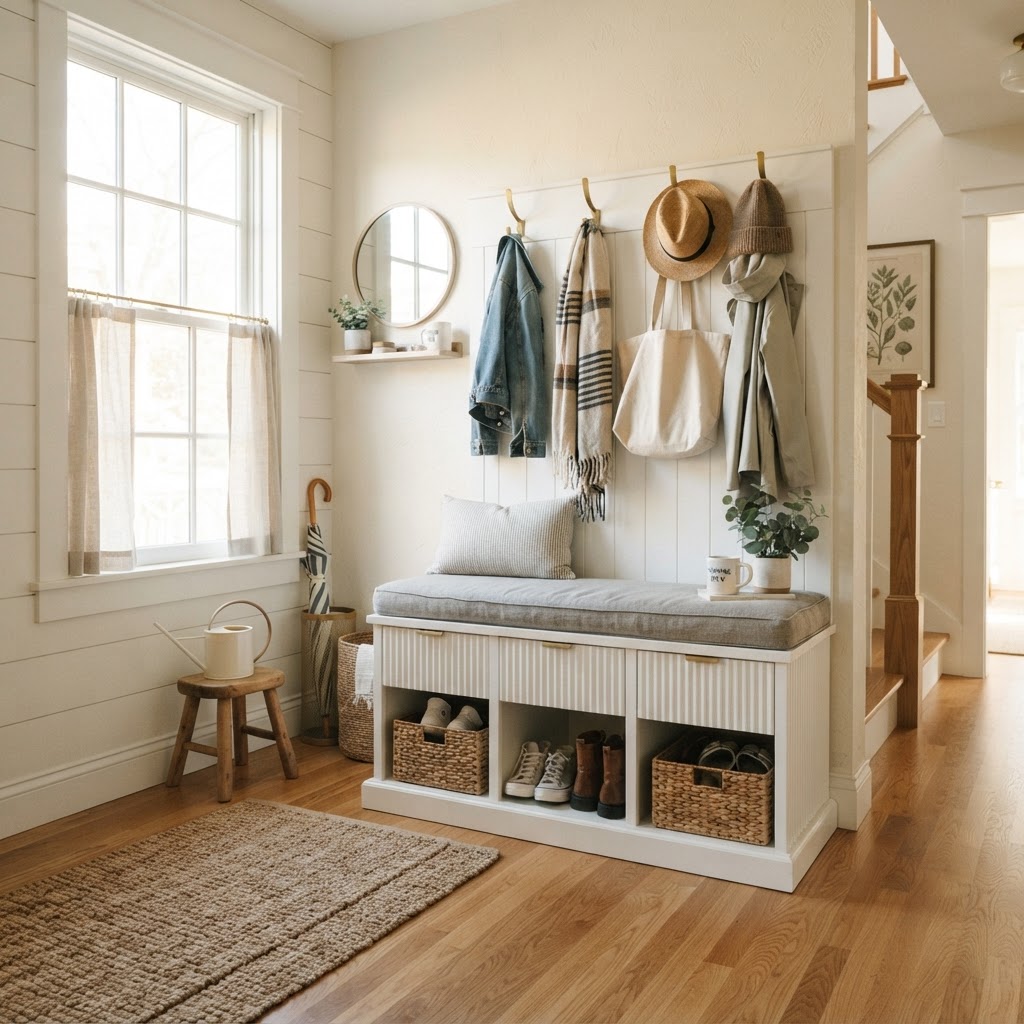
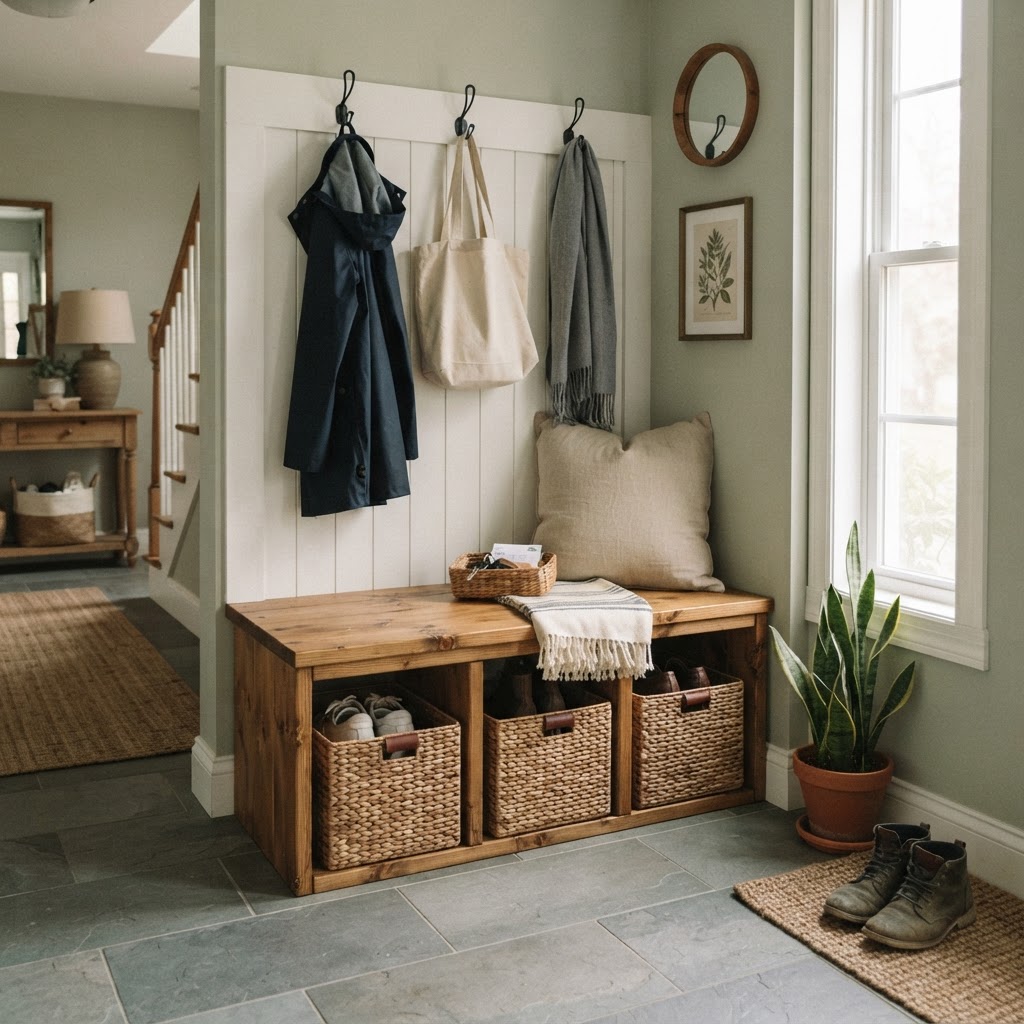
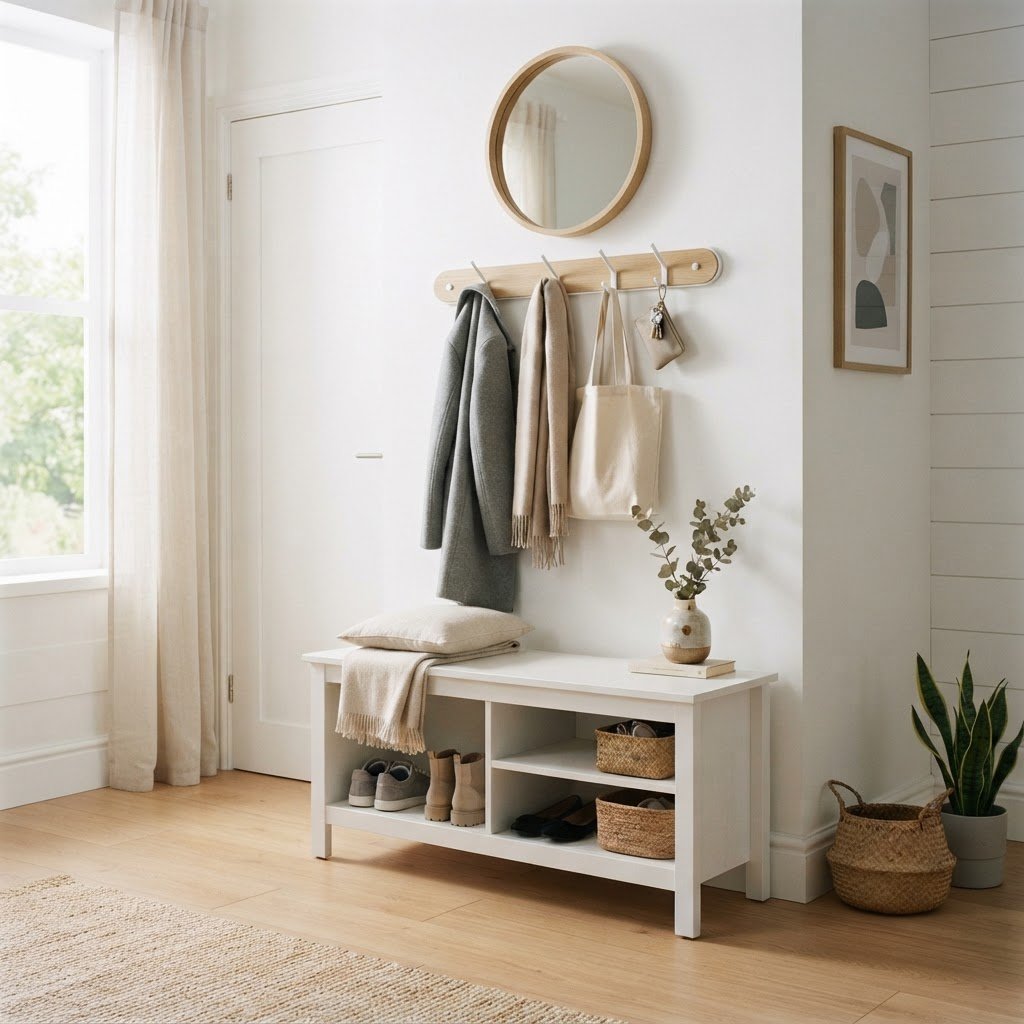
Dual-purpose furniture like storage benches are essential for tiny homes.

Shoes are usually the primary culprits in entryway mess, and in a micro entryway, you cannot simply toss them into a basket, as this quickly leads to a tangled, unhygienic mess. Instead, look for slim, closed storage units that prioritize efficiency over capacity. Tilt-out shoe cabinets are the industry standard for narrow hallways, as they are often less than 10 inches deep. These units typically hold 6–12 pairs of shoes while hiding them completely behind a sleek facade, preventing the visual clutter that open racks create. Another superior option is a floating shelf positioned just 4 inches off the ground, which allows you to slide shoes underneath without them crowding the floor surface. If your hallway is less than 36 inches wide, always prioritize wall-mounted solutions to ensure the walking path remains unobstructed and complies with basic safety egress standards.

Creating a Functional Key and Mail Drop Zone
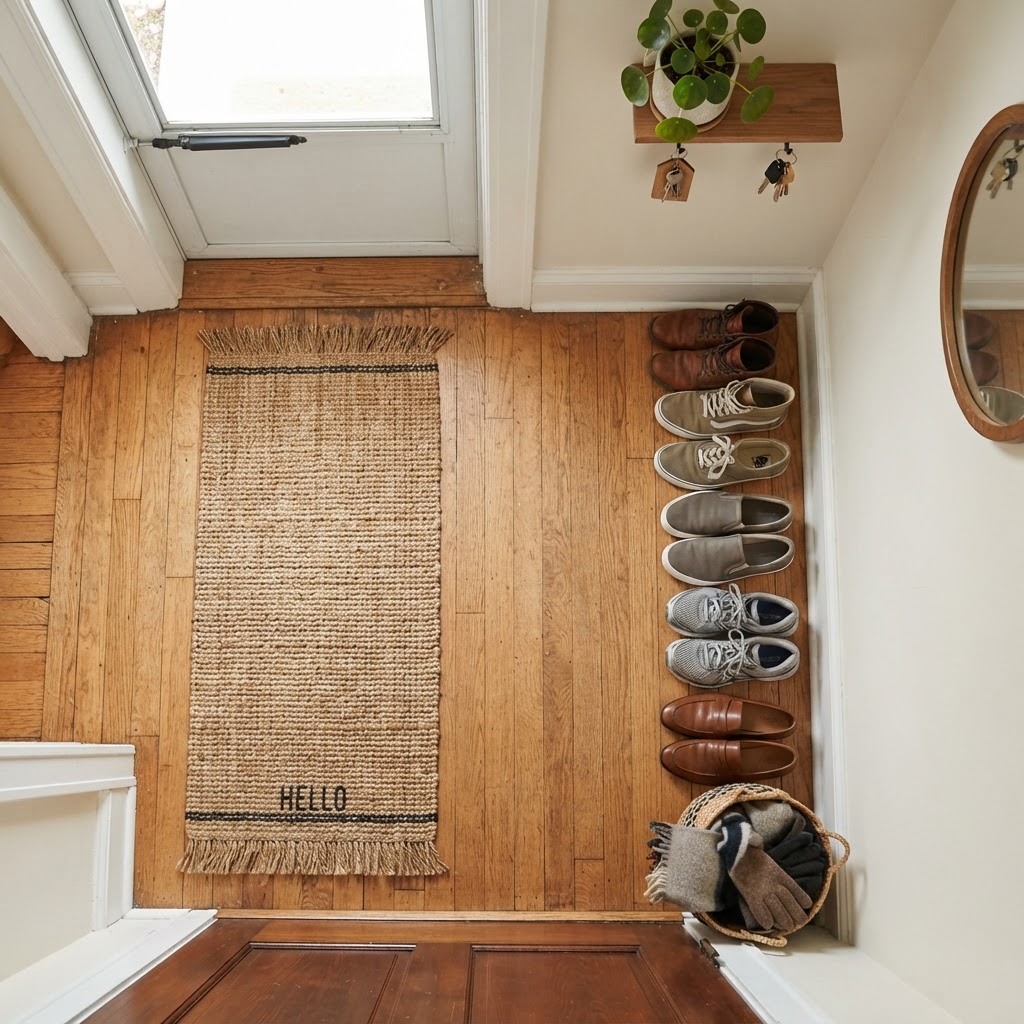
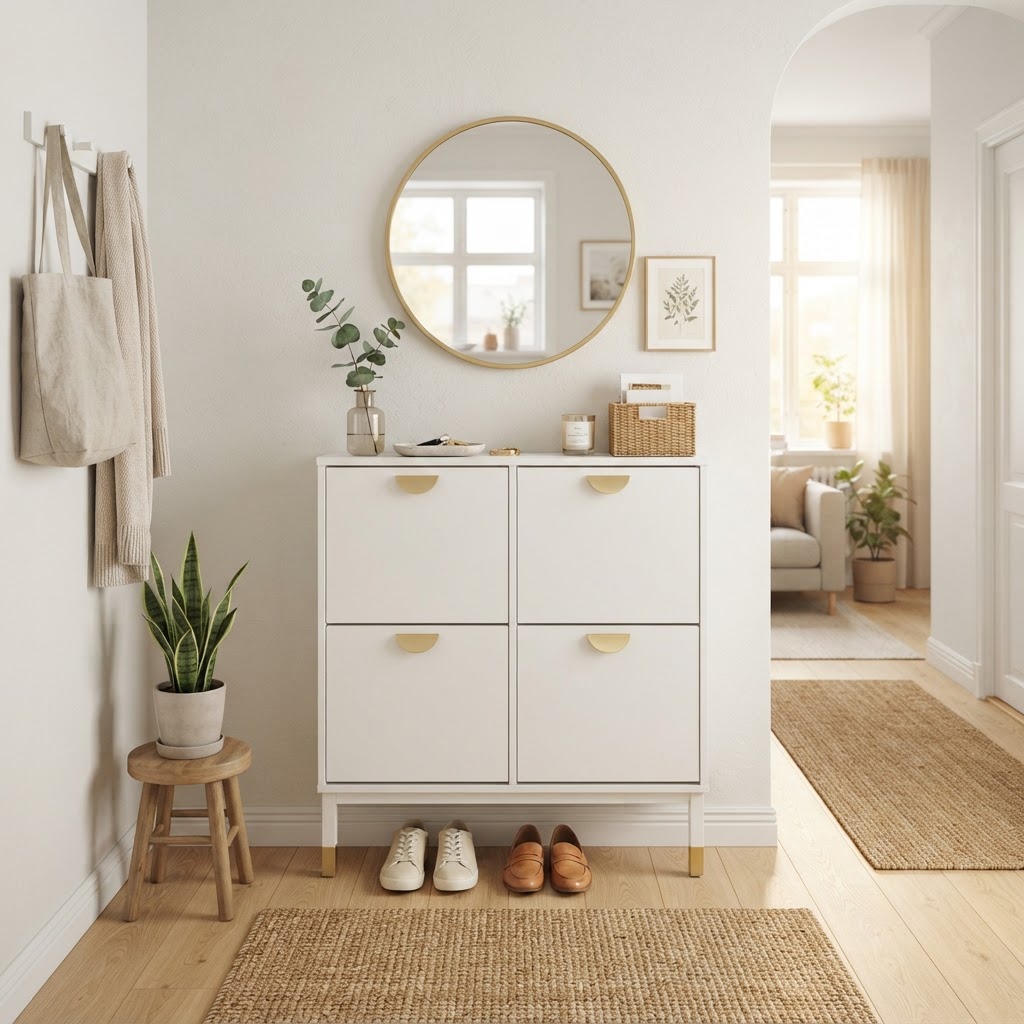
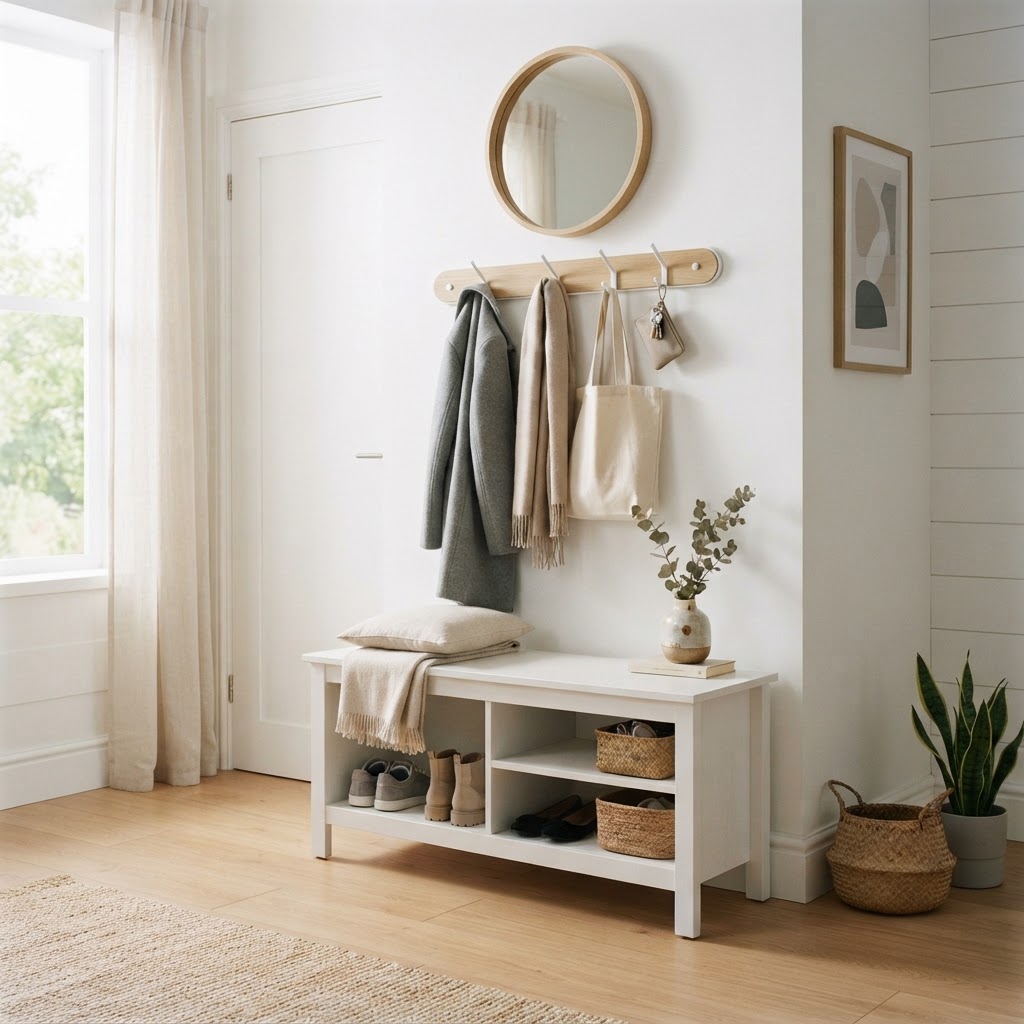
Keep floor space clear to make a micro entryway feel larger.

Keys, wallets, and mail are small items that cause the most frustration when lost, and the secret is to establish a ‘landing strip’ the moment you walk through the door. If you have to walk ten feet into your home to put your keys down, they will likely end up on a kitchen counter or, worse, inside a random pocket. Ideally, your landing strip should be located within 3 feet of your front door. If you don’t have room for a full console table, use a small, wall-mounted floating shelf (12–15 inches wide). Pair this with a decorative bowl for your keys and a vertical file sorter for your mail. By keeping these items vertically aligned, you save precious square inches of surface space while ensuring every item has a specific home.

Drop Zone Feature Placement Strategy Benefit
Key Bowl Near Door (3ft) Instant Retrieval
Vertical Sorter Wall-Mounted Surface Clearance
Charging Hub Near Outlet Power Management

Managing Bags and Accessories

Bags often sit on the floor because they are heavy, but they are also magnets for clutter; therefore, choose hooks that are sturdy enough to support the weight of a laptop bag or a heavy tote. Most standard adhesive hooks fail under loads exceeding 3 pounds; instead, invest in heavy-duty metal wall hooks that are screwed directly into the studs, which can hold up to 25 pounds each. If you have a small closet near your entrance, install a door-back organizer to store purses and seasonal accessories like scarves or hats, which effectively doubles your storage capacity without taking up any footprint. For a cleaner, more modular look, use a long, continuous rail hook system that spans the width of your wall. This allows you to space items out, preventing the ‘crammed’ look while ensuring every bag has its own designated hanging point rather than being piled on a bench.

Establishing Daily Maintenance Habits

Organization is not a one-time event; it is a lifestyle, and even the most perfectly designed micro entryway will fail if you don’t practice daily maintenance. The ‘one-in, one-out’ rule is essential here: if you buy a new pair of shoes, consider which older pair can be moved to a closet or donated. Make it a habit to perform a five-minute reset every evening. Sort the mail into ‘action,’ ‘shred,’ and ‘recycle’ piles immediately, and hang up your keys as soon as you enter the house. Research indicates that habits are formed in 66 days on average; by dedicating just five minutes each day to tidying this space, you prevent the accumulation of items that eventually lead to a full-blown entryway disaster. Focus on resetting the ‘landing strip’ so that every morning starts with a clear, functional space rather than a chaotic pile of last night’s debris.

Selecting Furniture for Small Entryways

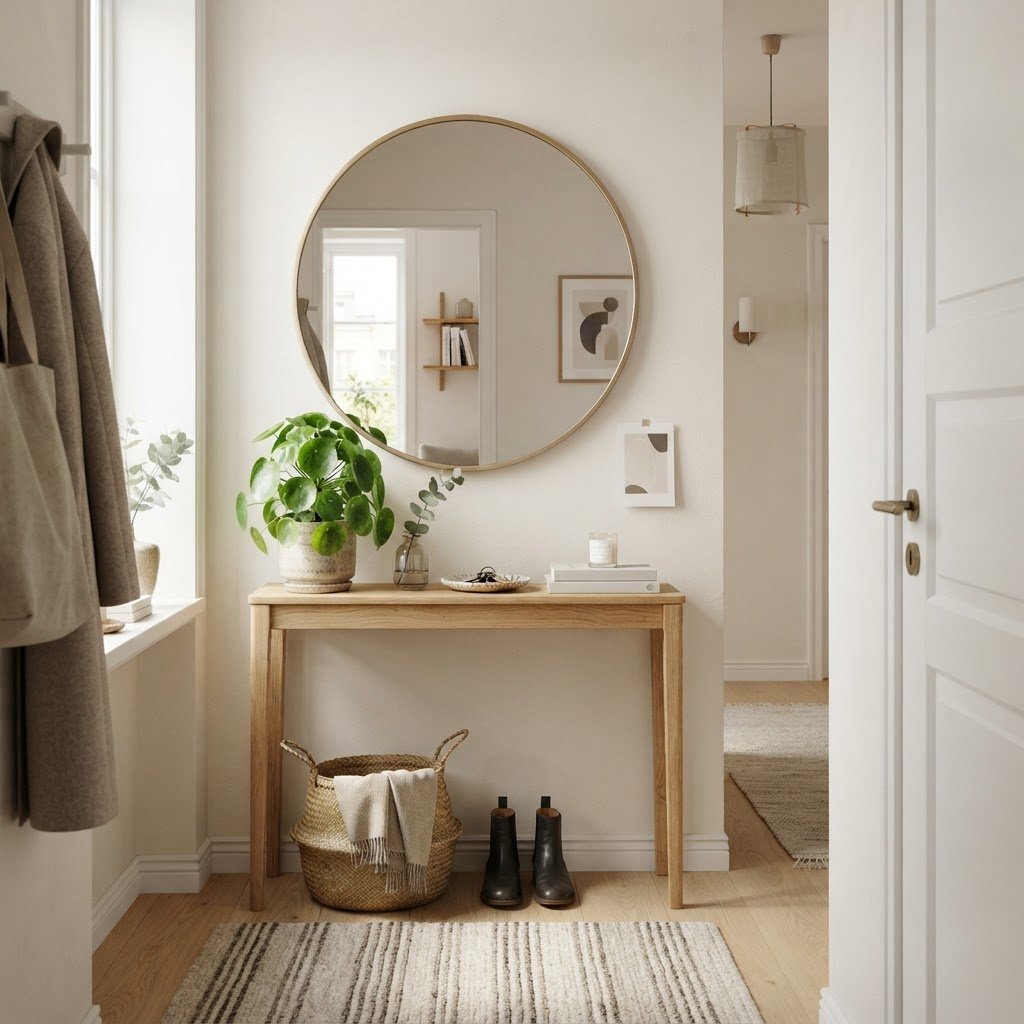
When buying furniture for a tiny foyer, look for pieces with dual purposes to maximize utility. A storage ottoman can serve as a place to sit while putting on shoes while also providing a bin for umbrellas or shopping bags. Furniture with legs often feels lighter than furniture that sits flat on the floor, as it allows your eyes to see more floor space, making the area feel larger. Additionally, adding a mirror to your entryway is a classic interior design trick. It not only allows you to do a final outfit check, but it also reflects light, making a small, dark entryway feel significantly brighter and more spacious. Combine this with warm, focused lighting (3000K color temperature is ideal for a welcoming glow) to create a defined atmosphere, even if it is just a small corner of a living room.

The Importance of Decluttering

Before you start organizing, you must declutter, as it is impossible to organize a micro space that is filled with items you don’t actually use. Take a moment to evaluate your current inventory: do you have shoes that hurt your feet, or mail that has been sitting there for three months? Create three categories: Keep, Donate, and Trash. If an item doesn’t serve a purpose or bring you joy, it has no business living in your high-traffic entry zone. By aggressively purging, you free up the space needed for items you actually use on a daily basis. Aim to remove at least 20% of your current entryway items to see an immediate change in traffic flow and accessibility.

FAQ

Q: What is the best way to store shoes in a very narrow entryway?

A: The best way to store shoes in a narrow entryway is by using tilt-out shoe cabinets, which are typically less than 10 inches deep. These units store shoes vertically, hiding them from view and keeping your walking path clear of hazards.

Q: How can I make my micro entryway look bigger?

A: You can make a micro entryway look bigger by adding a large mirror to reflect light and choosing furniture with exposed legs to show more floor space. Using light, neutral paint colors also creates a visual sense of expansion in cramped areas.

Q: Should I use adhesive hooks or screw-in hooks for my bags?

A: You should use screw-in, heavy-duty metal hooks for bags, as they are anchored into the wall studs and can hold significant weight. Adhesive hooks often fail under the weight of laptop bags, which can cause damage to the wall or the bag itself.

Q: What is the ‘landing strip’ concept?

A: The landing strip is a designated, clutter-free zone within 3 feet of your door where you immediately place your essentials like keys, mail, and wallet. Establishing this habit prevents these items from migrating to other surfaces in your home.

Q: How often should I declutter my entryway?

A: You should perform a light five-minute reset daily to clear out mail and trash, and a deep decluttering session once every three months. This quarterly purge helps remove items that have accumulated seasonally, such as old winter boots or outdated mail.
Small Front Door Storage Ideas for Narrow Entryways

Living in a townhome or condo often means compromising on square footage, especially in that vital transition zone between the outside world and your living space. If you are constantly tripping over shoes or struggling to find a place for your keys, you need practical small front door storage ideas. These narrow entryway storage solutions can turn even the tightest, most awkward foyer into a highly organized and welcoming threshold. By rethinking how you use vertical height and slim-profile furniture, you can achieve a clutter-free home.

The Psychology of an Organized Entryway

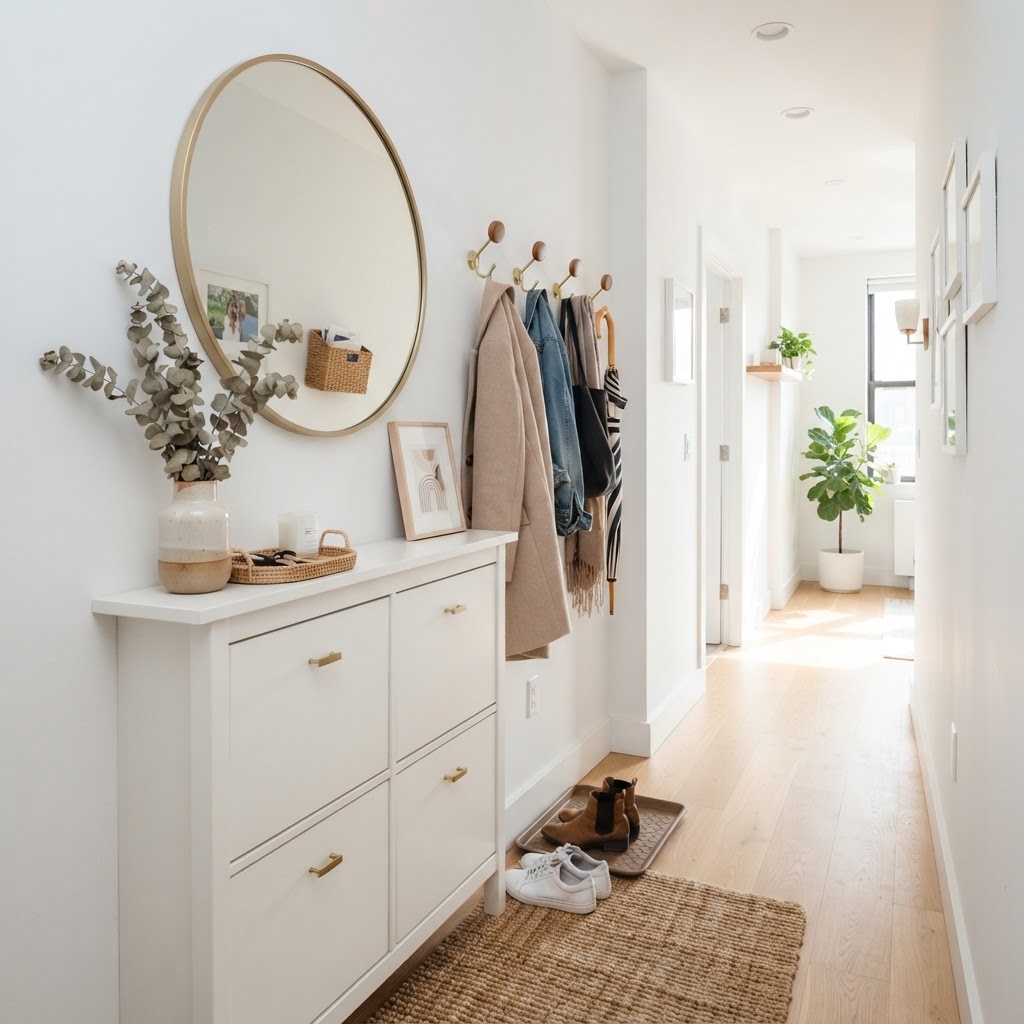
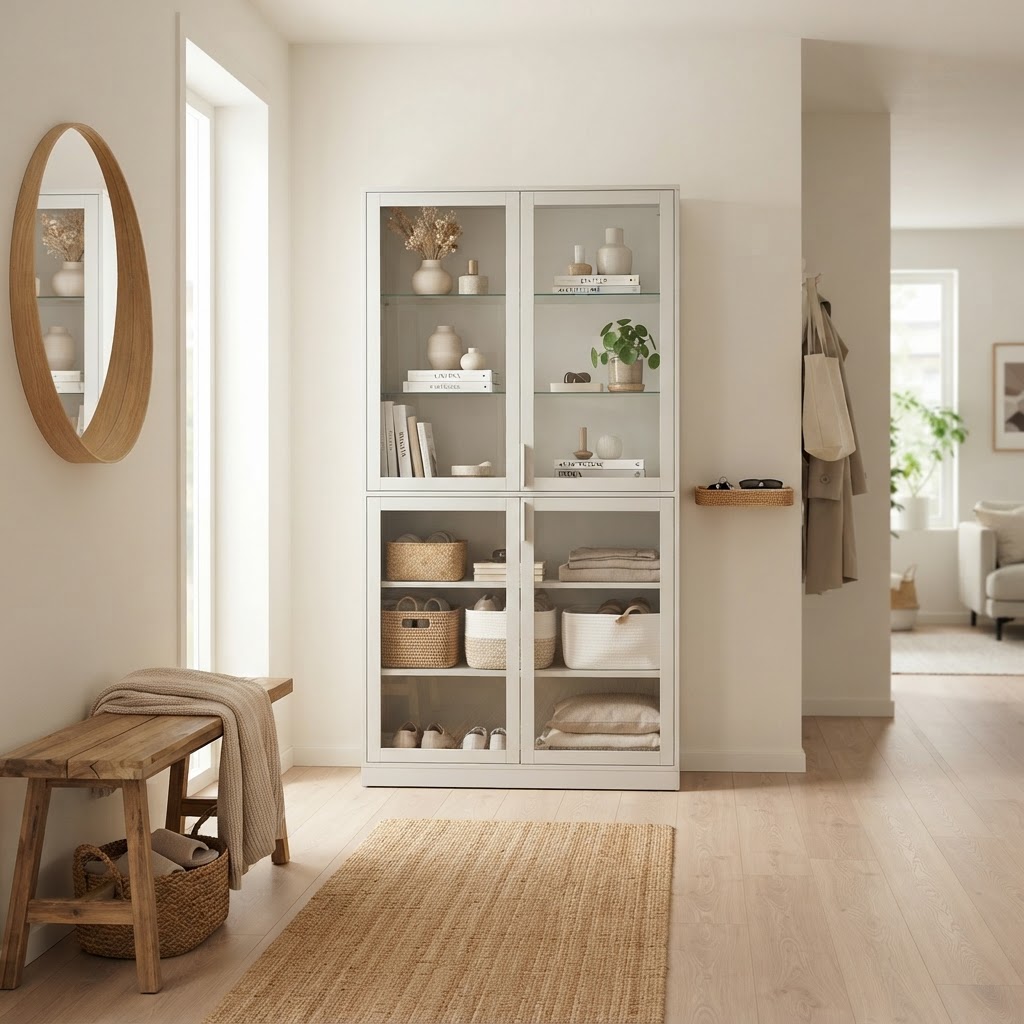
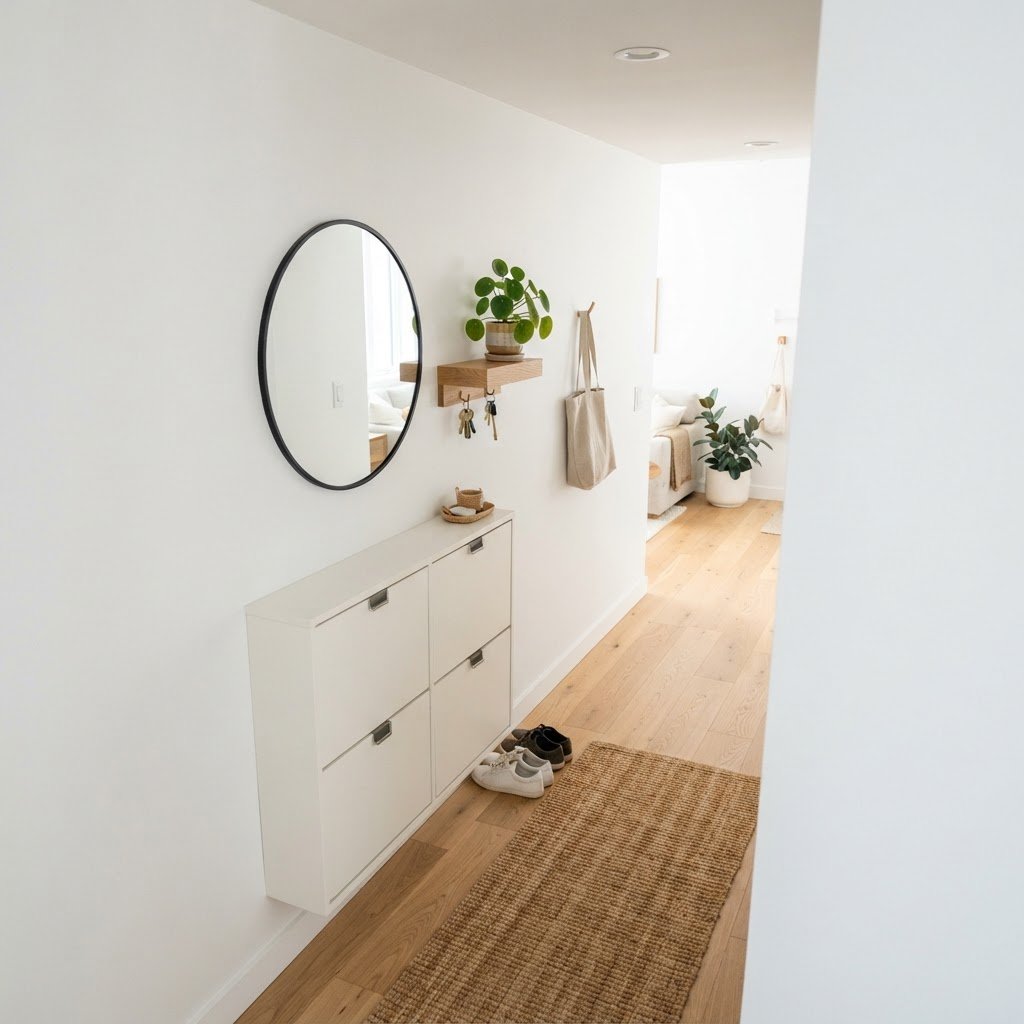
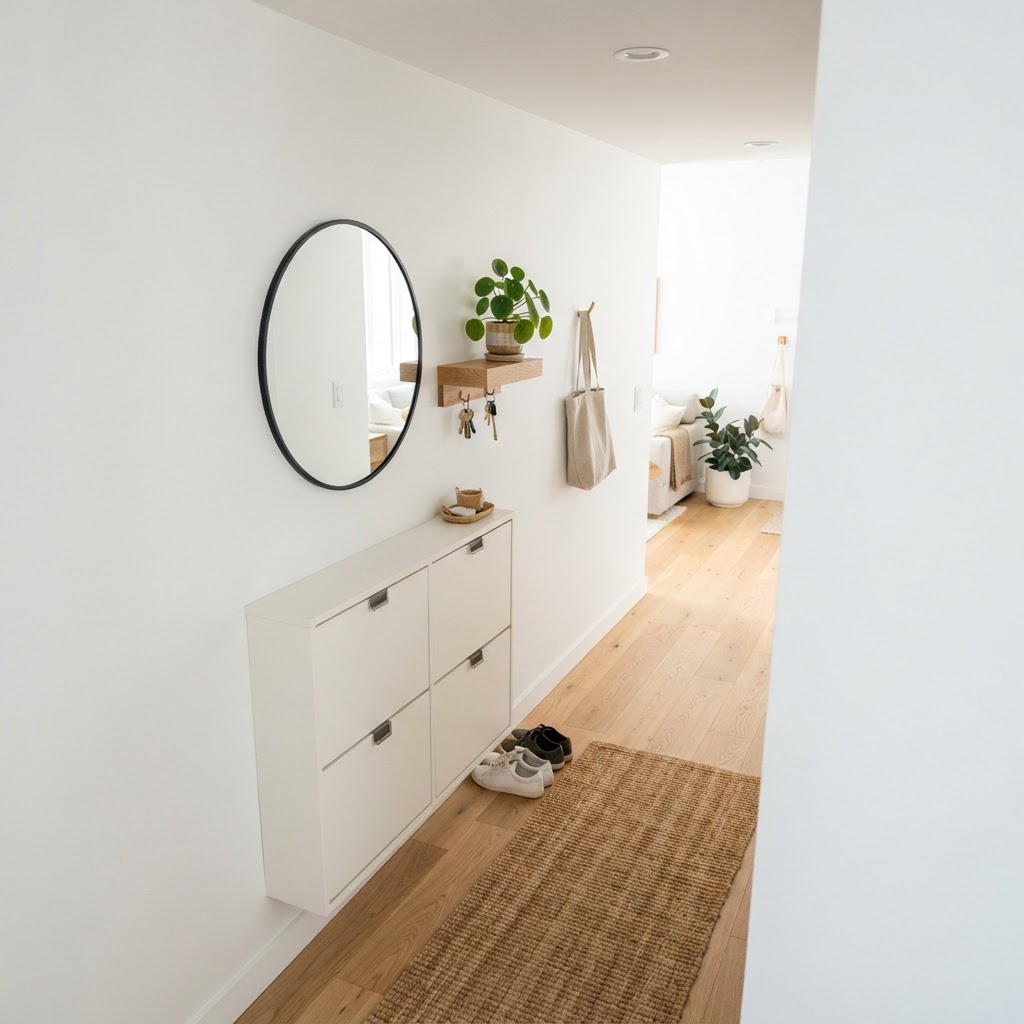
A slim-profile shoe cabinet maximizes space in this modern condo entryway.

Your entryway acts as the ‘airlock’ of your home. When it is cluttered, it creates a subconscious sense of chaos that follows you into your living room. Conversely, a clean foyer promotes calm and efficiency. For residents in condos or townhomes, the goal is to manage the flow of daily items like mail, coats, shoes, and umbrellas without overwhelming the limited footprint.

Maximizing space in a narrow hallway requires a shift in perspective. Instead of looking at floor space as your only asset, start looking at wall capacity. Think of your wall as a vertical grid waiting to be utilized. When you move storage up, you free up the floor, which visually expands the width of your narrow entryway.

Utilizing Vertical Wall Space for Storage

Hidden storage within a wooden bench keeps shoes neatly tucked away in a narrow townhome.

Vertical storage is the secret weapon for any tight hallway. Because you cannot expand the width of your floor, you must expand the depth of your utility by installing items at varying heights. Wall-mounted racks, floating shelves, and hook systems allow you to store essentials without blocking the pathway.

High-Impact Hook Systems

Hooks are perhaps the most underrated tool in the professional organizer’s kit. Rather than a bulky coat rack that consumes floor space, install a row of sleek, modern hooks at eye level. For added utility, consider a double-hook system where you can hang heavy coats on the top and lighter scarves or bags on the bottom.

Choosing the Right Hardware

Choose hardware that matches your home’s aesthetic. Matte black hooks provide a modern, industrial feel, while brass or polished nickel can add a touch of warmth. Ensure they are mounted securely into studs to hold the weight of winter parkas and heavy tote bags throughout the seasons.

Slim-Profile Entryway Consoles and Benches

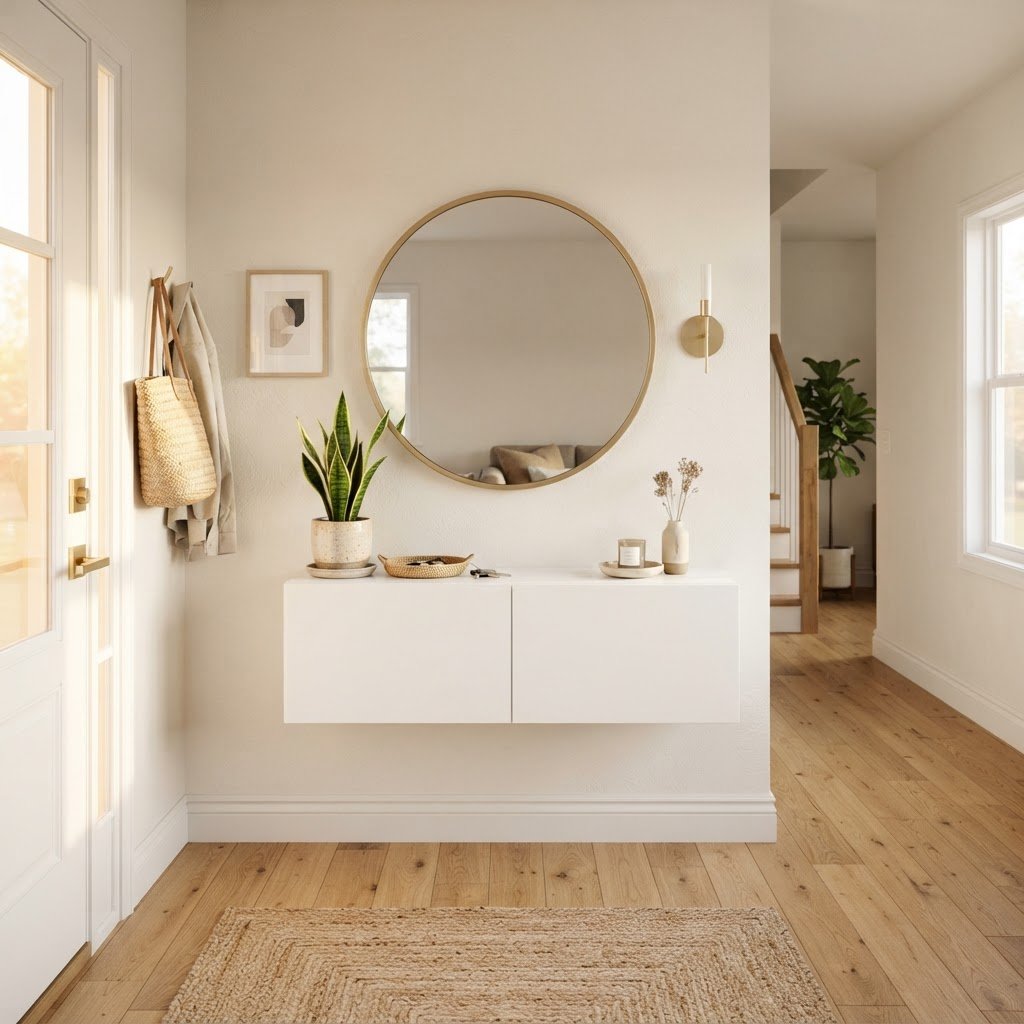
A wall-mounted landing zone keeps small essentials like keys and mail organized and accessible.

When searching for small front door storage ideas, most people make the mistake of buying oversized furniture. In a narrow hallway, every inch of walkway width matters. Look for ‘demi-lune’ or extremely shallow console tables that offer a flat surface for a tray or lamp without impeding movement.

The Multi-Functional Bench

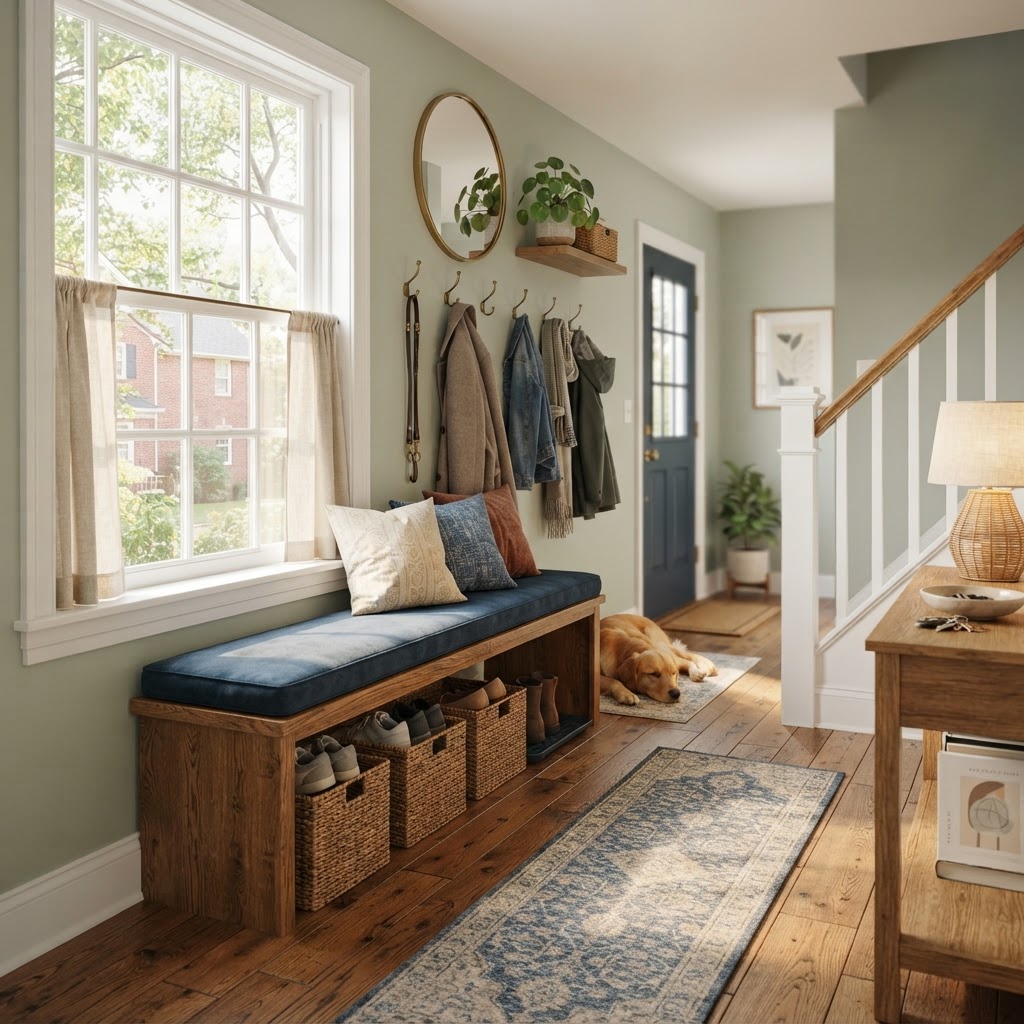
A bench is a staple for a reason, but it can be a trap for clutter. Select a bench that features hidden storage underneath. This could be open cubbies for wicker baskets or a flip-top lid that reveals a cavernous space for blankets, umbrellas, or seasonal boots. This dual-purpose furniture keeps the entry looking tidy while ensuring items are hidden from plain sight.

If you have a particularly long but narrow hall, consider a floating bench. A floating bench is mounted directly to the wall, leaving the floor space underneath completely open. This not only makes the area easier to clean but also creates the illusion of more space because the floor continues uninterrupted under the furniture.

Smart Shoe Storage for Tiny Spaces

Strategic use of light and minimal furniture makes this narrow entryway feel open and inviting.

Shoes are the primary culprits in most entryway messes. Standard shoe racks are often too deep for modern townhome entryways, forcing them into the hallway and creating a bottleneck. Instead, look for vertical shoe cabinets or ’tilt-out’ designs.

The Tilt-Out Cabinet Strategy

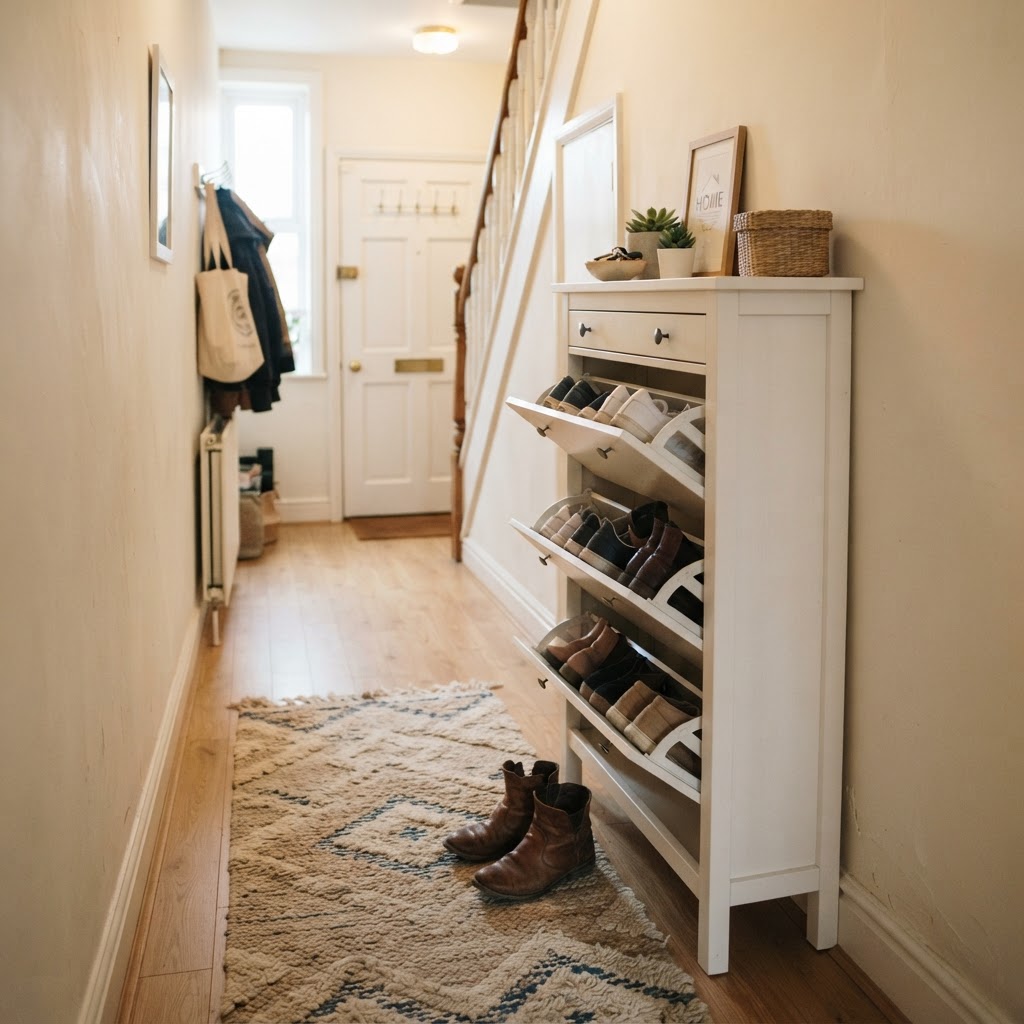
Tilt-out shoe cabinets are genius inventions specifically designed for narrow hallways. They are usually less than 10 inches deep and store shoes at an angle, keeping them concealed behind a door that matches your decor. This is arguably one of the most effective small front door storage ideas for maintaining a minimalist aesthetic in a compact condo.

Organizing by Frequency

To optimize your shoe storage, keep the ‘everyday’ pair at the front or the most accessible shelf. Seasonal items like snow boots or flip-flops should be relegated to the bottom shelves or stored in bins in a separate closet. This ensures that your entryway only contains the items you actually need during the current week.

Hidden Storage and Tech Solutions

Beyond shoes and coats, you need a spot for the small items that inevitably end up everywhere—keys, wallets, mail, and sunglasses. A simple bowl on a console table often becomes a magnet for junk. Instead, use a wall-mounted ‘drop zone’ system.

Creating a ‘Landing Strip’

A landing strip is a dedicated zone for items that come in the door with you. By installing a shallow organizer with a mirror, small drawers, and a mail slot, you create a dedicated ‘home’ for those tiny essentials. The integrated mirror also serves a secondary purpose: it reflects light and makes the narrow space feel significantly larger.

Do not forget about the power of magnetic strips. You can install a thin magnetic bar near the door to hold your keys, which eliminates the need for bulky key hooks. It is a sleek, modern, and highly functional solution for those who want their home to feel organized and clutter-free.

Lighting and Decor to Enhance Flow

While this article focuses on storage, the feeling of a narrow entryway is heavily influenced by lighting and decor. A dark, cluttered hall feels smaller. By installing smart LED lighting under shelves or inside storage benches, you draw the eye toward functional areas while brightening up the space.

Mirrors as Space Enhancers

Never underestimate the power of a large mirror. In a narrow condo entryway, a mirror is a functional must-have for checking your look before you head out, but it also acts as a visual ‘window’ that doubles the perceived size of the area. Place it directly opposite the door or above your main storage unit to amplify light.

The Power of Cohesive Colors

To keep a narrow space from feeling chaotic, stick to a limited color palette. Use shades of white, light grey, or soft pastels for your storage units. When your furniture blends into the wall color, it effectively disappears, reducing visual clutter and allowing the space to breathe.

Conclusion: Your Path to a Tidy Home

Mastering small front door storage ideas is all about being intentional with your vertical space and choosing furniture that serves double duty. By replacing oversized pieces with slim-profile cabinets, utilizing wall-mounted systems, and keeping your ‘landing zone’ clutter-free, you can create an entryway that feels spacious regardless of your square footage.

Start small: pick one area of your entryway today—like a messy shoe corner or a pile of keys—and apply one of these storage solutions. You will be amazed at how a few simple changes can reduce daily stress and make your townhome or condo feel more like the organized sanctuary you deserve. Take the first step toward a more functional home right now!

Affordable Shoe Storage and Hook Combos for Small Apartments

Living in a small apartment often means sacrificing a traditional mudroom, but that doesn’t mean you have to surrender your home to cluttered piles of footwear. Finding the right affordable shoe storage and hook combos for small apartments is the secret to reclaiming your entryway and keeping your living space serene. Whether you are dealing with a tiny studio hallway or a cramped front door area, clever storage solutions can turn a chaotic pile of sneakers into a functional, stylish display. By integrating vertical wall space with compact floor racks, you can double your storage capacity without overwhelming your limited square footage.

The Art of Vertical Entryway Storage

A minimalist shoe rack and hook combo perfect for tight entryways.

When floor space is at a premium, looking upward is your most effective strategy. Using the wall effectively is the cornerstone of any small apartment organization project, especially when you have limited closets. Combining wall-mounted hooks with slim-profile storage units allows you to hang heavy coats and store shoes simultaneously.

Why Wall-Mounted Combos Win

Wall-mounted systems are superior in small apartments because they keep the floor visible. By keeping the floor clear, your entryway will immediately feel larger and more open. These units often come as an integrated shelf with hooks underneath, which is perfect for maximizing every inch of wall space near your front door.

Choosing the Right Materials

When shopping for these units, consider lightweight materials like bamboo or powder-coated metal. These materials are durable enough to hold the weight of daily gear but don’t add visual bulk to a small hallway. A minimalist aesthetic is key to ensuring your apartment feels intentional rather than cluttered.

Budget-Friendly DIY Solutions for Shoe Storage

Tip-out shoe cabinets are a space-saving solution for narrow halls.

If you want a truly personalized solution, DIY projects offer some of the best affordable shoe storage and hook combos for small apartments. You can often find unfinished wood crates or simple shelving brackets that can be customized to fit your exact wall dimensions. A simple board painted to match your walls, equipped with industrial hooks and a narrow rack below, can function just as well as an expensive designer piece.

Repurposing Common Household Items

Don’t overlook the potential of items you might already own or can source cheaply. For instance, a basic wooden ladder can be leaned against the wall to act as both a shoe rack and a place to drape scarves. By adding S-hooks to the rungs, you create an instant combination rack that is both stylish and highly efficient.

Selecting the Right Shoe Rack Design

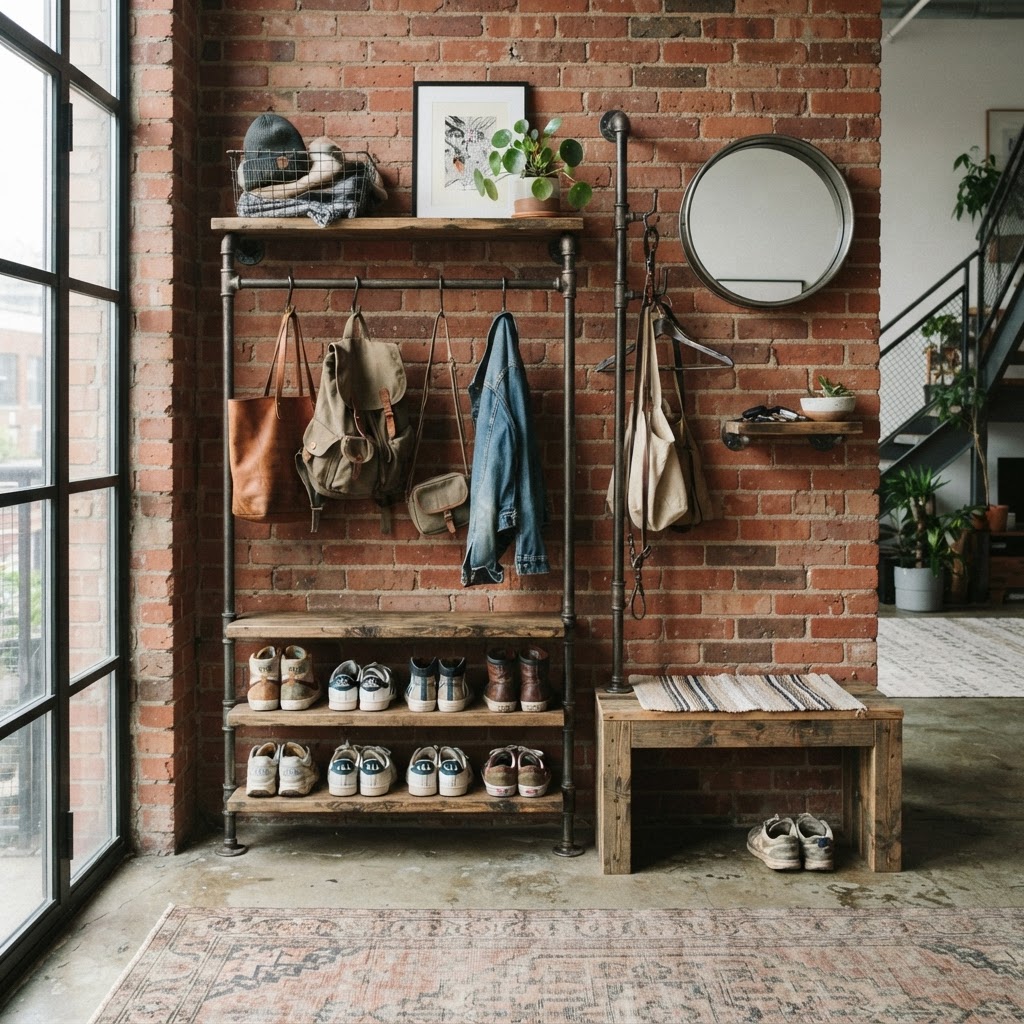
A creative DIY storage solution that adds character to a small space.

Not all shoe racks are created equal, and in a small apartment, the depth of the rack is critical. Look for “tip-out” shoe cabinets, which feature a clever design that stores shoes vertically rather than horizontally. This design typically occupies less than 10 inches of depth, making it an ideal candidate for narrow hallways.

Stacking and Tiering

If a cabinet isn’t your style, consider a tiered wire rack that fits behind your door. Many of these units are adjustable, allowing you to create different heights for boots versus flat sneakers. Always ensure you measure the width of your door opening so the rack doesn’t interfere with the swing of the door.

Integrating Hooks for Maximum Efficiency

Hooks are often an afterthought, but in a small apartment, they are a primary storage asset. By choosing the right type of hook—double or triple prong—you can hang bags, umbrellas, and hats alongside your shoes. This creates a centralized “drop zone” where everything has a specific home, preventing the dreaded countertop clutter.

Strategic Placement Tips

Position your hooks at varying heights to accommodate both long coats and shorter items like dog leashes or keys. If you live in a rental, consider command-strip adhesive hooks that provide a high-weight capacity without requiring you to drill holes in the wall. This keeps your security deposit safe while ensuring your space stays organized.

Combining Storage for a Cohesive Look

To make your entryway look high-end despite the tight space, choose storage units that share a consistent finish or color palette. If your walls are white, a light wood or white storage unit will blend in, making the room feel larger. Darker metal finishes can provide a modern, industrial touch that anchors the space and adds a sense of structure.

The Power of Mirrors

Adding a mirror above your shoe storage and hook combo is a pro move for small apartments. Not only does it allow for a final outfit check before heading out, but it also reflects light and depth, creating the illusion of a much larger room. It is a simple addition that pays off in both function and aesthetics.

Maintaining Your Small Apartment Organization

Even the best affordable shoe storage and hook combos for small apartments will fail if they aren’t maintained. Establish a habit of placing your shoes directly onto the rack or into the cabinet the moment you walk through the door. Keeping your entry clear is essential for maintaining the “flow” of your home.

Seasonal Rotation

For those with limited space, keep only the shoes you wear frequently in the primary storage zone. Store out-of-season footwear under your bed or in the top of a closet to prevent the entryway from becoming overwhelmed. This rotational system ensures your storage units never exceed their capacity.

Evaluating Your Needs Before You Buy

Before spending money, take a quick inventory of your footwear collection. Do you mostly own flat sneakers, or do you have a collection of knee-high boots that require extra vertical clearance? Understanding your needs will prevent you from buying a unit that looks great but fails to hold your actual items.

Measuring for Success

Use painter’s tape to mark out the footprint of potential furniture pieces on your wall. This simple step helps you visualize how much space the unit will truly consume. Nothing is worse than buying a piece that blocks a walkway or prevents a door from opening fully, so measure twice before you finalize your purchase.

Conclusion

Finding the perfect affordable shoe storage and hook combos for small apartments is about balancing practicality with personal style. By utilizing vertical space, choosing low-profile designs, and keeping a consistent aesthetic, you can create an entryway that feels spacious and organized. Remember that the best solution is one that fits your daily routine and makes your life easier every time you walk through the door. Don’t let your limited square footage dictate your level of clutter; instead, use these smart storage hacks to take control of your space today. Start small, measure your area, and invest in a system that grows with your needs. Which of these organization hacks will you try first in your apartment?

DIY Fluted and Storage Bench Hacks for Tiny Mudrooms

Creating an organized, inviting entryway when you are short on square footage can feel like a game of Tetris. Many homeowners struggle with the balance between functionality and aesthetics, especially when dealing with a cramped landing area. Fortunately, DIY fluted and storage bench hacks for tiny mudrooms offer the perfect solution to reclaim your space while adding a touch of custom designer flair. By utilizing vertical space and hidden compartments, you can turn a chaotic “drop zone” into a serene, organized sanctuary.

The Aesthetic Appeal of Fluted Details

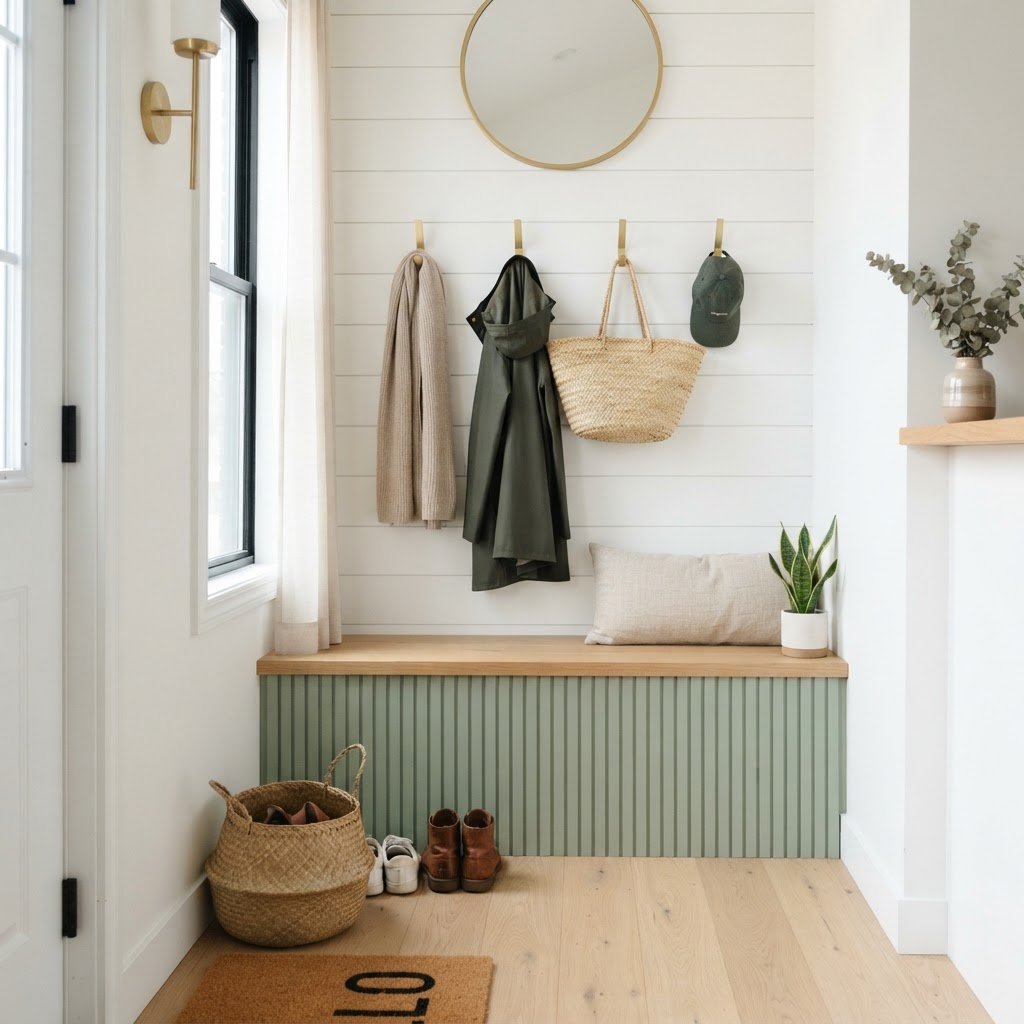
Transforming a small space with a sage green fluted bench.

Fluted furniture has taken the interior design world by storm, and for good reason. The vertical lines add texture, depth, and a sophisticated visual rhythm to otherwise flat, boring surfaces. When you apply this technique to a DIY fluted mudroom bench, you are not just building a place to sit; you are creating a statement piece that draws the eye upward and makes the room feel taller and more refined.

Why Texture Matters in Small Spaces

In a tiny mudroom, you cannot rely on large furniture or bold wall art to make a statement. Instead, you must rely on tactile elements. The subtle shadow play created by fluted wood molding or dowels creates a sense of luxury that elevates a basic stock cabinet or a DIY plywood box. It provides a high-end, custom look at a fraction of the cost of store-bought designer benches.

Choosing the Right Materials for Your Bench

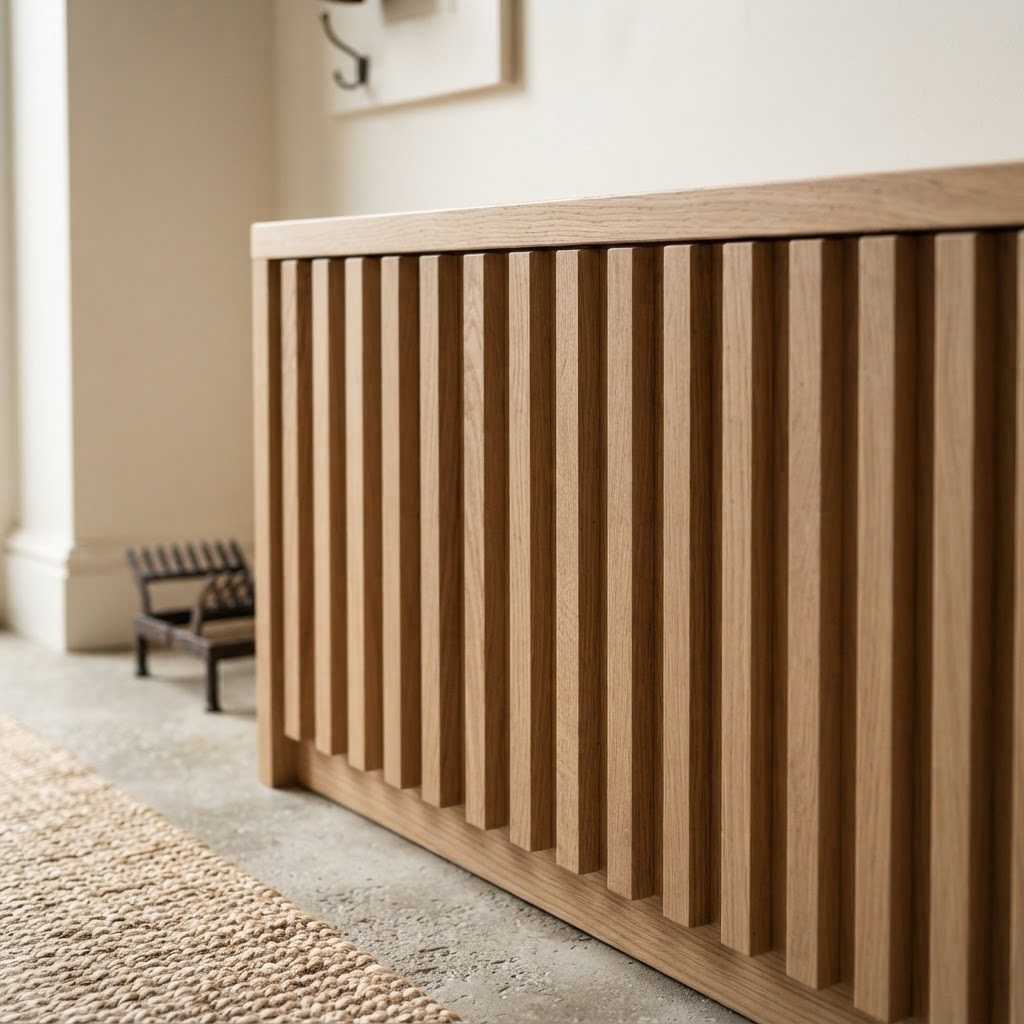
The elegant texture of vertical fluting adds depth to furniture.

Before you start cutting wood, you need a plan that balances durability with weight. Since mudrooms are high-traffic areas, your bench needs to withstand muddy boots, heavy bags, and constant use. Plywood is an excellent choice for the base, while half-round wood trim or wooden dowels are the gold standard for creating that signature fluted effect.

Essential Tool Checklist

To ensure your project is a success, gather these supplies before you begin. You will want a miter saw for precise cuts, a brad nailer for attaching the trim, and a high-quality wood glue. Don’t forget your wood filler and a high-grade sander to achieve a seamless, professional finish before you apply paint or stain.

Step-by-Step: Constructing the Bench Base

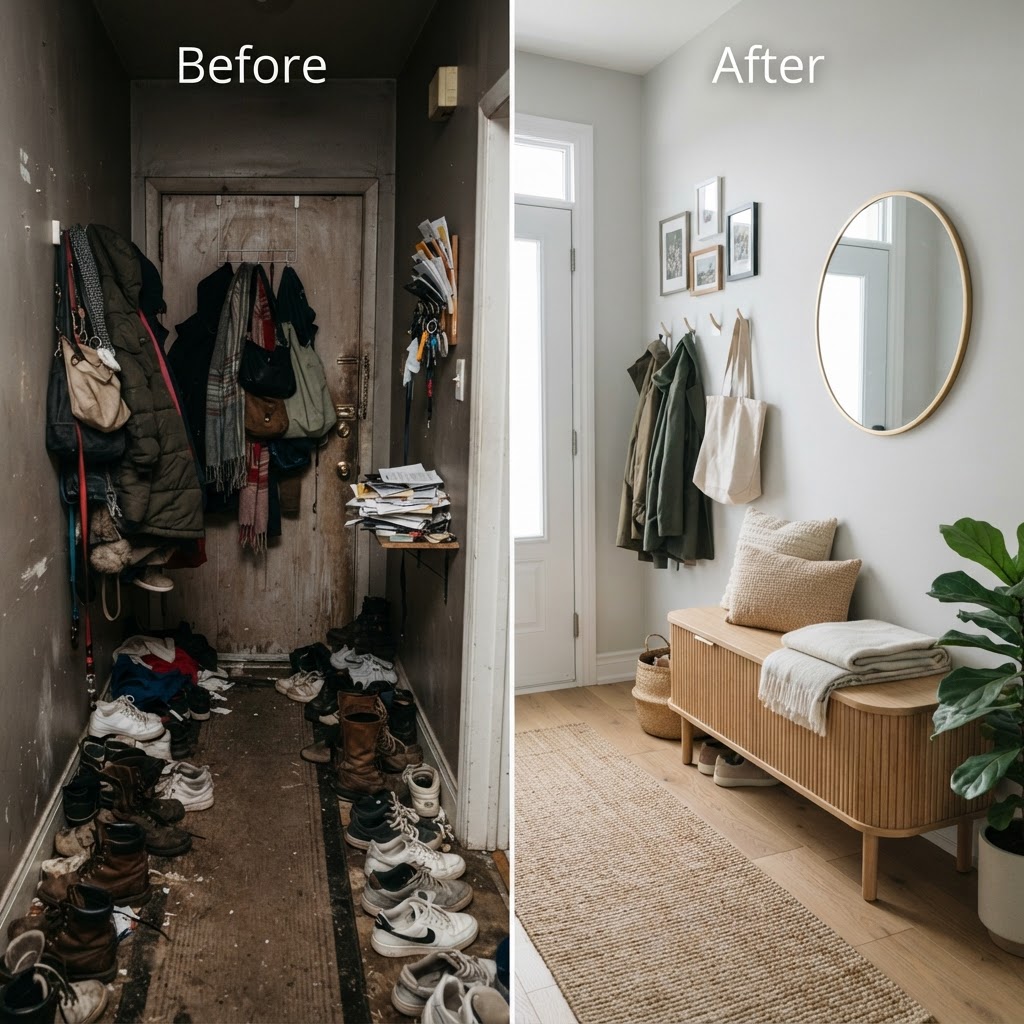
See how a simple storage bench clears the chaos.

Building the structural base is the most important part of your tiny mudroom storage project. Start by measuring your available wall space with precision. You want to ensure the bench fits snugly to maximize every inch, but remember to account for baseboards if you are building an “in-built” style piece.

Creating Hidden Storage Solutions

For a truly tiny mudroom, every cubic inch counts. Consider incorporating a “flip-top” lid or deep pull-out drawers beneath your bench seat. This is where you can store seasonal items like scarves, umbrellas, or extra shoes that you don’t use on a daily basis. The more you can keep off the floor, the larger your room will feel.

Applying the Fluted Detail

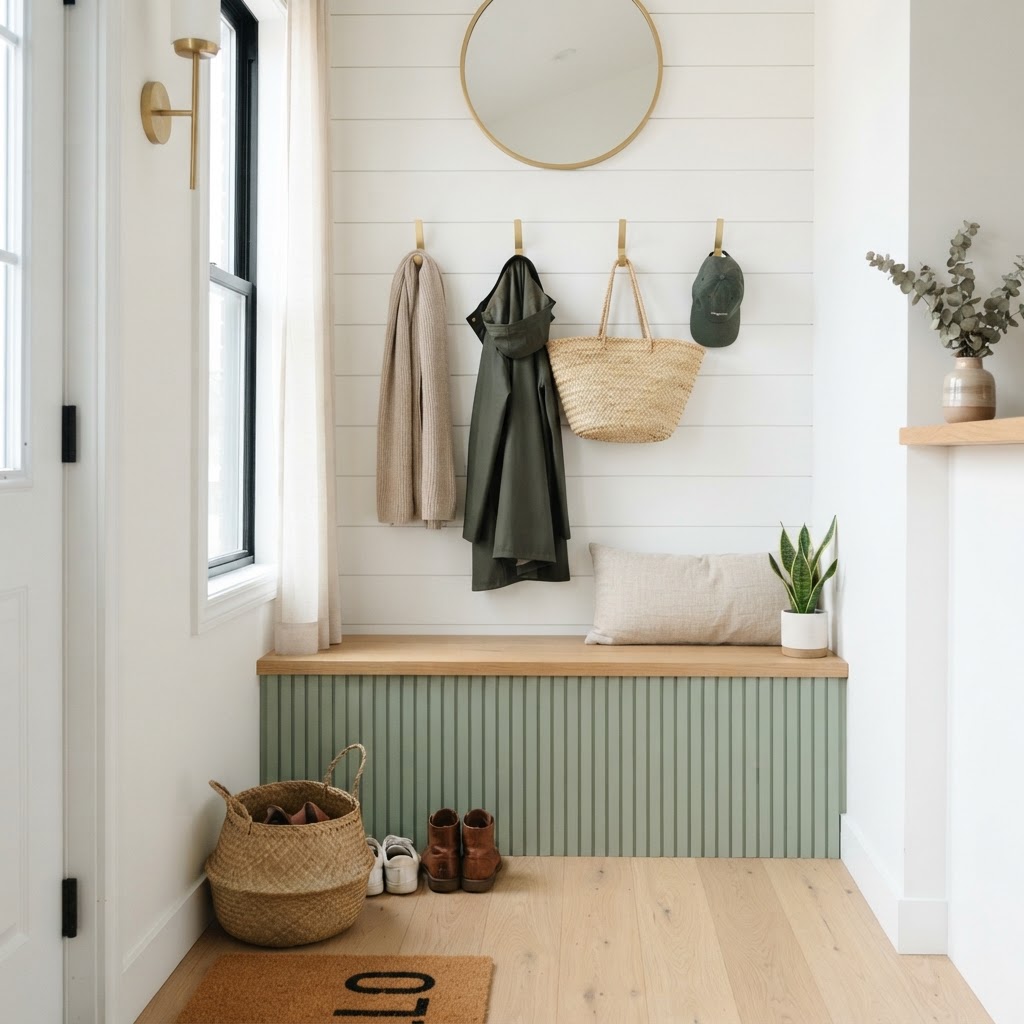
Light and airy organization for a tiny entryway.

Once your box frame is complete, it is time for the fun part: adding the fluting. You can purchase pre-cut half-round trim in various sizes. The key is to keep your spacing consistent. Using a small spacer block while nailing each strip will save you from major alignment issues later on.

Pro Tips for a Flawless Finish

If you are painting your bench, use a primer that is compatible with wood filler to prevent the joints from showing through. If you are staining, be aware that different types of wood absorb stain differently. Always test your stain on a scrap piece of your fluted trim to ensure the color matches your main frame perfectly.

Maximizing Tiny Mudroom Storage Ideas

Beyond the bench itself, look at the vertical space directly above your seat. Adding coat hooks or a narrow ledge can double your storage capacity without requiring any extra floor space. Think about a “floating” shelf system that mirrors the fluted texture of your bench to create a cohesive, custom look that feels professionally designed.

Vertical Organization Hacks

Consider adding a row of shaker pegs above the bench. By mounting these directly to a piece of board that matches your bench’s finish, you create a unified look. You can even add small brass labels to each hook to give each family member their own dedicated spot for coats and hats, further reducing entryway clutter.

Paint vs. Stain: Which Style Suits You?

Choosing the finish is a critical decision that dictates the mood of your entry. A moody, deep green or charcoal paint can make a small room feel cozy and intentional, acting as a “jewel box” of an entryway. Conversely, a light oak stain or a crisp white paint can make a tiny space feel light, airy, and larger than it actually is.

Maintenance and Long-Term Durability

Because your mudroom is a high-traffic zone, you must treat your DIY bench for longevity. A high-quality polyurethane topcoat is non-negotiable. It protects the wood from scuffs, moisture from wet shoes, and the inevitable wear and tear of daily living. If you chose a light color, consider adding a rubber or brass kickplate at the bottom to protect the fluted trim from vacuum cleaners and muddy shoes.

Cleaning Made Easy

To clean fluted surfaces, use a soft-bristled brush or a microfiber cloth to get into the crevices where dust likes to hide. Regular maintenance keeps your DIY project looking new for years. Remember, a well-built storage bench is an investment in your home’s functionality and your daily stress levels.

Conclusion

Taking on DIY fluted and storage bench hacks for tiny mudrooms is one of the most rewarding home improvement projects you can complete. Not only do you get to exercise your creativity, but you also solve the age-old problem of the messy, cluttered front door area. By focusing on vertical storage, tactile design elements like fluting, and durable finishes, you can create an entryway that is as beautiful as it is practical. Start planning your design today, measure twice, and don’t be afraid to customize these ideas to fit your unique space. Your dream mudroom is just one weekend project away.

Ready to get started? Head to your local lumber yard, grab your tools, and tag us in your progress photos as you transform your tiny entry into a functional masterpiece!

10 Budget-Friendly Small Entryway Ideas for a Stylish Home

First impressions matter, yet the foyer is often the most neglected area of the home. Implementing budget-friendly small entryway ideas can completely transform your living space from a cluttered mess into a welcoming retreat without requiring an expensive renovation. By focusing on smart organization and functional aesthetics, even the tiniest vestibule can become a highly efficient and stylish transition zone. Whether you live in a sprawling home or a compact apartment, the secret to a great entryway lies in clever use of vertical space and purposeful decor choices. Let us dive into how you can elevate your space today.

Assess Your Entryway Needs

A clean, functional entryway using wall-mounted storage to save space.

Before you pick up a paintbrush or buy new furniture, you must evaluate what your household actually needs from an entryway. Is it a drop zone for mail and keys? Do you have an overflow of shoes that needs concealing? Or is it simply a visual transition between the outside world and your living room?

The Audit Process

Take fifteen minutes to observe your current habits. Track where coats end up when they are not hung, and note if items like umbrellas or dog leashes are currently cluttering your kitchen counters. Once you identify these “pain points,” you can prioritize your spending to solve these functional problems first.

Maximize Vertical Storage Potential

Use mirrors to make a small entryway feel twice as large.

When floor space is limited, the only way to go is up. Utilizing your walls is one of the most effective budget-friendly small entryway ideas available to modern homeowners. Installing wall-mounted solutions clears the floor, making the entire room feel larger and less chaotic.

Floating Shelves and Peg Rails

Floating shelves are incredibly affordable and provide the perfect surface for small baskets or a decorative tray. Pair these with shaker-style peg rails, which are classic, inexpensive, and incredibly versatile. You can paint these the same color as your walls to help them blend in and minimize visual clutter.

Lighting Tweaks for Instant Atmosphere

A simple DIY bench provides both seating and hidden shoe storage.

Lighting is the “jewelry” of interior design. A dim or poorly lit entryway can feel cramped and unwelcoming. You do not need to rewire your entire home to improve the light; many cost-effective solutions exist to brighten up your foyer.

Layer Your Light Sources

If you have a ceiling outlet, swap the existing builder-grade fixture for a budget-friendly statement pendant or flush mount. If you lack hardwired lighting, consider using a rechargeable motion-sensor wall sconce. These are easily installed with adhesive or small screws and provide a high-end look without any electrical work.

Creative DIY Shoe Storage

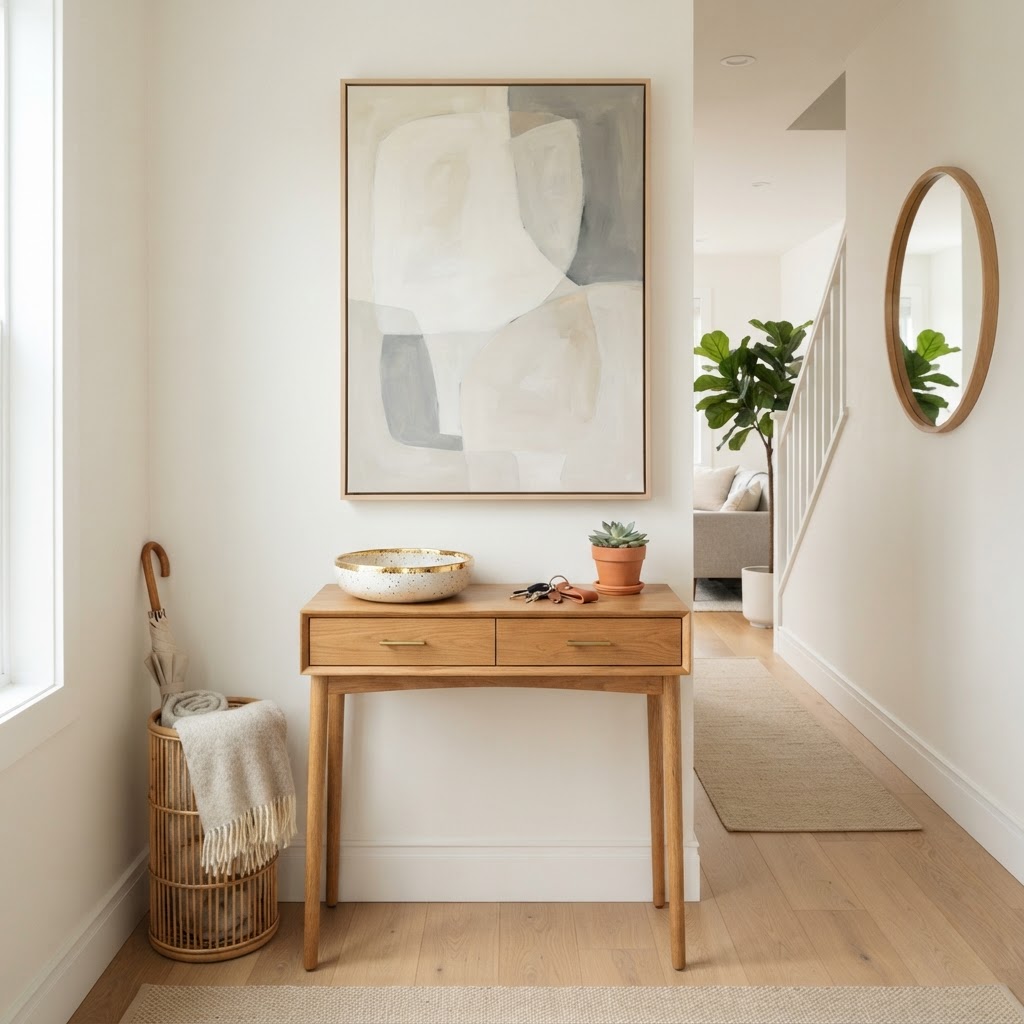
Styling your console table keeps essentials organized and accessible.

Shoes are usually the primary culprit behind entryway clutter. Finding the right storage that fits a tight hallway can be difficult with standard furniture. This is where DIY solutions shine, offering custom fits for a fraction of the cost of luxury cabinetry.

Bench and Basket Systems

Building a simple bench out of wood planks and placing woven baskets underneath is a timeless, budget-friendly small entryway idea. The bench provides a place to sit, while the baskets offer an “out-of-sight, out-of-mind” solution for sneakers and boots. Use uniform baskets to maintain a cohesive, clean appearance throughout the space.

Mirrors as Architectural Tools

Mirrors are a designer’s favorite trick for small spaces. They create the illusion of depth and reflect light, effectively doubling the visual square footage of a tiny foyer. You can find beautiful, vintage-style mirrors at thrift stores for a fraction of retail prices.

Where to Place Your Mirror

Ideally, place your mirror across from your doorway or a light source to maximize reflection. A full-length mirror is also practical for last-minute outfit checks before leaving the house. If your space is extremely narrow, consider a console-mounted mirror rather than a floor-standing one to keep the traffic path clear.

Curating a Mini Gallery or Statement Wall

Even if your entryway is just a sliver of wall, you can make it a focal point with a little creativity. A gallery wall of family photos or a bold wallpaper accent can turn a boring transition area into an intentional design feature.

Budget-Friendly Wallpaper Hacks

If you are renting or afraid of commitment, peel-and-stick wallpaper is your best friend. It is affordable, easy to install, and entirely removable. Choose a pattern that adds character without overwhelming the small footprint of your entryway.

Maintenance and Seasonal Rotation

Maintaining a small entryway requires discipline. Because you have less storage space, you cannot allow unnecessary items to accumulate. Implement a seasonal rotation system to keep your foyer lean and functional.

The Seasonal Swap List

  • Winter: Store umbrellas and heavy winter coats in an upstairs closet to make room for boots.
  • Spring: Move heavier gear out and place a decorative umbrella stand near the door.
  • Summer: Clear out the space for lightweight sandals and sun hats.
  • Autumn: Prepare the transition area for back-to-school bags and light jackets.

This cyclical process ensures your entryway remains a helpful assistant to your daily life rather than a source of stress.

Conclusion

Creating a beautiful space does not require a massive budget or square footage. By focusing on these budget-friendly small entryway ideas, you can ensure that your home starts on the right note the moment you walk through the door. Remember that every item in your foyer should either serve a purpose or bring you joy. Start by decluttering today, and then choose one DIY project from this guide to kick off your transformation. Your home deserves a foyer that feels just as inviting as the rest of your space. Are you ready to get started on your entryway upgrade? Grab your measuring tape and share your progress in the comments below!

10 Brilliant IKEA Entryway Hacks That Save Serious Space

Is your entryway a constant source of clutter, with shoes strewn about and nowhere to hang your coat? You are not alone, as many homes face the challenge of a cramped foyer that lacks functional storage. The good news is that you can easily transform this neglected area into a tidy, welcoming space using brilliant IKEA entryway hacks that save serious space without breaking your budget. By repurposing standard furniture pieces and adding clever storage solutions, you can create a foyer that is as beautiful as it is highly functional.

Rethinking Small Entryway Organization

A slim shoe cabinet maximizes narrow hallway space.

Small spaces often suffer because they lack vertical storage. Most people focus on the floor, but the key to maximizing any small room is looking at the wall space you currently have. When you implement IKEA entryway hacks that save serious space, you are essentially creating a custom look for a fraction of the cost of built-in cabinetry.

Before you head to the store, take a moment to measure your space carefully. Consider how many pairs of shoes you actually need to store and how many coats are used daily. This will help you select the right IKEA units to transform into your dream organization station.

The Power of the HEMNES Shoe Cabinet

Horizontal KALLAX units serve as a perfect entry bench.

One of the most versatile pieces in the IKEA catalog for tight entryways is the HEMNES shoe cabinet. Its slim profile makes it perfect for narrow hallways where a traditional piece of furniture would obstruct traffic flow.

Customizing the HEMNES for Added Utility

Many DIY enthusiasts take this standard piece and elevate it with simple modifications. Adding decorative pulls, changing the finish, or adding a wooden top can make it look like a high-end designer piece. You can even mount it to the wall to create a floating effect, which instantly makes a small floor feel larger and more open.

Maximizing Tight Corners with BILLY Bookcases

Many people think BILLY bookcases belong in the living room or office, but they can be game-changers in an entryway. If you have a deep wall, you can place a BILLY unit there to create a custom-looking drop zone. By adding doors, you can hide all the items that look messy, like bulky winter jackets or sporting gear.

To make it look like a custom mudroom, you can install trim around the edges and paint the unit to match your wall color. This seamless look tricks the eye, making the storage feel like part of the architecture of the house rather than an add-on piece of furniture.

Bench and Hook Combinations

Combining a low bench with wall-mounted hooks is the gold standard for small entryways. Use an IKEA bench like the PINNIG to provide a place to sit while putting on shoes. Above it, mount a row of sturdy hooks. To take this to the next level, install a shelf directly above the hooks to hold baskets for smaller items like wallets and keys.

This vertical arrangement ensures that you utilize every inch of space efficiently. It clears the floor of shoes and takes the clutter off the consoles, creating a visually lighter environment.

Maintenance and Long-Term Success

Once you have implemented these IKEA entryway hacks that save serious space, the key to maintaining your sanity is consistency. A system is only as good as the habit you form around it. Set a rule that everything must be returned to its designated home as soon as you enter the house.

It is also helpful to do a seasonal audit of your entryway items. If you find yourself storing things you never use, donate them to free up valuable space for items that are actually part of your daily routine. Keeping your storage zones lean ensures they continue to function as intended.

Conclusion

Creating a functional, beautiful foyer does not require a massive renovation budget or custom woodworking skills. By utilizing these brilliant IKEA entryway hacks that save serious space, you can turn your cramped, cluttered hallway into an organized sanctuary. Start with one project this weekend, such as upgrading a shoe cabinet or installing a pegboard system, and experience the immediate relief that comes with having a place for everything. Your entryway should welcome you home, not stress you out; take charge of your organization today and reclaim your space!

Are you ready to transform your entryway? Start by measuring your space and picking the hack that fits your storage needs best—you will be amazed at the difference it makes in your daily life.

Small Entryway Makeovers: Transform Your Space Under $200

The entryway is the handshake of your home, the very first impression guests receive when they step through your door. Unfortunately, many of us live with cramped, sterile spaces that feel more like a storage locker than a warm welcome. If you are looking to revitalize your home, small entryway makeovers under $200 can yield dramatic results that breathe personality into your transition space. With a little creativity and strategic spending, you can turn a cold, neglected area into a functional and inviting hub.

The Psychology of the Entryway

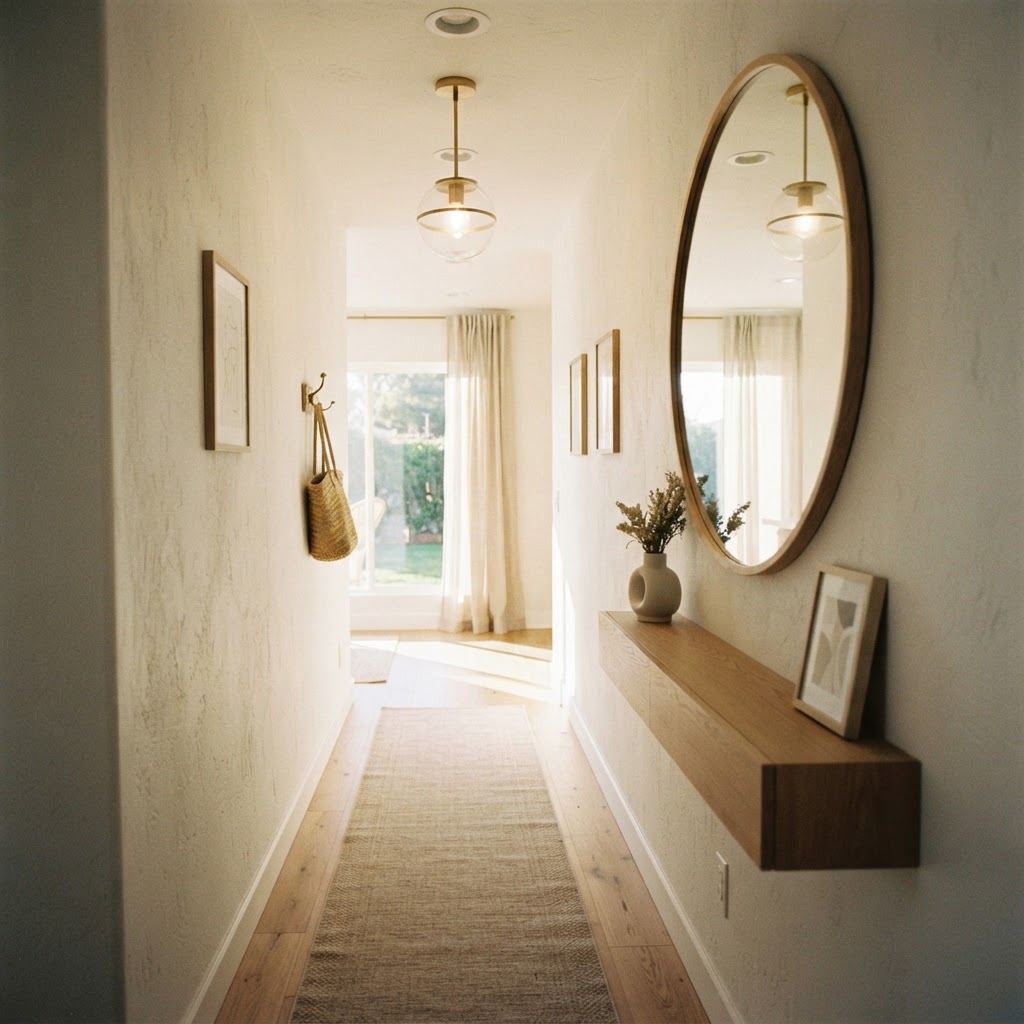
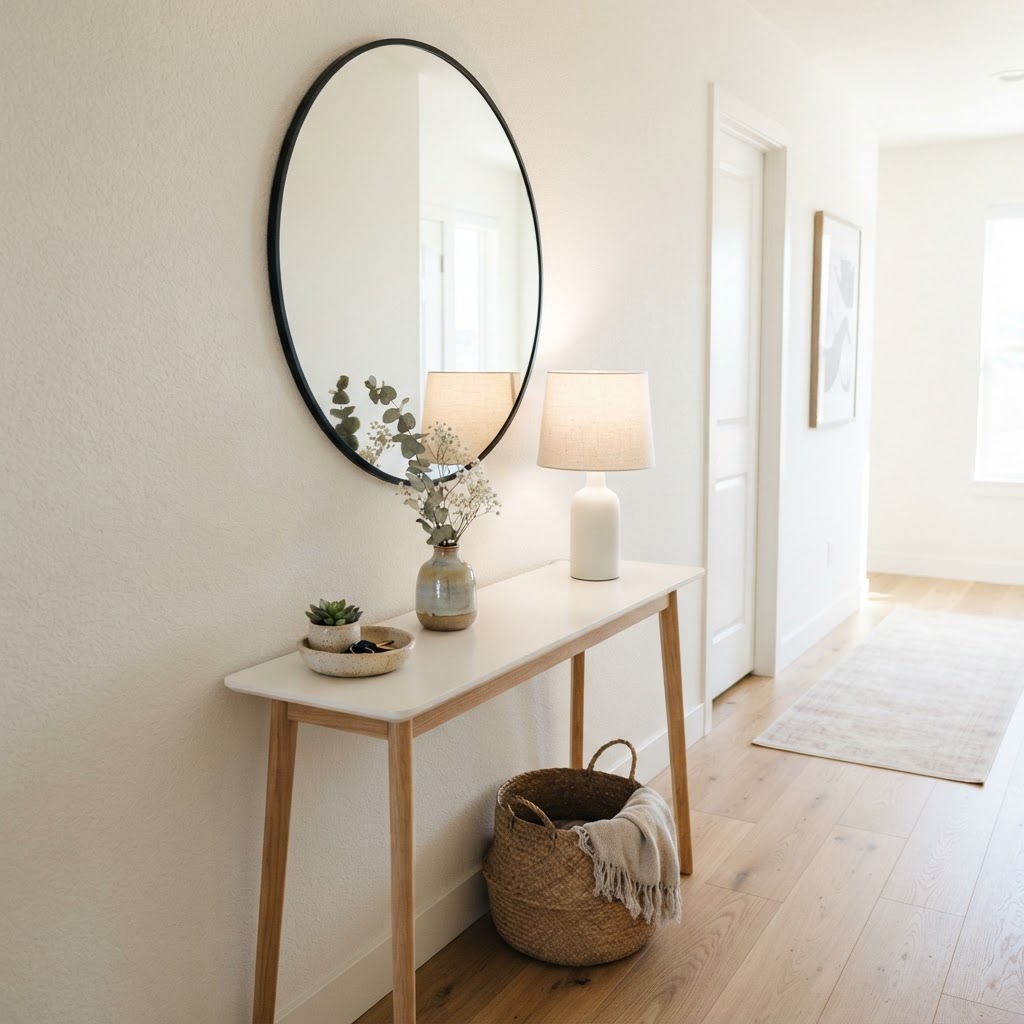
A floating console keeps the floor clear while a large mirror expands the sense of space.

Your entryway sets the tone for your entire living environment. A disorganized or sterile foyer can induce subconscious stress, making the act of entering your home feel like a chore rather than a relief. By implementing small entryway makeovers under $200, you aren’t just decorating; you are creating a mental bridge that helps you transition from the chaos of the outside world into the serenity of your personal sanctuary.

Why First Impressions Matter

Design experts often refer to the entryway as the “foyer of flow.” When the space is cluttered or lacks a focal point, the energy of the home feels stagnant. Conversely, a well-curated entryway uses lighting, color, and purposeful storage to guide the eye and create a sense of order. Even in tiny apartments, a thoughtful approach can make the square footage feel twice as large.

Establishing a Functional Layout

Utilize vertical wall space with modern hooks and a woven basket to hide clutter.

Before you spend a single dollar, you must assess the utility of your space. Most small entryways suffer from a lack of designated drop-zones, leading to piles of shoes and scattered mail. The key to a successful renovation is identifying exactly what your household needs every single day. Do you need a place for keys, a spot for damp umbrellas, or a dedicated bench for putting on boots?
The “Drop-Zone” Concept

Every great entryway requires a drop-zone. This is a specific area where items from the outside transition to the inside. By installing a wall-mounted console or a floating shelf, you can reclaim floor space while providing a landing pad for daily essentials. Floating furniture is particularly effective in tiny entryways because it keeps the floor clear, creating the illusion of more square footage.

Budget-Friendly Paint and Lighting Upgrades

Curate your entryway with a few intentional, beautiful items to create a warm welcome.

Paint is the most powerful tool in your renovation arsenal. For under $50, you can completely shift the mood of a room. Sterile white walls can feel institutional, but a warm greige or a bold navy accent wall adds depth and character. If you are feeling adventurous, consider painting the front door a contrasting color like sage green or matte black to create an immediate focal point.

Illuminating Your Space

Lighting is often the most overlooked element in foyer decor. If your entrance relies on a single harsh ceiling fixture, it is time to upgrade. A modern flush-mount light or even a small table lamp on a console can make a world of difference. Lighting temperature is key; opt for warm white bulbs, which measure around 2700K to 3000K, to ensure the space feels cozy instead of clinical.

Creative Storage Solutions Under $200

Storage is the backbone of any successful small entryway makeover. When you are on a tight budget, look for multi-functional pieces that serve two purposes. An ottoman with interior storage acts as both seating and a hidden bin for seasonal scarves or winter hats. Vertical space is your best friend in a narrow hallway; utilize wall hooks to clear floor space.

Vertical Organization Strategies

Using the wall effectively can double your storage capacity. Consider installing a “peg rail” or a series of individual modern hooks. If you have extra room, a small vertical shoe rack can keep footwear neatly stacked rather than spread across the floor. By keeping the floor clear of clutter, the entryway will immediately feel larger and more professional.

The Power of Decor and Personality

Once the furniture and lighting are in place, it is time to add the personality that makes your home yours. Small entryway makeovers under $200 should allow for at least $30 to $50 to be spent on decorative accents. A mirror is an essential addition for small spaces, as it reflects light and creates a visual extension of the hallway.

Selecting the Right Accessories

Keep your decor meaningful but minimal. A small plant brings life to the space, while a piece of art or a decorative tray for keys keeps the area from feeling like an office. Remember, less is often more in a confined hallway. A single, large statement piece is usually more effective at drawing the eye than a dozen small, cluttered items.

| Item Category | Estimated Cost | Impact Level |

| :— | :— | :— |

| Wall Paint | $35 | High |

| Wall Hooks | $25 | Medium |

| Mirror | $60 | High |

| Small Bench/Ottoman | $80 | Medium |

| Decorative Tray | $15 | Low |

Maintenance and Long-Term Care

Now that you have completed your transformation, the goal is to maintain that welcoming atmosphere. Small entryways have a habit of accumulating clutter, so make it a habit to clear the surface of your console at the end of every week. A “one in, one out” policy for shoes and coats can also help prevent the area from returning to its original state of disarray.

Seasonal Updates

One of the best parts about a small entryway is that it is easy to update seasonally without spending a fortune. Swap out a fall-colored runner for a lighter, textured rug in the spring. Change the scent of your entryway diffuser or candle to match the season. These small touches keep the home feeling fresh and show that you care about the small details of your living environment.

Conclusion

Executing small entryway makeovers under $200 is entirely possible when you focus on high-impact changes like paint, lighting, and vertical storage. You do not need a massive budget to transform a sterile foyer into a welcoming transition space that reflects your personality and hospitality. Start with one of these projects this weekend, and experience the immediate boost in your home’s curb appeal from the inside out. Which part of your entryway will you transform first? Let us know in the comments below!

Small Entryway Ideas That Make Mornings Less Stressful

A chaotic morning often begins at the front door. If you find yourself hunting for keys, untangling bags, or tripping over shoes every single day, you are likely looking for small entryway ideas that make mornings less stressful. A well-organized, functional foyer is not just about aesthetics; it is a critical infrastructure piece that sets the tone for your entire day. By optimizing your limited square footage, you can reclaim your time and sanity before you even walk out the door.

The Psychology of an Organized Entryway

A clean, minimalist entryway bench helps keep floors clear.

The state of your entryway serves as a physical reflection of your mental state. Walking into a cluttered space creates immediate visual noise, which can increase stress levels and disrupt your morning momentum. Conversely, a streamlined area provides a sense of calm and efficiency.

When every item has a “home,” the cognitive load required to leave the house decreases significantly. You spend less time searching for essentials, which means you spend more time focused on your actual day. Designing a space that works for you, rather than against you, is the most effective way to turn your routine around.

Assess Your Entryway Bottlenecks

A designated drop-zone simplifies your daily routine.

Before you buy furniture or start decluttering, you must identify what exactly is causing your morning friction. Are you constantly looking for keys? Do you lack a place to sit while putting on shoes? Perhaps you have an abundance of mail that clutters the console table?

Take a week to track your movements. Note exactly where the bottlenecks occur. Once you identify these “pain points,” you can prioritize the small entryway ideas that address your specific struggles. For some, it might be a wall-mounted hook system, while for others, a slim shoe cabinet is the true missing link.

Vertical Storage Strategies for Small Spaces

Mirrors help open up and brighten a small hallway.

When floor space is at a premium, the most important real estate is your wall space. Vertical storage is a foundational element in any effective small-space design plan. By moving items off the floor and onto the wall, you create a sense of openness while maximizing capacity.

The Power of Wall-Mounted Hooks

Hooks are far more efficient than hangers or closets for daily use. They allow for “grab and go” accessibility. For the best results, install a tiered hook system. Place hooks for heavy items lower down, and use the upper level for light items like hats or scarves.

Consider adding a shelf above your hook rack. This creates a dual-purpose storage unit where you can place small baskets for wallets, sunglasses, or outgoing mail. This keeps your surfaces clear and your daily essentials at eye level.
Multi-Functional Furniture Selection

In a tiny foyer, every piece of furniture must earn its keep. Opt for pieces that serve at least two purposes. A bench, for example, should never just be a bench; it should be a storage unit in disguise.

Look for benches with built-in cubbies or drawers underneath. This creates a dedicated “parking spot” for shoes, preventing them from scattering across the entryway floor. When shoes are hidden away, the room immediately feels cleaner and more spacious.

Choosing Slim-Profile Consoles

If you prefer a console table, look for models with a narrow profile. These pieces provide a landing spot for your keys and bag without obstructing the walkway. If the console has a drawer, use it exclusively for high-traffic items you need every single day.

Developing a Drop-Zone System

The “drop-zone” concept is essential for anyone wanting to cultivate less stressful mornings. A drop-zone is a designated area where everything you carry inside immediately goes. By keeping the drop-zone contained, you prevent the rest of the home from becoming a clutter magnet.

Essential Components of a Drop-Zone

  1. A tray or bowl for keys and small items.
  2. A specific hook or shelf for your bag.
  3. A charging station for your devices.
  4. A small bin for incoming mail or papers.

Keep the drop-zone strictly for “in transit” items. If an item does not need to be by the door for your departure, it should not be part of the drop-zone. Regularly audit this area to ensure it stays functional rather than becoming a “catch-all” junk drawer.

Lighting and Color for Visual Expansion

Beyond storage, the atmosphere of your entryway plays a huge role in how it functions. Small, dark, and cluttered entryways feel claustrophobic. By implementing a few design hacks, you can make the area feel twice its size.

Use light, neutral paint colors on the walls to reflect natural light. If your entryway lacks windows, install bright, warm LED lighting. Adding a mirror is a classic, effective, and relatively inexpensive strategy for making a foyer feel more expansive and bright.

The Routine of Closing the Loop

The physical organization you install will only work if you maintain the habit. A truly functional entry requires a “closing the loop” routine. This means spending two minutes at the end of every evening resetting the space.

Place your keys back in the tray, hang up your coat, and put your shoes away before you go to bed. By preparing the space for the next morning, you ensure that your exit is effortless. You are effectively performing a service for your future self, which is the ultimate secret to a stress-free lifestyle.

Conclusion: Investing in Your Morning Peace

Small entryway ideas that make mornings less stressful are not about achieving a magazine-perfect look; they are about designing a life that feels lighter and more efficient. By optimizing your vertical space, investing in multi-functional furniture, and establishing a rigorous drop-zone routine, you transform your home into a tool that supports your goals rather than an obstacle that hinders them.

Start with one of these strategies today. Whether it is adding a simple row of hooks or clearing the clutter off your console table, every small change contributes to a more peaceful start to your day. You deserve a morning routine that allows you to walk out the door feeling prepared, focused, and ready for whatever the day holds.

Are you ready to transform your morning? Choose one area of your entryway to declutter this weekend and share your progress in the comments below!

How to Make a Narrow Hallway Feel Intentional and Stylish

Most homes have a transit space that gets overlooked. You walk through it a dozen times a day, but you likely never stop to appreciate it. When you learn how to make a narrow hallway feel intentional, you stop seeing it as just a cramped path and start seeing it as a valuable design opportunity. A well-curated hallway sets the tone for the rest of your home, bridging the gap between your living spaces with purpose and style.

Rethink the Floor and Walls

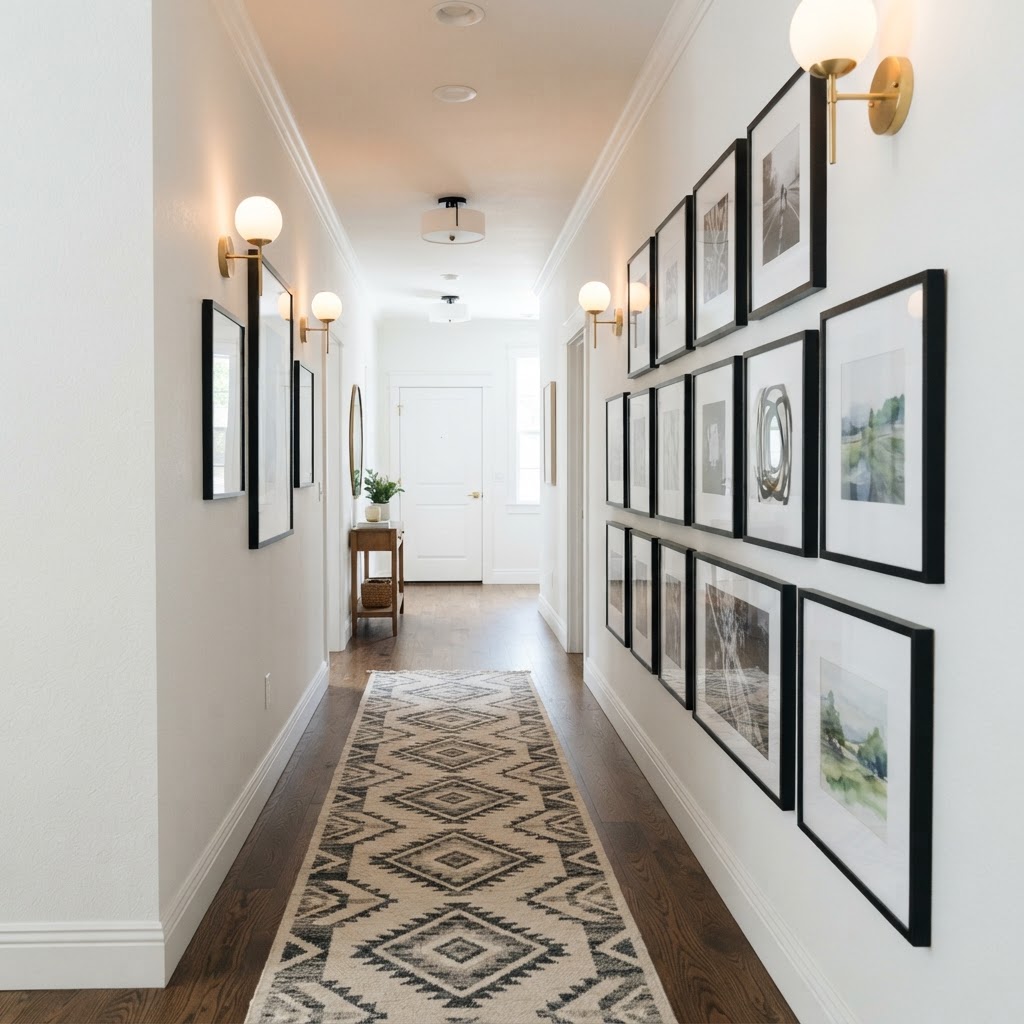
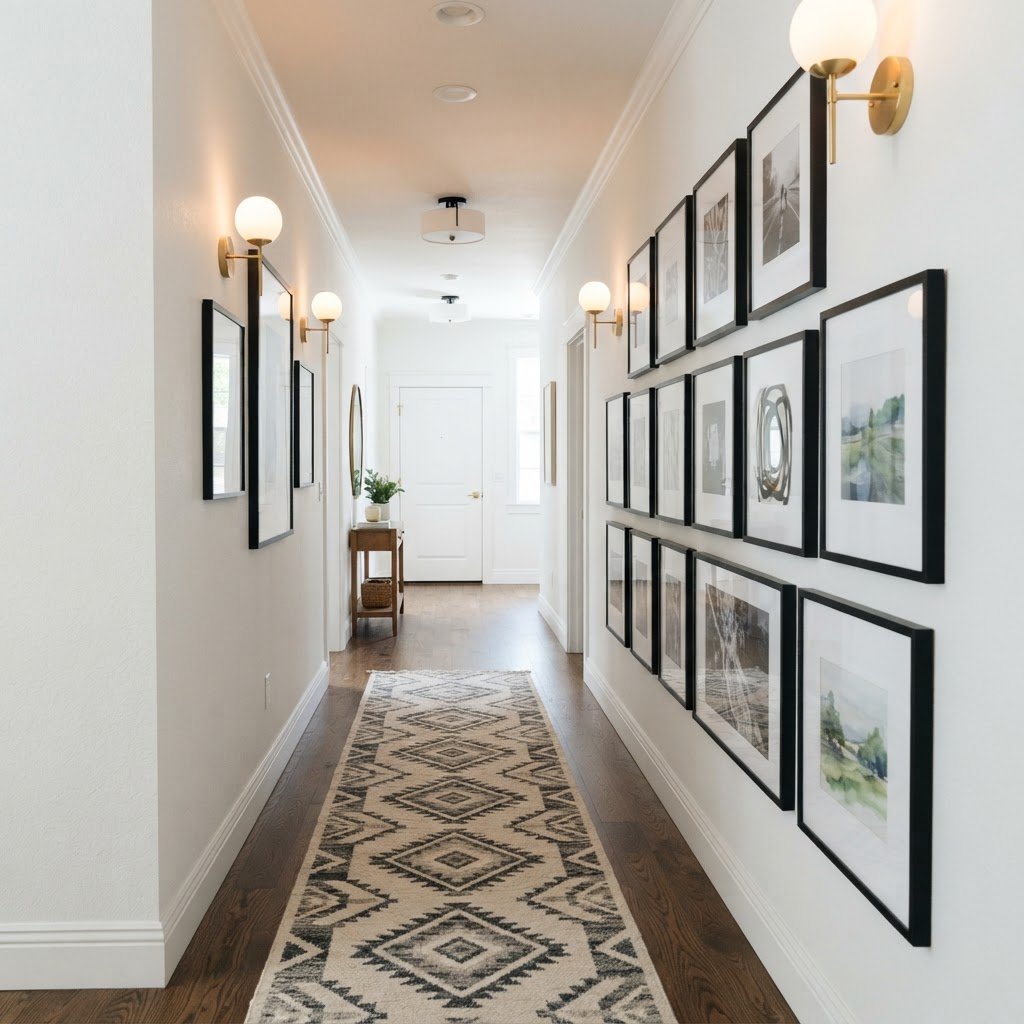
A gallery wall and a runner rug turn a simple hallway into a sophisticated corridor.

The foundation of any intentional design begins with the architectural elements. In a tight space, the walls and floors are your most prominent features, and how you treat them dictates the entire mood. Dark colors can feel sophisticated in a narrow space if you embrace the moodiness, but light, reflective colors will naturally push the walls outward visually.

Choosing the Right Flooring

When choosing flooring for a narrow corridor, directional patterns are your best friend. A runner rug with a striped pattern running parallel to the length of the hall will draw the eye forward, making the space feel longer and more deliberate. Avoid busy, chaotic patterns that can make a tight area feel cluttered and claustrophobic.

Wall Treatments That Add Depth

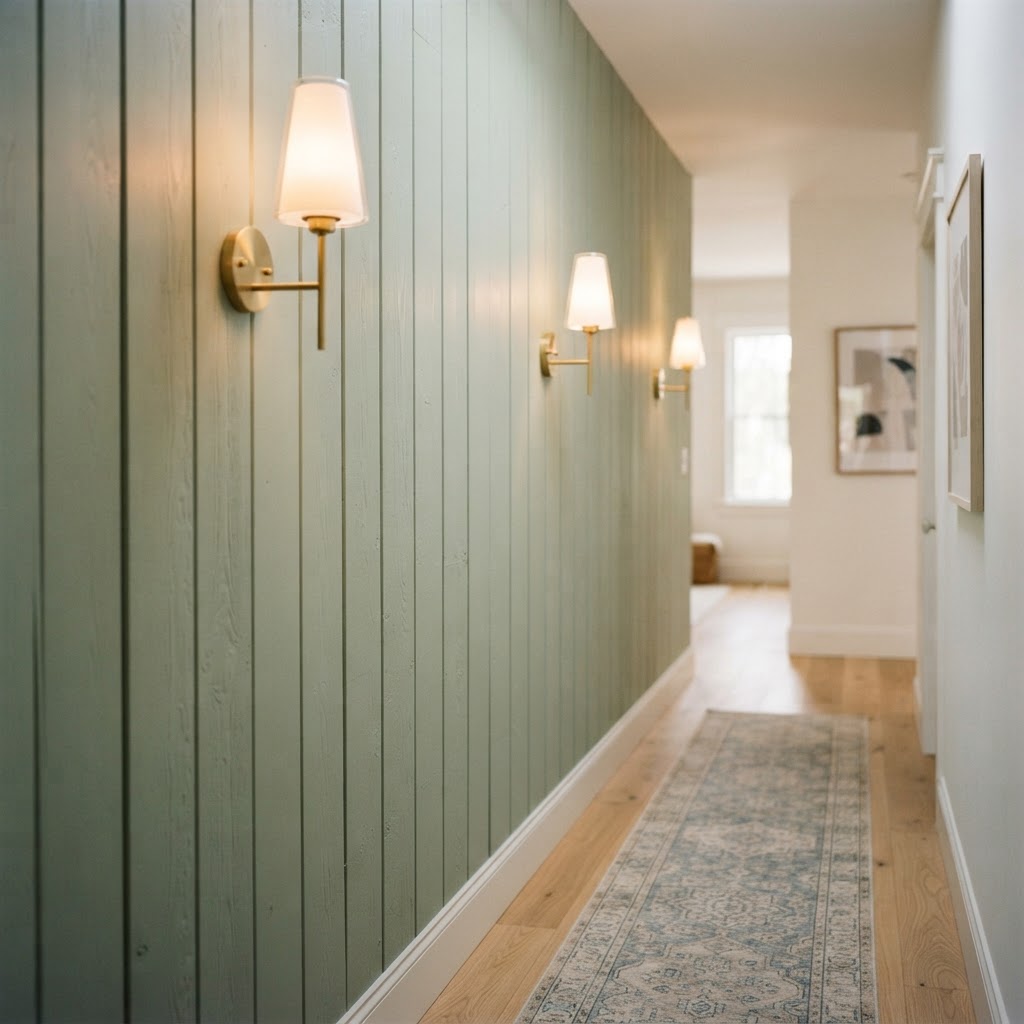
Texture is the secret ingredient for narrow hallways. Consider vertical shiplap or beadboard to draw the eye upward, increasing the perceived ceiling height. If you prefer wallpaper, a subtle texture or a small-scale geometric print adds character without overwhelming the senses. The key is consistency; let the wall treatment flow uninterrupted to create a cohesive look.

Mastering Hallway Lighting

Use slim furniture and mirrors to enhance the feeling of space in a narrow entryway.

Lighting is perhaps the most critical factor when determining how to make a narrow hallway feel intentional. A single flush-mount light in the center of the ceiling is a recipe for shadows, which makes any space feel like an afterthought. You want to create layers of light that invite you into the space rather than pushing you through it quickly.

The Power of Wall Sconces

Wall sconces are the ultimate tool for narrow corridors because they provide task and ambient lighting without taking up valuable floor space. Space them evenly along the length of the hallway to create a rhythm that guides the eye. Choose fixtures that have a sleek, low profile so they don’t protrude too far into the walking path.

Creating Ambient Glows

If hardwiring is not an option, battery-operated LED sconces or slim plug-in floor lamps can provide a similar effect. Dimmable bulbs allow you to control the atmosphere, turning a utilitarian passage into a soft, glowing art gallery at night. The goal is to avoid “tunnel vision” by ensuring light is evenly distributed along the walls.

Creating a Gallery Effect

Vertical paneling and elegant wall sconces add instant architectural interest.

Art is the simplest way to add personality to a neglected area. Because you rarely stand in a hallway to admire art, the best approach is to create a cohesive gallery that you can appreciate while walking past. Intentionality comes from the organization and spacing of your frames.

Gallery Wall Best Practices

To make a collection feel intentional rather than haphazard, unify the frames with a consistent color or material. Matting your artwork with uniform white or cream mats also creates a clean, professional look that breathes air into a tight space. Hang the artwork at eye level to ensure it is the focal point of the transition.

Functional Storage Solutions

Often, hallways are neglected because we don’t think they have a purpose beyond movement. However, integrating subtle functionality can change how you perceive the space. The trick is to keep storage slim, streamlined, and purposeful so that it doesn’t impede traffic flow.

Slim Consoles and Benches

If width permits, a console table that is only 10 to 12 inches deep provides a perfect surface for a catch-all tray, a vase of flowers, or a lamp. A wall-mounted floating console is even better, as keeping the floor visible beneath it makes the floor area seem larger. If you need seating, look for a slim bench that can be tucked completely against the wall.

Hidden Storage Hooks

Decorative hooks can serve a dual purpose as both functional storage for coats or bags and as an architectural element on the wall. When not in use, choose sculptural or high-quality metal hooks that double as wall jewelry. This keeps the space looking clean, organized, and intentionally styled rather than cluttered.

The Role of Mirrors and Reflection

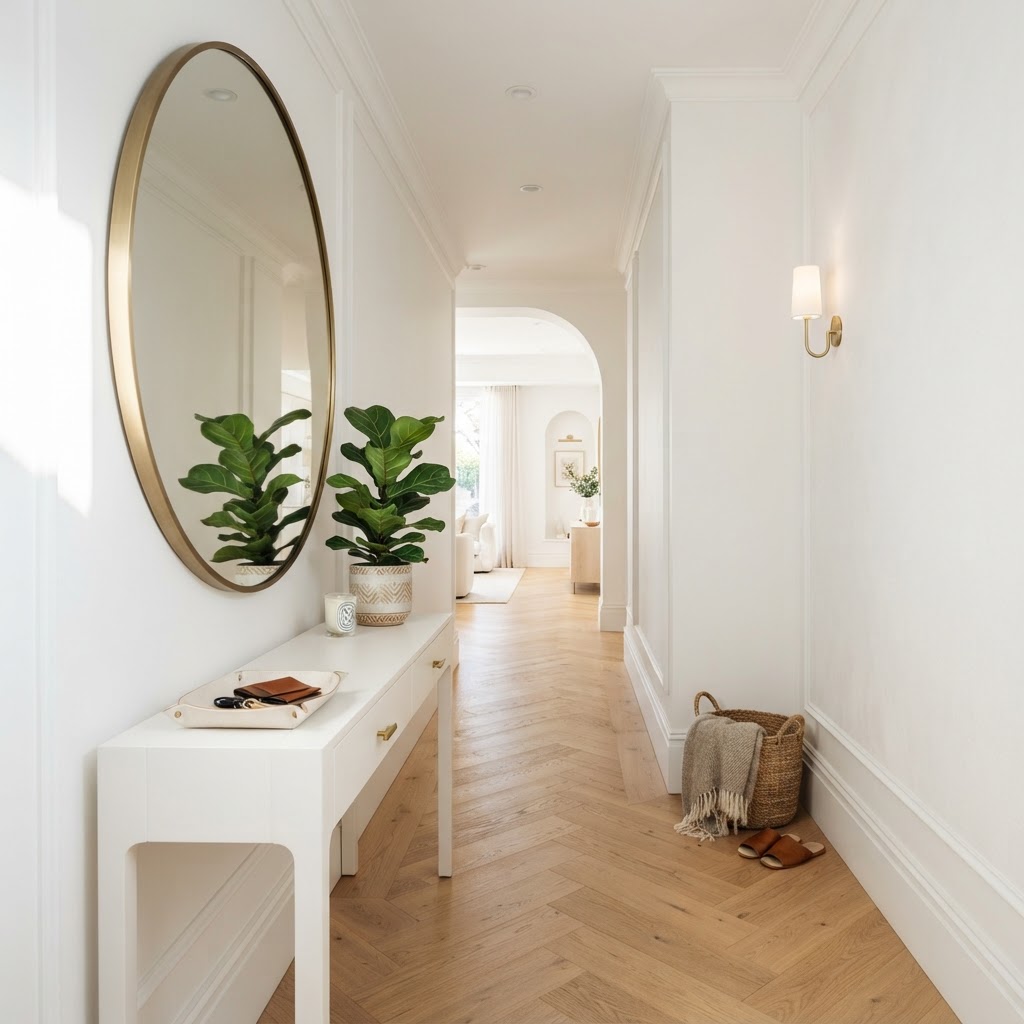
Mirrors are the oldest trick in the designer’s book for expanding small spaces, but in a narrow hallway, they must be used strategically. A large, oversized mirror placed at the end of a hallway can create the illusion of an opening, effectively doubling the length of your corridor. It draws the eye all the way through, which prevents the sense of a dead end.

Strategic Mirror Placement

Placing mirrors opposite sconces or art is another effective strategy. This reflects the decorative elements and doubles the light output without needing additional electrical work. Ensure the mirror’s frame complements the other finishes in your home, such as your hardware or light fixtures, to maintain a unified design narrative.

Bringing in Nature and Texture

To prevent a hallway from feeling sterile, you must incorporate elements that feel alive. While large floor plants are rarely feasible in a narrow space, vertical gardening and botanical accents are perfect alternatives. Plants add a vibrant pop of color and a softness that contrasts with the hard lines of the hallway walls.

Living Wall Art

Consider mounted wall planters for low-light plants like pothos or ivy. These add life without occupying any floor space. If natural light is completely absent, high-quality faux botanicals can serve the same purpose. The intentionality comes from the maintenance; ensure they remain dust-free and lush to keep the space looking cared for.

Conclusion: Your Hallway as an Intentional Space

Learning how to make a narrow hallway feel intentional is a journey of small, thoughtful decisions rather than a total renovation. By treating your hallway with the same care as your living room or bedroom, you elevate the entire home. Whether it is through a series of wall sconces, a curated gallery wall, or a simple runner rug that adds texture, you can transform these overlooked transit zones into beautiful, purposeful highlights.

Stop viewing your hallway as merely a place to pass through and start styling it as a destination in itself. Pick one of the tips from this guide, start small, and watch as your home’s character begins to shift. Ready to give your hallway the upgrade it deserves? Start by clearing the clutter and adding one layer of lighting today!

Small Apartment Entryway Setup: 7 Ideas for Organization

Walking into a home should feel like a deep breath, but for those living in city dwellings, the first thing you see is often a pile of shoes, a scattered stack of mail, and a coat rack threatening to tip over. Mastering a small apartment entryway setup is not just about aesthetics; it is about creating a functional transition zone that serves as a mental buffer between the chaotic outside world and your personal sanctuary. When every square inch counts, organization becomes the ultimate form of self-care.

The Psychology of the First Impression

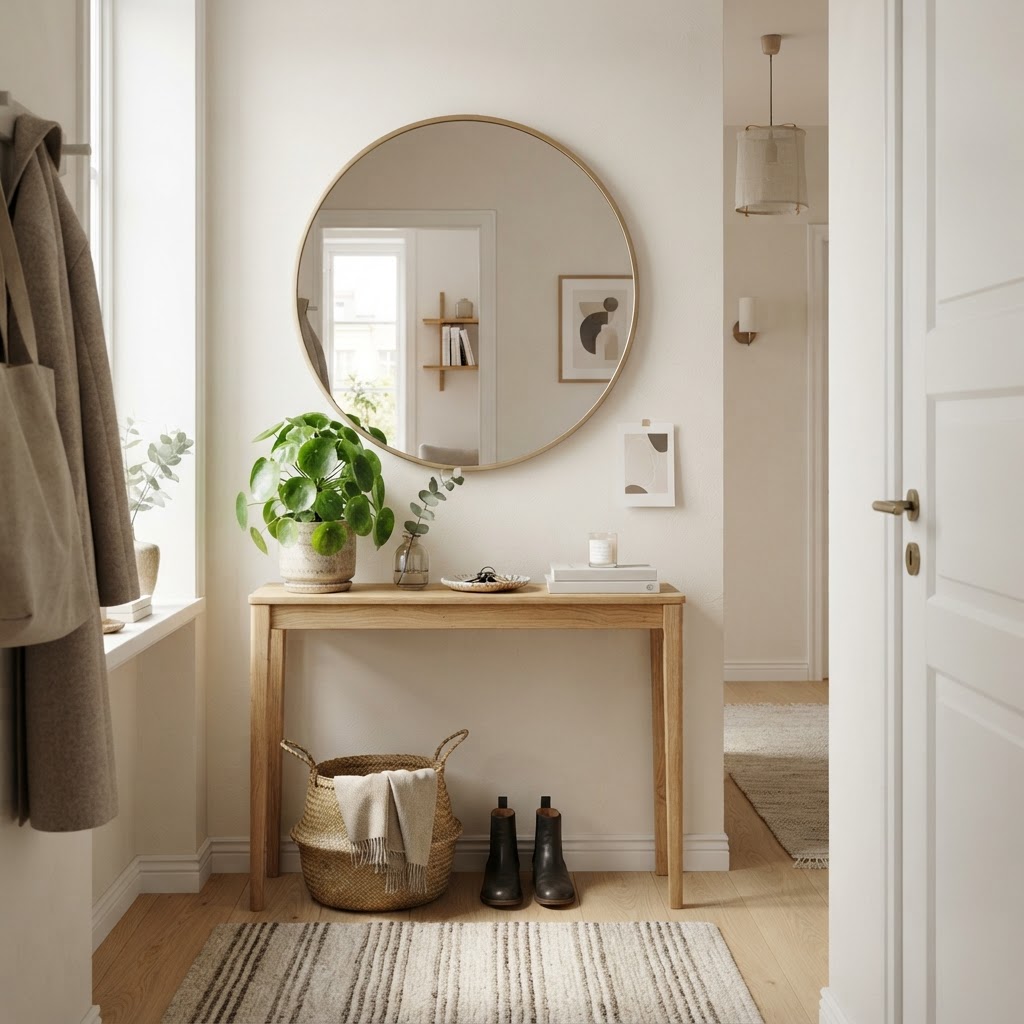
A well-designed console table creates an immediate focal point.

Your entryway acts as the gatekeeper of your home’s energy. When your transition space is cluttered, you feel the weight of your day immediately upon crossing the threshold. Conversely, an intentional small apartment entryway setup creates a sense of calm and order that sets the tone for the rest of your apartment. By investing just a little bit of design strategy into your foyer, you can effectively manage the flow of items that enter your living space.

Why Zoning Matters

Even in a studio apartment with no dedicated hallway, you can define an entryway zone. Using a rug or a small runner acts as a visual boundary, signaling to your brain that you have arrived home. This zoning technique is the first step toward reclaiming your square footage from the pile of daily essentials that usually end up on the floor.

Vertical Storage Solutions

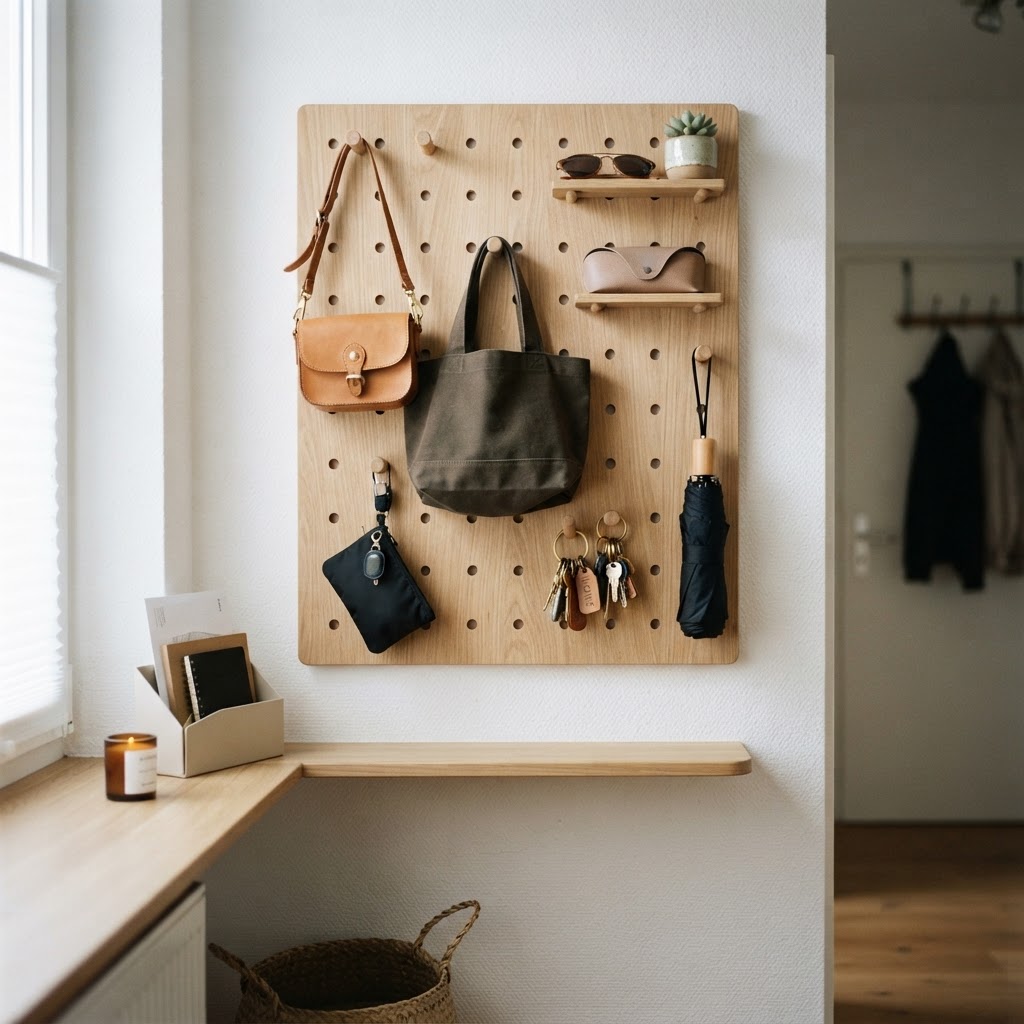
Pegboards offer modular storage for small entryway items.

When you lack floor space, the only way is up. Utilizing vertical space is the golden rule of small-space living, and your entrance is the perfect place to start. Wall-mounted organizers allow you to keep the floor clear, which creates the illusion of a larger room.

Pegboards and Wall Hooks

A wall-mounted pegboard is a game-changer for a small apartment entryway setup because it is modular. You can rearrange hooks, shelves, and baskets as your needs change throughout the seasons. If you prefer a cleaner look, heavy-duty brass or wooden hooks installed in a straight line can hold heavy winter coats without taking up significant visual weight.

The Power of Floating Shelves

Floating shelves are ideal for mail, keys, and small decorative items. By installing a shelf at waist height, you create a drop zone that keeps your essentials off your surfaces, preventing “counter clutter” from migrating into your kitchen or living room.

The Multi-Functional Console Table

Slim furniture is essential for narrow apartment halls.

A console table is a classic piece of furniture for a reason, but in a small apartment, you need a console that works overtime. Look for slim-profile tables that have built-in drawers or lower shelves for baskets. These hidden compartments are essential for storing seasonal items like umbrellas, hats, and scarves that you don’t need daily access to.

Lighting and Personal Touches

Lighting is often an afterthought in entryways, but it is crucial for creating an inviting atmosphere. If you don’t have hardwired ceiling lights, opt for a plug-in wall sconce or a small rechargeable lamp. Warm, soft lighting transforms a utilitarian space into a cozy home entrance.

Incorporating Your Personality

Don’t forget to add a personal touch to your foyer. A small succulent, a piece of framed art, or a unique tray for your mail can turn a functional space into a curated one. Remember, your entryway is the first thing guests see, so make it a reflection of your unique style and personality.

Essential Checklist for Entryway Organization

To keep your space tidy, keep this checklist in mind:

  1. Use a tray for keys and loose change.
  2. Install a wall-mounted hook for every member of the household.
  3. Utilize a closed cabinet for shoes to reduce visual noise.
  4. Place a small trash can or recycling bin nearby for junk mail.
  5. Keep a lint roller accessible for last-minute touch-ups.
  6. Rotate seasonal gear to keep the area clear.

Conclusion

Creating an organized entryway is not about spending a fortune on luxury furniture; it is about intentionality and smart space management. By incorporating these strategies, you can transform your small apartment entryway setup into a functional and serene space that welcomes you home every single day. Start by clearing out the clutter, identifying your most used items, and choosing storage solutions that serve your specific lifestyle. Why settle for a chaotic entrance when you can design a space that brings you joy? Take the first step today and organize your entryway; you will notice the difference in your daily routine immediately.