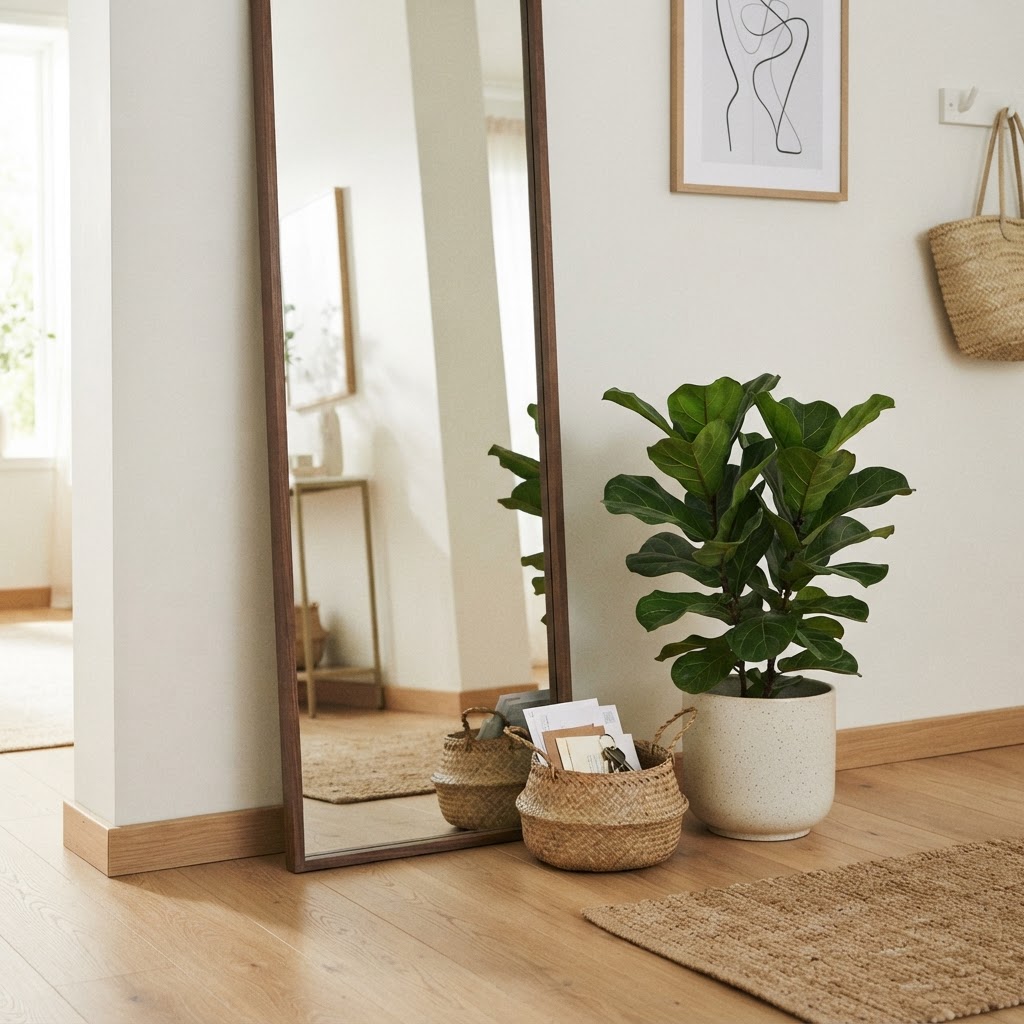
Category Entryway & Small Space Solutions

Cream and Beige Small Entryway Ideas: Calm & Expensive

Cream and beige small entryway ideas create an expensive, calming atmosphere by using high-contrast textures and monochromatic palettes to visually expand narrow spaces. By layering warm oatmeal with crisp ivory tones, prioritizing floor-clearing furniture, and utilizing soft, layered lighting, you can transform a cramped foyer into a sophisticated, high-end sanctuary that feels both airy and intentionally curated.

The Power of Neutral Palettes in Small Spaces
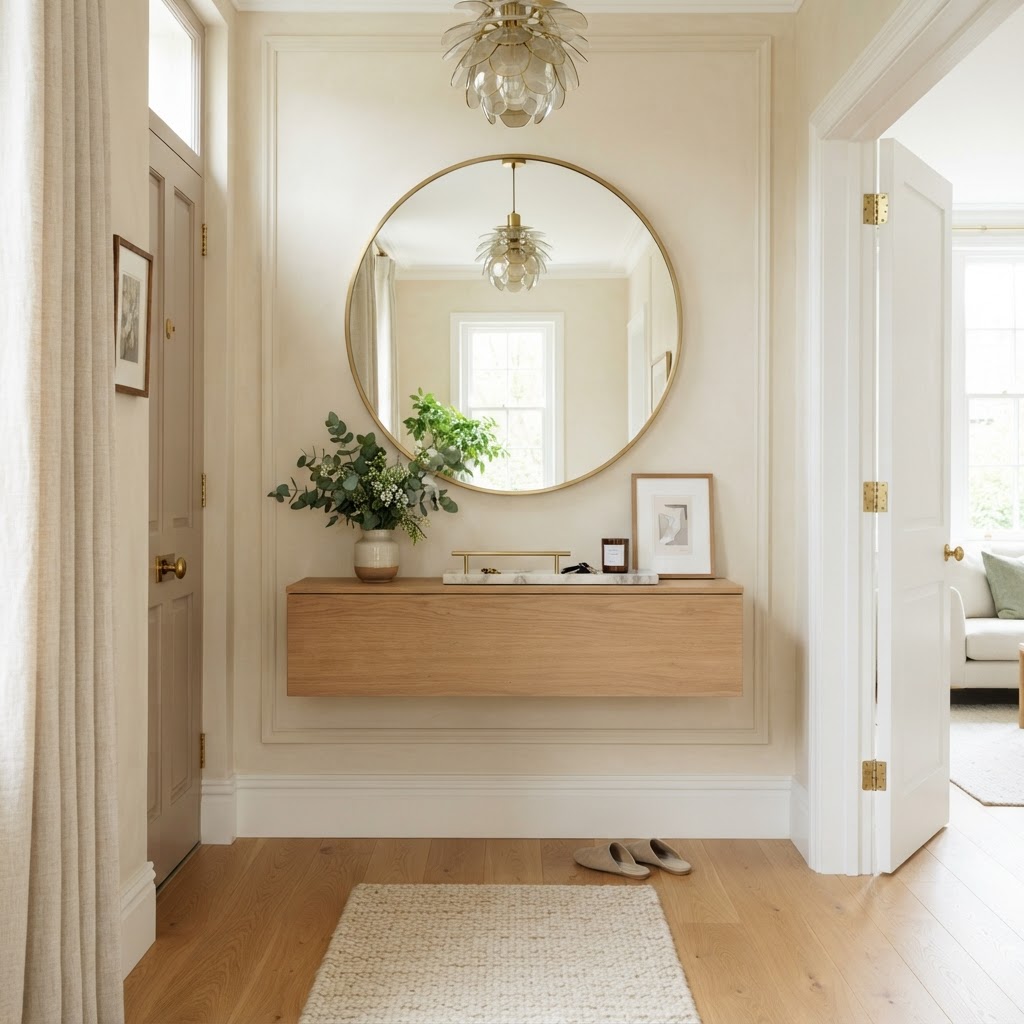
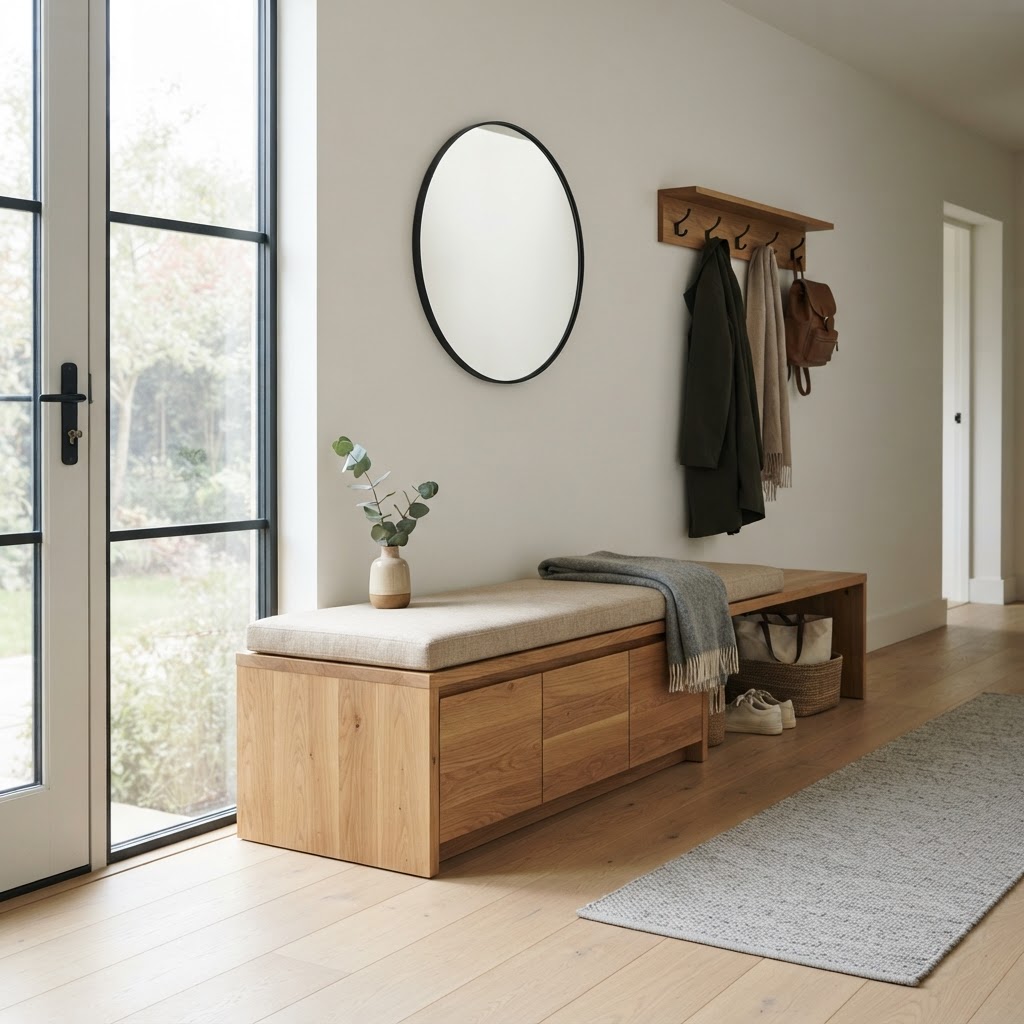
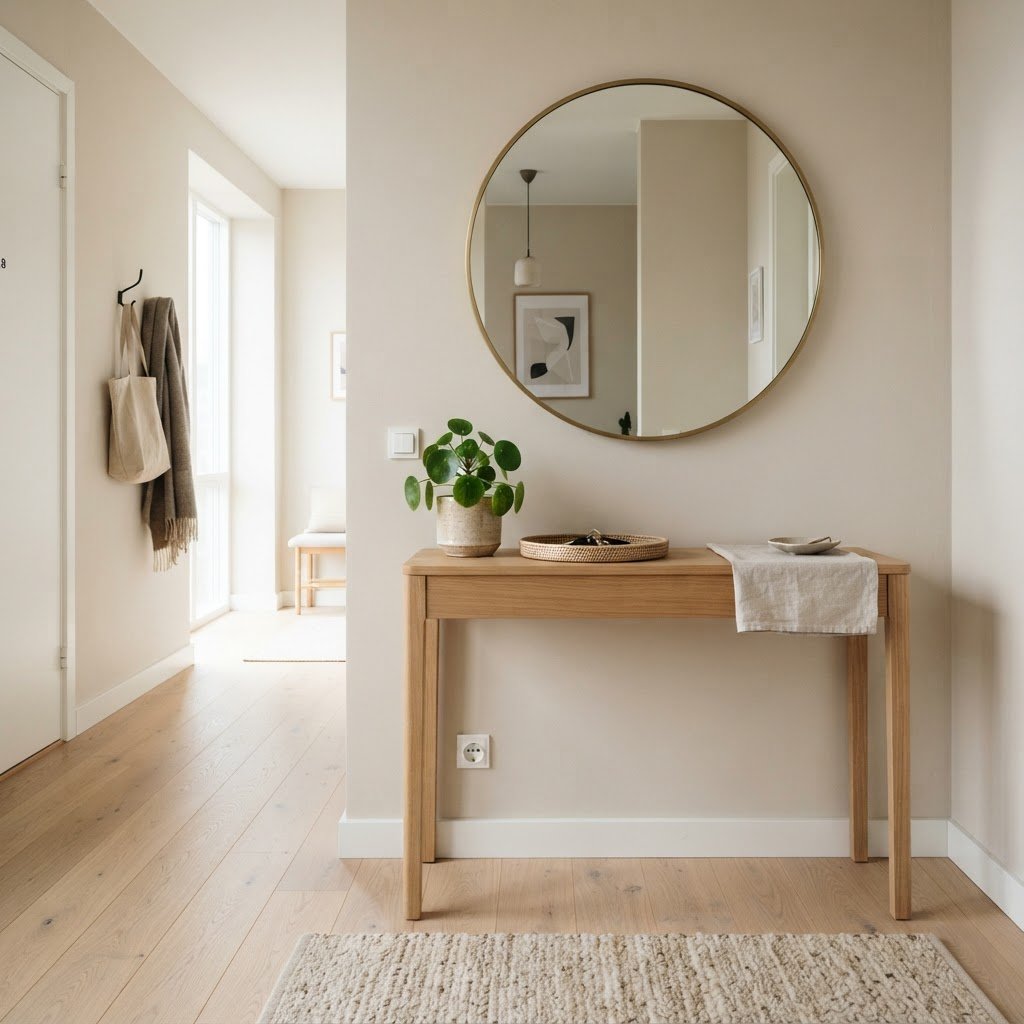
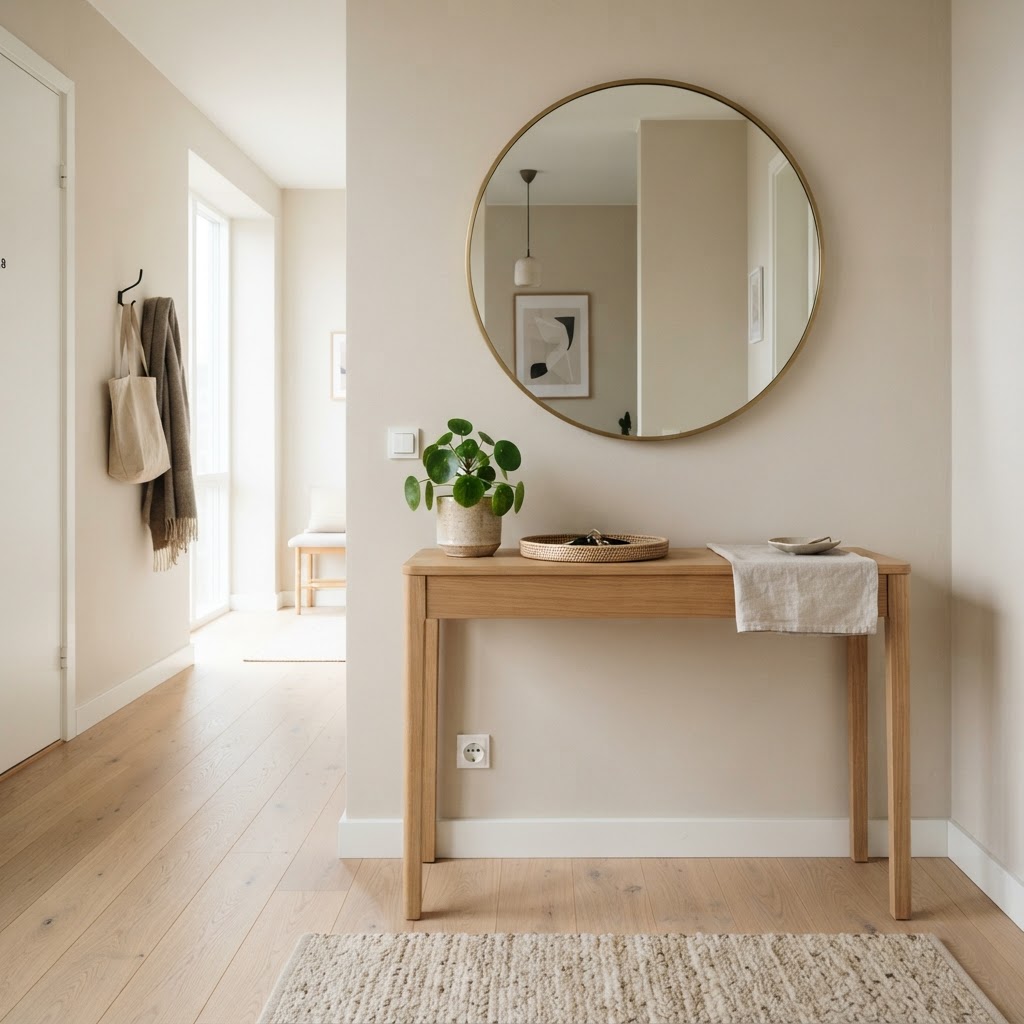
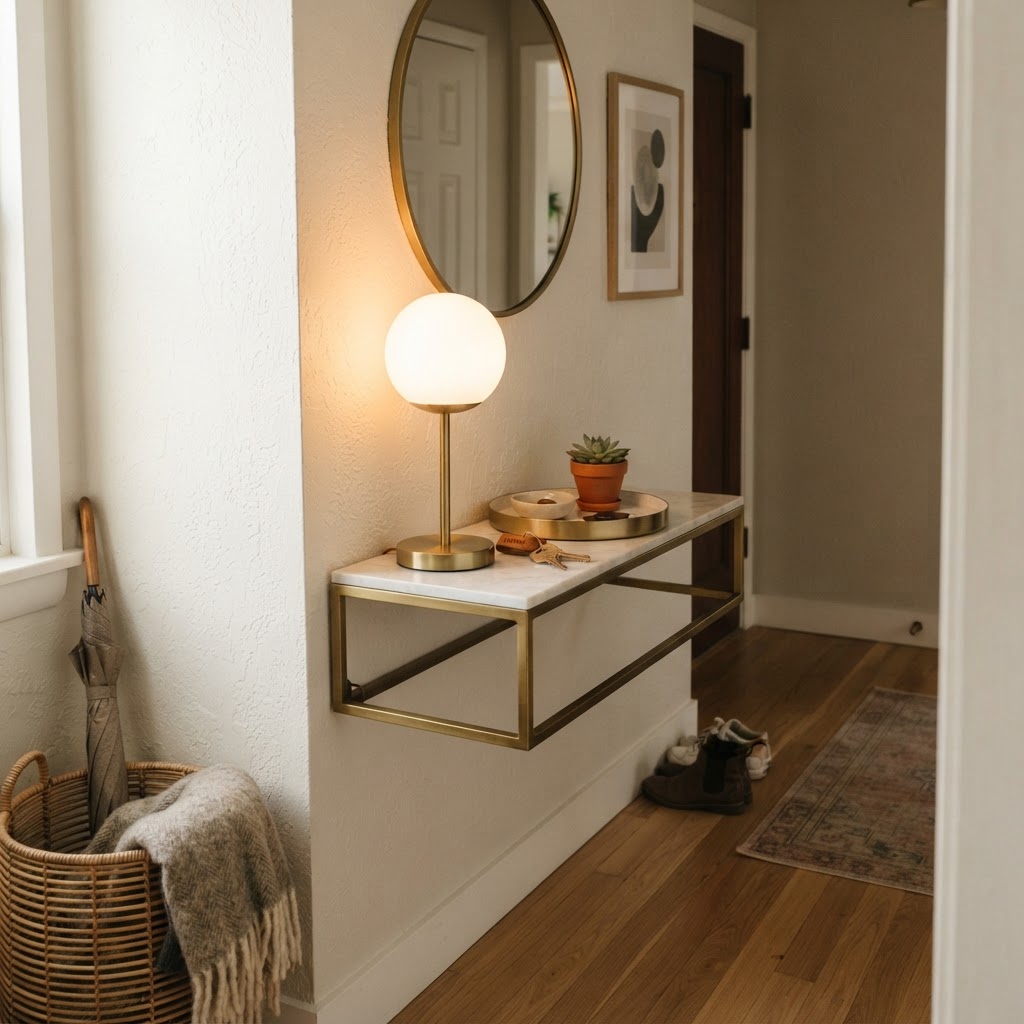
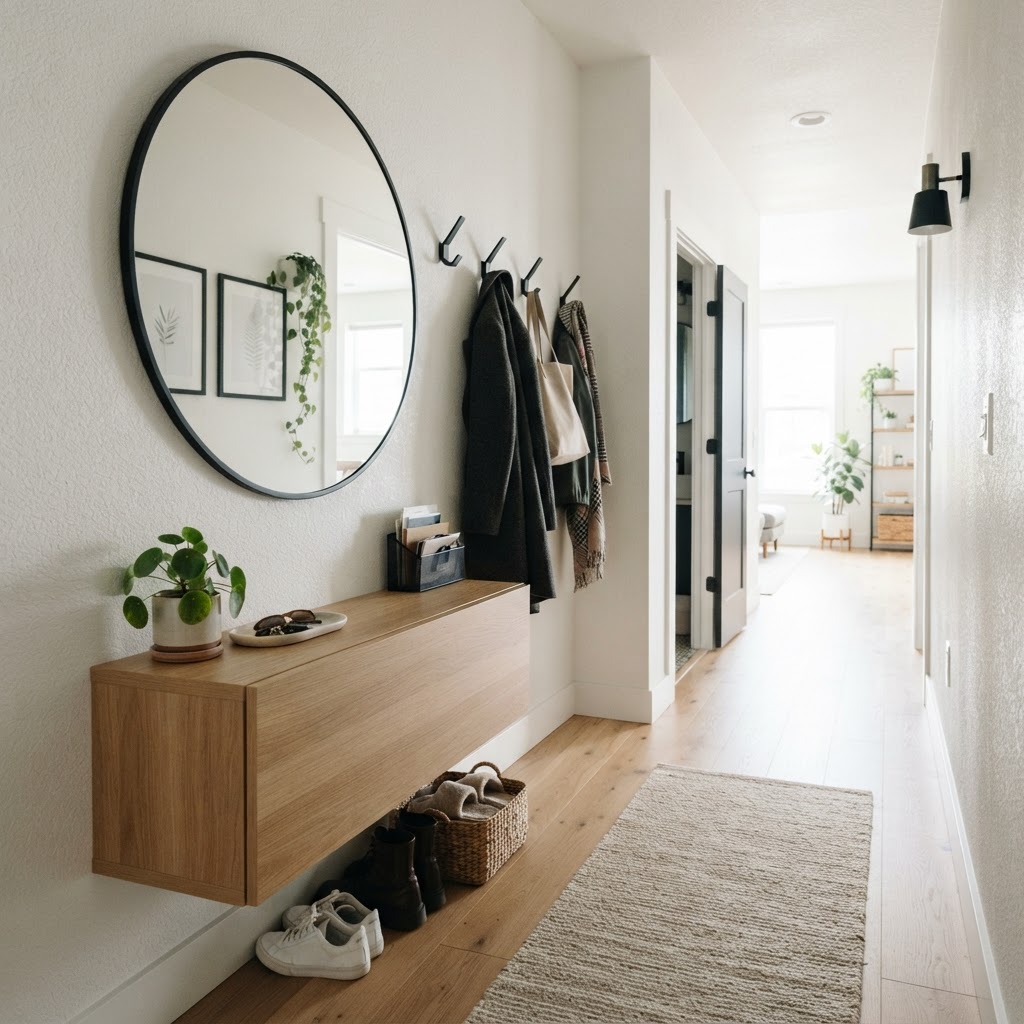
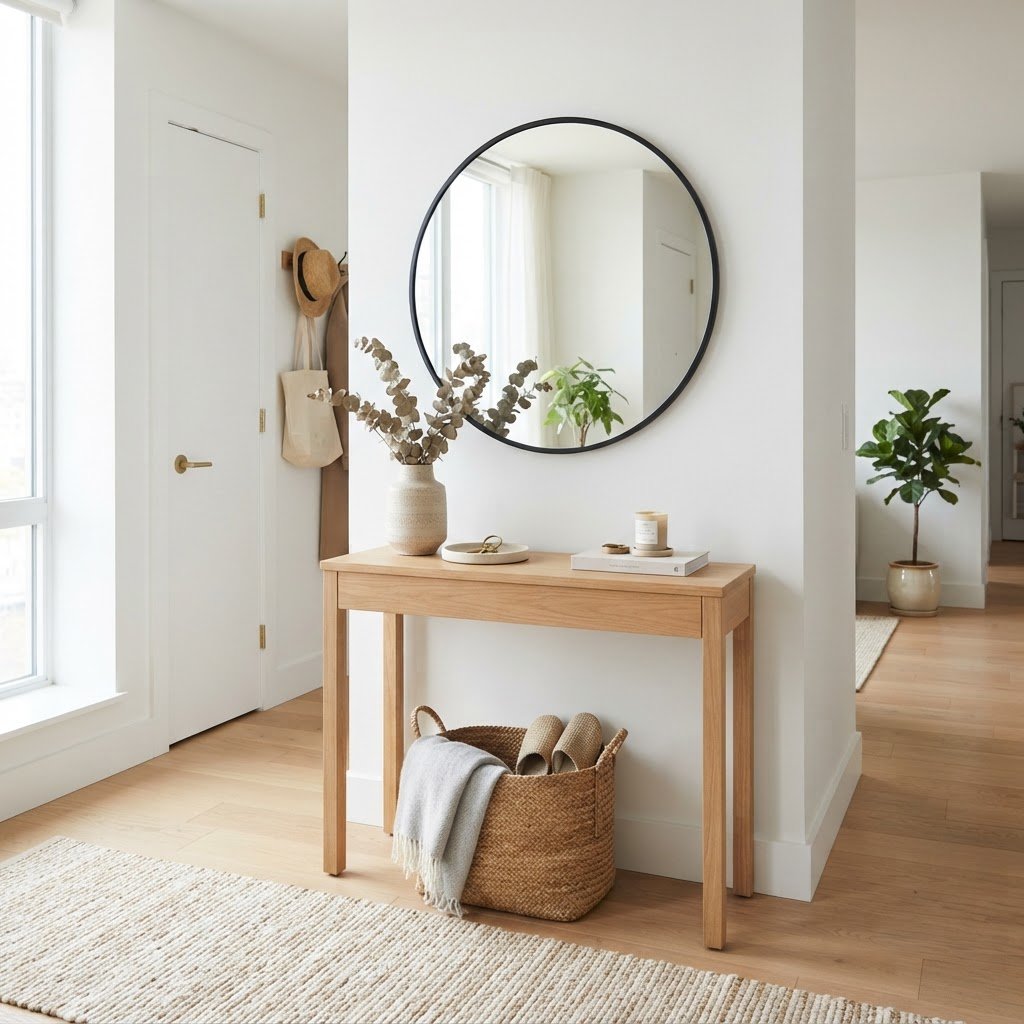
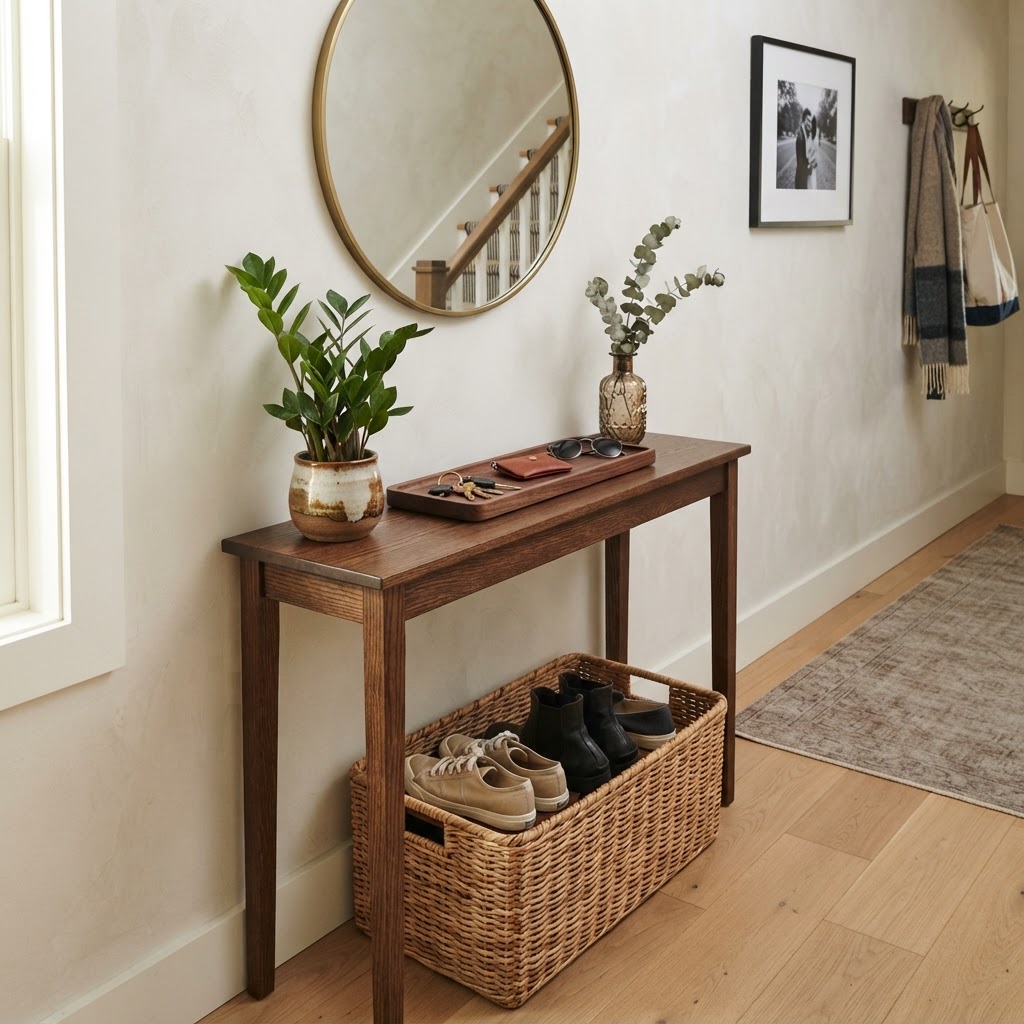
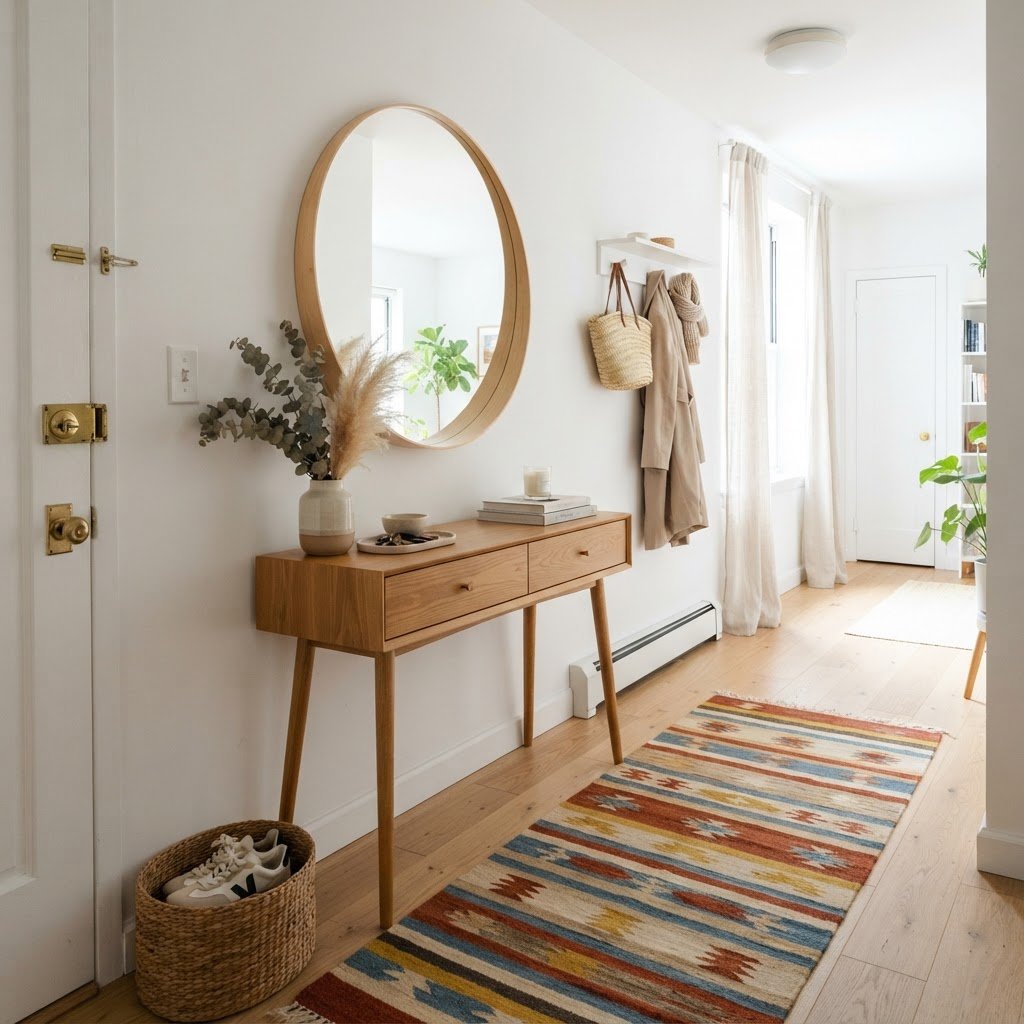
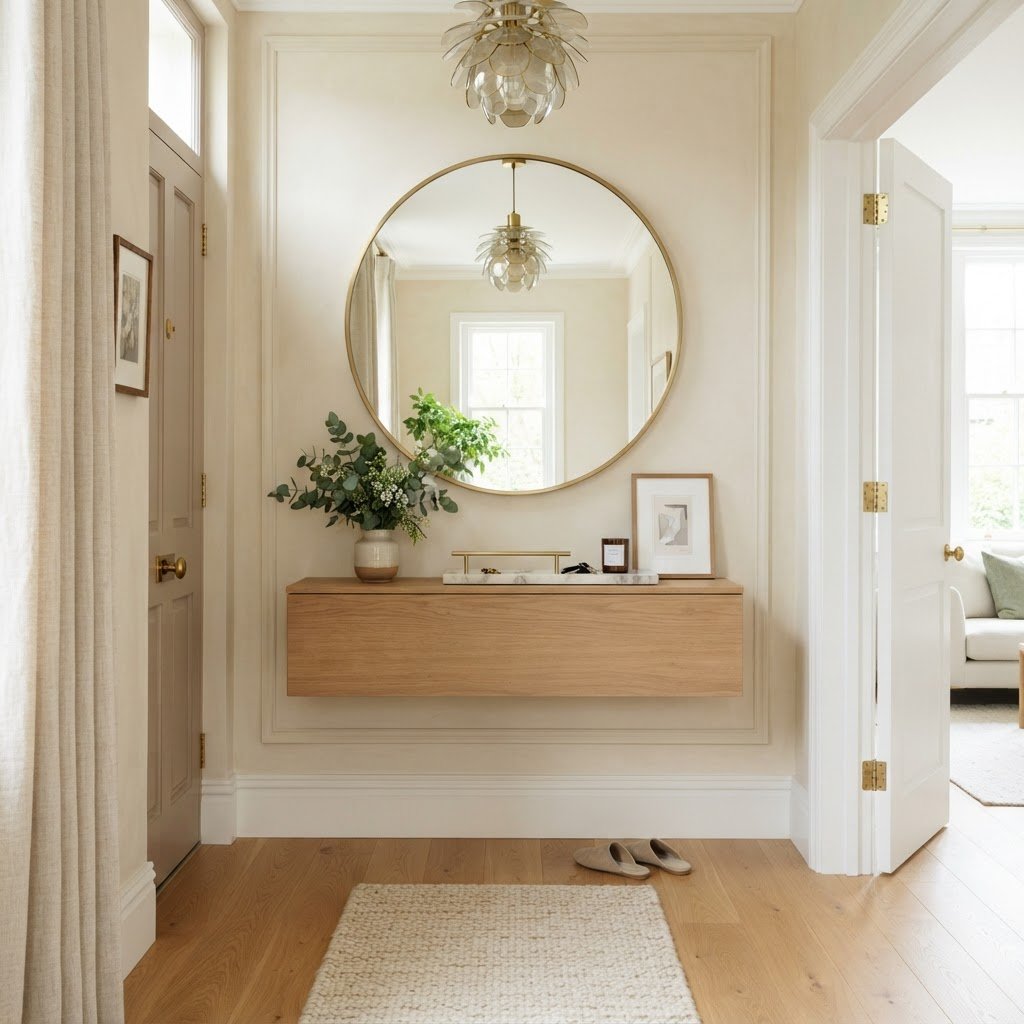
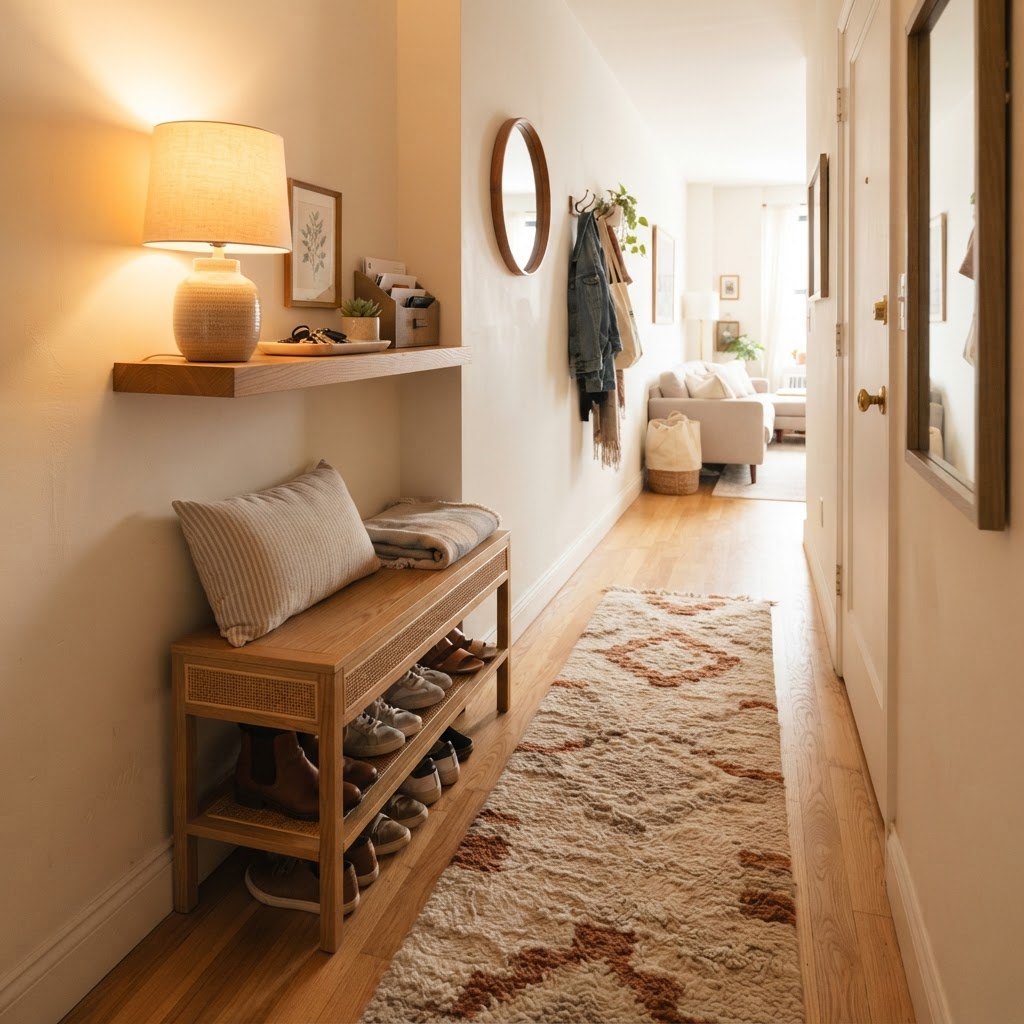
A sophisticated, airy entryway featuring a floating oak console and brushed brass accents.

Neutral color palettes, specifically cream and beige, serve as the most effective design tool for overcoming the constraints of limited square footage. When walls and large furniture pieces are finished in shades of white or light taupe, the boundaries of the room seem to recede, effectively tricking the eye into perceiving a larger volume. This minimalist approach focuses on the interplay of light reflection, where lighter hues bounce natural and artificial illumination throughout the corridor, preventing the claustrophobic feeling common in smaller foyers.

To ensure the space does not appear sterile, you must incorporate tonal variation by layering warm, earthy beiges with clean, bright creams. This technique provides essential depth and character, mimicking the luxury design language found in high-end boutique hotels. By focusing on quality over quantity, you reduce visual noise, allowing the architectural silhouette of your furniture to take center stage.

Feature Dark Color Palette Cream & Beige Palette
Light Reflection Low (Absorbs light) High (Bounces light)
Visual Space Feels contained Feels expanded
Mood Moody/Dramatic Calm/Sophisticated
Maintenance Shows dust easily Requires weekly wiping

Why Cream and Beige Work Together

Cream provides the freshness and brightness that small spaces desperately need, while beige introduces warmth, ensuring the room doesn’t feel cold. Together, they create a balanced, inviting environment. This combination is inherently calming, which is exactly the mood you want to establish as soon as you walk through your front door.

Maximizing Your Foyer Layout
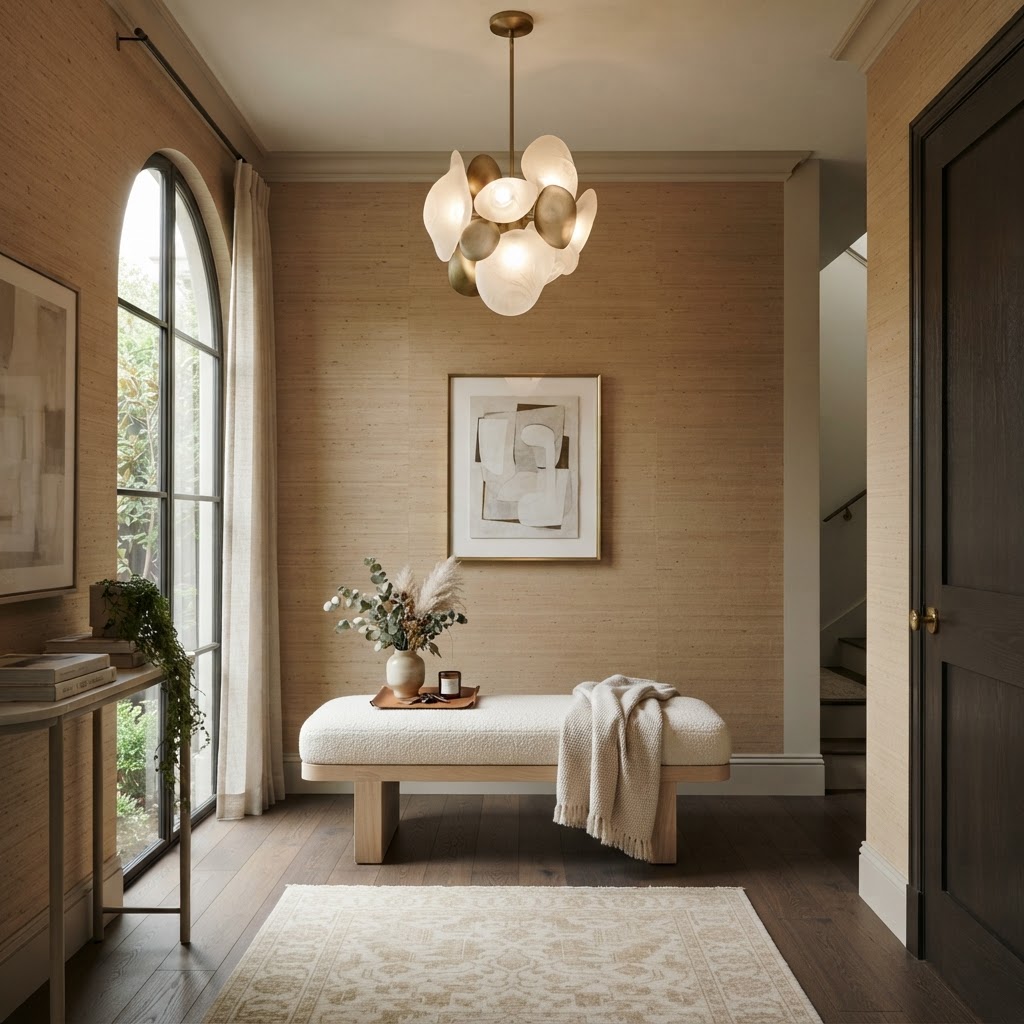
Texture is key: A boucle cushion and grasscloth wallpaper create a luxurious, calm feeling.

Optimizing your foyer layout requires a disciplined approach to storage, where every square inch serves both a functional and aesthetic purpose to maintain a premium feel. In compact homes, floor space is the most valuable commodity; therefore, replacing bulky standalone furniture with wall-mounted or built-in alternatives is essential for creating a high-end look. Custom cabinetry that matches your wall color at a standard depth of 12 to 14 inches can hide shoe clutter, coats, and accessories, keeping the visual lines clean and unobtrusive.

If custom cabinetry falls outside your budget, a wall-mounted floating console table is the ideal solution. By keeping the floor beneath the table clear, you maintain an open sightline, which significantly contributes to a feeling of expansiveness. When selecting hardware, opt for finishes like unlacquered brass, which develops a patina over time, or brushed nickel for a sleek, modern touch. Avoid over-furnishing; in a small entryway, a single, high-quality statement piece often outperforms three smaller, lower-quality items. This intentional selection process is the hallmark of professional interior design, ensuring your space feels deliberate rather than cluttered.

Texture as a Design Element
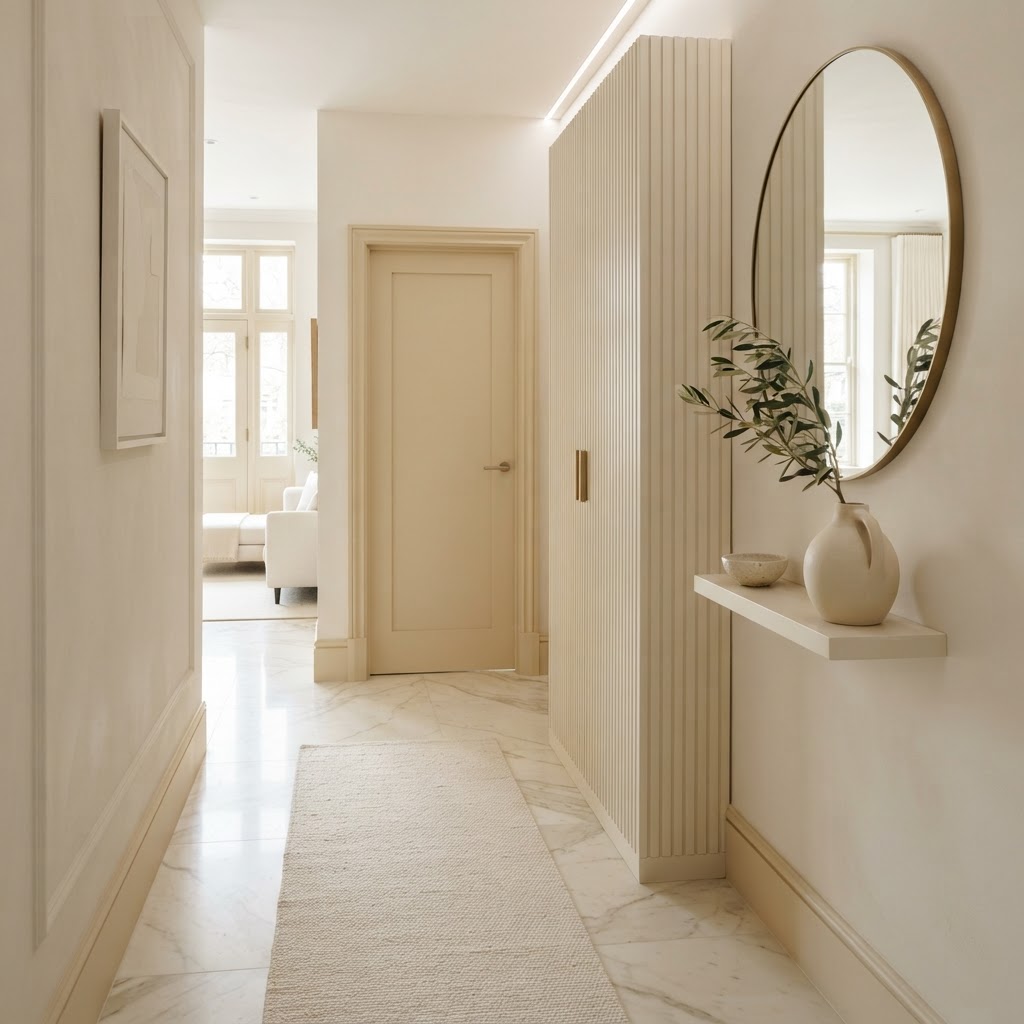
Minimalist storage solutions can be both functional and stylish in small spaces.

In a space devoid of bold color, texture becomes the primary vehicle for visual interest, preventing the room from appearing flat or uninspired. To achieve an expensive aesthetic, you must layer different tactile surfaces, such as linen, boucle, grasscloth, and raw wood, which add physical and visual weight to the entry. For instance, applying a grasscloth wallpaper in a soft sand tone introduces subtle, natural variations that reflect light differently throughout the day, creating a sophisticated environment that changes with the sun’s position.

Flooring also plays a critical role in this textural story. A heavy-duty, low-pile runner in a neutral weave can protect high-traffic zones while grounding the space. Consider the following guide for incorporating texture effectively:

  • Wall Treatments: Use grasscloth or linen-texture paint to add depth.
  • Soft Goods: Incorporate boucle cushions on benches for a high-end, tactile experience.
  • Natural Elements: Use carved wooden bowls or stone trays for key storage.
  • Hardware: Select matte or brushed metal finishes to avoid distracting glare.
  • Reflective Surfaces: Use mirrors with heavy frames to add structural weight.

Strategic Texture Layering:

  • Use a chunky knit throw if you have a bench or seating area.
  • Incorporate raw wood elements, such as a carved wooden bowl for keys.
  • Choose matte metal finishes like brushed nickel or antique brass for hardware.
  • Add a mirror with a heavy, textured frame to anchor the wall space.

Lighting for a Luxe Atmosphere
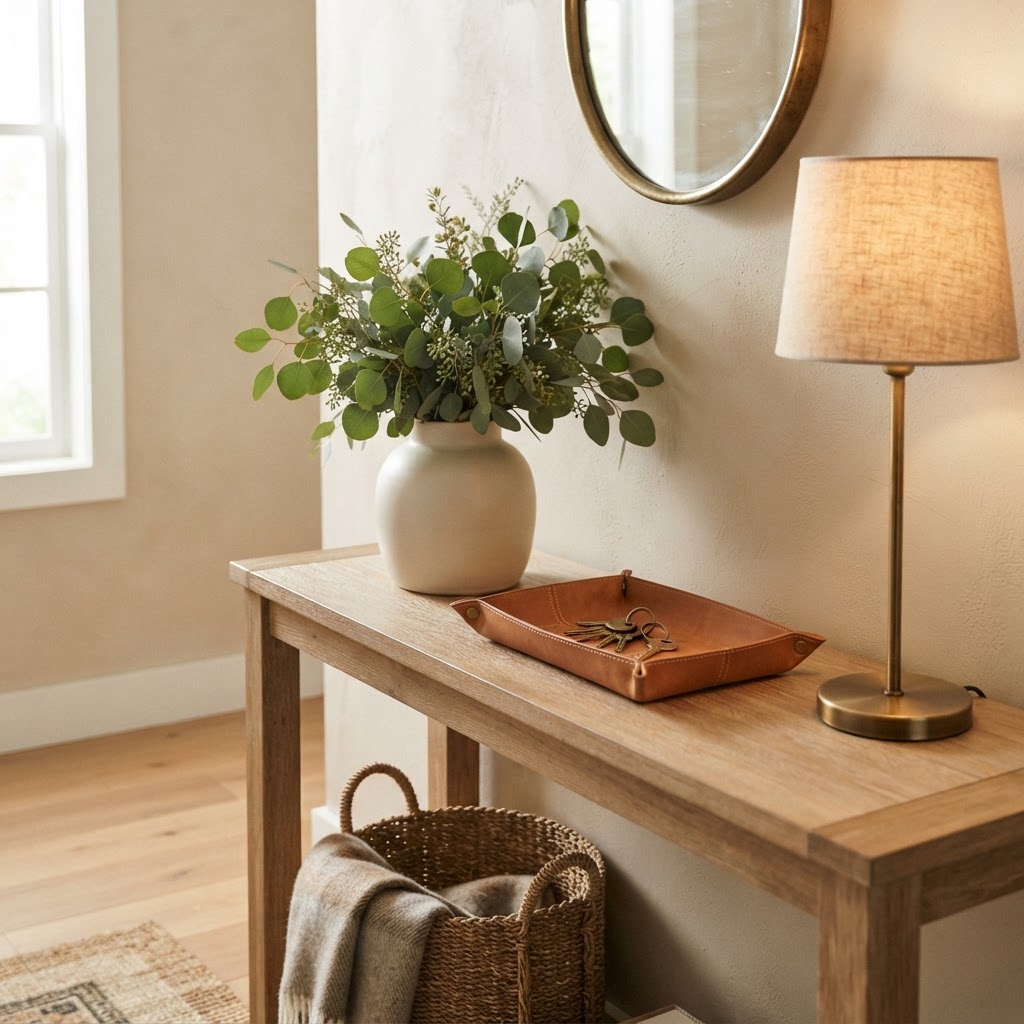
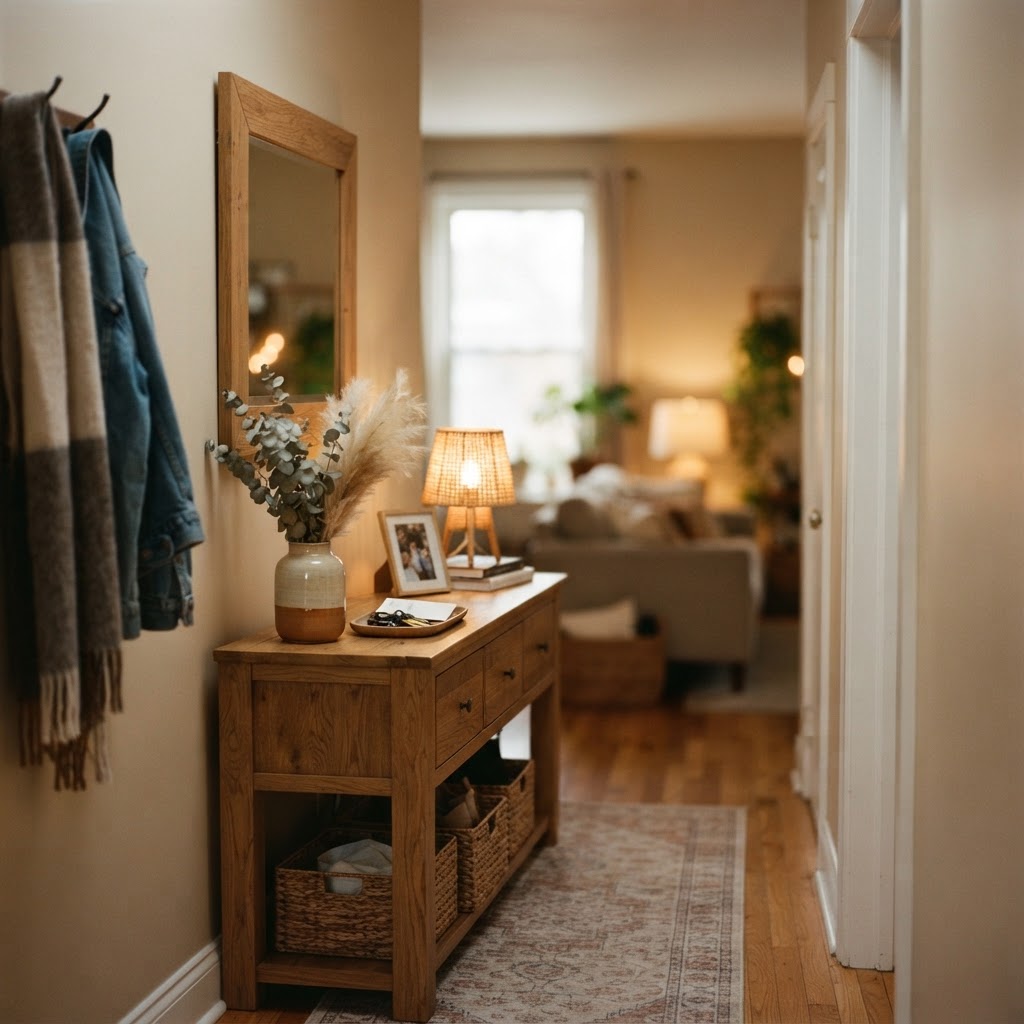
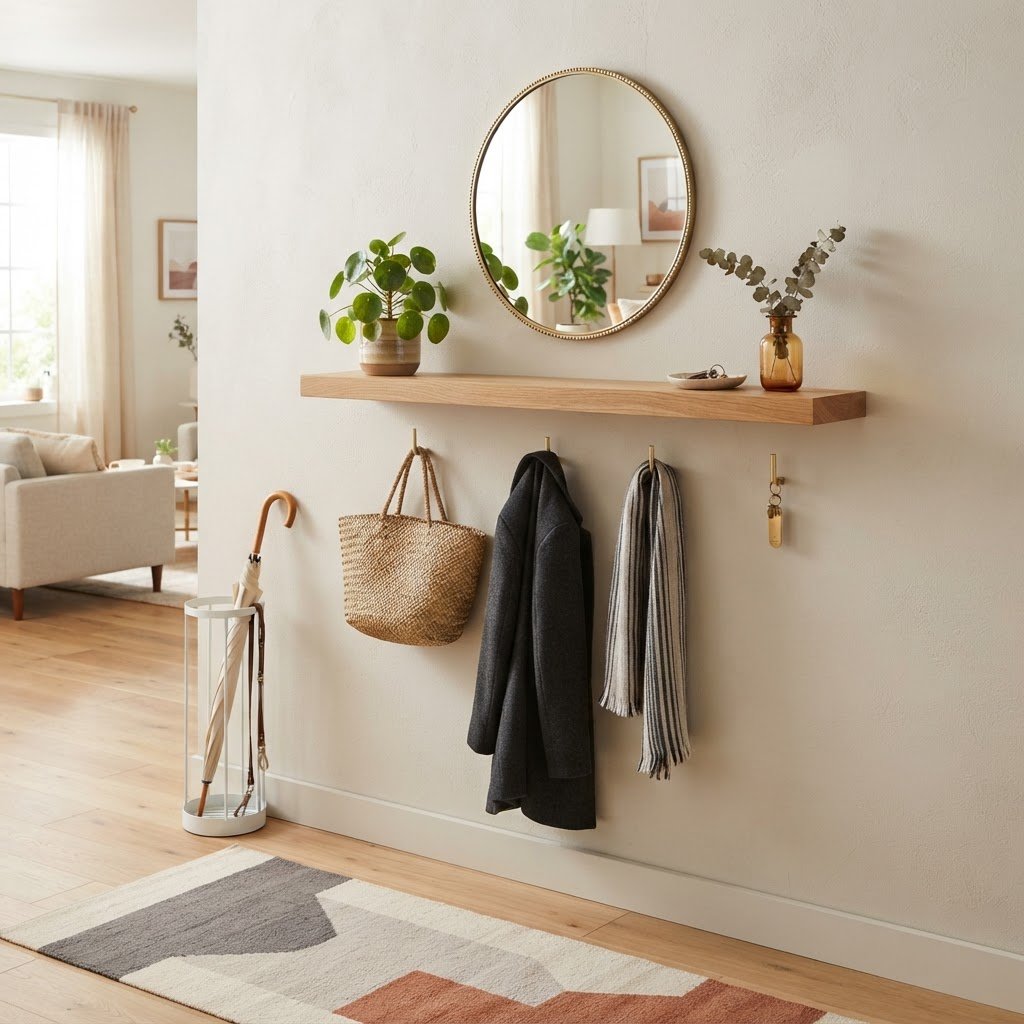
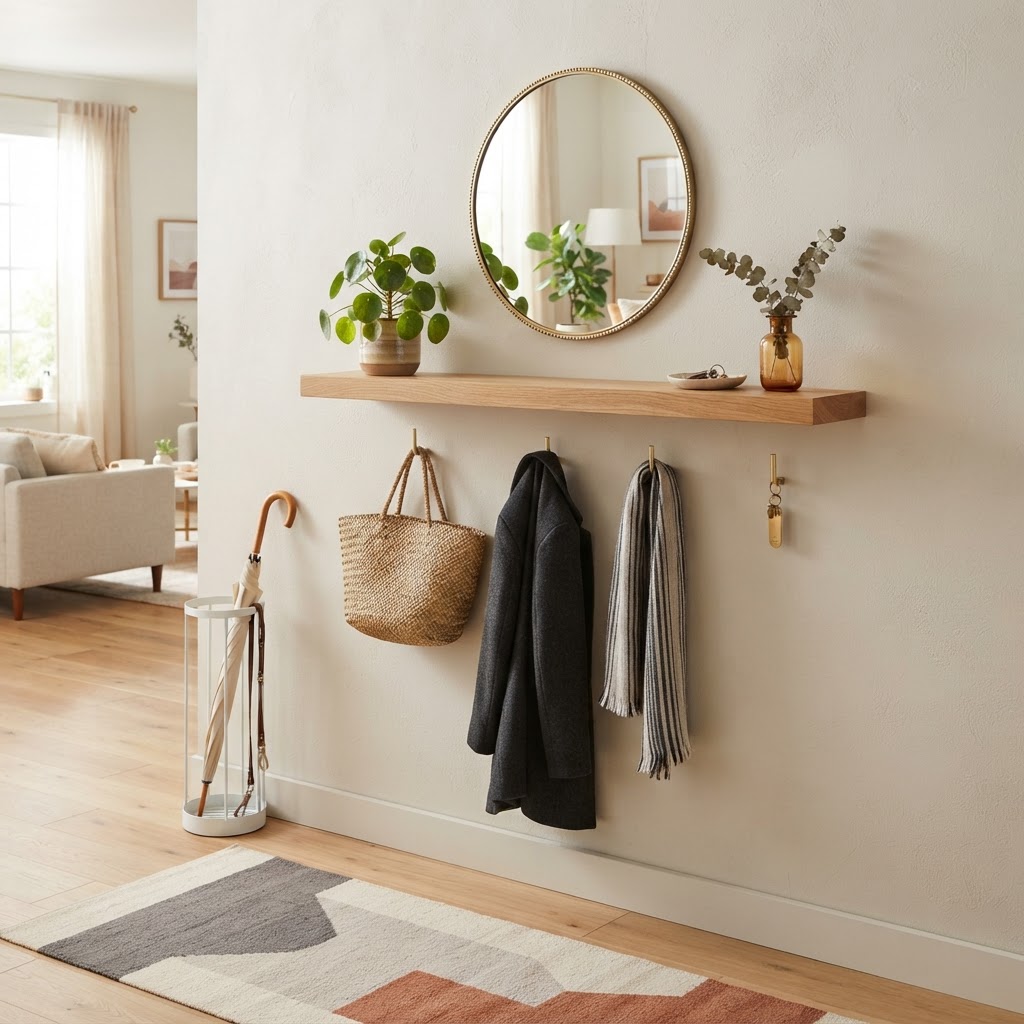
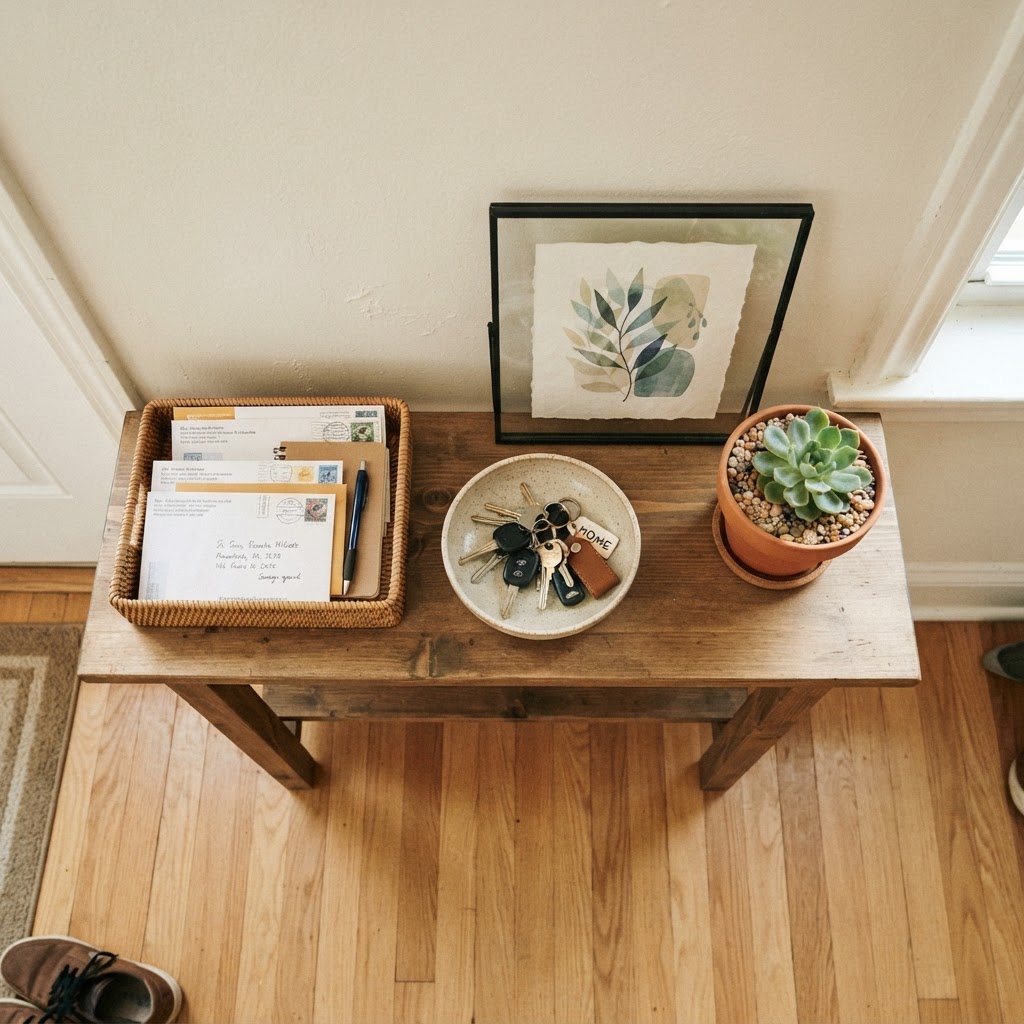
Simple, curated styling on a console table elevates the entire entryway.

Lighting functions as the defining factor for the ambiance of a foyer, often determining whether the area feels like a functional hallway or a thoughtfully designed space. To move beyond standard, harsh overhead lighting, you must implement a three-tier lighting scheme: general, task, and accent lighting. Start with a statement fixture, such as a glass or brass pendant, which serves as the “jewelry” of the room. A pendant with a diameter of 12 to 16 inches is typically ideal for standard foyer heights to avoid overwhelming the space.

Supplement the primary light source with a sculptural table lamp on your console. Lamps with warm-toned bulbs (2700K color temperature) create a soft, inviting glow that makes guests feel instantly welcome. If your budget allows, consider adding LED strip lighting under floating consoles to create a “floating” effect, which adds a layer of modern luxury. Placing a mirror opposite your primary light source is a classic interior design technique that effectively doubles the visual space and distributes light evenly. By controlling the light levels, you can transform a dull corridor into a grand introduction to your residence.

Selecting Furniture and Hardware

Selecting furniture for a small, neutral entryway requires a focus on scale and material quality to avoid the common pitfall of selecting oversized or low-quality pieces. Because your palette is subtle, the materials you choose must stand up to close inspection. Opt for furniture constructed from solid white oak, marble with subtle grey veining, or high-quality boucle fabric. These materials offer tactile complexity that makes a small piece look significantly more expensive than mass-produced alternatives.

Material Quality Grade Best Used For
Solid White Oak High Console Tables
Boucle Fabric High Seating/Benches
Travertine Luxury Vases/Key Bowls
Polished Nickel Premium Door Hardware

When choosing furniture, prioritize items that feature slim, tapered legs or floating designs. This allows light to travel underneath the piece, preventing the room from feeling grounded or “heavy.” Hardware replacements are the most cost-effective way to elevate the space; by swapping standard builder-grade door handles and light switch covers for high-end brass or polished nickel, you create a cohesive, bespoke appearance. Ensure all metal finishes are consistent throughout the hallway to maintain a seamless, professional aesthetic.

Styling Your Entryway for Impact

Styling serves as the finishing touch that brings your cream and beige design into focus, requiring a strict adherence to the “less is more” philosophy to preserve the expensive look. Avoid the temptation to clutter console surfaces with everyday items; instead, follow the rule of three, which dictates that grouping objects in odd numbers creates a visually balanced and professional composition. For example, pair a tall ceramic vase with a small, flat-bottomed wooden tray and a single sculptural object to create an engaging focal point.

Fresh, organic elements are non-negotiable in neutral designs because they provide the necessary life and movement that synthetic decor lacks. A single, large branch in a matte cream vase can provide height and drama without requiring additional floor space. Furthermore, consider that luxury is a sensory experience; the scent of your entryway is just as important as the visual elements. Using a high-quality reed diffuser with notes of sandalwood or white tea can leave a lasting impression on visitors. When choosing decorative accents, stick to a muted, tonal range within the cream, beige, and greige spectrum to ensure the space remains calm and harmonious.

Maintaining the Calm and Expensive Look

Maintaining a curated, luxurious appearance in a high-traffic zone requires a strict zero-clutter policy to prevent the accumulation of daily life from destroying the intended atmosphere. In a small entryway, there is no “forgiving” space for overflow, which means that every item—from keys and mail to jackets and shoes—must have a hidden, designated home. By keeping all surfaces clear, you allow the high-quality textures and thoughtful lighting to remain the focus of the area.

Maintenance Checklist:

  1. Use a designated tray for mail to avoid pile-ups.
  2. Store shoes out of sight in a closed cabinet.
  3. Wipe down surfaces weekly to prevent dust accumulation on light colors.
  4. Rotate your decor seasonally to keep the look fresh but aligned with the neutral theme.

By prioritizing daily organization, you ensure that the tranquil, expensive vibe remains intact regardless of how busy your life gets. Dedicating five minutes at the end of each day to reset your foyer ensures that your first interaction with your home remains as serene as the day the design was completed.

FAQ

Q: How can I make a dark, windowless entryway look expensive?

Paint your walls a warm, high-sheen cream to reflect whatever light is present. Add a large, floor-to-ceiling mirror opposite the entrance to maximize depth and install high-quality, sculptural lighting fixtures to replace dim, builder-grade bulbs.

Q: What is the best way to hide shoe clutter in a small foyer?

Install slim-profile, wall-mounted shoe cabinets that extend only 6-8 inches from the wall. Matching the cabinet color to the wall color creates an invisible, built-in look that maintains clean lines.

Q: Does beige look outdated in modern homes?

Beige is currently trending as a “new neutral” when paired with modern textures like boucle and raw, light-toned woods. The key to keeping it modern is ensuring you layer multiple shades of beige and cream rather than using a single, flat shade throughout.

Q: What hardware finish goes best with cream and beige?

Unlacquered brass is the premium choice for cream and beige, as it develops a warm, organic patina that complements earthy tones. If your style is more contemporary, polished nickel provides a clean, mirror-like sparkle that enhances light reflection.

Q: How do I choose the right rug for a small entryway?

Select a low-pile runner in a performance fabric like wool, which resists staining while providing a soft texture underfoot. Choose a pattern that is tone-on-tone, such as a raised ivory weave on a beige background, to add interest without creating visual clutter.
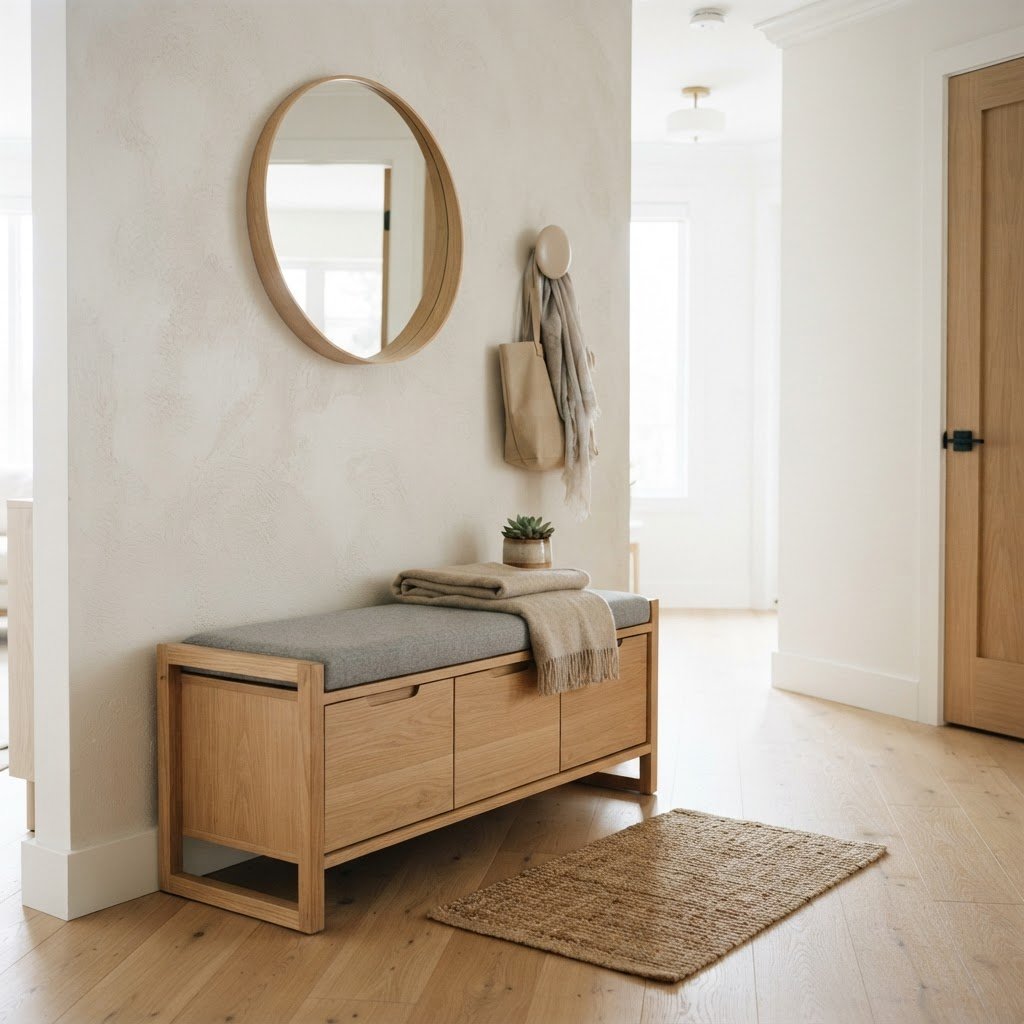
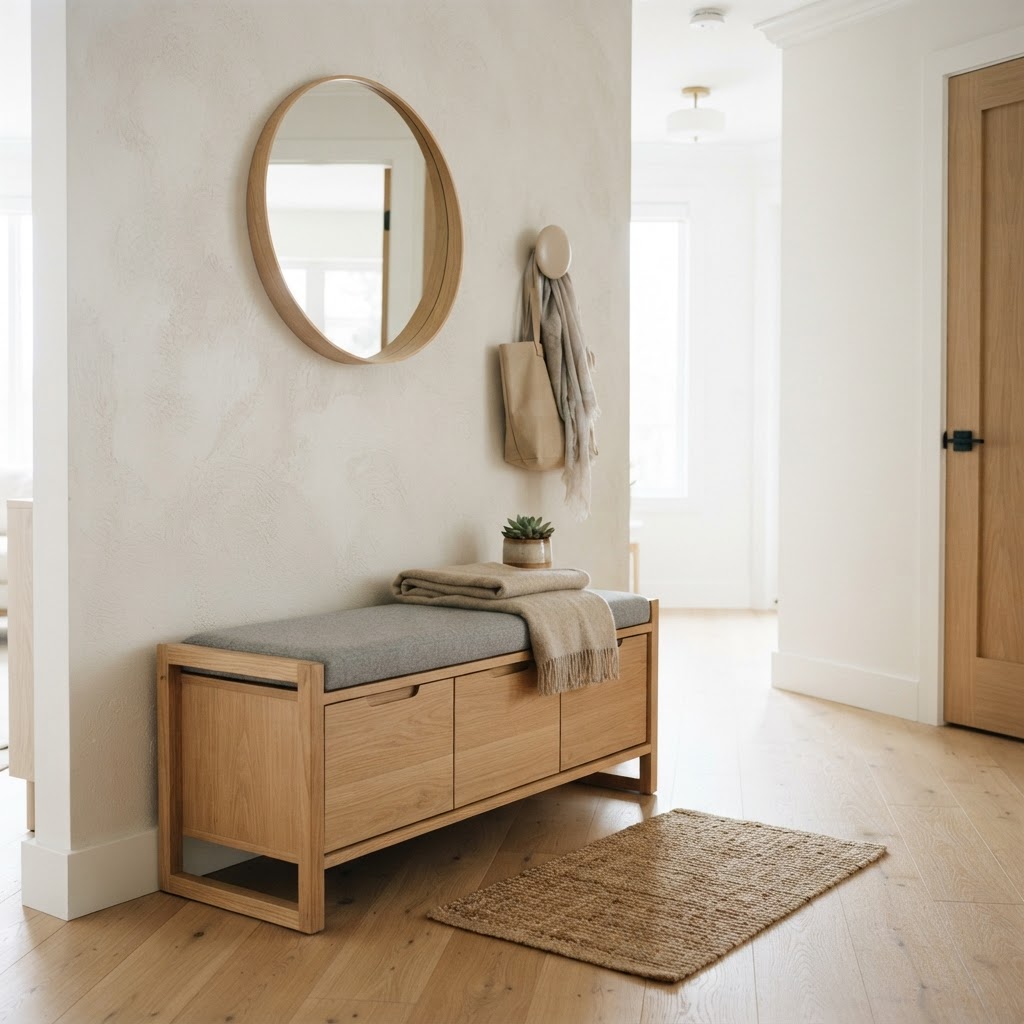
10 Best Small Entryway Benches With Hidden Storage

A cluttered foyer is often the first thing that greets you after a long day, which is why choosing the right small entryway benches with hidden storage is a total game-changer for your home. When you live in a smaller home or apartment, every square inch counts, and an entryway that serves as a dumping ground for shoes, mail, and bags can quickly feel overwhelming. Investing in a functional piece of furniture that doubles as both a seat and a storage unit allows you to maintain a clean, welcoming aesthetic while keeping your daily essentials easily accessible yet tucked away. Finding the perfect balance between style and utility is easier than you might think when you know exactly what to look for.

Understanding the Importance of Functional Foyer Furniture

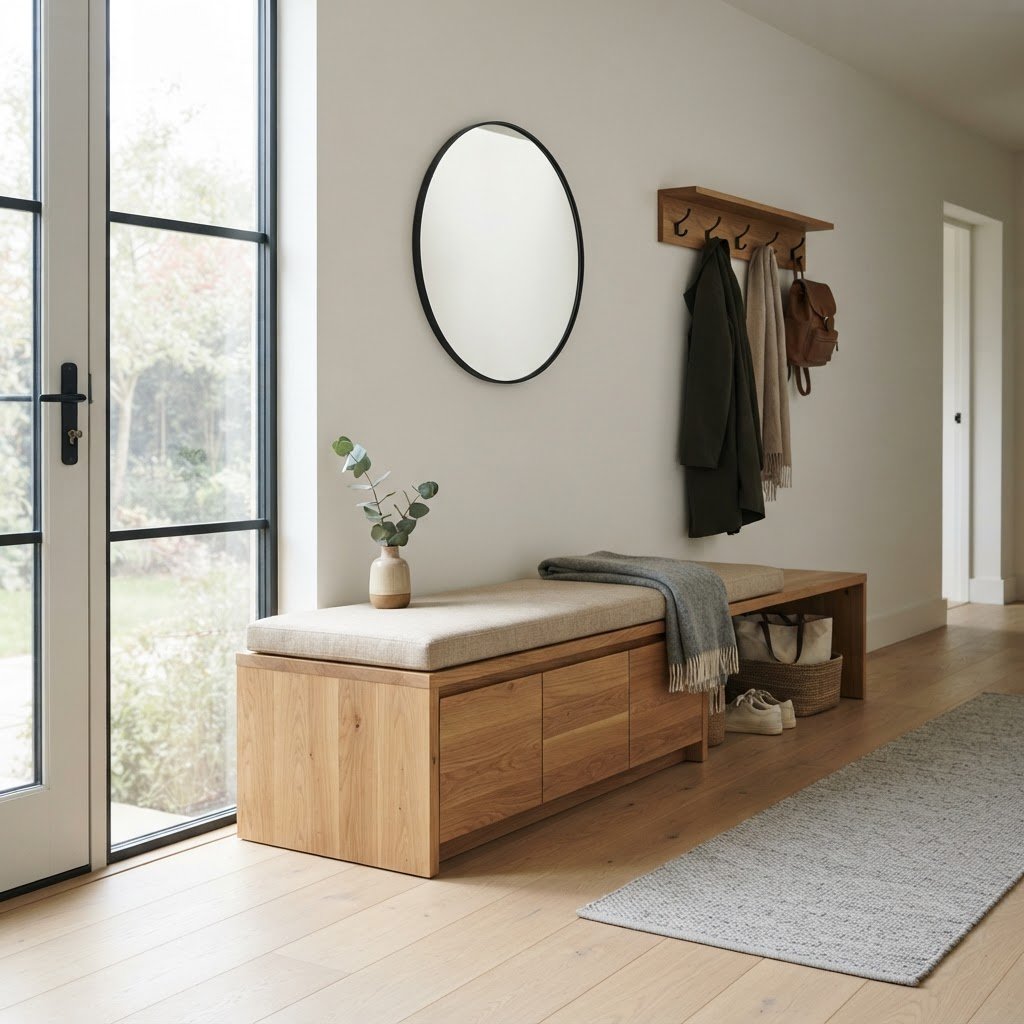
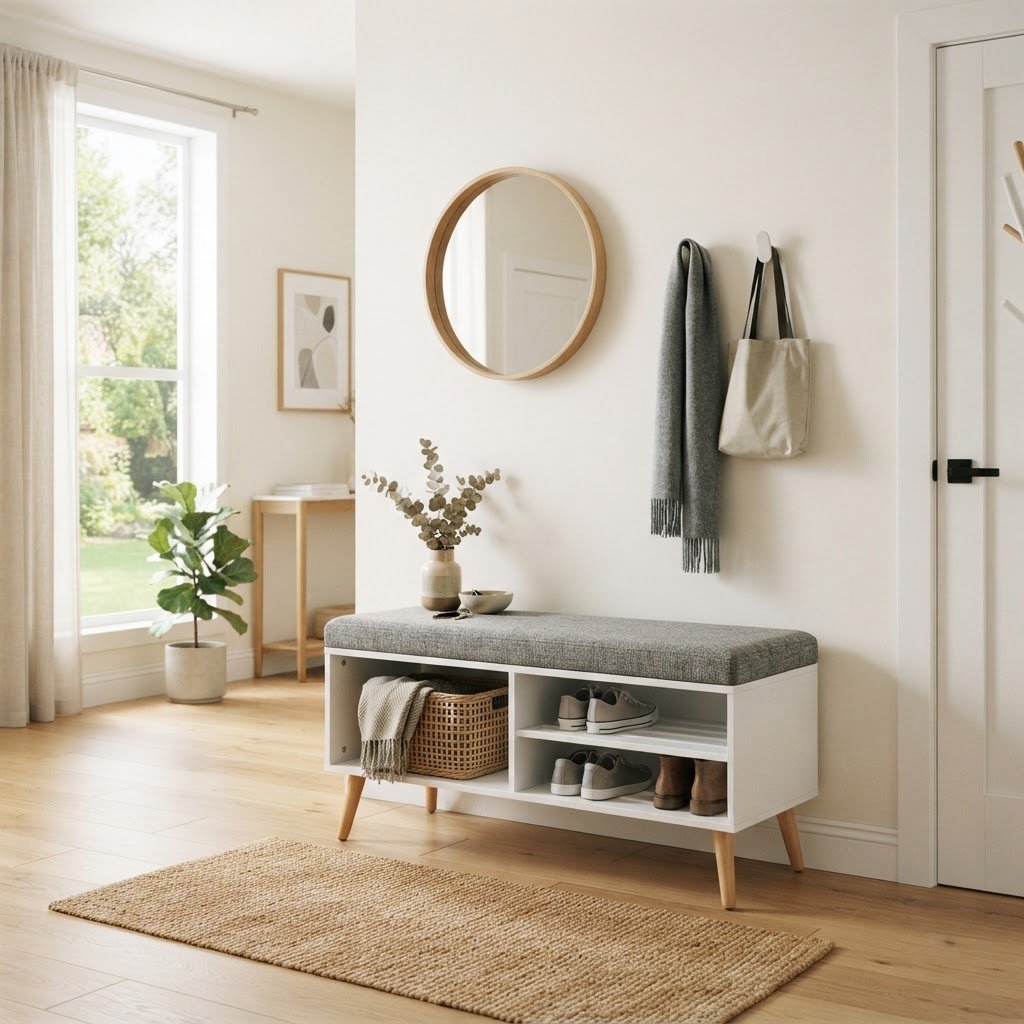
Modern minimalist bench with hidden seat storage.

The entryway is essentially the calling card of your home. It sets the tone for your interior design and dictates the flow of your space. When you prioritize small entryway benches with hidden storage, you are doing more than just picking out a piece of wood or fabric; you are establishing a system for your household. A designated spot for your items prevents the “drift” of clutter into your living room and kitchen, effectively compartmentalizing the mess.

Maximizing Square Footage

In urban apartments or compact homes, the “drop zone” is often just a corner or a narrow hallway. A dedicated bench with hidden storage utilizes vertical and footprint space efficiently. Instead of having a rack that constantly looks messy or a pile of shoes on the floor, hidden storage compartments offer a sleek, streamlined look. This minimalist approach not only makes the area feel bigger but also adds a layer of sophistication to your home entrance.

Key Features to Consider Before You Buy

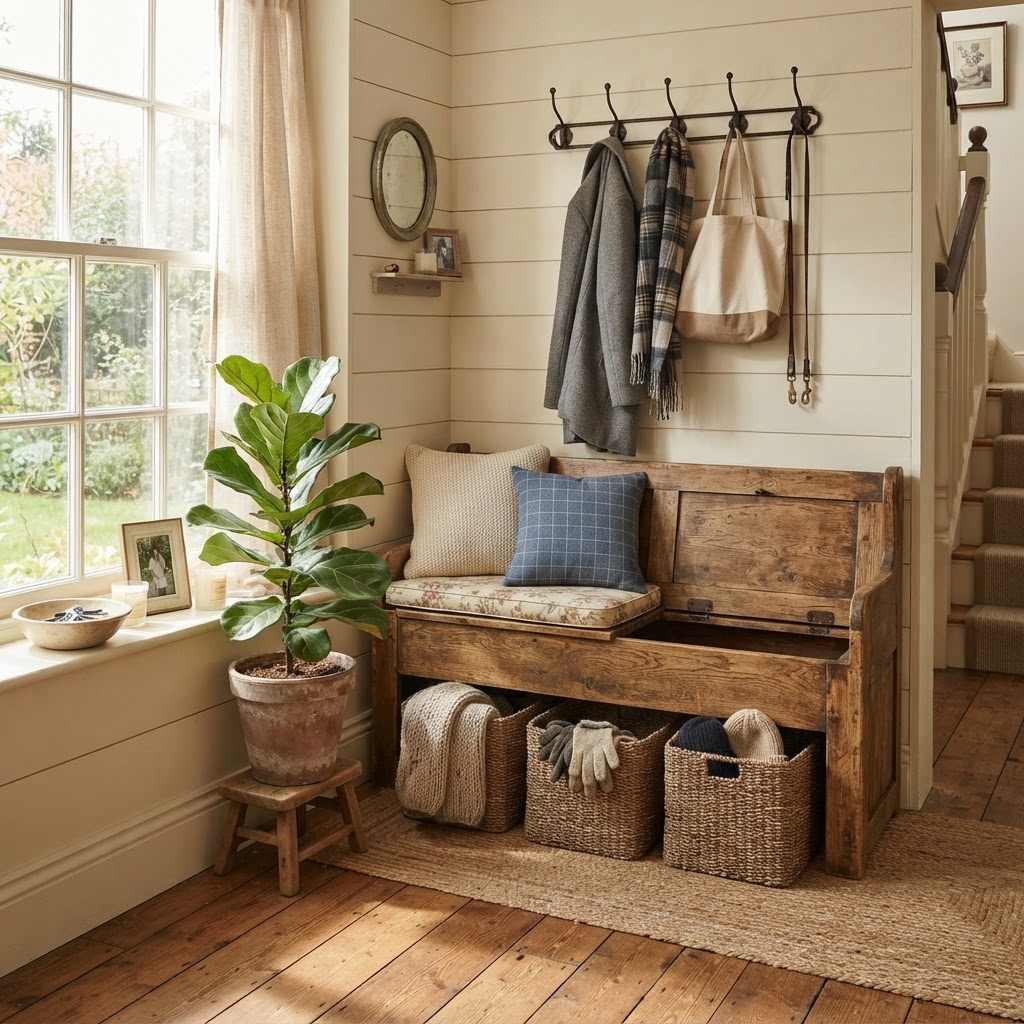
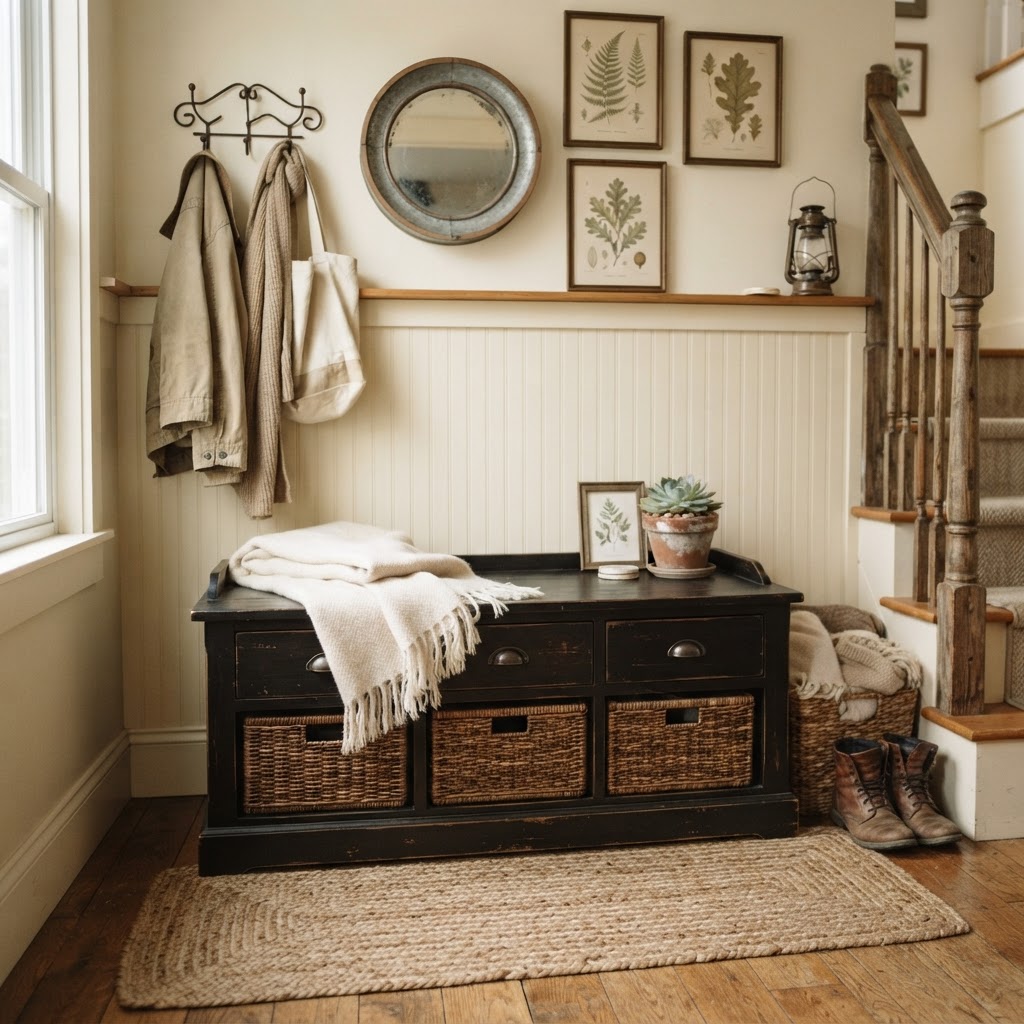
Rustic farmhouse design featuring practical storage baskets.

Before you hit the “purchase” button on a new piece of furniture, you need to evaluate your specific needs and the limitations of your physical space. Not all benches are created equal, and understanding the specs will save you a headache later. First, measure your area twice. It sounds basic, but many shoppers forget to account for door swing clearance or the width of the bench when the lid is open.

Material Selection and Durability

Consider the daily wear and tear that an entryway bench will face. If you have children or pets, a soft fabric upholstery might not be the most practical choice, even if it looks stunning. Opt for materials that can be easily wiped down or that feature performance fabrics designed to resist stains. Solid wood, powder-coated metal, and high-quality laminate are excellent choices for busy households. Look for sturdy hinges, especially if you have little ones, as soft-close mechanisms are a must-have for safety and noise reduction.

Style Profiles for Every Home Aesthetic

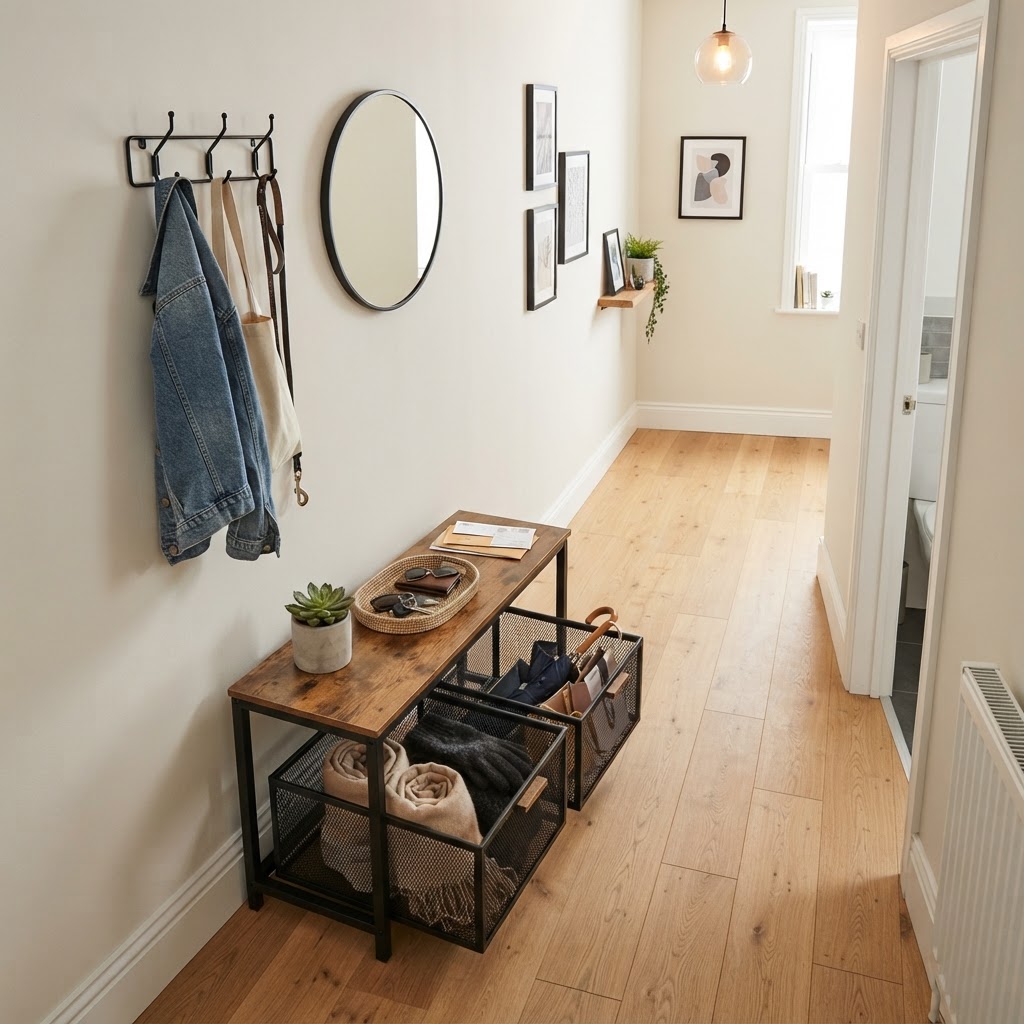
Industrial-style slim bench for compact hallways.

Your entryway bench should feel like a natural extension of your home decor rather than an afterthought. Whether you lean toward modern minimalism, rustic farmhouse, or industrial chic, there is a design out there for you. A wooden bench with clean lines and simple hardware can anchor a Scandi-style home, while a tufted, upholstered piece adds a touch of elegance to a traditional foyer.

Matching Your Decor

If your home features neutral tones, a bench in a natural wood finish or a soft gray adds warmth without clashing. If you prefer a bolder look, consider a bench with unique metal legs or a striking pop of color in the upholstery. Remember, because the bench is a smaller piece, it can serve as a “design statement” that draws the eye without dominating the room.

Creative Storage Solutions Within the Bench

What kind of storage do you actually need? Some benches feature a single large compartment under the seat, which is perfect for bulky items like seasonal boots or sports equipment. Others offer multiple dividers, which are superior if you are looking to organize specific items like umbrellas, scarves, or hats. Understanding your organizational personality is key to picking the right layout.

The Versatility of Hidden Compartments

Don’t just think about shoes. Think about the items you frequently lose. If you are constantly looking for your keys, your mail, or your dog’s leash, consider a bench with a small drawer or a hidden shelf specifically for these “quick-grab” items. This turns a simple seat into a comprehensive command center for your life.

Organizing Your Bench for Long-Term Success

Buying the furniture is only half the battle; maintaining the organization is the other half. It is very easy to turn a storage bench into a junk drawer if you aren’t careful. Use shelf dividers or small fabric bins inside the bench to keep individual family members’ items separate. This creates a psychological boundary that encourages everyone to put their belongings in their “assigned” spot rather than tossing them into the void.

Implementing a Weekly Maintenance Routine

Every Sunday, take five minutes to clear out the bench. Remove the items that don’t belong, wipe down the inside, and reset the space for the week ahead. This simple habit prevents the accumulation of “ghost items”—the things you haven’t seen in months but still reside in your storage bench. Keeping the space intentional is the secret to a tidy home.

Budgeting for Quality vs. Convenience

There is a wide spectrum of pricing for entryway furniture. While it is tempting to go for the cheapest option, keep in mind that a storage bench is a structural piece of furniture. You want something that can handle the weight of someone sitting on it daily. Investing in a mid-range piece with high-quality hinges and reinforced frames will almost always pay off in longevity. Don’t be afraid to look for sales or slightly used items that you can refurbish with a fresh coat of paint or new hardware.

Conclusion: Elevating Your Entryway

Transforming your foyer from a clutter hotspot to a clean, organized welcome mat is entirely possible with the right small entryway benches with hidden storage. By carefully considering your space, choosing durable materials that match your aesthetic, and committing to a small amount of weekly maintenance, you can create an entrance that makes you feel relaxed the moment you walk through the door. Start your search today by measuring your hallway and identifying exactly what you need to hide away. Your future self will thank you for the extra storage and the peace of mind. Ready to get organized? Start by clearing your floor today and look for that perfect bench to anchor your home’s entrance.

Compact Entryway Setups With Shoe Storage and Hooks

Compact entryway setups with built-in shoe storage and hooks optimize small foyers by utilizing vertical wall space to consolidate footwear and outerwear into one footprint. By choosing multifunctional furniture like hall trees or wall-mounted cabinets, homeowners can eliminate floor clutter and create a functional landing zone even in spaces under 10 square feet.

The Anatomy of an Efficient Small Entryway

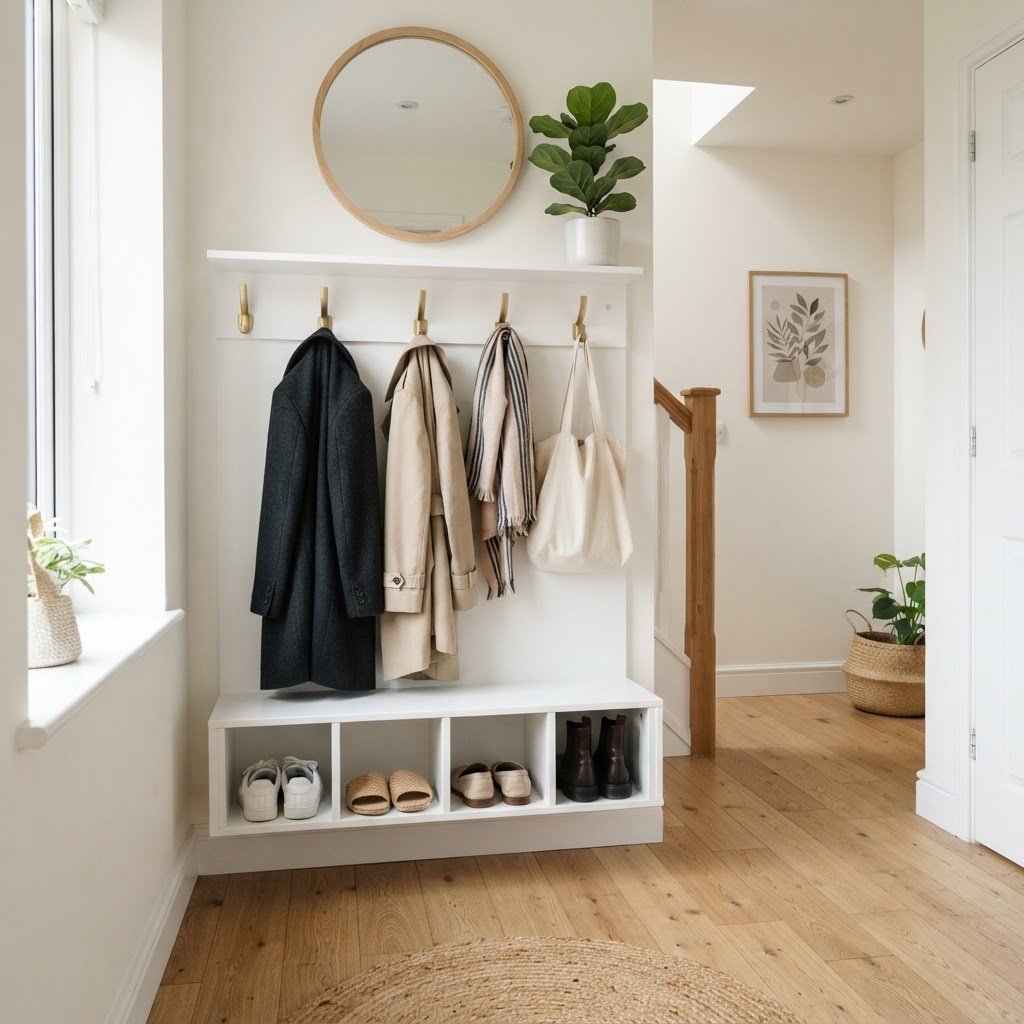
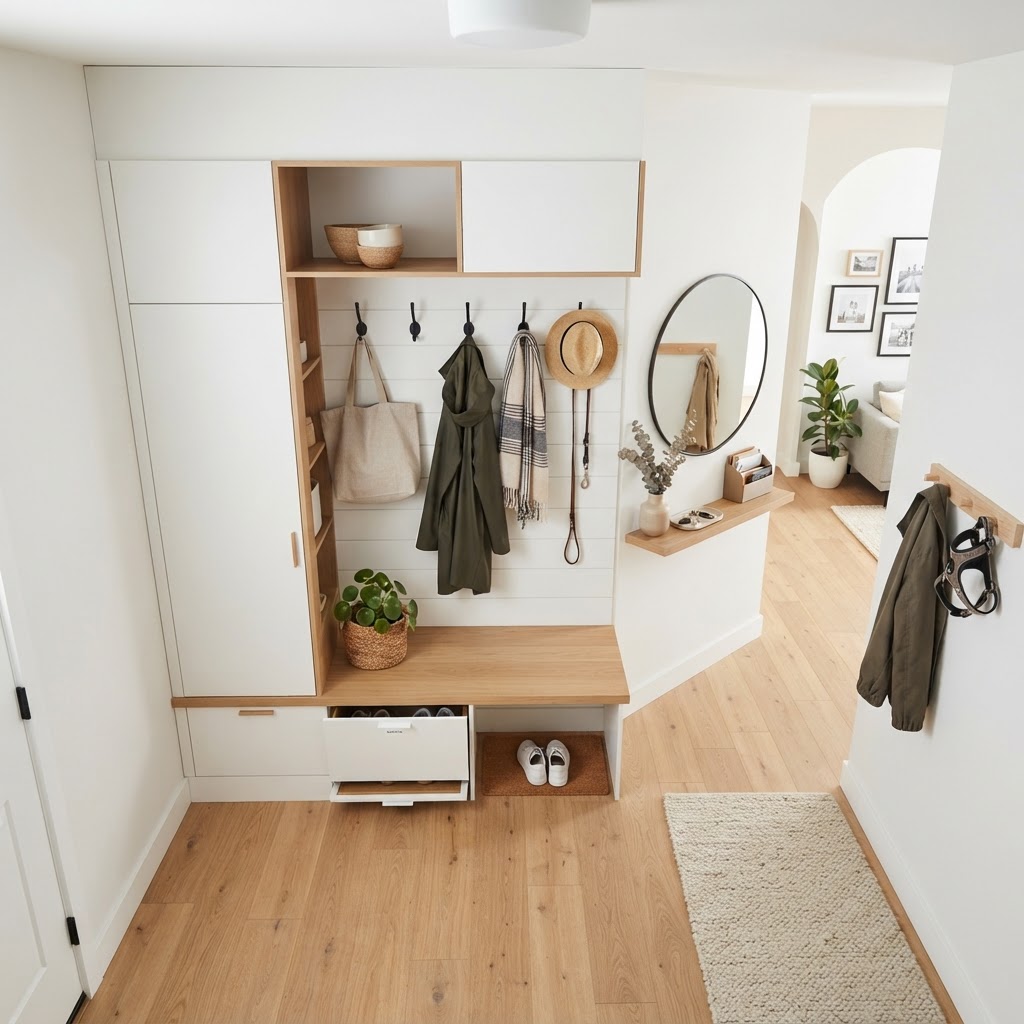
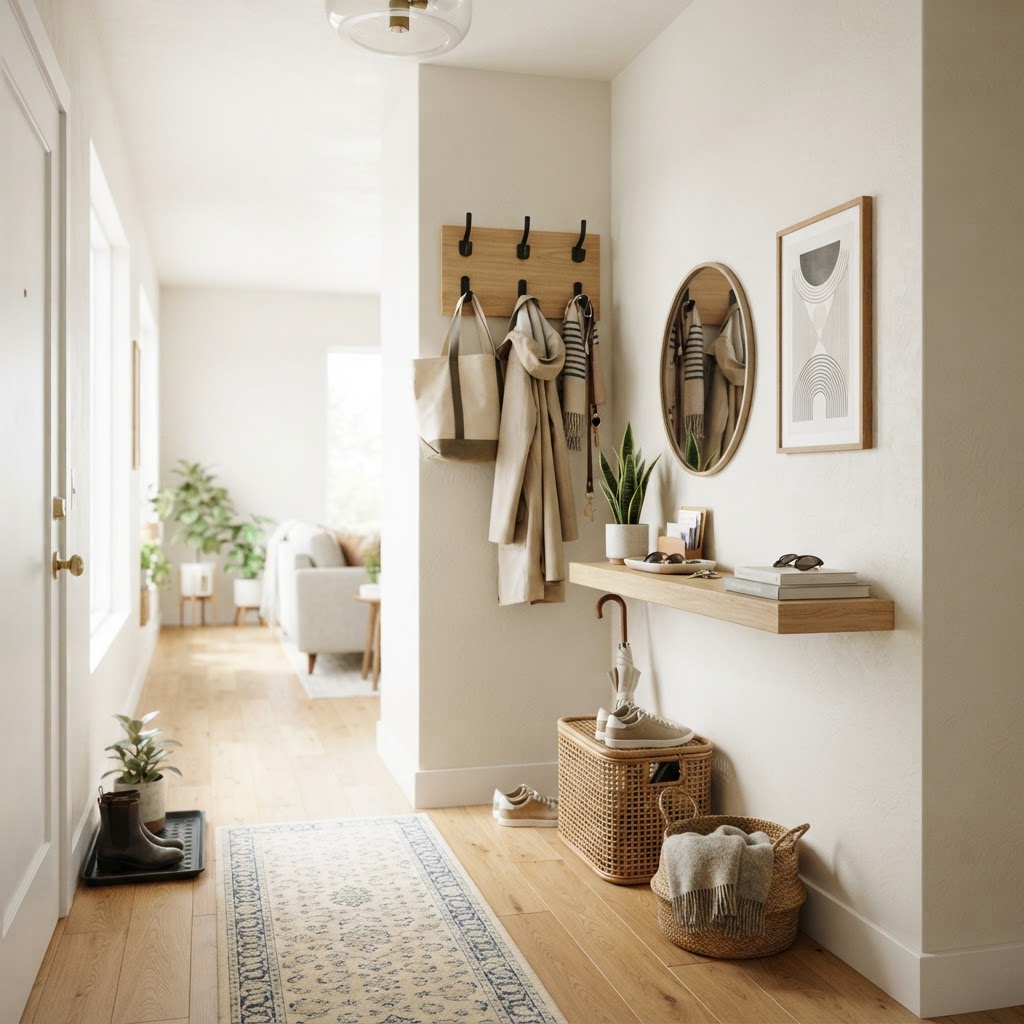
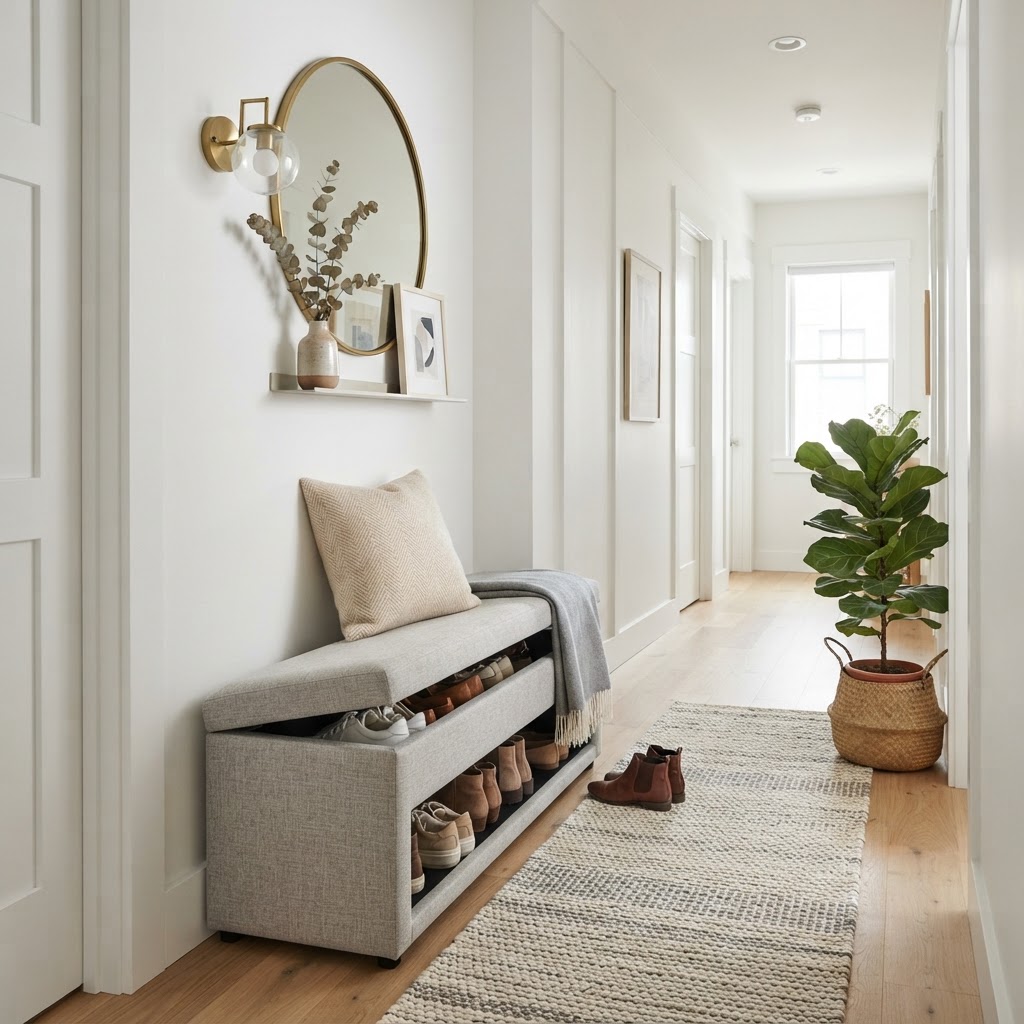
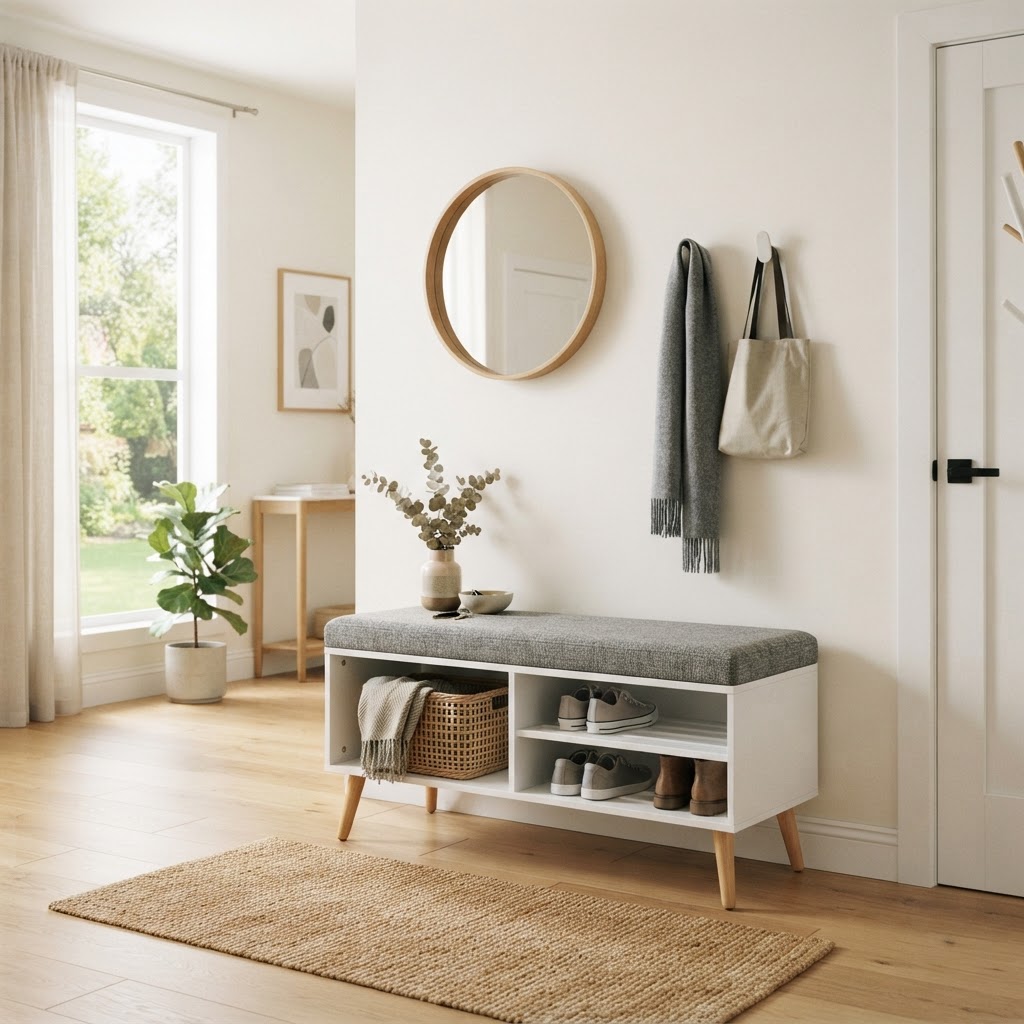
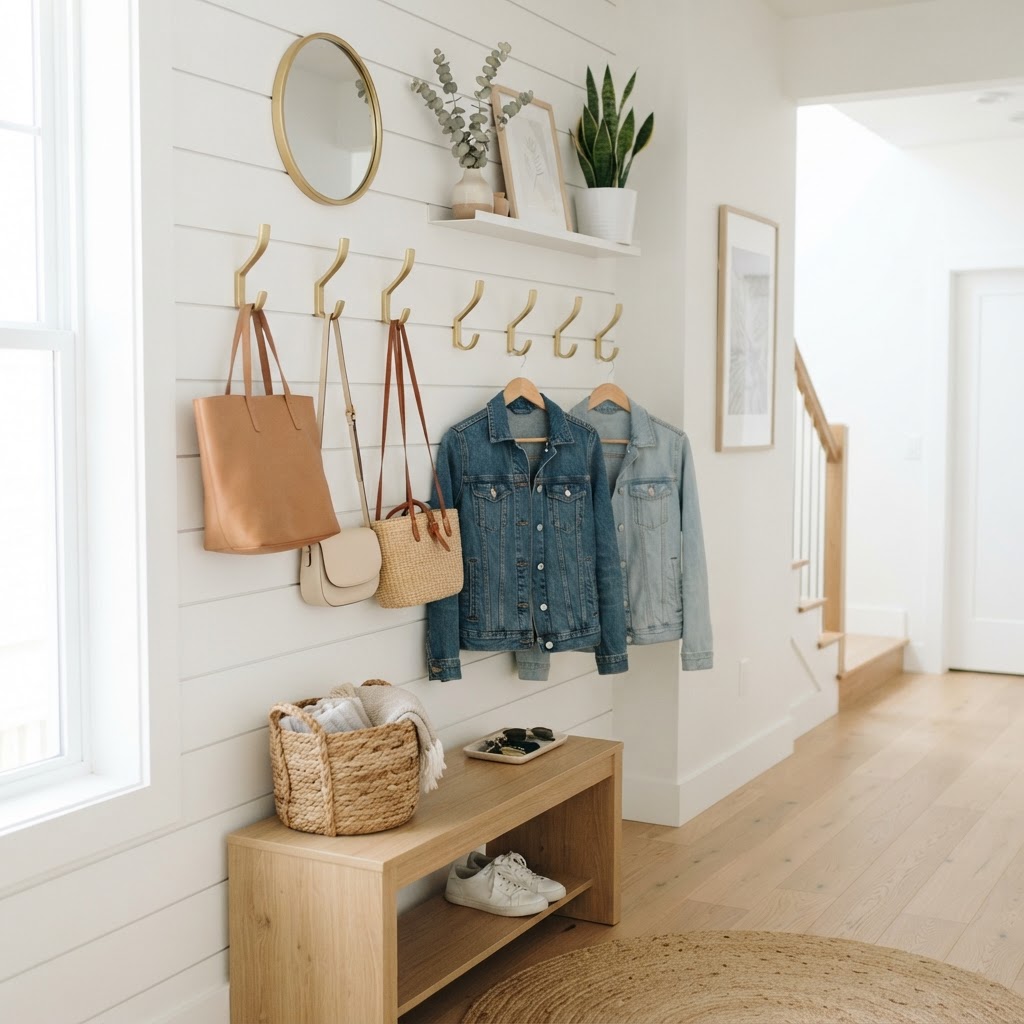
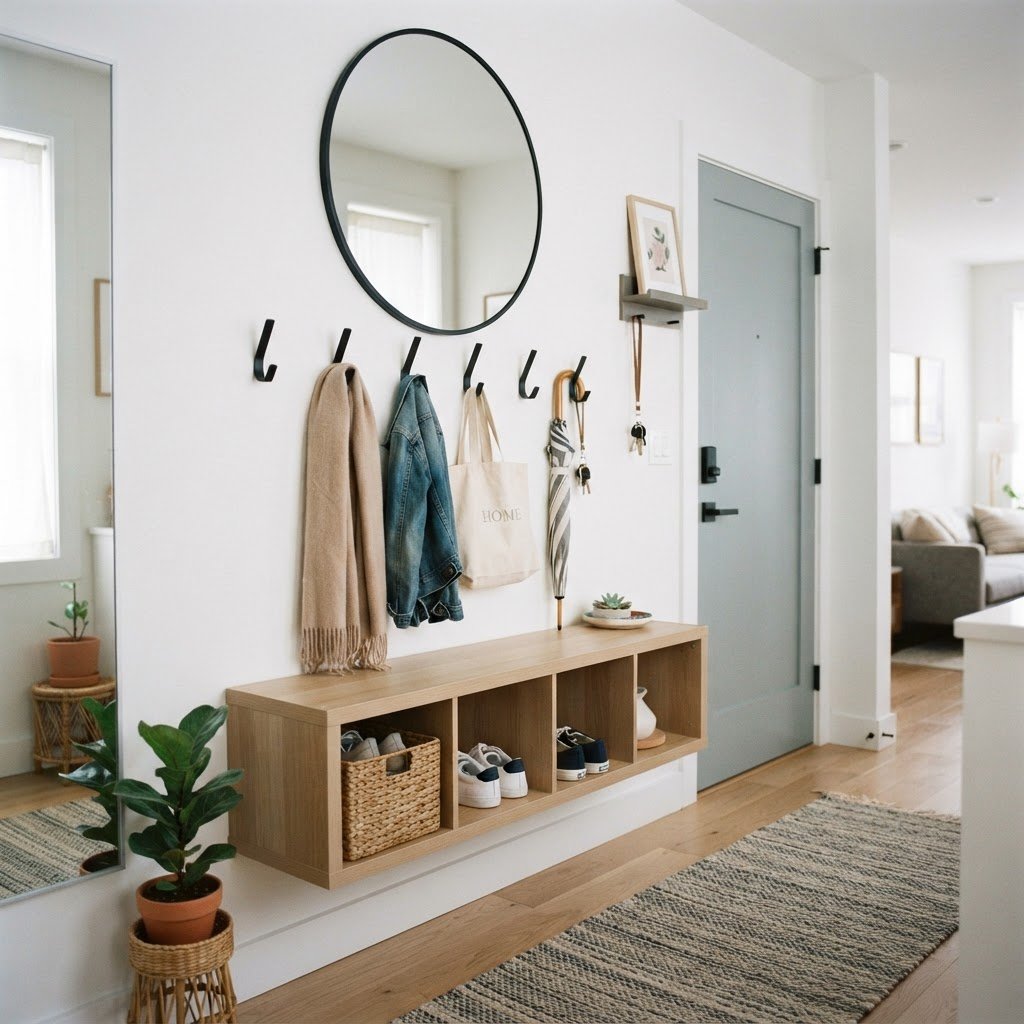
A clean, white entryway setup that maximizes vertical space with modern aesthetics.

Designing an organized zone in a limited area requires a strategic approach that prioritizes both vertical and horizontal space. A successful setup relies on two main components: high-capacity storage for footwear and reliable hanging points for outerwear. When these two elements are combined, you eliminate the “floor clutter” that makes a small room feel cramped. According to space-planning experts, a 12-inch depth is the “golden threshold” for narrow entryways, allowing for most adult shoe sizes to fit within a tip-out drawer or shelf while maintaining clear walking paths.

Storage Feature Best For Typical Depth
Tip-Out Drawers Narrow Hallways 6-9 inches
Open Cubbies Easy Access 12-15 inches
Bench with Cabinet Dual Function 16-18 inches

Why Dual-Purpose Furniture Wins

Standalone shoe racks often occupy valuable floor space without providing extra utility. In contrast, multifunctional units that feature built-in shoe storage and hooks allow you to store coats, bags, and shoes in a single vertical column. This approach keeps your floor clear, creating the illusion of more space while ensuring that every item has a dedicated “home.” Using a unit that reaches at least 60-72 inches in height helps draw the eye upward, making the room feel larger than it actually is.

Assessing Your Available Wall Space

Before you invest in any furniture, take accurate measurements of the width and depth of your entry. Note the location of light switches, heaters, and door swings. Understanding these constraints will help you determine whether you need a slim wall-mounted unit or a freestanding hall tree that anchors to the wall for safety. Remember to account for a 2-inch clearance buffer around all sides to prevent hardware from scratching your walls.

Choosing the Right Furniture for Your Needs

A cozy, rustic mudroom design featuring functional storage and classic farmhouse charm.

Selecting the perfect piece of furniture depends on your personal lifestyle and the specific layout of your home. Whether you opt for a sleek, modern hall tree or a rustic bench with integrated storage, the priority should be matching the unit’s dimensions to your daily needs. Modular systems are particularly effective for renters, as they allow you to start with a $150 base unit and expand with shelves or hooks as your storage requirements evolve over time.

Many homeowners prefer modular systems, which allow for customization as your storage requirements evolve. For instance, you might start with a bench and a set of hooks, and eventually add a matching overhead shelf or a mirror for final style checks. This flexibility is essential for those living in rentals or homes with non-standard wall dimensions where off-the-shelf fixed units might not fit.

Vertical Storage: Maximizing Hooks and Shelves

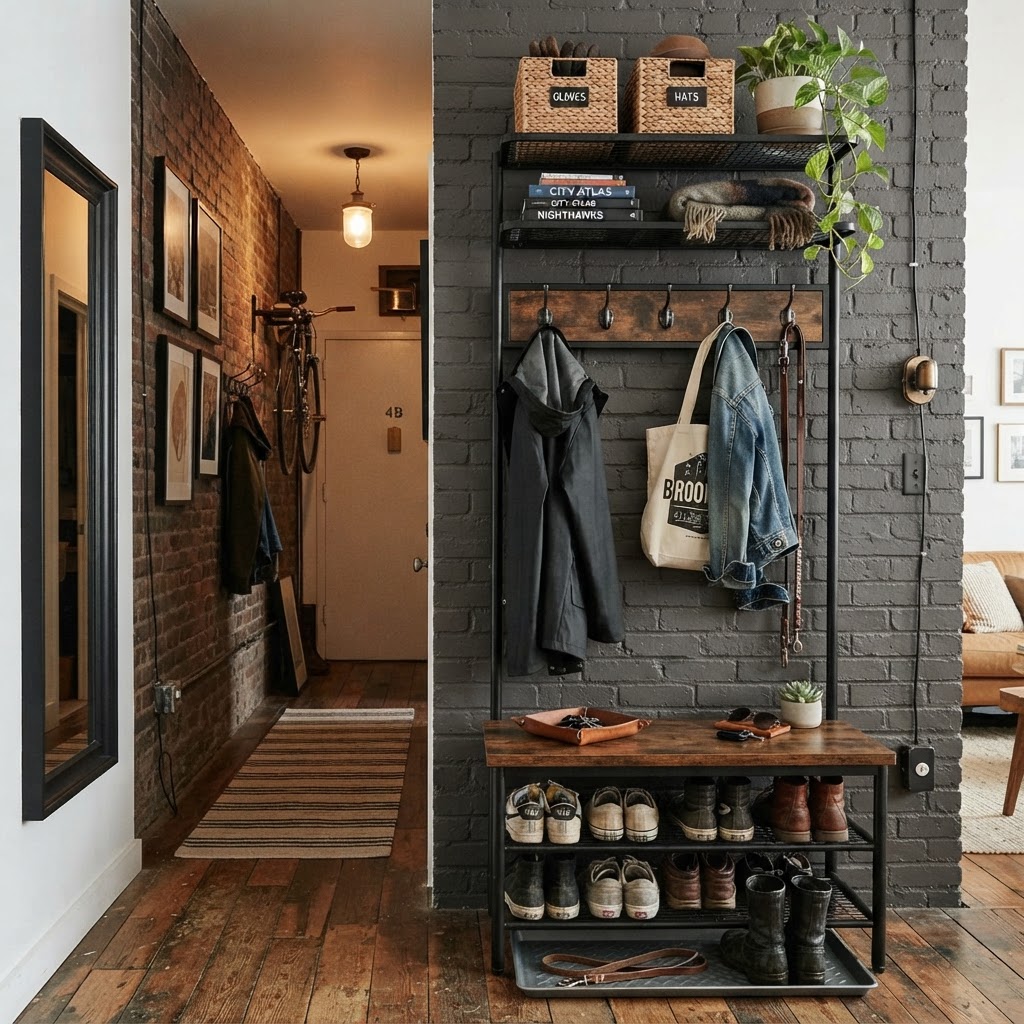
Industrial-inspired hall tree perfect for narrow, modern apartment entryways.

When your floor is tiny, look up. Utilizing the walls effectively is the cornerstone of any effective entryway organization strategy. Wall-mounted racks are particularly useful because they don’t consume any floor footprint, leaving room for a slim shoe cabinet or a boot tray below. For optimal usage, place your primary coat hooks at a standard height of 60 inches from the floor, and secondary children’s hooks at 36-40 inches.

Strategic Hook Placement

For a family, height matters when it comes to hooks. Place higher hooks for adult coats and lower ones for children’s bags and jackets. This encourages everyone to participate in keeping the space tidy, rather than leaving items on the floor. Always choose durable hooks that can support heavy winter coats—ideally, look for hooks rated for at least 15 pounds to prevent pulling away from the drywall under the weight of winter gear.

The Power of Floating Shelves

Adding a shallow floating shelf above your hook rack provides a perfect landing spot for keys, mail, and sunglasses. By keeping these small items off the primary surfaces, you prevent the buildup of “junk pile” clutter that typically plagues entryways. Use small decorative bins on these shelves to keep smaller items contained and out of sight. A shelf depth of 6-8 inches is ideal to prevent it from encroaching too far into the narrow hallway space.

Managing Footwear with Built-in Storage

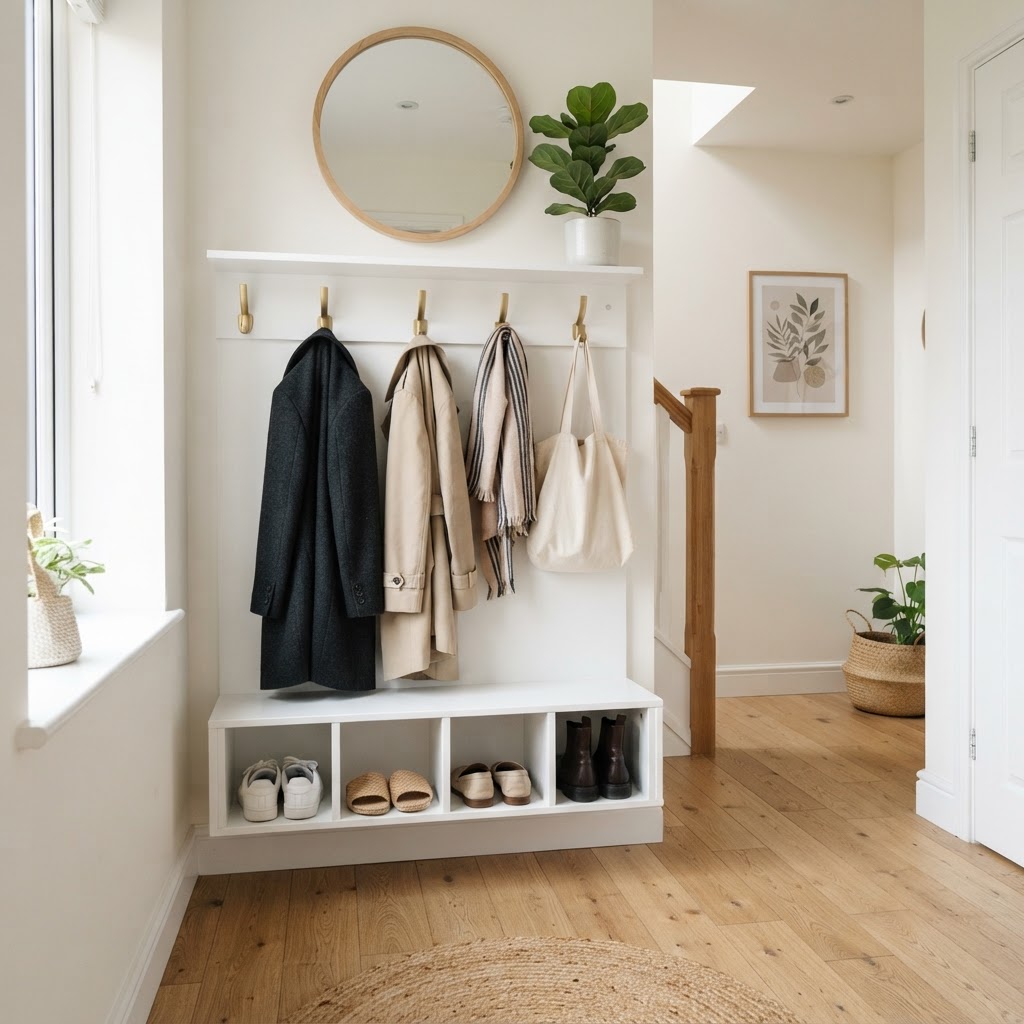
An organized, airy entryway design that perfectly blends storage and style.

Shoe management is often the most difficult part of home organization. Compact entryway setups with built-in shoe storage provide the perfect solution by hiding your collection behind elegant cabinet doors or organizing them within open-front cubbies. Closed cabinets are superior for maintaining a clean, minimalist aesthetic, as they hide the visual noise of mismatched shoes which can make a small foyer feel chaotic.

If your entryway is extremely narrow, look for “tip-out” shoe drawers that hold shoes vertically, effectively cutting the required depth of the unit in half compared to traditional shelves. These units typically range from 7 to 10 inches in depth, making them perfect for corridors or apartment doors where space is limited to a single wall.

DIY Solutions for Custom Entryway Organization

If off-the-shelf furniture doesn’t fit your layout, consider a DIY approach. A custom-built mudroom bench using stock kitchen cabinets is a classic way to achieve a high-end look on a budget—often costing 40-50% less than custom-fitted built-ins. You can easily add a back panel featuring stylish beadboard and heavy-duty coat hooks to create a seamless, integrated look that spans the entire wall width.

Tailoring Your Materials

Using paint to match your cabinetry to the wall color is a design pro trick that helps larger furniture pieces “disappear” into the room. Light colors like white, cream, or light grey will make a small hallway feel significantly larger, while bold, dark hues can create a moody, sophisticated focal point in a modern home. For high-traffic areas, use a semi-gloss or high-gloss finish, which is roughly 30% more durable and easier to wipe clean than matte or flat paints.

Safety and Durability Considerations

No matter the design, always anchor your furniture to the studs in your walls. This is particularly important for units with hooks, which undergo stress as coats are hung and removed. Durable finishes like semi-gloss paint or high-pressure laminates will also ensure that your entryway can withstand the daily abuse of wet umbrellas, snowy boots, and heavy bags. Always use wall anchors or toggle bolts if you cannot locate a stud directly behind your chosen mounting point.

Styling Your Compact Entryway for Maximum Impact

Even a functional entryway should be aesthetically pleasing. Your small space is the first thing guests see, so make it count by incorporating personality and warmth. Use lighting to your advantage, such as a stylish sconce above your hook area or LED strips hidden under your floating shelf for a modern, high-end feel. Proper lighting can increase the perceived value of a small entryway by up to 20% compared to dark, dimly lit corridors.

  • Add a small mirror to open up the space and reflect light, effectively doubling the visual depth of the wall.
  • Incorporate a small, durable rug to catch dirt and define the area; ensure it is low-pile to prevent door interference.
  • Use a cohesive color palette that complements the rest of your home’s decor for seamless flow.
  • Add a small plant or a decorative bowl to bring life and texture to the surface without adding bulky clutter.
  • Ensure the area is well-lit for easy navigation during evening arrivals by using motion-sensor bulbs.

FAQ

Q: How do I choose the best shoe storage for a tiny entryway?

Choose a tip-out shoe cabinet with a depth of less than 10 inches to maximize storage without obstructing your walkway. These units store shoes vertically, allowing you to fit 8-12 pairs of shoes in a footprint that traditional flat-shelf shoe racks simply cannot accommodate in small spaces.

Q: What is the ideal height for entryway wall hooks?

Install primary coat hooks at 60 inches from the floor for adult items and 36-40 inches for children’s gear. This height range prevents long coats from dragging on the floor and ensures that items remain accessible for all family members to encourage daily organization habits.

Q: Can I use kitchen cabinets for a DIY mudroom bench?

Yes, using standard kitchen cabinets is an excellent way to create a custom look at a fraction of the price of professional millwork. Simply secure the base cabinets to the wall studs, add a sturdy wood topper for seating, and attach a backboard with hooks to complete the high-end mudroom aesthetic.

Q: How can I make a small, dark entryway look larger?

Paint your entryway furniture the same color as the walls to reduce visual friction and make the piece feel integrated into the architecture. Pair this with a wall-mounted mirror and high-contrast lighting to bounce light around the room, which helps expand the perception of space instantly.

Q: Are wall-mounted units better than freestanding furniture?

Wall-mounted units are superior for small spaces because they leave the floor clear, which creates an unobstructed line of sight. This extra floor space makes a tiny entry feel significantly larger, whereas freestanding furniture consumes floor area and can make the room feel boxy or cluttered.

Entryway Furniture Ideas That Serve Double Duty

Entryway Furniture Ideas That Serve Double Duty

To transform a chaotic entryway into a functional command center, invest in furniture that performs at least two roles, such as storage benches, console tables with drawers, or vertical wall-mounted systems. These multi-functional pieces eliminate household clutter by combining seating, hidden storage, and organizational surfaces into a single, compact footprint.

The Philosophy of Multi-Functional Design

A storage bench adds seating and hides clutter.
When square footage is at a premium, every piece of furniture must justify its existence through dual-purpose utility. Multi-functional entryway furniture is about selecting high-impact items that address seating, storage, and surface area needs simultaneously. By prioritizing pieces that perform multiple roles, you maximize efficiency in even the smallest foyers. For instance, a unit that offers a surface for keys while housing shoes underneath reduces visual noise by 40% compared to disparate storage bins. This strategic approach to interior design transforms the entryway from a mere transit point into a streamlined, stylish, and highly functional “drop zone” that operates as an extension of your home’s organizational system.

Why Efficiency Matters at the Front Door

The front door is a transit point for your entire household, frequently becoming a magnet for junk mail, keys, and discarded outerwear. A well-designed entryway uses vertical space and hidden compartments to keep these items tucked away, maintaining a sense of order the moment you walk through the door. Research shows that home organization directly impacts cortisol levels; by streamlining your entryway with multi-functional furniture, you can decrease daily stress associated with lost keys or misplaced shoes. Efficient layouts utilize slim-profile designs, typically measuring 12 to 15 inches in depth, which preserve valuable floor space while maintaining high storage capacity.

Feature Standard Furniture Multi-Functional Piece
Floor Space Used High Minimal
Storage Type Open / Visible Hidden / Closed
Versatility Single-purpose Dual or Triple-purpose
Visual Clutter High Low

The Classic Storage Bench: A Triple-Threat Hero

Console tables with drawers maximize surface area.

The storage bench remains a cornerstone of entryway design because it provides a dedicated seating area while concealing bulky gear like winter boots, backpacks, and sports equipment. To optimize this, select a unit with built-in cubbies or soft-close drawers, which can typically hold 3-5 pairs of shoes per cubby. If you have a narrow hallway, prioritize a bench with a depth of 14 inches or less to ensure the flow of traffic remains unobstructed. For households with children or pets, look for benches crafted from moisture-resistant materials like powder-coated metal or high-density laminate, which can be wiped clean in under a minute. Pairing a bench with a backboard featuring hooks transforms it into a vertical storage unit, effectively increasing your storage capacity by 200% without occupying extra floor space. Choosing models with seat cushions upholstered in performance fabric, such as Crypton or Sunbrella, ensures that your entryway furniture survives the daily wear and tear of high-traffic living.

Choosing the Right Bench for Your Style

If you have a narrow hallway, look for slim profile benches with flip-top lids. If you have more room, choose a bench that includes a backboard with coat hooks above it. This vertical extension creates a “locker style” storage unit that keeps seasonal gear organized and accessible.

Console Tables with Secret Identities

Vertical solutions keep floor space clear.

A console table acts as the primary anchor for an entryway, and selecting one with integrated storage upgrades it from a decorative piece to a core household utility. Modern designs now feature “hidden” functions like slide-out stools, drop-down laptop desks, or integrated power strips for charging devices. When shopping, prioritize units with at least two deep drawers measuring 4-6 inches in height, which are ideal for storing EDC (everyday carry) items like wallets, masks, and sunglasses. For small homes, seek “demi-lune” or semi-circular tables that reduce sharp edges in cramped paths. Implementing a console with adjustable shelving allows you to customize the clearance, accommodating boots on the bottom shelf and decorative baskets for hats or scarves in the middle. By utilizing these tables, you effectively combine a mail-sorting station, a charging hub, and a shoe-hiding chest into one cohesive piece of furniture that occupies less than 4 square feet of floor space.

Features to Look For

  • Drawers for keys, wallets, and sunglasses.
  • Lower shelves for baskets containing seasonal scarves or gloves.
  • Slim designs that prevent obstructing high-traffic pathways.
  • Modular units that can be moved or rearranged.

Integrating Vertical Storage Walls

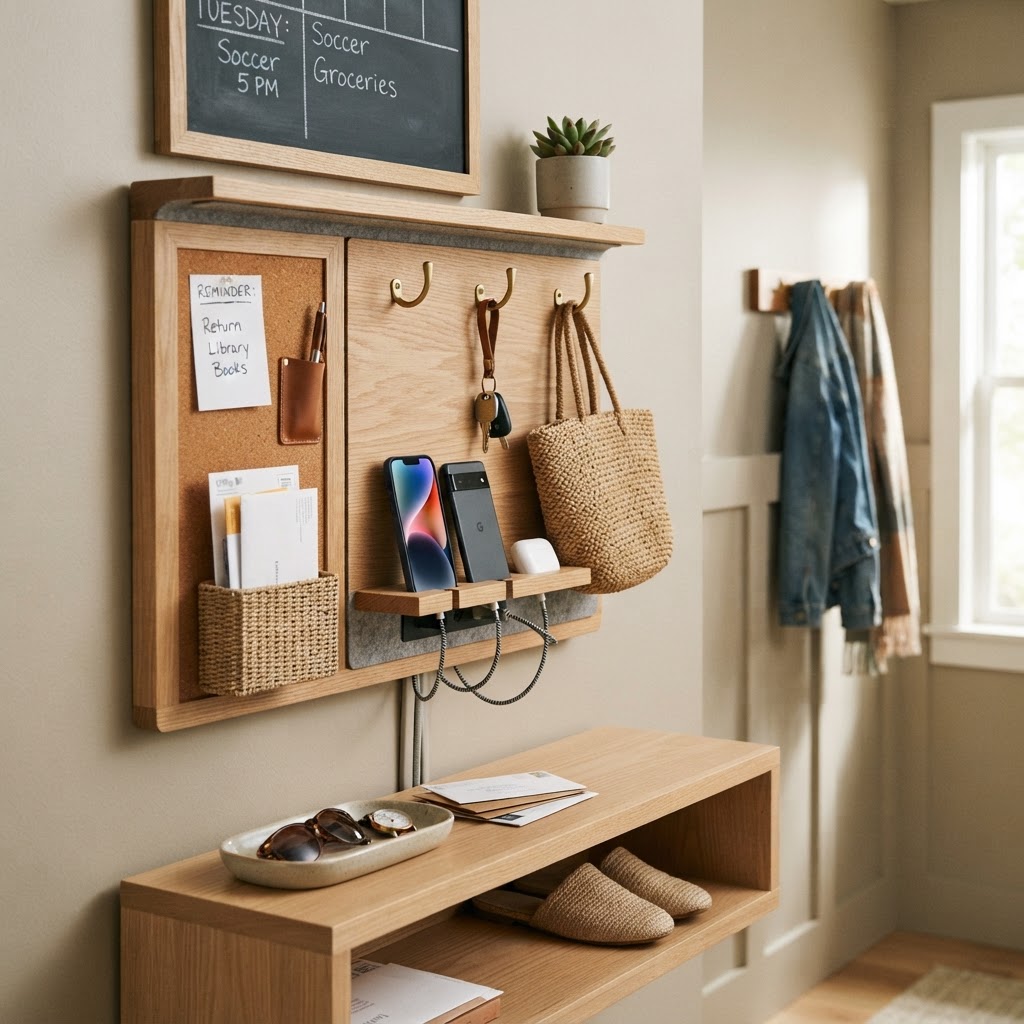
Command centers keep family schedules and items organized.

Vertical storage solutions are the most efficient way to manage clutter in small entryways because they leverage wall area rather than limited floor footage. By installing a wall-mounted shelving unit with integrated hooks, you can organize coats, keys, and accessories at eye level while leaving the floor entirely clear for a cleaner, more spacious aesthetic. This approach is particularly effective in apartments, where wall-anchored furniture can be installed at varying heights to suit all household members. A properly installed wall-mounted system can support up to 50-75 lbs of gear, making it a robust alternative to freestanding coat racks. Incorporate floating shelves that serve as “landing zones” for outgoing mail or keys, and position them approximately 36 to 42 inches from the floor for optimal reach. Using vertical organizers also draws the eye upward, creating the visual illusion of a higher ceiling and a more expansive, curated hallway environment.

The Power of Mirrors and Hooks

A mirror isn’t just for checking your reflection; it is a vital tool for making a small entryway feel twice as large. Pair a statement mirror with heavy-duty hooks or a rail system to keep bags off the floor. By keeping the floor clear, you reduce visual clutter and make the room feel infinitely cleaner.

Hidden Compartments and Secret Storage

Innovation in furniture design has led to pieces that disguise their utility, allowing you to maintain a minimalist aesthetic even in the busiest households. Ottomans, for example, now frequently feature lift-off tops that reveal interior storage for umbrellas, mail trays, or even off-season gear. Similarly, decorative cabinets disguised as accent furniture often house slim-profile shoe racks capable of holding 10 to 12 pairs of shoes behind closed doors. This “closed-storage” strategy is essential for high-traffic entryways where visibility of items like muddy boots or bill stacks creates visual chaos. Modern manufacturers are also integrating motion-sensor LED lighting inside these compartments, which improves visibility when you are arriving home in the evening. By choosing furniture that mimics decor, you hide the reality of your daily life—like messy piles or hardware—behind a polished facade that upgrades your home’s resale value and perceived tidiness.

Why Hidden Storage Wins

Hidden storage provides a clean, minimalist look. If your house has a lot of guests, you do not want your clutter on display. Closed storage allows you to hide the reality of your daily life—like muddy shoes and stacks of bills—behind a beautiful facade.

Creating a Command Center Hub

For families or busy professionals, the entryway must function as a centralized communication hub to maintain order throughout the week. By mounting a magnetic whiteboard, corkboard, or digital display directly above your console table, you create a dedicated space for calendars, chore lists, and important reminders. This creates an “efficiency trifecta”: storage for physical items, a desk space for organization, and a communication center for household members. To maximize the utility of your hub, designate specific zones: a top tray for incoming mail, a middle section for scheduled events, and a lower level with a charging station that keeps cords hidden behind the console’s facade. Data shows that families using a centralized command center reduce morning preparation time by approximately 15 minutes, as keys, bags, and schedules are located in a singular, predefined location near the exit.

Elements of a Successful Command Center

  1. A tray for outgoing and incoming mail.
  2. A wall-mounted calendar or schedule.
  3. A dedicated hook for each family member’s keys.
  4. A charging station tucked into a drawer to keep cords out of sight.
Component Primary Function Ideal Placement
Mail Tray Document Organization At Eye Level
Key Hooks Inventory Control Within Reach (48″)
Charging Hub Tech Management Inside Drawer
Schedule Board Family Coordination Above Console

Custom Built-Ins Versus Freestanding Furniture

Choosing between custom built-ins and freestanding furniture depends largely on your home ownership status and your long-term organizational goals. Built-in cabinetry maximizes every square inch from floor to ceiling, effectively creating a permanent, tailored solution that can increase a home’s appraisal value by 2-5%. Conversely, freestanding furniture offers the mobility and cost-effectiveness required for renters or those who prefer to update their interior style every few years. If you are on a budget, consider repurposing a thrifted dresser: by removing the back and adding a simple shelf, you can convert a standard chest into a sophisticated shoe cupboard. With a coat of high-durability paint and updated hardware, these DIY pieces provide the high-end appearance of built-ins at a fraction of the cost—often for under $100 compared to $1,000+ for custom carpentry.

Cost-Effective DIY Alternatives

If new furniture isn’t in the budget, try repurposing existing pieces. A thrifted dresser can be cut down to fit a small wall, with the top drawers serving as mail organizers and the bottom section acting as a shoe cupboard. Adding a fresh coat of paint and new hardware can make these pieces look like high-end entryway furniture.

FAQ

What is the most effective piece of furniture for a small entryway?

A multi-functional storage bench with a backboard and coat hooks is the most effective solution for a small entryway. It combines seating, closed shoe storage, and vertical coat hanging in one footprint, maximizing utility without requiring additional floor space.

How deep should an entryway console table be?

An ideal entryway console table should be between 12 and 15 inches deep. This slim profile ensures the table provides necessary storage and surface area without obstructing high-traffic pathways or making the entryway feel narrow and cramped.

Can I hide clutter in a small entryway without built-ins?

Yes, you can hide clutter using furniture with closed storage, such as ottomans with lift-top lids or cabinets with solid doors. These pieces allow you to conceal daily items like shoes, umbrellas, and mail behind a decorative facade, maintaining a clean and organized appearance.

What are the benefits of using vertical wall storage?

Vertical wall storage keeps your floor clear, which makes a small entryway feel significantly larger and easier to clean. By utilizing wall space for hooks, shelves, and mirrors, you can double your organizational capacity while keeping the walkway open and inviting.

How can I make a DIY command center for my family?

You can create a DIY command center by mounting a magnetic whiteboard or corkboard above a console table and adding a designated mail tray. Incorporate dedicated hooks for keys and a small bin for charging cords to ensure all family essentials are kept in one accessible location.

Slim Console Tables and Benches for Narrow Entryways

Slim Console Tables and Benches for Narrow Entryways

To optimize a narrow entryway, select furniture with a depth of 12 inches or less to ensure unobstructed flow while maximizing storage. Slim console tables provide a functional landing strip for daily essentials, while benches offer dual-purpose seating and hidden shoe storage, transforming cramped hallways into organized, space-efficient zones.

The Art of Selecting Space-Saving Furniture

Minimalist console table setup.

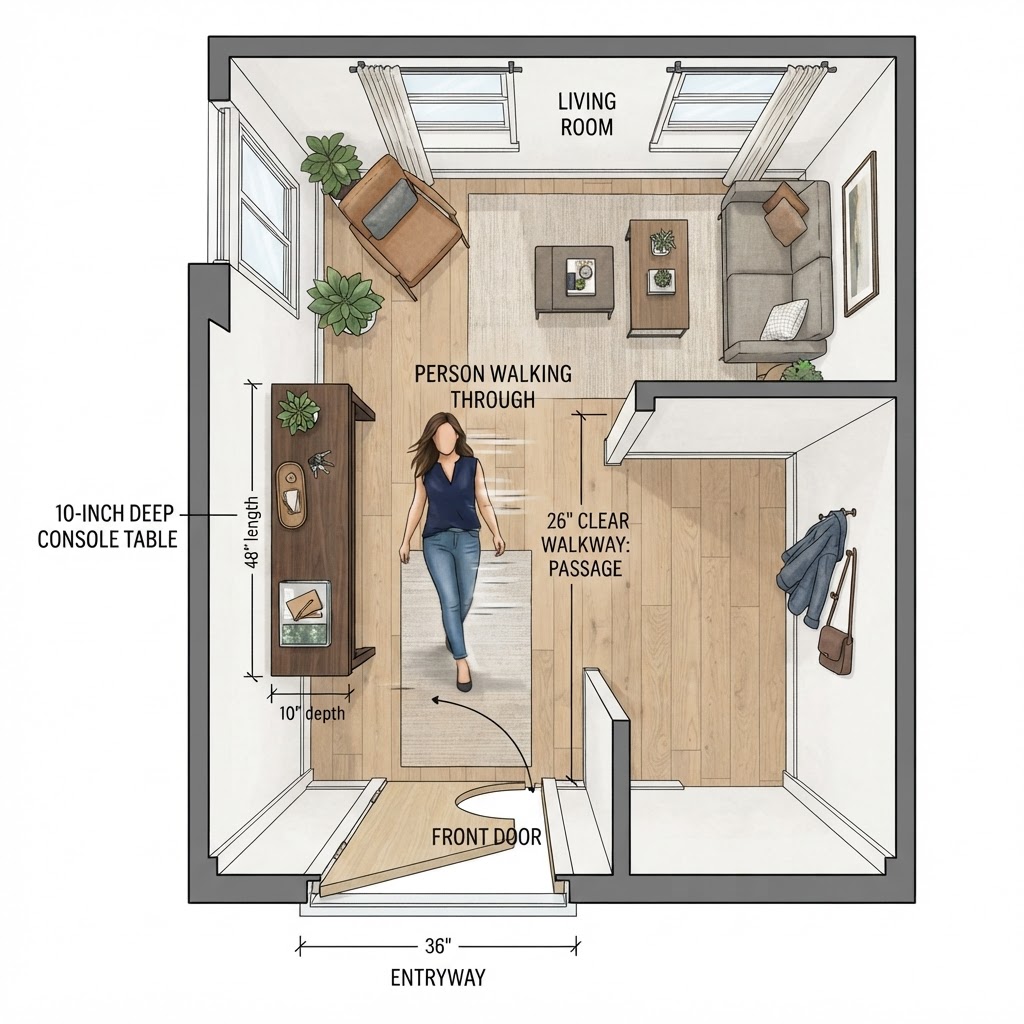
The primary challenge when shopping for furniture for tight spaces is depth, which dictates the functionality and comfort of your entryway. Standard furniture pieces often span 16 to 20 inches in depth, which can swallow your limited walking path and make a small apartment feel significantly more constricted. When you begin searching for pieces, prioritize furniture that features a depth of 12 inches or less. This specific dimension ensures you maintain at least 30 inches of clearance for comfortable walking while still providing a surface to drop your keys, mail, or a decorative plant.

Why Depth Matters More Than Width

While width impacts how many items you can place along a wall, depth is the enemy of functionality in a narrow apartment. If a table sticks out too far, it creates a physical bottleneck at your front door. To combat this, look for “floating” wall-mounted designs or consoles with thin, metallic legs. These styles minimize visual weight by keeping the floor visible beneath the furniture, which tricks the brain into perceiving the space as larger. By prioritizing a shallow profile (8 to 10 inches), you effectively bridge the gap between design and daily utility without impeding egress.

Feature Standard Console Slim Console (12″ or less)
Depth 16″ – 20″ 8″ – 12″
Visual Impact Heavy/Solid Airy/Open
Best For Large Foyers Narrow Apartments

Benefits of Using Slim Console Tables

Space-saving storage bench.

Slim console tables serve as the backbone of a well-organized entryway by providing a designated “landing strip” that prevents clutter from spreading into the living area. Research indicates that items like keys and mail typically accumulate in the first 3 feet of a home; a console table centralizes these items, saving you an average of 5 minutes during the daily scramble before leaving. By keeping your wallet, sunglasses, and mail in one place, you significantly reduce the mental load associated with morning routines.

Aesthetic Versatility in Small Spaces

Modern console tables come in a variety of materials, from rustic wood to industrial steel, allowing for total aesthetic customization. If your apartment has a minimalist aesthetic, choose a glass-topped console with a slim brass or chrome frame. This choice allows light to pass through the piece, preserving the airy feel of your entrance. Conversely, if you need extra storage, look for models that include a single narrow shelf underneath, perfect for storing a pair of decorative baskets that can house umbrellas, scarves, or seasonal gear, hidden from plain sight.

Why Benches Are Perfect for Apartment Entrances

Floor plan visualization.

If you find yourself constantly struggling to remove shoes or put them on, an entryway bench is a lifesaver that provides both comfort and organization. Unlike a simple table, a bench offers dual-purpose utility: a reliable place to sit and a designated zone for storing footwear. In narrow spaces, specifically look for “slim-profile” benches that feature integrated cubbies or drawers hidden beneath the seat, which help maintain a clean, uncluttered aesthetic in your home’s first impression.

Maximizing Storage with Hidden Compartments

Many narrow apartment entryways suffer from “shoe clutter,” which can make a space feel chaotic. A sleek bench with flip-down cabinets keeps your footwear out of sight while providing a sturdy surface for sitting, usually rated for 200 to 300 pounds. When choosing a bench, ensure the height matches your comfort level, typically around 18 inches, to ensure it remains practical for daily use. This ergonomic standard aligns with most dining chairs and provides the necessary leverage for putting on shoes without back strain.

Bench Type Storage Style Best For
Open Shelf Accessible Daily Wear Shoes
Flip-Down Door Concealed Seasonal Boots
Drawer Bench Organized Small Accessories

Creative Storage Solutions for Tiny Hallways

Modern floating console style.

When floor space is at an absolute premium, you must pivot toward vertical storage solutions that occupy zero square footage. If even a 10-inch deep console table is too much, consider wall-mounted shelves or “half-moon” consoles that can be anchored securely to the wall studs. These pieces provide the same aesthetic appeal as a console table without claiming any of your precious floor space, allowing you to maintain a clear walking path even in a hallway that is only 36 inches wide.

Using Vertical Space Effectively

Don’t forget to look at the wall space above your console table or bench, which is often neglected in small-space planning. Installing a mirror is a classic design trick that serves two purposes: it allows for a quick appearance check before leaving, and it reflects light to make your hallway feel twice as deep. Pair this with a few high-mounted coat hooks placed at 60 inches from the floor, and you have created a fully functional mudroom in a tiny footprint that handles jackets and bags with ease.

How to Style Your Entryway for Maximum Impact

Styling a narrow space requires significant restraint to avoid creating a sense of visual noise or overwhelm. Avoid cluttering your console table with too many knick-knacks, as this makes the area look messy. Instead, focus on a “rule of three”: a lamp for ambiance, a small catch-all bowl for essentials, and one piece of art or a decorative plant. This balanced approach ensures your entryway stays organized, inviting, and highly functional, keeping the visual energy focused and calm.

Choosing the Right Lighting

Lighting is often overlooked in apartment entryways, yet it is essential for setting the mood and ensuring visibility. If you don’t have an outlet on your entryway wall, opt for a battery-operated LED lamp or a rechargeable motion-sensor light. Placing a soft-glow light (aim for 2700K to 3000K color temperature) on your console table instantly elevates the space and makes the entrance feel intentional and sophisticated, rather than like an afterthought.

Common Mistakes to Avoid

One of the biggest mistakes in small-space design is choosing furniture that is “chunky” or heavy in color. Avoid dark, solid wood pieces that lack legs, as these tend to look like they are “eating” the space. Another major mistake is ignoring the clearance required for your door to swing open. Always measure your door’s arc before finalizing your furniture purchase to avoid scratches or the common, annoying problem of a blocked entryway.

Measuring Tips for Narrow Spaces

Before you buy, use painter’s tape to mark the dimensions of the potential console table on your floor. Live with the tape for 24 hours to see how it affects your movement patterns in high-traffic moments. This simple step saves you from the hassle of returning heavy furniture and ensures that your chosen piece fits perfectly within the physical constraints of your home, keeping your daily transit paths clear.

FAQ

Q: What is the ideal depth for a narrow entryway table?

The ideal depth for a narrow entryway table is 12 inches or less. This depth provides a usable surface for essentials like keys and mail while ensuring that the furniture does not create a bottleneck in high-traffic hallway areas.

Q: How can I make a tiny hallway look bigger?

You can make a tiny hallway appear larger by installing a wall-mounted mirror and choosing furniture with legs to expose more floor space. Mirrors reflect light and create the illusion of depth, while exposed flooring reduces the overall visual weight of the area.

Q: Should I choose a bench or a console table for my entryway?

Choose a bench if you prioritize footwear storage and seating, or a console table if you need a surface for dropping mail and decor. Many modern pieces offer a “slim-profile” hybrid design that combines both functions into one narrow unit.

Q: How do I store shoes in a small apartment entrance?

Store shoes in a slim bench with flip-down drawers or an under-console storage basket to keep them out of sight. This hidden storage method removes visual clutter from your entryway floor and prevents tripping hazards in tight hallways.

Q: How do I light an entryway without an outlet?

Use battery-operated LED lamps or rechargeable motion-sensor lights to illuminate an entryway lacking an electrical outlet. These portable lighting solutions provide instant ambiance and safety without requiring any professional electrical wiring or expensive, permanent installation work.

Best Multifunction Storage Benches for Tiny Entryways

The best multifunction storage benches for tiny entryways are compact models featuring integrated pull-out drawers or slim hinged lids that maximize vertical storage while maintaining a shallow depth of under 14 inches. These dual-purpose pieces eliminate hallway clutter by combining seating with hidden organization for shoes, bags, and daily essentials in one footprint.

Why Multifunction Storage Benches Change the Game

A minimalist white bench brings brightness and order to a tight foyer space.

Storage benches are the most efficient furniture choice for small foyers because they combine seating and hidden compartments, effectively reclaiming floor space otherwise lost to bulky furniture. In homes under 1,000 square feet, every square inch of the entryway must serve a dual purpose to prevent the “dumping ground” effect of shoes and bags. A quality bench provides a stable surface to sit while putting on footwear, while the internal cavity acts as a command center for seasonal items. By transitioning from open racks to closed storage, you create a cleaner, more welcoming aesthetic that instantly signals order to guests.

Feature Traditional Chair Multifunction Storage Bench
Floor Footprint 2 sq ft 3-4 sq ft
Hidden Storage None 2-4 cubic feet
Ideal Usage Seating Only Seating + Shoe/Bag Storage
Entryway Impact Clutter remains visible Clutter is concealed

Maximizing Vertical and Horizontal Space

In small homes, every square inch counts, and multifunction storage benches maximize both vertical and horizontal planes. By utilizing the “dead zone” beneath seating, you keep items off the floor, which creates the illusion of more square footage—a critical psychological trick for making narrow hallways feel expansive. Additionally, many modern benches incorporate backrests with integrated coat hooks or top-mounted shelving units, allowing you to use wall space efficiently. This tiered storage approach ensures that high-frequency items, like keys or umbrellas, remain at arm’s reach while bulky gear stays tucked away out of sight.

Key Features to Look For in a Small Foyer Bench

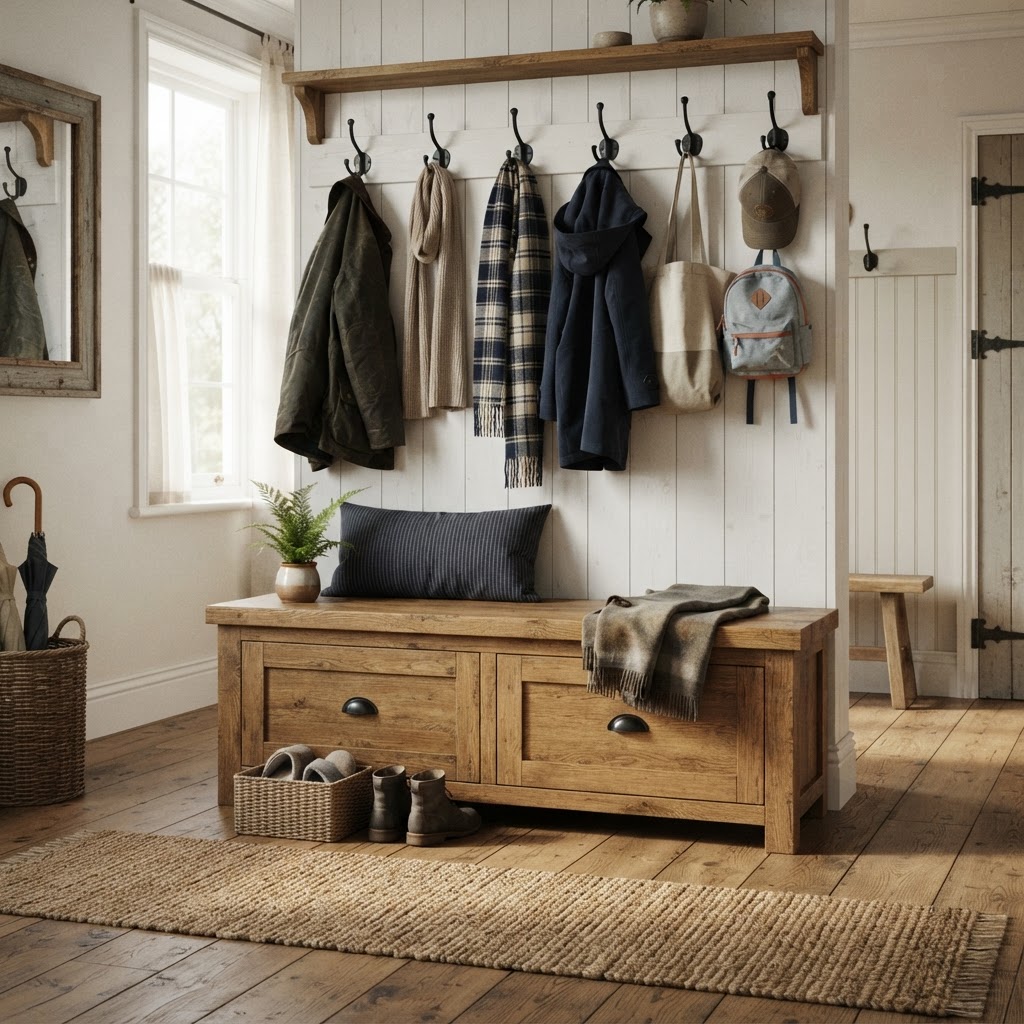
Rustic wood storage benches provide warmth and hidden organization.

Selecting the right furniture for a tight foyer requires prioritizing high-durability materials and specific opening mechanisms that don’t impede movement. Because the entryway is a high-traffic area, prioritize powder-coated steel, solid wood, or heavy-duty composite materials that resist scuffs and moisture from wet footwear. Always measure the depth of your hallway; if the path is less than 36 inches wide, choose a bench with a depth of 12-14 inches to ensure a clear walkway. Evaluating the hinge mechanism is also vital for long-term satisfaction in confined spaces.

Opening Mechanisms and Access

How you access your stored items determines the long-term utility of the bench. Hinged lids are excellent for bulky winter boots or large sports bags, but they require clearance space in front of the unit, which can be problematic in narrow corridors. Conversely, pull-out drawers on smooth-glide ball-bearing tracks are superior for smaller items like scarves, mail, or dog leashes, as they allow access without requiring extra room in front of the bench. If you choose a drawer system, ensure the hardware is rated for at least 50 lbs to account for the weight of multiple pairs of shoes.

Top Styles for Modern and Traditional Homes

Floating storage benches are a clever solution for extremely narrow corridors.

Your entryway bench should align with your home’s existing architecture to maintain visual flow. Modern designs favor clean, monochromatic lines and integrated soft-close hinges to minimize visual clutter, while traditional styles often incorporate warm wood veneers, classic tufted cushions, or decorative iron hardware. The key to successful styling is balancing decorative charm with material durability. For high-moisture climates, opt for performance fabrics like solution-dyed acrylics which are moisture-resistant and prevent mold growth in enclosed shoe compartments.

Material Considerations for Durability

Entryway furniture is subjected to higher wear than living room pieces, necessitating specific material choices. Solid wood or engineered MDF with a high-grade melamine coating provides the best protection against water damage from wet boots and umbrellas. If you choose to add an upholstered seat, ensure the fabric features a Martindale rub count of at least 20,000 to 30,000 cycles, indicating it can withstand heavy daily contact. For metal benches, prioritize powder coating over paint to prevent oxidation and chipping in high-traffic, high-humidity entry zones.

Creative Ways to Style Your Storage Bench

Styling a bench elevates it from a utility item into a deliberate design focal point that enhances your home’s aesthetic. Consider placing a decorative, non-slip tray on the surface for mail or keys, and utilize the area beneath (if the design permits) with woven baskets for seasonal slippers or pet gear. By curating these small details, you prevent the entryway from becoming a collection of miscellaneous items, turning it into a polished transition space that reflects your personal interior design style.

The Importance of Wall Decor

Pairing a bench with deliberate wall decor maximizes the impact of your small space through light manipulation and vertical utility. A large, circular mirror hung 6-8 inches above the bench seat will reflect natural light, effectively doubling the perceived size of a tiny landing. Combine this with wall-mounted brass or matte-black hooks placed at a height of 60 inches to keep heavy coats off the bench seat, ensuring the entire area remains functional, organized, and visually appealing.

Budget-Friendly Entryway Solutions

High-quality organization does not require a luxury budget; many affordable, flat-pack options provide the same utility as expensive custom-built units. When shopping for value, look for particleboard benches with reinforced cam-lock fasteners, which are easy to assemble and transport while offering a sleek, modern finish. Alternatively, source vintage solid-wood benches from thrift stores for under $50, which can be sanded, repainted, and fitted with modern matte hardware for a high-end look at a fraction of the cost of new retail furniture.

Customizing Your Storage

Basic storage benches can be customized to function like premium units through minor, cost-effective modifications. Add inexpensive acrylic or wood dividers inside the compartment to organize shoes, preventing heels and soles from scratching each other. Furthermore, retrofitting standard hinges with pneumatic soft-close dampeners for less than $15 provides a quiet, premium feel to the unit, preventing the lid from slamming and extending the lifespan of the hinges.

Troubleshooting Common Small Space Problems

When a standard rectangular bench is physically too large for your floor plan, pivot to unconventional solutions that protect your square footage. Corner-specific benches leverage angles that are typically unusable, while “floating” wall-mounted benches eliminate floor legs, creating an open, airy feeling that prevents a narrow hallway from feeling obstructed. By physically separating the furniture from the floor, you create a clean visual line that makes a 3-foot wide hallway appear significantly larger.

Dealing with Clutter Overload

If your storage bench is consistently overflowing, the issue is often over-accumulation rather than a lack of space. Before adding more storage, conduct a biannual audit of your entry items; remove out-of-season footwear and worn-out bags. A storage bench should contain only items that are used at least 3-4 times per week. By limiting the inventory stored in the unit, you ensure the mechanism operates smoothly and that the bench remains a tool for organization rather than a “junk drawer” for items you rarely use.

FAQ

Q: How much clearance do I need for a storage bench?

Plan for at least 30 to 36 inches of clear floor space in front of the bench to allow comfortable movement. If your entryway is narrower, opt for a bench with sliding drawers rather than a flip-top lid to avoid obstructing the walkway.

Q: What is the best depth for an entryway bench in a tight space?

The ideal depth for a tiny entryway is 12 to 14 inches. This size is large enough to accommodate adult shoes comfortably while ensuring the piece does not feel intrusive in narrow corridors or apartment-style foyers where hallway flow is critical.

Q: Can I use a floating bench in a small apartment?

Yes, floating benches are highly recommended for small apartments because they keep the floor visible, which tricks the eye into perceiving more square footage. Ensure you mount the unit into wall studs using heavy-duty lag bolts to safely support the weight of multiple people.

Q: How do I keep my bench organized inside?

Use modular dividers, small fabric bins, or labeled shoe trays to segment the internal space. Categorizing items by user or season prevents the interior from becoming a “black hole” and ensures that you can locate specific items within seconds during your morning routine.

Best Wall-Mounted Entryway Organizers for Renters

Best Wall-Mounted Entryway Organizers for Renters

The best wall-mounted entryway organizers for renters are damage-free adhesive hooks, modular pegboard systems, and tension-pole units that require no drilling. These solutions maximize vertical storage by utilizing industrial-grade mounting adhesives or pressure-fit mechanisms, ensuring your security deposit remains protected while keeping daily essentials organized and accessible.

Understanding Renter-Friendly Constraints

Modern, renter-friendly wall-mounted shelf and hook setup.

When you are renting, the golden rule of home organization is to leave the walls exactly as you found them to avoid costly deductions from your security deposit. Most landlords prohibit large screws or heavy-duty anchors because they cause permanent damage to drywall, wood paneling, or plaster. Without proper organization, the floor becomes a magnet for shoes, mail, and bags, creating a disorganized environment. Fortunately, modern engineering has introduced temporary solutions that offer the stability of permanent fixtures without the need for tools. By prioritizing reversible installation methods, you can achieve a functional entryway that complies with strict lease agreements. Understanding the weight limits of your chosen system is critical; most adhesive solutions are rated for 5 to 15 pounds, meaning you should weigh your items before mounting them. Using a simple hanging scale allows you to verify that your organizer can support your winter coat or heavy handbag safely, preventing accidental falls or surface peeling. Proper planning before the first adhesive strip is applied ensures a long-term, stress-free storage setup.

Solution Type Best For Mounting Method Damage Risk
Adhesive Hooks Keys, light coats Peel-and-stick strips Extremely Low
Modular Pegboards Mail, accessories Adhesive or over-door Low
Tension Poles Full mudroom setups Pressure-fit None
Over-the-Door Shoes, heavy bags Hook brackets Low

The Power of Adhesive Technology

Command hooks and specialized heavy-duty adhesive strips have revolutionized how we think about home storage. You can now purchase sturdy shelves and coat racks that mount to the wall using industrial-grade adhesives. These products are designed to hold significant weight while being easily removable with a quick pull of a tab, leaving no trace behind when you decide to move out. When using these strips, temperature plays a vital role in the bond strength; ensure your wall is between 50°F and 105°F during application for the best results. Always follow the manufacturer’s “wait time” instructions, which typically range from 1 to 24 hours, before hanging any items to ensure the adhesive has fully cured.

Choosing the Right Surface

Before applying any wall-mounted entryway organizers for renters, it is crucial to test your wall surface. While most adhesive organizers work perfectly on painted drywall, they may struggle with textured walls or wallpaper. Always clean the surface with rubbing alcohol before installation to ensure the adhesive bond is as strong as possible, and wait the recommended amount of time before hanging heavy items like winter coats. If your wall is heavily textured, consider using a mounting board that attaches to the wall with low-tack adhesive, providing a smooth base for your hooks. Testing a small, hidden corner of the wall with the adhesive first can prevent accidental paint peeling upon removal.

Modular Storage Systems for Small Spaces

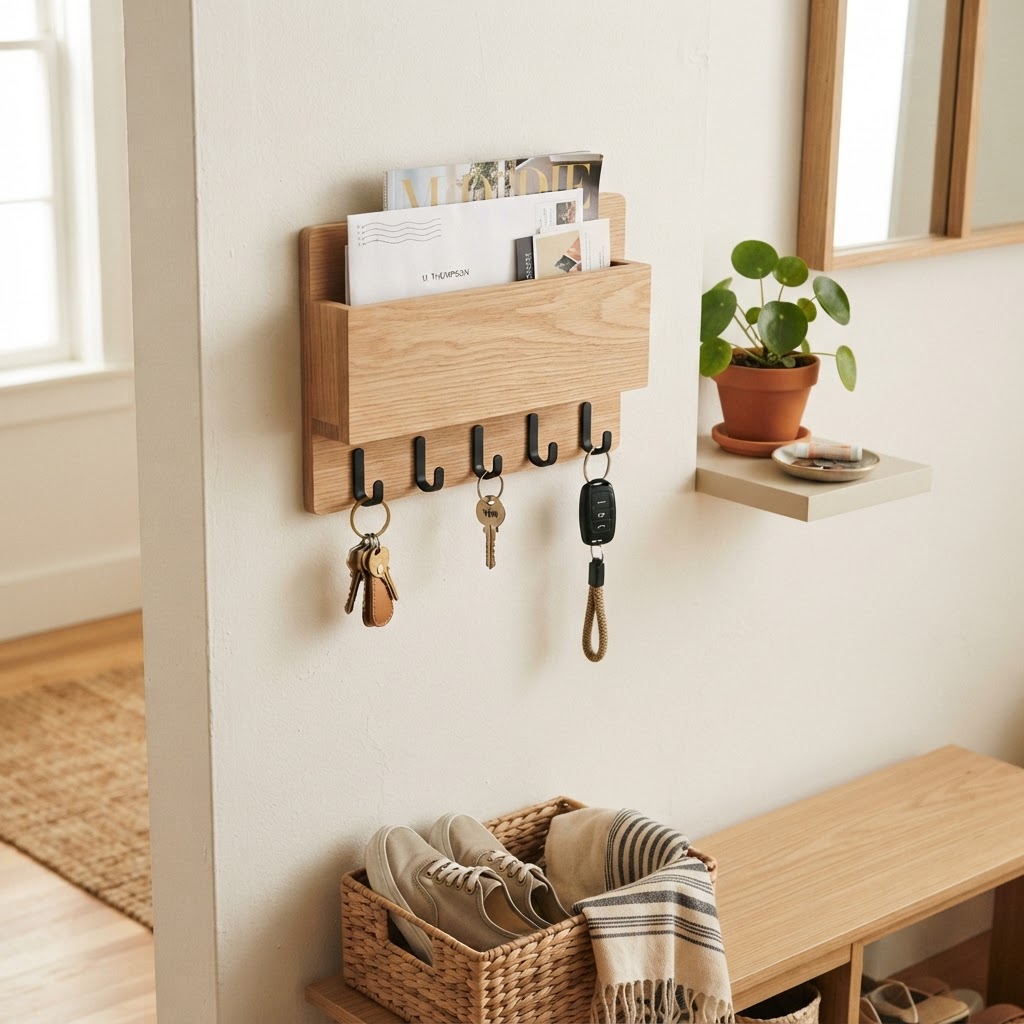
Close-up of a stylish adhesive mail and key organizer.

Modular organizers provide the ultimate flexibility by allowing you to grow your storage system as your inventory of gear changes. Many brands now offer interchangeable pegboards and shelving units that you can configure to suit your specific foyer dimensions. By mixing and matching hooks, bins, and shelves, you can create a customized wall station that manages everything from dog leashes to outgoing mail. The advantage of a modular approach is the ability to swap components; for example, you might add extra shelf space during the winter months for scarves and hats, then swap them for more hook capacity during the summer. Brands often provide starter kits priced between $30 and $70, which include a baseboard and 5-8 accessories. This creates a professional, built-in look that feels custom-designed for your space. Furthermore, organizing your space vertically prevents the “visual clutter” that often makes small apartments feel smaller. By lifting items off the floor and placing them at eye level, you create a cleaner, more organized aesthetic that helps you find your essentials in seconds. Always ensure your modular system is centered at roughly 60 inches from the floor, which is the standard height for user-friendly access and visual balance.

Creating a Personalized Drop Zone

A “drop zone” is the ultimate tool for maintaining an organized home. By placing a small, wall-mounted bin near the door, you create a dedicated landing spot for your daily clutter. Consider incorporating a small mirror above your organizer to give the entryway a more open, airy feel, which is especially effective in narrow hallways.
Tension-Based Entryway Solutions

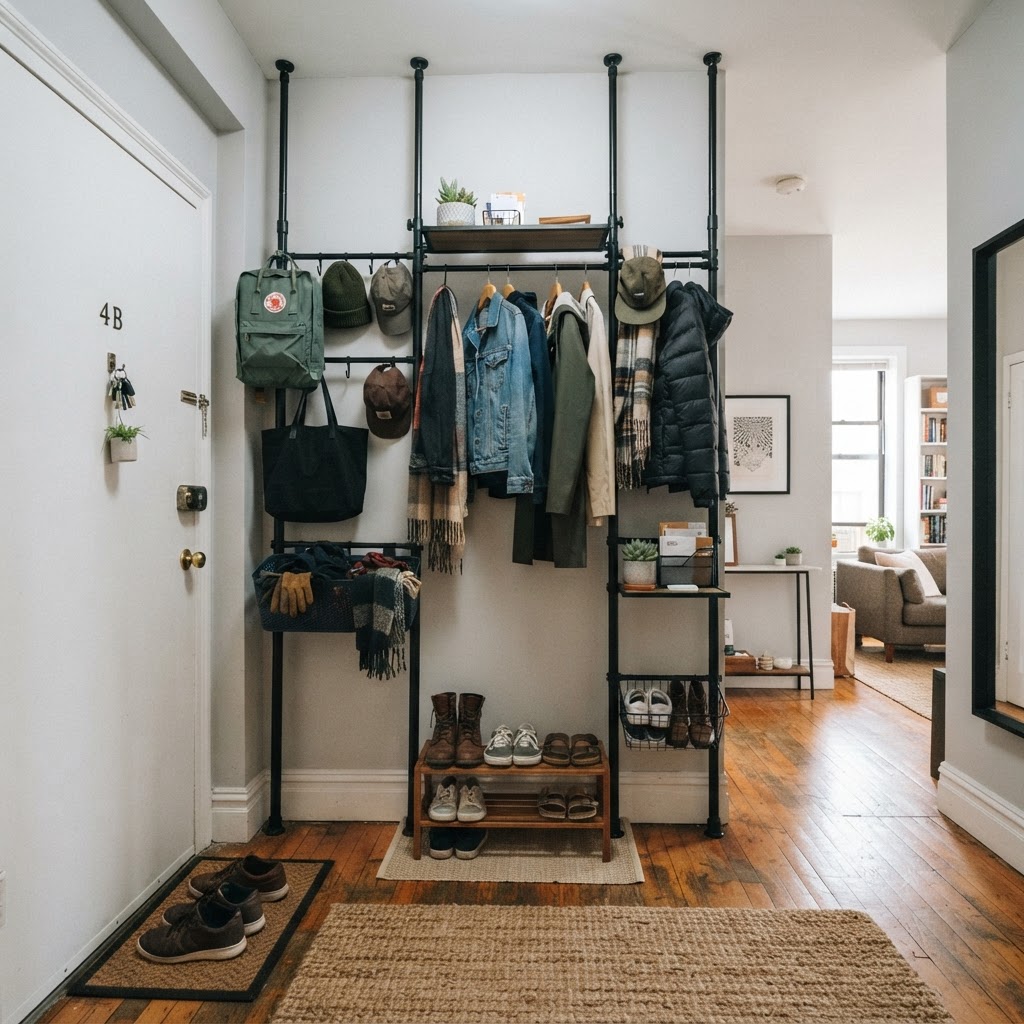
A space-saving tension-pole system for small apartments.

Tension-based organizers are the ideal choice for renters who live in spaces with delicate, non-stickable surfaces or who require heavy-duty storage without using adhesives. These systems span from the floor to the ceiling or wall-to-wall, utilizing internal springs and high-friction pads to stay in place. While they are slightly larger than traditional wall-mounted units, they offer a sturdy, non-destructive way to store a significant amount of gear, often supporting up to 50 pounds or more. Since they require no hardware, tools, or drilling, they are the most stress-free option for frequent movers. Many of these systems feature integrated hooks, shoe racks, and benches, allowing you to create a full “mudroom” effect in a rental apartment. In an open-concept studio, a tension-pole system acts as a functional room divider, clearly separating the entryway from your living space while providing essential storage. To maintain these systems, check the tension screws once every six months to ensure the pressure remains consistent. If you live in an apartment with high humidity, periodically wipe the tension pads with a damp cloth to remove dust buildup, which can cause the system to lose its grip over time.

Functional Decor: Combining Style and Utility

Just because an item is functional doesn’t mean it should lack aesthetic appeal. Today’s market is flooded with wall-mounted entryway organizers for renters that prioritize design. Think sleek matte black hooks, warm bamboo shelving, or rustic floating racks that double as art pieces. You don’t have to settle for cheap-looking plastic; choose materials that match your existing furniture to create a cohesive look. When selecting materials, consider that bamboo and finished woods add warmth to cool-toned rental apartments, while metallic finishes provide a modern, industrial touch. By selecting high-quality finishes, you transform a utility item into a piece of home decor. You can easily elevate a plain organizer by adding decorative contact paper or painting the shelves to match your apartment’s trim. This level of customization makes the space feel like your own, despite the limitations of a rental unit. Consistency is key here; if your entryway decor mirrors the color palette of your adjacent living room, the space will feel significantly larger and better designed.

Incorporating Greenery and Lighting

Add a touch of life to your entryway by incorporating small, wall-mounted planters. Pairing these with your storage hooks helps break up the utility of the space and adds a fresh, welcoming scent to the home. If your foyer is dark, consider adding a wireless, motion-sensor LED bar under one of your shelves. This provides task lighting without the need for an electrician or complex wiring.

Maintenance Tips for Long-Term Organization

Installation is only half the battle; maintaining your entryway is what ensures long-term success. It is easy to let mail and bags accumulate over the week. Try to perform a “five-minute reset” every Sunday night to clear out your bins, recycle junk mail, and put away seasonal items that don’t need to be right at the front door. Creating a habit of clearing surfaces weekly keeps the entryway functional and prevents the “catch-all” clutter trap from forming. Use a small bin specifically for items that need to leave the house, such as outgoing packages or library books, to ensure they don’t get lost in the shuffle. Furthermore, use a lint roller or brush on your storage shelves once a month to prevent dust from settling on your gear. By keeping the organizer clean, you maintain the aesthetic appeal of the space and extend the life of your mounting hardware. Remember that consistency is the key to keeping any organizational system effective for more than a few days.

  1. Use a designated bin for outgoing mail.
  1. Dedicate one hook specifically for your keys to prevent losing them.
  1. Keep a small brush or lint roller in your organizer for a quick clean-up.
  1. Rotate seasonal items like heavy scarves or umbrellas as the weather changes.

Maximizing Vertical Real Estate

When square footage is at a premium, looking up is the best strategy. Most renters focus too much on what they can place on the floor, ignoring the potential of the wall space above eye level. By installing a high shelf above your door, you can store items that you use only occasionally, such as travel bags or seasonal decor, keeping them out of the way while maintaining easy access. Utilize the space 7 feet off the ground for deep storage, ensuring that the items you use daily are kept between 40 and 60 inches from the floor for ergonomic convenience. This tiered approach to storage prevents the entryway from feeling cramped. If you cannot mount to the wall, use an over-the-door rack with adjustable tiers. These racks can provide up to 24 slots for shoes or accessories without requiring any wall space at all. Combining high-level shelves with lower hooks maximizes your total storage surface area by 30-40% in a typical foyer. The “rule of three” for balanced composition applies here: group your hooks, shelf, and a mirror in a triangular pattern to make the arrangement feel intentional rather than haphazard. Always ensure that the highest items are the lightest, reducing the risk of a heavy object falling while you are entering or leaving the home.

Overcoming Rental Challenges

Sometimes, the biggest challenge to installing organizers is a lack of wall space altogether. If you live in an apartment where your door opens directly into a wall, you might benefit from over-the-door organizers. These hooks and baskets use the door itself as a foundation, providing a sturdy, reliable storage solution that is completely invisible from the outside of your apartment. Another effective strategy is using freestanding, narrow-profile console tables. These provide a surface for mail and keys while leaving the wall completely untouched. If your budget is tight, look for multi-purpose items, such as a coat rack that features an umbrella stand at the base. This minimizes the footprint while maximizing utility. When shopping, prioritize items with metal or heavy-duty plastic construction; these materials are easier to wipe clean and stand up better to the daily abuse of keys and bags. Budgeting $50 to $100 for your setup can secure high-quality, durable pieces that will last through multiple moves. Remember to verify the depth of your items against the clearance of your door frame, ensuring you have at least 2 inches of space for the hooks to clear the door header when it opens.

Budgeting for Your Entryway

You do not need to spend a fortune to get organized. Many of the most effective wall-mounted systems are affordable and available at big-box retailers. Focus your budget on the pieces that get the most daily wear and tear—like high-quality metal hooks—and save money on decorative elements like baskets or small knick-knacks.

FAQ

Q: How do I remove adhesive organizers without damaging my paint?

To remove adhesive organizers without damage, use a hair dryer to heat the strip for 30 seconds to soften the bond. Once warm, pull the adhesive tab slowly and straight down against the wall, rather than pulling outward, to release the adhesive cleanly.

Q: Are tension-based organizers stable enough for heavy winter coats?

Yes, tension-based systems are highly stable and can often support 30 to 50 pounds when correctly tightened between the floor and ceiling. Ensure the tension pads are placed on a level, solid surface and check the tension tightness every few months to maintain optimal stability.

Q: Can I use adhesive organizers on textured or wallpapered walls?

Adhesive organizers are not recommended for textured walls or wallpaper because they may peel the finish upon removal. For these surfaces, consider using a tension-pole system or an over-the-door organizer that does not rely on wall adhesion for support.

Q: What is the best way to clean adhesive residue left behind?

If any light residue remains after removing an adhesive strip, rub the area gently with a small amount of isopropyl alcohol or a specialized adhesive remover. Wipe with a clean cloth immediately afterward to ensure the finish of your paint remains intact.

Q: How do I maximize space in an entryway with no walls?

In entryways without wall space, utilize over-the-door organizers or narrow, vertical freestanding coat racks to store your essentials. These solutions provide storage without requiring any structural mounting, making them ideal for small, open-concept apartments where wall space is already occupied by furniture or doorways.

Temporary Entryway Solutions for Apartment Living

Temporary entryway solutions for apartments focus on creating a defined “landing zone” using vertical storage, multi-functional furniture, and adhesive-mounted decor. By leveraging floor-to-ceiling space and modular, non-damaging organizational tools, renters can transform a tight, awkward doorway into a functional, stylish foyer without violating lease agreements or damaging walls.

Rethinking Your Apartment Layout

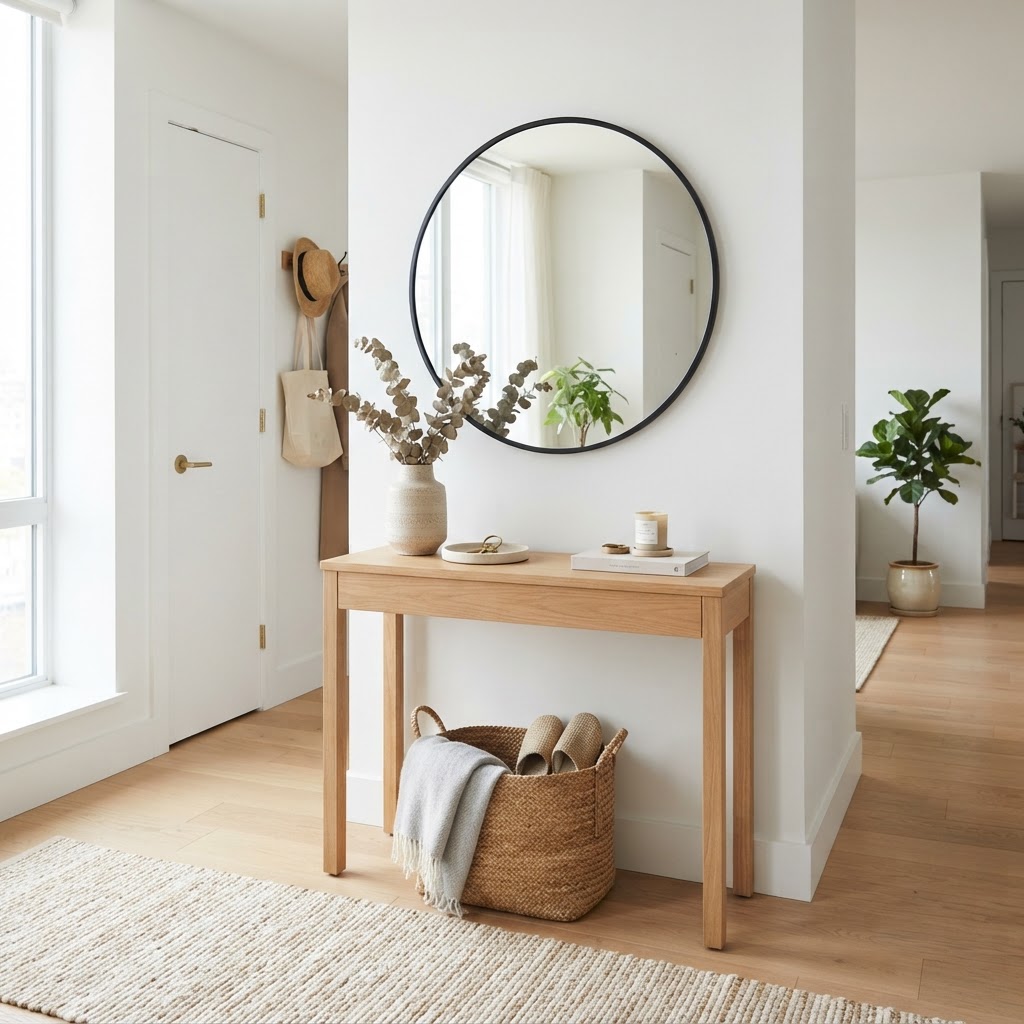
A sleek console table provides a perfect landing pad in small apartments.

Establishing a visual “zone” is the most effective way to separate your entryway from the rest of your living space. When you lack a formal hall, you must anchor the area; placing a high-traffic runner rug (typically 2×6 or 2×8 feet) creates a psychological boundary that signals the transition from the exterior world to your home.

Feature Dedicated Foyer Open-Concept Entry
Storage Capacity High (Closet) Low (Needs furniture)
Visual Privacy High Low (Requires zoning)
Installation Difficulty None Low (Non-permanent)

Traffic flow is paramount in constrained footprints. Avoid depth-heavy furniture that obstructs egress; instead, prioritize slim, wall-leaning consoles with a maximum depth of 10 to 12 inches. If your door opens into the living room, position your furniture perpendicular to the wall to create a physical partition, effectively “building” a hallway wall where none existed. This spatial strategy prevents the clutter of keys and mail from bleeding into your primary relaxation area, maintaining a clean visual aesthetic.

Vertical Storage for Small Spaces

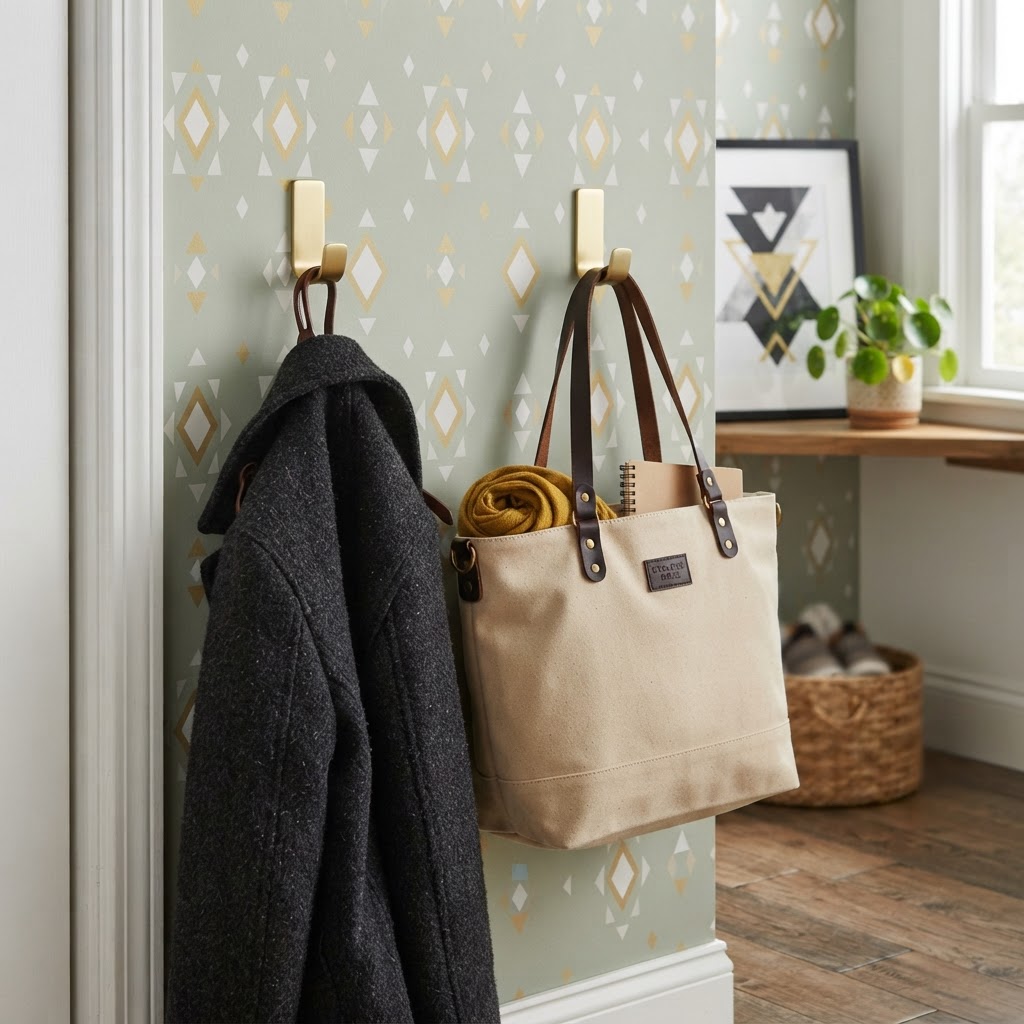
Adhesive hooks are a renter-friendly way to organize coats and bags.

Maximizing vertical storage is the only way to effectively manage gear in apartments that lack dedicated coat closets. By utilizing the 6 to 8 feet of wall height available, you move daily items off the floor, which immediately makes the room feel twice as large.

Utilizing Command Hooks and Adhesive Shelves

Adhesive mounting technology now supports significant weight, with some heavy-duty strips capable of holding up to 15 pounds per hook. To create a professional “mudroom” aesthetic, arrange hooks in a staggered pattern: place hooks for long coats at 60 inches high, and hooks for bags or dog leashes at 40 inches. This layered approach prevents coats from overlapping, which keeps the entryway looking organized rather than chaotic.

Floating adhesive shelves are equally critical for managing a “drop zone.” Install a 12-inch wide shelf at standard elbow height (approx. 36-40 inches from the floor) to serve as a designated landing pad for phones, wallets, and keys. Always clean the wall surface with isopropyl alcohol before applying adhesive strips to ensure the maximum 10-12 pound bond strength is achieved. Never exceed the manufacturer’s weight rating, as failures in these systems can damage paint when they peel away unexpectedly.

Multi-Functional Furniture Choices

A small bench with storage maximizes floor space while adding comfort.

Selecting furniture that performs dual roles is the secret to scaling up functionality without expanding your square footage. A storage bench, typically measuring 18 inches high, serves as both a comfortable seating area for shoe removal and an enclosed bin for seasonal items, hiding up to 3-4 pairs of bulky winter boots out of sight.

Furniture Type Primary Use Hidden Benefit
Storage Bench Seating Conceals shoes/boots
Console with Drawers Surface Hides mail/keys
Drop-Leaf Table Workspace/Surface Folds to < 3 inches depth

Modular units are essential because they allow your storage to evolve with your needs. If you live in a studio apartment, look for console tables that feature integrated shelves; this allows you to stack decorative storage baskets on the bottom for bulky items while keeping the top surface clear for daily essentials. If floor space is entirely non-existent, a wall-mounted drop-leaf table provides a 12-inch deep workspace when needed and retracts to a nearly flat profile, ensuring your floor space remains unobstructed for daily movement.

Personalizing with Non-Permanent Decor

Curated drop zones help keep daily essentials organized and accessible.

Strategic decor is the bridge between a storage area and a functional foyer, and it can be achieved entirely through non-permanent means. Peel-and-stick wallpaper allows you to define the entryway “zone” with color or texture; a 24-inch wide strip applied vertically behind a console table creates a visual frame that separates the entrance from the living room background.

Mirrors are a functional necessity in small entryways, providing a final outfit check while serving an optical trick. A leaning floor mirror (typically 60 inches or taller) reflects incoming natural light, which can increase the perceived “brightness” of a cramped space by up to 20%. To keep the look professional and damage-free, use heavy-duty removable adhesive strips to secure gallery art frames. By grouping at least three frames in a tight cluster, you create a “high-design” gallery wall that draws the eye upward, effectively making low-ceiling apartments feel more spacious and intentional.

Lighting and Atmosphere

Lighting is the most impactful, yet underutilized, tool for turning a pass-through space into an official entryway. If your apartment lacks overhead wiring for a sconce, use plug-in wall sconces with cord covers painted to match your wall color, which creates the illusion of hardwired professional lighting for less than $40.

Motion-sensor LED technology provides high-end convenience without the need for an electrician. Placing a motion-activated strip light underneath your console table or inside an open shoe cubby serves two purposes: it makes navigation easier at night and provides a high-tech “welcome” effect when you enter. For a warm, inviting atmosphere, prioritize bulbs with a color temperature between 2700K and 3000K. This warm spectrum creates a distinct difference between the “entry” lighting and the cooler, clinical lighting often found in kitchens or laundry areas, effectively signaling to your brain that you are officially home.

Maintenance and Organization Habits

Maintaining an entryway requires a disciplined system to prevent the rapid buildup of clutter that plagues small spaces. A strict “one-in, one-out” policy for footwear is mandatory; for every new pair of shoes placed in the entryway, an older pair must be moved to off-season storage (such as under-bed bins).

The Power of Trays and Baskets

Organizational trays are the primary defense against “surface creep,” where mail and keys clutter your tabletops. Assign one dedicated tray for incoming mail and a separate, smaller dish for keys and sunglasses to ensure you never spend time searching for essentials. Using baskets underneath your console table allows you to conceal items like umbrellas or heavy winter scarves, keeping the visual “noise” to a minimum. Aim to clear these baskets once every seven days. If the baskets are full, it is a clear indicator that it is time to rotate your seasonal gear into long-term storage, keeping your transition zone efficient and clear of non-essential items.

FAQ

Can I add a coat rack in a rental without drilling holes?

Yes, you can use heavy-duty adhesive hooks or an over-the-door rack to store coats without damaging walls. Ensure the surface is cleaned with rubbing alcohol first to maximize the bond strength, and always verify the hook’s weight capacity to prevent paint from peeling when you eventually remove them.

How can I define an entryway in a studio apartment?

Use an area runner rug to physically mark the entry space and place a slim console table or partition to create a clear separation. By establishing a distinct floor boundary and a dedicated “drop zone” for keys and bags, you create a functional foyer within your open-concept living area.

What are the best lights for an apartment with no overhead entry light?

Plug-in wall sconces or motion-sensor LED strips are the most effective solutions for brightening an entryway without electrical work. These options can be mounted using non-damaging command strips and provide immediate, ambient lighting that signals a welcoming transition space the moment you step through the door.

How often should I clean my small entryway?

You should sweep or vacuum the landing area at least once a week to prevent dirt tracked from outside from spreading into your living room. Additionally, clearing out junk mail and rotating seasonal accessories every Friday will prevent clutter from accumulating in your small footprint.

No Mudroom? How to Create a Functional Drop Zone

No Mudroom? How to Create a Functional Drop Zone

To create a functional drop zone without a dedicated mudroom, utilize vertical wall space for hooks, install slim-profile console tables (10–12 inches deep), and implement a dedicated landing strip for daily essentials like keys and mail. By zoning your entryway for specific habits, you can eliminate floor clutter in under 10 square feet.

Assess Your Entryway Needs

A well-organized small entryway bench with cubbies.

Before you start buying baskets or hooks, take a moment to observe how you move through your home. The key to a successful drop zone is recognizing that it must serve your specific habits, not just some idealized version of home organization. What do you immediately drop when you walk through the door? For most people, the culprits are keys, shoes, coats, and mail. According to interior organization experts, 80% of entry clutter is caused by items that lack a designated home within three feet of the front door.

Audit Your Daily Essentials

Create a list of the top five items you touch upon entering. Does your family have a sports bag habit? Do you frequently receive packages? Are you prone to kicking off shoes as soon as you step inside? Identifying these pain points is the first step toward a clutter-free entrance.

Once you have your list, look at the wall space or floor space immediately available. Even a narrow hallway can accommodate a wall-mounted unit. Do not feel constrained by the lack of a formal room; instead, look for vertical opportunities that can handle the heavy lifting of your daily storage needs. A standard wall-mounted organizer typically requires only 12 to 15 inches of width, making it feasible for even the tightest urban apartment entryways.

Choose the Right Storage Hardware

A slim console table makes a perfect drop zone.

When square footage is limited, vertical storage is your best friend. A ‘drop zone’ is not just about the floor; it is about utilizing the full height of your walls to keep items off the ground. Heavy-duty wall hooks are essential for coats, umbrellas, and tote bags, as they take up zero floor space while keeping the area looking tidy. Research suggests that wall-mounted storage increases perceived space in a small hallway by approximately 25% compared to freestanding floor racks.

Why Hooks Trump Closets in Small Spaces

Closet doors consume valuable floor area when they swing open, which is a luxury that tight entryways often cannot afford. By installing high-quality, sturdy hooks, you provide an immediate destination for outdoor gear. Consider installing them at varying heights—typically 40 inches for children and 60 inches for adults—so that family members can reach their own backpacks, fostering independence while keeping the floor clear.

Selecting the Right Material

Choose hardware that matches the aesthetic of your home, but prioritize durability. Brushed nickel or matte black hooks are popular choices that blend with various interior design styles. Ensure that your wall anchors are properly installed into studs or use high-rated toggle bolts—which can support up to 50–100 pounds—to prevent the hooks from pulling out when burdened with heavy winter coats.

Hook Material Pros Cons Ideal For
Matte Black Steel Modern look, scratch-resistant Shows dust easily Minimalist homes
Brushed Nickel Timeless, hides fingerprints Can look dated Traditional decor
Brass Adds warmth, high value Requires polishing Eclectic styles

Implement Smart Furniture Solutions

Vertical hooks maximize space in tight hallways.

If you have a bit more room, a narrow console table or a slim bench can transform a blank wall into a sophisticated command center. A bench with built-in cubbies underneath is the ultimate multitasking furniture piece. It provides a place to sit while removing shoes, while the cubbies hide the visual clutter of footwear that would otherwise be strewn about the hallway. Most standard entryway benches range from 12 to 18 inches in depth, perfect for standard hallway clearance codes of 36 inches.

For those with extremely narrow entryways, look for console tables that are only 10 to 12 inches deep. These pieces add a layer of surface area for dropping keys or placing a small bowl for incoming mail, while also providing a base for wall-mounted mirrors or art that makes the space feel intentional rather than like a hallway.

The Power of Hidden Storage

Closed storage is the secret to a calm entryway. While open hooks are great for frequently used items, baskets and lidded bins provide a place to tuck away items that look messy. Assign one bin to each family member to minimize morning arguments and ensure that lost items have a specific, reachable home. Using labeled bins can reduce the time spent searching for misplaced items by up to 10 minutes per morning.

Zone Your Space for Functionality

Even in a small area, you can create distinct zones to prevent clutter from bleeding into the rest of your home. Think of this as a micro-zoning project. The ‘Drop Zone’ should be divided into three logical phases: the landing space for immediate items, the storage space for daily gear, and the transition space for things leaving the house.

Zone Component Purpose Best Tool
Landing Strip Keys, mail, glasses Narrow console or tray
Active Gear Coats, hats, bags Wall hooks or coat rack
Floor Storage Shoes, umbrellas Bench with cubbies

By clearly defining these areas, you train your brain to follow a routine. When you walk through the door, you place your keys in the tray, hang your coat on the hook, and slip your shoes into the bin. This habit-forming process is just as important as the physical furniture you choose.

Incorporate Lighting and Mirrors

Never underestimate the power of design elements to make a space feel larger and more welcoming. A mirror placed above your drop zone does double duty; it allows for a last-minute check before heading out and reflects light to make a cramped entryway feel much more expansive. Designers suggest a mirror size should be roughly 60-75% of the width of your console table for visual balance.

Pair this with adequate lighting. If your entry lacks a direct ceiling fixture, consider a slim wall sconce or a small table lamp on your console. Lighting defines the space as a ‘destination’ rather than just a pass-through area, giving your drop zone a professional, designed feel that adds value to your home. Use warm-toned bulbs (2700K–3000K) to create an inviting atmosphere.

Maintain Your New System

Design is only the beginning. Maintenance is what keeps your drop zone functional over the long term. Conduct a weekly audit of your entryway to ensure that items haven’t started to ‘migrate’ from their designated spots. If the bin for scarves is overflowing, it is time to relocate those items to a bedroom closet or donate unused gear.

The One-In, One-Out Rule

Apply the ‘one-in, one-out’ rule to your entry storage. If you buy a new pair of shoes, ensure there is space in the cubby or bin; if not, an old pair must be removed. This simple mindset shift prevents the gradual buildup of clutter that leads many homeowners to believe their space is simply ‘too small’ when in reality, it is just ‘too full.’

FAQ

Q: What is the minimum depth required for an entryway drop zone?

A: You need at least 10 to 12 inches of depth to accommodate a slim console table or wall-mounted shelving. This allows for sufficient surface area to drop keys and mail without obstructing hallway traffic flow in standard-sized homes.

Q: How can I organize shoes in a small entryway without a closet?

A: Use a bench with built-in cubbies or an under-console shoe rack. Keeping shoes off the floor using these solutions clears visual clutter and prevents tripping hazards in narrow corridors, keeping the space looking intentional.

Q: Are wall hooks better than coat racks for small spaces?

A: Wall hooks are superior for small spaces because they utilize vertical wall real estate and leave the floor completely clear. Unlike coat racks, which have a wide footprint, wall hooks can be installed at any height to maximize your specific layout.

Q: How do I stop mail from piling up in my drop zone?

A: Install a wall-mounted mail sorter or use a dedicated decorative tray specifically for incoming mail. Immediately discard junk mail over a recycling bin as you walk in to prevent accumulation and keep your landing strip functional.

8 Things Every Small Apartment Entryway Needs (Renter Edition)

8 Things Every Small Apartment Entryway Needs (Renter Edition)

To optimize a small apartment entryway, prioritize vertical storage, slim-profile furniture, and multi-functional organization tools that require zero wall damage. By installing adhesive hooks, using lean-against mirrors, and implementing motion-activated lighting, you can transform a cramped threshold into a highly functional drop zone without violating lease terms.

1. Vertical Storage Solutions

A modern entryway setup maximizes style in a small space.

When floor space is limited, the only way to go is up, making vertical storage the secret weapon for any small apartment entryway. Utilizing the wall plane allows you to clear walking paths while maintaining essential storage for coats, bags, and umbrellas. For renters, the key is using non-permanent solutions that won’t jeopardize your security deposit.

Choosing Renter-Friendly Hardware

Look for tension-mounted shelving units or heavy-duty adhesive hooks rated for 5-10 lbs. These options provide the same utility as drilled shelves but leave zero residue or holes behind. When selecting hardware, prioritize materials like lightweight bamboo or powder-coated steel to avoid overburdening your walls. Aim to place your primary hooks at 60 inches from the floor for adult coats, while leaving space underneath for secondary storage, such as a slim bench or a collapsible umbrella stand. By maximizing every inch of wall space, you effectively create a storage system that works harder for your space without requiring a single nail.

2. The Multi-Purpose Slim Console

Utilize vertical space with adhesive hooks to keep items off the floor.

A slim-profile console table is the essential anchor for a small entryway, providing a dedicated landing strip for keys, mail, and daily essentials. In tight quarters, look for tables with a depth of 8 to 12 inches to ensure your walkway remains unobstructed. These slim pieces act as the “command center” for your home, effectively compartmentalizing clutter before it spreads to your living area.

Features to look for:

  • Narrow width: Look for profiles under 12 inches deep to ensure accessibility.
  • Open storage: Bottom shelving is vital for placing shoe baskets or storage bins.
  • Material weight: Choose wood or metal with a light aesthetic to prevent visual weight.
Feature Traditional Console Slim Entryway Console
Depth 16″ – 20″ 8″ – 12″
Weight Heavy Lightweight/Easily Movable
Best Use Large Hallways Tiny Apartments/Studios
Installation Often Anchored Usually Free-standing

3. Dedicated Shoe Management

Strategic organization creates an efficient and welcoming drop zone.

A dedicated shoe storage solution is the most effective way to eliminate entryway clutter and keep external dirt contained. If your hallway is narrow, an ultra-slim, pull-out shoe cabinet—which often measures just 6 to 9 inches in depth—can hide 6-12 pairs of shoes vertically behind a sleek facade.

If floor space is at a premium, utilize under-console storage by using a tiered, stackable metal rack. This configuration keeps footwear off the floor and prevents the “mountain of sneakers” effect that plagues small apartments. Remember to choose materials that are easy to wipe down; plastic or coated metal organizers are superior to fabric ones for high-traffic entryways where muddy boots are common. By establishing this specific boundary, you create a psychological transition from the hectic world outside to your peaceful indoor sanctuary.

4. Brightening Your Entrance with Mirrors

Reflective surfaces and plants add life and depth to small entryways.

Mirrors are the most effective design tool for doubling the visual square footage of a dark or windowless entryway. Placing a large mirror near the door serves both a functional purpose—checking your outfit—and a spatial one, as it reflects light into otherwise dim corners.

If your rental agreement prohibits drilling, use a floor-length mirror with a heavy, stable base that can be leaned safely against the wall. To ensure safety, use heavy-duty museum wax or non-slip furniture pads at the base to prevent movement. For the best impact, position the mirror opposite your apartment’s primary light source, such as a living room window or a doorway, to maximize the bounce of natural light. A framed mirror not only expands the space but also serves as a high-end decorative piece that draws the eye upward, distracts from the limited floor area, and establishes a polished, intentional atmosphere.

5. Rugs for Defining the Zone

In a small apartment, a runner rug is the primary tool for creating a visual threshold between the front door and the rest of your living space. By placing a long, durable runner by the door, you define an “entry zone,” which signals to guests that they have entered a distinct area of your home.

For high-traffic areas, opt for washable, low-pile rugs made of synthetic materials or treated wool. A rug thickness of 0.25 inches is ideal to ensure it doesn’t interfere with door clearance. If your rug slips, use a low-tack, renter-friendly rug gripper that leaves no residue on hardwood or tile floors. Jute or sisal-style synthetic rugs are particularly effective because they hide dirt exceptionally well and provide a natural, clean texture that stands up to daily wear and tear. Periodically rotating your rug can ensure even wear, extending the life of the piece and keeping your entryway looking fresh between deep cleans.

6. Smart Lighting Upgrades

Rental lighting is often limited to uninspiring overhead fixtures, but you can instantly upgrade the atmosphere using plug-in or wireless lighting solutions. A small, decorative table lamp on your console provides a warm, inviting glow that makes the space feel more like a home and less like a sterile hallway.

For added convenience, integrate motion-activated, battery-operated LED light strips under shelves or along baseboards. These provide instant illumination when you enter with arms full of bags, eliminating the need to search for a wall switch. Most of these LED systems are rechargeable via USB and feature adhesive backing, making them perfect for renters who need to avoid electrical work. By layering these small, smart lighting solutions, you improve both the safety and the “mood” of your entryway, significantly modernizing an older apartment without professional installation.

7. The Power of Wall Hooks

Wall hooks are the ultimate necessity for small homes lacking a traditional coat closet, providing instant storage without the bulky footprint of a standing rack. To avoid damage, use high-capacity removable adhesive hooks, which typically support up to 5 lbs per strip when applied according to the manufacturer’s weight guidelines.

Organizing with Style

Place your hooks at varying heights to create a dynamic look that accommodates everything from long coats to short dog leashes. If your wall space allows, consider installing a floating shelf roughly 4-6 inches above your hook line; this provides a handy surface for “grab-and-go” items like sunglasses, wallets, and keys. Grouping your hooks in a line or a creative cluster maintains a clean, curated appearance. By keeping items off the floor and hanging them strategically, you transform your outerwear into a functional, accessible part of your decor that saves precious square footage.

Hook Type Weight Capacity Best For Removal Method
Adhesive Strip 3 – 5 lbs Keys, Bags, Scarves Stretch-release tab
Tension Hook 5 – 10 lbs Winter Coats Twist-to-loosen
Over-the-Door 10+ lbs Heavy Jackets Lift and remove

8. Personalized Decor Touches

Personalizing your entryway ensures the first thing you see when you arrive home reflects your unique personality. Even in a 10-square-foot entrance, you can incorporate small, intentional accents that elevate the design without creating clutter. For example, a single, bold piece of framed art, a small tray for your daily mail, or a low-light-thriving plant like a Snake Plant or Pothos can transform a sterile space into a welcoming environment.
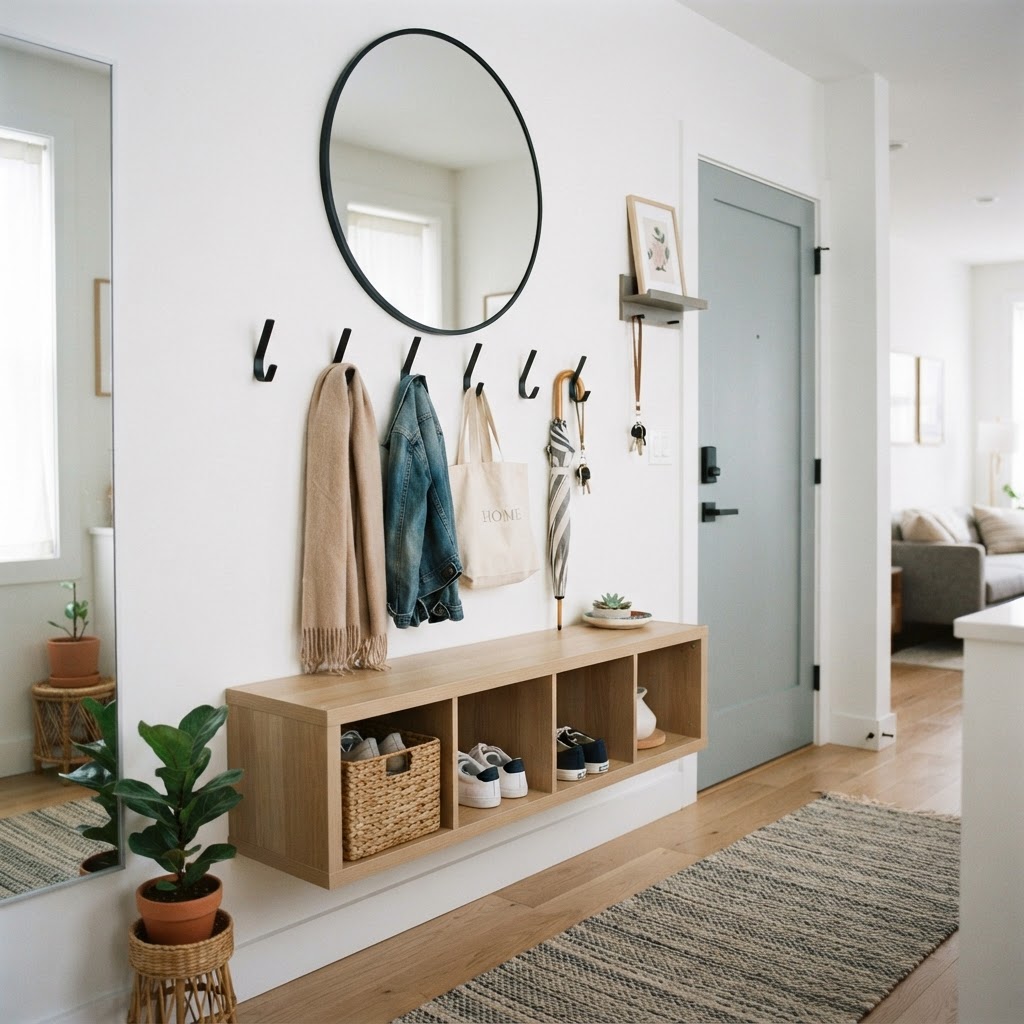
Because the entryway is a small area, simplicity is key; one or two high-impact items are more effective than several small knick-knacks. Use a “one-in, one-out” rule for decorative items to keep the area functional. Adding a small, scented candle or a Reed diffuser can also engage the senses, making your entrance feel like an intentional part of your home rather than just a hallway. These small gestures turn a transitory space into a sanctuary that sets the tone for your entire living experience.

FAQ

Q: What is the best way to hang decor in a rental without damaging walls?

Use high-quality adhesive strips, tension rods, or command hooks. These products are specifically designed for renter-friendly application and removal, as they do not require nails, screws, or drilling, ensuring your security deposit remains protected.

Q: How can I make a tiny, dark entryway look bigger?

Install a large mirror opposite a light source to reflect brightness, and use light-colored, reflective decor. Additionally, keep the floor clear by using vertical storage; a visible, clutter-free floor creates an immediate illusion of more square footage.
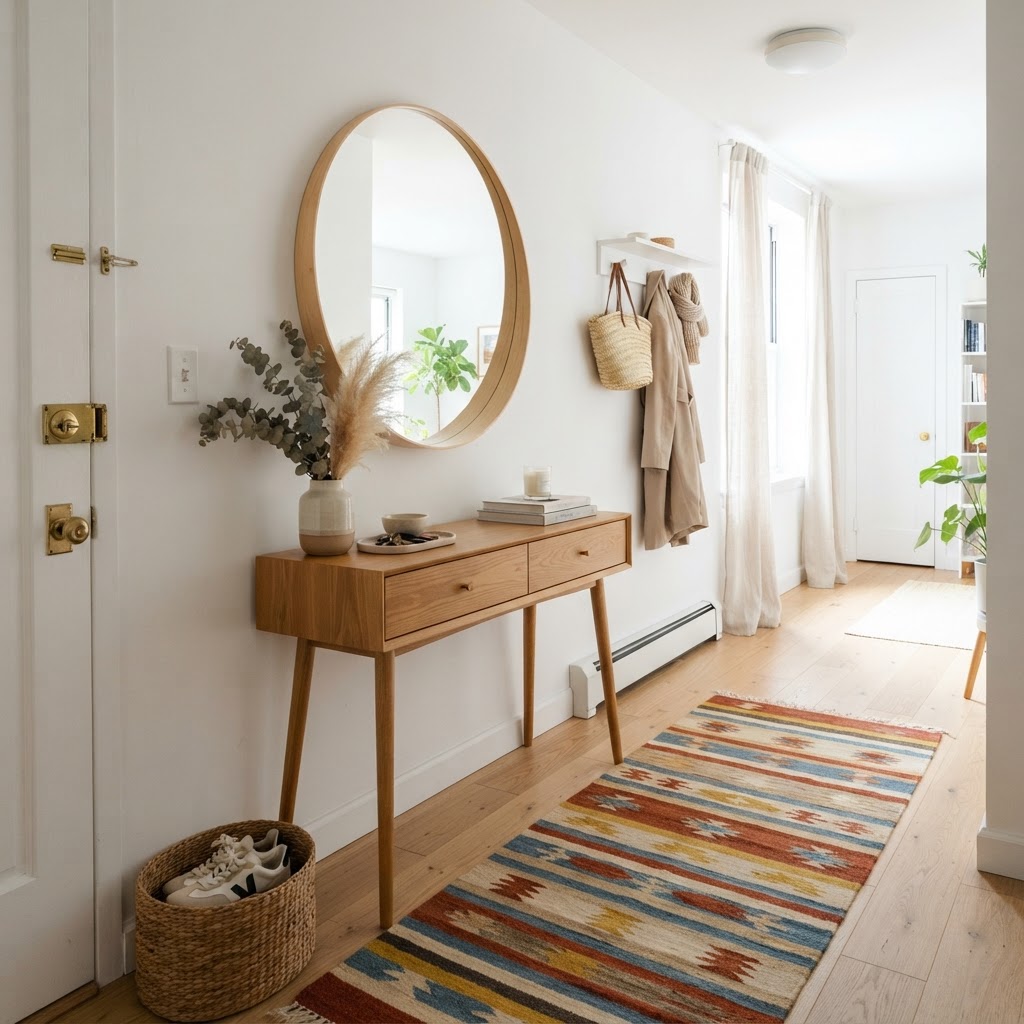
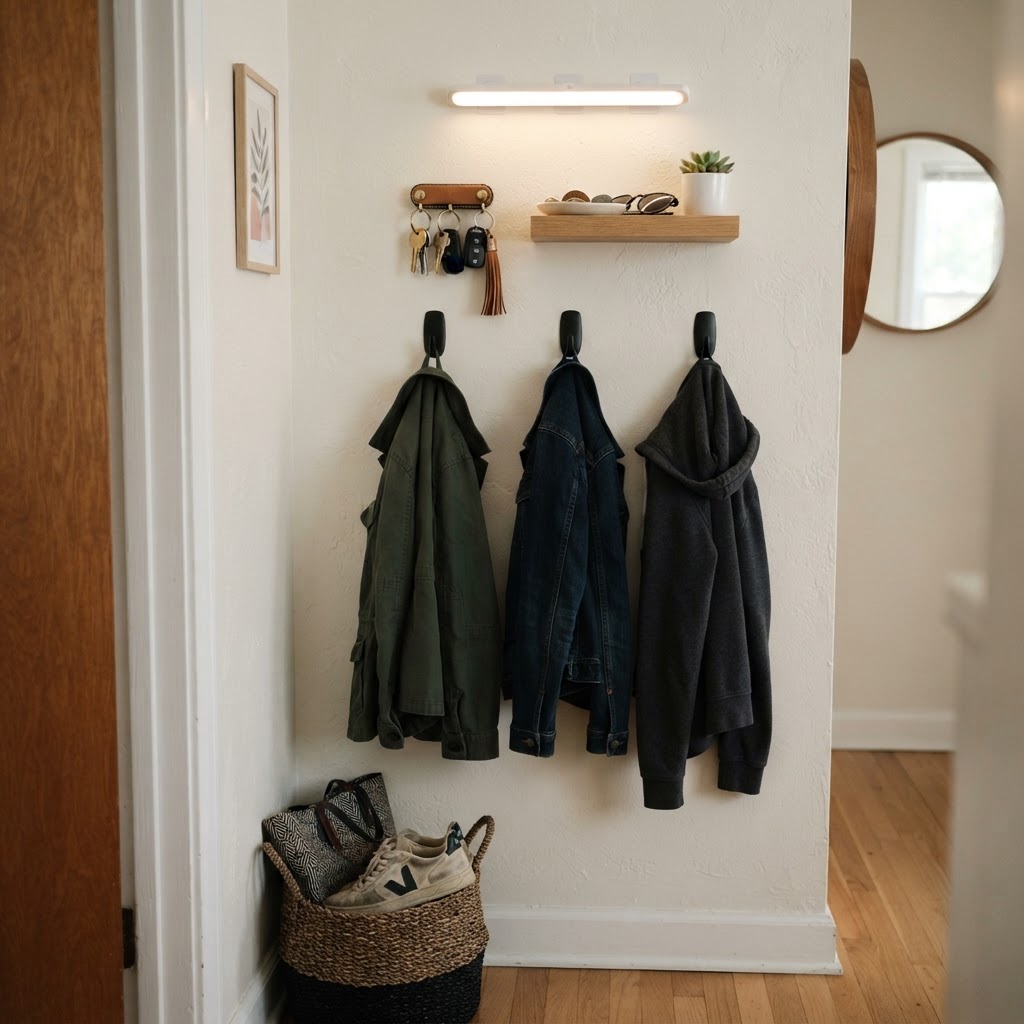
Q: Can I use floor furniture in a 10-square-foot entryway?

Yes, but focus on slim-profile items with depths under 12 inches. A narrow console table or a pull-out shoe cabinet can fit into very tight spaces, provided they do not obstruct the primary walking path into your apartment.

Q: What should I do if I have absolutely no wall space for hooks?

If wall space is non-existent, use over-the-door hanging organizers or a slim, freestanding coat rack that features a small footprint. Alternatively, utilize the back of the front door with an over-the-door hook system to keep items out of sight.