Entryway Furniture Ideas That Serve Double Duty
To transform a chaotic entryway into a functional command center, invest in furniture that performs at least two roles, such as storage benches, console tables with drawers, or vertical wall-mounted systems. These multi-functional pieces eliminate household clutter by combining seating, hidden storage, and organizational surfaces into a single, compact footprint.
The Philosophy of Multi-Functional Design
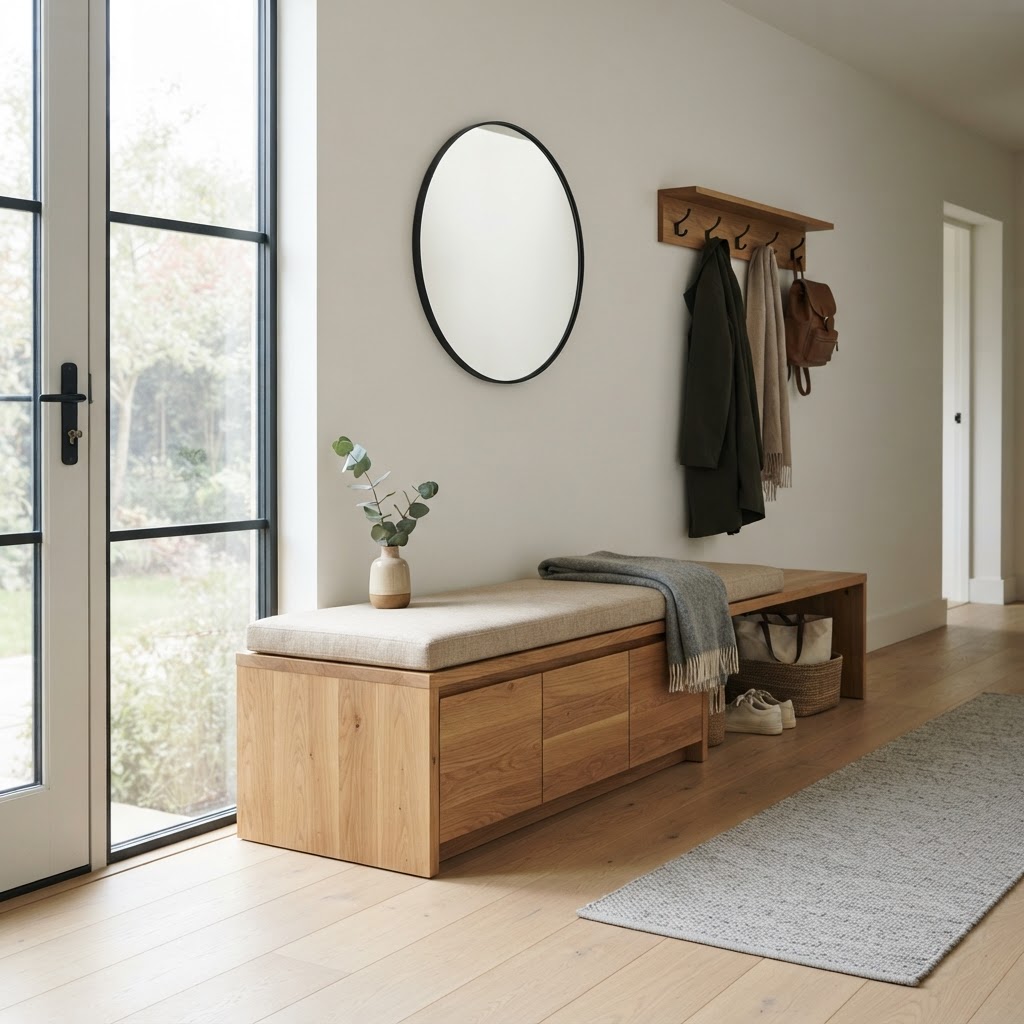
When square footage is at a premium, every piece of furniture must justify its existence through dual-purpose utility. Multi-functional entryway furniture is about selecting high-impact items that address seating, storage, and surface area needs simultaneously. By prioritizing pieces that perform multiple roles, you maximize efficiency in even the smallest foyers. For instance, a unit that offers a surface for keys while housing shoes underneath reduces visual noise by 40% compared to disparate storage bins. This strategic approach to interior design transforms the entryway from a mere transit point into a streamlined, stylish, and highly functional “drop zone” that operates as an extension of your home’s organizational system.
Why Efficiency Matters at the Front Door
The front door is a transit point for your entire household, frequently becoming a magnet for junk mail, keys, and discarded outerwear. A well-designed entryway uses vertical space and hidden compartments to keep these items tucked away, maintaining a sense of order the moment you walk through the door. Research shows that home organization directly impacts cortisol levels; by streamlining your entryway with multi-functional furniture, you can decrease daily stress associated with lost keys or misplaced shoes. Efficient layouts utilize slim-profile designs, typically measuring 12 to 15 inches in depth, which preserve valuable floor space while maintaining high storage capacity.
The Classic Storage Bench: A Triple-Threat Hero
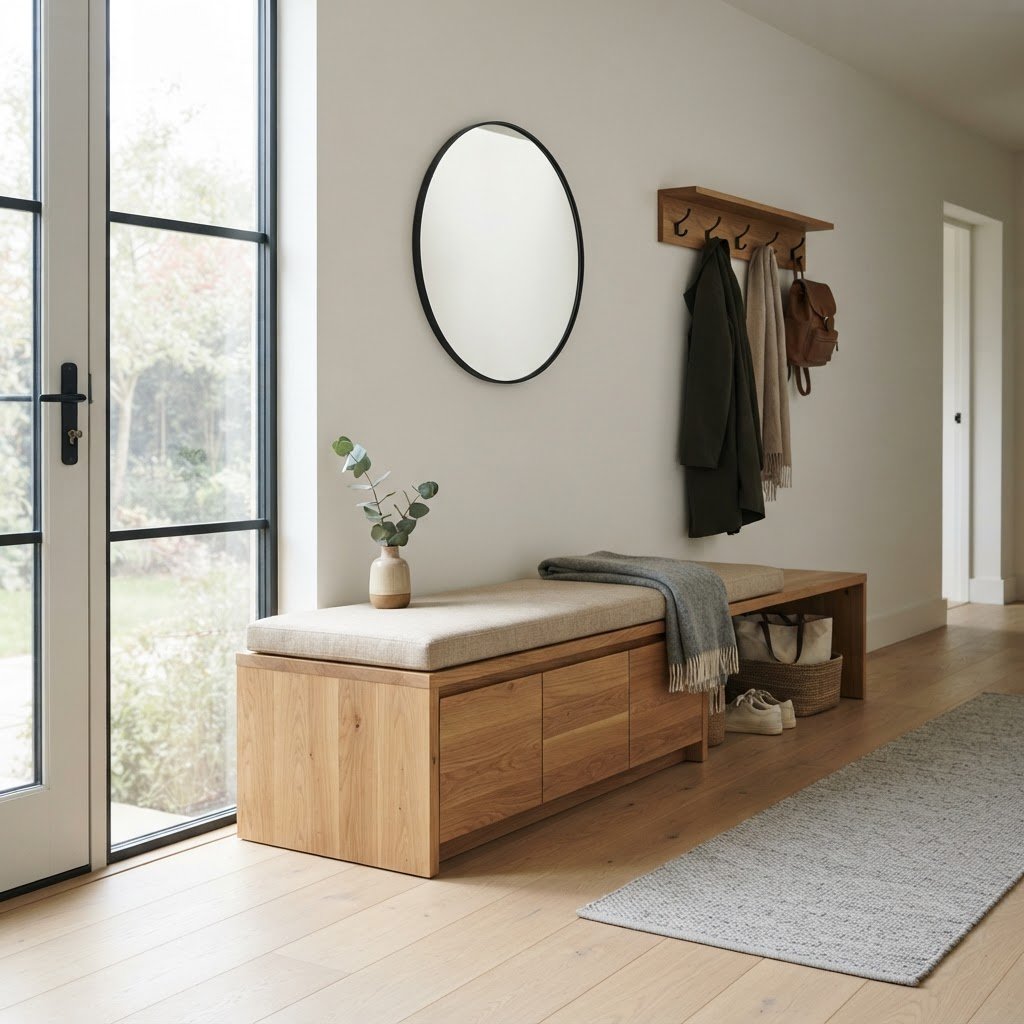
The storage bench remains a cornerstone of entryway design because it provides a dedicated seating area while concealing bulky gear like winter boots, backpacks, and sports equipment. To optimize this, select a unit with built-in cubbies or soft-close drawers, which can typically hold 3-5 pairs of shoes per cubby. If you have a narrow hallway, prioritize a bench with a depth of 14 inches or less to ensure the flow of traffic remains unobstructed. For households with children or pets, look for benches crafted from moisture-resistant materials like powder-coated metal or high-density laminate, which can be wiped clean in under a minute. Pairing a bench with a backboard featuring hooks transforms it into a vertical storage unit, effectively increasing your storage capacity by 200% without occupying extra floor space. Choosing models with seat cushions upholstered in performance fabric, such as Crypton or Sunbrella, ensures that your entryway furniture survives the daily wear and tear of high-traffic living.
Choosing the Right Bench for Your Style
If you have a narrow hallway, look for slim profile benches with flip-top lids. If you have more room, choose a bench that includes a backboard with coat hooks above it. This vertical extension creates a “locker style” storage unit that keeps seasonal gear organized and accessible.
Console Tables with Secret Identities
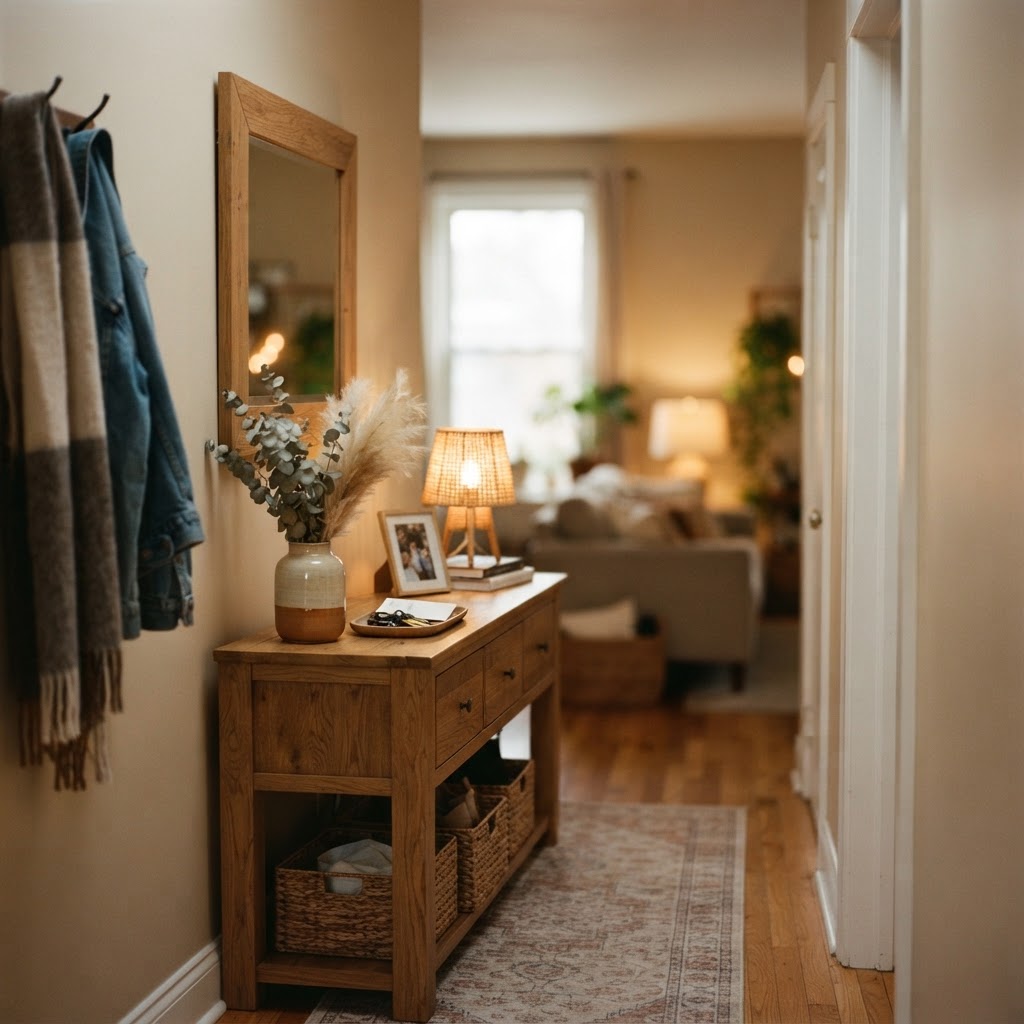
A console table acts as the primary anchor for an entryway, and selecting one with integrated storage upgrades it from a decorative piece to a core household utility. Modern designs now feature “hidden” functions like slide-out stools, drop-down laptop desks, or integrated power strips for charging devices. When shopping, prioritize units with at least two deep drawers measuring 4-6 inches in height, which are ideal for storing EDC (everyday carry) items like wallets, masks, and sunglasses. For small homes, seek “demi-lune” or semi-circular tables that reduce sharp edges in cramped paths. Implementing a console with adjustable shelving allows you to customize the clearance, accommodating boots on the bottom shelf and decorative baskets for hats or scarves in the middle. By utilizing these tables, you effectively combine a mail-sorting station, a charging hub, and a shoe-hiding chest into one cohesive piece of furniture that occupies less than 4 square feet of floor space.
Features to Look For
- Drawers for keys, wallets, and sunglasses.
- Lower shelves for baskets containing seasonal scarves or gloves.
- Slim designs that prevent obstructing high-traffic pathways.
- Modular units that can be moved or rearranged.
Integrating Vertical Storage Walls
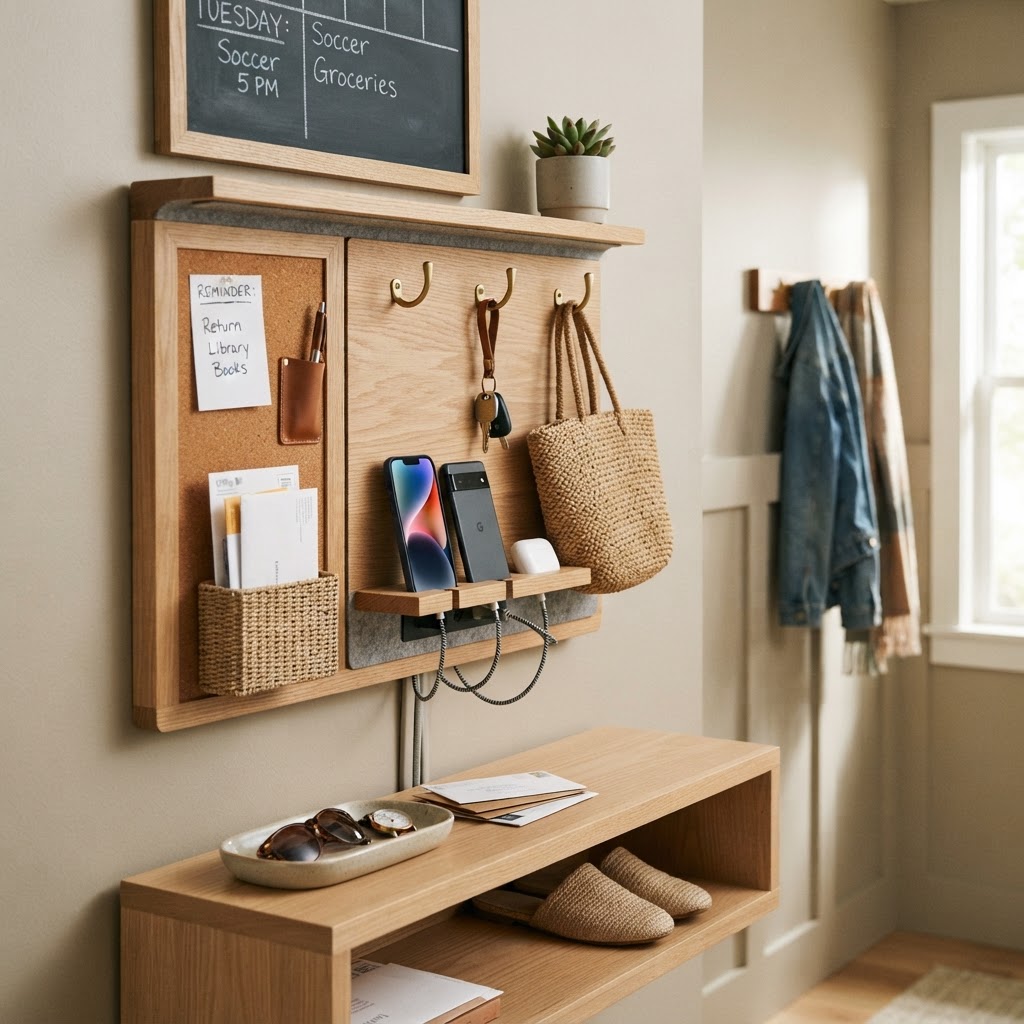
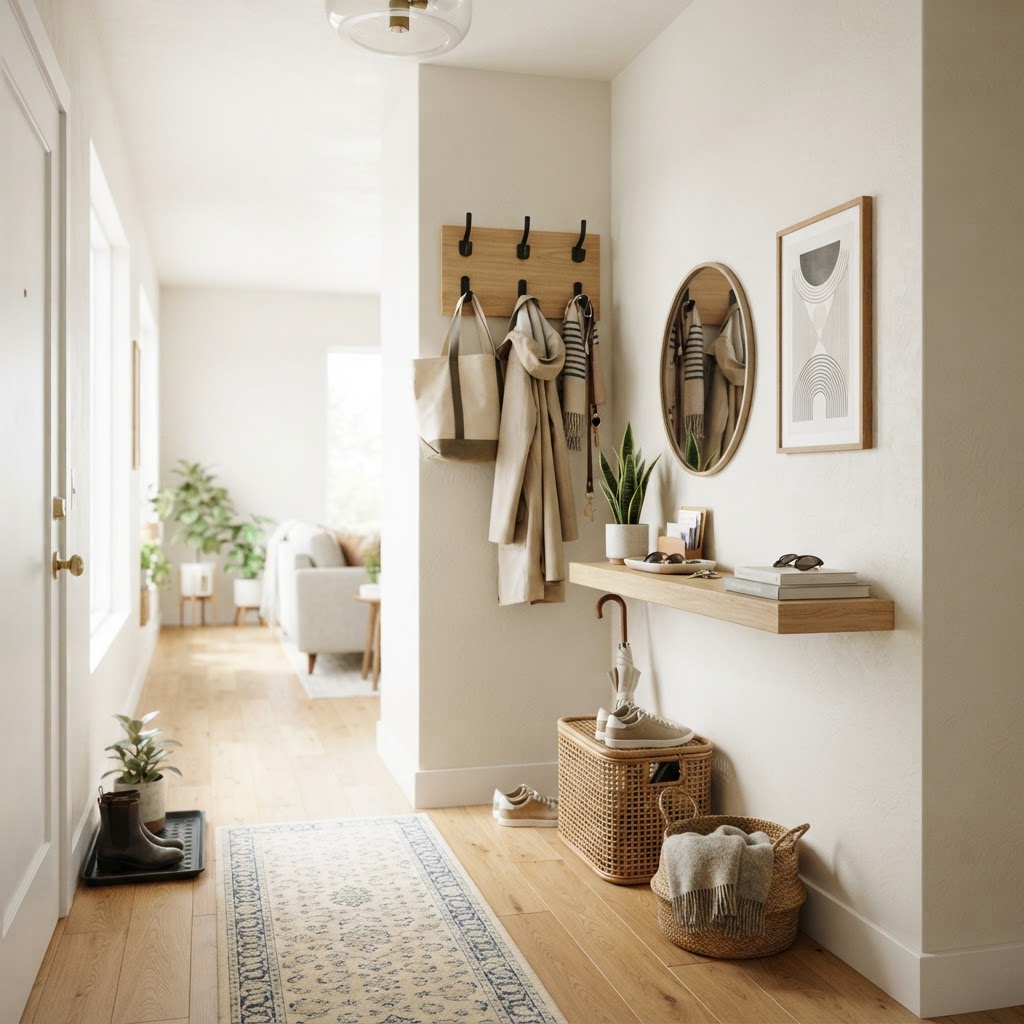
Vertical storage solutions are the most efficient way to manage clutter in small entryways because they leverage wall area rather than limited floor footage. By installing a wall-mounted shelving unit with integrated hooks, you can organize coats, keys, and accessories at eye level while leaving the floor entirely clear for a cleaner, more spacious aesthetic. This approach is particularly effective in apartments, where wall-anchored furniture can be installed at varying heights to suit all household members. A properly installed wall-mounted system can support up to 50-75 lbs of gear, making it a robust alternative to freestanding coat racks. Incorporate floating shelves that serve as “landing zones” for outgoing mail or keys, and position them approximately 36 to 42 inches from the floor for optimal reach. Using vertical organizers also draws the eye upward, creating the visual illusion of a higher ceiling and a more expansive, curated hallway environment.
The Power of Mirrors and Hooks
A mirror isn’t just for checking your reflection; it is a vital tool for making a small entryway feel twice as large. Pair a statement mirror with heavy-duty hooks or a rail system to keep bags off the floor. By keeping the floor clear, you reduce visual clutter and make the room feel infinitely cleaner.
Hidden Compartments and Secret Storage
Innovation in furniture design has led to pieces that disguise their utility, allowing you to maintain a minimalist aesthetic even in the busiest households. Ottomans, for example, now frequently feature lift-off tops that reveal interior storage for umbrellas, mail trays, or even off-season gear. Similarly, decorative cabinets disguised as accent furniture often house slim-profile shoe racks capable of holding 10 to 12 pairs of shoes behind closed doors. This “closed-storage” strategy is essential for high-traffic entryways where visibility of items like muddy boots or bill stacks creates visual chaos. Modern manufacturers are also integrating motion-sensor LED lighting inside these compartments, which improves visibility when you are arriving home in the evening. By choosing furniture that mimics decor, you hide the reality of your daily life—like messy piles or hardware—behind a polished facade that upgrades your home’s resale value and perceived tidiness.
Why Hidden Storage Wins
Hidden storage provides a clean, minimalist look. If your house has a lot of guests, you do not want your clutter on display. Closed storage allows you to hide the reality of your daily life—like muddy shoes and stacks of bills—behind a beautiful facade.
Creating a Command Center Hub
For families or busy professionals, the entryway must function as a centralized communication hub to maintain order throughout the week. By mounting a magnetic whiteboard, corkboard, or digital display directly above your console table, you create a dedicated space for calendars, chore lists, and important reminders. This creates an “efficiency trifecta”: storage for physical items, a desk space for organization, and a communication center for household members. To maximize the utility of your hub, designate specific zones: a top tray for incoming mail, a middle section for scheduled events, and a lower level with a charging station that keeps cords hidden behind the console’s facade. Data shows that families using a centralized command center reduce morning preparation time by approximately 15 minutes, as keys, bags, and schedules are located in a singular, predefined location near the exit.
Elements of a Successful Command Center
- A tray for outgoing and incoming mail.
- A wall-mounted calendar or schedule.
- A dedicated hook for each family member’s keys.
- A charging station tucked into a drawer to keep cords out of sight.
Custom Built-Ins Versus Freestanding Furniture
Choosing between custom built-ins and freestanding furniture depends largely on your home ownership status and your long-term organizational goals. Built-in cabinetry maximizes every square inch from floor to ceiling, effectively creating a permanent, tailored solution that can increase a home’s appraisal value by 2-5%. Conversely, freestanding furniture offers the mobility and cost-effectiveness required for renters or those who prefer to update their interior style every few years. If you are on a budget, consider repurposing a thrifted dresser: by removing the back and adding a simple shelf, you can convert a standard chest into a sophisticated shoe cupboard. With a coat of high-durability paint and updated hardware, these DIY pieces provide the high-end appearance of built-ins at a fraction of the cost—often for under $100 compared to $1,000+ for custom carpentry.
Cost-Effective DIY Alternatives
If new furniture isn’t in the budget, try repurposing existing pieces. A thrifted dresser can be cut down to fit a small wall, with the top drawers serving as mail organizers and the bottom section acting as a shoe cupboard. Adding a fresh coat of paint and new hardware can make these pieces look like high-end entryway furniture.
FAQ
What is the most effective piece of furniture for a small entryway?
A multi-functional storage bench with a backboard and coat hooks is the most effective solution for a small entryway. It combines seating, closed shoe storage, and vertical coat hanging in one footprint, maximizing utility without requiring additional floor space.
How deep should an entryway console table be?
An ideal entryway console table should be between 12 and 15 inches deep. This slim profile ensures the table provides necessary storage and surface area without obstructing high-traffic pathways or making the entryway feel narrow and cramped.
Can I hide clutter in a small entryway without built-ins?
Yes, you can hide clutter using furniture with closed storage, such as ottomans with lift-top lids or cabinets with solid doors. These pieces allow you to conceal daily items like shoes, umbrellas, and mail behind a decorative facade, maintaining a clean and organized appearance.
What are the benefits of using vertical wall storage?
Vertical wall storage keeps your floor clear, which makes a small entryway feel significantly larger and easier to clean. By utilizing wall space for hooks, shelves, and mirrors, you can double your organizational capacity while keeping the walkway open and inviting.
How can I make a DIY command center for my family?
You can create a DIY command center by mounting a magnetic whiteboard or corkboard above a console table and adding a designated mail tray. Incorporate dedicated hooks for keys and a small bin for charging cords to ensure all family essentials are kept in one accessible location.

Leave a Reply