To maximize bedroom storage, prioritize vertical wall space, utilize multifunctional furniture like ottoman beds, and implement a ‘one-in, one-out’ decluttering habit. These strategies turn cramped quarters into organized retreats by converting ‘dead space’ into functional storage zones, effectively doubling your usable square footage without the need for additional furniture pieces.
How to Maximize Storage in a Bedroom
Maximizing storage is less about buying more furniture and more about finding hidden potential in the areas you already have. Start by assessing your vertical space. If you are not utilizing the height of your walls, you are wasting up to 60% of your room’s potential square footage. Installing floor-to-ceiling shelves or adding a high-reaching bookshelf draws the eye upward, making the room feel taller while providing ample room for your belongings. By keeping items 7 feet or higher off the floor, you clear essential vanity and nightstand surfaces for daily use. Focus on wall-mounted tracks or modular shelving units that can be adjusted as your storage needs evolve. When planning, ensure shelves are at least 12 inches deep to accommodate standard storage bins, which keeps visual chaos to a minimum and maintains a clean, architectural aesthetic throughout your sleeping space.
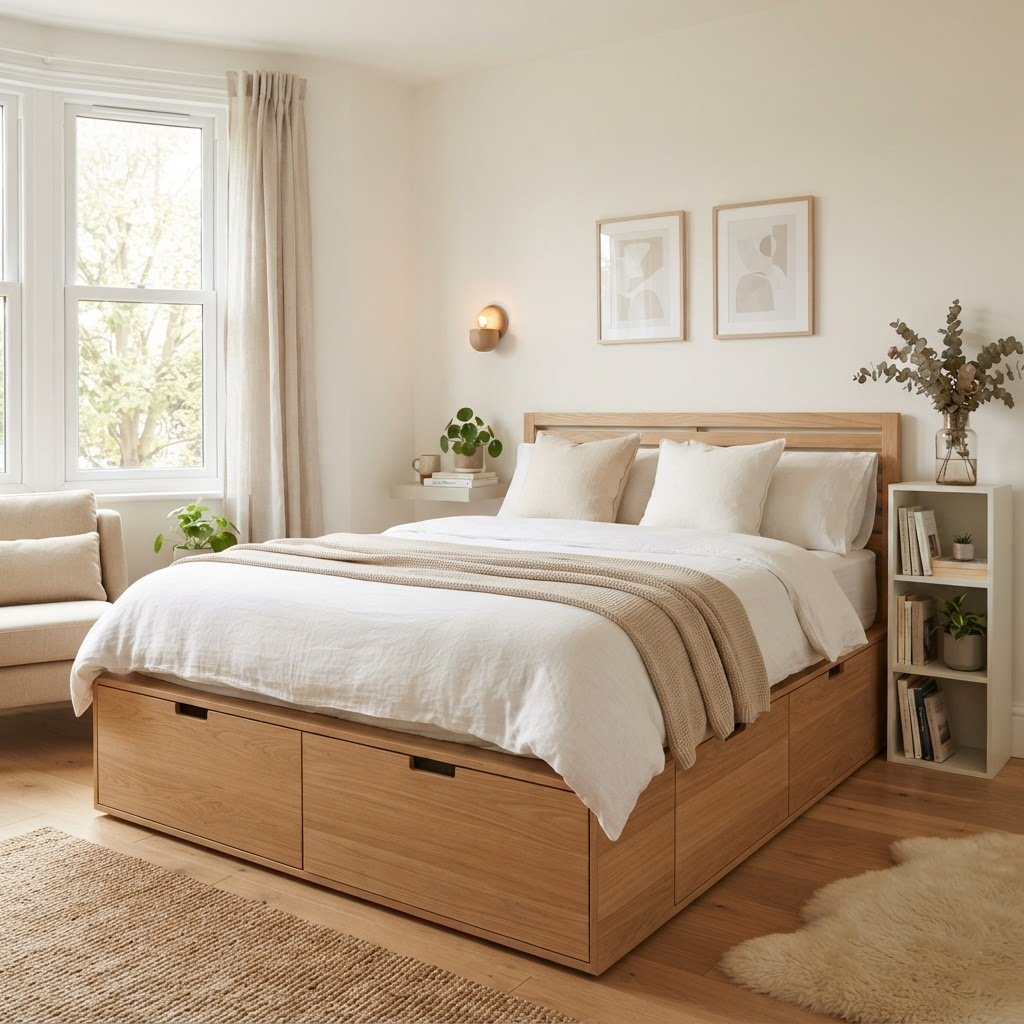
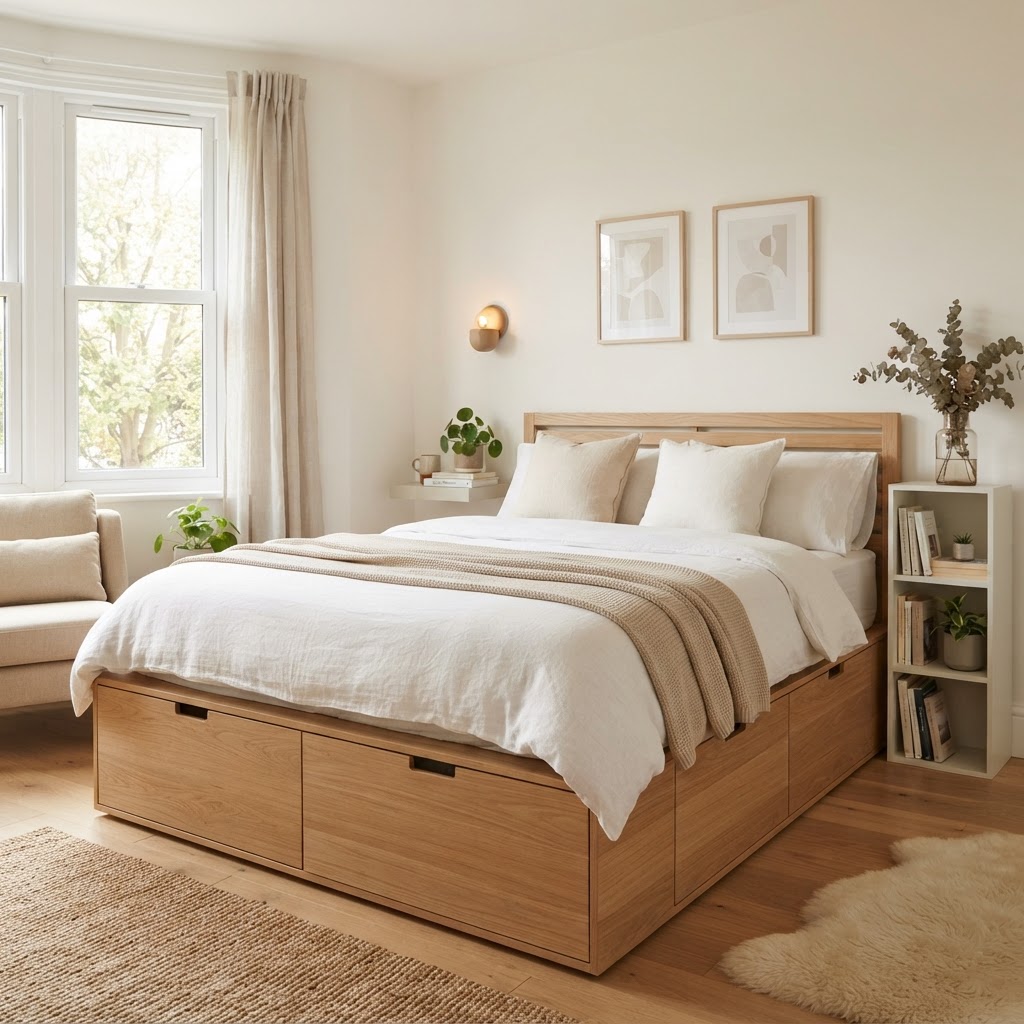
Next, consider your furniture choices. Opting for multifunctional pieces is a game-changer. Think of a bed frame that features a built-in drawer or a headboard with shelving integrated into the design. If you cannot replace your current bed, look into under-bed storage solutions. Using rolling containers allows you to stash out-of-season clothes, extra bedding, or shoes away from sight but within easy reach when you need them. Remember, every item should have a designated ‘home’ to keep the floor clear. Using clear, labeled bins under the bed allows you to reclaim approximately 15 to 20 square feet of floor space in a standard bedroom, which significantly changes the flow and accessibility of your room.
Smart Solutions for Small Spaces
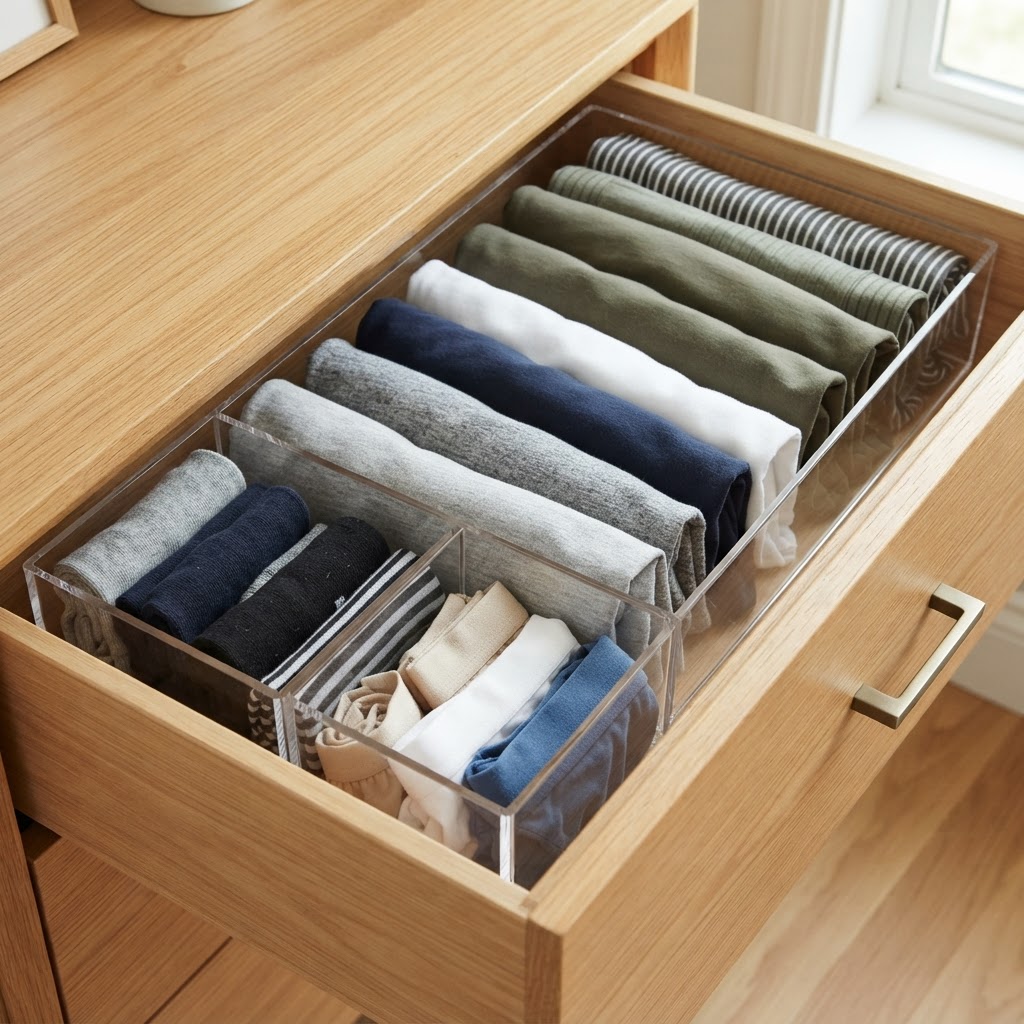
When dealing with small spaces, the primary goal is to minimize visual clutter while maximizing utility through strategic furniture placement. A single oversized dresser might overwhelm the room, so consider using two smaller chests or a slim vertical unit instead, as these offer more flexibility in tight layouts. Look for pieces that offer a deep drawer for bulky sweaters and a shallow one for accessories to maximize internal volume. Utilizing an organizer inside these drawers ensures that smaller items like socks or belts don’t get jumbled together; research suggests that drawer dividers can increase usable space by 30% by forcing vertical filing of clothing rather than stacking. By maintaining a uniform color palette for your storage units, you trick the eye into seeing a cohesive wall rather than a collection of mismatched furniture, which is a vital design trick for making small rooms appear 15% larger than they actually are.
Don’t ignore the corners of your room. A corner nook is often treated as dead space, but it is the perfect spot for a custom corner shelf or a small reading chair with hidden storage underneath. By being intentional about every corner and wall surface, you can easily double the functional space of your bedroom without sacrificing style or comfort. Installing a floor-to-ceiling corner unit can provide up to 10 linear feet of storage, turning an unusable gap into a library or secondary closet space effectively.
Tackling the ‘Too Much Stuff’ Dilemma
Many people wonder how do I organize my bedroom with too much stuff? The answer begins with a brutal editing session. Before buying any new storage bins, take everything out and categorize it into three piles: Keep, Donate, and Discard. If you haven’t used an item in the past 12 months, statistics indicate there is a 90% probability you will not use it in the next year. Once you have pared down, group similar items together. Use a clear bin for seasonal decor so you can quickly see what is inside without having to rummage through it. Proper categorization reduces the time spent searching for items by roughly 5 minutes per day, adding up to over 30 hours of recovered time per year.
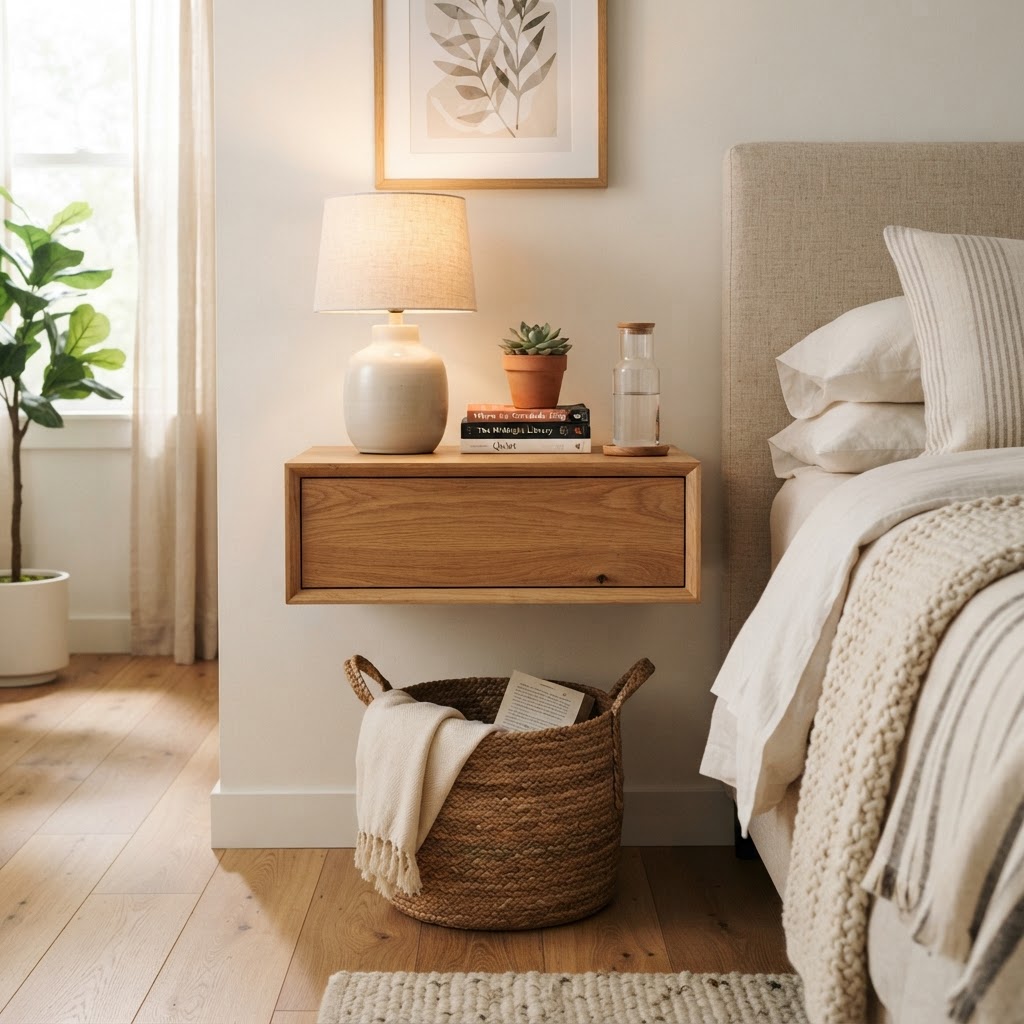
Focus on the daily habits that lead to clutter. Do you toss clothes on a chair at night? Place a stylish basket in the corner as a dedicated spot for ‘worn but not dirty’ items. Incorporate a divider in your dresser drawers to keep specific items separated. A small investment of $20-$40 in drawer organizers can prevent the dreaded ‘junk drawer’ phenomenon, keeping your bedroom furniture looking neat and organized at all times. Consistency is the secret to maintenance; spending just 5 minutes tidying each evening prevents the 2-hour ‘reset’ sessions that most people dread on weekends.
The Art of Hidden Storage
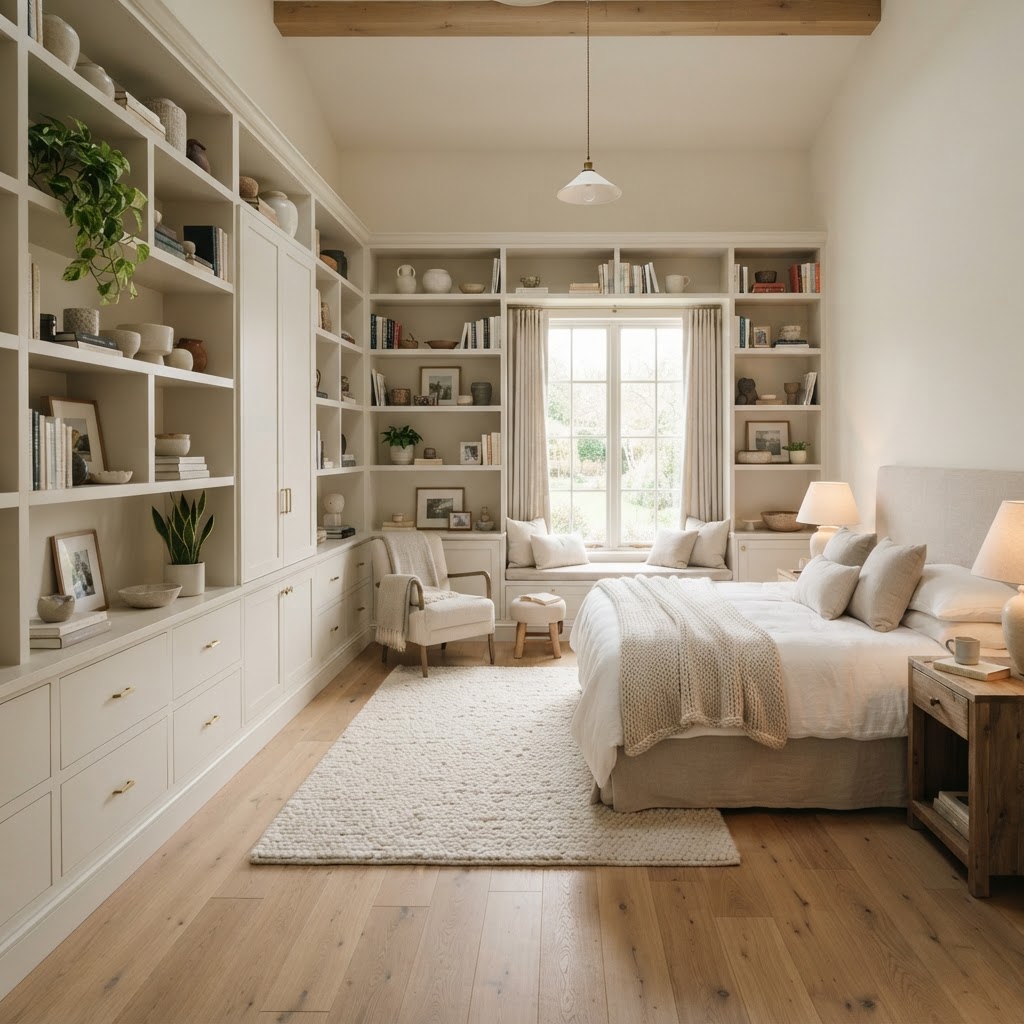
How to create hidden storage in the bedroom is a question of creativity and camouflage. Look at your current bedroom furniture and ask if it is working hard enough. A low-profile bench at the foot of your bed can act as a hidden compartment for blankets, typically holding 3-4 heavy comforters. If you have deep windows, consider adding a window seat with built-in storage cabinets underneath. This not only creates extra storage but also adds a cozy focal point to the room. When choosing furniture, look for ‘hidden hinges’ and ‘push-to-open’ latches, which remove the need for handles that can visually break up the lines of the room and make it feel smaller.
For those who love a minimalist aesthetic, consider wall-mounted units that blend into the wall color. A floating nightstand with a drawer provides enough room for your phone and glasses without the visual bulk of a traditional leg-based piece. By keeping the floor visible, the room naturally feels more spacious. This ‘hidden in plain sight’ approach is essential for maintaining a clean, airy environment. Using paint to match your shelves to the wall color creates a ‘built-in’ look that increases home value and maintains visual serenity.
Transforming Bedrooms into Storage Rooms
Sometimes, a room has to serve multiple purposes. If you are wondering how to turn a bedroom into a storage room without losing the ‘bedroom’ feel, the key is zoning. Use shelving units or decorative screens to physically separate your sleep area from your storage area. Use uniform storage boxes or baskets to keep the storage section looking cohesive rather than chaotic. Aim to keep the storage zone at least 3 feet away from the head of the bed to maintain a psychological boundary between rest and utility.
If the room is doubling as a home office, ensure that your files and supplies are stored in closed cabinets rather than open shelves. This hides the ‘work’ clutter when you are trying to wind down for the night. Remember that your bedroom furniture should prioritize comfort; a bed that is surrounded by clutter will never feel like a place of rest. Keep the storage focused, labeled, and tucked away behind closed doors whenever possible. By using neutral-toned bins, you can camouflage up to 50% more items without the room feeling cluttered or ‘busy’ to the eye.
Practical Tips for Daily Organization
Organization is a continuous process, not a one-time project. Implement a ‘one-in, one-out’ rule to prevent accumulation. For every new piece of clothing or accessory you bring into your room, donate or discard an older one. This prevents your dresser and closet from becoming overflowing and stressful. Use labels on your bins if you have multiple items in your under-bed storage to save time when looking for specific seasonal gear. Research suggests that labeling bins can improve retrieval time by 45%, making it a high-impact, zero-cost habit to implement immediately.
Think about the flow of the room. Does your nightstand have everything you need, or is it covered in clutter? Sometimes, moving an item just a few inches can make a massive difference in how the room feels. Regularly check your drawer dividers to see if they are still working for your current needs; life changes, and so does what we keep in our storage compartments. Perform a ‘storage audit’ every 6 months to ensure your system still aligns with your current daily routine and seasonal needs.
FAQ
Q: What is the best way to start organizing a messy bedroom?
Start by clearing your surfaces and categorizing items into Keep, Donate, and Discard piles. Once you remove unnecessary items, categorize the remaining goods by frequency of use, keeping daily essentials at eye level and seasonal items in high or low storage zones.
Q: How can I create more space in a tiny bedroom?
Utilize vertical wall space for shelving and switch to furniture with built-in storage, such as ottoman beds or lift-top desks. Clearing the floor area of clutter can make a small room feel up to 20% larger than it actually is.
Q: Are drawer dividers really effective for organization?
Yes, drawer dividers prevent the ‘junk drawer’ effect by creating dedicated zones for small items. They allow for vertical storage, which can increase the capacity of a standard dresser drawer by as much as 30% compared to loose stacking.
Q: How do I hide storage in a small bedroom?
Use furniture that doubles as storage, such as benches with internal compartments or nightstands with drawers. Matching your storage units to your wall color also creates a ‘built-in’ look that makes storage less visually disruptive.
Q: What is the ‘one-in, one-out’ rule?
The ‘one-in, one-out’ rule is a decluttering strategy where you must remove an old item whenever you bring a new one into your space. This simple habit prevents net-positive growth of belongings, ensuring your storage capacity is never overwhelmed.