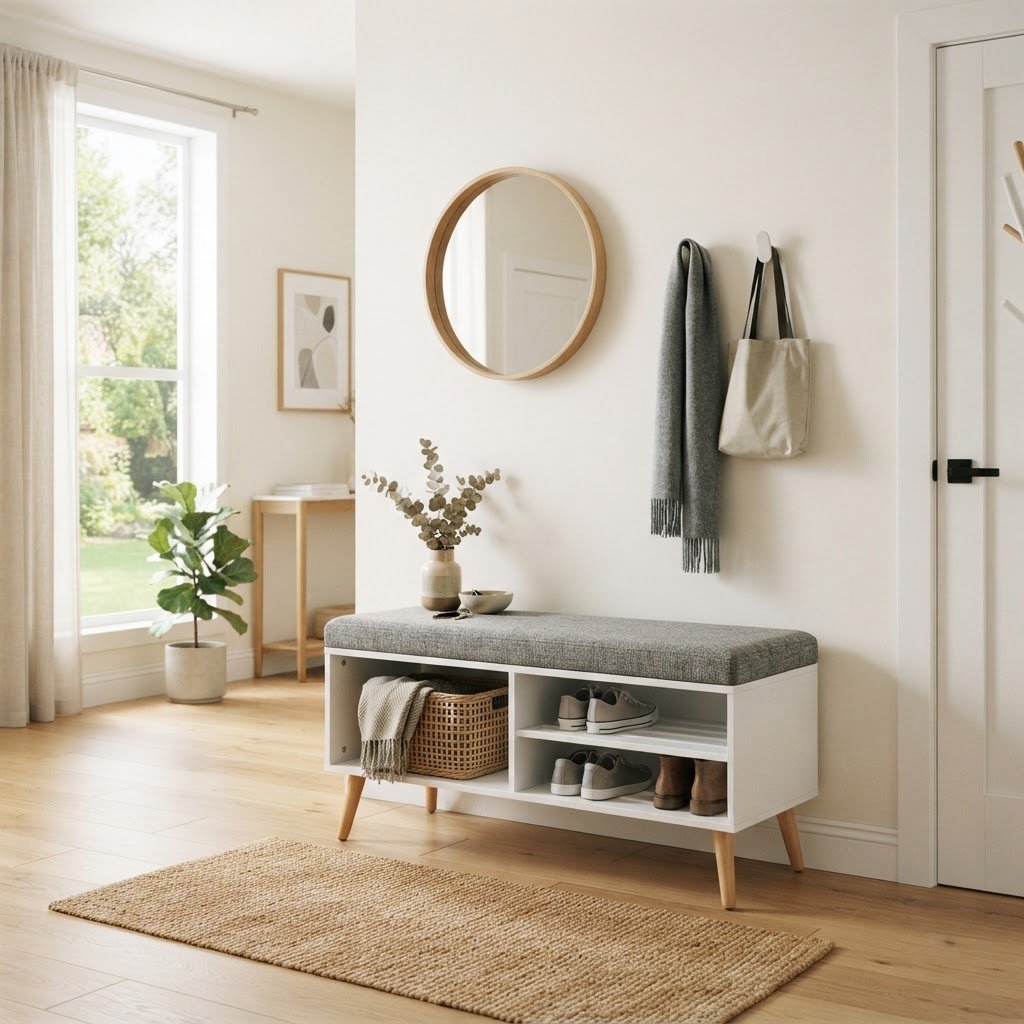
The best multifunction storage benches for tiny entryways are compact models featuring integrated pull-out drawers or slim hinged lids that maximize vertical storage while maintaining a shallow depth of under 14 inches. These dual-purpose pieces eliminate hallway clutter by combining seating with hidden organization for shoes, bags, and daily essentials in one footprint.
Why Multifunction Storage Benches Change the Game
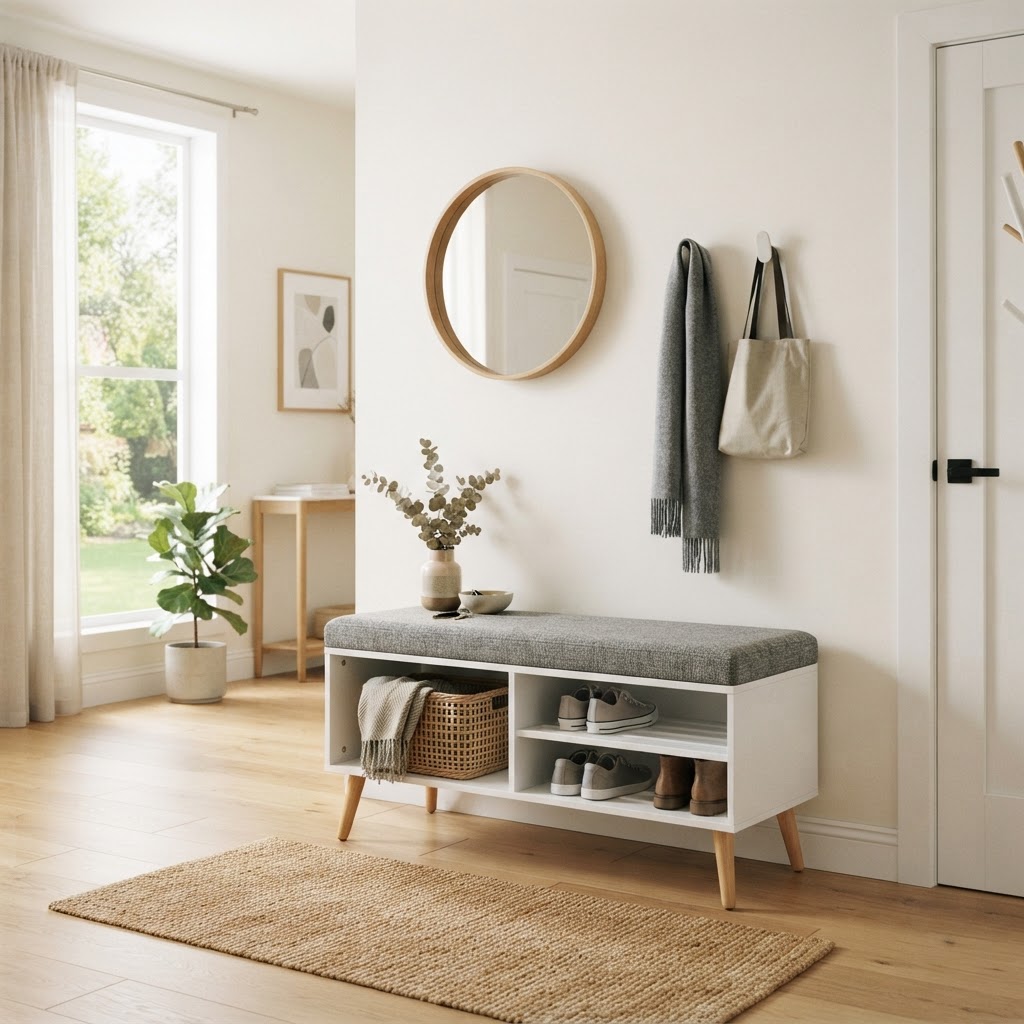
Storage benches are the most efficient furniture choice for small foyers because they combine seating and hidden compartments, effectively reclaiming floor space otherwise lost to bulky furniture. In homes under 1,000 square feet, every square inch of the entryway must serve a dual purpose to prevent the “dumping ground” effect of shoes and bags. A quality bench provides a stable surface to sit while putting on footwear, while the internal cavity acts as a command center for seasonal items. By transitioning from open racks to closed storage, you create a cleaner, more welcoming aesthetic that instantly signals order to guests.
Maximizing Vertical and Horizontal Space
In small homes, every square inch counts, and multifunction storage benches maximize both vertical and horizontal planes. By utilizing the “dead zone” beneath seating, you keep items off the floor, which creates the illusion of more square footage—a critical psychological trick for making narrow hallways feel expansive. Additionally, many modern benches incorporate backrests with integrated coat hooks or top-mounted shelving units, allowing you to use wall space efficiently. This tiered storage approach ensures that high-frequency items, like keys or umbrellas, remain at arm’s reach while bulky gear stays tucked away out of sight.
Key Features to Look For in a Small Foyer Bench
Selecting the right furniture for a tight foyer requires prioritizing high-durability materials and specific opening mechanisms that don’t impede movement. Because the entryway is a high-traffic area, prioritize powder-coated steel, solid wood, or heavy-duty composite materials that resist scuffs and moisture from wet footwear. Always measure the depth of your hallway; if the path is less than 36 inches wide, choose a bench with a depth of 12-14 inches to ensure a clear walkway. Evaluating the hinge mechanism is also vital for long-term satisfaction in confined spaces.
Opening Mechanisms and Access
How you access your stored items determines the long-term utility of the bench. Hinged lids are excellent for bulky winter boots or large sports bags, but they require clearance space in front of the unit, which can be problematic in narrow corridors. Conversely, pull-out drawers on smooth-glide ball-bearing tracks are superior for smaller items like scarves, mail, or dog leashes, as they allow access without requiring extra room in front of the bench. If you choose a drawer system, ensure the hardware is rated for at least 50 lbs to account for the weight of multiple pairs of shoes.
Top Styles for Modern and Traditional Homes
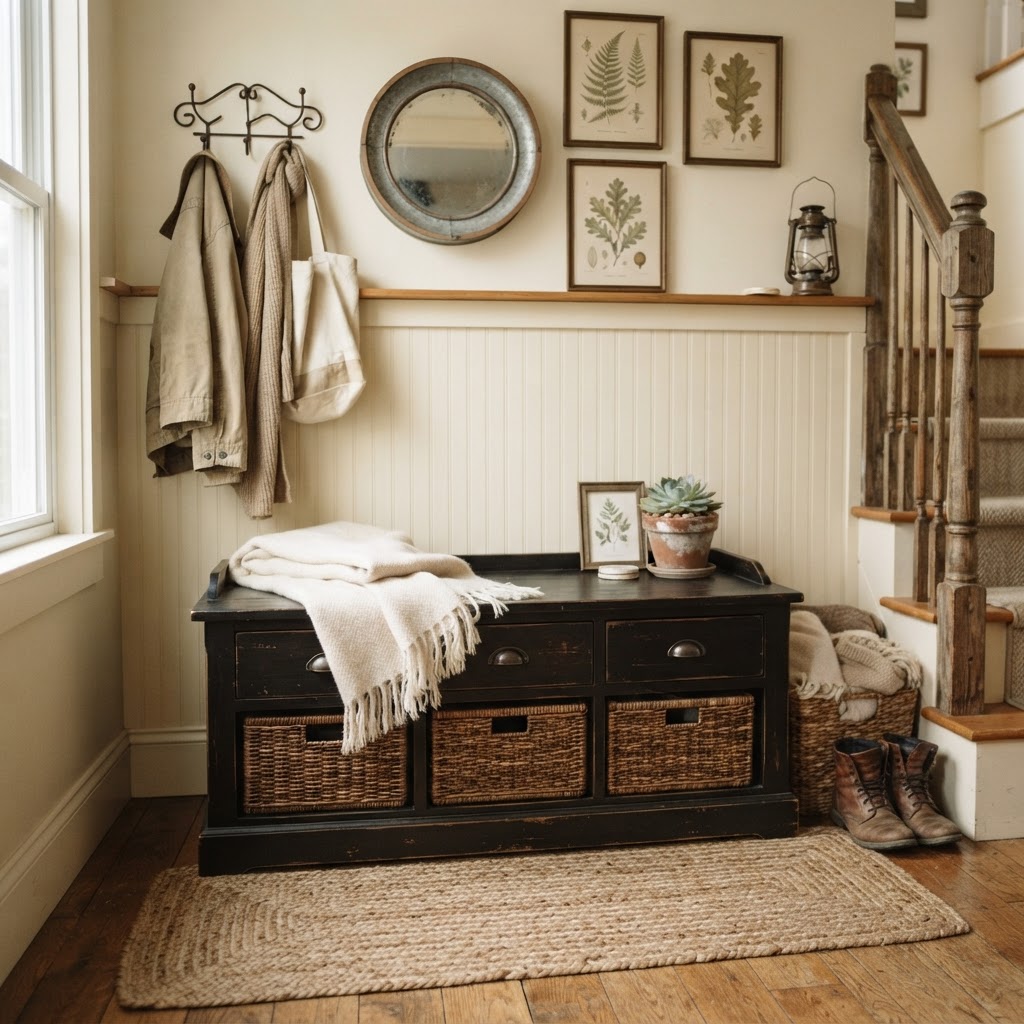
Your entryway bench should align with your home’s existing architecture to maintain visual flow. Modern designs favor clean, monochromatic lines and integrated soft-close hinges to minimize visual clutter, while traditional styles often incorporate warm wood veneers, classic tufted cushions, or decorative iron hardware. The key to successful styling is balancing decorative charm with material durability. For high-moisture climates, opt for performance fabrics like solution-dyed acrylics which are moisture-resistant and prevent mold growth in enclosed shoe compartments.
Material Considerations for Durability
Entryway furniture is subjected to higher wear than living room pieces, necessitating specific material choices. Solid wood or engineered MDF with a high-grade melamine coating provides the best protection against water damage from wet boots and umbrellas. If you choose to add an upholstered seat, ensure the fabric features a Martindale rub count of at least 20,000 to 30,000 cycles, indicating it can withstand heavy daily contact. For metal benches, prioritize powder coating over paint to prevent oxidation and chipping in high-traffic, high-humidity entry zones.
Creative Ways to Style Your Storage Bench
Styling a bench elevates it from a utility item into a deliberate design focal point that enhances your home’s aesthetic. Consider placing a decorative, non-slip tray on the surface for mail or keys, and utilize the area beneath (if the design permits) with woven baskets for seasonal slippers or pet gear. By curating these small details, you prevent the entryway from becoming a collection of miscellaneous items, turning it into a polished transition space that reflects your personal interior design style.
The Importance of Wall Decor
Pairing a bench with deliberate wall decor maximizes the impact of your small space through light manipulation and vertical utility. A large, circular mirror hung 6-8 inches above the bench seat will reflect natural light, effectively doubling the perceived size of a tiny landing. Combine this with wall-mounted brass or matte-black hooks placed at a height of 60 inches to keep heavy coats off the bench seat, ensuring the entire area remains functional, organized, and visually appealing.
Budget-Friendly Entryway Solutions
High-quality organization does not require a luxury budget; many affordable, flat-pack options provide the same utility as expensive custom-built units. When shopping for value, look for particleboard benches with reinforced cam-lock fasteners, which are easy to assemble and transport while offering a sleek, modern finish. Alternatively, source vintage solid-wood benches from thrift stores for under $50, which can be sanded, repainted, and fitted with modern matte hardware for a high-end look at a fraction of the cost of new retail furniture.
Customizing Your Storage
Basic storage benches can be customized to function like premium units through minor, cost-effective modifications. Add inexpensive acrylic or wood dividers inside the compartment to organize shoes, preventing heels and soles from scratching each other. Furthermore, retrofitting standard hinges with pneumatic soft-close dampeners for less than $15 provides a quiet, premium feel to the unit, preventing the lid from slamming and extending the lifespan of the hinges.
Troubleshooting Common Small Space Problems
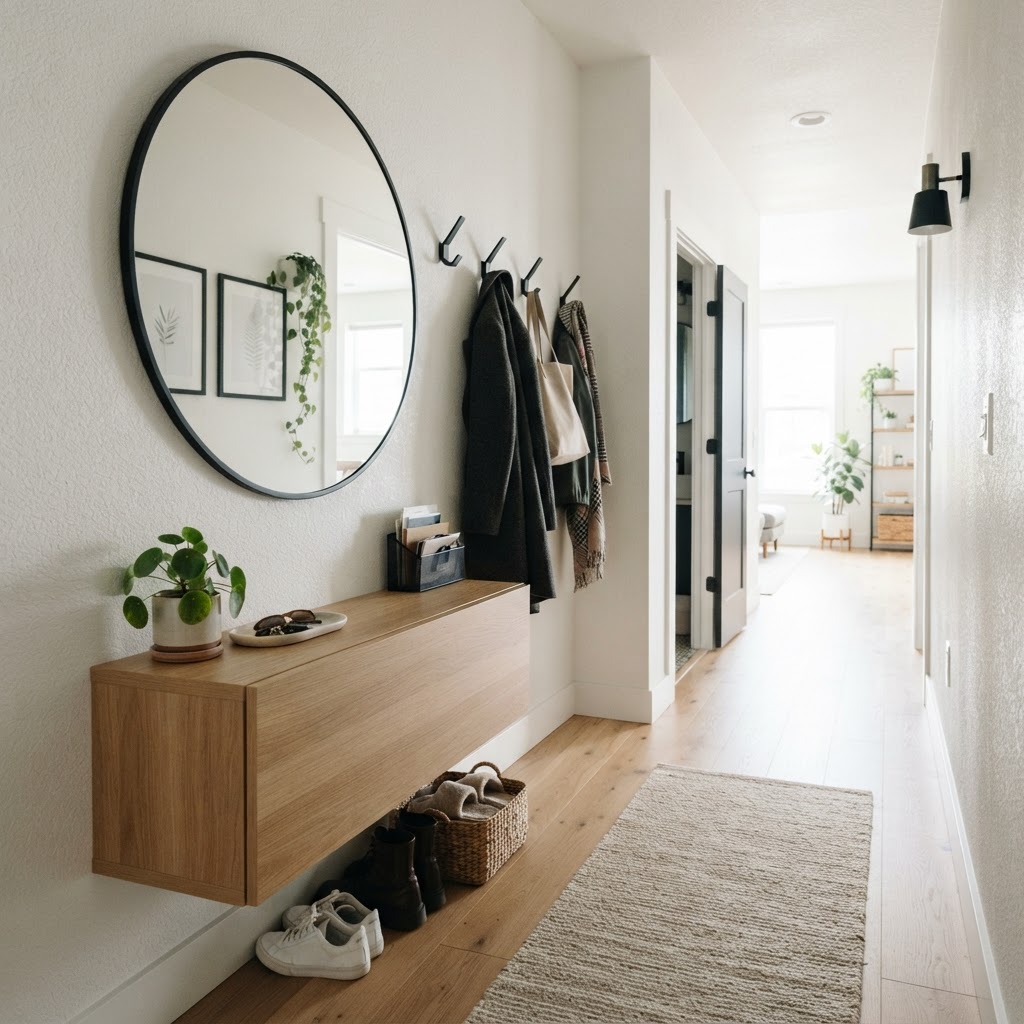
When a standard rectangular bench is physically too large for your floor plan, pivot to unconventional solutions that protect your square footage. Corner-specific benches leverage angles that are typically unusable, while “floating” wall-mounted benches eliminate floor legs, creating an open, airy feeling that prevents a narrow hallway from feeling obstructed. By physically separating the furniture from the floor, you create a clean visual line that makes a 3-foot wide hallway appear significantly larger.
Dealing with Clutter Overload
If your storage bench is consistently overflowing, the issue is often over-accumulation rather than a lack of space. Before adding more storage, conduct a biannual audit of your entry items; remove out-of-season footwear and worn-out bags. A storage bench should contain only items that are used at least 3-4 times per week. By limiting the inventory stored in the unit, you ensure the mechanism operates smoothly and that the bench remains a tool for organization rather than a “junk drawer” for items you rarely use.
FAQ
Q: How much clearance do I need for a storage bench?
Plan for at least 30 to 36 inches of clear floor space in front of the bench to allow comfortable movement. If your entryway is narrower, opt for a bench with sliding drawers rather than a flip-top lid to avoid obstructing the walkway.
Q: What is the best depth for an entryway bench in a tight space?
The ideal depth for a tiny entryway is 12 to 14 inches. This size is large enough to accommodate adult shoes comfortably while ensuring the piece does not feel intrusive in narrow corridors or apartment-style foyers where hallway flow is critical.
Q: Can I use a floating bench in a small apartment?
Yes, floating benches are highly recommended for small apartments because they keep the floor visible, which tricks the eye into perceiving more square footage. Ensure you mount the unit into wall studs using heavy-duty lag bolts to safely support the weight of multiple people.
Q: How do I keep my bench organized inside?
Use modular dividers, small fabric bins, or labeled shoe trays to segment the internal space. Categorizing items by user or season prevents the interior from becoming a “black hole” and ensures that you can locate specific items within seconds during your morning routine.

Leave a Reply