Category Budget Small Apartment Makeovers

No-Drill Secrets: Transform Boring Rentals Into High-End Spaces

No-Drill Secrets: Transform Boring Rentals Into High-End Spaces

To transform a boring rental into a high-end space without drilling, focus on layering lighting, utilizing peel-and-stick architectural accents, and choosing large-scale textiles to conceal basic flooring. These methods allow you to create a sophisticated, curated atmosphere that is completely reversible, ensuring you protect your security deposit while achieving a luxury aesthetic.

Rethink Your Walls with Temporary Coverings
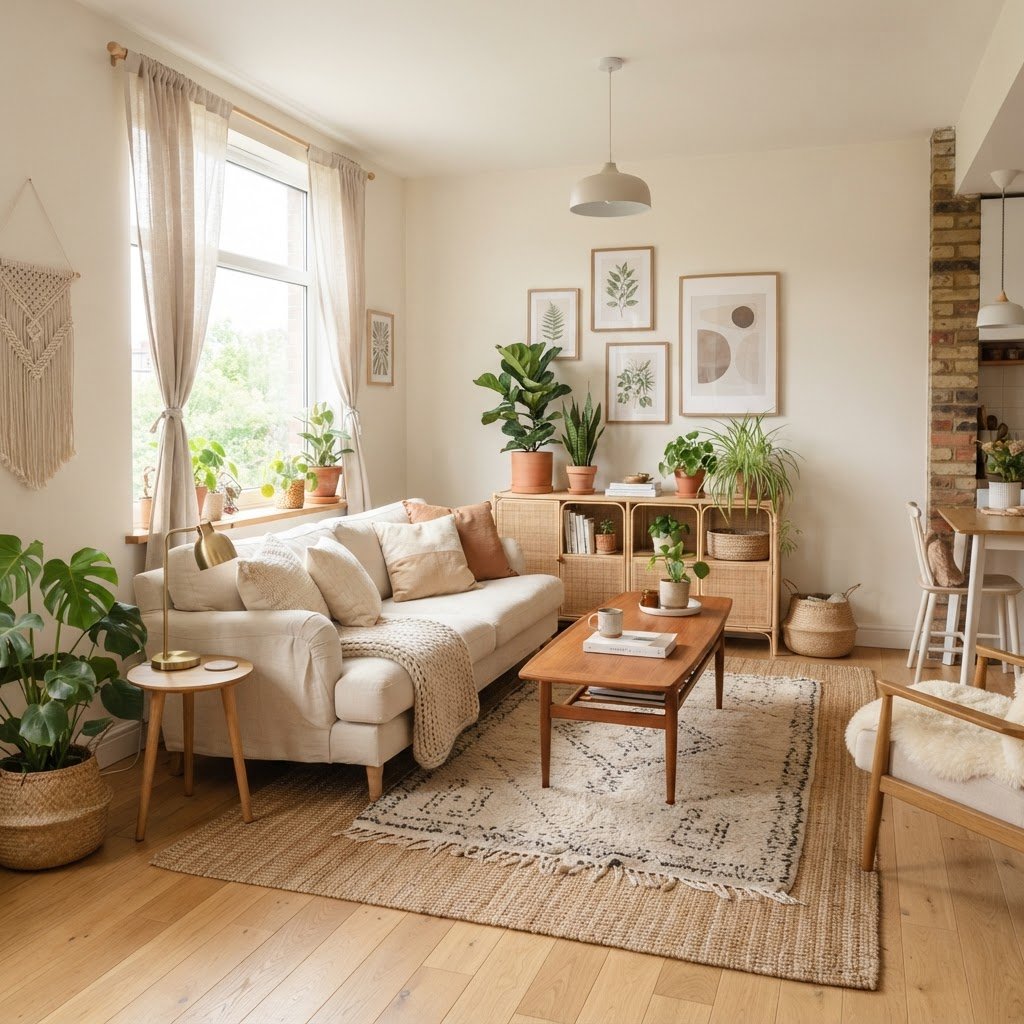
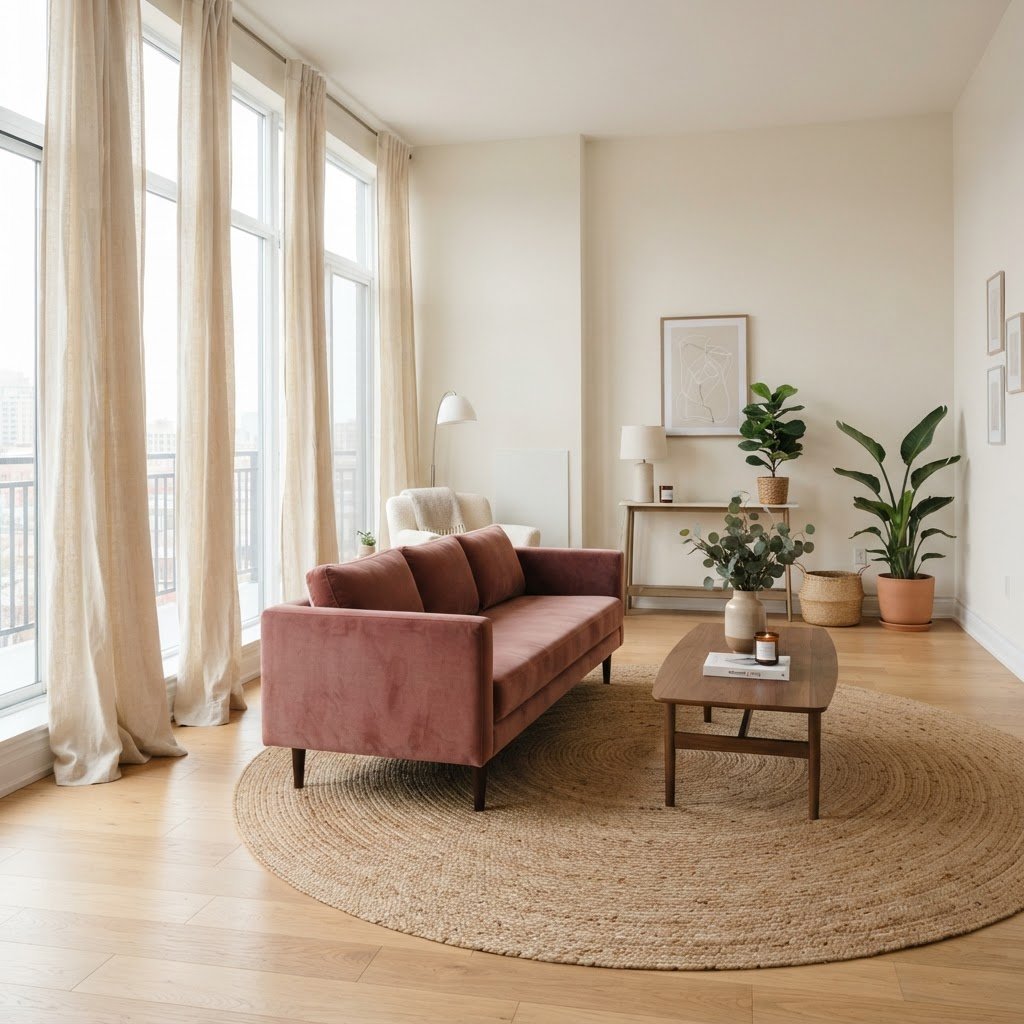
High ceilings achieved through high-mounted curtain rods and minimalist styling.

Rental walls often suffer from flat, sterile finishes, but you can instantly upgrade them using non-permanent, high-quality peel-and-stick solutions. Unlike traditional paint, modern adhesive wallpapers—such as textured grasscloth or metallic geometric patterns—can be installed in under two hours and removed without damaging the drywall or stripping the paint. To achieve a custom, high-end look, prioritize patterns that mimic architectural depth rather than busy, small-scale prints. For example, vertical faux-wood panels or subtle linen-textured wallpapers provide an immediate tactile elevation that standard landlord-white walls lack. When selecting these materials, always look for “vinyl-coated” labels, which are more durable and easier to peel when your lease concludes. By applying these to a single accent wall, you create a focal point that anchors the room’s design without permanent commitment.

Solution Aesthetic Impact Difficulty Level Removal Speed
Peel-and-Stick Wallpaper High (Texture/Color) Moderate Fast
Command Strips High (Display) Low Instant
Tension Rod Dividers Moderate (Spatial) Low Fast

Strategic Gallery Walls Without Hammers

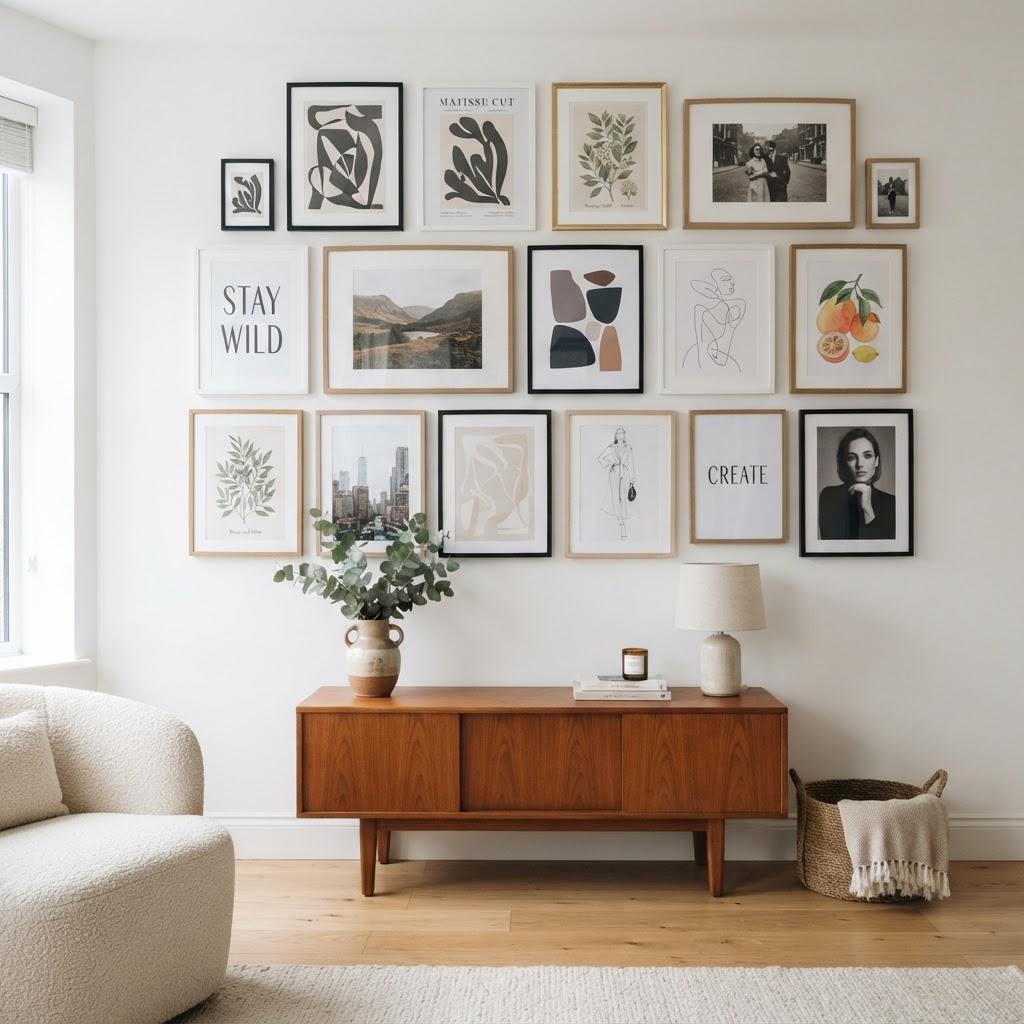
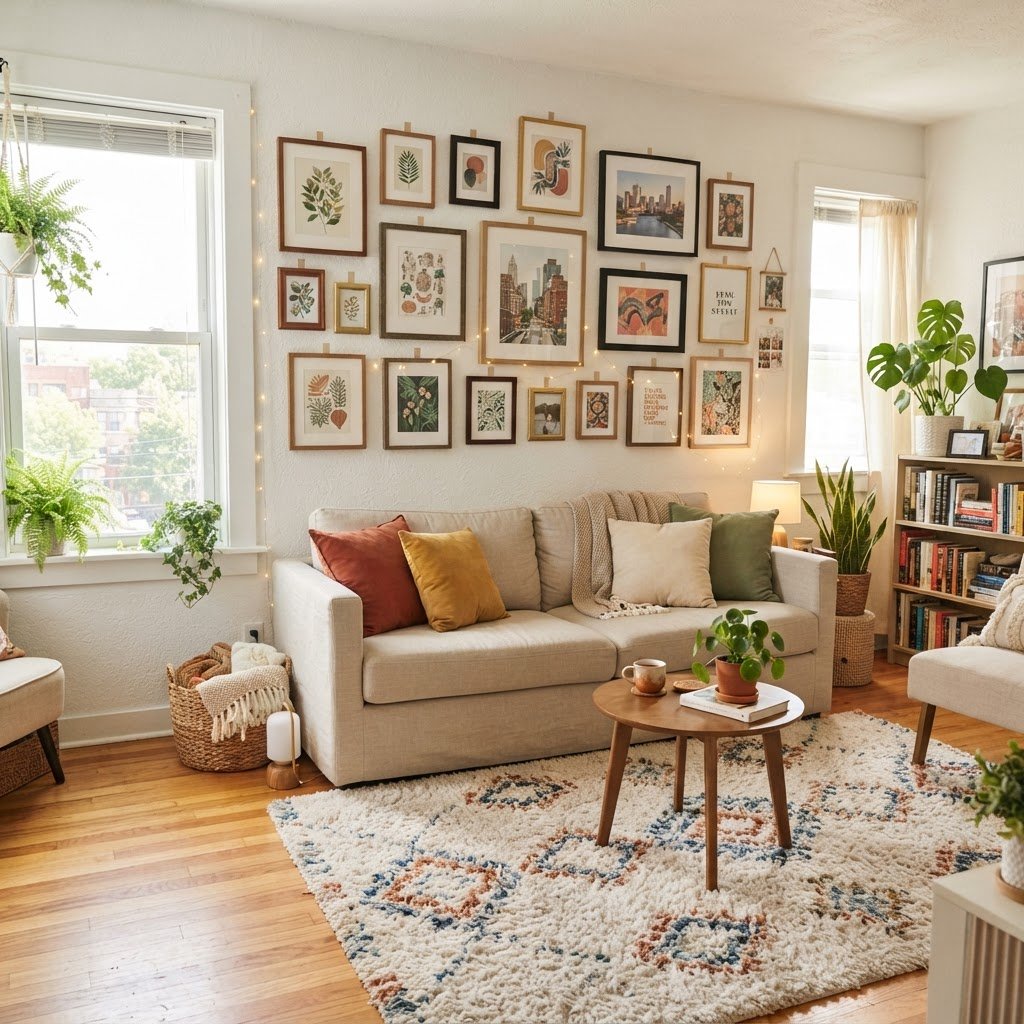
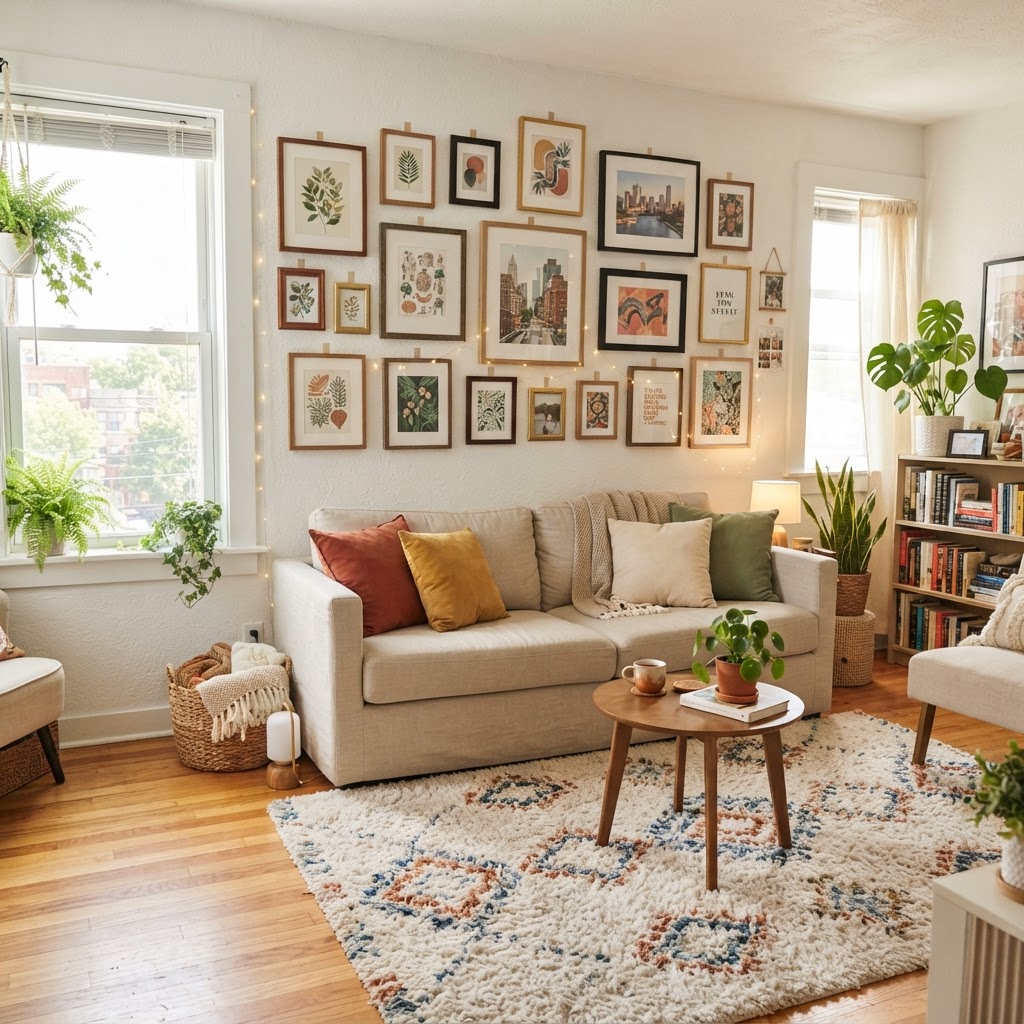
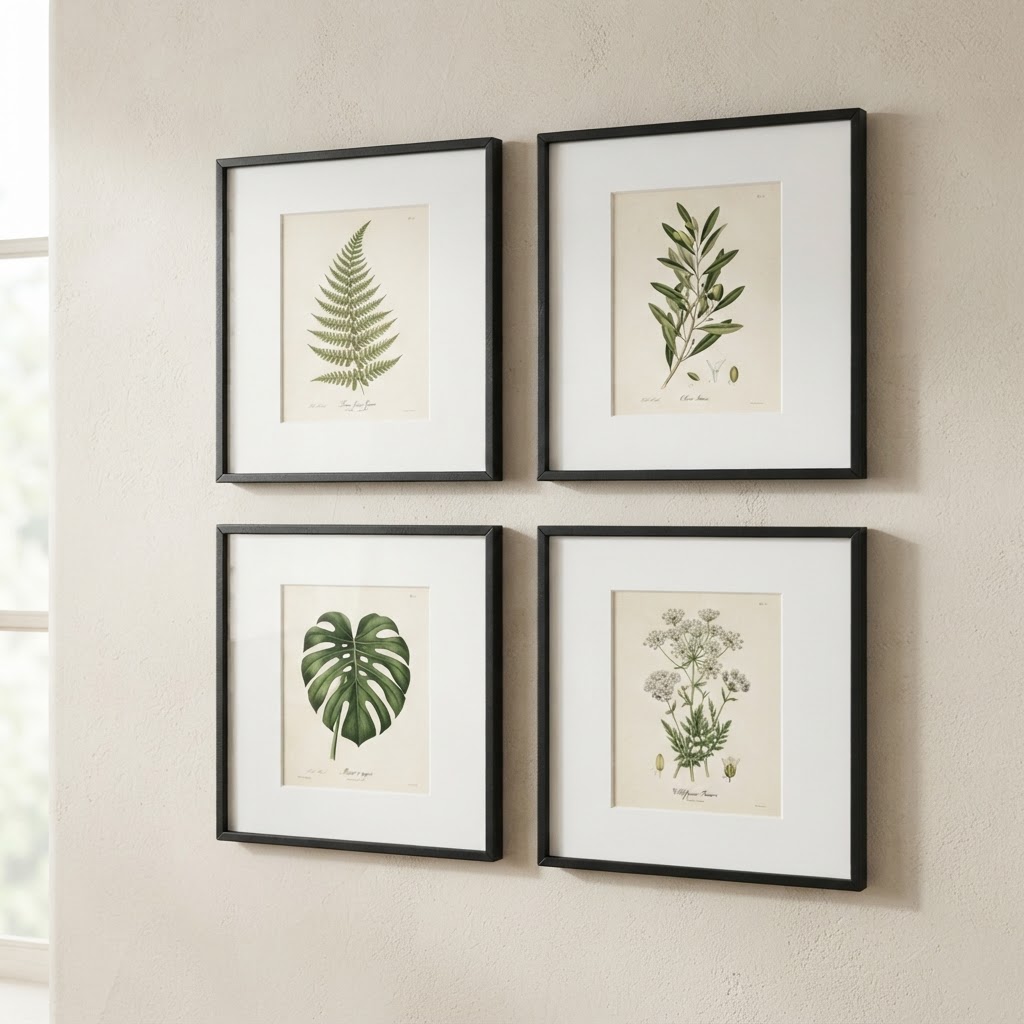
Creating a professional focal point is essential for any high-end room, and you do not need heavy-duty anchors to mount art. Using high-strength adhesive strips, such as those rated for 15+ pounds, allows you to group frames in symmetrical, gallery-style grids that draw the eye upward and mask wall imperfections. By utilizing matching frames in a uniform finish—such as brushed gold or matte black—you create a cohesive, gallery-like aesthetic.

Choosing the Right Adhesive

Always ensure your surfaces are cleaned with 70% isopropyl alcohol before applying any adhesive product to remove oils. Investing in premium-grade adhesive strips ensures your decor stays secure while preventing paint peel. For optimal results, press the strips firmly for at least 30 seconds and allow them to set for one hour before attaching the frame, ensuring a long-lasting, damage-free hold.

Lighting Design: The Secret Weapon of Luxury
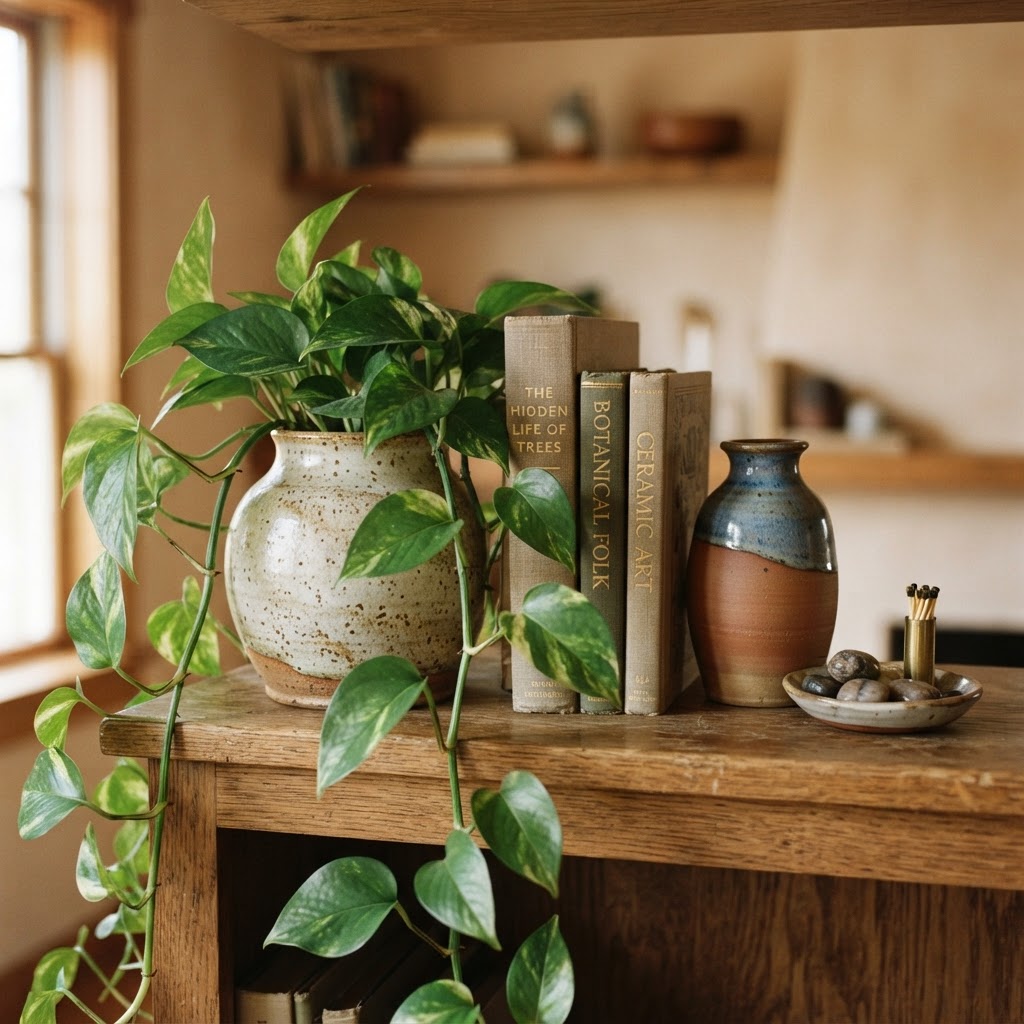
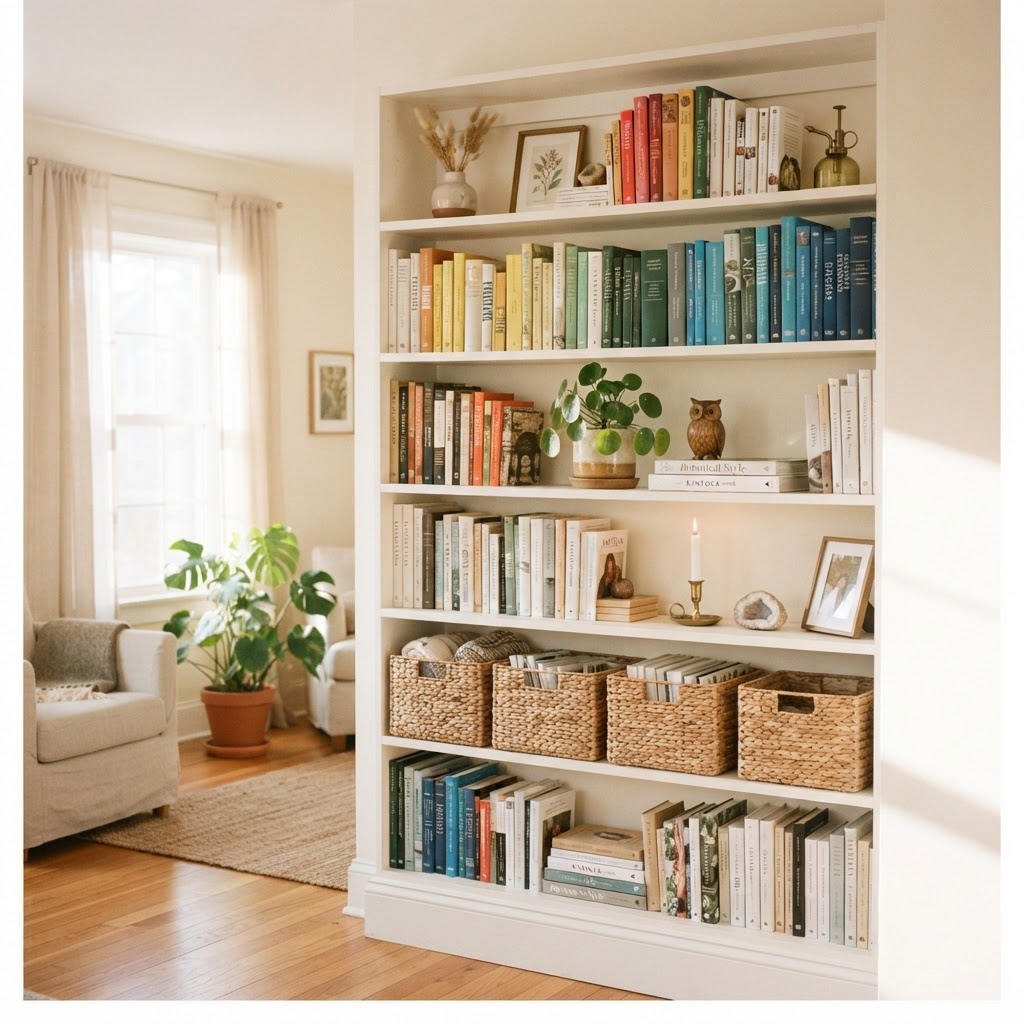
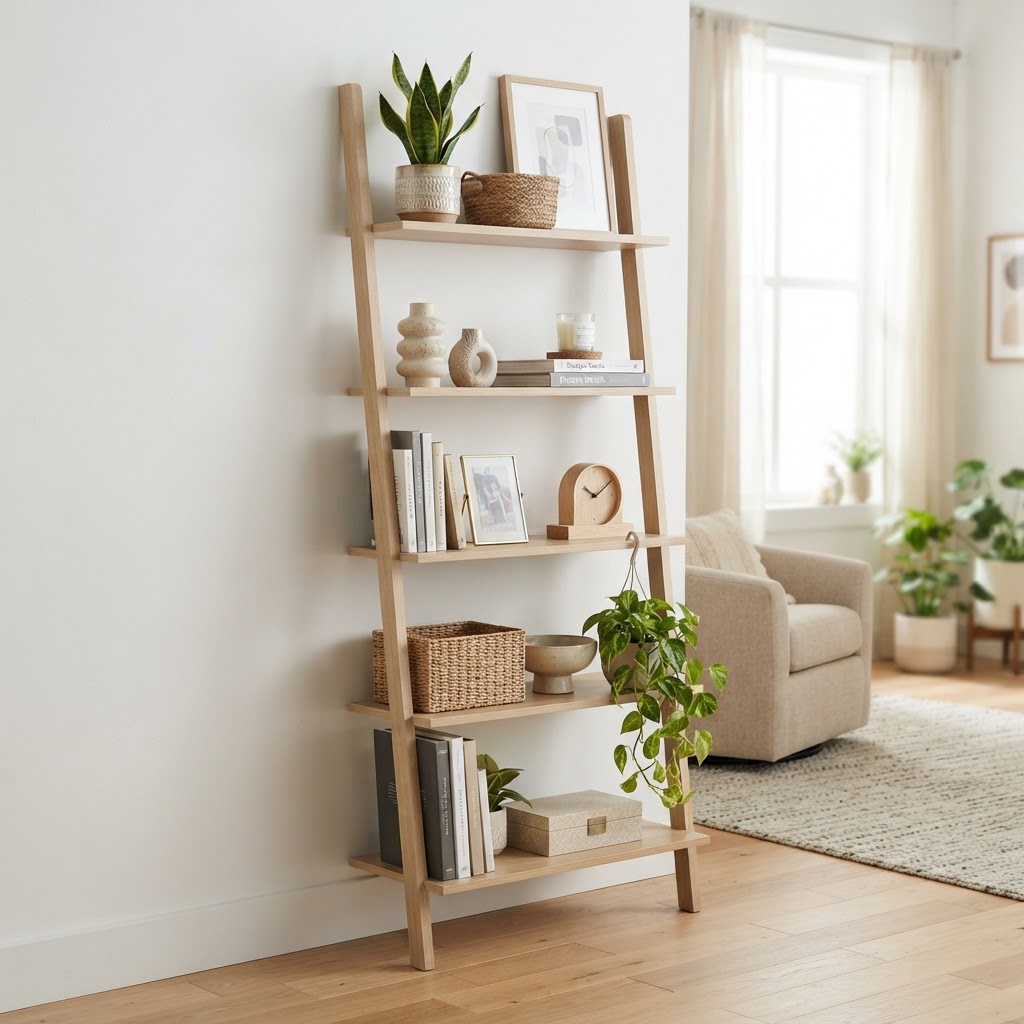
Curated shelf styling adds a professional, high-end feel.

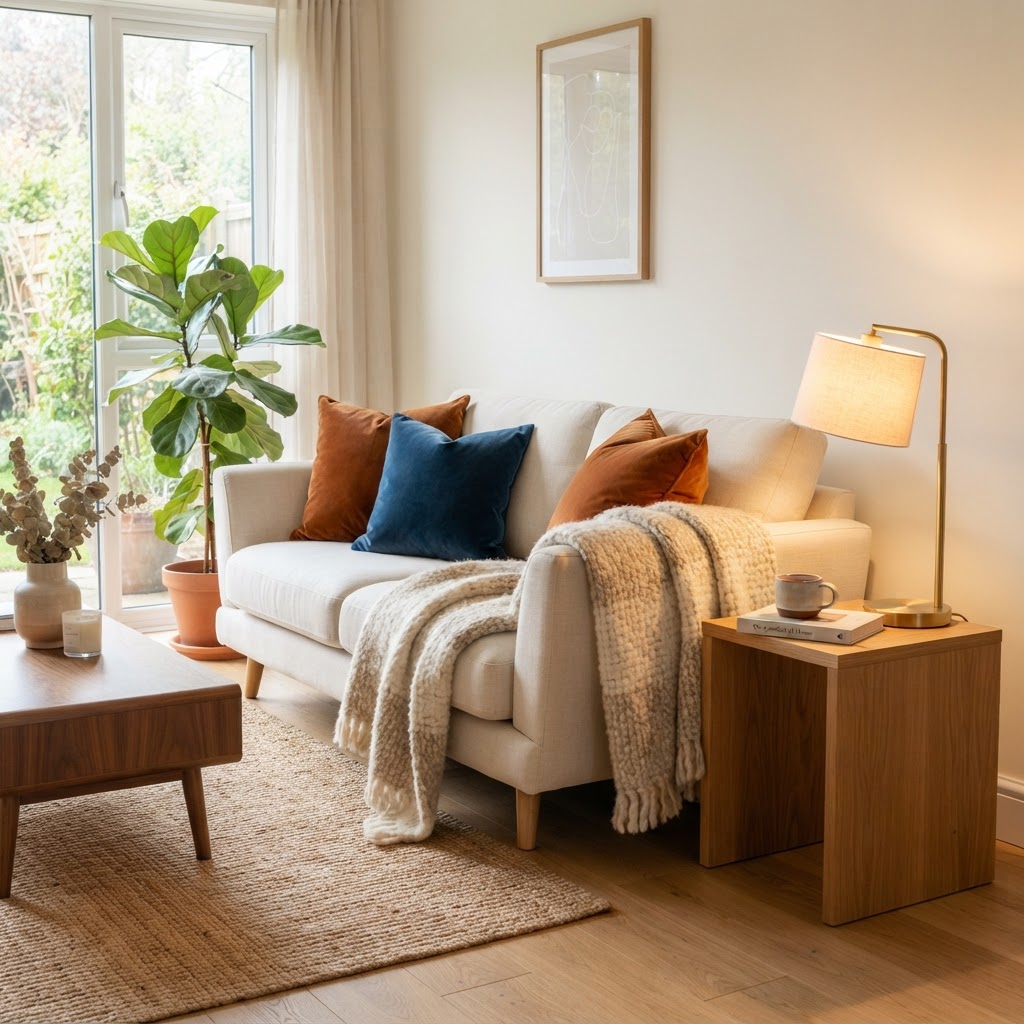
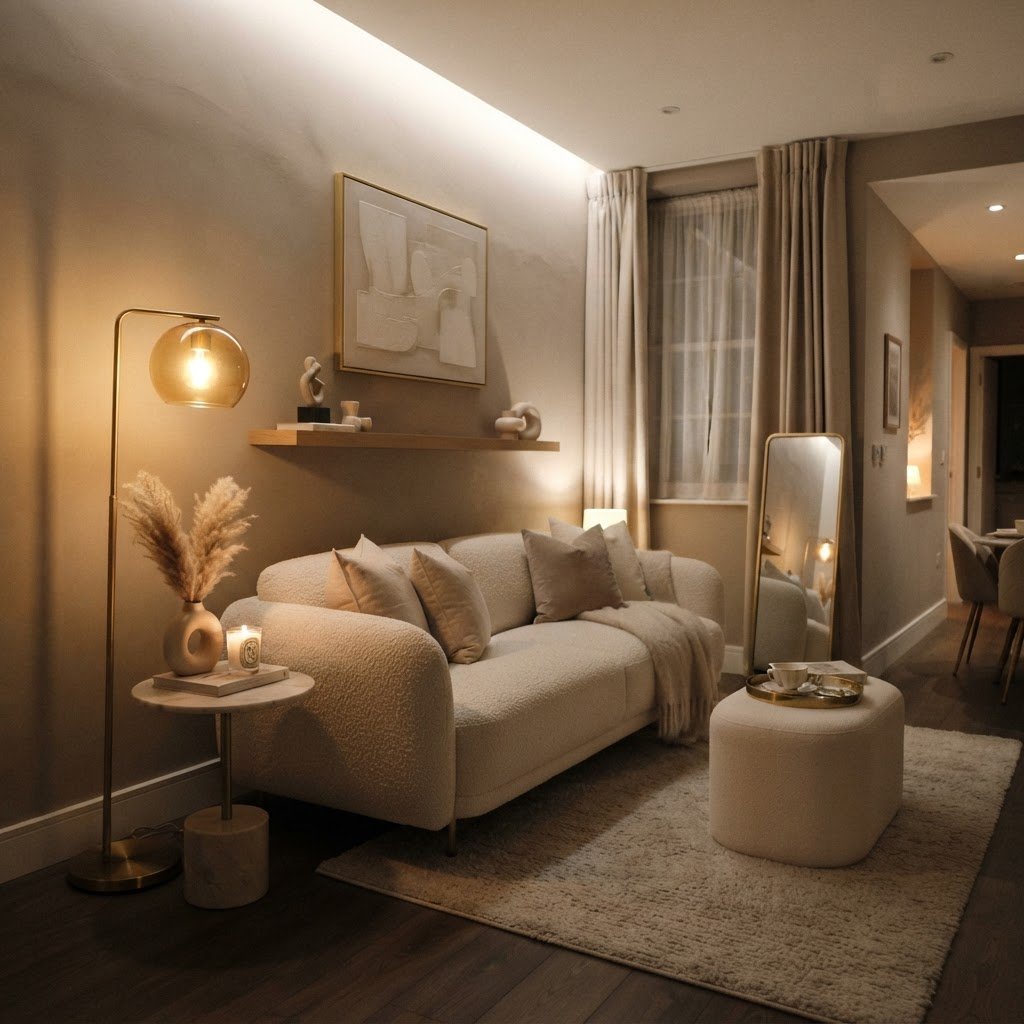
Standard “boob lights” and harsh overhead fixtures are the quickest way to make a space feel cheap, so the best way to elevate a rental is to ignore existing fixtures and layer your own lighting. High-end design follows the “three-point rule”: ambient, task, and accent lighting. By placing lamps at different heights throughout a room, you create a warm, layered environment that draws focus away from basic ceiling fixtures. Integrate smart bulbs that allow for color temperature adjustments; setting your lights to 2700K (warm white) mimics the inviting glow of a high-end hotel lobby. Incorporating floor lamps with interesting silhouettes acts as functional sculpture, adding height and character to empty corners. With the addition of smart plugs, you can control your entire lighting scene via voice command or a centralized app, providing a sophisticated, automated experience that feels custom-built rather than temporary.

The Power of Floor and Table Lamps

Invest in oversized floor lamps with statement materials like linen shades, brushed bronze, or marble bases to anchor your furniture layout. Table lamps placed on consoles and side tables serve as essential task lighting that eliminates shadows and highlights decorative vignettes. By strategically placing these at eye level, you manipulate the perceived scale of the room, making it feel larger and more intentional.

Elevating Floors and Window Treatments
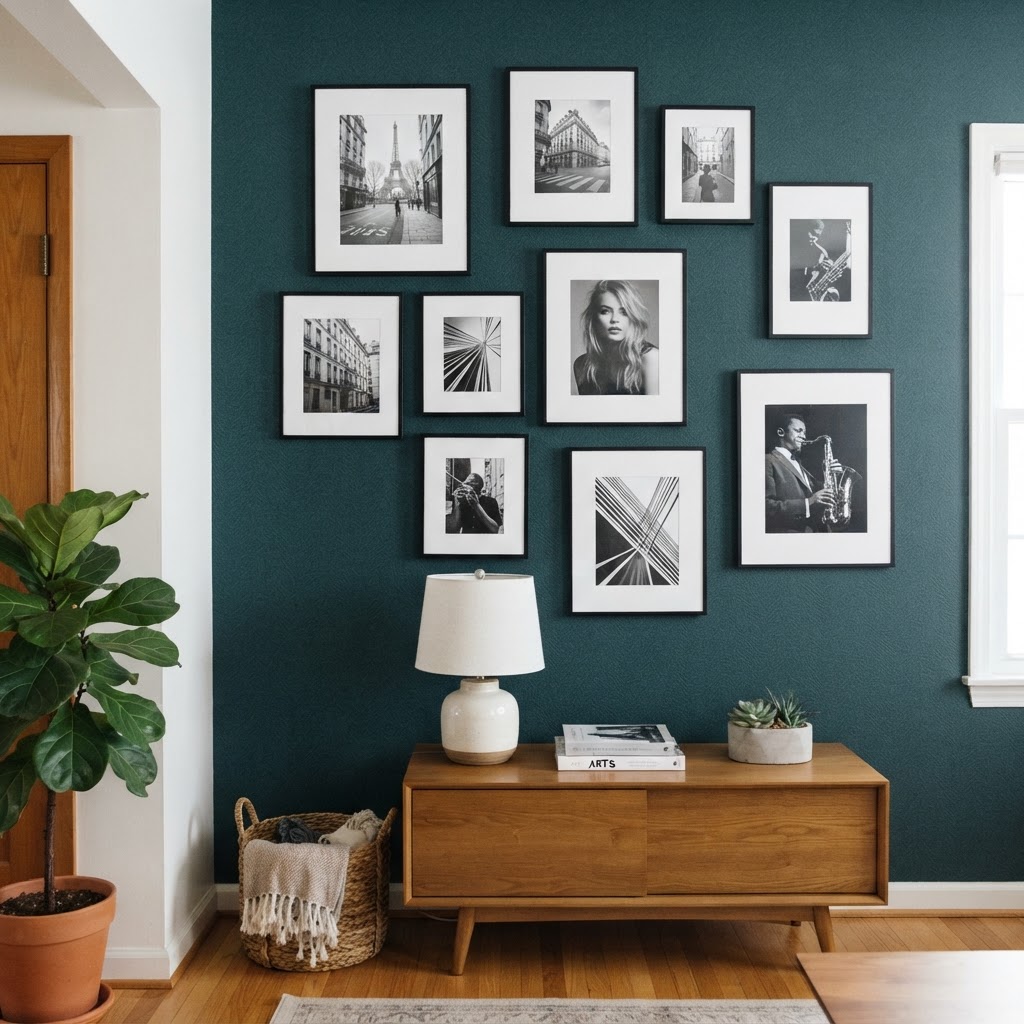
A renter-friendly gallery wall using no-drill adhesive mounting.

Rental flooring is often the most neglected area, but you can transform sterile vinyl or worn carpet by layering large-scale, high-quality area rugs that cover at least 70% of the room’s floor space. To achieve a luxury look, opt for natural fibers like jute, sisal, or wool-blend rugs, which add organic texture and durability. A rug that is too small makes a room feel fractured, while one large enough to tuck under the front legs of all furniture creates a cohesive, grounded foundation. Pairing these with heavy, floor-to-ceiling curtain panels mounted as close to the ceiling as possible—rather than the window frame—further enhances the illusion of height. Using “blackout” velvet curtains adds a weight and drape characteristic of high-end custom drapery, creating a dramatic architectural statement that effectively hides basic blinds or window frames without requiring a single hole.

Custom-Look Window Treatments

When choosing hardware, use tension rods for lighter curtains or “no-drill” bracket systems that clamp onto existing window frames. Always steam your curtains before hanging to ensure crisp, clean folds that mimic custom tailoring. The goal is to maximize the vertical line of the wall, making your ceilings appear significantly taller than they are.

Curating High-End Textures and Layers

If you want your apartment to feel like a boutique hotel, focus on mixing tactile elements within a monochromatic color palette. High-end design thrives on the “rule of three” for textures: combine at least three distinct materials—such as a boucle ottoman, a velvet accent chair, and a heavy knit throw—to create visual depth without cluttering the space. Textiles are the most cost-effective way to signal luxury, as they provide comfort and sophistication through touch. Don’t be afraid to mix subtle, tone-on-tone patterns to create interest while keeping the color story cohesive. By focusing on premium fabrics like linen, silk, and wool, you create an environment that feels intentionally curated rather than randomly furnished. The lack of heavy architectural detail is quickly forgotten when the room is filled with rich, layered textiles that engage the senses.

Textiles as Decor

Consider adding floor cushions, oversized velvet pillows, and weighted blankets to transform your seating area into a plush sanctuary. Investing in quality throw covers rather than cheap pre-stuffed pillows allows you to wash fabrics easily and swap seasonal color stories, maintaining a fresh, high-end appearance year-round.
26 <em>MUST TRY</em> Renter Friendly Upgrades for 2026″ src=”https://img.youtube.com/vi/ZjpcY3zov8g/hqdefault.jpg” style=”display:block; margin:2.5em auto; max-width:100%; height:auto;” /></a></p>
<h2>Styling Your Surfaces and Open Shelving</h2>
<p>Open shelving can look cluttered quickly, but it provides a perfect opportunity to display a curated collection that defines your personal style. Use the “rule of thirds” to arrange objects in groups, mixing books, sculptural vases, and small trailing plants to create balanced vignettes. To make basic shelves look built-in, apply a piece of peel-and-stick wallpaper on the back panel; this simple addition adds depth and serves as a backdrop that makes your decor pop. Keep shelves strictly curated by leaving “white space” between items to prevent the look of clutter, which is a common indicator of amateur design. The most sophisticated shelves feature a mix of heights and shapes, drawing the eye in a rhythmic, intentional pattern across the storage unit.</p>
<h3>The Art of the Vignette</h3>
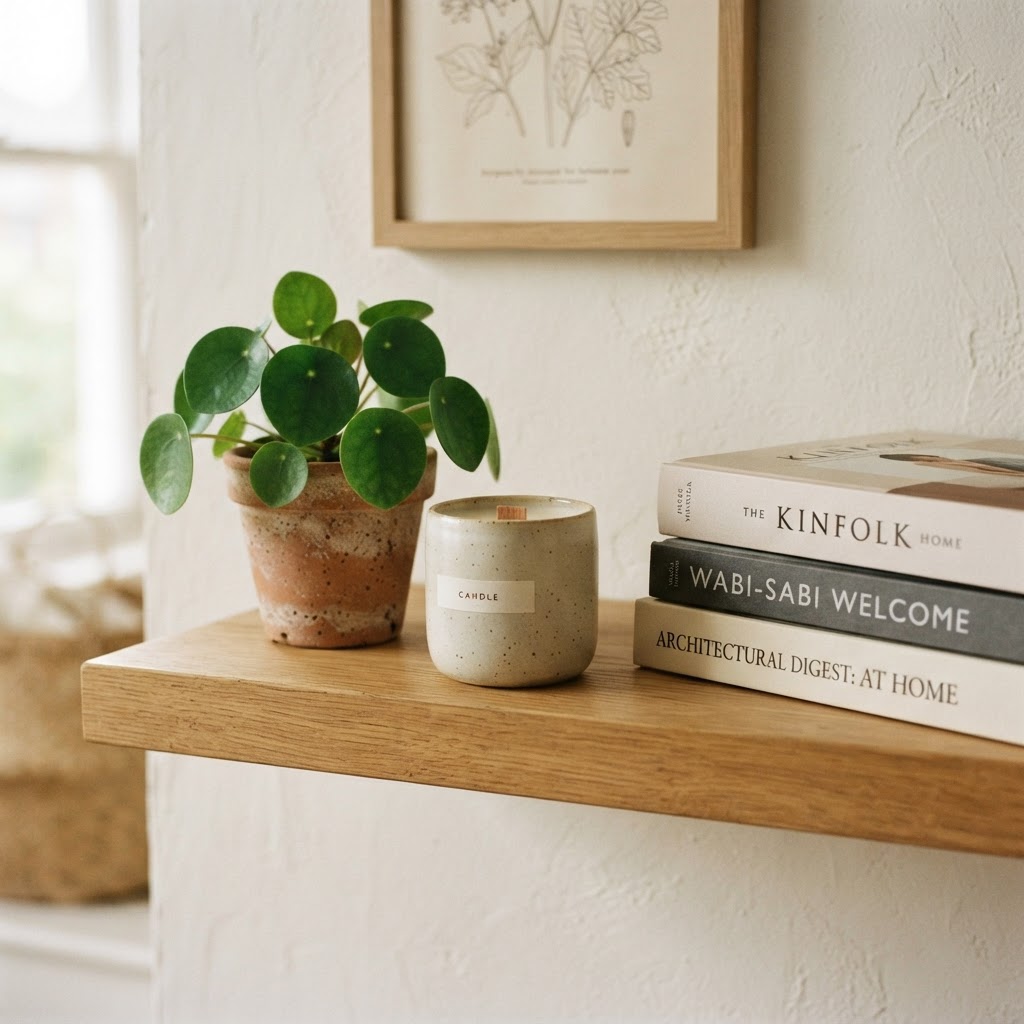
<p>Create a high-end vignette on your coffee table or entryway console by pairing a scent (like a luxury candle), a height element (a bud vase or book stack), and a tray to contain small items. This technique transforms functional surfaces into decorative displays, instantly elevating the perceived value of your home decor.</p>
<h2>Implementing Temporary Architectural Details</h2>
<p>One of the best-kept no-drill secrets is the use of tension rods and decorative panels to create the illusion of custom architecture. For instance, you can use heavy-duty tension rods between walls to install ceiling-to-floor curtains as room dividers, which adds a sense of privacy and softness to open-concept studios. You can also use temporary furniture risers to give low-profile, mass-produced sofas a taller, more elegant silhouette that feels custom-tailored to the space. Modular furniture is another strategic choice; look for pieces that can be reconfigured or expanded, which ensures that your “high-end” layout remains functional as your needs change. By focusing on these temporary architectural “hacks,” you can reconfigure the bones of a room, creating cozy nooks or expansive lounge areas that mask the generic layout of the original rental floor plan.</p>
<h3>Modular Furniture Upgrades</h3>
<p>Choose modular sofas with removable, machine-washable slipcovers. This allows for long-term maintenance and the ability to change the fabric texture to match your evolving interior design style without needing to replace the entire furniture piece.</p>
<h2>FAQ</h2>
<h3>Q: How can I hang heavy items without drilling holes in rental walls?</h3>
<p>Use heavy-duty adhesive strips rated for high weight capacities, such as 15-20 pounds per pair. Always ensure the surface is clean with alcohol, press firmly for 30 seconds, and allow the adhesive to fully cure for one hour before hanging your decor to prevent damage or falls.</p>
<h3>Q: What is the best way to hide ugly rental floors temporarily?</h3>
<p>Layer large, high-quality area rugs made of natural fibers like jute or wool to cover up to 70% of the existing floor. Choose rugs large enough so that the front legs of your furniture rest on them, which visually anchors the space and hides worn-out carpet or vinyl.</p>
<h3>Q: Can peel-and-stick wallpaper really look high-end?</h3>
<p>Yes, if you select textures that mimic luxury materials like linen, grasscloth, or architectural paneling rather than busy prints. High-quality vinyl-coated options provide depth and a realistic finish that can completely transform a room’s aesthetic when applied to a single focal accent wall.</p>
<h3>Q: How do I make rental lighting look expensive?</h3>
<p>Ignore the overhead “boob light” and layer your own lighting using floor lamps, table lamps, and smart plugs. By incorporating three points of warm-toned light (2700K) at different heights, you create a soft, inviting atmosphere typical of high-end interior design and reduce the visual reliance on generic fixtures.</p>
<h3>Q: Will command strips damage my paint when I move out?</h3>
<p>No, if you remove them correctly by pulling the tab slowly straight down against the wall, rather than pulling outward. This technique stretches the adhesive, allowing it to release cleanly from the surface without pulling off the paint or leaving a residue behind.</p>
<p><script type={"@context":"https://schema.org","@type":"FAQPage","mainEntity":[{"@type":"Question","name":"Q: How can I hang heavy items without drilling holes in rental walls?","acceptedAnswer":{"@type":"Answer","text":"Use heavy-duty adhesive strips rated for high weight capacities, such as 15-20 pounds per pair. Always ensure the surface is clean with alcohol, press firmly for 30 seconds, and allow the adhesive to fully cure for one hour before hanging your decor to prevent damage or falls."}},{"@type":"Question","name":"Q: What is the best way to hide ugly rental floors temporarily?","acceptedAnswer":{"@type":"Answer","text":"Layer large, high-quality area rugs made of natural fibers like jute or wool to cover up to 70% of the existing floor. Choose rugs large enough so that the front legs of your furniture rest on them, which visually anchors the space and hides worn-out carpet or vinyl."}},{"@type":"Question","name":"Q: Can peel-and-stick wallpaper really look high-end?","acceptedAnswer":{"@type":"Answer","text":"Yes, if you select textures that mimic luxury materials like linen, grasscloth, or architectural paneling rather than busy prints. High-quality vinyl-coated options provide depth and a realistic finish that can completely transform a room’s aesthetic when applied to a single focal accent wall."}},{"@type":"Question","name":"Q: How do I make rental lighting look expensive?","acceptedAnswer":{"@type":"Answer","text":"Ignore the overhead \"boob light\" and layer your own lighting using floor lamps, table lamps, and smart plugs. By incorporating three points of warm-toned light (2700K) at different heights, you create a soft, inviting atmosphere typical of high-end interior design and reduce the visual reliance on generic fixtures."}},{"@type":"Question","name":"Q: Will command strips damage my paint when I move out?","acceptedAnswer":{"@type":"Answer","text":"No, if you remove them correctly by pulling the tab slowly straight down against the wall, rather than pulling outward. This technique stretches the adhesive, allowing it to release cleanly from the surface without pulling off the paint or leaving a residue behind."}}]}

10 Renter-Safe Hacks Under $25 to Upgrade Small Spaces

10 Renter-Safe Hacks Under $25 to Upgrade Small Spaces

To transform a small rental into a cozy sanctuary for under $25, prioritize high-impact, non-permanent upgrades like swapping cabinet hardware, adding warm LED lighting, or installing removable wallpaper. These simple, budget-friendly changes allow you to personalize your home without risking your security deposit or exceeding a modest DIY budget.

The Psychology of Small Space Living

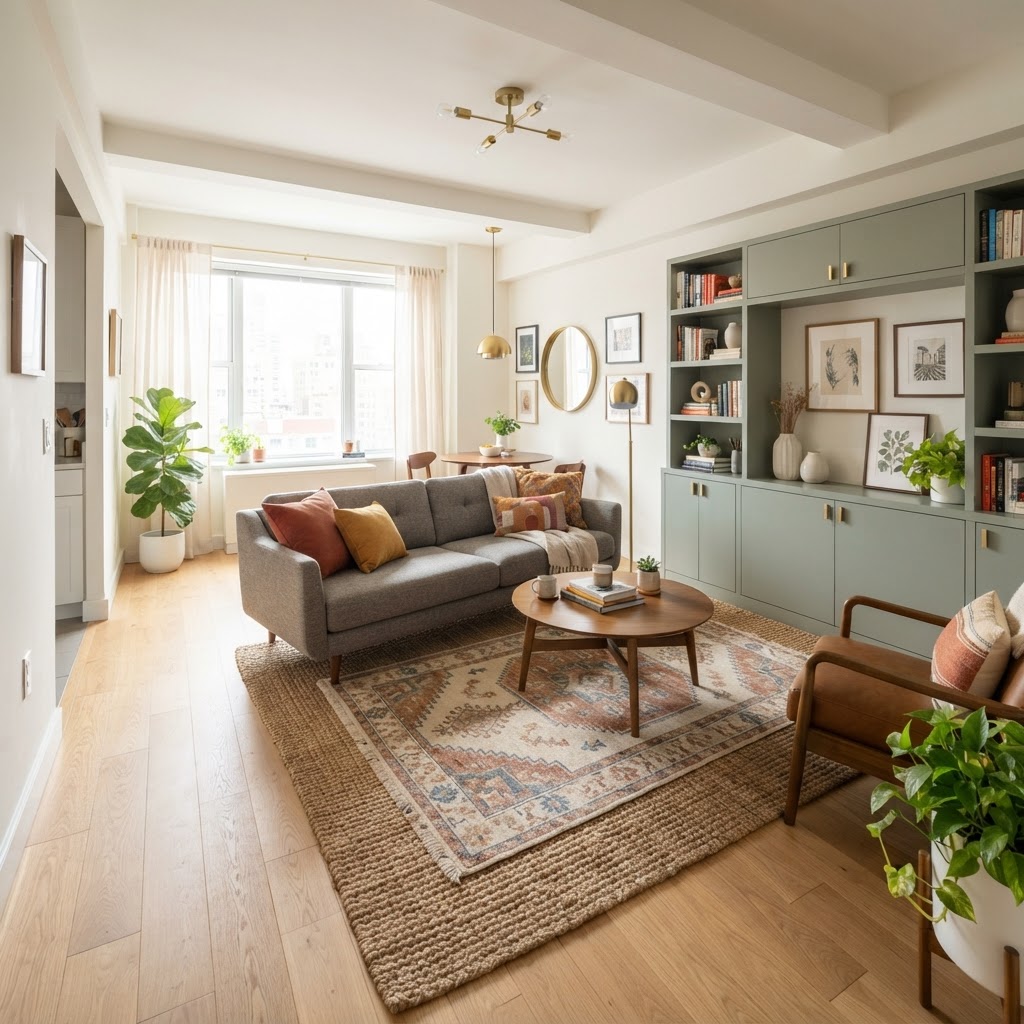
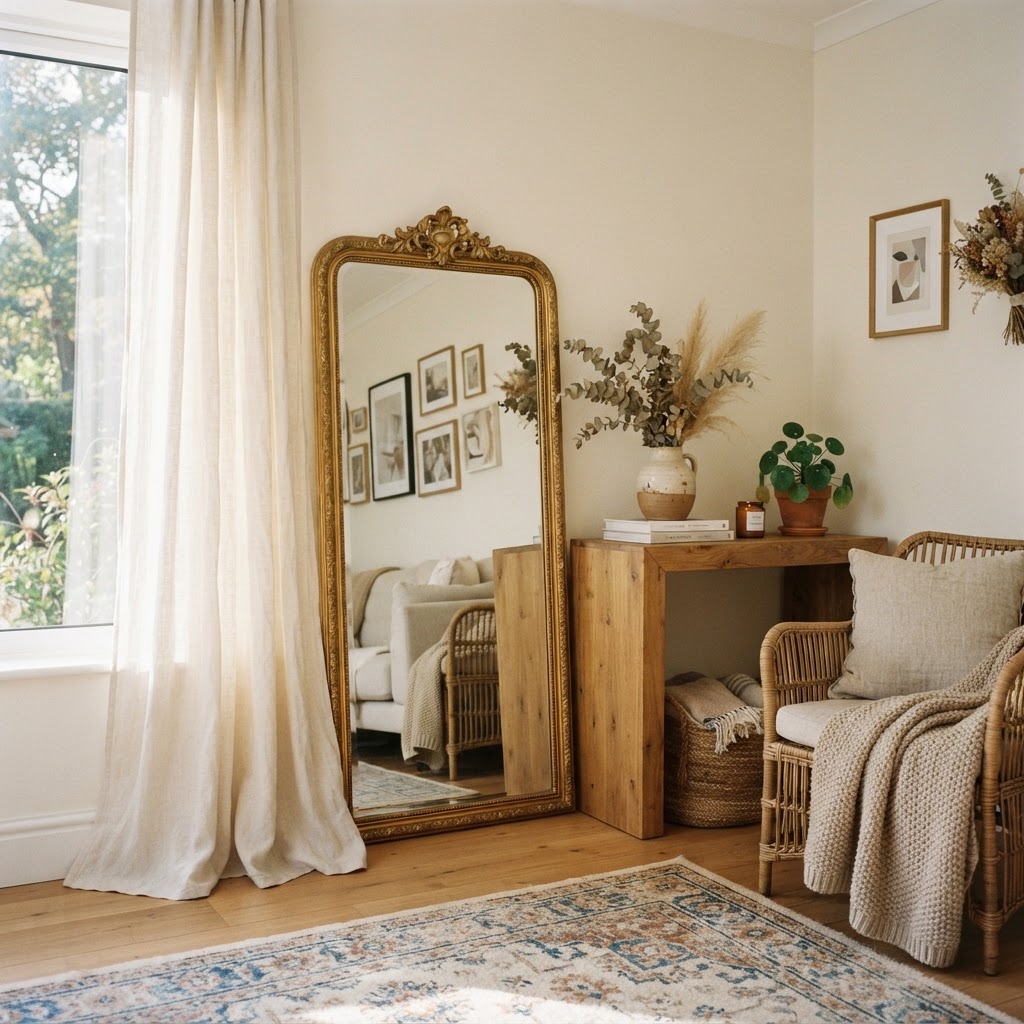
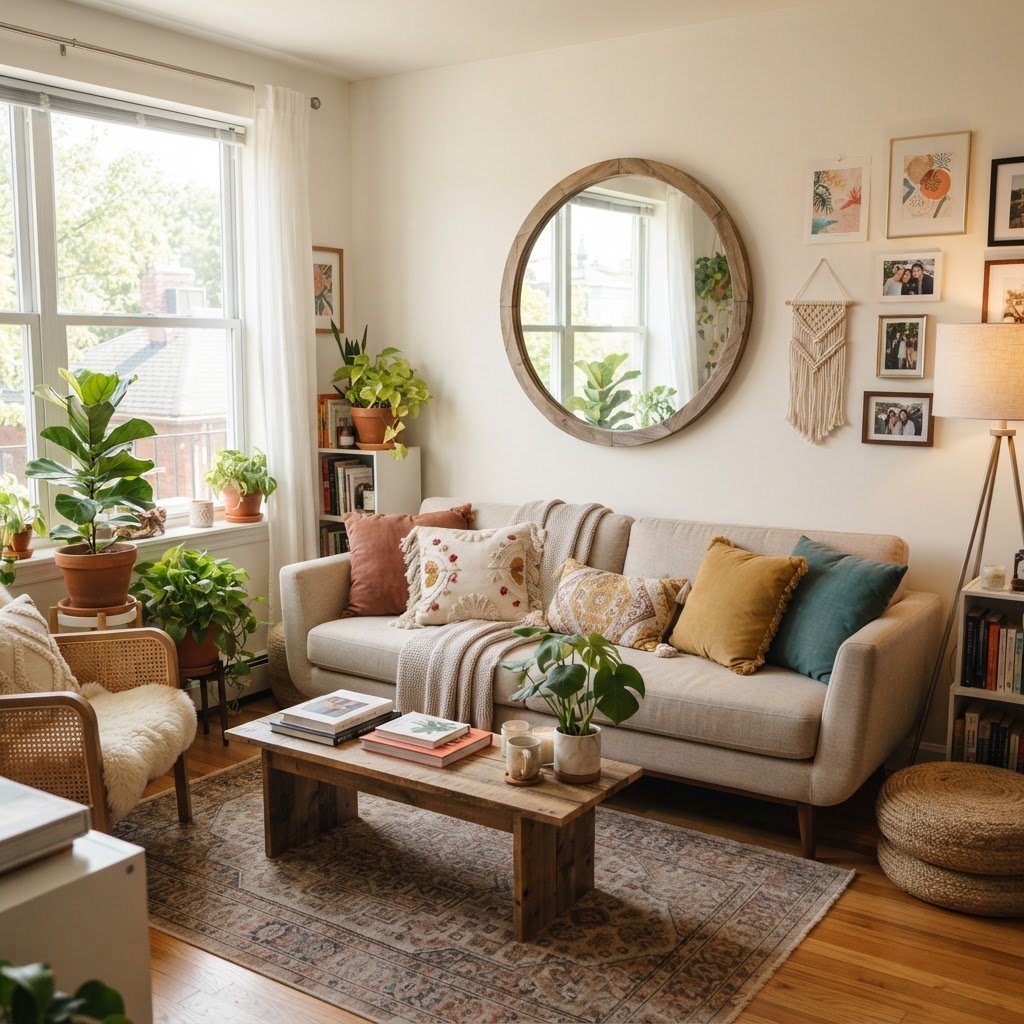
Using mirrors to brighten up a small rental living room.

In limited square footage, the clutter-to-space ratio dictates the overall comfort and functionality of your living environment. Small spaces often feel confining due to poor natural lighting, inadequate vertical storage, and generic builder-grade finishes that lack character. By implementing low-cost interventions, you can manipulate visual flow to create the illusion of a larger, more intentional room. Focus on “zoning” your space; assigning a specific purpose to every corner prevents the room from feeling like a sterile, undefined box. Studies in environmental psychology suggest that personalizing a home increases well-being, even when that home is a temporary rental. By keeping your project costs under $25, you maintain the flexibility to adapt your decor as your tastes evolve or as you prepare to move. This strategy encourages creative experimentation, allowing you to refine your aesthetic through trial and error while avoiding the financial risks associated with permanent renovations.

Why Budget-Friendly Matters

Budget Strategy Benefit Cost Estimate
Hardware Swapping Professional look $15–$25
Removable Decor Zero damage $10–$20
Lighting Updates Mood shift $12–$25

Lighting: The Instant Mood Booster

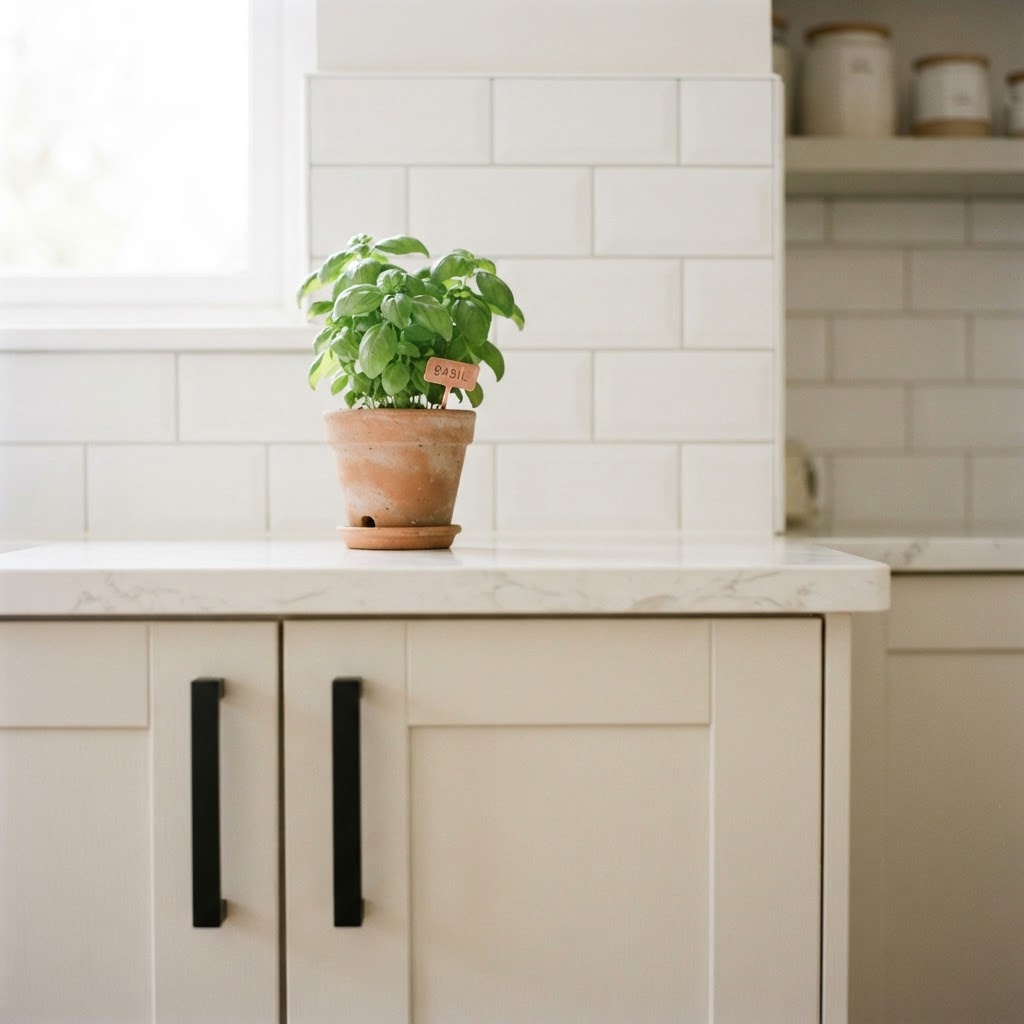
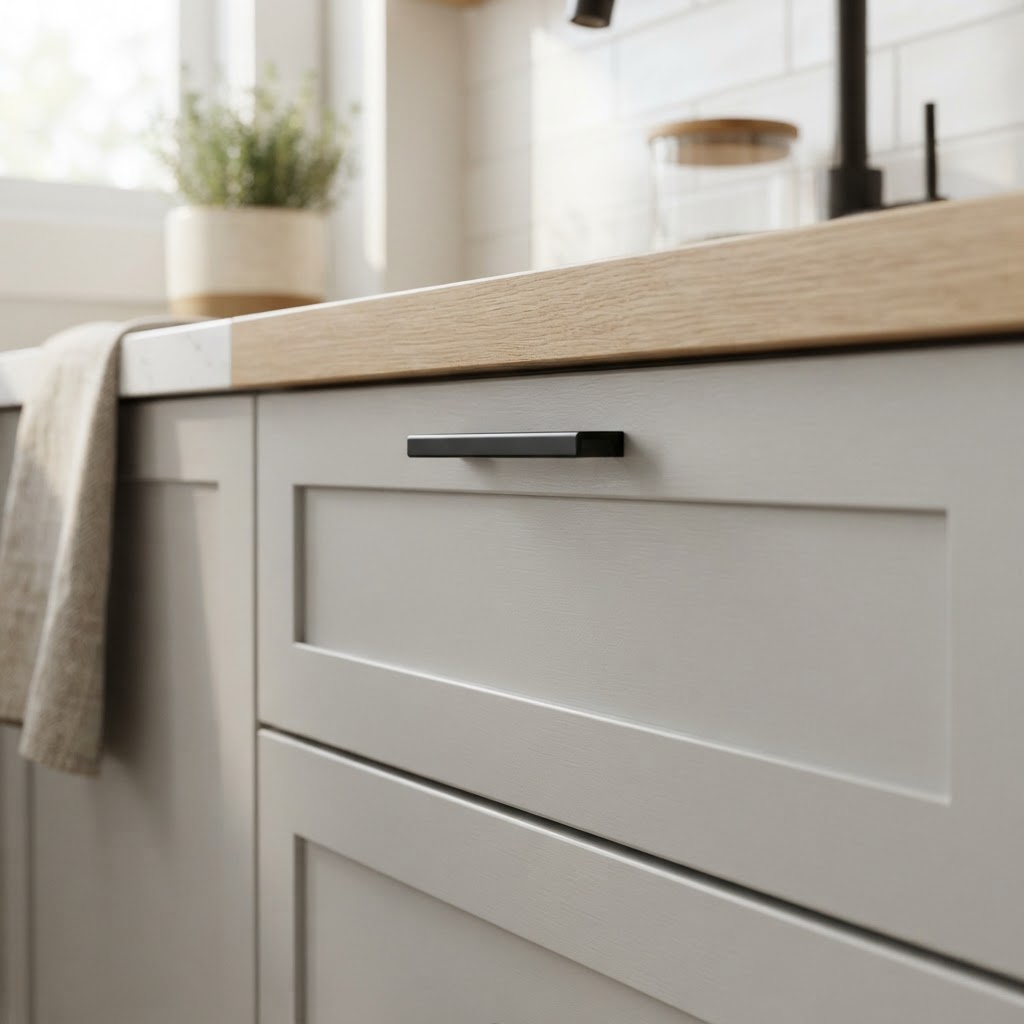
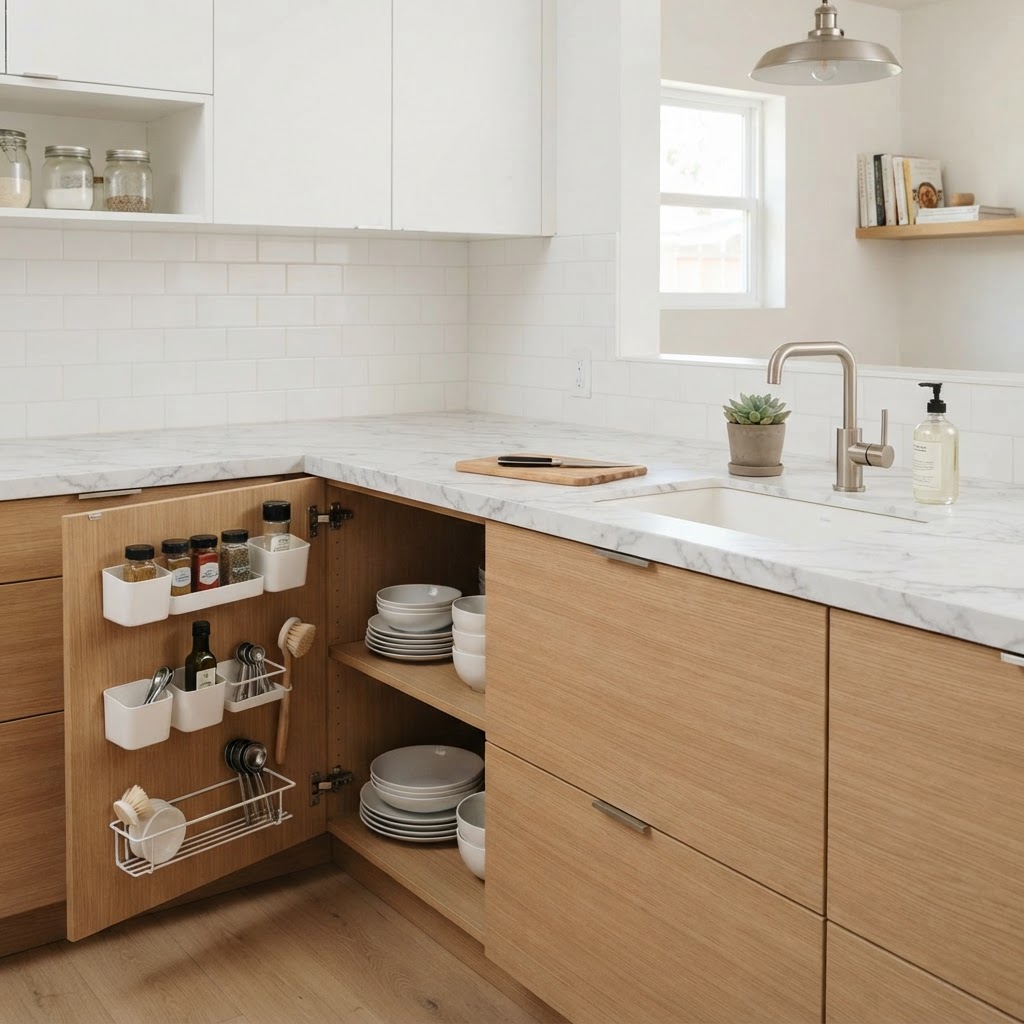
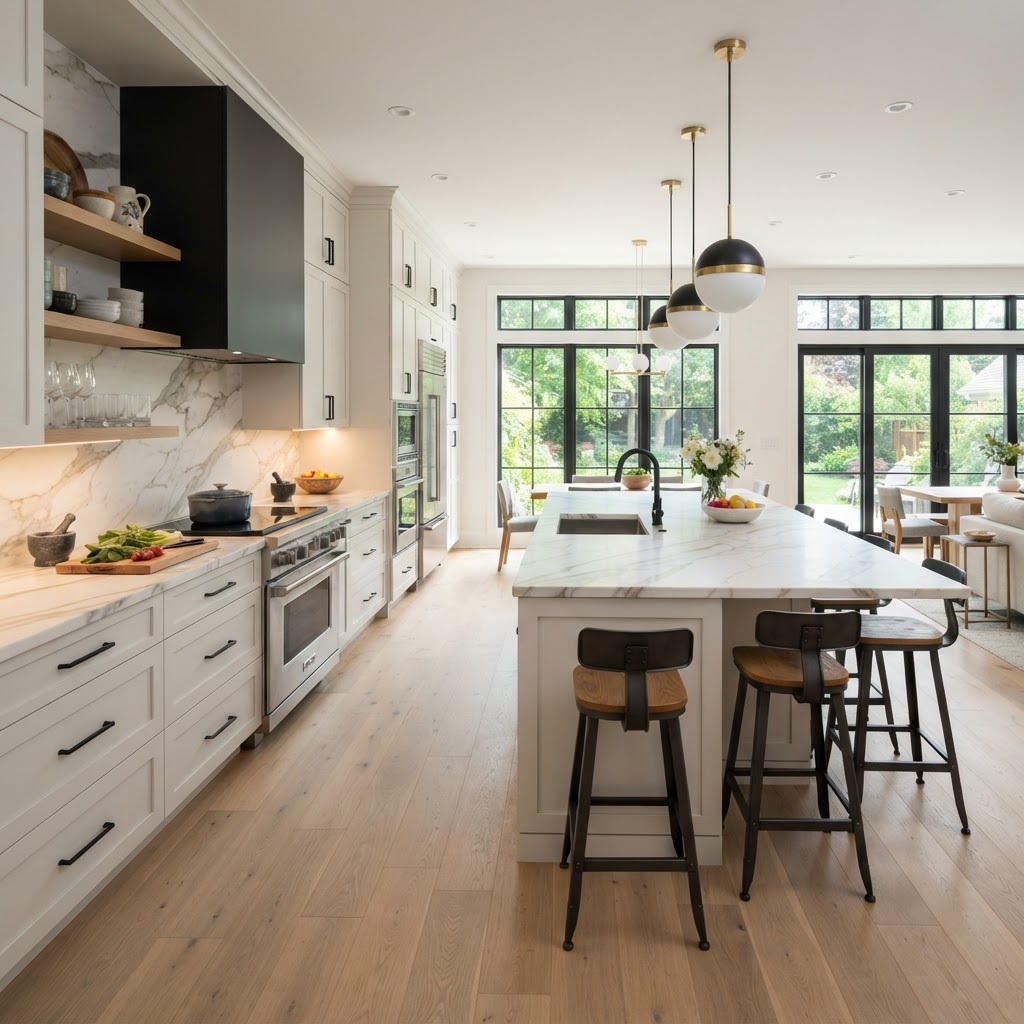
Swapping cabinet hardware for an instant kitchen upgrade.

Overhead “boob” lights and harsh fluorescent tubes are the enemies of good interior design, often washing out colors and creating an institutional feel. The easiest way to elevate your rental is to replace cold, overhead light with warm, ambient sources placed at eye level. Use plug-in wall sconces or rechargeable LED puck lights that attach to surfaces with damage-free adhesive strips, requiring zero electrical wiring. Incorporating three distinct light sources—such as a floor lamp, a table lamp, and a soft-glow accent light—creates depth and shadows that make a room feel significantly more expensive. When shopping for lighting, browse thrift stores for vintage glass shades or modern metal frames that can be easily repurposed. By directing light toward walls rather than down onto the floor, you soften the boundaries of your small room, which effectively tricks the eye into perceiving more square footage. This simple switch from a singular overhead source to multi-layered, warm-toned lighting is the fastest way to transition your apartment from a sterile environment to an inviting, high-end sanctuary.

Removable Wallpaper and Decals

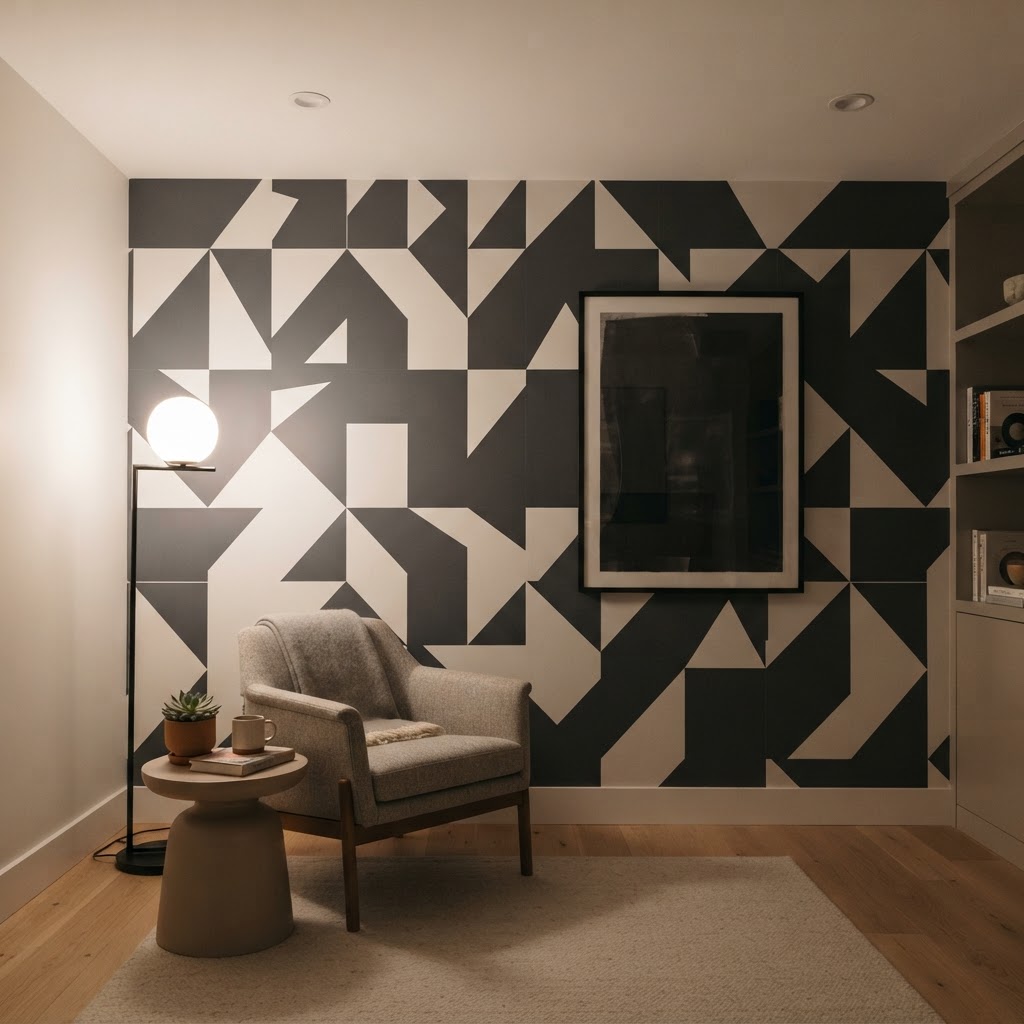
Removable wallpaper is a perfect renter-safe decor solution.

One of the most impactful renter-safe hacks under $25 is the use of high-quality peel-and-stick wallpaper to define a focal point. A single roll is usually sufficient to cover an accent wall or the back of a bookshelf, adding the necessary texture and color to break up bland, rental-white walls. Because the material is engineered for easy removal, it leaves no residue, ensuring your security deposit remains untouched. If full-wall wallpaper seems like too much labor, opt for wall decals instead. Geometric shapes, abstract botanical illustrations, or gold-leaf constellations offer a lower-commitment way to add architectural interest. These decals typically retail for under $15 per pack, and application takes less than 30 minutes. Consider the following comparison when choosing your wall treatments: peel-and-stick wallpaper offers a high-impact, full-coverage transformation, whereas wall decals provide subtle, dispersed decoration perfect for renters who prefer a minimalist or eclectic look. Both options are entirely reversible, making them ideal for the low-risk, high-reward approach required in rental properties.

Strategic Use of Mirrors

Mirrors remain the oldest, most reliable trick in the designer’s handbook for physically and visually expanding a small room. By placing a large mirror directly opposite a window, you effectively bounce natural light into the deeper, darker corners of the apartment and create a visual “portal” that simulates an additional doorway. To keep costs under the $25 threshold, scout local garage sales or online marketplaces for large, ornate frames with outdated colors. A $5 can of matte black, gold, or metallic spray paint can transform a dated, thrifted frame into a sophisticated, gallery-style piece. Always hang these using heavy-duty, rated adhesive hooks rather than traditional nails to keep the walls pristine. When selecting a mirror, choose a frame that matches your secondary color palette to ensure the piece feels like a deliberate design choice rather than an afterthought. This simple, affordable installation creates depth and luminosity, proving that you do not need expensive structural renovations to make a rental apartment feel airy, spacious, and custom-designed.

Creative Vertical Storage

In small apartments, floor space is the most valuable commodity, making verticality the key to organization. When you run out of surface area, look upward to utilize the often-ignored space above eye level. Tension rods are a renter’s best friend; place them inside kitchen cabinets to hold baking sheets vertically or between wall corners to create instant shelving for lightweight items. These tools are completely non-invasive and require no drilling, satisfying even the strictest landlord requirements. Organizing on a dime requires you to be selective with your inventory, focusing on items that serve dual purposes.

Organizing on a Dime

  • Over-the-door organizers: Use these in the bathroom or pantry to reclaim precious floor space while doubling your available storage area.
  • Under-shelf baskets: Clip these onto existing wire or wood shelves to create extra “drawers” for small, easily misplaced trinkets or kitchen linens.
  • Magnetic strips: Mount these inside kitchen cupboard doors using heavy-duty double-sided tape to store metal knives or small utensils, effectively clearing your counter space for daily use.

Textile Transformation

Soft furnishings act as the secret weapon for anyone looking to perform a major apartment upgrade on a strict budget. You can fundamentally change the aesthetic of your living area by swapping out throw pillow covers or layering a thick, high-pile rug over an unattractive carpet. High-quality pillow covers, particularly in linen or velvet textures, can be found online for under $10 each, allowing you to refresh your color palette seasonally for less than the cost of a single dinner out. Textures such as faux fur or chunky knit wool add a layer of depth that successfully distracts from cheap, dated flooring or beige rental walls. Don’t underestimate the power of curtains, either; by hanging floor-to-ceiling drapes as high as possible, you trick the eye into seeing higher ceilings and add a sense of luxury that plastic blinds simply cannot match. Investing in high-quality, weighted fabric for these curtains provides a high-end look that transforms the entire room’s silhouette instantly.

Kitchen and Bath Facelifts

Kitchens and bathrooms are often the most dated areas of a rental, yet they are typically the most expensive to renovate professionally. You can perform a significant facelift by swapping out standard, builder-grade cabinet hardware for modern brushed brass or matte black pulls for under $25 total. Always keep the original hardware in a clearly labeled Ziploc bag so you can reinstall it before your move-out date to recover your full security deposit. Additionally, consider applying marble-effect contact paper on countertops. While you must exercise caution with high heat and sharp blades, a quality peel-and-stick contact paper can mask ugly laminate surfaces for a fraction of the cost. This is a bold, high-impact move that elevates the entire kitchen aesthetic. If you are hesitant about full coverage, start by testing a small corner to see how the adhesive reacts to your specific countertop material, ensuring a clean, residue-free removal when the lease ends.

Greenery and Natural Elements

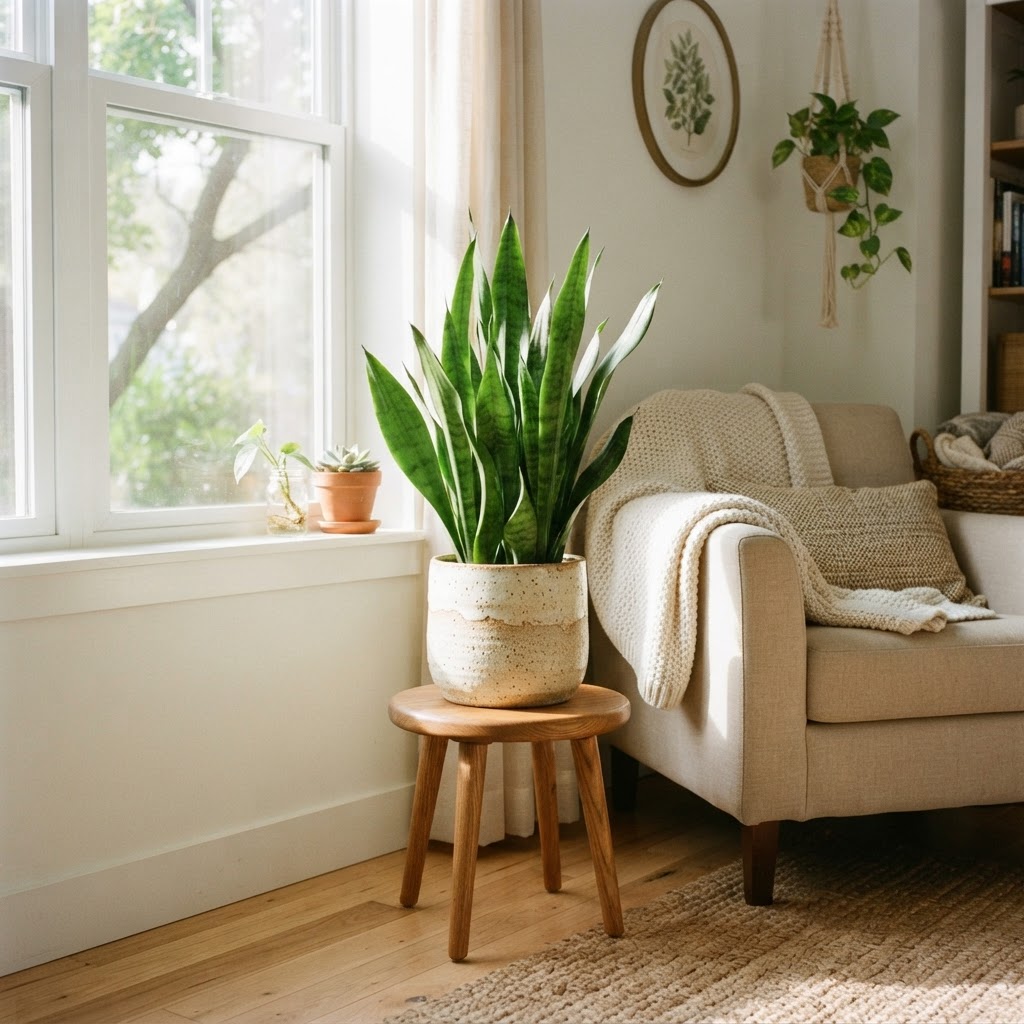
No small space feels finished without the organic life and breath provided by indoor plants. Apartment dwellers should focus on hanging planters or wall-mounted pots to introduce greenery without sacrificing valuable side-table or floor space. For under $25, you can purchase a beautiful trailing pothos, a hardy snake plant, or a ZZ plant—all of which thrive in the varying light conditions found in most rental units. Plants act as living art, providing a natural, neutral color palette that complements any interior design style from modern to bohemian. Pair a healthy plant with a decorative terracotta pot or a simple jute basket to achieve an instant, sophisticated look. Beyond aesthetics, indoor plants contribute to better air quality, making your rental feel more like a healthy, oxygenated home. By using vertical wall hooks, you can create a “living wall” effect that draws the eye upward, further enhancing the perception of height in your small apartment.

The Power of Decluttering

Perhaps the most impactful hack of all costs nothing at all: aggressive, intentional decluttering. Small rooms thrive on minimalism, and every object you keep should either serve a clear, daily function or provide significant aesthetic joy. A clean, organized home consistently looks more expensive and intentional than one filled with clutter. Start by assessing your storage needs and ruthlessly removing items you haven’t used in the past six months. Once you have a clean slate, the smaller decorative touches—like your new throw pillows or gallery wall—will have the necessary space to stand out. An intentional approach to what you own is the non-negotiable foundation of every successful small apartment upgrade, as it allows your chosen decor pieces to shine without competing for attention with unnecessary items. By removing visual noise, you create a sense of calm and openness that makes even the smallest rental feel expansive and luxurious.

FAQ

Can I use contact paper on rental countertops?

Yes, you can use contact paper, but you must choose a high-quality, adhesive vinyl specifically designed for flat surfaces. Be sure to avoid placing hot pans directly on the material and test an inconspicuous area first to ensure it removes without damaging the underlying laminate.

Are Command strips truly safe for rental walls?

Command strips are generally safe when used according to the manufacturer’s weight limits and removal instructions. To prevent paint peeling, always stretch the adhesive tab slowly and parallel to the wall surface rather than pulling it directly outward, which keeps the paint layer intact.

How can I hide ugly rental lighting?

You can hide ugly fixtures by using plug-in wall sconces that cover the existing fixture or by using magnetic, lightweight decorative covers. Alternatively, simply avoid using the overhead light entirely by layering multiple floor and table lamps with warm-toned LED bulbs to create a cozy, ambient environment.

What is the cheapest way to make a room look bigger?

Using large mirrors placed opposite windows is the most cost-effective way to increase the perception of space. Mirrors double the natural light and create a visual depth that makes a confined room feel significantly larger, airier, and more open for under $25.

Are peel-and-stick wallpapers easy to remove?

Most modern peel-and-stick wallpapers are designed for easy removal and leave zero residue if applied correctly to finished, clean surfaces. For the best experience, avoid applying them to damaged or poorly painted drywall, which can be prone to peeling when the adhesive is removed during a move.

Reversible Finds That Make Tiny Apartments Look Expensive

Reversible finds that make tiny apartments look expensive include high-end peel-and-stick wallpaper, statement lighting fixtures, and temporary architectural trim like PVC crown molding. These upgrades improve the perceived value and scale of a rental without violating lease agreements, as they can be easily removed or taken when you relocate.

The Philosophy of Non-Permanent Luxury

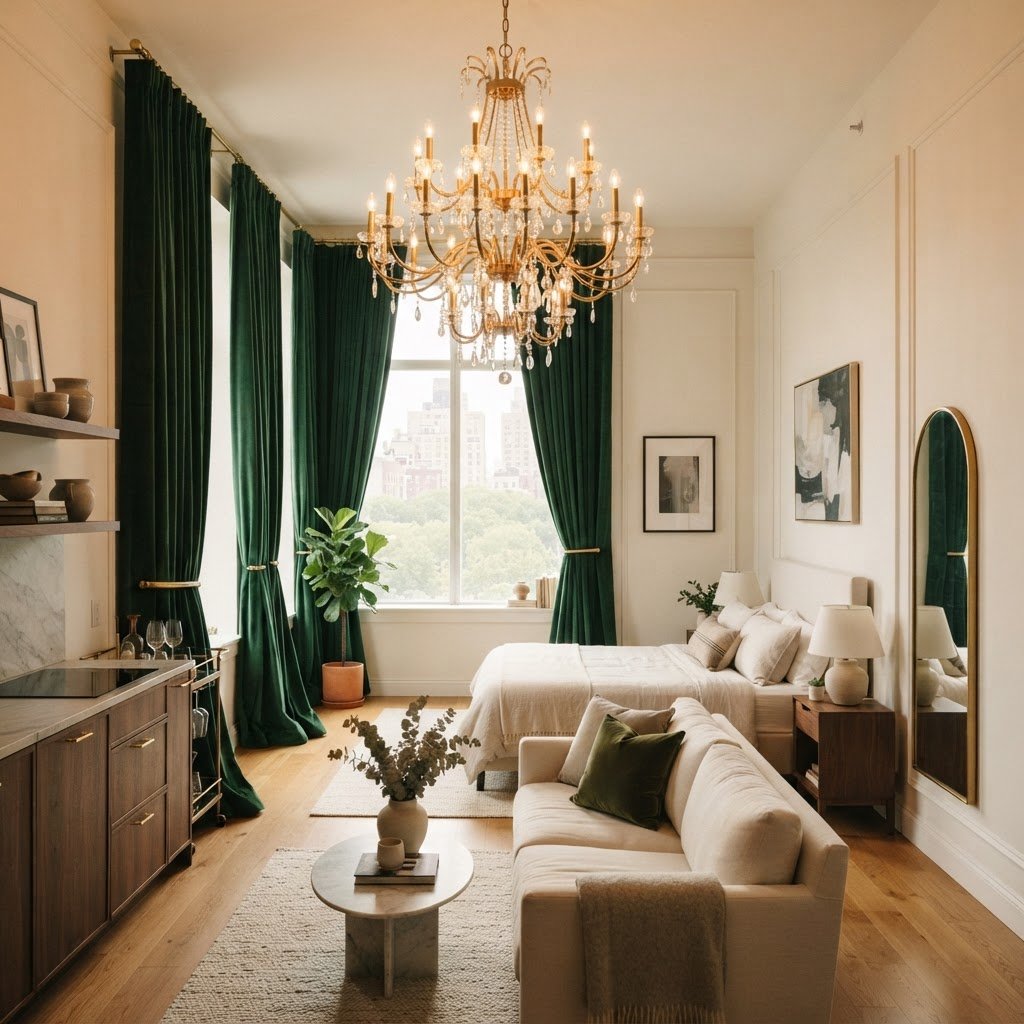
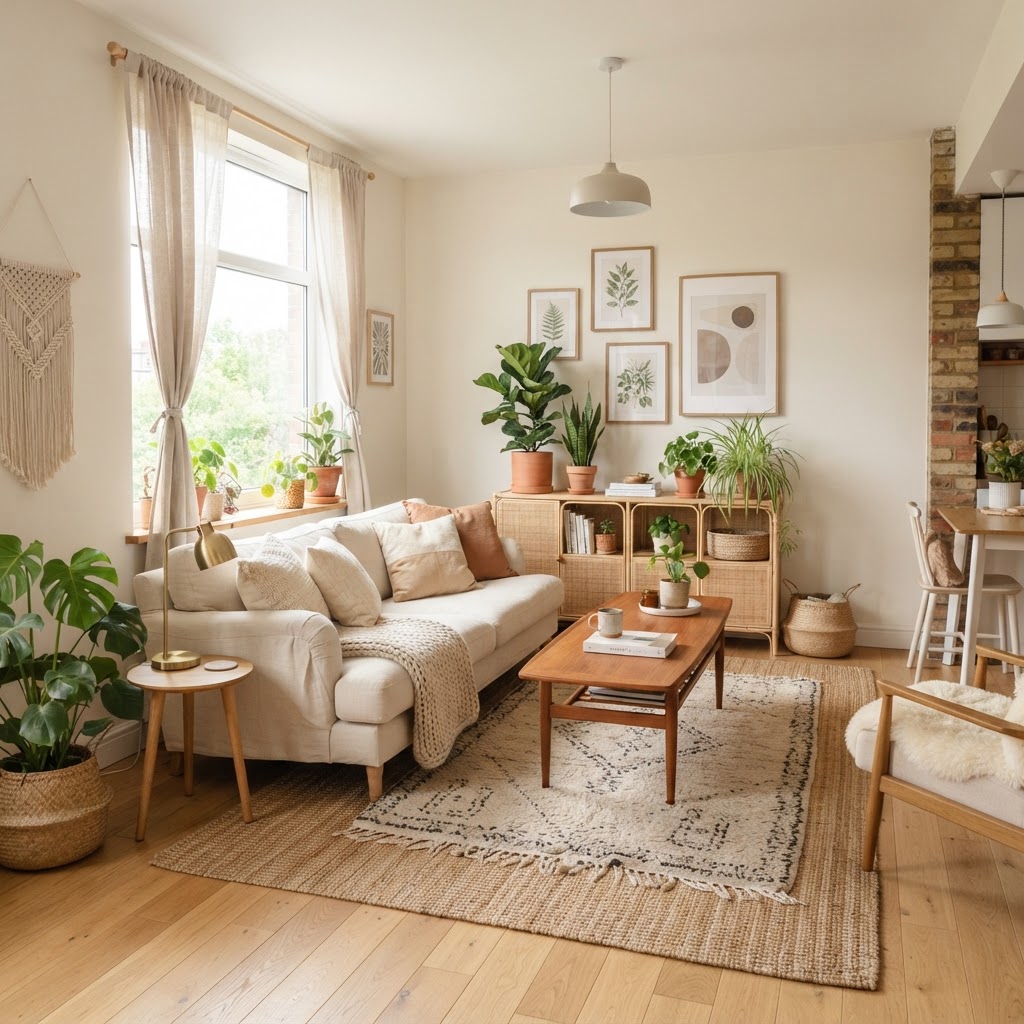
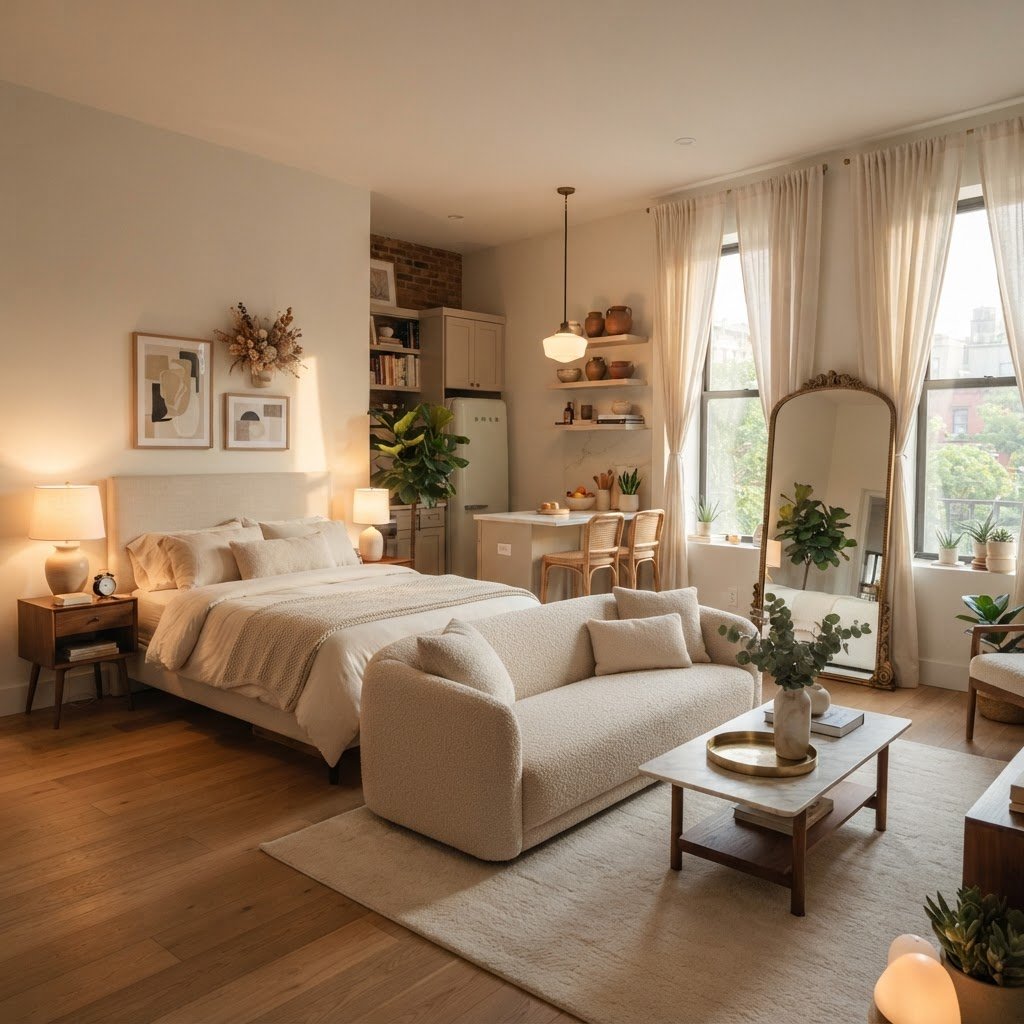
Floor-to-ceiling curtains and statement lighting instantly elevate the luxury factor of a small studio.

Designing a small space requires a strategic approach where every item serves a dual purpose: aesthetic elevation and functional flexibility. When we talk about reversible finds that make tiny apartments look expensive, we are referring to items that possess architectural weight and high-quality materiality without needing invasive installation methods. This design philosophy focuses on layering textures, lighting, and modular elements that fool the eye into seeing custom, high-value interiors. By investing in items that feel bespoke, you transform a generic apartment unit into a curated home. The goal is to obscure the “cookie-cutter” elements often found in modern rentals with pieces that reflect intention and taste. A key metric for luxury in small spaces is maintaining a 70/30 ratio of negative space to decor, which prevents visual clutter and allows high-end features to breathe, ensuring the apartment feels intentionally designed rather than accidental.

Why Temporary Decor Matters

Many people hesitate to invest in their rentals, fearing that money spent on walls or floors is money lost. However, high-quality, temporary items act as an investment in your daily quality of life and can often be taken with you to your next residence. Choosing pieces that can be reused in future apartments creates long-term financial efficiency. Consider the following comparison to help prioritize your budget for maximum visual impact:

Upgrade Category Average Cost Visual Impact Installation Time
Peel-and-Stick Wallpaper $50 – $150 High 2-4 Hours
Statement Lighting $100 – $300 Very High 30-60 Minutes
Cabinet Hardware Swaps $30 – $80 Medium 20 Minutes
Area Rug Layering $150 – $400 Medium 5 Minutes

Transforming Walls with Removable Sophistication

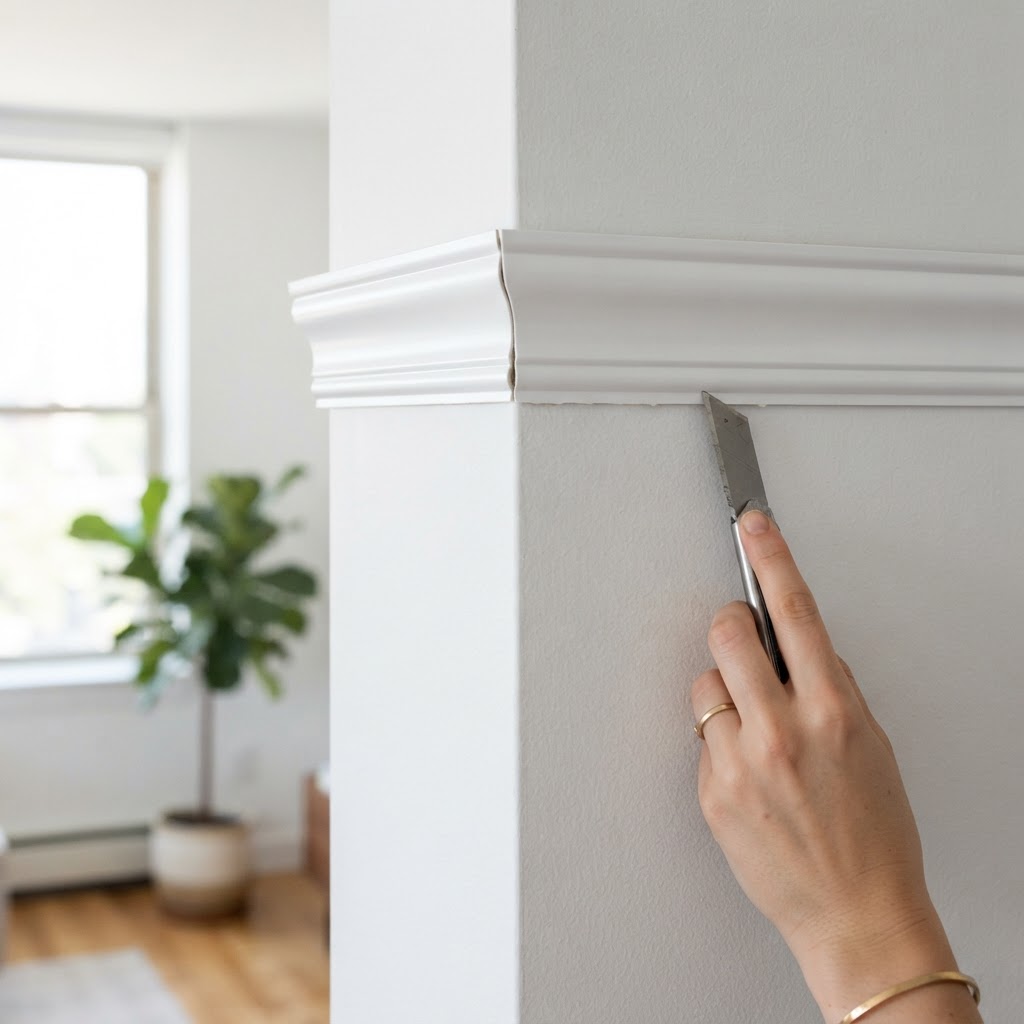
Adding temporary moldings creates architectural character that feels permanent but is easy to remove.

One of the most effective ways to change the mood of a room is through wall treatments that add depth and texture. Traditional paint is often prohibited by landlords, but peel-and-stick wallpaper and temporary wall moldings serve as the ultimate game-changers for renters looking to add architectural character to flat, sterile surfaces. When selecting these materials, prioritize heavy-gauge vinyl or fabric-based wallpapers, as they provide a richer, more expensive tactile experience than cheap, thin paper alternatives. A single feature wall behind a bed or sofa can immediately define a focal point, grounding the room and distracting from a lack of square footage.

Using Peel-and-Stick for Architectural Interest

Don’t settle for simple patterns; look for high-end textures like grasscloth, faux linen, or subtle geometric prints. A single accent wall featuring a sophisticated texture can serve as the focal point of a living room, immediately making the entire apartment feel more custom and expensive. When applying these, focus on vertical lines to draw the eye upward, creating the illusion of higher ceilings. Research suggests that vertical patterns can make ceilings appear up to 10% higher than they actually are. Ensure walls are cleaned with a mild degreaser before application to guarantee the adhesive holds securely for the duration of your lease.

Temporary Trim and Moldings

Did you know you can apply lightweight foam or PVC crown molding and wainscoting using double-sided adhesive strips? This is one of the most powerful reversible finds that make tiny apartments look expensive. By adding architectural detailing to a basic wall, you create a sense of history and permanence that instantly makes a small apartment feel like a luxury boutique hotel. Using high-bond mounting tape (like 3M VHB) allows these elements to stay firmly in place while ensuring they can be removed without damaging the underlying drywall or paint finish when you eventually move out.

Lighting: The Invisible Luxury Multiplier

Layering textures and using smart hardware creates a curated, high-end look in limited square footage.

Poor lighting is the fastest way to make a space feel cheap and small, as generic “boob-light” fixtures cast a harsh, flat glow that highlights every flaw in a room. Replacing these with curated statement pieces or adding layers of secondary lighting is the single most effective way to improve the ambiance of any tiny square footage. Designers suggest a minimum of three light sources per room to create a “warm pool” effect that emphasizes cozy, expensive-feeling atmosphere. By moving from overhead-only lighting to a layered scheme, you effectively eliminate dark corners that make rooms appear smaller.

Elevating the Vibe with Statement Fixtures

Always store the original light fixtures in a labeled box under your bed so you can reinstall them before you move out. Swap standard ceiling mounts for brass chandeliers, sculptural pendants, or matte black industrial fixtures. When choosing these pieces, consider the scale carefully; in a tiny apartment, one large, well-placed statement light is far more expensive-looking than multiple small, cluttered lamps. Look for fixtures with adjustable stems, as they provide flexibility for varying ceiling heights found in rental units, ensuring the piece fits perfectly without requiring permanent drilling or structural modifications.

Layering for Warmth

Luxury design is rarely about a single light source, so integrate floor lamps, sculptural table lamps, and even smart LED strips hidden behind headboards or media consoles. Warm-toned bulbs (around 2700K) are essential for creating an expensive, cozy, and high-end atmosphere that feels intentionally designed rather than accidental. Utilizing smart plugs or dimmable bulbs allows you to control the intensity of light, transforming a functional living area into a sophisticated evening lounge with a simple voice command or app setting, which adds a layer of modern convenience to your rental.

Flooring and Surface Upgrades

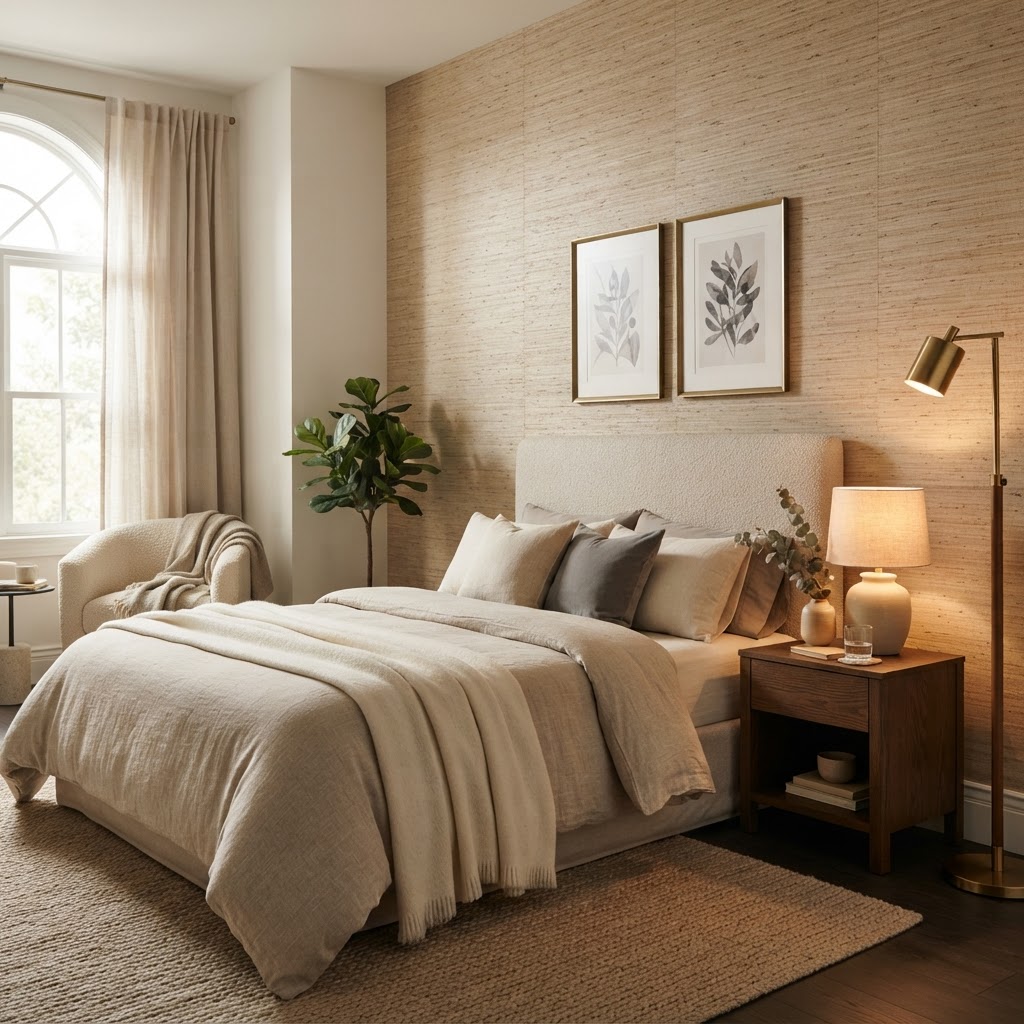
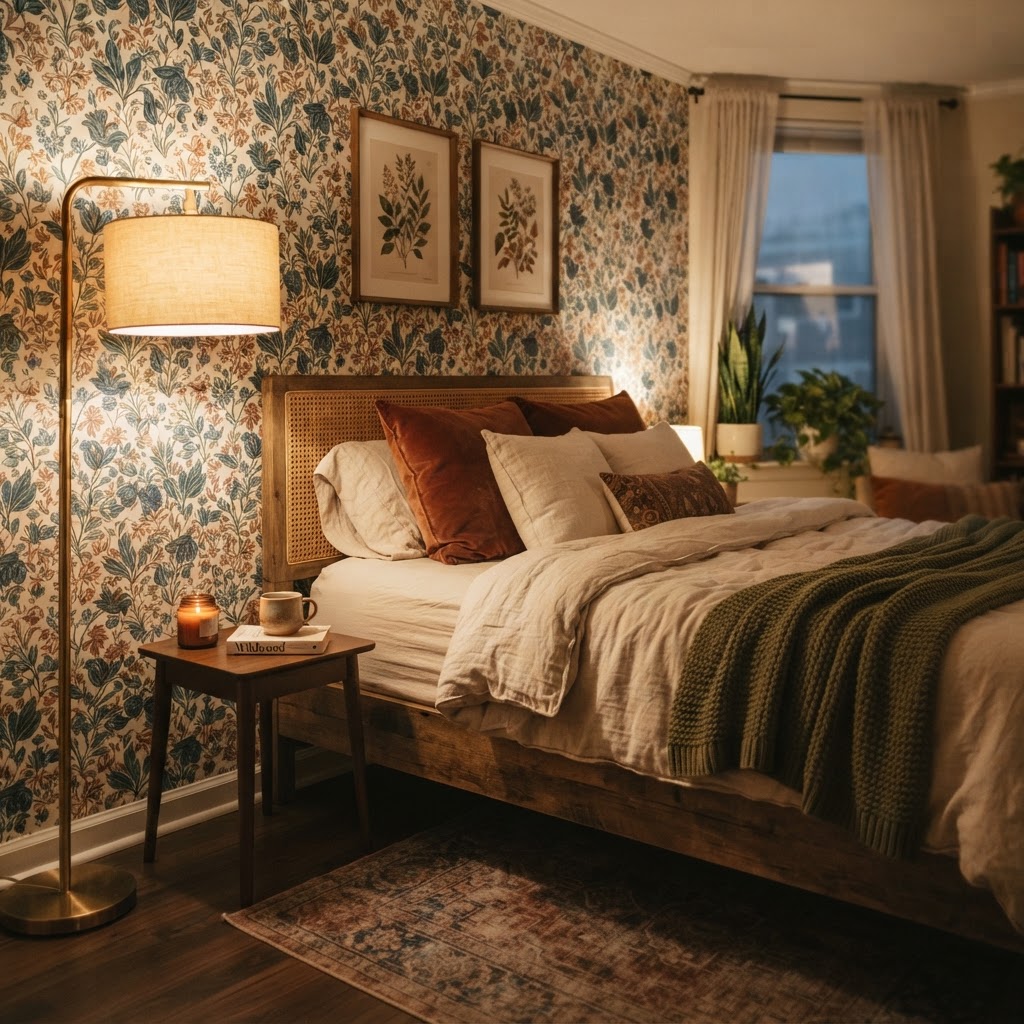
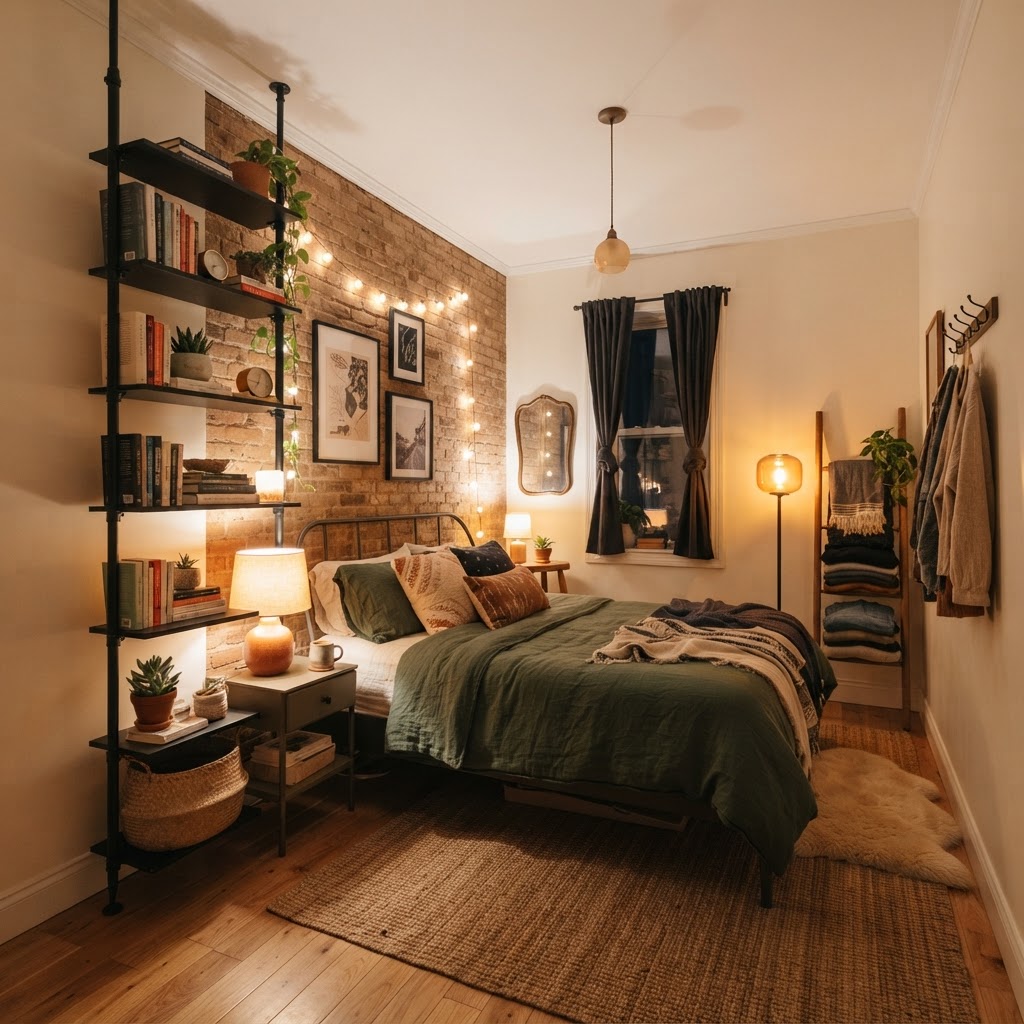
Textured wallpaper and warm lighting add depth and coziness to any small bedroom.

If you are stuck with stained carpet or unattractive linoleum, you are not out of options, as modern flooring solutions provide a high-end look without needing permanent adhesives. High-quality peel-and-stick vinyl tiles or large area rugs can completely overhaul the appearance of a room. For renters dealing with damaged floors, layering rugs is a highly effective strategy; experts recommend choosing a rug that is large enough to have at least two legs of your furniture sitting on it to define zones. This creates a psychological boundary in open-concept studios that makes the space feel intentionally segmented and curated.

Luxury Vinyl and Area Rug Layering

High-quality peel-and-stick vinyl floor tiles are excellent for kitchens and bathrooms. They can be placed directly over existing flooring and removed with a hairdryer and a bit of patience when it is time to move. Alternatively, layering large, high-quality area rugs over existing carpet can define zones in an open-concept studio apartment, making the space feel intentionally segmented and curated. When choosing materials, look for natural fibers like jute or wool blends, which provide a premium weight and texture compared to synthetic options. A heavy-weight rug will also stay in place better and prevent the buckling that often occurs with cheaper, thinner materials.

Smart Furniture Placement and Modular Pieces

In a tiny apartment, clutter is the enemy of luxury, so focus on pieces that serve a dual purpose to maintain a clean, curated aesthetic. Expensive-looking spaces feel “curated,” meaning every item has been chosen for its beauty and utility. Reversible finds that make tiny apartments look expensive often include modular storage that hides the “noise” of everyday living, such as ottomans with interior compartments, bed frames with drawers, or wall-mounted floating shelves. Aim to keep surfaces clear to create a visual calmness that makes a small room feel significantly larger. High-end design thrives on negative space, and providing a designated “home” for every item ensures your apartment stays looking refined even in limited footprints.

The Power of Hidden Storage

Invest in furniture that doubles as storage, such as ottomans with interior compartments, bed frames with drawers, or wall-mounted floating shelves. Keeping surfaces clear creates a visual calmness that makes a small room feel significantly larger. High-end design thrives on negative space, and providing a “home” for every item ensures your apartment stays looking refined. For an extra touch of luxury, use concealed storage boxes made of leather or fabric to organize items within shelves, as this mimics the high-end “closet design” aesthetics found in luxury homes. Avoid transparent storage bins, as they visually contribute to a cluttered look.

Curating Textiles and Hardware

Never underestimate the transformative power of touchpoints, as replacing builder-grade hardware can have a major impact for a minimal cost. Replacing standard, builder-grade cabinet pulls and door handles is a low-cost, high-impact move. Choose polished brass, matte black, or brushed nickel hardware to bring a custom feel to your kitchen or bathroom cabinets. It is a subtle change, but one that signals intentionality to everyone who enters your home. These small pieces of jewelry for your apartment create a consistent narrative of quality that elevates the perception of even the most modest kitchen.

Textiles as Sophistication Anchors

Heavy, floor-to-ceiling curtains are a classic designer trick to make windows look larger and ceilings higher. Choose materials with a slight sheen or heavy weight, like velvet or linen blends. When installed on a ceiling-mounted track or a decorative rod, they add a layer of softness and sophistication that cheap blinds simply cannot provide. Pair these with textured throw pillows and high-quality blankets to layer the space with warmth and luxury. Ensure that curtains are wide enough to cover the entire window frame plus 6-10 inches on each side to create the illusion of a larger, grander window profile.

The Secret to a High-End Finish: Cohesion

When implementing these reversible upgrades, the most important rule is to maintain a cohesive color palette. Mixing too many competing patterns or styles in a small space will lead to visual chaos, which is the antithesis of a luxury look. Stick to a “hero” color or texture and repeat it throughout the space to create a harmonious, designer-led flow. A simple way to achieve this is the 60-30-10 rule: 60% of the room should be a primary color, 30% a secondary color, and 10% an accent color. This balanced distribution keeps the eye moving throughout the space without feeling overwhelmed by conflicting designs.

FAQ

Q: Does peel-and-stick wallpaper damage apartment walls?

Generally, no; high-quality peel-and-stick wallpaper is designed to be removed cleanly without leaving residue or pulling off paint, provided it is installed on a smooth, primed surface. Always test a small, hidden corner of your wall before covering a large area to ensure compatibility.

Q: What is the most cost-effective way to make a rental look expensive?

Updating your lighting fixtures and replacing cabinet hardware provide the highest visual impact for the lowest investment. These two changes immediately remove the “builder-grade” feeling of most rental units and give the space a personalized, custom appearance that is entirely reversible.

Q: Can I use peel-and-stick tiles on existing bathroom floors?

Yes, you can install vinyl tiles over most smooth surfaces like linoleum or existing tile. Ensure the surface is perfectly clean and dry before application to maximize adhesion, and use a heat gun or hair dryer to soften the edges during removal when moving out.

Q: How do I choose curtains for a small apartment?

Opt for floor-to-ceiling curtains made of heavier materials like velvet or linen blends to create a sense of height and luxury. Installing the rod as close to the ceiling as possible draws the eye upward, making the ceiling feel higher and the room appear more spacious.

Q: Are temporary moldings worth the effort in a rental?

Yes, temporary moldings add a level of architectural depth and historical character that generic apartments lack. Using adhesive strips allows you to create high-end wainscoting or crown molding that can be removed in minutes, significantly increasing the perceived value and sophistication of the living area.

Under-$20 No-Damage Upgrades for High Visual Impact

Transforming your home with under-$20 no-damage upgrades is possible by focusing on high-impact, reversible changes like swapping light bulbs, replacing cabinet hardware, using adhesive wall mounts, and incorporating budget-friendly textiles. These low-cost, commitment-free adjustments instantly refresh your aesthetic without risking your security deposit or requiring permanent renovations.

Rethink Your Lighting with Affordable Solutions

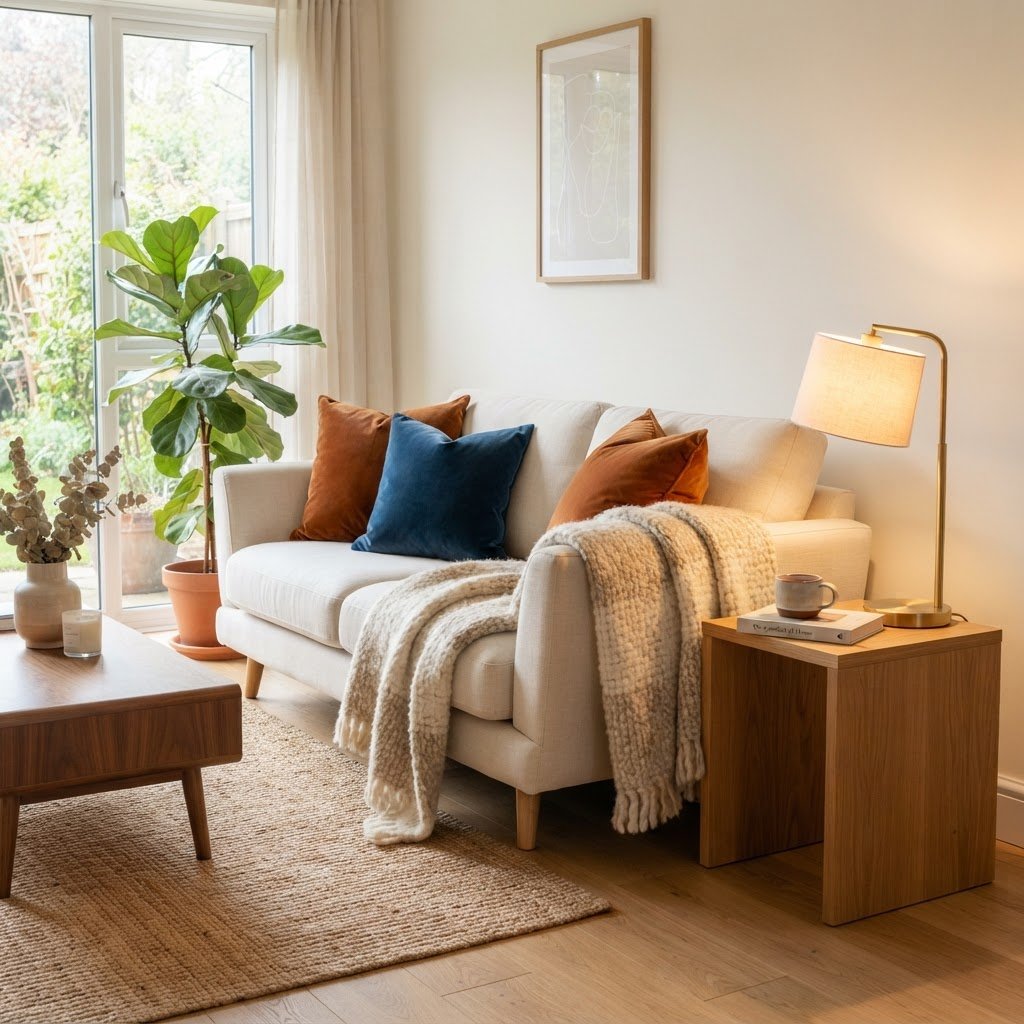
Warm, layered textures create a cozy and inviting living space.

Lighting serves as the most effective tool to manipulate the mood and perceived value of a space, typically yielding the highest ROI for a minor investment. By switching standard “builder-grade” 5000K cool white bulbs for 2700K-3000K “warm white” LED bulbs, which cost roughly $10-$15 for a multi-pack, you immediately shift the room from clinical to inviting. Beyond bulb temperatures, incorporating smart light strips behind furniture provides an architectural, custom-lit aesthetic. These adhesive strips, often retailing for under $20, offer app-based dimming and color customization that make a standard room feel like a professional interior design project.

Lighting Upgrade Estimated Cost Impact Level
Warm LED Bulbs $10-$15 High (Atmosphere)
Smart LED Strips $15-$20 High (Accent)
Plug-in Sconce $18-$20 Medium (Function)

The Power of Table Lamps and Task Lighting

Beyond bulb swaps, adding dedicated task lighting prevents the common mistake of relying solely on harsh overhead fixtures. You can often source vintage lamp bases at thrift stores for under $12, paired with a modern $8 drum shade to create a custom focal point. By creating “pools” of light in specific zones—such as a reading corner or console table—you define the function of a space, making it feel more intentional, intimate, and physically larger.

Swap Hardware for Instant Modernity

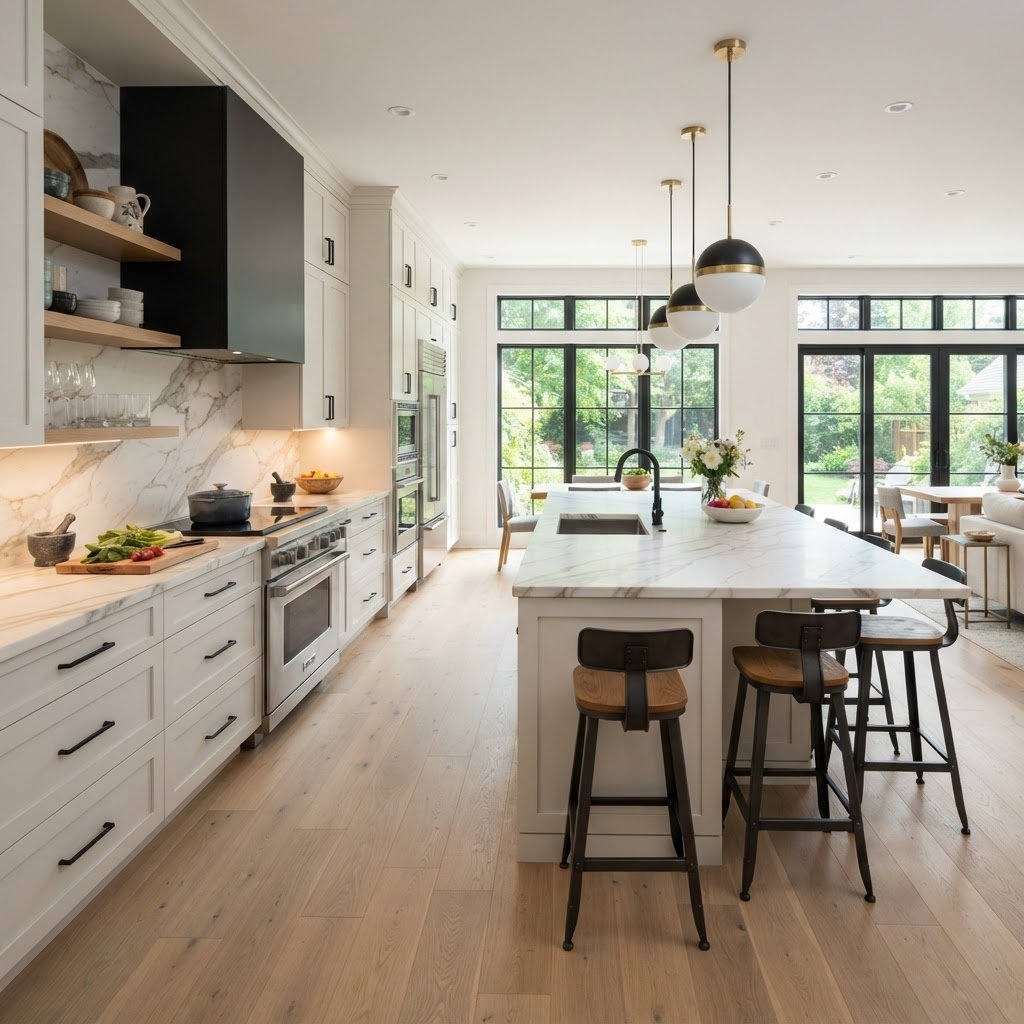
Updating hardware is a simple way to modernize your kitchen.

Cabinet pulls and drawer knobs function as the “jewelry” of a home, and swapping them is the quickest way to modernize dated cabinetry without the $5,000+ cost of a full kitchen remodel. You can acquire a 10-pack of modern matte black, brushed nickel, or champagne bronze hardware on marketplaces for $15-$20. When installing these, always retain the original hardware in a labeled, Ziploc storage bag taped inside the cabinet so you can revert the changes during move-out. This update adds physical weight and a premium tactile feel to standard builder-grade drawers, immediately elevating the perceived market value of the entire cabinetry unit.

Elevate Your Walls with Temporary Art and Decals

Gallery walls add personality to your home without the need for nails.

Empty walls often make a space feel transient, but you can create a permanent-looking gallery wall using removable adhesive strips and hooks. For under $20, a value pack of mounting strips can support up to 16 pounds, allowing for the display of heavy frames without drilling a single hole. Additionally, peel-and-stick wall decals—which are essentially high-quality, matte-finish stickers—allow for graphic patterns or “wallpaper” looks that peel away cleanly when your lease ends. Mixing frame sizes and using consistent matting colors creates a curated, high-end gallery effect that draws the eye and anchors your furniture arrangements.

Update Textiles for an Immediate Texture Shift

Adding greenery is an affordable way to bring life into any room.

Texture is the professional interior designer’s secret to making a room feel “finished” and expensive. You can achieve this by purchasing high-quality pillow covers in materials like heavy linen, velvet, or chunky knit wool for roughly $12-$15 per set, rather than replacing the entire pillow insert. A lightweight throw blanket draped across a sofa introduces a secondary color palette and hides worn upholstery, creating a welcoming balance. By layering these textiles against contrasting materials—such as a soft wool blanket on a smooth leather chair—you create visual depth and a sensory experience that feels luxurious and deeply intentional.

Organize Your Space with Stylish Storage

Visual clutter acts as a barrier to high-impact design, but effective organization can be achieved with consistent, budget-friendly storage solutions. Investing $15-$20 in a set of matching woven baskets or fabric bins allows you to unify disparate items like magazines, blankets, or cords into a single visual block. By grouping “loose” clutter into containers that match the room’s color scheme, you eliminate visual noise, which inherently makes a home feel more professional and minimalist. The goal is to ensure the storage container is either a decorative accent or completely hidden, preventing the “utility-first” look that undermines professional design goals.

Introduce Life with Low-Maintenance Greenery

Plants serve as the ultimate “organic accessory,” providing natural color and life to corners that would otherwise remain sterile. You can typically purchase resilient plants like Snake Plants (Sansevieria) or Pothos for $8-$10 at local big-box retailers. To elevate the aesthetic, pair these with a $5-$10 ceramic pot or a seagrass basket. Even if you lack natural light, high-quality faux greenery—which is now manufactured with “real touch” silicone technology—is an excellent, one-time investment that requires zero maintenance or watering, providing permanent greenery that retains its vibrant, fresh look for years.

Create Focal Points with Mirrors and Reflective Decor

Mirrors are a strategic tool for light manipulation, and they are essential for making small rooms appear larger and more expensive. By placing a $15-$20 thrifted or clearance-section mirror directly opposite a window, you effectively double the incoming natural light and create the illusion of an extra “window” in the room. Utilizing heavy-duty adhesive strips to mount these mirrors ensures there is no damage to the drywall. In entryways or narrow hallways, this technique provides a high-end architectural feel, drawing the eye toward the reflection and expanding the sightlines of a cramped or dark interior space.

FAQ

Can I really upgrade a home for under $20 without damaging walls?

Yes, you can utilize removable adhesive strips, peel-and-stick wall decor, and hardware swaps that leave zero trace. These methods allow you to add personality and function to your space while ensuring you get your full security deposit back when you move out.

How does lighting impact the perceived value of a room?

Warm white LED bulbs mimic high-end incandescent lighting, which makes spaces feel more intimate and expensive. Swapping cool-toned, “builder-grade” bulbs for soft 2700K-3000K LEDs for under $15 is the most cost-effective way to improve the overall ambiance of any room.

Where is the best place to find cheap, stylish home decor?

Thrift stores, discount home retailers, and online secondary marketplaces are your best sources for luxury-look items at bargain prices. You can frequently find vintage lamp bases, unique hardware, and decor pieces for less than $15, which adds character that mass-produced items often lack.

How can I make my apartment feel more professional on a budget?

Focus on consistency by using matching storage baskets, unified hardware, and a cohesive color palette for your textiles. Removing visual clutter and adding a touch of natural greenery are the primary ways to transition a space from “messy” to “professionally designed.”

Cheap Ways to Make a Small Rental Look Designer Without Drilling

Cheap Ways to Make a Small Rental Look Designer Without Drilling

To make a small rental look designer without drilling, focus on layering warm-toned floor lamps, using adhesive-backed wall decor, incorporating high-quality textiles like floor-to-ceiling curtains, and maximizing vertical storage with tension rods. These non-permanent modifications instantly elevate a space by removing standard rental blandness while keeping your security deposit safe.

Master the Art of Lighting

Layering rugs and adding greenery can instantly make a small rental feel luxurious.

One of the most effective ways to make your home look expensive is through layered lighting that replaces standard clinical overhead fixtures. By strategically placing floor lamps, table lamps, and wall sconces secured with 3M Command strips, you shift the room’s ambiance from institutional to bespoke. Professional designers often utilize a “three-point lighting” rule for small rooms: place a floor lamp in one corner, a table lamp on a surface, and an accent light elsewhere to create a balanced, glow-filled environment.

Warm-toned bulbs (2700K to 3000K) are essential for achieving a high-end feel, as they soften harsh white walls common in apartments. Opt for lamps with heavy sculptural bases or textured linen shades to serve as permanent decor pieces. Lighting is the secret ingredient that turns a bland box into a sanctuary; it hides imperfections in rental-grade paint and adds depth through intentional shadows. By avoiding the “big light” and relying on localized pools of light, you curate a mood that feels permanent and luxurious, effectively masking the temporary nature of your living situation.

Why Lighting Matters

Lighting controls the mood of your entire apartment. By avoiding the overhead “big light” and relying on localized pools of light, you create depth and shadows that hide minor imperfections in the walls or flooring. This creates a cozy, layered look that feels intentionally curated rather than temporary.

Utilize Adhesive and Tension Solutions

Peel-and-stick wallpaper is a game-changer for adding personality to a rental bedroom.

Modern technology has gifted renters with incredible tools for hanging art and shelving that require zero holes. Removable adhesive strips, like those rated for 15+ pounds, allow for large-scale gallery walls without the need for drywall anchors. Beyond hooks, tension rods are a secret weapon for renters; they can be wedged between door frames or inside window casings to hold heavy curtains or serve as makeshift room dividers, effectively zoning an open-concept apartment without permanent structural changes.

Solution Type Best Use Case Weight Capacity Removal Difficulty
Command Strips Wall art, small shelves 1-16 lbs Very Easy
Tension Rods Curtains, room dividers 5-20 lbs Instant
Adhesive Vinyl Feature walls, countertops N/A Easy (w/ Heat)
Washi Tape Photo displays, borders Negligible Trivial

By thinking vertically and utilizing non-permanent hardware, you maximize storage while maintaining a clean, high-end appearance. For instance, using tension rods inside kitchen cupboards to organize lids and trays clears off counter space, which is critical for a “designer” look where surfaces remain largely uncluttered. This structural efficiency creates the illusion of more space, making a standard one-bedroom apartment feel like a luxury studio through clever spatial management.

Upgrade Your Textiles for Instant Luxury

Curated shelving using matching bins keeps clutter hidden and creates a designer look.

Cheap rental carpeting or worn linoleum can instantly drag down the vibe of a room, but high-quality layering acts as an immediate visual reset. A large area rug (ideally 8×10 for a standard living area) can cover almost any flooring sin, grounding your furniture and establishing a cohesive color palette. To maximize the impact, ensure your rug is large enough that the front legs of your sofa and chairs sit on top of it, which visually anchors the furniture set.

Beyond the floor, invest in floor-to-ceiling curtains to trick the eye into perceiving higher ceilings. By hanging curtains at least 6 inches above the window frame or even at the ceiling line, you add verticality and elegance. Soft furnishings such as velvet throw pillows, linen blankets, and textured upholstery add tactile luxury. In a small space, prioritize high-GSM (grams per square meter) fabrics; heavier weights feel more expensive and drape better, signaling quality to the eye and making the small space feel more sophisticated.

Optimize Storage with Verticality

Clutter is the enemy of a designer-looking home, especially in small rentals where square footage is at a premium. When you have limited floor space, you must take your storage vertical by utilizing wall-height shelving units that draw the eye upward toward the ceiling. Using uniform, high-quality baskets and bins—like seagrass or matte metal—to corral loose items creates a cohesive visual rhythm that looks intentional and organized rather than chaotic.

To ensure your storage looks “designer,” follow the 70/30 rule: 70% of your items should be hidden in closed storage or bins, while 30% can be curated as decor on open shelves. This balance prevents the “small room, too much stuff” trap. Choose tall, slim bookshelves that reach toward the ceiling, as these utilize the often-ignored air space in an apartment. By consolidating all your storage into one or two large, floor-to-ceiling units, you clear the visual noise from the rest of the room, allowing your carefully selected decor pieces to stand out as intentional focal points.

Create a Designer Focal Point

Every room needs a “hero” piece to provide visual interest and a sense of luxury. In a rental, a large floor-standing mirror is one of the most effective ways to double the perceived square footage and reflect natural light into darker corners of the apartment. Pair this with a peel-and-stick wallpaper feature wall behind your bed or sofa to introduce color and pattern without the risk of paint damage. These wallpapers now come in sophisticated, high-end textures like grasscloth or subtle geometric metallic prints.

A mirror shouldn’t just be hung; lean it against the wall to create a casual, “decorator” aesthetic. If you choose oversized art, use heavy-duty adhesive velcro strips to secure the frames to the wall without drills. By concentrating your budget on one high-impact item—like a large sculptural mirror or a bold wallpapered wall—you distract the eye from the rental-grade baseboards or generic flooring, effectively elevating the entire room’s design profile with minimal financial investment.

Curate Your Collection and Declutter

Designers know that restraint is the difference between a cluttered apartment and a curated home. A room filled with too many small, cheap-looking items will always feel messy, so you must “edit” your collection by removing anything that doesn’t serve a clear aesthetic or functional purpose. Focus on a “quality over quantity” mindset; one large, high-quality ceramic vase is always better than five small plastic trinkets.

Displaying your items on open shelving or console tables creates a museum-like effect when done with purpose. Use the rule of thirds to group items: pair a tall book, a sculptural candle, and a small plant to create a balanced vignette. This curation process is entirely free and helps you refine your personal style while keeping your rental feeling open and airy. By leaving empty spaces on your shelves, you allow the eye to rest, which is a hallmark of professional interior design. Minimalism isn’t about having nothing; it’s about making sure everything you have contributes to the room’s overarching luxury.

Quick Tips for a Designer Look

  • Use matching hangers in your closets to create a luxury boutique feel.
  • Swap out standard plastic light switch covers for more decorative ones.
  • Add greenery to bring life and color into every corner.
  • Choose a consistent color palette to unify the entire apartment.

Incorporate Indoor Plants

Plants are the ultimate accessory for any designer-grade room, adding the organic texture required to balance the sterile feel of most rentals. Choose pots that match your chosen color scheme, such as matte ceramic, terracotta, or woven baskets, to maintain a consistent aesthetic. Plants such as Snake Plants (Sansevieria) or ZZ plants are excellent for rentals because they thrive in the often-low light conditions found in apartment buildings.

If you lack consistent natural light, mix high-quality faux plants with real ones. Modern faux greenery, particularly those with “real touch” technology, are virtually indistinguishable from the real thing and require zero maintenance. Place taller plants on the floor in empty corners to soften the transition between walls, or use cascading pothos on high shelves to create visual interest at eye level. By mixing varying shades of green and different leaf shapes, you create a lush, vibrant environment that feels like a professional plant stylist curated the space for you.

FAQ

Can you hang heavy items without drilling?

Yes, you can safely hang items up to 15-20 pounds using heavy-duty adhesive strips or professional-grade double-sided mounting tape. Always clean the wall surface with rubbing alcohol before application to ensure maximum adhesion and follow the manufacturer’s weight limit guidelines precisely.

How can I make a rental bathroom look designer?

Focus on replacing the shower curtain with a fabric, hotel-style curtain hung on a high-tension rod, and use matching apothecary bottles for soaps and shampoos. Swapping the towel racks for adhesive-mounted, high-end matte black or brushed gold hardware can also provide an instant luxury upgrade.

Is peel-and-stick wallpaper safe for rentals?

Most high-quality peel-and-stick wallpaper is designed to be repositionable and removable without damaging standard drywall paint. However, always test a small piece in an inconspicuous area, such as behind a door, and use a hair dryer to gently heat the adhesive when removing to ensure a clean peel.

How do you make rental windows look better?

Install curtain rods as high as possible—ideally flush with the ceiling—to draw the eye upward and make the ceilings appear taller. Using floor-length curtains that span the entire width of the wall, rather than just the window, creates the illusion of a grand, wall-to-wall window installation.

What is the most cost-effective way to change rental flooring?

Large area rugs are the most effective way to cover rental flooring because they hide stains and provide warmth without requiring permanent installation. Alternatively, adhesive vinyl floor tiles can be used over smooth surfaces, but they require careful consideration to ensure they are removable with minimal residue.

Budget No-Drill Ideas That Transform Tiny Apartments

Budget No-Drill Ideas That Transform Tiny Apartments

To transform a small rental without drilling, prioritize vertical storage using tension rods, update surfaces with peel-and-stick wallpaper, and optimize light with layered lamps. These non-invasive modifications allow you to customize your space, improve functionality, and hide rental-grade finishes while staying fully compliant with your lease agreement and security deposit requirements.

Rethinking Your Vertical Space Without Tools

A rental-friendly gallery wall that avoids wall damage.

When floor space is at a premium, the most efficient design strategy is to maximize your vertical footprint using non-permanent tension rods and adhesive mounts. Tension rods are the unsung heroes of rental living, offering a load-bearing capacity of up to 15-20 pounds for light curtains or closet organizers without requiring a single hole. By utilizing these tools, you can reclaim space that is otherwise left empty, effectively increasing your “usable” square footage by up to 25% in compact layouts.

Utilizing Tension Rod Magic

Install a tension rod inside a deep closet to create an instant hanging space for scarves, belts, or shoes. You can also place one at the top of a window frame to hang a sheer curtain without using hardware. This simple addition adds immediate texture and privacy, which is vital when you want to transform your small apartment on a budget.

Creating Custom Nooks

If you have a shallow alcove, use tension rods to hold fabric dividers. This effectively creates a ‘hidden’ office or dressing room, helping you organize your footprint without needing a contractor or power tools. It is a classic example of how minor shifts in layout redefine a room’s purpose. By separating zones, you create the psychological feeling of a larger, multi-room home.

Tool Best Use Case Weight Limit (Approx.)
Tension Rod Curtains & Closet Storage 15-20 lbs
Adhesive Hooks Decor & Kitchen Tools 5-10 lbs
Velcro Mounting Tape Frames & Mirrors 3-5 lbs
Over-Door Hangers Towels & Accessories 10-15 lbs

The Power of Peel-and-Stick Aesthetics

Quick kitchen countertop refresh using contact paper.

Peel-and-stick wallpaper is the industry standard for renters looking to drastically alter the aesthetic of a room for under $100. These high-quality vinyl sheets can be installed in a standard 10×10 foot room in approximately 4 to 6 hours, providing a massive visual impact that is 100% reversible. Unlike traditional wallpaper, modern adhesive coverings use low-tack glues designed specifically to protect drywall and latex paint finishes when removed after the typical 12-to-24-month lease term.

Tips for Seamless Application

Start with a small, inconspicuous area to test the adhesive. Ensure your walls are clean and dry before applying, as dust is the enemy of long-term adhesion. If you are hesitant about wallpapering a full room, consider an accent wall or lining the back of a bookshelf for an instant pop of color.

Beyond Walls

Do not stop at walls. Use contact paper to refresh dated countertops or old kitchen cabinets. A clean, matte white or a realistic wood grain finish can brighten a dark kitchen instantly. It provides that clean, high-end look without requiring you to spend thousands on renovations.

Lighting Tweaks for Small Spaces

Maximizing small bedroom space with smart lighting and vertical storage.

Lighting is the single most effective way to dictate the mood and perceived size of a small apartment, with studies suggesting that warm, multi-source lighting makes rooms feel up to 15% larger. Most rental units suffer from harsh, centrally mounted ‘boob’ lights that cast unflattering shadows; you can bypass these by installing a “three-tier” lighting system consisting of floor lamps for ambient light, table lamps for task focus, and smart bulbs for atmospheric control.

Warmth Through Layering

Place lamps at varying heights around the room to create depth. Use warm-toned bulbs (2700K to 3000K) rather than stark daylight LEDs to make the apartment feel cozy and inviting. If you have limited table space, use clamp-on task lights that attach to bookshelves or bed frames, providing focused light where you actually need it.

Organizing with Command Hooks and Adhesive Strips

Styling tips to make small surfaces feel curated and intentional.

Heavy-duty adhesive hooks act as the backbone of modern rental organization, allowing you to utilize wall space for storage without violating lease terms. When applied to a smooth, non-porous surface, a single pair of heavy-duty strips can hold up to 16 pounds, effectively replacing the need for nails or screws. This creates “hidden” storage opportunities behind doors and on empty wall sections that would otherwise remain underutilized.

Wall Decor Without the Holes

Create a gallery wall using lightweight frames secured with adhesive strips. You can swap out photos or prints whenever you get bored, keeping your decor fresh throughout the year. For mirrors, use heavy-duty adhesive strips to bounce light around the room, which makes small, dark apartments look twice as large.

Smart Storage Solutions

Mount small adhesive bins to the inside of pantry doors or vanity mirrors to store toiletries and spices. By utilizing the back of doors, you reclaim valuable counter space, which is essential for maintaining a clean and functional living environment.

Functional Furniture That Does Double Duty

In a tiny apartment, every square inch must justify its existence through dual-purpose utility. Prioritizing furniture with integrated storage—such as ottomans that house blankets or bed frames with drawers—can reduce floor clutter by up to 40%. By choosing pieces that serve at least two functions, you prevent “visual noise,” which is a major factor in making small homes feel overcrowded.

Selecting Multi-Purpose Pieces

Look for beds with built-in drawers, or use bed risers to elevate your frame, creating massive under-bed storage opportunities. Use long, shallow bins that roll easily so you can maximize every bit of space beneath your frame. Keeping clutter off the floor is the fastest way to make a tiny home feel like a sprawling apartment.

Styling Surfaces and Textiles

Textiles serve as the primary visual anchor in a rental, allowing you to camouflage dated flooring or standard finishes that you cannot permanently modify. Incorporating high-pile area rugs and layered throw blankets not only adds luxury but also provides sound dampening, which is crucial for apartment living. Aim to cover at least 60% of floor space with rugs in high-traffic areas to maximize both comfort and style.

The Rule of Three

When styling surfaces, use the rule of three to group decor items. Combine objects of varying heights, textures, and materials. For example, a stack of books, a small plant, and a decorative candle can turn a basic console table into a high-end display. This strategy prevents surfaces from looking like junk drawers while ensuring the room feels intentionally designed.

FAQ

Can I use peel-and-stick wallpaper on textured walls?

Yes, peel-and-stick wallpaper generally struggles with heavy-textured walls as the adhesive cannot make full contact with the surface. It is best suited for smooth, matte-painted drywall; test a small sample strip for 48 hours to ensure it adheres correctly before applying to an entire wall.

Do tension rods damage window frames?

No, tension rods use internal springs to exert pressure against the sides of a frame, meaning they do not require screws or adhesive. They are completely damage-free, provided you do not exceed the weight rating specified by the manufacturer, typically under 20 pounds.

How do I remove adhesive strips without peeling paint?

To safely remove adhesive strips, pull the tab slowly and steadily in a parallel direction to the wall, never pulling outward at an angle. If the bond is stubborn, use a hair dryer on a low-heat setting for 30 seconds to soften the adhesive before pulling.

What is the most cost-effective way to hide ugly rental floors?

Using large-scale area rugs is the most effective way to hide dated carpet or worn linoleum. Layering a smaller, decorative rug over a large, neutral jute or synthetic rug provides a high-end look while covering significant surface area at a fraction of the cost of renovation.

Are smart plugs worth the investment for renters?

Yes, smart plugs are essential for renters because they allow you to control non-integrated lamps and fans via voice or phone apps. This gives you “smart home” lighting capabilities without needing to change any permanent light fixtures or hardwired electrical switches.

Fast Renter Upgrades to Make a Small Apartment Feel Luxury

Fast Renter Upgrades to Make a Small Apartment Feel Luxury

To make a small apartment feel like a luxury space, prioritize high-impact, reversible upgrades like replacing builder-grade hardware, installing floor-to-ceiling curtains, and incorporating layered, warm-toned lighting. These tactical changes move your space away from a “landlord special” aesthetic by introducing high-quality textures, vertical interest, and intentional design choices that maximize your 400 square feet.

Rethink Your Lighting Strategy

Maximize your 400-sq-ft apartment with strategic lighting and floor-to-ceiling curtains.

Lighting is the most effective tool to disguise architectural mediocrity, as standard builder-grade flush mounts often cast flat, clinical shadows. By replacing single-source overhead lights with layered illumination, you can emulate the sophisticated ambiance of a boutique hotel. A layered strategy typically involves three tiers: ambient, task, and accent lighting, which creates depth and visual interest in compact footprints.

The Power of Layered Illumination

To move away from the flat, singular light source, incorporate floor lamps and table lamps with warm-toned bulbs (ideally 2700K to 3000K). A combination of task lighting for work zones, ambient glow for relaxation, and accent lighting for architectural features creates depth, which inherently makes a 400-sq-ft space feel much larger. Consider these lighting upgrades:

This technique creates the illusion of floor-to-ceiling windows, which artificially heightens your ceiling and creates a sense of airiness that standard blinds suppress. Opt for heavy fabrics like linen or cotton blends; these materials hold their pleats better and provide the sound-dampening benefits that cheap synthetic materials lack. When choosing a color, match your curtains closely to your wall color to create an expansive, monochromatic look that makes the room feel taller and wider.

Curate Your Textiles for Texture

Because small apartments often lack historical architectural grandeur, you must replace that structural interest with tactile luxury. By layering textiles such as heavy wool throws, velvet pillows, and high-pile rugs, you create an environment that feels “styled” by a professional. This sensory layer is what prevents a studio from feeling like a hollow, empty box.

Zonal Rug Placement

Use a large area rug—at least an 8×10 for most living areas—to physically and visually anchor your furniture. Placing a rug beneath your seating area defines a “living room” distinct from your sleeping or dining quarters, which is vital in a studio layout. High-quality rugs also act as acoustic insulation; in small, echo-prone apartments, a dense rug effectively absorbs noise, creating a softer, more intimate, and luxurious atmosphere.

The Art of Vertical Storage

Clutter acts as the primary antagonist to a luxury aesthetic, especially in units under 500 square feet. When floor space is limited, your vertical walls represent your greatest untapped asset for storage and display; utilize floating shelves, wall-mounted desks, or floor-to-ceiling bookcases to keep your floor clear, which tricks the eye into perceiving more square footage.

5 Things That Make Your Apartment Look CHEAP...Fix These First

Curating Your Surfaces

Adopt the “Rule of Thirds” or the “70/30” rule for shelving: keep 70% of the surface area clear and use 30% for curated items. A high-end look relies on intentional negative space. Avoid overfilling shelves; display meaningful items like a ceramic vase, a stack of hardcover books, or a singular trailing plant. This restraint demonstrates confidence in your design, moving away from a “storage-first” look to a “gallery-style” display.

Introduce Mirrors for Perceived Expansion

Mirrors function as a forced perspective tool, doubling the visual depth of a room and making 400 square feet feel closer to 600 or 700 square feet. The most effective way to use a mirror is to place a large, floor-length piece directly opposite a light source, such as a window or a statement chandelier, allowing the mirror to act as a “second window” that pushes the walls back visually.

Mirror Style Best Usage Visual Effect
Floor-standing Living areas or bedroom Increases floor depth
Large round Over a mantel or table Softens sharp edges
Mirrored wall Dining nooks Illusion of double space

FAQ

Q: How can I make my apartment look expensive on a small budget?

A: Focus on sensory details like replacing cabinet hardware, swapping plastic blinds for floor-to-ceiling linen curtains, and adding a high-pile rug. These updates prioritize texture and light over big-ticket furniture pieces, making the space feel finished and intentional without requiring structural renovations.

Q: Will replacing hardware damage my rental unit?

A: Replacing hardware will not damage your unit as long as you keep the original pieces and reinstall them before moving out. Use a dedicated Ziploc bag labeled with your room number to ensure no screws are lost, and you will fully retain your security deposit.

Q: What is the best way to hide “landlord” light fixtures?

A: Use large, sculptural floor lamps or table lamps to shift the focal point away from the ceiling. You can also use temporary, renter-friendly drum shade covers that clip onto existing flush-mount fixtures to soften the light quality instantly.

Q: Does peel-and-stick wallpaper ruin apartment walls?

A: Most high-quality peel-and-stick wallpapers are designed for clean removal without damaging paint or drywall. Always test a small, inconspicuous patch for 48 hours to ensure the adhesive does not interact poorly with your specific wall paint before covering a large surface area.

Q: How do I maximize space in a 400-square-foot studio?

A: Prioritize vertical storage by mounting shelves near the ceiling and using furniture with “legs” rather than solid bases. When you can see the floor beneath your sofa or bed, the room feels significantly larger and less congested than if you used bulky, low-profile storage furniture.

Cheap No-Drill Changes That Look High-End: Expert Guide

You can achieve a high-end, luxury interior without drilling by focusing on tactile upgrades like solid metal cabinet hardware, layered warm-toned lighting, peel-and-stick wall treatments, and floor-to-ceiling curtain styling. These non-permanent, budget-friendly transformations prioritize weight, scale, and material quality to create a curated designer aesthetic in any home or rental.

The Power of Hardware Upgrades

Upgrade your kitchen with high-quality hardware for an instant luxury feel.

Swapping out standard builder-grade hardware is the most efficient method to add perceived value to cabinetry and doors for under $50. By selecting solid brass, stainless steel, or zinc alloy hardware, you replace lightweight plastic or hollow chrome with materials that offer significant tactile feedback. To ensure a no-drill installation, measure your current screw-hole center-to-center distance; most standard pulls follow 3-inch or 128mm increments. Replacing a generic knob with a heavy, matte black or brushed brass pull instantly updates the room’s “hand-feel,” a critical metric designers use to distinguish premium spaces from builder-grade projects. When shopping, prioritize solid-core metals over hollow, as the increased density communicates luxury to any visitor. Additionally, selecting finishes that provide a high contrast against existing cabinet colors creates a professional, designer-curated look. By simply unscrewing old hardware and reusing existing holes with new bolts, you achieve a permanent-looking upgrade that is completely reversible for renters.

Feature Builder-Grade Hardware High-End Upgraded Hardware
Material Hollow Plastic / Chrome Solid Brass / Steel
Finish Shiny/Reflective Matte / Brushed / Antiqued
Weight < 20g > 80g
Installation Temporary/Low Effort Temporary/Low Effort

Choosing the Right Finishes

When selecting new hardware, opt for finishes like brushed brass, matte black, or polished nickel. These materials reflect light differently and add a sense of weight and quality that plastic or cheap chrome lacks. A simple set of heavy-duty, solid metal pulls can make even the most basic flat-front cabinetry look like a custom high-end installation.

Why Weight Matters

Designers often talk about the “hand-feel” of a room. When you touch a cabinet pull, your brain instantly registers the quality of the material. By avoiding hollow, lightweight hardware and choosing solid brass or steel, you subconsciously tell everyone who enters your home that you value luxury and durability.

Elevating Walls with Removable Finishes

Use leaning mirrors and tall curtains to add depth to any room.

Removable wall treatments provide a high-impact solution for renters who cannot paint, offering the ability to mimic premium textures like grasscloth, limewash, or marble for roughly $1.50 to $3.00 per square foot. Modern peel-and-stick vinyl or fabric wallpapers feature advanced adhesive backings that are designed to be removed cleanly without damaging drywall or leaving residue, provided the surface is cleaned thoroughly with isopropyl alcohol beforehand. Instead of attempting a full-room installation, focus on a single “accent wall” or the area behind a headboard to create a focal point. Using these materials allows you to introduce sophisticated patterns or organic textures into a space that would otherwise be limited by neutral, flat-painted walls. When applying, use a felt-edged squeegee to prevent air bubbles and ensure the seams overlap correctly for a seamless look. By selecting matte finishes rather than glossy ones, you ensure the faux texture remains convincing under various indoor lighting conditions, effectively masking the temporary nature of the product.
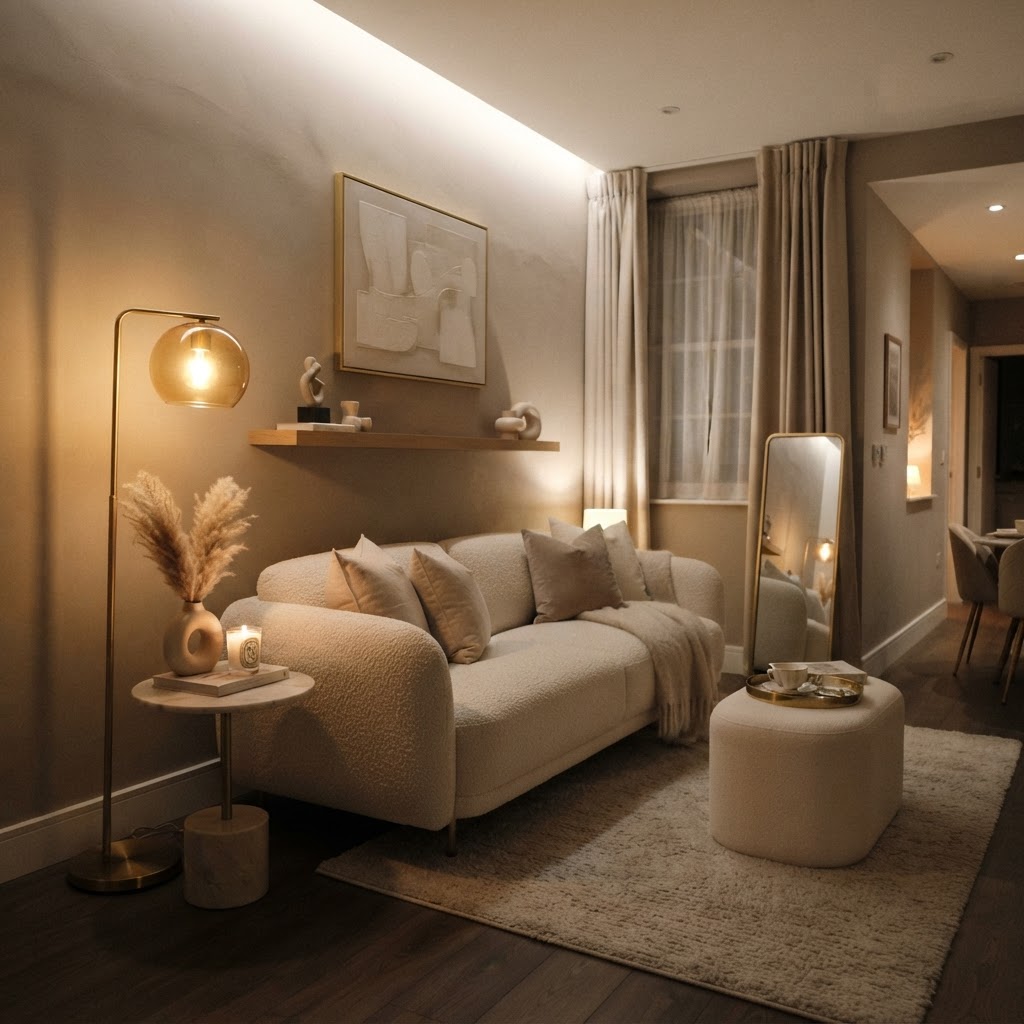
Creating Focal Points

Instead of covering an entire room, try creating an accent wall behind your bed or behind a piece of statement furniture. This technique provides a pop of interest without overwhelming the space. Because these products are designed to be temporary, they remain some of the best cheap no-drill changes that look high-end for those living in rentals or who prefer to switch up their style frequently.

Lighting Transformations Without Wiring

A consistent frame style makes a gallery wall look expensive and curated.
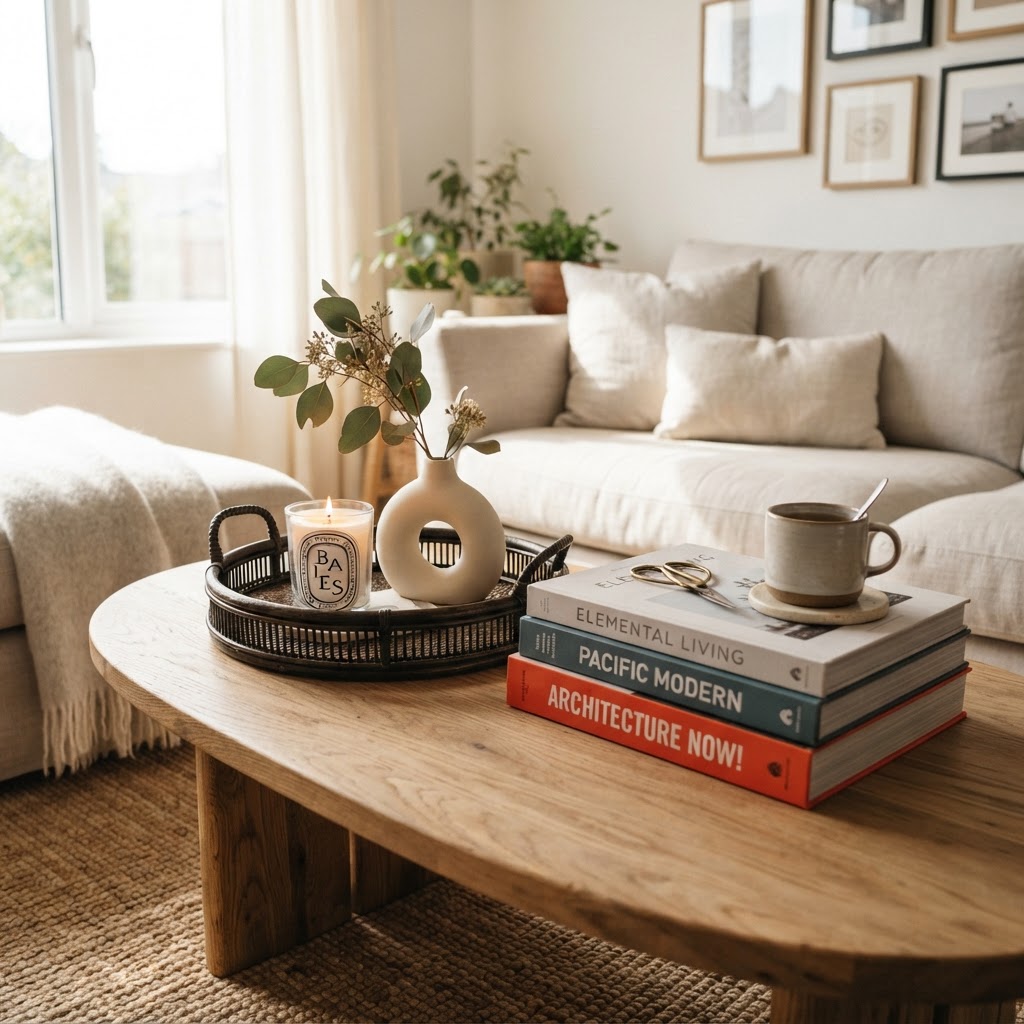
Lighting is the jewelry of the home, yet most people rely solely on the harsh overhead fixtures provided by their builder. You can instantly shift the mood of a room by adding layered lighting. Look for plug-in wall sconces that feature decorative cords or sleek arm designs. These units simply mount to the wall using heavy-duty adhesive strips or small finishing nails that leave almost invisible holes.
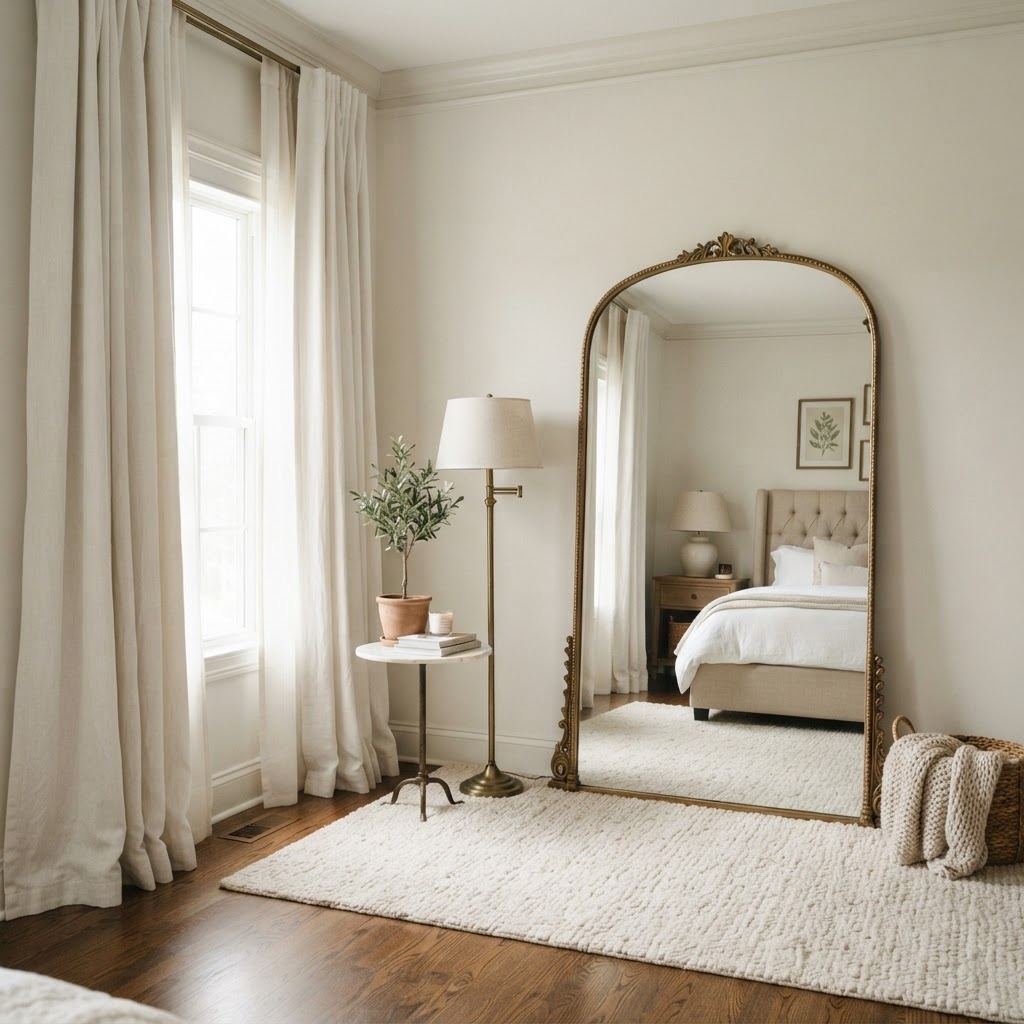
Choosing the Right Frames

When creating a gallery wall, consistency is key. While eclectic styles are fun, a uniform set of frames—such as all gold, all black, or all wooden—will instantly make the wall feel professional and unified. Matching the frames ensures that the focal point is the art, not the clutter of the wall.

Mirrors as Architectural Features

Mirrors are perhaps the best tools for making a small space feel expensive. By using floor-length leaning mirrors instead of wall-mounted ones, you avoid the need for hardware entirely while instantly doubling the visual light and depth of a room. A large, ornate mirror with an antique finish can act as a massive statement piece that anchors an entire room, providing a sense of grandeur without any labor-intensive installation.

FAQ

Q: What is the most effective no-drill way to make cabinets look expensive?

A: Replacing standard knobs with high-quality, solid-metal pulls is the most effective change. Ensure the new hardware matches existing hole centers and prioritize heavy materials like solid brass or matte black zinc to improve the tactile quality of your kitchen or bathroom.

Q: Can peel-and-stick wallpaper really look like professional installation?

A: Yes, provided you choose high-quality textured vinyl or fabric-based papers. Applying them with a felt squeegee on clean, dust-free walls creates a seamless, professional finish that mimics traditional high-end wallpapers without the need for permanent adhesive.

Q: How do you hang curtains without drilling holes in walls?

A: Use high-tension tension rods or heavy-duty adhesive drapery brackets designed for non-permanent use. Mounting these at ceiling height, rather than directly above the window frame, creates the illusion of increased height and a custom, tailored look.

Q: What color temperature bulbs should I use for a luxury feel?

A: Aim for warm white bulbs ranging between 2700K and 3000K to mimic the soft, inviting glow found in boutique hotels. Avoid anything above 4000K, as cool-toned lighting can make interior spaces feel institutional and diminish the appearance of high-quality furniture.

Deposit-Safe Under-$25 Upgrades Every Small Apartment Needs

Deposit-Safe Under-$25 Upgrades Every Small Apartment Needs

You can transform a small rental into a personalized sanctuary using affordable, reversible upgrades like plug-in wall sconces, peel-and-stick wallpaper, and tension-rod storage solutions. These high-impact modifications cost under $25 each, require no professional installation or drilling, and ensure your security deposit remains fully protected upon move-out.

Rethinking Your Lighting Without Hardwiring

Plug-in wall sconces add warmth to your living room without requiring electrical work.

One of the most effective ways to change the mood of a room is to ditch the harsh, overhead fluorescent lighting that many apartments come with. Since you cannot physically replace the light fixtures without risking your deposit, you need creative, low-cost alternatives. Plug-in wall sconces are a game-changer for those who want to avoid electrical work, offering 40-watt equivalent output without needing an electrician.

Look for plug-in sconces that use adhesive cable clips or simple decorative hooks to secure the cord along the wall. These units typically cost less than $25, especially when shopping at discount home goods stores or online marketplaces. By installing a pair of these above your bedside tables or in your living area, you instantly elevate the ambiance, making the space feel more high-end and intentional. You can find minimalist metal designs on Amazon or Wayfair that mimic $150 fixtures for a fraction of the cost.

Maximizing Warmth with Smart Bulbs

If you are stuck with a non-removable ceiling fixture, your best friend is a high-quality smart bulb. A single color-changing or dimmable smart bulb can replace the existing one in seconds. This allows you to control the color temperature and brightness via your smartphone, turning a clinical yellow light into a soft, warm glow that makes your small apartment feel cozy and inviting instantly. Most standard smart bulbs now retail for $10 to $18, providing an immediate return on investment for your mood and productivity.

Upgrade Type Est. Cost Installation Difficulty Reversibility
Plug-in Sconces $15-$25 Low 100%
Smart Bulbs $10-$18 None 100%
LED Strip Lights $12-$20 Low 100%

Elevating Your Kitchen with Temporary Backsplash

Peel-and-stick tiles instantly modernize a dated kitchen backsplash.

Kitchens are often the most outdated areas in rental apartments, featuring lackluster counters or plain, uninspiring walls. You can breathe new life into your kitchen using peel-and-stick backsplash tiles, which are specifically designed to be removed without damaging the paint or drywall underneath. These sheets are typically made from vinyl or gel-coated PVC, which are water-resistant and easy to wipe clean.

These self-adhesive sheets are available in a variety of styles, from classic subway tile to colorful mosaic patterns. A single pack of 5 to 10 sheets usually covers about 5-8 square feet and costs under $25, making it a perfect “renter-hack.” The installation process is as simple as peeling the backing and smoothing it onto the wall using a plastic squeegee to prevent air bubbles. Even applying them only to the small space between your counter and cabinets can make a massive visual impact. When moving out, simply use a hairdryer to soften the adhesive, allowing you to peel them off without leaving a sticky residue or pulling off layers of wall paint.

Creative Storage Solutions for Tiny Spaces

Create an inviting entryway zone using renter-friendly hooks and mirrors.

Storage is the perpetual challenge in small apartments, but you do not need expensive built-ins to stay organized. Using vertical space is the key to maintaining a clutter-free environment. Over-the-door organizers are essential for small entryways, bathrooms, and bedroom closets, providing storage for items that would otherwise consume valuable floor space.

For under $25, you can find high-quality over-the-door racks that don’t require any drilling. Use them for coats, bags, or even cleaning supplies, freeing up valuable floor space. Consider utilizing magnetic strips in the kitchen or bathroom as well. A simple magnetic bar, installed with command strips, keeps your knives or metallic tools off the counters and organized on the wall. Studies show that clearing surfaces of visual clutter reduces stress and makes small rooms appear 15-20% larger than they actually are.

The Power of Tension Rods

Another secret weapon for the renter is the tension rod. Beyond hanging curtains, these adjustable bars can be wedged into the underside of kitchen cabinets to hang cleaning bottles or inside your wardrobe to create extra hanging space. Because they rely on friction, they leave absolutely no marks behind. You can purchase heavy-duty tension rods for $8 to $15 that support up to 10 pounds of weight.

Refreshing Bathroom Hardware and Accessories

Small plants and vertical decor help personalize your shelves effortlessly.

Bathrooms in rentals are notorious for having cheap-looking, tarnished fixtures. While you cannot rip out a faucet, you can easily swap out the accessories. Replacing a basic toilet paper holder, towel bar, or shower curtain rod with a more modern version is a fantastic deposit-safe upgrade that creates a cohesive design language.

Keep the original hardware in a labeled baggie in a safe place so you can easily reinstall it when you move out. For less than $25, you can find sleek, matte black or brushed nickel accessories that instantly make your bathroom look like it was renovated by a designer. Pair this with a high-quality, weighted fabric shower curtain to complete the luxury hotel look on a budget. Changing these three elements—the rod, the towel bar, and the toilet paper holder—typically takes less than 30 minutes and requires only a basic screwdriver.

Adding Life with Low-Maintenance Greenery

Plants breathe life into a home, and even the smallest studio apartment can handle a few pots. While decorative planters can be expensive, you can find stylish, minimalist pots for under $25 that elevate your decor. Choose hardy plants like snake plants, ZZ plants, or pothos, which thrive in low-light conditions and require minimal attention.

Grouping plants of different heights on a small side table or a simple metal plant stand creates a focal point that draws the eye away from bland walls or worn carpets. This is a purely cosmetic upgrade that leaves no damage behind and significantly improves the air quality and aesthetic of your living room or office corner. Scientific evidence suggests that having greenery indoors can improve air quality and boost mood, making this an “upgrade” that benefits your health as much as your decor.

Utilizing Peel-and-Stick Wallpaper

If you have a particularly boring wall, peel-and-stick wallpaper is your best friend. Unlike traditional wallpaper that requires messy glue, this version is essentially a giant sticker. You can cover a single accent wall or even the backs of open bookshelves for a bold pop of color and pattern, transforming a “clinical” space into a custom design.

For a small apartment, consider patterns that are light and airy to keep the space feeling open. A single roll usually falls under the $25 price point. If you decide you don’t like it or it is time to move, you can simply peel it off in one piece, leaving the original wall texture perfectly intact. Just be sure to test a small, inconspicuous spot first to ensure your wall surface is compatible with the adhesive.

Creating a Dedicated Entryway Zone

Even if your apartment lacks a formal foyer, you can create one using a small, budget-friendly rug and a wall-mounted mirror or key hook. A runner rug can protect your rental floors from wear and tear while defining the transition space between the outside and your home.

Look for washable rugs, as they are durable and easy to keep clean. Pairing this with a small, lightweight mirror—hung with heavy-duty adhesive strips—creates a functional space for checking your look before you head out the door. It adds a touch of personality to an area that is often completely ignored in small apartment floor plans.

FAQ

Can I use peel-and-stick wallpaper on textured walls?

It is generally not recommended to use peel-and-stick wallpaper on heavily textured walls because the adhesive will not form a proper seal. You should test a small, hidden area first; if the paper peels away or bubbles significantly, your wall texture is likely too rough for a smooth finish.

Will command strips really hold heavy items?

Yes, if you use the correct weight-rated strips for the item. Always check the packaging for the maximum weight limit, and ensure the wall surface is cleaned with rubbing alcohol before application to remove dust or grease, which prevents premature failure of the adhesive bond.

How can I make my rental kitchen look better on a budget?

Focus on temporary surface upgrades like peel-and-stick backsplash tiles, adhesive vinyl for worn countertops, and swapping out drawer hardware. These changes are cheap, fully reversible, and can hide dated cabinet finishes or stained counter surfaces without needing permanent renovation permission from your landlord.

Are tension rods strong enough for curtains?

Standard tension rods can easily support lightweight fabric curtains, but you should choose a model with rubberized ends for maximum grip. For heavier blackout curtains, ensure you purchase a rod with internal springs designed for extra tension, and double-check that your door or window frame is sturdy enough to withstand the pressure.

Overnight Makeover Hacks: Make Tiny Rentals Look Expensive

Overnight Makeover Hacks: Make Tiny Rentals Look Expensive

To make a tiny rental look expensive overnight, focus on layering warm ambient lighting, utilizing large-scale mirrors to double visual space, and swapping builder-grade hardware with luxury-finish accents. These high-impact, non-permanent changes shift the focus from square footage constraints to sophisticated, intentional design details that create a boutique-hotel atmosphere.

Rethink Your Lighting Layers

Layered lighting creates an expensive and cozy atmosphere in small spaces.

One of the most effective ways to make a small apartment look expensive is by abandoning harsh, singular overhead “big lights” in favor of a layered lighting scheme. Standard rental fixtures often cast clinical, flat shadows that emphasize the smallness of a room. By distributing light at varying heights—floor, eye level, and ceiling—you create depth and architectural interest that mimics luxury custom homes. Experts suggest using 2700K warm-toned LED bulbs to achieve a cozy, inviting glow that instantly upgrades the ambiance. Implementing three distinct light sources in a living area—such as a floor lamp, a table lamp, and an accent sconce—is the gold standard for luxury styling. This technique draws the eye away from low ceilings and towards cozy vignettes. Consider these common lighting upgrades for renters:

Lighting Type Benefit Estimated Cost
Plug-in Sconces Mimics built-in luxury $30 – $80
Floor Lamps Adds height and warmth $50 – $150
Smart Bulbs Custom mood control $15 – $25

The Power of Ambient Glow

Start by introducing floor lamps with fabric shades and sleek table lamps on sideboards. By placing light sources at different heights—on the floor, on a table, and near eye level—you create a cozy, hotel-like atmosphere. Look for warm-toned LED bulbs in the 2700K range to avoid the sterile, clinical look of cool white light.

Investing in Plug-in Sconces

If you lack floor space for lamps, consider plug-in wall sconces. Many modern designs require only a simple command hook or a small anchor, making them perfect for rental living. Placing these on either side of your bed or above a sofa instantly mimics the custom lighting design found in high-end homes, elevating the entire room’s aesthetic.

Curating a Cohesive Color Palette

Curated surfaces with negative space elevate the look of any room.

Tiny rentals often feel cluttered because of visual chaos, such as mismatched furniture or vibrant decor that fights for attention. An overnight makeover focuses on neutralizing your base layers to create a sense of cohesion. Opting for a monochromatic or tone-on-tone palette makes the boundaries of the walls feel further away by reducing visual noise. Research indicates that using a 60-30-10 color ratio (60% dominant neutral, 30% secondary shade, 10% accent color) is the industry standard for high-end interiors. Stick to shades of cream, warm beige, or light gray for larger pieces like curtains and rugs to keep the space feeling airy. You can then inject ‘expensive’ colors like forest green, navy, or deep ochre through smaller accessories like throw pillows, vases, or coffee table books to ground the room. When the background is neutral, the space feels significantly larger, allowing high-quality accent pieces to pop. Avoid mixing more than three primary colors in a studio setting, as this often leads to a disorganized, budget appearance. Consistency in your color palette creates a “flow” between rooms, making a small apartment feel like a singular, well-designed luxury property rather than a collection of disjointed pieces.

The Art of Scale and Proportion

Floor-to-ceiling curtains and mirrors make rooms feel larger and more luxurious.

Many renters fall into the trap of using only tiny furniture because the room is small, which is a common mistake that makes a space feel like a dollhouse rather than a luxury residence. Instead, incorporate a few “oversized” pieces to anchor the room and create a sense of scale. A single large-scale piece of artwork or a tall, oversized mirror can anchor a space more effectively than a collection of small trinkets. When you use a floor-to-ceiling mirror, you aren’t just adding a functional piece; you are doubling the visual depth of the room. Placing a large mirror across from a window bounces natural light throughout the space, brightening dark corners and making the apartment feel like a much larger, more expensive property. For those working with limited square footage, consider the following “Rule of Scale” adjustments:

Item Small Scale Effect Large Scale Effect
Artwork Looks like clutter Makes a bold statement
Rugs Divides space poorly Anchors furniture zones
Mirrors Just functional Multiplies depth/light

Softening the Edges with Textiles

Hard surfaces—laminate flooring, white walls, and plastic blinds—are the enemies of a high-end look, and they must be softened to achieve a professional aesthetic. To counteract this, use textiles to soften every hard edge throughout the apartment. Rugs are non-negotiable in the quest to make a tiny rental look expensive; even if your apartment has wall-to-wall carpeting, layering a high-quality rug on top adds texture and color that defines the living zone. Investing in floor-to-ceiling curtains is equally vital, even if your windows are small. Mounting the curtain rod as close to the ceiling as possible, rather than right above the window frame, draws the eye upward and creates the illusion of tall, luxurious ceilings. High-quality fabrics like velvet, linen, or heavy-weight cotton blends add a tactile richness that thin, synthetic curtains lack. Aim for “floor-grazing” lengths, where the curtains barely touch the floor to add a polished, custom-made feel. Adding throw blankets with chunky knit textures or silk-blend pillows further introduces dimension. These layers are what prevent a space from feeling like a sterile rental unit and turn it into a high-end, comfortable home.

Styling Surfaces and Negative Space

Clutter is the primary culprit behind a cheap-looking home, and the overnight makeover approach requires you to edit your surfaces ruthlessly. A clear, curated coffee table looks far more expensive than one covered in remote controls, stacks of mail, and stray cables. Use decorative trays to group items together, which turns “stuff” into an intentional display. Apply this same principle to open shelving or bookcases by following the ‘rule of thirds’—mixing books, small sculptural objects, and plants. Allowing for ‘negative space’—the empty areas where your eye can rest—is a hallmark of luxury interior design. If a surface is full, remove two or three items until the arrangement breathes. Professional stylists recommend that at least 30-40% of any surface area should remain intentionally empty to highlight the curated pieces you have chosen. By keeping surfaces sparse, you signal to visitors that your home is a place of leisure rather than a storage facility. This practice reduces cognitive load and keeps the room focused on the high-quality items you have curated, rather than the sheer volume of possessions.

Elevating Generic Rental Features

Rental apartments are often filled with standard, builder-grade finishes that feel uninspired, but these can be easily disguised with simple, reversible hardware upgrades. Replace standard cabinet knobs in the kitchen or bathroom with higher-end hardware like polished brass, matte black, or brushed gold pulls. These small changes provide a heavy, tactile feel that instantly elevates the perceived value of the room. Always keep the original hardware in a clearly labeled baggie in a safe place to reinstall before you move out to ensure you receive your security deposit back. Additionally, look into temporary contact paper for laminate countertops or peel-and-stick vinyl tiles to cover dated flooring. These materials are designed to be heat-resistant and durable, providing a quick way to change the color palette of an entire room. Investing $50-$100 in hardware and temporary surface covers can make a $1,500 apartment feel like a $3,000 unit by stripping away the generic “developer” look and replacing it with your own sophisticated taste.

Hiding the Ugly with Custom Covers

If you have a radiator, a bulky heater, or unattractive baseboards, look for radiator covers or custom-fit shelving units. These pieces not only hide the eyesore but also provide extra surface area for decor. Similarly, swap out standard plastic vent covers for decorative metal versions; these small, inexpensive changes signal a level of detail usually reserved for owned properties.

Creating a Sensory Experience

Luxury isn’t just about what you see; it’s about what you smell and hear, as an expensive-looking home should feel like a multi-sensory sanctuary. Incorporate high-quality candles, reed diffusers, or a signature scent that sets the tone the moment you walk through the door. Studies have shown that a “signature scent” in a home increases the emotional connection and perception of comfort by up to 25%. Avoid overly sweet or artificial scents; instead, opt for sophisticated woodsy, citrus, or botanical notes. Furthermore, consider the acoustics of your space. Hard surfaces echo, which can feel harsh; by adding soft furnishings, you naturally improve the sound quality of the room, making it feel more “cushioned” and exclusive. A home that is tidy, well-lit, and smells refined will always be perceived as more valuable, regardless of the square footage. Focusing on the sensory details—clean air, warm light, and quiet surfaces—is what separates a simple apartment from a curated living space.

FAQ

Q: How can I change rental lighting without professional help?

Use plug-in wall sconces and floor lamps to bypass hardwired fixtures. These pieces simply plug into existing wall outlets and can be mounted using non-damaging adhesive hooks, allowing you to add warm, layered lighting without violating your lease or requiring an electrician.

Q: What is the best way to hide ugly rental floors?

Layer large-scale area rugs over the existing floor to hide unattractive laminate or dated carpet. Choosing a high-pile, neutral-colored rug covers the most visual area, instantly transforming the room’s base and adding a sense of luxury and warmth that covers up standard builder-grade finishes.

Q: Do I need expensive furniture to make a place look high-end?

No, focus on curation and scale rather than price. Mixing one or two large, statement pieces with clean, organized surfaces creates a high-end look, even if the furniture itself is affordable or thrifted. The key is in the editing and the removal of clutter.

Q: Can I paint my rental to make it look more expensive?

Many landlords allow painting if you agree to return the walls to the original color before moving out. If painting is prohibited, use high-quality peel-and-stick wallpaper on a single accent wall to introduce color and texture that creates a custom, designed aesthetic without permanent changes.

Q: What is the most important element for luxury in small spaces?

Negative space is the most critical element for luxury. By ruthlessly editing your decor and keeping surfaces clear, you allow the room to breathe, which makes a small area feel intentional, spacious, and sophisticated rather than cramped or cluttered.