10 Renter-Friendly Finds That Make Small Spaces Feel Premium
To make a small apartment feel premium without renovations, focus on high-impact, non-permanent upgrades like swapping generic hardware, layering warm lighting, and utilizing floor-to-ceiling textiles. These strategic changes distract from limited square footage, create visual depth, and instill a custom, high-end aesthetic that is entirely reversible for your security deposit.
Lighting: The Instant Mood Elevator
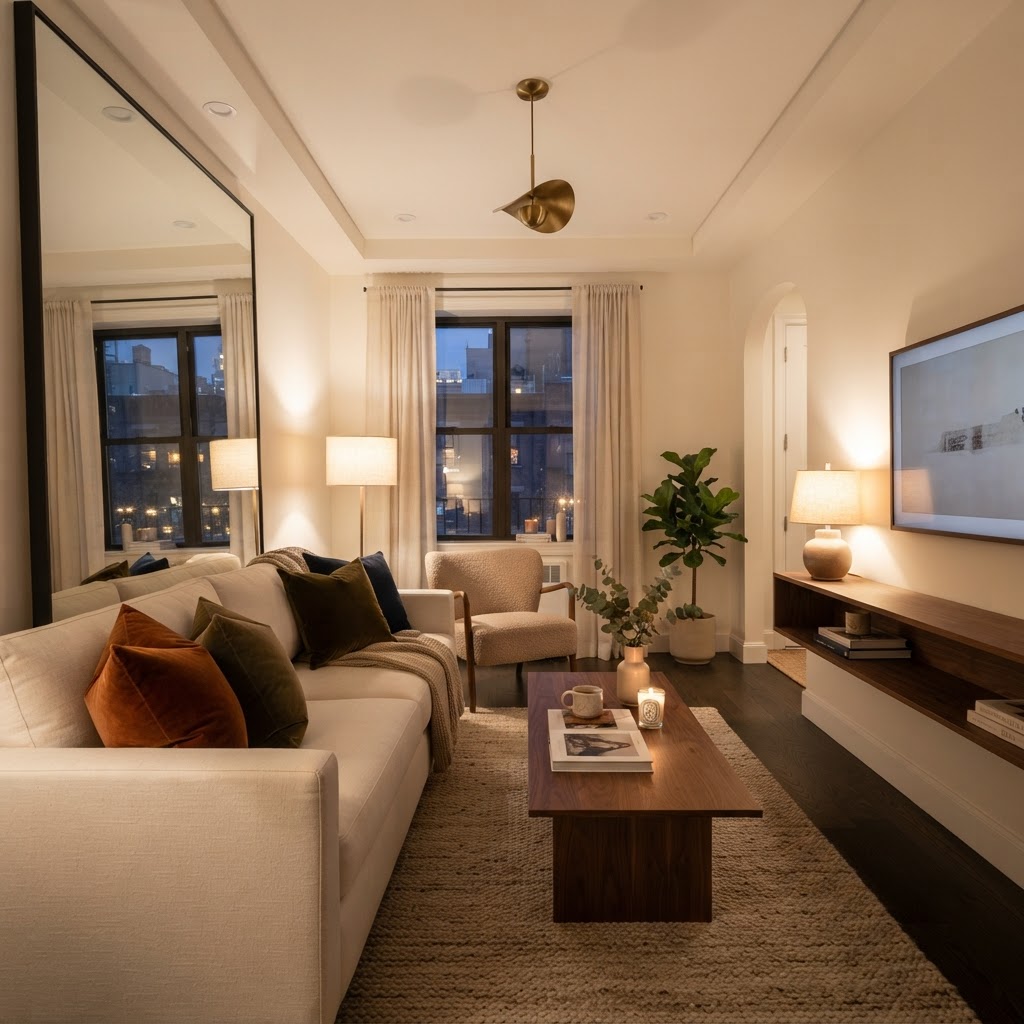
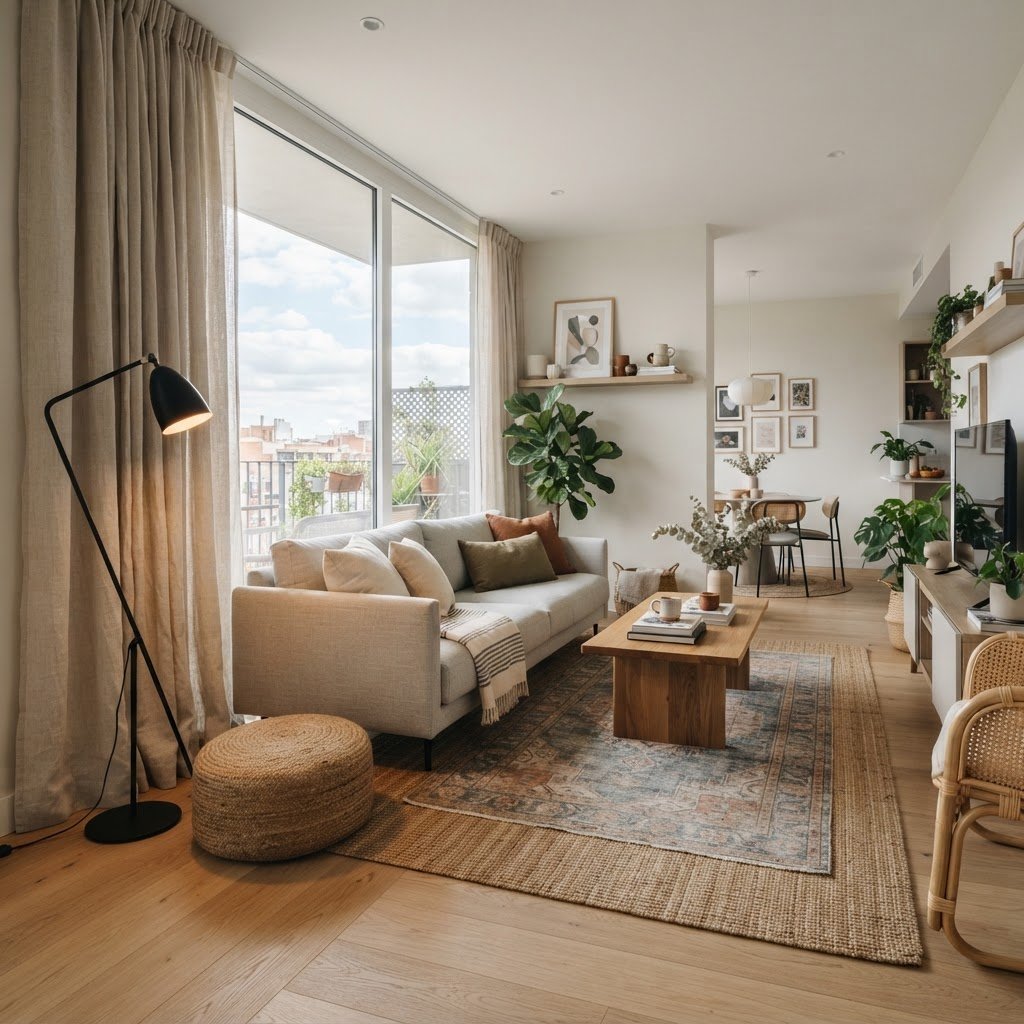
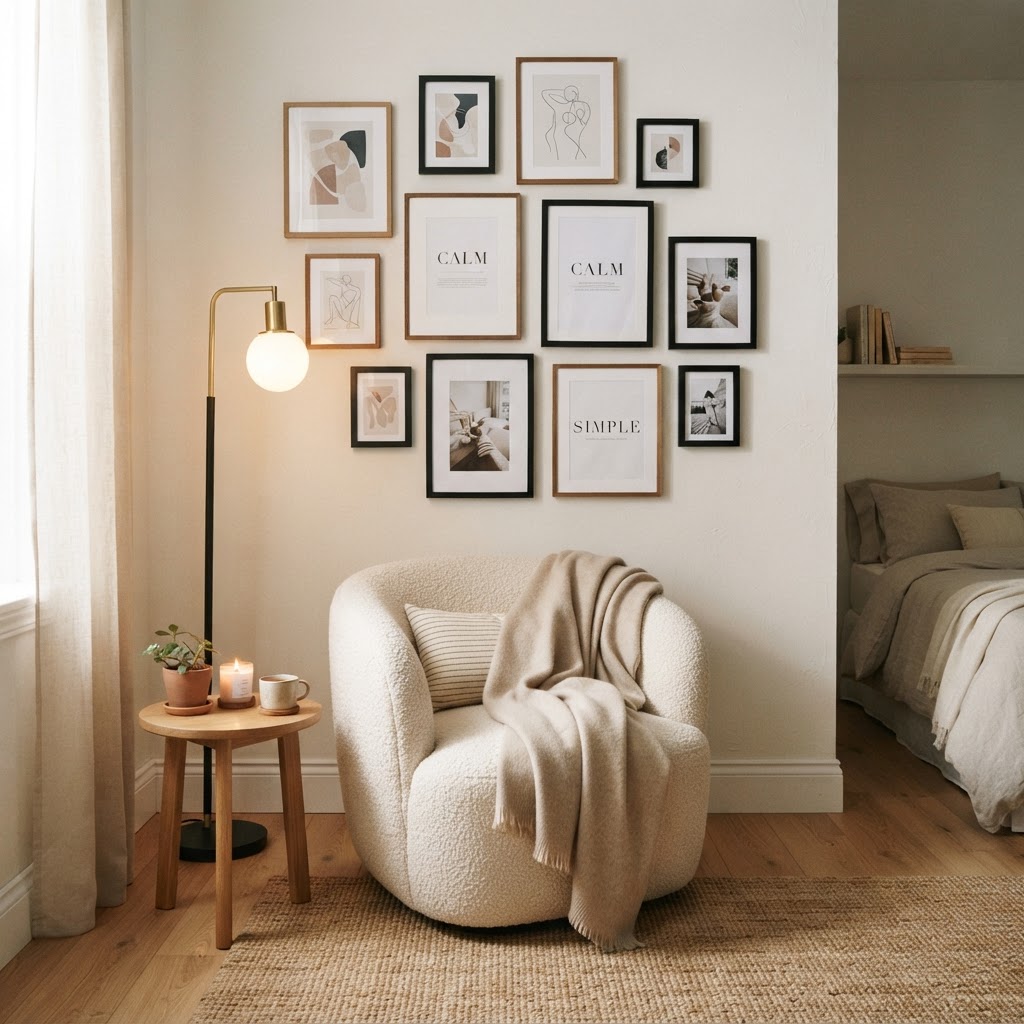
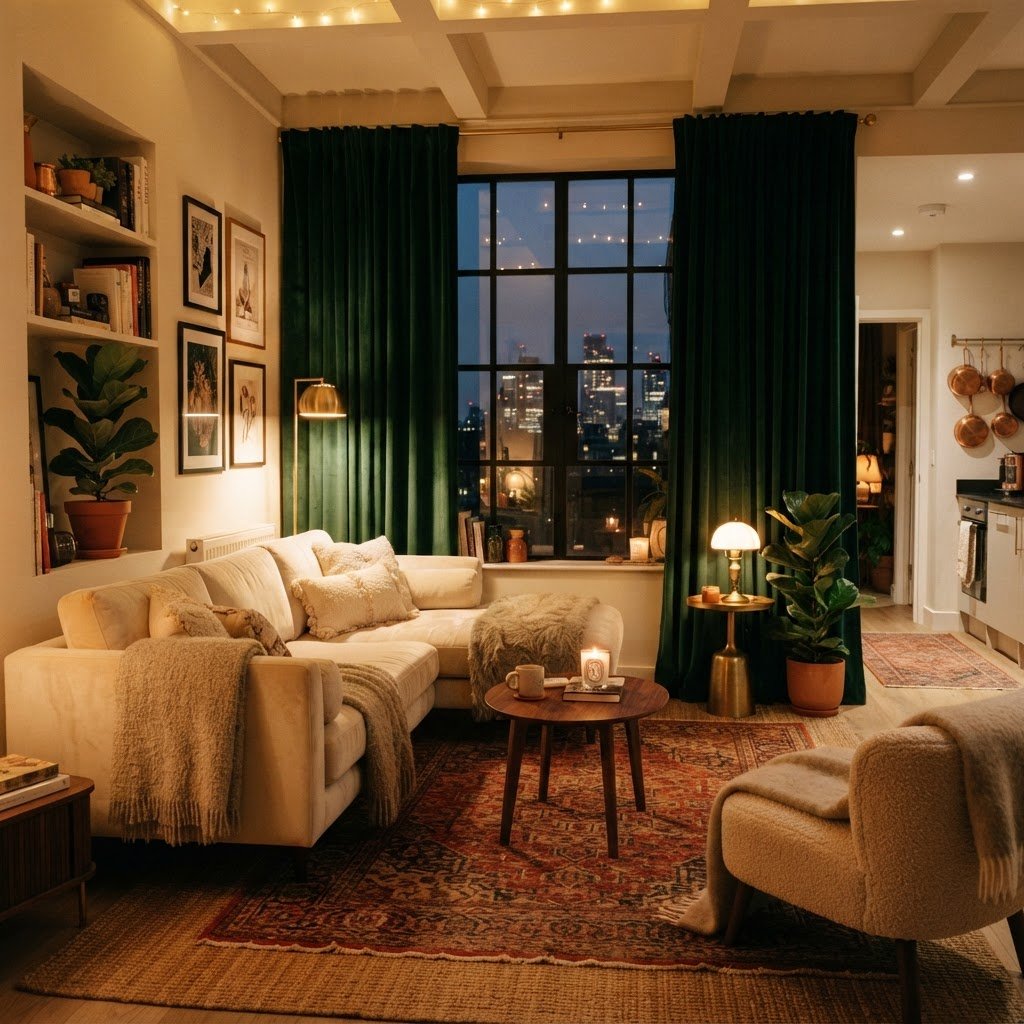
One of the most common mistakes in small rentals is relying solely on the lackluster overhead lighting that comes pre-installed. Builders often prioritize function over form, leaving you with cold, clinical bulbs that drain the character from your decor. Investing in floor lamps with sculptural shapes or table lamps with warm, fabric shades can instantly soften the room. Research shows that layering lighting temperatures between 2700K and 3000K creates a more luxurious, “hotel-style” ambiance compared to standard 4000K daylight bulbs.
Layering Light for Depth
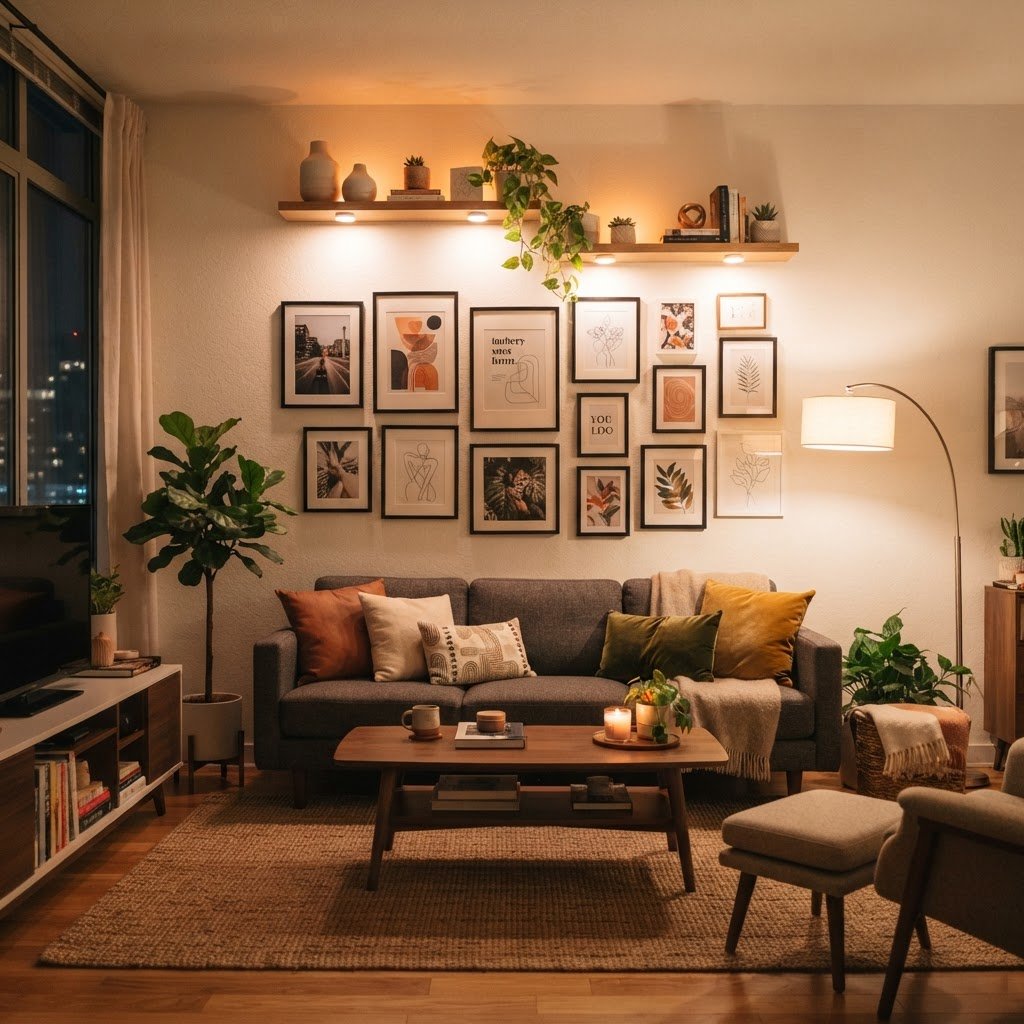
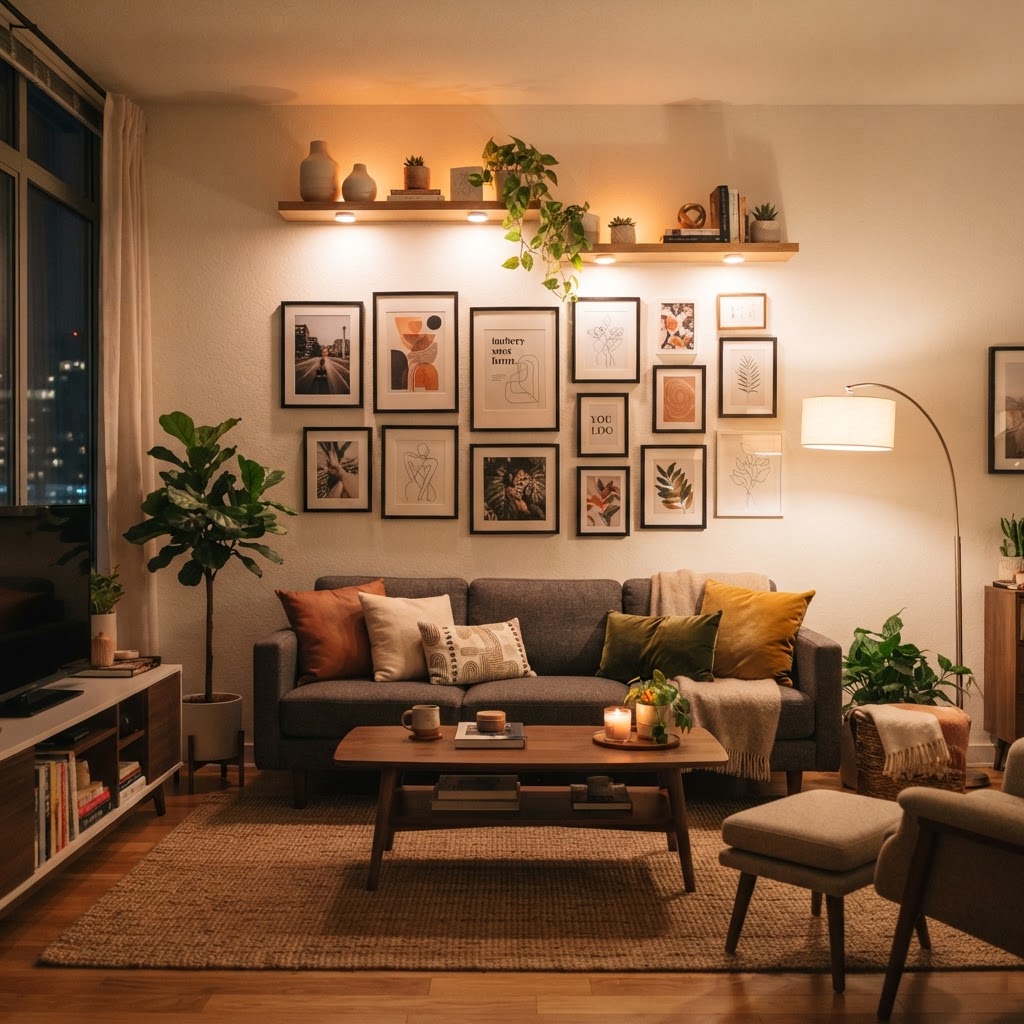
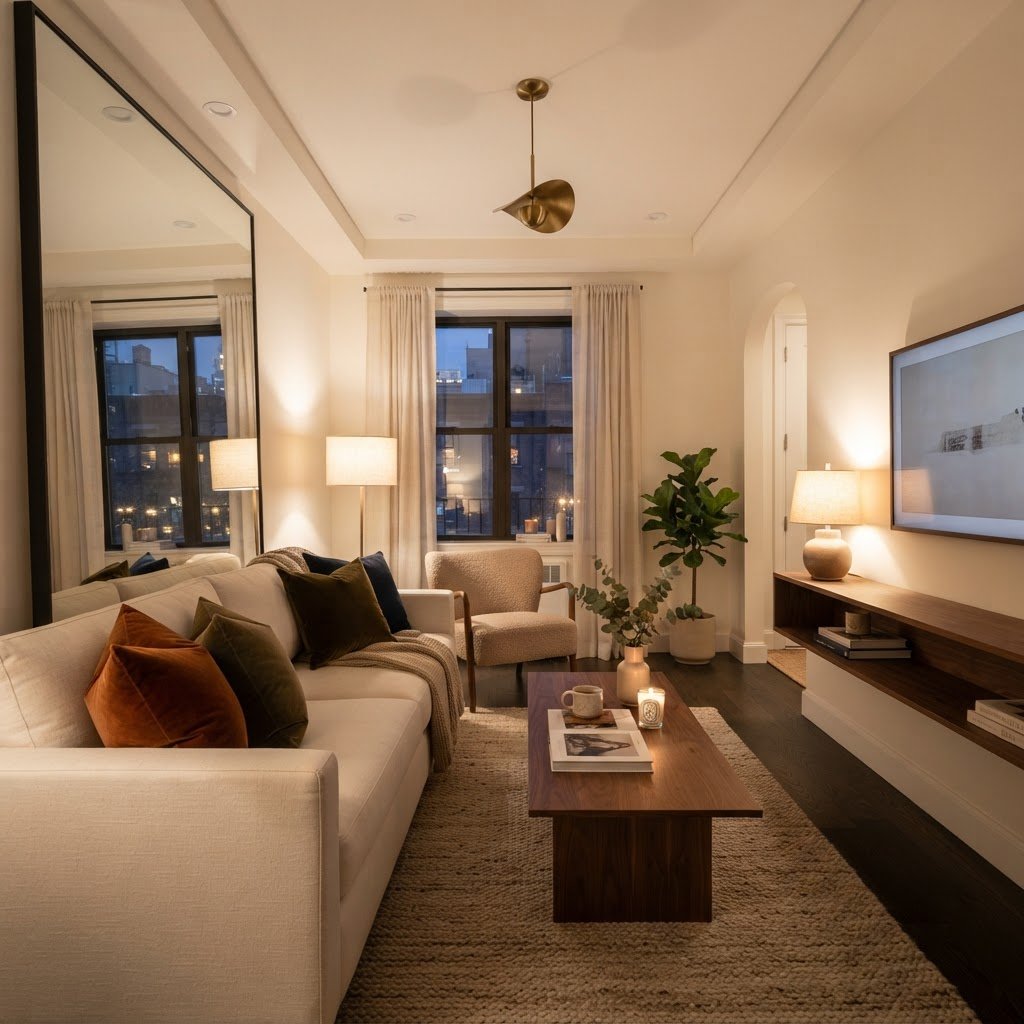
Instead of one bright source, treat your space like a professional interior designer would. Use three-point lighting: a main floor lamp for tasking, a secondary ambient lamp for warmth, and perhaps a dimmable LED strip behind a TV or under a floating shelf. This depth tricks the eye into perceiving the room as larger and more expensive than it truly is. By positioning light sources at varying heights—eye level, floor level, and ceiling-grazing—you effectively eliminate dark corners that visually shrink your floor plan.
Mirror Magic: Expanding Visual Boundaries
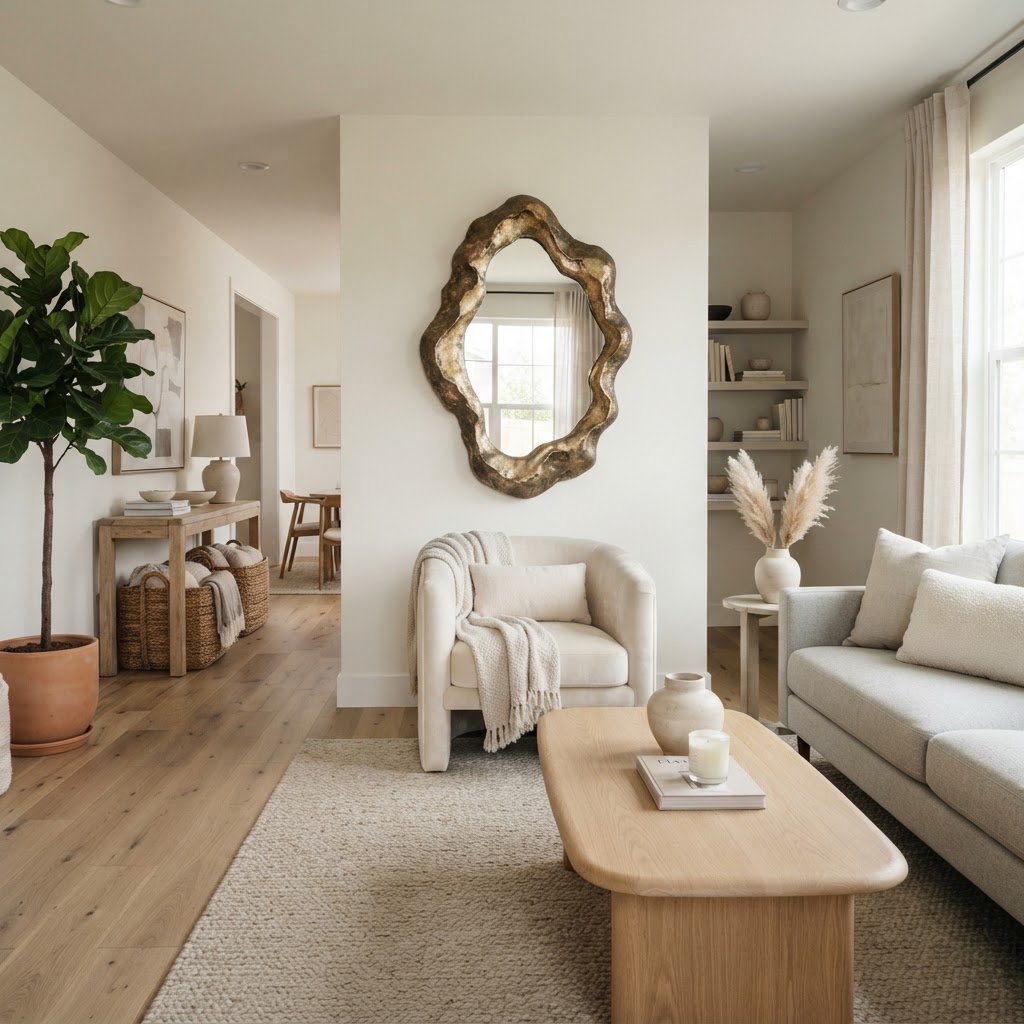
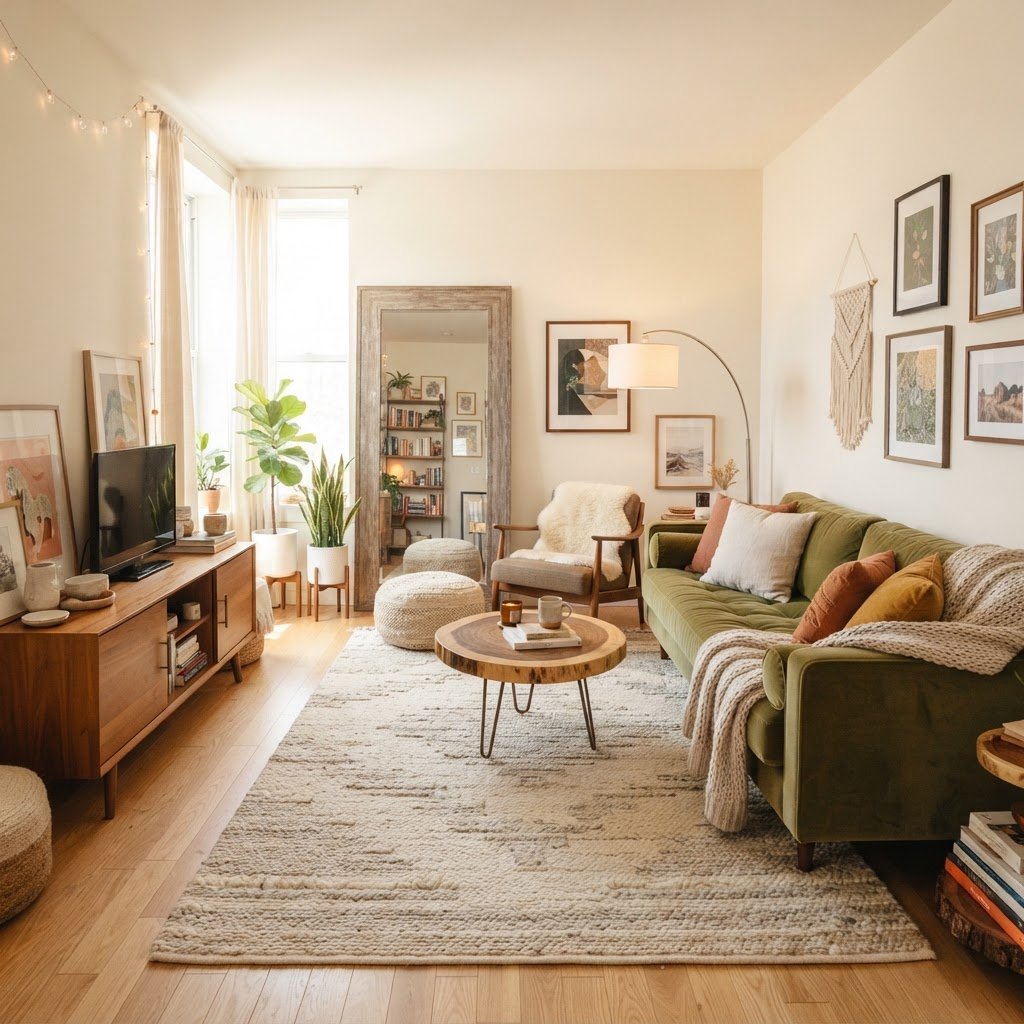
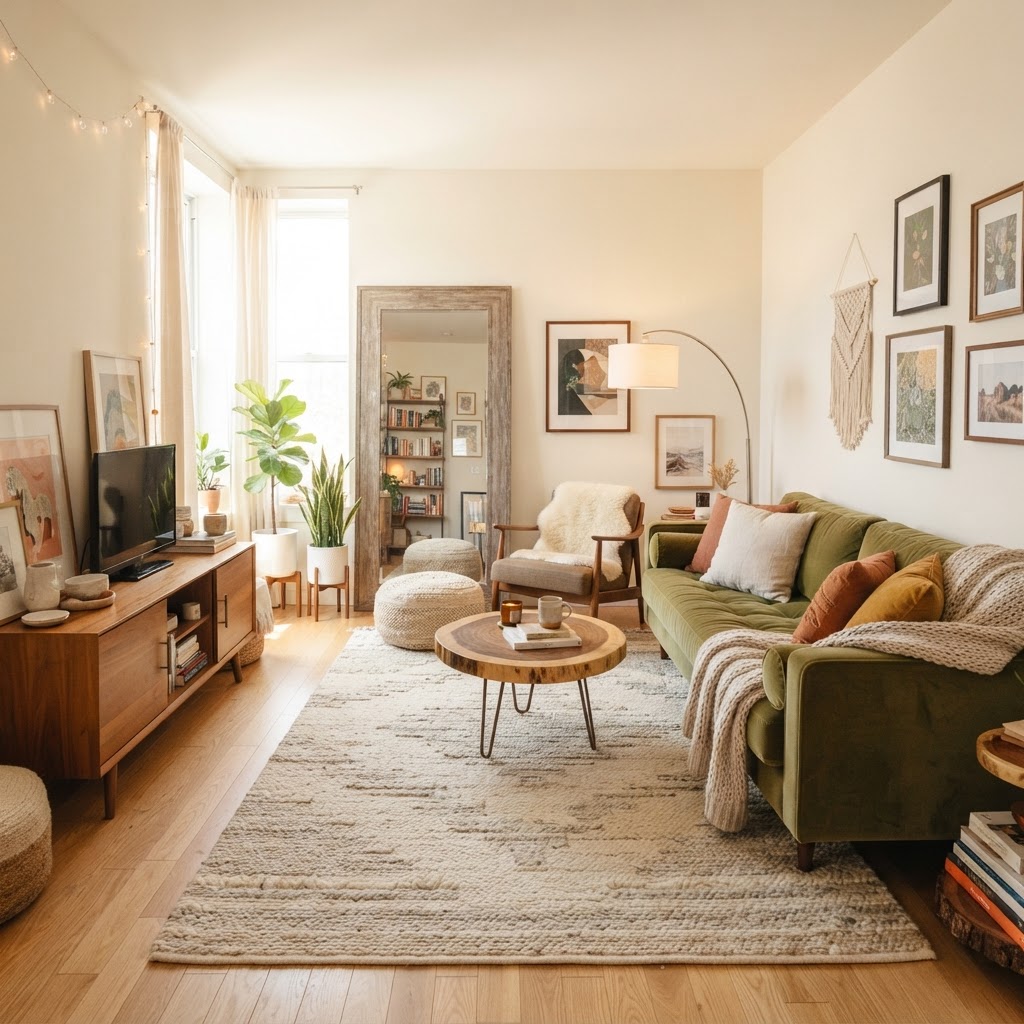
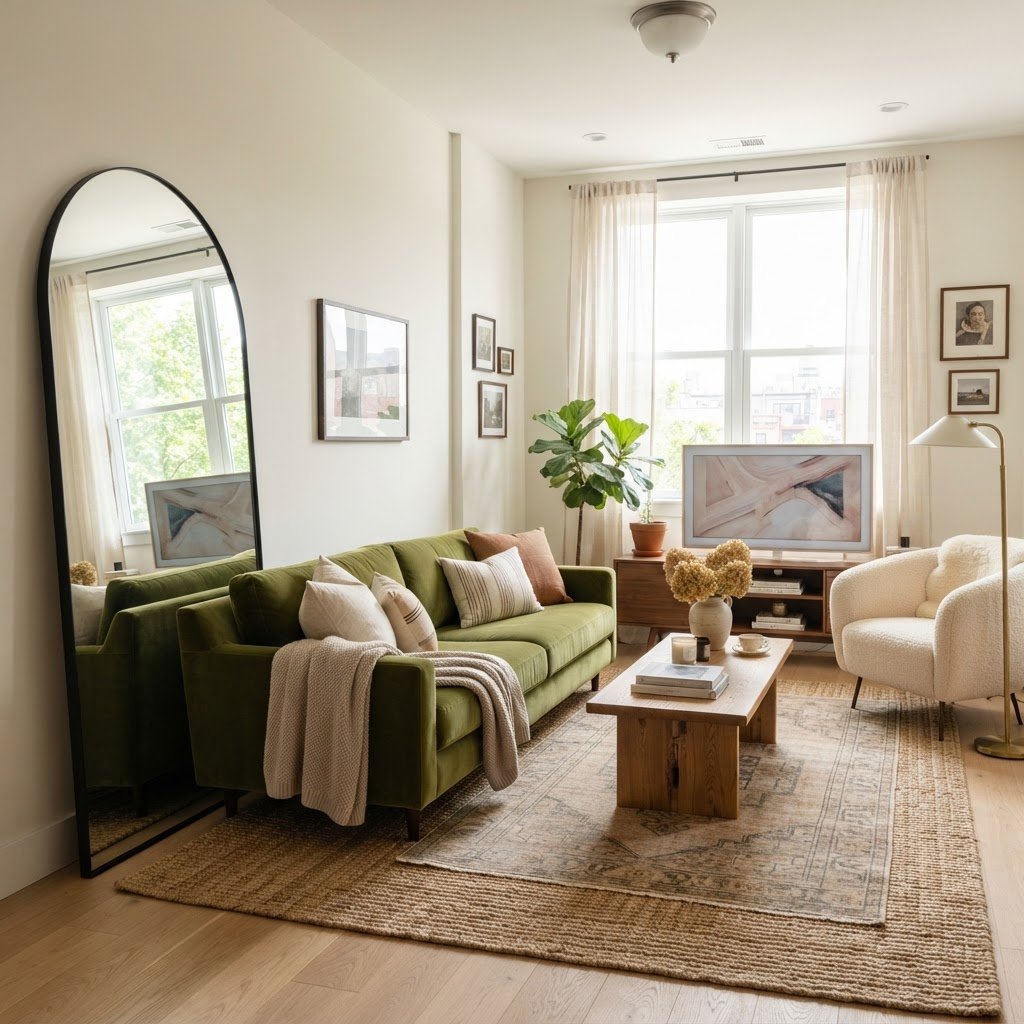
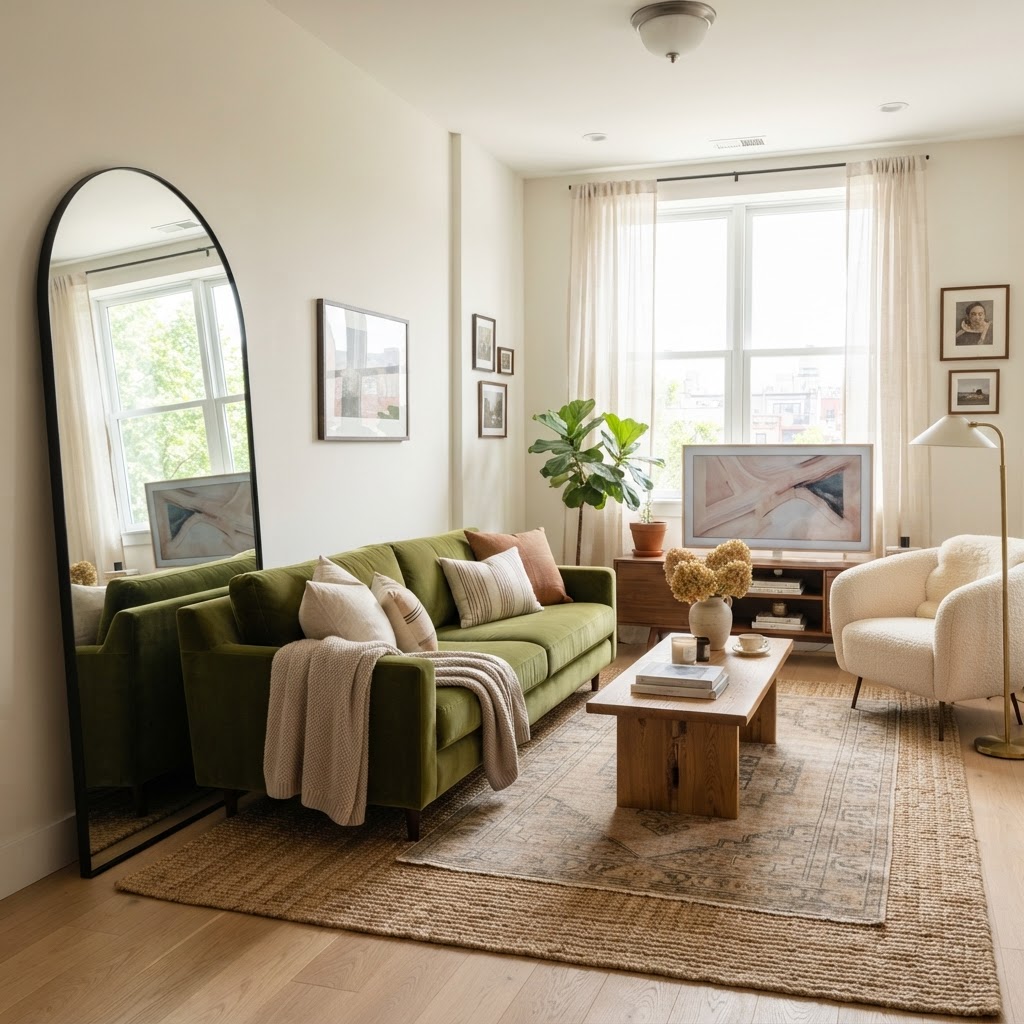
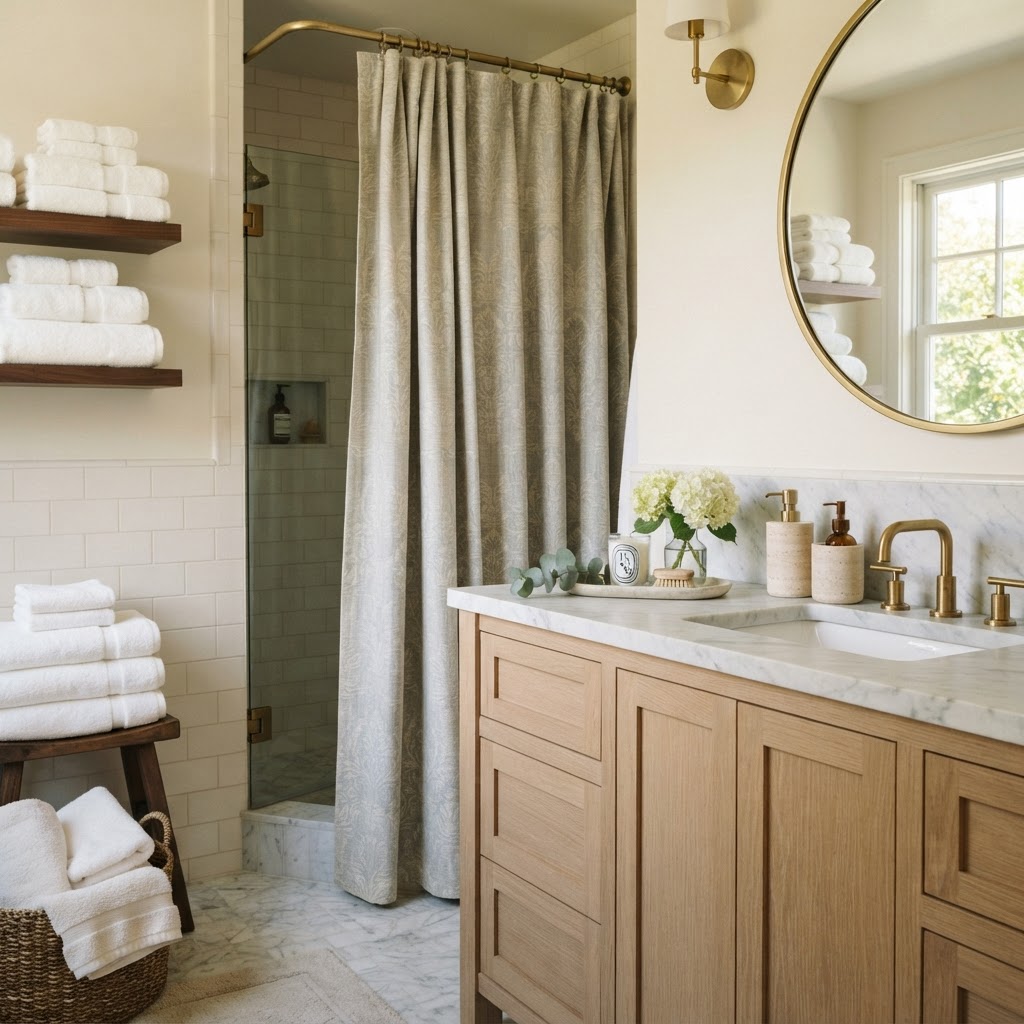
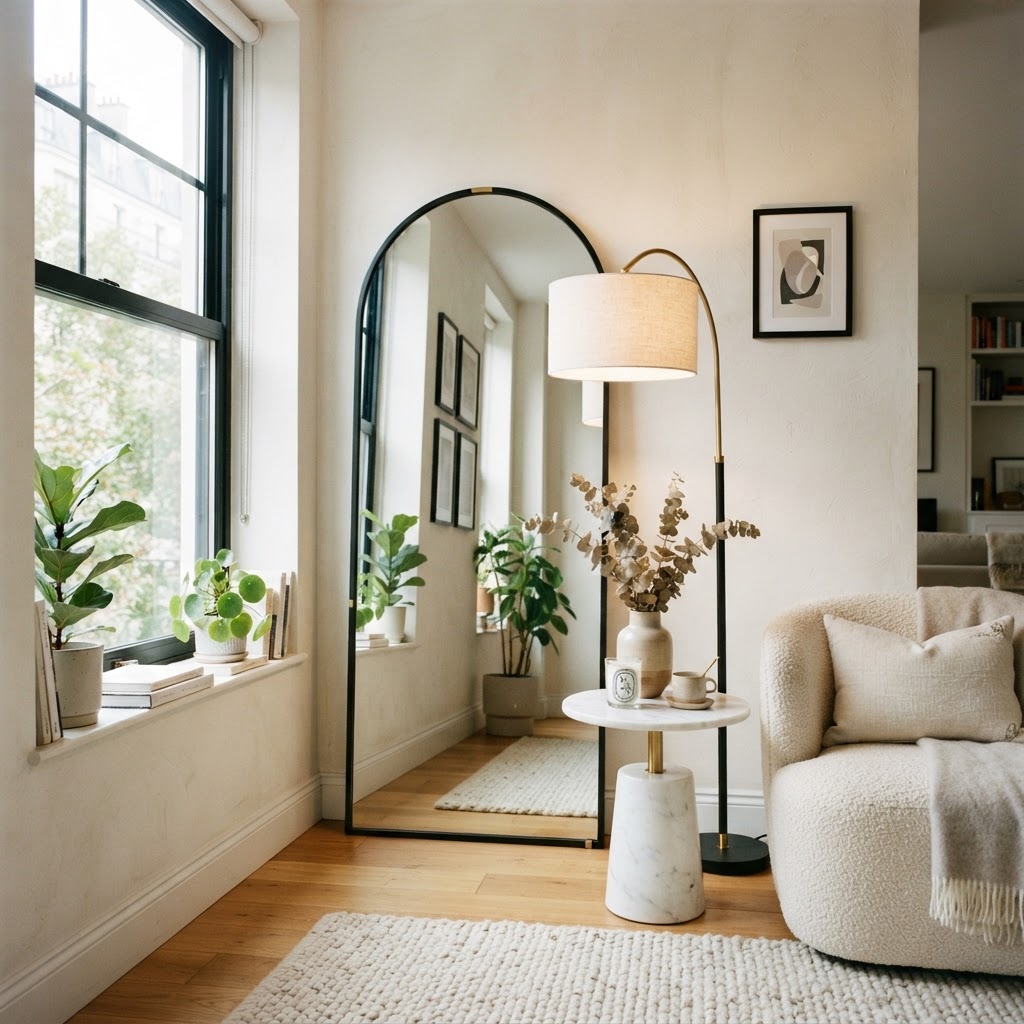
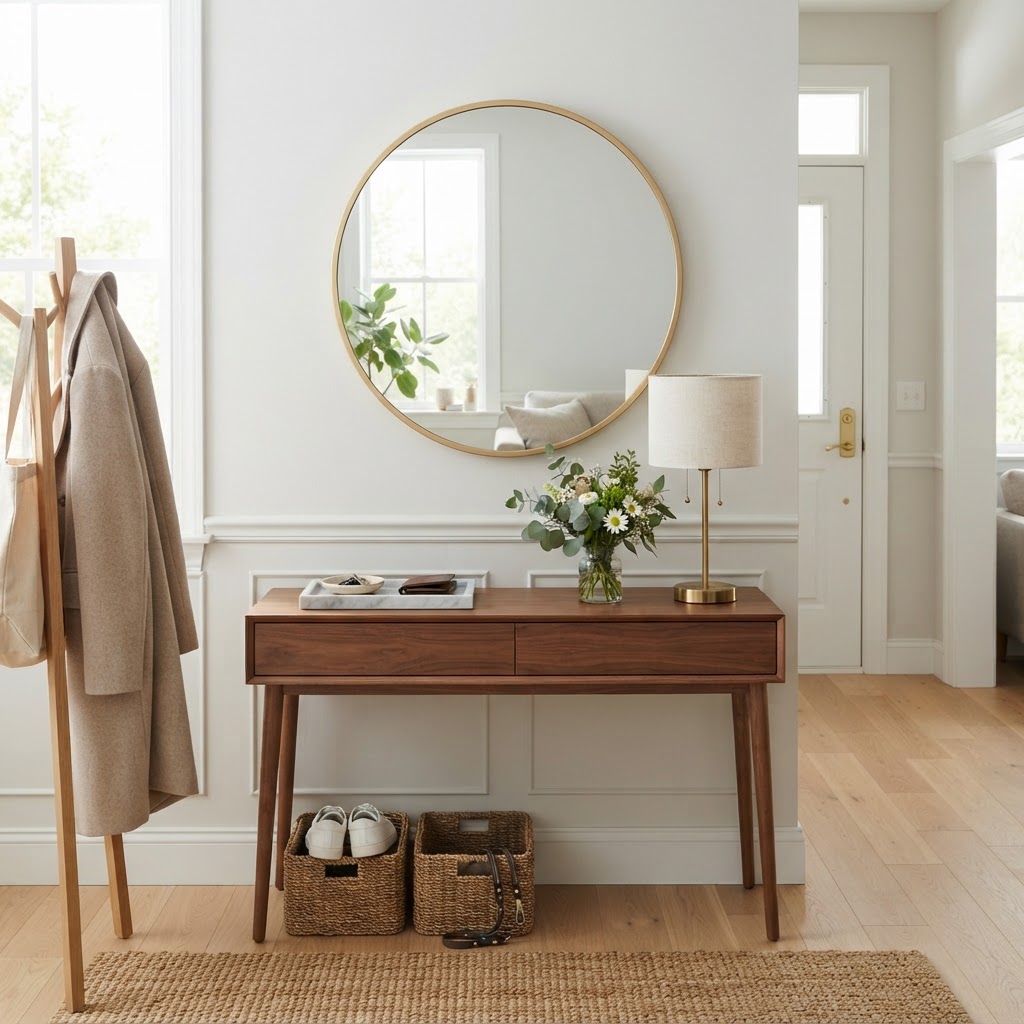
Mirrors are the oldest trick in the book, yet they remain one of the most effective renter-friendly finds for small spaces. A large, floor-length mirror leaning against a wall adds architectural interest and reflects light throughout the apartment. By bouncing light into dark corners, mirrors eliminate the “closed-in” feeling that often plagues cramped floor plans. Opting for a mirror that is at least 60 inches tall can create a “window” effect, effectively doubling your perceived wall space.
When shopping for mirrors, look for frames that match the tone of your existing furniture. A brass or gold frame introduces a touch of metallic luxury, while a black metal frame offers a modern, industrial edge. If you are worried about security deposits, use heavy-duty command strips or simply opt for a sturdy floor-leaning design that does not require hardware. Professional stagers often suggest placing mirrors perpendicular to windows to maximize natural light refraction across the entire room.
Elevating Your Surfaces with Textiles
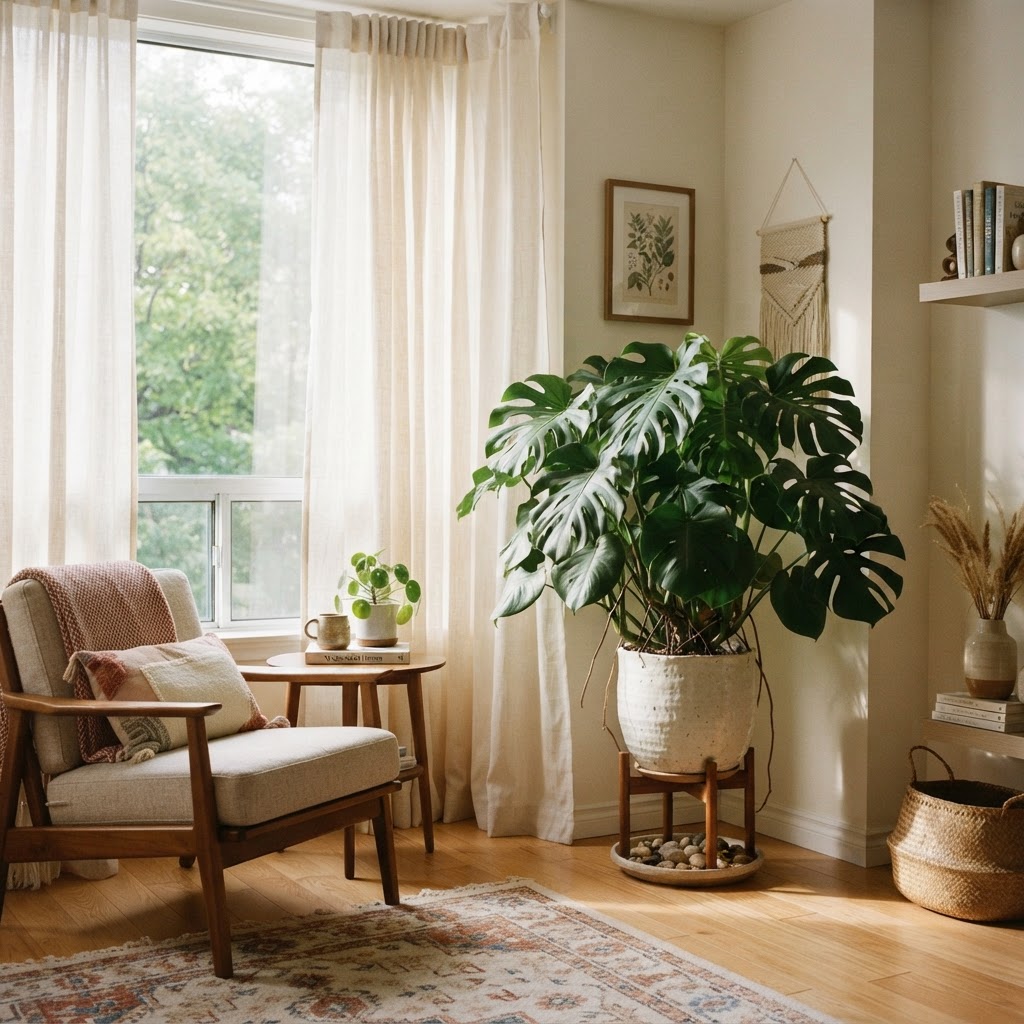
Texture is the difference between a college dorm and a curated home. In a small apartment, you might not have room for oversized furniture, so you must rely on high-quality textiles to do the heavy lifting. Swap out thin, flat-weave rugs for plush, high-pile area rugs that add weight to the room. Adding a heavy-duty rug pad underneath your area rug—which costs around $30-$50—can make even a budget-friendly rug feel like a high-end investment piece while protecting rental floors.
Selecting the Right Fabric Palette
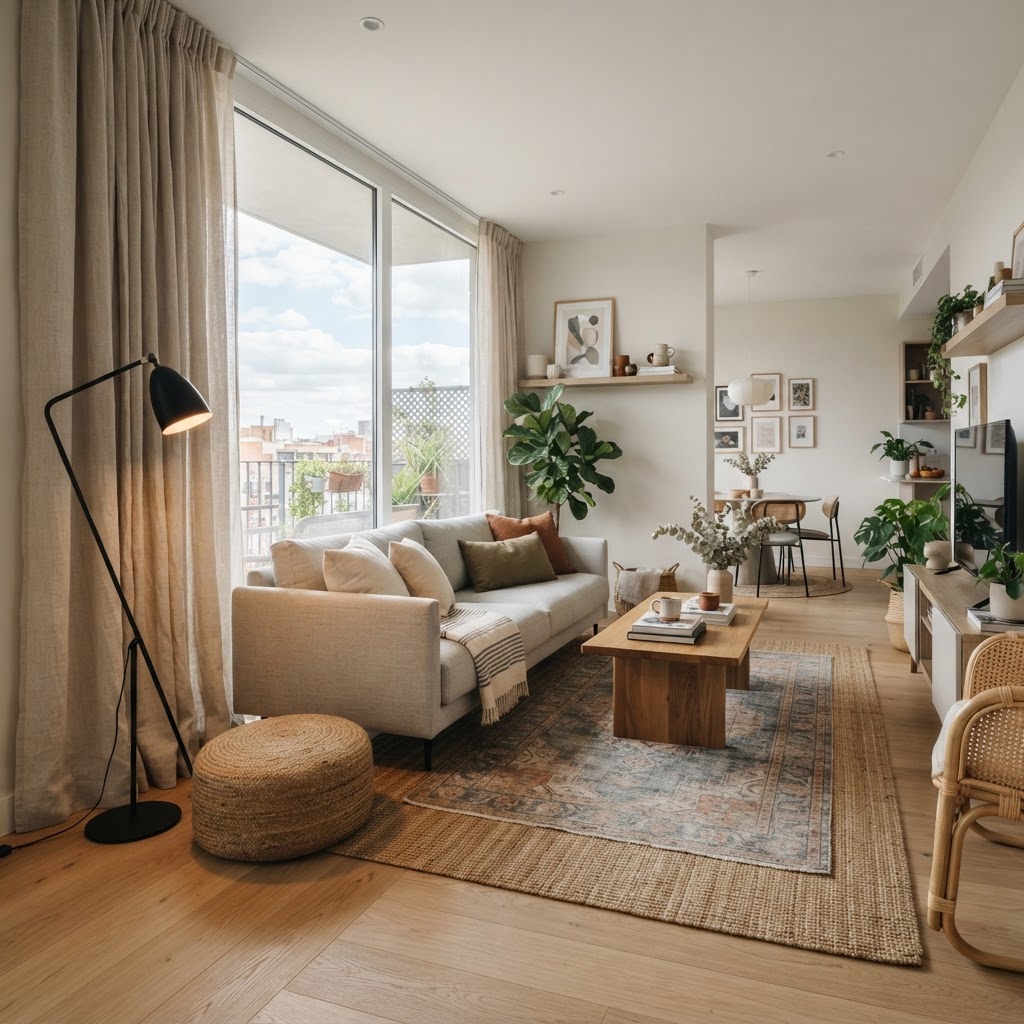
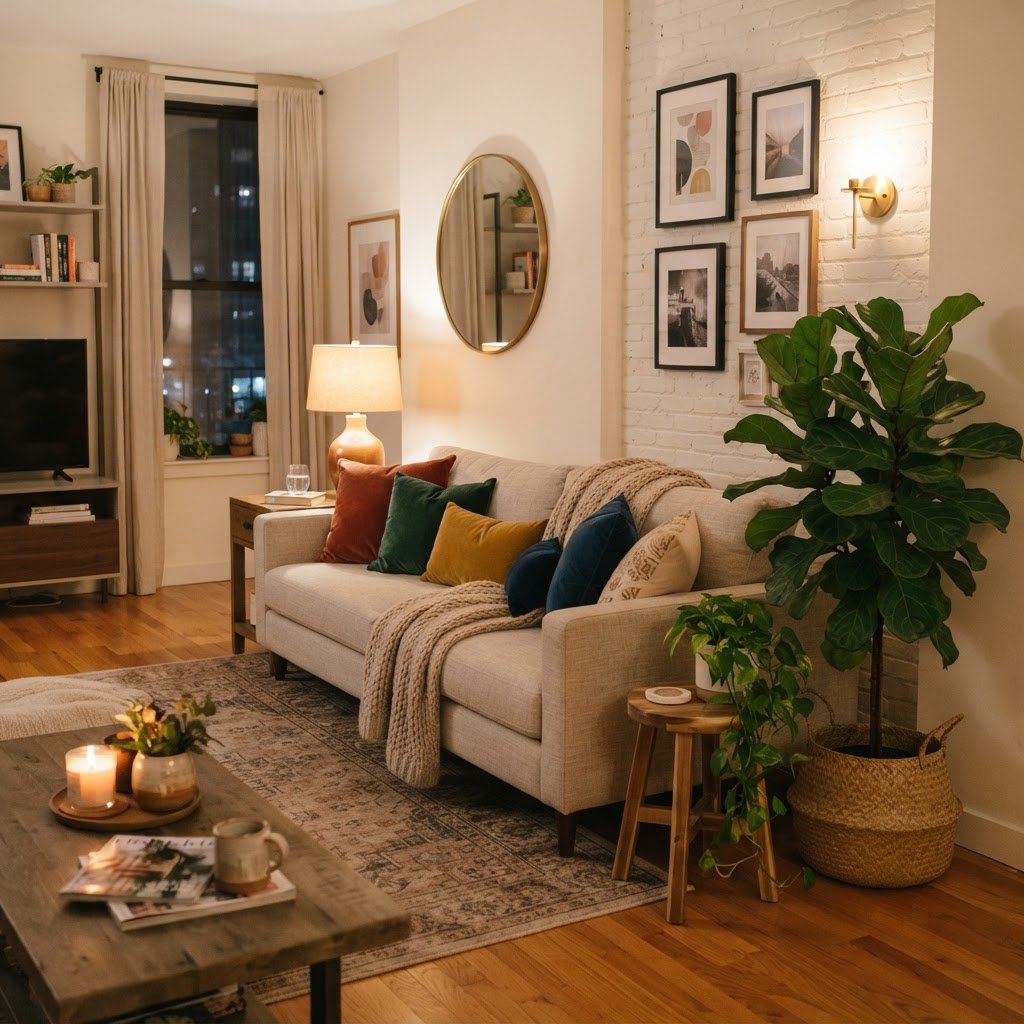
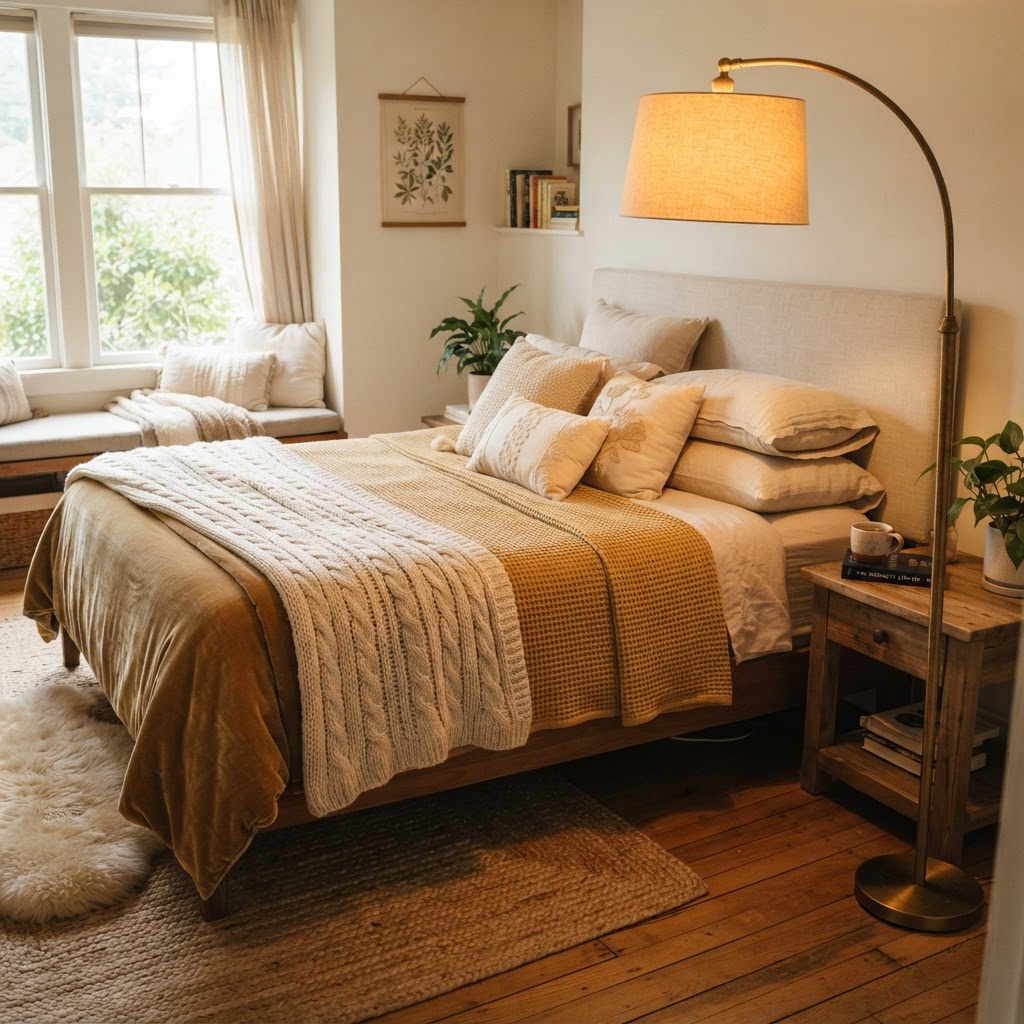
Stick to a monochromatic or neutral palette to make the room feel cohesive, then introduce luxury through material variety. Think velvet throw pillows, linen curtains, and faux-fur blankets. These elements invite touch, which inherently makes a space feel more premium and thoughtful. By layering textures within a single color family, you create a sophisticated “monochromatic luxury” aesthetic that makes the limited space feel intentional rather than cramped.
The Art of Vertical Storage and Shelving
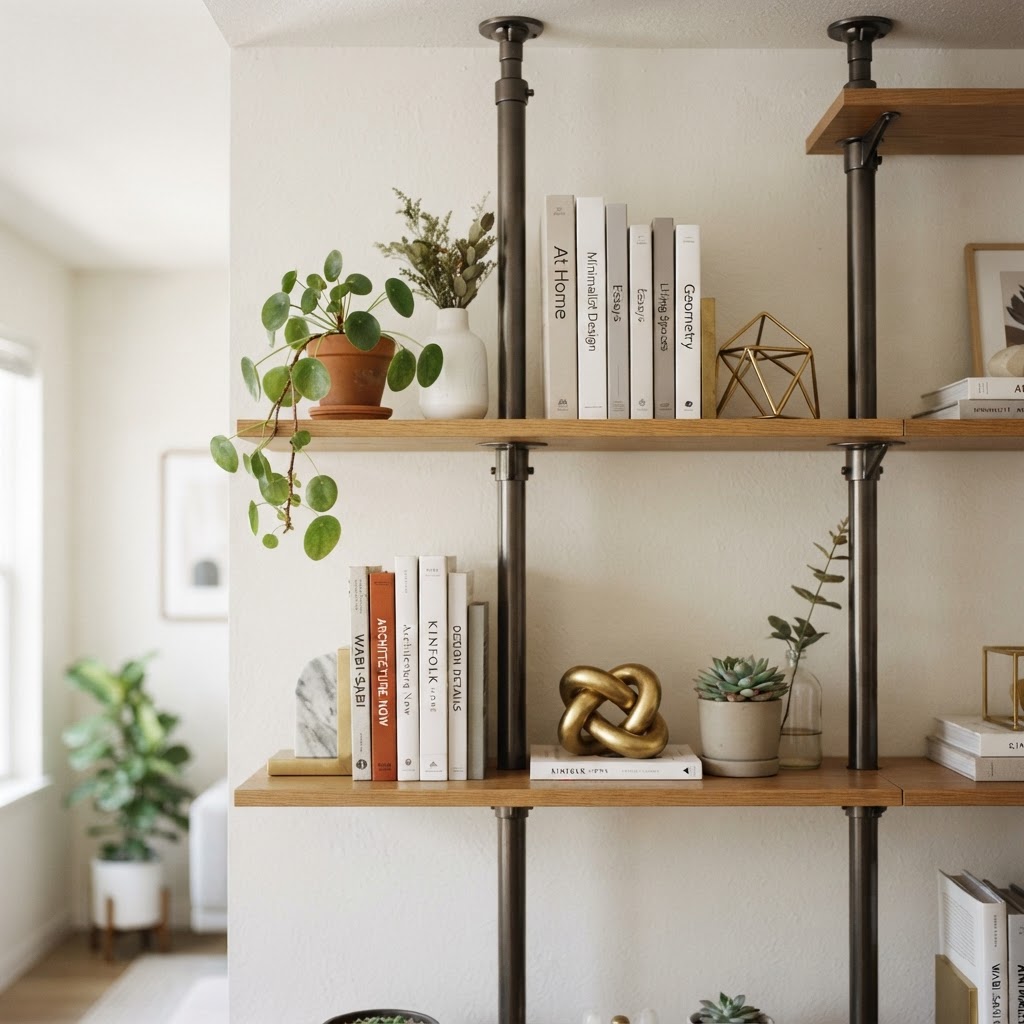
Clutter is the enemy of a premium aesthetic. When floor space is limited, the only way to go is up. Tension-rod shelving units or modular wall systems that don’t require permanent drilling are excellent renter-friendly finds. These systems allow you to display curated decor while keeping your essentials organized and off the floor. Utilizing vertical space up to 8 feet high draws the eye upward, which can make ceilings appear significantly higher than their actual measurement.
Curating Your Display
Don’t just shove items onto shelves. Treat your storage like a gallery. Group items by color or height, and leave “negative space” between objects. A shelf that is 50% empty feels significantly more expensive than one that is packed to the brim with knick-knacks. Use baskets to hide the ugly necessities like chargers or remote controls. Incorporating woven baskets or lidded storage boxes adds both tactile interest and a clean, organized look that mimics high-end retail displays.
Hardware Swaps: The High-Impact Hack
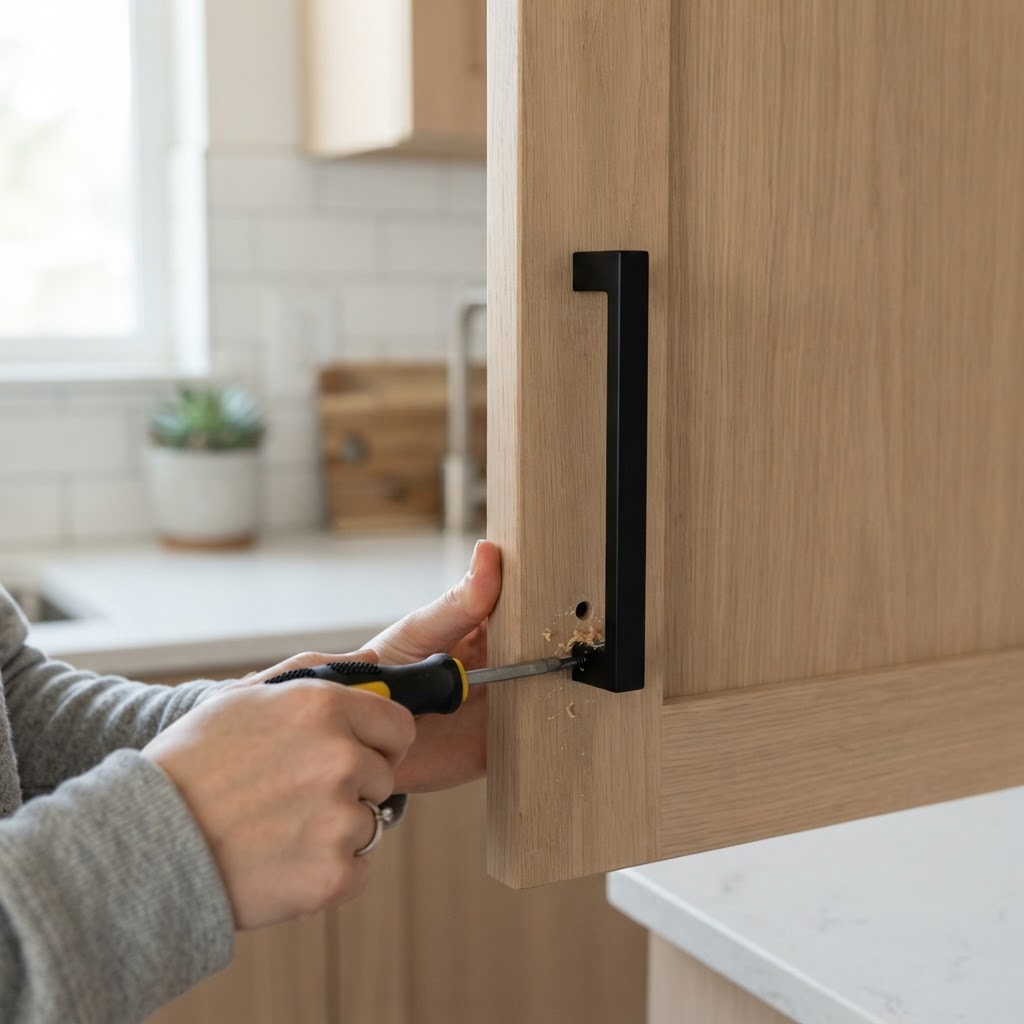
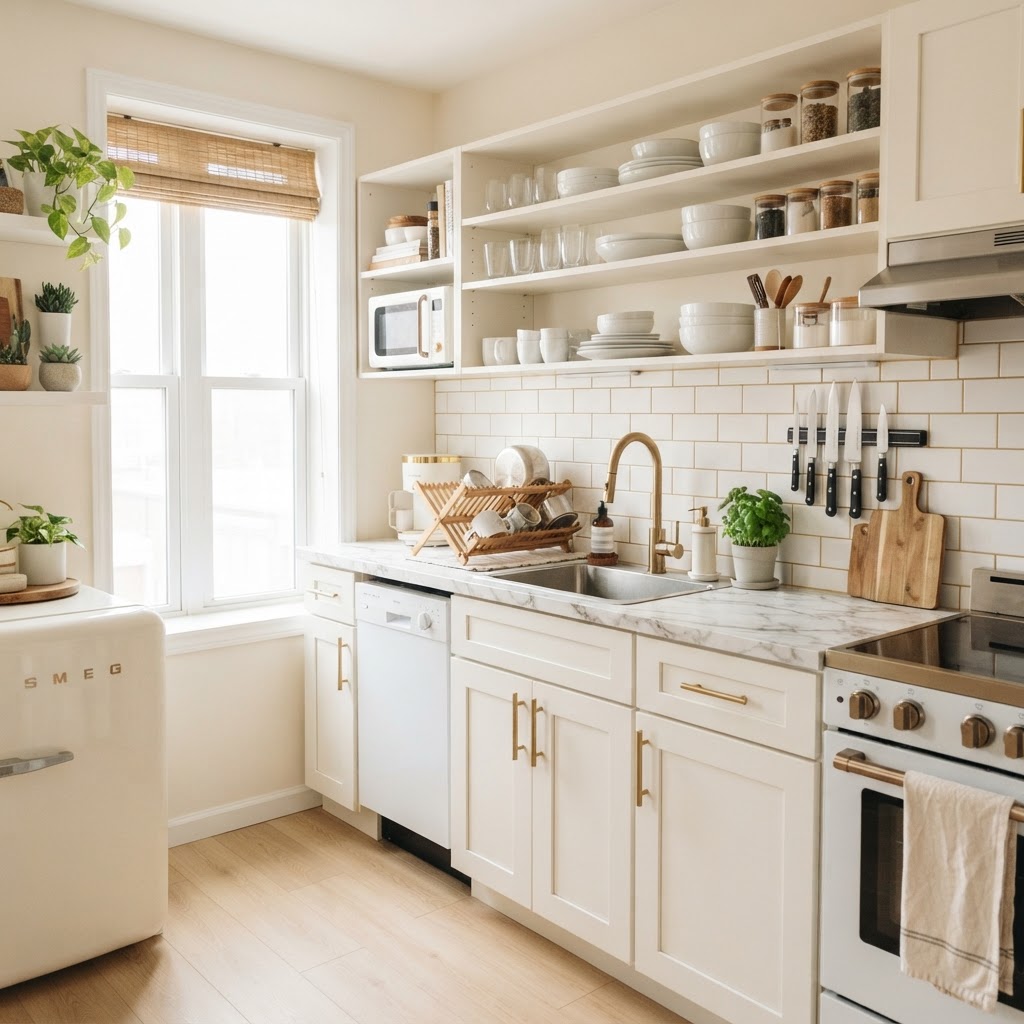
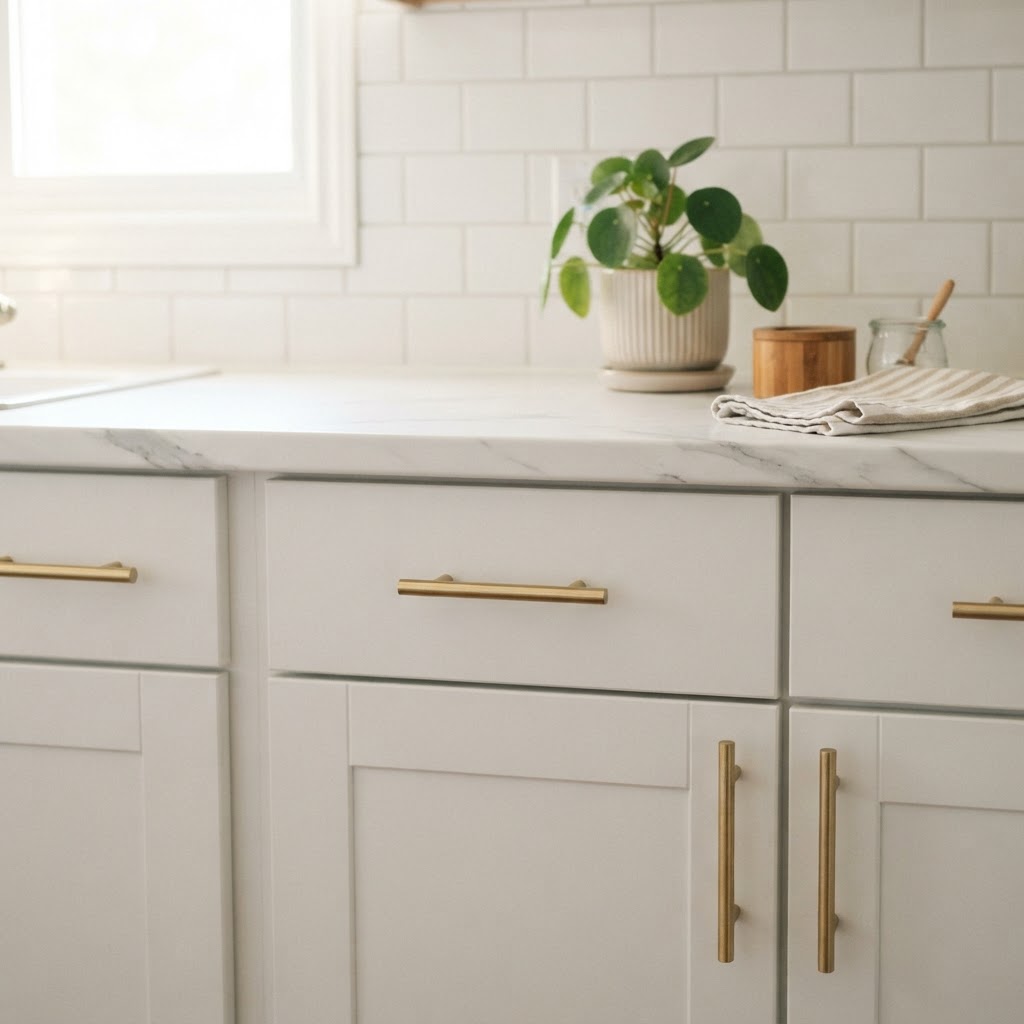
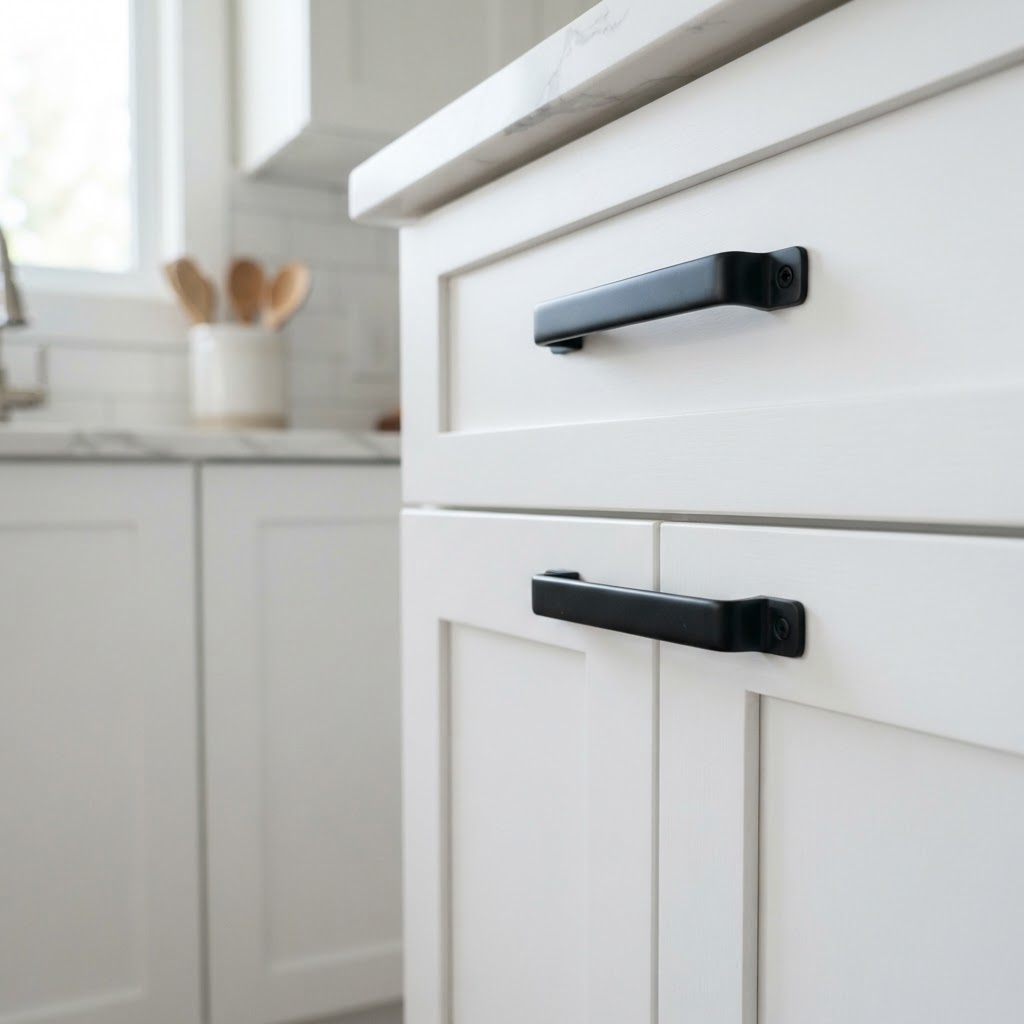
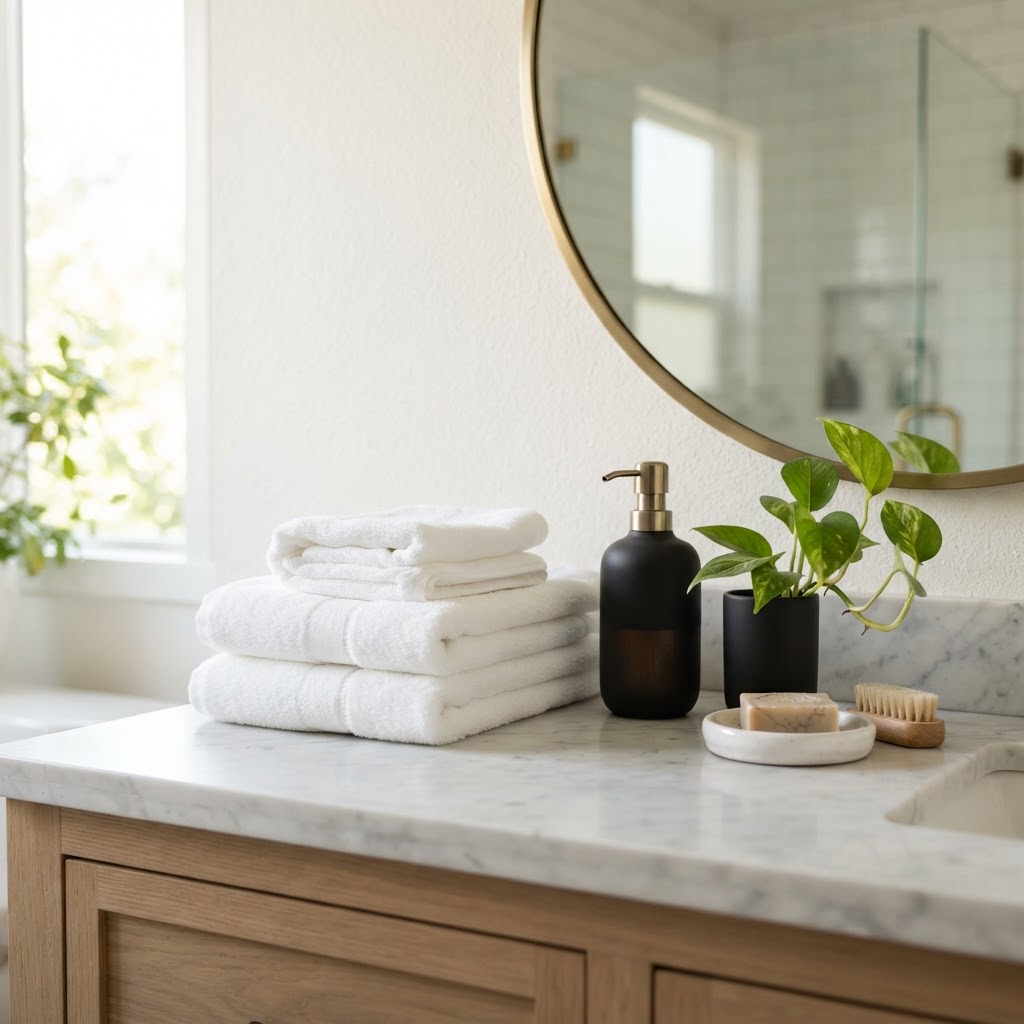
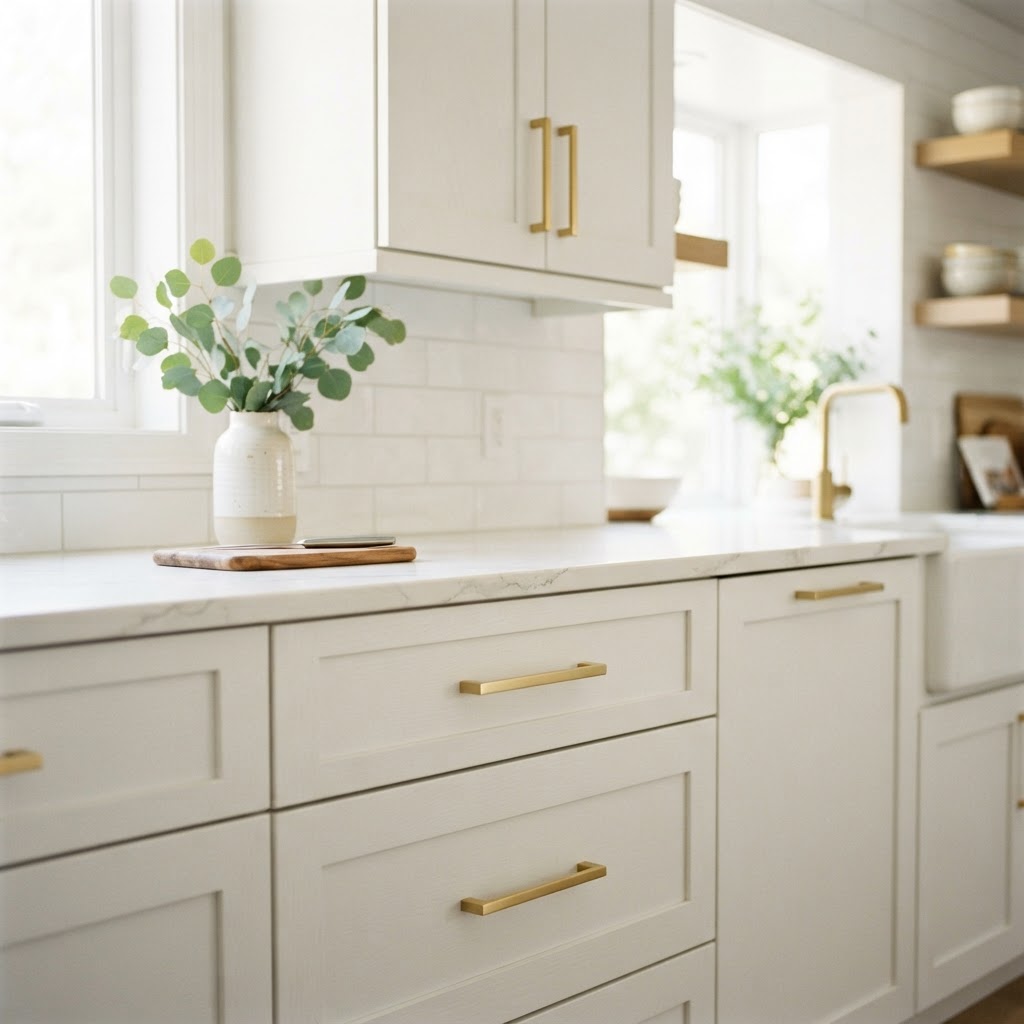
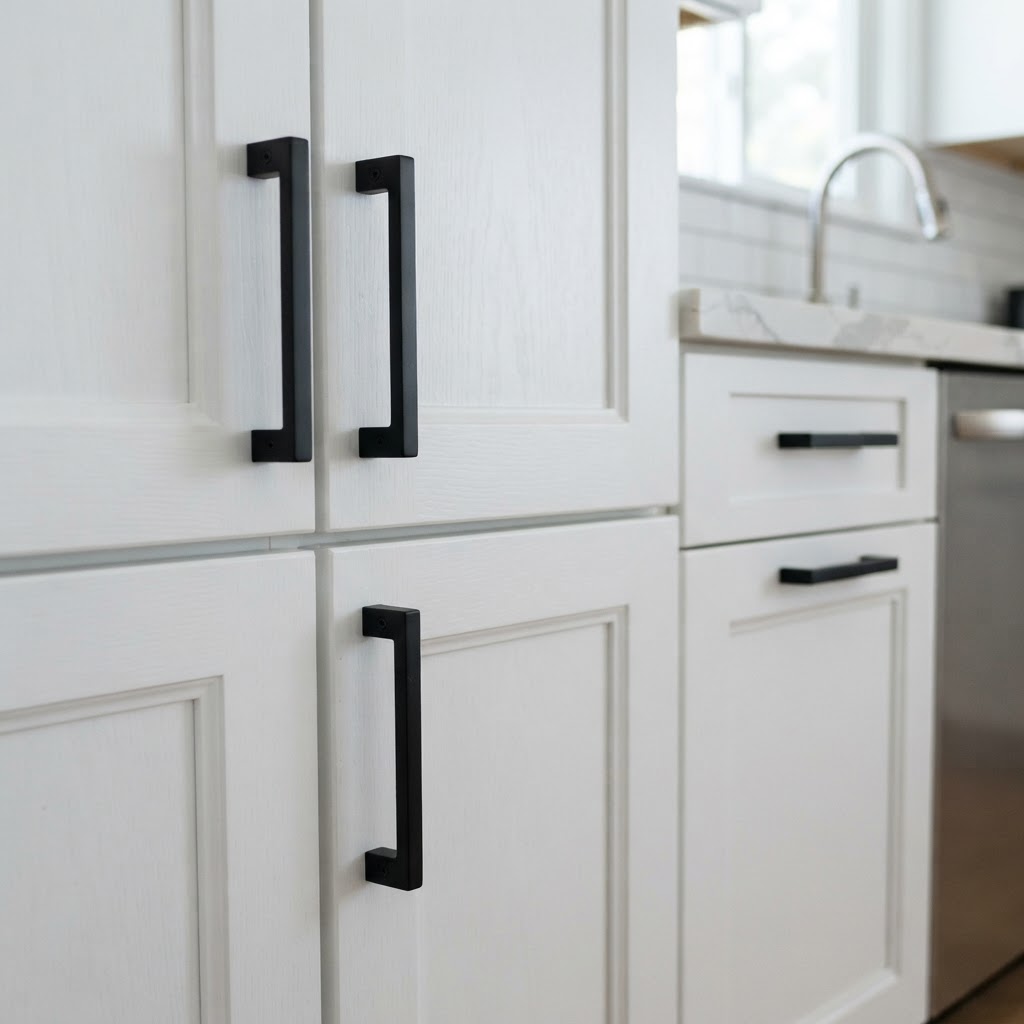
Most landlords provide basic, plastic or cheap metal cabinet hardware in kitchens and bathrooms. This is the first thing people notice, and it is usually the first thing that makes an apartment feel “rental-grade.” By swapping these out for high-quality brass, matte black, or brushed nickel pulls, you instantly change the look of your cabinetry. A set of 10 modern handles can typically be found for under $40 and takes less than 15 minutes to install with a standard screwdriver.
Keep the original hardware in a labeled baggie inside your junk drawer. When it is time to move out, simply swap them back. It is a five-minute project that provides a massive return on investment, allowing you to personalize your kitchen without permanently altering the landlord’s property. Choosing hardware with a substantial weight or a solid metal construction will immediately elevate the tactile experience of using your kitchen.
Window Treatments: Beyond the Plastic Blinds
Nothing screams “temporary” quite like standard-issue white plastic blinds. They are often flimsy, prone to breaking, and rarely look good. Replacing them with floor-to-ceiling curtains can completely transform a room. Mount your curtain rod as high as possible—closer to the ceiling than the window frame—to create the illusion of taller walls. Extending the rod 6-10 inches beyond the window frame on each side also allows more natural light to enter when the curtains are open.
Choosing Your Curtains
For a premium look, opt for heavy-weight fabrics like velvet or linen blends. Ensure your curtains are long enough to just kiss the floor; puddling on the floor looks romantic but can attract dust, while curtains that hang too short look like they were meant for a different house. Light-filtering or blackout options also provide the added benefit of temperature control. Using double curtain rods allows you to layer sheer curtains for privacy during the day and heavy fabric curtains for a dramatic, luxury aesthetic at night.
Lighting should never be treated as an afterthought in small space living. By creating layers—floor lamps, table lamps, and under-cabinet LED strips—you draw the eye to different corners of the room, effectively expanding the perceived boundaries of the space.
Command Strips and Adhesive Storage
When square footage is at a premium, the most effective solution is to go vertical using non-damaging adhesive technology. Because you cannot drill shelves into the walls, heavy-duty adhesive hooks and mounting strips act as the modern renter’s best friend for clearing floor and counter space.
Maximizing Vertical Utility
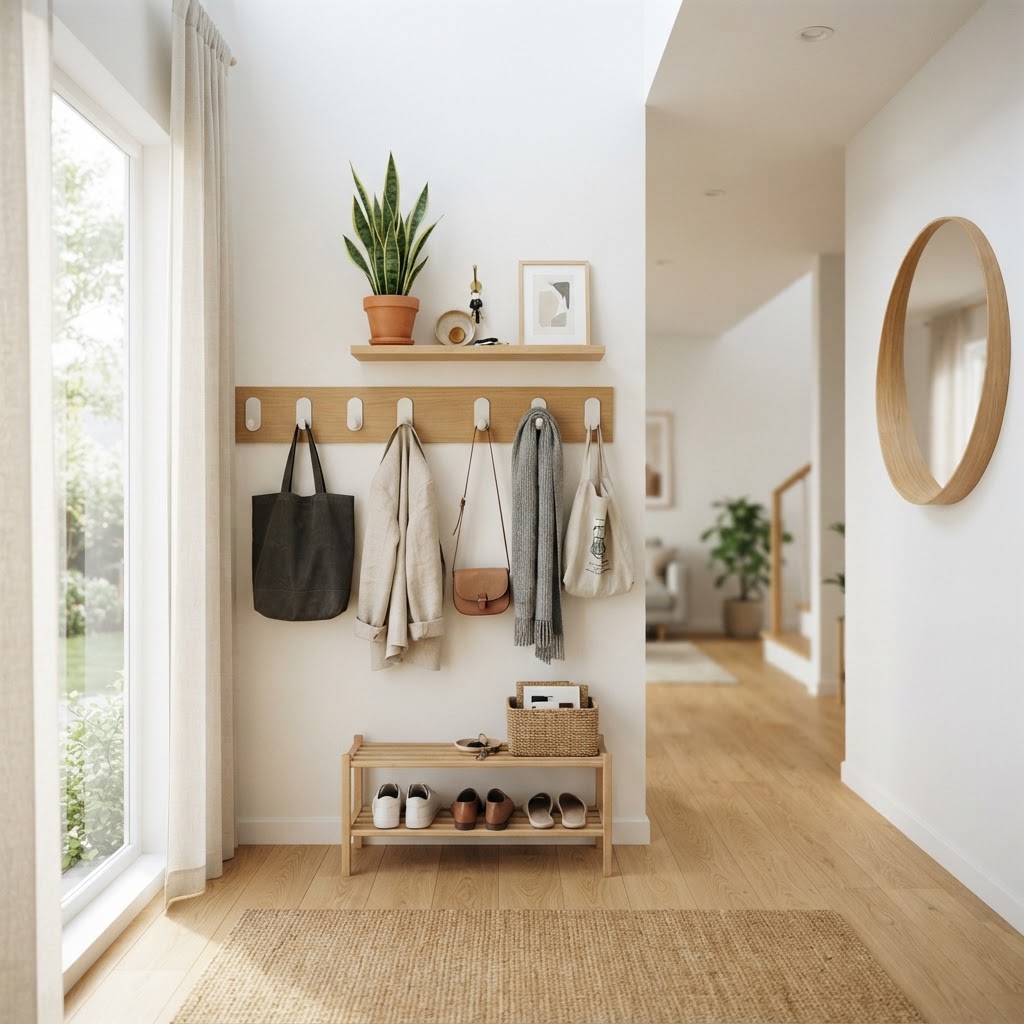
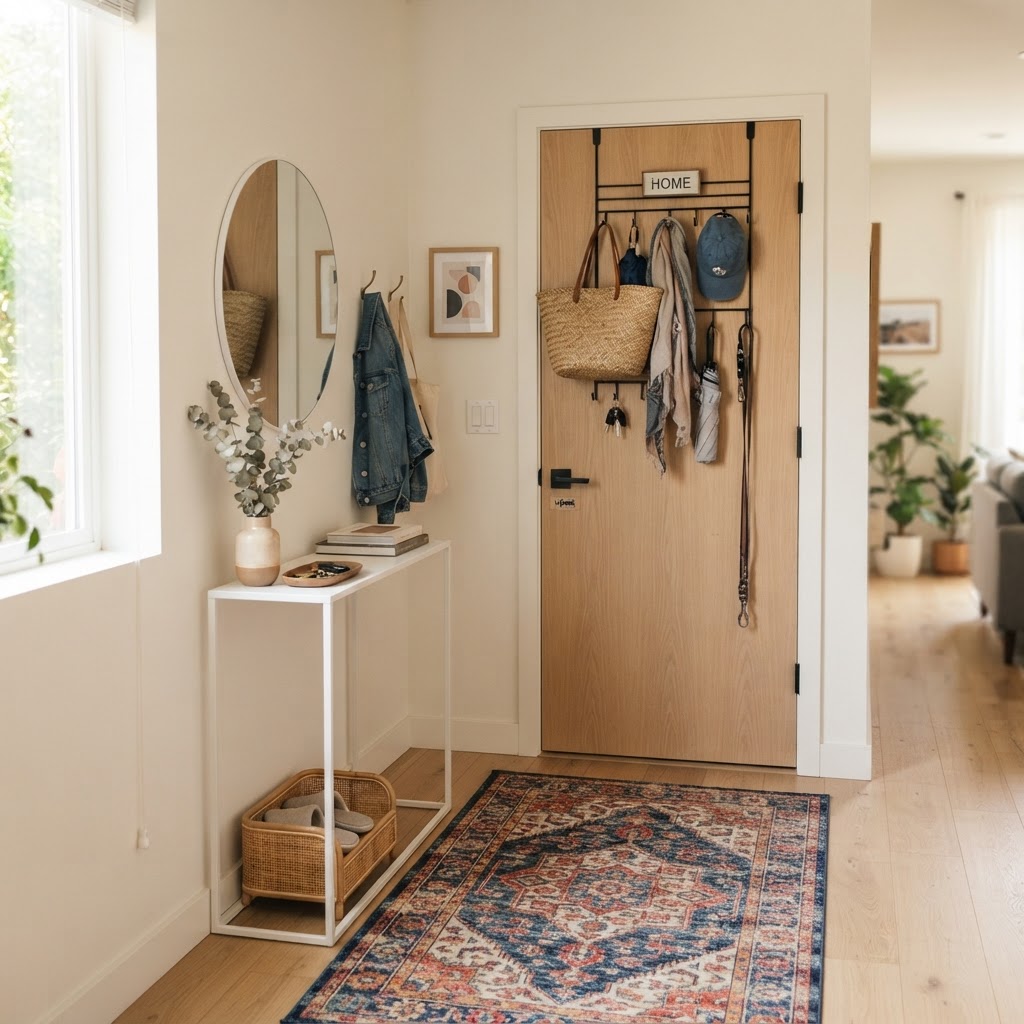
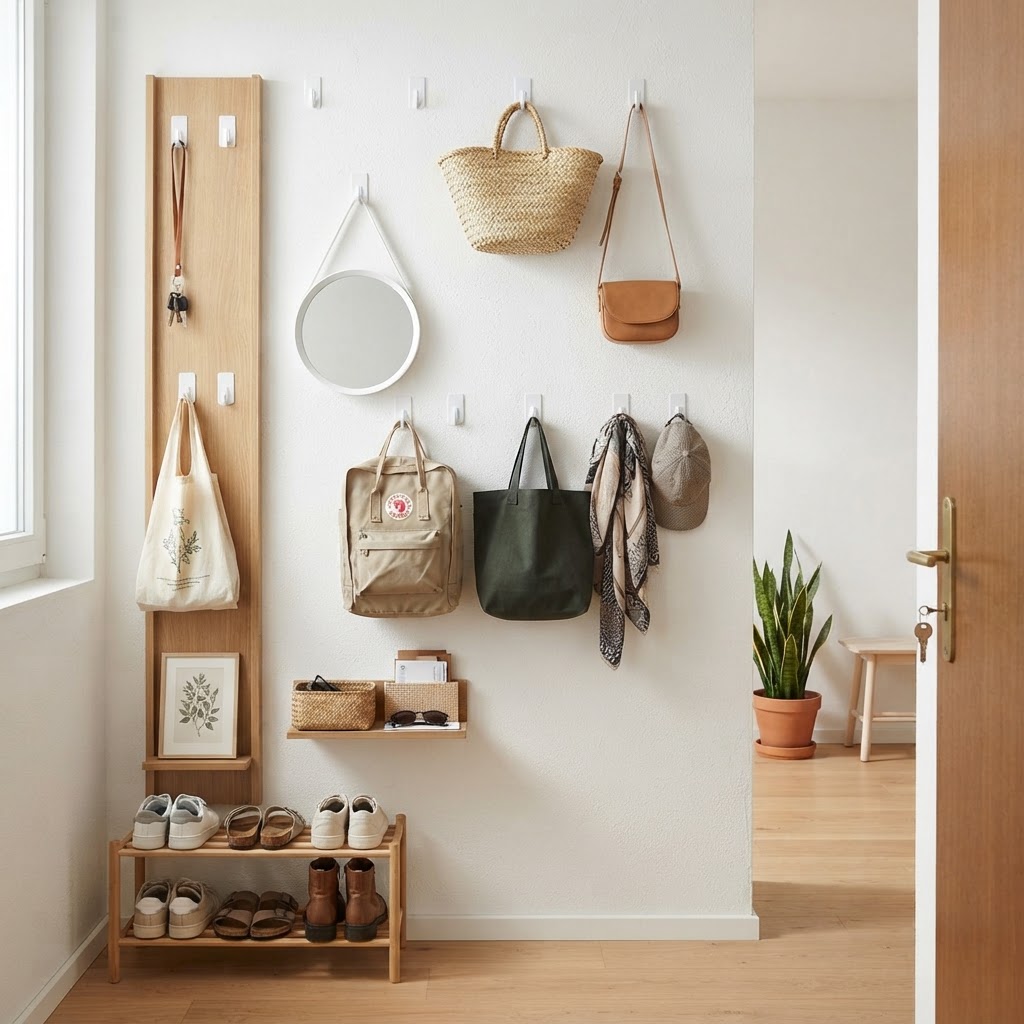
Use adhesive hooks behind closet doors to store scarves, bags, or lightweight cleaning supplies. For entryway management, mount a lightweight mesh organizer on the wall to hold mail, keys, and transit passes. These items, usually priced between $5 and $15, are completely removable, ensuring you get your deposit back while gaining critical storage. To maximize success, always follow the manufacturer’s prep instructions: clean the wall surface with isopropyl alcohol before application, and wait at least one hour for the adhesive to cure before hanging items to ensure the weight capacity is fully maintained.
Upgrading Cabinetry Without Paint
If your kitchen cabinets are stuck in the 1990s, you do not need to commit to a permanent, expensive paint job to make them look custom. One of the highest-ROI no-drill upgrades for tiny apartments is simply swapping out the original hardware for modern, brushed gold or matte black pulls. Most rental cabinets use standard screw spacing (often 3-inch or 96mm), making it incredibly easy to find modern hardware that fits existing holes.
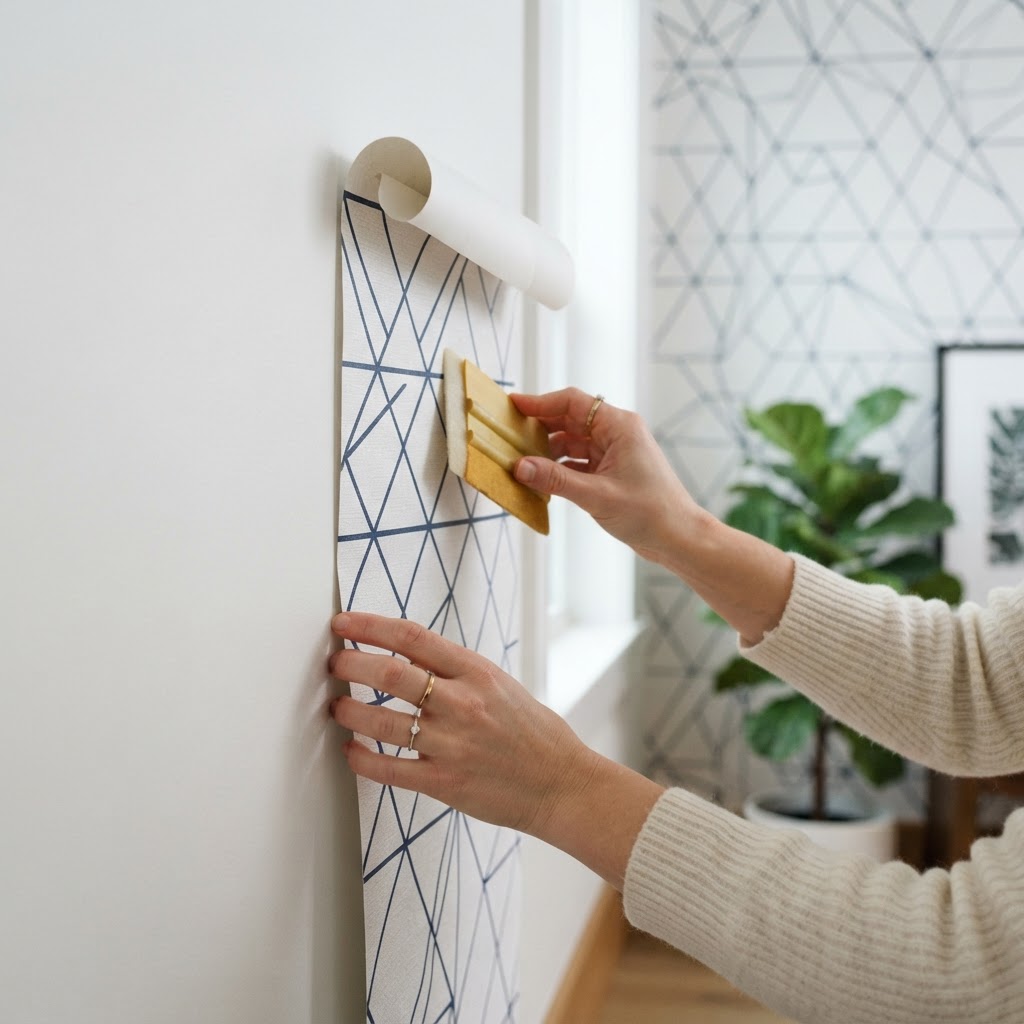
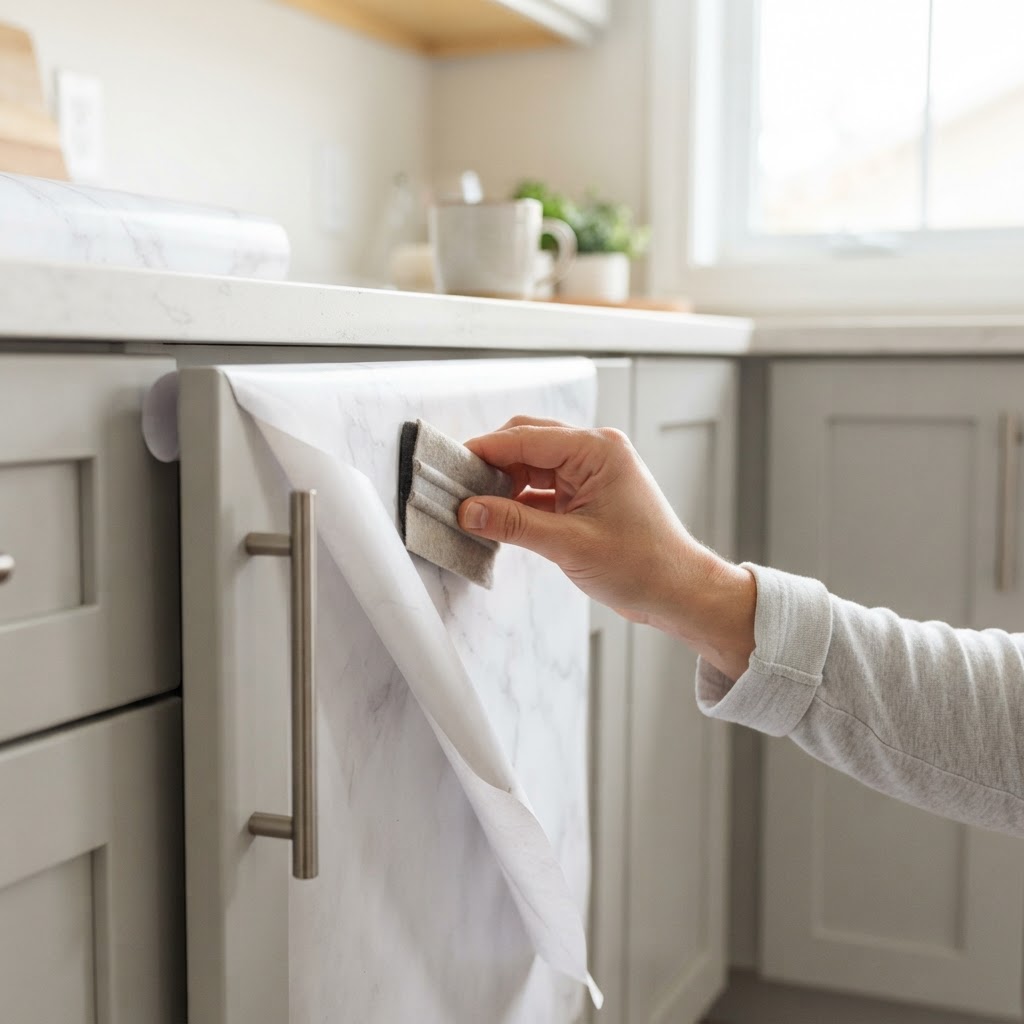
Always keep the original hardware in a labeled baggie stored in a kitchen drawer so you can swap them back before moving out. This thirty-minute project can make a kitchen look thousands of dollars more expensive than it is. Pair these new pulls with removable, waterproof contact paper on the backsplashes for a full, temporary kitchen refresh that stays well under your $30 budget. For best results, use a screwdriver with the correct drive (Phillips or flathead) to avoid stripping the existing rental screws.
Creating Dedicated Zones with Textiles
In a tiny apartment, where the bedroom serves as the living room and home office, you must define zones to prevent the space from feeling like a cluttered storage unit. High-quality textiles are the most affordable, non-intrusive way to create visual boundaries and distinct “rooms” without using bulky physical partitions.
Place a low-cost runner rug between your dining area and your couch to act as a “floor wall” that signals where one functional space ends and the next begins. These rugs are often available for under $30 and add sound dampening to reduce noise for neighbors. Pair your rug with a set of textured velvet or linen cushion covers to add luxury to your seating area, making the space feel intentionally curated rather than haphazard. Textiles introduce softness, which is essential for counterbalancing the hard, flat surfaces common in modern rental apartments.
Removable Window Treatments
Standard plastic blinds are a hallmark of temporary rental living; they are often dusty, flimsy, and visually unattractive. You can replace them entirely with tension-rod curtains, which require zero mounting hardware and can be installed in five minutes without leaving a single mark on the window casing.
Purchase two inexpensive tension rods and hang floor-to-ceiling curtains in a light, airy fabric. This visual trick encourages the eye to move vertically, making ceilings feel higher than they actually are. By extending the curtain rod slightly wider than the window frame, you allow more natural light to enter the room, which is essential for making a tiny home feel expansive. For maximum effect, choose light-filtering or sheer fabrics to maintain privacy while maximizing the airy, open feel.
The Psychology of Surface Clutter
Small spaces look messy significantly faster than large ones, where a single pile of mail or a stray set of headphones can make an entire room feel like a disaster zone. The most effective upgrade for any small apartment is implementing a strict ‘every item has a home’ policy using budget-friendly, uniform storage bins.
When your storage is color-coordinated or matches the color palette of your room, it recedes into the background, reducing visual noise. Invest in a few woven baskets or fabric bins that fit under your bed or on top of your wardrobe. This keeps the eye line clear and allows your decor, rather than your daily belongings, to take center stage. By limiting surface items to three or fewer objects per area, you create a sense of calm and order that makes a small footprint feel far more intentional.
Plants as Architectural Elements
Plants are more than just home decor; they act as living sculptures that break up the monotony of flat, white apartment walls. Hanging plants from existing shower curtain rods or using inexpensive plant stands allows you to create height in corners that would otherwise remain empty.
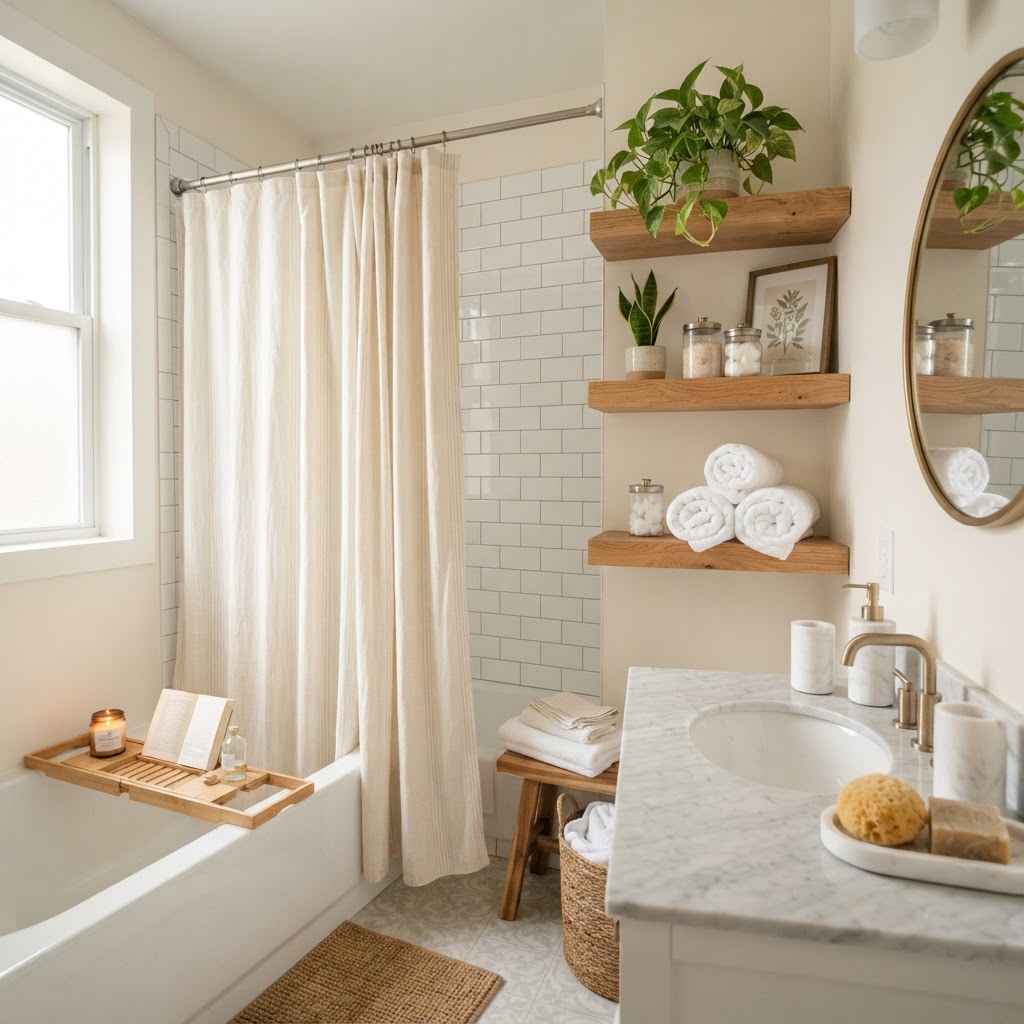
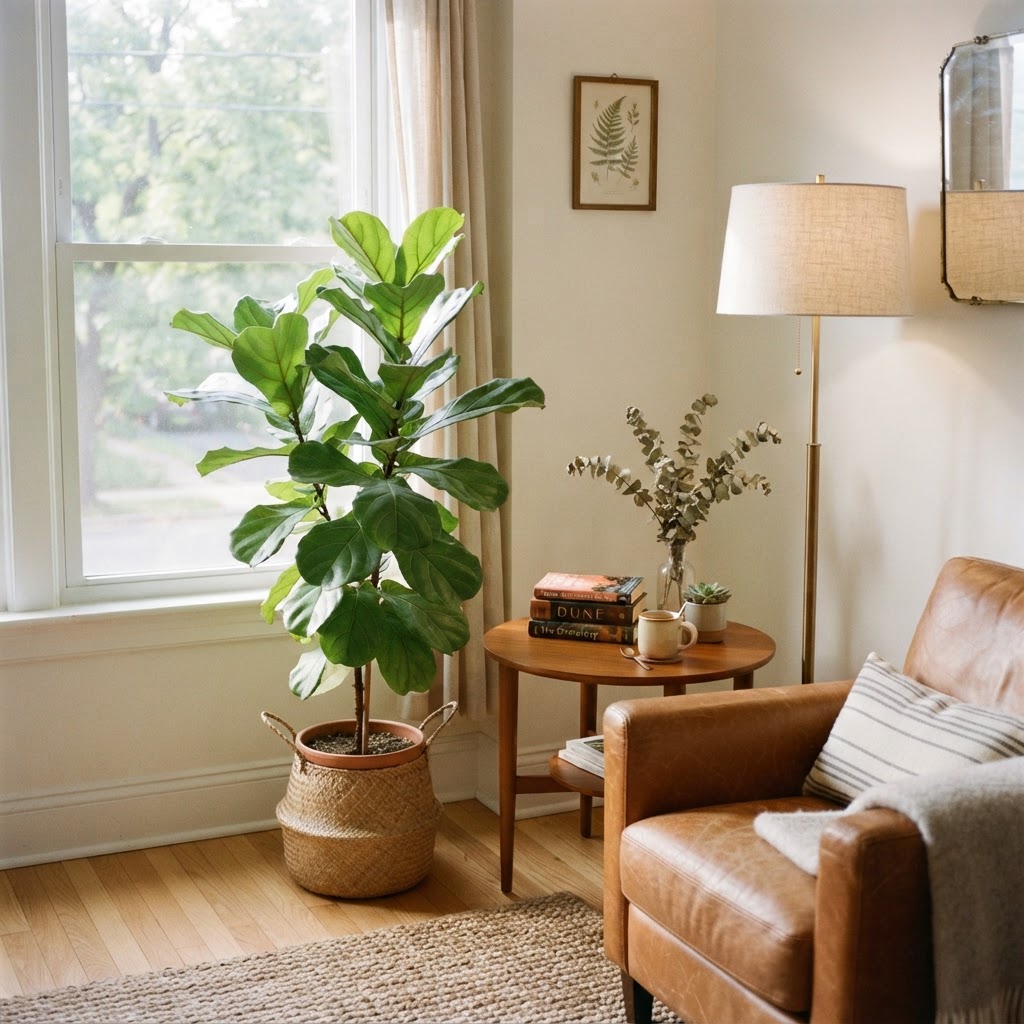
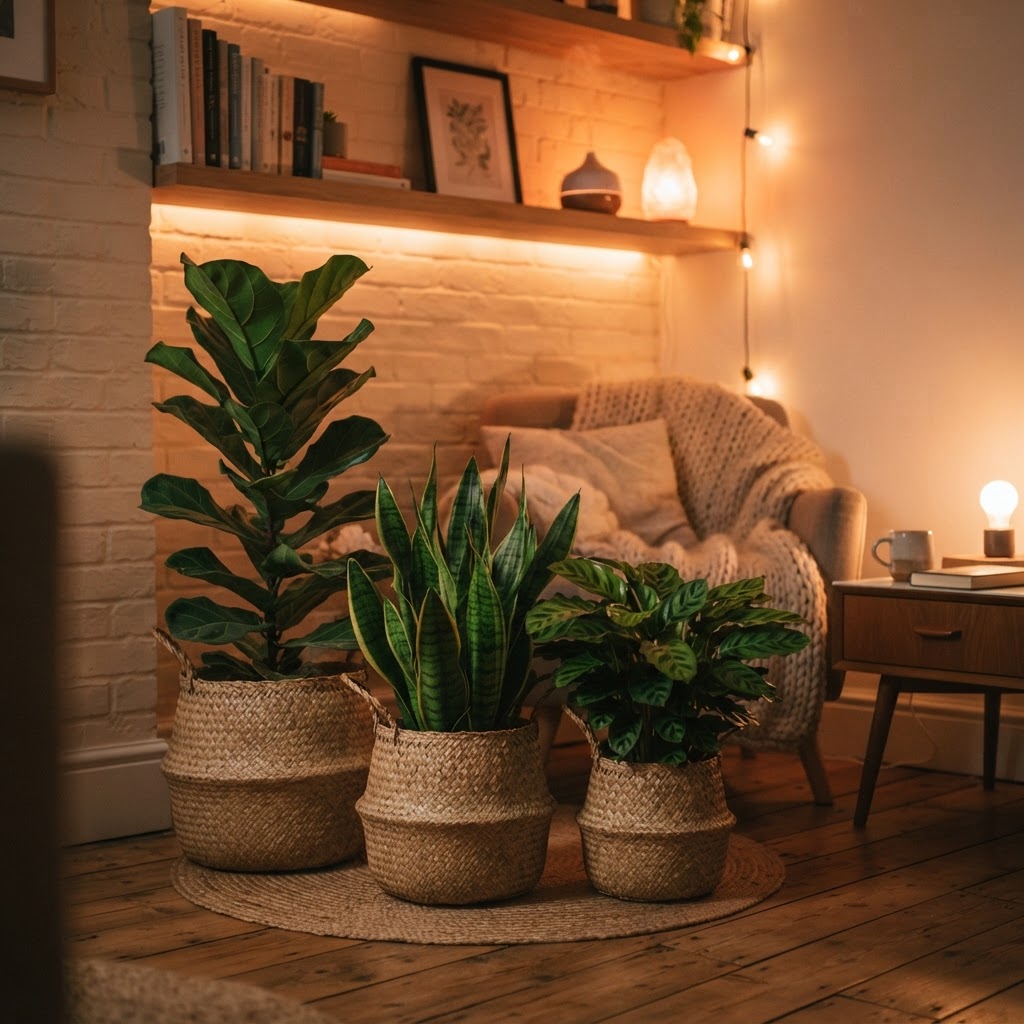
Choose hearty varieties like Pothos, Snake Plants, or ZZ Plants, which are inexpensive ($10-$20) and thrive in varying light conditions. By grouping three plants of varying heights together, you create a professional, intentional focal point. This is a high-ROI upgrade because it improves indoor air quality while adding massive aesthetic value for minimal cost, effectively bringing life and texture into a small, potentially sterile rental unit.
FAQ
Can I install curtains without drilling holes?
Yes, you can use heavy-duty tension rods that fit securely inside the window frame. These require zero hardware and hold curtains firmly in place without damaging the wall, making them perfect for rental properties.
What are the best cheap ways to organize a small kitchen?
Use adhesive hooks to hang utensils and towels, and install an over-the-door rack for spices or cleaning supplies. Utilizing the space inside cabinet doors for organization maximizes your storage capacity without permanent installation.
How can I make a small room look bigger for under $30?
Focus on verticality: use floor-to-ceiling curtains and place mirrors or reflective surfaces to bounce light. Clear all floor clutter and use uniform storage containers to reduce visual density and create an open, airy atmosphere.
Will changing cabinet hardware affect my security deposit?
No, changing cabinet hardware is generally considered a minor, reversible modification. As long as you keep the original hardware in a labeled bag and reinstall it before you move out, your security deposit will remain safe.
What is the best light color for a cozy apartment?
Use 2700K to 3000K (warm white) LED bulbs to create a cozy, inviting atmosphere. Avoid 5000K (daylight) bulbs, as they can feel clinical and harsh, making small spaces feel cold and uninviting.