Smart Small Apartment Design Ideas on a Budget
To transform a small apartment on a budget, prioritize multifunctional furniture, utilize vertical storage solutions, and maximize natural light with mirrors and sheer curtains. By strategically floating furniture to define activity zones and keeping surfaces clutter-free, you can increase your usable square footage while maintaining an open, airy, and inviting living environment.
Rethinking Your Layout for Maximum Flow
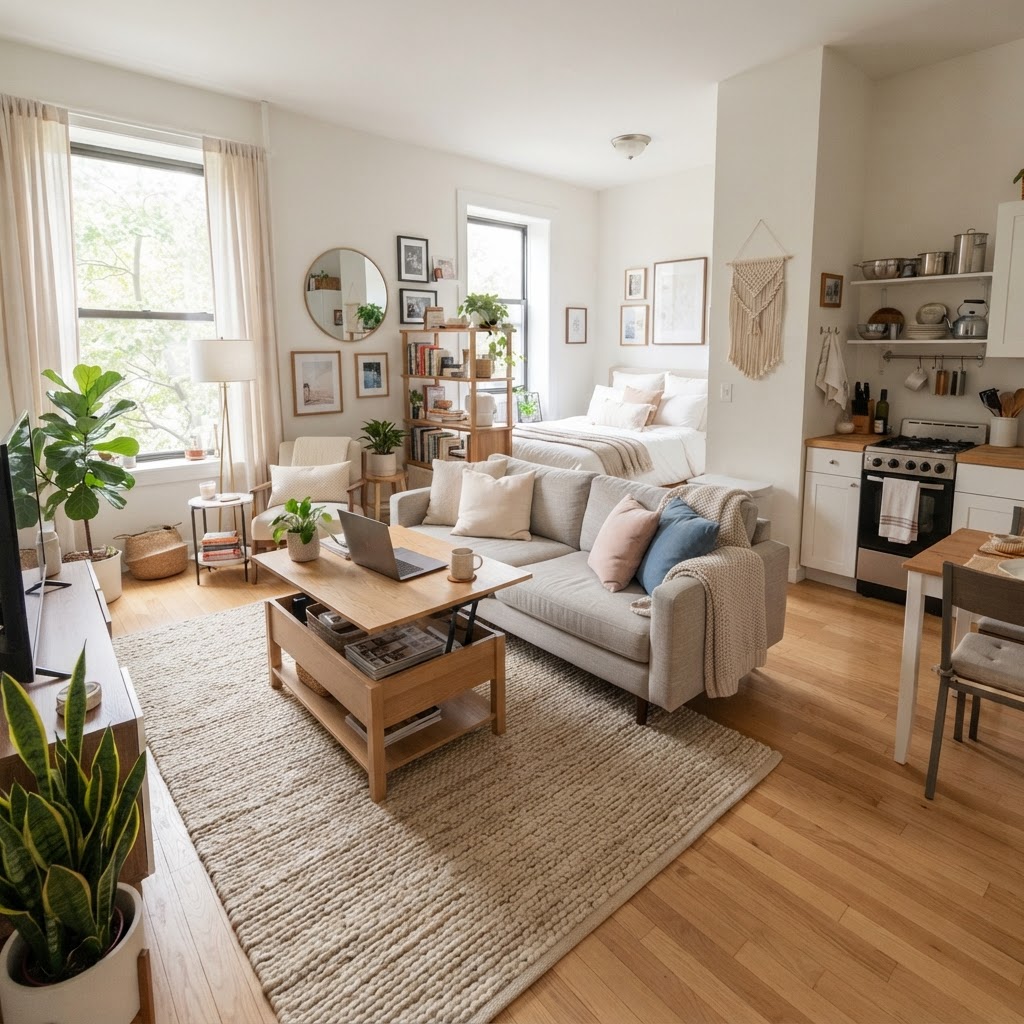
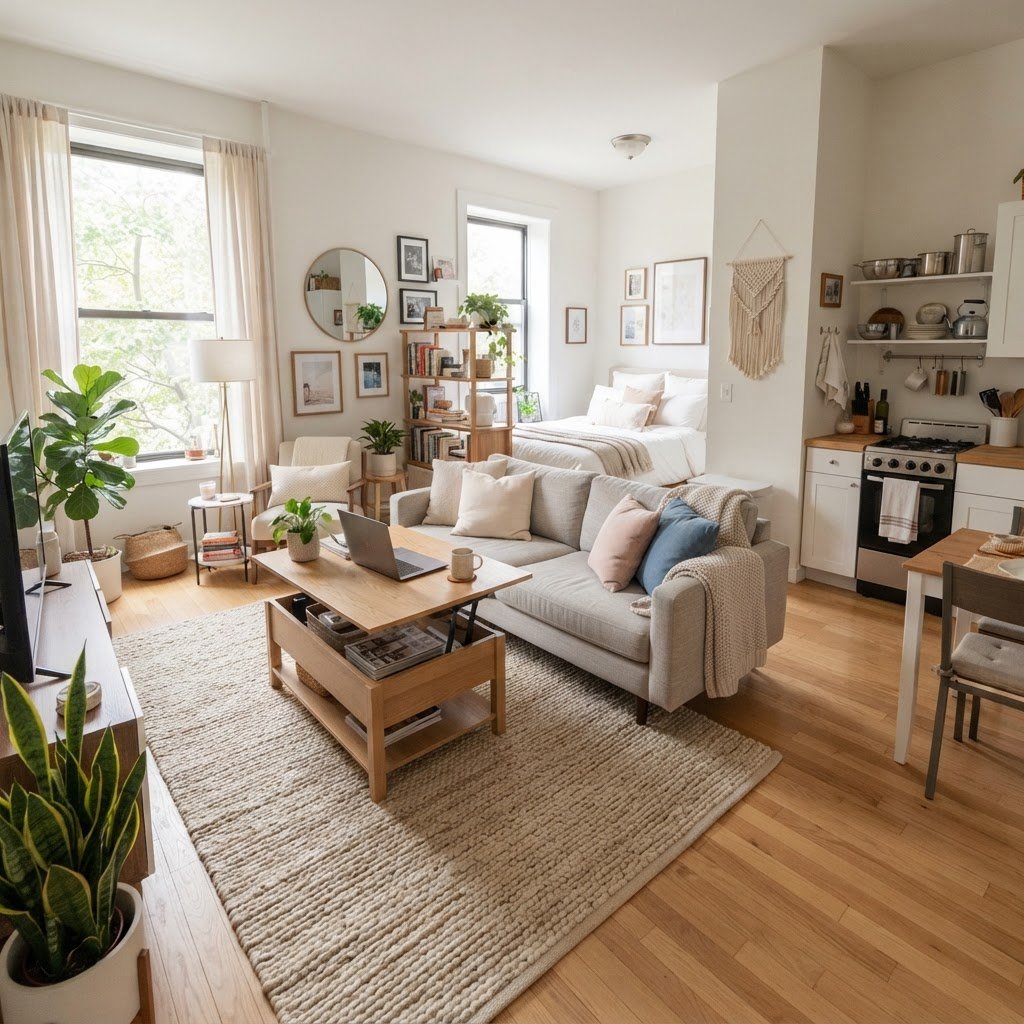
The first step in transforming your apartment is taking a hard look at your current layout. Many tenants move in and immediately place the sofa against the largest wall, but this often makes the room feel static. Instead, try floating your furniture to see if it changes how you move through the living area. A well-considered layout can make a small apartment feel significantly larger than it actually is by defining zones for different activities. Professional interior designers recommend leaving at least 30 inches of clearance for main walkways to ensure traffic flow isn’t obstructed. By pulling furniture away from walls, you create “negative space” that tricks the eye into perceiving more volume.
Creating Defined Zones
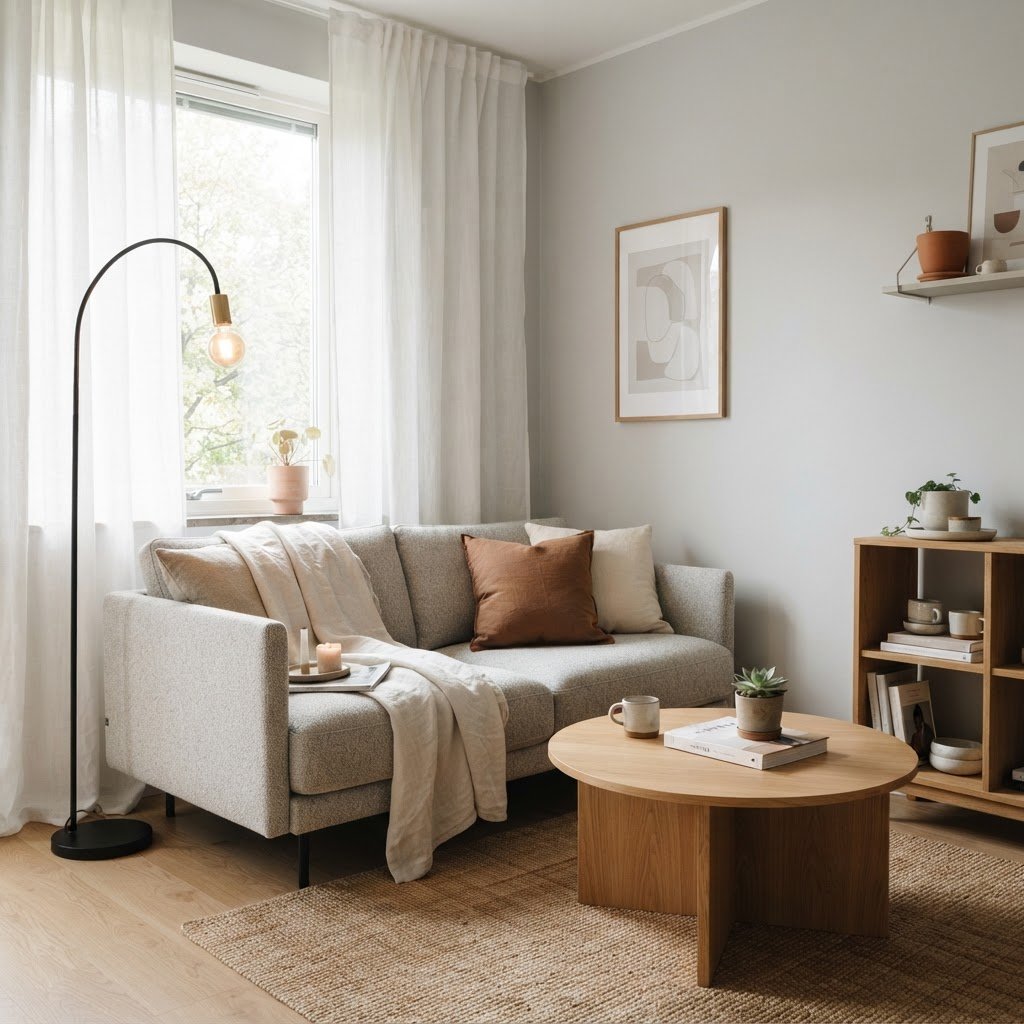
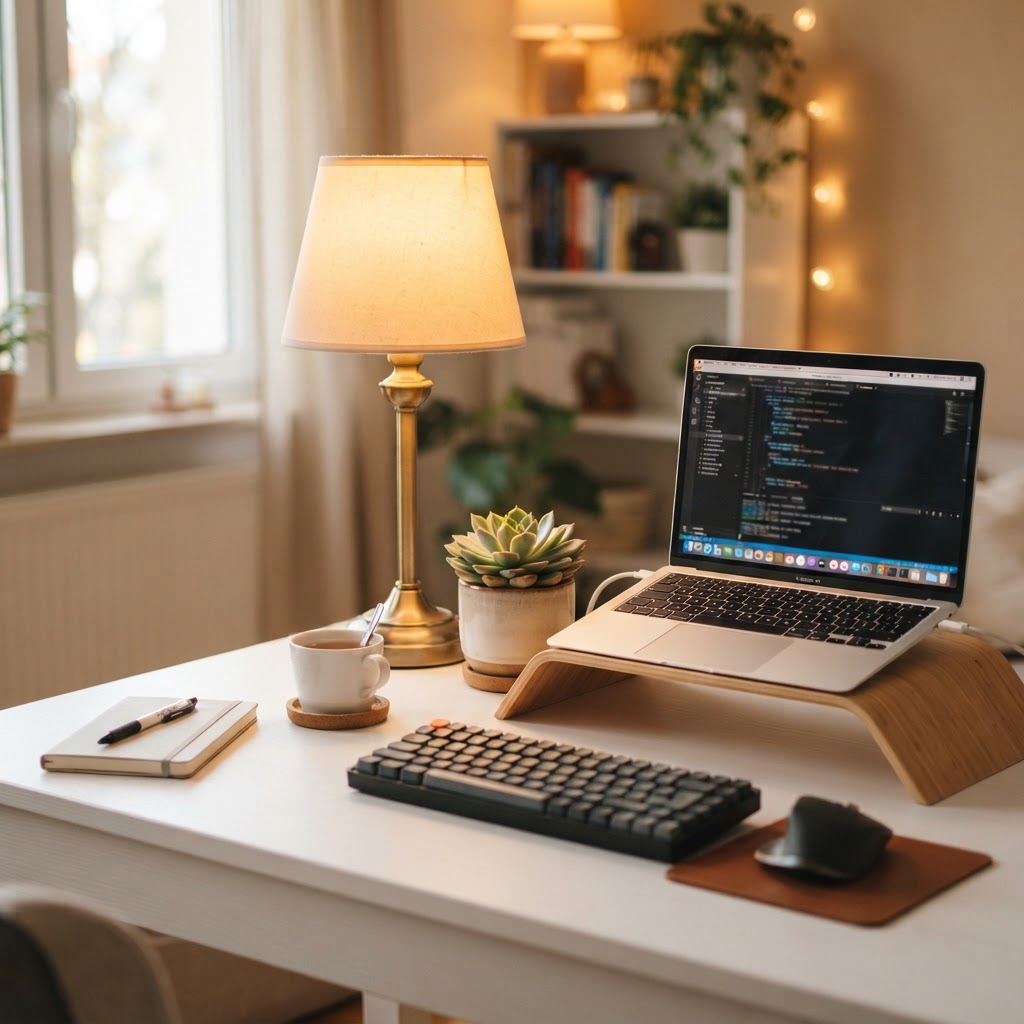
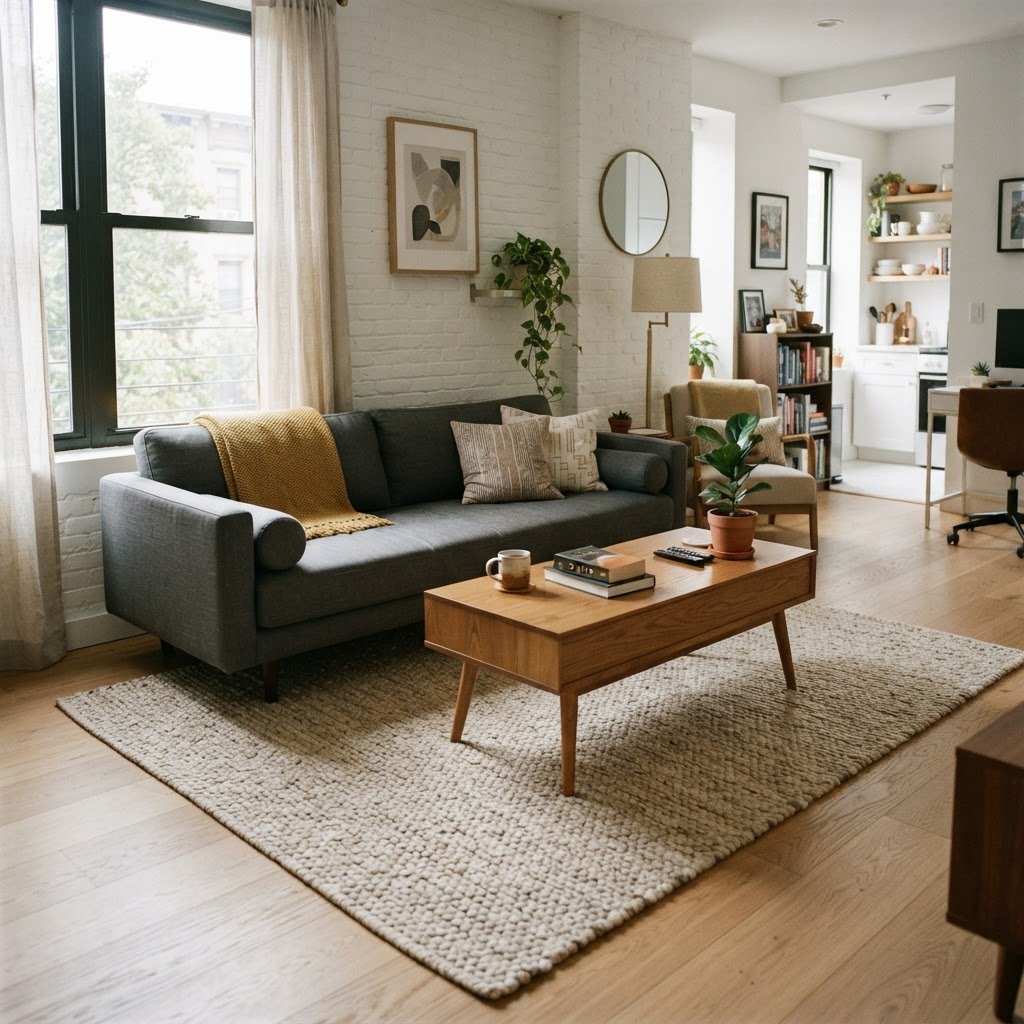
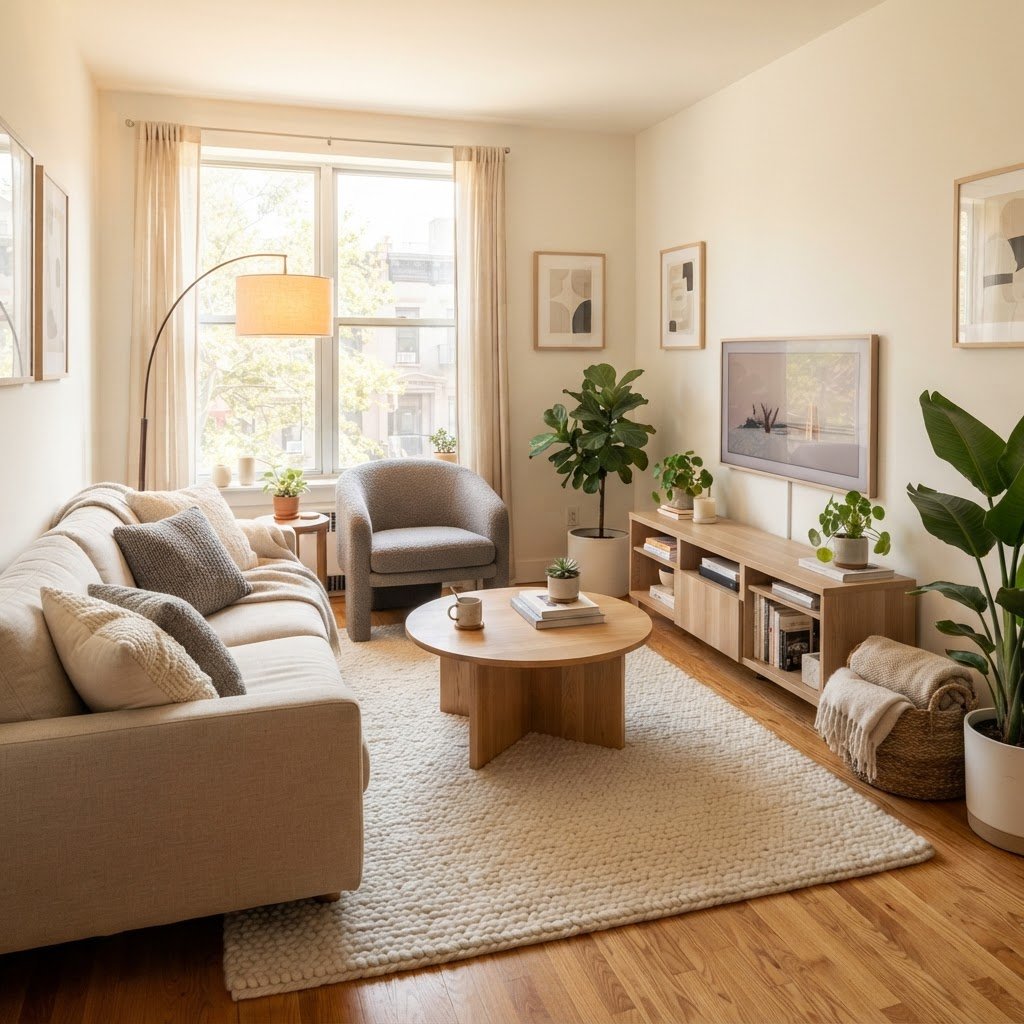
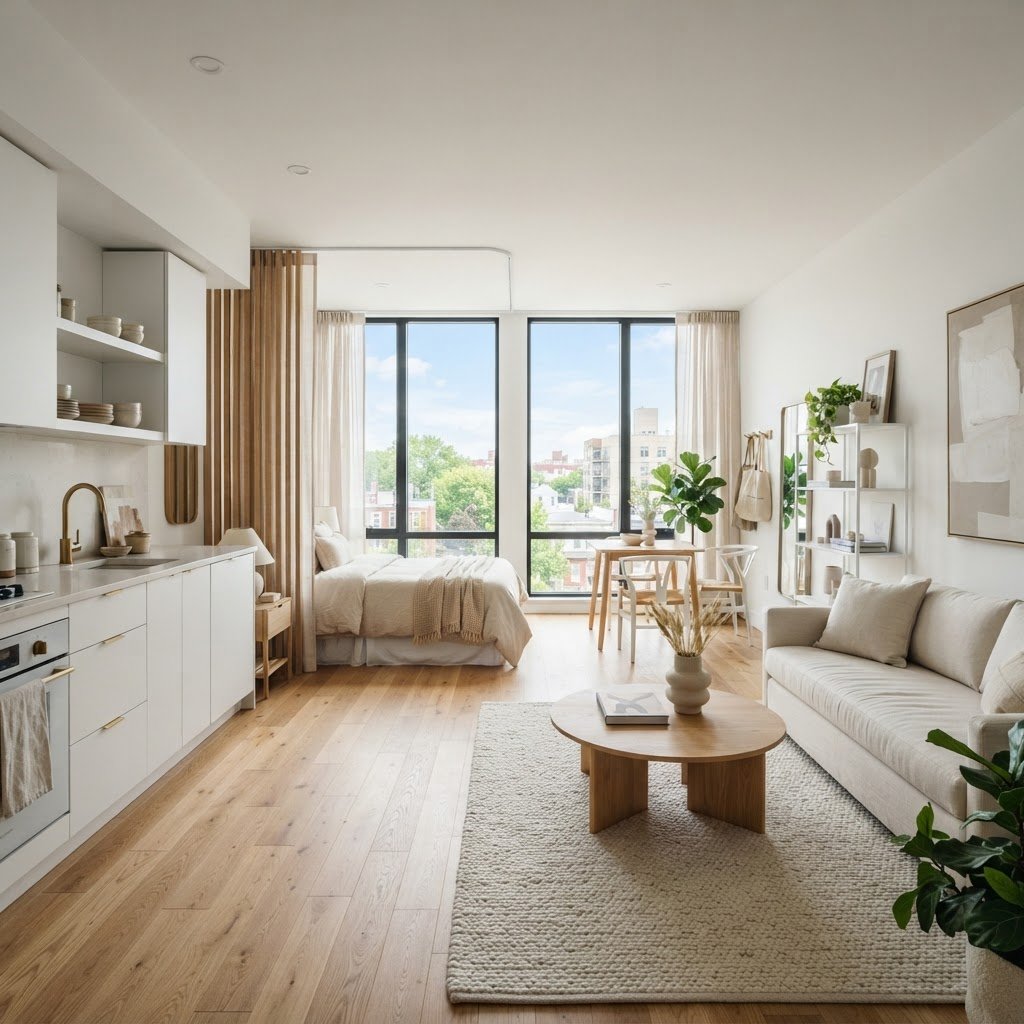
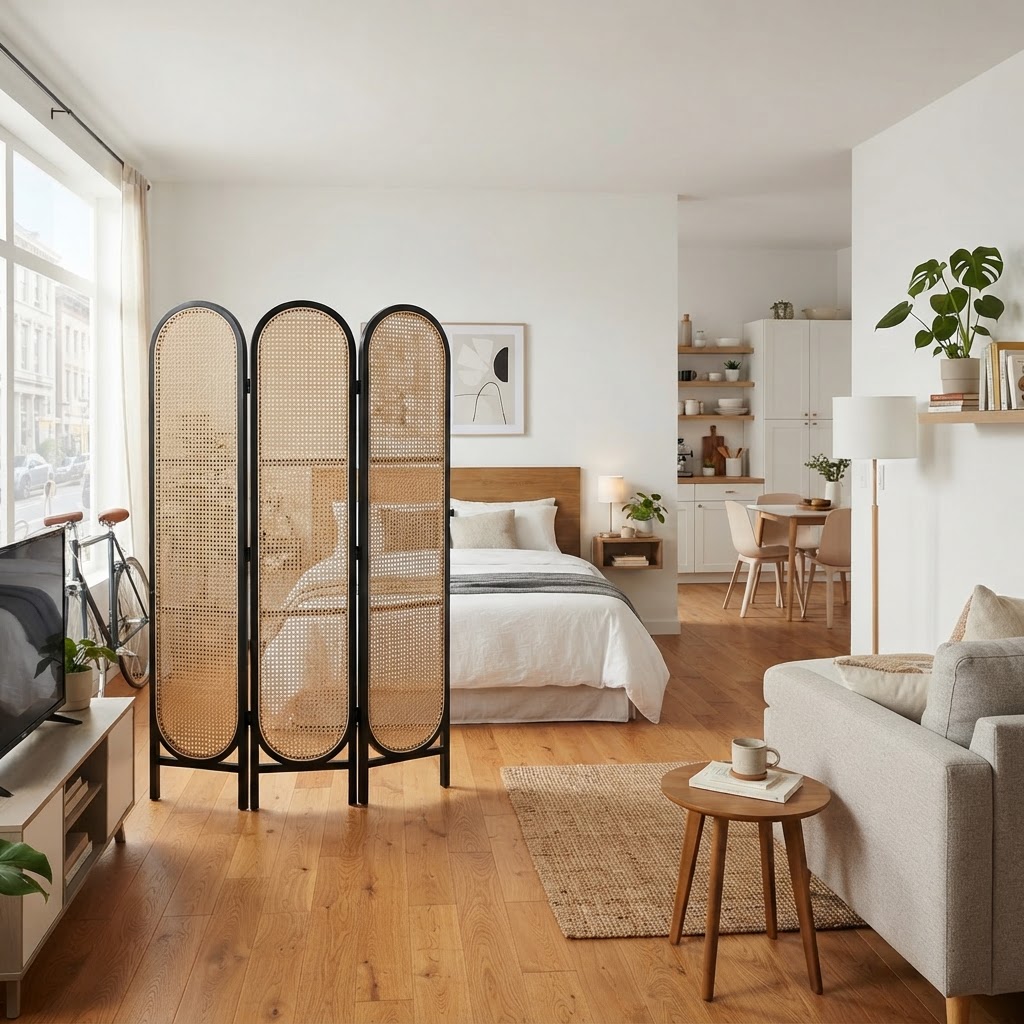
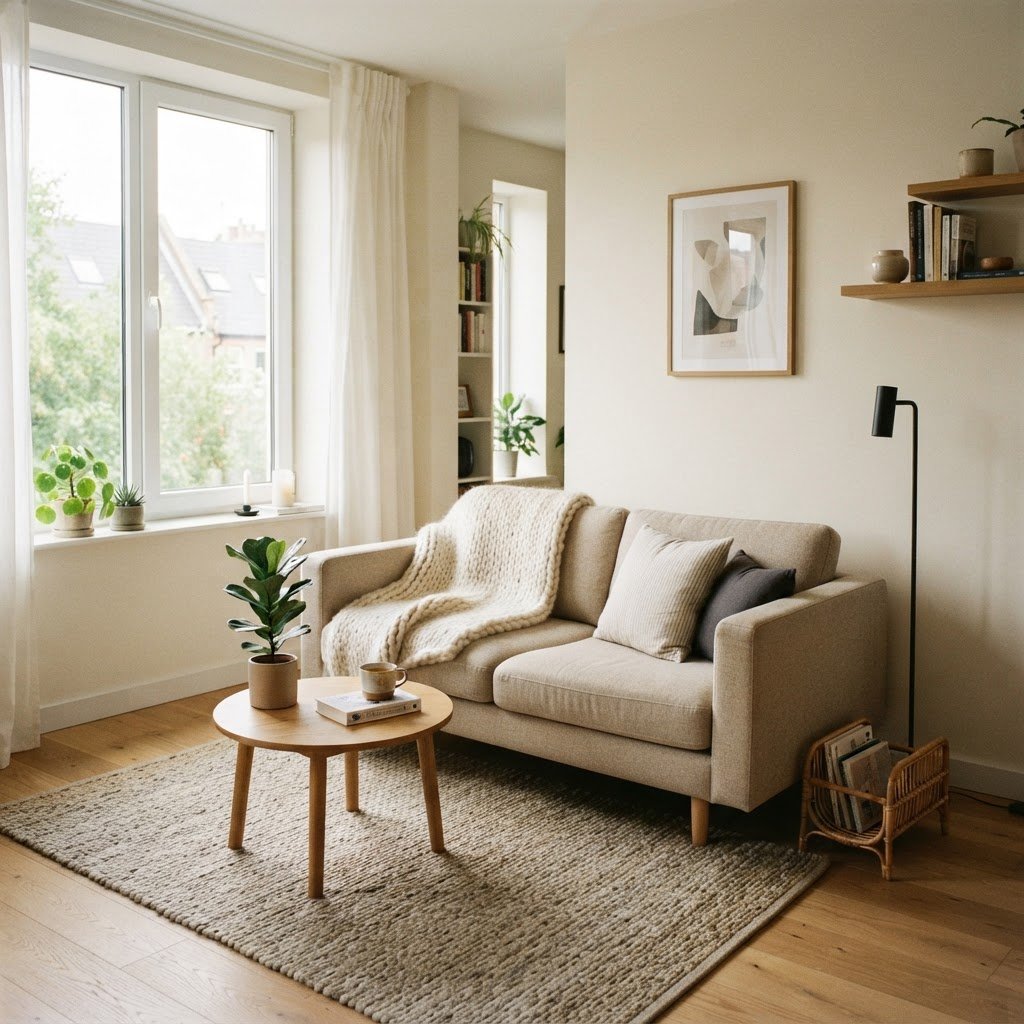
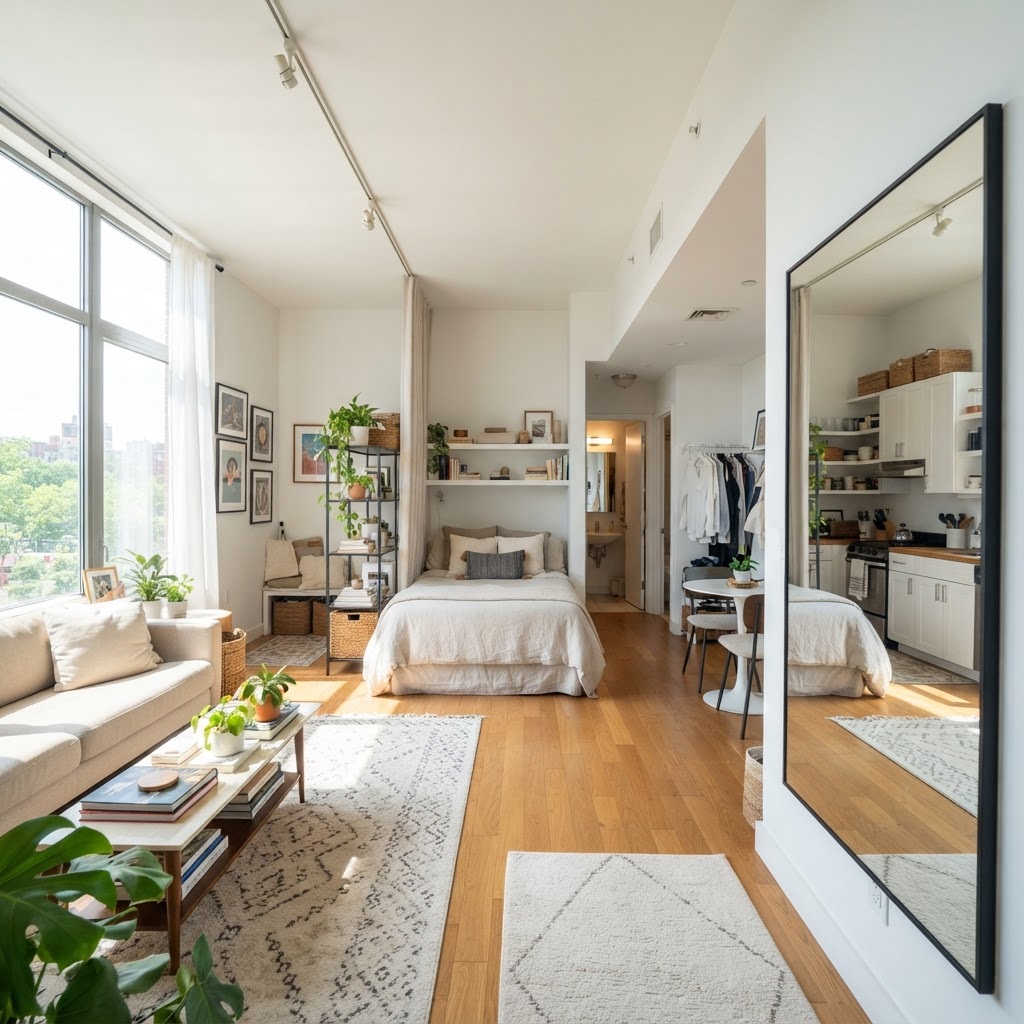
If you live in a studio apartment, you likely need your bedroom, office, and living room to coexist. Use a large area rug to anchor your sofa and coffee table, creating a clear boundary between the seating area and the rest of the home. Even in a small space, this visual separation prevents the room from feeling like one cluttered storage unit. Consider placing a sleek console behind your sofa to act as a room divider while providing extra surface space. Using different lighting temperatures can also help define areas; for example, warm 2700K bulbs in the living area vs. cooler 4000K task lighting in the office zone.
Choosing the Right Furniture
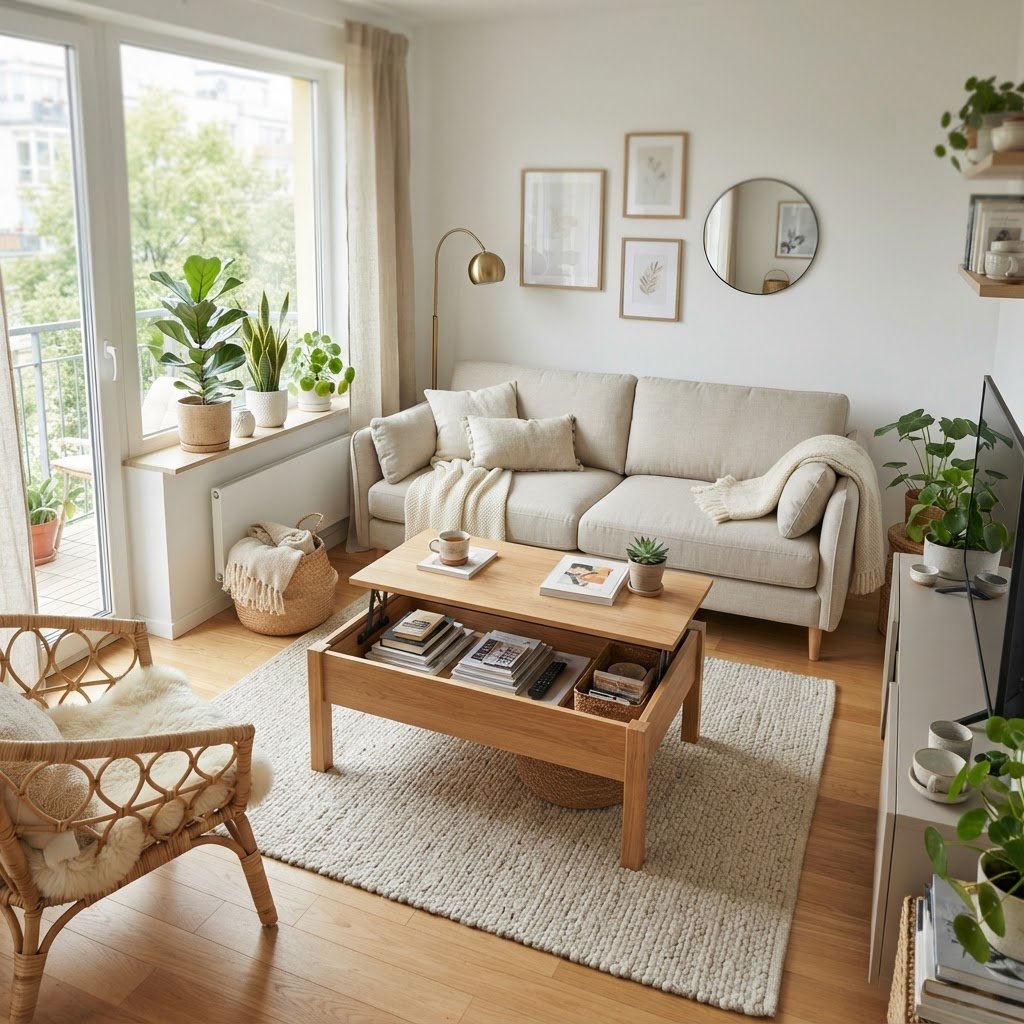
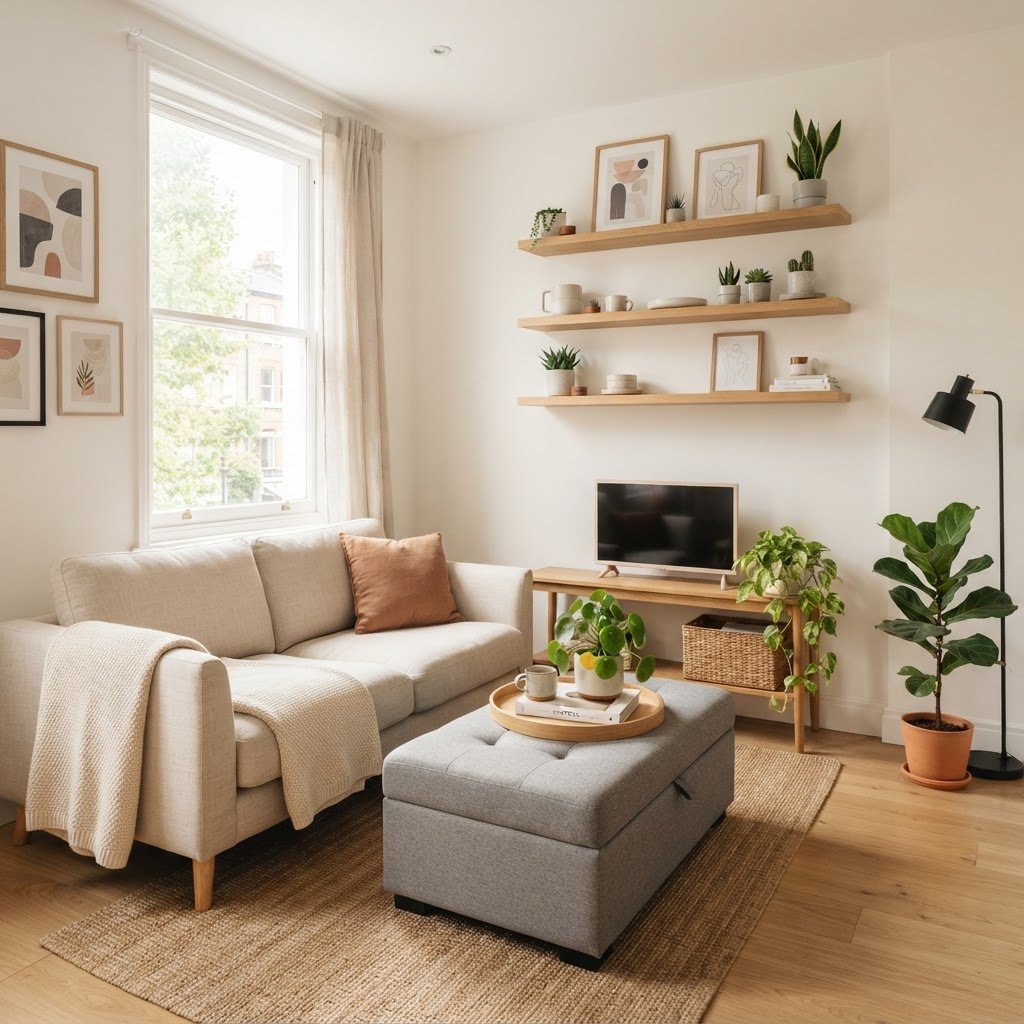
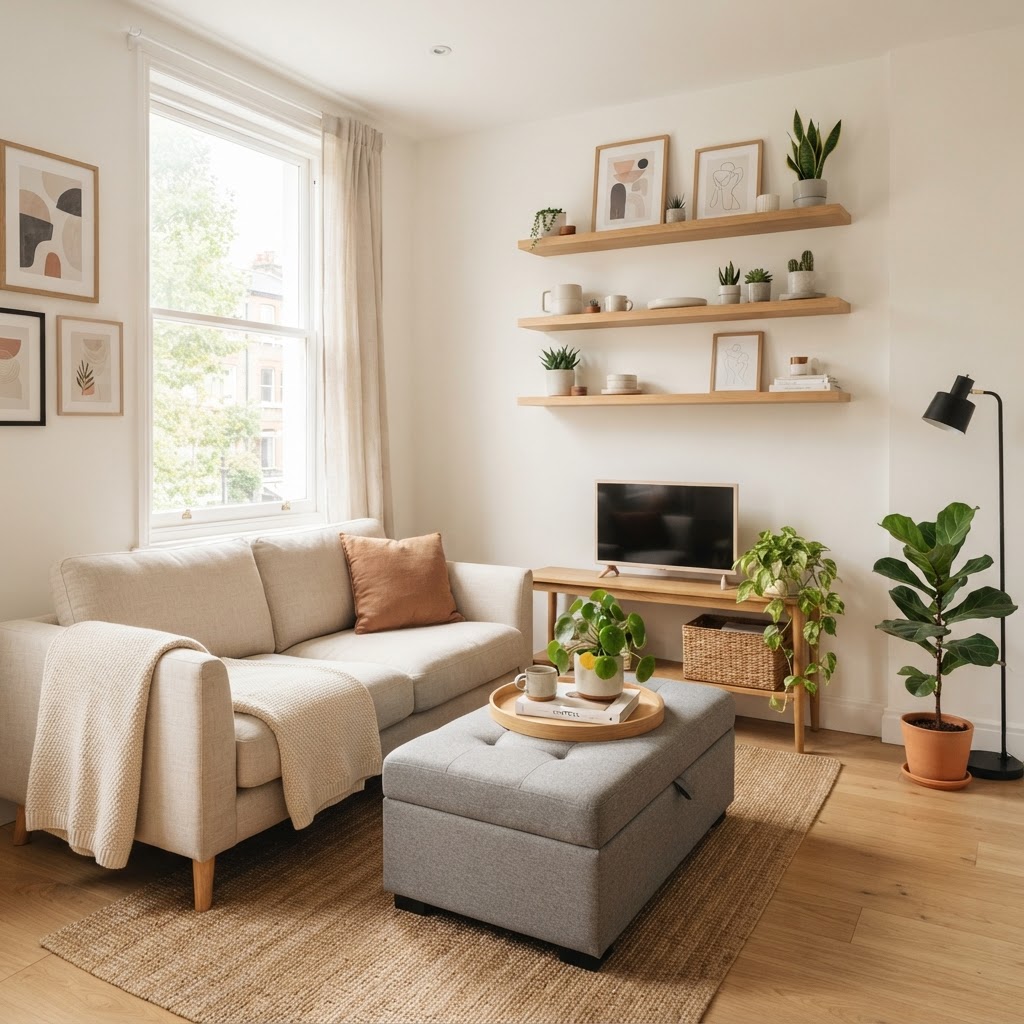
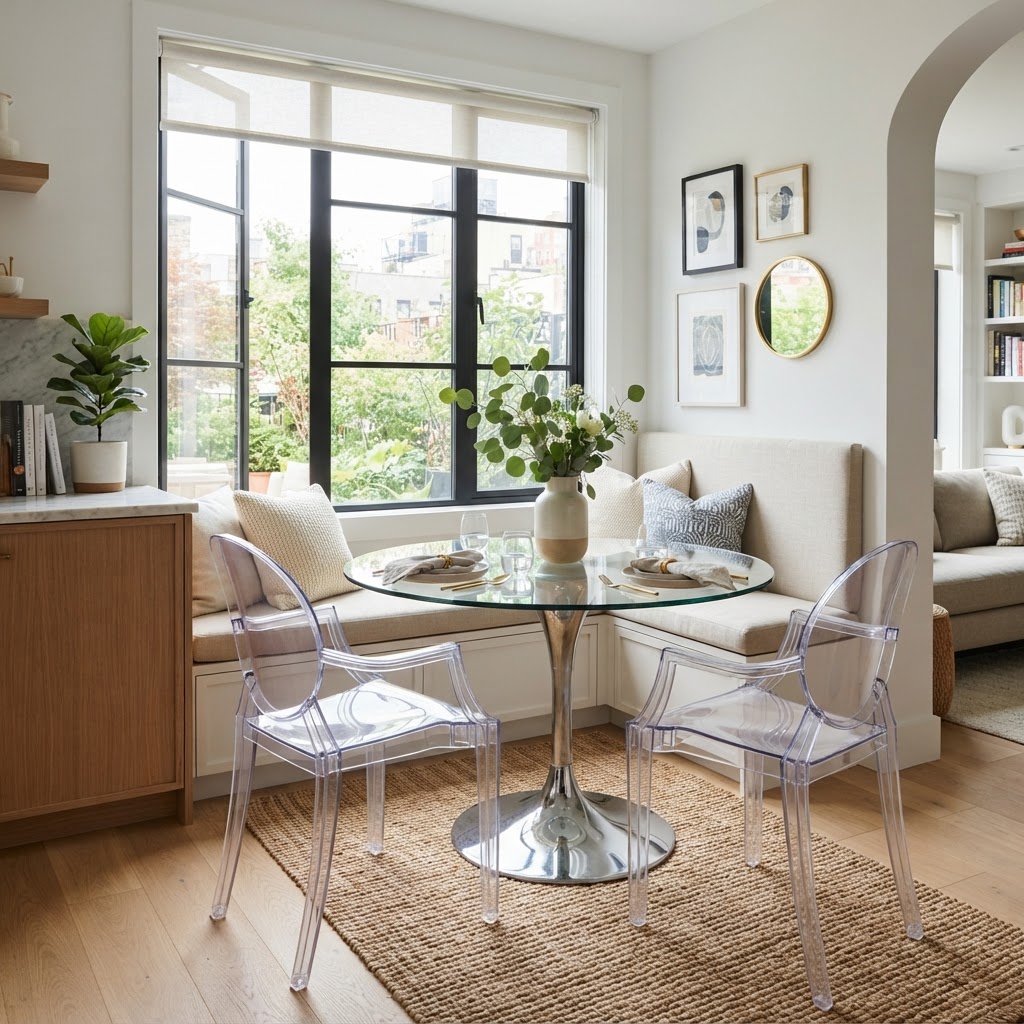
When choosing your furnishings, prioritize pieces that serve a dual purpose. A ottoman that doubles as a coffee table or a dining table with leaves can make a massive difference in your daily routine. Look for pieces that elevate the look of the room while maintaining a light, airy feel. Avoid heavy, dark materials that dominate the visual landscape, opting for lighter colors or transparent acrylic instead.
Mastering Storage and Decluttering
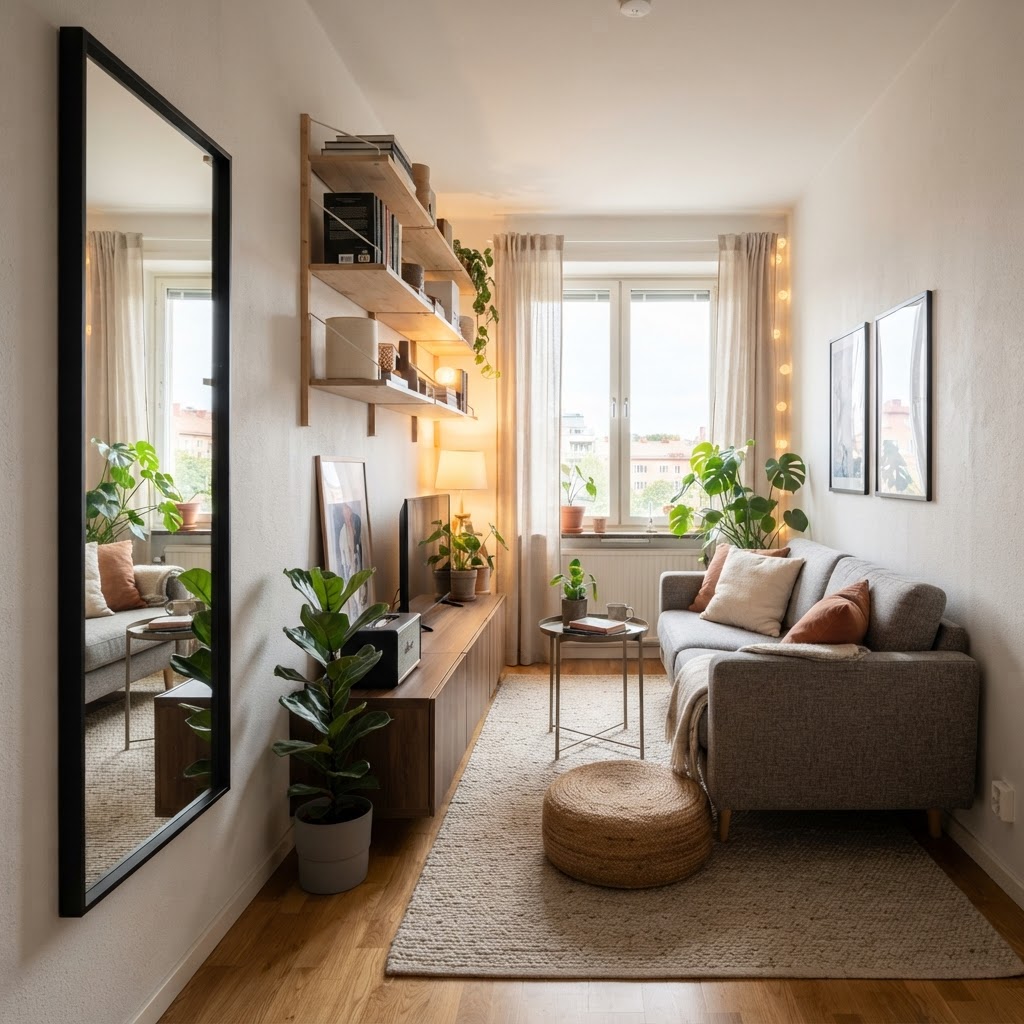
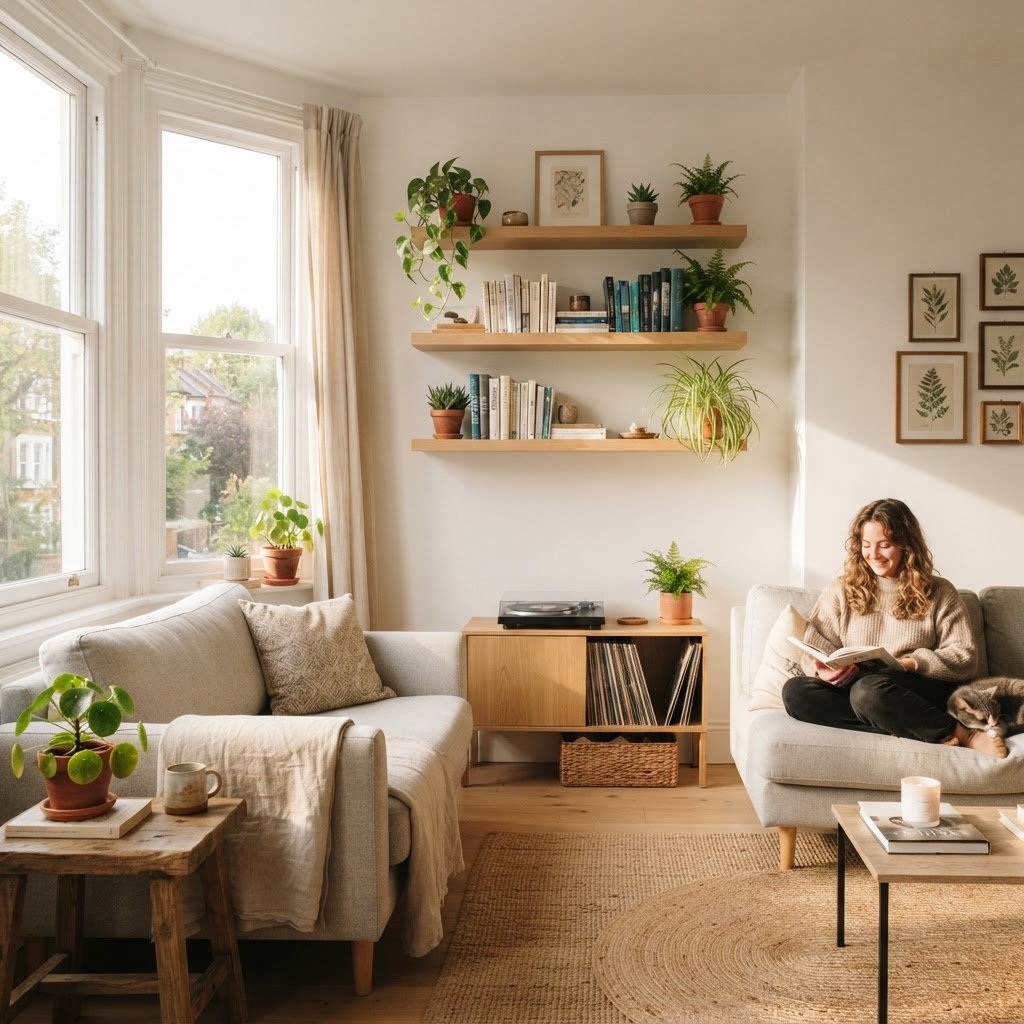
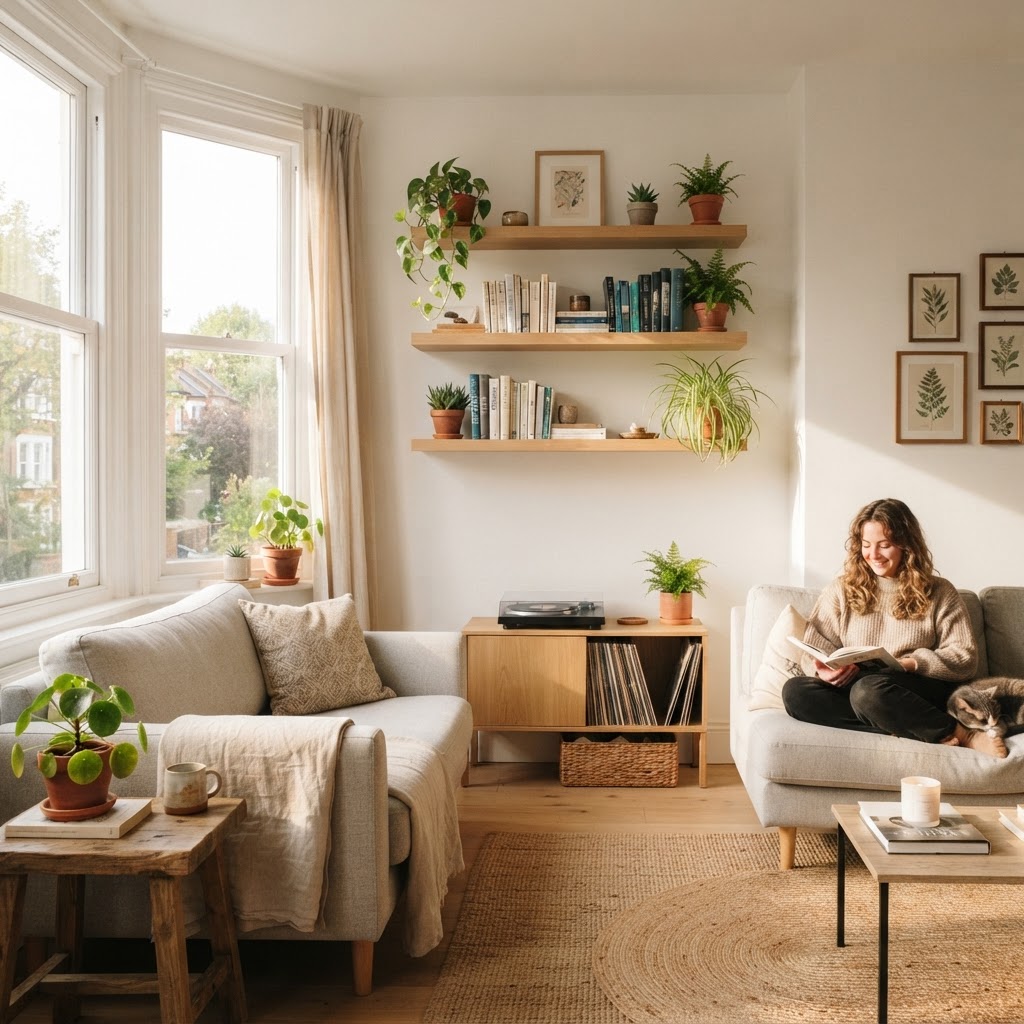
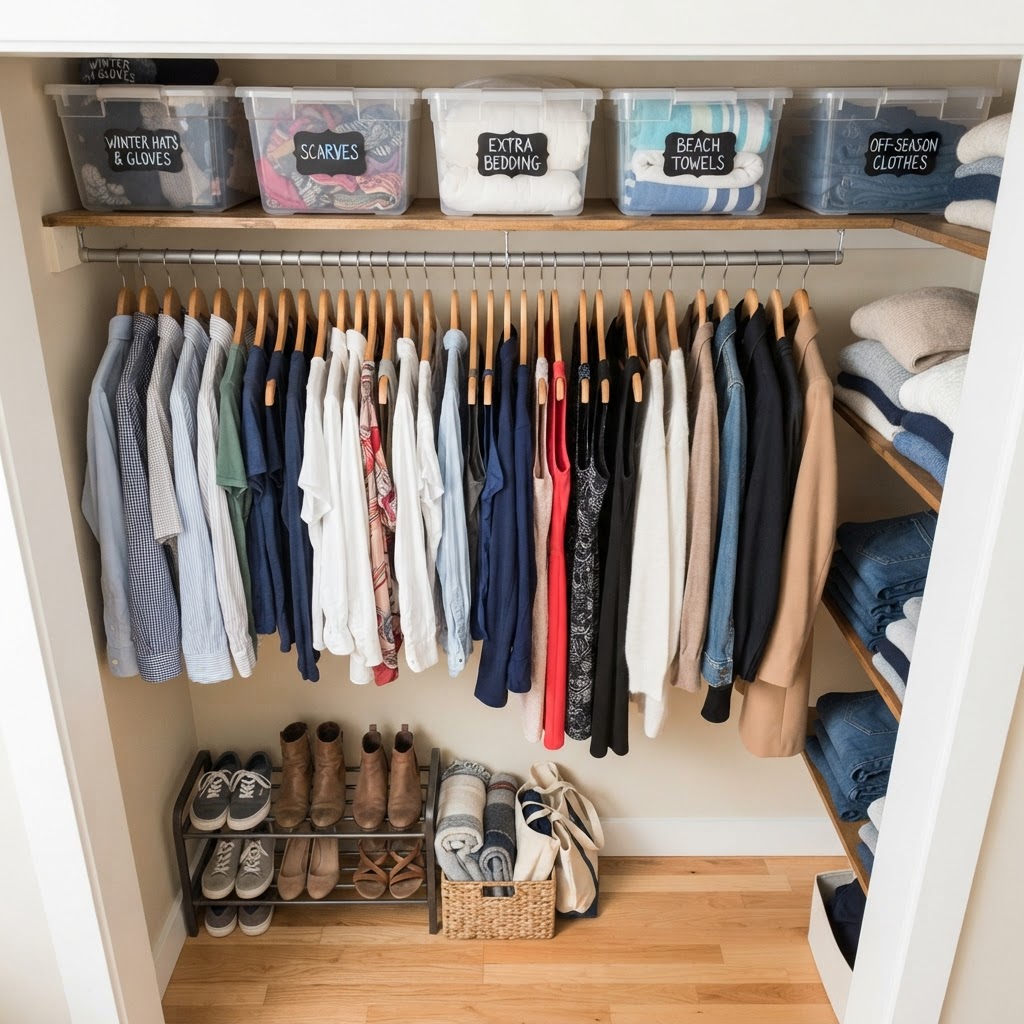
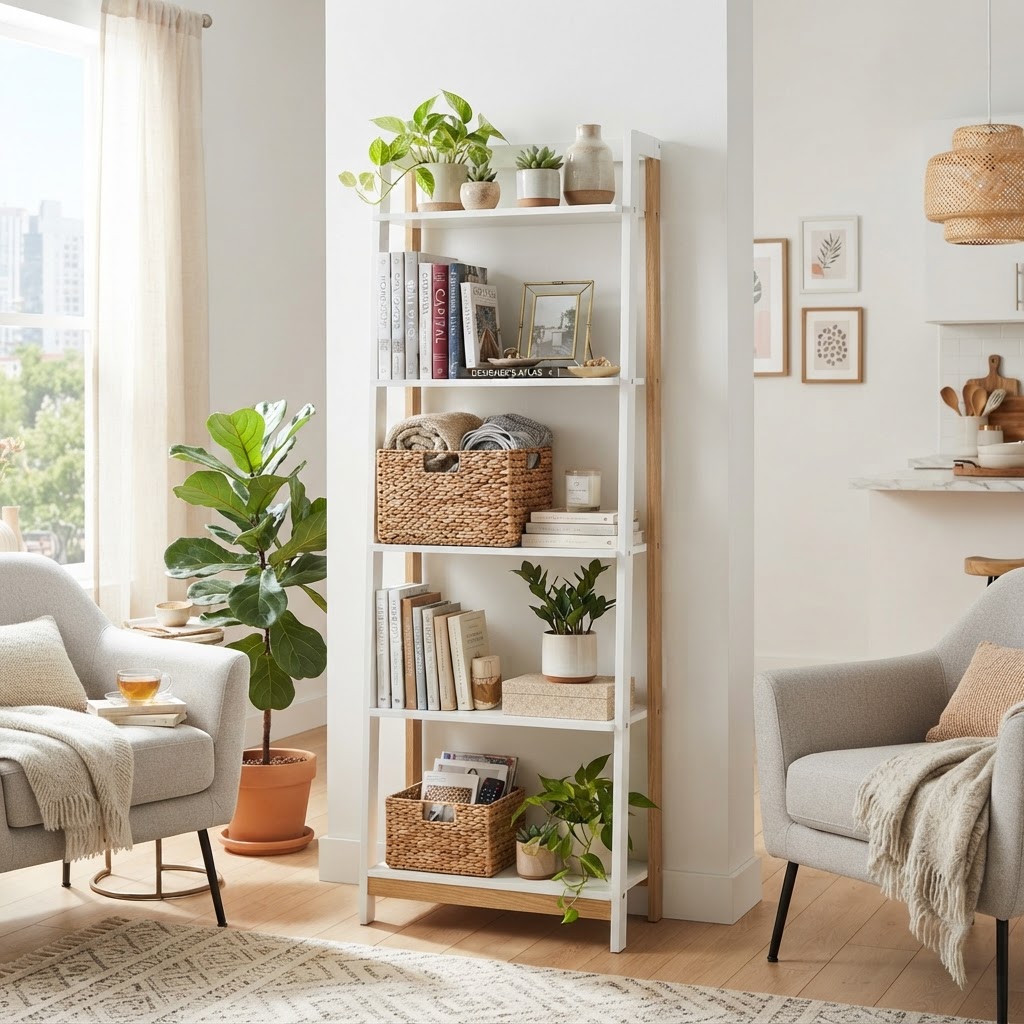
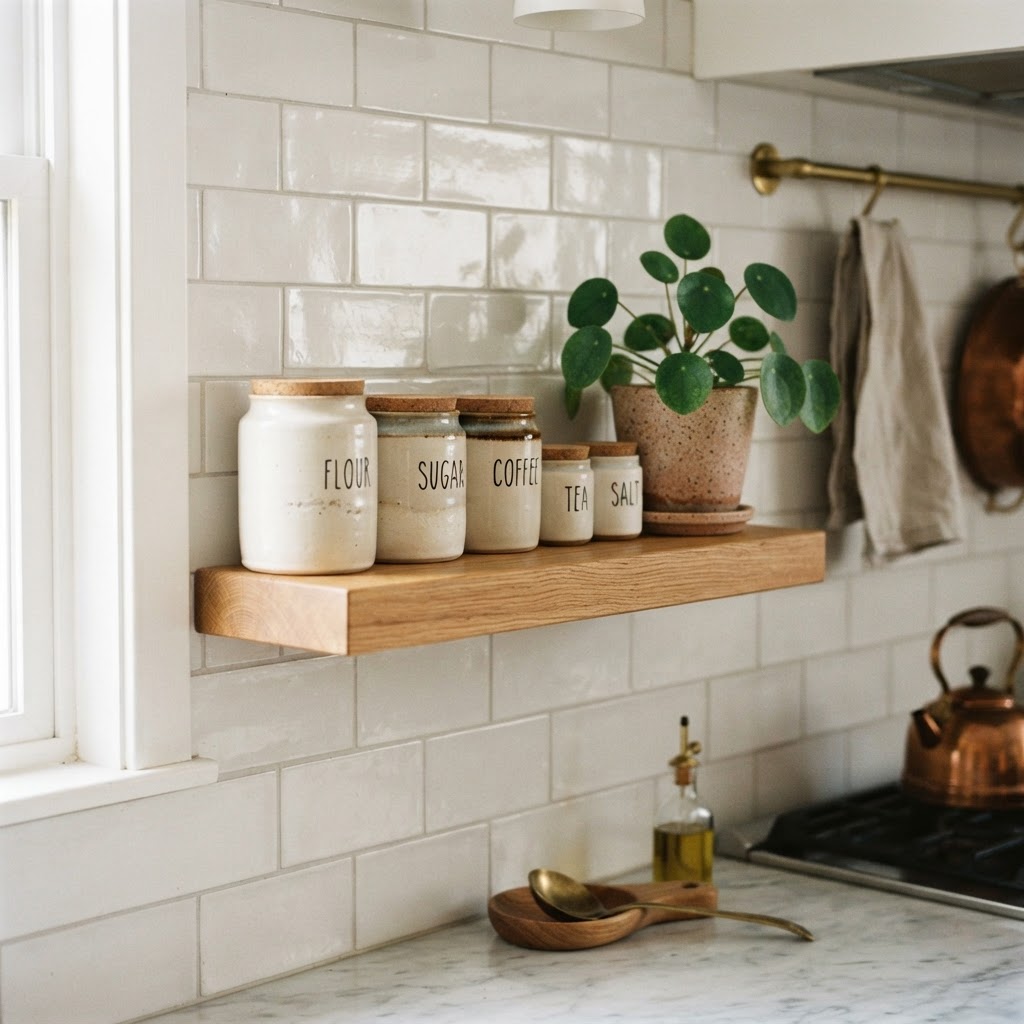
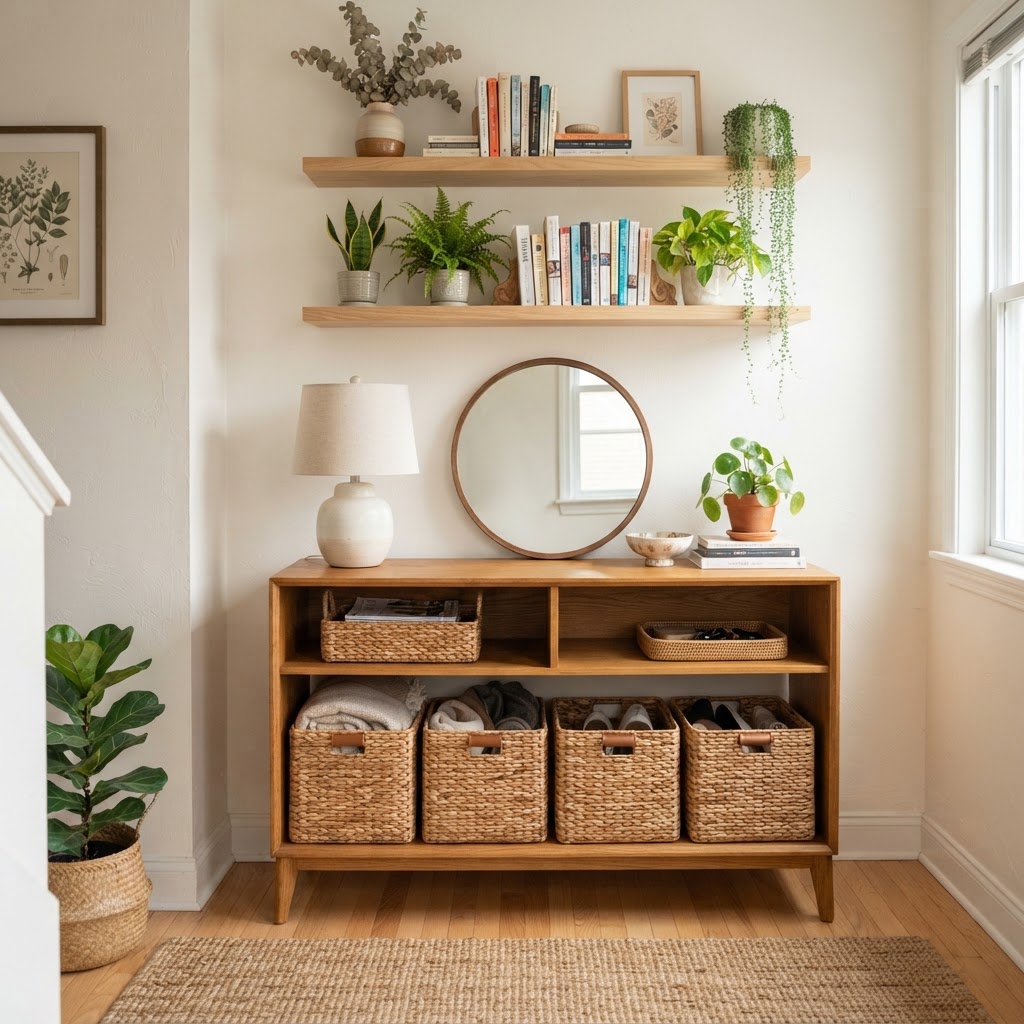
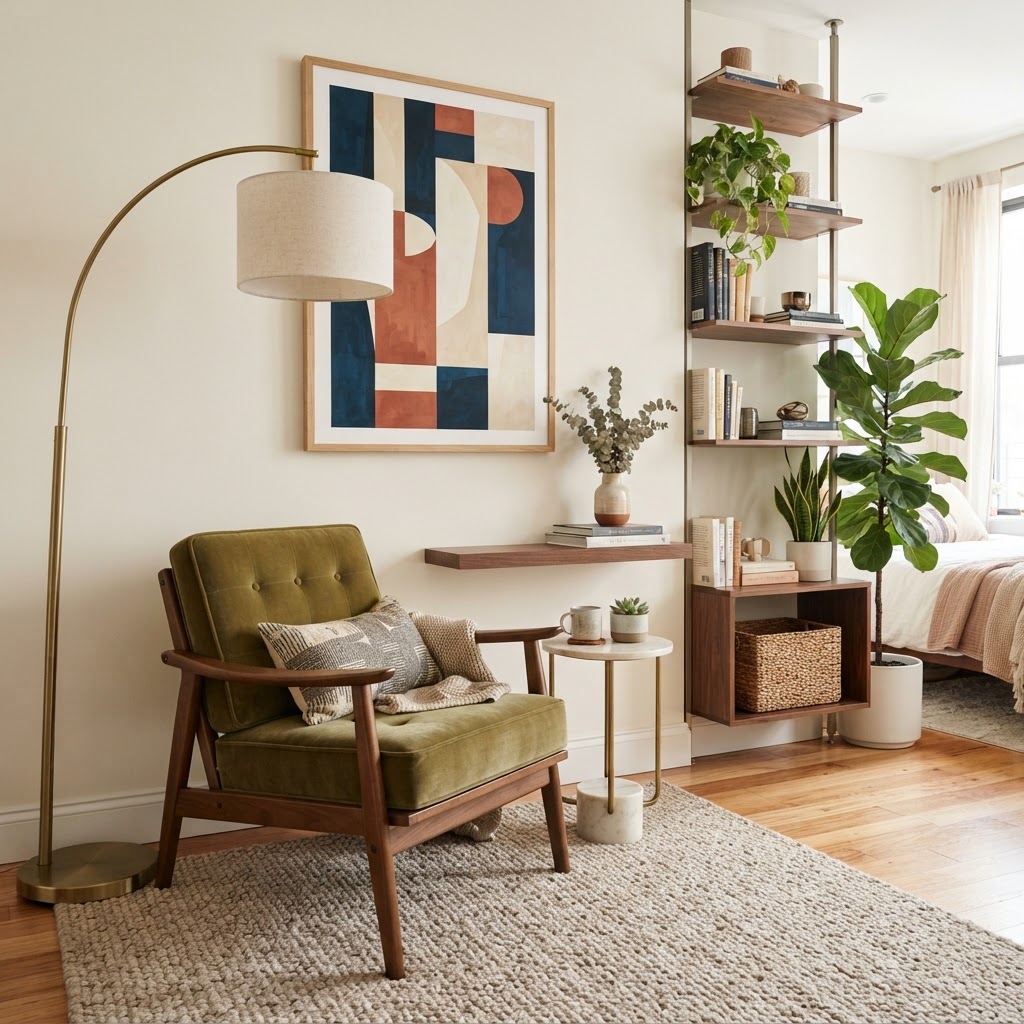
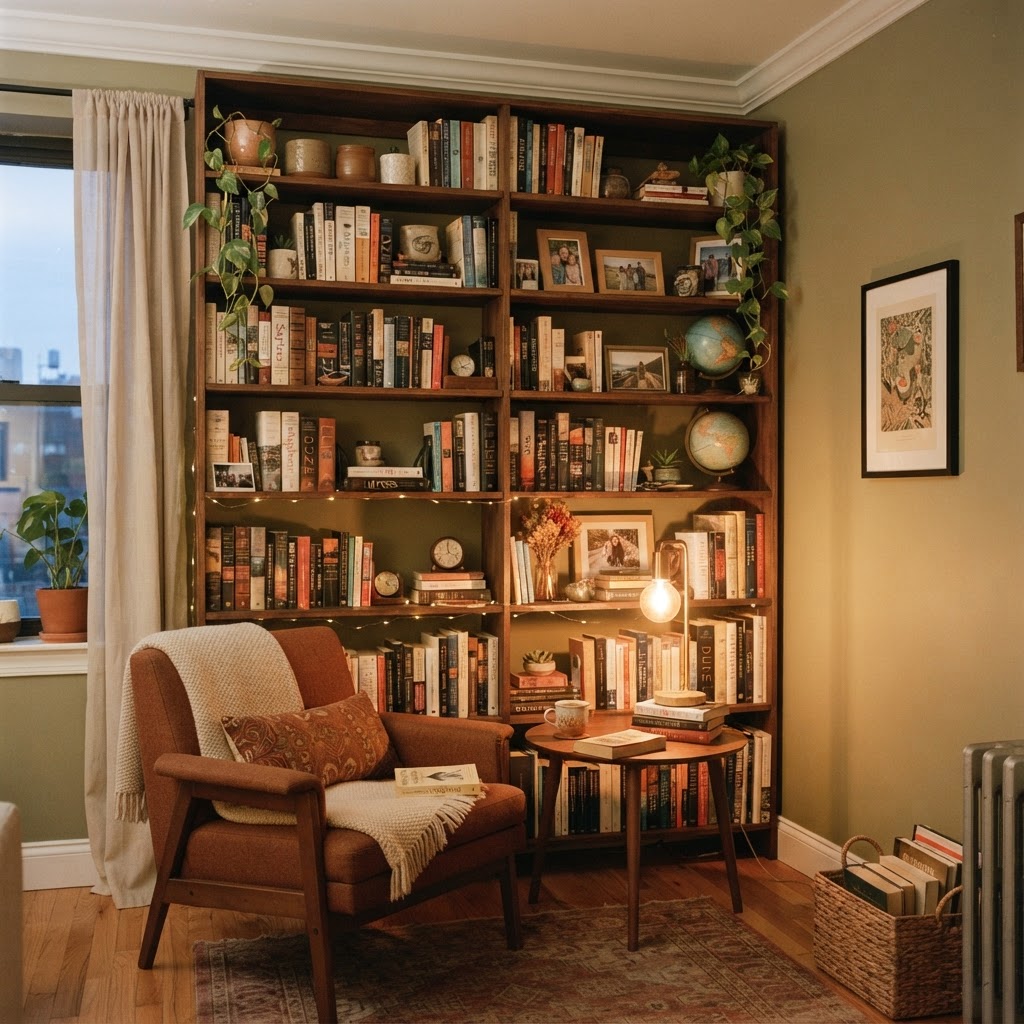
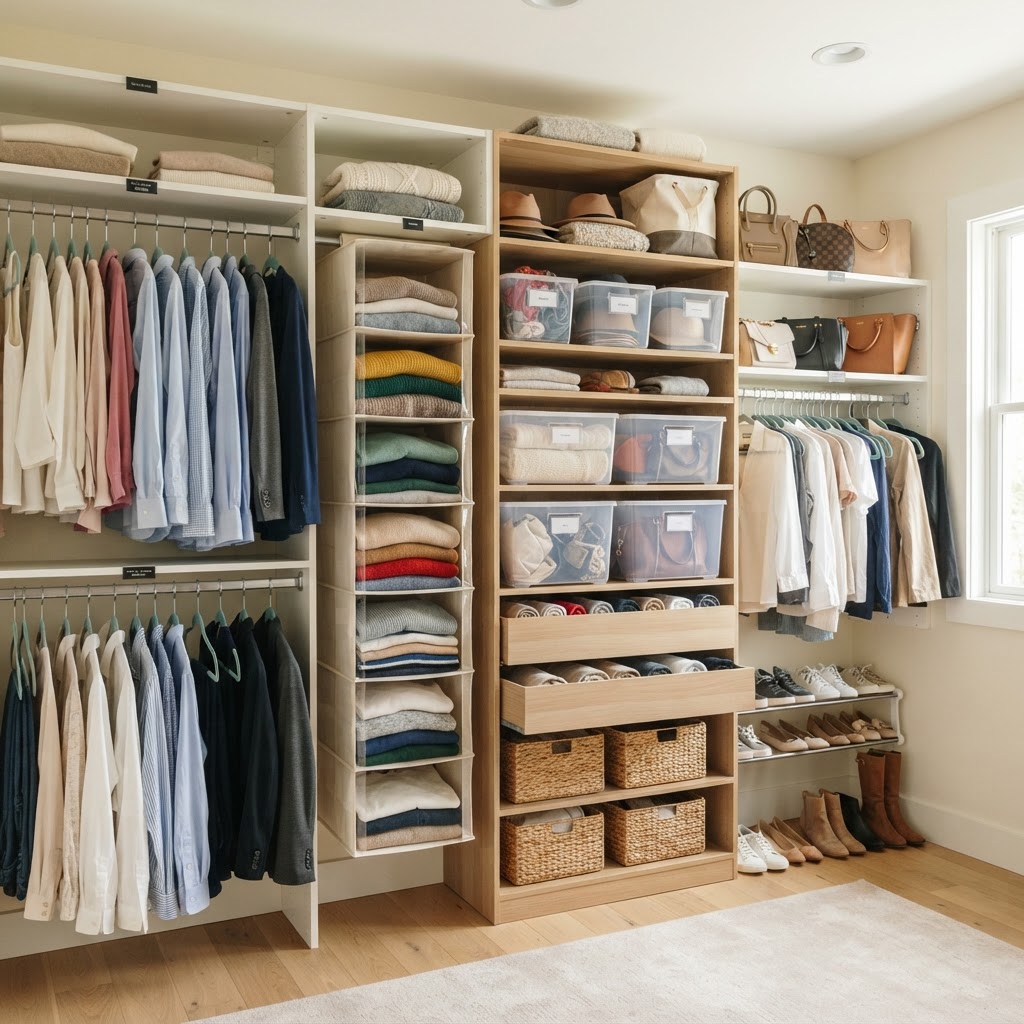
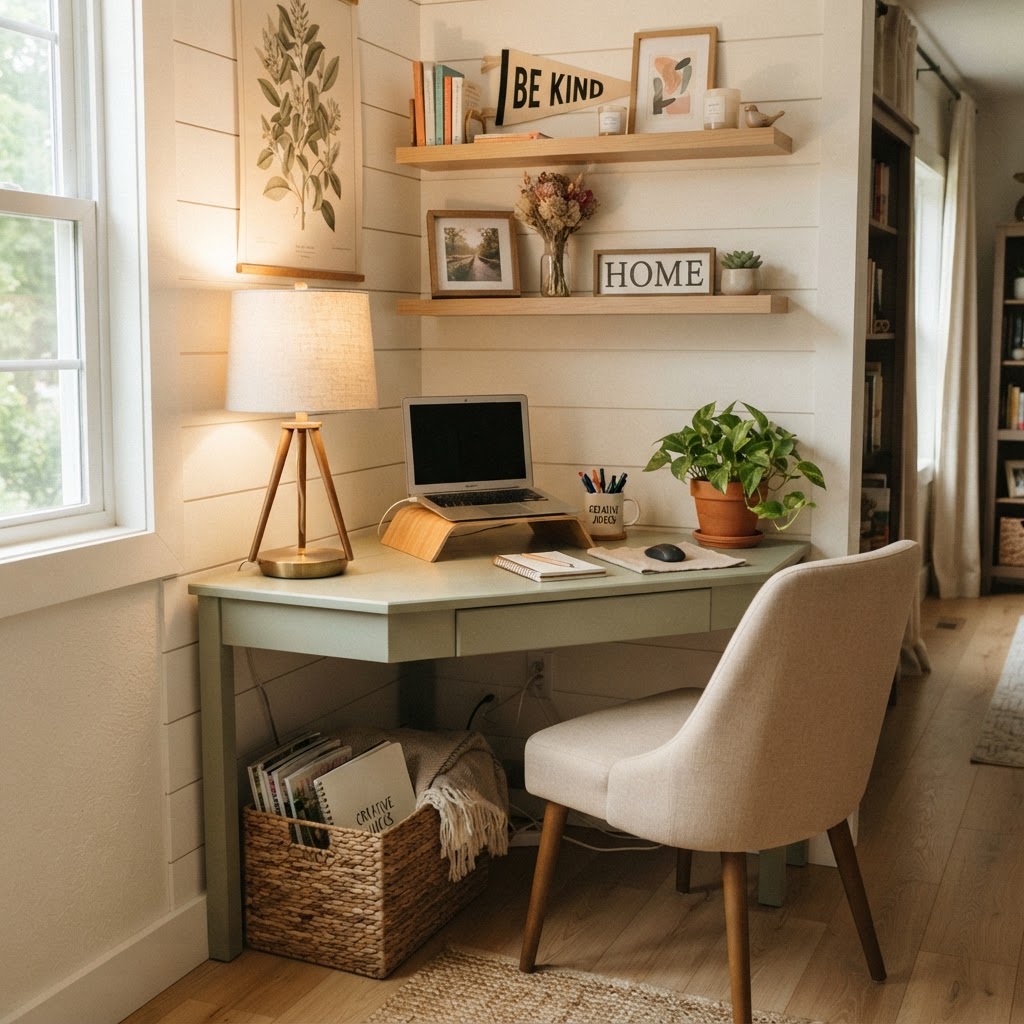
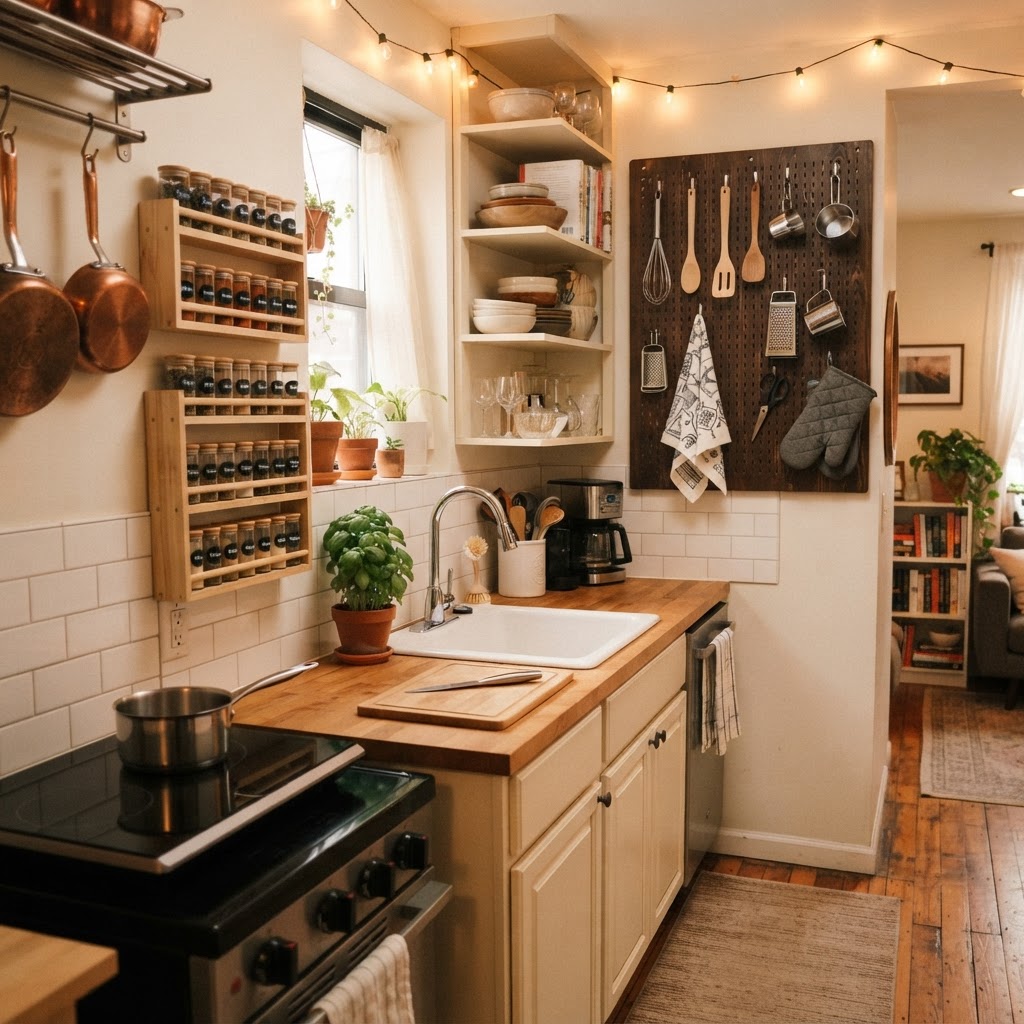
Clutter is the enemy of any small home. To maintain a stylish environment, you must have a place for everything. Vertical space is your most valuable asset when you have limited floor space. Installing a wall-mounted shelve system allows you to store items without occupying precious square footage on the ground. Think of this as a strategy for long-term organization rather than just a quick fix. By utilizing the top 12-18 inches of wall space near the ceiling for books or seasonal items, you draw the eye upward, which helps give the room a sense of height. High-density storage, such as over-the-door organizers or vacuum-seal bags for off-season clothing, can reduce physical volume by up to 70%.
The Power of Hidden Storage
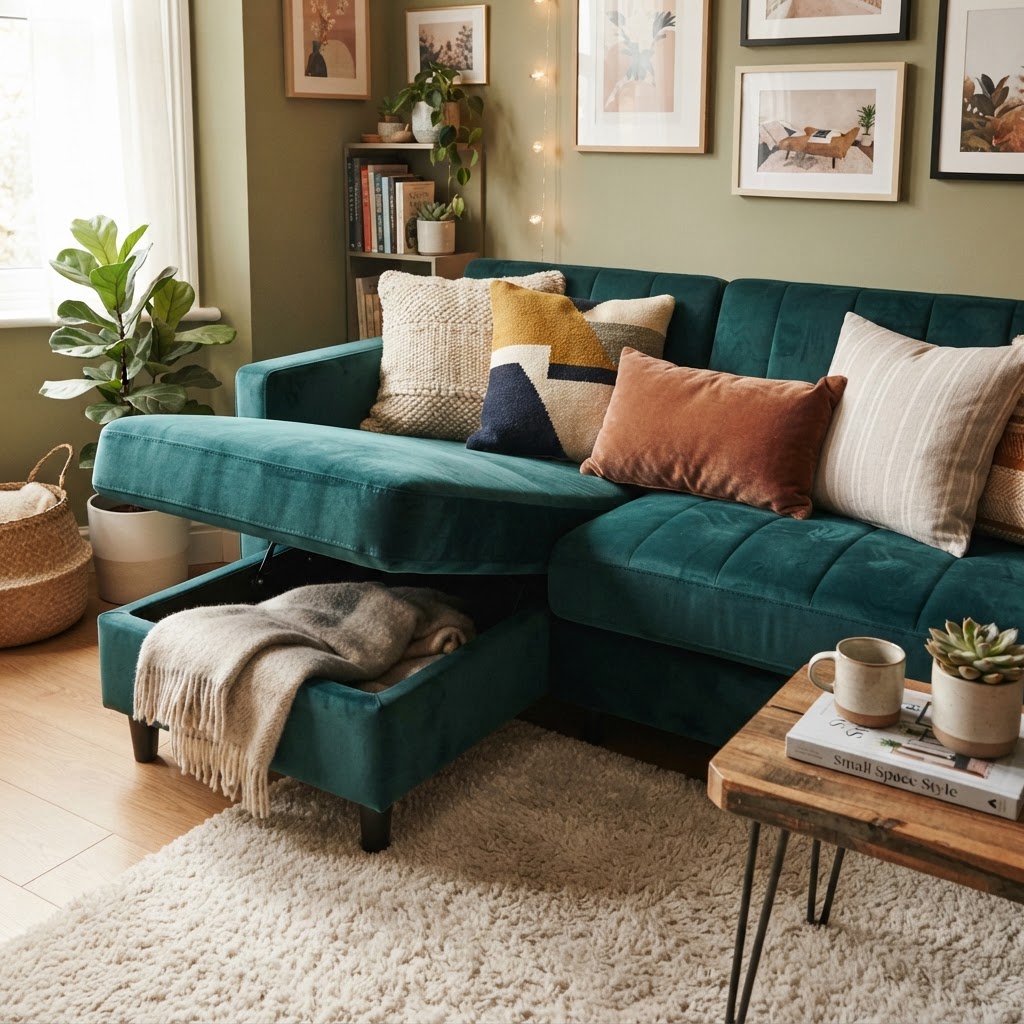
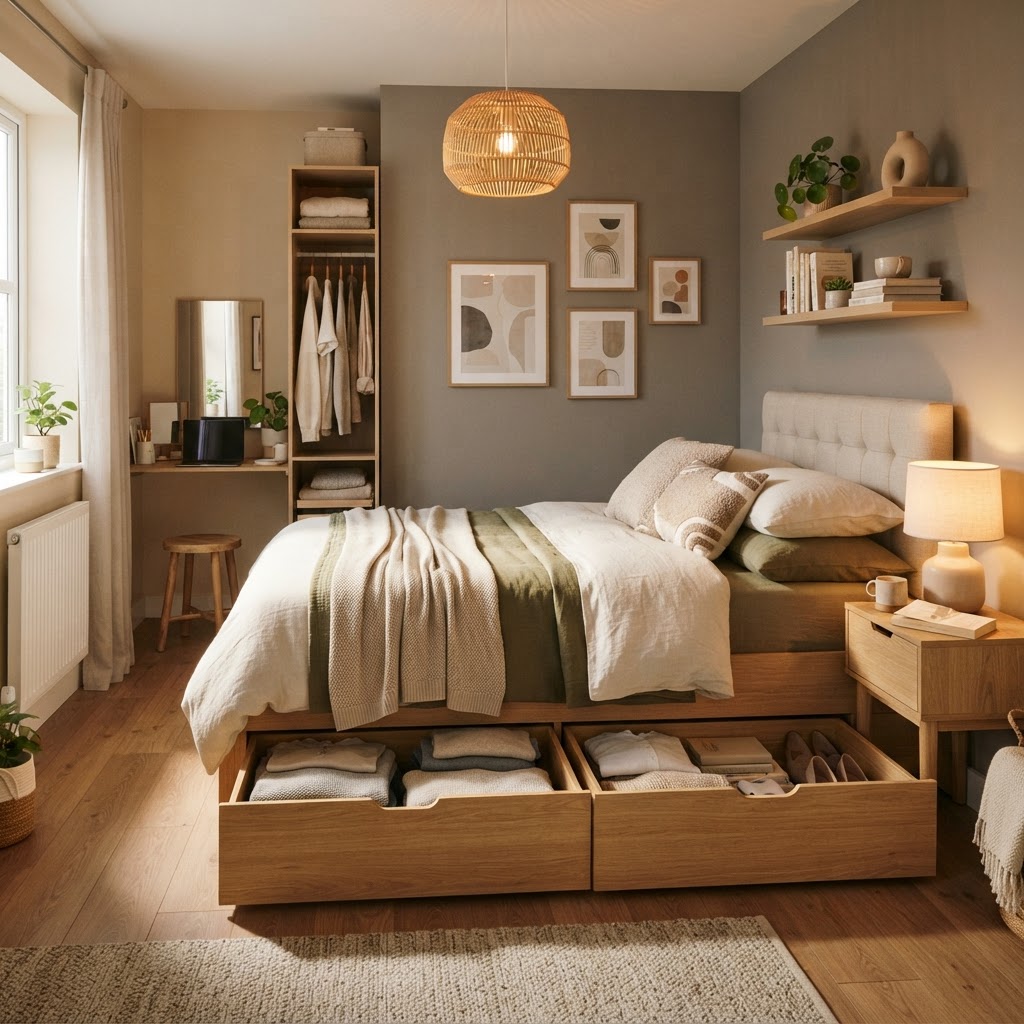
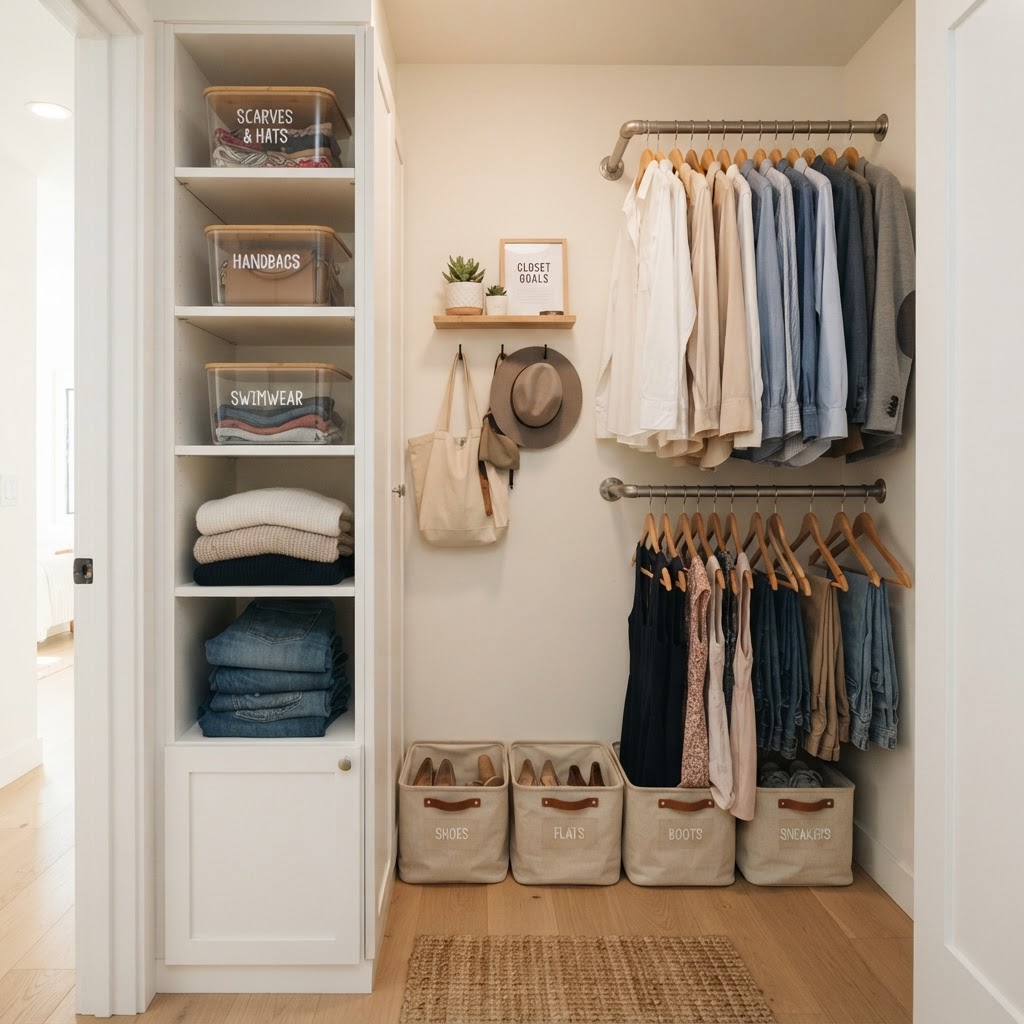
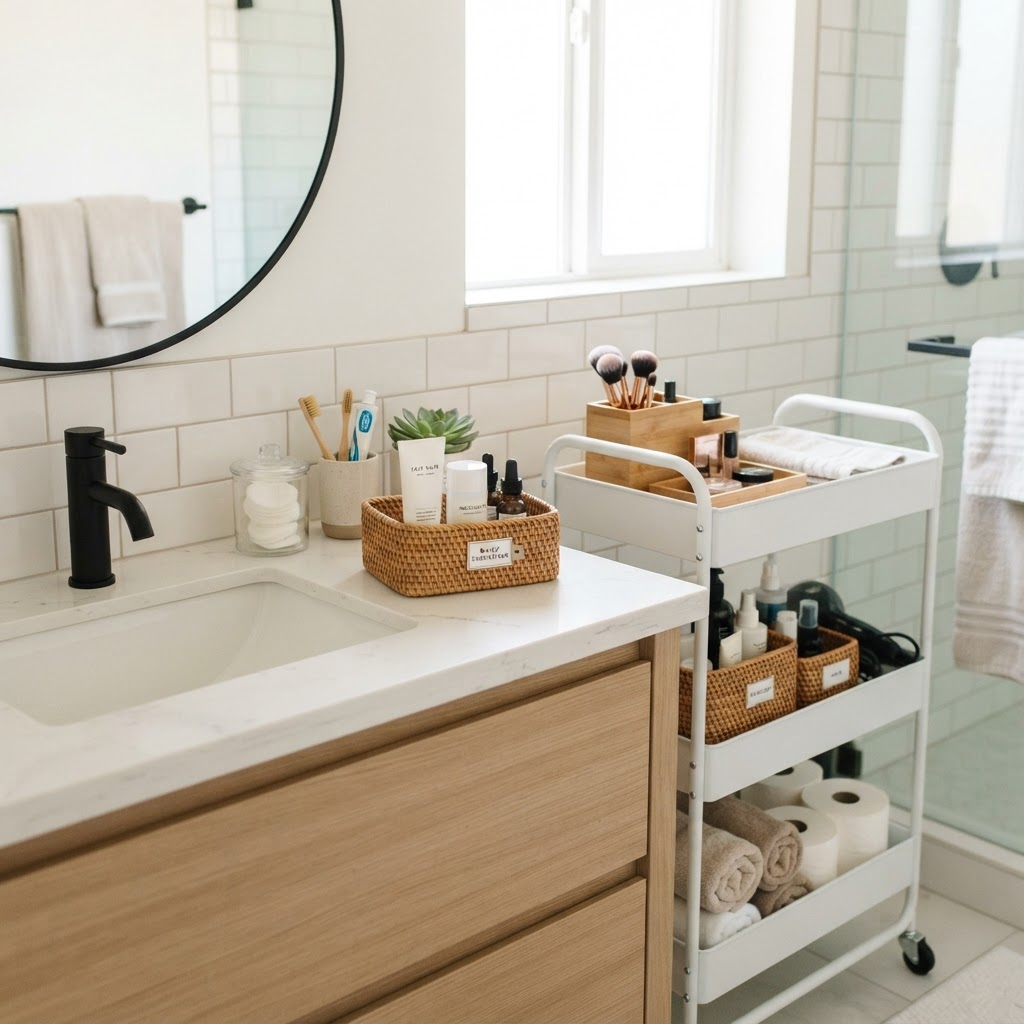
Look for every opportunity to incorporate hidden storage into your home. Under-bed storage bins, ottomans with lids, and even decorative baskets tucked under a side table can keep your apartment tidy. When every item has a home, the psychological weight of clutter vanishes. Consider using built-in cabinets if your landlord allows, or look for modular storage solutions that mimic a custom built-in look without the permanent commitment.
Managing Daily Belongings
Consistency is key. Spend fifteen minutes every evening clearing surfaces and returning items to their designated drawers. By keeping the surfaces clear, your interior design vision becomes the primary focus. Even a small apartment feels peaceful when the counters and tabletops are free of daily debris.
Enhancing Aesthetics on a Budget
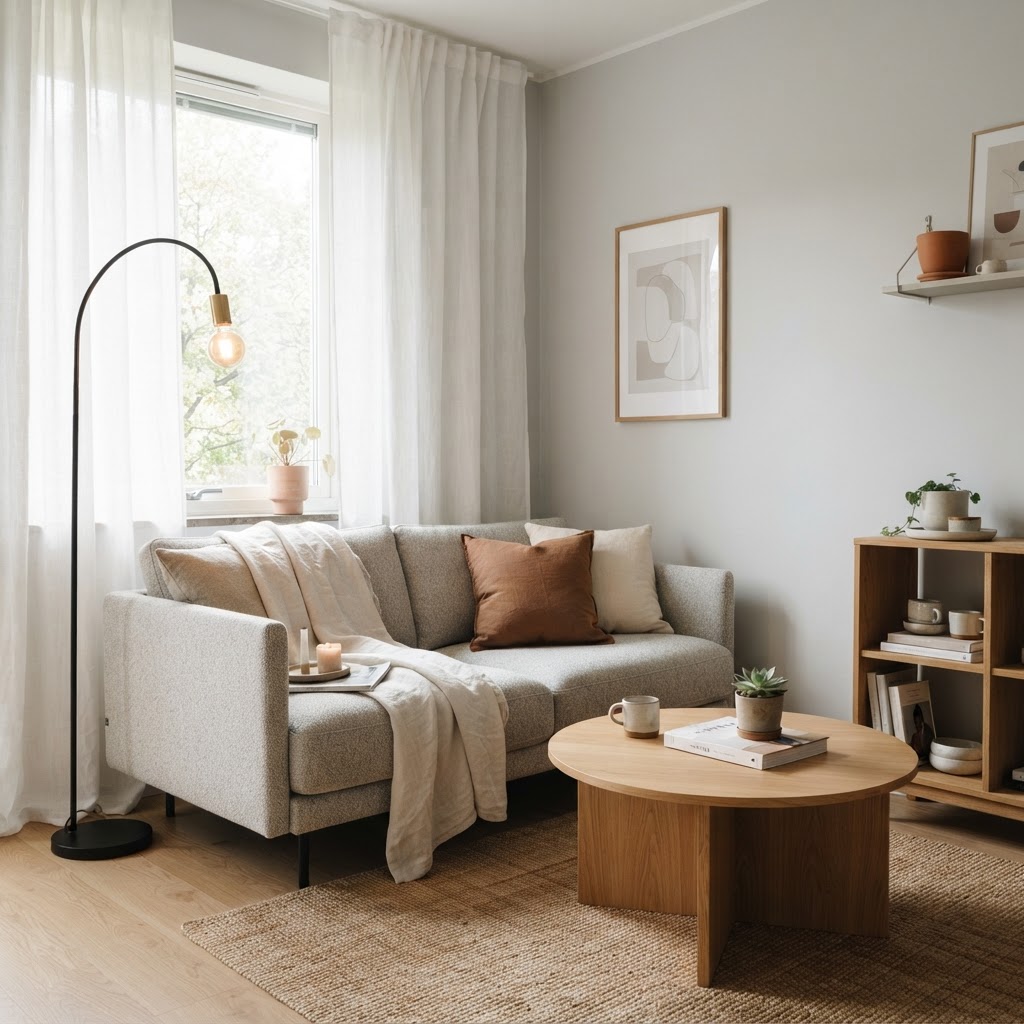
Decorating doesn’t require a massive budget. A fresh set of curtains can completely change the lighting and mood of your home. Hang your curtain rods higher and wider than the window frame to create the illusion of larger windows and higher ceilings. This simple hack makes the entire room feel more spacious and high-end. Aim to hang rods at least 6 inches above the frame. This technique leverages vertical lines, which is a classic architectural trick to make ceilings appear taller. Additionally, opting for floor-to-ceiling drapery hides dated window frames and softens the harsh boxy lines found in many modern rental units.
Adding Personal Flair
Small touches make a house a home. Use an accent wall with peel-and-stick wallpaper to inject color without the cost of a full renovation. Add a few throw pillows or a textured rug to introduce color and warmth. These small details represent your personality and make the apartment feel like a deliberate choice rather than a temporary arrangement.
Lighting and Reflective Surfaces
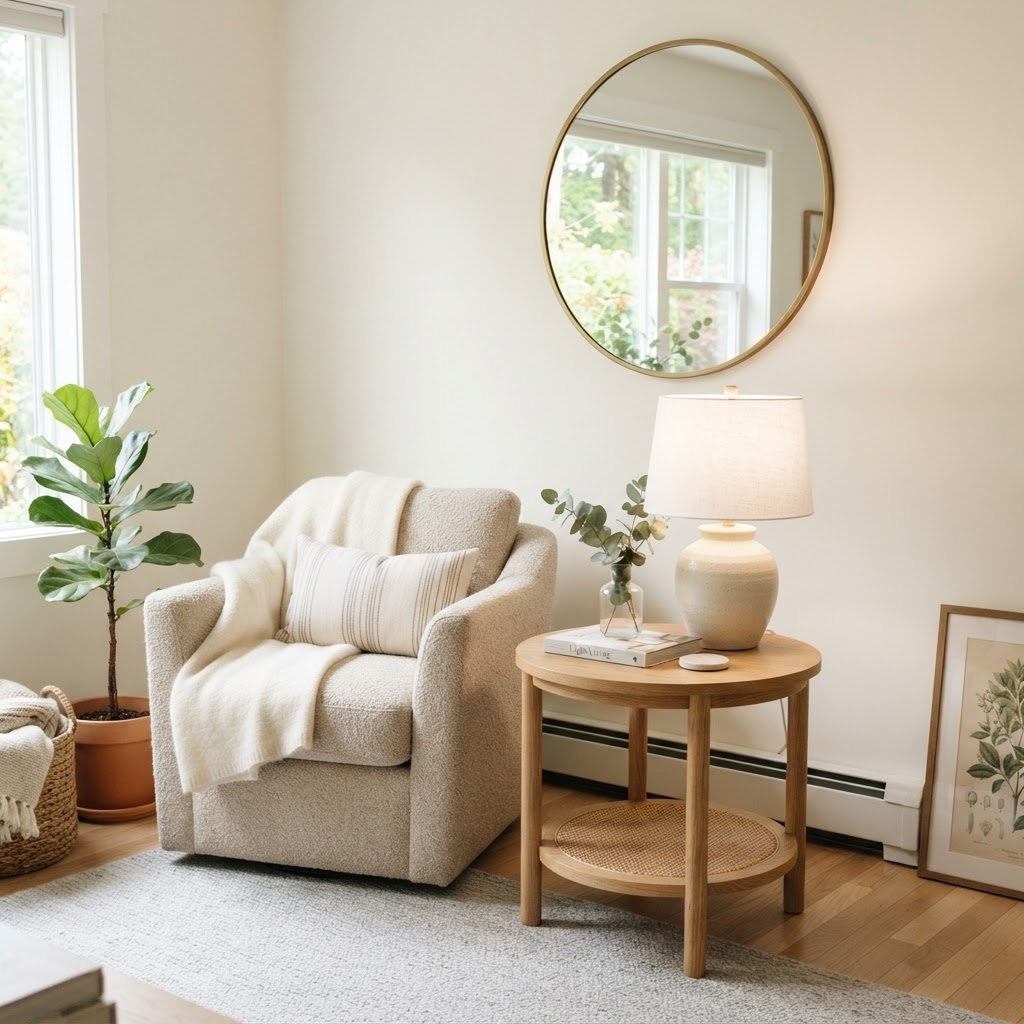
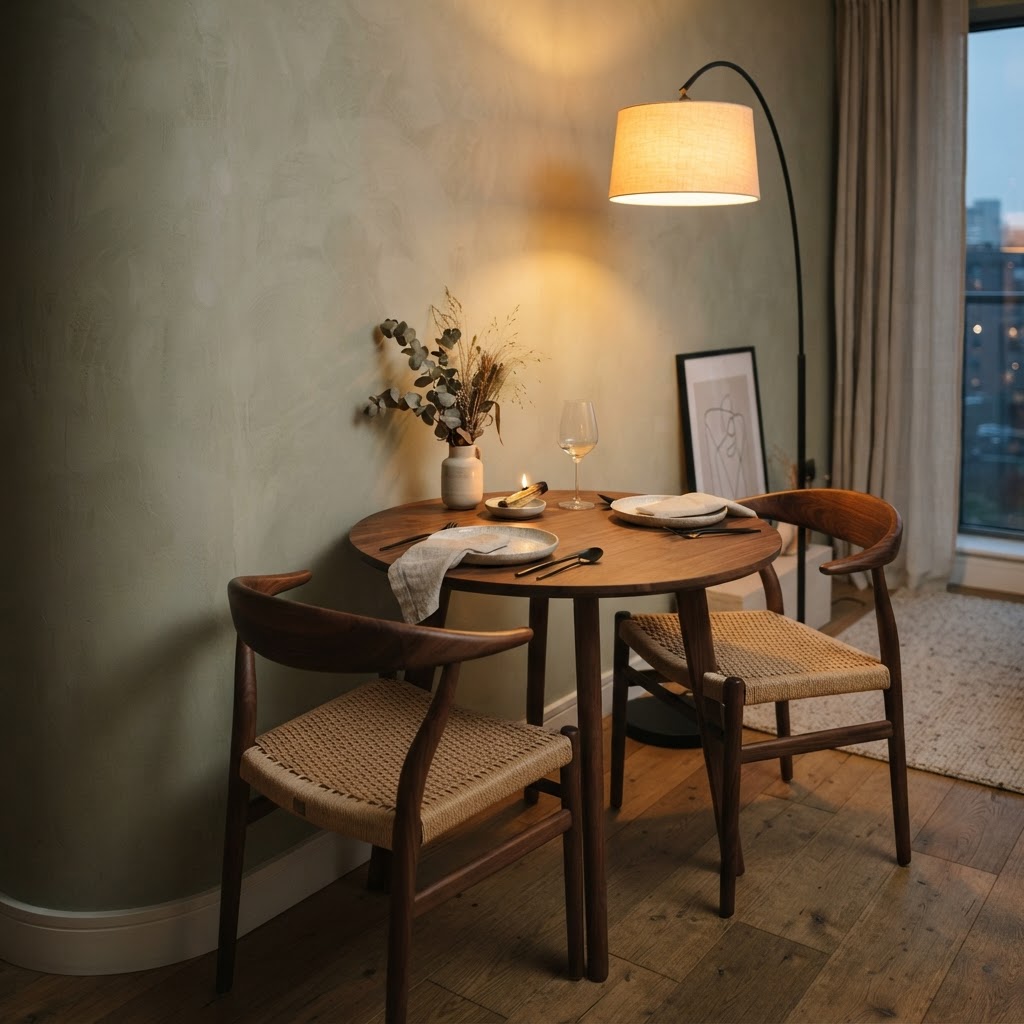
Lighting plays a critical role in how big a room feels. Instead of relying solely on the overhead bulb, layer your lighting with lamps. A floor lamp tucked into a cozy nook or a table lamp on a console can create pockets of light that draw the eye around the room. Mirrors are another essential tool in any interior design arsenal; they bounce natural light around and create depth, making your small apartment feel twice as large. For maximum impact, place a large floor mirror opposite a window to reflect the maximum amount of natural light into the deeper, darker corners of your living space.
Choosing Reflective Decor
Incorporate metallic or glass surfaces into your decor to reflect light. A glass dining table is a perfect example of a piece that provides utility without adding visual weight. By keeping the sightlines clear, you ensure that the room feels airy and open. Remember to keep the window treatments sheer to allow as much natural sunlight as possible.
Multifunctional Living for Real Life
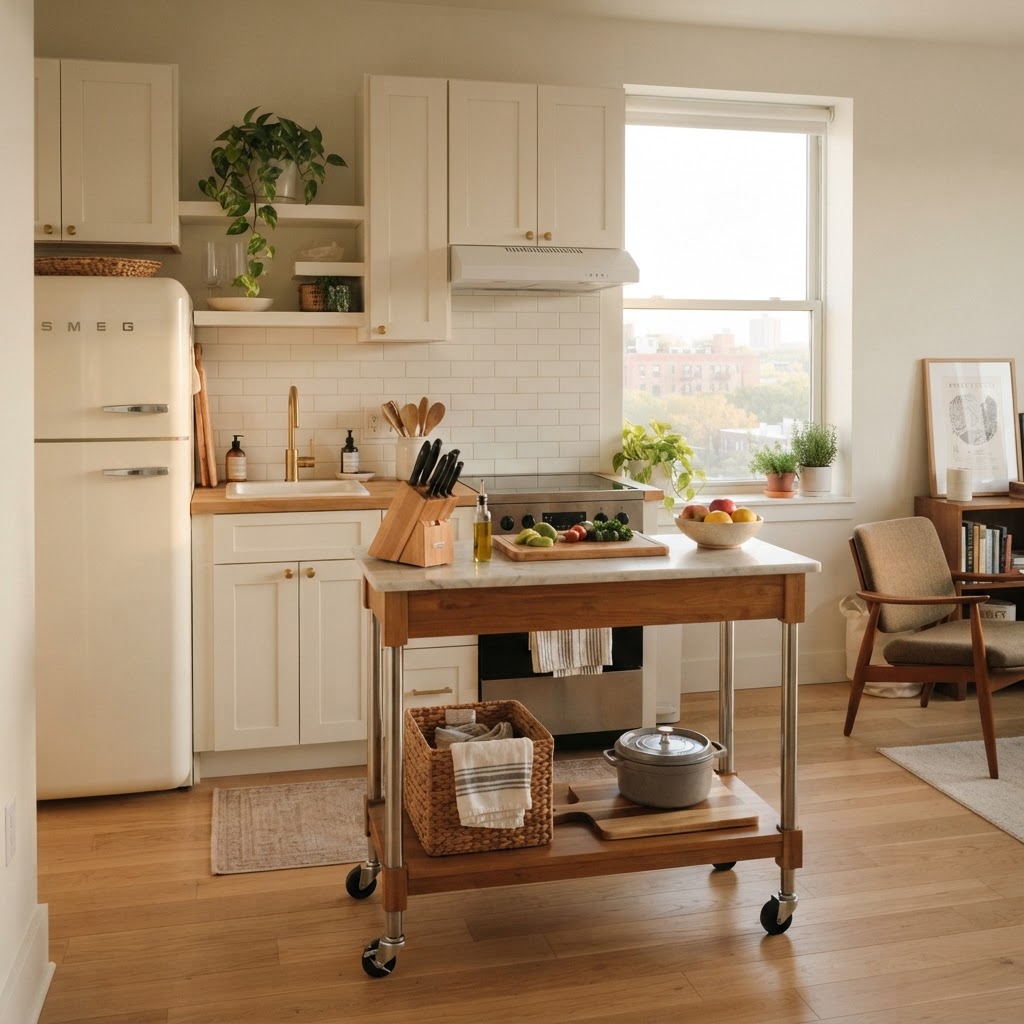
In a real-life scenario, you need your home to work for you. Multifunctional furniture is a game-changer for those tight on space. Think about a sofa bed for guests or a desk that folds into the wall when not in use. These pieces allow your apartment to adapt to your needs throughout the day, ensuring you never feel constrained by your square footage. Research indicates that modular furniture can increase the effective utility of a room by 40% compared to static, single-use furniture pieces. Focus on items with hidden casters to make rearranging easy.
Flexibility in Small Spaces
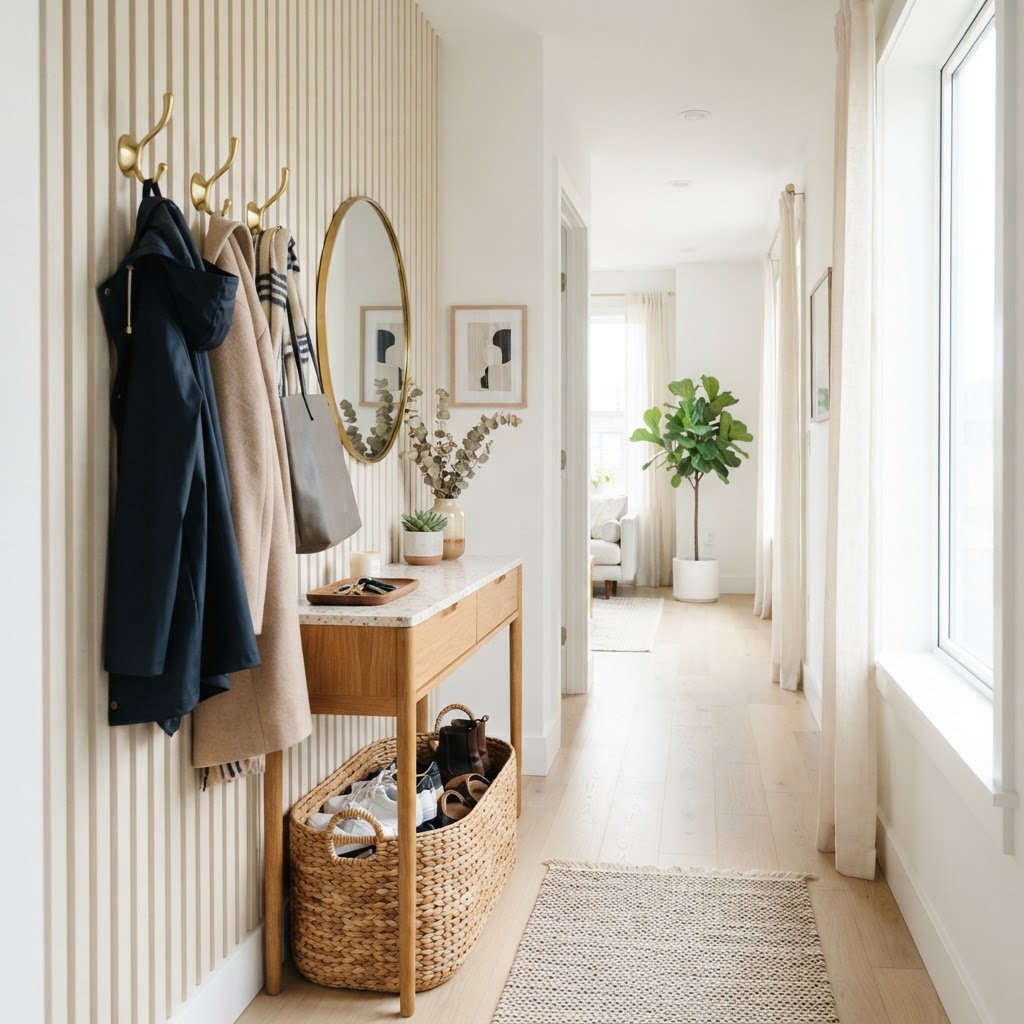
Don’t be afraid to rearrange your furniture as seasons change or your habits evolve. Perhaps you need a dedicated workspace during the day but want a cozy spot to watch movies at night. A small apartment is a living, breathing space that should shift to accommodate your lifestyle. Embrace the versatility that comes with choosing pieces that double duty, like a bench that acts as both seating and shoe storage near the entryway.
FAQ
Q: How do I make a small apartment look bigger on a budget?
Use a light, neutral color palette on walls and floors to reflect light. Combined with strategically placed mirrors and floor-to-ceiling curtains, these low-cost changes create the illusion of expansive, airy space even in the tightest footprints.
Q: What is the best type of furniture for tiny apartments?
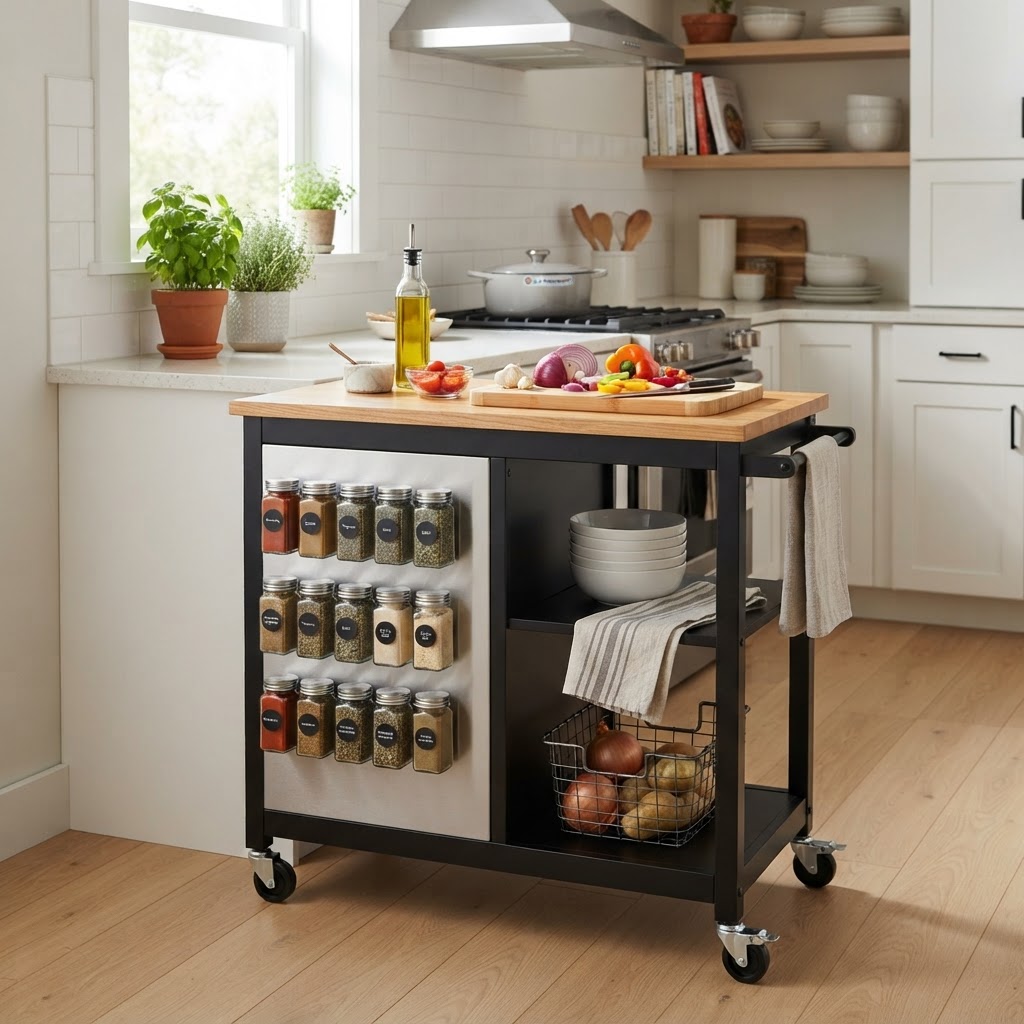
Multifunctional furniture is essential for tiny spaces. Prioritize items like ottomans with internal storage, nesting tables, and wall-mounted desks, which provide necessary utility while keeping the floor clear of visual clutter.
Q: How can I add decor to a rental without losing my security deposit?
Peel-and-stick wallpaper and command-strip hooks are the best ways to add personality without damaging walls. These temporary solutions allow you to change your style frequently without needing landlord approval or risking your security deposit.
Q: What is the secret to keeping a small space organized?
Effective organization in small spaces relies on using vertical wall space for shelving and strictly following a “one-in, one-out” rule. Spending fifteen minutes each evening returning items to their designated homes prevents daily debris from accumulating on flat surfaces.
Q: How should I arrange furniture in a studio apartment?
Use area rugs to define specific zones for sleeping, working, and lounging. Floating furniture away from walls creates better circulation and gives the apartment a more intentional, high-end design feel rather than appearing like a cluttered storage unit.