Budget-Friendly Overnight Ideas to Upgrade Small Rentals
To transform a small rental overnight without permanent changes, prioritize high-impact, temporary upgrades such as installing peel-and-stick wallpaper, swapping cabinet hardware, and layering lighting sources. These budget-conscious modifications instantly elevate a rental’s aesthetic, providing a sophisticated, personalized atmosphere while ensuring full security deposit protection upon your eventual move-out.
Assess Your Space and Define Your Vision
Conducting a systematic audit of your floor plan and lighting conditions is the most effective way to prioritize high-impact projects that yield the greatest visual return on your investment. Most small apartments suffer from “dead zones” where poor lighting or inefficient furniture placement restricts movement and makes rooms feel cramped. By measuring your floor area and noting where natural light hits, you can determine exactly where to place mirrors or rugs to maximize space. Spending two hours mapping out your vision ensures you stay within your budget, which typically averages $200–$500 for a full room transformation, rather than purchasing unnecessary decor that creates clutter.
Why Planning Matters
Starting with a clear, room-by-room plan prevents the “scattered” aesthetic common in rental living. Categorize your needs into two lists: functional requirements (e.g., storage, lighting) and decorative goals (e.g., color, texture). This ensures that every item purchased serves a purpose, preventing impulse buys that inflate costs. Aligning your layout with daily habits, such as ensuring a dedicated reading nook exists if you prioritize relaxation, makes the home feel intentional rather than temporary. By focusing on a single room at a time, you can maintain quality control and manage your finances more effectively, avoiding the overwhelming nature of whole-apartment overhauls.
Lighting Tweaks for Instant Ambiance
Optimizing your lighting setup is the single fastest way to neutralize the harsh, sterile aesthetic of standard-issue rental fixtures without requiring an electrician. Most builders install high-Kelvin fluorescent or cool-toned LED bulbs that cast an unflattering glare, making rooms feel like institutional offices. Replacing every bulb in your unit with 2700K (warm white) LEDs will instantly soften the room and make wood tones and fabrics appear richer. This is a cost-effective project, usually totaling less than $40 for a standard one-bedroom apartment, and can be completed in under 30 minutes.
The Layering Strategy
Achieve a professional interior design look by incorporating at least three light sources per room to eliminate shadows. Use a “triangle of light” approach: a floor lamp for general ambient light, a task lamp for productivity, and accent lighting (like smart LED strips behind a TV or under cabinets) for depth. If you cannot hardwire permanent fixtures, plug-in wall sconces with cord covers offer an elegant solution that mimics custom electrical work. By keeping your lighting at eye level or below, you soften the room’s “harshness,” making the environment feel intimate and sophisticated, which effectively masks low-quality rental materials like cheap linoleum or generic baseboards.
Textile Upgrades for Softness and Color
Strategic use of textiles acts as a high-impact disguise for unsightly rental features like scuffed hardwood or worn carpeting. An oversized area rug—ideally one that covers 70–80% of the floor space—acts as a visual foundation that anchors your furniture and distracts from aging flooring. Choose high-durability, low-pile materials for high-traffic areas to ensure they stay looking clean longer. Layering a secondary, smaller textured rug on top can introduce color and personality while remaining budget-friendly. These additions also improve acoustic quality in empty, echoing rooms, adding a layer of “heaviness” and luxury to otherwise cold environments.
Choosing the Right Curtains
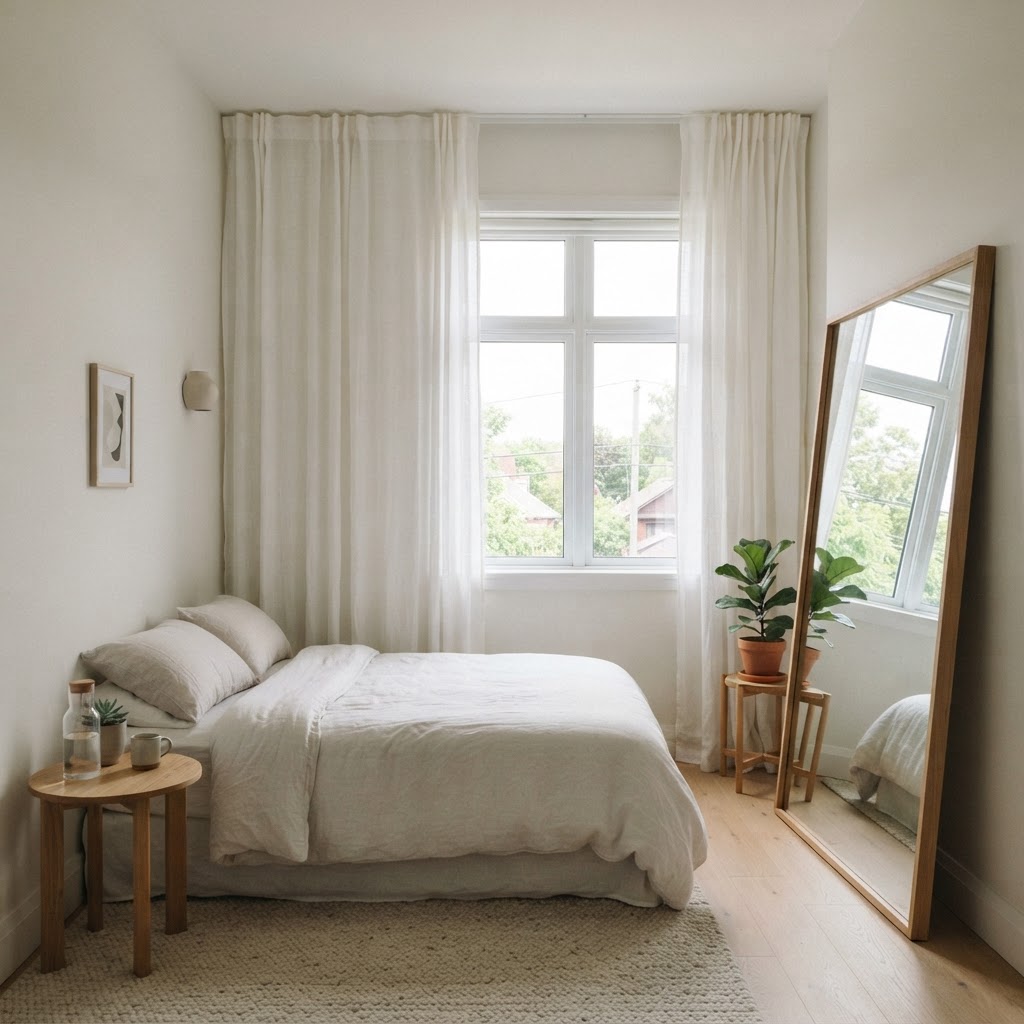
Mounting curtains at the ceiling line, rather than directly above the window frame, creates an illusion of architectural height that makes standard 8-foot ceilings feel significantly loftier. Use a rod that extends at least 6–10 inches beyond the window frame on each side to ensure the drapes don’t block sunlight when pulled open. This technique allows for a full view of the glass while making the window appear larger. Opt for sheer, light-filtering fabrics if privacy is a concern, as they maintain a bright, airy feeling while preventing neighbors from seeing into your space during the day.
Removable Wall Treatments
Temporary wall treatments, specifically peel-and-stick wallpaper, allow you to inject personality into a rental without violating lease agreements. These products have evolved significantly, now offering textured finishes like grasscloth or vinyl-protected patterns suitable for high-humidity areas like kitchens or bathrooms. A single accent wall can dramatically shift the mood of a room, creating a custom focal point that draws attention away from dated paint colors. Always test a small corner with a sample piece first to ensure the adhesive does not lift existing paint, though most premium brands are engineered to be safe for standard wall finishes.
Art and Gallery Walls
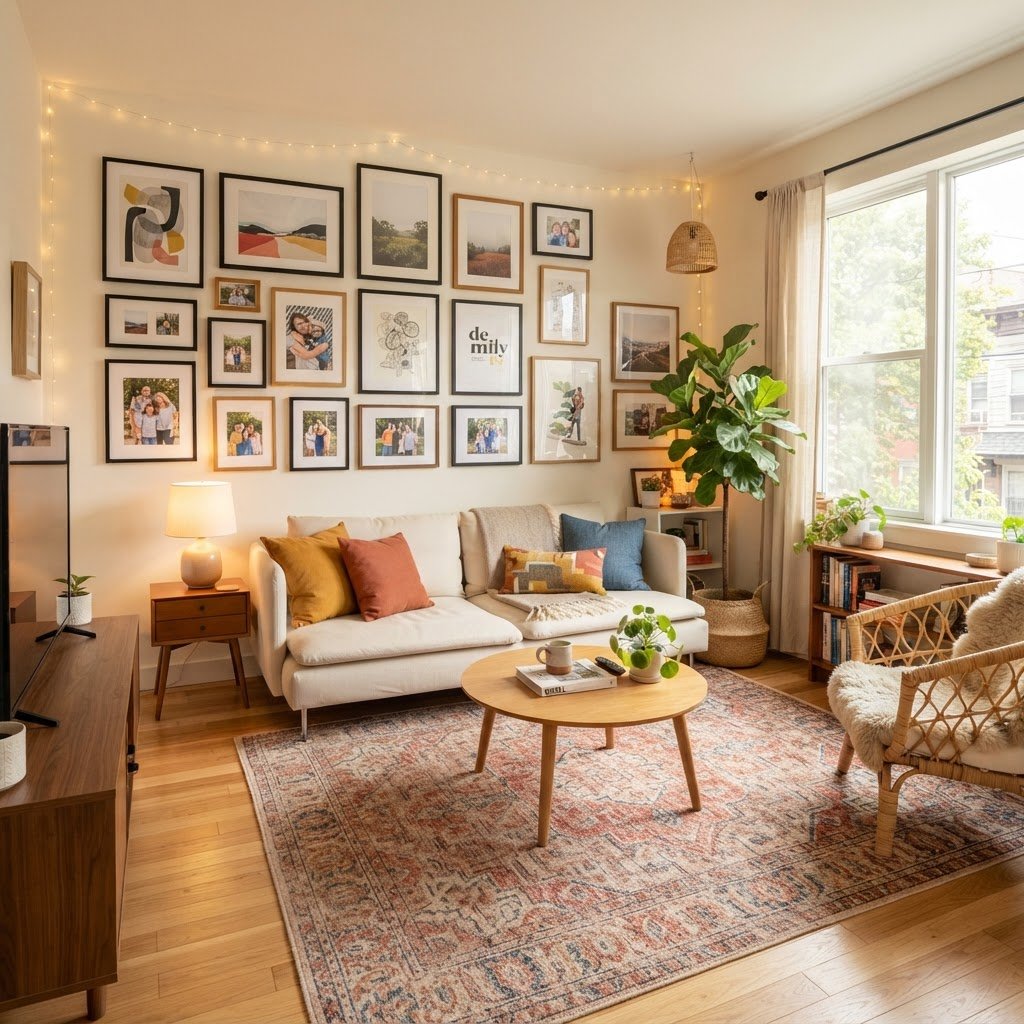
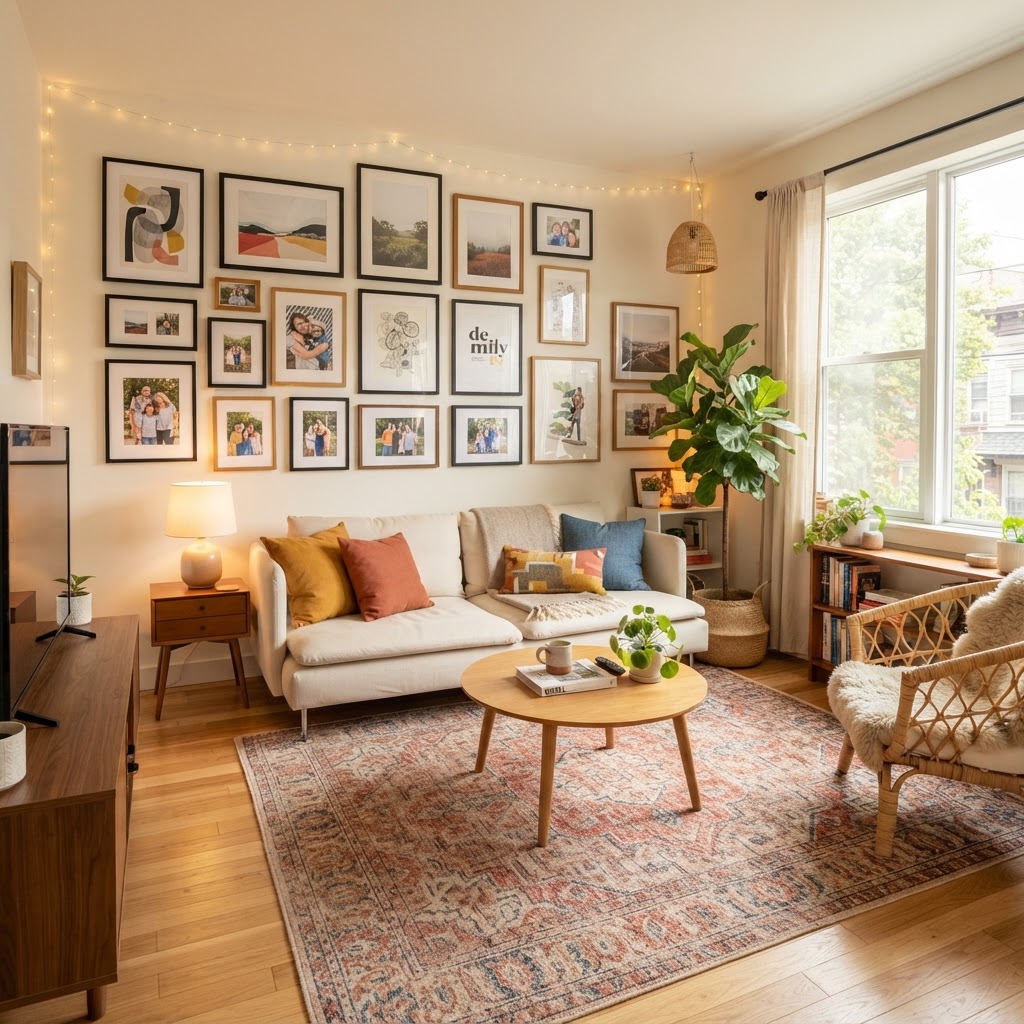
Gallery walls are the most effective way to fill large, empty wall spaces without permanently damaging surfaces. Use damage-free adhesive strips or specialized mounting putty that can hold frames up to 5–10 pounds securely. For a curated look, limit your color palette to two or three cohesive shades, or mix media like photographs, dried pressed flowers, and fabric art to create texture. You can source budget-friendly art through public domain digital archives, printing them at local office supply stores for as little as $2 per print, then placing them in thrifted, matching frames for a high-end, gallery-style aesthetic.
Furniture Placement and Functionality
Effective furniture placement is essential in small rentals because it defines the “flow” of your home without the need for structural changes. Avoid the “perimeter trap”—pushing all your furniture against the walls—which creates a dead zone in the center of the room. Instead, “float” your furniture to create distinct zones, such as a dedicated living area and a separate reading corner. Use area rugs to further delineate these zones. This arrangement encourages better traffic flow and makes the apartment feel intentionally designed. Always leave at least 30 inches of space for major walkways to prevent the room from feeling claustrophobic or cluttered.
Utilizing Vertical Space
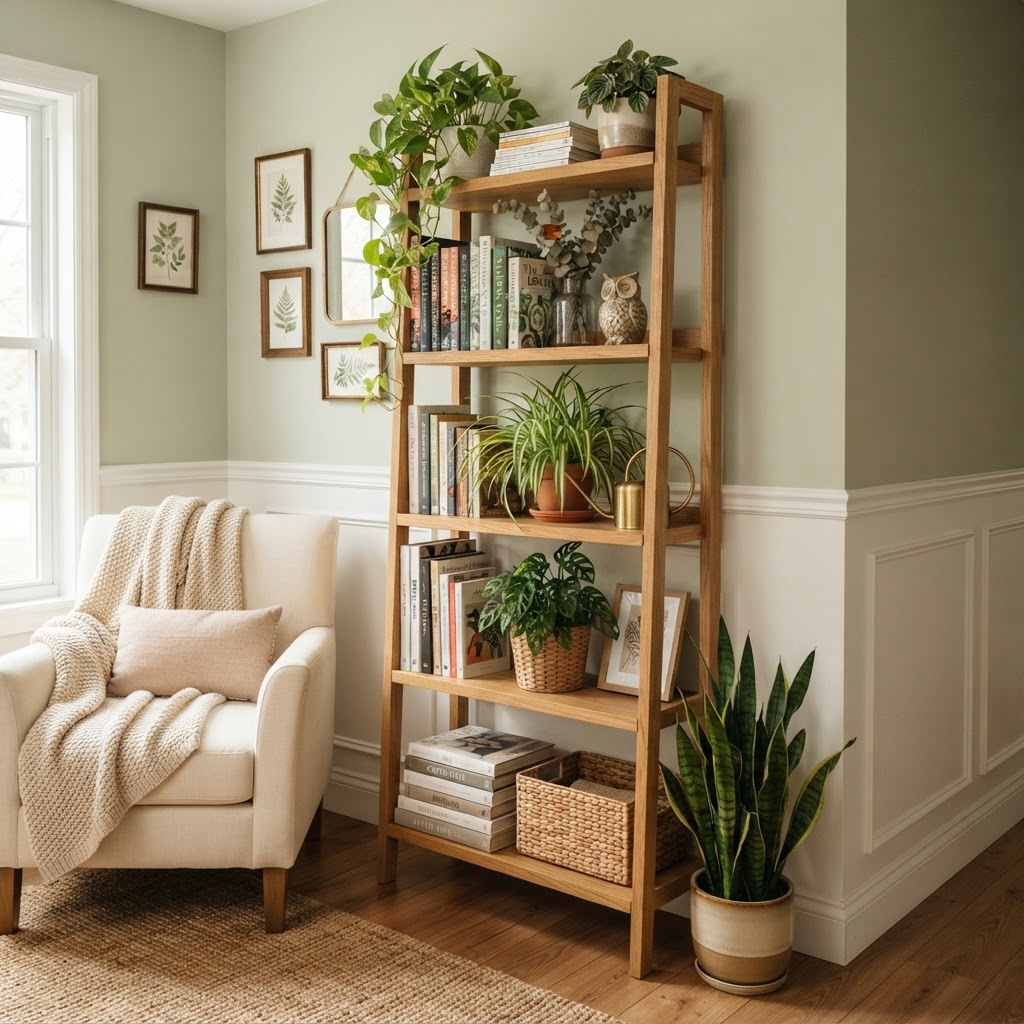
When floor square footage is at a premium, utilize the walls for storage to keep the floor clear and the room looking open. Tall, narrow shelving units draw the eye upward, reinforcing the sense of height and providing massive storage capacity for books, plants, and decorative storage bins. When selecting shelving, opt for open-backed styles if you want to keep the space feeling light, or enclosed cabinets if you need to hide clutter. Mounted floating shelves are perfect for small kitchens to display glassware, freeing up essential cupboard space for less attractive pantry items, thereby optimizing your kitchen’s overall function.
Enhancing the Kitchen and Bath
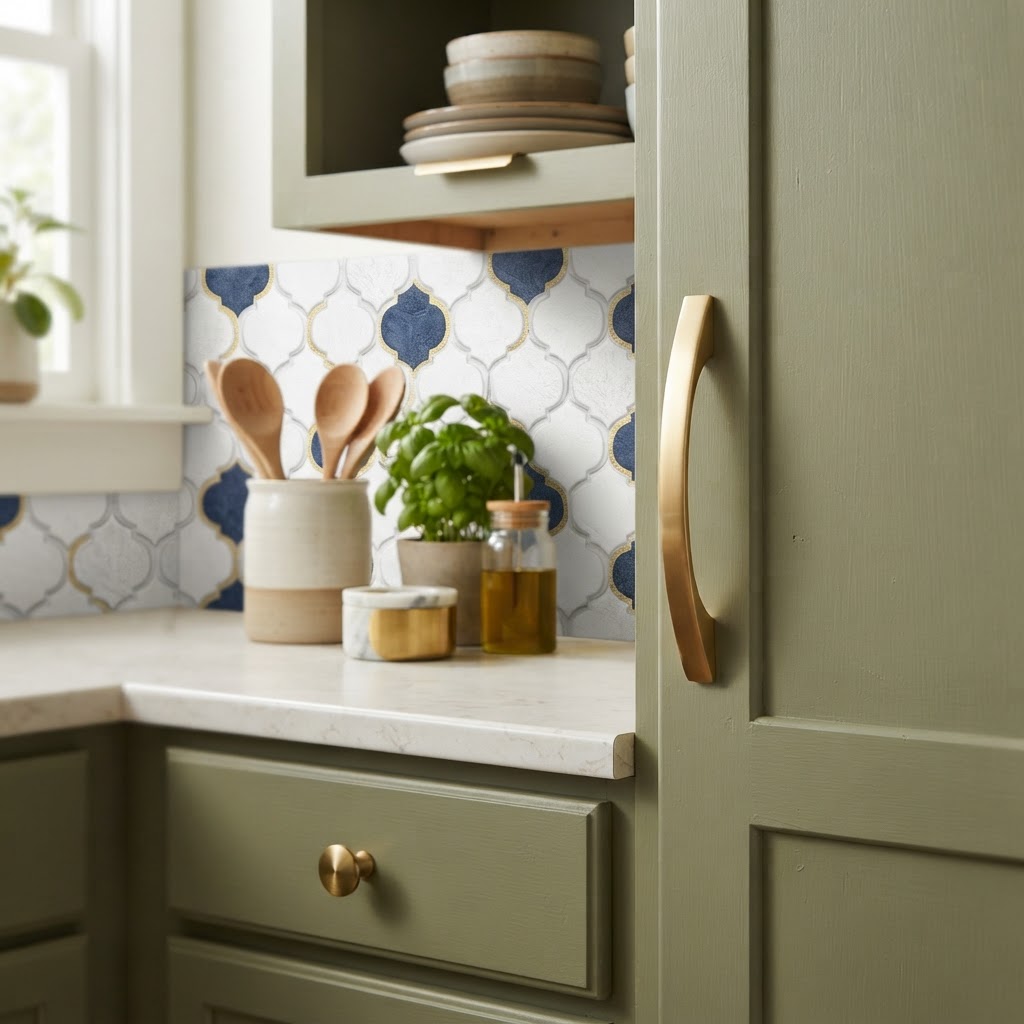
Kitchen and bath upgrades can be executed for under $100 by focusing on modular hardware and surface enhancements. Cabinet pulls and knobs are the most frequent offenders for making a kitchen look dated; swapping these out for matte black or brushed gold hardware creates an immediate modern feel. Keep the original hardware in a labeled plastic bag to swap back before moving out. For bathrooms, focus on upgrading the shower curtain to a high-quality fabric liner rather than a plastic one, as this covers a large percentage of the room’s visual surface area and sets the tone for the entire space.
Simple Bathroom Updates
Transform your bathroom into a spa-like environment by introducing organic elements and high-quality textiles. Replace standard-issue towel bars with adhesive command hooks if you need more hanging space, and invest in a thick, high-density bath mat to cover outdated floor tile. Adding a touch of greenery, such as a moisture-loving pothos or a realistic faux plant, provides a necessary organic pop of color against cold, tiled surfaces. Matching dispensers for soap and lotion, rather than using plastic store-bought bottles, remove visual clutter and create a clean, consistent look that mimics luxury hotel amenities.