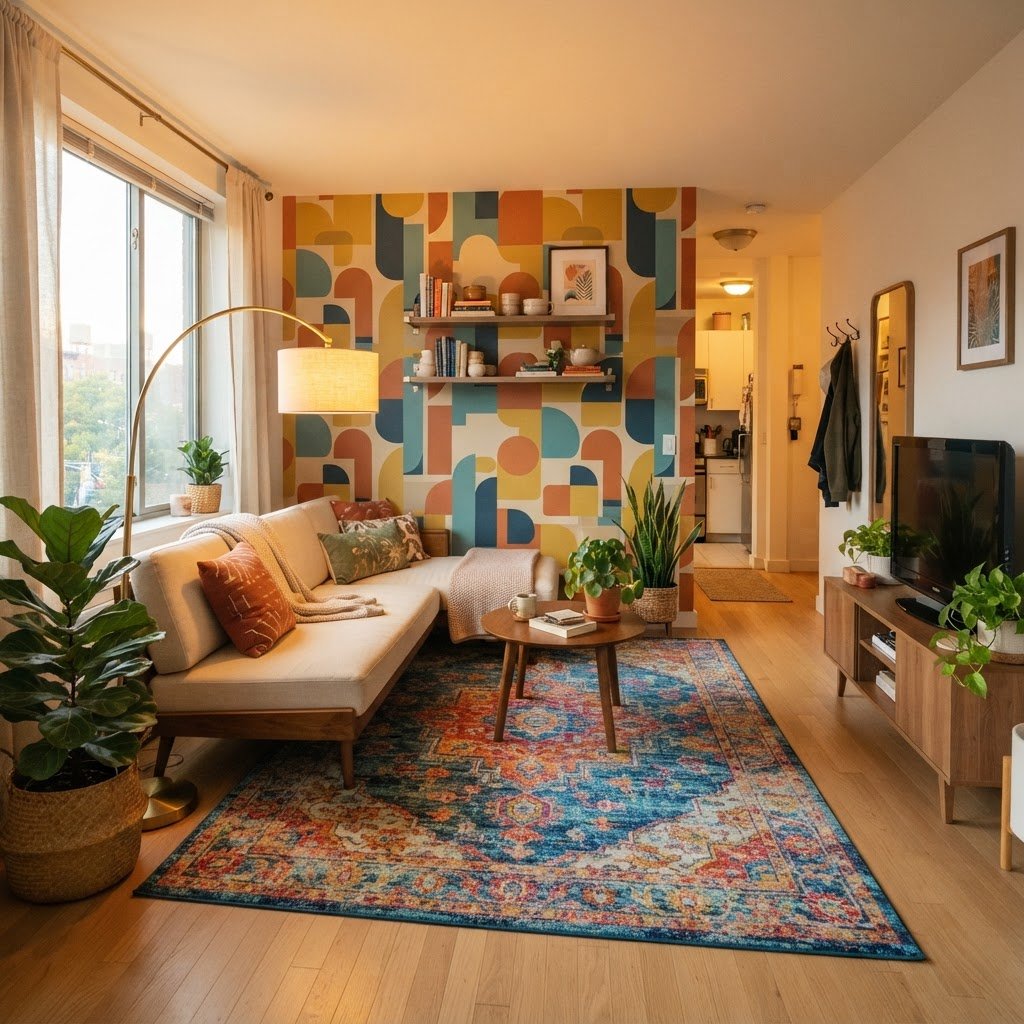
Cheap ways to upgrade a small rental without losing your deposit include using peel-and-stick wallpaper, swapping cabinet hardware, utilizing tension rods for curtains, and layering area rugs to cover flooring. These non-permanent, reversible modifications allow you to customize your space safely while ensuring you recover your full security deposit upon moving out.
Understanding the Boundaries of Your Lease
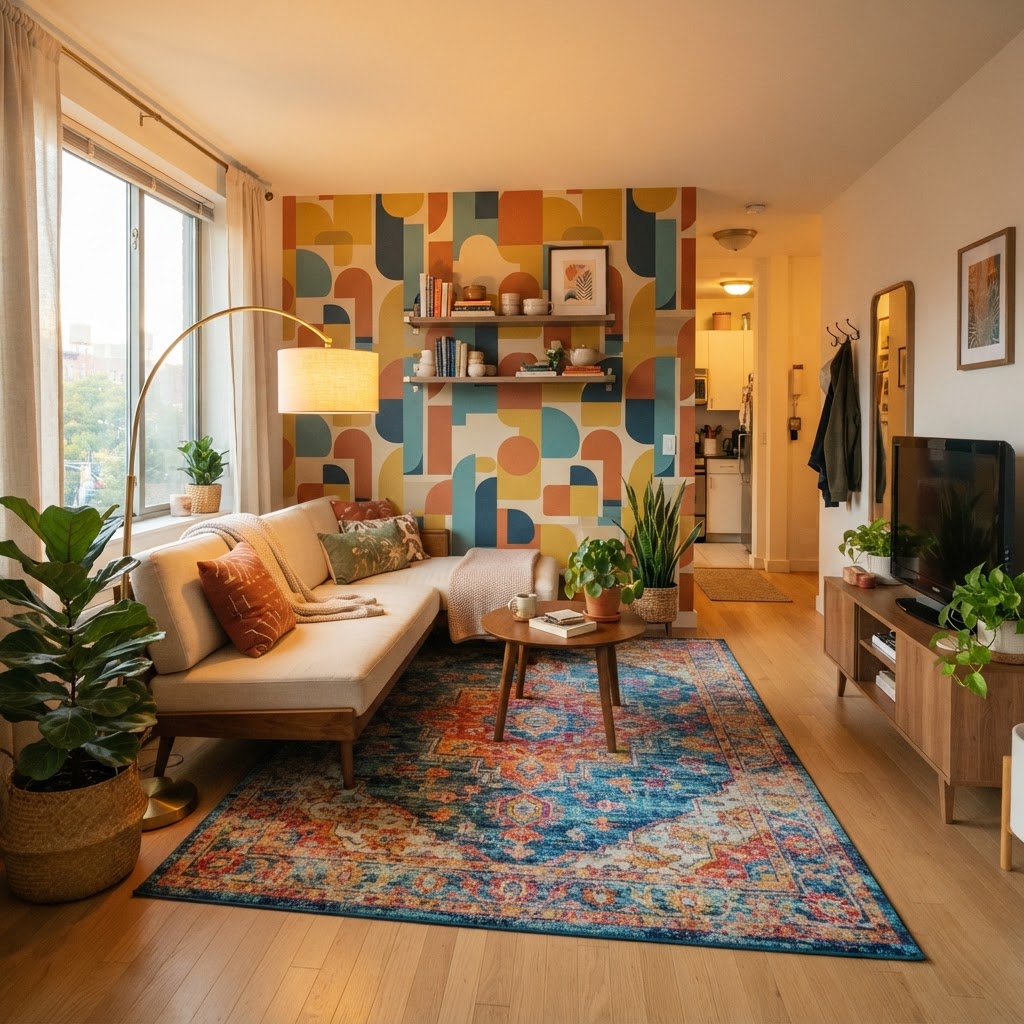
Before you pick up a screwdriver or a roll of tape, the absolute first step is to read your lease agreement. Most landlords are reasonable about “normal wear and tear,” but they are notoriously strict about structural changes. Anything that requires nails, paint, or permanent adhesive is usually off-limits. However, understanding these boundaries is actually a creative constraint that forces you to think outside the box.
Knowing What Is Reversible
The golden rule of renting is simple: anything you do must be completely reversible within a few hours. If you add it, you must be able to remove it without a trace. This means avoiding heavy-duty wall anchors, permanent glue, or hardware that requires drilling into cabinetry. If you are unsure, ask your landlord for written permission. You would be surprised how many property owners are open to small upgrades if they don’t have to pay for them. To help plan your approach, refer to this comparison of common renter-friendly techniques:
Lighting Fixes That Make a Big Impact
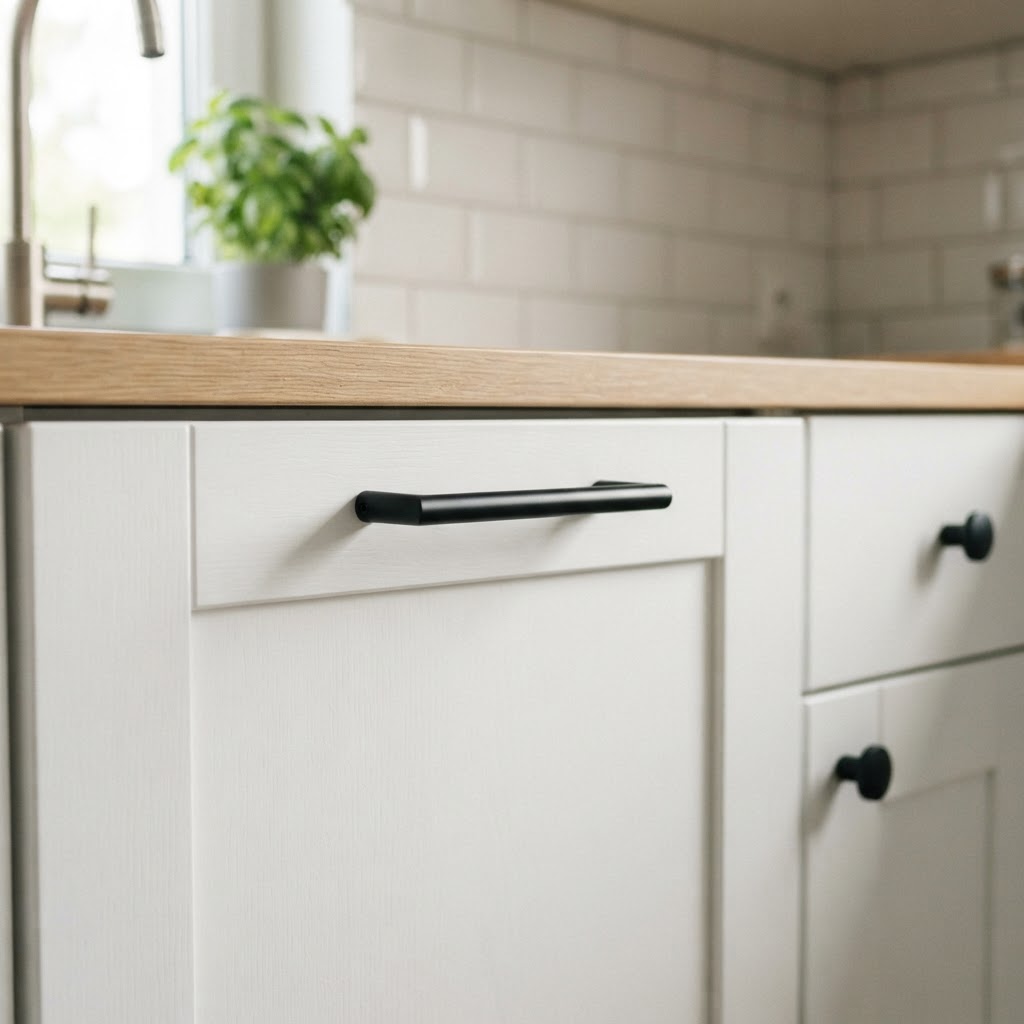
One of the most effective cheap ways to upgrade a small rental is to swap out harsh, standard-issue lighting for warmer, layered sources. Most rentals come with uninspiring “boob lights” or clinical fluorescent fixtures that instantly age a room. While you shouldn’t attempt to rewire an electrical fixture, you can easily replace the glass shades or bulbs with warmer options. Keep the original fixtures in a labeled box in your closet to reinstall before your move-out inspection.
Wallpaper and contact paper are the best friends of the modern renter, offering an immediate aesthetic shift for less than $100 per project. Peel-and-stick wallpaper has come a long way in terms of quality and style, often featuring vinyl-based materials that resist moisture and humidity. Whether you want a bold accent wall or a subtle textured look, these products provide a high-end finish that pulls away cleanly when you are ready to move. This is one of the most transformative cheap ways to upgrade a small rental without losing your deposit.
Creative Uses for Contact Paper
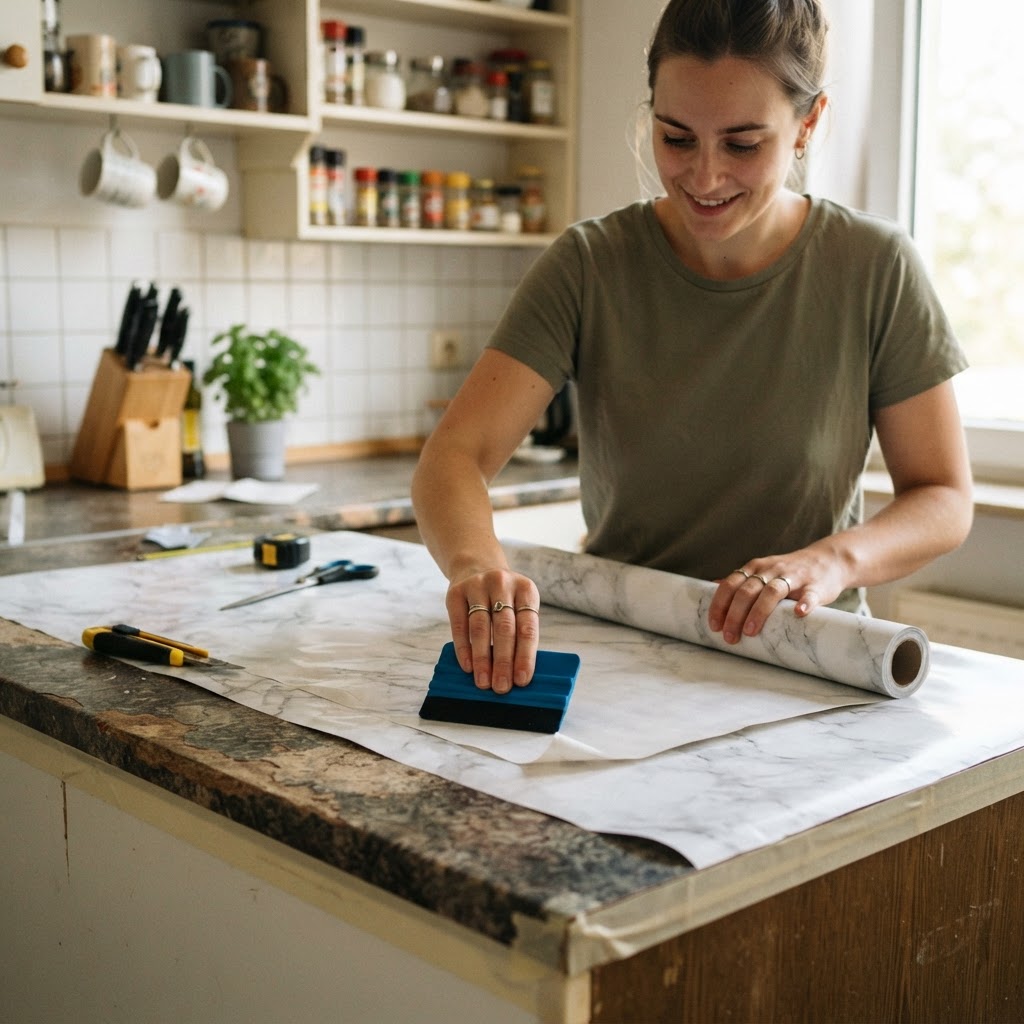
Contact paper isn’t just for walls. You can use it to cover hideous countertops, dated cabinet fronts, or even to add a faux-marble finish to a cheap IKEA coffee table. The key is to measure twice and cut once. Always clean the surface thoroughly with isopropyl alcohol before applying the adhesive to ensure a smooth, bubble-free finish that peels off easily when you’re done. For high-traffic kitchen areas, select heavy-duty, heat-resistant contact paper to prevent bubbling or tearing over time.
Elevating Floors Without Replacing Them
Rental flooring is often the most difficult element to ignore, as it is usually worn or outdated, but you can effectively mask it with strategic textile choices. Since you cannot replace the carpet or hardwood, the best solution is to cover it up with large area rugs. A high-quality 8×10 rug can anchor a furniture layout and hide an ugly linoleum floor entirely, providing a soft surface that protects your feet and the subfloor. Layering rugs is another great technique that adds texture and personality to a room while softening the sound in a small unit.
Area Rugs as a Design Foundation
When choosing rugs, opt for patterns or colors that complement your existing furniture. If your rental has wall-to-wall carpeting that you dislike, layering a flat-weave rug on top can completely change the aesthetic of the space. Remember to use a rubberized rug pad—typically costing under $30—underneath to prevent slipping and to add extra cushion, which makes a massive difference in comfort and perceived quality of the room.
Smart Window Treatments for Privacy and Style
Rental windows often feature cheap, plastic blinds that feel flimsy and look dated, but you can easily replace them without damaging the casing. A simple solution is to mount tension rods inside the window frame. Tension rods allow you to hang curtains or roman shades without drilling a single hole in the wall. This gives you the flexibility to choose fabric that matches your decor while providing much-needed privacy. By hanging curtains higher and wider than the window frame, you can trick the eye into thinking the windows are larger than they actually are.
Furniture Choices That Maximize Small Spaces
In a small rental, every piece of furniture must earn its keep through multi-functional utility. Look for pieces such as an ottoman with interior storage or a coffee table that rises into a desk. By choosing furniture that serves two purposes, you reduce clutter and create an environment that feels organized rather than cramped. Vertical storage, like tall bookcases or over-the-door organizers, can also help you utilize the height of your rooms, adding an estimated 20-30% more usable surface area in a studio layout.
Creating Zones in Open-Concept Rentals
If your rental is a studio or a small one-bedroom, use furniture to define zones. A bookshelf can act as a room divider between your sleeping area and your living area, effectively creating two distinct rooms without any construction. Rugs, lighting, and placement are the tools you need to build these “rooms” within your apartment. Proper zoning allows for 25% better flow in cramped apartments, preventing the “cluttered storage room” feel.