Cheap Ways to Make a Small Rental Look Designer Without Drilling
To make a small rental look designer without drilling, focus on layering warm-toned floor lamps, using adhesive-backed wall decor, incorporating high-quality textiles like floor-to-ceiling curtains, and maximizing vertical storage with tension rods. These non-permanent modifications instantly elevate a space by removing standard rental blandness while keeping your security deposit safe.
Master the Art of Lighting
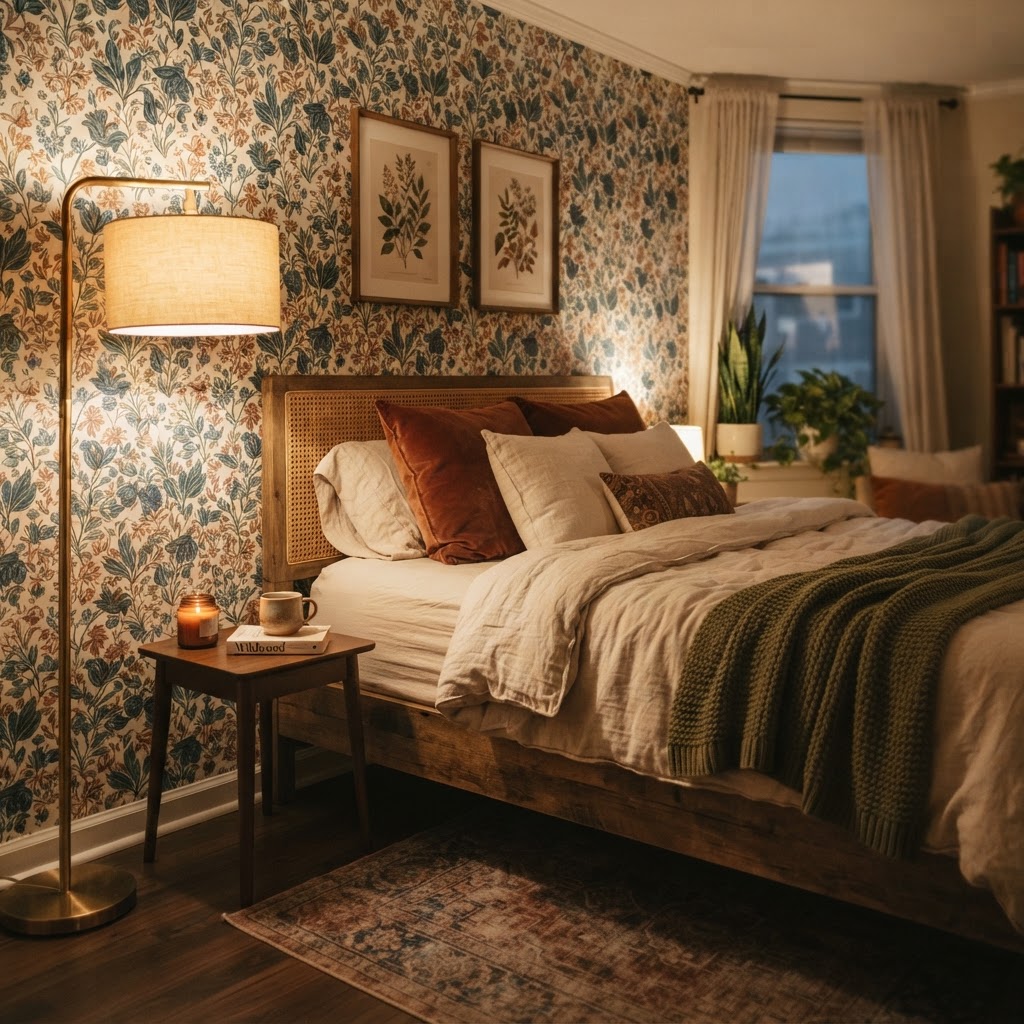
One of the most effective ways to make your home look expensive is through layered lighting that replaces standard clinical overhead fixtures. By strategically placing floor lamps, table lamps, and wall sconces secured with 3M Command strips, you shift the room’s ambiance from institutional to bespoke. Professional designers often utilize a “three-point lighting” rule for small rooms: place a floor lamp in one corner, a table lamp on a surface, and an accent light elsewhere to create a balanced, glow-filled environment.
Warm-toned bulbs (2700K to 3000K) are essential for achieving a high-end feel, as they soften harsh white walls common in apartments. Opt for lamps with heavy sculptural bases or textured linen shades to serve as permanent decor pieces. Lighting is the secret ingredient that turns a bland box into a sanctuary; it hides imperfections in rental-grade paint and adds depth through intentional shadows. By avoiding the “big light” and relying on localized pools of light, you curate a mood that feels permanent and luxurious, effectively masking the temporary nature of your living situation.
Why Lighting Matters
Lighting controls the mood of your entire apartment. By avoiding the overhead “big light” and relying on localized pools of light, you create depth and shadows that hide minor imperfections in the walls or flooring. This creates a cozy, layered look that feels intentionally curated rather than temporary.
Utilize Adhesive and Tension Solutions
Modern technology has gifted renters with incredible tools for hanging art and shelving that require zero holes. Removable adhesive strips, like those rated for 15+ pounds, allow for large-scale gallery walls without the need for drywall anchors. Beyond hooks, tension rods are a secret weapon for renters; they can be wedged between door frames or inside window casings to hold heavy curtains or serve as makeshift room dividers, effectively zoning an open-concept apartment without permanent structural changes.
By thinking vertically and utilizing non-permanent hardware, you maximize storage while maintaining a clean, high-end appearance. For instance, using tension rods inside kitchen cupboards to organize lids and trays clears off counter space, which is critical for a “designer” look where surfaces remain largely uncluttered. This structural efficiency creates the illusion of more space, making a standard one-bedroom apartment feel like a luxury studio through clever spatial management.
Upgrade Your Textiles for Instant Luxury
Cheap rental carpeting or worn linoleum can instantly drag down the vibe of a room, but high-quality layering acts as an immediate visual reset. A large area rug (ideally 8×10 for a standard living area) can cover almost any flooring sin, grounding your furniture and establishing a cohesive color palette. To maximize the impact, ensure your rug is large enough that the front legs of your sofa and chairs sit on top of it, which visually anchors the furniture set.
Beyond the floor, invest in floor-to-ceiling curtains to trick the eye into perceiving higher ceilings. By hanging curtains at least 6 inches above the window frame or even at the ceiling line, you add verticality and elegance. Soft furnishings such as velvet throw pillows, linen blankets, and textured upholstery add tactile luxury. In a small space, prioritize high-GSM (grams per square meter) fabrics; heavier weights feel more expensive and drape better, signaling quality to the eye and making the small space feel more sophisticated.
Optimize Storage with Verticality
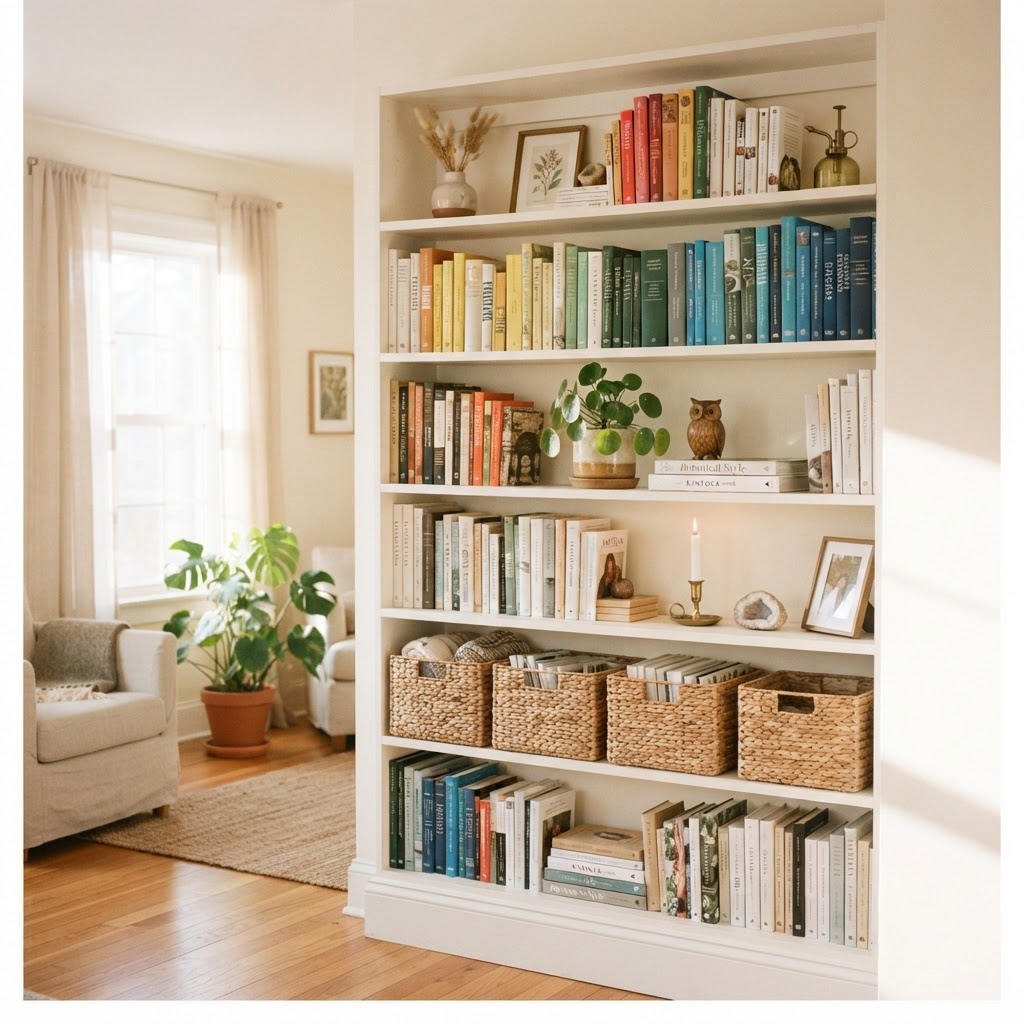
Clutter is the enemy of a designer-looking home, especially in small rentals where square footage is at a premium. When you have limited floor space, you must take your storage vertical by utilizing wall-height shelving units that draw the eye upward toward the ceiling. Using uniform, high-quality baskets and bins—like seagrass or matte metal—to corral loose items creates a cohesive visual rhythm that looks intentional and organized rather than chaotic.
To ensure your storage looks “designer,” follow the 70/30 rule: 70% of your items should be hidden in closed storage or bins, while 30% can be curated as decor on open shelves. This balance prevents the “small room, too much stuff” trap. Choose tall, slim bookshelves that reach toward the ceiling, as these utilize the often-ignored air space in an apartment. By consolidating all your storage into one or two large, floor-to-ceiling units, you clear the visual noise from the rest of the room, allowing your carefully selected decor pieces to stand out as intentional focal points.
Create a Designer Focal Point
Every room needs a “hero” piece to provide visual interest and a sense of luxury. In a rental, a large floor-standing mirror is one of the most effective ways to double the perceived square footage and reflect natural light into darker corners of the apartment. Pair this with a peel-and-stick wallpaper feature wall behind your bed or sofa to introduce color and pattern without the risk of paint damage. These wallpapers now come in sophisticated, high-end textures like grasscloth or subtle geometric metallic prints.
A mirror shouldn’t just be hung; lean it against the wall to create a casual, “decorator” aesthetic. If you choose oversized art, use heavy-duty adhesive velcro strips to secure the frames to the wall without drills. By concentrating your budget on one high-impact item—like a large sculptural mirror or a bold wallpapered wall—you distract the eye from the rental-grade baseboards or generic flooring, effectively elevating the entire room’s design profile with minimal financial investment.
Curate Your Collection and Declutter
Designers know that restraint is the difference between a cluttered apartment and a curated home. A room filled with too many small, cheap-looking items will always feel messy, so you must “edit” your collection by removing anything that doesn’t serve a clear aesthetic or functional purpose. Focus on a “quality over quantity” mindset; one large, high-quality ceramic vase is always better than five small plastic trinkets.
Displaying your items on open shelving or console tables creates a museum-like effect when done with purpose. Use the rule of thirds to group items: pair a tall book, a sculptural candle, and a small plant to create a balanced vignette. This curation process is entirely free and helps you refine your personal style while keeping your rental feeling open and airy. By leaving empty spaces on your shelves, you allow the eye to rest, which is a hallmark of professional interior design. Minimalism isn’t about having nothing; it’s about making sure everything you have contributes to the room’s overarching luxury.
Quick Tips for a Designer Look
- Use matching hangers in your closets to create a luxury boutique feel.
- Swap out standard plastic light switch covers for more decorative ones.
- Add greenery to bring life and color into every corner.
- Choose a consistent color palette to unify the entire apartment.
Incorporate Indoor Plants
Plants are the ultimate accessory for any designer-grade room, adding the organic texture required to balance the sterile feel of most rentals. Choose pots that match your chosen color scheme, such as matte ceramic, terracotta, or woven baskets, to maintain a consistent aesthetic. Plants such as Snake Plants (Sansevieria) or ZZ plants are excellent for rentals because they thrive in the often-low light conditions found in apartment buildings.
If you lack consistent natural light, mix high-quality faux plants with real ones. Modern faux greenery, particularly those with “real touch” technology, are virtually indistinguishable from the real thing and require zero maintenance. Place taller plants on the floor in empty corners to soften the transition between walls, or use cascading pothos on high shelves to create visual interest at eye level. By mixing varying shades of green and different leaf shapes, you create a lush, vibrant environment that feels like a professional plant stylist curated the space for you.
FAQ
Can you hang heavy items without drilling?
Yes, you can safely hang items up to 15-20 pounds using heavy-duty adhesive strips or professional-grade double-sided mounting tape. Always clean the wall surface with rubbing alcohol before application to ensure maximum adhesion and follow the manufacturer’s weight limit guidelines precisely.
How can I make a rental bathroom look designer?
Focus on replacing the shower curtain with a fabric, hotel-style curtain hung on a high-tension rod, and use matching apothecary bottles for soaps and shampoos. Swapping the towel racks for adhesive-mounted, high-end matte black or brushed gold hardware can also provide an instant luxury upgrade.
Is peel-and-stick wallpaper safe for rentals?
Most high-quality peel-and-stick wallpaper is designed to be repositionable and removable without damaging standard drywall paint. However, always test a small piece in an inconspicuous area, such as behind a door, and use a hair dryer to gently heat the adhesive when removing to ensure a clean peel.
How do you make rental windows look better?
Install curtain rods as high as possible—ideally flush with the ceiling—to draw the eye upward and make the ceilings appear taller. Using floor-length curtains that span the entire width of the wall, rather than just the window, creates the illusion of a grand, wall-to-wall window installation.
What is the most cost-effective way to change rental flooring?
Large area rugs are the most effective way to cover rental flooring because they hide stains and provide warmth without requiring permanent installation. Alternatively, adhesive vinyl floor tiles can be used over smooth surfaces, but they require careful consideration to ensure they are removable with minimal residue.

Leave a Reply