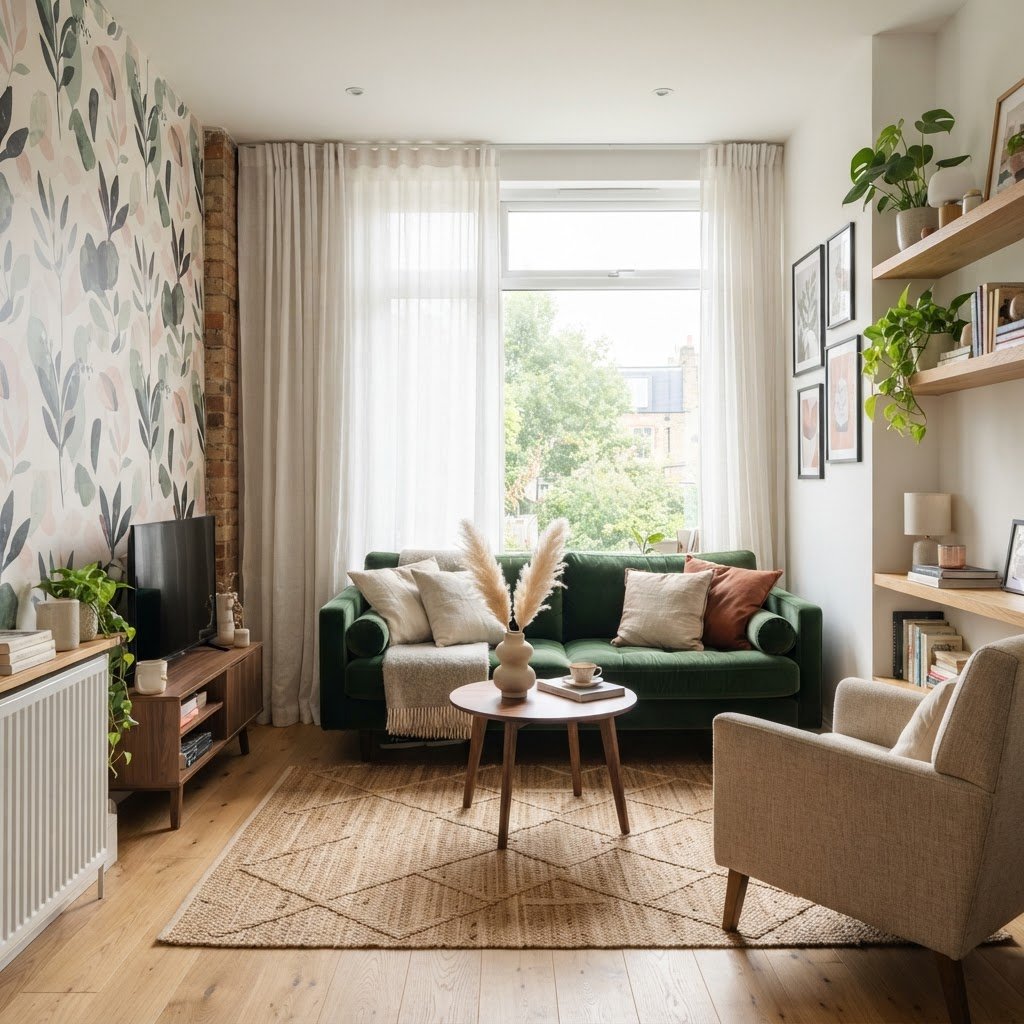
Genius Deposit-Safe Finds for Designer Tiny Rentals
You can transform a cramped rental into a high-end designer space by using non-permanent upgrades like peel-and-stick wallpaper, cabinet hardware swaps, and layered plug-in lighting. These renter-friendly, damage-free modifications prioritize temporary impact over structural changes, allowing you to elevate your home aesthetic while ensuring a full security deposit return.
The Art of Temporary Transformation
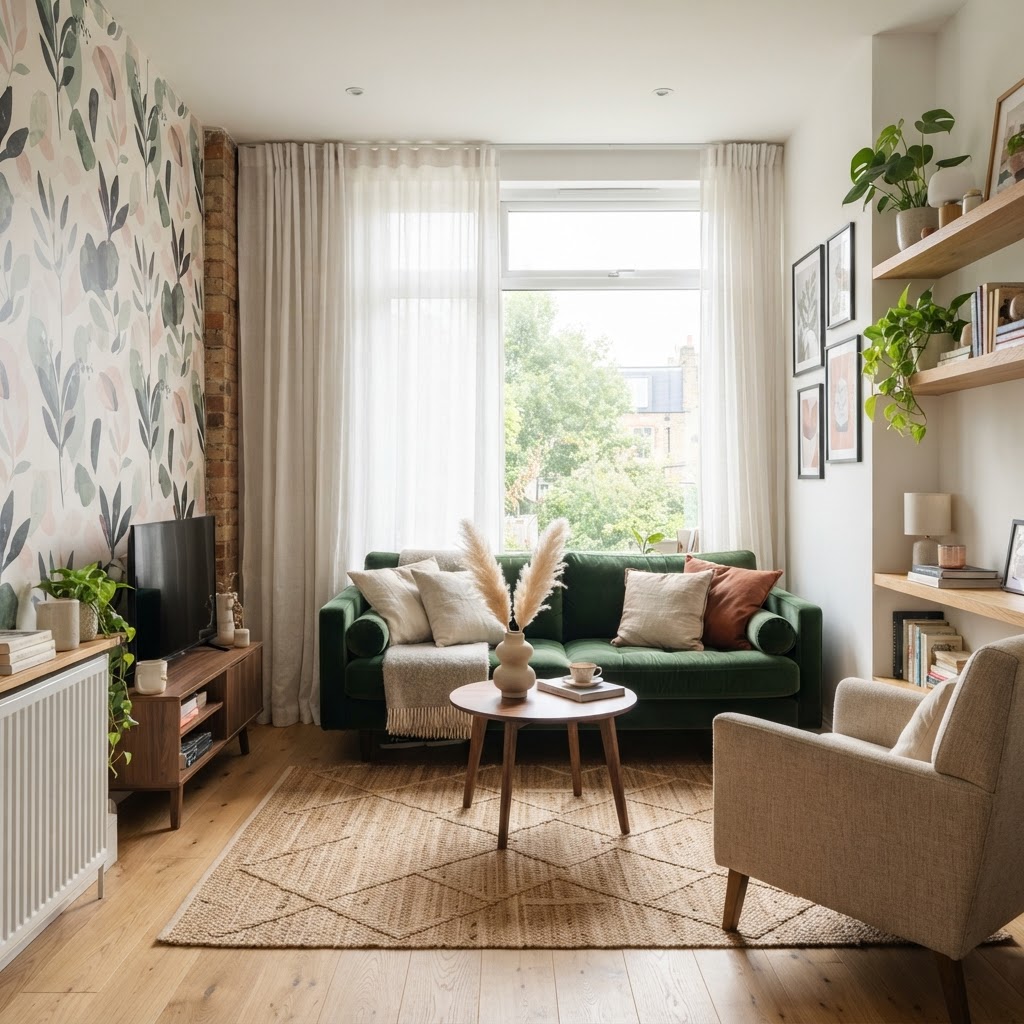
Designing a tiny rental requires a strategic approach that prioritizes impact over permanence, focusing on items that can be installed and removed in under 30 minutes. When choosing your decor, prioritize modularity and reversibility; for example, using Command strips with a weight capacity of at least 5-10 pounds or selecting freestanding furniture eliminates the need for wall anchors. By selecting items that leave no trace, you protect your bank account while gaining the creative freedom to define your environment. Professionals suggest maintaining a ‘renter-ready’ kit in a storage bin, including the original screws for hinges or the original cabinet knobs, which ensures you are prepared for a move-out inspection without scrambling for parts. This systematic approach to temporary design bridges the gap between a generic unit and a curated home, providing the mental clarity and comfort that comes from living in a space that truly reflects your personal style.
Why Deposit-Safe Decor Matters
Beyond just getting your money back at the end of your lease, there is a mental benefit to living in a space that feels like ‘yours.’ When you can customize your environment—even in temporary ways—your home becomes a more effective retreat. It is about creating a sense of permanence in a transient lifestyle. These small adjustments help bridge the gap between a generic rental unit and a personalized designer home.
Walls That Wow Without the Holes
The most common frustration for renters is the inability to paint or hang heavy art on the walls, yet modern market solutions now offer high-end alternatives that bypass landlord restrictions entirely. Peel-and-stick wallpaper has become the gold standard for adding depth and texture to a room, with top-tier brands now offering vinyl-coated options that resist moisture and humidity—making them suitable even for bathroom accents. Modern versions are incredibly realistic, with textures and finishes that mimic natural stone, grasscloth, or architectural molding. For the best result, purchase a 6-inch by 6-inch sample first to test the adhesive strength against your specific wall texture; orange-peel walls often require a stronger adhesive backing than smooth, high-gloss painted surfaces. Another brilliant, deposit-safe find is adhesive crown molding or trim made of lightweight EVA foam, which can be applied with heavy-duty double-sided mounting tape. These details create architectural interest that instantly suggests high-end construction rather than a basic rental unit, significantly elevating the perceived value of your apartment.
Strategic Use of Adhesive Decor
When applying temporary wallpaper or wall decals, the secret is in the prep work. Ensure your walls are clean and dry before starting, and always order a sample first to test the adhesion on your specific wall surface. Another brilliant, deposit-safe find is adhesive crown molding or trim. Yes, it exists! These lightweight foam options can be applied with double-sided tape, giving your room an architectural detail that instantly suggests high-end construction rather than a basic rental unit.
Elevating Lighting Beyond the Basic Ceiling Fan
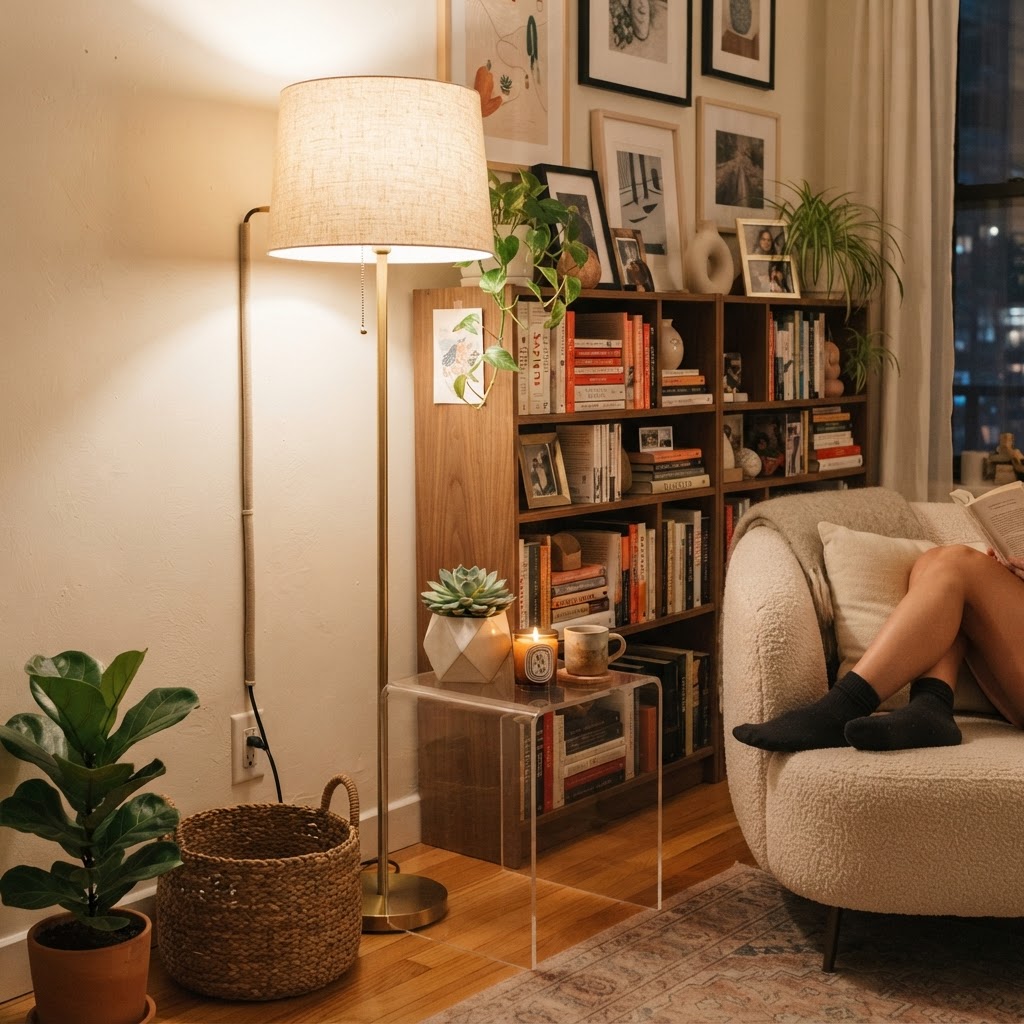
Nothing kills a designer aesthetic faster than the dreaded ‘boob light’ or a basic, dim ceiling fan, yet you can bypass the need for professional electrical work by layering ambient and task lighting strategically. Since changing out permanent light fixtures usually requires a professional electrician and landlord permission, focus on creative workarounds like cord-concealing plug-in wall sconces. To maintain a sleek, clean look that mimics hardwired installation, utilize paintable cord covers that match your wall color, effectively hiding the wires from view. In a tiny space, lighting is everything; avoid relying solely on one central overhead source, which often creates unflattering shadows in the corners of the room. Instead, aim to have at least three light sources at varying heights—table lamps on end tables, a floor lamp near a seating area, and wall-mounted sconces. Using smart bulbs with adjustable color temperatures allows you to shift from cool, energizing light for work hours to warm, ambient light (around 2700K) for evening relaxation. This simple, inexpensive strategy makes a tiny rental feel much more expansive and intentional, turning a generic room into a curated designer sanctuary.
Creating Ambiance with Layered Lighting
In a tiny space, lighting is everything. Avoid relying solely on one central overhead source. Instead, group smaller lamps on side tables and utilize floor lamps with dimmable bulbs to change the mood throughout the day. This simple strategy makes a tiny rental feel much more expansive and intentional.
Furniture That Multiplies Your Square Footage
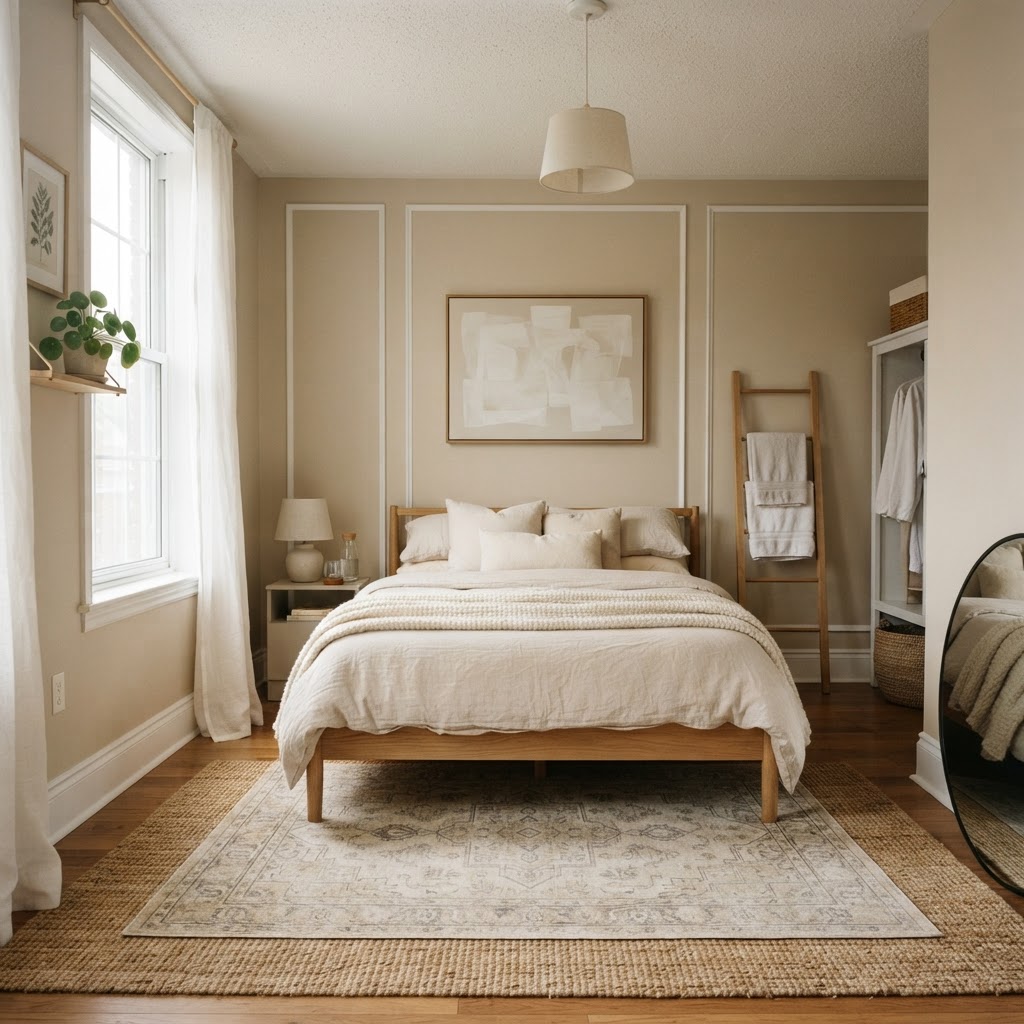
In small apartments, every inch of floor space is premium real estate, requiring you to invest in furniture that maintains a light visual footprint or serves dual purposes. Transparent acrylic or glass furniture is a classic designer trick; these pieces provide necessary utility without occupying visual space, keeping the room feeling airy and open. Furthermore, seek out pieces with hidden storage, such as ottomans with lift-off tops or bed frames with integrated drawers, to keep clutter to a minimum. A critical mistake to avoid is using only small-scale furniture; ironically, incorporating one or two larger, statement pieces—like a bold sofa or an oversized area rug—can actually make a room feel bigger by reducing the “visual noise” of too many small objects. Aim for furniture that stands on legs rather than sitting directly on the floor; seeing the floor underneath the sofa or sideboard increases the perceived depth of the room. Always measure your space for clearance paths, ensuring a minimum of 30 inches for high-traffic areas, which promotes natural flow and prevents the room from feeling claustrophobic or cluttered.
Styling Your Shelving and Surfaces
Once the foundational elements are in place, the final layer is styling, which follows the 60/40 rule to maintain a sophisticated, non-cluttered look. Specifically, 60% of your shelf should contain items, while 40% should remain as “negative space” to allow the eye to rest. Incorporate plants in varying heights, ceramic vases, and curated art prints; always group these items in odd numbers, such as clusters of three or five, which creates a more natural and visually balanced display. Avoid over-stuffing shelves with books or small trinkets, as this quickly makes a room feel cramped and chaotic. Instead, treat your surfaces like a boutique hotel room, where only a few select pieces are displayed. This intentional restraint communicates confidence in your design choices and transforms a generic rental into a personal art gallery. By periodically rotating your accessories every 3-6 months, you can keep your space feeling fresh without needing to purchase new furniture or hardware.
Why Negative Space Matters
Negative space is a luxury in a tiny rental. By intentionally leaving areas empty, you communicate that you are confident in your design choices. It prevents the room from feeling claustrophobic and instead makes it feel like an art gallery or a high-end boutique hotel room, where space is valued above all else.
FAQ
Can I install peel-and-stick wallpaper on textured walls?
Yes, but it is challenging and often requires a specific heavy-duty adhesive or a thin layer of primer first. Test a small area for 48 hours to ensure the wallpaper doesn’t peel or leave residue before committing to a full wall application.
Will Command strips damage my rental paint?
Command strips are generally safe when removed correctly by pulling the tab straight down slowly, parallel to the wall. To avoid damage, always use the correct weight capacity and ensure the wall surface is clean and free of dust before initial application.
How can I make my rental kitchen look custom without permanent changes?
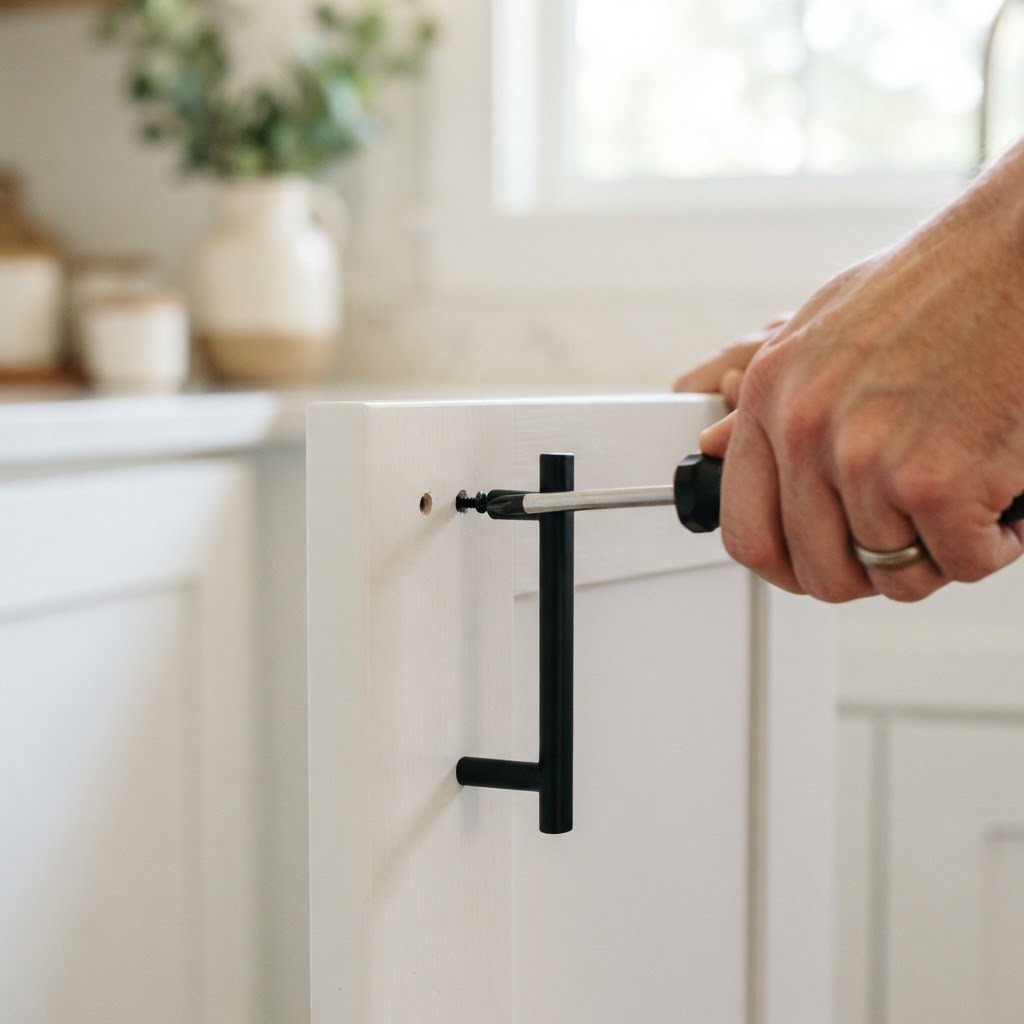
Swapping out standard cabinet pulls for high-end hardware like brass or matte black handles instantly elevates the kitchen’s look. Additionally, applying a peel-and-stick subway tile backsplash adds a finished, professional aesthetic that is completely removable at the end of your lease.
Does hanging curtains high really make a room look bigger?
Yes, hanging curtains as close to the ceiling as possible draws the eye upward, which visually elongates the walls. This trick tricks the eye into perceiving higher ceilings, making a tiny apartment feel much more spacious and airy.
What is the 60/40 rule for shelving?
The 60/40 rule suggests that 60% of a shelf should be filled with curated decor, while 40% remains empty negative space. This balance prevents visual clutter and makes your small apartment look intentional and high-end rather than crowded.

Leave a Reply