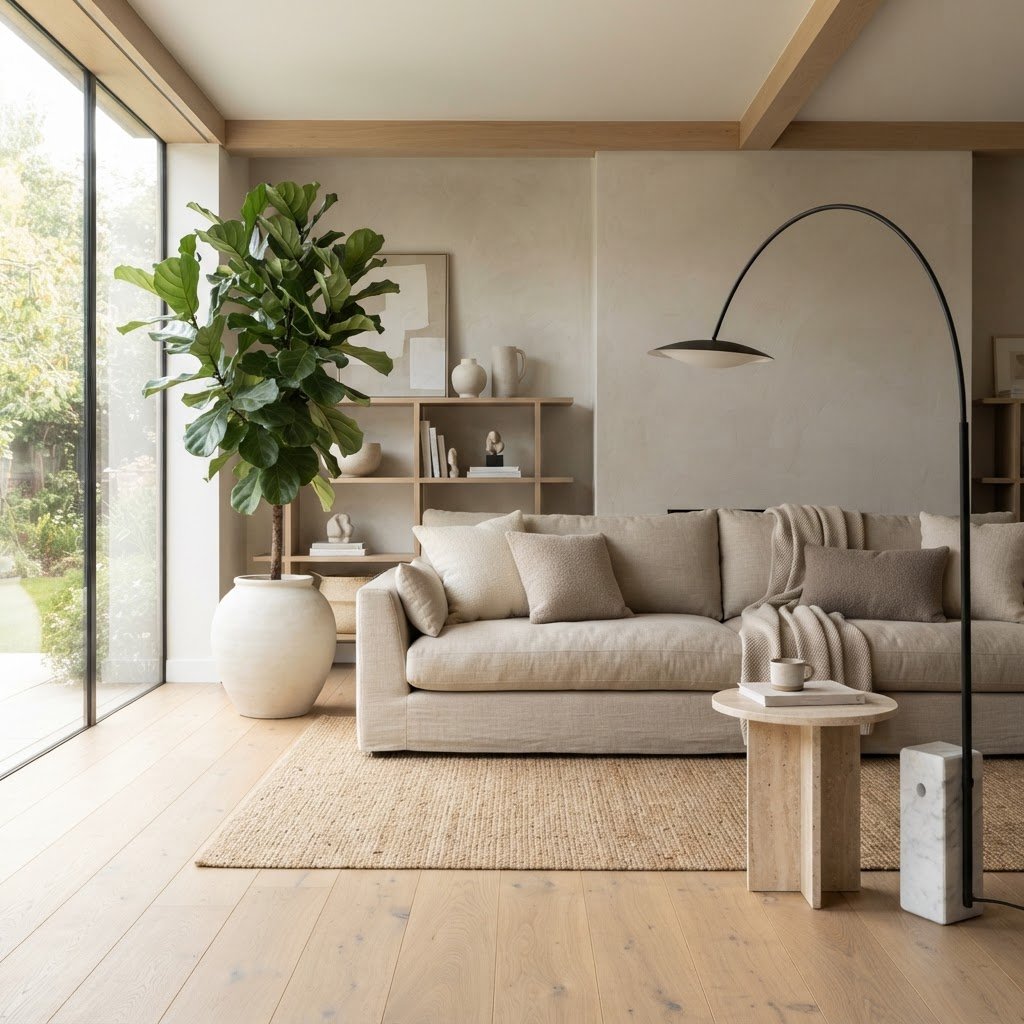
To make a small apartment look expensive without using tools, focus on creating high-end visual weight through intentional negative space, monochromatic color palettes, and ambient lighting. Prioritize one large-scale statement piece over multiple small items, incorporate layered textures like linen and velvet, and style decor in odd-numbered vignettes to evoke a curated, professional designer aesthetic.
The Psychology of Negative Space
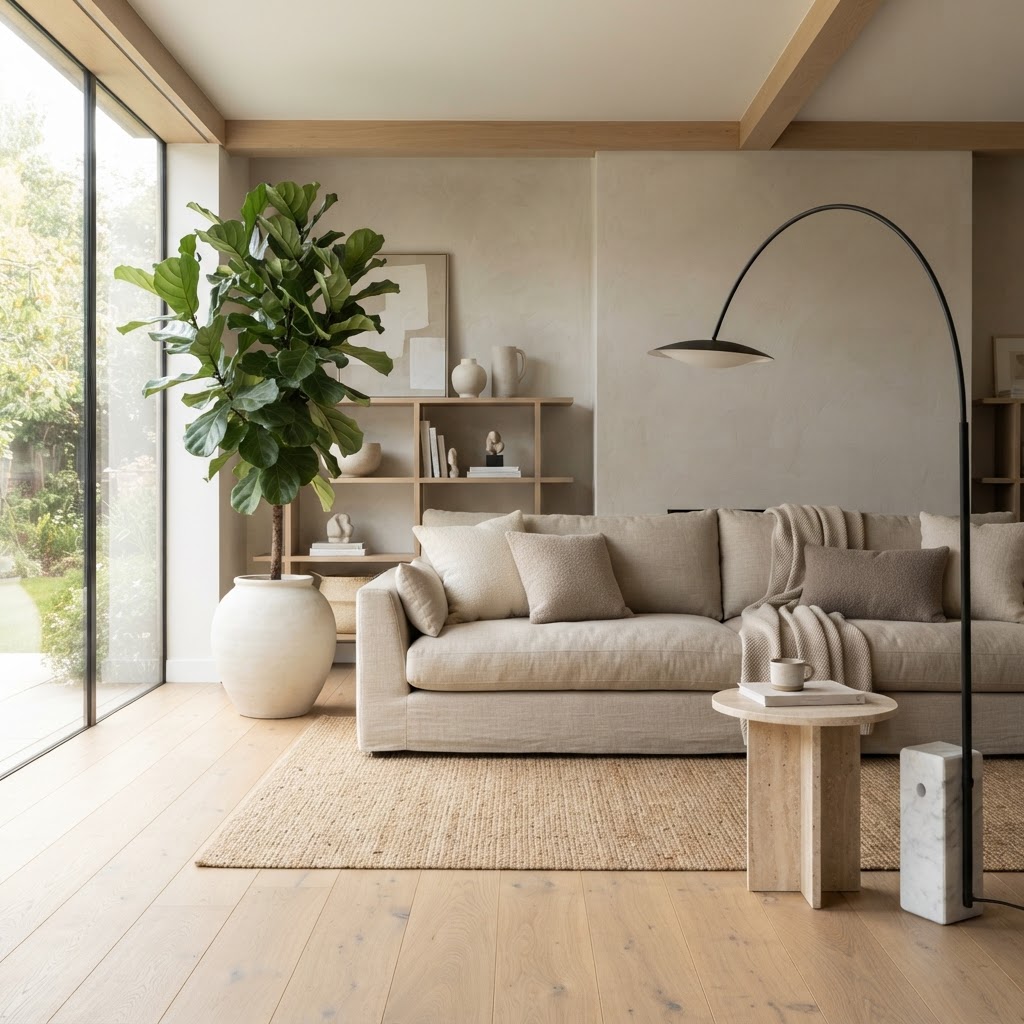
One of the most effective ways to make a small apartment look expensive is to embrace the power of negative space, which creates a sense of luxury by prioritizing breathability over clutter. When you clear surfaces and leave areas of your room empty, you instantly communicate a sense of abundance rather than scarcity, signaling that the home is not packed to its maximum capacity.
Clearing Your Surfaces
Start by stripping your countertops, side tables, and shelves down to the essentials. If an item does not serve a clear purpose or bring you genuine joy, find a place for it behind closed cabinet doors or in a storage bin. By limiting your display items to one or two high-quality pieces, you force the eye to appreciate the quality of the object rather than the clutter surrounding it. Aim to keep at least 30% of your shelf space completely empty to emphasize the luxury of breathing room.
Curating Your Vignettes
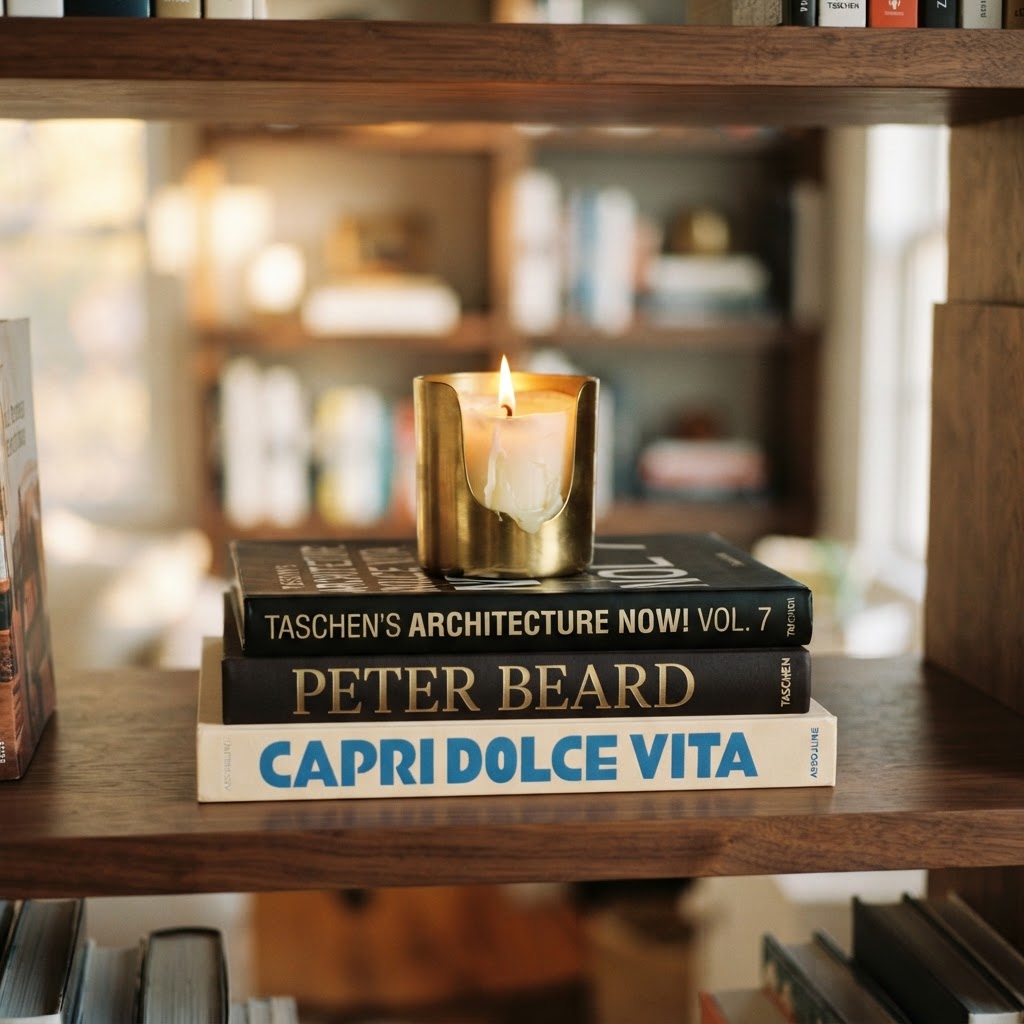
Focus on creating “vignettes” rather than displays. Group items in odd numbers, such as three, which creates a more pleasing visual balance. Place a stack of beautiful coffee table books beneath a single ceramic candle to create height and texture, ensuring the composition feels balanced and thoughtful. This technique transforms scattered knick-knacks into a deliberate design statement.
Mastering the Art of Layering Textures
Texture is the secret weapon of professional interior designers who aim to make a small apartment look expensive, as tactile depth compensates for a lack of architectural detail. When a room lacks complex moldings or high ceilings, you must compensate by adding layers of interest to ensure the space feels cozy, rich, and deliberately designed rather than generic.
Combining Materials
Introduce contrast by mixing different materials within your existing furniture arrangements to create visual interest. If you have a linen sofa, drape a chunky knit wool throw over the back and place a silk or velvet pillow in front of it. These subtle differences in fabric density provide depth that makes a room feel custom-designed. Utilizing at least three distinct fabric textures in a single seating area is a standard designer benchmark for achieving a luxury aesthetic.
The Importance of Soft Furnishings
Don’t underestimate the impact of textiles on the perceived value of your home. Incorporating rugs, throw blankets, and plush cushions helps dampen sound, which adds to the luxurious “quiet” feel of an expensive home. If you want to elevate your floor, layer a smaller, textured rug over a larger, neutral jute or sisal rug to create a professional, designer-grade foundation.
Rethink Your Lighting Strategy
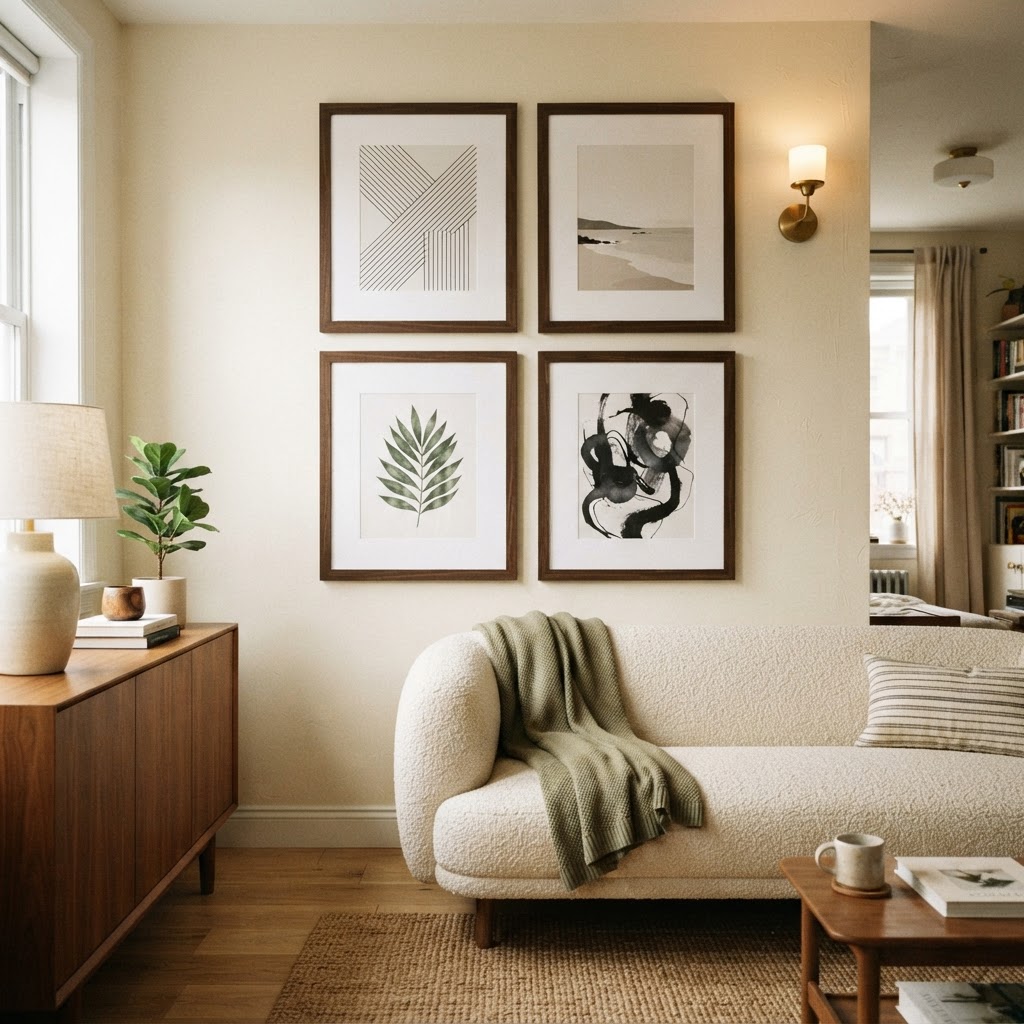
Lighting is the single most important element in your home for elevating perceived value, yet it is often the most neglected, as harsh overhead lighting kills any luxury vibe. To make a small apartment look expensive, you must shift away from top-down illumination toward multi-layered ambient lighting that provides a soft, warm glow throughout the room.
Creating Ambient Glows
Distribute light sources throughout your room at different heights to create a warm, inviting glow. Use table lamps on your nightstands, a floor lamp in the corner, and even an accent lamp on a bookshelf. If possible, opt for warm-toned light bulbs (2700K) to create an intimate, sophisticated atmosphere that mimics the lighting found in high-end hotels. Aim for at least three light sources per room to eliminate dark corners and create a professional-grade atmosphere.
Using Dimmers and Shades
If your apartment has lamps without dimmers, consider buying smart bulbs that you can adjust via your phone. Being able to lower the light level in the evening can instantly turn your living area from a “work zone” into a refined, moody retreat. This transition is essential for making a space feel like a sanctuary.
The Power of Monochromatic Color Palettes
Visual noise is the primary enemy of an expensive-looking home, so leaning into a monochromatic or tonal color palette ensures your space feels cohesive and intentional. When you have too many competing colors, the space feels chaotic and juvenile, but a unified palette removes the “choppiness” that often plagues small apartments, making the transition between your living areas feel seamless.
Selecting a Cohesive Scheme
Choose one primary neutral—such as cream, greige, or soft charcoal—and layer different shades of that same color throughout your textiles, art, and accessories. This creates a cohesive flow that makes a small room feel significantly larger and more integrated. A consistent palette allows the eye to travel through the space without interruption, which is a hallmark of luxury residential design.
Elevating Your Art and Decor Displays
Art is the defining factor that separates a temporary “living situation” from a “home,” but the framing and placement determine whether it looks professional or budget-conscious. To make a small apartment look expensive, stop hanging your posters with tape or using cheap, plastic frames, and instead invest in high-quality frames that provide visual substance.
Framing for Sophistication
Invest in a few high-quality frames with substantial mats. Even a simple print looks significantly more expensive when placed behind a crisp, wide white mat in a thick, dark frame. If you cannot afford new art, remove the glass from your old frames and use a matte finish spray on the frames themselves to eliminate that shiny, budget look. A wide mat should occupy at least 25% of the total frame area for a premium appearance.
Strategic Placement
Avoid the common mistake of hanging art too high on the walls. Art should generally be hung at eye level, which is approximately 57 to 60 inches from the floor to the center of the piece. By keeping art at a consistent, lower line across your room, you create a sense of order and architectural intention, tricking the eye into thinking the walls are taller.
The Importance of Scale and Proportion
One common pitfall in small apartment styling is the use of “miniature” furniture, which inadvertently makes a space feel like a dollhouse rather than a luxury residence. To combat this, choose a few larger, statement pieces that anchor the room, as this counterintuitive approach reduces total visual clutter and provides the space with a sense of importance.
Choosing Statement Pieces
A single, large-scale piece of furniture, like a plush armchair or a substantial coffee table, can actually make a room feel bigger because it reduces the total number of items you need. When you have five tiny, cheap tables, the room feels cluttered, but one well-proportioned console table makes the room feel like it was designed by a professional. Always measure your space to ensure your statement piece occupies no more than 60% of your primary living area’s footprint.
Bringing Nature Indoors
Nothing makes a room feel more “expensive” than a healthy, vibrant plant, as organic shapes add life and depth that synthetic decor cannot replicate. To elevate your home, focus on selecting one or two larger floor plants rather than ten tiny succulents scattered on every windowsill, as large plants act as sculptural decor that adds height to the room.
Selecting the Right Greenery
Look for plants with sculptural leaves, such as a Fiddle Leaf Fig or a tall Snake Plant. Place them in a ceramic pot that matches your color scheme. By treating your plants as “living sculptures” rather than just garden items, you add a high-end, organic element that breathes life into your decor. Ensure your plant pot is at least 12 inches in diameter to maintain a sense of proportion.
FAQ
How can I make a small apartment look expensive on a budget?
Make a small apartment look expensive by decluttering surfaces, replacing overhead lights with warm-toned lamps, and using a monochromatic color palette. Focus on high-impact, low-cost upgrades like replacing plastic frames with matted gallery frames and adding texture through affordable throws and rugs.
Does small furniture make a room look bigger?
Contrary to popular belief, small furniture often makes a room look smaller and more cluttered by creating a “dollhouse” effect. Instead, select a few larger, high-quality statement pieces that anchor the room, which helps define the space and reduces the amount of visual noise.
What color palette works best for small luxury apartments?
A monochromatic or tonal color palette works best, as it creates a seamless, cohesive flow that prevents the visual choppiness of contrasting colors. Using shades of cream, greige, or soft charcoal creates a sophisticated, high-end atmosphere that makes the walls appear to recede, effectively enlarging the room.
How high should I hang art in my apartment?
Art should be hung at eye level, which is standard at 57 to 60 inches from the floor to the center of the piece. Hanging art at a consistent height creates a gallery-style effect that adds architectural intention and creates the illusion of higher ceilings.

Leave a Reply