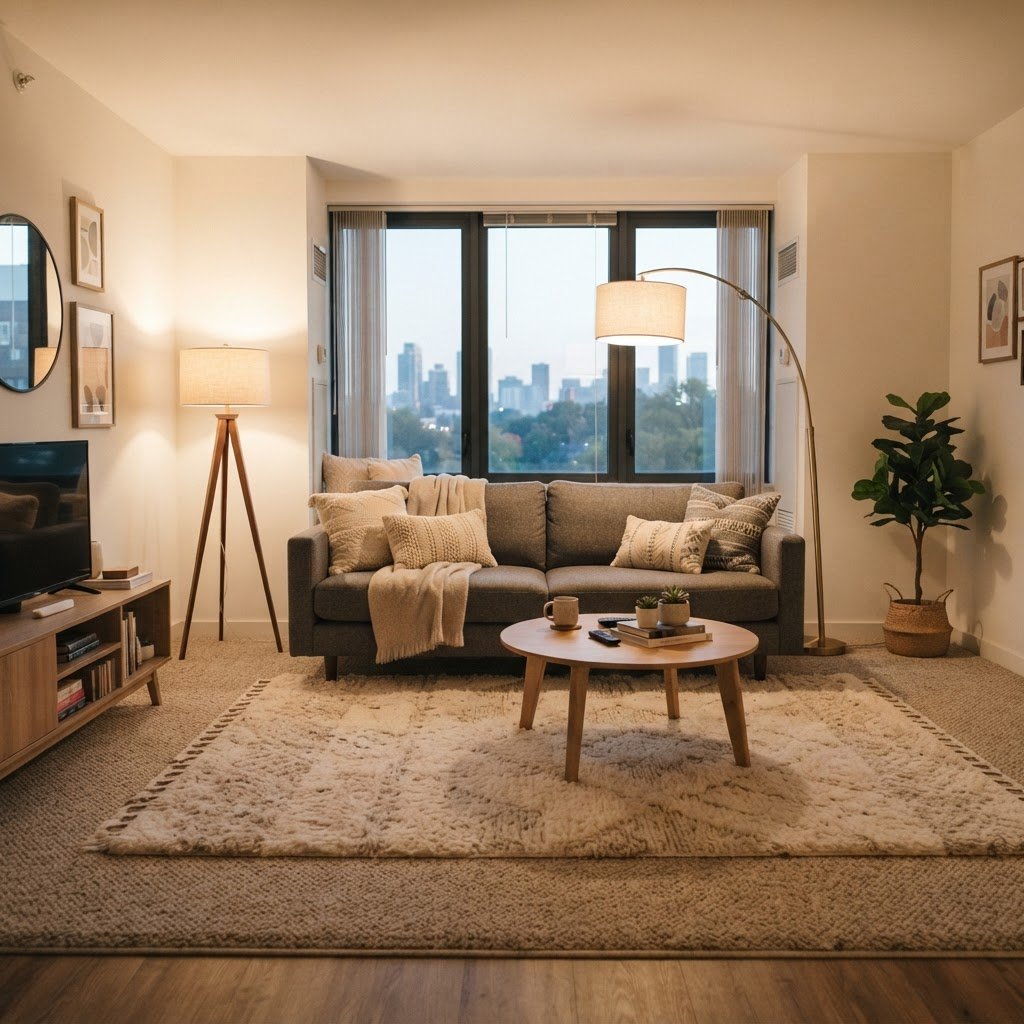
How to Decorate a Rental Without Losing Your Security Deposit
You can decorate a rental without losing your security deposit by utilizing reversible, damage-free methods such as peel-and-stick wallpaper, tension rod curtains, and adhesive hooks instead of nails. By prioritizing non-permanent modifications and ensuring all major changes are approved in writing by your landlord, you can fully customize your home while protecting your financial investment.
Understanding Your Lease Agreement
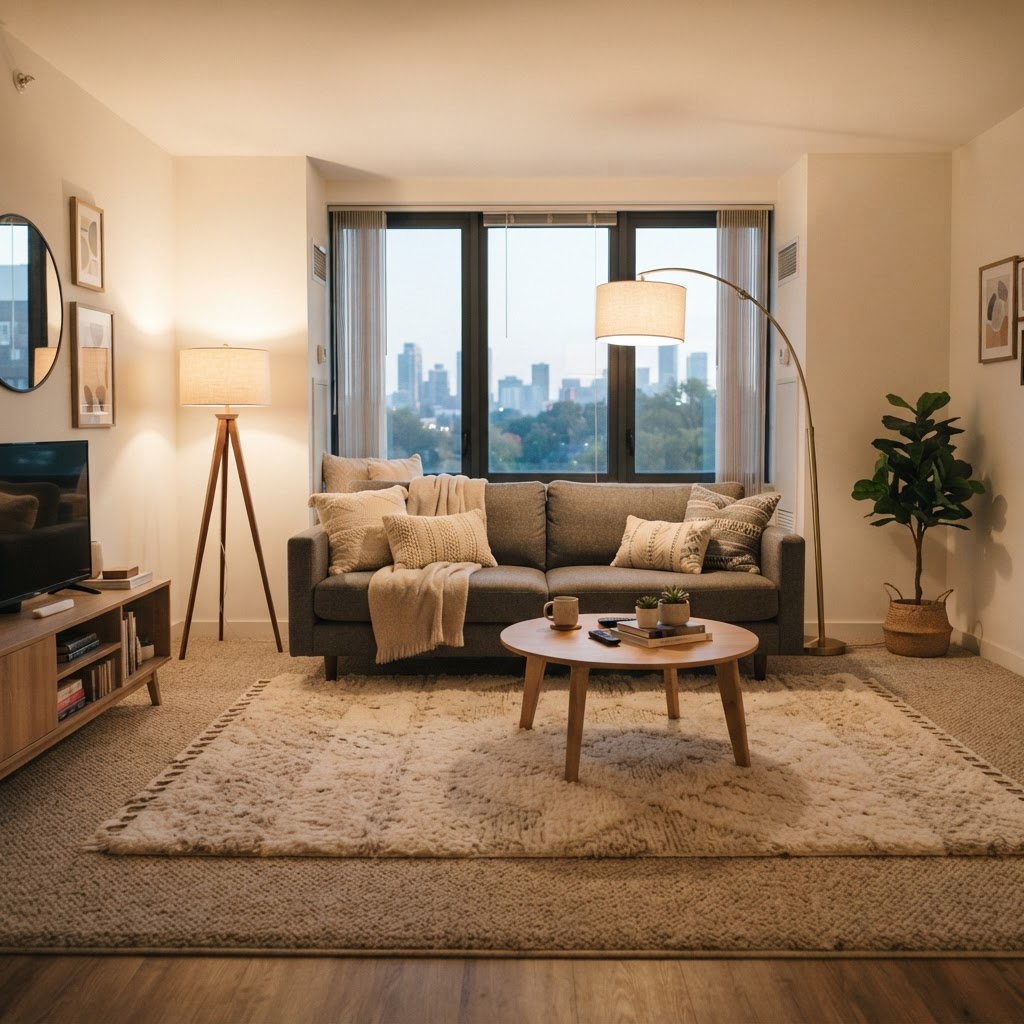
Before you hang a single picture frame or apply a strip of peel-and-stick wallpaper, you must revisit your lease agreement to identify specific restrictions regarding alterations. Most standard rental contracts include strict clauses regarding property modifications, painting, and wall damage that, if violated, grant landlords the legal right to withhold a portion or the entirety of your security deposit. Understanding these boundaries is the first step in learning how to decorate a rental without losing your security deposit.
Communicating With Your Landlord
Communication is your best tool for securing permission for more permanent-looking changes. Many landlords are actually open to minor adjustments, such as painting a wall a neutral color, provided they approve the paint brand and color beforehand. Always schedule a formal discussion to ask if you can make specific, reversible changes and get these agreements in writing, ideally via email. Having a documented paper trail serves as your primary defense during your final move-out walkthrough, ensuring that verbal “okay” you received doesn’t turn into an unexpected maintenance fee on your final ledger.
The Art of Damage-Free Wall Decor
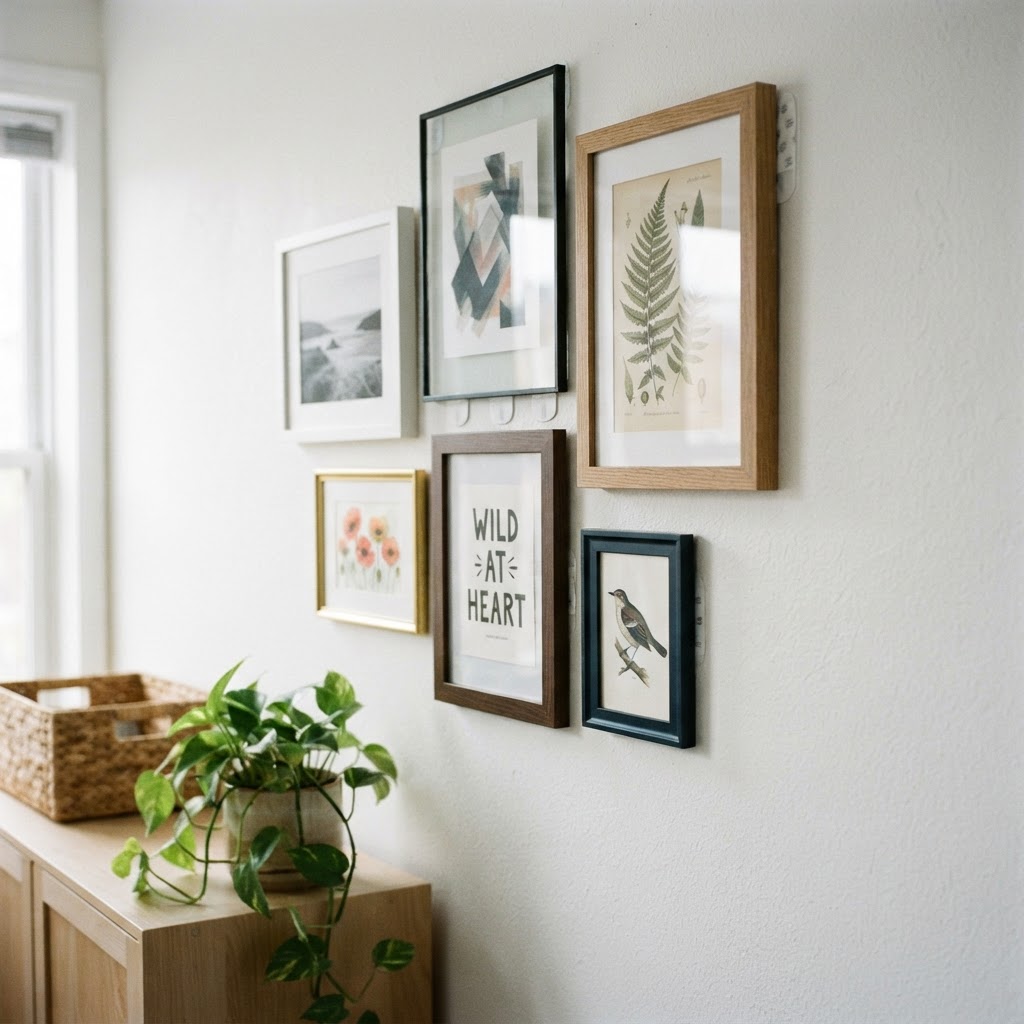
The most common reason renters lose money is due to wall damage from nails, screws, and adhesive residues left behind upon moving. Advancements in interior design technology have made decorating walls safer and easier than ever before. Removable adhesive strips, such as Command hooks, act as a renter’s best friend by allowing you to hang gallery walls, mirrors, and lightweight art without ever touching a hammer or drill. For heavier items, consider using lean-to leaning mirrors or floor-standing art displays which require zero installation and offer the same aesthetic impact.
Choosing the Right Adhesives
When using adhesive strips, quality matters significantly as cheaper alternatives can peel off paint or leave gummy, permanent residues. Always follow the manufacturer’s weight limit guidelines precisely; for example, a standard medium strip typically holds up to 3 lbs, while large hooks may hold up to 5 lbs.
If you must use nails for heavier items like large mirrors, use the smallest finishing nails possible (1/16 inch diameter) and keep a small container of white wall spackle and a color-matched paint sample on hand to fill holes before your final inspection.
Elevating Your Floors With Rugs
Rental apartments often come with flooring that is either outdated or prone to staining, but you are generally stuck with the material provided. Area rugs serve as the ultimate secret weapon for any renter looking to refresh a space without impacting the subfloor. By covering up unsightly linoleum or worn-out wall-to-wall carpet, you provide an immediate injection of color, texture, and pattern into the room while protecting the underlying surface from spills or foot traffic damage that could be blamed on you later.
Layering for Impact
Don’t be afraid to layer rugs, especially over unattractive carpet. A large, neutral 8×10 jute or sisal rug can serve as a durable base, with a smaller, more decorative 5×7 vintage or patterned rug placed on top to create a focal point. This technique creates a luxurious, high-end look that hides the rental’s original flooring entirely. When selecting rugs, prioritize natural fibers like wool or easy-to-clean polypropylene synthetics, which are highly resistant to staining and wear, ensuring the floor beneath remains in perfect condition.
Creative Lighting Solutions
Lighting is perhaps the most transformative element in interior design, yet the standard “boob lights” or stark fluorescent overhead fixtures are often the most neglected features in rental properties. Because you cannot easily rewire an apartment, you must rely on clever, portable lighting solutions to soften the atmosphere and change the room’s mood. By curating a layered lighting plan, you can shift the focus away from builder-grade fixtures toward stylish, personal design elements.
Layering Ambient and Task Lighting
Floor lamps and table lamps are essential for creating a warm, ambient environment. Strategically placing lamps in corners and on side tables allows you to eliminate the need for harsh overhead lighting entirely. Consider plug-in wall sconces that feature decorative cords; these mimic the look of hardwired fixtures without requiring any complex electrical work or invasive installation. Using warm-toned LED bulbs (2700K to 3000K) also helps make a sterile, white-walled rental space feel cozy and inviting. Because these are standalone pieces, they act as functional, portable decor that you can take with you when you move out.
Temporary Window Treatments
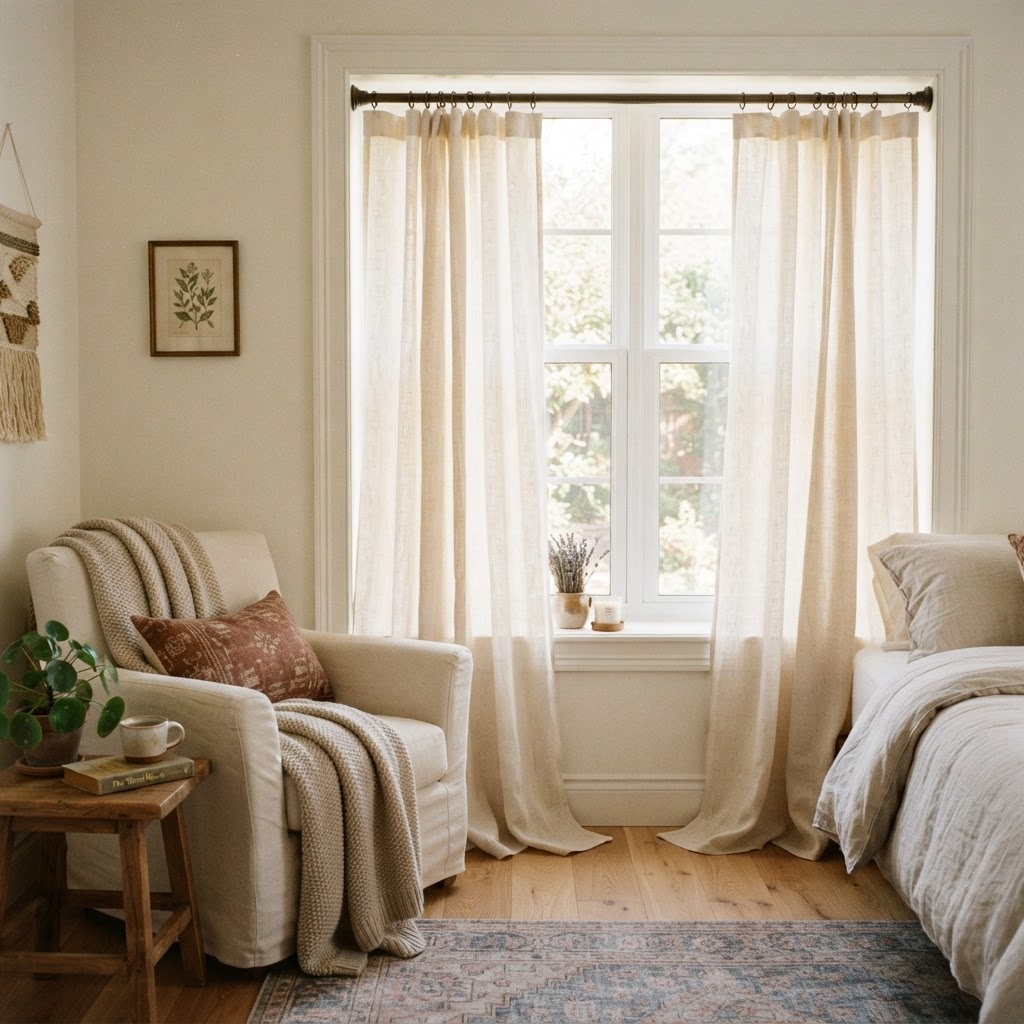
Blinds are a standard staple in most rentals, but they are rarely stylish and often appear cheap or flimsy. Fortunately, you do not have to live with standard plastic slats; you can easily remove the existing blinds, store them safely in a closet or under the bed, and install your own curtains for a more elevated aesthetic. Using tension rods is the absolute best way to hang curtains without drilling any holes into the window frames or walls.
Enhancing Privacy and Style
Curtains provide necessary height to a room and allow for superior light control compared to standard blinds. Choose floor-to-ceiling panels to make your windows appear larger and your ceilings feel higher. If your rental contract strictly prohibits removing the existing blinds, simply hang your curtains in front of them. The added fabric density will hide the unappealing plastic slats while creating a sophisticated, layered look that serves as a focal point in any living area, effectively masking the rental-grade hardware.
Peel-and-Stick Decor Enhancements
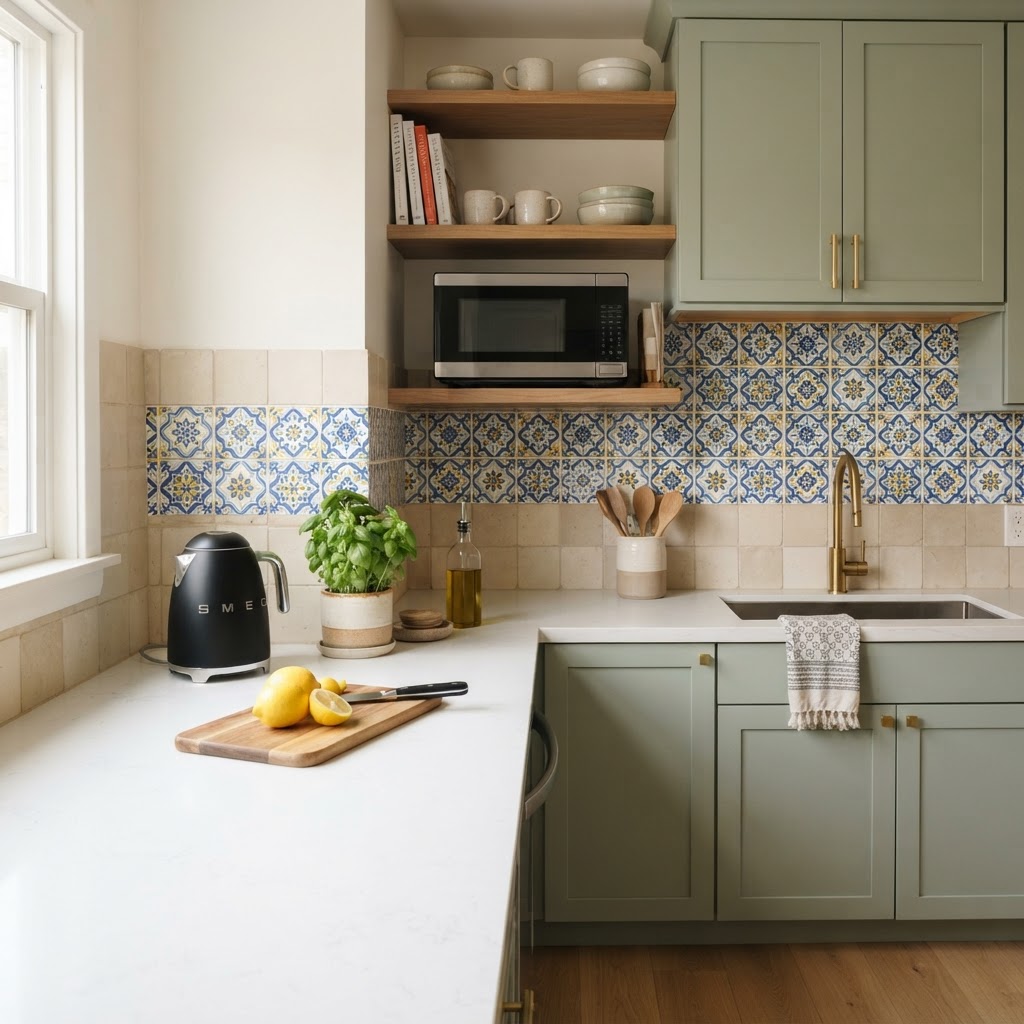
If you are committed to drastically changing the look of your space, peel-and-stick products have become a complete game changer for renters. From removable wallpaper to tile decals, these adhesive items allow for significant, high-impact customization without damaging the surface underneath. Peel-and-stick wallpaper is perfect for creating a dramatic accent wall, while heat-resistant tile decals can hide outdated kitchen backsplashes or bathroom tiles without requiring any permanent adhesive or grout.
Careful Application and Removal
While these products are explicitly designed to be temporary, always test a small, inconspicuous patch on your wall or tile before committing to the whole surface to ensure the adhesive won’t strip the paint or damage the material beneath. When it is time to move out, heat the material gently with a hair dryer on a low setting for 30 seconds. This softens the adhesive, which will make peeling it off much easier and safer for the drywall or tile underneath, preventing unwanted residue or surface tearing.
Furniture Choices and Layout
Your furniture choices play a significant role in how your space functions and feels, especially in smaller rental units. When living in a rental, opt for multifunctional pieces that can adapt to different room sizes and layouts, such as modular sofas or nesting coffee tables. A modular sofa, for example, is far easier to navigate through tight hallways and narrow apartment stairwells than a massive, single-piece sectional.
Maximizing Small Spaces
Focus on vertical storage solutions, such as bookcases or floating shelves that are free-standing units rather than wall-mounted. If you must use wall-mounted shelves, ensure they are secured with the absolute minimum number of anchor points. By keeping your furniture choices flexible and “non-structural,” you ensure that your design can easily evolve as you move from one apartment to another. This approach not only protects your security deposit but also makes your life significantly easier when moving day arrives.
FAQ
Q: Does hanging curtains with tension rods cause damage to window frames?
No, tension rods use internal springs to create pressure against the window frame without requiring screws, nails, or adhesive. They are completely damage-free and leave no marks, making them a perfect rental-friendly solution.
Q: Can I paint my rental walls without losing my deposit?
Many landlords allow painting if you get written consent beforehand and agree to paint the walls back to their original color upon moving out. Always confirm the specific paint brand and color code with the property owner before starting.
Q: What is the best way to remove adhesive residue from walls?
To remove sticky residue without stripping paint, gently heat the area with a hair dryer to soften the adhesive before slowly peeling it away. You can then use a damp cloth with mild soap or a specialized citrus-based adhesive remover to clean any remaining spots.
Q: Are peel-and-stick tiles safe for bathroom backsplashes?
Yes, provided you choose high-quality, water-resistant vinyl tile decals that are designed for moisture-prone areas. Always ensure the surface is clean and completely dry before application, and test an inconspicuous area to confirm the adhesive is safe for your specific tile finish.
Q: How much should I budget for damage repair supplies?
Budget between $20 and $50 for a basic “rental move-out kit.” This should include a small tub of spackle, a putty knife, fine-grit sandpaper, and a small custom-mixed sample of paint that matches your apartment’s wall color perfectly.

Leave a Reply