8 Easy Ways to Add Warmth to a Cold Rental Without Painting
To add warmth to a cold rental without painting, focus on layering high-texture textiles like rugs and throws, installing warm-spectrum LED lighting, and using damage-free decorative elements like peel-and-stick wallpaper. These strategies physically and visually insulate sterile rooms, transforming a temporary space into a cozy, personal home.
Rethink Your Lighting Strategy
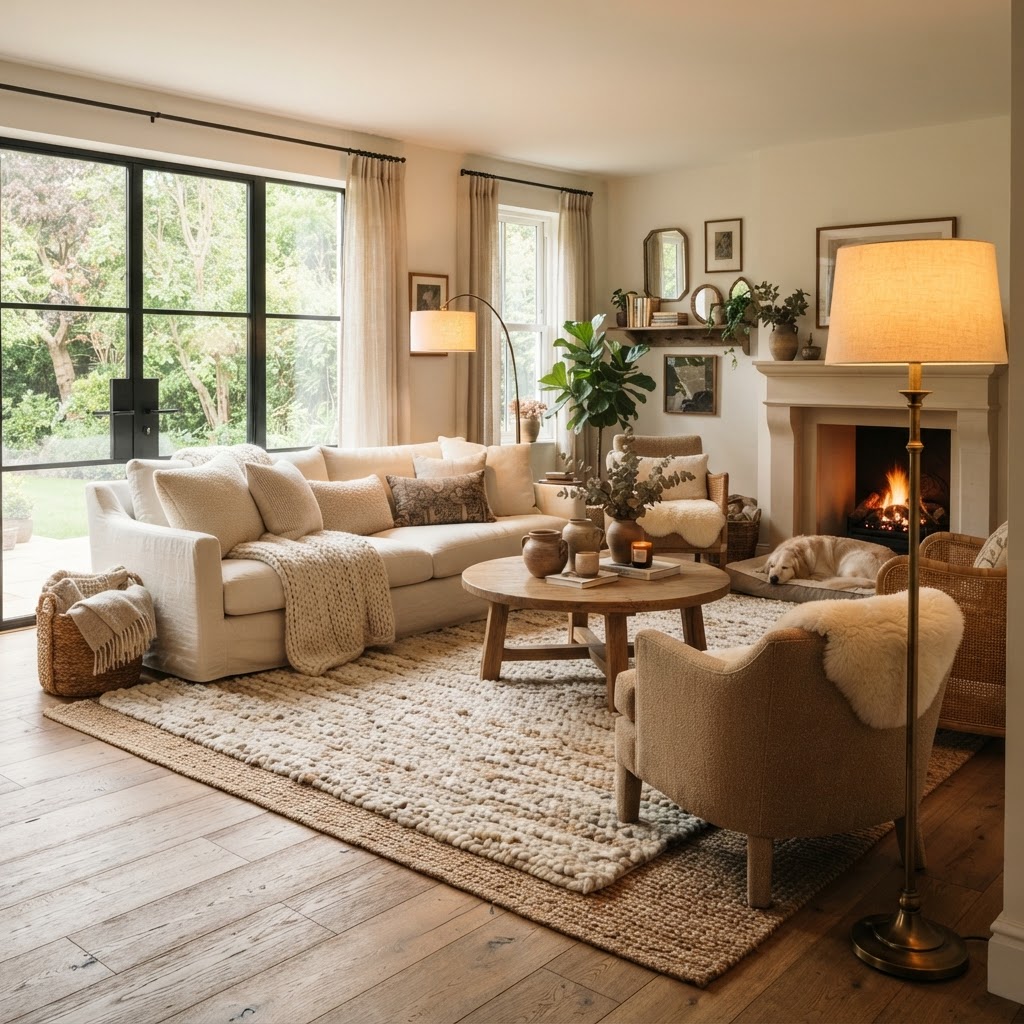
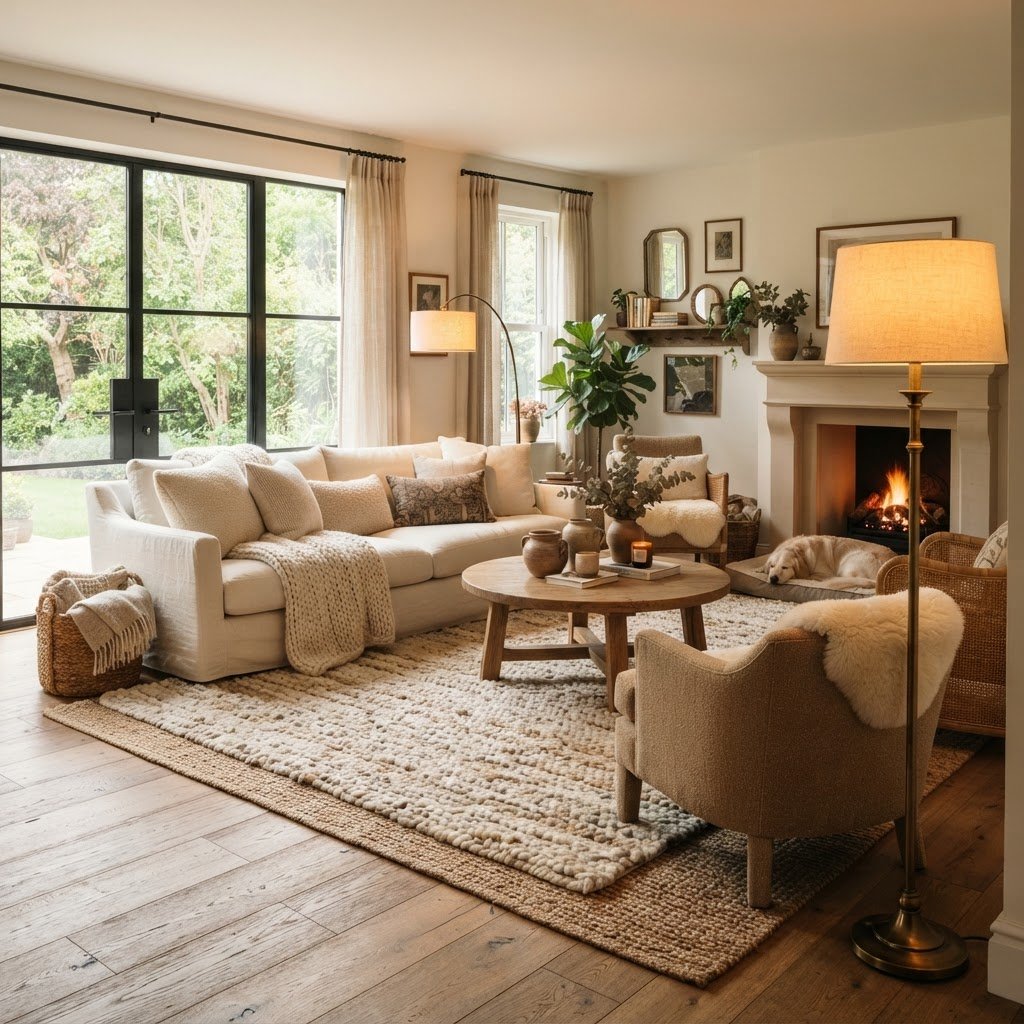
Lighting is the most effective tool to shift an apartment from a sterile white box to an inviting sanctuary, as overhead fluorescent fixtures often cast harsh, cold shadows. Most standard rental fixtures emit a color temperature of 4000K to 5000K, which is scientifically proven to increase alertness rather than relaxation. By replacing these with multiple sources of ambient light—such as floor lamps and table lamps—you create depth and warmth.
Incorporating Table and Floor Lamps
Avoid using your overhead ceiling lights entirely. Instead, invest in a collection of table and floor lamps that allow you to control the mood of the room. Look for lamps with warm-toned shades or fabric textures that diffuse light gently.
The Importance of Bulb Temperature
Even a cheap floor lamp can look high-end if you use the right bulb. Swap out those “cool white” or “daylight” bulbs for “warm white” (2700K to 3000K) LED bulbs. These produce a golden, honey-hued glow that instantly makes any room feel more comfortable.
Layering Textiles for Instant Comfort
Layering textiles provides both psychological and physical warmth, acting as an acoustic and thermal insulator in homes with hard, cold surfaces. Start with the floor: covering 60-70% of an open floor area with rugs made of wool or high-pile synthetic fibers can reduce heat loss through uninsulated flooring by up to 10%.
Add depth to your seating areas by piling on pillows with various textures. Combine velvet, chunky knits, bouclé, and linen to create a rich, inviting tactile experience. When you layer materials, you trick the brain into feeling warmth through visual cues alone. Drape a high-quality faux-fur throw over the back of an armchair or the corner of your sofa to make the space feel lived-in and luxurious. A variety of textures creates visual “interest,” which makes a room feel curated rather than empty.
Utilizing Removable Wallpaper and Decals
If you are absolutely desperate to change the color of your walls, you have a secret weapon: peel-and-stick wallpaper, which typically costs between $30 and $60 per roll. This product has revolutionized the renter-friendly design industry, providing a non-damaging, high-impact aesthetic change that is easy to remove upon move-out.
Choose patterns that reflect your personal style—perhaps a muted botanical print or a textured grasscloth look that mimics natural material. By focusing on a single accent wall, you can transform the entire focus of the room. The added color or texture instantly breaks up the starkness of a white rental, providing that much-needed warmth without violating your lease terms. Ensure you prime the wall with a simple wipe-down to remove dust before application to ensure the adhesive lasts.
Soften Window Treatments
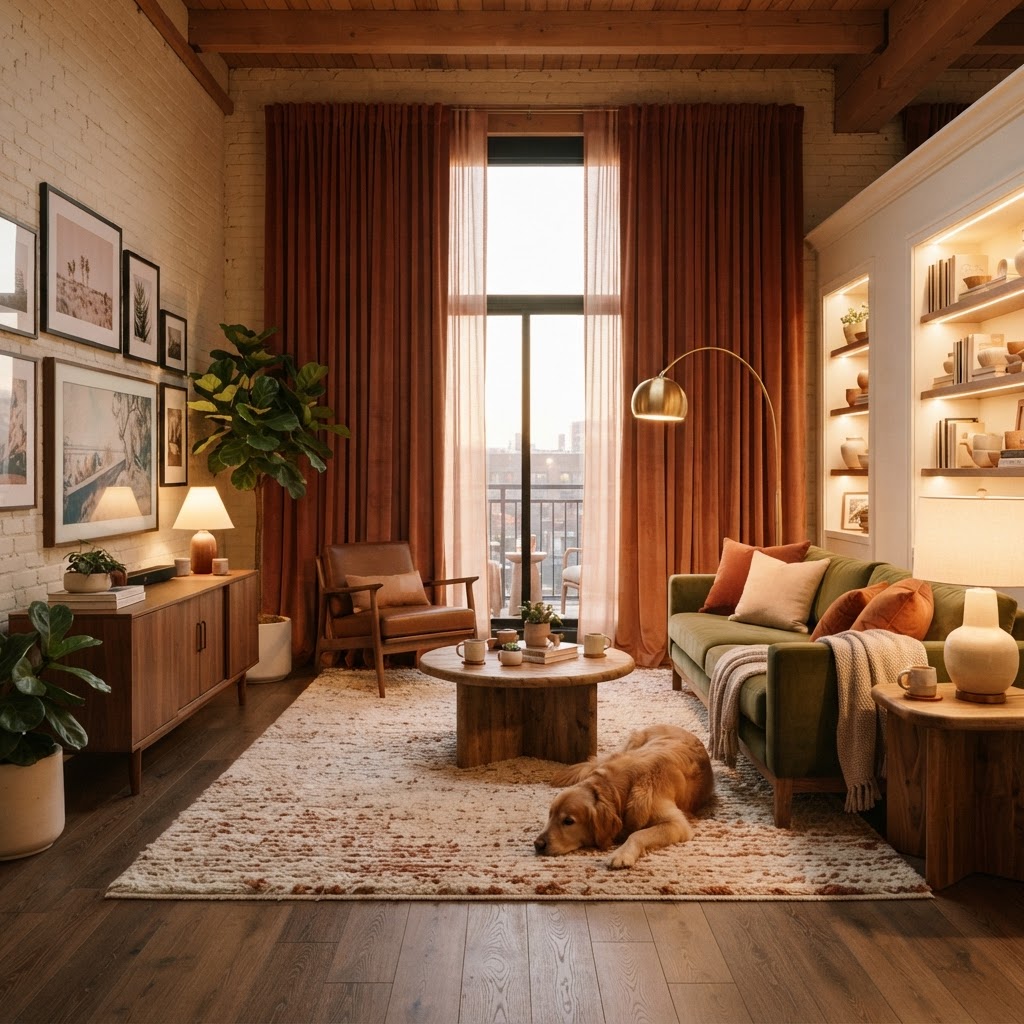
Windows are often the culprits behind a cold-looking space, as standard plastic blinds or cheap vertical shutters are functional but lack any sense of personality or warmth. To upgrade your windows, hang floor-to-ceiling curtains that extend beyond the window frame on both sides to increase the perceived height of your ceilings.
This simple architectural trick makes your windows look larger and your ceilings feel higher. Choose heavy, light-blocking fabrics like velvet or linen blends. Not only do these curtains provide privacy, but they also act as a physical layer between you and the cold window glass, helping to insulate the room. When the curtains are drawn at night, the fabric adds a softness to the room that hard, plastic blinds can never achieve. Installing a tension rod inside the window frame allows you to hang these without drilling holes, keeping your security deposit safe.
Incorporating Natural Elements and Greenery
Nature is the ultimate antidote to sterile indoor environments. Adding life to your space is one of the most effective ways to add warmth to a cold rental without painting. Plants bring a vibrant green energy that softens the sharp edges of modern furniture and white walls.
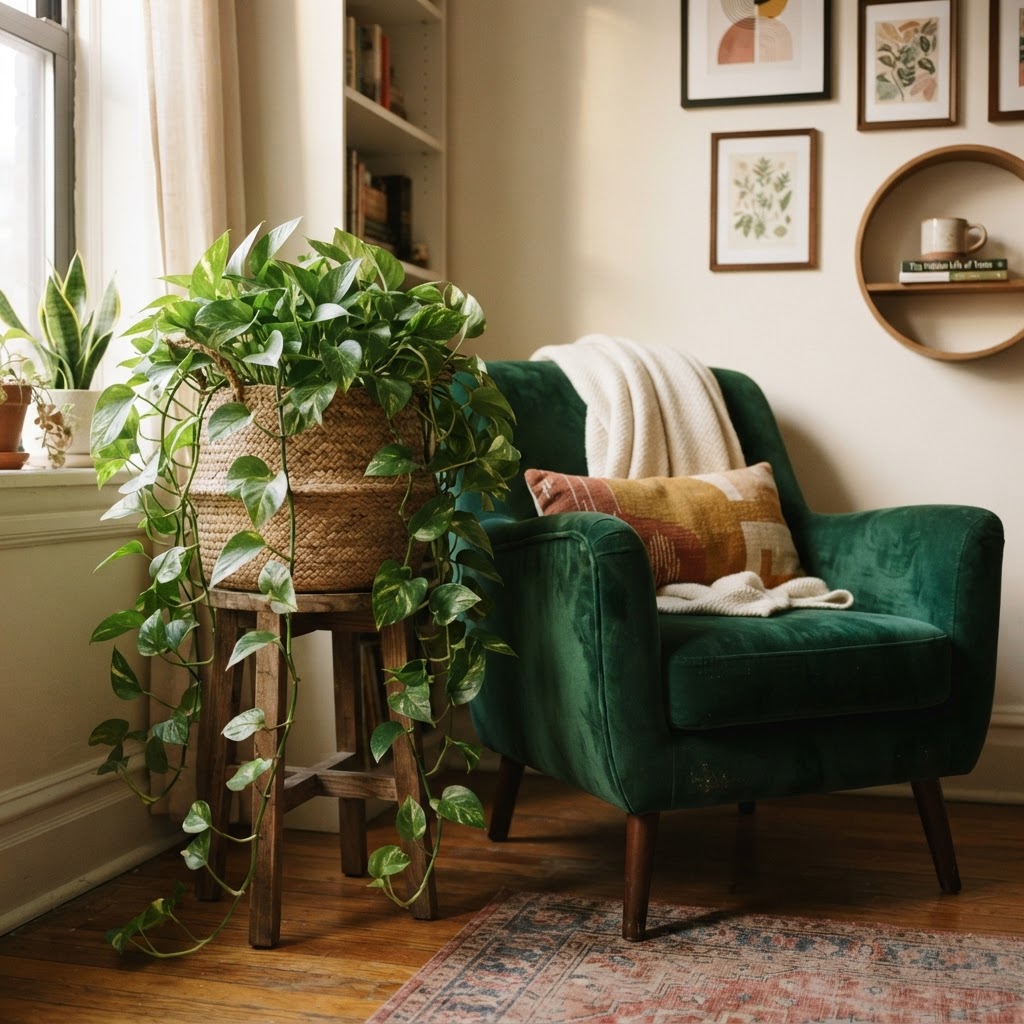
If you do not have a green thumb, start with low-maintenance options like snake plants, pothos, or zz plants, which thrive in low-light rental conditions. Display them in textured baskets or ceramic pots that complement your color scheme. You can even use wooden plant stands to add varying heights, which makes a room feel more dynamic and designed. Beyond living plants, incorporate wood tones into your furniture and decor. A wooden coffee table, woven seagrass storage bins, or even a simple wooden picture frame can introduce organic warmth into a room. These natural materials contrast beautifully with cold metal or plastic fixtures, creating a balanced and inviting environment that feels grounded.
Creating Cozy Nooks and Seating Arrangements
Sometimes, a room feels cold because it lacks purpose or “clutter” in a good way. Large, open spaces in a rental can feel hollow, but you can define zones by pulling your furniture away from the walls and arranging it in a conversational grouping.
Add a small side table next to a comfortable chair, a reading light, and a stack of books to create a dedicated reading nook. Use a small rug to anchor this space, effectively “defining” the area as its own room within a room. This approach makes your home feel more intimate and intentional, which naturally radiates warmth.
Introducing Personal Wall Art
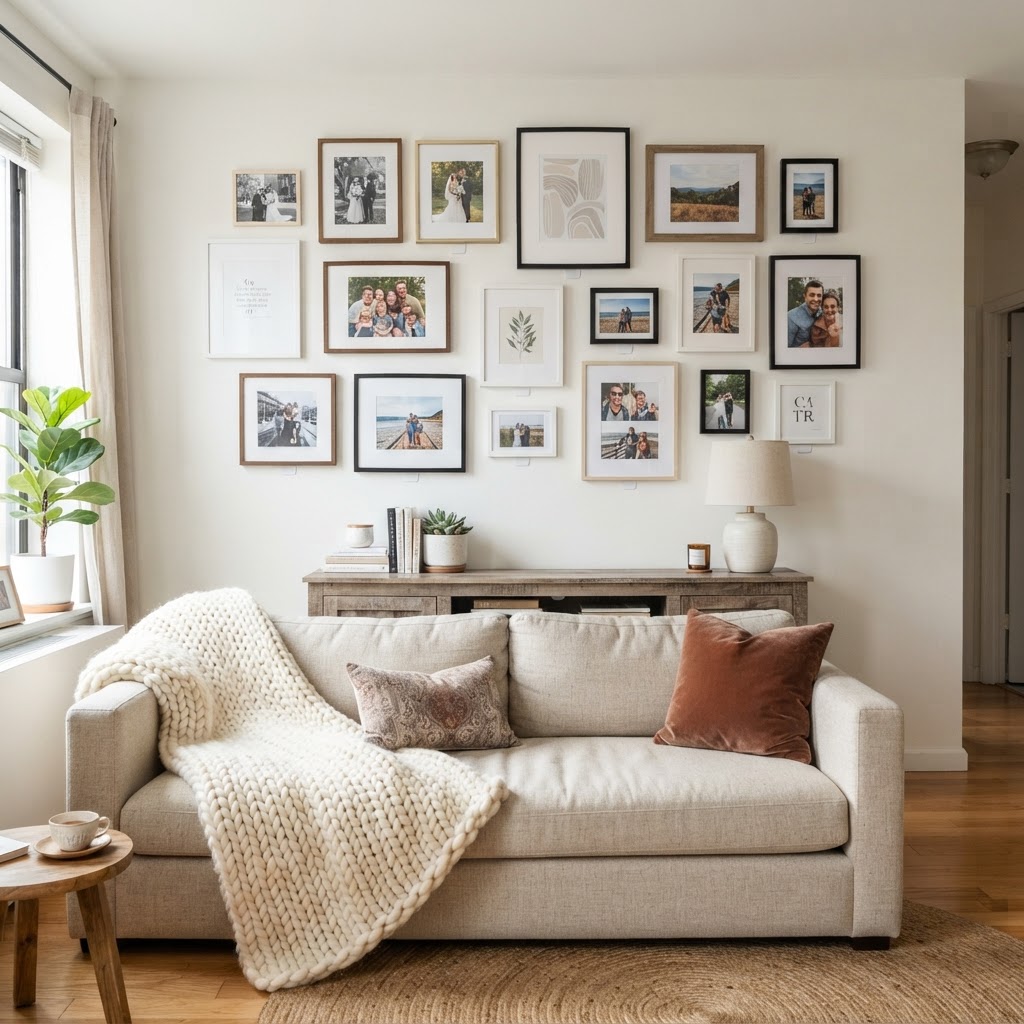
Staring at empty walls is a quick way to feel like you are in a temporary space. While you cannot paint, you can certainly cover the walls with art using command strips or other damage-free hanging solutions to display gallery walls of family photos, vintage prints, or large-scale tapestries.
Tapestries are particularly great because they are lightweight and provide a massive amount of visual warmth. A large textile hanging on the wall serves a dual purpose: it adds color and pattern while also absorbing sound, making your room feel quieter and more private. When choosing art, stick to warm palettes—think earth tones, deep terracottas, warm yellows, or soft neutrals—to maintain that cozy vibe throughout your home. Aim to hang art at eye level, roughly 57 inches from the center to the floor, to make the room feel balanced.
Organizing and Minimizing Visual Noise
Sometimes, the “coldness” of a rental is actually a feeling of disorder. When a space is messy, it feels chaotic. When you clear the clutter and introduce dedicated storage solutions, you create a sense of calm. Use stylish storage like woven baskets, closed cabinets, or decorative boxes to tuck away everyday items.
When your home is organized, it is much easier to focus on the decorative elements that bring you joy. A clean, organized space feels more “finished” and, consequently, more like a permanent residence. Invest in furniture that serves double-duty, such as an ottoman with interior storage or a bed frame with drawers, to keep your floor clear and your mind at ease. By reducing visual “noise,” you allow your cozy textures and lighting to stand out, making the space feel more intentional and less like a temporary stop.
FAQ
Can I hang curtains in a rental without drilling holes?
Yes, you can use tension rods that fit inside the window casing, or heavy-duty adhesive hooks to mount curtains above the frame. This method ensures you avoid damage to the walls and keep your security deposit intact while adding floor-to-ceiling warmth.
How does bulb color temperature change a room’s feel?
Bulb color temperature is measured in Kelvin (K). Using bulbs between 2700K and 3000K provides a warm, yellow-hued glow that softens harsh white rental walls, whereas 4000K-plus bulbs feel clinical and stark. Always check the packaging for “soft white” or “warm white” labels.
Are area rugs effective for warming up a rental?
Area rugs serve as both thermal and sound insulation, especially in apartments with laminate or tile flooring. By covering cold, hard surfaces with plush, thick materials like wool or jute, you create a physical barrier that helps trap heat and makes the space feel more comfortable.
Is peel-and-stick wallpaper easy to remove?
Most high-quality peel-and-stick wallpapers are designed specifically for renters and can be removed without damaging paint or leaving residue. When removing, peel slowly at a 45-degree angle to ensure the wall surface remains in original condition for your move-out inspection.

Leave a Reply