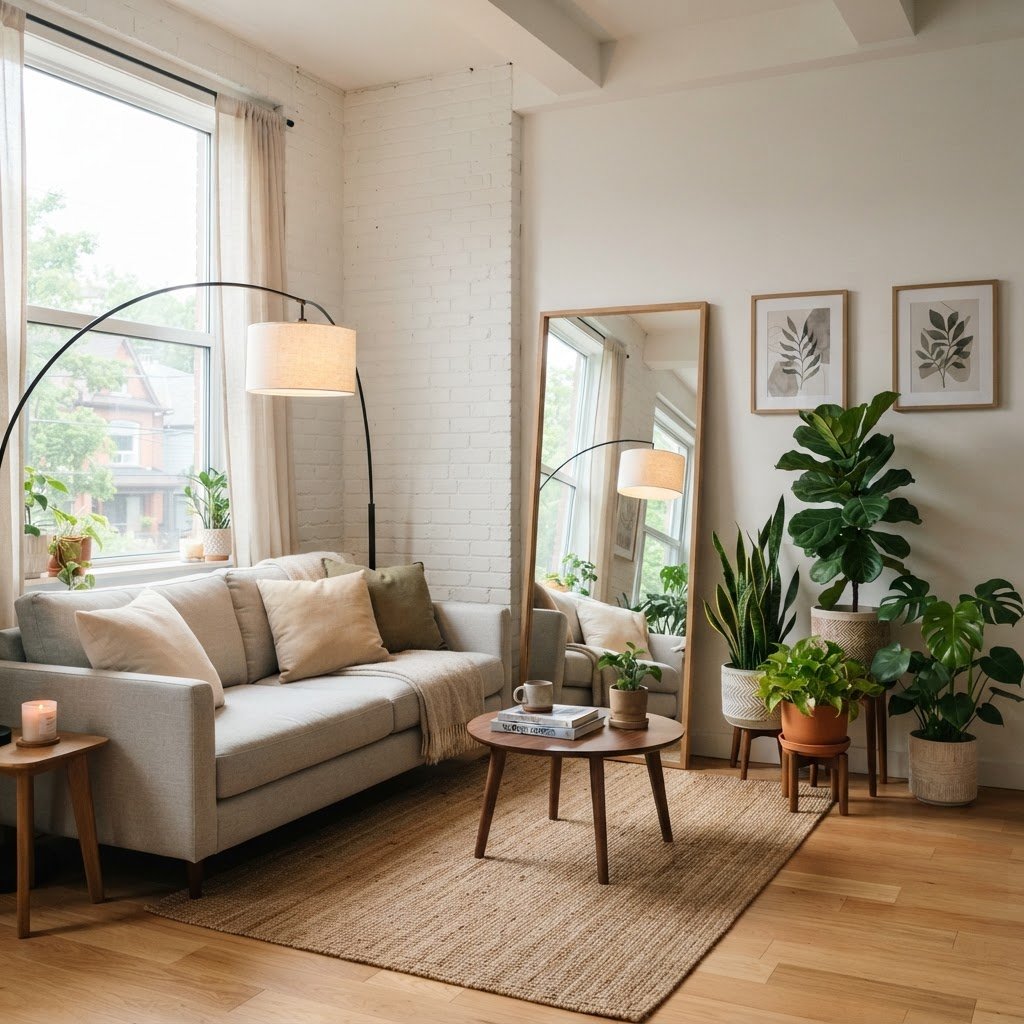
You can transform a tiny apartment without drilling by utilizing heavy-duty adhesive hooks, tension rods, peel-and-stick vinyl tiles, and multi-functional modular furniture. These reversible, damage-free upgrades effectively maximize square footage, inject personal style, and ensure your full security deposit return while creating a highly functional and aesthetically pleasing living environment.
Rethinking Your Lighting Strategy
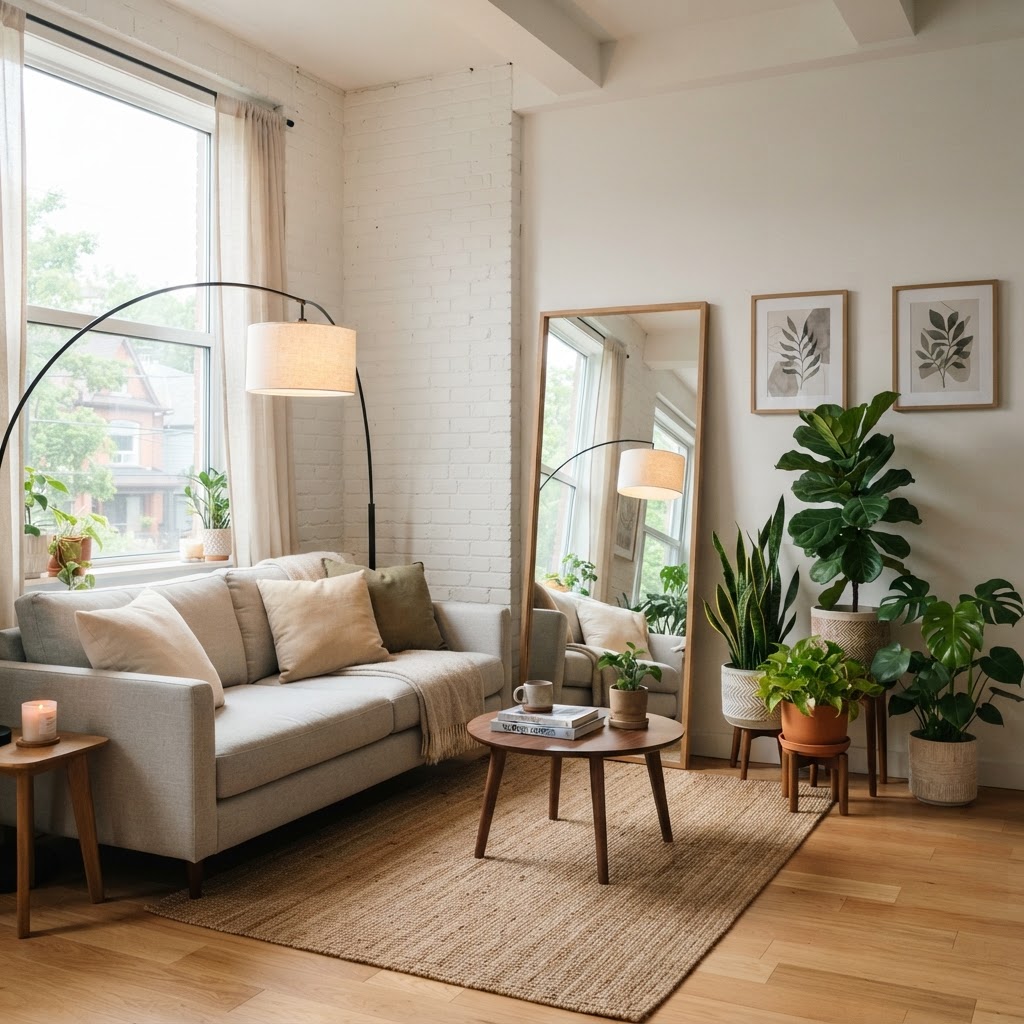
Properly layering light sources is the most effective way to eliminate the ‘sterile’ feel of standard rental overhead lighting and expand the perception of space. By replacing harsh, singular bulbs with a mix of ambient, task, and accent lighting, you can visually push back the walls of a cramped room. For instance, placing a floor lamp in a dark corner removes deep shadows that shrink a room’s footprint. If you lack floor space, plug-in wall sconces mounted with 16-pound capacity adhesive hooks provide hotel-quality lighting without a single nail. Research indicates that using warm-toned bulbs (2700K to 3000K) makes small spaces feel more inviting compared to clinical cool-white bulbs. Aim for at least three distinct light sources per room—a floor lamp, a table lamp, and an accent light—to create depth. This method transforms your apartment from a static ‘box’ into a dynamic, multi-dimensional living area, effectively tricking the brain into perceiving more open square footage than actually exists. Always prioritize LED bulbs to keep energy costs under $2 per month while gaining high-output illumination.
Creating Depth Through Texture
When you cannot renovate, you must decorate with layers. Use floor lamps to highlight corners or dark nooks to push the boundaries of the room visually. By ensuring that every corner of your apartment has a dedicated light source, you effectively erase the shadows that make small areas feel claustrophobic.
Transforming Walls Without Paint
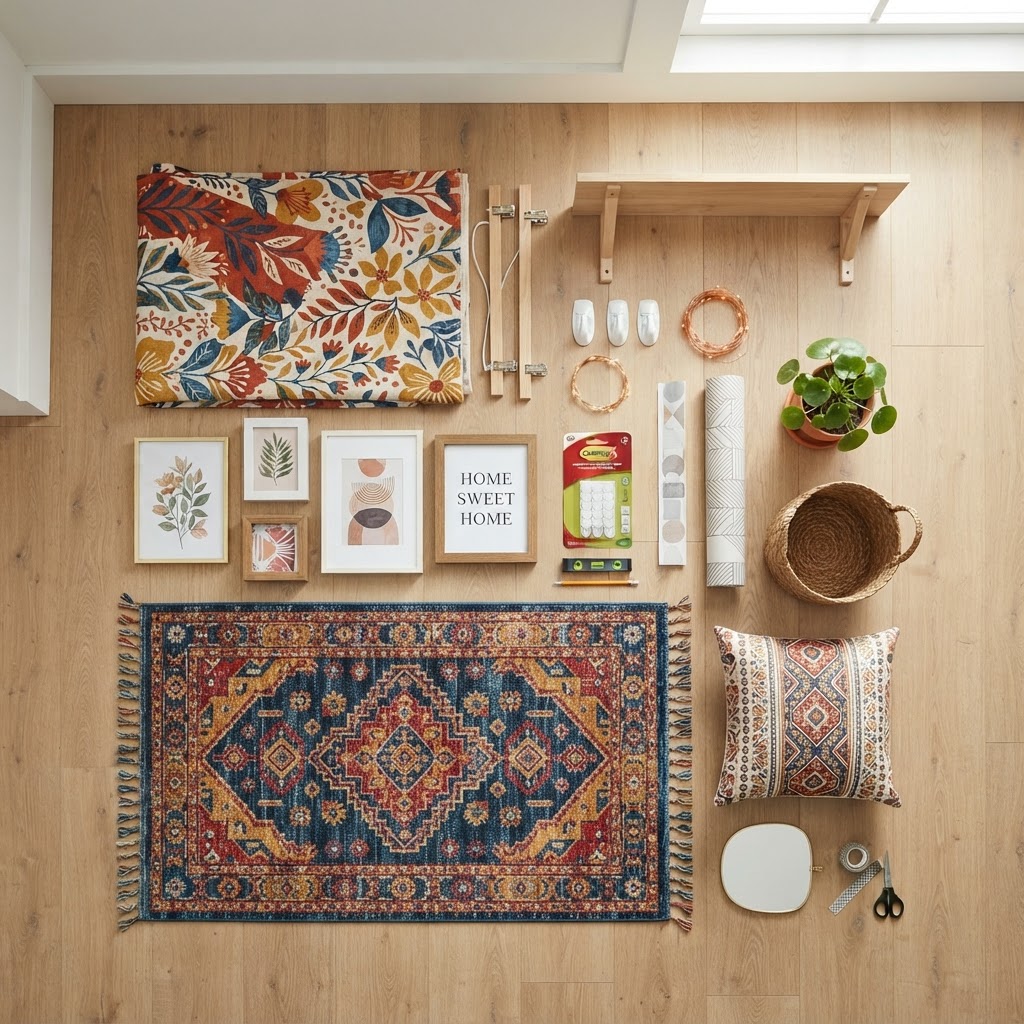
Peel-and-stick wallpaper and heavy-duty adhesive gallery systems offer a high-impact, temporary solution to the ‘builder-grade’ wall problem found in most rentals. High-quality vinyl wallpaper, which typically costs between $1 and $4 per square foot, allows renters to create a custom focal wall that can be removed in under 30 minutes without leaving residue. Unlike standard wallpaper, modern peel-and-stick products are designed to withstand humidity, making them suitable for bathrooms and kitchens. To maximize visual interest, avoid patterns that are too busy, as they can make a small room feel crowded; instead, opt for geometric shapes or textures that add character without overwhelming the eye. For artwork, utilizing ‘picture hanging’ adhesive strips rated for up to 12 pounds ensures you can display large-scale pieces safely. Research shows that focusing decor on one ‘anchor wall’ behind a sofa or bed provides a psychological sense of permanence. Always test a small patch of wallpaper in an inconspicuous area (like behind a closet door) for 48 hours to ensure the adhesive does not react poorly with the existing paint. This commitment-free approach allows you to experiment with current design trends, such as bold botanical prints or serene textural grasscloth, without violating your lease agreement or losing your deposit.
Elevating Kitchens with Removable Accents
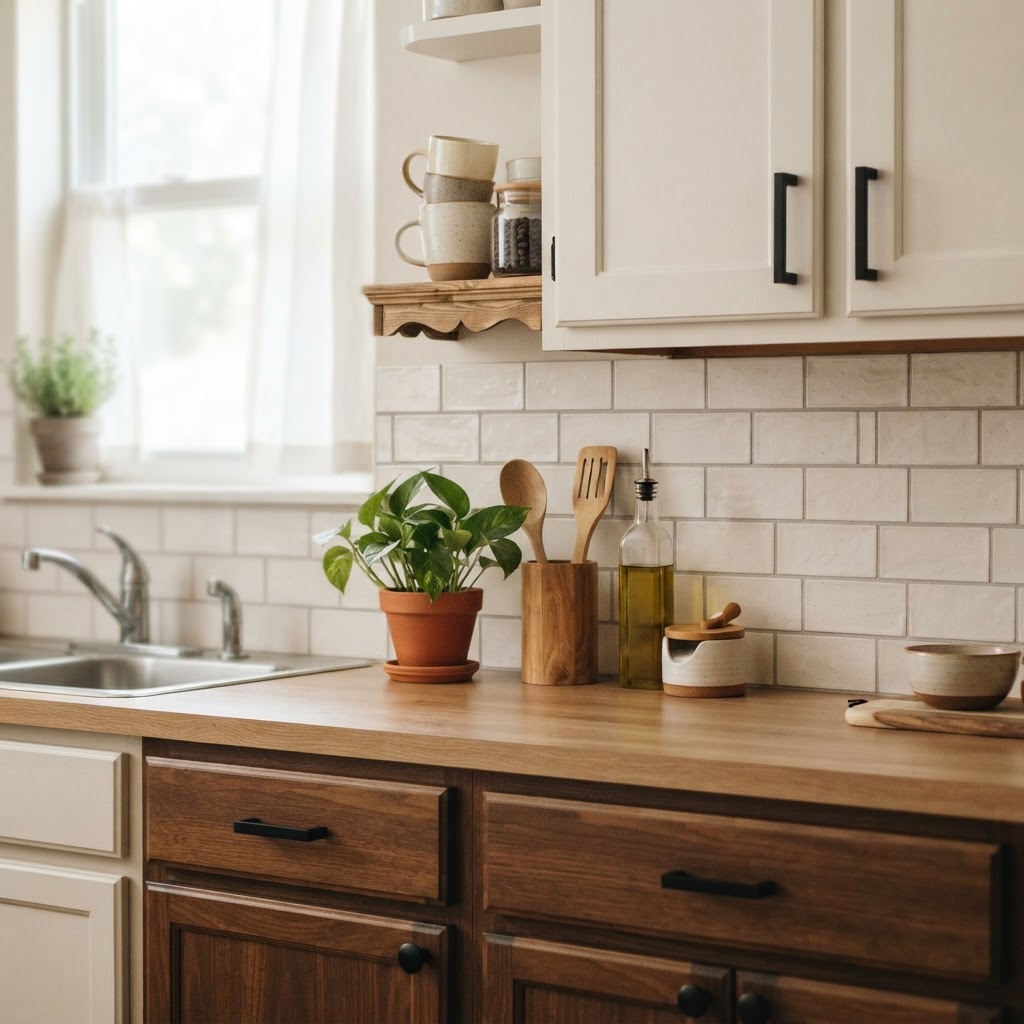
Swapping out standard cabinet hardware and installing temporary backsplash tiles are the fastest ways to modernize a kitchen, providing a custom look that takes less than one hour to complete. By replacing generic, mass-produced knobs with high-quality brass or matte black pulls, you elevate the tactile experience of your kitchen while keeping the original hardware safe in a labeled baggie for move-out. Peel-and-stick backsplash tiles offer an even more significant visual transformation, covering outdated tile or stained walls for roughly $15 per linear foot. These vinyl solutions are heat-resistant up to 140°F, making them durable enough to handle standard stovetop cooking. Furthermore, utilizing magnetic strips held in place with double-sided mounting tape keeps frequently used metal tools and knives off your limited counter space, adding approximately 2 square feet of usable prep area. When choosing kitchen hardware, measure your existing center-to-center hole spacing—standard sizes are typically 3-inch, 3.75-inch, or 5-inch—to ensure the new pieces fit perfectly without needing to create new holes. These minor, reversible upgrades turn a generic rental kitchen into a personalized culinary station.
Strategic Storage Solutions
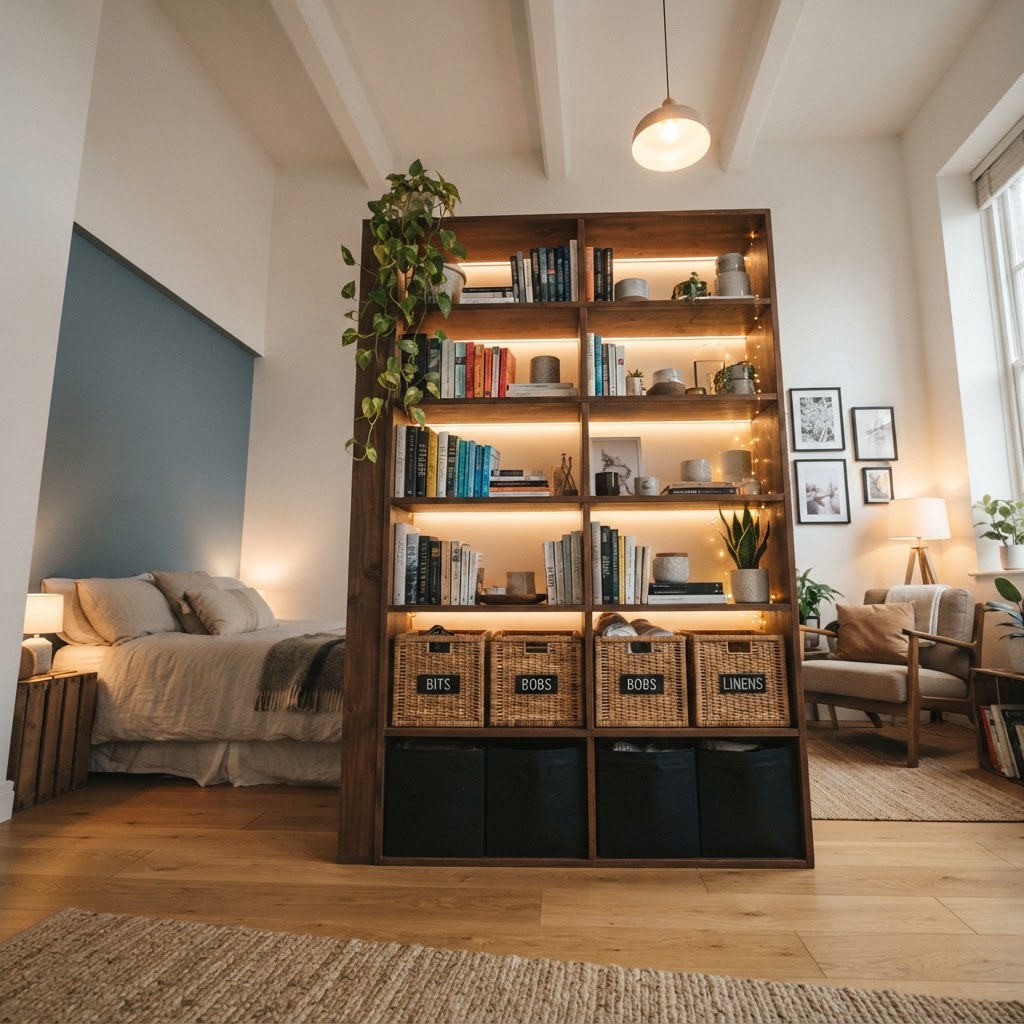
In a tiny apartment, clutter is the enemy of style. Utilizing vertical storage is essential, but it must be done without drills. Over-the-door organizers are perfect for pantries or bedroom closets, while tension rods can be installed inside cabinets to hang cleaning supplies or lightweight kitchen tools.
Managing Clutter with Modular Furniture
Modular, multi-purpose furniture that sits on legs is the secret to maintaining a sense of openness in a small floor plan. Furniture with exposed legs—often referred to as ‘leggy’ furniture—allows the eye to travel across the floor to the base of the wall, which makes a room feel larger than it would if you used pieces that sit flush to the ground. When selecting items, prioritize pieces that serve dual functions, such as an ottoman with internal storage that can act as a coffee table or a desk that folds into a wall-mounted console. Modular storage systems, like cube organizers or stackable shelves, allow you to adapt your layout to fit specific wall configurations as your storage needs change. Research into spatial design confirms that keeping the floor 30% visible significantly reduces the feeling of ‘overcrowding.’ Aim for pieces that share a similar color palette to your walls; this visual uniformity helps the furniture ‘blend in,’ reducing the visual weight of the room. Always check that your furniture dimensions allow for a minimum 24-inch walking path to ensure your small space remains functional and easy to navigate on a daily basis.
Bringing Nature Indoors
Plants are the ultimate no-drill upgrade because they add height, texture, and life to any corner without needing a single screw. Use plant stands of varying heights to create a lush, layered look. Hanging plants can be placed on top of tall bookshelves or secured using tension-mount rods installed between window frames. Not only do plants purify the air, but they also soften the hard lines of standard apartment architecture. If your apartment lacks natural light, there are plenty of low-light varieties like snake plants or ZZ plants that thrive even in the darkest city apartments. Pair them with decorative pots to introduce color and style to your space.
The Power of Mirrors
Mirrors are the oldest trick in the design book, but they remain the most effective for tiny apartment dwellers. A large, floor-length mirror leaning against a wall can instantly double the perceived size of a room. It reflects light, draws the eye upward, and creates a sense of luxury that elevates the entire living experience. When selecting a mirror, choose one with a frame that complements your overall aesthetic. A metallic frame adds a touch of glam, while a wood frame provides warmth and grounding. Place your mirror opposite a window to maximize the amount of natural light that flows into your apartment, making it feel bright, airy, and open throughout the day.
Organization for Renter-Friendly Living
Living in a tiny apartment requires ruthless organization. Utilize the back of doors for hooks, or add magnetic strips to walls using heavy-duty command tape to hold spice jars or small metal tools. By keeping surfaces clear, you maintain a sense of calm and order that makes a small room feel like a deliberate choice rather than a limitation. Use clear acrylic bins to organize small items inside drawers or on shelves. This keeps your belongings visible yet contained, preventing the visual chaos that often makes small spaces feel messy. Remember that in a tiny home, everything should have a place, and every place should be utilized to its maximum potential.