Category Budget Small Apartment Makeovers

Decorate a Small Apartment on a Budget: Easy DIY Tips

Decorate a Small Apartment on a Budget: Easy DIY Tips

You can decorate a small apartment on a budget by prioritizing multi-functional furniture, utilizing vertical storage to clear floor space, and layering neutral foundations with affordable textiles. These strategies, combined with intentional lighting and the “rule of three” for styling, create a high-end, cohesive aesthetic without requiring significant financial investment.

Rethinking Your Space and Layout
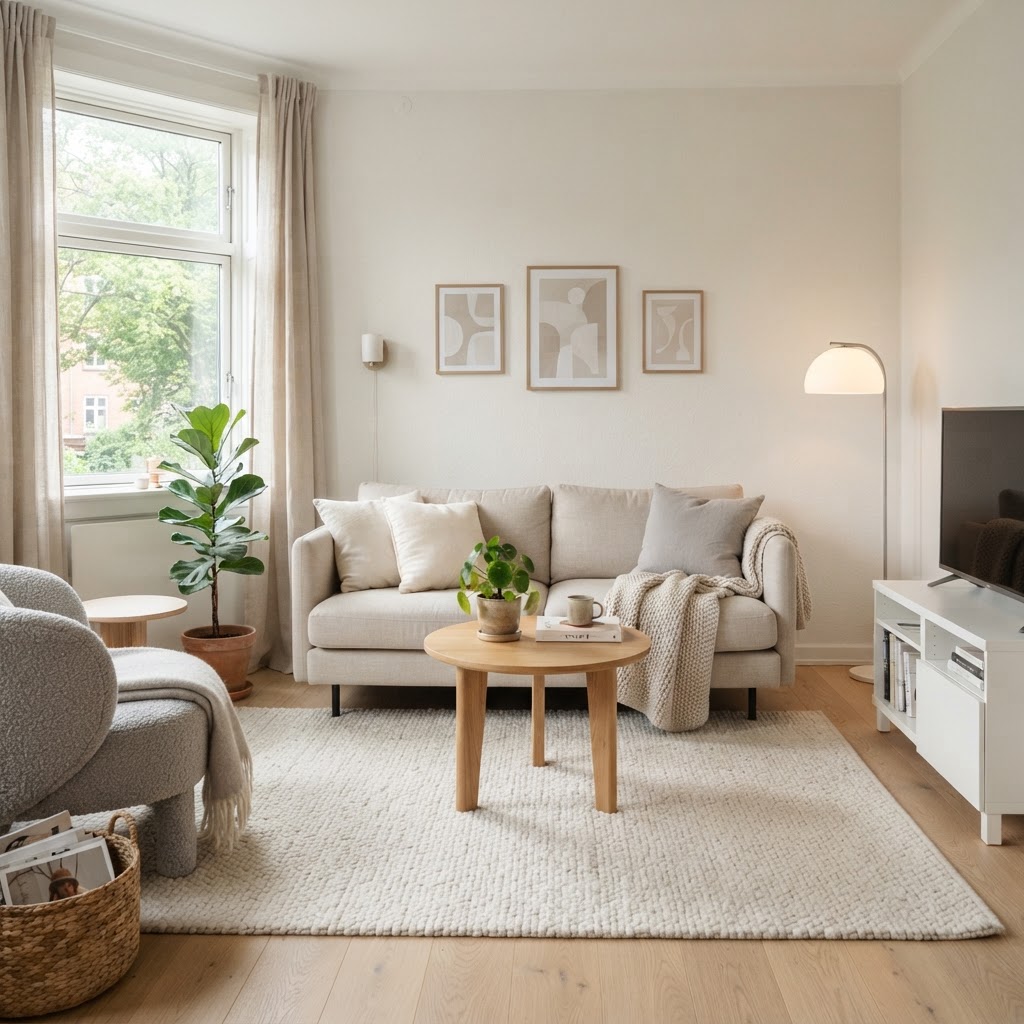
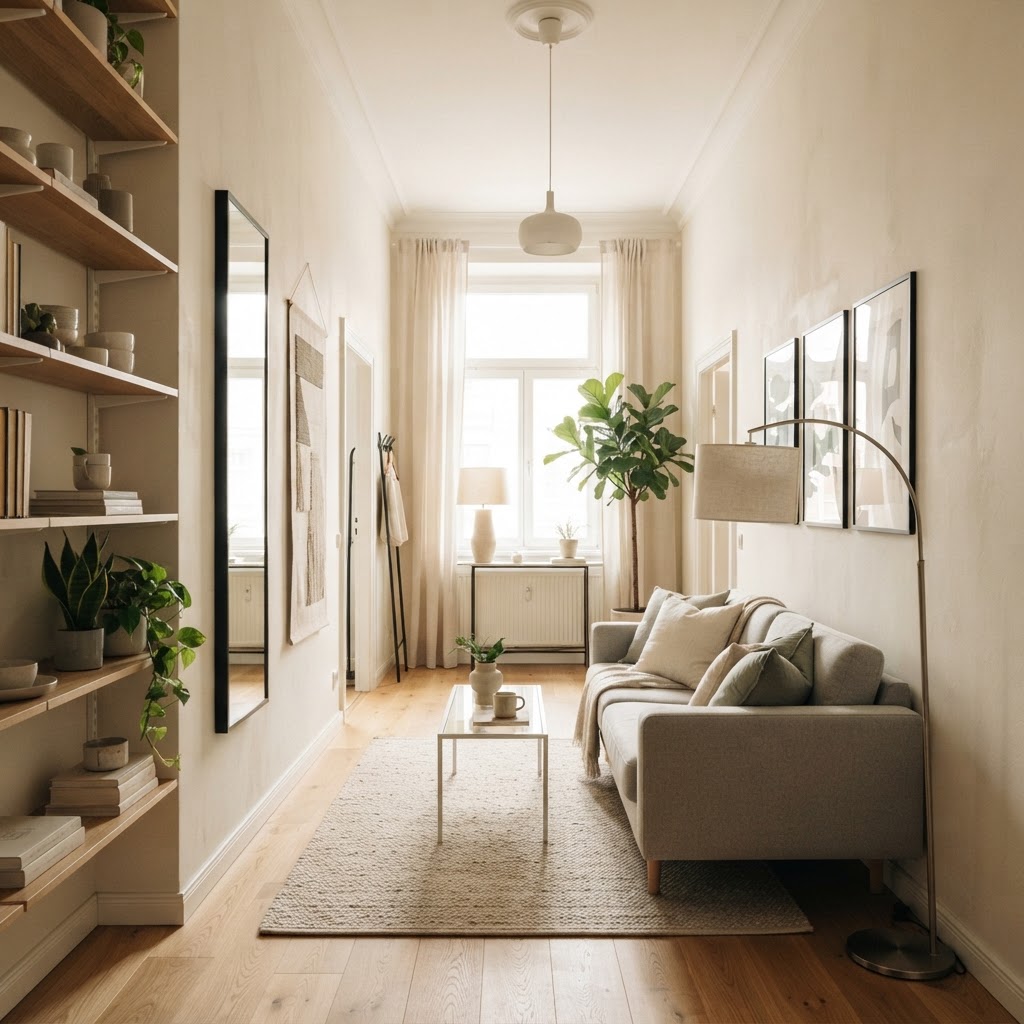
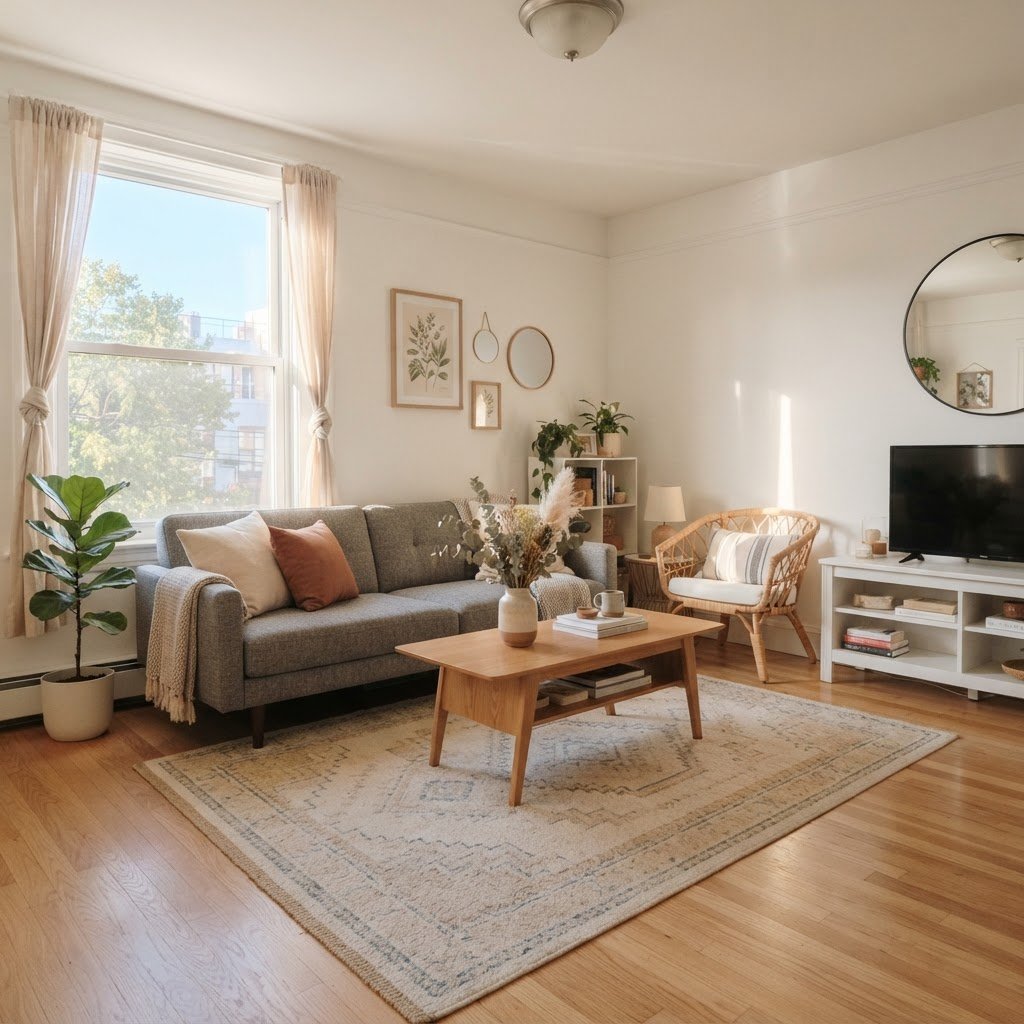
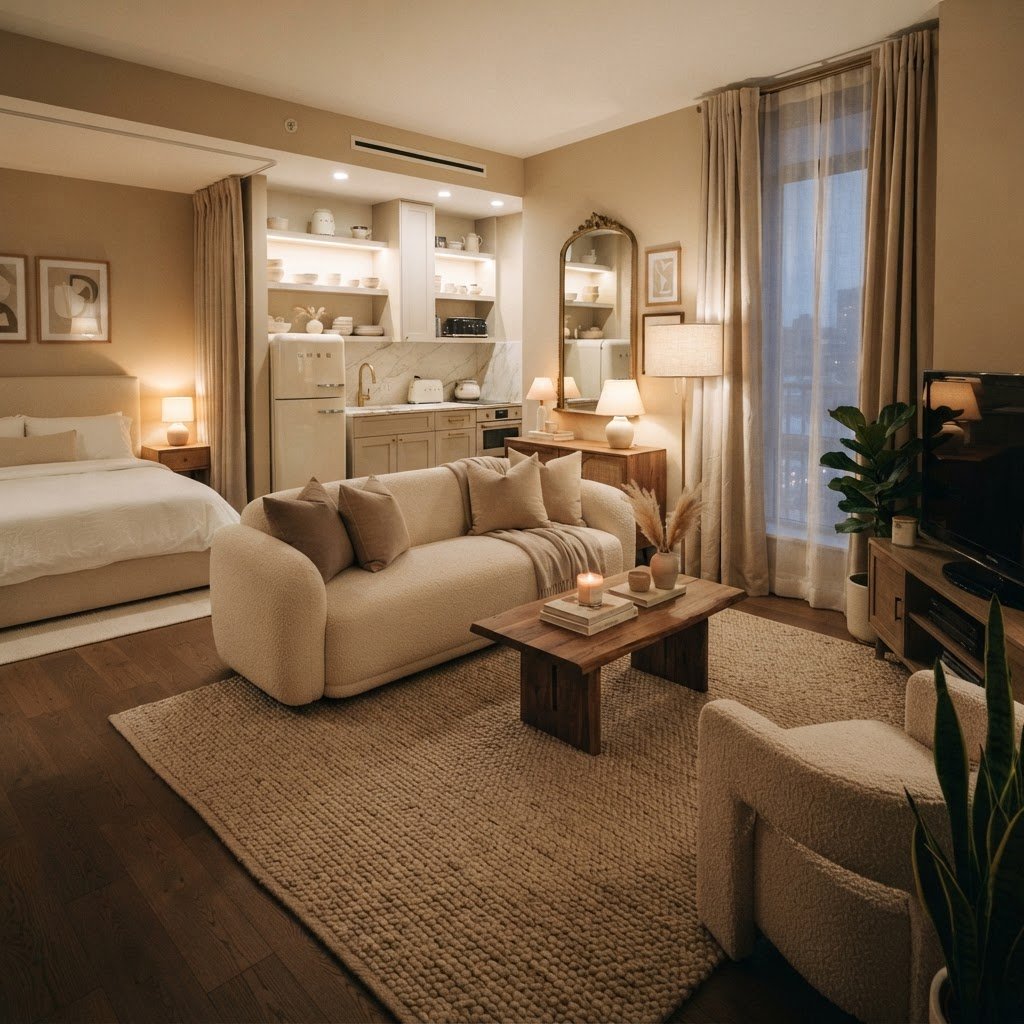
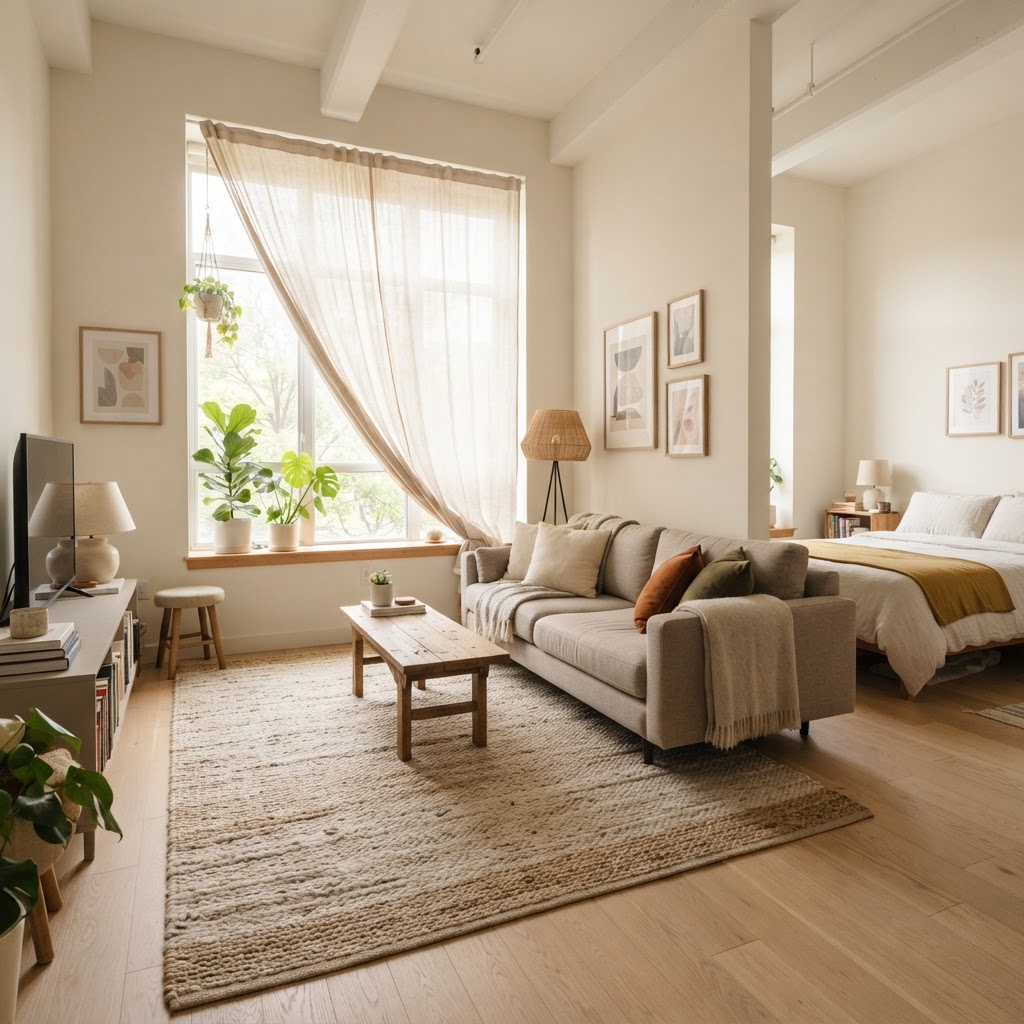
A neutral, bright living space shows how a well-placed rug can define a room.

Maximizing a small apartment layout requires precise planning before purchasing any new items. Start by measuring your floor space and mapping it out; aim for furniture that occupies less than 60% of the walking area to maintain flow. Multi-functionality is your most valuable asset in tight quarters; prioritize “dual-purpose” pieces like storage ottomans that provide seating while hiding clutter, or nesting tables that tuck away when not in use.

It is essential to declutter your surfaces to prevent a claustrophobic environment. Vertical storage solutions, such as wall-mounted floating shelves or tall, slim bookcases, draw the eye upward and keep the floor footprint clear. By mounting shelves 6 to 8 inches below the ceiling, you create a sense of height and expansive space. Always prioritize closed storage—such as bins or baskets—to keep essential items out of sight, ensuring the room remains visually calm and functional for daily activities.

Furniture Type Best Use for Small Spaces Budget Alternative
Coffee Table Central living piece Nesting side tables
Bookshelf Vertical storage Wall-mounted floating shelves
Ottoman Extra seating/hidden storage Storage bench

Budget-Friendly Styling Strategies

Grouping items in odd numbers is a professional trick for perfect shelf decor.

Elevating a small space on a budget relies on specific, high-impact styling tweaks rather than large-scale purchases. Swapping out standard, builder-grade cabinet hardware for matte black or brass knobs can be achieved for under $50 and provides an instant custom look. Incorporating varied textures through layered rugs and high-pile throw blankets adds an expensive aesthetic; a 5×8 area rug placed under the front legs of your sofa will define your living zone effectively.

Focus on a neutral base for your larger, more expensive items like sofas and window treatments. Using beige, cream, or light grey as your foundation allows you to update your apartment’s color scheme seasonally with low-cost accessories like throw pillows or wall art, which typically cost between $15 and $30 each. This approach keeps your primary investment pieces timeless while giving you the flexibility to experiment with bold accents or greenery to brighten your home.

Master the Art of Interior Design Rules
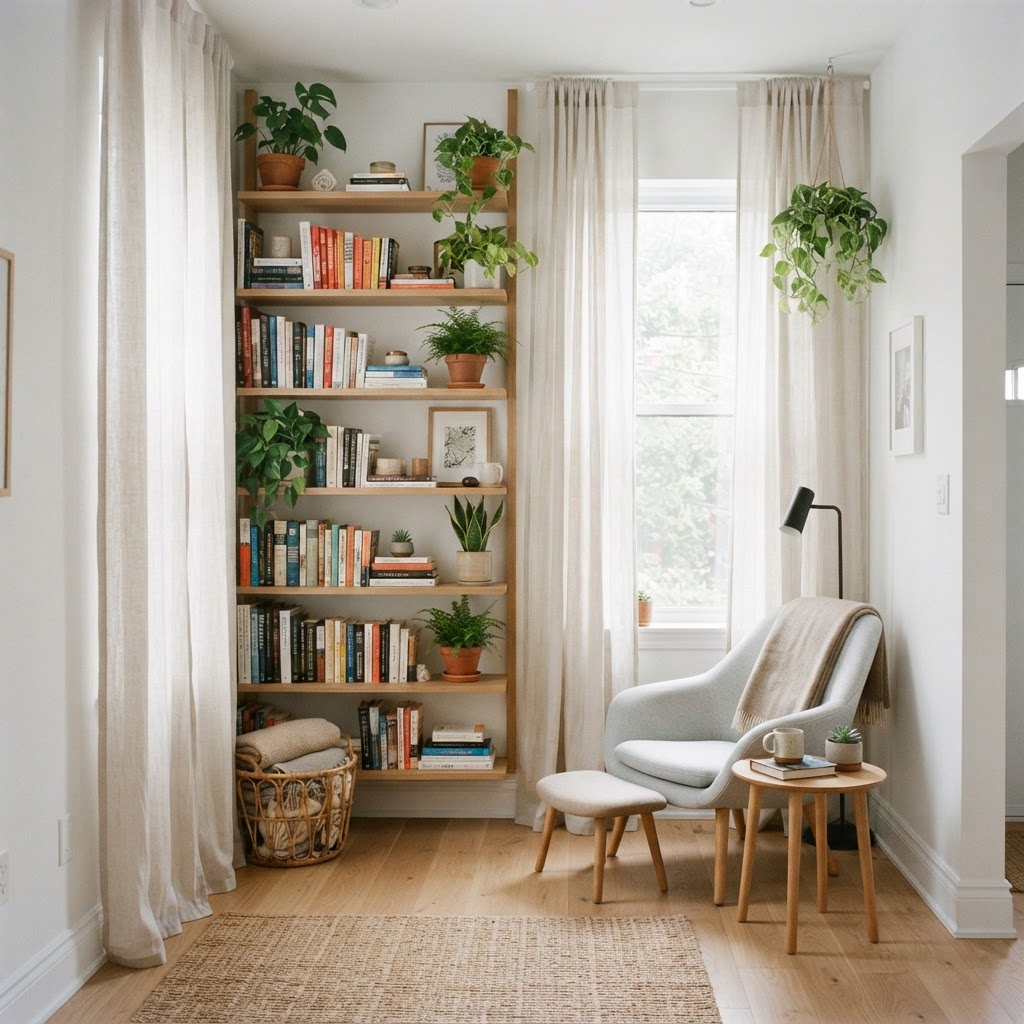
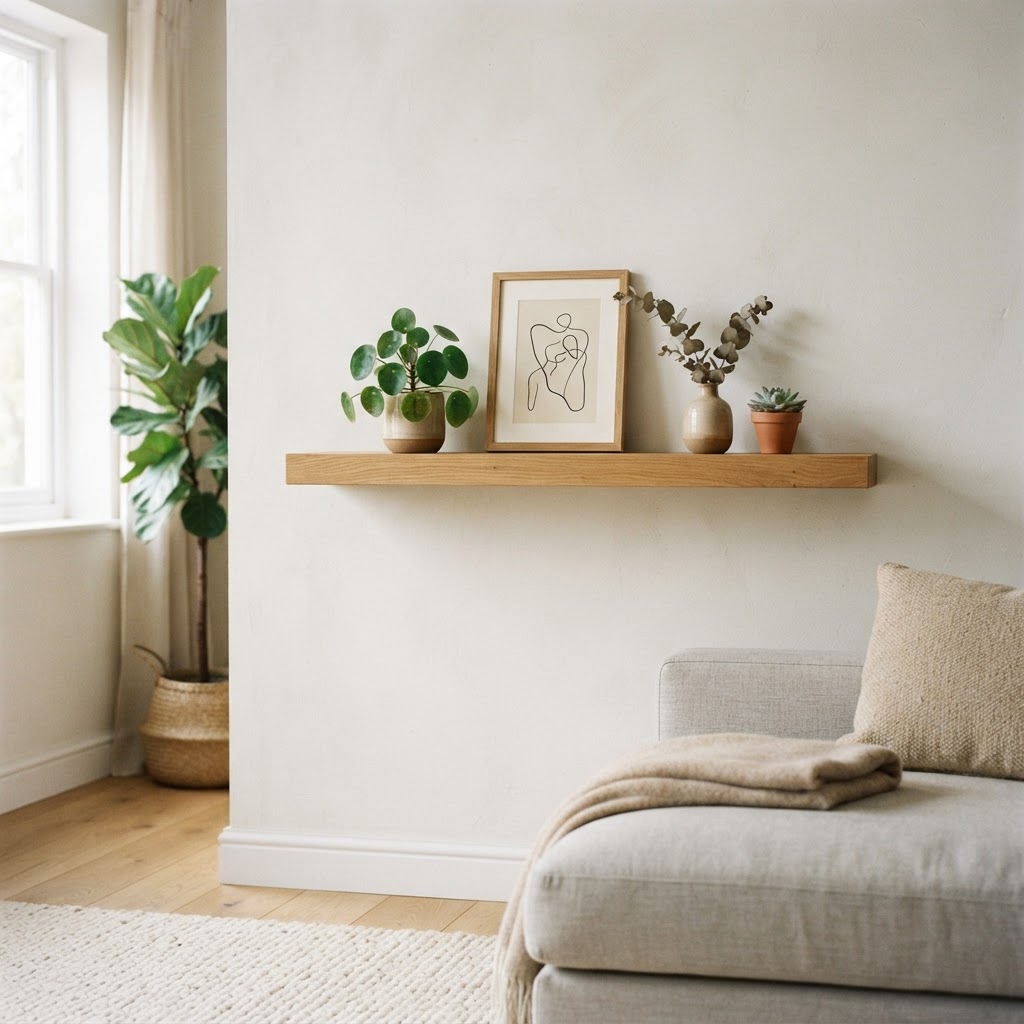
Utilizing vertical storage keeps floor space clear in smaller apartments.

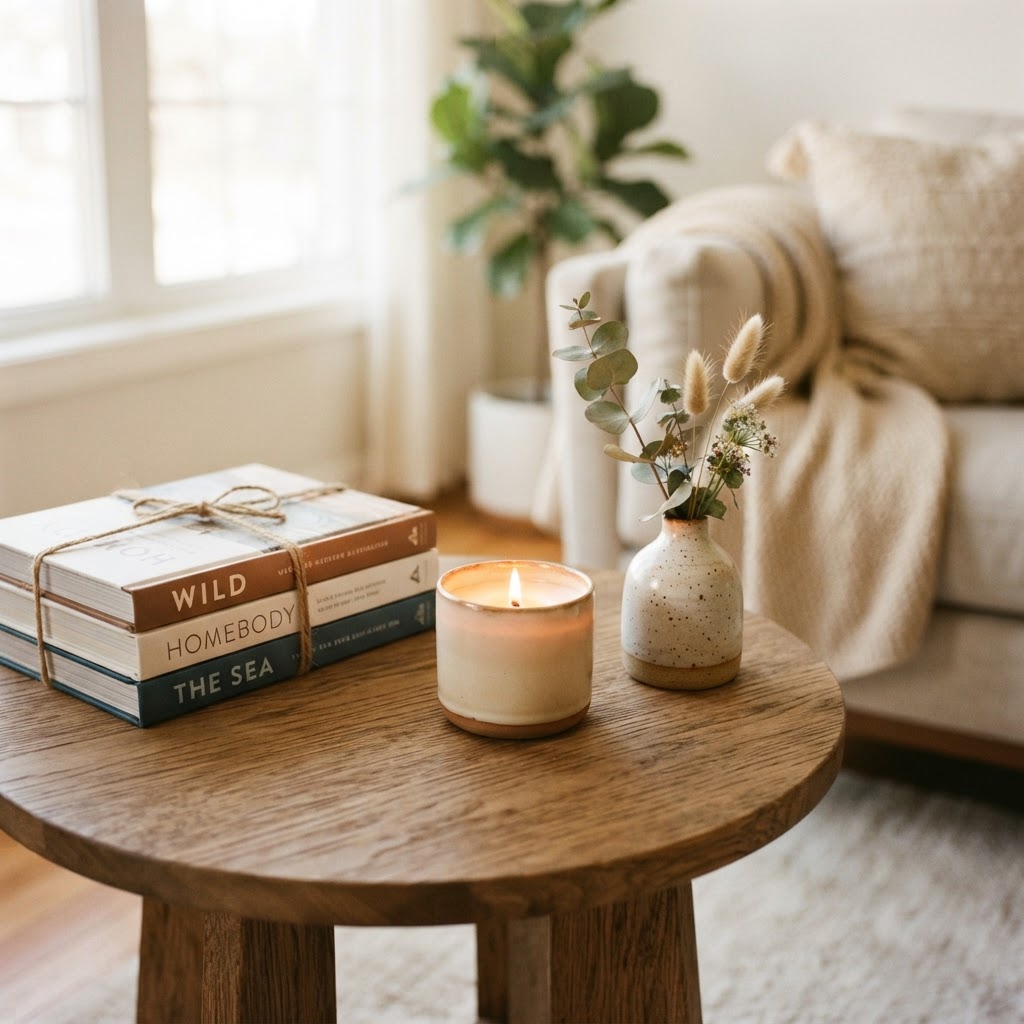
What is the 3-5-7 rule in interior design? This rule suggests that you should group items in odd numbers, specifically three, five, or seven, to create visual balance and professional depth. Designers use this trick to prevent rooms from feeling cluttered or random. Instead of placing a single item on a side table, arrange three objects of varying heights—such as a tall vase, a medium candle, and a short stack of books—to lead the eye across the space.

Creating Visual Balance

When styling your home, consider how different heights interact to create a pleasing contrast. A tall floor lamp placed next to a shorter armchair creates a dynamic visual focal point. On your coffee table, combine a stack of books, a decorative tray, and a small plant to ground the surface. By clustering these objects, you transform flat surfaces into intentional displays that feel curated rather than messy, which is essential for maintaining a sense of luxury in a limited apartment space.

Achieving a High-End Look for Less
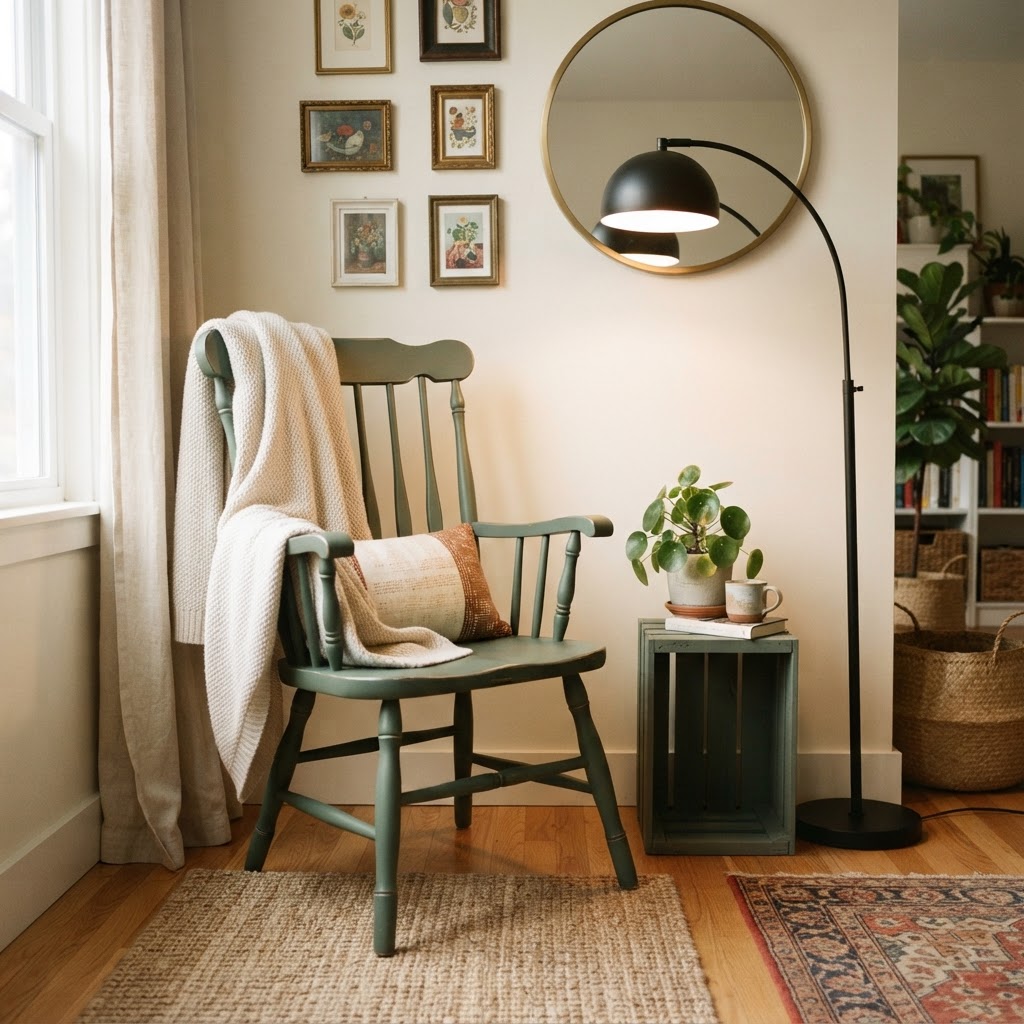
Refreshing thrifted furniture is an excellent way to achieve luxury on a budget.

How to make a small apartment look luxurious? Focus on the quality of light and the use of scale to elevate your surroundings. Avoid the singular overhead “boob light” by layering your lighting; combine a floor lamp for ambient light, a task lamp for reading, and string lights or candles for accent depth. This professional lighting scheme creates warmth and masks the limitations of a small, cramped floor plan.

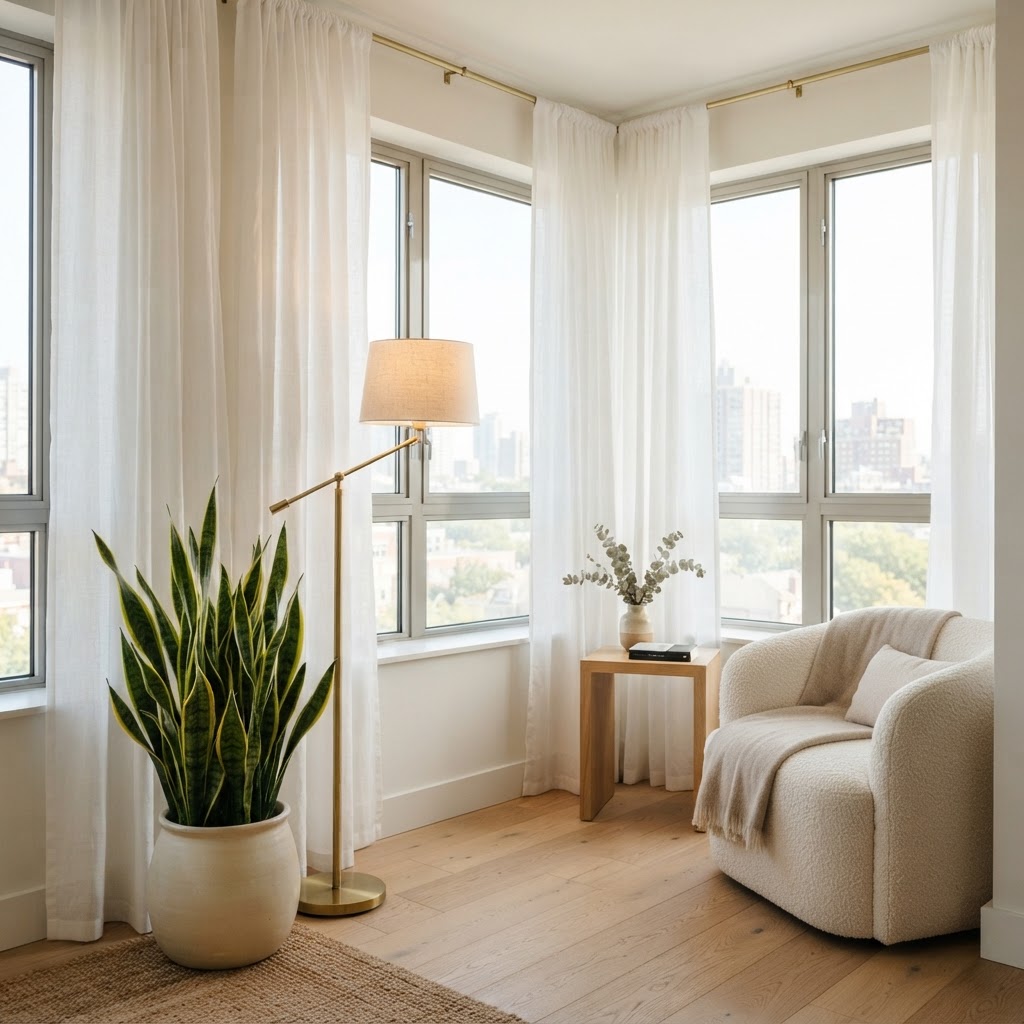
Adding floor-to-ceiling curtains is one of the most effective designer tricks to make ceilings appear higher. Mount your curtain rod at the ceiling line—or at least 6 inches above the window frame—rather than directly above the window. This creates the illusion of grandeur. Investing in linen or velvet curtains can add a high-end texture that masks cheap window frames, making the entire room feel more expensive.

Decorating on a Shoestring Budget

How to decorate a low income apartment? Prioritize DIY refurbishing and secondhand marketplaces, which can save you up to 70% compared to buying new retail furniture. Visit local thrift stores or browse online marketplaces for solid-wood furniture that only requires a light sanding and a fresh coat of paint to look modern and refined. If you are struggling with ideas, Pinterest serves as an excellent resource for DIY tutorials on refurbishing everything from old chairs to kitchen cabinets.

Do not underestimate the power of DIY wall art to fill empty spaces cheaply. You can print high-resolution public domain art or create abstract paintings on canvases costing less than $10. Placing these in matching frames provides a cohesive, gallery-like feel. By repurposing what you already own and focusing on quality items over quantity, you avoid the “clutter trap” that makes small apartments feel smaller, while maintaining a distinct, personal sense of style.

The Power of Textiles and Lighting

Never underestimate how much a rug can anchor a living space. It effectively defines distinct zones in a small apartment, separating the lounge from the dining area without needing walls. Choose a rug that is large enough to touch at least the front legs of your furniture, as this pulls the grouping together into one intentional “room.” If you have mismatched furniture, a cohesive rug color can tie the whole look together seamlessly.

Lighting is equally vital for creating mood. If your apartment has minimal natural light, use large mirrors to bounce available light around the room. A full-length mirror leaning against a wall can effectively make a cramped room feel twice as large by reflecting space and natural windows. Complement this with a warm-toned floor lamp (2700K to 3000K bulb) for evenings, which provides a cozy glow compared to the sterile, cold appearance of standard overhead white lights.

FAQ

How can I make my apartment feel larger without spending much money?

Use mirrors to reflect light and space, and choose furniture with exposed legs to create the illusion of more floor area. Keeping surfaces clear and utilizing vertical space for storage also prevents the room from feeling cramped or cluttered.

What are the best colors for a small apartment?

Stick to a neutral palette of white, cream, or light grey for your large pieces to maintain an airy, open feel. You can introduce personality through small, inexpensive accessories like colorful throw pillows, blankets, or wall art that can be changed out easily.

How do I use the rule of three when decorating?

Group items in sets of three, five, or seven to create visual balance and interest. Ensure your objects vary in height and texture—such as combining a tall vase, a round candle, and a flat book—to create a professional, intentional focal point on surfaces like coffee tables.

Is it worth buying secondhand furniture for small spaces?

Yes, buying secondhand is a highly cost-effective way to get high-quality materials like real wood or metal. You can easily refurbish these pieces with paint or new hardware to match your personal aesthetic, often saving hundreds of dollars compared to buying mass-produced furniture.

How can I improve lighting in a windowless room?

Layering your lighting is the best approach for rooms lacking natural light. Use a combination of a floor lamp for ambient glow, a table lamp for task-oriented lighting, and wall sconces or string lights to add decorative accent lighting that warms up the space.
Small Apartment Decorating Ideas on a Budget

Small Apartment Decorating Ideas on a Budget

To decorate a small apartment on a budget, prioritize multi-functional furniture, vertical storage, and light-reflecting decor to maximize square footage without expensive renovations. Focus on “zoning” your layout to create distinct activity areas, using neutral color palettes to enhance the sense of space and keeping floor surfaces clear to improve traffic flow.

Rethinking Your Layout for Maximum Utility

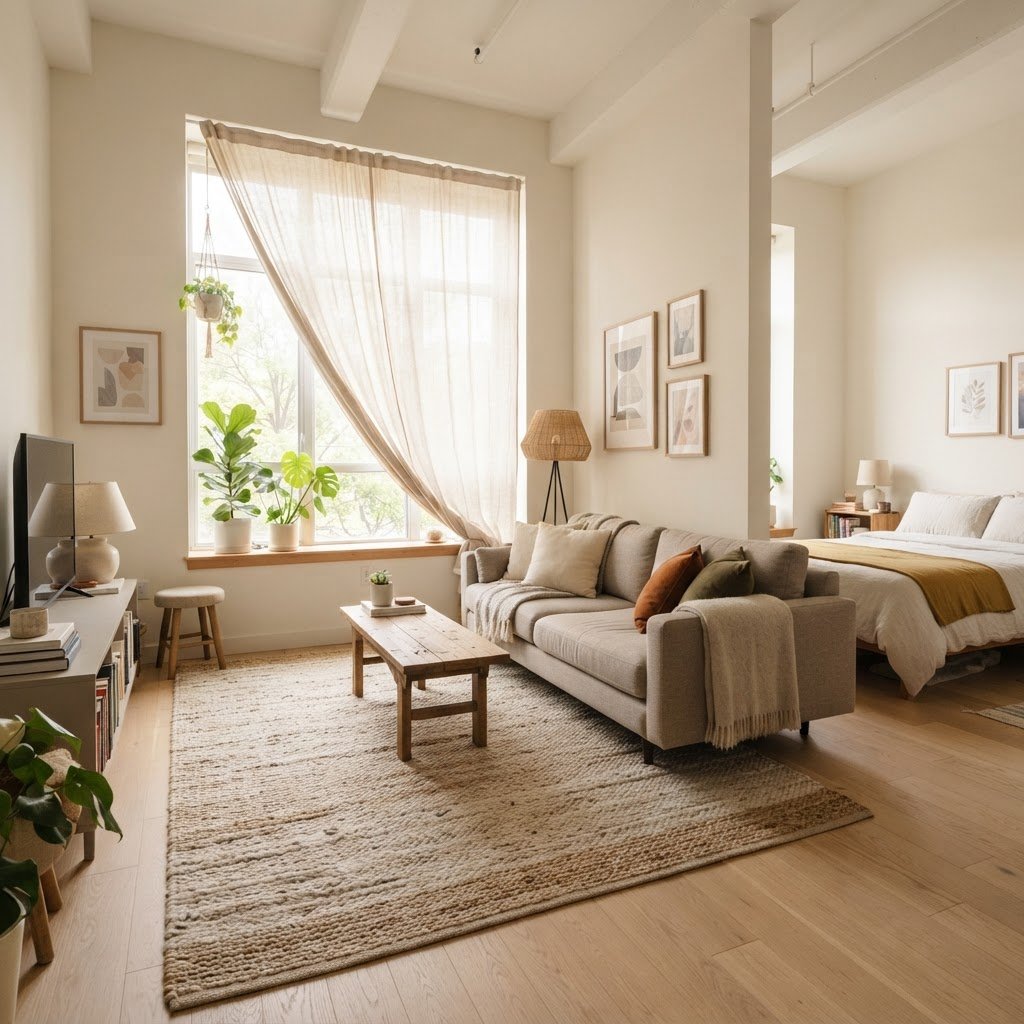
Maximize your small living space with a bright, airy color palette and minimal furniture.

Before spending money, assess your floor plan to create defined zones for sleeping, working, and dining, which prevents the “cramped” feeling common in studios. Start by measuring your walls and furniture to ensure you stay within your available square footage. A common rule of thumb for small apartments is to leave at least 30 inches of clearance in main walking paths to maintain proper circulation.

Focus on versatile pieces that perform double duty to save both money and space. For instance, a coffee table with internal storage can reduce the need for an extra bookshelf, saving roughly 4–6 square feet of floor space. Use the following table to compare storage-heavy furniture options to help prioritize your budget.

Furniture Type Benefit Estimated Cost Best For
Storage Ottoman Hidden storage/seating $40–$100 Small living rooms
Lift-top Desk Converts to dining table $120–$250 Studios
Bed with Drawers Replaces dresser $200–$500 Bedrooms

By keeping the floor clear of excess items, you naturally trick the eye into perceiving the room as larger. Aim to elevate furniture off the ground using pieces with visible legs; this exposes more floor surface area, which is a proven psychological hack to increase perceived room volume by 15–20%.

Mastering Light and Texture with Decor

Use floating shelves to clear floor space and add character to your apartment walls.

Lighting is the most underrated element of interior design, and in a small home, replacing heavy, opaque window treatments with light-filtering sheer curtains can brighten a room by up to 30%. When you allow more natural light to permeate the space, the boundaries of the walls appear to recede, creating a more expansive feel.

Layering is essential for adding warmth without clutter; start with a textured rug to anchor your seating area. A well-placed rug, ideally sized at 5’x8′ or larger, serves as a foundation that defines a room’s purpose. To keep costs low, look for synthetic fibers like polypropylene, which are durable and often priced under $100. Incorporate a cohesive color theme by choosing one accent hue—such as sage green or navy—and repeating it across three different items, like a throw pillow, a piece of wall art, and a vase. This repetition creates a curated, high-end look while maintaining a budget-friendly simplicity.

Vertical Storage Solutions

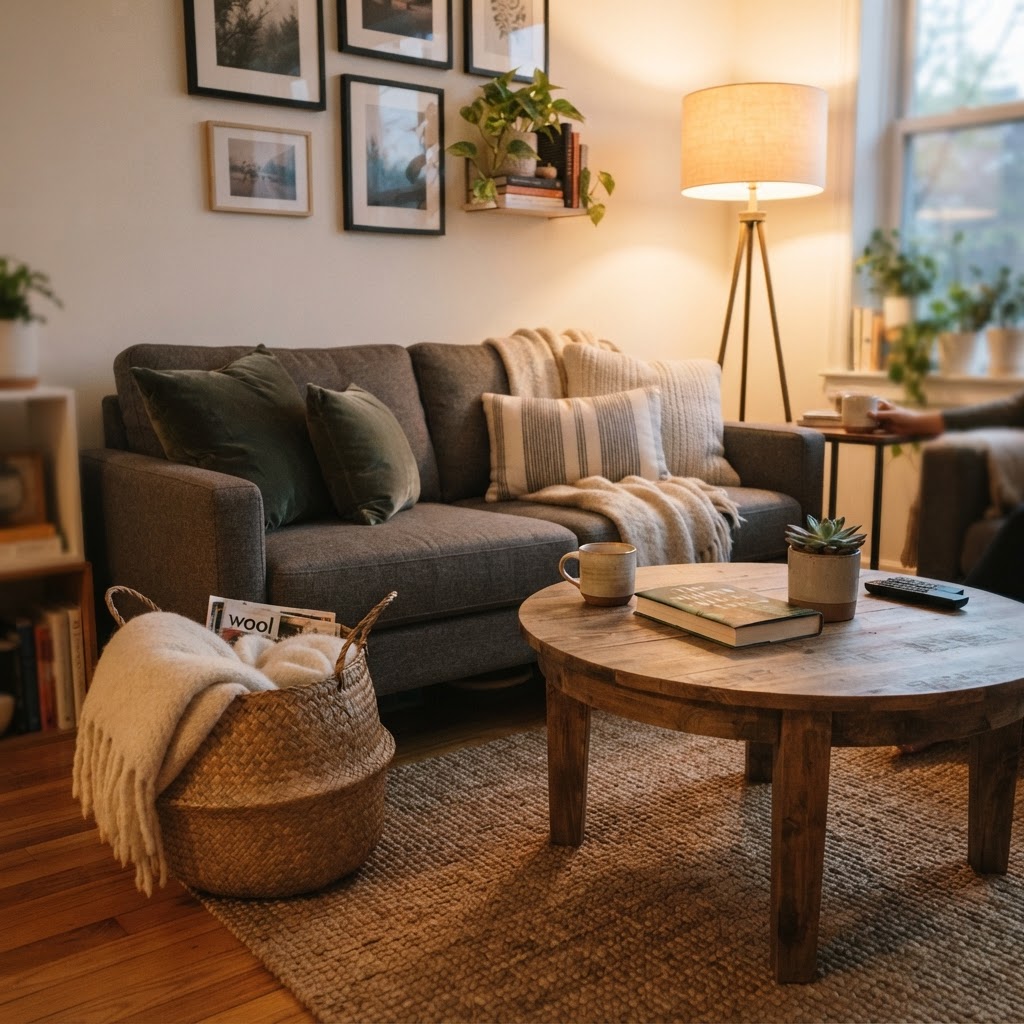
Storage baskets and warm lighting are essential tools for a cozy, clutter-free home.

When you run out of floor space, the most effective strategy is to utilize your vertical real estate for storage and visual interest. Installing floating shelves allows you to store books, plants, and decor items off the ground, which can free up an entire floor surface area previously occupied by traditional bookcases.

To make a small room feel airier, try to find furniture that matches your wall color, which helps pieces “disappear” into the background and minimizes visual noise. In an empty corner, a vertical floor lamp provides necessary task lighting while drawing the eye upward, creating the illusion of higher ceilings. This technique is especially useful if your ceiling is under 8 feet. When choosing hardware or shelving units, opt for white or light-toned woods, as these reflect light rather than absorbing it. A well-placed vertical focal point distracts from the narrow width of the room, providing a sense of balance and intentional design that feels professional despite a low budget.

Curating the Perfect Sofa for Small Spaces

Smart layouts can make even the smallest apartment feel large and well-designed.

Selecting a sofa is a major commitment, so look for a slim-profile piece with exposed legs to ensure light passes underneath, keeping the layout feeling airy rather than grounded. Avoid bulky, low-to-the-ground sectionals that dominate a room; instead, aim for a two-seater sofa measuring roughly 60–70 inches in width, which provides comfort without overwhelming the space.

When choosing upholstery, stick to neutral tones like light gray, beige, or off-white. This strategy offers a versatile base that is less likely to look dated compared to bold patterns. You can easily inject personality using seasonal throw blankets or pillows, which cost significantly less than replacing a sofa.

Feature Recommended Choice Budget Reason
Sofa Legs Exposed, tapered legs Makes room feel larger
Fabric Type Crypton or Performance Poly Stain resistant/low maintenance
Sofa Size 60–70 inches (2-seater) Fits small footprints

Remember that your seating choice dictates the vibe of the entire room. By keeping the sofa neutral and low-profile, you maintain flexibility to pivot your decor style as you gain more budget for accessories later.

Organization Hacks for the Budget-Conscious Renter

Clutter is the primary enemy of small apartment living, so investing in organization tools is essential for maintaining a sense of peace. Stylish woven baskets are an affordable way to hide miscellaneous items, providing soft, organic texture that balances out the harder, geometric lines of typical budget furniture.

For renters, removable wall hooks are a non-negotiable hack for maintaining order without damaging property. These can support heavy items like coats, tote bags, or even lightweight gallery art arrangements. Keeping surfaces like coffee tables and dining areas clear is crucial when your living space serves a dual purpose, such as a home office or dining room. By creating a dedicated “home” for every object, you reduce the time spent cleaning and keep your visual environment calm and orderly, which is the cornerstone of successful small-space living.

Personalizing Your Rental Space

Personalizing a rental requires focusing on transportable items that move with you, such as textiles, floor lamps, and curated wall art. This approach prevents you from wasting money on permanent, unmovable fixtures and ensures that your investment continues to pay off in future homes.

Focus on quality over quantity to avoid overcrowding your home. A single, well-chosen vintage rug or a high-quality piece of art acts as a focal point that tells your story without filling the room with trinkets. When you curate your items carefully, the apartment feels intentional rather than just filled with inexpensive goods. You can create a peaceful retreat even on a budget by prioritizing items that evoke a sense of calm and reflect your personal aesthetic. Remember, the goal is to create an environment that supports your daily lifestyle while keeping the spatial footprint as open as possible.

FAQ

Q: How do I make a small room look bigger on a budget?

Use light-colored paint, large mirrors to reflect natural light, and furniture with exposed legs to increase the visible floor space. Removing excess clutter and keeping surfaces clean are the most effective, low-cost ways to make any room feel significantly larger.

Q: What is the best furniture for a tiny studio apartment?

Prioritize multi-functional furniture like lift-top coffee tables, storage ottomans, or beds with built-in drawers. These pieces allow you to maintain essential storage without sacrificing additional floor space, which is critical in a compact studio environment.

Q: How can I hang decor without damaging apartment walls?

Use heavy-duty adhesive wall hooks or command strips, which are designed to support weight without requiring nails or screws. For larger items, consider leaning floor mirrors or art against the wall to add visual height and depth without needing any hardware at all.

Q: Are area rugs necessary for small apartments?

Yes, area rugs are essential for grounding furniture and defining distinct “zones” in an open-concept layout. A well-placed rug creates visual boundaries that make a small room feel organized and intentional, preventing the space from feeling like a random collection of furniture.

10 Budget Small Apartment Decorating Ideas for Your Space

10 Budget Small Apartment Decorating Ideas for Your Space

To decorate a small apartment on a budget, prioritize multi-functional furniture, utilize vertical wall space for storage, and implement a neutral color palette to maximize natural light. By choosing slim-profile furniture and defining zones with rugs, you can create a spacious, functional sanctuary without exceeding your budget.

Rethink Your Furniture Layout

Optimizing your floor plan is the most effective way to make a small apartment feel larger by creating clear pathways and open sightlines. Pulling furniture at least 3 inches away from walls creates a “floating” effect that adds perceived depth, while choosing pieces with exposed legs—like a sofa with tapered wooden feet—allows the eye to see more floor area. When selecting furniture, prioritize a “scale-down” strategy. A standard 90-inch sofa often overwhelms a studio, whereas a 70-inch apartment-sized loveseat provides the same utility with a significantly smaller footprint. Aim for pieces that do not block windows or natural entryways, as unobstructed light is crucial for maintaining an airy atmosphere.

Furniture Feature Small Apartment Strategy Benefit
Legs Exposed/Tapered Creates illusion of more floor space
Profile Slim/Low-back Reduces visual weight in the room
Placement Floating (off-wall) Adds depth and breathable space

The Importance of Multi-Functional Items

In tiny homes, every square inch must provide value, making multi-functional furniture essential for reducing clutter. A storage ottoman priced around $50 to $100 can serve as a coffee table, extra guest seating, and a hidden bin for blankets or electronics. Similarly, drop-leaf dining tables are perfect for small spaces; they expand when hosting guests and collapse into a slim console table when not in use. By selecting furniture that serves at least two purposes, you eliminate the need for secondary storage units, freeing up precious square footage for movement.

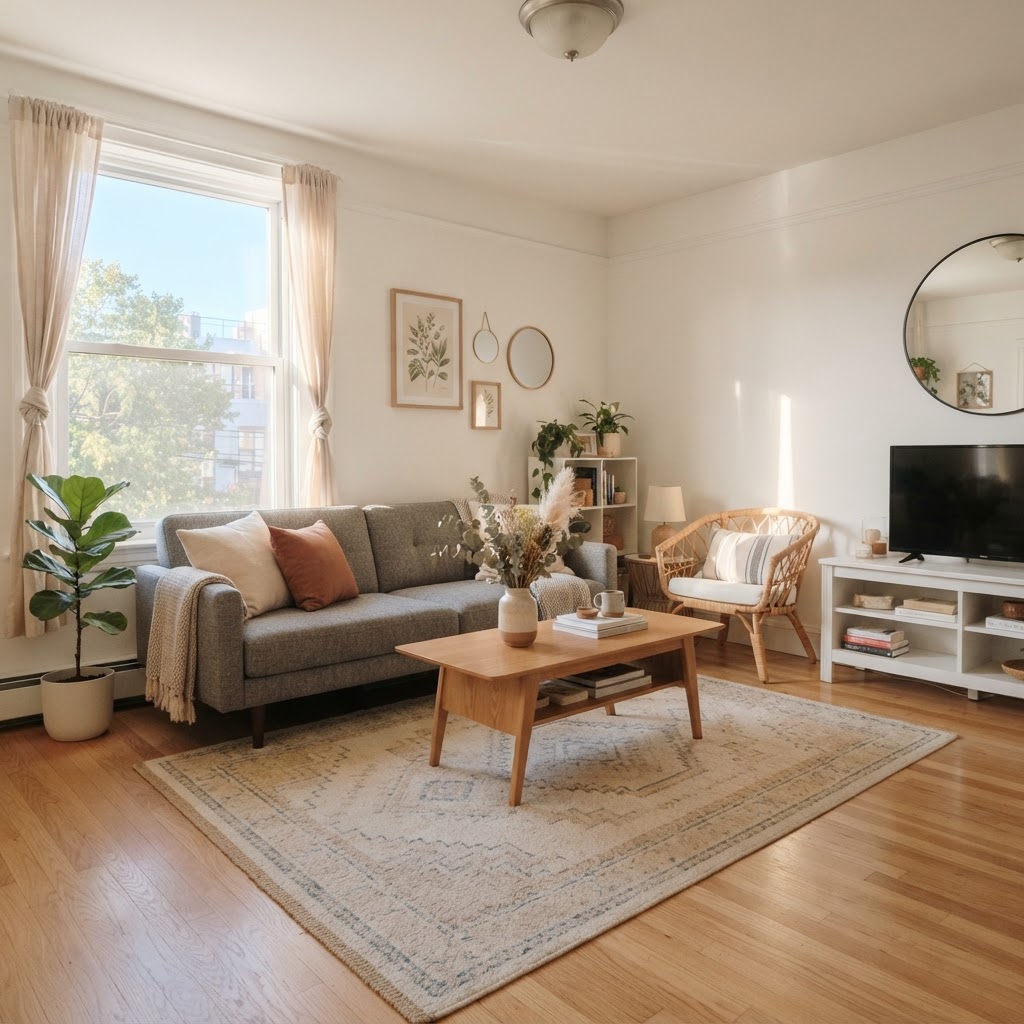
A bright and organized small living room setup.

Lighting Techniques to Expand Space

Layering lighting is the most effective way to eliminate “dead zones” in a small apartment that make the space feel smaller than it is. Avoid relying solely on a harsh central overhead fixture, which casts shadows that emphasize room boundaries; instead, use at least three light sources per room to create an even, expansive glow. Use floor lamps in corners to brighten dark pockets, task lamps on desks for functional lighting, and LED strip lighting under cabinets to draw the eye outward. Strategically placing mirrors opposite light sources can also amplify natural light by up to 50%, making even a windowless bathroom feel bright and open.

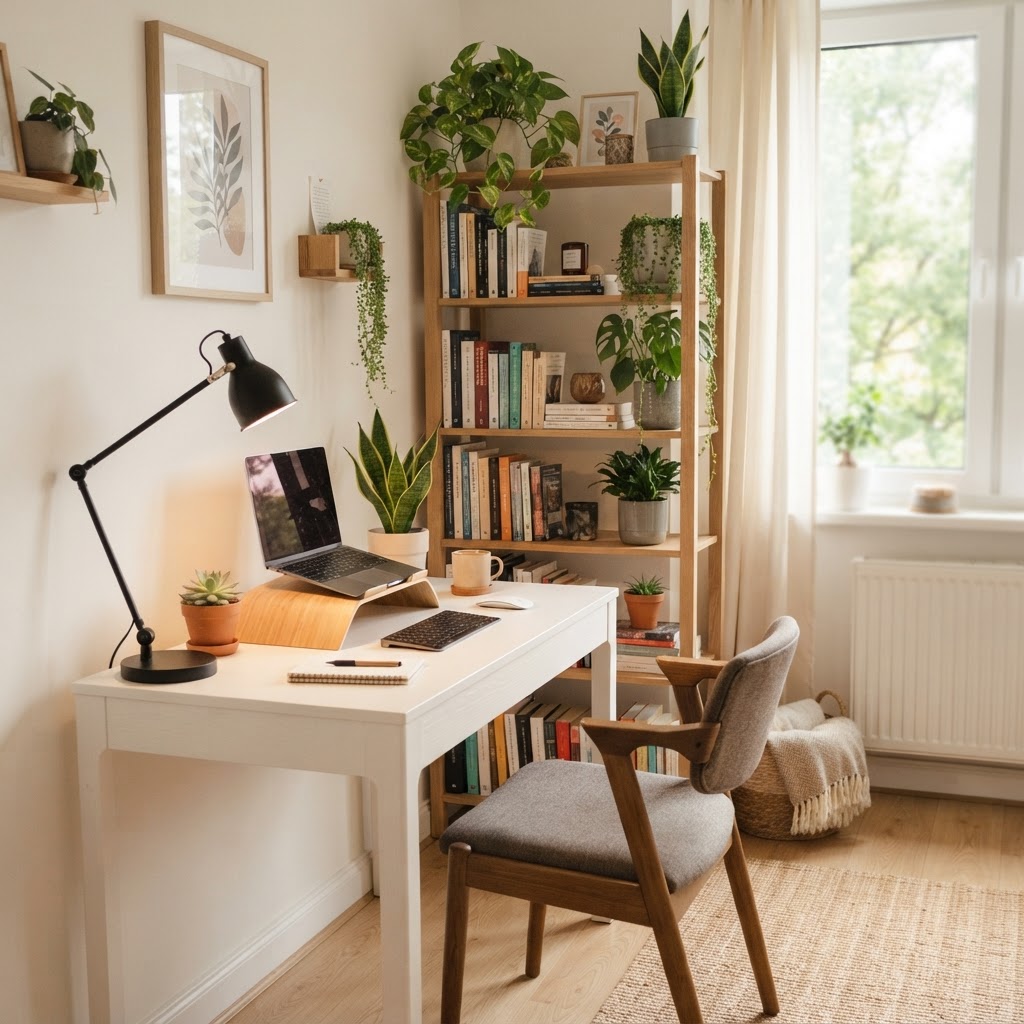
A functional desk area maximizing vertical storage space.

Using Textiles to Define Zones

Textiles provide the most affordable way to create visual boundaries in an open-concept layout without the need for permanent walls or bulky room dividers. A large area rug acts as the “anchor” for your living area; ensure that at least the front legs of your sofa and chairs sit on the rug to unify the zone. For curtains, hanging rods at the ceiling line—often 8 to 12 inches above the window frame—draws the eye upward and creates an illusion of taller, more grand walls. This simple vertical adjustment makes the entire room feel more intentional and sophisticated.

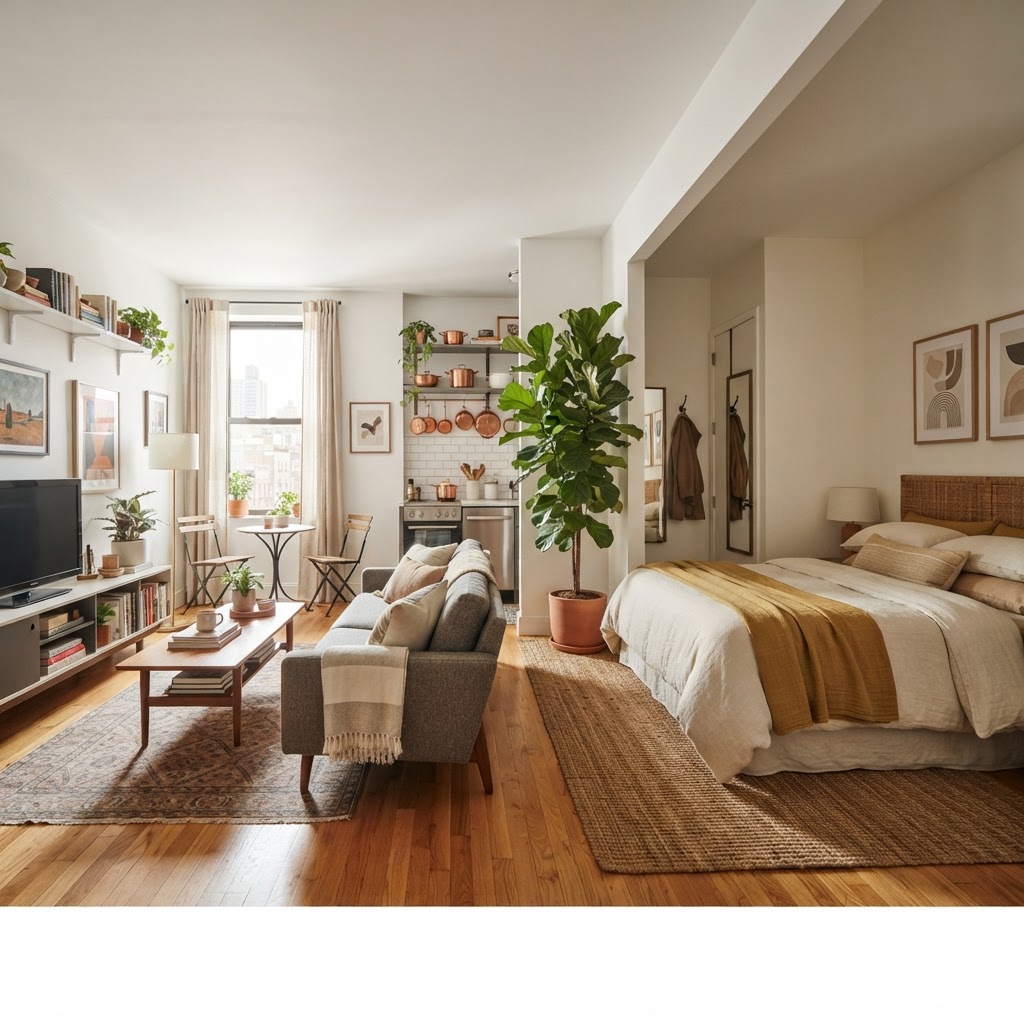
Clever use of rugs and plants to define living zones.

10 Cheap & Easy Ideas to Makeover Your Apartment (Under $100)

DIY Upgrades for a Custom Look

DIY projects are the best way to add personality to a rental while keeping costs under $200 for an entire room refresh. Simple modifications, such as swapping out standard contractor-grade cabinet pulls for brushed gold or matte black handles, provide an instant luxury aesthetic that costs as little as $3 per handle. Removable, peel-and-stick wallpaper is another renter-friendly miracle; applying it to just one “accent wall” can drastically change the mood of a room without risking your security deposit. When creating gallery walls, use thrifted, mismatched frames painted in a single color (like uniform white or black) to create a cohesive, high-end display for less than $50.

Vertical Storage Solutions

Vertical storage is the ultimate hack for small-space living because it utilizes under-used space above your line of sight. Installing floating shelves 12 to 18 inches below the ceiling draws the eye up, making the apartment feel taller while providing functional storage for books, plants, or seasonal items. In areas like entryways or kitchens, use “over-the-door” organizers or wall-mounted pegboards to reclaim valuable floor space. By keeping the floor clear of “stuff,” you maintain a clean, minimalist aesthetic that makes even a 300-square-foot studio feel organized and intentional.

Choosing a Cohesive Color Palette

Adhering to a strict color palette prevents visual clutter and allows your small apartment to feel larger and more serene. Aim for the 60-30-10 rule: 60% of the room should be a neutral base color (like cream, soft grey, or white), 30% should be a secondary color (like wood tones or muted blues), and 10% should be an accent color (like vibrant pillows or art). When the eye can travel around a room without being jolted by clashing patterns, the subconscious registers the space as being more orderly and expansive. Keep large items, such as bedding and curtains, in your neutral base category to avoid overwhelming the limited footprint.

SMALL STUDIO APARTMENT MAKEOVER - decorating ideas

Incorporating Nature into Your Interior

Plants act as organic sculptures that bring life into a small apartment without consuming precious floor space. Utilizing hanging planters or “tiered” plant stands allows you to layer greenery vertically, creating a lush look that draws the eye upward. For low-light apartments, choose hardy varieties like Snake Plants or Pothos, which can thrive in corners with minimal natural exposure. These plants are cost-effective at around $10 to $20 and significantly improve indoor air quality, making your small apartment feel like a vibrant, breathing ecosystem rather than a cramped living quarters.

FAQ

Q: How can I make a dark apartment look brighter?

Use a combination of layered lighting and strategically placed mirrors to bounce light throughout the room. Placing a large mirror directly across from your main light source or window effectively doubles the perceived light and depth of the space.

Q: What is the best way to store clothes in a small apartment?

Utilize vertical space by adding high-reaching shelving units or over-the-door hooks to keep items off the floor. Under-bed storage bins are also essential for housing seasonal clothing, effectively using “dead” space underneath your primary furniture.

Q: Can I decorate a rental without damaging walls?

Use peel-and-stick wallpaper, command strips, and tension rods to add decor without permanent drilling. These products are designed for easy removal, ensuring you can customize your space while maintaining your security deposit in full.

Q: How do I choose furniture for a small living room?

Prioritize furniture with slim profiles and exposed legs to minimize visual weight. Look for multi-functional pieces, such as ottomans with built-in storage or nested coffee tables, to ensure every item provides maximum utility for the space it occupies.

Q: What colors make a small room look bigger?

Light, monochromatic color schemes including whites, creams, and soft greys create a seamless look that expands the space. By painting your baseboards and walls the same light color, you blur the edges of the room, making the walls feel further apart.

Small Apartment Ideas on a Budget That Look Expensive

Small Apartment Ideas on a Budget That Look Expensive

You can make a small apartment look expensive on a budget by implementing high-impact design choices such as monochromatic color schemes, layered warm lighting, and elevated textile selections. By focusing on intentional spatial organization and scaling your decor to emphasize verticality, you create a sophisticated environment that feels luxurious regardless of the square footage.

The Foundation of High-End Design

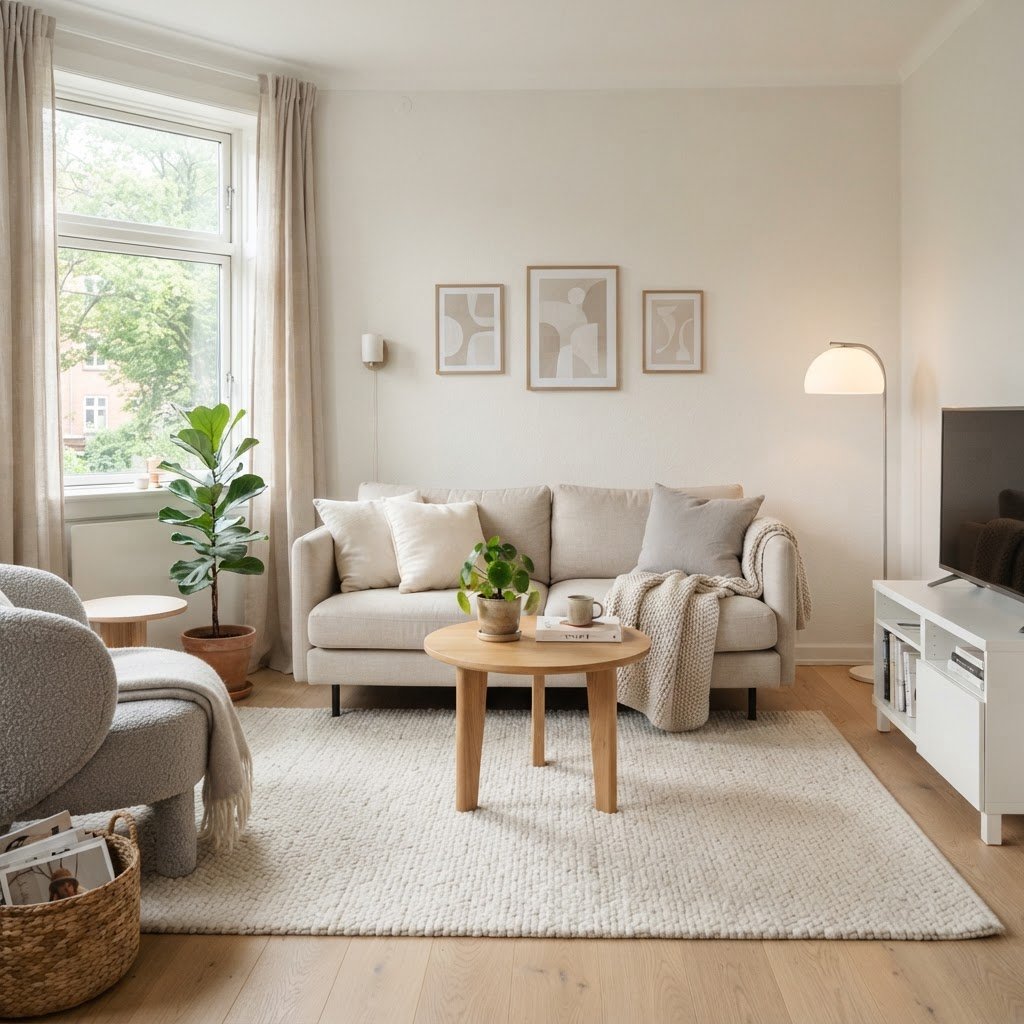
A beautifully curated neutral living area.

To achieve an expensive look, you must first master the art of editing to remove visual noise. A crowded home feels smaller and less curated, regardless of how much you spend, so start by removing unnecessary clutter that obscures your best architectural features. Minimalism in a luxury context is not about bare walls; it is about choosing items that serve a specific purpose or bring genuine, high-quality character to your space.

Color palettes are your secret weapon in this endeavor, with monochromatic schemes offering the highest ROI. By using variations of creams, beiges, and soft greys, you create a sense of cohesion and airiness. When your walls, curtains, and furniture share a similar undertone, the eye perceives a larger, more unified room. This is one of the most effective small apartment ideas on a budget, as paint costs roughly $40 to $60 per gallon and provides an immediate, transformative impact on the perceived value of your home.

Feature Budget Decorating High-End Design Impact on Space
Color High contrast Monochromatic Illusion of size
Clutter Visible storage Hidden storage Visual calm
Textures Synthetic/Shiny Natural/Matte Depth/Sophistication

Maximizing Your Layout and Flow

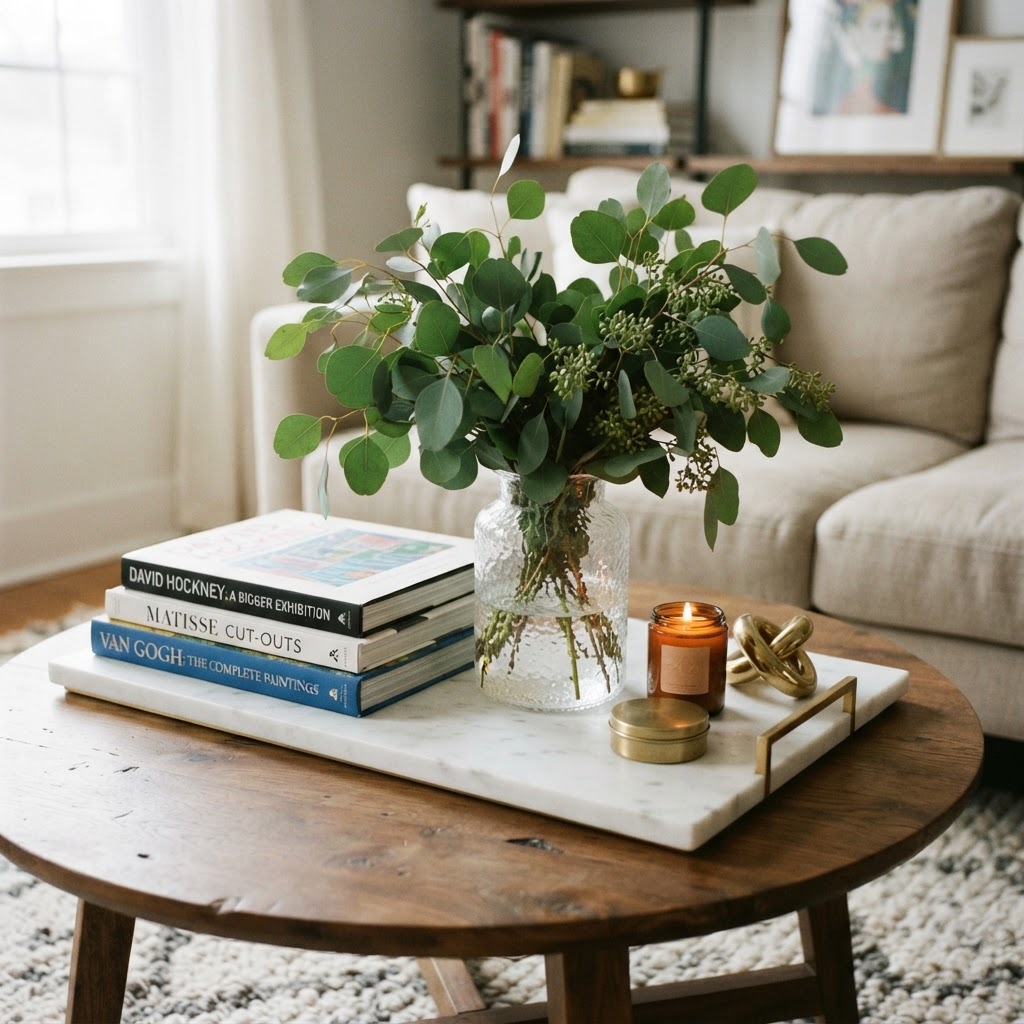
Intentional styling makes a coffee table look luxurious.

When working with a small space, the strategic placement of your furniture dictates the entire mood of the room rather than the physical size of the pieces. Resist the urge to push every piece against a wall; this often creates a ‘waiting room’ effect that feels stark and impersonal. Instead, float your furniture toward the center of the room to create a more intimate conversation area, even if it only leaves a 12-inch walkway behind the sofa.

Your sofa is arguably the most important investment piece in your apartment, but you can achieve a luxury aesthetic for less by reupholstering a vintage find or using high-quality, oversized throw pillows that mimic designer fabrics like Belgian linen or velvet. A well-placed rug serves as an anchor, defining the living zone and adding essential texture to the hardwood or carpet underneath. Aim for a rug size that allows at least the front legs of your seating to sit on it; a rug that is too small will make the entire room feel chopped up and less expensive.

Lighting as a Design Statement

Vertical curtains and greenery add height and life.

The secret to an expensive look is rarely the furniture itself; it is the lighting scheme, which is frequently overlooked. Builder-grade overhead lighting is often harsh and flat, which immediately cheapens the appearance of any interior by casting unforgiving shadows. Swap out generic fixtures for statement pieces that reflect your personal style, such as a sculptural pendant or a modern chandelier, which can be sourced for under $150 from reputable online retailers.

In addition to the main fixture, layering your lighting is essential for creating warmth and professional depth. Place lamps at different heights—table lamps on end tables, floor lamps near reading nooks, and wall-mounted sconces—to ensure you never rely on a single light source. Warm-toned bulbs in the 2700K to 3000K range are mandatory, as cool-toned lighting above 4000K tends to look clinical. When you use multiple sources of light, you create soft shadows that add depth and dimension, effectively masking budget finishes.

Mastering Textile Choices

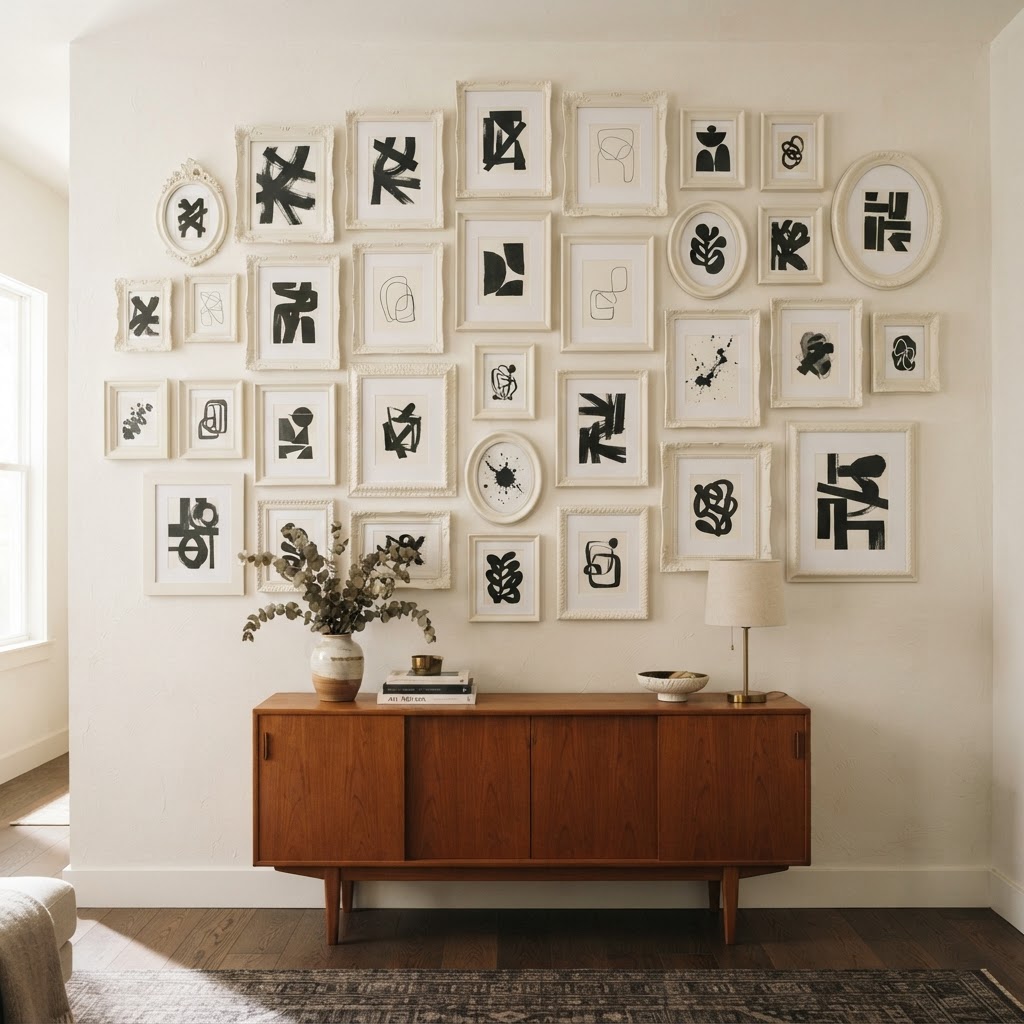
Uniform framing elevates simple art into a gallery display.

Fabric choices can instantly make a room look high-end or budget-friendly, so prioritize natural fibers over synthetic materials. Gravitate toward linens, cottons, velvets, and wools, as these materials age beautifully and provide a tactile, premium feel. Avoid shiny, cheap synthetics that look reflective under bright overhead lights. A thick, textured wool rug can transform a plain room into an inviting retreat, while linen curtains hung high and wide—ideally 6 inches above the window frame—can make your ceilings feel significantly taller.

Don’t forget the power of window treatments to elevate the architectural value of a room. Most apartments come with basic plastic blinds, but you can hide these by installing curtain rods several inches above the frame and letting the fabric touch the floor. This draws the eye upward and gives the illusion of grander windows. Adding subtle patterns through throw blankets or pillow covers provides a designer touch without the commitment or price tag of permanent decor changes.

Styling Surfaces and Shelving

How you style your flat surfaces reflects your attention to detail and indicates a curated lifestyle. A coffee table should not be a catch-all for mail and keys; it should be a focal point styled with a 3-item arrangement: art books, a decorative tray, and a sculptural object or fresh flowers. This intentional curation makes a massive difference in how the entire room is perceived by visitors and residents alike.

Use vertical space to draw the eye up, especially in units with limited floor space. Floating shelves are perfect for apartment decorating ideas because they do not take up floor space but offer plenty of room for displaying curated items. Keep your shelves organized by grouping items in odd numbers, which is a classic design rule that makes arrangements feel more balanced and pleasing to the human eye. Aim for 60% decor and 40% empty space to ensure the area feels curated rather than cluttered.

Incorporating Art and Personal Touches

Empty walls are a missed opportunity that can leave a space feeling sterile and temporary. Large-scale art can make a small room feel grand, but high-end gallery pieces are often out of reach. Look for digital prints online that you can frame yourself, or visit local thrift stores to find interesting vintage frames. Oversized frames with wide white mats always look more expensive, even if the artwork inside is simple, because they provide a “gallery” look that signals intentionality.

Art is subjective, so use it to tell your story while maintaining a consistent framing style. Whether it is photography you have taken yourself or a collection of botanical prints, your wall decor should reflect your personality. By framing these items with care, you bridge the gap between ‘homemade’ and ‘high-end’ design. Remember that the consistency of your framing style will do more to unify your decor than the actual artwork itself; choose a single finish, such as matte black or warm wood, for all frames in a single sightline.

Bringing in Nature for Vitality

No luxury home is complete without greenery, as plants breathe life into an apartment and help bridge the gap between indoor and outdoor spaces. If you lack natural light, consider low-maintenance, sculptural options like Snake plants or ZZ plants, which thrive in ambient light and look modern. Adding a living element adds a texture that is impossible to replicate with manufactured decor.

Potting your plants in cohesive containers—such as ceramic, terracotta, or woven baskets—adds a layer of sophistication that standard nursery pots cannot provide. Avoid the cheap plastic pots that plants come in, as they break the aesthetic flow of a room. By spending an extra $10 to $20 per plant on a quality pot, you ensure the greenery acts as the final layer in your design, softening corners and providing a natural focal point that feels expensive and intentional.

FAQ

How can I make a small apartment feel bigger on a budget?

Use monochromatic color palettes and light-reflecting surfaces to trick the eye into seeing more space. Keeping walls and curtains in similar, light tones removes visual barriers, while floating furniture away from walls creates better flow and makes the floor area feel more open and purposeful.

What is the best way to upgrade builder-grade apartment lighting?

Swap generic overhead fixtures for stylish pendants or chandeliers and add layered floor and table lamps for soft, ambient light. Use warm-toned bulbs between 2700K and 3000K, as these colors feel more expensive and inviting than the harsh, clinical light produced by standard cool-toned bulbs.

Are floating shelves good for small apartments?

Yes, floating shelves utilize vertical wall space without consuming valuable floor area, allowing you to display decor effectively. They are excellent for keeping surfaces like coffee tables clear, which reduces visual clutter and contributes to a more sophisticated, high-end appearance in any compact living space.

How do I choose art that makes my home look expensive?

Prioritize oversized frames with wide white matting, which creates a custom-gallery aesthetic regardless of the print inside. Maintain a consistent framing style throughout the room, such as using all black or all wood frames, as this color and style uniformity is what truly makes a collection feel curated.

What are the best plants for a low-light apartment?

Snake plants and ZZ plants are the best choices for low-light apartments because they are highly durable and possess a sculptural, architectural silhouette. Placing them in premium ceramic or woven basket planters immediately elevates their visual impact, making your greenery look like a deliberate design choice.

budget small apartment kitchen makeovers under $300 small kitchen ideas

Budget Small Apartment Kitchen Makeovers Under $300: Small Kitchen Ideas

Embarking on a kitchen makeover doesn’t have to break the bank, especially when you’re looking to enhance a small apartment kitchen. This guide will provide you with practical, budget-friendly ideas to transform your tiny kitchen into a more functional and aesthetically pleasing space, all for under $300. Get ready to discover how smart design choices and creative updates can revitalize your kitchen without extensive renovation costs.


Introduction to Budget Kitchen Makeovers

Understanding Small Kitchen Challenges

Living in a compact apartment often presents unique challenges, particularly when it comes to the kitchen. The limited square footage of a small kitchen can make the space feel cramped, disorganized, and less inviting than desired. A primary struggle is often the lack of adequate storage space, which can quickly lead to overwhelming clutter on countertops and in drawers. This confined environment can contribute to feelings of stress, making the prospect of cooking or entertaining less enjoyable. Optimizing every square foot to create an organized, aesthetically pleasing, and functional kitchen without overwhelming the area requires thoughtful kitchen design and smart storage solutions.

Benefits of a Kitchen Makeover

Envision the remarkable transformation that a well-executed kitchen makeover can bring to your small apartment kitchen. Even a modest kitchen makeover for $300 can significantly enhance your daily life, turning a previously cluttered and uninspiring space into a harmonious, spacious, and personalized sanctuary. With expert advice and ingenious small kitchen ideas, you can update your kitchen to not only look better but also function more efficiently. This thoughtful redesign can alleviate the stress associated with limited space, creating an inviting atmosphere that truly makes the space feel like your dream kitchen, proving that even a tiny kitchen can achieve great things.

Setting a Budget for Your Kitchen Remodel

Setting a realistic budget is the cornerstone of any successful kitchen remodel, especially when embarking on a kitchen makeover for $300 for your small apartment kitchen. Having a clear financial limit ensures that every decision, from choosing peel-and-stick backsplash tile to selecting new cabinet hardware, aligns with your spending goals. This approach helps you prioritize updates, focusing on high-impact changes that offer the best return for your investment without overspending. Knowing your budget upfront allows you to explore creative small kitchen ideas and smart storage solutions that perfectly fit within your financial parameters, making your dream kitchen makeover a tangible reality rather than an unattainable vision.

Small Kitchen Ideas for a Chic Update


Utilizing Space with Smart Storage Solutions


Transforming your small apartment kitchen into an organized and chic space begins with ingenious smart storage solutions. Expert advice and services on creative storage solutions can truly unlock the potential of your compact area, turning previously overlooked spots into functional assets. Consider some key strategies for maximizing your space:

  • Vertical shelving, which draws the eye upward and maximizes wall space without encroaching on valuable floor area, making the space feel more open.
  • Integrating wall hooks for utensils or even cutting boards adds both practical storage and a touch of design, ensuring that every square foot serves a purpose in your kitchen makeover.

Under-bed storage might not be directly in the kitchen, but it exemplifies the clever, out-of-sight approach that can free up kitchen cabinets and drawers for essential items.


Incorporating Open Shelving in Your Apartment Kitchen


Incorporating open shelving is a brilliant design idea for any small kitchen, especially in an apartment where every square foot counts. This approach immediately opens up the kitchen’s look, making the space feel less confined than traditional upper cabinets. Open shelves offer several benefits for your kitchen design:

  • They provide an aesthetic advantage, allowing you to display attractive dishware, cookbooks, or decorative elements.
  • They are a perfect feature for a galley kitchen or any tiny kitchen where heavy upper kitchen cabinets might feel overwhelming.
  • They encourage organization, as items on display are likely to be kept tidy, enhancing the overall appeal of your small space and contributing positively to your kitchen makeover for $300.


Creating an Accent Wall on a Budget

An accent wall is a powerful and cost-effective way to infuse personality and depth into your small kitchen, even on a tight budget. Expert advice and services on strategic color palettes, including accent walls, can guide you to choose a hue that complements your existing kitchen’s look and brightens the room. A vibrant splash of color or a tastefully patterned wallpaper can draw the eye and create an illusion of greater space, making your apartment kitchen feel more expansive and thoughtfully designed. This simple update can dramatically transform the entire kitchen without requiring a complete kitchen remodel, offering a fresh aesthetic that feels personal and stylish, perfect for a budget-friendly kitchen makeover for $300.

Cost-Effective Kitchen Updates


Peel-and-Stick Backsplash Options

 For an immediate and impactful kitchen update, peel-and-stick backsplash options are an ideal solution, especially in a rental kitchen or for a budget-conscious kitchen makeover. This ingenious tile alternative allows renters and homeowners alike to achieve a high-end look without the commitment or expense of traditional tile installation. A peel-and-stick backsplash can instantly refresh your kitchen’s look, adding character and protecting your walls. It’s a simple, DIY-friendly way to introduce a touch of elegance and complete a beautiful kitchen design with minimal effort and cost.

These backsplashes are available in a vast array of options, including:

  • Various patterns, colors, and textures
  • Styles ranging from classic subway tile to modern geometric designs


DIY Countertop Makeover Ideas

Revitalizing your kitchen countertops doesn’t require a full replacement, especially when money is tight. DIY countertop makeover ideas offer an affordable path to a fresh kitchen’s look, making them perfect for a kitchen makeover for $300. Consider countertop paint kits that mimic the appearance of granite or marble, providing a durable and attractive surface over your existing countertop. Another popular option is peel-and-stick vinyl film, which comes in various finishes and can completely transform the aesthetic of your counter space. These methods are ideal for small kitchens, giving you a chance to update your kitchen without significant investment, providing a clean and inviting prep space.

Updating Light Fixtures for a Modern Look

The impact of updated light fixtures on your small kitchen cannot be overstated, as they are pivotal in creating a modern and inviting kitchen’s look. Expert advice and services on layered artificial lighting emphasize how the right fixtures can dramatically alter the ambiance and functionality of your kitchen spaces. Replacing an outdated light fixture with a sleek, contemporary pendant or a bright LED flush mount can instantly elevate the room’s aesthetic, making the space feel more airy and spacious. This budget-friendly update is an ideal component of any kitchen makeover for $300, ensuring your tiny kitchen is not only beautifully lit but also appears larger and more sophisticated.

Flooring and Finishing Touches


Choosing Affordable Flooring Solutions

Transforming your small kitchen can reach new heights by addressing the kitchen floor, a crucial element in any kitchen design. When money is tight, exploring affordable flooring solutions is an ingenious way to update your kitchen without the expense of a full remodel. Consider peel-and-stick vinyl tiles, which offer a vast array of patterns and colors, from sleek modern looks to classic wood or tile aesthetics, ideal for small spaces. This renter-friendly option allows you to completely change the kitchen’s look and feel of your entire kitchen floor, making the space feel fresh and new without the permanence or cost of traditional materials. It’s an essential step in achieving a cohesive and stylish kitchen makeover for $300.

Refreshing Upper Cabinets with Paint

Refreshing your upper cabinets with a fresh coat of paint is one of the most transformative and budget-friendly small kitchen ideas for any apartment kitchen. This simple update can dramatically alter the entire kitchen’s look, making the space feel brighter and more modern without the need to replace expensive cabinetry. Choosing a light, neutral color, perhaps a shade similar to Benjamin Moore’s ‘Chantilly Lace’, can help make the space feel larger and more airy, especially in a tiny kitchen or galley kitchen. This DIY cabinet makeover is a cornerstone of any successful kitchen makeover for $300, providing a high impact change that revitalizes your kitchen cabinet doors and brings a renewed sense of style to your small space.

Adding a Kitchen Island for Extra Space

Introducing a kitchen island into your small kitchen might seem counterintuitive, but smart design solutions make it a viable and beneficial addition for extra counter space and storage. For a budget-friendly kitchen makeover, consider a mobile kitchen island or a narrow, butcher block cart that can be moved as needed, making the space feel adaptable. This provides not only an additional prep space for cooking but also offers valuable storage solutions for cutting boards, utensils, or even small appliances, enhancing the functionality of your apartment kitchen. It’s a versatile design idea that boosts both the utility and aesthetic appeal of your tiny kitchen, proving that even a small space can accommodate clever additions.

Small Kitchen Makeover Tips for Renters

Temporary Upgrades for Rental KitchensNavigating a kitchen makeover in a rental kitchen demands creativity and a focus on temporary upgrades that can be easily removed. For a budget-friendly kitchen makeover for $300, consider peel-and-stick wallpaper or backsplash options that adhere without damaging existing surfaces, instantly updating the kitchen's look. Swapping out existing light fixture covers or cabinet hardware with more modern designs, which can be easily changed back when moving, offers a significant visual refresh. These small kitchen ideas allow

Temporary Upgrades for Rental Kitchens

Navigating a kitchen makeover in a rental kitchen demands creativity and a focus on temporary upgrades that can be easily removed. For a budget-friendly kitchen makeover for $300, consider peel-and-stick wallpaper or backsplash options that adhere without damaging existing surfaces, instantly updating the kitchen’s look. Swapping out existing light fixture covers or cabinet hardware with more modern designs, which can be easily changed back when moving, offers a significant visual refresh. These small kitchen ideas allow renters to personalize their apartment kitchen, transforming a generic space into a more inviting and stylish tiny kitchen without breaking lease agreements, making the space feel truly their own.

Maximizing Light in a Galley Kitchen

Maximizing light is paramount in a galley kitchen or any small space to make the space feel more open and inviting. Expert advice and services on enhancing light, such as strategically placed mirrors, can create an illusion of depth and bounce light around the room, making a tiny kitchen appear larger. Opt for sheer curtains on any windows to allow natural light to flood in while maintaining privacy, significantly brightening the kitchen spaces. Updating an outdated light fixture to a brighter, more modern one can also dramatically improve the ambiance. These thoughtful kitchen design elements are crucial for any kitchen makeover, ensuring your apartment kitchen feels airy and expansive.

Creating a More Airy Feel in Small Spaces

To create a more airy feel in small spaces, especially in a tiny kitchen, focusing on decluttering and strategic design choices is key. Employ smart storage solutions to keep countertops clear, making the space feel less cluttered and more expansive. Opt for lighter colors on walls and upper cabinets to reflect light, contributing to an open and bright kitchen’s look. Incorporating open shelving can also help make the space feel less enclosed than traditional, heavy cabinetry. These small kitchen ideas, even within a kitchen makeover for $300 budget, collectively transform a cramped apartment kitchen into a serene and breathable environment, proving that even little kitchens can feel grand.