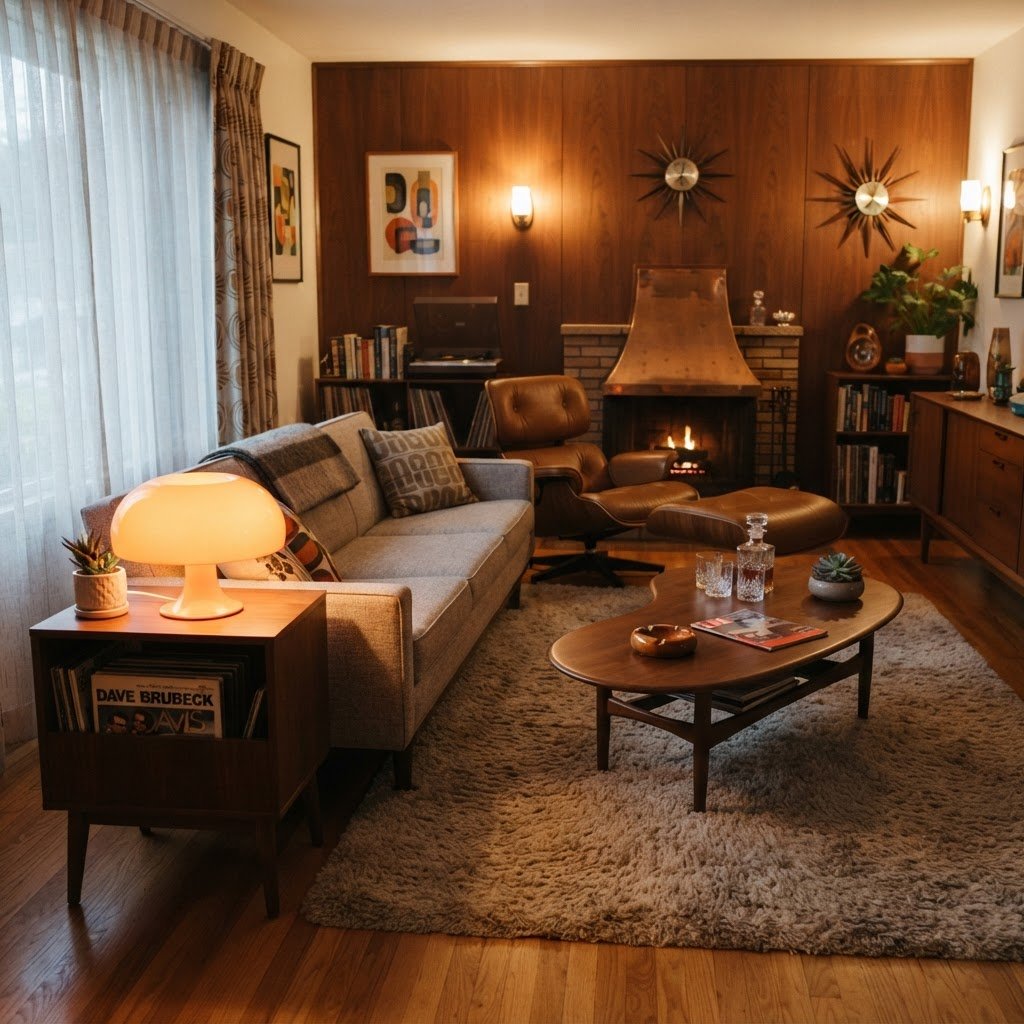
Retro Glow Lamps for a Stylish Mid-Century Living Room
Retro glow lamps define a mid-century modern living room by providing soft, diffused ambient lighting through iconic 1950s silhouettes and materials like spun fiberglass. These fixtures bridge the gap between vintage art and functional illumination, serving as the essential visual anchor that grounds mid-century decor with nostalgic, human-centric warmth.
The Evolution of Mid-Century Lighting
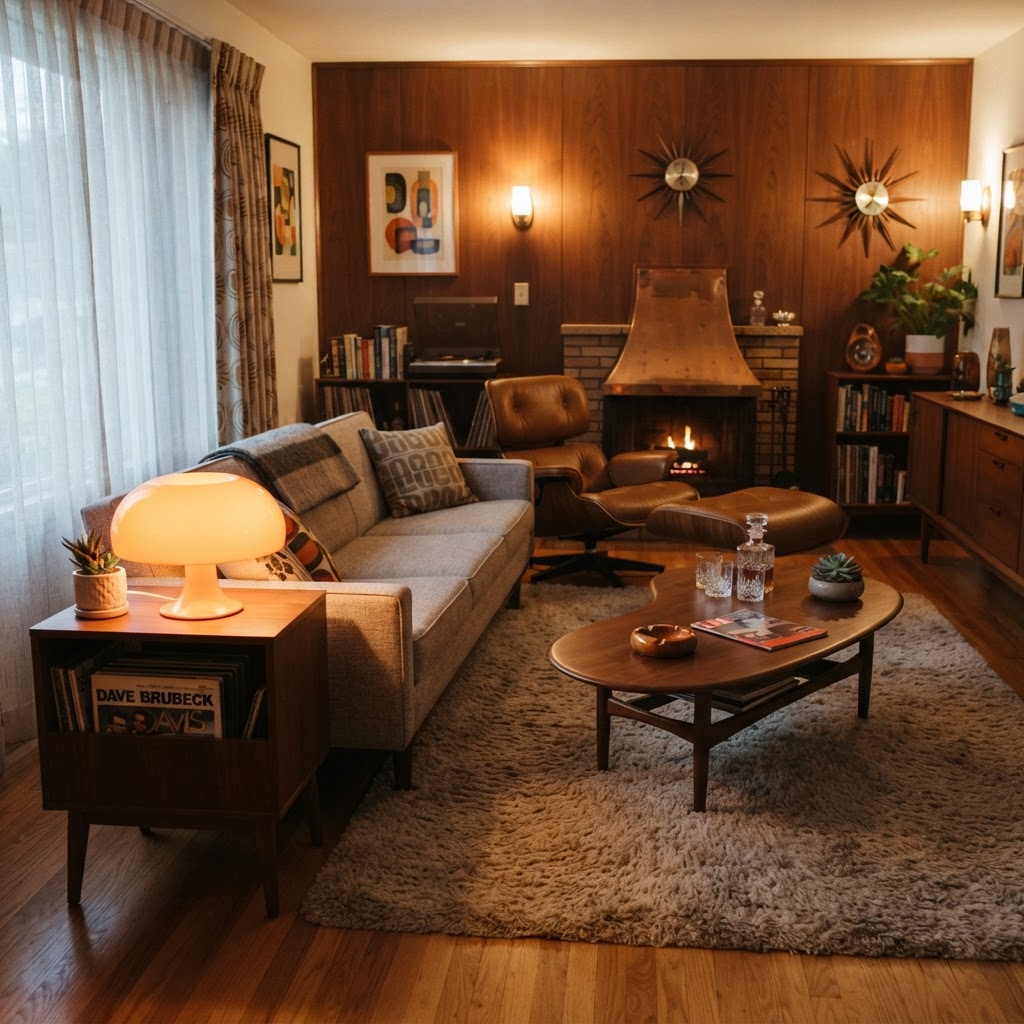
Post-war lighting design underwent a radical transformation between 1945 and 1960, shifting from ornate, heavy fixtures to minimalist, space-age forms. This era utilized emerging industrial materials such as acrylic, heat-resistant fiberglass, and brushed aluminum to create lamps that prioritized diffused, soft-focus light over harsh direct beams. The “glow” effect became synonymous with the domestic comfort of the decade, as designers like George Nelson and Isamu Noguchi experimented with how light interacts with organic, sculptural shapes. By integrating these historic designs into modern spaces, you capture a specific era of optimism and technological wonder that remains highly sought after by collectors today. These pieces are more than just lamps; they are artifacts of a design revolution that valued affordability and mass-production aesthetics without sacrificing stylistic integrity.
Why Mid-Century Design Persists
Mid-century design remains a dominant force in modern interiors because its human-centric focus perfectly suits contemporary open-plan living. Unlike the rigid, formal rooms of the early 20th century, the mid-century aesthetic prioritizes how people move through and feel in a space. Lighting acts as a visual anchor in these open layouts, defining “zones” for reading, conversation, or relaxation. By incorporating a retro glow lamp, you add a historical layer that balances the sterility of modern smart-home lighting with a human, tactile history that contemporary furniture cannot replicate on its own.
Choosing the Right Retro Glow Lamp
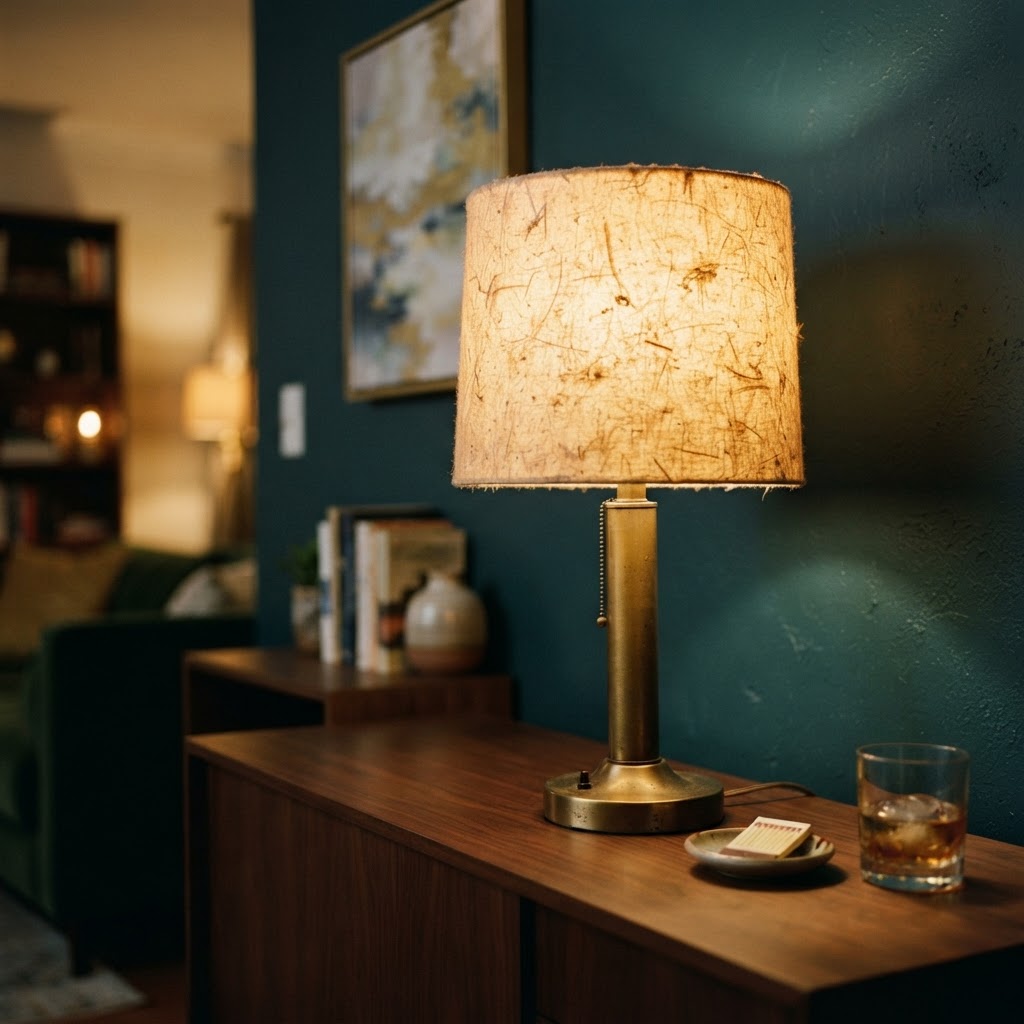
Selecting the perfect retro lamp requires evaluating the balance between material authenticity, scale, and the specific lighting output needed for your living area. A floor lamp typically serves as a primary decorative statement piece, often measuring between 55 to 65 inches in height, whereas table lamps are optimized for side tables at roughly 18 to 24 inches. When shopping for authentic vintage pieces, prioritize items with original wiring inspections, as 60-year-old cords often degrade and fail safety codes. The best investment pieces feature solid teak wood or weighted brass bases, which provide the stability and high-end feel absent in cheap plastic imitations. Use the following table to compare key materials found in high-quality vintage and reproduction lamps.
Material Matters in Vintage Lighting
- Brass and Gold Tones: Perfect for adding a touch of luxury to your mid-century living room.
- Fiberglass Shades: These provide that distinct, warm diffusion iconic to 1950s lighting.
- Teak and Walnut Bases: Offer the organic, natural warmth necessary to ground modern spaces.
- Ceramic and Glazed Finishes: Often found in vibrant, retro colors like mustard yellow, teal, or burnt orange.
Integrating Lighting into Your Living Room Layout
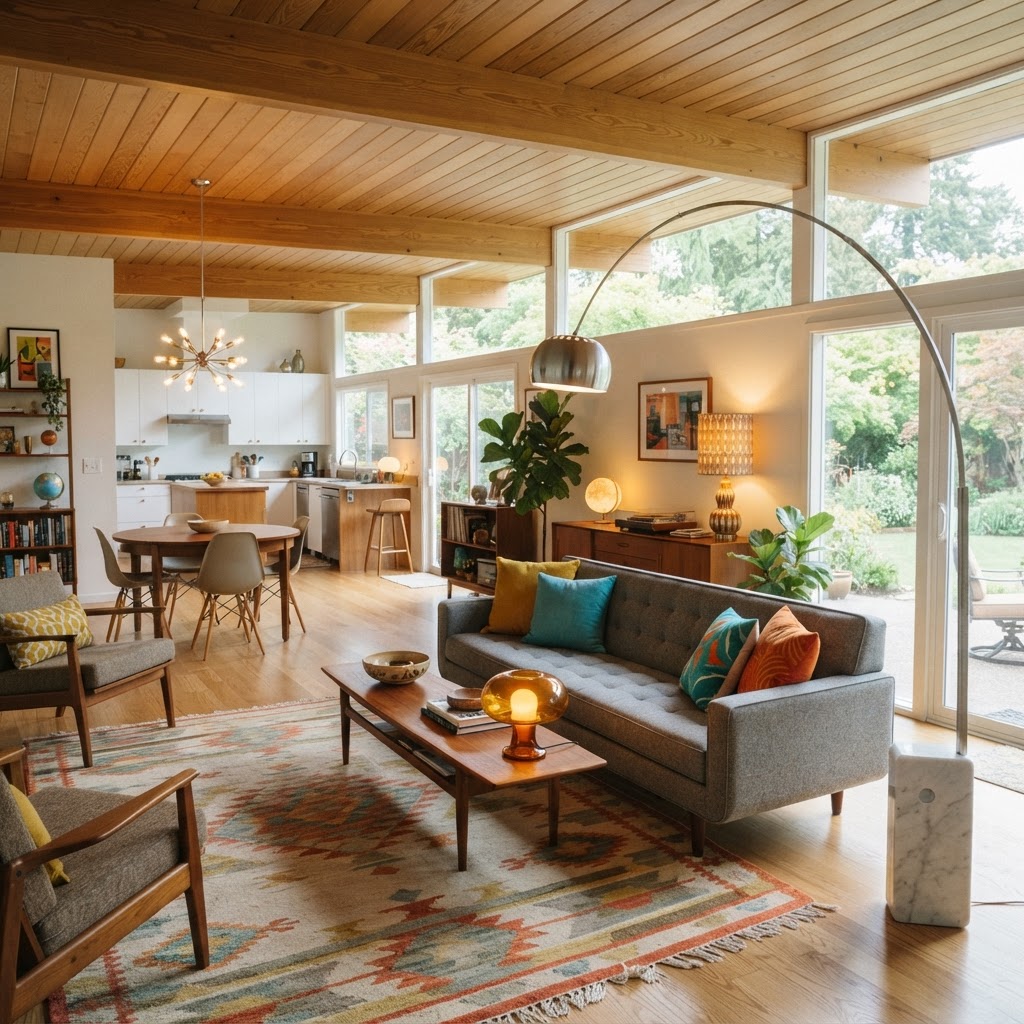
Effective lighting design in a mid-century space relies on the “Three-Layer Rule,” which combines general ambient lighting with specific task and accent glow lamps. To achieve a balanced look, your primary overhead fixture should provide general illumination, while your retro lamps function as task lighting in reading nooks or accent lighting to highlight structural features. Place your retro lamps at varying heights—mixing a 60-inch floor lamp with a 20-inch table lamp—to prevent the room from appearing flat or clinical. By carefully positioning these pieces behind or adjacent to your furniture, you create “visual pools” of light that define the space, inviting people to sit and linger rather than move through the room quickly.
Creating Focal Points with Light
Use your lamps as spotlights for your furniture collections rather than just as general light sources. Placing a glow lamp on a credenza behind a sofa creates a “frame” effect, drawing the eye toward the textures and wood grains of your furniture. This technique transforms a functional appliance into an essential component of your interior’s architectural narrative, ensuring the lamp feels like a supporting character rather than an afterthought.
Care and Maintenance of Vintage Pieces
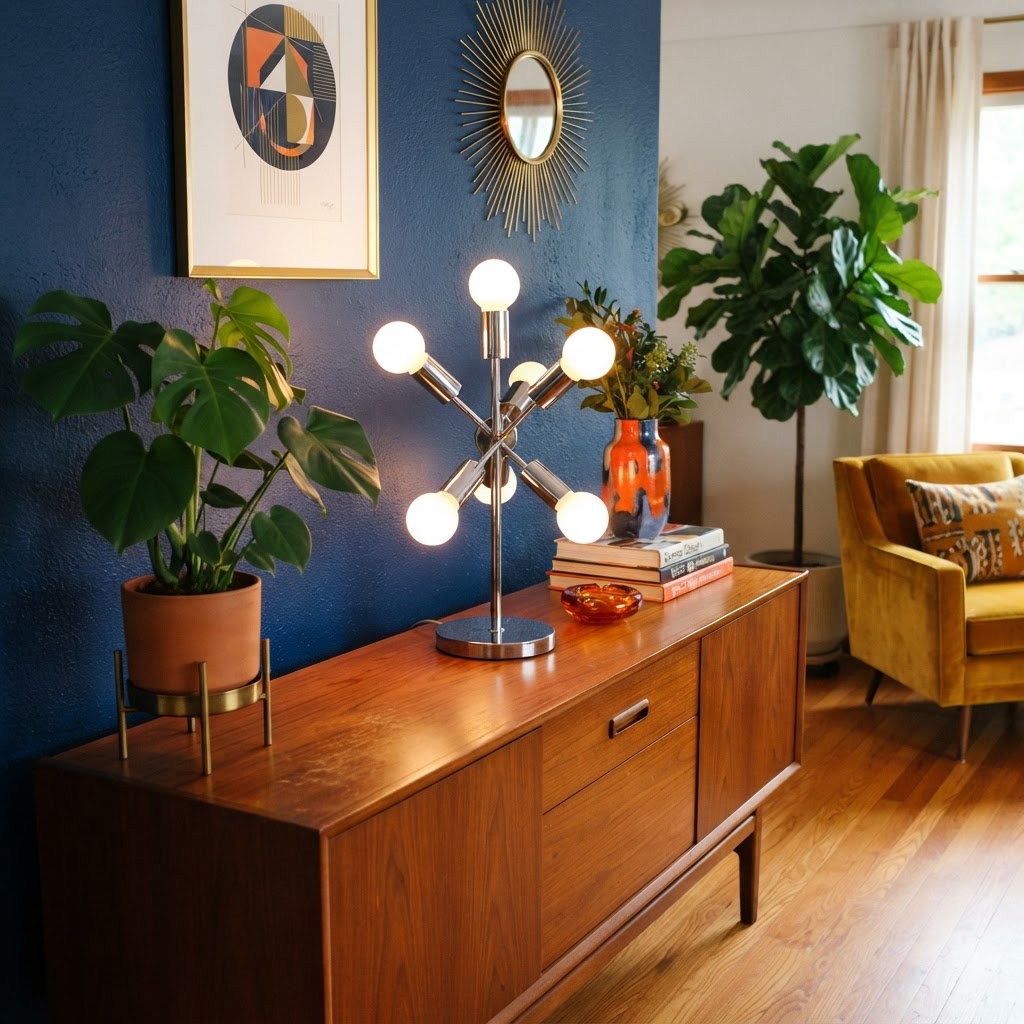
Maintaining the structural and electrical integrity of vintage lamps ensures they remain safe for daily use in a modern home. Always perform a “cord check” upon purchase; if the insulation is brittle or cracking, have a certified electrician perform a rewire using UL-listed components. This typically costs between $50 and $150 and is a small price to pay to preserve an original piece. When cleaning, avoid harsh chemical cleaners on original fiberglass shades, as these can yellow or dissolve the material; instead, use a soft, dry microfiber cloth for dust and very light soap and water only if absolutely necessary. Upgrading to modern LED bulbs is the single most important maintenance step, as the lower heat output prevents damage to sensitive 1950s materials and lowers your energy consumption by up to 80%.
Mixing Styles with Retro Aesthetics
Mixing eras is the hallmark of a sophisticated, modern home, allowing you to blend the eclectic spirit of mid-century design with contemporary functionality. You do not need a “museum-perfect” room; rather, the most successful designs juxtaposition sleek, minimalist sofas with the organic, warm curves of a retro glow lamp. This dialogue between past and present adds character to neutral color palettes and breaks up the monotony of “big box” store furniture. Use the table below to help determine how to mix your lamp style with your current furniture profile.
Tips for the Eclectic Decorator
Pairing a bold, retro glow lamp with clean, neutral wall colors allows the lamp to serve as a high-contrast statement piece. If your space is already filled with color, choose a lamp with a classic neutral silhouette to provide continuity without creating visual clutter. Always experiment with placement; moving a single lamp just three feet can shift the light-pool from a decorative piece to a functional reading area, completely changing the mood of the room in seconds.
Budget-Friendly Alternatives
Achieving the mid-century aesthetic does not strictly require expensive, original 1950s pieces, as high-quality modern reproductions offer similar visual benefits at lower costs. Contemporary brands have refined the manufacturing of fiberglass-look materials and mid-century modern bases, offering options that include dimmable switches, smart-bulb compatibility, and updated electrical safety certifications. Reproductions are often the smarter choice for high-traffic living areas where safety and consistent brightness are priorities, allowing you to spend your budget on other vintage furnishings like chairs or credenzas.
FAQ
How can I tell if a retro lamp is an authentic vintage piece?
Authentic mid-century lamps often feature maker’s marks on the base or socket, heavy materials like solid brass or authentic teak, and electrical plugs that are non-polarized. Examine the manufacturing techniques, as genuine vintage pieces frequently show hand-crafted details like hand-spun fiberglass or hand-glazed ceramic finishes rather than mass-produced plastics.
Are retro glow lamps safe to use in modern homes?
Vintage lamps are generally safe if they have been rewired by a professional electrician and updated with modern, cool-running LED bulbs. Avoid using old incandescent bulbs, which generate high heat that can damage vintage shades, create fire risks, and cause brittle wiring to degrade further over time.
What is the best way to clean a vintage fiberglass lamp shade?
Clean a vintage fiberglass shade by gently wiping it with a dry, soft-bristled brush or a static-free microfiber cloth to remove dust. If the shade is heavily stained, use a tiny amount of mild dish soap diluted in water, but test a hidden spot first to ensure the color or material texture does not react poorly.
Can I mix mid-century lighting with modern minimalist furniture?
Absolutely, mixing mid-century lighting with modern minimalist furniture creates a sophisticated, eclectic aesthetic that adds warmth to a room. The contrast between sleek, clean modern lines and the organic, soft glow of a 1950s-inspired lamp prevents modern spaces from feeling too clinical or cold.
Why are LED bulbs recommended for vintage lighting?
LED bulbs are recommended because they emit virtually no heat, which preserves the structural integrity of fragile vintage materials like fiberglass or painted metals. Additionally, LED bulbs provide energy efficiency and, when paired with a smart dimmer, allow for precise control over the soft, ambient glow of the lamp.

Leave a Reply