
To create a warm, inviting room, use bulbs in the 2700K to 3000K Kelvin range to emit a soft, yellow-toned glow. Avoid “Daylight” bulbs (5000K+) in living spaces, as their harsh blue tint creates a clinical atmosphere, and ensure you use consistent color temperatures throughout each individual room for a cohesive design.
The Basics of Kelvin and Lighting

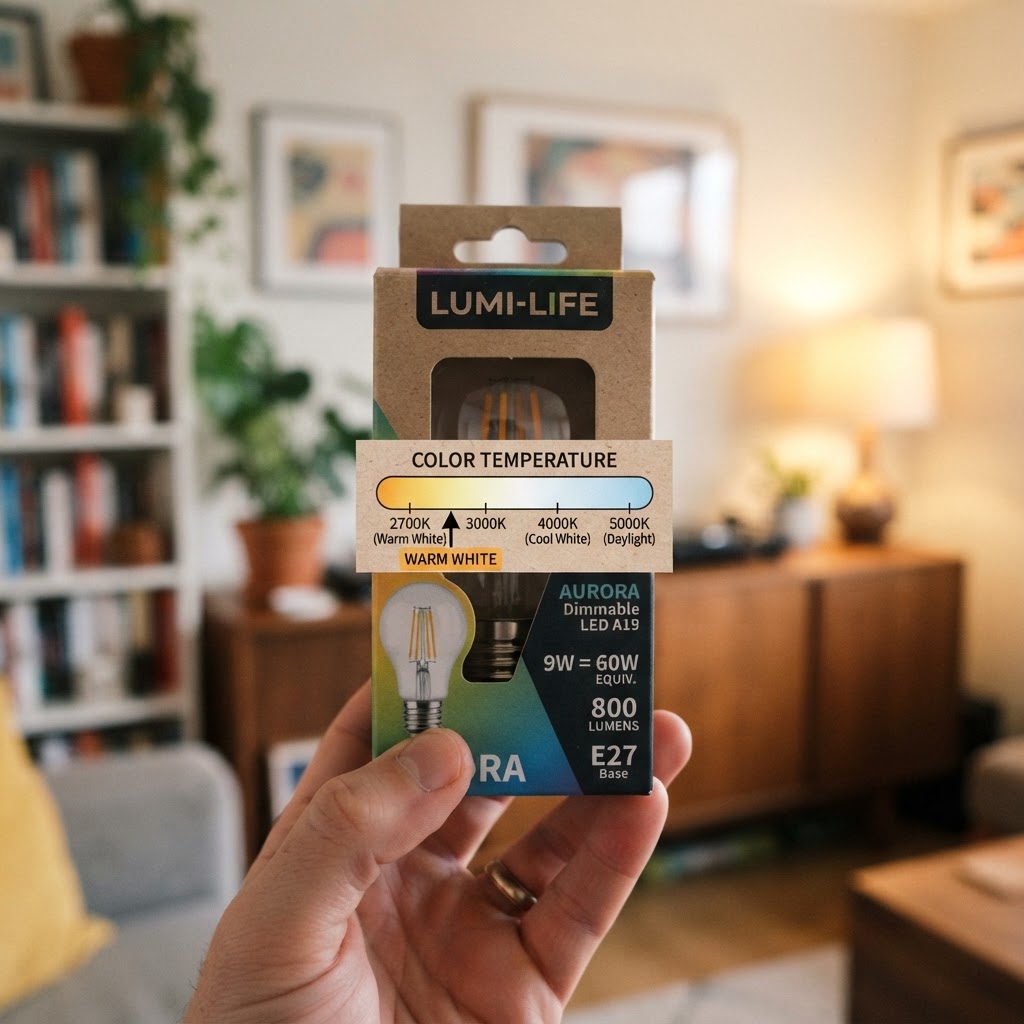
Understanding the Kelvin (K) scale is the foundation of effective home lighting design, as it measures the specific color appearance of light rather than brightness. Low Kelvin numbers ranging from 2000K to 3000K represent warm, golden light, while high numbers from 4000K to 6500K represent cool, blue-white light. Residential designers typically favor the 2700K “warm white” because it mimics the natural glow of traditional incandescent bulbs and candlelight, which human eyes perceive as more relaxing and conducive to domestic comfort. In contrast, 5000K is designed to mimic mid-day sun, a setting that triggers alertness, making it unsuitable for spaces intended for relaxation.
Why Lower Kelvin Wins for Comfort
When aiming for comfort, you want to focus on the 2700K to 3000K range. This “warm white” light is soft and welcoming, making it the industry standard for residential spaces. Using this temperature helps soften shadows and highlights the textures of fabrics like velvet, linen, and wool, which inherently makes your rooms feel more inviting.
Key Differences at a Glance
- 2200K-2700K: Extra warm, like candlelight. Perfect for bedside lamps.
- 3000K: Warm white, similar to incandescent bulbs. Great for kitchens and bathrooms.
- 4000K-5000K: Cool white or daylight. Best for workshops, garages, or home offices.
Matching Temperatures to Room Functions
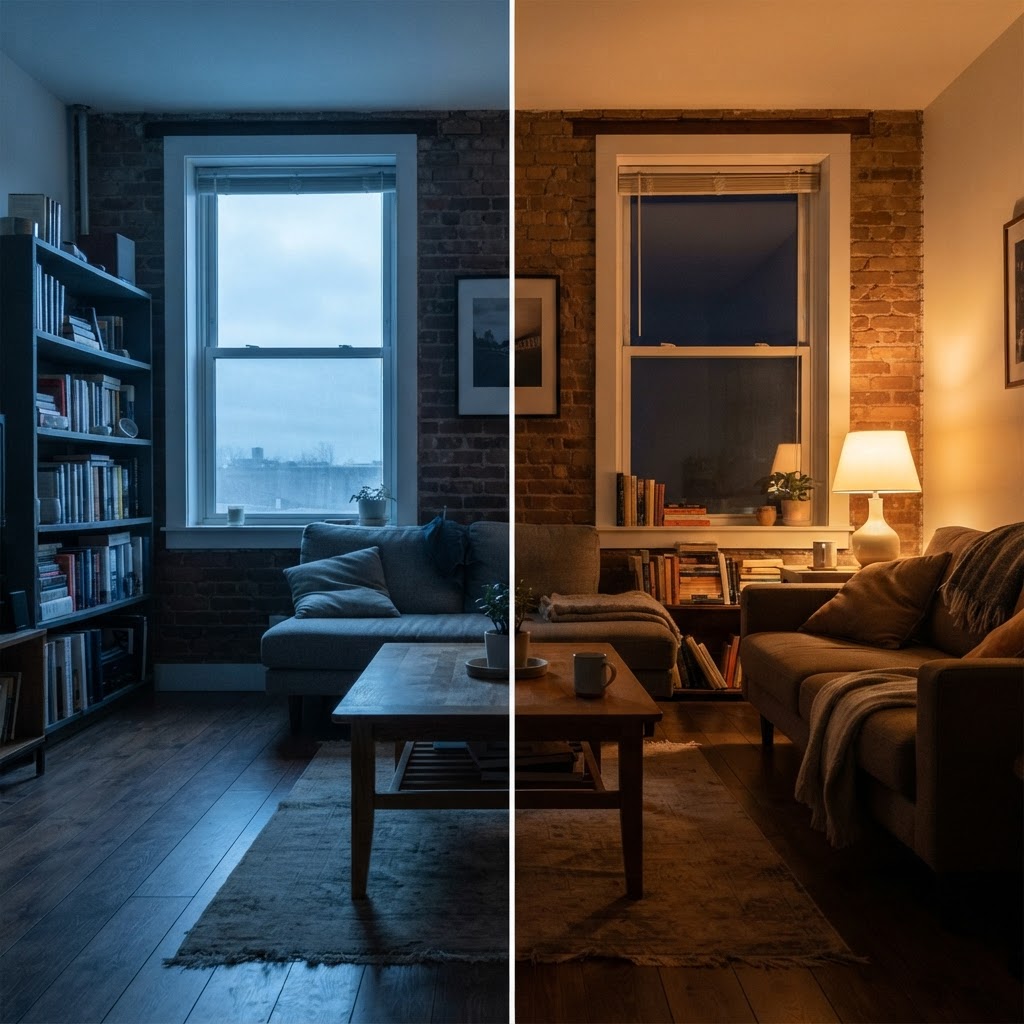
Successful lighting strategies require matching the Kelvin temperature to the specific tasks performed in a room to maintain both utility and comfort. A kitchen functions best with 3000K lighting, providing enough clarity for food preparation without the sterile glare of 5000K bulbs. Conversely, bedrooms benefit from the lower 2700K range to promote melatonin production and better sleep quality. Mixing temperatures—such as a 3000K overhead light paired with a 5000K floor lamp—creates “visual noise” that makes a space feel cluttered and poorly designed. Designers recommend keeping your entire home within a specific range, usually 2700K or 3000K, to ensure that as you transition from room to room, the lighting feels continuous and professional. By adhering to a consistent color temperature, you create a harmonious environment that allows furniture and decor to serve as the focal point rather than the lighting clash.
How Light Changes Your Decor
Light interaction determines how paint, wood, and fabrics appear, as different Kelvin levels reflect color differently off various surface materials. Cool lighting at 4000K or higher often interacts with neutral wall colors by adding a green or blue undertone, potentially making a clean beige room look dingy or muddy. In contrast, 2700K warm lighting enhances the natural red and yellow undertones of wood grains, bringing out the depth in mahogany or oak surfaces. When evaluating how light affects your decor, always consider the color rendering index (CRI) of the bulb alongside the Kelvin rating; a high-CRI bulb (90+) paired with a 3000K temperature will make your decor colors appear vibrant and true to life. To achieve this, test samples of both 2700K and 3000K bulbs at night when sunlight cannot interfere, then observe how these bulbs change the saturation of your furniture and textiles. Small shifts in Kelvin can significantly alter the perceived luxury and richness of your home.
Testing Your Samples
Before you commit to a full-house lighting overhaul, test your bulb temperature against your current decor. Purchase two bulbs: one at 2700K and one at 3000K. Place them in your main living area at night to see which one makes your wall paint and textiles “pop” in the most pleasing way. This simple experiment prevents costly mistakes and ensures you love the final outcome.
Layering for a Cozy Atmosphere
Layering lighting is the professional method for avoiding the flat, clinical look created by single overhead fixtures. By diversifying your light sources into ambient, task, and accent lighting, you draw the eye around the room and create depth that makes a space feel larger and more intentional. Ambient lighting (overhead) should be complemented by floor lamps at 60 inches tall or table lamps at 24 to 30 inches tall to bring the glow down to human eye level. Utilizing different Kelvin ratings for these layers—such as a 3000K ceiling light for general navigation and 2700K accent lamps for reading or relaxing—allows you to create “light pockets” that serve distinct moods within the same room. Avoid relying on high-wattage ceiling lights that create harsh shadows under eyes and noses; instead, focus on indirect lighting where the bulb is shielded by a shade, directing the light toward walls or floors to create a softer, bouncing effect that mimics the warmth of a sunset.
The Role of Dimmers in Lighting Design
Installing dimmer switches allows you to manipulate the perceived intensity of your lighting, effectively granting you control over the atmosphere of any room at any hour. Dimmers are particularly effective with LED bulbs, as they can reduce the lumen output to create a calming, low-light environment without needing to change fixtures or bulbs. When you dim a 3000K bulb to 20% or 30%, it naturally feels warmer to the human eye, providing a cozy “golden hour” effect. Smart lighting systems take this further, offering “tunable white” technology where you can control the Kelvin temperature itself via a mobile app. These systems allow for “circadian lighting” automation—shifting from a cool 4000K during the productive afternoon hours to a relaxing 2200K during the evening. Investing in a smart bridge or smart bulbs often costs between $15 and $50 per bulb, but the flexibility to adjust your home’s ambiance without manual changes makes them a high-value utility for modern homeowners seeking comfort.
Smart Lighting Solutions
Modern technology has introduced smart bulbs that allow you to change the color temperature via your smartphone. While these are an investment, they offer unparalleled flexibility. You can set your lights to be a crisp, productive white in the morning while you clean, and automatically shift to a warm, sunset-hued amber in the evening as you wind down for the night.
Avoiding Common Lighting Pitfalls
Preventing lighting mistakes requires paying close attention to both the Kelvin rating on packaging and the physical construction of your lamp shades. A frequent error is purchasing “Daylight” bulbs without reading the box, which introduces an icy blue tone that instantly diminishes the warmth of hardwood floors and soft textiles. Additionally, your lamp shade acts as a filter; a dark, gold-lined shade will add warmth to any bulb, while a thin, white linen shade will let more blue-white light pass through, essentially “cooling down” a 3000K bulb. Always factor in the density and color of your lamp shade when selecting your light source. If you have thick, dark shades, you may need a slightly higher lumen count to compensate for the light absorption, ensuring your room remains functional while still achieving that desired cozy, warm aesthetic. Avoid mixing brands of bulbs within the same multi-bulb chandelier or fixture, as even two bulbs marked “3000K” can appear slightly different across different manufacturers.
FAQ
Q: What color temperature is best for a relaxing living room?
For a relaxing living room, aim for 2700K to 3000K. This temperature range provides a warm, golden-white light that promotes comfort and makes textiles and wood furniture appear richer, mimicking the cozy atmosphere of traditional incandescent bulbs.
Q: Can I mix different Kelvin temperatures in the same room?
It is generally recommended to avoid mixing Kelvin temperatures in the same room to prevent a disjointed, cluttered appearance. Keeping all bulbs at a consistent temperature creates a professional, cohesive environment where the lighting feels intentional and balanced.
Q: Why do my rooms look cold even with warm-colored paint?
Rooms often look cold despite warm paint colors because the light source is likely in the “Cool White” (4000K-5000K) range. These cooler bulbs cast blue light that washes out warm paint tones, making them appear gray or greenish; swapping to 2700K bulbs will restore the intended warmth.
Q: Do dimmer switches work with all light bulbs?
Dimmer switches do not work with all bulbs; you must ensure your bulbs are labeled as “dimmable” to avoid flickering or damage. Using a non-dimmable LED with a dimmer switch can cause the bulb to fail prematurely or produce an audible buzzing sound.
Q: Is 5000K light good for home lighting?
5000K light is generally too harsh for residential living areas and is better suited for workspaces like garages, workshops, or utility rooms. It mimics daylight and can suppress sleep hormones, making it a poor choice for bedrooms or living rooms where relaxation is the goal.

Leave a Reply