How to Create a Warm, Inviting Living Room with Lighting
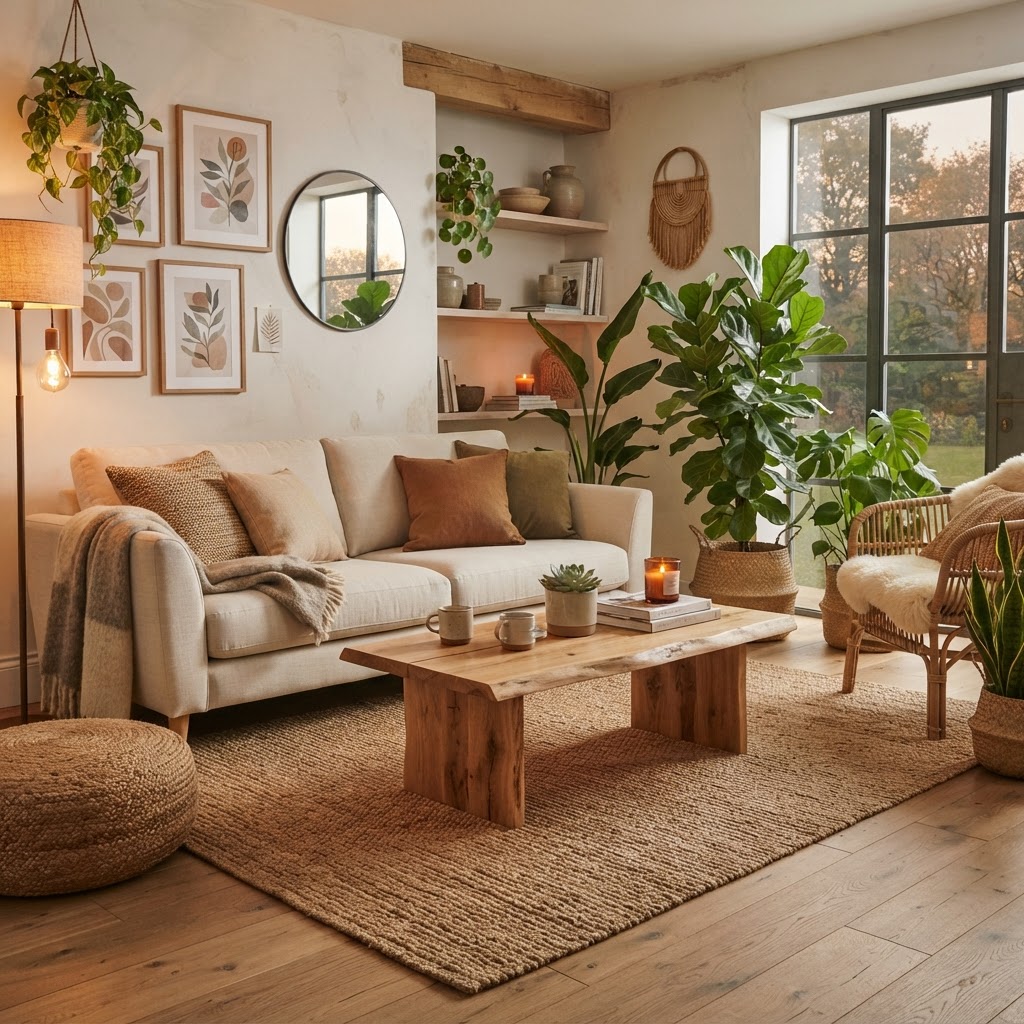
To create a warm, inviting living room with lighting, combine ambient, task, and accent layers while using “warm white” bulbs rated between 2700K and 3000K. By placing light sources at varying heights and utilizing dimmer switches, you can transform a sterile space into a cozy, multi-dimensional sanctuary that adapts to your daily needs.
The Three Layers of Light
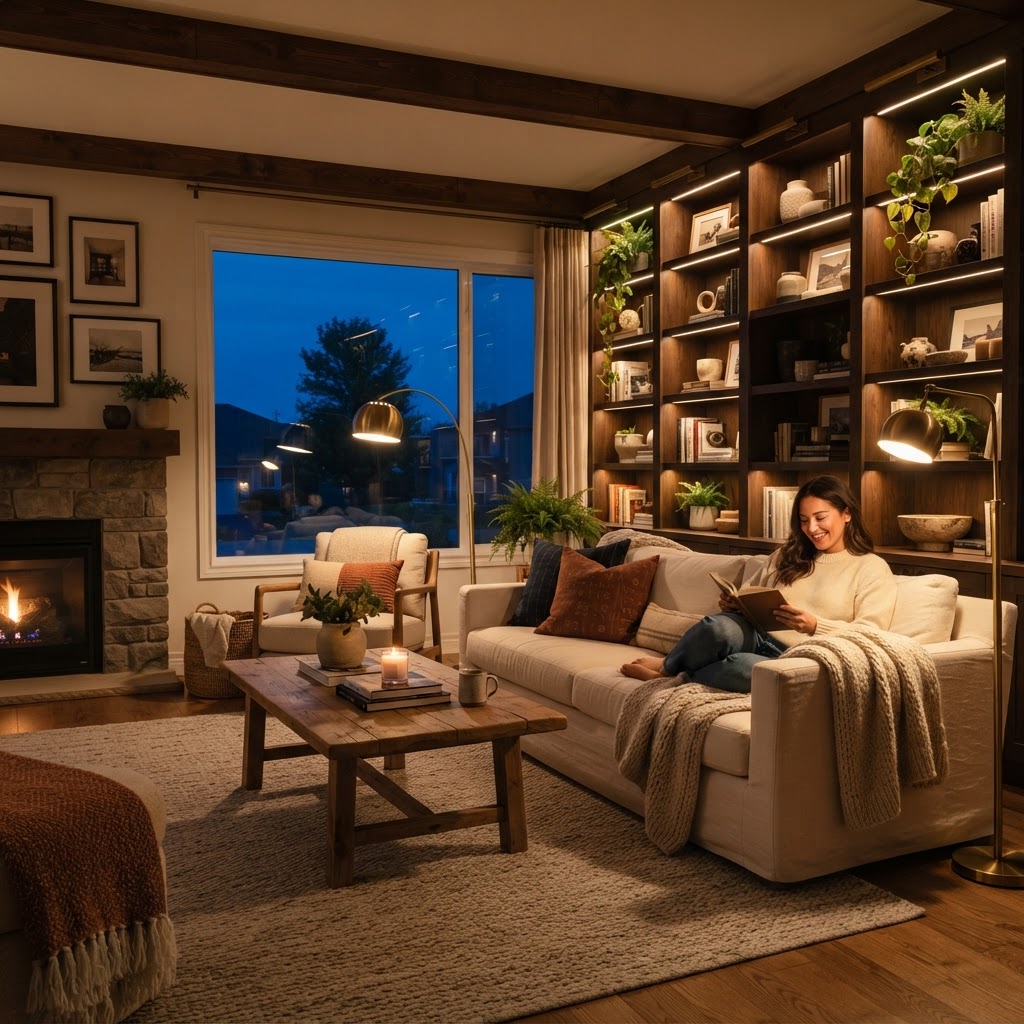
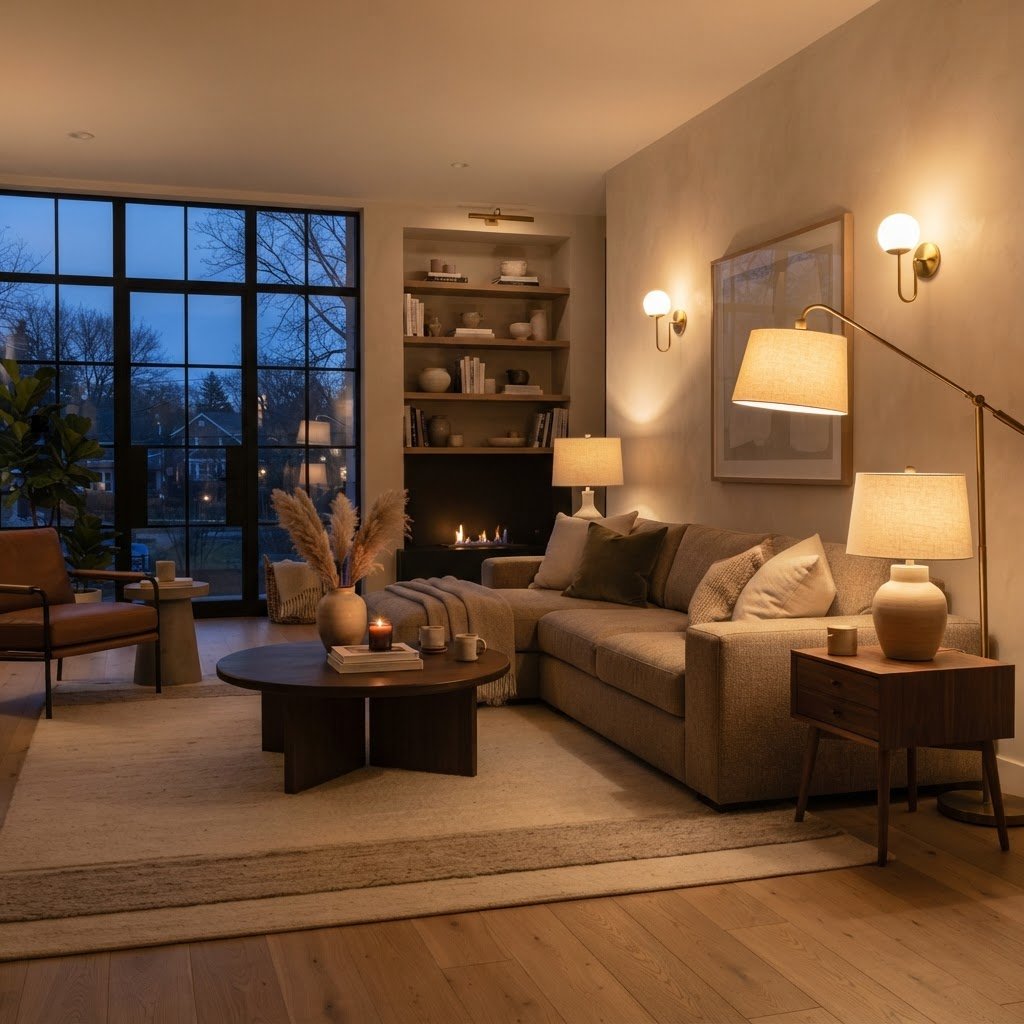
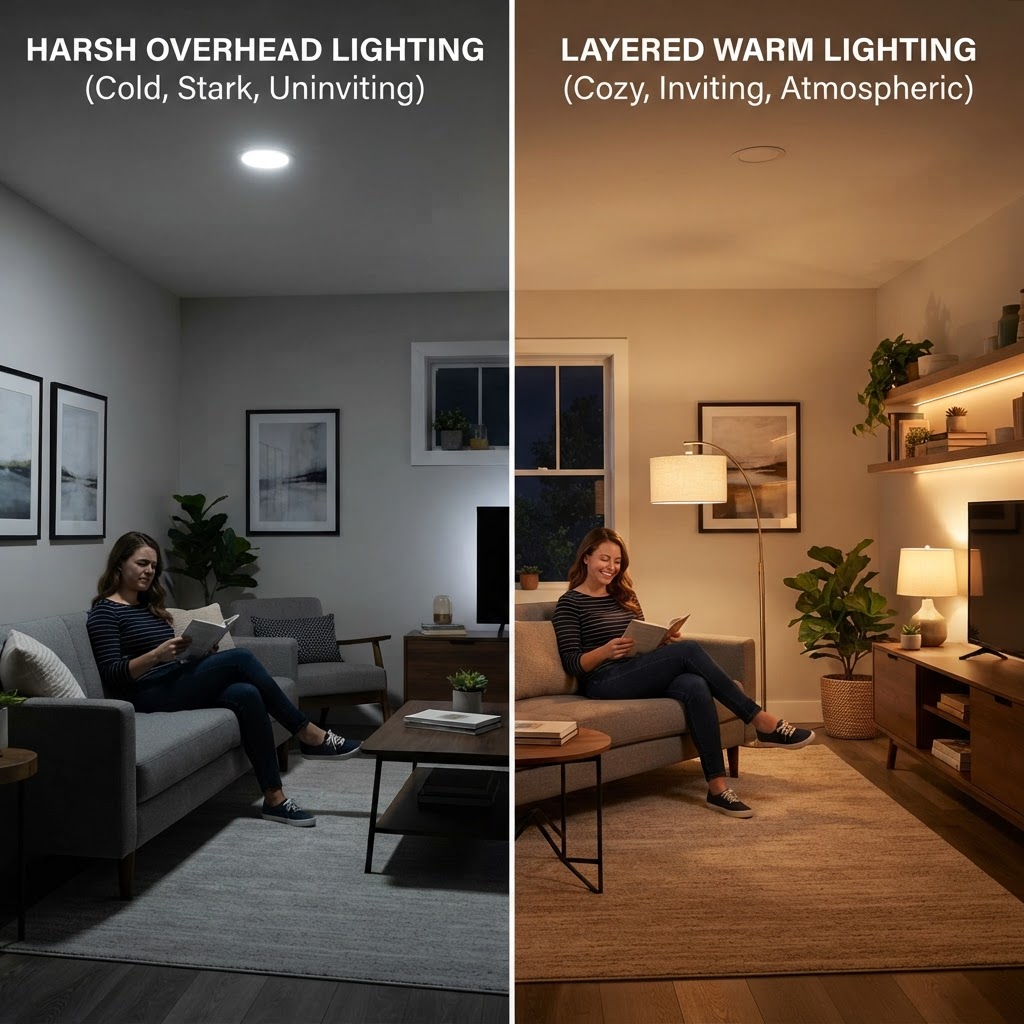
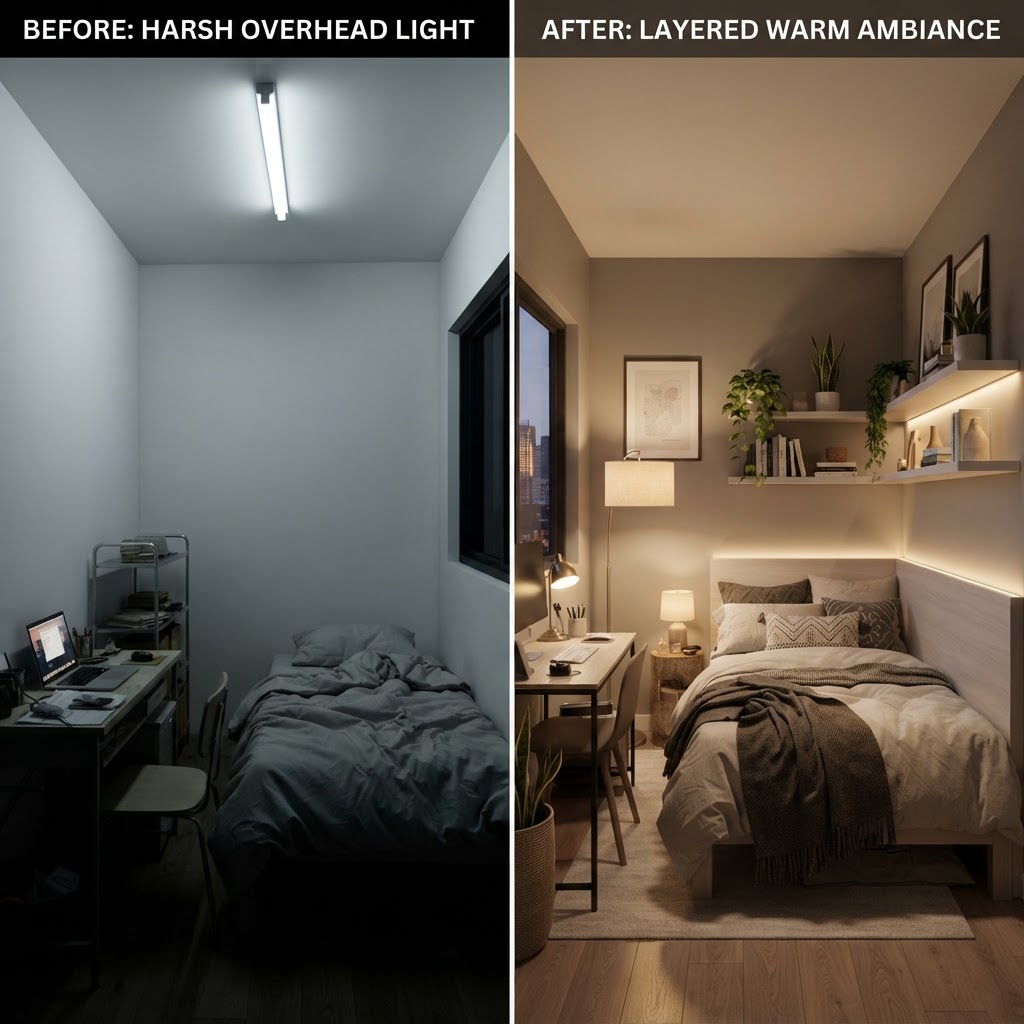
Mastering your home atmosphere requires moving beyond a single overhead source to implement professional lighting “layering” techniques. Layering light involves combining multiple fixtures to eliminate harsh shadows, creating a balanced, multi-dimensional environment that feels intentional rather than accidental.
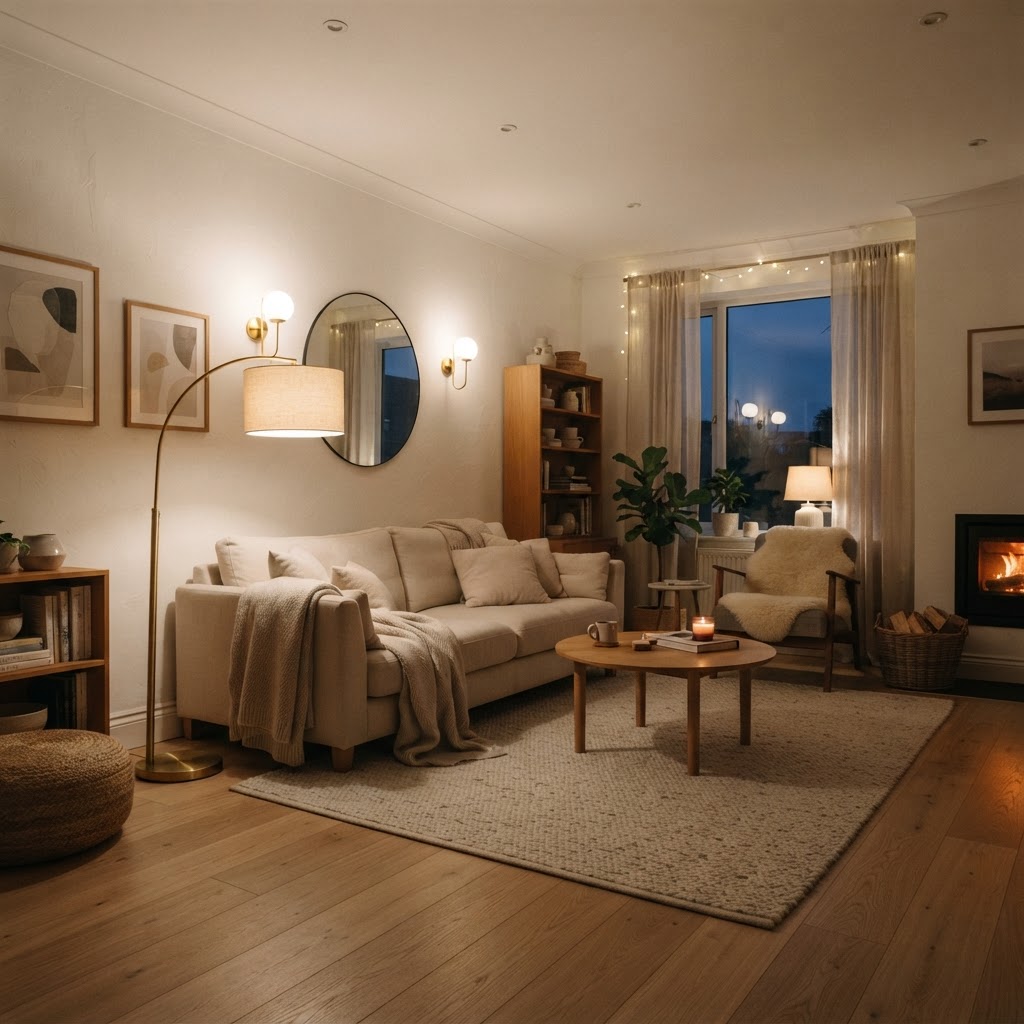
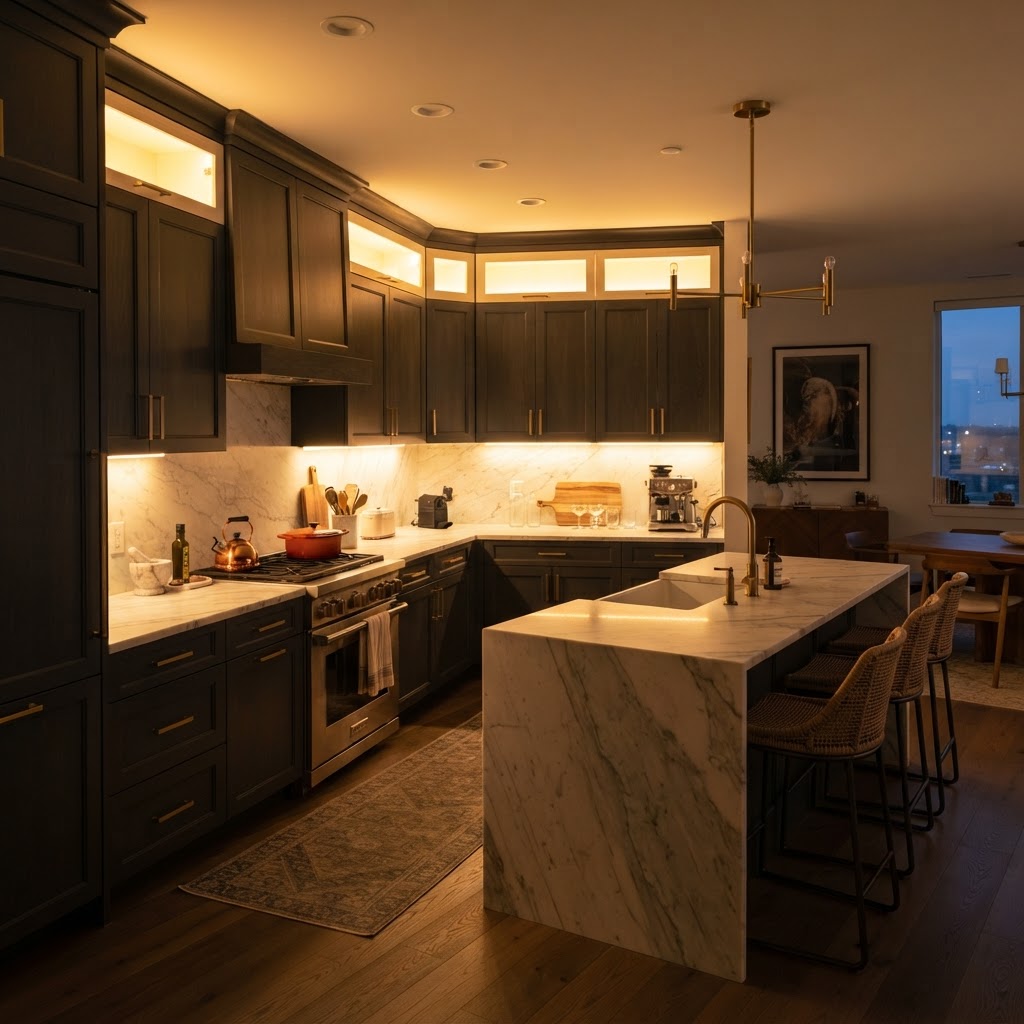
Ambient light provides the foundational base layer, replacing natural daylight to ensure the room is safely navigable. Task lighting introduces focused, directed illumination where specific activities occur, such as reading or hobbies, preventing eye strain. Finally, accent lighting acts as the decorative flourish that draws the eye to architectural details or artwork, adding necessary visual texture to your wall surfaces. By integrating all three, you ensure the space remains both functional and aesthetically comforting throughout the evening hours.
Ambient Lighting
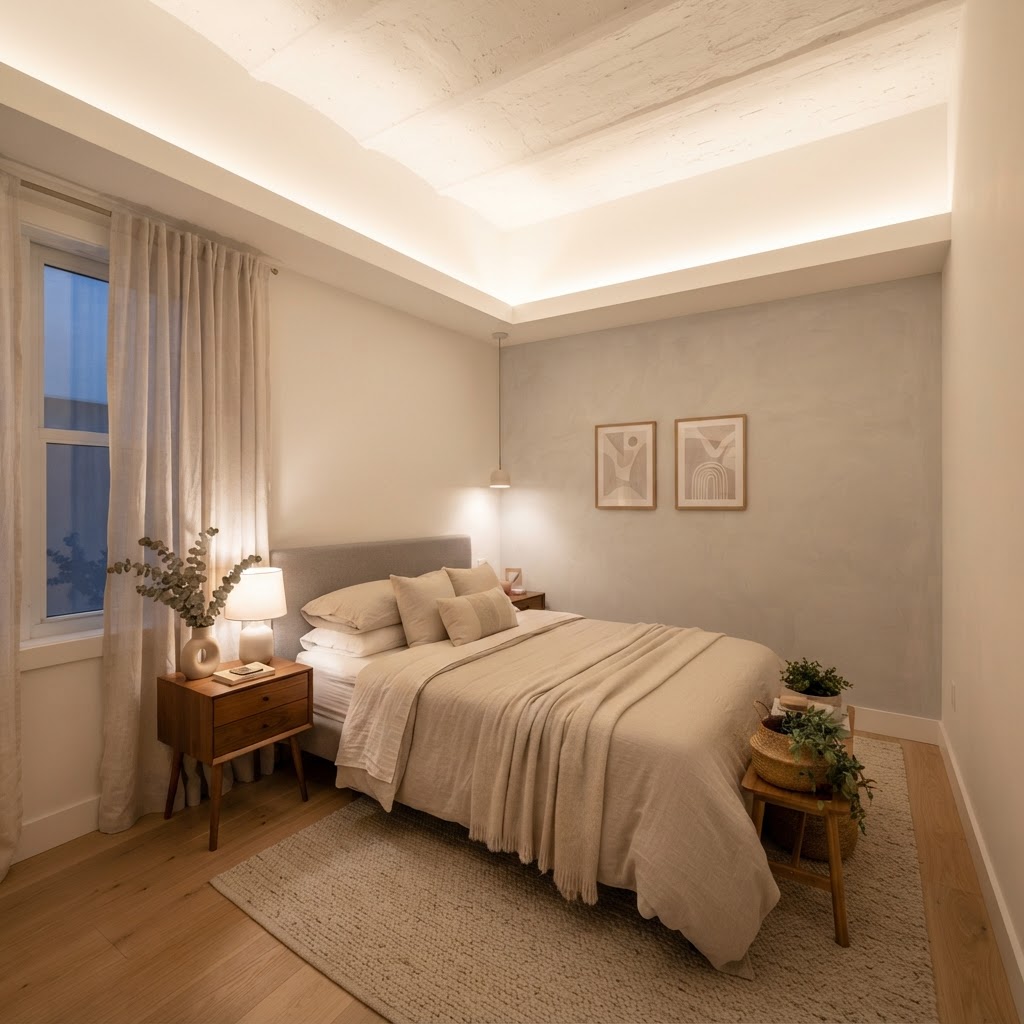
Ambient light is your base layer. It acts as the general illumination for the room, replacing natural daylight when the sun goes down. Think of this as your “foundation” layer, usually provided by recessed lighting, chandeliers, or flush-mount ceiling fixtures.
Task Lighting
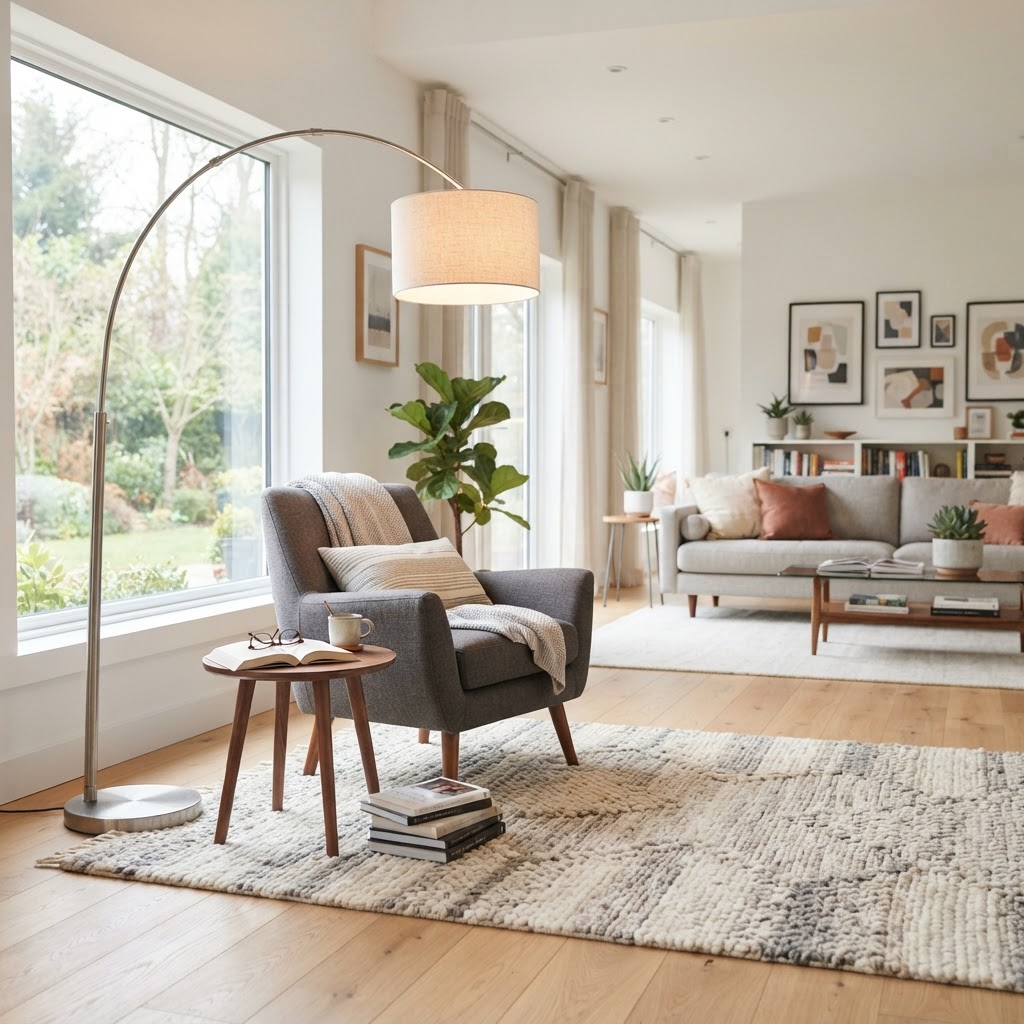
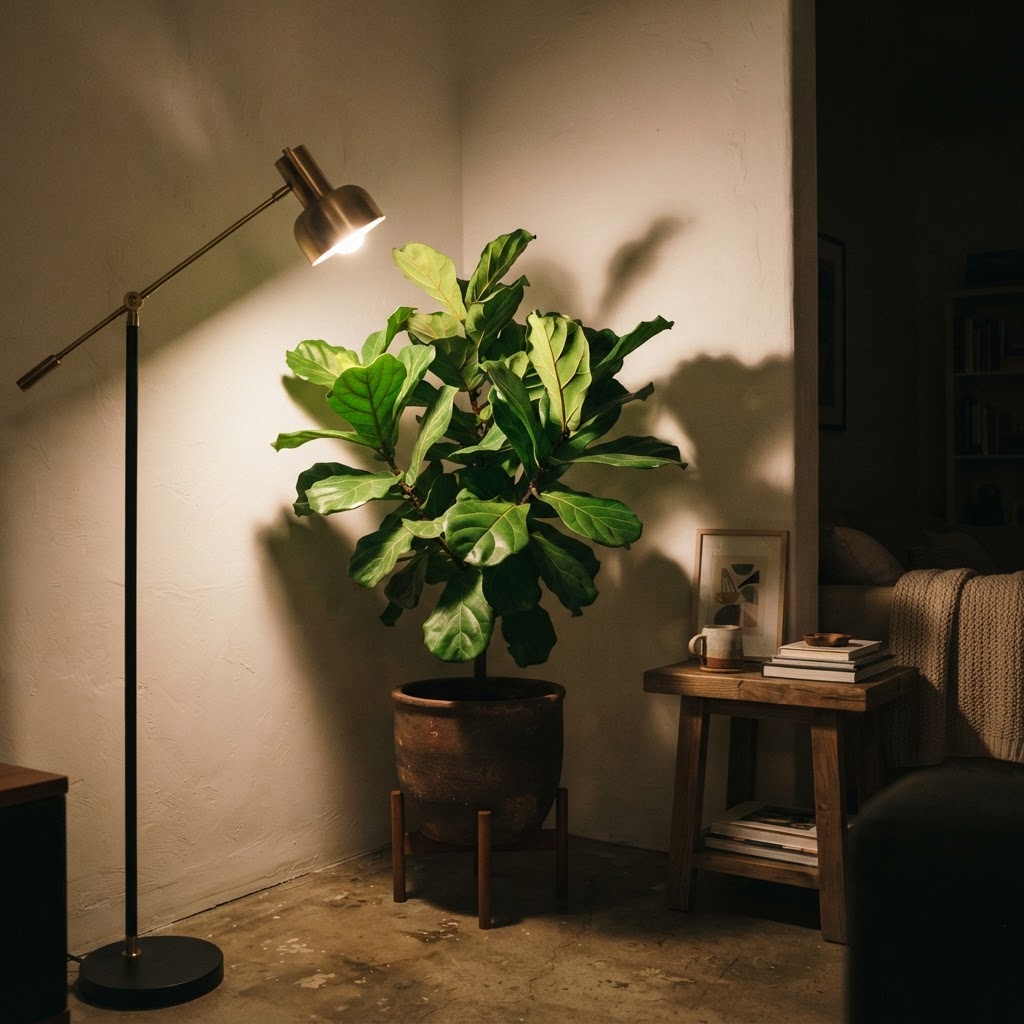
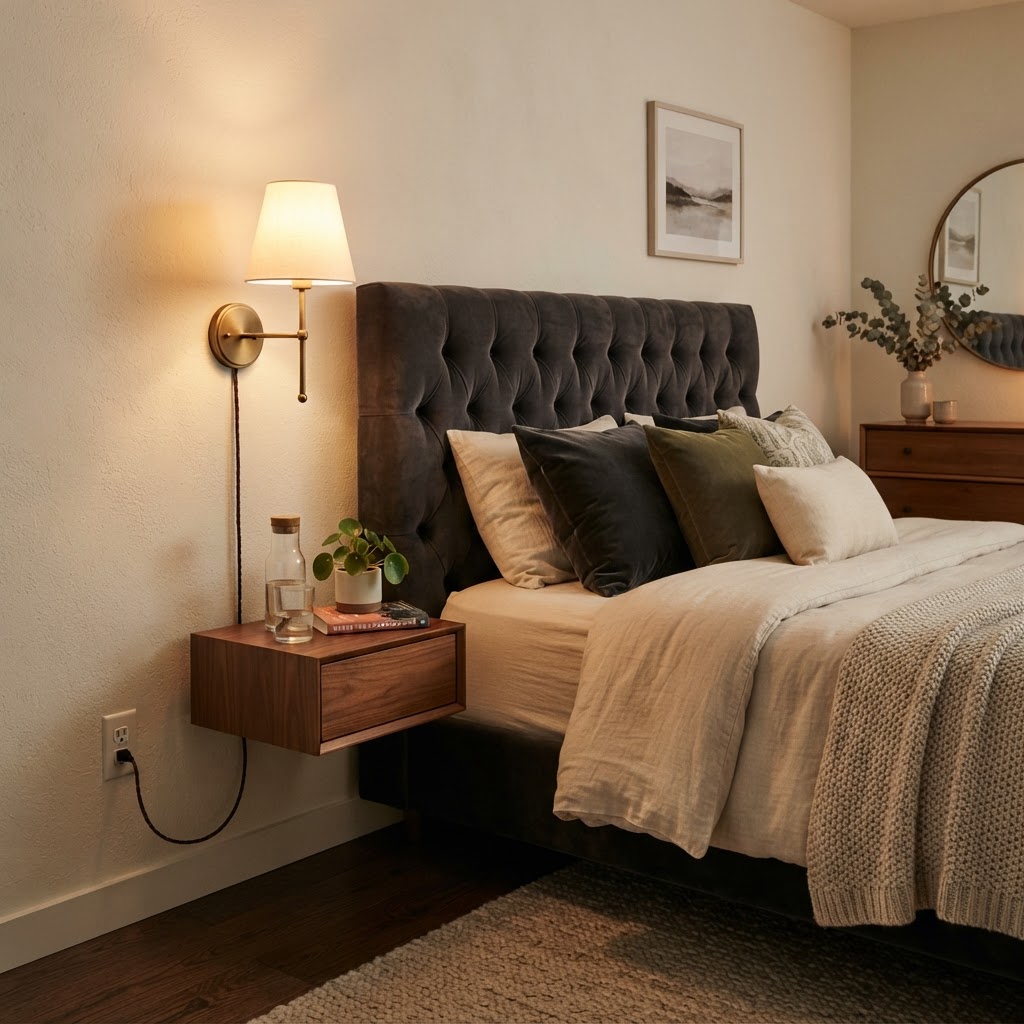
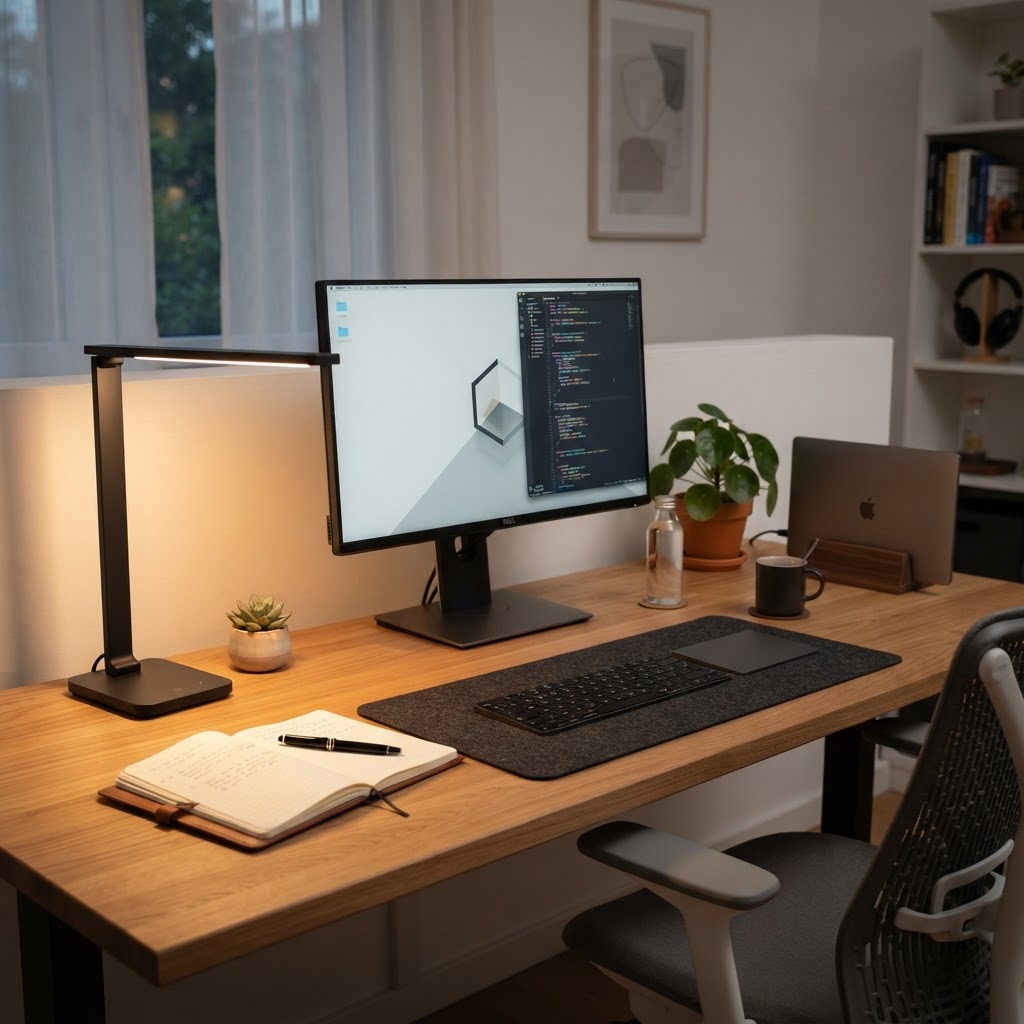
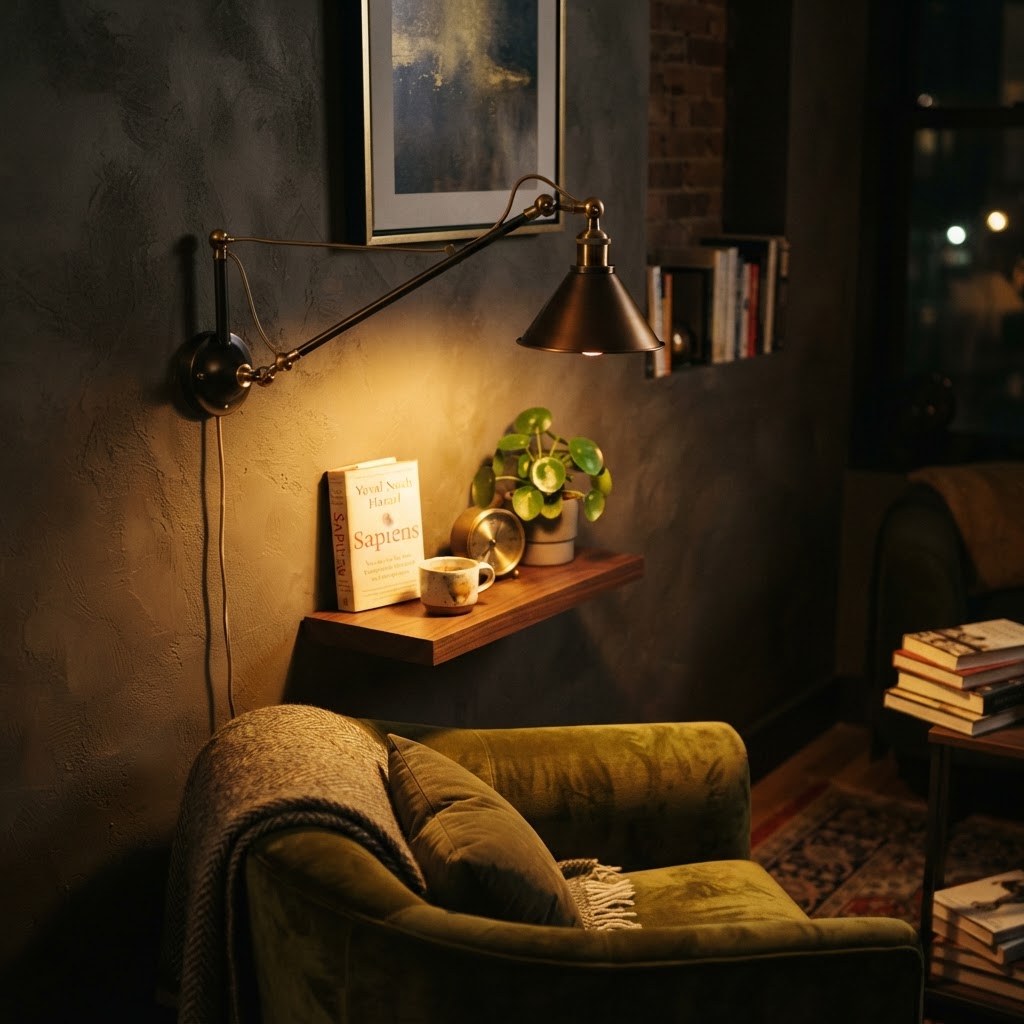
Task lighting is functional. This is the directed glow you need for specific activities like reading on the sofa or working at a desk. Floor lamps or adjustable wall sconces are perfect for this, ensuring your eyes don’t strain while you engage in your favorite hobbies.
Accent Lighting
This is where the magic happens. Accent lighting is decorative, used to highlight architectural features, artwork, or bookshelves. By drawing attention to specific points of interest, you add layers of visual texture to your walls.
Choosing the Right Color Temperature
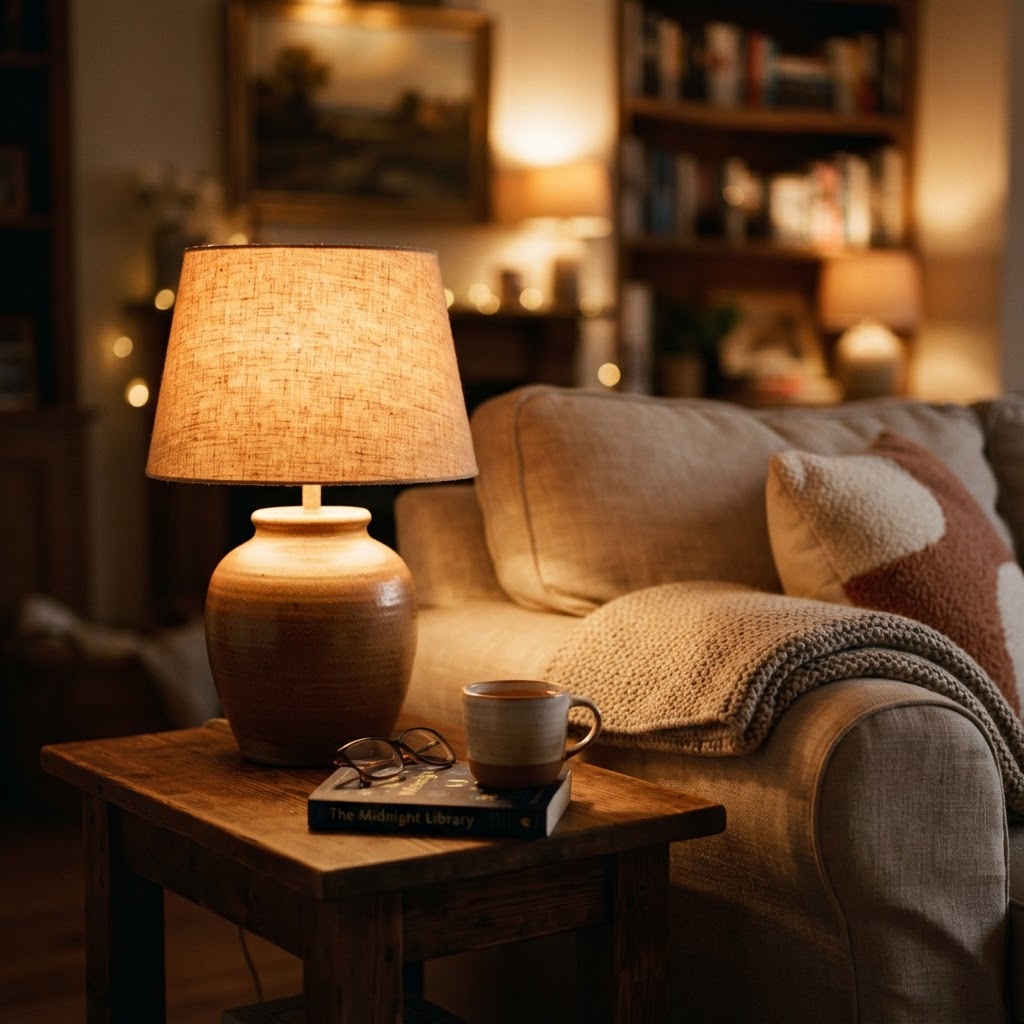
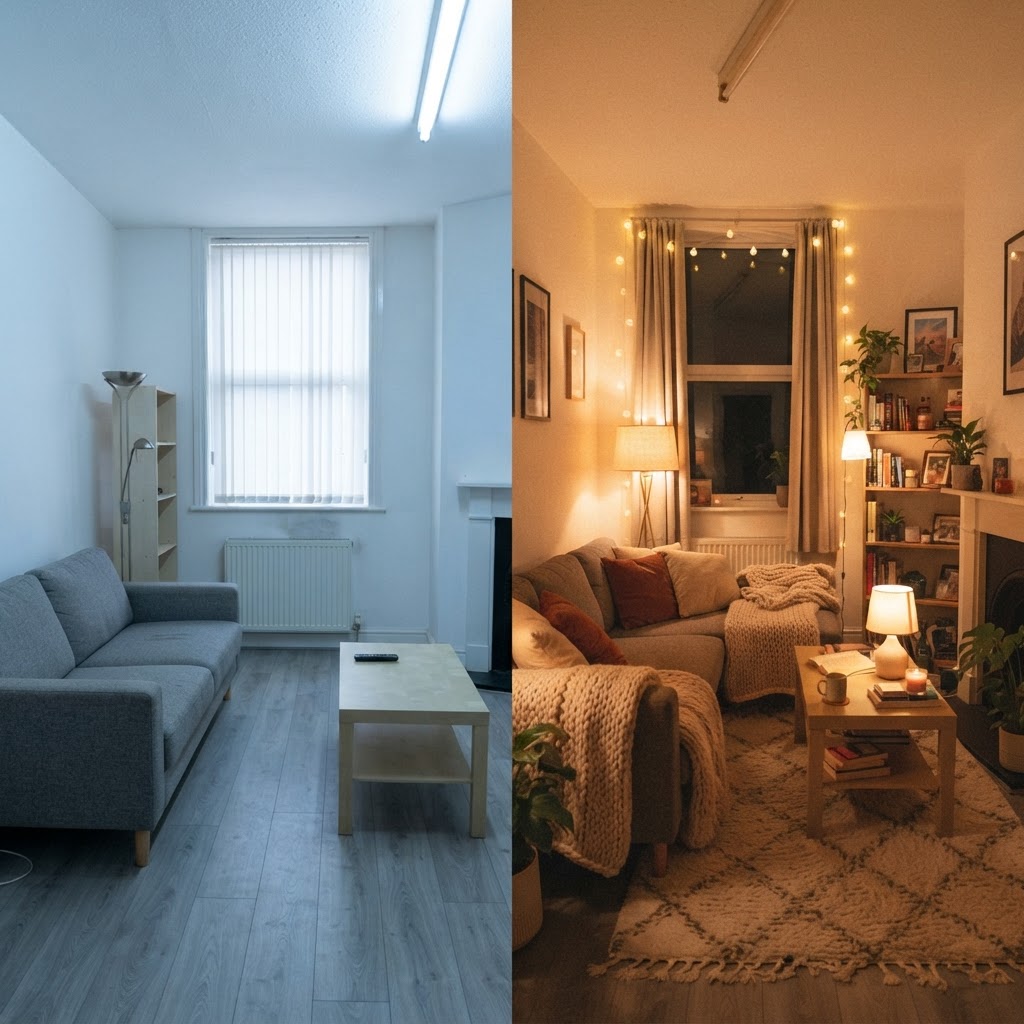
Selecting the correct color temperature is the most critical factor in preventing a living room from feeling like a clinical or sterile “dentist’s office.” Color temperature is measured in Kelvins (K) on a scale typically ranging from 2000K to 6500K. For a cozy, residential feel, you should strictly avoid “daylight” bulbs above 4000K, which often cast an aggressive, blue-tinted light that inhibits melatonin production.
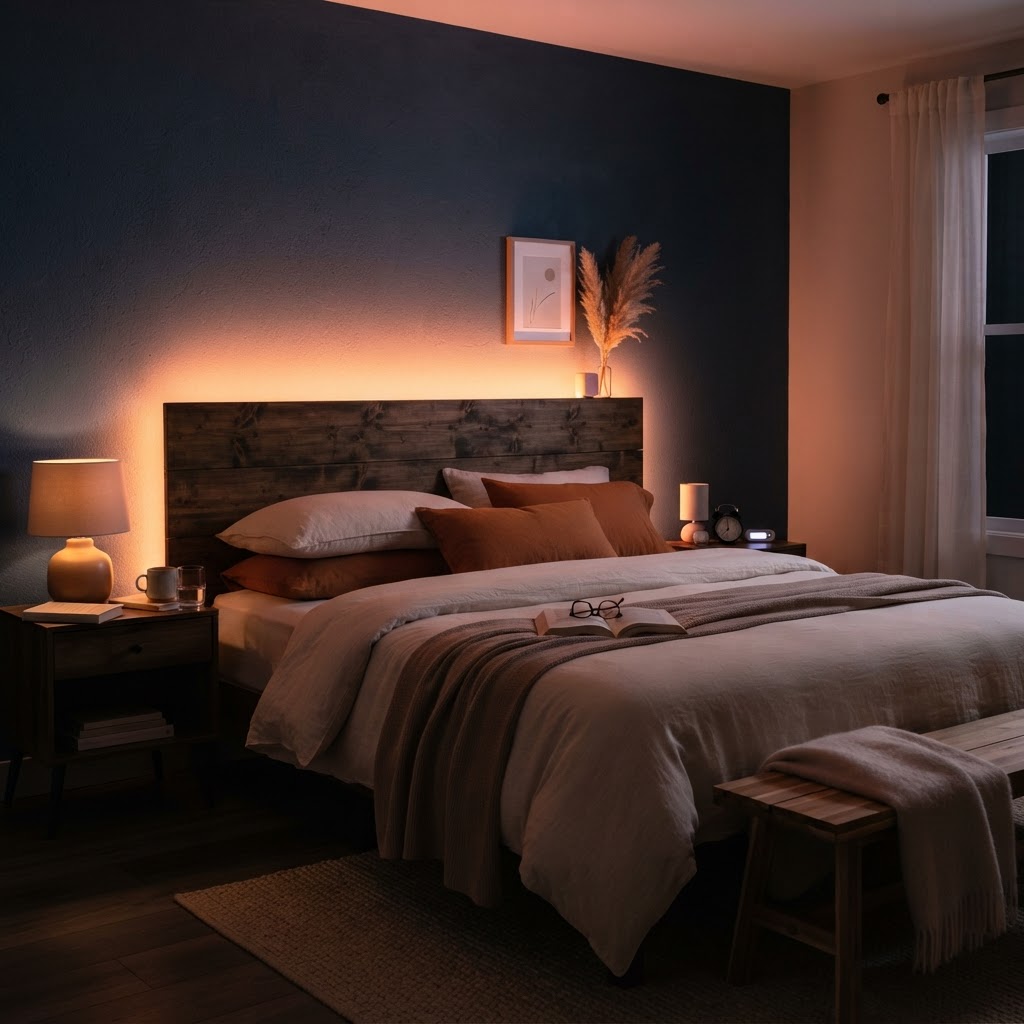
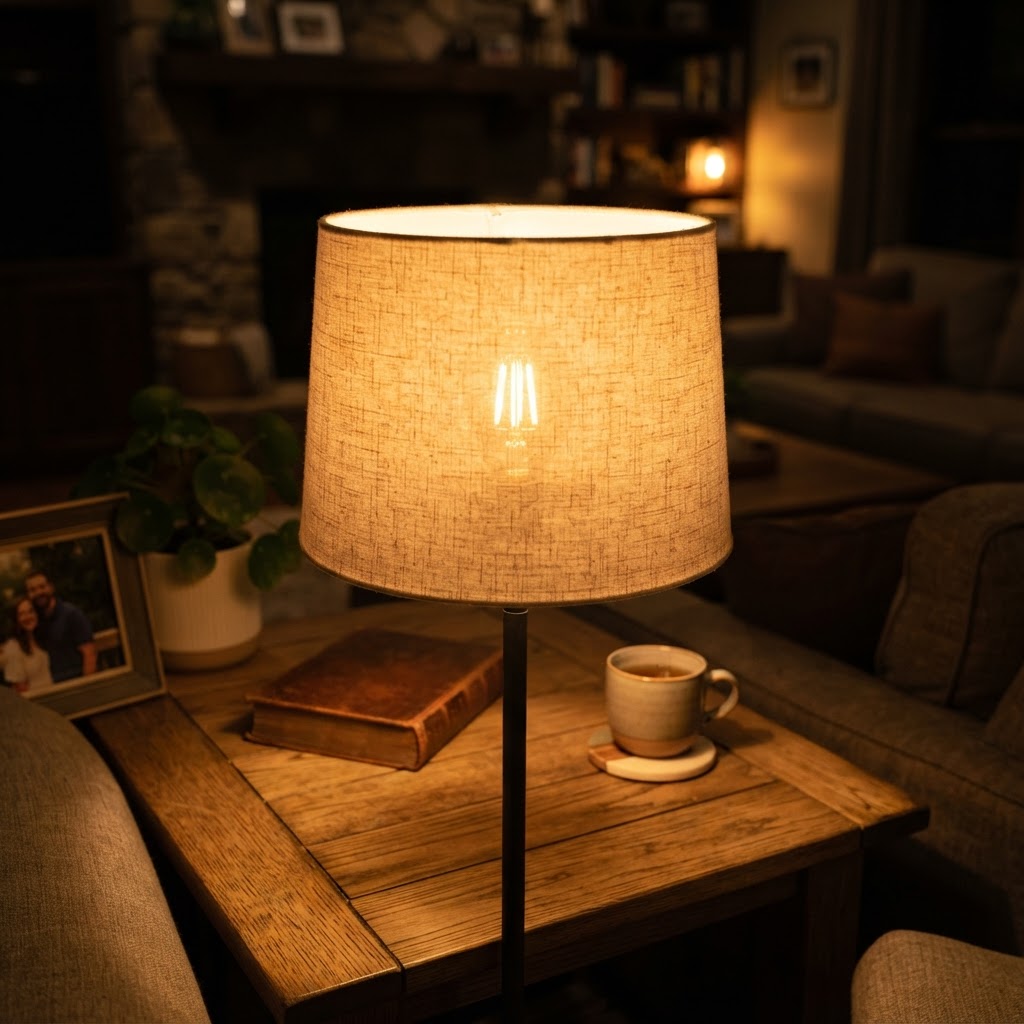
Instead, aim for bulbs in the 2700K to 3000K range. These emit a soft, golden hue that mimics the warm glow of candlelight or a setting sun. This specific spectrum is scientifically favored for relaxation, signaling to the body that it is time to transition from high-activity mode to evening rest. When shopping, always inspect the packaging for the Kelvin rating, as even a 500K difference can drastically shift a room’s mood from “energetic work zone” to “intimate retreat.” If you currently have “cool” lighting, swapping to these warmer alternatives is the most cost-effective way to achieve an immediate upgrade to your home’s atmosphere.
The Power of Dimmers
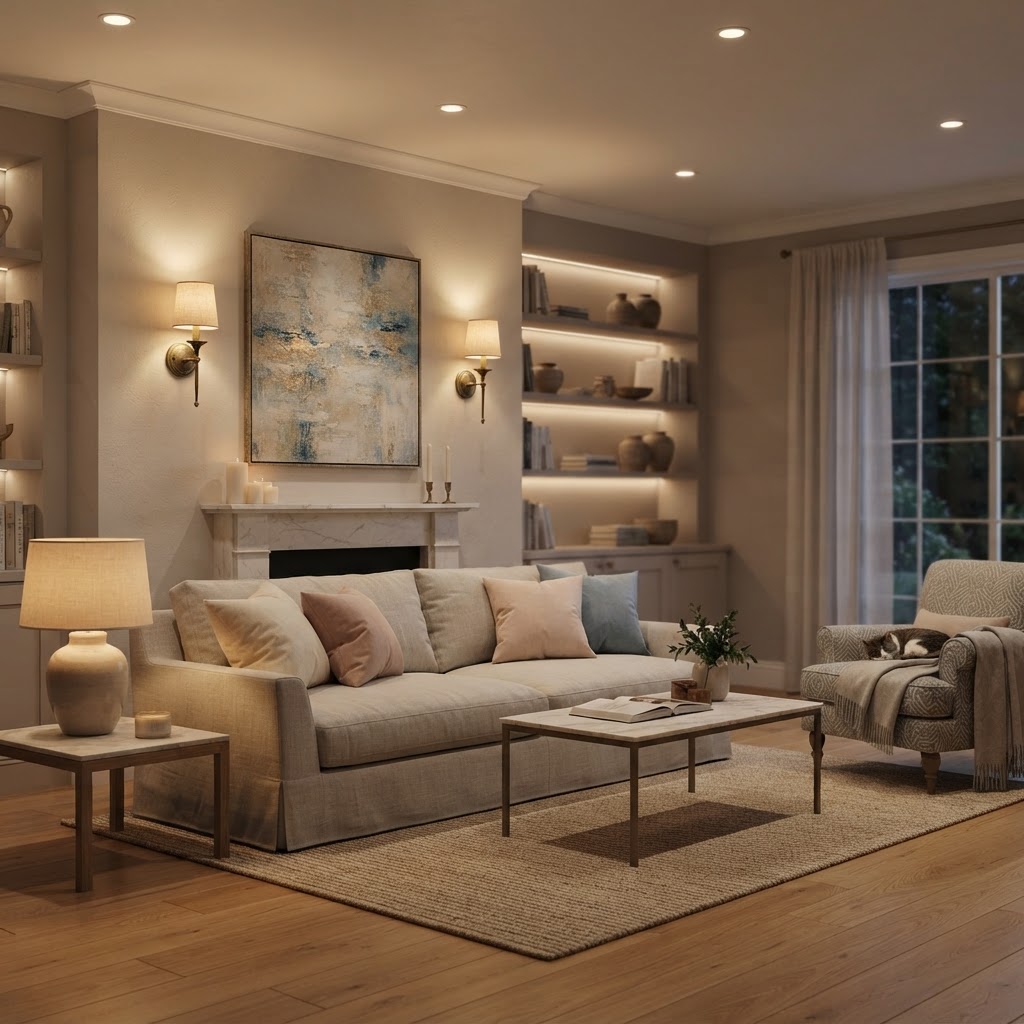
Installing dimmer switches is the single most important “non-negotiable” upgrade for homeowners looking to cultivate a cozy, versatile living environment. Lighting needs fluctuate throughout the day; you may require full-brightness ambient light for daytime cleaning, but benefit from 20% to 30% intensity for evening relaxation or movie viewing. Dimmers provide this flexibility, effectively doubling the utility of your existing fixtures by allowing them to serve multiple moods.
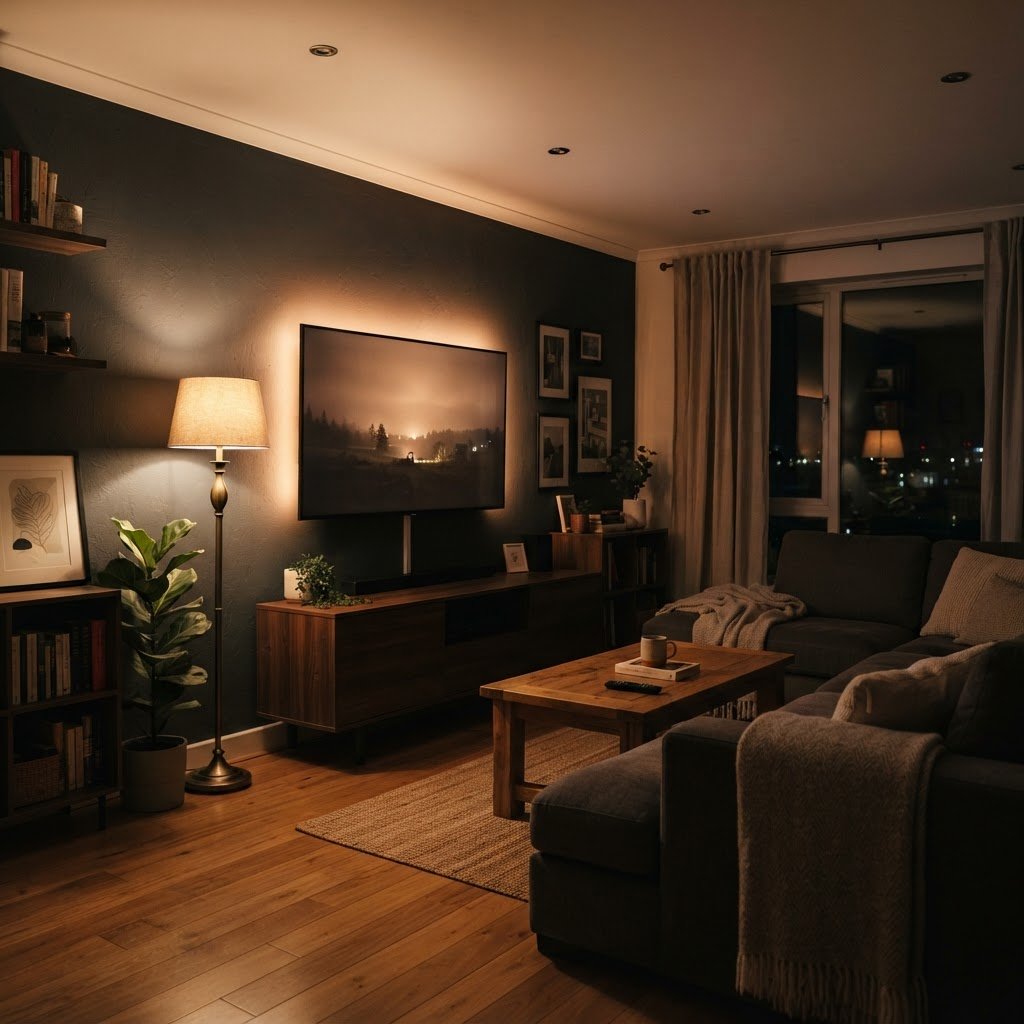
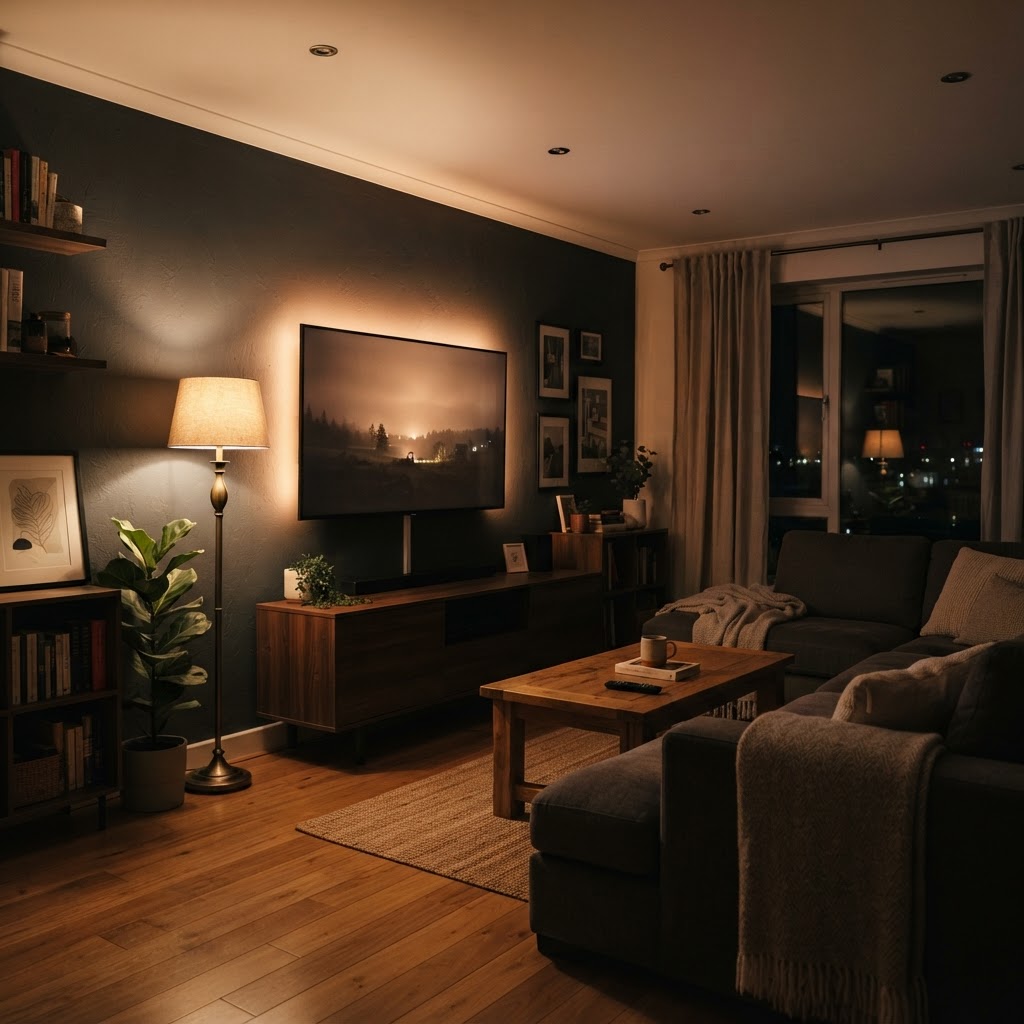
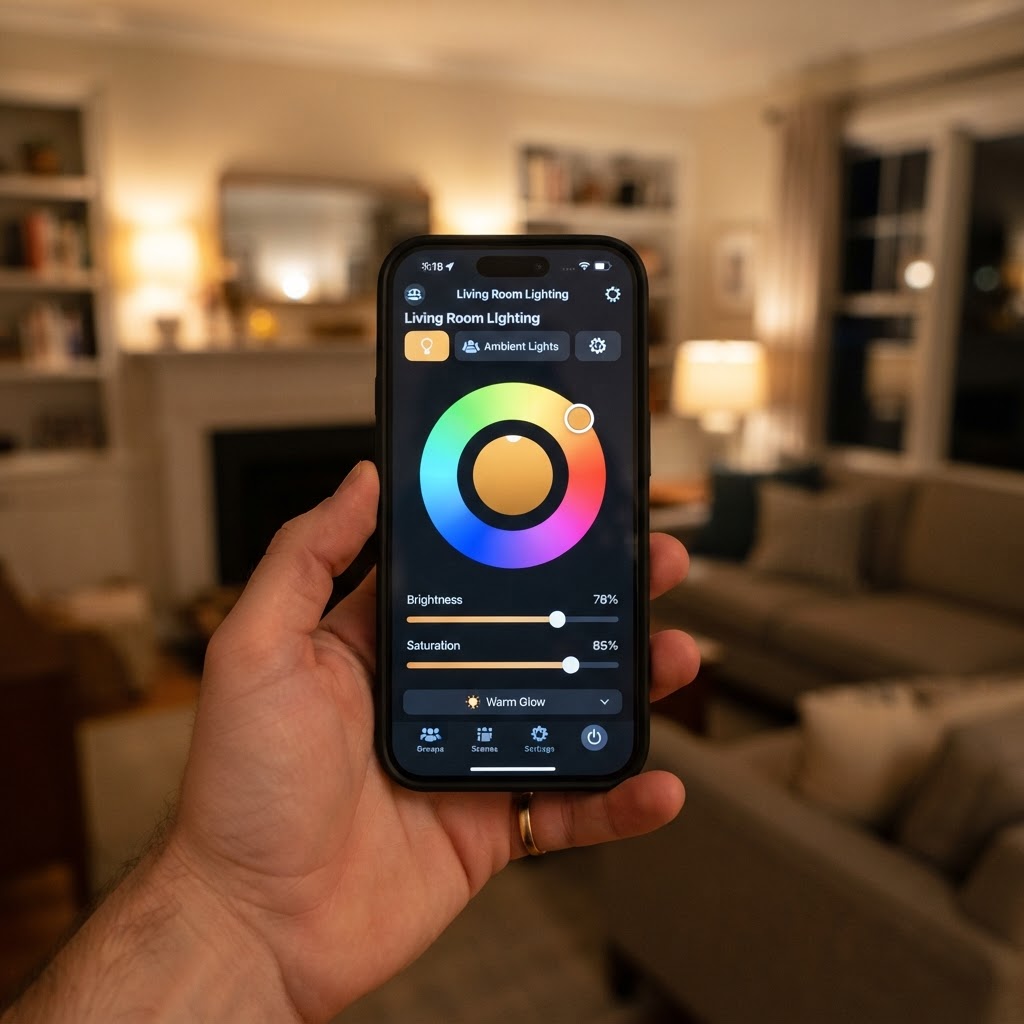
Consider upgrading to smart dimmers that integrate with home automation systems like Apple HomeKit, Google Home, or Amazon Alexa. These modern switches allow you to save “scenes”—pre-set light levels for specific occasions. For example, a “Movie Night” scene can automatically dim your ceiling lights to a subtle glow while turning on decorative floor lamps at 40% brightness. Because these systems are often controlled via voice command or mobile app, you can adjust your entire room’s ambiance without ever needing to leave your seat on the sofa. By centralizing control, you ensure that your lighting setup remains consistent, sophisticated, and perfectly suited to the specific “vibe” of the current hour.
Strategic Lamp Placement
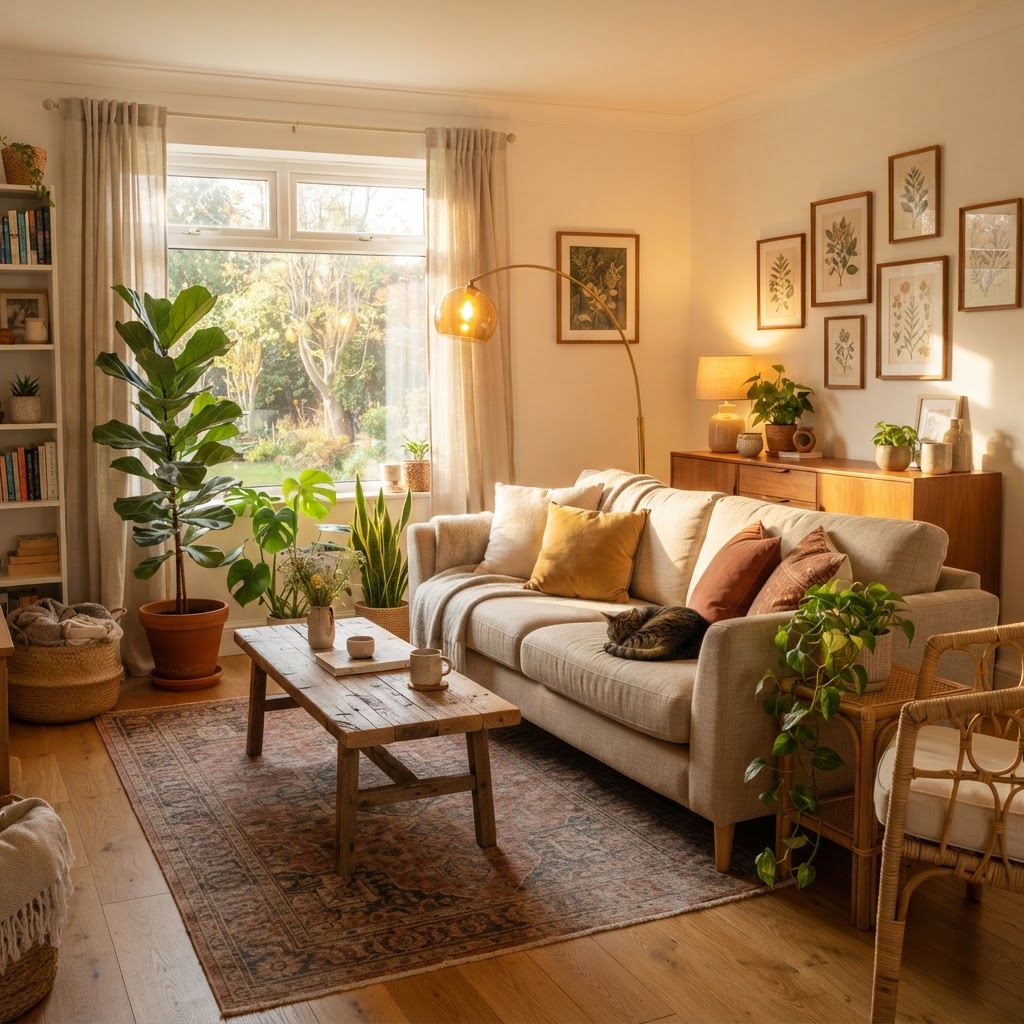
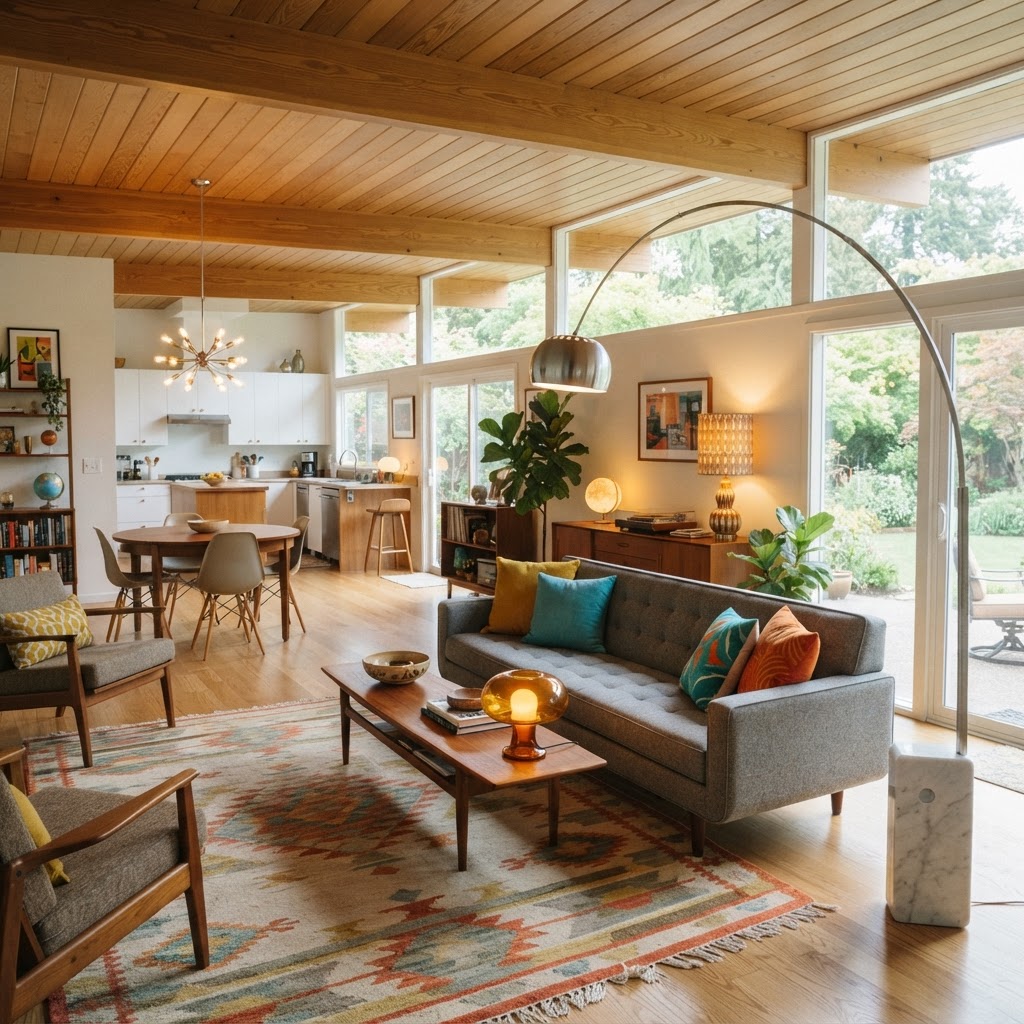
Where you place your lamps is just as important as the bulbs you choose. A common mistake is pushing all lighting to the ceiling. Instead, you should aim to place light sources at different heights throughout the room to pull the eyes around the space.
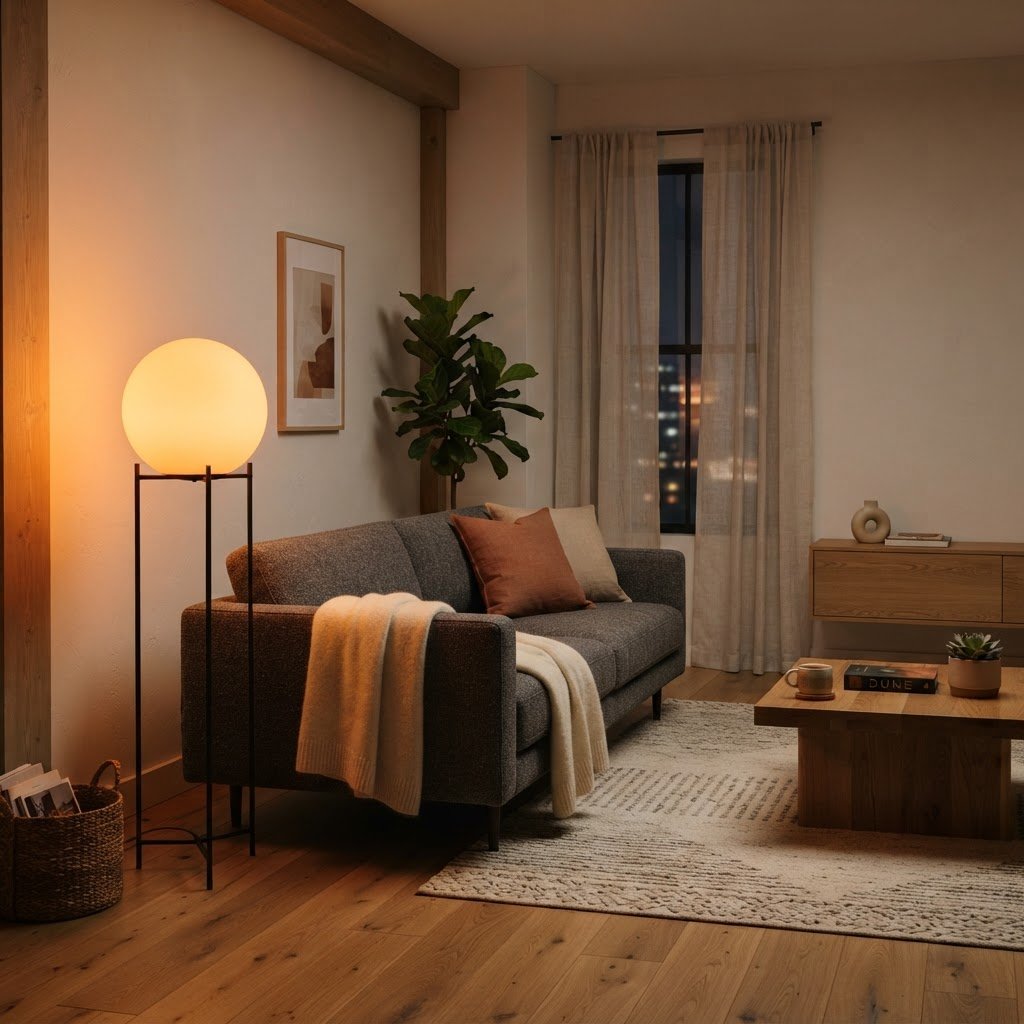
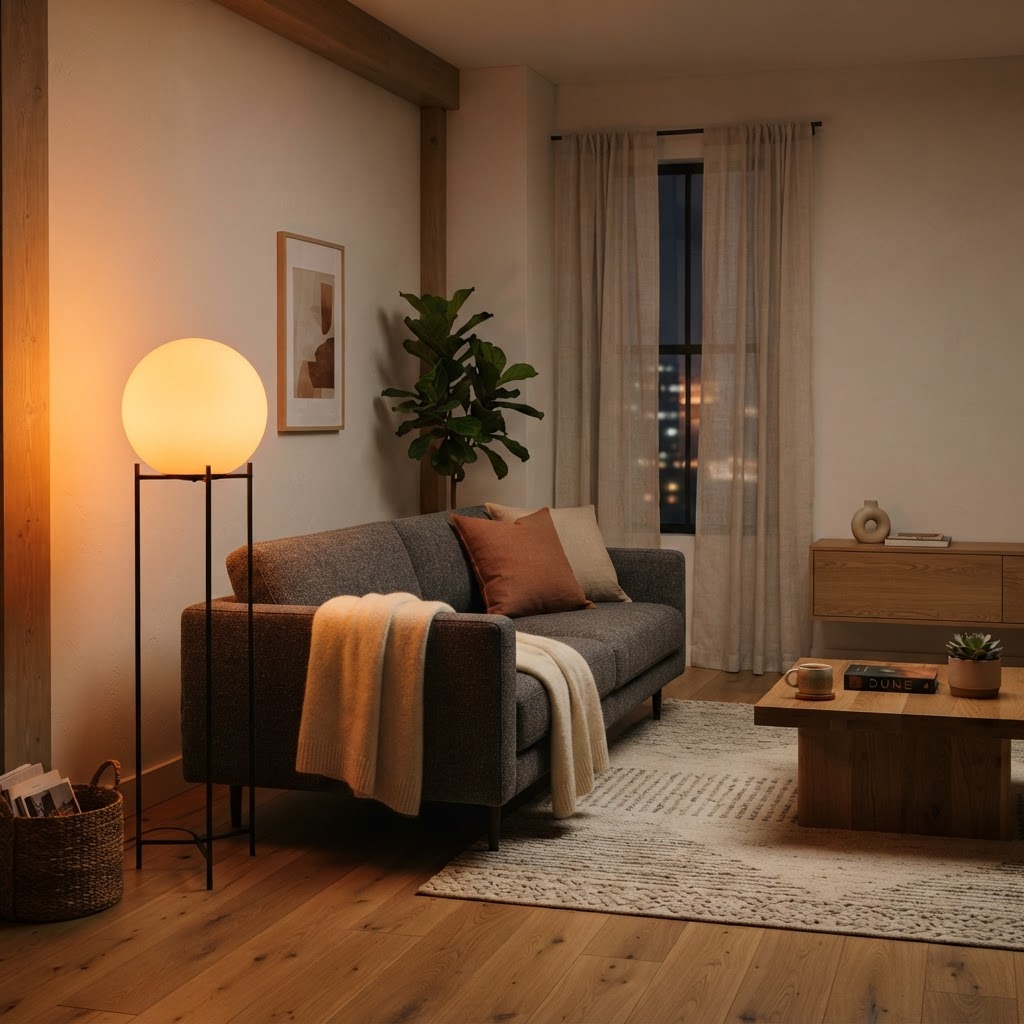
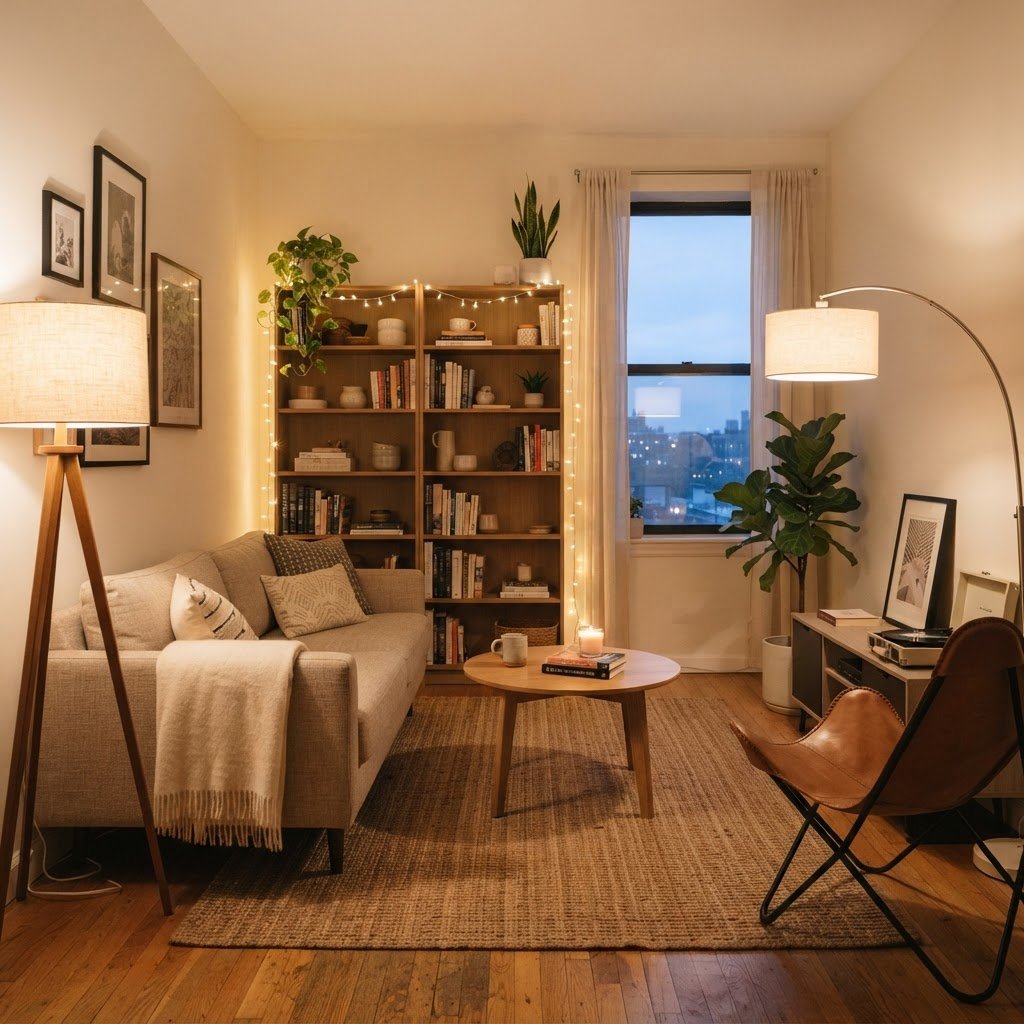
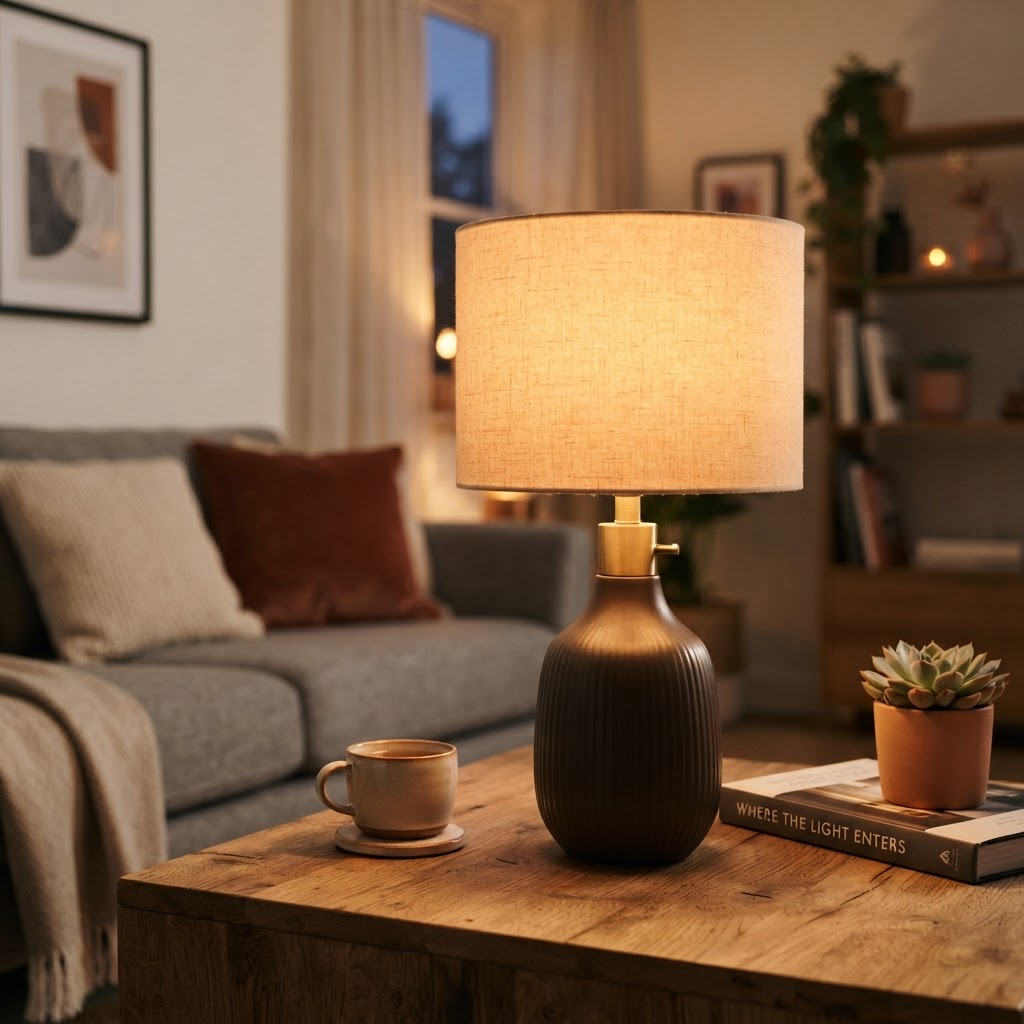
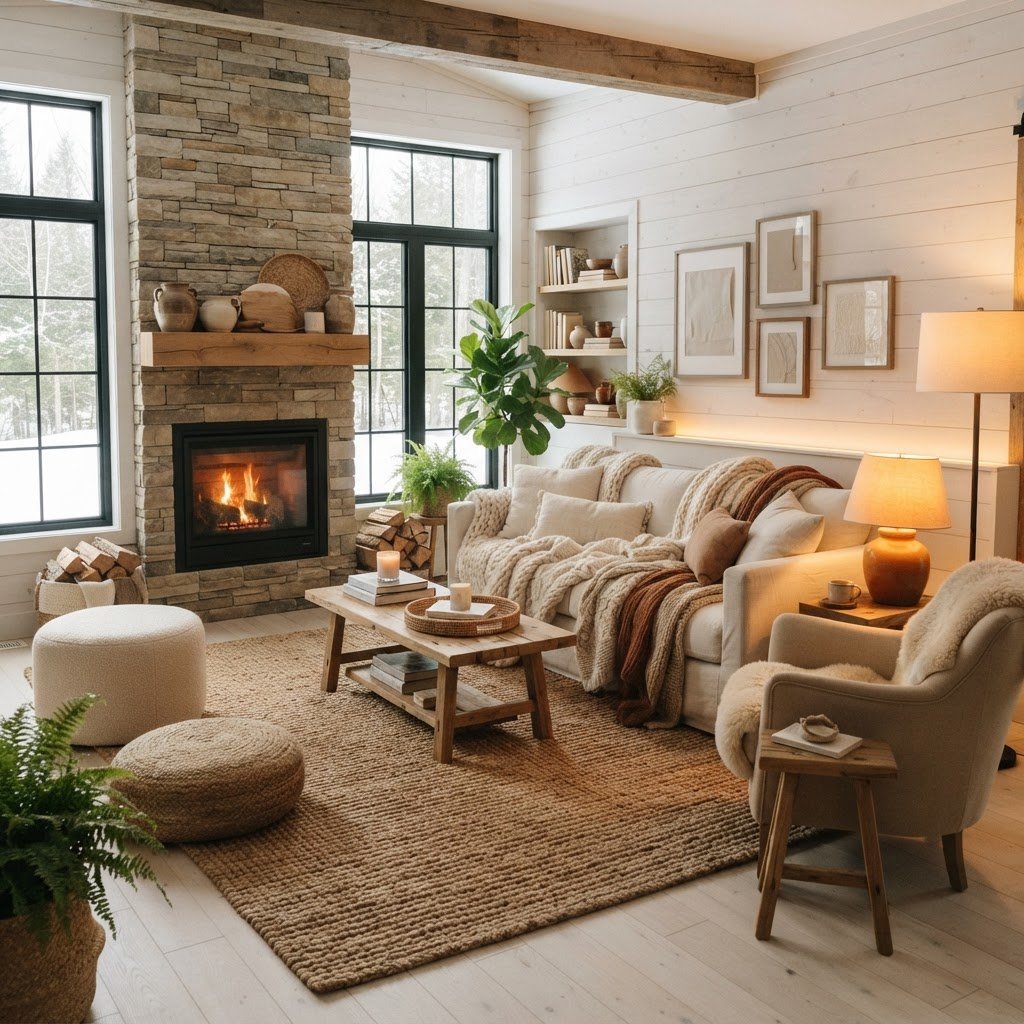
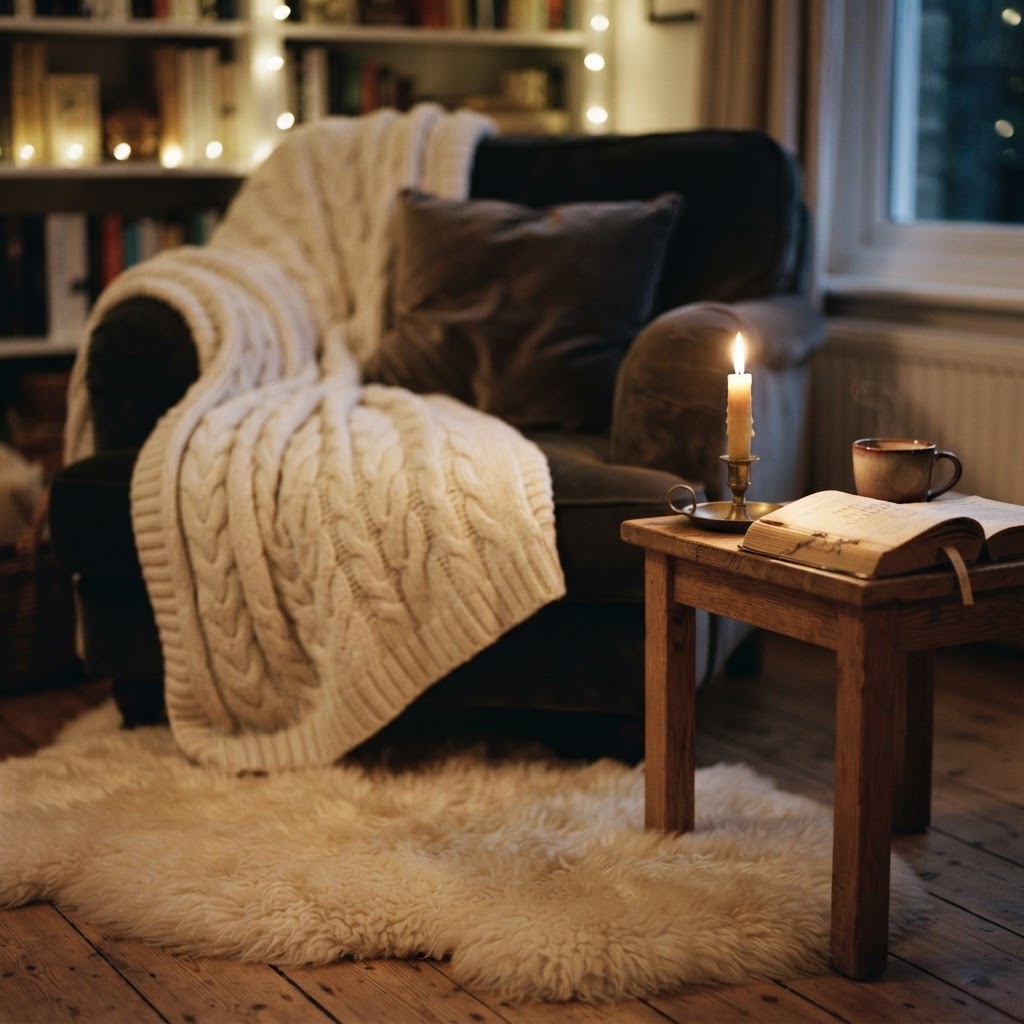
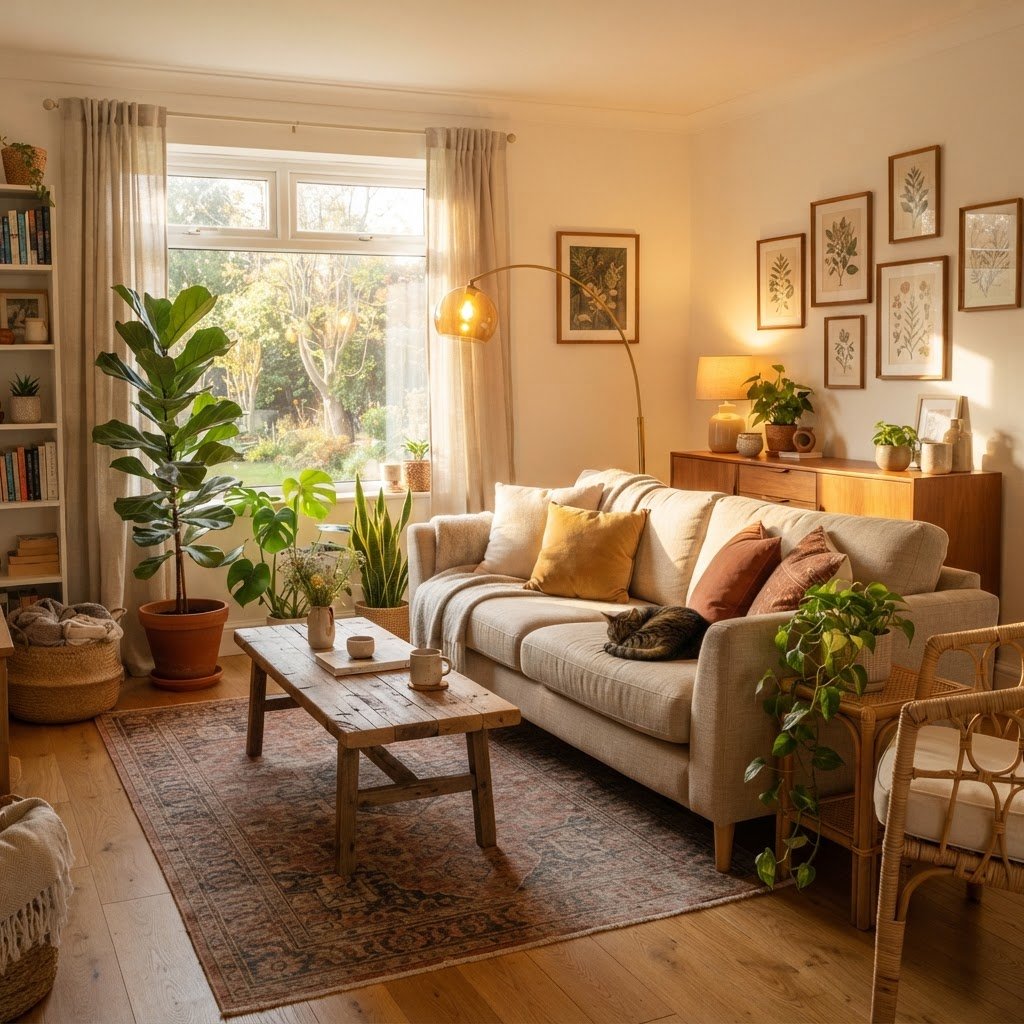
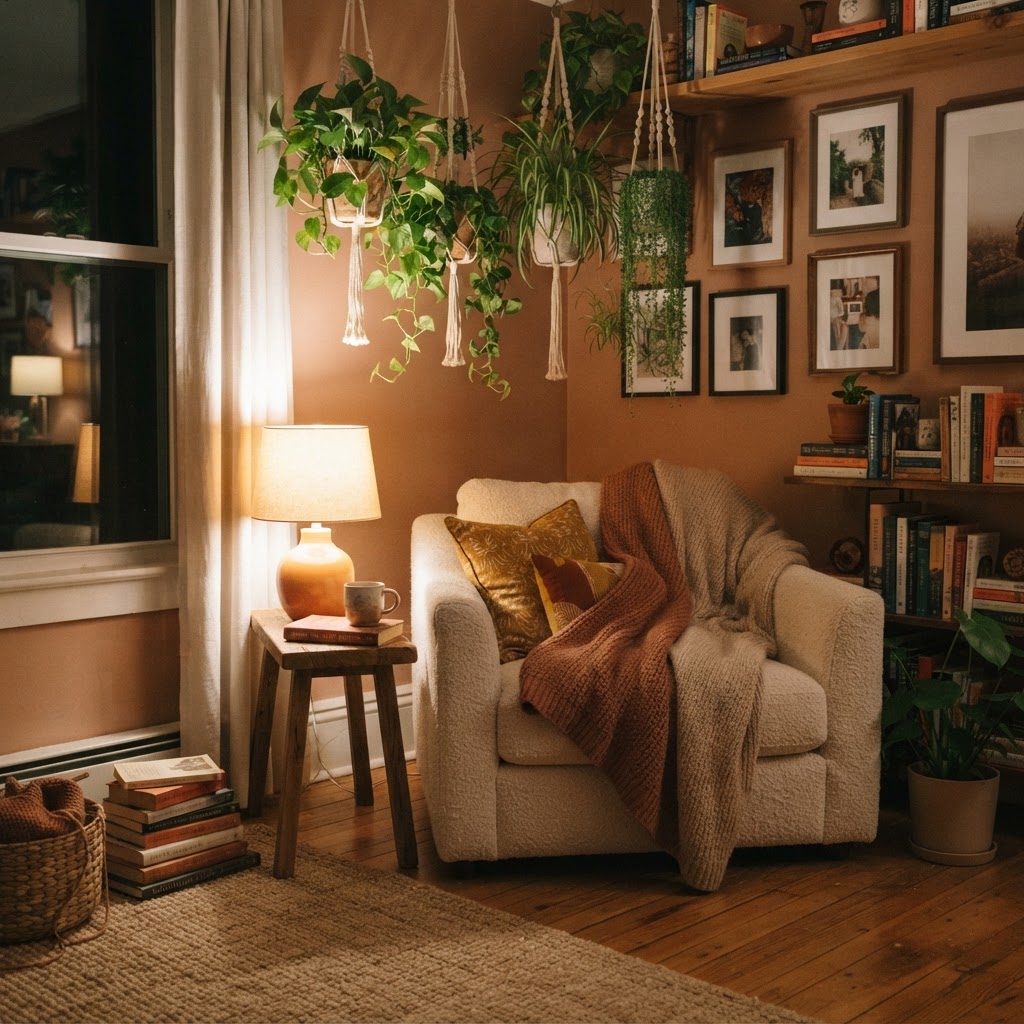
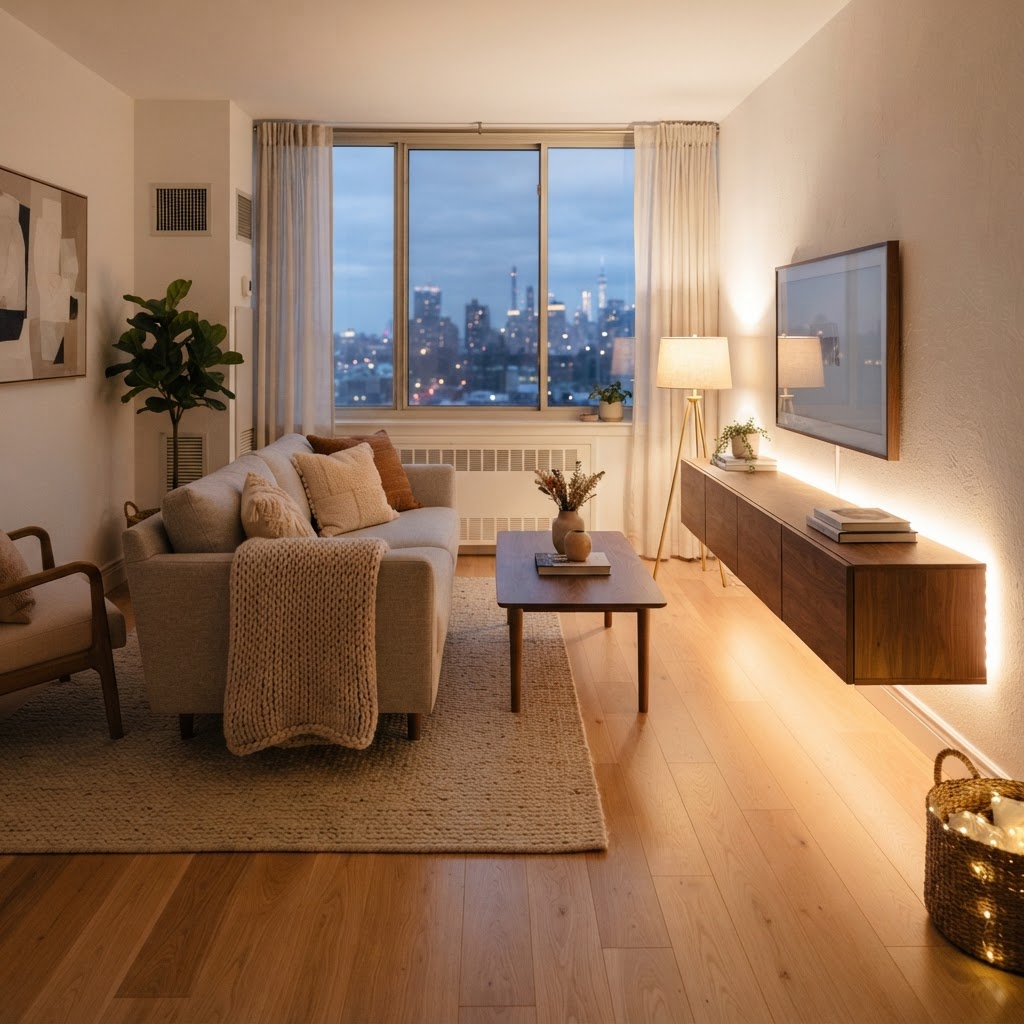
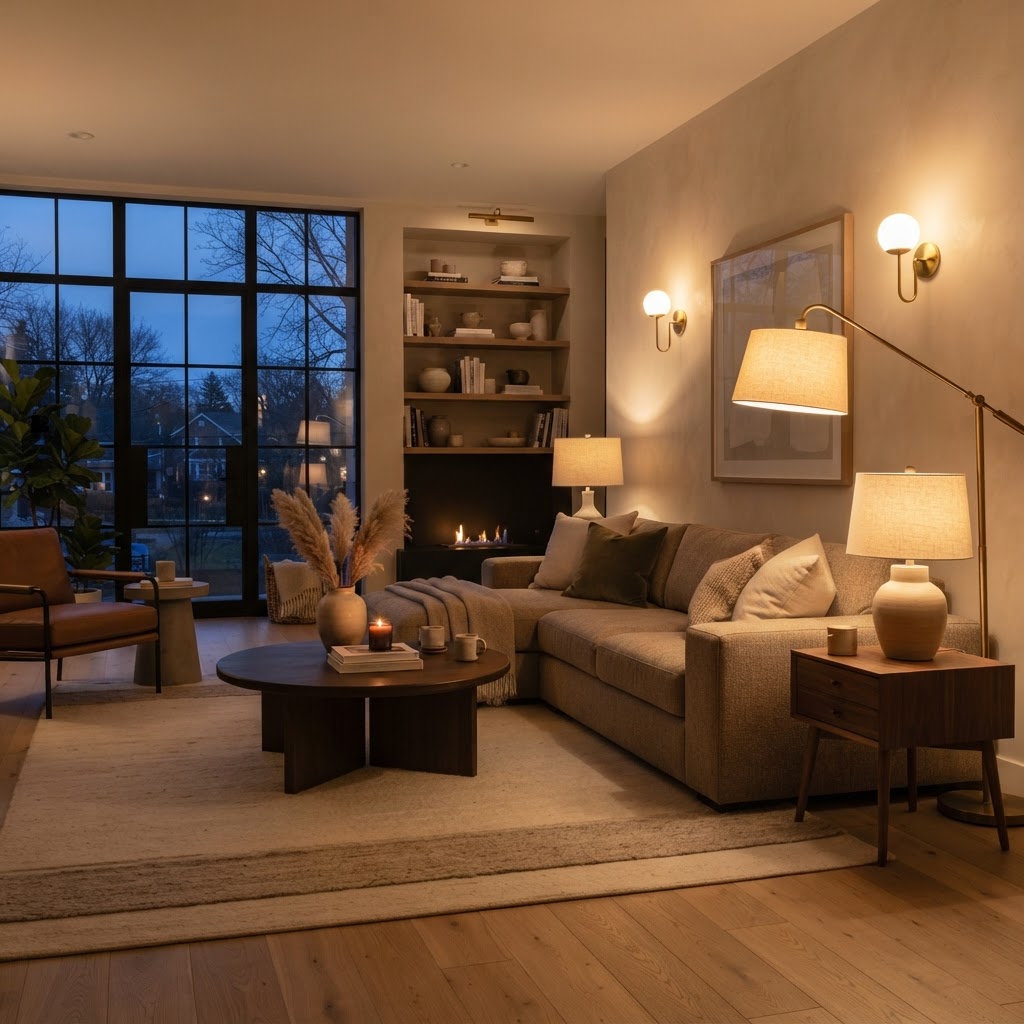
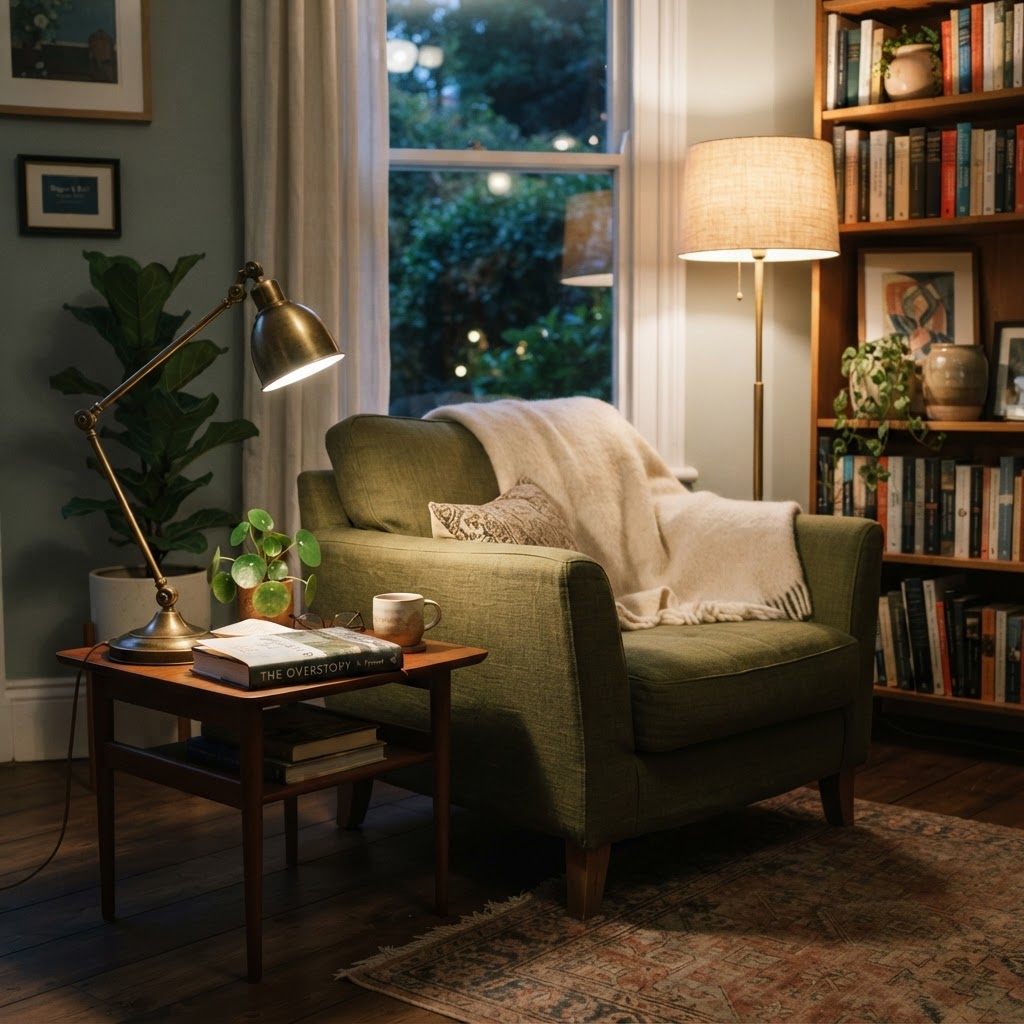
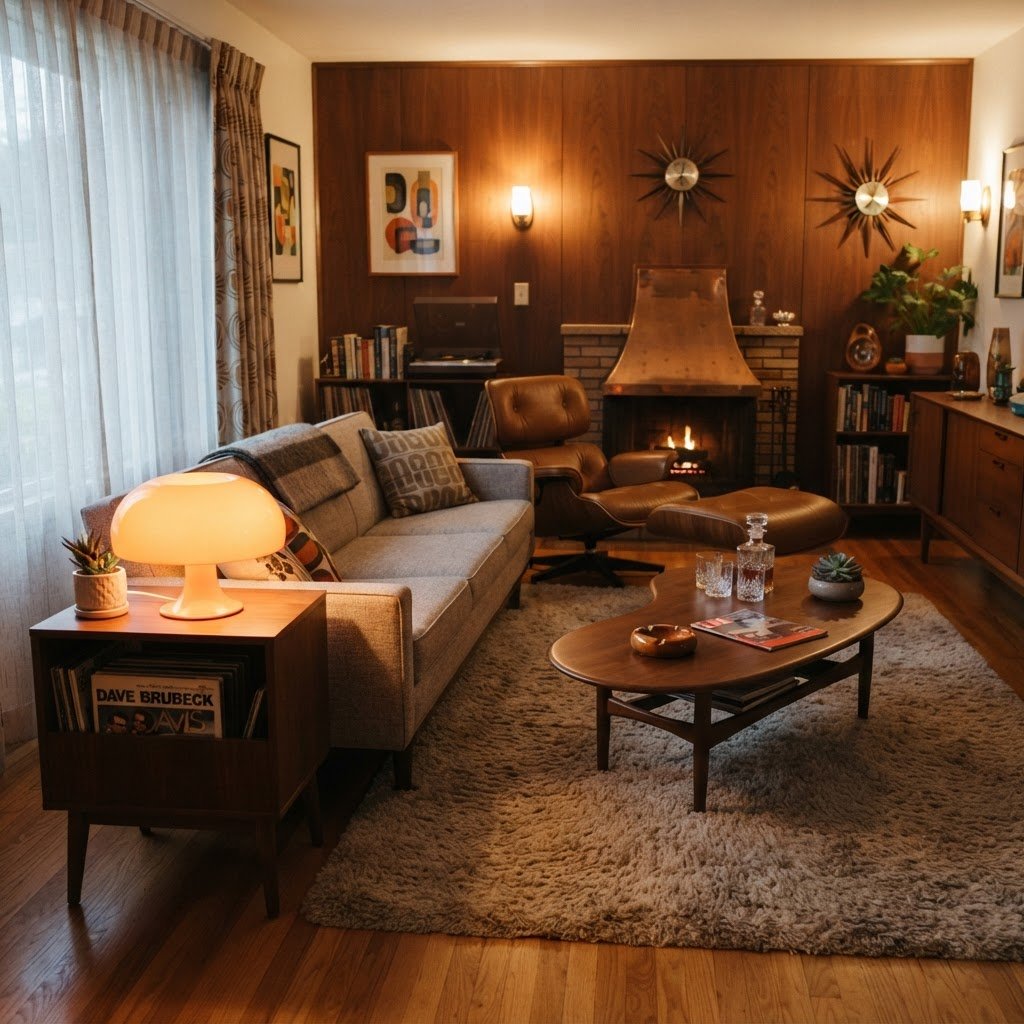
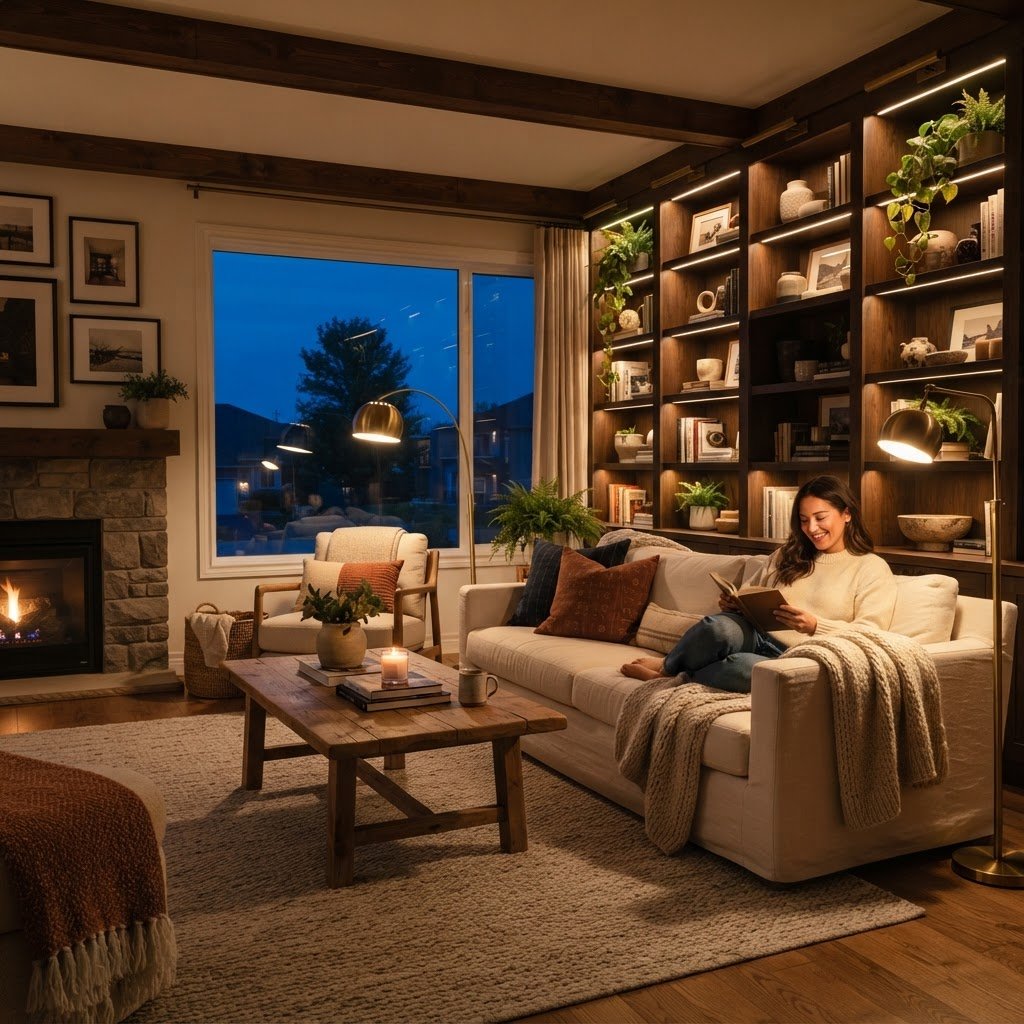
Place a floor lamp next to a reading chair to create a dedicated nook. Use table lamps on side tables flanking the sofa to balance the visual weight. By keeping light sources at eye level or below, you create an intimate atmosphere that feels grounded and secure rather than cold and clinical.
Highlighting Your Decor
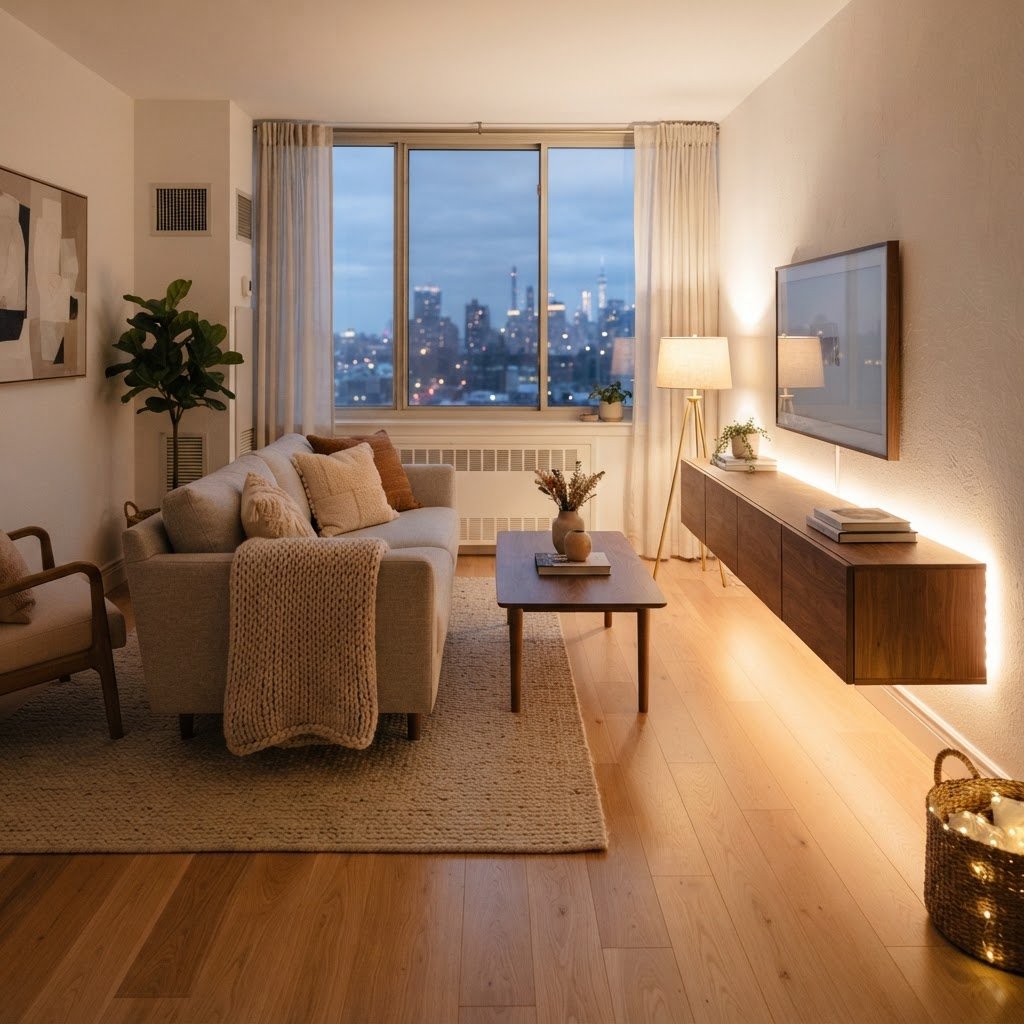
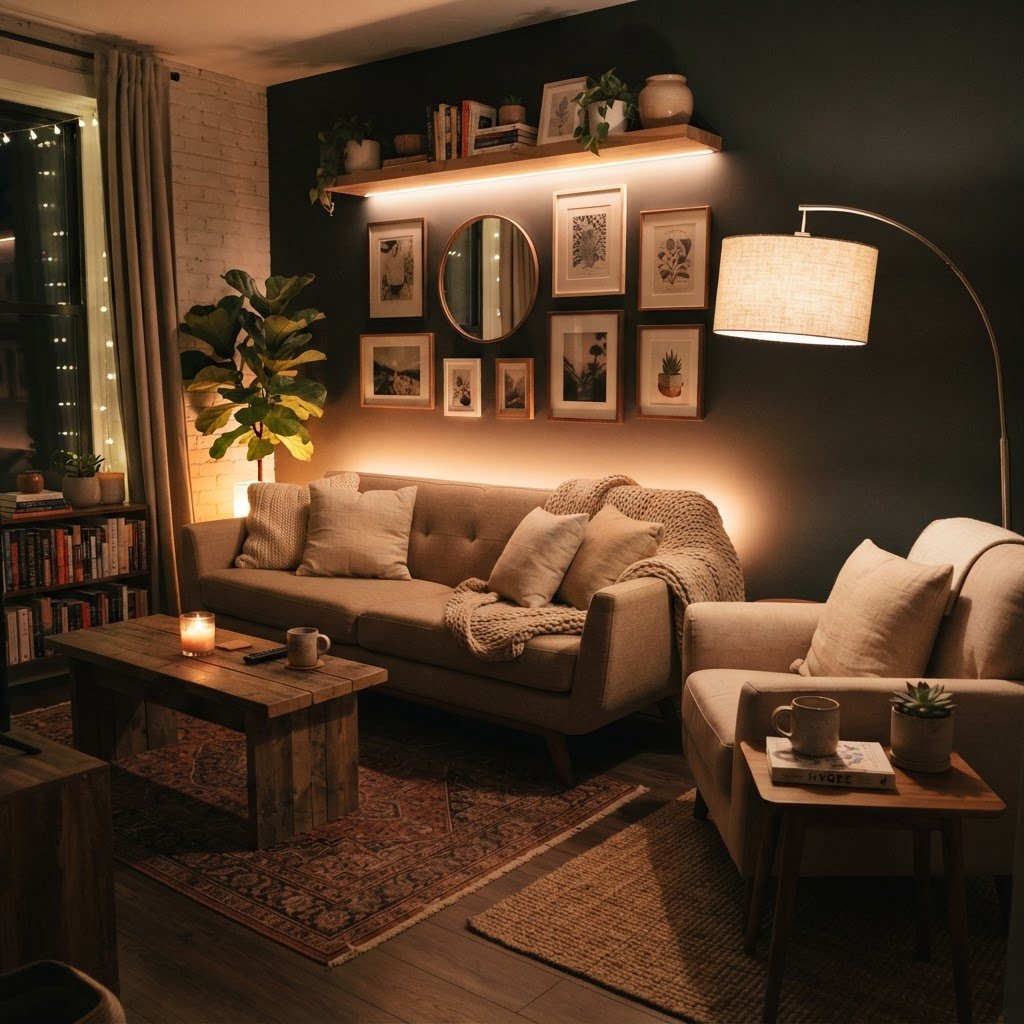
To really lean into how to create a warm, inviting living room with lighting, use light to celebrate your decor. If you have open shelving, consider installing small LED strip lights under each shelf. This “cove lighting” effect makes your personal items glow and adds a high-end feel to your storage solutions.
Similarly, picture lights above gallery walls make your space feel like a curated art studio. When you illuminate specific items, you give the room a sense of personality. This strategy makes the room feel lived-in and loved, which is the cornerstone of any inviting living area.
The Role of Shadows and Contrast
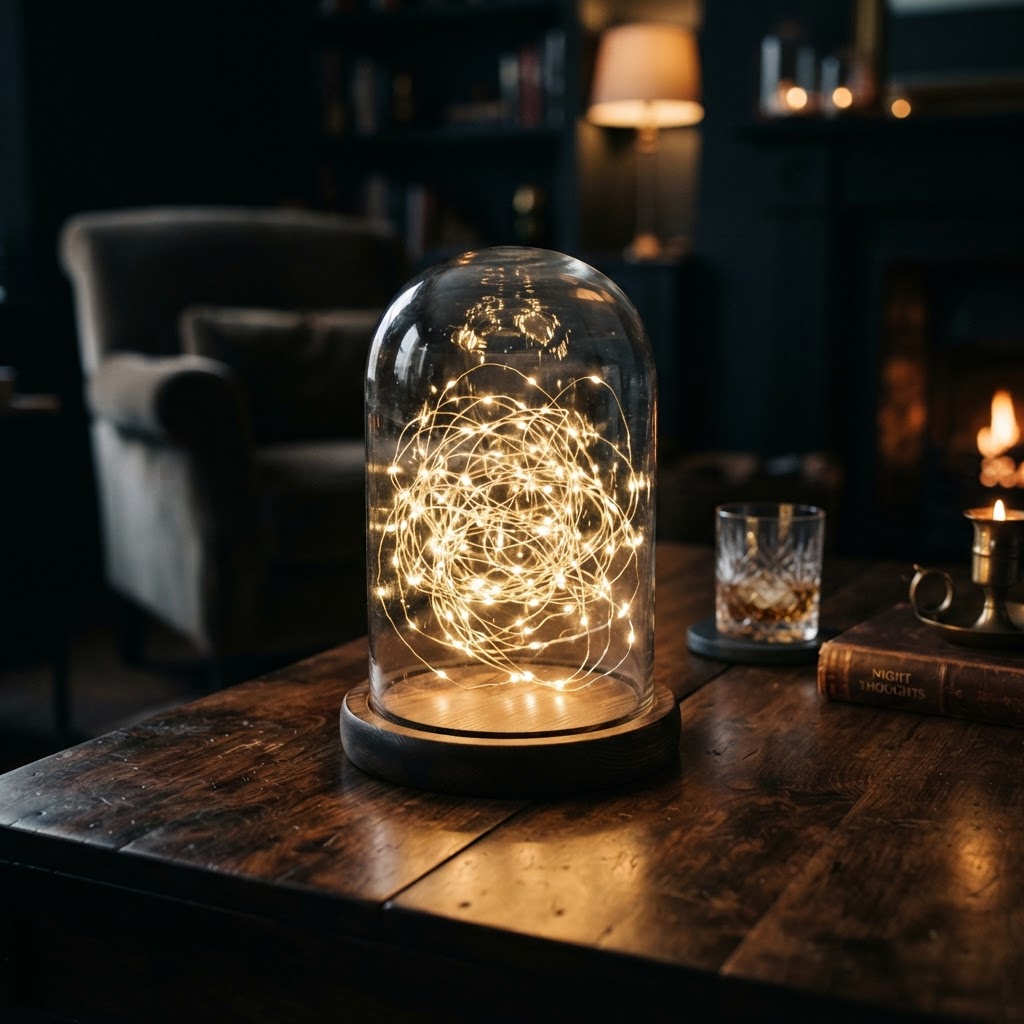
Beginners often think that a perfectly lit room should be uniform in brightness. Actually, contrast is what makes a room interesting. A well-designed space should have “pools” of light and pockets of shadow. This natural variation prevents the room from feeling flat.
When you leave certain corners slightly darker while brightly lighting a reading area, you create depth. This play between light and dark is what makes a room feel architectural. Do not be afraid to let corners stay dimly lit, as this provides a sense of mystery and depth that contributes to the overall warmth of the interior.
Selecting Fixture Styles
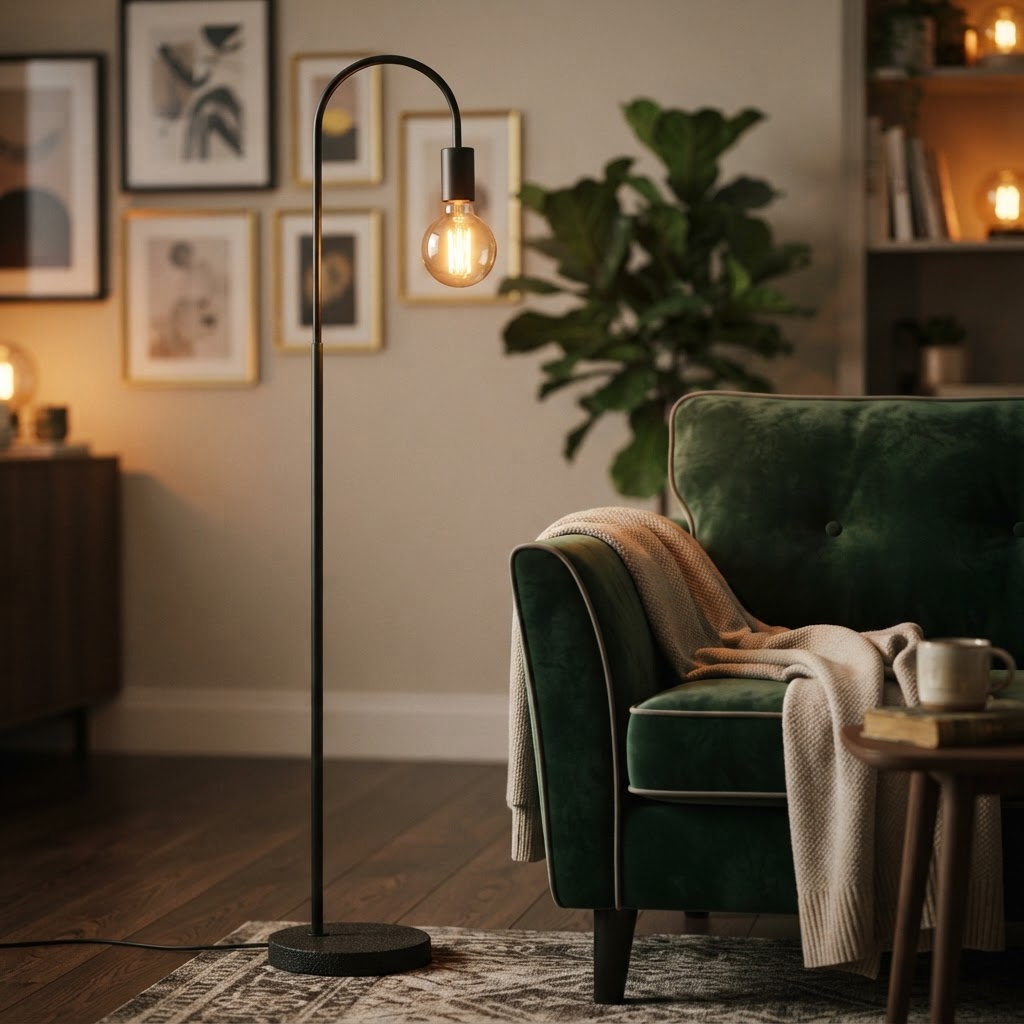
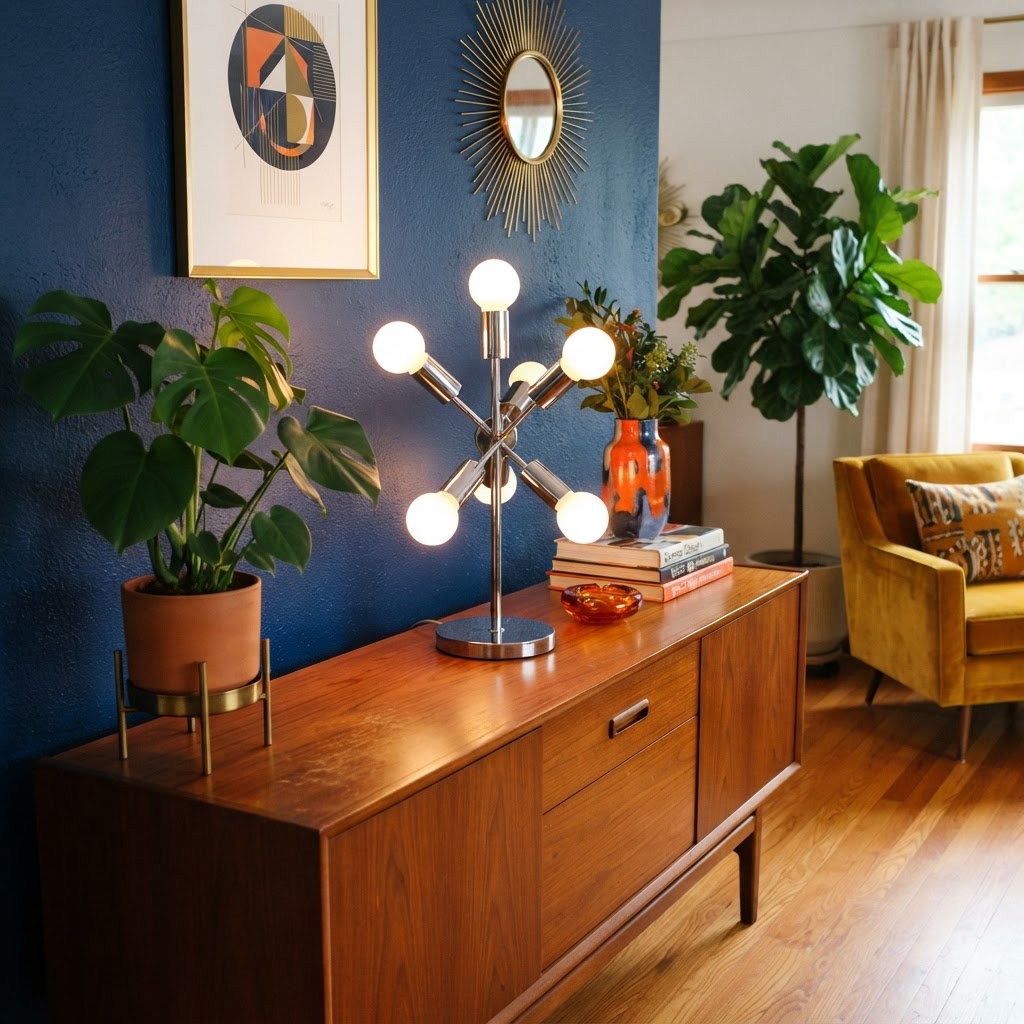
Lighting fixtures act as the jewelry of your living room. The style of your lamp base or chandelier can reinforce the design aesthetic you are aiming for. For a rustic look, choose fixtures made of natural wood or aged brass. For a modern, minimalist space, opt for clean lines and matte black finishes.
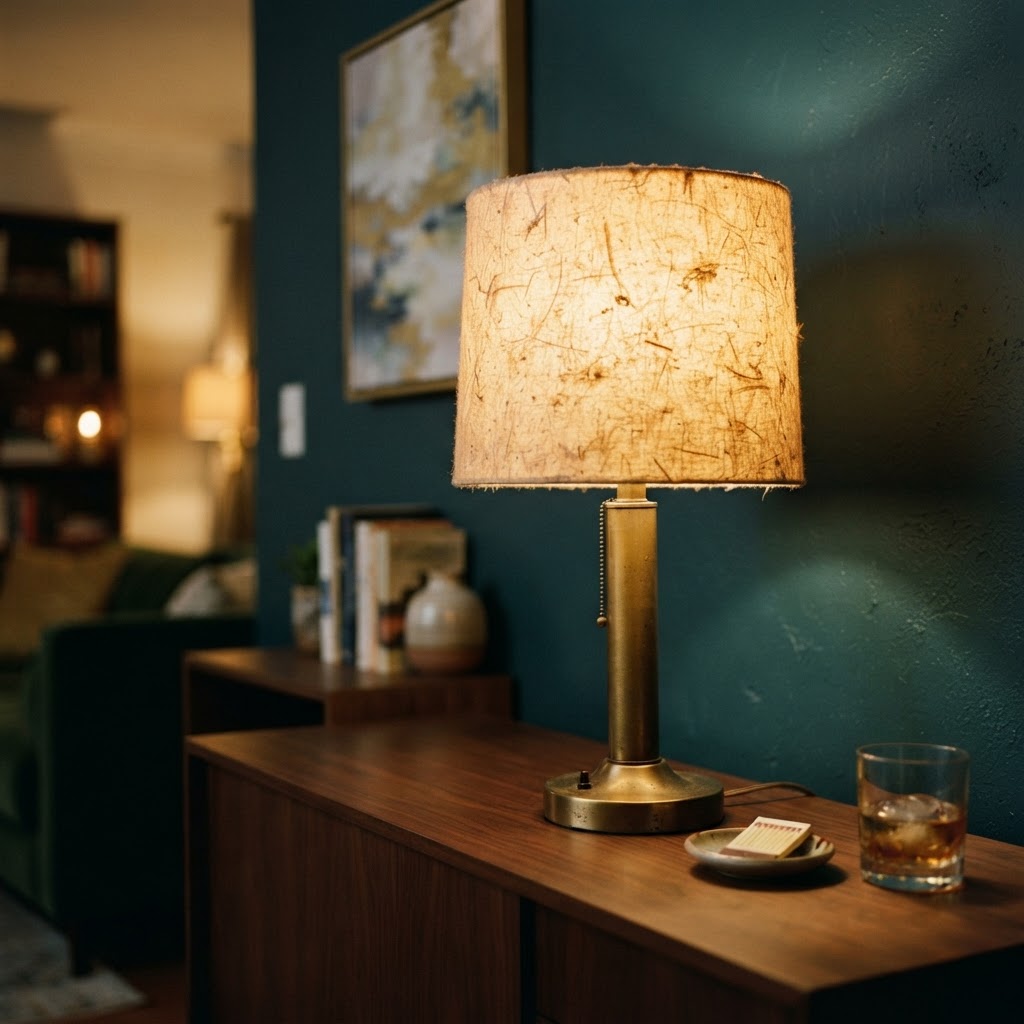
Material matters. Fabric shades help diffuse the light, making it softer and more flattering. Glass shades tend to provide a sharper, more focused light. If you are struggling with a room that feels too harsh, swap out transparent glass shades for opaque or fabric options to immediately soften the intensity of the illumination.
FAQ
Q: What is the best color temperature for a cozy living room?
The ideal color temperature for a cozy living room is between 2700K and 3000K. This range produces a warm, inviting, yellow-golden light similar to sunset, which promotes relaxation compared to the harsh, blue-tinted light found in cooler bulbs above 4000K.
Q: How many lamps should be in a living room?
As a rule of thumb, incorporate at least three to five distinct light sources in an average-sized living room. By layering a mix of overhead, table, and floor lamps, you eliminate “dead zones” and ensure the room feels balanced and multi-dimensional.
Q: Why do my living room lights feel harsh?
Harsh lighting is typically caused by choosing bulbs with too high a Kelvin rating or using fixtures with transparent glass shades. You can instantly soften the room by switching to 2700K bulbs and using fabric shades to diffuse the light output.
Q: Should I use smart dimmers in my living room?
Yes, smart dimmers are highly recommended for living rooms as they allow for flexible, scene-based lighting. They enable you to transition from high-intensity lighting for cleaning to low-intensity “mood” lighting for movies via voice control or app presets.
Q: What is the “layering” technique in lighting?
Lighting layering is the practice of combining ambient, task, and accent light sources to create depth. By avoiding a single, high-intensity overhead light in favor of multiple smaller, lower-intensity sources, you create a more sophisticated, comfortable, and functional home environment.