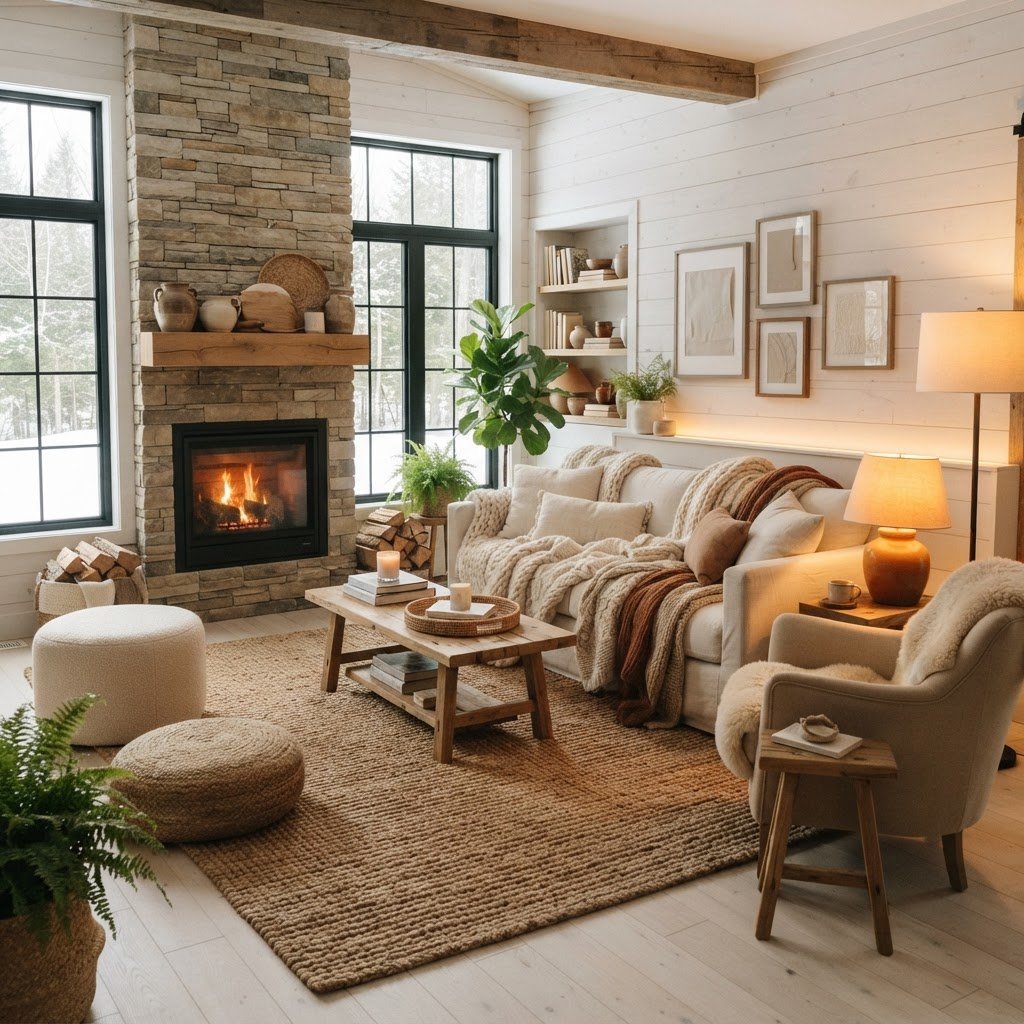
A stylish Hygge living room is defined by the intentional use of warm, layered lighting, soft tactile textures like wool and cashmere, and a muted, earthy color palette. By curating a clutter-free space that prioritizes comfort and natural materials, you transform a standard living area into a peaceful sanctuary for well-being.
The Philosophy of Hygge Living Rooms
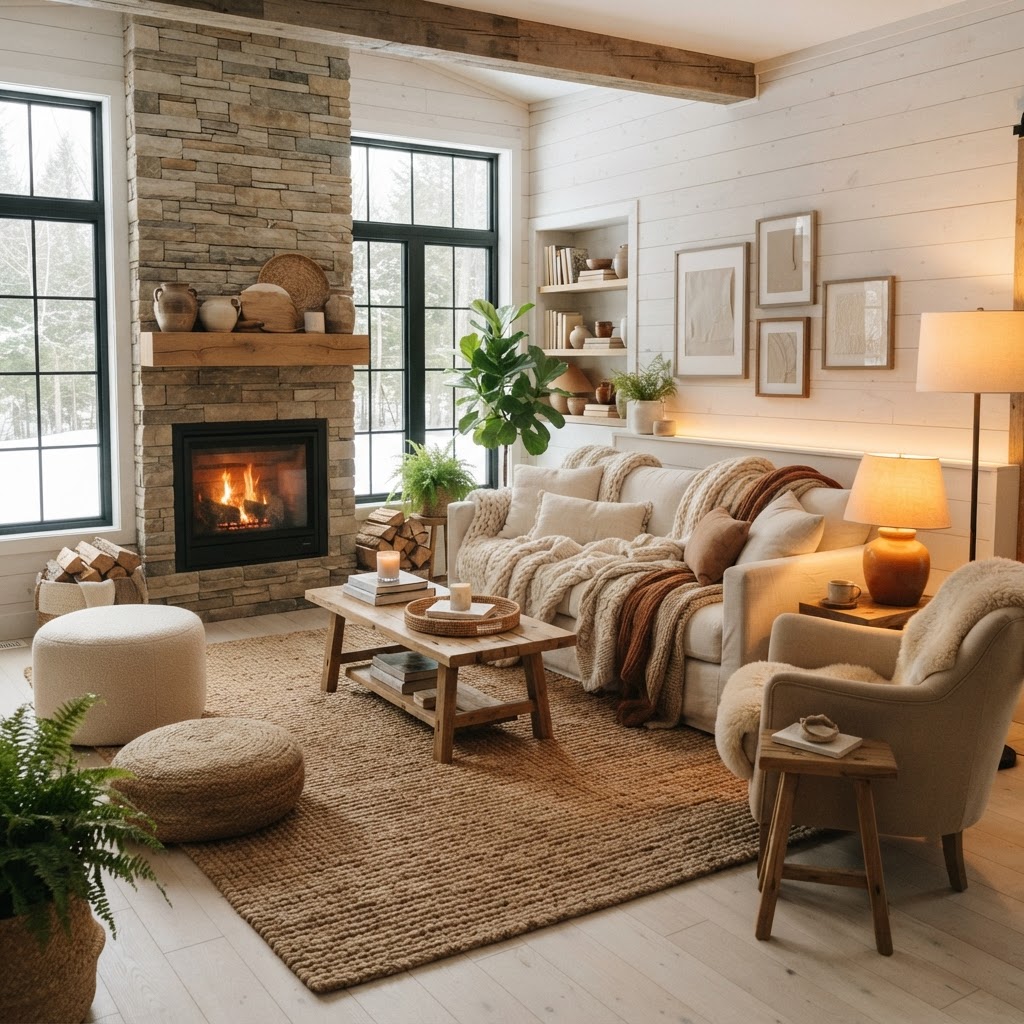
At its core, the Hygge philosophy is about cultivating a sense of togetherness and well-being. It is the feeling of a wool blanket on a chilly evening, the glow of a candle, and the soft embrace of a perfectly placed cushion. Designing a Hygge living room requires shifting your focus from purely aesthetic choices to how a space makes you feel physically and emotionally.
It is about creating an environment that feels lived-in and loved, rather than pristine and untouchable. This approach encourages the use of natural materials, muted color palettes, and layers that build depth. When you step into a room designed with Hygge in mind, the outside world should feel miles away, replaced by a sense of calm and gentle invitation.
Mastering Warm Lighting Schemes
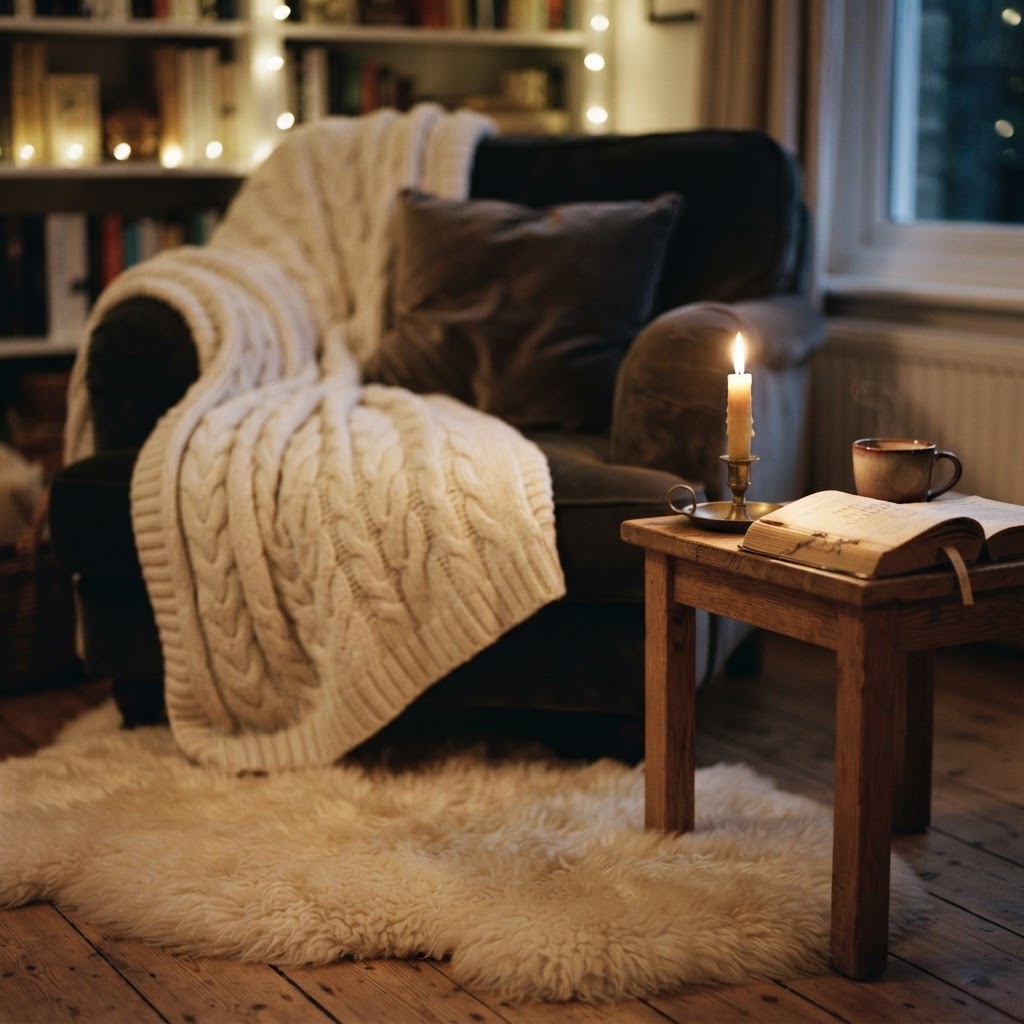
Lighting is the single most important factor in setting the mood of a room, specifically by utilizing bulbs with a color temperature between 2,200K and 2,700K. Harsh, overhead lighting is the antithesis of the Hygge aesthetic, as it tends to feel clinical and uninviting. Instead, you should aim for multiple sources of soft, warm light that create pools of comfort throughout the living space.
Layering Your Light Sources
To achieve the perfect atmosphere, consider using the ‘layering’ technique. This involves combining different types of light fixtures to ensure there are no dark, lonely corners. Start with your primary light, such as a pendant or floor lamp with a warm-toned bulb, and add secondary layers.
- Table lamps with amber-hued shades: Perfect for side tables.
- Wall sconces: Great for highlighting artwork without glare.
- String lights: A subtle way to add a touch of whimsy and warmth.
- Floor lamps with adjustable arms: Practical for reading corners.
Never underestimate the power of candles. In Denmark, candles are considered essential for creating ‘lys’ or light that nourishes the soul. Use unscented beeswax candles or high-quality LED alternatives to get that gentle, flickering glow without the safety concerns of an open flame.
Embracing Soft Textures
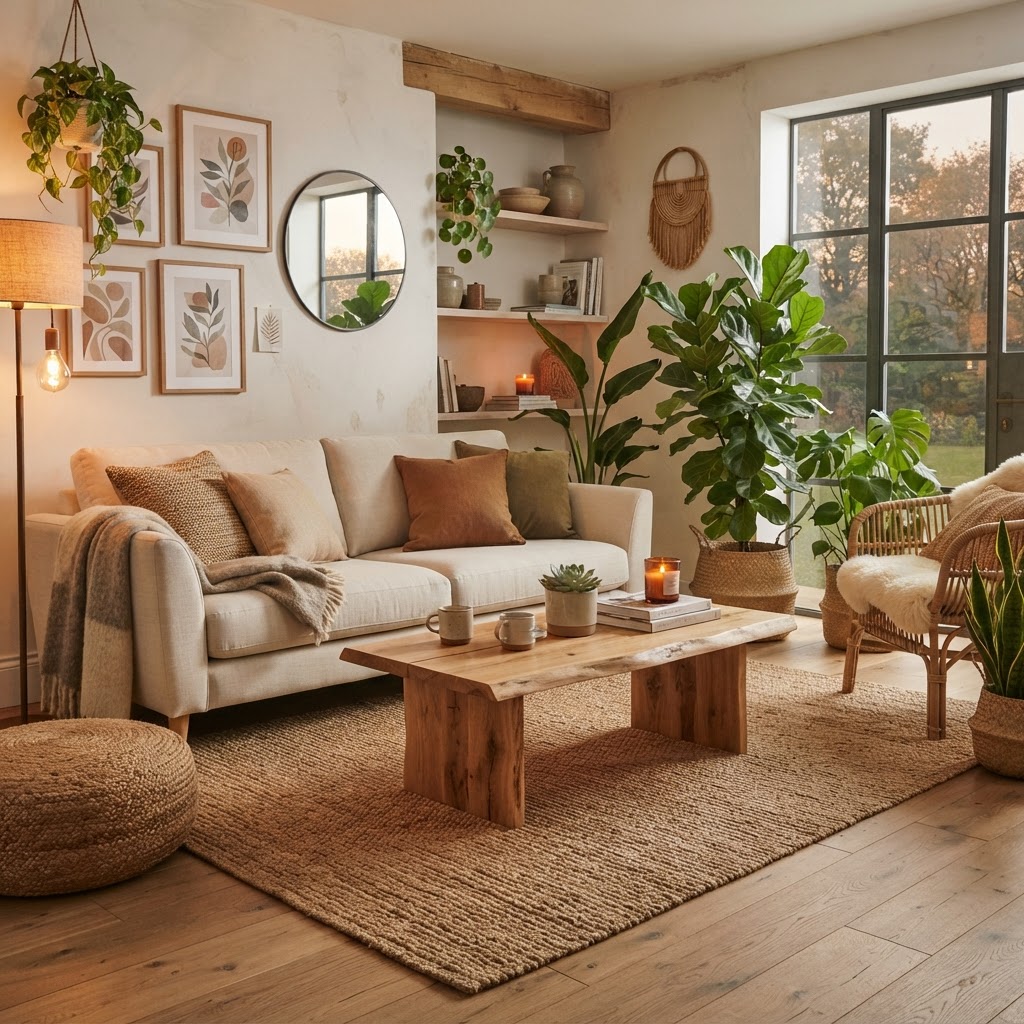
If lighting sets the tone, textures determine the level of physical comfort by engaging the tactile senses through layered, high-quality fabrics. A stylish Hygge living room is defined by its tactile quality—the feeling of running your hand over a chunky knit throw or sinking into a plush velvet armchair. You want to create a space that feels like a warm hug, where every surface invites you to touch and interact.
Mixing Materials for Depth
Don’t be afraid to mix and match materials. The beauty of Scandinavian-inspired design lies in its ability to combine diverse textures seamlessly. Think about combining wool, linen, sheepskin, and wood to create a rich, sensory experience. Placing a sheepskin rug on a smooth wooden floor, for instance, adds an immediate sense of softness and warmth underfoot.
When choosing soft goods, prioritize quality over quantity. One high-quality cashmere or wool throw blanket is far better than five synthetic options. These pieces should be durable, comforting, and visually appealing, serving as functional decor that can be draped over sofas or tucked into baskets. Investing in natural fibers like mohair or Merino wool ensures longevity, often lasting 10+ years with proper care.
Choosing a Soothing Color Palette
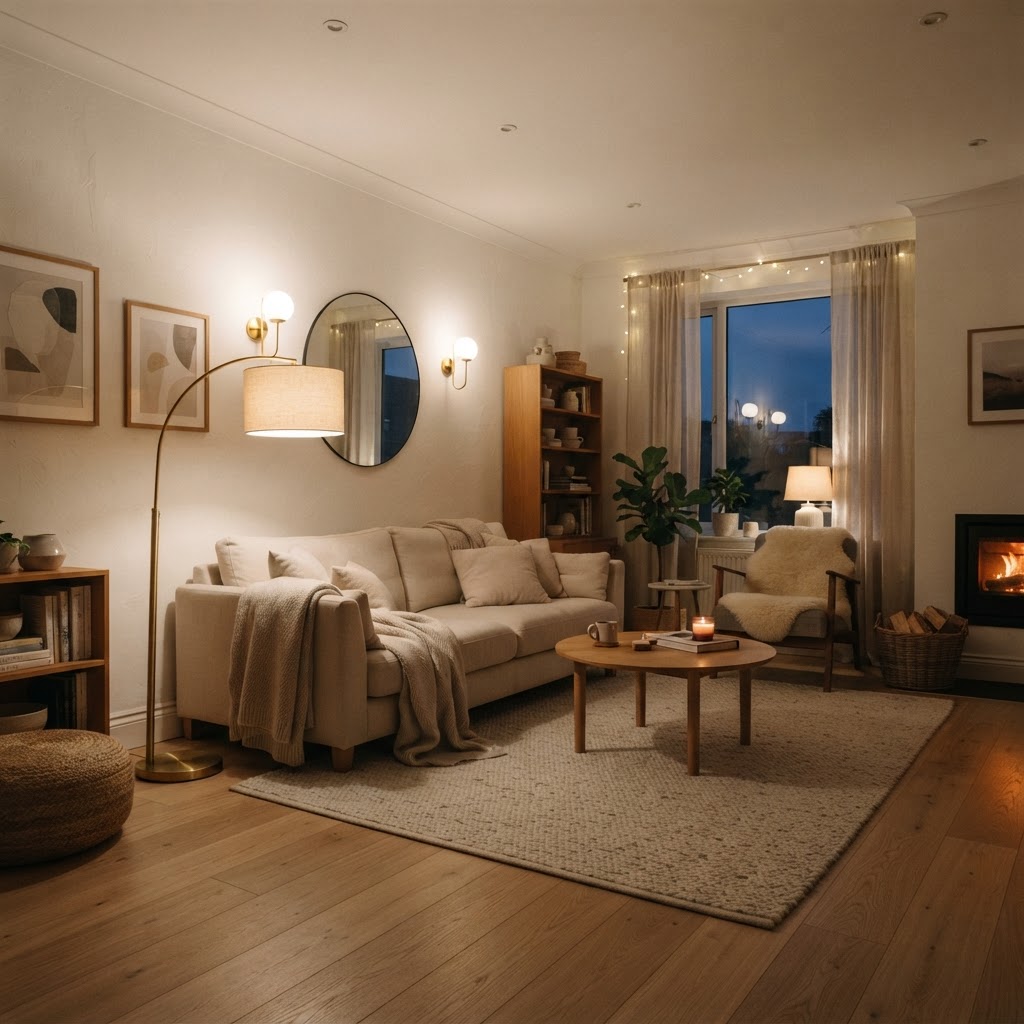
Color plays a crucial role in maintaining the calm of a Hygge-inspired room, with successful schemes relying on a 60-30-10 ratio of neutral base, secondary warmth, and accent depth. While the Scandinavian aesthetic is often associated with minimalism, it is far from cold. The palette usually centers around warm neutrals, soft grays, earthy browns, and muted creams.
Consider adding subtle depth with muted tones like dusty rose, sage green, or soft terracotta. These colors evoke a sense of the natural world, grounding your space and providing a sense of harmony. The goal is to keep the walls relatively light and airy to maximize natural daylight, while using furniture and textiles to introduce warmth and depth.
The Art of Curated Comfort
While Hygge is about comfort, it should not be synonymous with clutter. In fact, a true Hygge living room remains tidy and intentional. The ‘curated’ element involves displaying only those items that bring you joy or serve a purpose. This could be a collection of well-loved books, a few cherished family photos, or a handcrafted ceramic vase.
By keeping surfaces clean and items organized in baskets or on open shelving, you prevent the room from feeling overwhelming. Remember, your living room should be a place where you can breathe. When there is less physical clutter, there is more room for mental relaxation and genuine connection with family or friends.
Bringing the Outdoors In
Nature is intrinsically linked to the concept of Hygge. Introducing natural elements into your living room bridges the gap between the indoors and the serenity of the natural world. This is easily achieved through the use of house plants, dried flowers, or even natural wood furniture pieces that retain their raw beauty.
Plants act as living decor, adding vibrancy and fresh air to the space. Whether it is a large snake plant in the corner or a small collection of succulents on your window ledge, the presence of greenery is deeply soothing. Complement this by using wooden side tables or a reclaimed wood coffee table to introduce an organic, tactile element that warms the entire room.
Creating Dedicated ‘Nooks’
One of the most effective ways to maximize the comfort of your living room is to create specific zones or nooks. This could be as simple as a comfortable chair positioned by a window, paired with a small side table and a soft lamp. This becomes your dedicated space for quiet activities like reading, journaling, or enjoying a cup of hot tea.
By giving yourself a specific ‘spot’ to retreat to, you encourage yourself to actually slow down and practice the self-care that Hygge advocates. These small islands of peace are the hallmark of a home that truly understands the balance between style and substance.
FAQ
Q: What is the most important element of a Hygge living room?
Lighting is the most essential element, specifically the use of warm, low-intensity light sources. By avoiding bright overhead lights in favor of multiple floor lamps and candles, you create the intimate, cozy atmosphere required for a true Hygge environment.
Q: Which colors work best for Hygge design?
Stick to a palette of warm neutrals like cream, soft beige, and muted earthy tones. These colors provide a calming backdrop, which can be enhanced with secondary colors like sage green or terracotta to add depth without disrupting the room’s serene, natural vibe.
Q: How can I make my living room look Hygge on a budget?
Focus on small, high-impact changes such as swapping your light bulbs for warm-toned versions (2,700K) and adding a single high-quality wool or cashmere throw. These minor additions significantly shift the sensory feel of the room without requiring a major furniture overhaul.
Q: Does Hygge design require minimalism?
Hygge is not strictly minimalist, but it does prioritize an intentional, clutter-free space. You can keep personal items, provided they are curated and serve a purpose or bring you joy, ensuring the living room remains a place for relaxation rather than chaos.

Leave a Reply