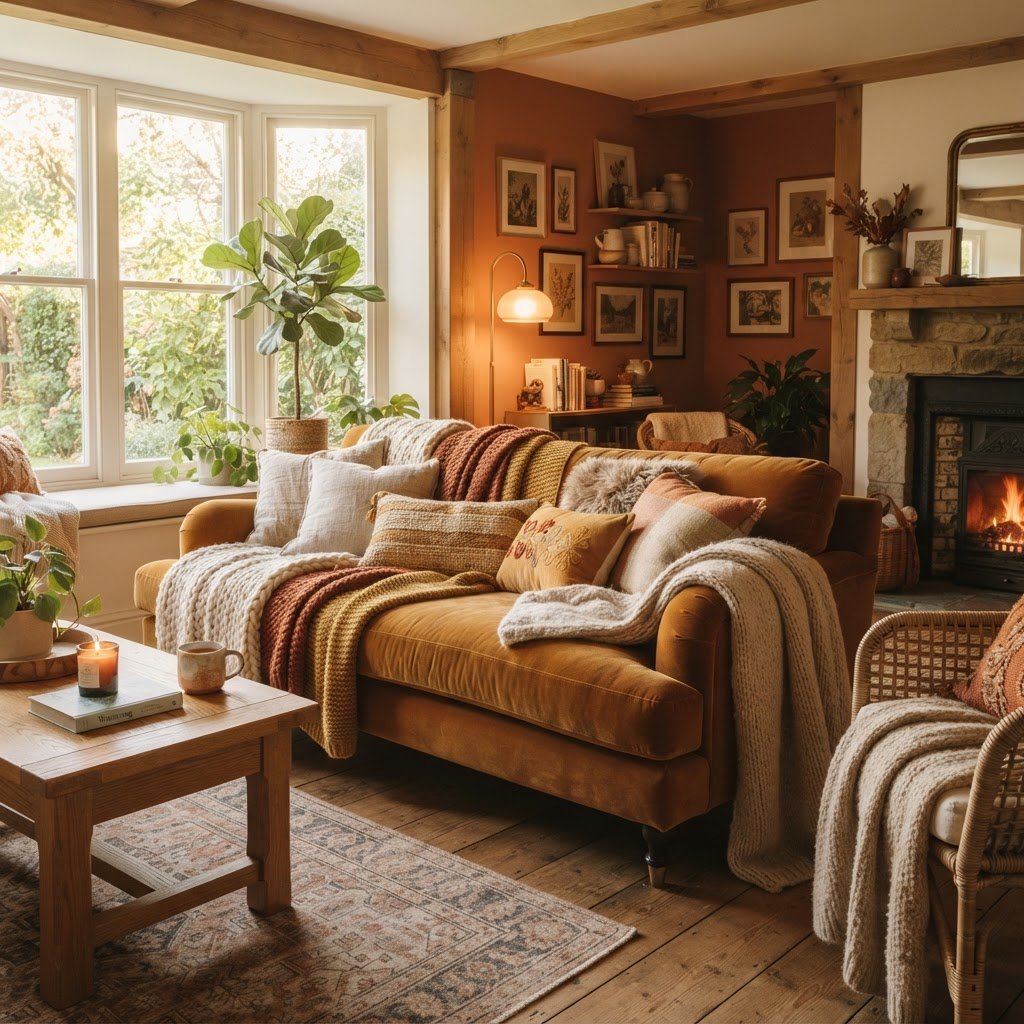
Have you ever walked into a space and felt an immediate sense of relief, as if the room itself was giving you a warm hug? Creating a home that feels like a warm hug is about more than just expensive furniture; it is about the intentional marriage of lighting and texture. When these two design pillars work in harmony, they create an atmosphere that cradles the senses and signals to your nervous system that it is time to rest. Whether you are looking to renovate your entire house or simply tweak a corner of your bedroom, the art of coziness is accessible to everyone.
The Psychology of the Warm Hug Aesthetic
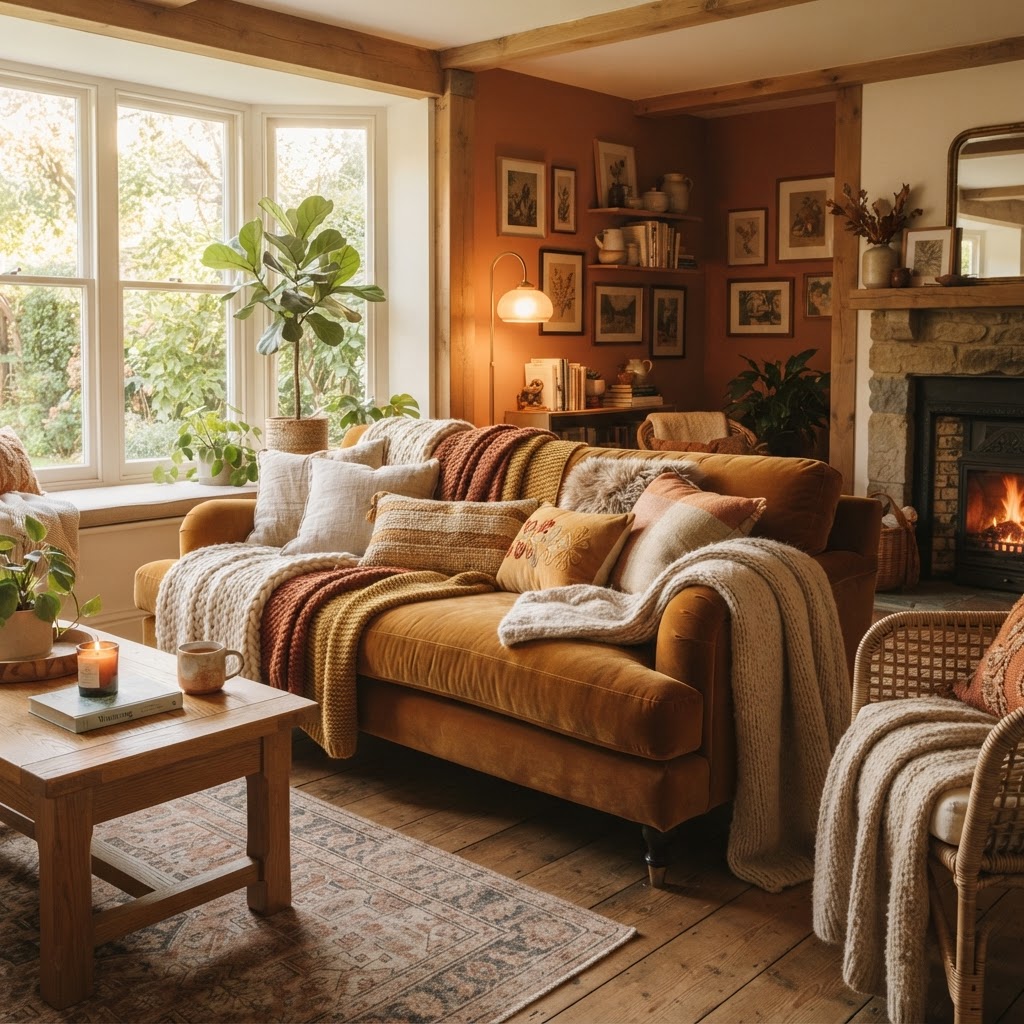
Designers often refer to “sensory comfort” when discussing spaces that feel inherently safe. This concept taps into our biological need for shelter and warmth, which is why we gravitate toward soft fabrics and low-level lighting when we are stressed. A room that feels like a warm hug isn’t just visually appealing; it is emotionally restorative.
Why Lighting Matters
The way we light our homes dictates our circadian rhythms and our mood. Harsh, overhead lighting can make a space feel clinical and sterile, which is the antithesis of a warm, inviting environment. Instead, focus on multi-layered lighting that mimics the soft glow of a sunset or a crackling fire.
The Power of Ambient Illumination
Ambient light is the foundation of your lighting scheme. By utilizing lamps with warm-toned bulbs—ideally in the 2700K to 3000K range—you immediately soften the hard edges of your furniture. This is the first step toward achieving that elusive “warm hug” feeling in any room.
Texture: The Tactile Secret to Comfort
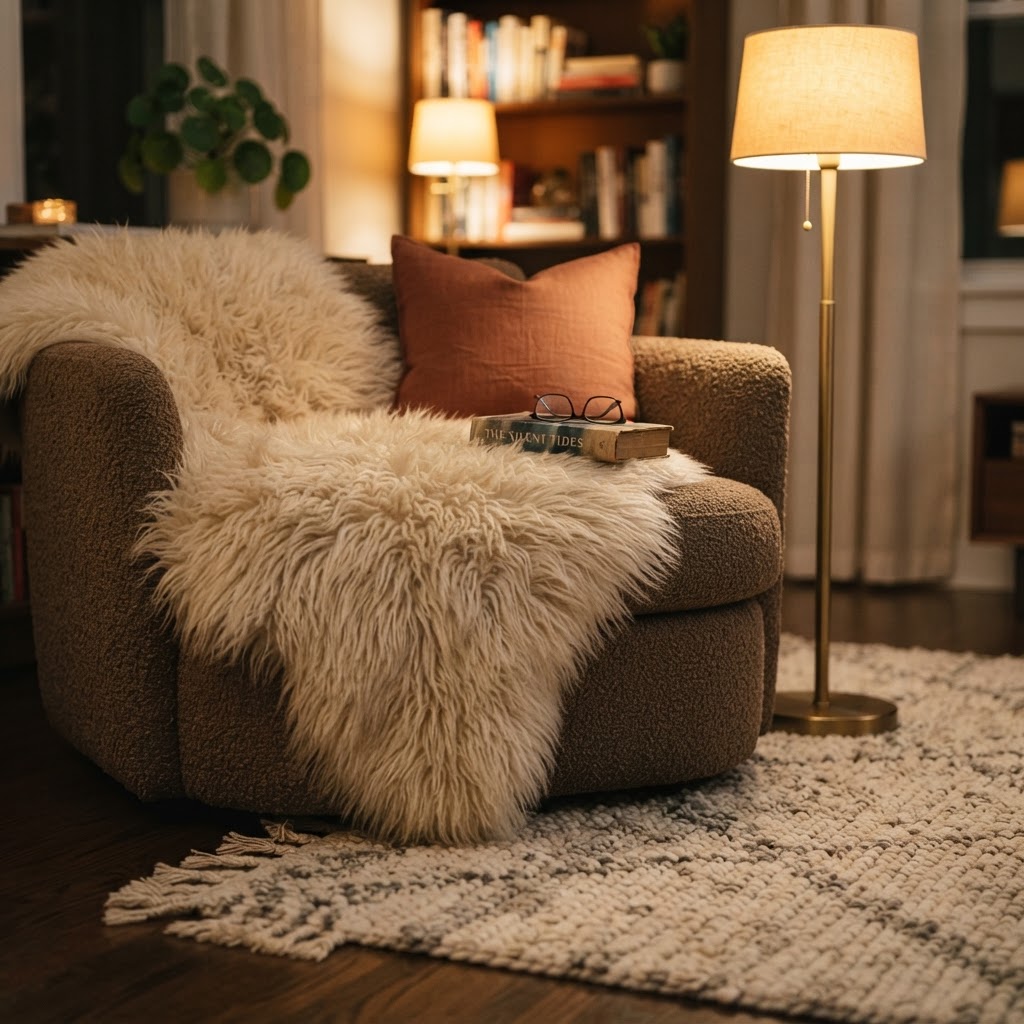
If lighting is the soul of a room, texture is the skin. Texture provides depth and visual interest while inviting physical interaction. When a room lacks texture, it often feels flat or “hollow,” regardless of how much decoration is present.
Layering for Maximum Coziness
To make a space feel truly enveloping, you must layer your textures. Think about the way different materials interact: a nubby wool throw over a smooth leather armchair, or a velvet pillow sitting against a linen sofa. These contrasts create a sensory journey that makes people want to linger longer.
Curating Your Material Palette
- Natural woods for warmth and grounding.
- Plush velvet or bouclé for soft touch points.
- Chunky knits for added visual weight.
- Brushed metals to add subtle, non-reflective glimmers.
- Organic stone or ceramics to anchor the design.
Mastering the Art of Layered Lighting
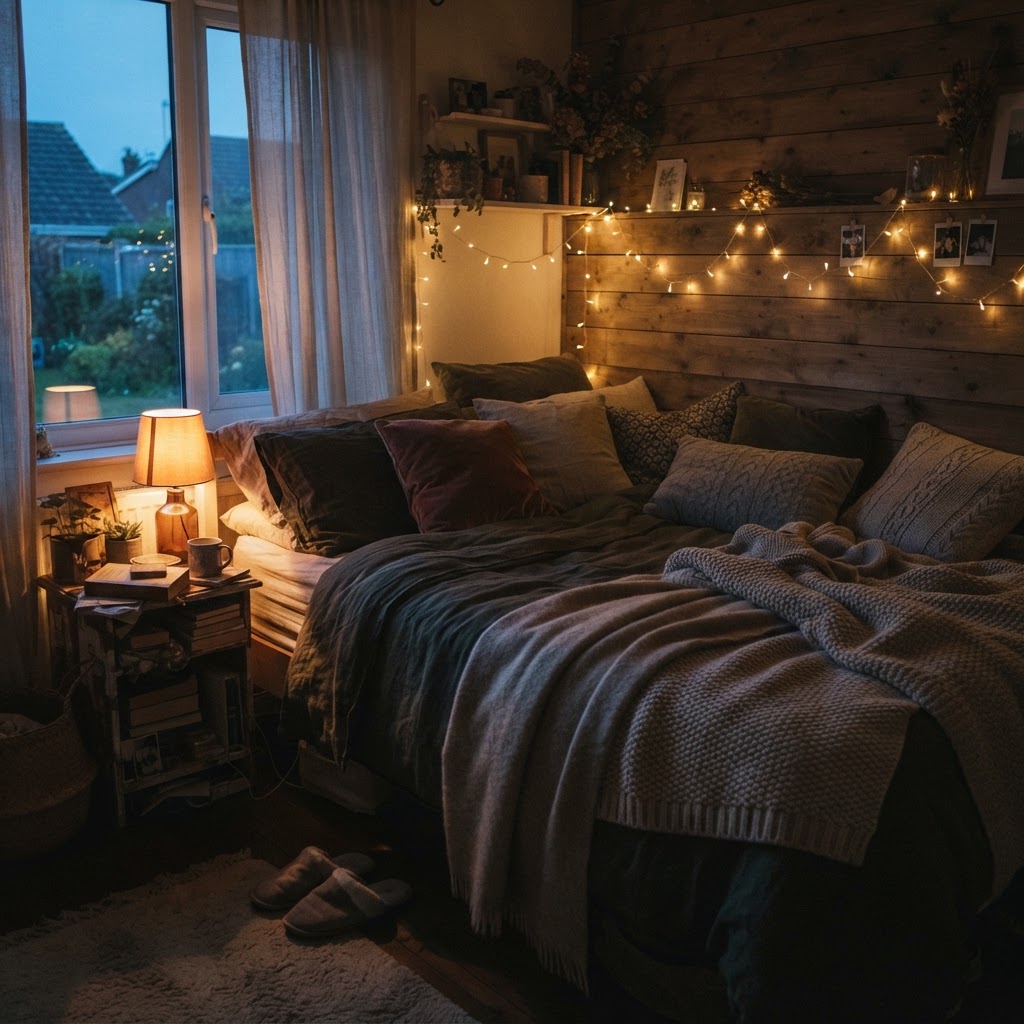
Creating a sanctuary requires you to move away from relying on a single light source. Designers use the “three-level” rule: ambient, task, and accent lighting. When these three layers are balanced, the room gains a three-dimensional quality that feels incredibly sophisticated yet entirely welcoming.
The Role of Warm-Tone Bulbs
Never underestimate the temperature of your light. Cool blue light is often linked to high alertness and office environments. For a room designed to feel like a warm hug, opt for “warm white” or “soft white” bulbs. This small change acts as a filter for the entire room, turning average furniture into cozy features.
Selecting Textiles That Embrace You
When choosing fabrics, ask yourself: Does this invite a touch? If the answer is no, it is likely not contributing to the cozy atmosphere you desire. Focus on materials that offer a sense of physical weight and softness.
The Importance of Rugs and Soft Goods
A bare floor can make a room feel unfinished and cold. Placing a high-pile, plush area rug in your main living space serves as a literal cushion for the feet and a visual anchor for the room. When you combine this with oversized pillows and weighted blankets, you create a physical barrier against the outside world.
Creating Inviting Corners for Quiet Reflection
Sometimes, the best way to make an entire house feel like a warm hug is to curate smaller, more intimate “nests.” These are pockets of space designed for singular activity, such as reading, journaling, or simply sipping coffee.
Elements of a Perfect Nook
- A comfortable, structured armchair.
- A side table for a hot beverage.
- A dedicated floor lamp for task lighting.
- A single soft throw blanket draped over the arm.
Personal Touches That Warm the Soul
To truly complete the atmosphere, add items that hold sentimental value. A handmade vase, a framed memory, or a specific scent can ground the space in your personal history. These elements take the room from a “design concept” to a personal sanctuary.
The Seasonal Evolution of Your Sanctuary
Your home should breathe with the seasons. A room that feels like a warm hug in the dead of winter might need to shift slightly for the heat of summer. However, the core principles of light and texture remain constant; you just adjust the intensity.
Transitioning Between Seasons
During warmer months, swap out heavy wools for breathable linens while maintaining the same layered lighting. In the autumn, bring back the deeper textures and perhaps add candlelight. Keeping your base furniture neutral allows these textile swaps to transform the mood of the room without requiring a complete overhaul.
Avoiding Common Design Pitfalls
Even with the best intentions, it is easy to over-clutter or misjudge the lighting. A room that feels like a warm hug should never feel claustrophobic. If you feel like your space is becoming “heavy” or messy, return to the balance of negative space.
Striking the Right Balance
Ensure that every texture has a purpose. Too many conflicting patterns or materials can create visual noise, which distracts from the feeling of peace. Keep your color palette somewhat cohesive to allow the textures and light to shine through without fighting for attention.
Conclusion
Creating a home that feels like a warm hug is a process of curation and intention. By focusing on the warmth of your light sources and the tactile quality of your textiles, you are building more than just a house—you are building a sanctuary that supports your well-being. Start small by adding a new lamp or a soft rug, and feel the transformation begin. What is one corner of your home you are planning to cozy up this weekend? Let us know in the comments below!

Leave a Reply