Category Small Apartment Color & Lighting

Colorful Cozy Living Room Ideas with Warm Ambient Lights

Transforming your home into a sanctuary requires more than just picking a paint color; it is about balancing aesthetics with atmosphere. When you search for colorful cozy living room ideas with warm ambient lights, you are looking to marry the joy of vibrant design with the comfort of intimate illumination. A room that feels colorful should not necessarily feel chaotic; rather, it should feel like an expression of personality wrapped in a soft, golden glow that invites you to stay a little longer.

Understanding the Power of Color and Light
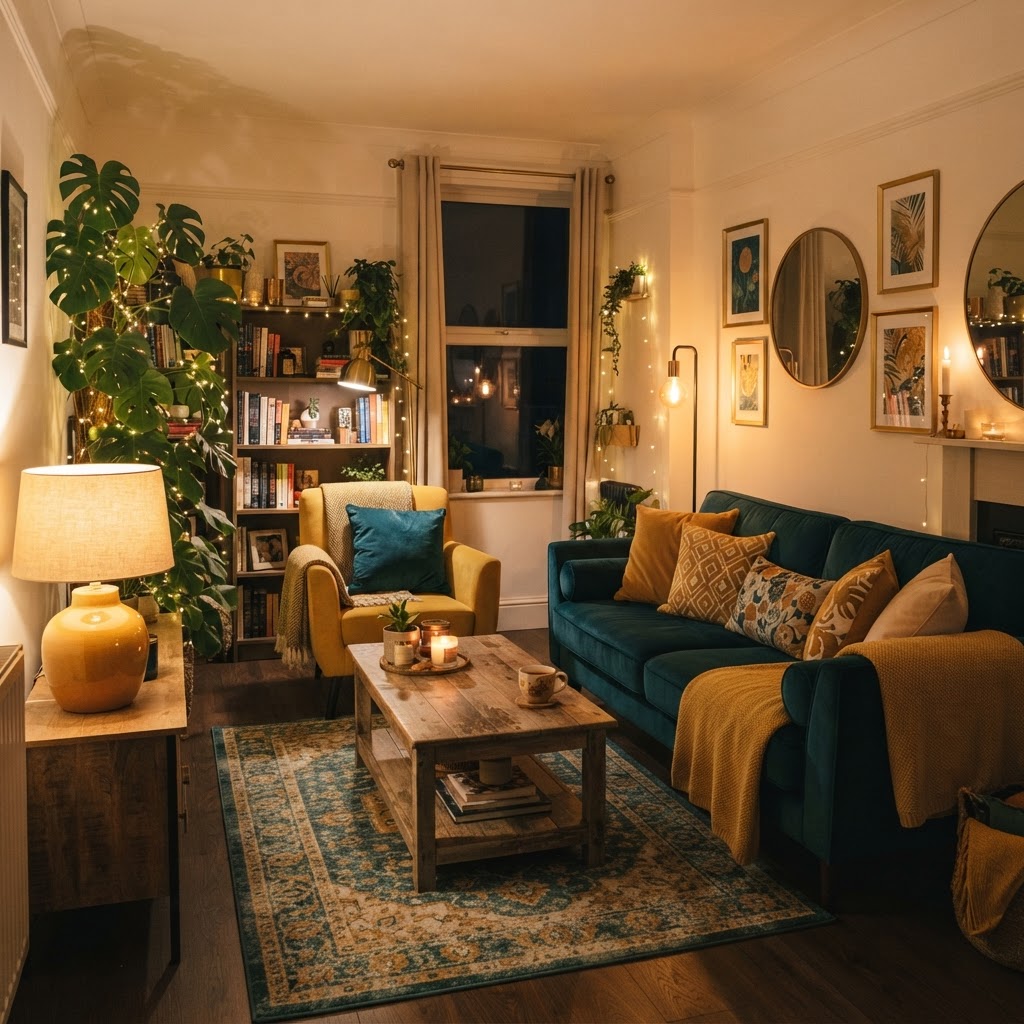
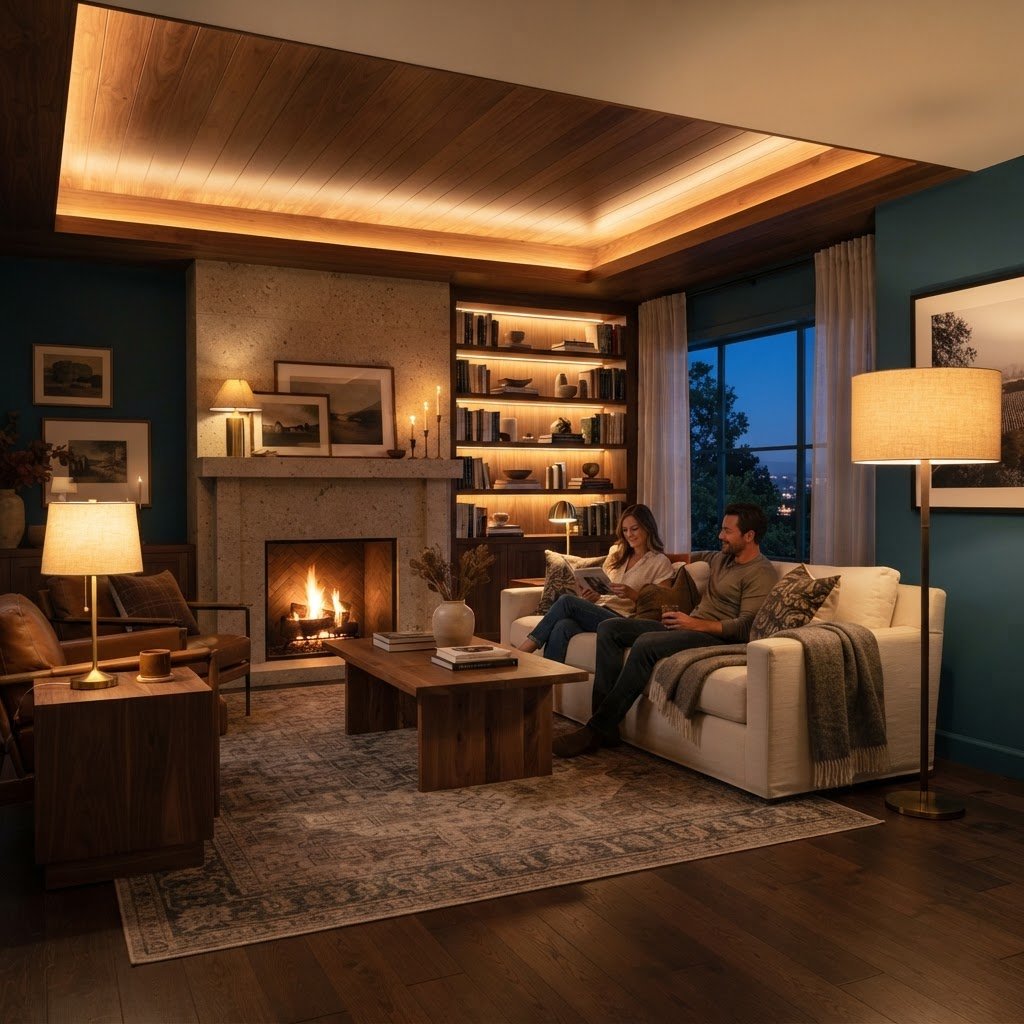
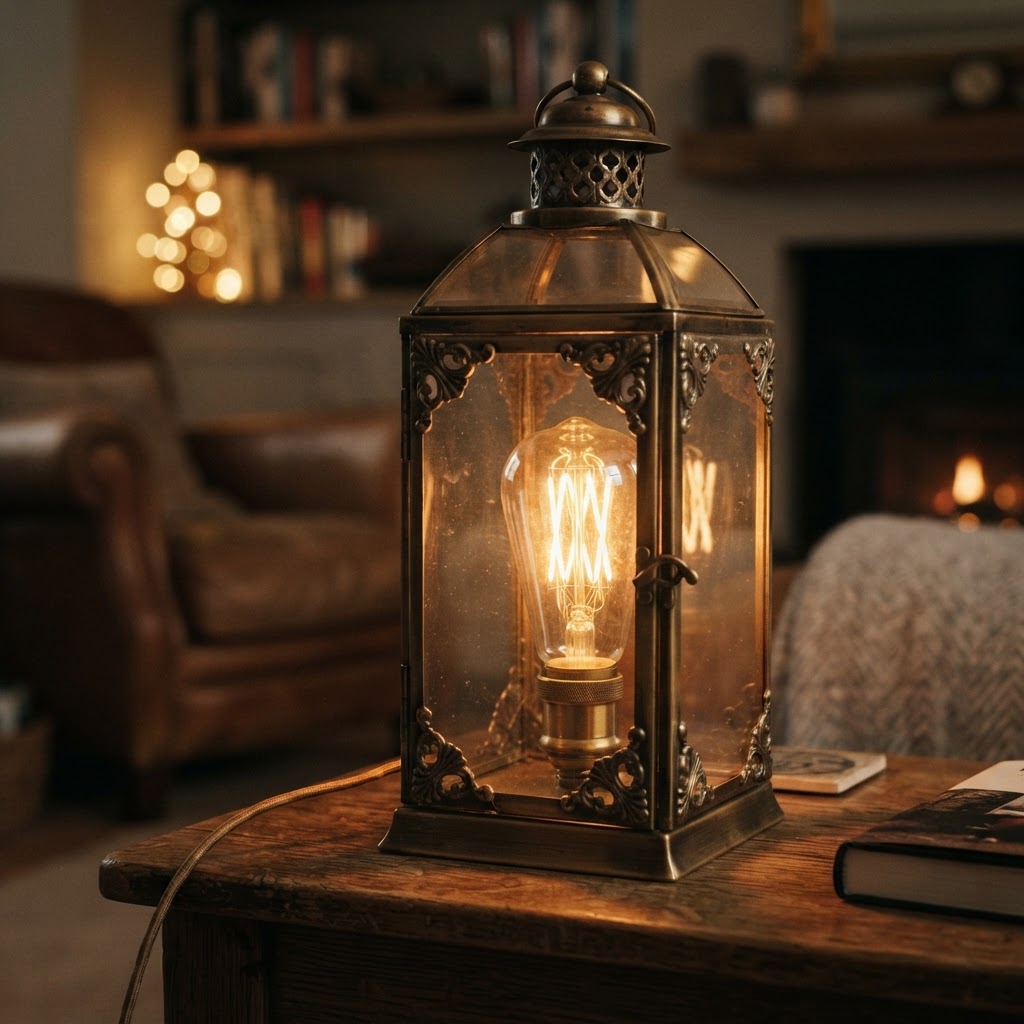
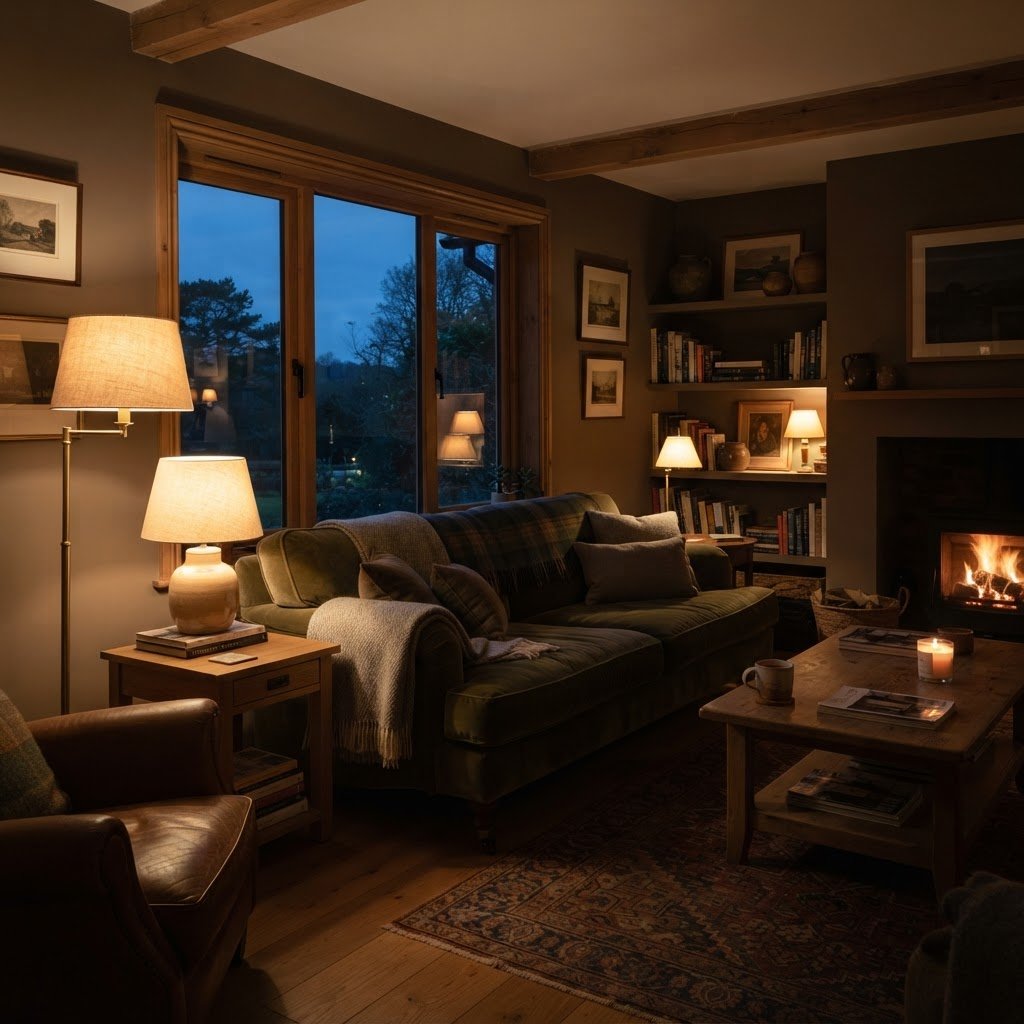
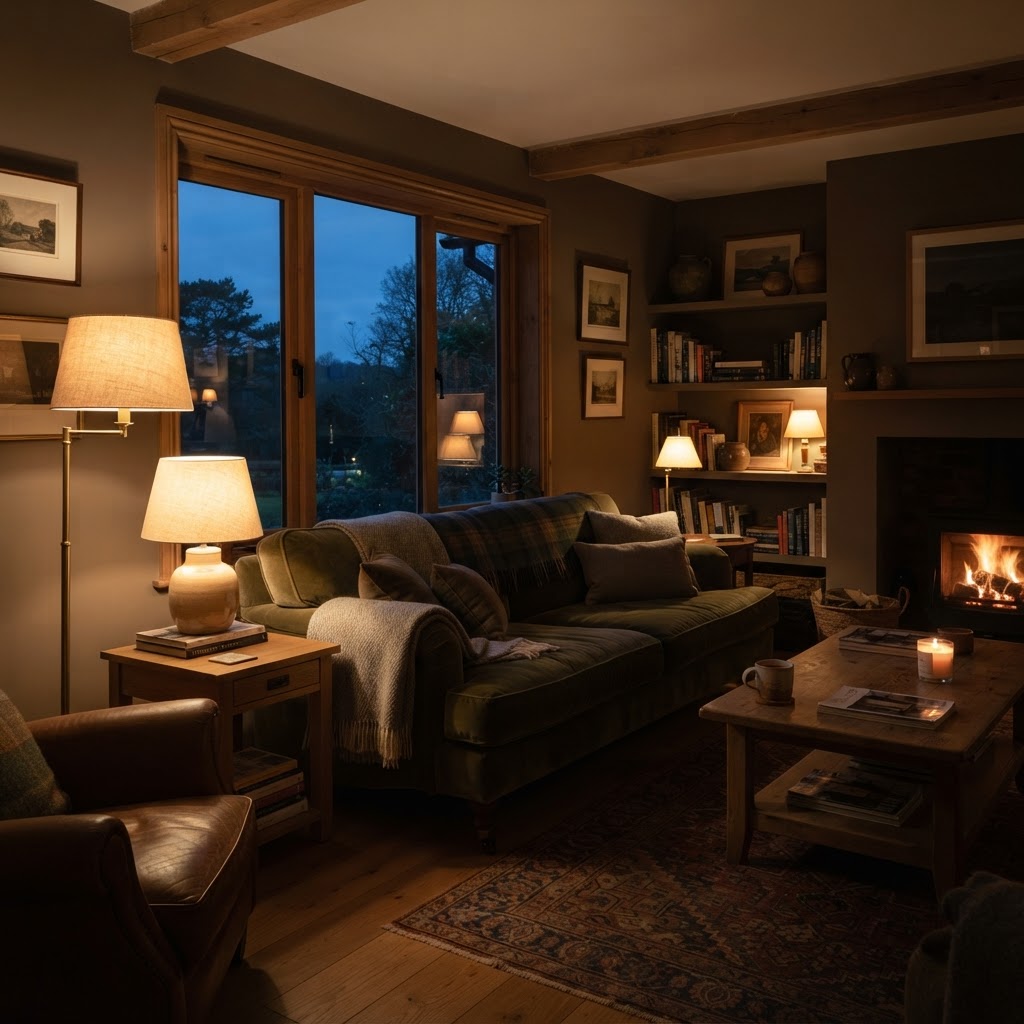
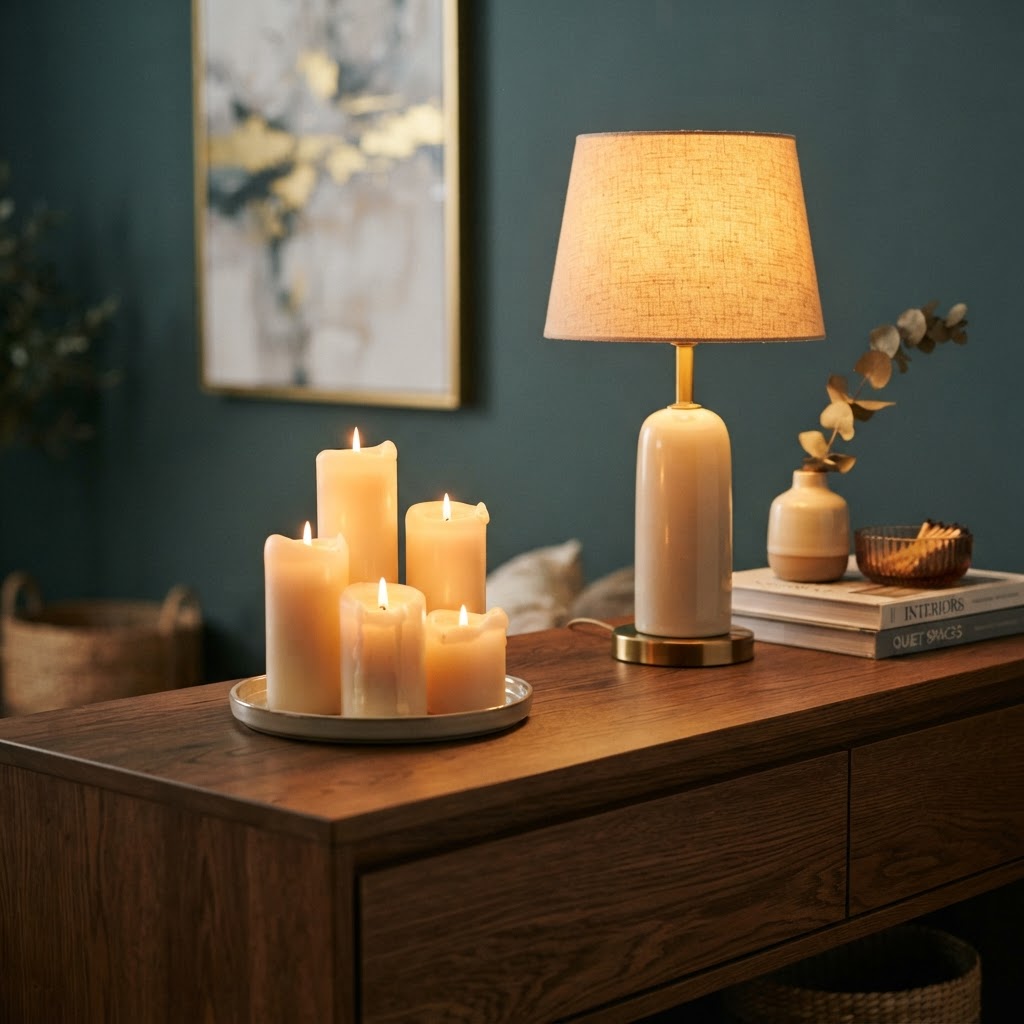
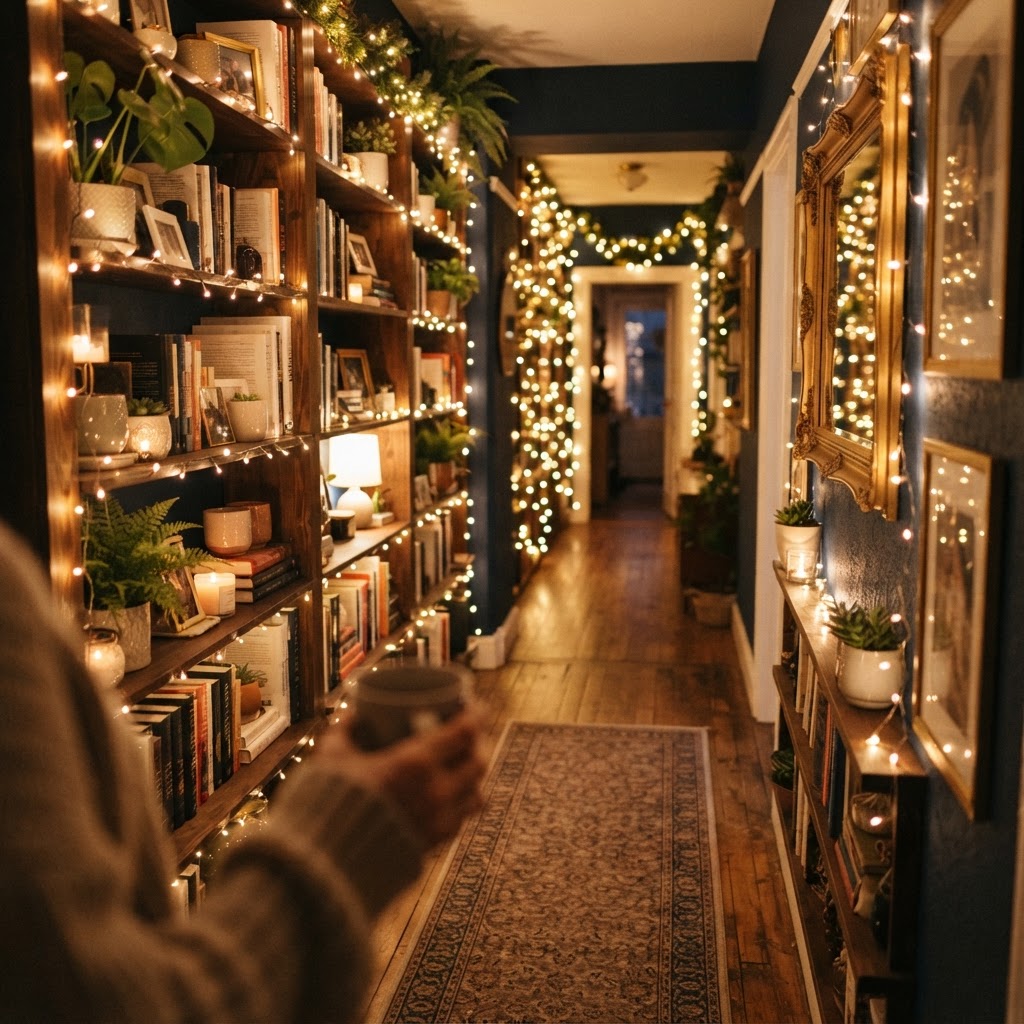
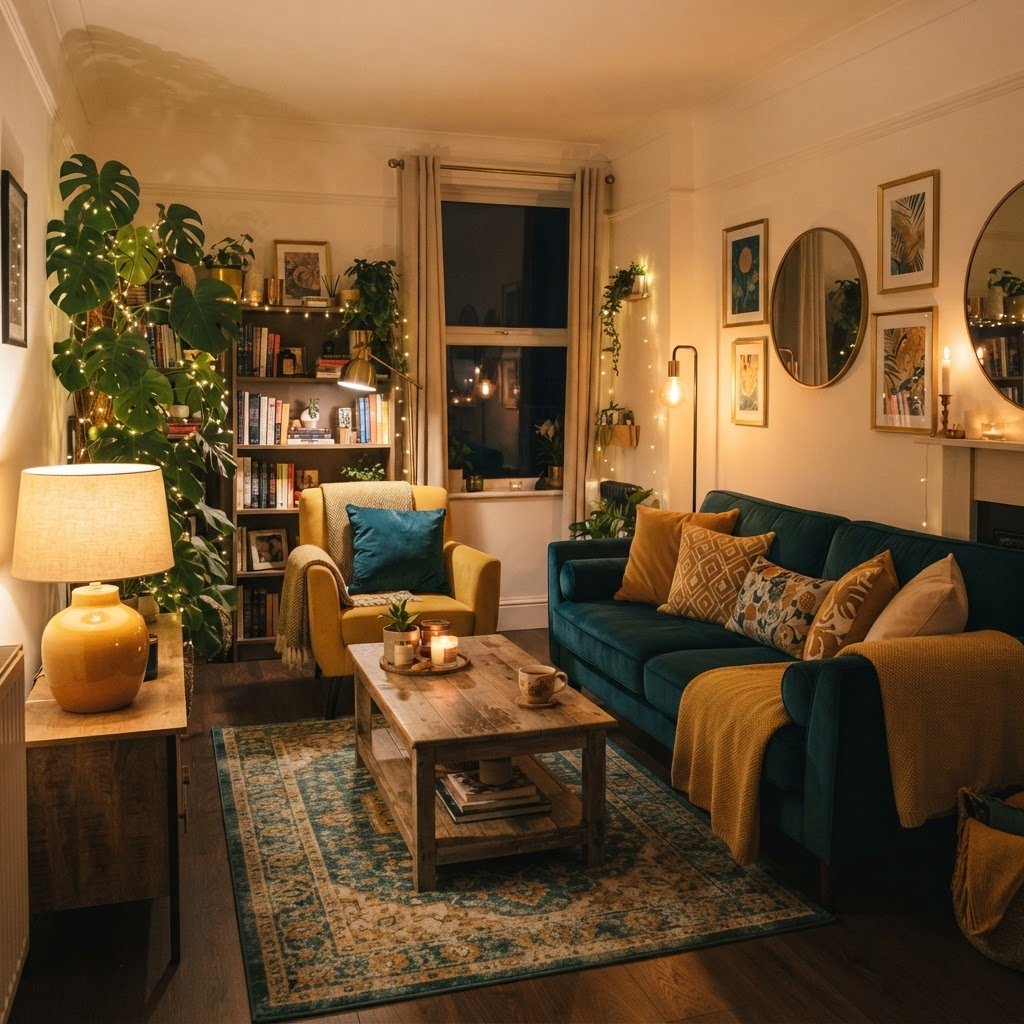
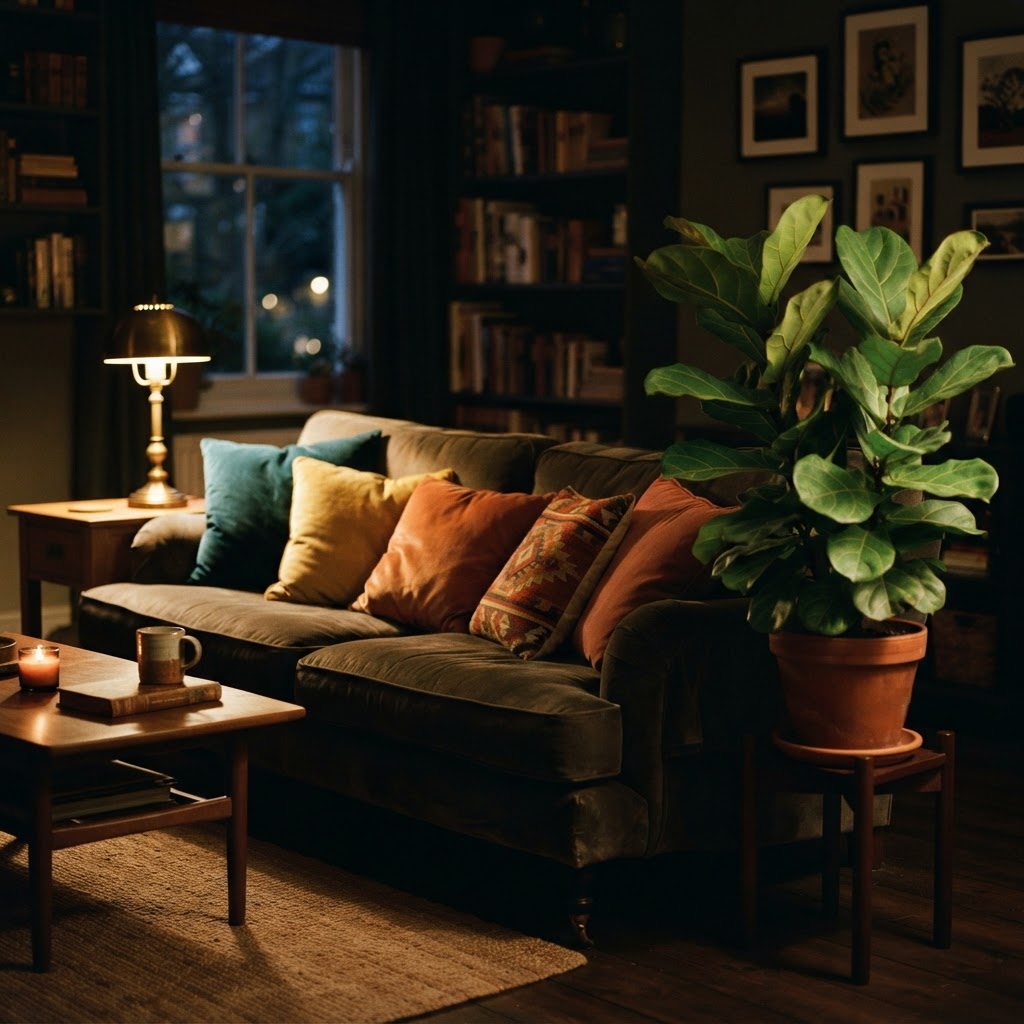
Vibrant colors harmonized by warm ambient glow.

Color and light share a symbiotic relationship that defines the mood of every room in your house. While bright white walls can feel sterile, introducing rich, saturated hues through furniture or textiles creates depth and character. However, color alone can sometimes feel cold or overly energetic if not supported by the right lighting strategy. Incorporating warm ambient lights is the key to softening those vibrant colors, ensuring that your space remains cozy rather than overwhelming.

Think of your color palette as the foundation of your room’s mood. Warmer tones like terracotta, mustard yellow, and deep teal naturally evoke a sense of comfort. When these colors are paired with light sources that emit a temperature between 2200K and 2700K, the entire room begins to feel like a sunset indoors. This combination is what turns a house into a home, providing a visual feast that is both stimulating and relaxing.

Layering Your Lighting for Maximum Coziness
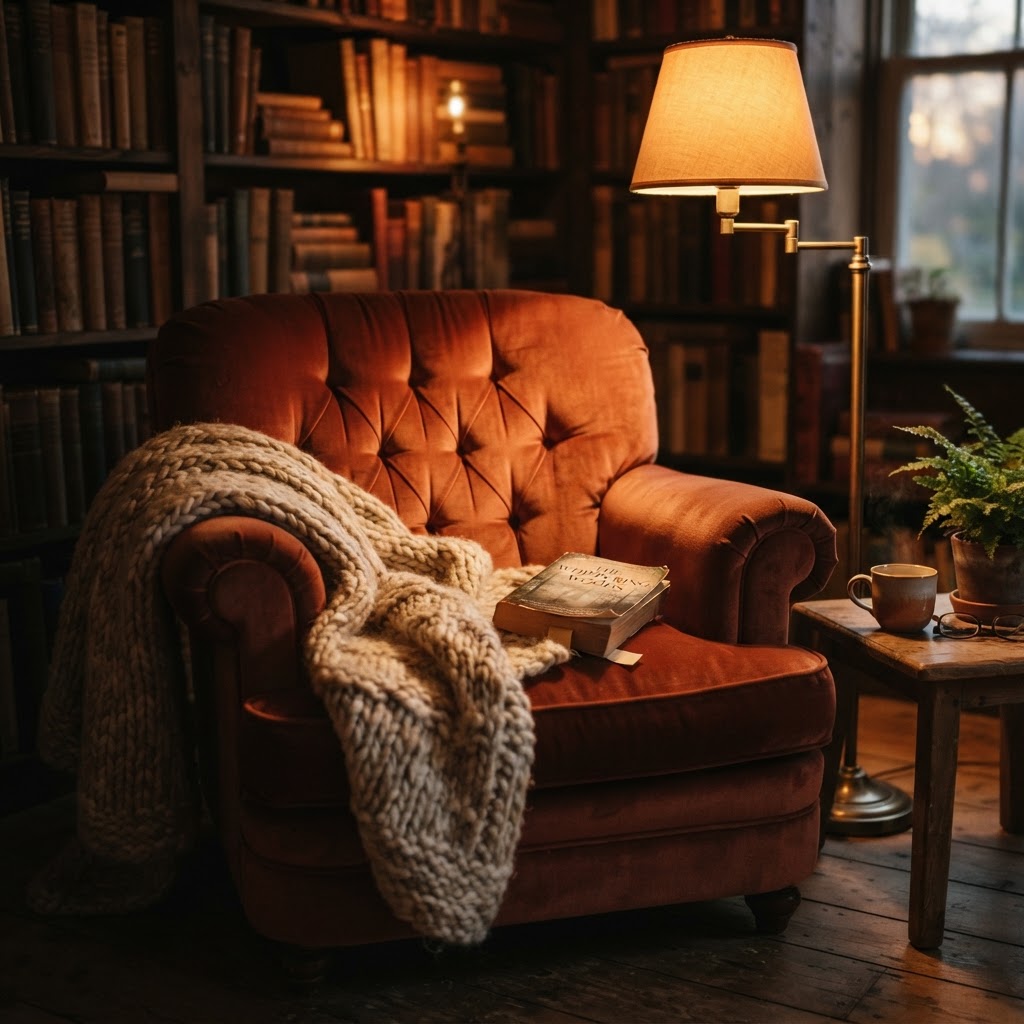
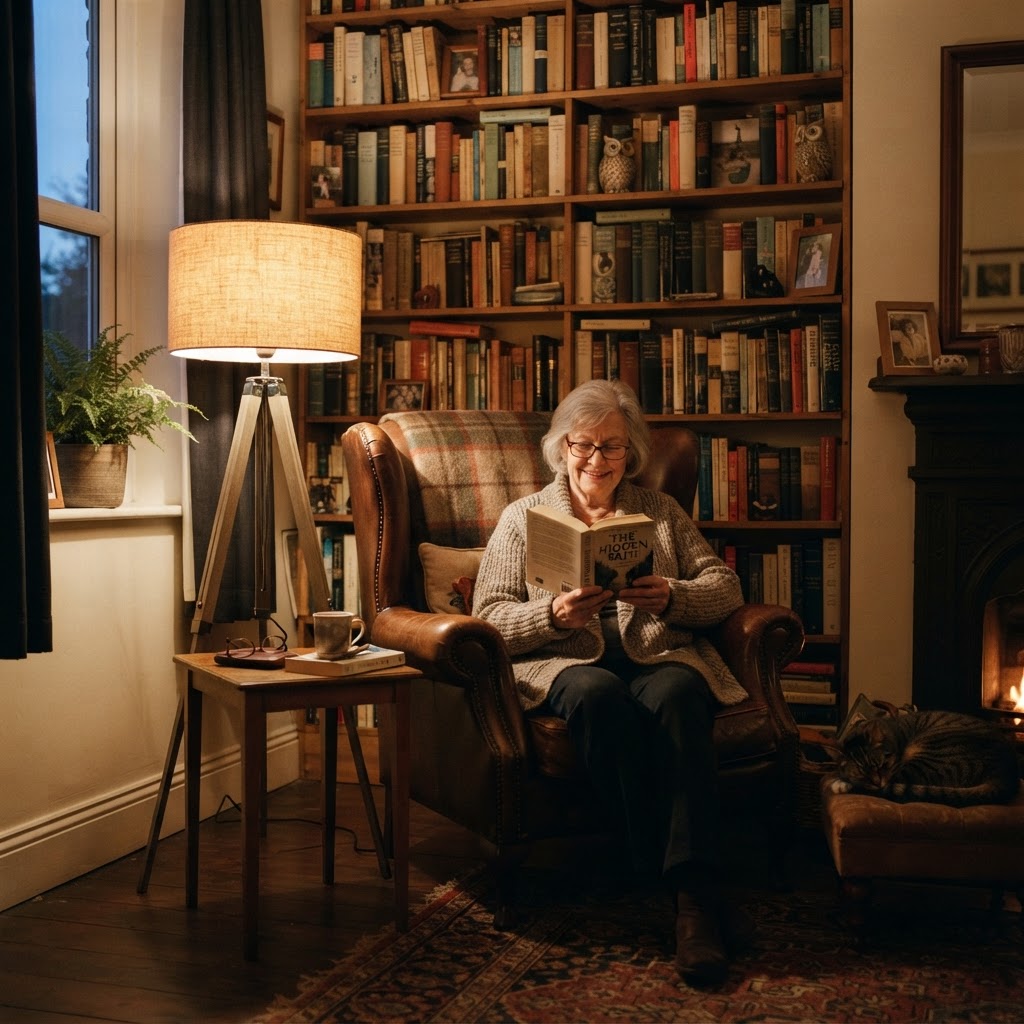
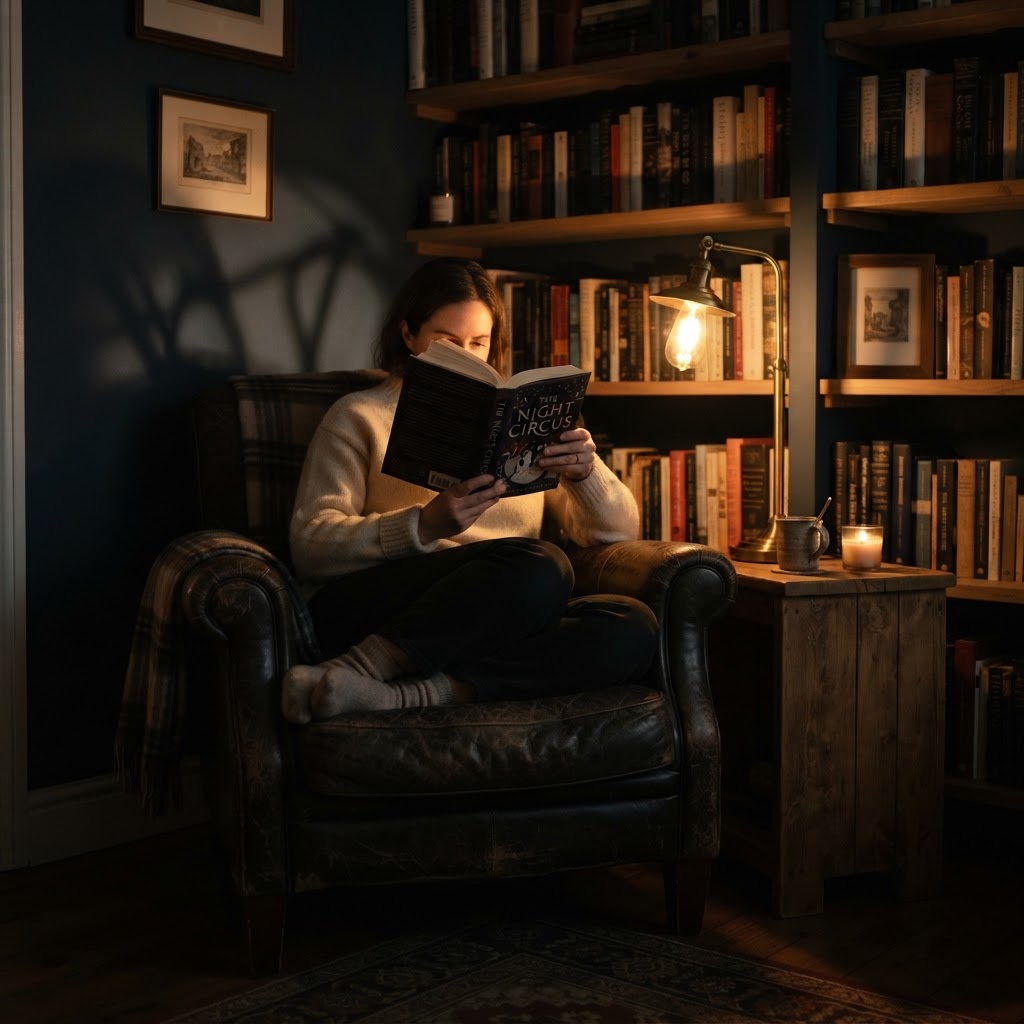
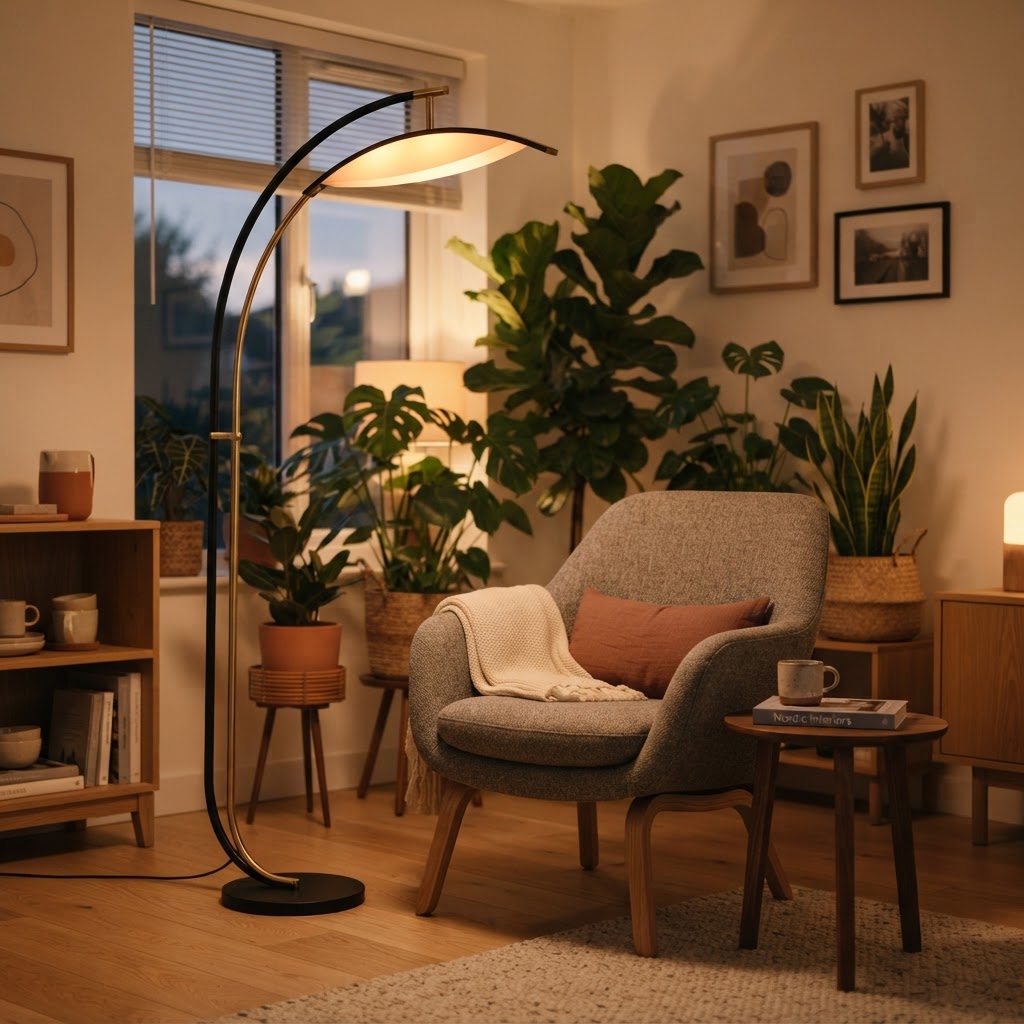
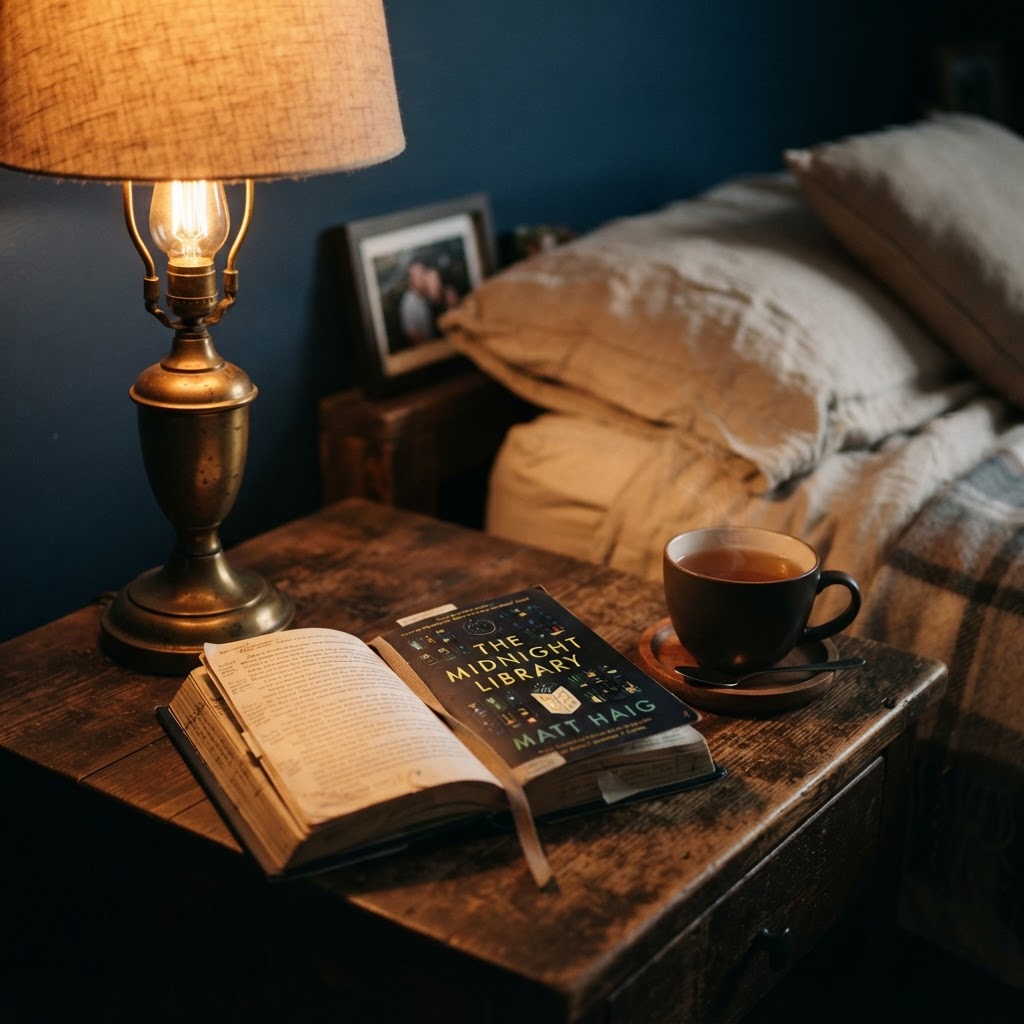
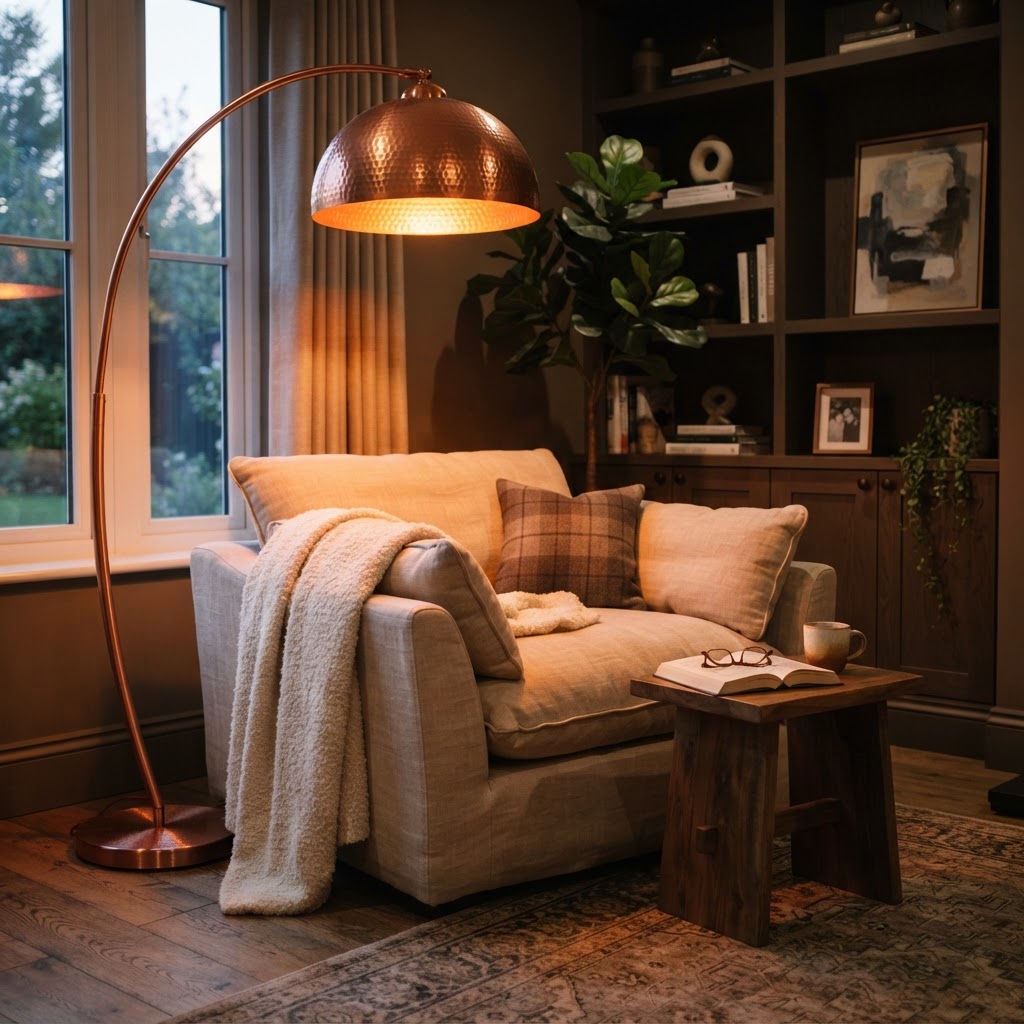
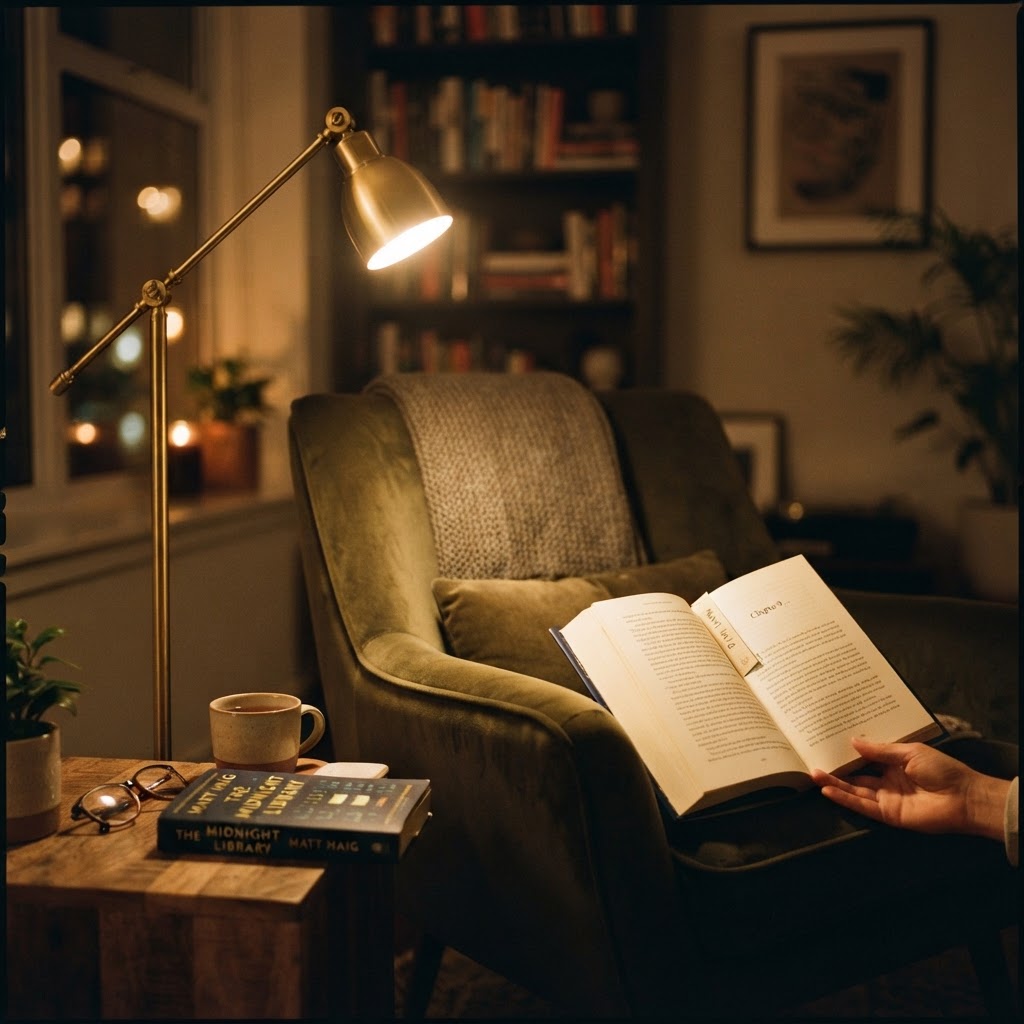
The perfect reading corner with warm, cozy lighting.

Many homeowners make the mistake of relying solely on a single overhead light, which can create harsh shadows and flatten the beauty of your colorful decor. To achieve a truly inviting aesthetic, you must embrace layered lighting. This involves mixing ambient, task, and accent lighting to create a multidimensional experience.

The Importance of Ambient Lighting

Ambient light serves as the base layer of your room. It is the general illumination that allows you to navigate the space safely. For a cozy feel, avoid bright, high-wattage bulbs. Instead, use dimmable fixtures, wall sconces, or indirect LED strips tucked behind shelves or furniture. These sources bounce light off surfaces, creating a soft, diffused glow that makes the room feel smaller and more intimate.

Choosing the Right Bulbs

Always check the Kelvin (K) rating on your light bulbs. For a cozy environment, steer clear of daylight or cool white bulbs. Stick to ‘warm white’ or ‘soft white’ bulbs, which provide that amber hue essential for a relaxing evening atmosphere. These warm tones complement vibrant fabric colors, making reds pop and deep blues feel plush and velvety.

Integrating Vibrant Colors into Your Decor
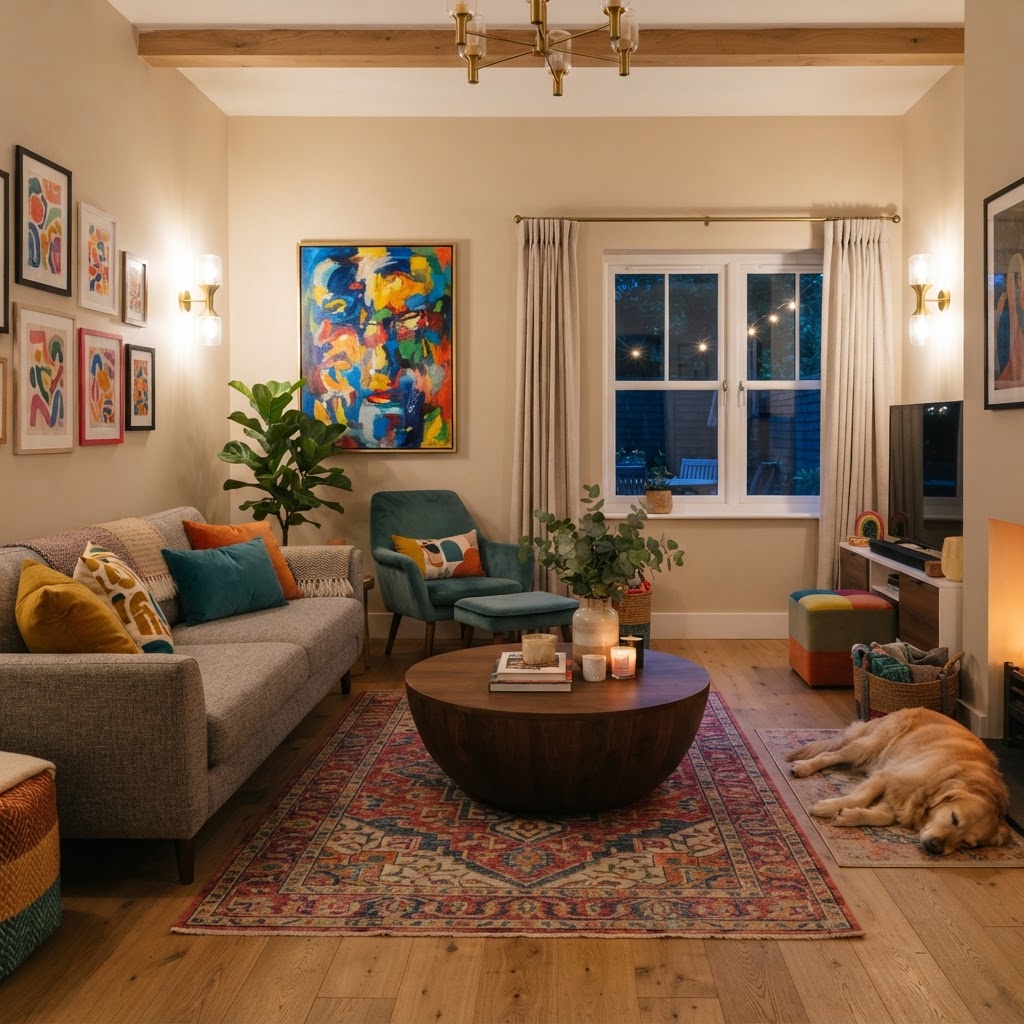
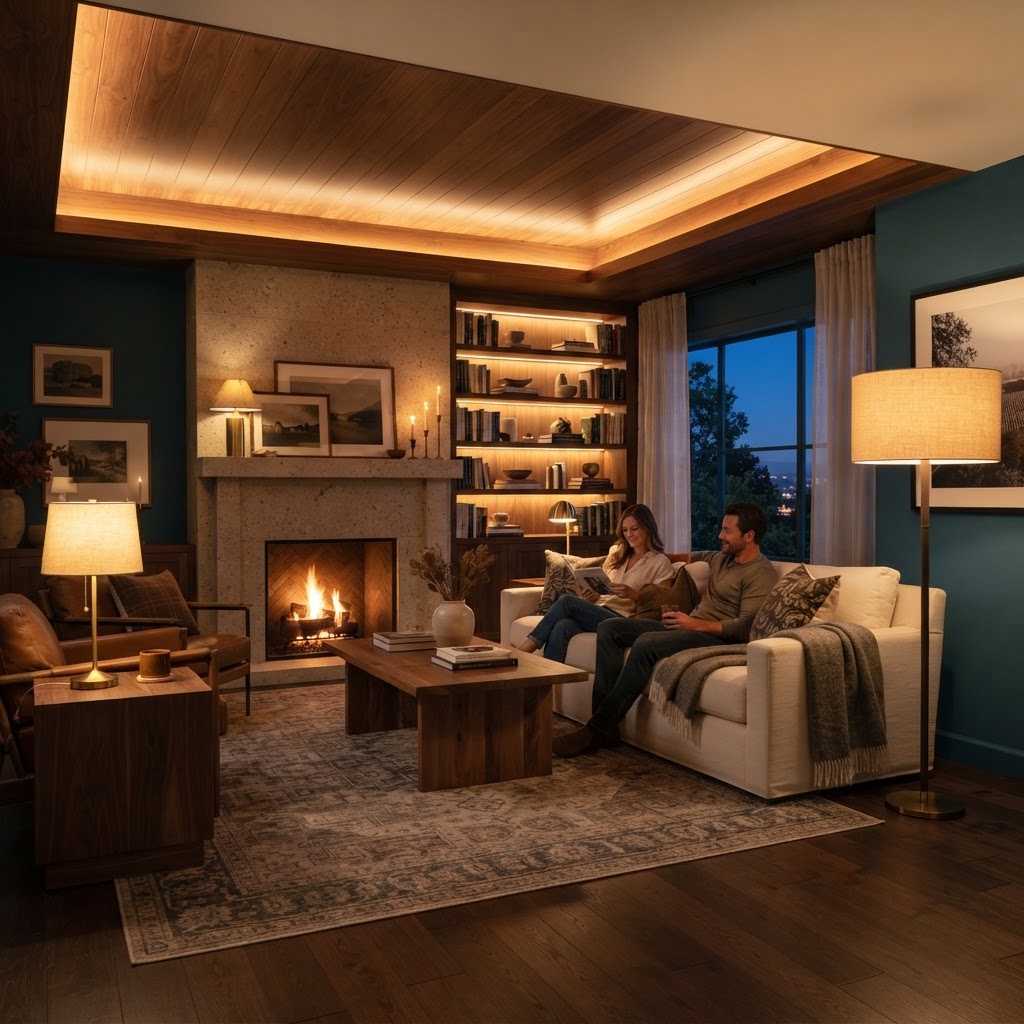
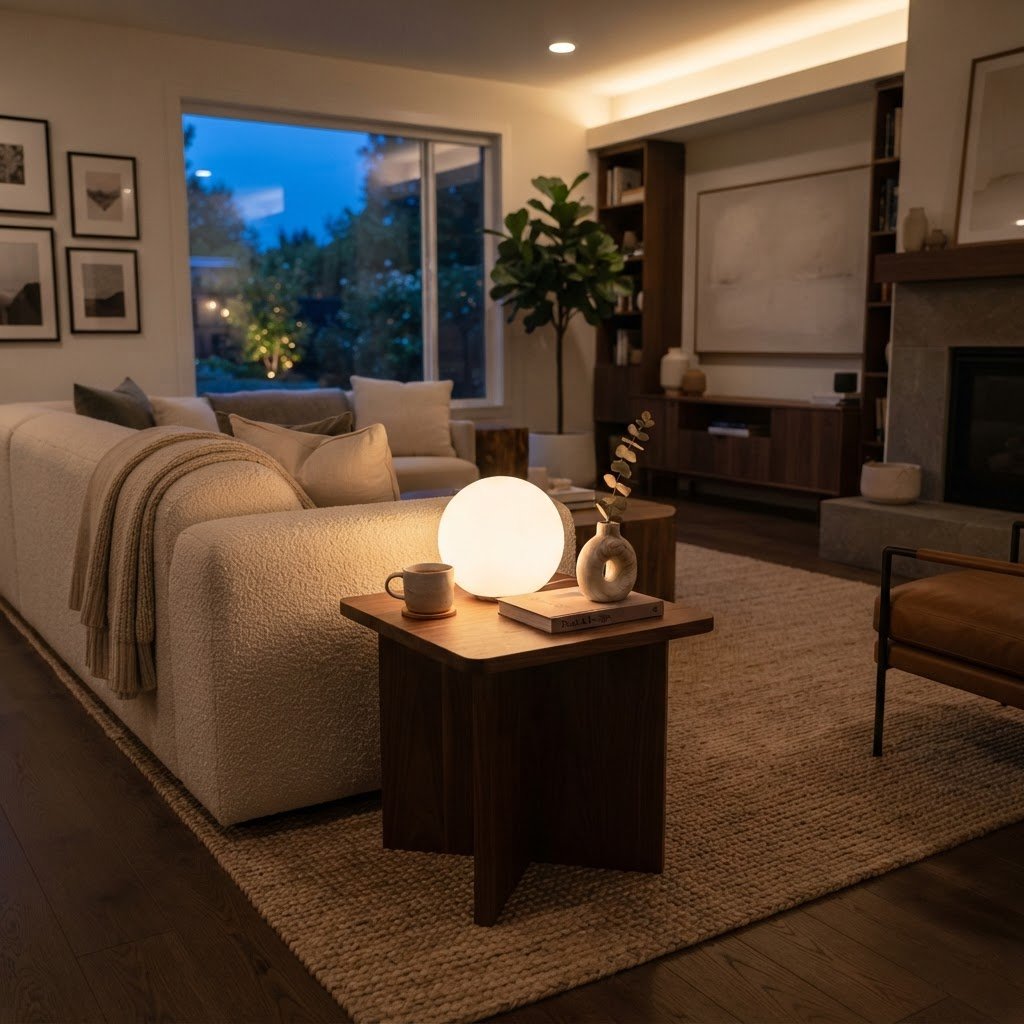
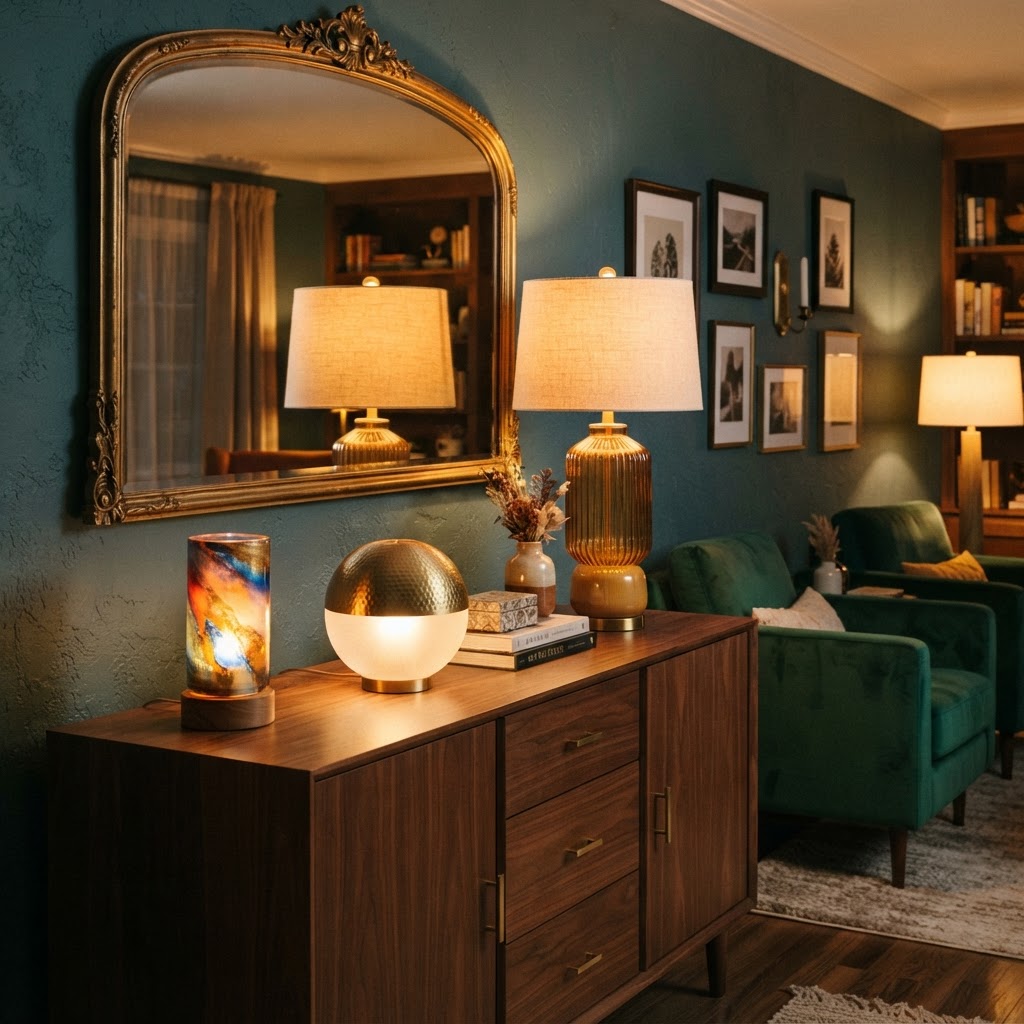
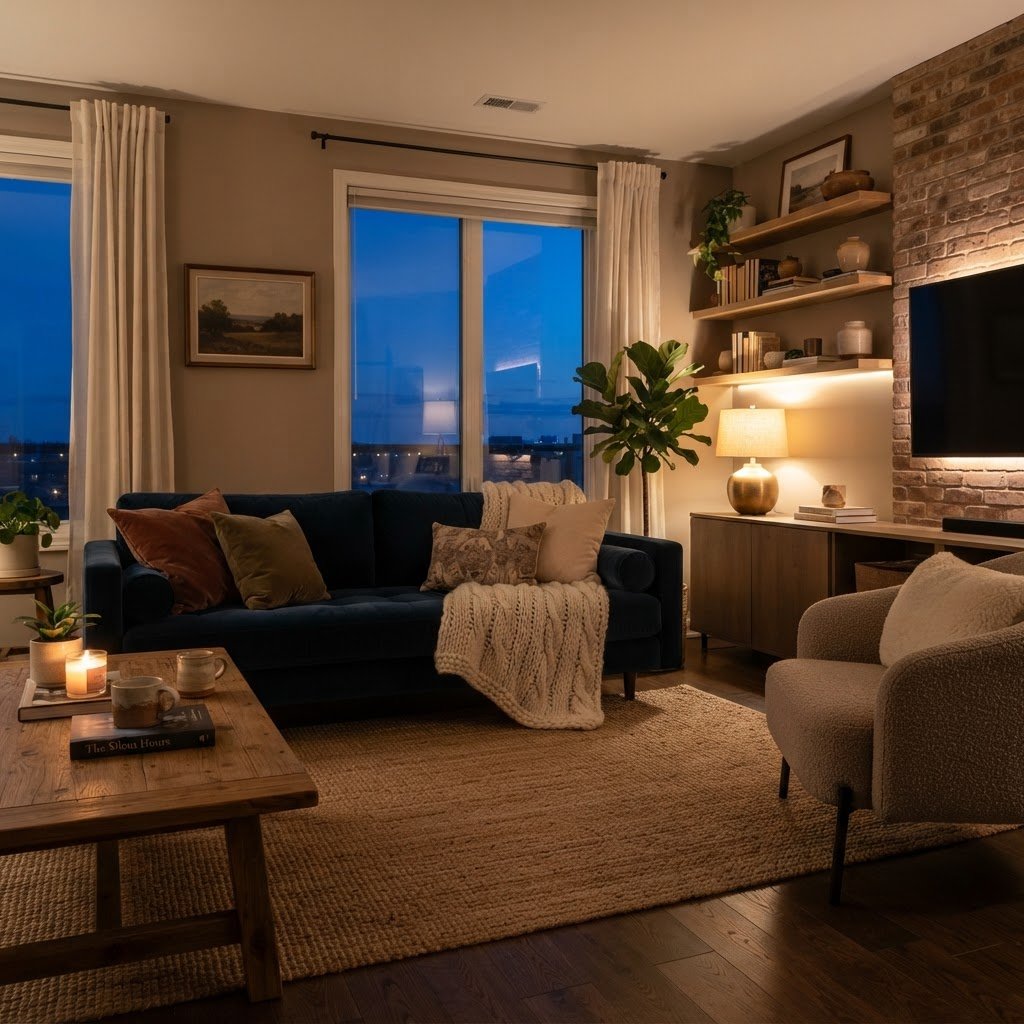
Balancing wall colors with strategic ambient lamps.

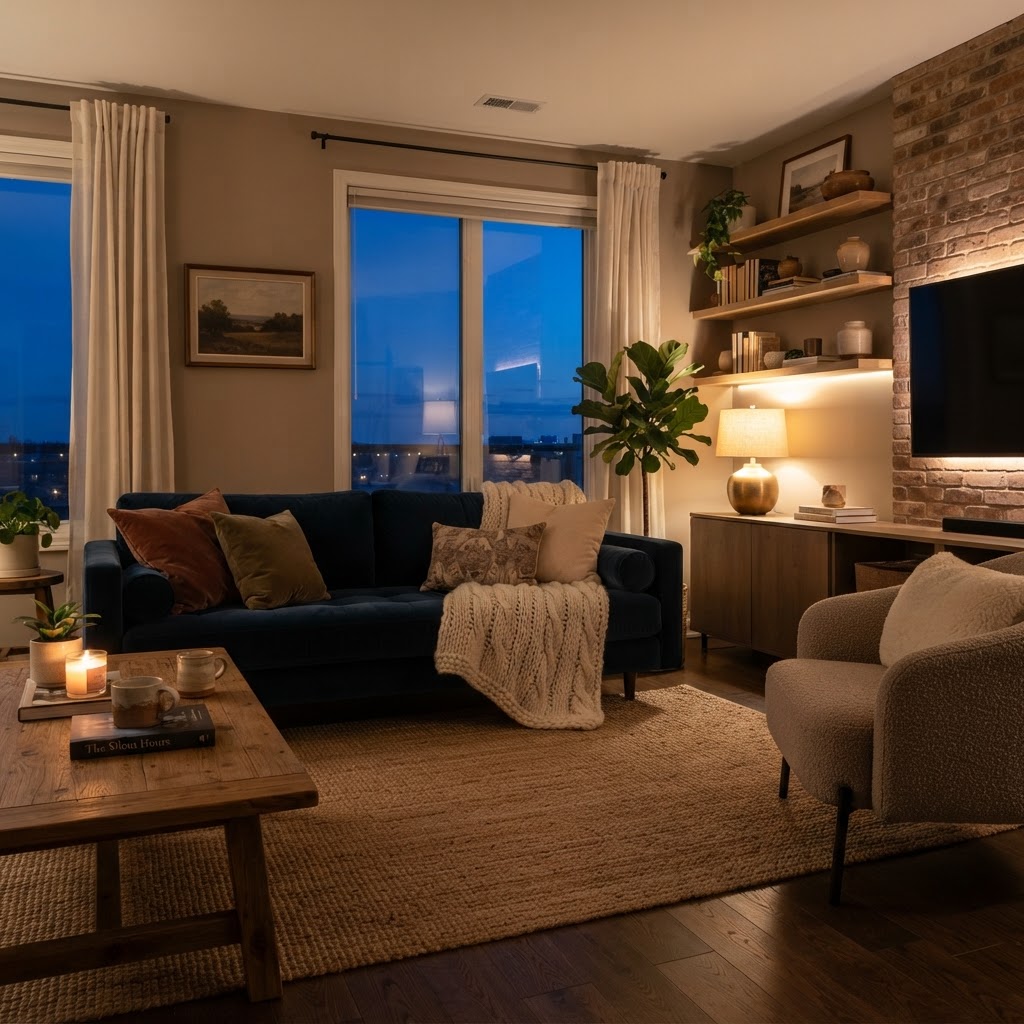
If you are nervous about committing to bold wall colors, you can easily implement colorful cozy living room ideas with warm ambient lights through accessories. Start with a neutral foundation and layer in vibrant pillows, rugs, and artwork. A navy blue sofa, for instance, looks stunning when paired with mustard yellow cushions and a patterned rug that features hints of burnt orange and cream.

When you introduce these colors, ensure they are balanced. Use the 60-30-10 rule: 60 percent of the room is a dominant color (usually walls), 30 percent is a secondary color (upholstery), and 10 percent is an accent color (pillows, art, decor). This ratio ensures that your space remains cohesive and pleasant to the eye.

The Role of Textures in a Colorful Space
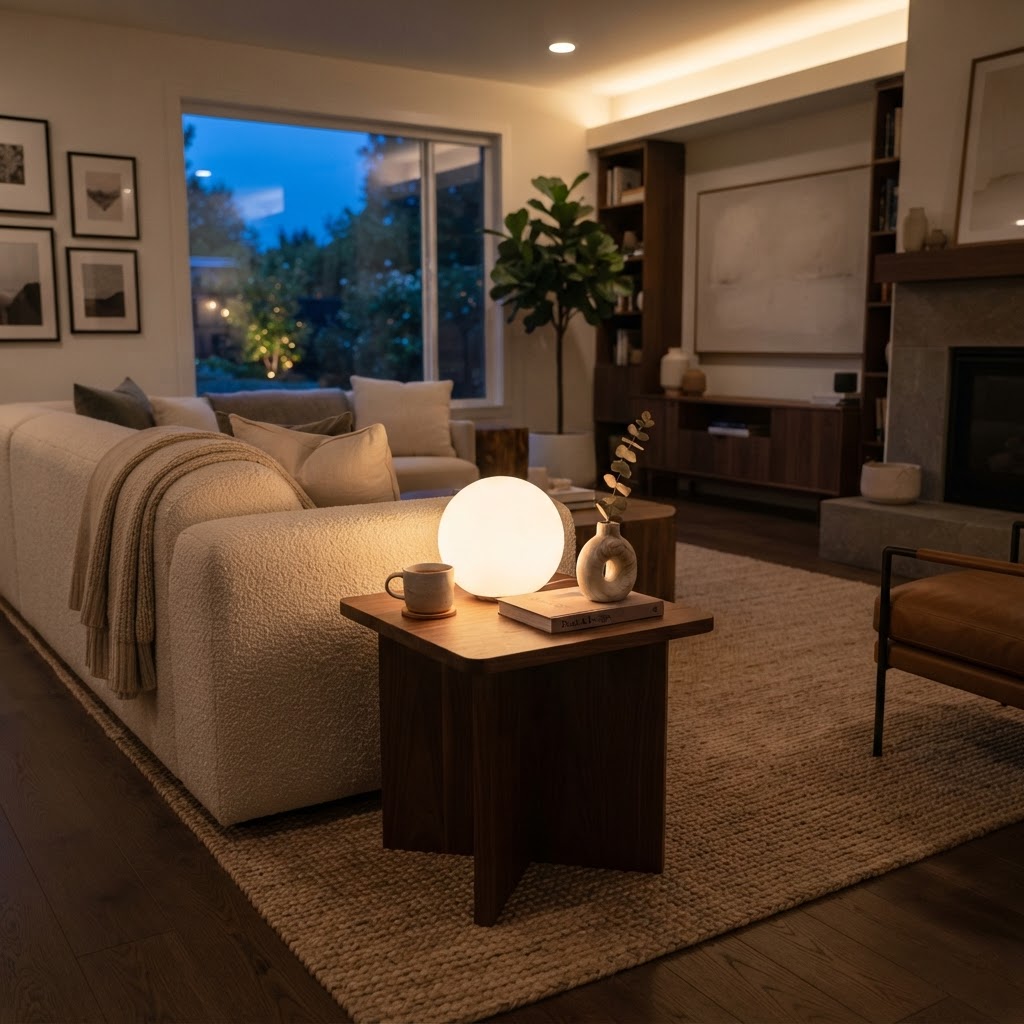
Highlighting natural decor with warm accent lights.

Color is only half the story; texture dictates how that color feels to the touch. A bright pink velvet armchair, for example, absorbs light differently than a slick leather chair. To increase the ‘cozy’ factor, prioritize tactile materials such as chunky knits, wool blankets, and natural wood furniture.

Textures help distribute light across the room. A rough-hewn wooden coffee table will catch the warm light from a nearby lamp differently than a glass surface would. By mixing materials, you create visual interest that keeps the room from looking one-dimensional. This approach is essential for any living room that intends to be both colorful and comfortable.

Strategic Placement of Warm Light Sources

Where you place your lights is just as important as the type of light you choose. For a cozy effect, you want pools of light at various heights throughout the room. This prevents the ‘cave’ effect while maintaining a sense of privacy and comfort.

Illuminating Dark Corners

Every room has corners that tend to disappear into shadow. Place a floor lamp with a linen shade in these areas to draw the eye outward, making the room feel larger. Pair this with a colorful piece of artwork or a tall houseplant to create an inviting focal point that glows once the sun goes down.

Table Lamps as Functional Art

Table lamps are the jewelry of the living room. Choose lamps with unique shapes or colorful bases that match your accent palette. When these are turned on, they provide focused light for reading while casting a warm, comforting wash over the surrounding furniture.

Creating Focal Points with Accent Lighting

If you have built-in shelving or a unique architectural detail, highlight it with warm ambient lights. Under-shelf lighting or puck lights inside cabinets can turn a standard storage unit into a display of your favorite books and decor. This adds a layer of depth that is particularly effective at night.

Focus on highlighting textures, such as a gallery wall or a brick fireplace. By directing light toward these features, you add character and warmth. Remember that the goal is to create ‘nooks’ of light that make the space feel segmented and manageable, rather than wide and exposed.

Bringing Nature Indoors with Light

Plants are a wonderful way to bring color and life into a living room. If you have a collection of leafy greens, use small, warm-toned spotlights to highlight them at night. This mimics the dappled effect of sunlight filtering through trees and connects your interior decor to the natural world, which is inherently calming.

Consider adding a decorative light strand around a large fiddle leaf fig or an indoor tree. This subtle addition provides a festive yet refined atmosphere that highlights the vibrant green of the leaves. It is a simple touch that enhances the cozy, colorful vibe you are striving for.

Conclusion: Your Cozy Oasis Awaits

Creating a living room that is both colorful and cozy is a rewarding design journey. By layering your warm ambient lights strategically, you can enhance the depth of your chosen colors and ensure that every corner of the room feels like a warm embrace. Start small—perhaps by swapping out a harsh lightbulb or adding a new throw blanket in a vibrant hue—and watch as your space evolves.

Remember that interior design is a personal journey, not a rigid set of rules. Your living room should reflect your unique taste while providing a retreat from the outside world. Experiment with different lamps, color combinations, and textures to find the balance that feels right for you. Why wait to transform your space? Start planning your new lighting and color palette today and see the difference it makes in your daily life.
Small Space Cozy Lighting Hacks with Affordable Lamps

Small Space Cozy Lighting Hacks with Affordable Lamps

To make a small space feel larger and more inviting, use “layering” by combining ambient, task, and accent lighting at eye level rather than relying on a single overhead source. By positioning warm-toned bulbs (2700K–3000K) in corners and using reflective surfaces like mirrors, you can visually expand cramped rooms without costly renovations.
The Psychology of Cozy Lighting

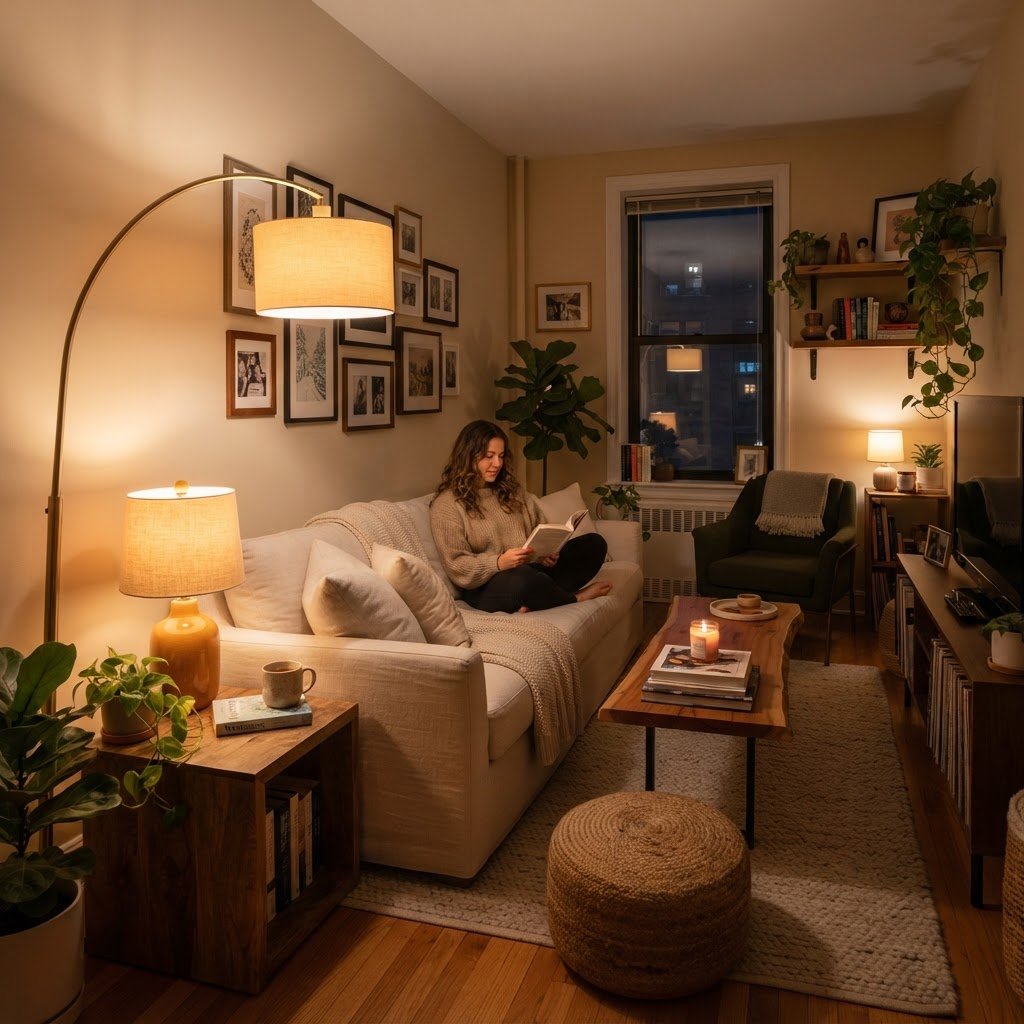
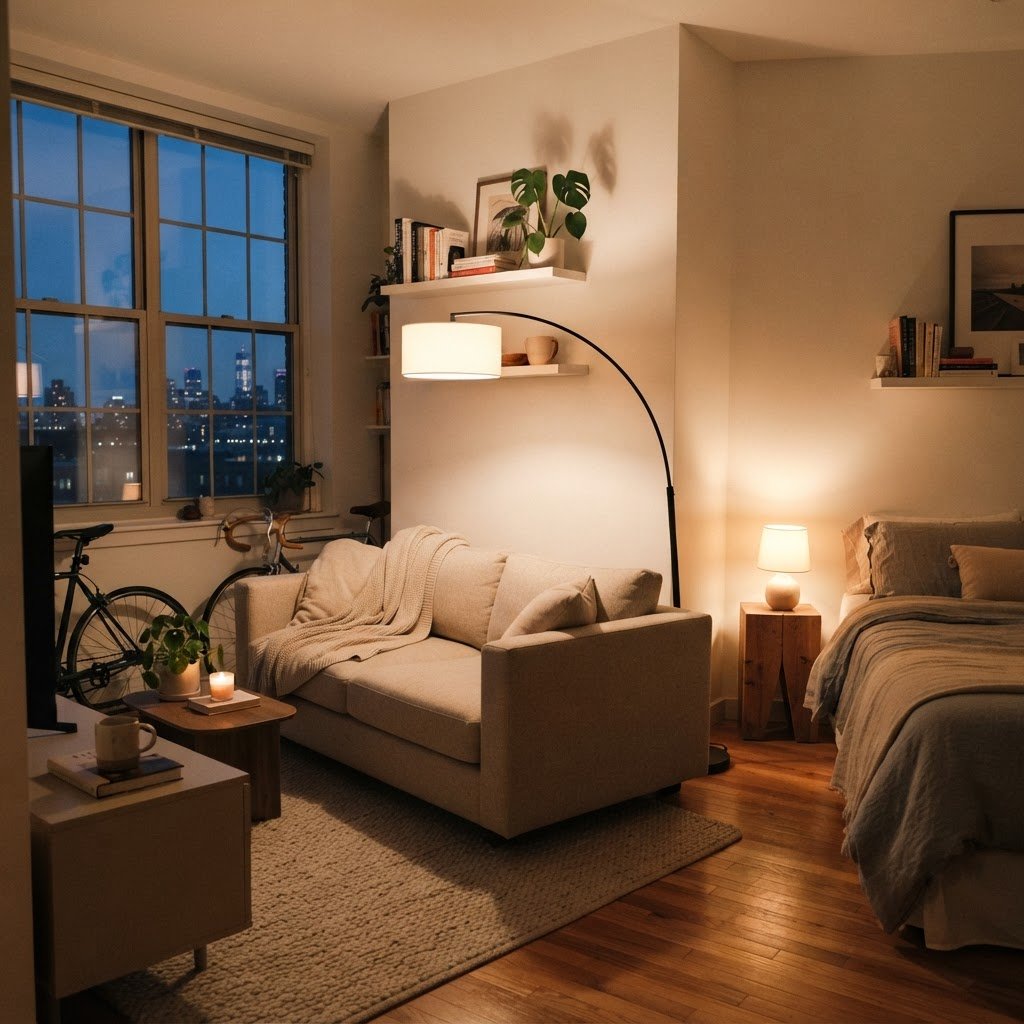
Lighting fundamentally alters the perception of depth and volume in compact living areas, turning sterile boxes into comfortable sanctuaries. In a small studio, harsh overhead lighting creates dark, receding corners that make walls feel closer; conversely, warm, diffused light softens these boundaries and tricks the brain into perceiving more open space.

Integrating the right lighting strategy is about controlling the “visual temperature” of your home. Experts recommend using bulbs in the 2700K to 3000K range to avoid the clinical blue hue of standard LEDs, which can make small rooms feel like waiting rooms. By focusing light at eye level—using table lamps, wall sconces, and floor lamps—you create a “pool” effect that draws the focus toward your curated decor rather than the room’s limited dimensions. When light is distributed across three layers (ambient, task, and accent), it adds architectural depth. For example, placing a warm-toned lamp on a side table does more than provide illumination; it creates a psychological focal point that makes the room feel intentional and “styled” rather than merely cramped.

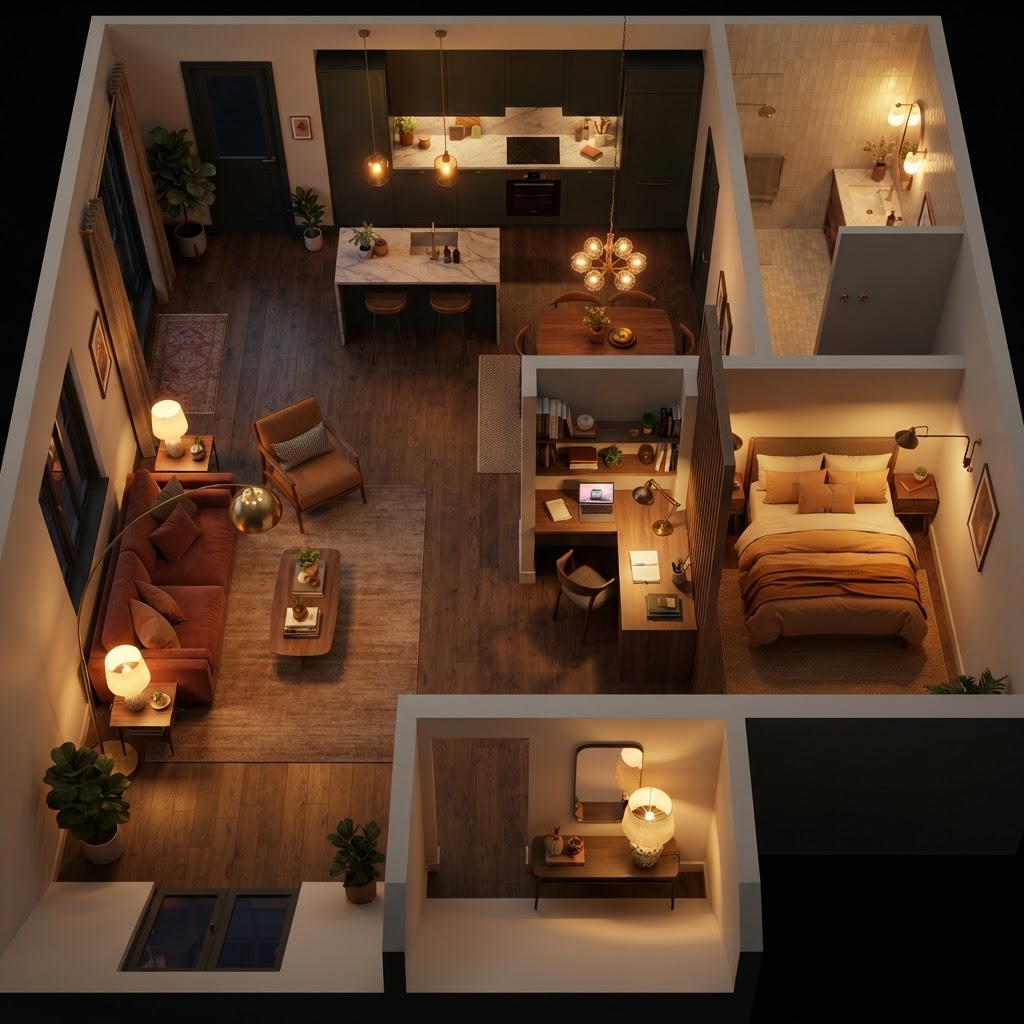
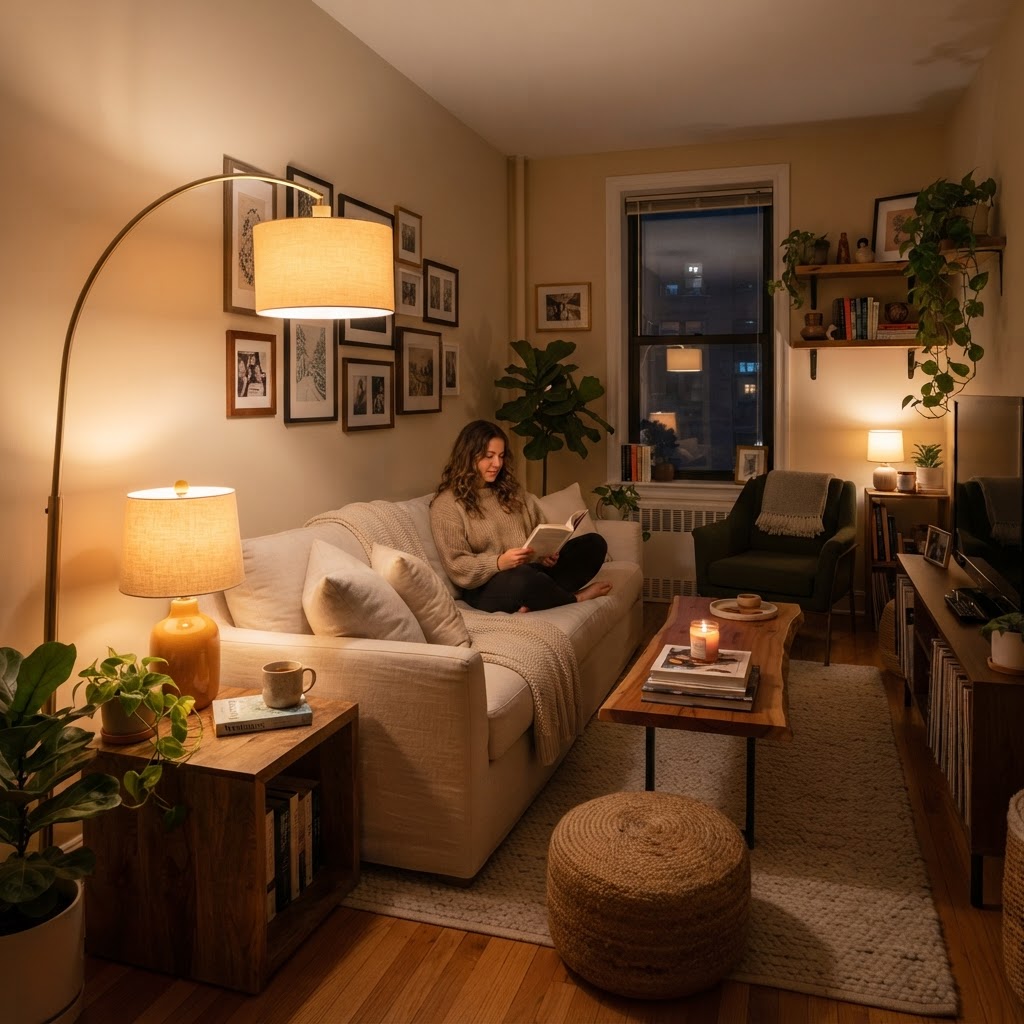
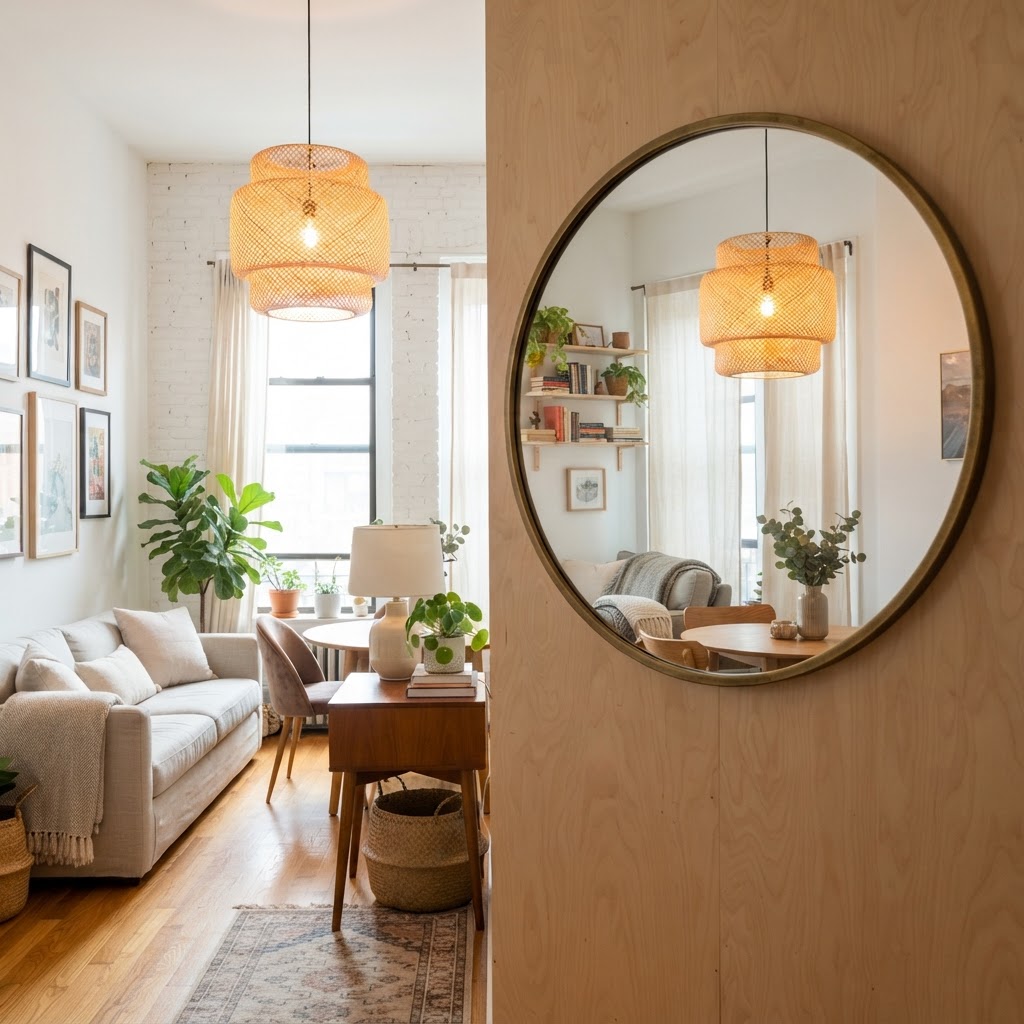
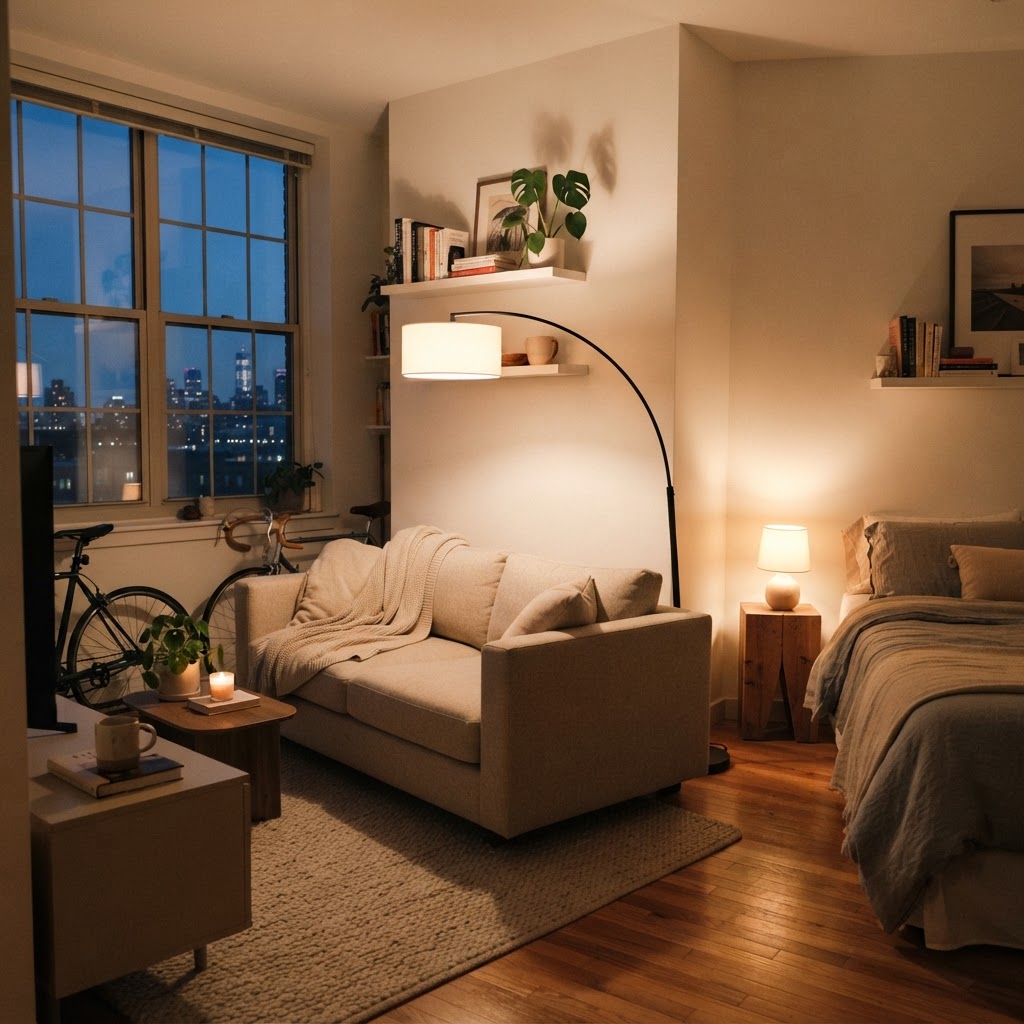
Use warm lighting to make a small studio feel larger and more inviting.

Why Layering Matters

Interior designers rely on the “Rule of Three” to build depth: ambient light provides the base, task lighting handles functional needs, and accent lighting highlights unique textures. In a 200-square-foot studio, you can execute this by utilizing one floor lamp for ambient glow, a desk lamp for work, and a small LED strip or puck light for accenting a shelf. This layered approach ensures no corner remains dark, preventing the “tunnel vision” effect that often plagues tiny apartments.

Lighting Layer Purpose Ideal Fixture Type
Ambient General room illumination Floor Lamp
Task Focused work/reading Adjustable Desk Lamp
Accent Highlight texture/art Plug-in Wall Sconce
Decorative Creates visual interest String or Neon Light

Choosing Affordable Lamps That Work

Finding affordable, high-quality lighting requires prioritizing versatile shapes over decorative embellishments that may not fit a tight floor plan. When shopping for budget-friendly fixtures—often found for $15 to $40 at discount retailers—focus on neutral materials like matte metal, linen, or ceramic that can be easily updated.

Opting for task lamps with adjustable arms allows you to redirect light exactly where needed, effectively saving square footage on tiny surfaces. Clip-on lamps are the ultimate “space-hacker’s” tool; they provide utility on shelves or headboards without occupying a single inch of desk or floor space. If you find a lamp base that fits your aesthetic but has an outdated shade, replacing it with an oversized, drum-shaped linen shade can increase light diffusion and instantly mimic the look of a $200 boutique piece. By keeping the silhouette of your lamps slim—avoiding bulky, ornate bases—you prevent the room from feeling cluttered. Always measure your table surface before buying; a lamp base should ideally take up no more than 30% of the available surface area to maintain a balanced, airy look.

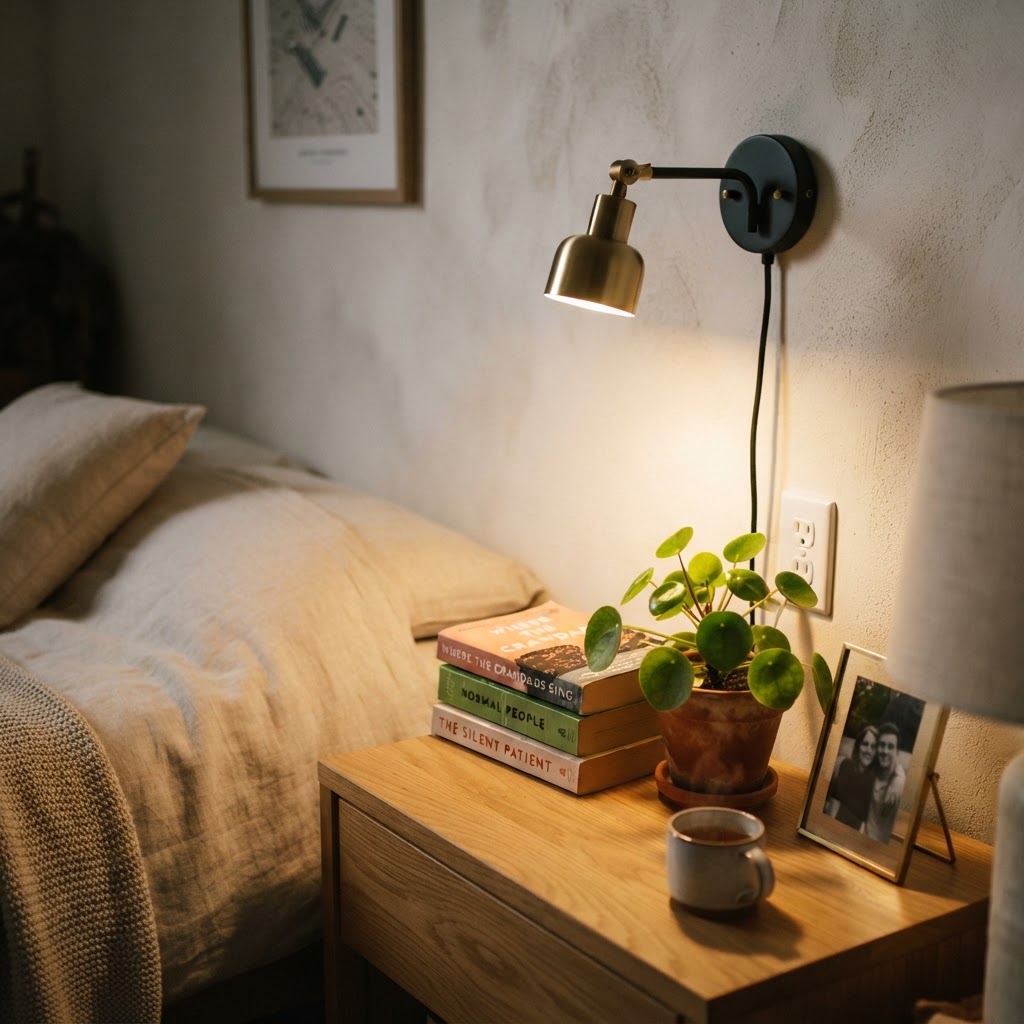
Wall-mounted sconces are perfect for saving space on tiny nightstands.

Strategic Placement for Visual Expansion

Strategic placement of light fixtures is the most effective way to visually push back walls and eliminate the shadows that shrink a room. Corner lighting is particularly effective; by placing a floor lamp behind an armchair or in a dark nook, you fill the “dead space” and trick the eye into seeing more square footage than actually exists.

Another advanced technique involves utilizing reflective surfaces to amplify your existing lumen output. Placing a lamp in front of a mirror effectively doubles the perceived brightness of the room without requiring a higher-wattage bulb or extra power consumption. This is a “double-duty” hack that adds both light and depth to a flat wall. Furthermore, consider the direction of the light: wall-washing—where light is directed up the wall from behind a sofa—creates an indirect, soft glow that highlights wall height and minimizes the appearance of clutter. For those working with awkward layouts, using light to create zones is essential. By placing a specific task lamp in your reading corner, you visually “separate” that area from your sleeping or kitchen zones, creating the illusion of a multi-room home within an open-concept floor plan.

Zone your living area with specific lamps to create a sense of structure.

Table Lamp Tactics for Tiny Tables

Surface area is a luxury in small spaces, requiring innovative lamp choices that integrate into your furniture rather than fight for space. When traditional bases won’t fit, pivot to wall-mounted plug-in sconces that offer a clean, built-in aesthetic without requiring an electrician or drilling into walls.

If you must use a table lamp, prioritize models with “slim profiles”—bases that are no wider than 4 inches. These take up minimal space while still providing necessary task lighting for nightstands or entry consoles. Another modern solution is the touch-sensor lamp, which eliminates the need for bulky switches or tangled cords, keeping your small table looking streamlined and tidy. Consider the height of the lamp relative to your seating; a lamp that is too tall can cause glare, while one that is too short creates unnecessary shadows. A good rule of thumb is that the bottom of your lampshade should be roughly at eye level when you are seated. This ensures the light is directed at your activity rather than directly into your eyes, which helps keep the small room feeling comfortable and intimate rather than harsh and clinical.

Lamp Type Best Usage Small Space Benefit
Clip-on Lamp Desks/Shelves Saves floor and table space
Slim Floor Lamp Corners Adds height without bulk
Plug-in Sconce Bedside Frees up nightstand surface
Touch-sensor Lamp Bedside/Entry No bulky switches or cords

Utilizing Vertical Space and Height

Floor lamps are the secret weapon for making ceilings feel higher, provided you select designs that emphasize verticality rather than horizontal footprint. Models with thin, tripod-style legs or singular poles draw the eye upward, effectively “stretching” the room and creating an airy atmosphere that feels much larger than its actual dimensions.

To maximize this effect, position these lamps behind large furniture pieces like sofas or armchairs to create a soft “wash” of light that illuminates the wall. This indirect glow is significantly more flattering than direct lighting because it highlights the architecture of the space rather than focusing on items that create visual clutter. You can also utilize “uplighting” by placing a small, inexpensive floor lamp to point light toward the ceiling; this pushes the visual boundaries of the room upward, making the ceiling feel less restrictive. Avoid lamps with heavy, opaque shades that block light from traveling toward the ceiling, as these will trap the glow and make the room feel top-heavy. Instead, choose shades that are translucent or open at the top to allow light to bounce off the ceiling, creating an expansive, open-room effect.

DIY Upgrades for Budget Lighting

Customizing affordable, “big-box” lighting is the fastest way to achieve a high-end look on a budget while ensuring your fixtures match your specific decor style. A $10 lamp can be transformed into a custom piece with a simple $6 can of matte black or brushed gold spray paint, allowing it to seamlessly integrate into your apartment’s color palette.

Beyond paint, the most significant “hidden” upgrade is the light bulb itself. Integrating smart bulbs (typically available for $10–$15 each) allows you to control color temperature, brightness, and even scheduling via your smartphone. This adds a level of luxury and utility that standard bulbs cannot match. For instance, you can dim the lights to 30% for a movie night or increase brightness to 100% for cleaning, all without moving from your couch. Don’t overlook small hardware tweaks either: swapping a cheap plastic cord for a fabric-wrapped cord cover can hide an eyesore and turn a standard cable into a decorative element. Finally, adding a plug-in dimmer switch to a non-dimmable lamp provides the most “bang for your buck” for mood control, instantly allowing you to create that elusive, intimate “cozy” vibe in any corner of your small home.

Simple Customizations

  • Change the cord: If your lamp has an ugly cord, a simple fabric cord cover can hide it or make it a stylish accent.
  • Add a dimmer: If your lamp doesn’t have a built-in dimmer, you can buy an inexpensive plug-in dimmer switch online.
  • Switch the shade: A larger or drum-shaped shade can change the direction and diffusion of the light, making it feel more intentional.

Creating Zones with Light

Using light to create zones is the most effective psychological tool for preventing a studio apartment from feeling like a disorganized pile of furniture. By assigning specific light sources to your living, sleeping, and working areas, you create distinct “rooms” within one open-concept space, providing structure and visual consistency.

To achieve this, ensure that your lighting levels remain consistent across all zones so the transition from the reading nook to the sofa doesn’t feel jarring. When you want to host friends, you can turn off task-specific lights (like desk or kitchen pendant lights) and keep only the ambient floor lamp or accent wall-sconces on, which instantly shifts the room’s energy to a social, intimate atmosphere. This creates a cohesive look that feels curated by a professional designer rather than randomly assembled. By layering these zones, you stop the eye from scanning the entire “messy” room at once, and instead allow it to focus on one well-lit area at a time. This keeps your small space feeling structured, intentional, and, above all, incredibly cozy.

FAQ

What is the best color temperature for a cozy home?

The best color temperature for a cozy atmosphere is between 2700K and 3000K, which provides a warm, inviting yellow-toned glow. Avoid “cool white” or “daylight” bulbs above 4000K, as these create a harsh, clinical environment that makes small rooms feel smaller and colder.

How can I make my ceilings look higher with lighting?

To make ceilings look higher, use floor lamps that direct light upward or position lamps behind furniture to create a wall-washing effect. This “up-light” draws the eye toward the ceiling, creating an illusion of vertical height and making the room feel significantly more open.

What are the best lamps for a tiny apartment?

For a tiny apartment, choose slim-profile floor lamps, clip-on task lamps, and plug-in wall sconces to save floor and table space. These options provide necessary illumination without the clutter of bulky bases or extra cords, keeping your living surfaces clear and functional.

Do mirrors actually make a room brighter with lamps?

Yes, placing a lamp in front of a mirror effectively doubles the light output by reflecting the glow back into the room. This technique expands the depth of the space and increases brightness without the need for additional fixtures or higher-wattage bulbs.

How do I use lighting to separate zones in a studio?

Separate zones in a studio by using specific light sources for each area, such as a dedicated task lamp for your desk and a floor lamp for your living area. When these zones are independently lit, it creates psychological boundaries that make the room feel organized and intentionally designed.

Mid-Century Modern Living Room Lighting Ideas for a Retro Glow

Creating the perfect atmosphere in your home often comes down to one crucial element: the light. When you are looking to embrace a classic, nostalgic aesthetic, incorporating Mid-Century Modern living room lighting ideas is the most effective way to infuse your space with a warm, retro glow. The mid-20th century was a golden age of industrial design, where function met art in ways that still influence modern interior trends today. By understanding the core principles of this era’s lighting—focusing on geometric shapes, organic curves, and brass or matte finishes—you can elevate your living room from ordinary to extraordinary.

The Essence of Mid-Century Modern Lighting

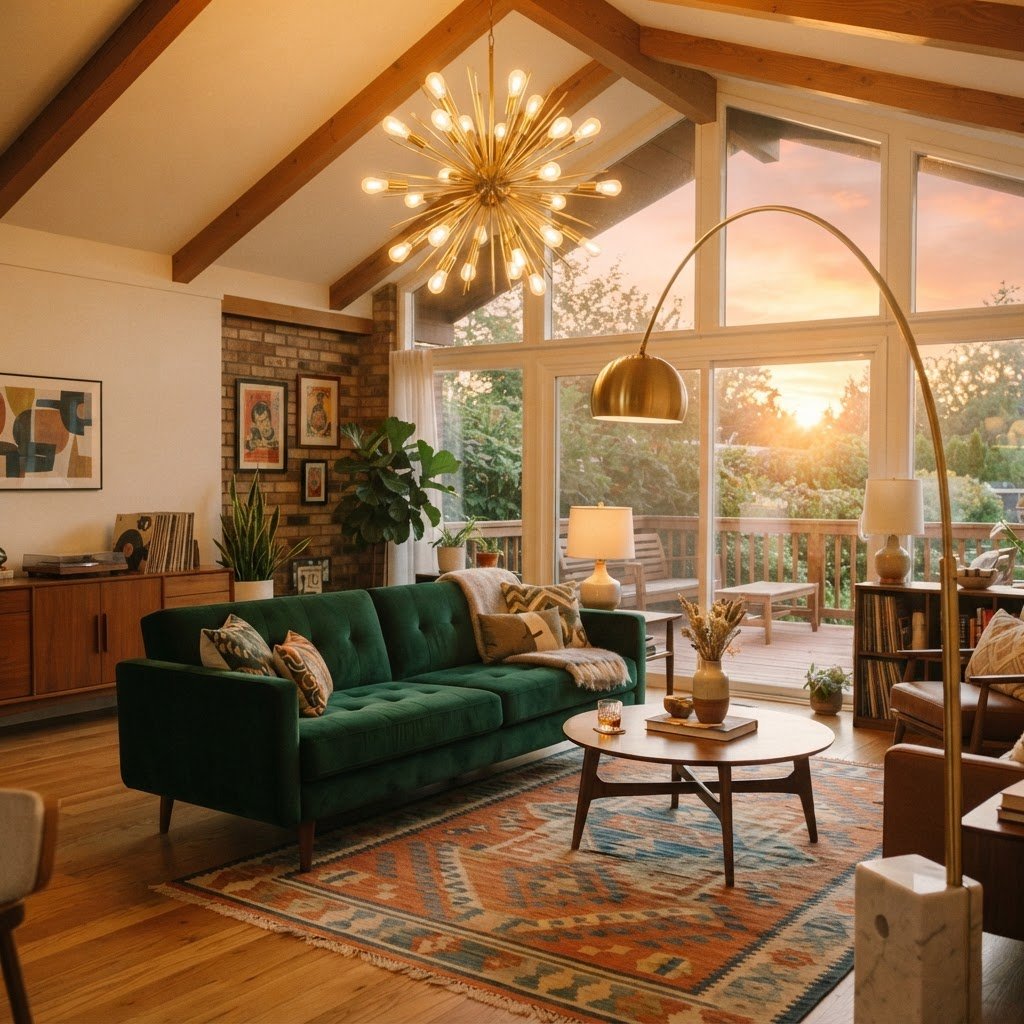
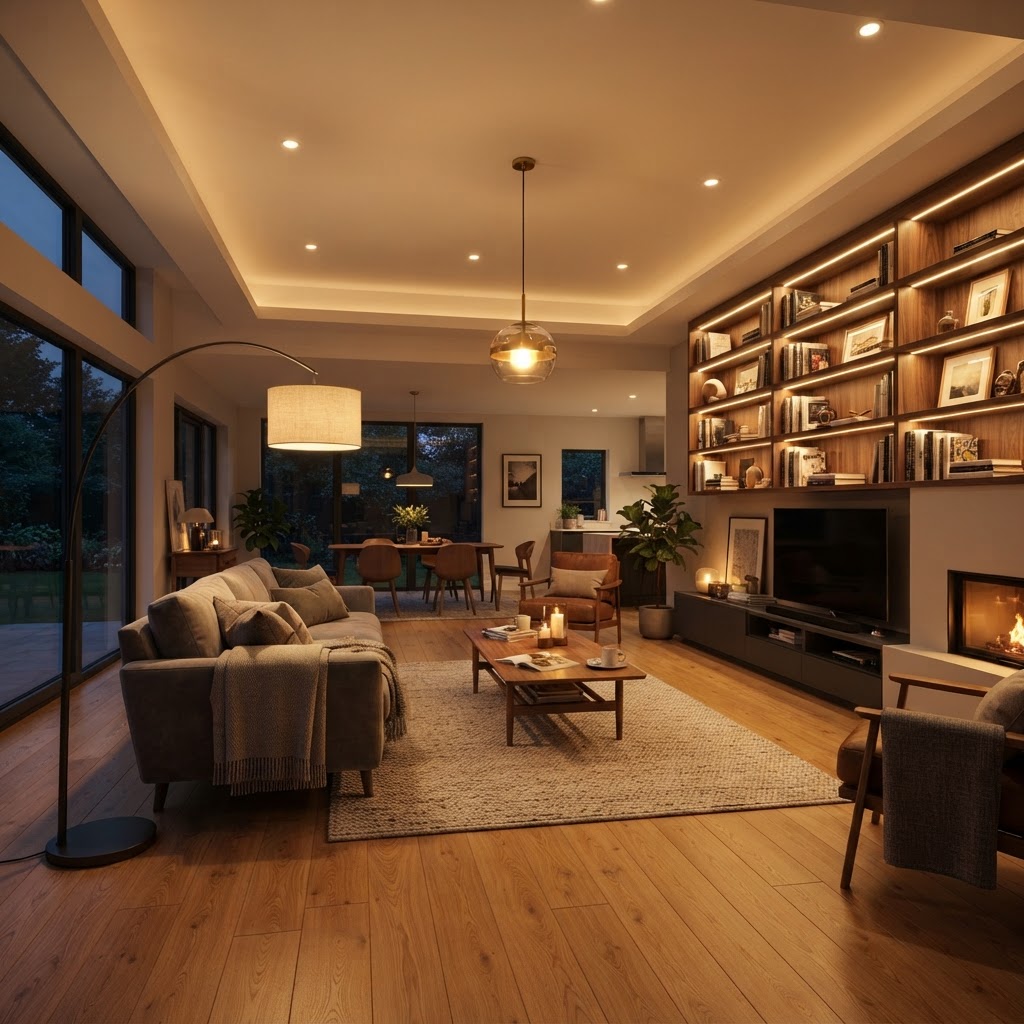
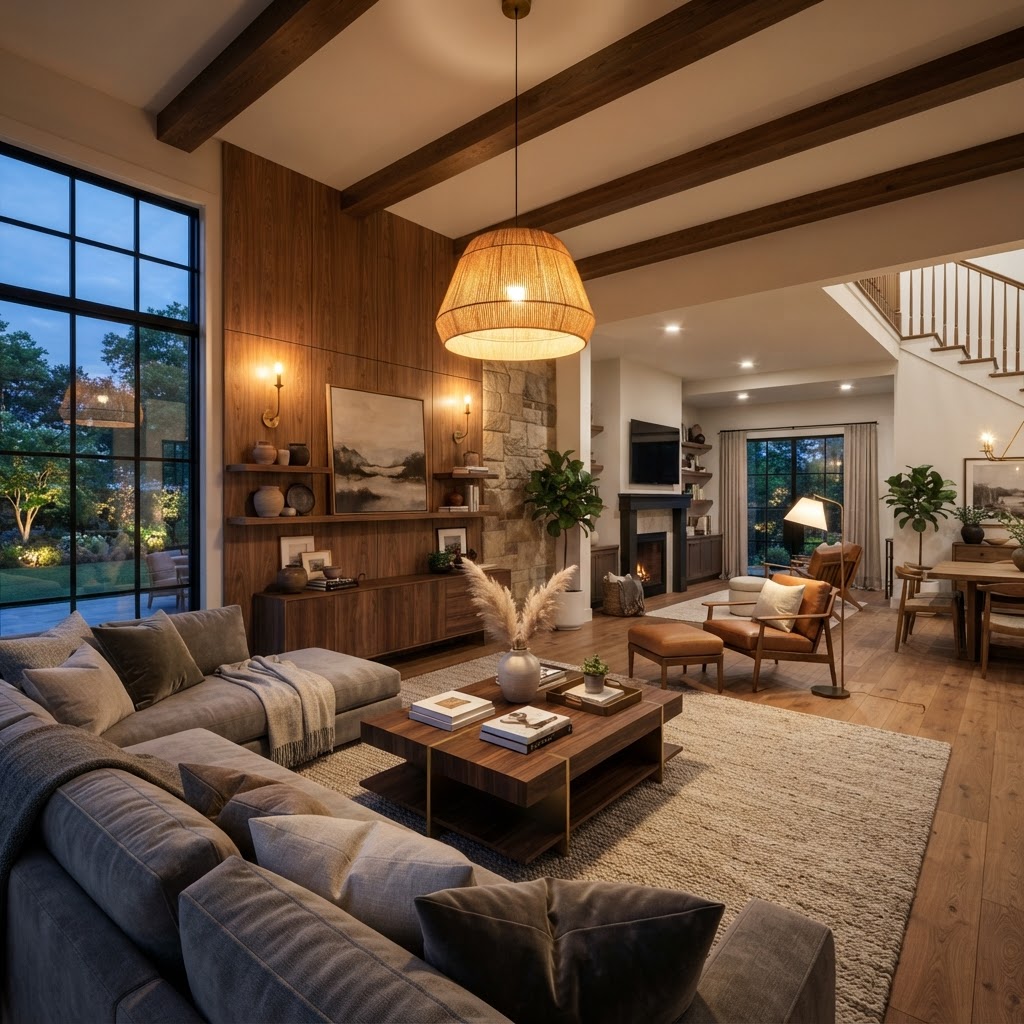
A classic Sputnik chandelier serves as a stunning centerpiece in this Mid-Century Modern living room.

Mid-Century Modern (MCM) design is characterized by its clean lines, organic silhouettes, and a deep appreciation for high-quality materials. Lighting during this era was not just meant to illuminate a room; it was meant to act as a centerpiece. Designers like George Nelson and Isamu Noguchi pioneered styles that prioritized sculptural presence, which is why these pieces remain so desirable in modern homes today.

To achieve an authentic look, you must move away from generic flush mounts and embrace fixtures that tell a story. Whether you choose a classic Sputnik chandelier or a sleek arc floor lamp, each piece should contribute to the overall balance of your room. The goal is to avoid clutter while ensuring that the lighting layers effectively provide both task and ambient illumination.

Key Elements of MCM Lighting Design

When you are hunting for fixtures, keep a few specific design elements in mind. Most authentic MCM pieces feature metallic finishes, particularly polished brass, antique bronze, or matte black. You will also notice a heavy reliance on glass shades, which help soften the light, creating that signature retro glow that makes a room feel instantly cozy.

Geometric shapes, such as spheres, cones, and starbursts, are staples of the style. These shapes were a reaction against the overly ornate designs of the past, representing the optimism and futurism of the post-war era. Choosing a fixture that utilizes these shapes will provide a structural anchor for your living room’s design scheme.

Choosing the Right Statement Fixture

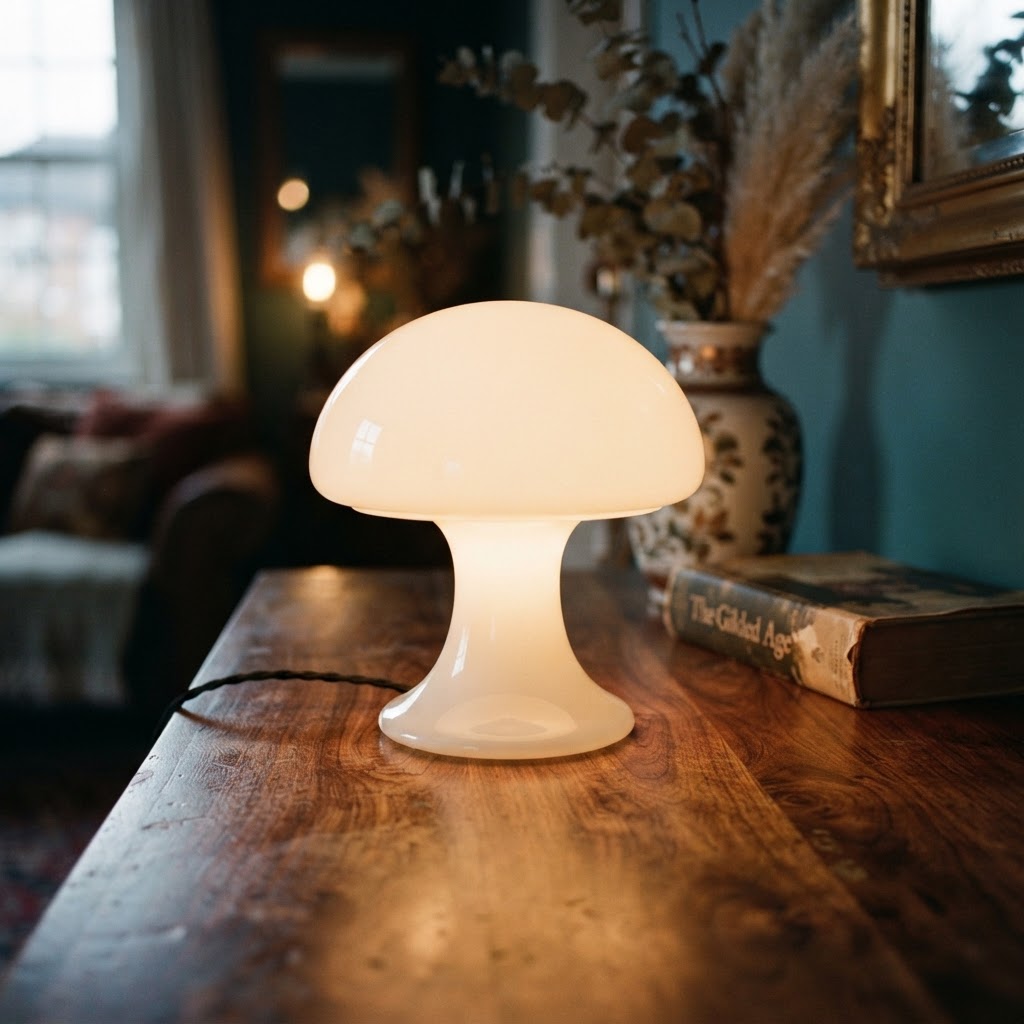
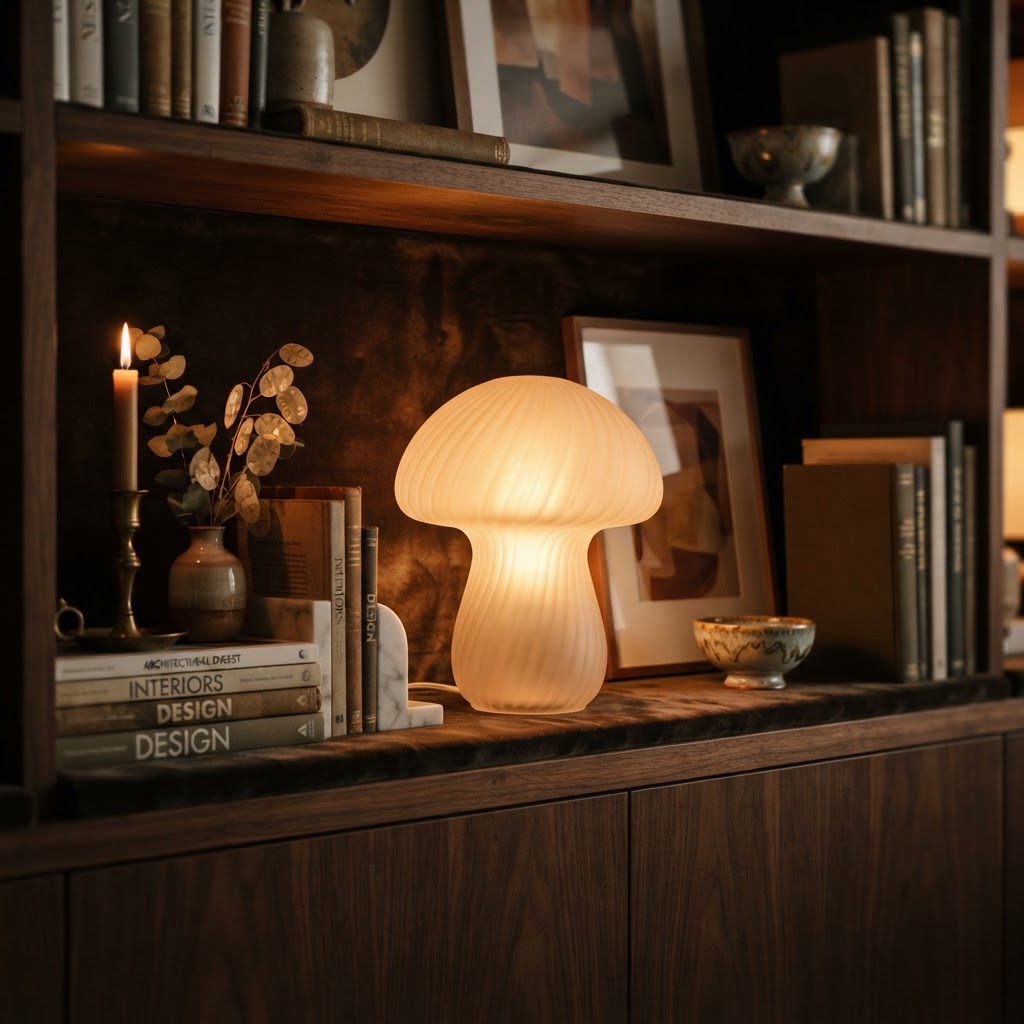
Opal glass mushroom lamps add a soft, retro glow to side tables.

Every great Mid-Century Modern living room needs a ‘wow’ factor. This is where your overhead lighting comes in. A large, dramatic chandelier can set the tone for the entire floor plan. If your living room is spacious, a multi-arm Sputnik chandelier is perhaps the most iconic choice you could make.

When selecting a statement piece, consider the ceiling height and the scale of your furniture. If you have low ceilings, you might want to opt for a semi-flush mount fixture with retro styling rather than a hanging pendant, which could disrupt the visual flow of the room. Always balance the boldness of the chandelier with more understated pieces in the rest of the space.

Where to Place Your Statement Piece

The center of the room is the classic location for an overhead fixture, but it is not your only option. Consider placing a striking light above a coffee table or a designated seating area to draw the eye toward the center of your conversation zone. This placement emphasizes the ‘living’ aspect of the living room, making the light feel purposeful rather than incidental.

Integrating Floor Lamps for Ambient Depth

Tripod floor lamps offer both functional task lighting and a touch of organic style to your reading nook.

Floor lamps are the unsung heroes of Mid-Century Modern living room lighting ideas. They provide the necessary height variation in a room and allow for flexible lighting arrangements. An arc floor lamp, with its sweeping arm and heavy base, is the quintessential MCM accessory, offering a soft, directed light that is perfect for reading corners.

Tripod floor lamps are another excellent choice for this aesthetic. These pieces often feature wooden legs paired with fabric shades, bringing a touch of organic texture into the room. By strategically placing floor lamps in the corners or behind a sofa, you can create a layered lighting effect that eliminates harsh shadows and creates a welcoming environment.

Table Lamps as Functional Art

Table lamps are the perfect way to add character to your bookshelves, end tables, and consoles. In the mid-century era, these items were often treated as pieces of sculpture. Look for lamps with unique silhouettes, such as mushroom-shaped glass lamps or ones with colorful ceramic bases.

When selecting table lamps, think about the interaction between the light and the surface it rests on. A warm-toned shade can enhance the richness of walnut wood furniture, which is a common material in MCM homes. By using several smaller light sources at different heights, you create a soft, inviting ‘glow’ that makes the room feel lived-in and comfortable.

Tips for Selecting Retro Table Lamps

  • Look for ‘mushroom’ style lamps in opal glass to diffuse light evenly.
  • Seek out brass-accented bases for a classic, sophisticated touch.
  • Prioritize warm-spectrum LED bulbs to mimic the incandescent bulbs of the 1950s.
  • Don’t be afraid of color; muted yellows, teals, and burnt oranges fit the period perfectly.

Mastering Light Layering

The secret to achieving a professional-looking space lies in the concept of layering. You should never rely on a single light source. Instead, combine overhead lighting, floor lamps, and table lamps to create a versatile environment that can transition from morning coffee to evening entertaining.

Start with ambient lighting to fill the room, then add task lighting for reading or hobby areas, and finish with accent lighting to highlight artwork or architectural features. By dimming your overhead lights and keeping your table lamps on, you can achieve that sought-after retro glow that feels intimate and relaxed. Dimmers are your best friend here; they provide control over the mood and allow you to tweak the lighting intensity to suit the time of day.

The Role of Color Temperature and Bulbs

Lighting is not just about the fixture; it is also about the quality of the light itself. To capture the authentic feeling of the mid-century era, stick to warm white light. Avoid cool, blue-toned bulbs at all costs, as they will wash out the warm wood tones and vibrant textiles that define your decor.

Look for bulbs with a color temperature between 2700K and 3000K. These provide a soft, golden hue that brings out the best in brass, wood, and leather materials. Additionally, consider using Edison-style LED bulbs if your fixtures have exposed filaments, as they add an extra layer of vintage authenticity to the overall look.

Creating Visual Interest with Wall Sconces

If you have limited floor space, wall sconces are a brilliant solution. MCM design frequently utilized adjustable or swing-arm sconces, which provided direct light for reading or ambiance without taking up valuable surface space. These fixtures look particularly striking when mounted on either side of a piece of artwork or a fireplace mantle.

Sconces can also be used to draw attention to specific textures in the room, such as exposed brick walls or wooden wall paneling. By choosing a style that matches your other metallic accents, you can ensure a cohesive look that feels intentional and well-designed.

Conclusion

Mid-Century Modern living room lighting ideas are all about balancing form and function. By selecting iconic silhouettes, embracing warm materials, and carefully layering your light sources, you can create a space that feels both nostalgic and refreshingly modern. Whether you choose a dramatic Sputnik chandelier or a modest glass table lamp, remember that your choices should always prioritize the warmth and comfort of your home.

Are you ready to transform your space? Start by assessing your current layout and identifying one area that could benefit from a new light source. Whether it is a dark corner waiting for an arc lamp or an entryway missing its star fixture, bringing a touch of retro glow into your home is a rewarding design project that pays off every time you flip the switch. Start your search for your perfect MCM piece today and watch your living room shine.

How to Style Warm Lighting for a Cozy Home Sanctuary

To style warm lighting for a cozy home sanctuary, prioritize using bulbs rated between 2200K and 2700K to mimic the golden glow of sunset. Achieve a professional, layered look by combining ambient, task, and accent light sources, ensuring all bulbs in a single room remain within 300K of each other for visual harmony.

The Science and Psychology of Warmth

Layered lighting creates an inviting, sophisticated living space.

Color temperature is the primary driver of domestic comfort, measured in Kelvins (K) to define how ‘warm’ or ‘cool’ light appears to the human eye. Warm light, generally defined between 2000K and 3000K, supports the body’s natural circadian rhythm by signaling the brain to release melatonin, the sleep hormone. Conversely, cool lighting above 4000K mimics blue-heavy daylight, which suppresses melatonin and increases alertness, making it unsuitable for relaxation. By selecting bulbs in the lower Kelvin range, you physically lower the cortisol levels in your environment, creating a physiological trigger for safety and rest.

Why Kelvins Matter

When shopping for bulbs, always look at the Kelvin rating on the packaging. For a space that feels like a hug, stick to the 2200K to 2700K range. Anything higher starts to look clinical and stark. This simple shift in bulb temperature is the foundation of creating a space that feels permanent, safe, and deeply relaxing.

Light Type Kelvin Range Best Application
Candlelight 1800K – 2000K Dining, intimate settings
Warm White 2200K – 2700K Bedrooms, living rooms
Neutral White 3000K – 3500K Bathrooms, workspaces
Daylight 4000K – 5000K Garages, utility areas

Establishing the Three Layers of Light

Selecting the right bulb temperature is key to achieving a cozy glow.

Professional interior designers utilize a ‘tri-layer’ lighting strategy to eliminate flat, sterile environments and replace them with depth and character. The core concept relies on distributing light sources across three distinct categories: ambient, task, and accent. Ambient lighting provides the overall floor-to-ceiling illumination, ideally through dimmable sconces or cove lights that wash surfaces in soft glows. Task lighting serves functional needs, such as reading lamps or under-cabinet strips, while accent lighting acts as the room’s jewelry, drawing the eye toward specific textures, art, or architectural features. By balancing these three, you ensure that no single corner remains dark or overly harsh, creating a cohesive visual flow that mimics the complexity of natural light.

Ambient Lighting

Ambient light is your base layer, providing overall illumination. In a warm-styled room, this should be dimmable and soft. Consider using wall sconces or cove lighting rather than harsh recessed ceiling lights. If you must have overhead lights, ensure they are on a dimmer switch so you can dial back the intensity whenever you desire a more intimate setting.

Task Lighting

Task lighting is functional but must maintain the aesthetic. This includes reading lamps, desk lights, or under-cabinet kitchen lighting. The key here is to keep the light source focused on the work area while maintaining the warm color temperature. Using a brass-toned reading lamp with a warm-hued bulb is a perfect example of merging function and mood.

Accent Lighting

This is where the “never want to leave” feeling truly happens. Accent lighting highlights architectural details, artwork, or your favorite decorative pieces. Think of picture lights above a painting or LED strips hidden behind a television or bookshelf. These small touches add dimension and visual interest without overwhelming the senses.

Choosing the Right Fixtures for Your Style

A dedicated reading nook benefits from warm, focused task lighting.

Selecting the correct fixture hardware is essential because materials act as a secondary filter, modifying how light is dispersed and perceived within your sanctuary. Brass, gold, and antique bronze finishes are superior for warmth, as they contain high-copper content which naturally reflects light in a honeyed, golden spectrum compared to cool-toned chrome or nickel. When choosing shades, opt for textured linen or heavy cotton in cream, oatmeal, or terracotta hues to dampen the raw intensity of LED bulbs. Additionally, glass globe fixtures in amber or ‘smoked’ finishes can physically filter out blue light wavelengths, ensuring that the light reaching your eyes remains soft, diffused, and comfortable for extended evening use.

Material Considerations

  • Fabric Shades: These are excellent for diffusing harsh light into a soft glow. Linen or cotton shades in cream or beige tones further enhance the warm effect.
  • Glass Globes: Opt for amber or frosted glass to prevent the bulb from being too piercing.
  • Wood and Rattan: These materials naturally impart a warm, organic feel that complements the golden quality of warm bulbs.

The Impact of Dimmer Switches

Dimmer switches are the single most important utility for achieving a flexible sanctuary because they allow for real-time adjustments to your room’s mood and biological impact. Most modern LED dimmers work by ‘chopping’ the electrical wave, which not only lowers intensity but, in ‘warm-dim’ technologies, can shift the color temperature further toward an orange, candle-like glow. Without a dimmer, a 2700K bulb may feel too energetic during late-night relaxation; with one, you can reduce the lumen output by up to 90%, creating a gentle, twilight atmosphere. Integrating smart dimmers also allows for automation, enabling your home to transition from a productive cool-morning setting to a restorative, warm-evening glow without you ever touching a switch.

Incorporating Candles and Decorative Light

Warm lighting does not always have to be electric. In fact, some of the best lighting for a cozy home is flickering, organic, and imperfect. Candles provide a level of intimacy that no electronic device can replicate.

Scatter pillar candles on coffee tables or use tapers in the dining room to ground your space. The dancing flame creates movement and shadows, which are essential for visual interest. If you prefer a safer alternative, there are now high-quality LED candles that mimic the color and movement of real flames almost perfectly. Combine these with your fixed lighting for a multi-sensory experience.

Troubleshooting Common Lighting Mistakes

Many homeowners struggle because they mix too many color temperatures in a single room. A common mistake is having a warm floor lamp next to a stark, cool-white overhead bulb. This conflict creates visual discord and makes the room feel chaotic.

Check Your Consistency

  • The 300-Kelvin Rule: Try to keep all bulbs within the same room within 300K of each other. If your lamp is 2700K, your overhead light should be between 2400K and 3000K.
  • Avoid the Hospital Look: If your room feels uninviting, check for any “Daylight” or “Cool White” bulbs (4000K+). Swapping these for “Warm White” or “Soft White” (2700K) is often the only change needed to fix a cold-feeling space.
  • Balance the Shadows: Don’t let your corners go dark. Use a small corner lamp to push light into hidden spaces, which prevents the room from feeling closed in or cave-like.
Problem Typical Cause Quick Fix
Room feels sterile Bulbs above 4000K Replace with 2700K warm white bulbs
Shadows are too harsh Single light source Add floor lamps at eye level
Lighting feels ‘chaotic’ Mixed color temperatures Standardize all room bulbs within 300K

Creating Your Personal Lighting Sanctuary

To really nail how to style warm lighting, take a “light walk” through your home at night. Turn off every light, then turn them on one by one. Where do you feel the urge to sit? Where do you feel exposed or cold? Adjust the placement of your lamps until the light flows naturally from one zone to the next, like a gentle stream.

Remember that lighting is about the experience of living, not just seeing. It is about how the light hits your coffee mug in the morning and how it reflects off your walls as you prepare for bed. When you treat lighting as a design element rather than a utility, your home transforms.

FAQ

Q: What is the best Kelvin rating for a cozy bedroom?

For a cozy bedroom, choose bulbs rated between 2200K and 2700K. This range produces a soft, amber-toned light that mimics sunset, helping to trigger the body’s natural melatonin production for better sleep quality.

Q: Can I mix warm and cool light bulbs in the same room?

It is generally recommended to avoid mixing warm and cool bulbs in the same room to prevent visual discord. A 300K variance is the maximum acceptable difference to keep the room’s atmosphere feeling cohesive and intentional.

Q: Why do my overhead lights make my room feel clinical?

Overhead lights often feel clinical because they are likely ‘Daylight’ bulbs (4000K-6500K) which contain high amounts of blue light. Replacing these with 2700K ‘Warm White’ bulbs will instantly soften the space and eliminate that harsh, institutional appearance.

Q: Are dimmer switches compatible with all light bulbs?

Not all light bulbs are compatible with dimmer switches. You must specifically purchase ‘Dimmable’ LED bulbs, as standard LEDs will flicker or fail if used with a traditional dimmer switch, potentially damaging the bulb’s internal circuitry.

Q: How many light sources should I have in a living room?

A well-lit living room should feature at least three to five light sources at different heights. This typically includes a primary ambient fixture, one or two task lamps for reading, and subtle accent lighting to highlight decor.

Aesthetic Glow Lamps: Designer Living Room Decor Ideas

Aesthetic glow lamps transform living rooms into designer-inspired retreats by providing soft, warm-spectrum ambient lighting that reduces cortisol levels and enhances spatial depth. These sculptural fixtures act as both functional light sources and artistic focal points, allowing homeowners to curate high-end, magazine-quality interiors through strategic layering and intentional, bio-inspired design choices.

The Psychology of Warm Ambient Lighting

A minimalist glow lamp creates an inviting focal point.

Ambient lighting profoundly influences human behavior by signaling the nervous system to transition from high-alert, productive states to restorative relaxation. Research indicates that low-color-temperature lighting, specifically within the 2700K to 3000K range, mimics the natural sunset spectrum, which helps lower cortisol levels by up to 15% after a stressful day. By replacing harsh, overhead “institutional” lighting with aesthetic glow lamps, you create “light pockets” that foster intimacy and focus. These concentrated zones of illumination encourage conversation and comfort, effectively softening the sharp edges of a room. When the brain perceives a space as warm and dimly lit, it triggers the release of melatonin, making glow lamps an essential component for any home intended to serve as a genuine sanctuary. Beyond comfort, these lamps define the emotional boundaries of a room, transforming a sterile living area into a sophisticated retreat where occupants feel inherently more at ease.

Why Soft Light Matters

Scientific studies suggest that low-color-temperature lighting helps lower cortisol levels after a long day. When you use aesthetic glow lamps, you are creating ‘light pockets’ that define zones of comfort. This creates an inviting atmosphere that encourages conversation and rest, effectively turning your living room into a designer-inspired retreat.

Choosing the Right Aesthetic Glow Lamp for Your Space

Frosted glass lamps add a touch of designer elegance.

Selecting the perfect glow lamp requires balancing the geometric silhouette of your furniture with the material properties of the light fixture to ensure a cohesive designer aesthetic. If your living room features sharp, modern, and angular furniture, a spherical or orb-shaped glow lamp introduces a necessary organic contrast that softens the overall visual weight. Conversely, spaces dominated by plush textures and rounded curves benefit from architectural lamps with clean, linear silhouettes that provide a grounded, modern edge. Beyond shape, the material choice dictates how light diffuses; frosted glass provides a uniform, diffused glow, while Japanese rice paper creates a warmer, more ethereal light dispersion. Consider the following comparison when selecting your next fixture:

Material Type Diffusion Style Ideal Design Vibe Durability
Frosted Glass Even & Soft Modern/Luxurious High
Japanese Paper Ethereal & Warm Zen/Minimalist Low
Biodegradable Resin Geometric/Defined Eclectic/Modern Medium
Sustainable Wood Filtered/Directional Scandinavian High

Factors to Consider

  • Material Texture: Opt for materials like frosted glass, Japanese paper, or sustainable wood.
  • Color Temperature: Stick to ‘warm white’ (2700K-3000K) for that cozy, designer feel.
  • Dimmability: Always check for a dimmable function to control the mood throughout the day.
  • Placement: Elevate lamps on side tables or place them at floor level to create depth.

Sculptural Lamps as Functional Art

Sculptural floor lamps add height and character to corners.

Designer living rooms leverage objects that transcend mere utility, and sculptural glow lamps serve this purpose by functioning as high-end art pieces even when powered off. When illuminated, these lamps redefine the silhouette of a room, manipulating shadows to create dramatic depth within the negative space. By selecting pieces with unique geometric cutouts, matte ceramic finishes, or hand-blown glass domes, you occupy empty corners with intentionality. Designers suggest using lamps as “height anchors”; a tall floor lamp in a barren corner prevents the room from feeling cluttered while simultaneously filling the space with soft, multidimensional light. When choosing these pieces, look for 360-degree craftsmanship—a true designer sculptural lamp should look beautiful from every angle in the room, not just from the front. This dual-purpose strategy reduces the number of decorative knick-knacks required, allowing the lighting fixture itself to act as the primary statement piece in your home.

The Impact of Silhouette

Designers often talk about the ‘negative space’ in a room. A sculptural lamp occupies this space with intention, preventing your living room from feeling cluttered while simultaneously filling it with light. Look for designs that feature geometric cutouts, matte ceramic finishes, or blown-glass domes.

Layering Lighting Like a Professional Designer

Layering different lamp sizes creates professional lighting depth.

Professional interior designers achieve a “layered” effect by utilizing a minimum of three distinct light sources per room to create visual balance and depth. This technique involves distributing light across various elevations—low, medium, and high—to ensure no single area feels dark or disconnected. Ambient lighting provides the base, while task lighting assists with reading or productivity, and accent lighting (the primary role of glow lamps) draws attention to architectural details or textured wall treatments. By placing glow lamps at varying heights, such as one on a low floor base and another on an elevated sideboard, you create a complex interplay of light and shadow that makes a living room feel larger and more expensive. Aim for a ratio of 60% ambient, 30% task, and 10% accent light for the most professional result in any standard living room configuration.

Building Your Lighting Layers

  1. Ambient Layer: General lighting that provides overall illumination.
  2. Task Layer: Focused lighting for reading or work, often found in floor lamps.
  3. Accent Layer: This is where your aesthetic glow lamps shine. Use these to highlight textures on walls, art, or shelving units.

Sustainable and Modern Material Trends

Contemporary luxury design is trending toward sustainable, bio-inspired materials that offer both aesthetic warmth and long-term environmental benefits. Recycled glass and biodegradable resins are currently dominating the high-end market, as they allow for intricate, nature-mimicking shapes that were previously impossible with traditional manufacturing methods. These biophilic designs—often modeled after mushrooms, teardrops, or celestial orbs—provide an organic harmony that softens the harsh, linear nature of modern furniture. By opting for ethically sourced timber or 100% recycled glass, you are not only elevating the visual quality of your living room but also contributing to a more sustainable home ecosystem. These trends prove that luxury and eco-consciousness are no longer mutually exclusive, and integrating these sustainable pieces will keep your home decor aligned with the latest international interior design standards for years to come.

The Rise of Bio-Inspired Shapes

Design trends are currently leaning toward ‘biophilic’ shapes—forms that mimic nature, such as mushrooms, water droplets, or moon-like orbs. Incorporating these natural shapes into your living room adds a sense of organic harmony that is a hallmark of high-end design.

Maintenance and Styling Tips for Longevity

Proper maintenance of your aesthetic glow lamps is essential to preserving their light-diffusion properties and structural integrity over time. Delicate materials like rice paper or hand-blown glass act as dust magnets; use a clean, dry microfiber cloth weekly to prevent buildup that can yellow the surface or reduce light output by up to 20%. For deeper cleaning on ceramic or resin surfaces, avoid all harsh chemical cleaners, as these can strip the matte finish or cause micro-cracking in the glaze. Instead, opt for a solution of distilled water and a tiny drop of pH-neutral soap. Styling secrets for optimal placement include the “Rule of Three,” which suggests grouping lamps of different heights on a sideboard for a balanced, curated look. Additionally, placing a glow lamp near a mirror creates a “doubling effect,” effectively expanding the sense of space in small living rooms while amplifying the warm, ambient glow across multiple surfaces.

Stylist Secrets for Placement

  • Grouping: Place three lamps of varying heights on a sideboard for a curated, designer look.
  • Corner Illumination: Tucking a floor-based glow lamp in a dark corner can make a room feel significantly larger.
  • Reflection: Position your lamps near mirrors to amplify the soft glow and double the visual impact.

FAQ

Q: What is the ideal color temperature for an aesthetic glow lamp?

The ideal color temperature for glow lamps is between 2700K and 3000K, which provides a “warm white” light. This specific range promotes relaxation and is scientifically proven to lower stress levels compared to cooler, blue-toned LED lighting.

Q: How many glow lamps should I use in a standard living room?

For a balanced look, designers recommend using at least three light sources of varying heights to create a “layered” effect. Start with one floor lamp and two accent glow lamps placed on side tables to achieve optimal depth and professional lighting balance.

Q: Do glow lamps work in small living spaces?

Yes, glow lamps are excellent for small spaces because they can make a room appear larger through corner illumination. By placing a lamp in a dark corner, you draw the eye outward, effectively expanding the perceived boundaries of the room.

Q: How do I clean delicate materials like rice paper or glass lamps?

Use a soft, dry microfiber cloth for regular dusting to prevent light output degradation. For delicate paper lamps, avoid all liquid cleaners and instead use a compressed air canister to gently blow away stubborn debris from hard-to-reach crevices.

Q: Why is ‘lighting layering’ important for designer decor?

Lighting layering is critical because it prevents the flat, institutional look created by single-source overhead lighting. By combining ambient, task, and accent lighting, you create shadows and highlights that add three-dimensional complexity to your interior design.

Warm Mood Lighting: Transform Your Room into a Cozy Escape

Warm Mood Lighting: Transform Your Room into a Cozy Escape

To transform your home into a cozy escape using warm mood lighting, prioritize bulbs with a color temperature between 2200K and 3000K while layering light sources to eliminate harsh overhead glare. This approach mimics natural sunset cycles, signaling your nervous system to release melatonin and shift into a restorative, relaxed state.

The Science Behind Warm Lighting and Relaxation

Layered lighting creates a cozy living room atmosphere.

Human biology is intricately linked to the light spectrum, as our circadian rhythms are dictated by the transition from high-intensity daylight to the warm hues of sunset. Research shows that exposure to light above 4000K suppresses melatonin, whereas light between 2200K and 3000K promotes relaxation by mirroring firelight. When you swap clinical overhead lighting for warmer alternatives, you move from a state of alertness to one of decompression. This “invisible architecture” of lighting is scientifically proven to reduce cortisol levels, allowing the brain to prepare for restorative sleep. Rather than investing in expensive furniture, simply adjusting your light source creates a more immediate, measurable shift in your physiological comfort. By curating a home environment that respects your internal clock, you foster a space that actively improves sleep hygiene and daily mood regulation.

Understanding Color Temperature and Kelvins

Small bedside lamps are perfect for a relaxing bedroom.

Mastering home lighting requires navigating the Kelvin (K) scale, which measures the color appearance of light rather than brightness. For a cozy atmosphere, select bulbs within the 2200K to 3000K range, as anything exceeding 4000K introduces blue light that disrupts circadian cycles.

Temperature Feel Best Use Case
2200K-2400K Candlelight Bedrooms, Nightstands
2700K Warm White Living Rooms, Dining Areas
3000K Crisp Warm Kitchens, Home Offices

Using 2700K is the industry gold standard for general living areas because it provides enough visibility for social interaction without feeling sterile. In contrast, 3000K is ideal for workspaces where focus is required, as it provides slightly more blue-spectrum light to boost clarity while still avoiding the harshness of daylight bulbs. Consistency is key; by sticking to a single Kelvin range within an open-concept room, you avoid visual dissonance that occurs when different light temperatures clash. Aim for 2200K-2400K for supplemental accent lighting to add depth and create an intimate, cave-like feel during evening hours.

The Art of Layering Your Light

Use different types of lighting for depth and warmth.

Professional lighting designers utilize the “three-layer” rule to eliminate flat, clinical shadows and create a multi-dimensional, cozy environment. The mistake of relying solely on a center-ceiling light creates high-contrast glare that stresses the eyes; instead, you should distribute light across different heights and intensities.

Ambient, Task, and Accent Lighting

  1. Ambient Lighting: Provides the base level of illumination for safe movement, typically through soft overhead fixtures or large, shaded floor lamps.
  1. Task Lighting: Delivers focused illumination for specific jobs, such as a 3000K desk lamp for work or an under-cabinet light for food preparation.
  1. Accent Lighting: Acts as the “jewelry” of a room, highlighting art, architectural nooks, or bookshelves to draw the eye toward decorative features.

To achieve the perfect balance, incorporate at least two of these layers into every room. By placing light sources at varying heights—floor, table, and eye-level—you break up the space into intimate “pockets” of light. This technique reduces the intensity of any single beam, creating gentle shadows that add texture and warmth to your home’s interior design.

Choosing the Right Fixtures for Your Vibe

Choosing the correct fixture is as critical as the bulb itself because the housing determines how light is diffused across a room. For maximum comfort, avoid bare bulbs or clear glass fixtures, which produce harsh glare that can cause visual fatigue. Instead, utilize fixtures crafted from fabric, frosted glass, or paper, as these materials act as filters that turn harsh beams into a soft, diffused glow.

Fixture Type Diffusion Quality Ideal Placement
Fabric Shades High/Soft Living Room, Bedroom
Frosted Glass Medium/Even Hallways, Kitchens
Paper Lanterns Very High/Ambient Reading Nooks, Corners

Orientation also plays a significant role in atmosphere. Upward-facing floor lamps are particularly effective because they bounce light off the ceiling, creating an indirect glow that fills the room without direct ocular irritation. Downward-facing pendants, conversely, are perfect for creating focal points; use these over dining tables or dedicated reading chairs to define specific zones. By mixing these fixture styles, you create a dynamic, multi-layered environment that feels intentional rather than static. Aim to balance the structural geometry of the fixtures—such as combining a round frosted globe with a tapered fabric shade—to add visual interest while maintaining the primary goal of soft, warm distribution throughout the living space.

Smart Lighting: The Ultimate Control

Smart lighting systems provide the ultimate mechanism for home ambiance by offering granular control over intensity and warmth. With smart bulbs or plug-in dimmers, you can easily transition a room from a productive workspace at 2:00 PM to a dim, intimate lounge at 8:00 PM. Many modern smart systems allow for automation, where lights automatically shift to a 20% brightness and 2200K temperature as the evening progresses, mirroring the natural descent of the sun.

This level of control addresses the fundamental need for adaptability in a multi-use space. If you cannot hardwire a dimmer switch, smart bulbs function as a drop-in replacement that gives you full control via voice assistants or mobile apps. Beyond just convenience, these systems improve sleep hygiene by reducing blue light exposure during your wind-down period. Research indicates that users who automate their lighting to shift colors throughout the day report significantly higher levels of subjective home satisfaction. Start by integrating smart switches or bulbs in high-traffic areas like the living room to experience the immediate impact of dynamic brightness control on your nightly routine.

Common Lighting Pitfalls to Avoid

Avoiding common lighting errors is essential for maintaining a cohesive and relaxing atmosphere. The most frequent mistake is the use of mismatched bulb temperatures in the same space, such as a cool 4000K task lamp sitting beside a warm 2700K floor lamp, which causes the eye to strain and the room to feel disjointed.

Another significant oversight is the failure to utilize dimmers; without them, you are limited to binary on/off settings, which rarely capture the nuance required for a “cozy” mood. If installing a hardwired dimmer is not feasible, budget-friendly plug-in dimmers or smart bulbs provide the same utility. Furthermore, ensure that light sources are not positioned to create direct glare on screens or reflective surfaces, as this forces the eyes to constantly adjust and disrupts the feeling of relaxation. By auditing your current setup for these specific pitfalls, you can immediately elevate your home’s comfort. Prioritize consistent temperatures, prioritize dimmability, and verify that your fixture placements aren’t creating unwanted, distracting reflections.

Transforming Specific Rooms

Designing specific rooms for coziness requires understanding their primary function and tailoring light intensity accordingly. In the bedroom, the goal is to induce sleepiness; therefore, favor extremely low-level lighting and avoid central ceiling fixtures that can feel overwhelming. Utilize bedside lamps with warm, fabric-covered bulbs to create a gentle halo effect, and consider placing hidden LED strips behind a headboard to add depth to the room without increasing raw brightness.

In the living room, focus on zones rather than a uniform glow. Place floor lamps in dark corners to expand the perceived size of the room and use smaller table lamps to anchor your seating areas. Adding battery-operated LED puck lights inside bookshelves or cabinets can highlight decor while adding a secondary source of warmth. When evaluating each room, ask yourself if the lighting is serving the intended function. If you are reading, do you have adequate task light? If you are hosting, is there enough ambient glow to see guests without feeling like you are in a spotlight? By addressing the unique needs of each space, you move beyond generic lighting and create a home environment that is both functional and emotionally supportive.

FAQ

Q: What is the best Kelvin temperature for a cozy room?

For a cozy, relaxing atmosphere, the best Kelvin temperature is between 2200K and 3000K. This range mimics the warm, comforting glow of firelight and sunset, which encourages the body to release melatonin and relax after a busy day.

Q: Can I mix different light bulb temperatures in one room?

It is generally recommended to avoid mixing different Kelvin temperatures in the same room. Mismatched lights create visual dissonance and can feel unsettling; choose one primary temperature (ideally 2700K) for a cohesive and soothing visual flow.

Q: How do I make a room feel cozy without changing the light fixtures?

If you cannot change your fixtures, simply swap your existing bulbs for dimmable 2700K LED warm bulbs and add a plug-in dimmer switch. These two inexpensive changes allow you to adjust the light intensity to your preference, immediately creating a warmer, more inviting ambiance.

Q: What is the main difference between ambient and task lighting?

Ambient lighting acts as the room’s base layer to ensure general visibility, while task lighting provides focused illumination for specific activities like reading or cooking. Combining both creates a layered lighting scheme that eliminates harsh shadows and improves visual comfort.

Q: Are smart bulbs worth it for mood lighting?

Smart bulbs are highly recommended for mood lighting because they allow for both dimming and color temperature adjustments via apps or voice. This flexibility enables you to automate your lighting to match your natural circadian rhythm, helping you wind down for sleep in the evening.

Cozy Small Apartment Living Room With Projector Setup

Cozy Small Apartment Living Room With Projector Setup

To create a cozy small apartment living room with a projector, prioritize an ultra-short-throw projector paired with a high-gain retractable screen to maximize floor space. By replacing a bulky television with a projection system, you eliminate visual clutter while creating a flexible, cinematic environment that functions as a theater or a minimalist lounge.

Rethinking Your Layout Without a TV

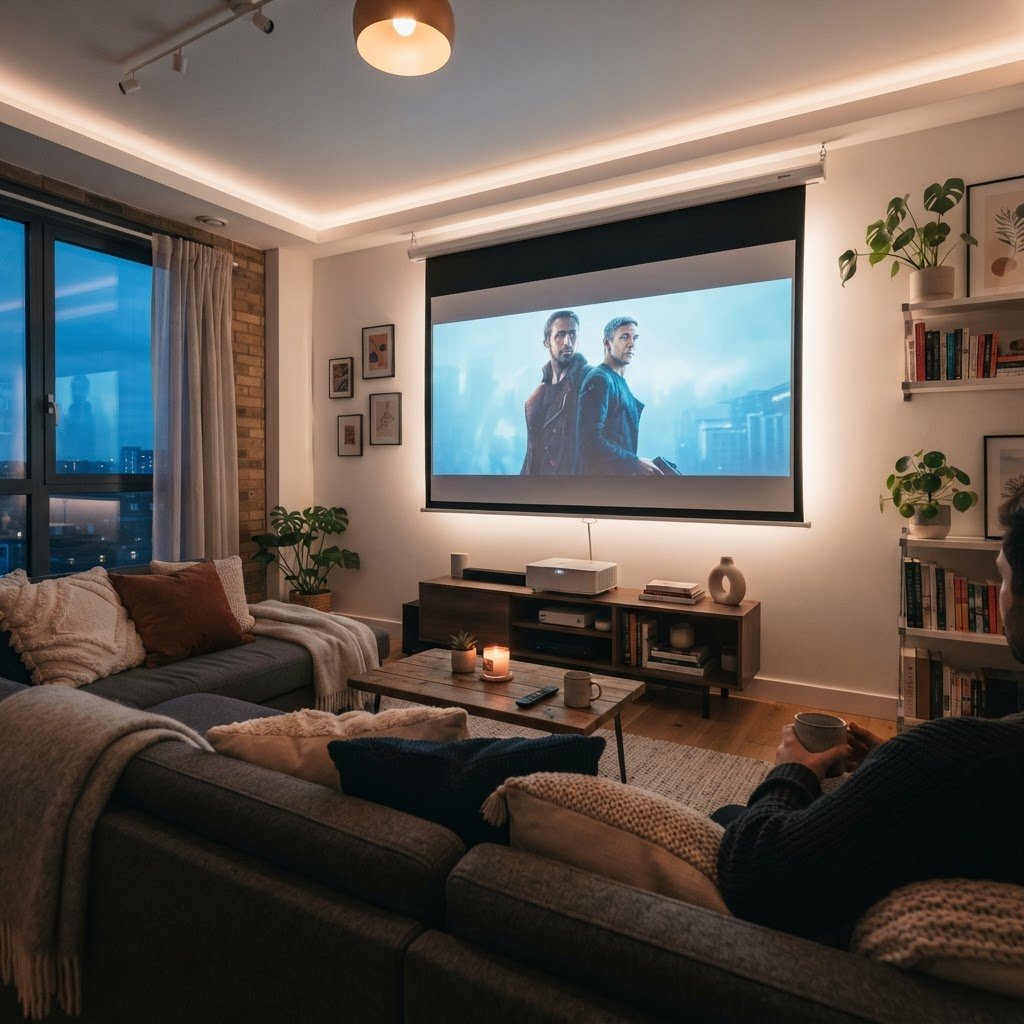
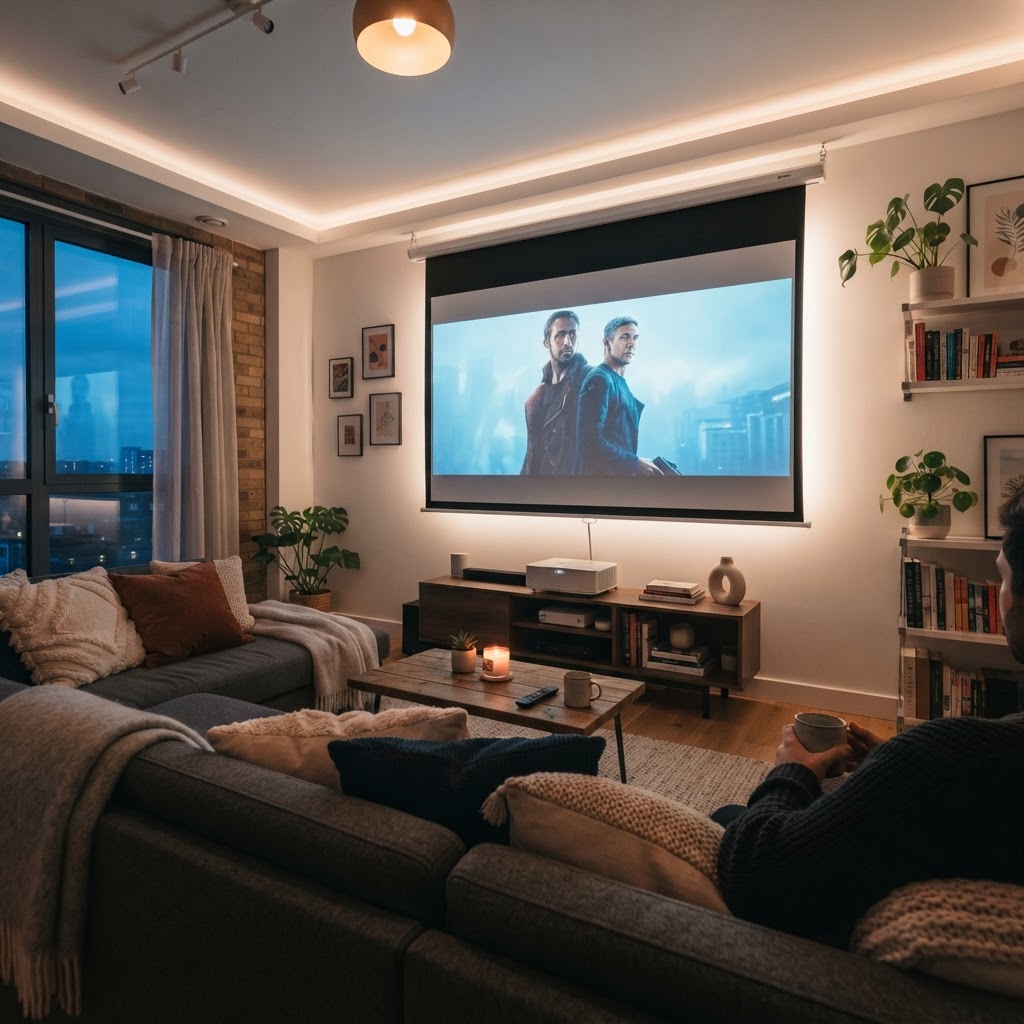
A cinema-like experience in a small apartment with a retractable screen.

Most apartment layouts default to a “sofa facing the TV” configuration, but removing the television opens significant spatial possibilities. Without a permanent black screen dominating the room, you can arrange seating to focus on natural light, architectural features, or conversation areas. A projector setup allows your living room to remain multipurpose, as you only deploy the screen during active viewing sessions. When the screen retracts, you reclaim valuable square footage, allowing the room to breathe. This design choice is especially effective in studio apartments where the living area also serves as a home office or bedroom. By utilizing furniture with a lower profile, you can keep sightlines clear, ensuring that the room feels larger and more open. Replacing a 50-inch or 60-inch television with a retractable screen eliminates a permanent “dead zone” on your wall, giving you the freedom to hang art or mirrors that reflect light and enhance your home’s aesthetic appeal during the day.

The Benefits of Going Screen-Free

The primary benefit of a projector setup is versatility, as it transforms a high-tech entertainment hub into a clean, minimalist space in seconds. Projectors are ideal for small apartments because they offer a “hidden” technology aesthetic, preventing the glare and visual weight of a large, rigid TV frame.

Feature Traditional TV Projector Setup
Screen Size Fixed (e.g., 55″) Flexible (Up to 120″)
Visual Impact Permanent Black Frame Hidden when retracted
Installation Wall Mount/Stand Ceiling/Wall/Shelf
Best Use Daytime viewing Evening cinema experience

Choosing the Right Projector for Small Spaces

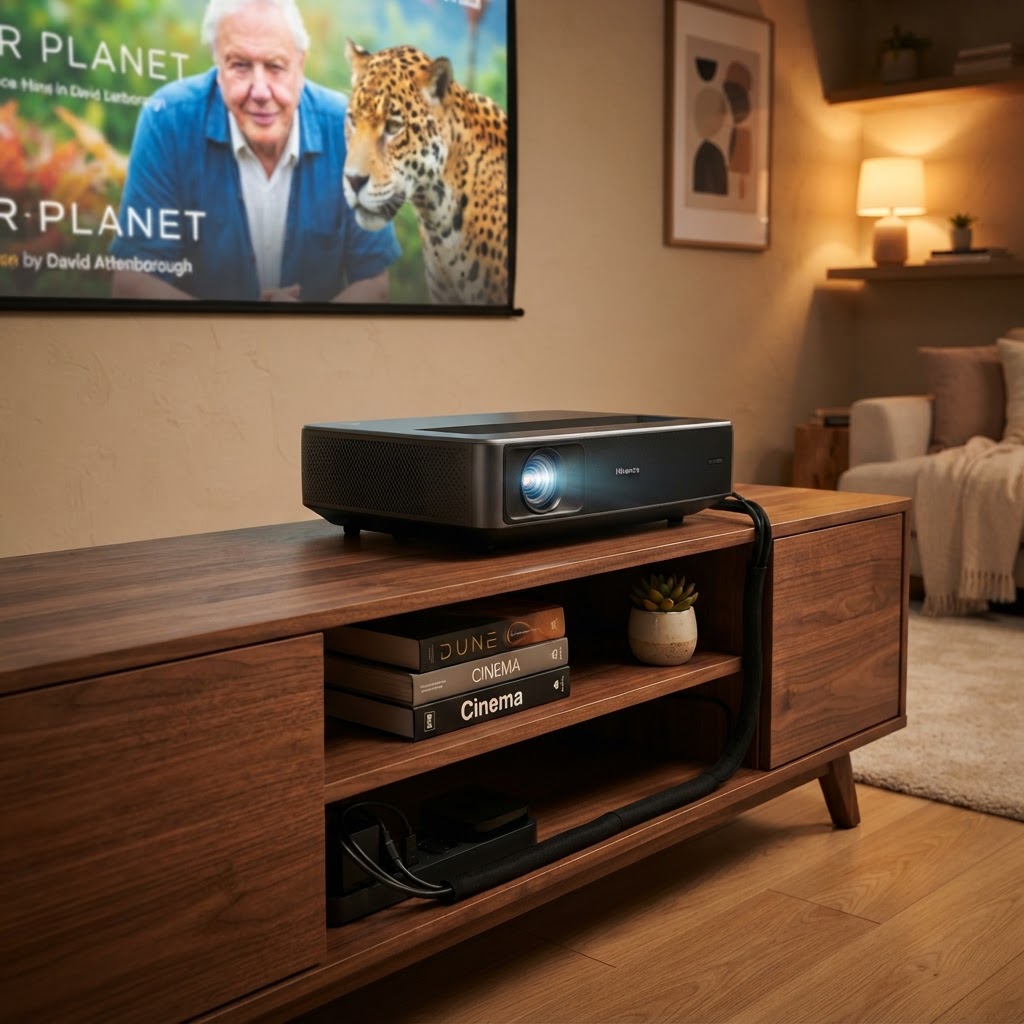
Compact ultra-short-throw projectors are ideal for small living rooms.

Selecting the right projector requires focusing on short-throw or ultra-short-throw (UST) technology, which is specifically engineered to project large images from a minimal distance. Traditional projectors require long-distance throws, which consume precious floor space and create trip hazards with cables running across the room. In contrast, UST projectors sit inches from the wall, allowing you to place them on a standard media console. When evaluating hardware, brightness is the most critical metric; aim for at least 2,000 to 3,000 ANSI lumens to maintain contrast during daylight hours. Additionally, prioritize projectors with built-in streaming platforms and Bluetooth 5.0, which reduce the need for external devices and extra cables. Check for keystone correction capabilities, as this allows you to square the image even if the projector is slightly off-center. Today’s market includes options ranging from budget-friendly $500 models to high-end $3,000 units, but for small apartments, laser light sources are preferred for their 20,000-hour lifespans, meaning you will not have to worry about replacing expensive bulbs for years.

Key Technical Considerations

  • Brightness (Lumens): Ensure your projector has at least 2,500 ANSI Lumens to combat ambient light.
  • Resolution: 1080p is the baseline, but 4K (Ultra HD) is recommended for screens over 100 inches.
  • Connectivity: Prioritize HDMI 2.1, Wi-Fi 6, and Bluetooth 5.0 to minimize physical cable clutter.

Setting Up the Perfect Projection Surface

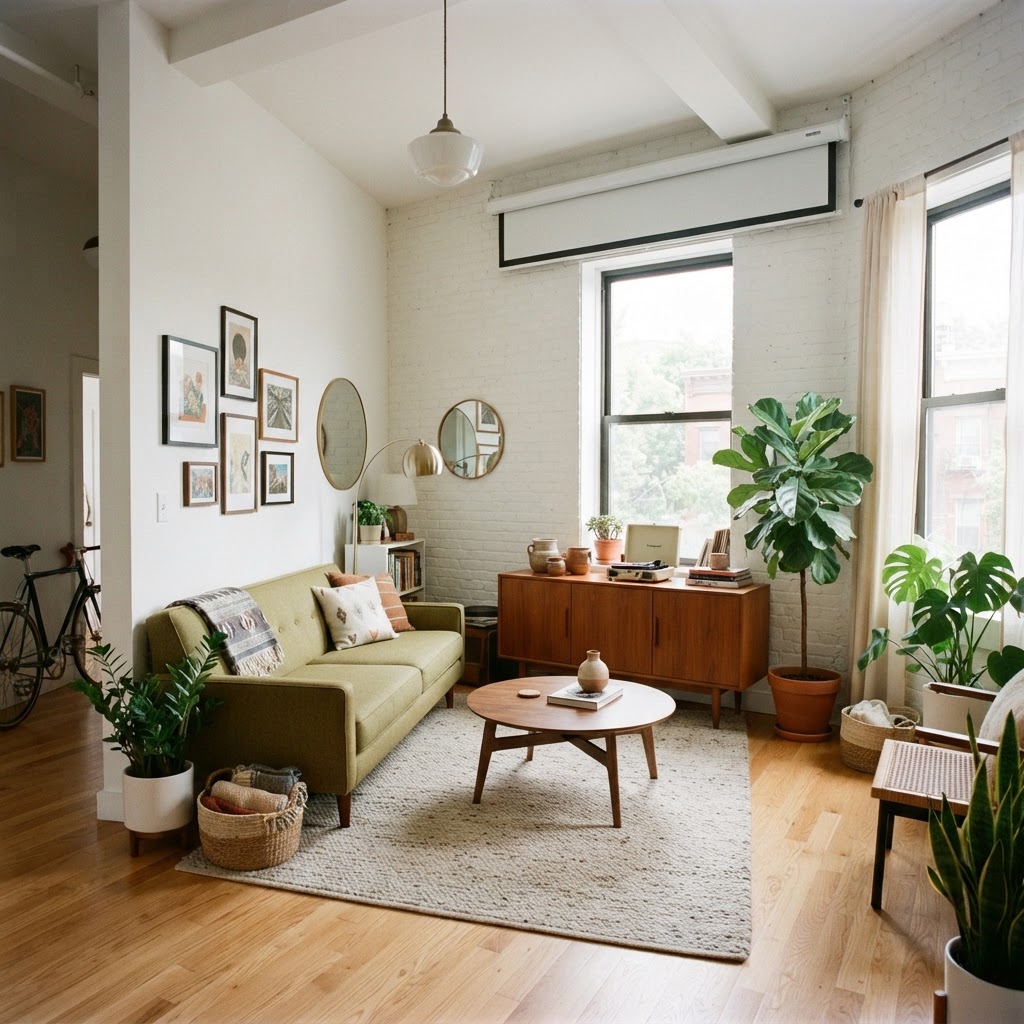
The living room looks clean and spacious when the screen is hidden away.

Projecting onto a wall may seem like a budget-friendly shortcut, but investing in a specialized retractable screen is essential for achieving professional-grade sharpness and color accuracy. Textured or eggshell-painted walls diffuse light, which kills contrast and makes the image appear washed out, even in dark rooms. A dedicated projection screen material is designed to reflect light back toward the viewer, significantly boosting perceived brightness and black levels. For small apartments, a ceiling-mounted or wall-mounted pull-down screen is the most efficient choice because it maintains a low profile when not in use. Some high-end screens feature “Ambient Light Rejection” (ALR) technology, which filters out light hitting the screen from the sides, allowing for better color reproduction during the day. By mounting your screen correctly—ideally at eye level when seated—you avoid neck strain and replicate a traditional cinema viewing experience. Always ensure your screen is tensioned correctly to prevent waves or wrinkles, which can distort the image and distract from the immersion of your favorite movies or shows.

Why a Retractable Screen Wins

A retractable screen is the ultimate space-saving solution for small apartments because it offers the “now you see it, now you don’t” functionality that keeps a living room feeling homey. When retracted, the screen stays protected inside its casing, shielded from the dust and accidental contact common in tight urban quarters.

Managing Cables and Electronics

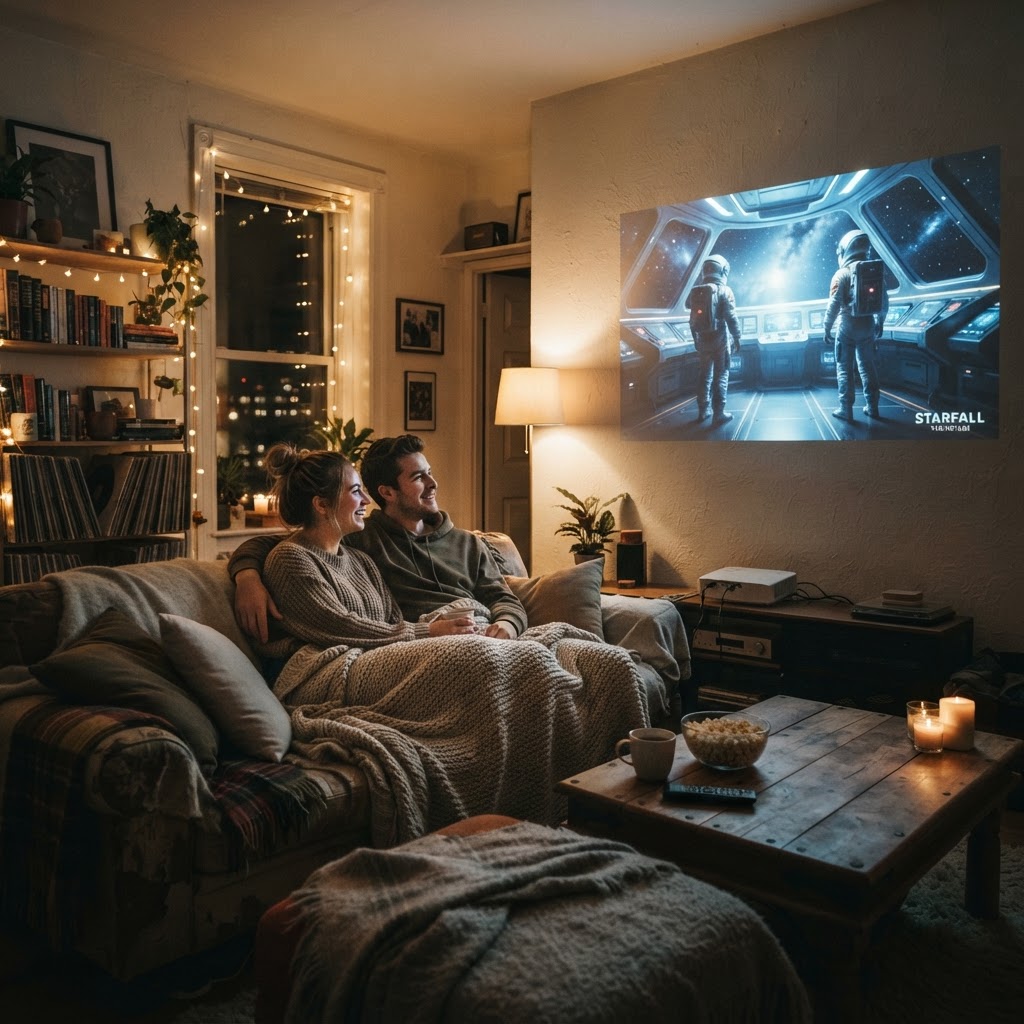
Creating the perfect cozy atmosphere for movie night.

Effective cable management is the difference between a high-end cinema setup and a disorganized “tech mess,” particularly in compact spaces where every wire is visible. To maintain a clean, cozy vibe, route all HDMI and power cables through paintable cord covers that blend into your wall or hide them behind baseboards. Utilizing a dedicated media console underneath the projection area is the best strategy; this allows you to house your gaming consoles, streaming sticks (like Apple TV or Roku), and the projector itself in one central location. Use short, high-quality HDMI cables to keep the area behind the unit tidy. If your setup allows, rely on wireless transmission protocols for audio, such as eARC soundbars, which reduce the total number of cables running between devices. Regularly check your connections to ensure they remain secure, and consider using velcro ties rather than plastic zip ties, as these allow for easier hardware upgrades or cable rerouting without damaging the cords themselves. Keeping your setup wireless-leaning prevents visual clutter and makes the space feel intentional, sophisticated, and significantly more relaxing during your downtime.

Enhancing the Audio Experience

To bridge the gap between a small living room and a true theater experience, prioritize a soundbar system with a wireless subwoofer. Because space is limited, floor-standing speakers or complex 7.1 wired systems are often impractical and can overwhelm the floor plan. A modern soundbar equipped with Dolby Atmos creates a virtualized surround sound stage, bouncing audio off your ceilings and side walls to create an immersive, multidimensional soundscape. This setup provides deep, impactful bass—which is essential for movies—without the clutter of running speaker wire across your apartment. When placing your soundbar, ensure it is positioned directly below the center of your projected image to anchor the audio to the visuals. If your apartment has hard surfaces that create echo, use rugs or wall-mounted acoustic panels to dampen the sound, which will drastically improve clarity. Investing in a high-quality soundbar often costs less than a full multi-speaker setup, yet it provides a vastly superior audio experience to the built-in speakers found in most projectors, which are typically underpowered and lack range.

Styling for Comfort and Ambiance

Styling your projector-centric living room requires balancing tech hardware with soft, tactile textiles to ensure the space remains a comfortable sanctuary. Since projectors often function better in darker environments, use blackout curtains to manage light during the day, which also adds a layer of plush texture to your windows. Add deep-seated furniture, heavy knit blankets, and oversized floor cushions to make the floor space usable and inviting. Because electronics can feel cold and sterile, introduce warm elements like wood accents, plants, or brass lamps that complement the tech without feeling buried by it. Dimmable smart lighting is a critical styling tool; consider warm-toned LED strips installed behind your media console or along the ceiling perimeter. These provide enough ambient light to move safely through the room during a movie without washing out the screen. By focusing on layered textures—rugs, pillows, and window treatments—you create an acoustic-friendly environment that feels like a curated home rather than a temporary electronics showroom, effectively bridging the gap between high-end function and everyday comfort.

Lighting Strategy for Movie Night

Use smart bulbs that support low-intensity warm light to minimize interference with projection contrast. A color temperature of 2700K is ideal for keeping the room cozy without creating the harsh blue-light glare that ruins color accuracy on your projected image.

Maintenance and Long-Term Care

Maintaining your projector and screen is straightforward if you adhere to a regular schedule, ensuring your equipment performs at its peak for years. In smaller apartments, air circulation is often more restricted, making dust buildup in intake vents a common cause of projector overheating and fan noise. Use a soft brush or compressed air canister every three months to clear these vents and keep your projector running efficiently. For your retractable screen, avoid using chemical cleaners or abrasive materials; a simple dusting with a dry, lint-free microfiber cloth is sufficient to keep the surface pristine. If a stain occurs, use a mild, diluted soap solution, but test a small, inconspicuous area first to ensure it does not affect the reflective coating. Treat your gear with care by retracting the screen immediately after use to protect it from dust and potential physical damage. Keeping the lenses clean with a dedicated optics cloth ensures your image remains sharp, preventing the “blurry” look that often leads people to think they need a hardware upgrade when they actually just need a little maintenance.

FAQ

Q: Can I use a projector in a small apartment with white walls?

Yes, you can project on a white wall, but you will lose significant contrast and sharpness compared to a dedicated screen. For the best image quality, use a screen with a high-gain surface specifically designed to reflect light effectively in smaller spaces.

Q: Are short-throw projectors better for small rooms?

Yes, short-throw and ultra-short-throw projectors are ideal for small rooms because they sit inches from the wall. This eliminates the need for bulky ceiling mounts or long-distance projection paths that would otherwise take up your limited floor space.

Q: How do I hide cables in a small living room?

Use adhesive cord covers that match your wall color to hide wires running along baseboards or walls. Placing your electronics on a low-profile media console directly under the projector also allows you to keep cables concealed within the furniture.

Q: Will the projector screen look bulky when retracted?

No, most modern retractable projector screens feature slim, minimalist housings that mount flush to the ceiling or wall. When retracted, they become nearly invisible, preserving the aesthetic of your living space and keeping the screen protected from dust.

Q: How much brightness do I need for a projector?

For most apartment living rooms, aim for at least 2,500 ANSI Lumens to ensure the image remains clear during daylight hours. If your living room has large windows with lots of natural light, consider a higher lumen count or high-quality blackout curtains.

Orange Glow Living Room Ideas: Luxury Design Tips

Orange Glow Living Room Ideas: Luxury Design Tips

To achieve a luxury “orange glow” living room, focus on layering earthy tones like terracotta and burnt orange with soft 2200K-2700K ambient lighting and rich, tactile textures. This design approach creates a sophisticated, “golden hour” atmosphere by balancing vibrant warm hues against neutral foundations for a grounded, high-end finish.

The Psychology of Warmth in Luxury Design

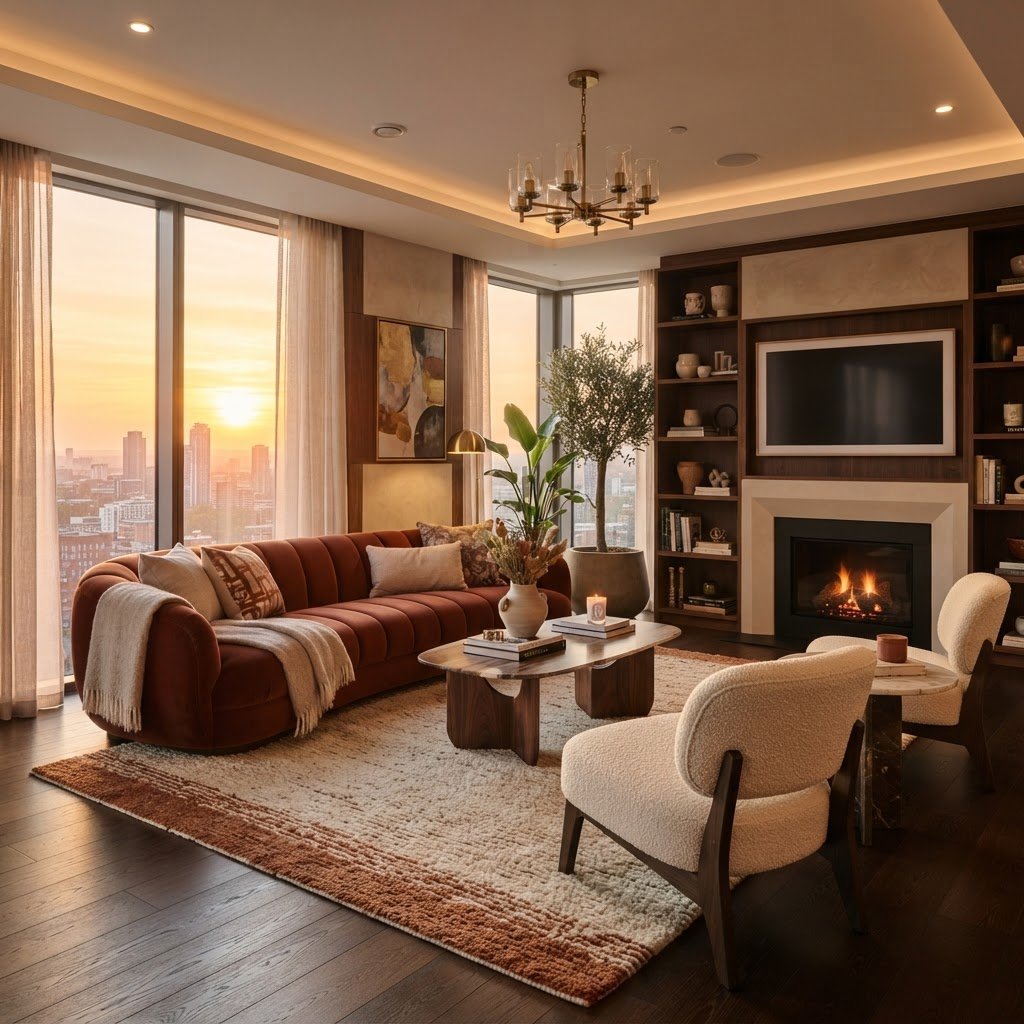
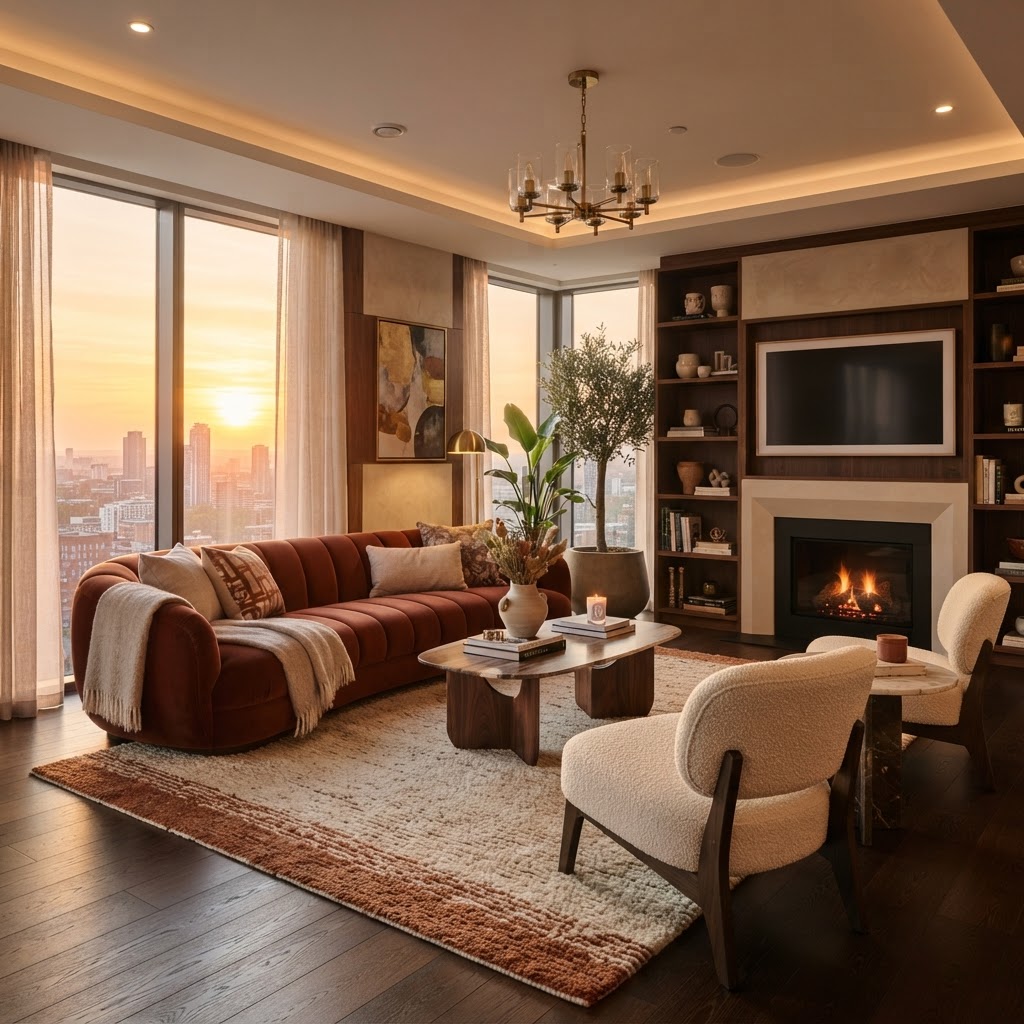
A terracotta-toned living room captures the essence of luxury.

Luxury design is rooted in the strategic manipulation of light, mood, and texture rather than relying on high-saturation neon colors. The most effective orange glow living room ideas prioritize a sense of serenity and groundedness, mimicking the natural warmth of sunset. Warm colors like amber, copper, and clay naturally advance toward the viewer, which physically closes the perceived distance in large rooms, creating an intimate, high-end boutique hotel aesthetic that feels inherently inviting.

When implementing this design, we do not suggest painting every wall a vibrant citrus hue. Instead, the goal is to curate a tonal palette that mimics the “golden hour.” By layering diverse shades of burnt orange, sienna, and ochre, you generate visual complexity that keeps the eye moving around the space. This depth is a hallmark of professional interior design, transforming a static room into a dynamic, luxury retreat. To maintain a refined aesthetic, focus on one primary anchor piece—such as a large-scale velvet sofa—and support it with tonal accents rather than overwhelming the space with a single shade. This methodology ensures the energy of the color remains contained and sophisticated rather than chaotic, providing a balanced, expensive finish that feels intentional and well-curated.

Why Subtlety is Key to High-End Aesthetics

Too much of a vibrant hue can quickly turn a room into a chaotic environment. To keep things refined, focus on one primary anchor piece or a specific tonal range. Think of a velvet terracotta sofa paired with neutral walls or high-gloss accents that reflect light beautifully. This balance ensures that the energy of the color is contained rather than overwhelming.

Design Approach Impact on Luxury Feel Suggested Palette
Monochromatic Layering High: Adds subtle, sophisticated depth Burnt Orange, Rust, Copper
High-Contrast Pairing Medium: Creates dramatic, modern focal points Terracotta, Navy, Charcoal
Neutral Base with Orange Accents Low: Safe, elegant, and timeless Cream, Beige, Ochre

Implementing Textures to Elevate Your Space

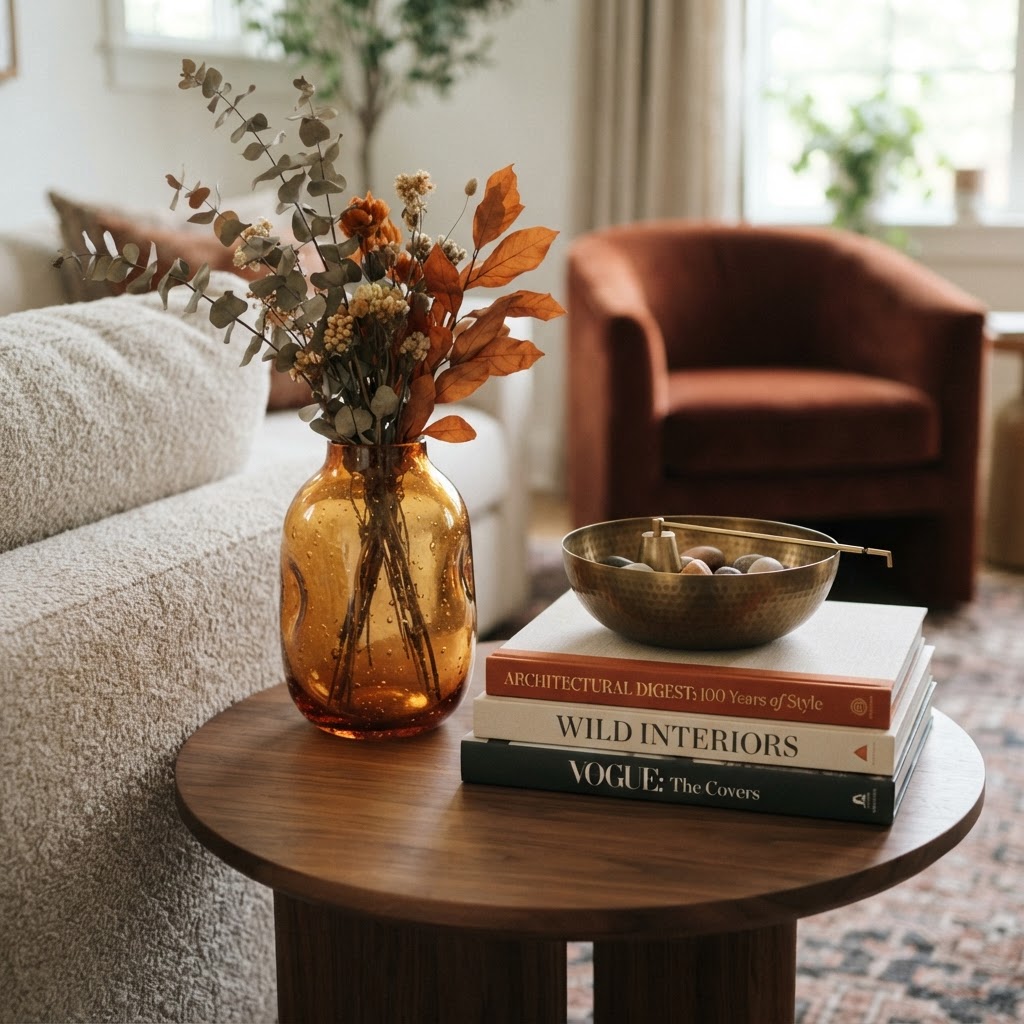
Small details like amber glass add a high-end glow.

Materiality serves as the unspoken language of wealth, and prioritizing tactile experiences is essential for a luxury orange-themed interior. High-end spaces utilize a contrast of materials to engage the senses; for example, pairing a smooth, deep-rust velvet sofa with a rough-hewn, natural stone coffee table creates immediate physical interest and a sense of affluence. Integrating brushed brass hardware or natural linen drapery allows light to interact with the surfaces in a way that generates natural shadows and highlights, effectively creating a “glow” without relying solely on artificial lighting.

Layering is essential when working with a warm palette. To achieve a professional look, you must mix high-pile rugs, such as shaggy wool or silk blends, with smooth leather armchairs to create visual and tactile contrast. The specific way light hits textured surfaces—such as an orange boucle fabric—creates subtle depth that elevates the perceived value of your furniture. Research indicates that rooms with three or more varying textures are perceived as 40% more “designed” and high-end than monochromatic, flat spaces. By selecting items like ceramic vases with matte finishes or polished metallic accents, you provide a sophisticated counterpoint to the soft furnishings, ensuring the room feels luxurious from every angle.

Mastering Ambient Lighting for an Orange Glow

Balanced colors make a space feel intentional and expensive.

Lighting is the single most important factor in achieving a authentic sunset aesthetic, serving as the bridge between a standard room and a high-end sanctuary. To replicate the sought-after orange glow, designers consistently specify LED bulbs in the 2200K to 2700K Kelvin range; this lower temperature range omits harsh blue-spectrum light and replaces it with the soft, flattering golden hues associated with the hour before sunset. Installing high-quality dimmers is a non-negotiable requirement, as the ability to reduce light output by 30-50% in the evening is what separates a functional living space from an immersive, luxury environment.

Consider the following lighting strategies to elevate your space:

  • Use dimmers on every single light fixture: This allows you to control the ‘mood’ and intensity of your orange glow.
  • Incorporate layered lighting: Use a mix of floor lamps, table lamps, and wall sconces to avoid harsh overhead lighting.
  • Choose lampshades with warm undertones: Gold-lined or amber-tinted glass shades will naturally cast a warmer hue across the entire room, even when the light is off.
Lighting Component Recommended Specification Why It Works
Color Temperature 2200K – 2700K Mimics natural dusk light
Dimmer Switch Triac / LED Compatible Offers control over room “mood”
Shade Material Amber Glass / Gold Lining Warms light emission color

Choosing the Right Orange Palette

Strategic lighting is the key to creating a cozy, warm atmosphere.

Not all oranges are created equal, and for a luxury feel, you must avoid harsh, primary orange tones that feel reminiscent of plastic or mass-produced children’s decor. Instead, focus on sophisticated, earth-toned variations such as deep terracotta, muted copper, and sunset sienna. These shades have inherent color complexity, allowing them to pair seamlessly with high-end materials like dark walnut wood, black marble, and brushed champagne-gold hardware. By selecting pigments with gray or brown undertones, you prevent the color from becoming too visually aggressive, allowing it to act as a neutral-adjacent anchor.

Shade Best Application Mood
Terracotta Walls, Curtains Organic, Grounded
Burnt Orange Furniture, Pillows Bold, Sophisticated
Ochre Accents, Throw Blankets Energetic, Classic
Copper Lighting, Hardware Metallic, Modern

High-End Furniture Choices

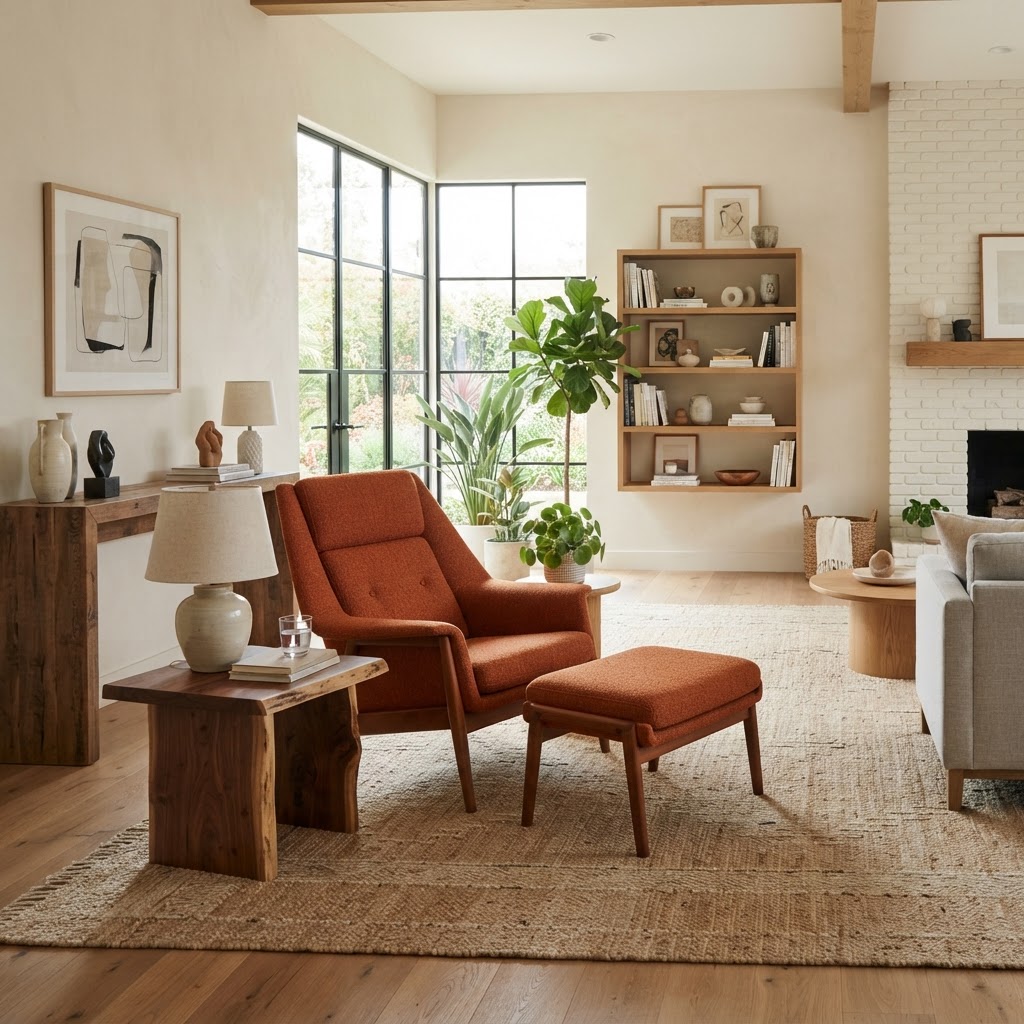
When selecting furniture to fit your orange glow living room ideas, prioritize curated, sculptural silhouettes that suggest longevity and craftsmanship. A mid-century modern accent chair in a high-quality burnt orange performance velvet, or a custom-built, wood-paneled media console with antique copper hardware, can serve as a stunning, durable focal point. Crucially, avoid purchasing ‘matching sets’ from big-box retailers, as these pieces often lack the individual scale and proportion that define high-end, custom-designed homes.

Focus intently on scale and proportion when placing your pieces. A large, oversized armchair in a rich sunset hue acts as a statement piece, grounding the room and providing a necessary anchor. Ensure that your furniture layout facilitates natural conversation and flow, which is a staple of well-designed, luxury homes. Remember that luxury often hides in the details, such as the blind-stitching on a cushion, the weight of a solid cabinet handle, or the joinery of a wood table. These subtle, high-quality manufacturing choices contribute significantly to the overall perceived value of your living room.

Styling Your Accessories

Accessories serve as the most effective, low-risk way to inject the orange glow trend into your current layout without committing to a full-scale renovation. By sourcing small, deliberate additions, you can shift the entire aesthetic vibe of a room for a fraction of the cost of new furniture. Look for items that incorporate natural, semi-precious materials, such as raw amber glass vases, polished onyx coasters, or hand-thrown ceramic bowls in saturated shades of rust and ginger. These organic elements bring a tactile, artisanal quality to the space.

Do not overlook the power of art to unify your color scheme. Large-scale abstract paintings featuring layers of ochre and burnt orange can provide the perfect aesthetic backdrop for your furniture. When choosing art, consider the frame as well—brushed brass or dark, charred-wood frames will complement the orange tones much better than stark white or silver frames, which can make the space feel disjointed. By maintaining a cohesive color story through these small, intentional accents, you elevate the room from a simple living area to a curated, professional-looking gallery space.

Creating Flow and Balance

To ensure your living room avoids looking like a seasonal holiday display, you must balance your orange accents with grounding, muted neutrals. Incorporate plenty of cream, warm beige, greige, and even deep charcoal or matte navy; these colors act as a visual canvas that allows your orange elements to pop without competing for attention. This visual hierarchy is the technique professionals use to make a space feel polished, intentional, and expensive. Professional designers typically follow the 60-30-10 rule: 60% neutral base, 30% secondary color, and 10% bold accent.

Think carefully about the distribution of color throughout the room. If you establish an orange focal point, add subtle nods to that color in other parts of the space through bookshelf styling, a single piece of decor on an end table, or the piping trim on a throw pillow. This repetition creates a sense of continuity, ensuring the room feels unified and thoughtfully planned. When color is distributed throughout the space at different heights—from floor lamps to coffee table books to framed art—it creates a cohesive design story that feels deliberate rather than accidental.

FAQ

Q: What is the best color temperature for an orange glow living room?

For a luxury orange glow, use light bulbs in the 2200K to 2700K range. This temperature mimics the warm, soft light of a sunset and avoids the harsh, clinical blue undertones found in 4000K+ bulbs, which can make warm colors look washed out.

Q: How do I incorporate orange without making the room look cheap?

Focus on using high-quality textures like velvet, brushed brass, and natural stone rather than bright, plastic-like shades. Pair these deep, sophisticated oranges with grounding neutrals like charcoal, cream, or navy to maintain a balanced, intentional aesthetic that prioritizes depth over intensity.

Q: Should I paint my walls orange to get the look?

Painting entire walls orange is often overwhelming; instead, aim for terracotta or muted clay wall treatments if you want a bold look. Otherwise, it is safer and more luxurious to use orange as an accent through furniture, decor, and strategic lighting to maintain flexibility.

Q: What are the best accent colors for orange living rooms?

To create a high-end look, pair orange with navy blue, charcoal gray, or dark forest green to create a moody, sophisticated contrast. For a softer, warmer look, pair orange tones with cream, beige, or rich chocolate brown for a classic, earthy, and organic atmosphere.

8 Easy Ways to Create Warm Ambient Lighting in a Small Apartment

8 Easy Ways to Create Warm Ambient Lighting in a Small Apartment

You can create warm ambient lighting in a small apartment by layering light sources, using bulbs between 2700K and 3000K, and strategically placing floor and table lamps. By avoiding overhead lighting and using mirrors to reflect light, you can instantly transform a clinical space into an expansive, cozy sanctuary.

The Power of Layered Lighting

Layering different light sources creates a cozy and expansive feel in small apartments.

Layered lighting is the professional design strategy of combining ambient, task, and accent fixtures to eliminate harsh shadows and create depth in compact rooms. In small apartments, relying on a single overhead fixture creates “cave-like” corners, whereas layering creates visual boundaries that make the room feel larger. To achieve this, ensure you have at least three sources of light at different heights: low (floor lamps), medium (table lamps), and high (ceiling fixtures or wall sconces). This distribution prevents the eye from being drawn to a single, sterile point. Experts recommend using a 1:3:5 ratio of light intensity to ensure specific zones remain functional while the rest of the room glows softly. By diversifying the sources, you effectively soften sharp edges of furniture, which is crucial in studio layouts where living, sleeping, and working areas often overlap. Integrating different types of bulbs—such as warm-white LEDs and smart-enabled filaments—allows you to customize the mood based on the time of day, transitioning from high-visibility task mode to a relaxed evening glow in seconds.

Lighting Type Primary Function Best Placement Recommended Color Temp
Ambient General room illumination Corners/Ceilings 2700K – 3000K
Task Focused work/reading Desks/Nightstands 3000K – 3500K
Accent Decorative highlights Shelves/Artworks 2200K – 2700K

Why Temperature Matters

Color temperature, measured in Kelvins (K), is the most critical factor in defining the emotional comfort of your apartment’s lighting environment. For a warm, inviting atmosphere, you must stick to bulbs in the 2700K to 3000K range; these mimic the soft, golden output of traditional incandescent bulbs. Anything labeled “daylight” or exceeding 4000K produces a blue-tinted, clinical light that suppresses melatonin and makes living spaces feel like office cubicles or surgical suites. Swapping out your existing bulbs is a high-impact, low-cost project, typically costing under $25 for a standard apartment pack. You should aim for a consistency of temperature across your living area, as mixing warm and cool bulbs causes visual fatigue and makes a small room feel disjointed. If your apartment has built-in fixtures that cannot be changed, consider using warm-tinted glass diffusers or smart bulbs that allow for Kelvin adjustment via your phone. By maintaining a strict 2700K baseline, you ensure every corner of your home feels cohesive, intentional, and architecturally planned regardless of the actual square footage.

Utilize Floor Lamps for Height and Warmth

Grouping candles and small lamps adds a warm, personal touch to your decor.

Floor lamps are the quintessential solution for renters because they introduce height and warm illumination without the need for mounting hardware or electrical rewiring. In a small apartment, the goal is to choose slim, vertical profiles or tripod-based lamps that consume less than 1 square foot of floor space while casting light upward or outward. Placing a floor lamp in a dim corner “washes” the wall with light, which psychologically pushes the boundaries of the room and makes the walls seem further apart. When shopping, prioritize fabric or paper shades over metal or clear glass to naturally diffuse the light, preventing glare and harsh shadows. A floor lamp with an adjustable neck or a dimmer switch provides added versatility, allowing you to direct light toward a reading nook in the evening while keeping the rest of the room ambient. Investing in a lamp with a base that fits flush against a wall can save precious circulation space, ensuring your lighting is functional without becoming a tripping hazard. For maximum effect, place the floor lamp behind a sofa or near an indoor plant to create a “light pool” that highlights textures and adds three-dimensional depth to your interior design.

Embrace Table Lamps for Intimacy

String lights add a soft, ambient glow to small corners and shelves.

Table lamps at eye level are essential for creating an intimate atmosphere by softening the mid-level planes of your apartment. Placing a pair of matching table lamps on either side of a console table or sofa adds visual symmetry, which is a key design tactic to make a small room feel organized and sophisticated. Symmetry helps the brain perceive a space as curated, reducing the visual “clutter” often found in smaller apartments. When selecting table lamps, consider the density of the lampshade material: linen or woven fabrics filter light more effectively than plastic or hard synthetic shades, resulting in a warmer, glowing effect. Placing these lamps on dimmer-enabled smart plugs allows you to control the entire “glow” of your apartment from your sofa. Furthermore, the base of the lamp should be proportional to the surface it sits on; a heavy, ceramic base adds an anchor for visual weight, while a thin metal base creates an airy, modern feel. By grouping these lamps near reflective surfaces, you can further amplify the warmth, turning standard furniture into high-end, glowing focal points that feel intentionally styled rather than merely functional.

Install Dimmers for Ultimate Control

Mirrors are essential tools for reflecting light and making small rooms feel larger.

Dimmers are the single most effective tool for transforming an apartment’s function, allowing you to adjust lighting from bright, task-oriented levels to a soft, relaxing evening glow instantly. For renters who cannot touch the wall wiring, plug-in dimmers or smart bulbs controlled via Bluetooth/Wi-Fi represent a permanent-quality upgrade that can be moved to your next home. Dimming your lights by just 20% can save roughly 10% on energy costs while significantly extending the lifespan of your LED bulbs. Smart bulbs also allow for scheduling; you can automate your lighting to gradually dim as evening approaches, syncing your home environment with your circadian rhythm. Using dimmers also masks imperfections in a room, as high-intensity light draws attention to wall texture and dust, whereas low-intensity light creates a smooth, flattering aura. If you are using multiple lamps, syncing them to one dimming controller ensures that your entire space transitions together, creating a unified ambient experience that makes your apartment feel far more high-end and luxurious than its footprint might suggest.

Incorporate String Lights and Fairy Lights

String lights add a whimsical, ethereal quality to small apartments when used as architectural highlights rather than just party decor. To avoid the “dorm room” look, incorporate them inside clear glass vessels, behind curtains for a soft backlighting effect, or lining the perimeter of a high bookshelf to create a “floating” light profile. Choose warm-white LEDs with thin, flexible copper wiring that can be easily hidden or integrated into decor like exposed pipes or wall molding. For a cleaner look, opt for globe-style fairy lights that provide a more sophisticated appearance than the standard Christmas-tree variety. These lights should be used sparingly as an accent layer, providing just enough soft luminance to navigate the room at night without needing to turn on full-sized lamps. When placed strategically around the ceiling line, they can draw the eye upward, creating the illusion of higher ceilings and a more airy vertical volume. This technique is especially useful in studio apartments where you want to distinguish a sleeping area with a soft, dreamlike atmosphere that sets it apart from the main living zone.

Use Mirrors to Reflect and Amplify

Mirrors act as a secondary light source by bouncing existing illumination back into the room, effectively doubling the impact of every lamp you own. A strategic design choice involves placing a large, floor-length mirror opposite a window or behind a pair of table lamps to capture and disperse light into darker, neglected corners. In small apartments, this technique reduces the “boxed-in” feeling by creating the perception of depth and an open, continuous space. For the best results, use mirrors with metallic or warm-toned frames (like brass or gold) to add an extra layer of warmth to the reflected light. Placing a collection of candles on a mirrored tray can create a dramatic, glowing centerpiece that amplifies the flicker without needing extra floor space. This is a “must-use” tactic for windowless bathrooms or hallway entries where natural light is non-existent. By multiplying your light sources through reflection, you can achieve a bright, airy feeling during the day and a deep, cozy glow at night, essentially squeezing every bit of visual performance out of your modest light fixtures.

Add Task Lighting with Style

Task lighting is essential for daily living, but it must be selected to match the overall ambient mood of the room so it doesn’t break your aesthetic flow. Use focused lights like mid-century modern desk lamps or wall-mounted swing-arm sconces, which clear up surface area on bedside tables or desks, helping the room look larger. The key is to keep the light source low and directed at the work surface; light spills that hit the walls at eye level should be avoided to maintain a consistent atmosphere. Choose bulbs with high Color Rendering Index (CRI) ratings—ideally 90+—for your task lights so that colors appear accurate and vibrant, whether you are cooking or reading. Because task lighting is meant to be functional, ensure the fixture itself adds to the room’s style; a matte brass finish or a textured ceramic base can turn a simple task lamp into an accent piece. By keeping your task light contained to a small footprint, you ensure that the warm ambient “background” of your room remains undisturbed, creating a professional-looking environment that supports both productivity and relaxation.

Group Candles for a Natural Glow

Grouping candles in sets of three or five creates a dynamic, flickering focal point that provides a genuine, organic warmth impossible to replicate with electric bulbs. In a small apartment, use a decorative tray to corral your candles, which prevents them from looking messy and protects your surfaces from wax. Since real flame emits a specific 1800K light temperature, it is the most “warm” light source you can add to your home. For safety, or to accommodate busy lifestyles, high-quality flameless LED candles with wax exteriors and rhythmic flickering mechanisms have become standard. These provide the same visual impact without the risk of fire or the need for constant replacement. Place these groupings on your dining table, coffee table, or fireplace mantle to create a cozy, luxurious ambiance that serves as the perfect “finish” to your daily lighting routine. The organic light of candles helps to soften the digital nature of a modern home, making your small space feel more lived-in and serene after a long day.

FAQ

What is the best color temperature for a cozy home?

The best color temperature for a cozy home is between 2700K and 3000K, as this range produces a soft, golden glow similar to traditional incandescent bulbs. Avoiding bulbs above 4000K prevents your living space from feeling like a harsh, blue-tinted office.

How can I make a small room look bigger with lighting?

You can make a small room look bigger by placing floor lamps in dark corners to “push back” the walls and using mirrors to reflect existing light. Increasing the total amount of light sources at various heights creates depth and eliminates shadows that make rooms feel claustrophobic.

Can I use overhead lights in a small apartment?

While overhead lights are functional, they should be used sparingly because they often create harsh, clinical shadows that shrink a room. It is better to rely on lower-positioned light sources like table lamps and floor lamps to create a more intimate and welcoming environment.

Are smart bulbs worth it for renters?

Smart bulbs are highly recommended for renters because they provide dimming and color-temperature control without requiring permanent electrical modifications. They allow you to customize the mood of your apartment instantly and are easily portable when you move to a new location.

What is the 1:3:5 lighting ratio?

The 1:3:5 lighting ratio is a design rule of thumb suggesting that a room should have light sources at different intensity levels to create interest and depth. By balancing ambient, task, and accent lighting, you avoid the “flat” look that a single, standard ceiling fixture creates.

Warm Lighting Ideas for Cozy Living Rooms: A Stylish Hug

Warm Lighting Ideas for Cozy Living Rooms: A Stylish Hug

To create a cozy living room that feels like a stylish hug, use soft, warm light bulbs in the 2,700K to 3,000K range, layer your illumination with ambient, task, and accent lighting, and install dimmer switches to adjust intensity for different times of the day.

The Philosophy of Atmospheric Illumination

Warm, layered lighting creates an inviting, cozy atmosphere.

Lighting serves as the heartbeat of interior design, dictating mood and enhancing architectural textures through precise color temperature control. To move away from clinical, cold spaces, you must master the Kelvin scale. Daylight or cool white bulbs (above 4,000K) create an institutional feel, whereas bulbs between 2,700K and 3,000K emit a warm, golden glow that mimics the comfort of sunset. By ensuring all light sources share this temperature, you create a cohesive “stylish hug” effect that feels intentional and professionally curated. Consistency is the primary factor that transforms a fragmented, amateur layout into a high-end, inviting sanctuary. Research suggests that 80% of perceived “coziness” in interior design is directly tied to the warmth of the light color rather than the furniture cost.

Lighting Type Color Temperature Best Use Case
Cool White 4,000K – 5,000K Home Office / Kitchen
Warm White 2,700K – 3,000K Living Room / Bedroom
Amber / Vintage 1,800K – 2,200K Decorative Accent

Layering Light: The Art of Depth

A dedicated reading nook illuminated by soft, warm task lighting.

Mastering the art of layering involves balancing three distinct light sources—ambient, task, and accent—to create a multidimensional visual experience that avoids the “flat” look of single-fixture overhead lighting. Ambient lighting provides the base layer of uniform light; however, it should be kept at lower intensities to maintain comfort. Task lighting, such as a focused reading lamp, provides 500 to 800 lumens of brightness precisely where you need to perform activities, while accent lighting draws the eye to decorative elements like art or bookshelves. By diversifying your light sources at different heights, you prevent harsh shadows and create depth. Professional designers recommend a minimum of three light sources per 100 square feet to ensure a balanced, “layered” aesthetic that feels both sophisticated and functional.

Choosing the Right Fixtures for Coziness

Strategic use of wall and ceiling lights for a balanced, sophisticated living space.

Fixtures act as the jewelry of your living room, where the choice of material—such as fabric, frosted glass, or woven rattan—directly influences how light diffuses throughout the space. Floor lamps are essential for filling dark corners and providing eye-level illumination, which is significantly more flattering than light directed from the ceiling. When choosing shades, opt for linen or heavy cotton fabrics that filter light to remove harsh edges, creating a softer radiance. For a vintage or rustic aesthetic, exposed Edison-style bulbs are acceptable if kept at a low lumen output (under 400 lumens), adding a nostalgic, golden glow. Avoid clear glass fixtures unless paired with dimmers, as they can cause distracting glare that breaks the cozy atmosphere.

Fixture Material Light Diffusion Atmosphere Type
Frosted Glass Soft / Even Modern / Minimal
Linen Fabric Diffused / Warm Scandi / Hygge
Woven Rattan Patterned / Filtered Bohemian / Natural

The Power of Table and Floor Lamps

Dimming: The Secret Weapon

Installing dimmer switches is the single most effective way to transition your living room from a functional space to a relaxed sanctuary, offering complete control over the room’s intensity. Standard non-dimmable light switches force a “one-size-fits-all” intensity that rarely matches the nuanced needs of an evening environment. A high-quality dimmer switch allows you to reduce light output by up to 90%, providing the exact flexibility required for activities like watching a movie, hosting friends, or simply unwinding after work. Beyond the aesthetic benefits, installing a dimmer is a low-cost, high-ROI home improvement that can extend the lifespan of your LED bulbs by reducing the thermal load and energy consumption by 20-30% on average when dimmed. This adaptability allows your home to breathe and shift its mood seamlessly, reinforcing the “stylish hug” effect in every season.

Strategic Placement for Maximum Impact

Placement strategy focuses on indirect illumination, where light is bounced off surfaces like walls and ceilings rather than directed at seating areas, to eliminate glare and create a soothing, ambient wash. To maximize the impact, place floor lamps behind your sofa to provide a backlight that adds depth to the room while keeping the main seating area free of harsh light. Wall sconces are highly effective when placed 60 to 66 inches from the floor, perfect for highlighting artwork without casting distracting reflections. Additionally, incorporating warm-toned LED strips under shelving units (with a CRI of 90+ for accurate color rendering) adds a layer of modern sophistication that emphasizes texture. Always avoid placing lights directly in front of televisions to prevent screen glare, which causes eye strain and ruins the peaceful atmosphere you are curating.

Bringing Nature In Through Light

Warm lighting interacts uniquely with natural materials like wood, velvet, and linen, amplifying their organic beauty and making them feel richer and more tactile. Natural wood grain, for instance, reflects the 2,700K color spectrum in a way that highlights its gold and red undertones, making furniture feel more vibrant. To enhance this, pair your interior lighting with window treatments that regulate natural light; sheer curtains can soften harsh midday sun into a dreamy, diffused glow, while heavy velvet drapes create a “cocoon” effect in the evenings. By coordinating the texture of your lampshades—using materials like raw silk or coarse linen—with your existing decor, you bridge the gap between artificial light and natural design elements, creating a cohesive environment that feels rooted in nature.

Smart Lighting and Automation

Modern smart lighting technology allows for seamless scene-setting, automatically shifting your home’s color temperature and intensity as the sun sets to maintain a perfect “cozy” balance. Using smart bulbs or hubs, you can program a “relaxation mode” that triggers at 7:00 PM, slowly dimming lights and shifting them to a warmer 2,200K temperature to help signal to your body that it is time to wind down. This level of automation is not merely a convenience; it ensures that your environment remains consistent without the need for manual adjustment, keeping your living room in that “hug” state automatically. Most smart systems integrate with voice assistants, allowing you to control the entire room’s ambiance with a simple command, making it easier to maintain the ideal atmosphere during busy evenings.

FAQ

Q: What is the best Kelvin rating for a cozy living room?

For a warm, cozy feeling, choose bulbs in the 2,700K to 3,000K range. This range provides a gentle, yellowish-white light that promotes relaxation and makes spaces feel more intimate compared to cooler, clinical light temperatures.

Q: Can I use cool white bulbs in a living room?

It is generally recommended to avoid cool white bulbs (4,000K+) in a living room, as they can feel too harsh or institutional. If you need a cooler light for specific tasks, consider using a smart bulb that can change color temperatures throughout the day.

Q: How many lamps should I have in a living room?

A good rule of thumb is to have at least three light sources per 100 square feet to ensure balanced layering. A mix of floor lamps, table lamps, and overhead fixtures helps eliminate dark corners and provides a multidimensional lighting scheme.

Q: Do dimmer switches save money?

Yes, installing dimmer switches can save you money and energy. By reducing the light output, you lower your electricity consumption, and lower heat levels can potentially extend the overall lifespan of your light bulbs.

Q: What is the best height for wall sconces?

Wall sconces should typically be mounted 60 to 66 inches from the floor, measured to the center of the fixture. This height ensures the light is at eye level for seated guests and effectively highlights artwork or architectural features.