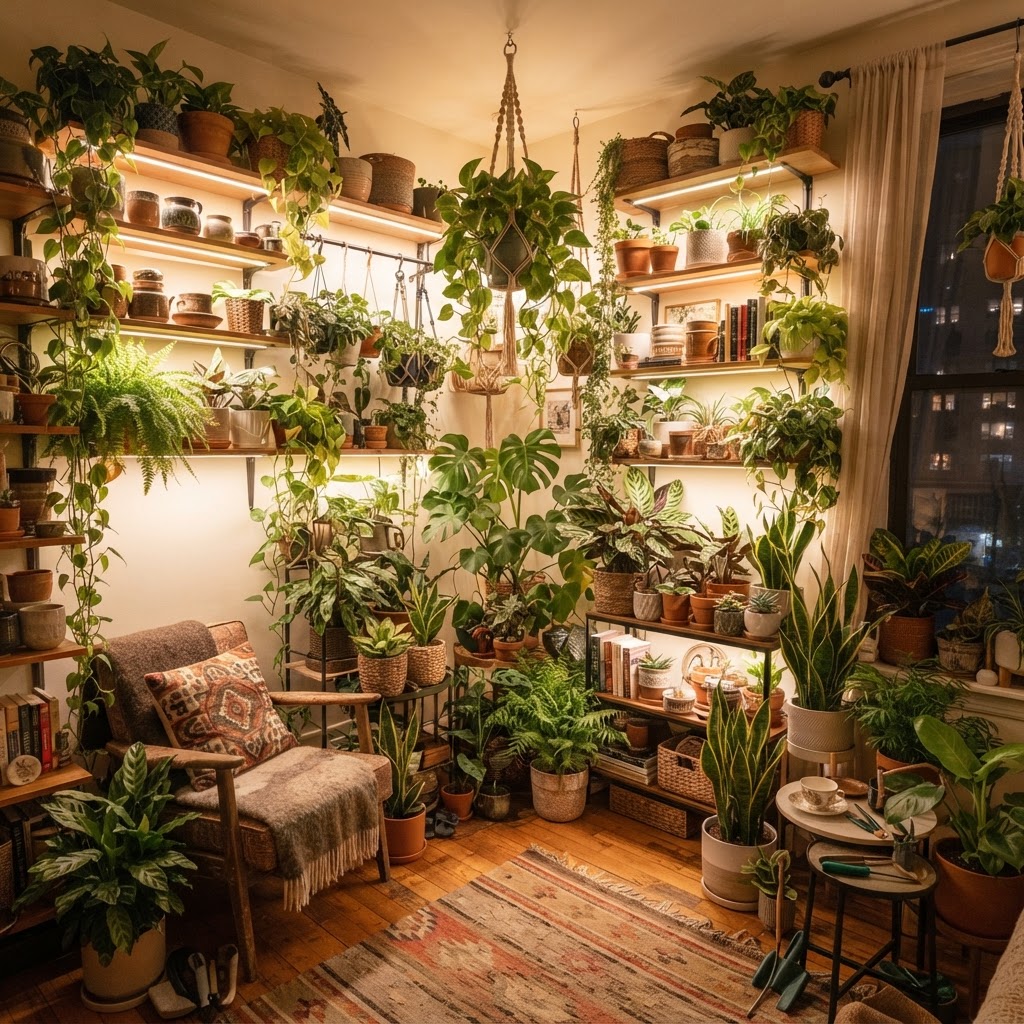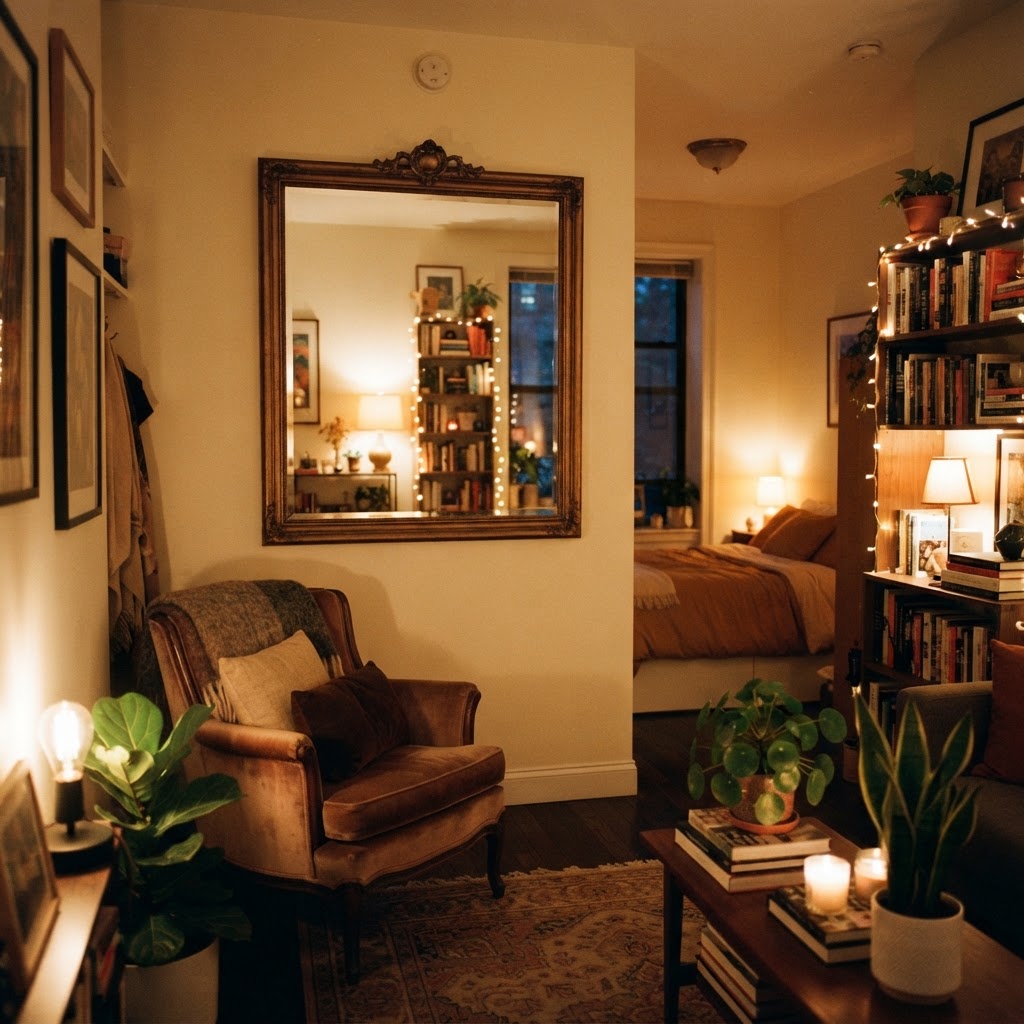
Category Small Apartment Color & Lighting

Cozy Eclectic Home Lighting Ideas with Statement Glow Lamps

Cozy Eclectic Home Lighting Ideas with Statement Glow Lamps

Cozy eclectic home lighting is achieved by layering ambient, task, and accent light sources using a mix of vintage and modern statement glow lamps to create a warm, personalized sanctuary. By combining varied textures, organic shapes, and warm-toned bulbs (2700K-3000K), you can transform sterile spaces into curated, character-filled living environments.

The Philosophy of Eclectic Lighting
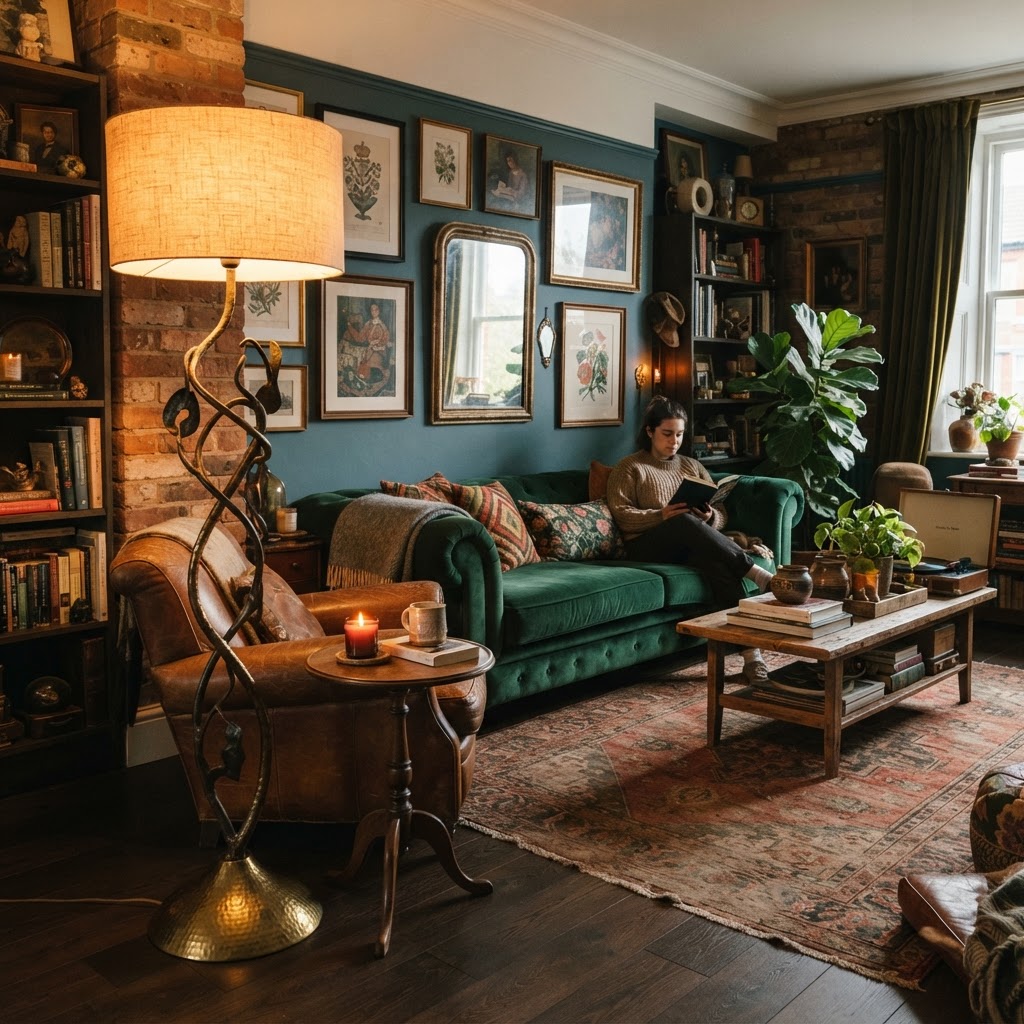
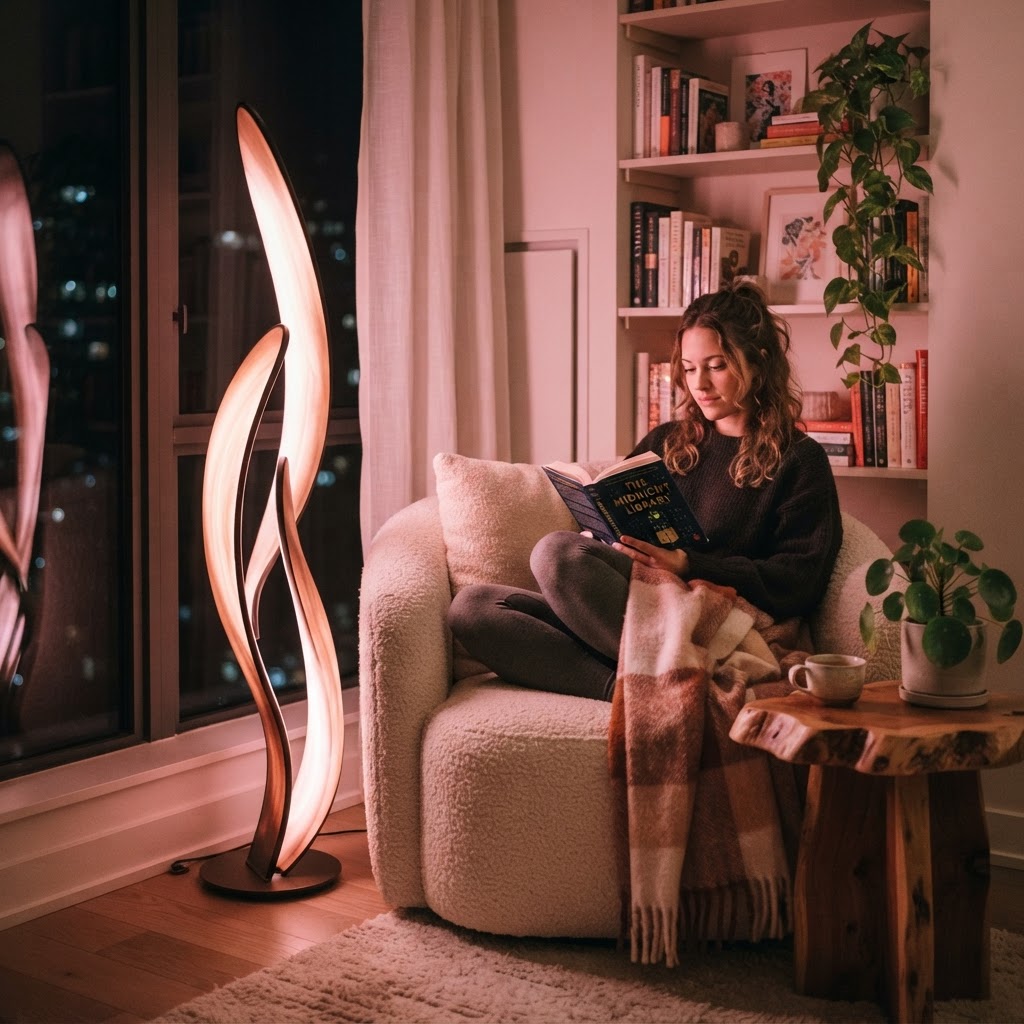
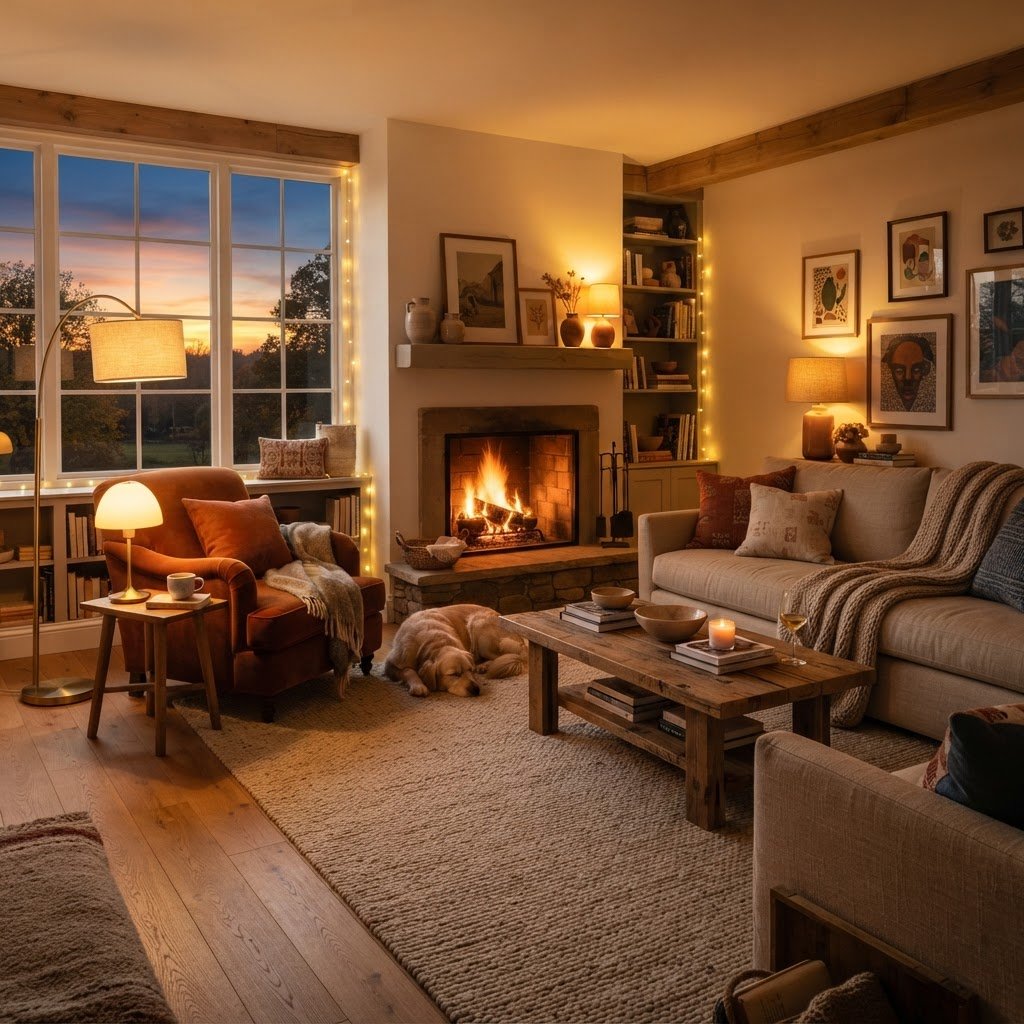
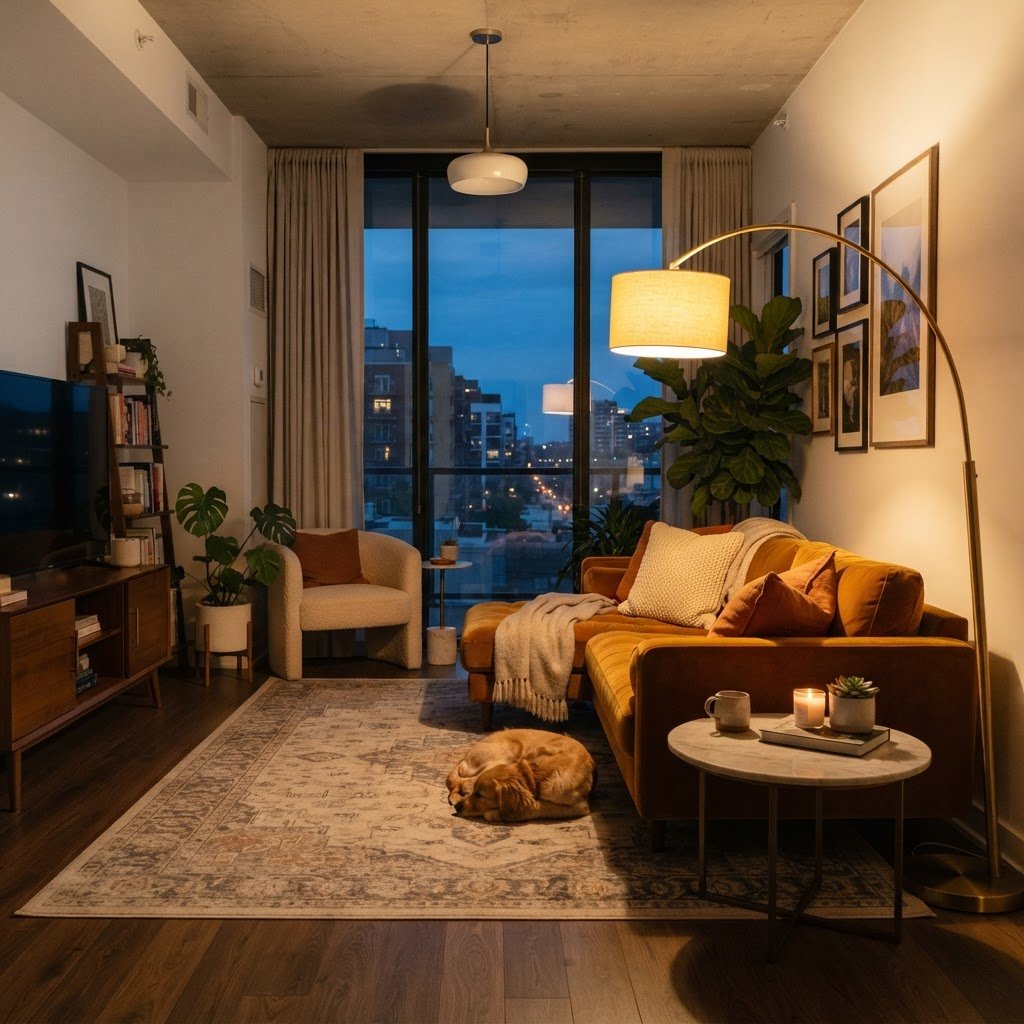
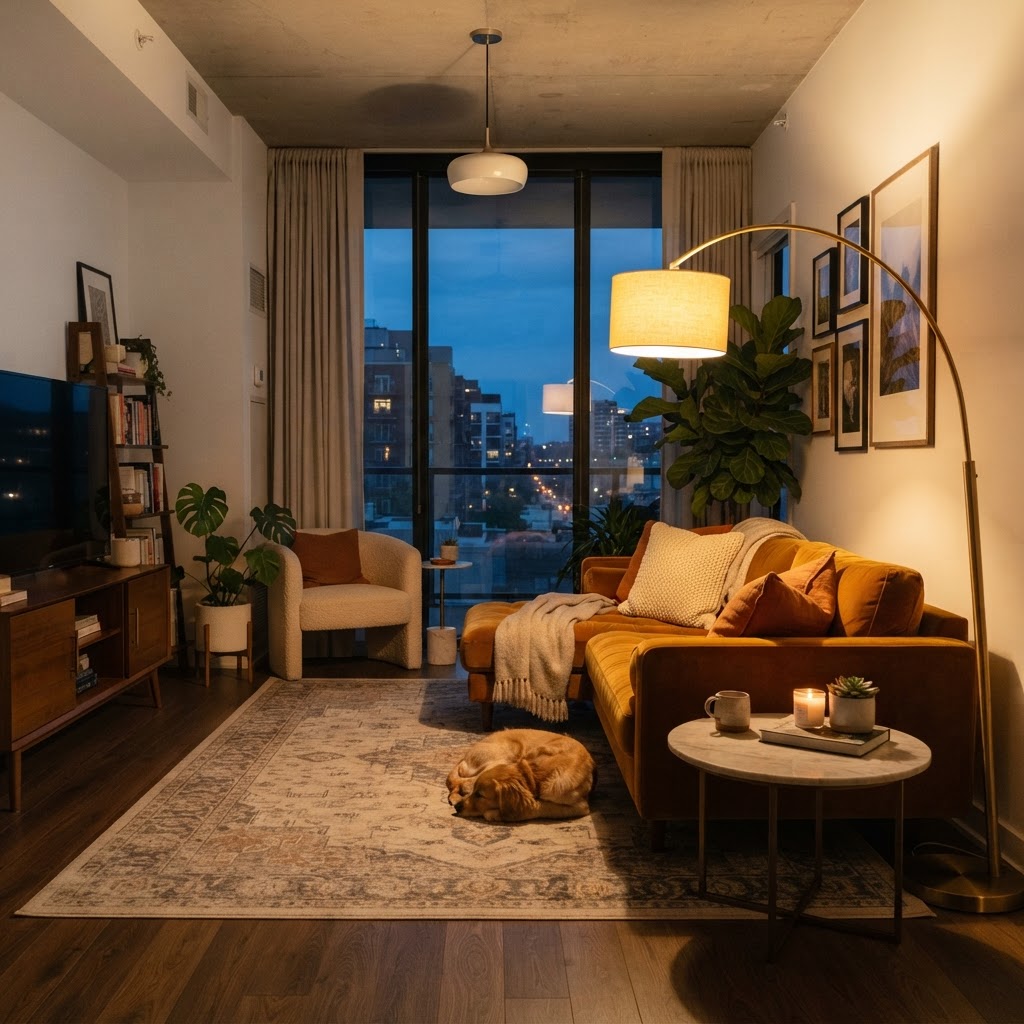
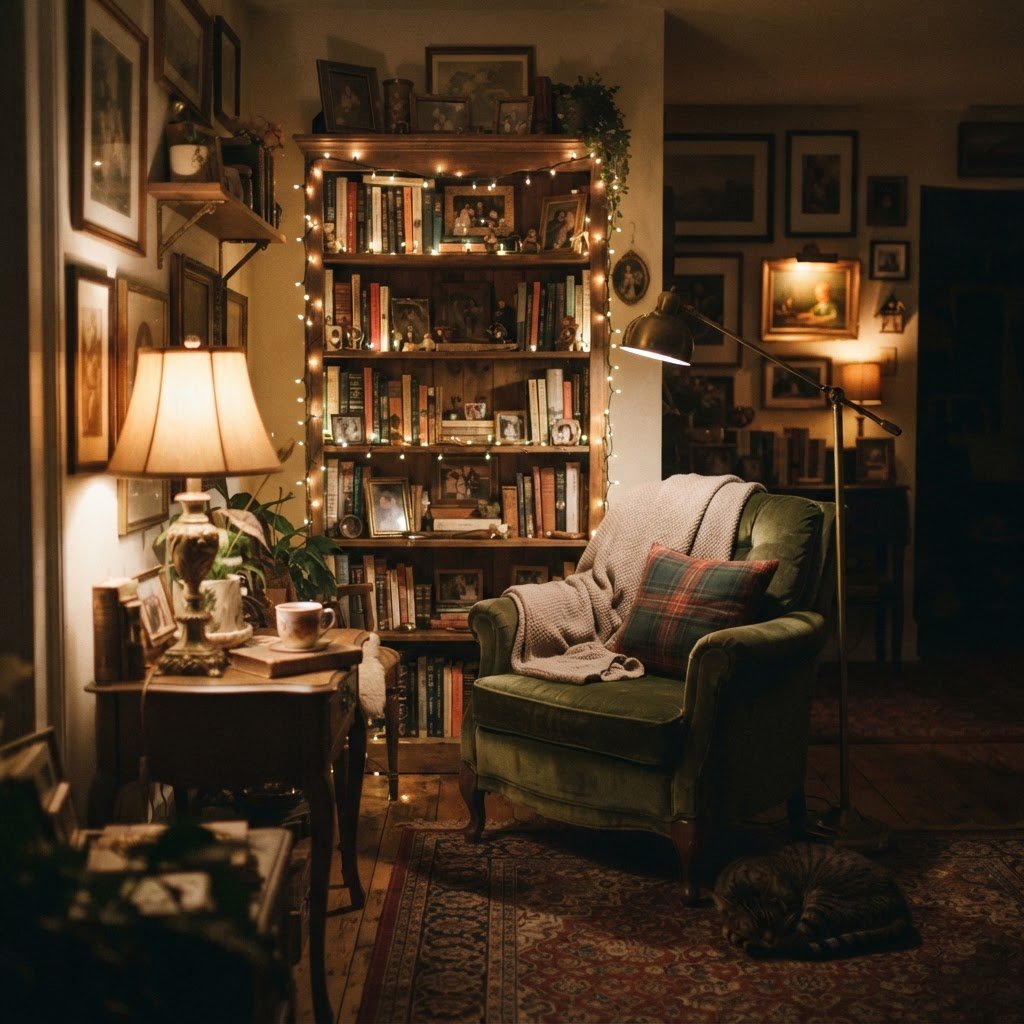
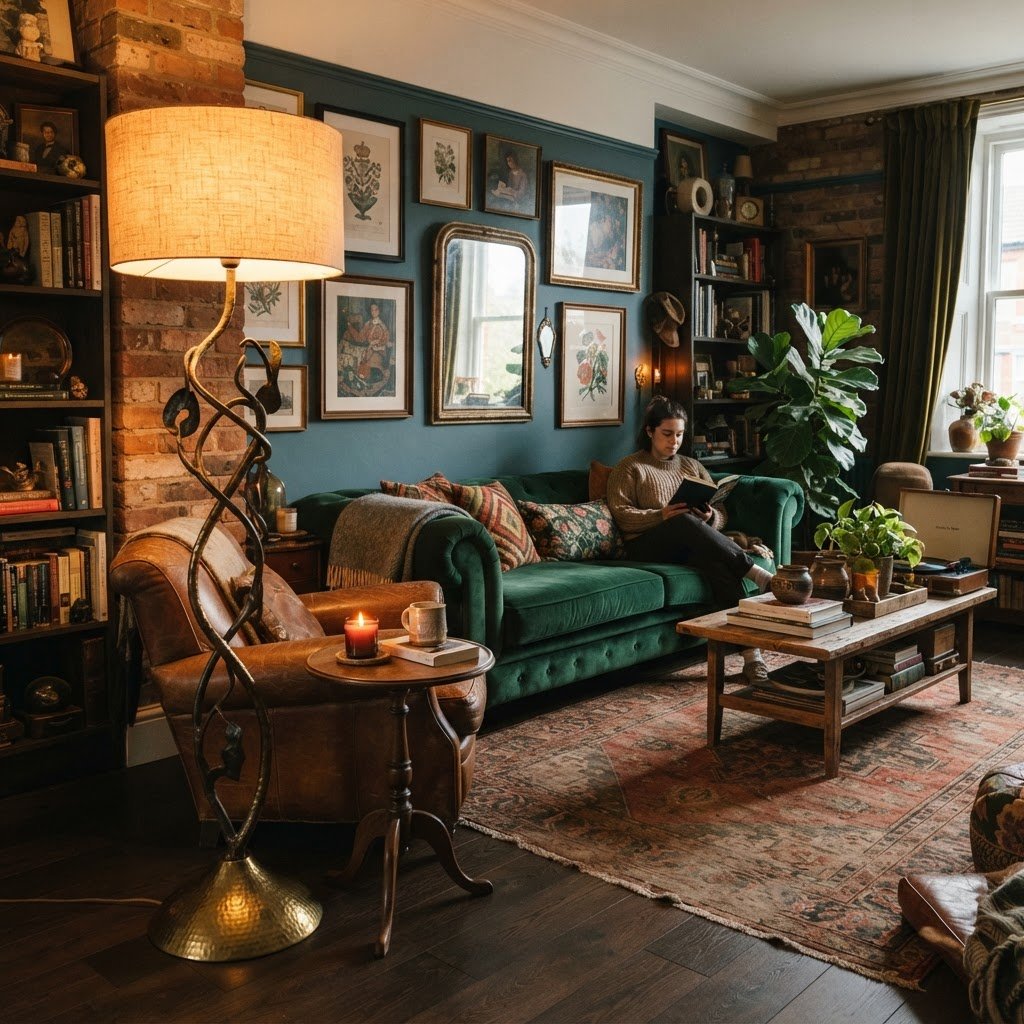
A sculptural floor lamp adds instant character to an eclectic living room.

Eclectic interior design is a sophisticated method of layering different eras, textures, and styles to create a cohesive narrative, moving away from sterile, uniform showroom appearances. When applying this to lighting, the goal is to curate a collection of pieces that feel as though they were acquired over time rather than purchased from a single catalog. Lighting acts as the “jewelry” of a room; it should be functional while functioning as a primary focal point that complements furniture without matching it perfectly.

Why Lighting Defines the Mood

Lighting serves as the invisible backbone of any room, where a single overhead light flattens dimensions while layered lighting creates essential depth and shadow. In an eclectic setting, your fixtures must bridge the gap between design styles. Whether choosing vintage brass lamps, hand-woven rattan, or modern glass orbs, each piece should tell a specific story. Research shows that 80% of perceived comfort in a living space is directly tied to the warmth of the lighting, making the selection of materials and finishes critical to achieving a “lived-in” atmosphere. By avoiding “matchy-matchy” sets, you ensure that every corner of the room feels intentional.

Lighting Type Primary Function Ideal Placement
Ambient General room illumination Ceiling or corner floor lamps
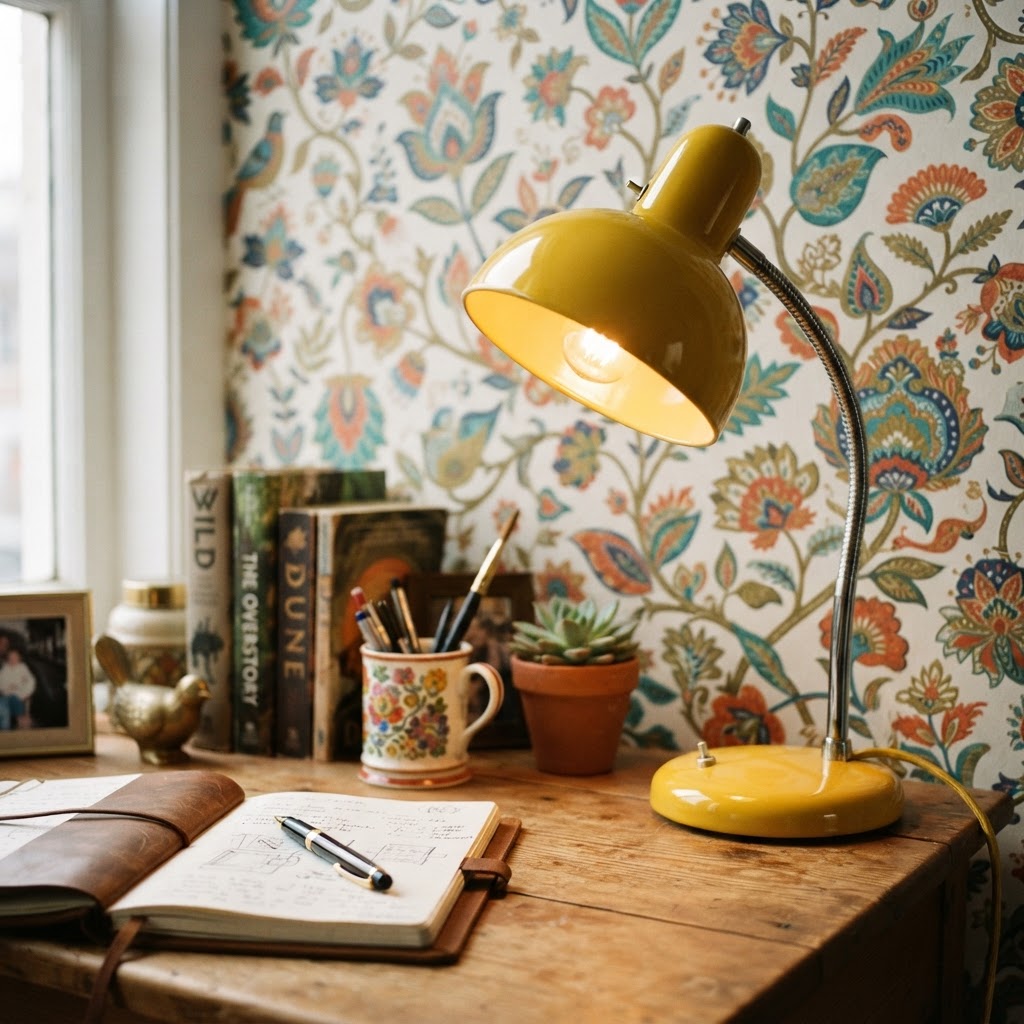
Task Focused light for reading/work Desk lamps or adjustable swing-arms
Accent Highlighting art or textures Wall sconces or gallery spotlights

Integrating Statement Glow Lamps

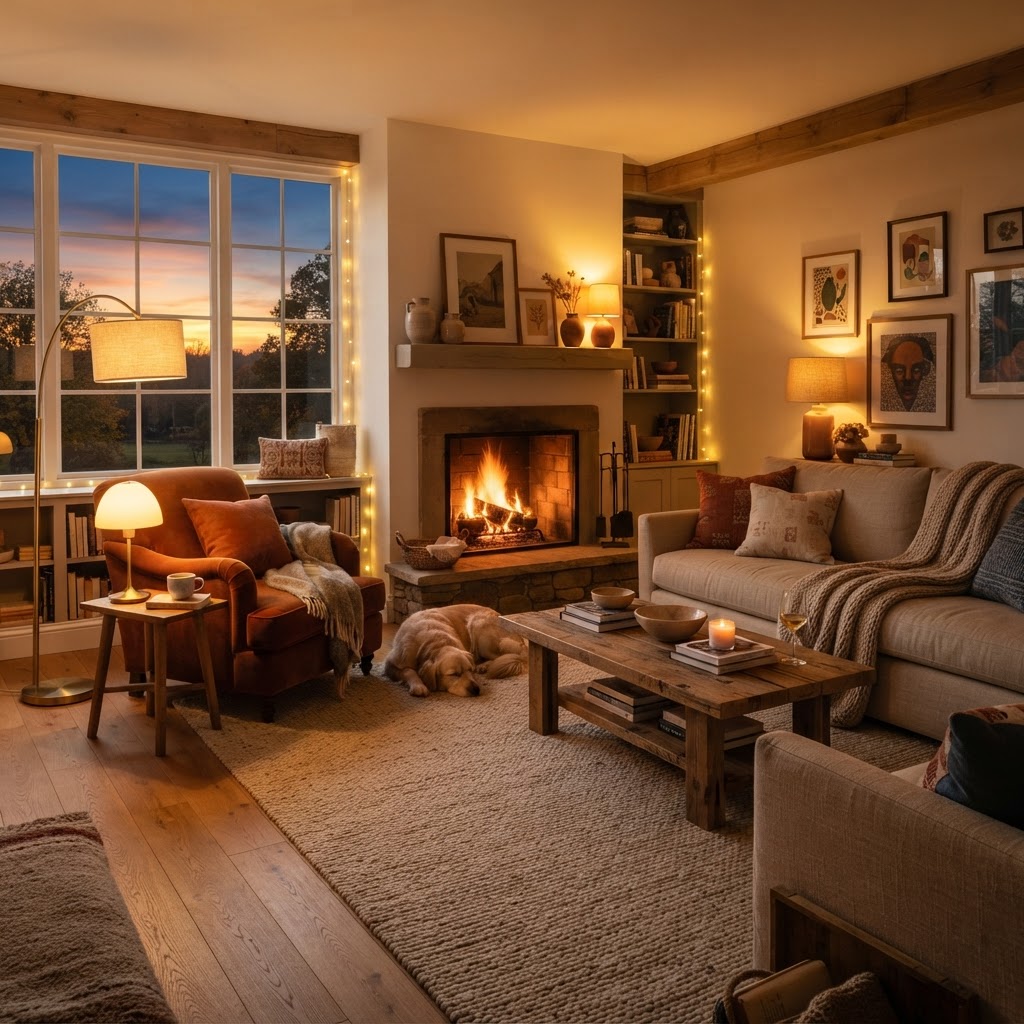
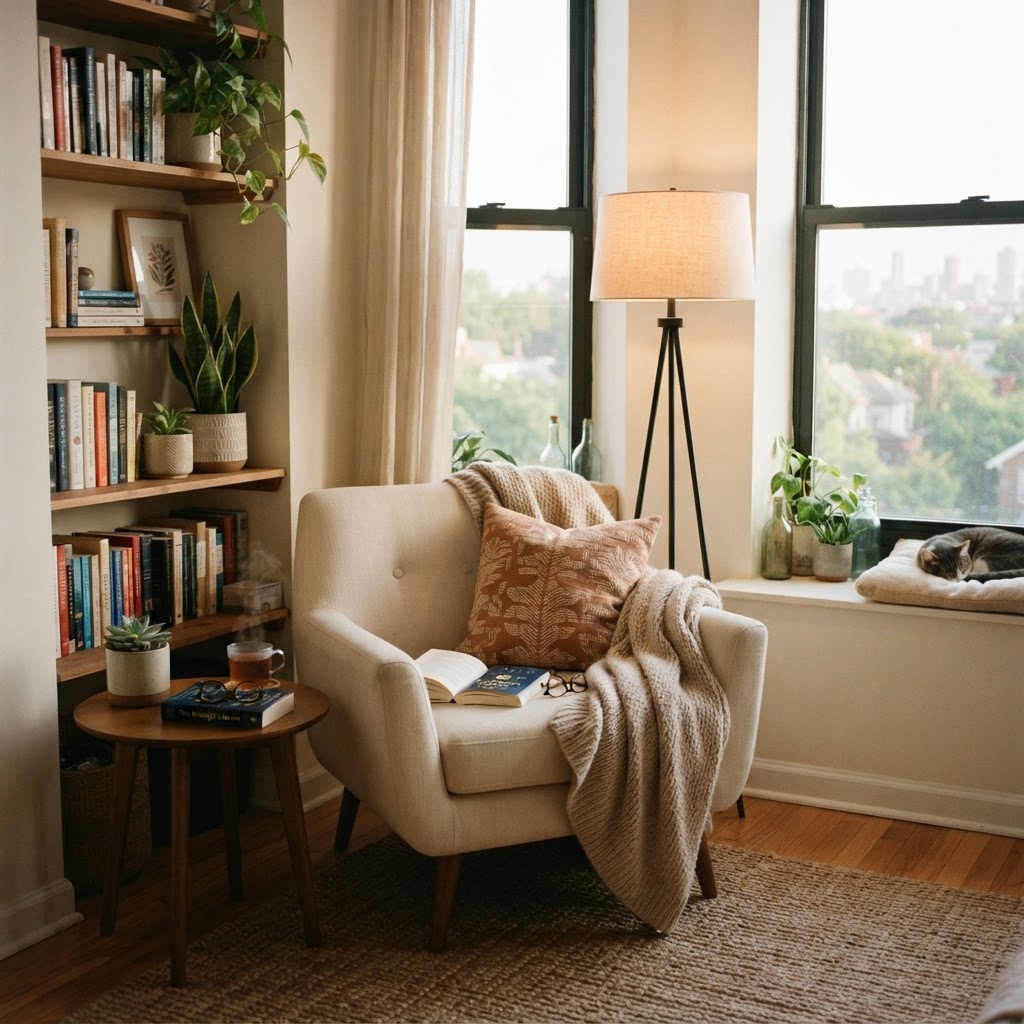
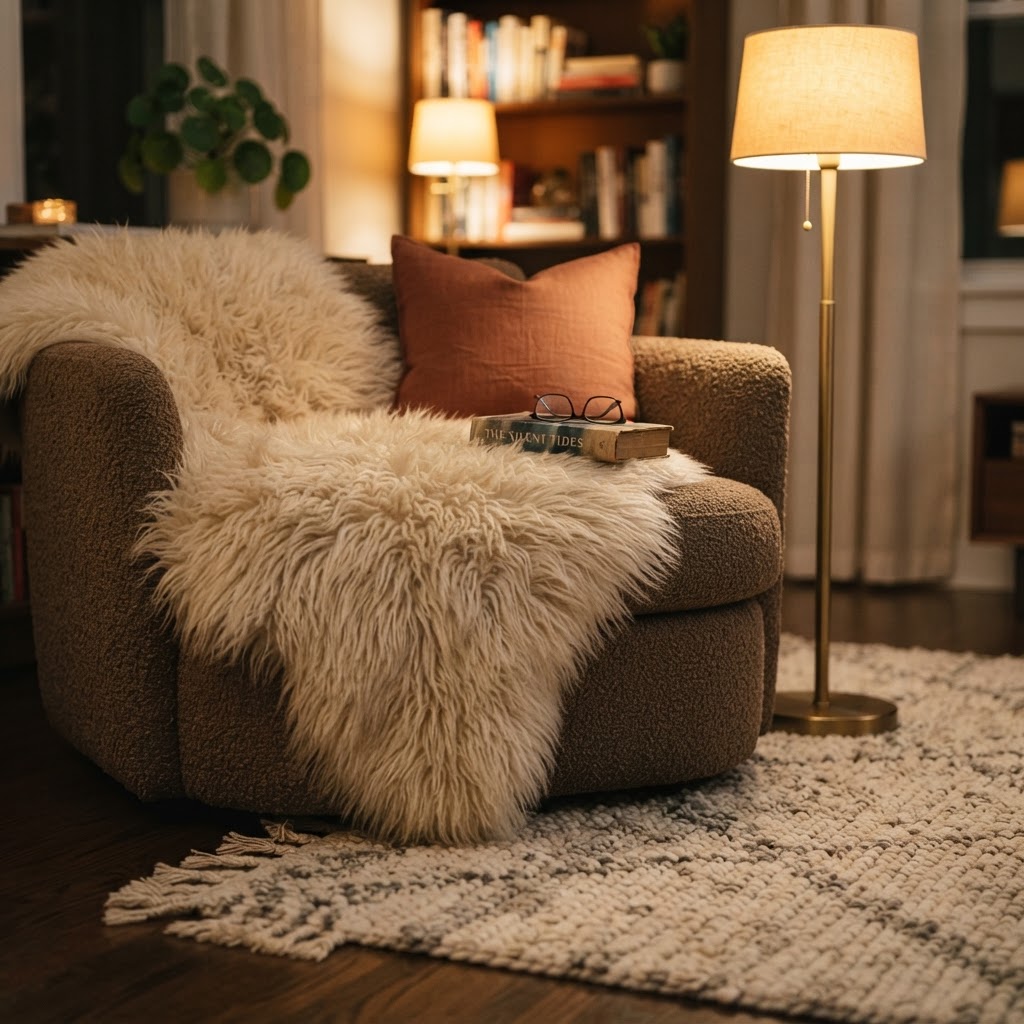
Soft, warm lighting makes any reading nook feel like a sanctuary.

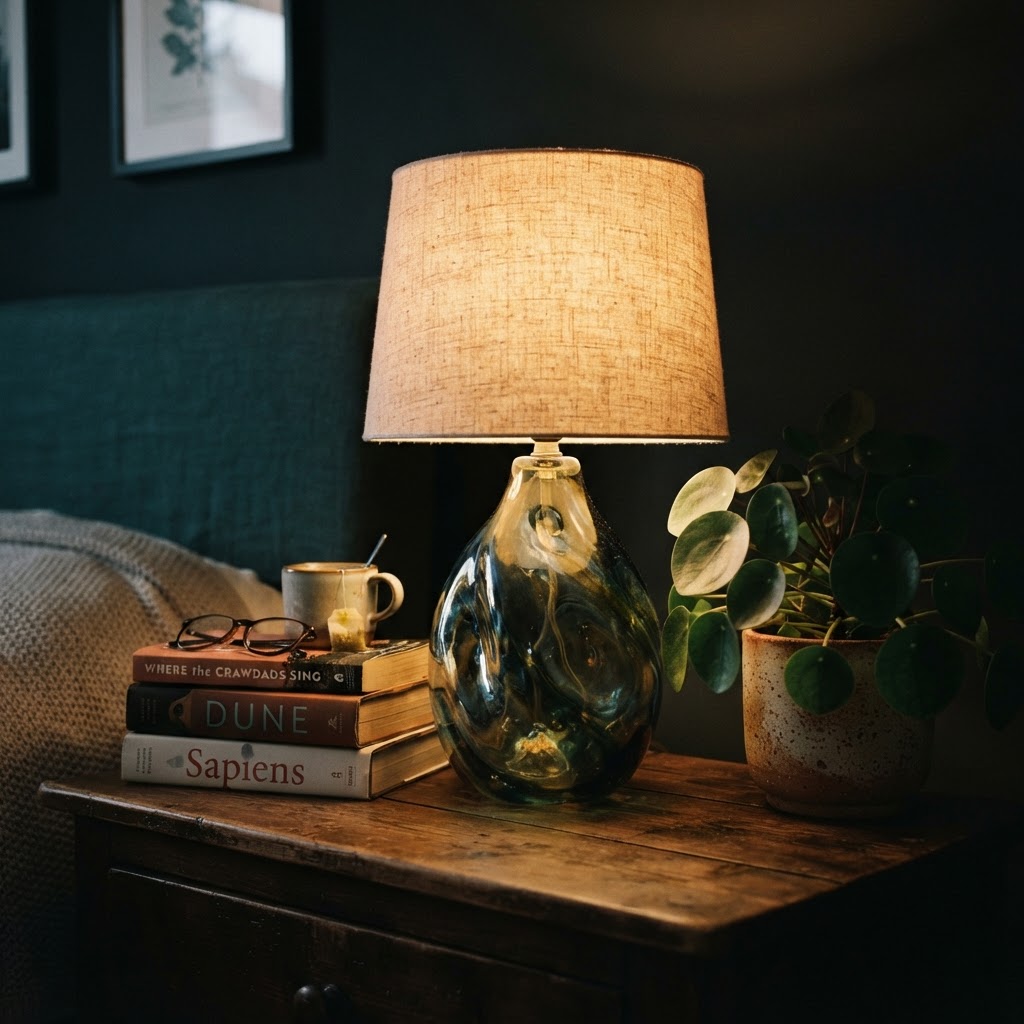
Statement glow lamps are more than just functional light sources; they are sculptural elements that can transform a dull corner into a cozy reading nook or a boring side table into a curated display. A lamp with a strong silhouette maintains its presence even when turned off, serving as an anchor for the room’s eclectic aesthetic. When selecting these pieces, prioritize items that feature asymmetrical shapes or unique materials like hand-blown glass or reclaimed wood, as these items carry higher visual weight and interest.

Features of a Statement Lamp

  • Organic, asymmetrical shapes
  • Unique materials like hand-blown glass or reclaimed wood
  • Warm, dimmable color temperatures
  • Bold silhouettes that command attention

To effectively integrate these, treat them as you would a piece of wall art. Place a large-scale floor lamp next to a minimalist sofa to create immediate visual contrast. Alternatively, cluster smaller, whimsical table lamps on a bookshelf to draw the eye upward and utilize vertical space. Investing in one high-quality, sculptural lamp—typically ranging from $150 to $400 depending on the material—can provide more character than a dozen generic fixtures.

Mastering Layered Lighting Design
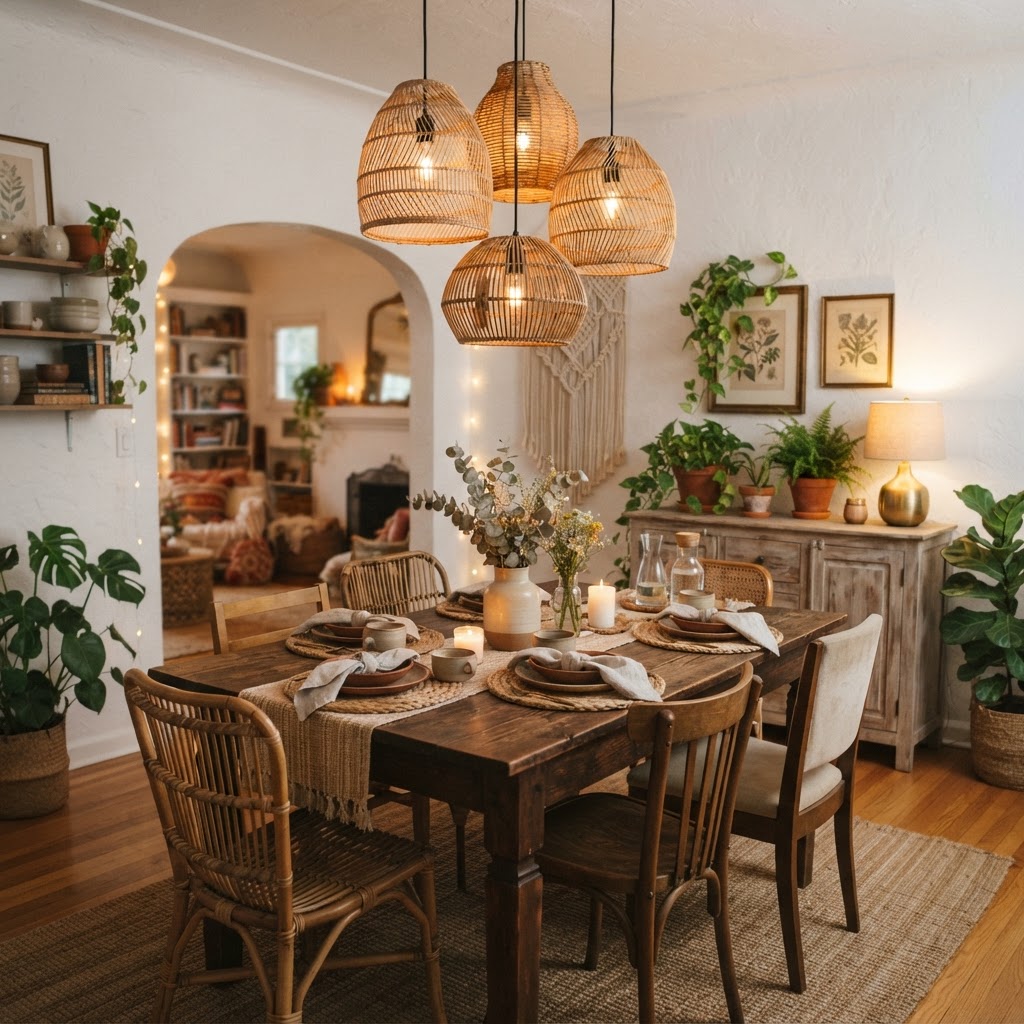
Layered lighting, including rattan pendants, creates a cozy dining experience.

No single light source can achieve the perfect cozy eclectic aesthetic, necessitating a combination of ambient, task, and accent lighting to create a versatile space. This method allows you to adjust the lighting levels according to the time of day or the activity taking place in the room, ensuring the environment remains functional for daily life while staying visually stimulating. For instance, consider using a dimmable floor lamp for a soft ambient glow during dinner, and switching to a directed task lamp when you settle in with a book.

Ambient light provides the overall illumination, usually from a central fixture, while task lighting is focused for specific chores. Accent lighting is where your statement glow lamps truly shine, as they highlight architectural features or textures on your walls. By layering these levels, you avoid the “flattening” effect of overhead lights and allow your home to evolve from a bright, productive space during the day to a serene, warm refuge in the evening hours. Aim for at least three distinct light sources per room to achieve professional-grade depth.

Balancing Materials and Textures
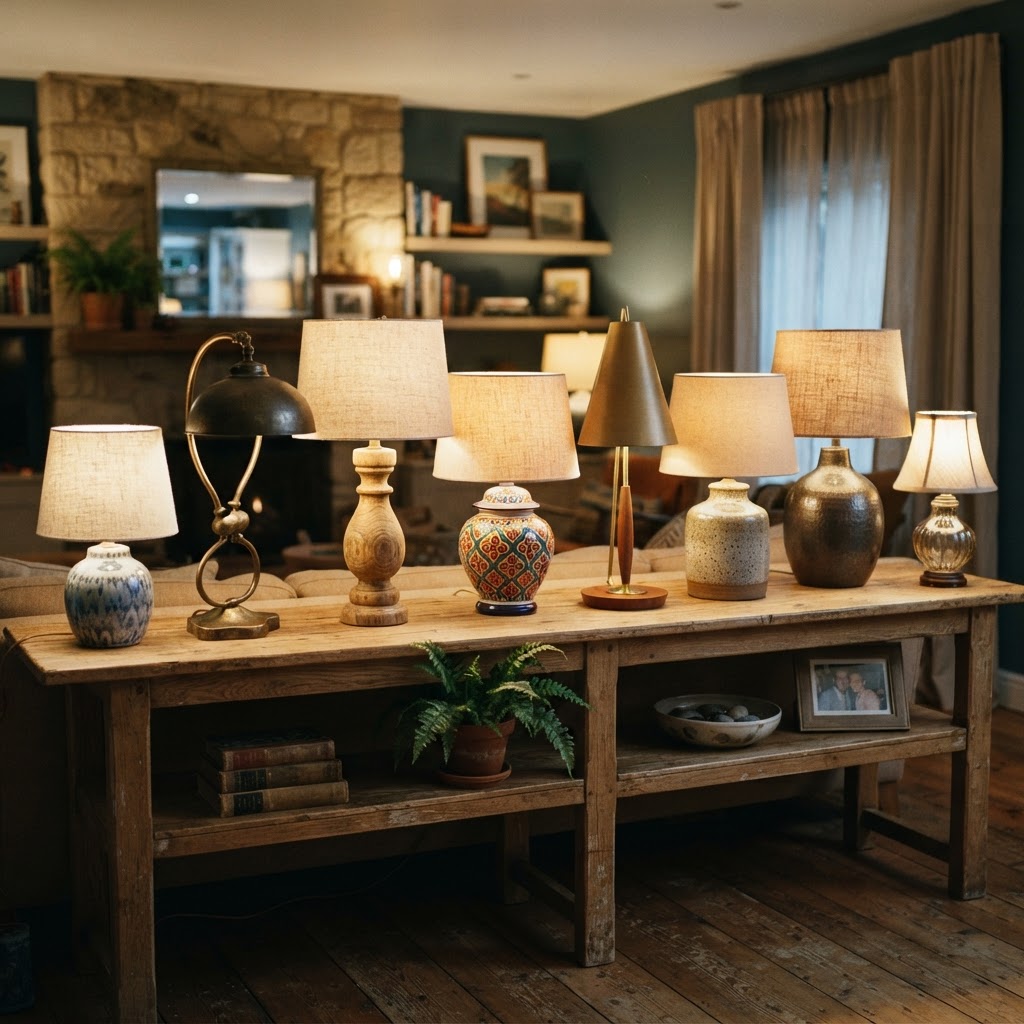
Mix and match lamp materials to perfect your eclectic interior design.

One of the most important aspects of eclectic design is the mixture of materials, where lighting choices should provide a counterbalance to heavier furniture pieces like velvet curtains or leather sofas. A delicate, frosted glass lamp, for example, can soften the harsh lines of a modern, sleek piece of furniture, creating a harmonious visual dialogue. Mixing materials is not about perfect coordination; it is about balance.

The Power of Natural Materials

Using natural materials in your lighting fixtures adds an earthy, organic quality that instantly boosts the “cozy” factor, with rattan, bamboo, and terracotta being staples of the boho-eclectic look. These materials diffuse light in a way that feels soft and gentle rather than clinical. When choosing metal finishes, do not feel pressured to match everything. Mixing polished nickel with antiqued bronze or aged copper adds that collected, historical feel essential for true eclectic style. A successful eclectic room often balances at least three different textures, such as polished metal, raw wood, and fabric shades, to create tactile depth that is pleasing to both the eye and the touch.

Material Lighting Quality Best Use Case
Rattan/Bamboo Diffused/Soft Boho or Coastal eclectic
Polished Metal Sharp/Reflective Mid-century modern touches
Hand-blown Glass Ambient/Artistic Statement focal points

Placement Strategies for Cozy Corners

Lighting placement can dictate the flow of energy in a room, and to maximize the coziness of your home, you must use lighting to highlight areas where you relax. Placing a lamp at eye level while seated creates a sense of intimacy and enclosure, which is perfect for encouraging conversation or long reading sessions. When positioning lamps, consider the “triangle of light” principle, where you place light sources at different heights and locations to guide the eye across the room.

Tips for Effective Lamp Placement

  1. Always use dimmers to control the intensity of your statement pieces.
  2. Position floor lamps in dark corners to expand the visual size of the room.
  3. Create “triangles” of light by placing lamps at different heights throughout the room.
  4. Avoid placing all your light sources against the walls; bring some into the center of the seating area.

By following these layout principles, you can transform a cold, underutilized space into a warm haven. Remember that eclectic style thrives on imperfection, so do not be afraid to experiment with placement until the light feels right for your specific needs. Lighting should be flexible, allowing for adjustments based on whether you are hosting guests or enjoying a quiet night in.

Color Temperature and Bulb Selection

Even the most beautiful statement lamp will feel off if the light quality is wrong. For a cozy eclectic home, always opt for warm white light, specifically looking for bulbs between 2700K and 3000K, which replicate the soft, golden glow of candlelight or a sunset. Cool white or daylight bulbs, typically ranging from 4000K to 6500K, can make a space feel like an office, which is the antithesis of a cozy atmosphere.

Additionally, consider the translucency of your lampshades as they interact with your bulb choice. A thick, opaque shade will direct light downward for a moody, focused effect, while a thinner linen or paper shade will let the light bleed through, creating a soft, ambient haze. To maintain a consistent atmosphere, ensure all bulbs in a single room fall within the same 300K range to avoid jarring shifts in color tones as you move through the space.

Maintenance and Style Evolution

Eclectic style is never truly “finished,” as part of the joy of this design approach is refreshing your space as your personal taste evolves. Keep your lamps clean and dust-free to ensure they emit the best light possible; even a thin layer of dust on a shade can reduce light output by up to 15%. Occasionally swapping lampshades can give an old lamp a completely new look without a major investment.

Don’t be afraid to hunt for unique vintage pieces at thrift stores or flea markets. A beat-up, brass vintage lamp can be restored with a new shade and a fresh cord, becoming a one-of-a-kind statement piece that money cannot buy. This constant evolution is what keeps an eclectic home feeling fresh and authentic, turning your lighting collection into a living history of your personal journey.

FAQ

Q: What color temperature is best for a cozy eclectic home?

For a cozy, inviting atmosphere, use warm white light bulbs between 2700K and 3000K. This range mimics the soft, golden glow of candlelight and helps create a relaxing environment compared to the harsh, clinical feel of cooler, daylight-toned bulbs.

Q: How do I layer lighting in an eclectic living room?

Layering involves combining ambient, task, and accent lighting to create depth. Use a central ceiling fixture for ambient light, task lamps for reading areas, and statement glow lamps or wall sconces as accent pieces to highlight textures and architectural features.

Q: Should I match the metal finishes of my lamps?

No, you do not need to match metal finishes in an eclectic home. Mixing polished nickel, aged copper, and brass creates a “collected over time” look, which is a hallmark of authentic eclectic design. Focus on balanced proportions rather than identical finishes.

Q: How do I make a small room feel larger with lighting?

To make a small room feel bigger, position floor lamps in dark corners to push the boundaries of the space. Additionally, ensure you are creating “triangles” of light by placing lamps at varying heights, which draws the eye upward and adds a sense of openness.

Q: Can I use vintage lamps in a modern home?

Absolutely, vintage lamps are perfect for adding character to modern homes. A worn brass or unique ceramic lamp provides an essential contrast to sleek, contemporary furniture, preventing your home from looking like a staged showroom and adding a layer of historical depth.
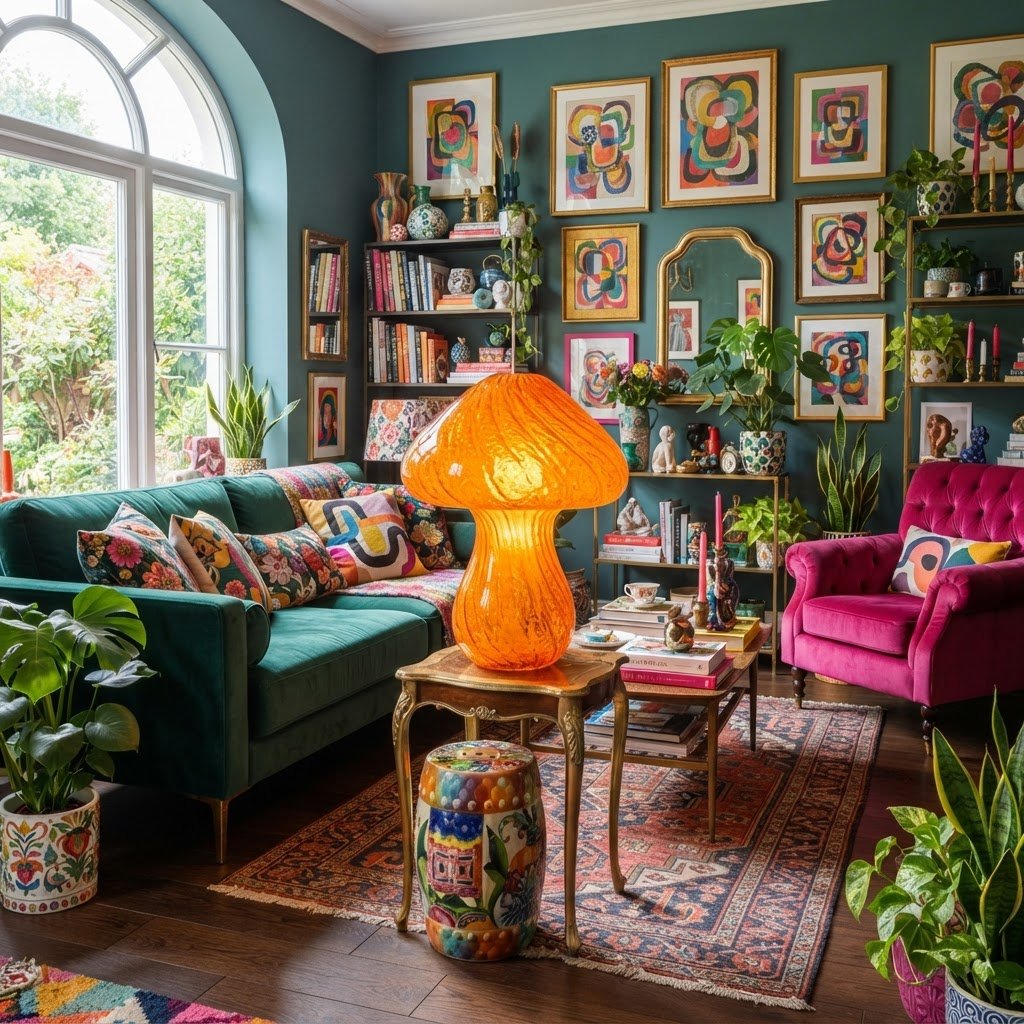
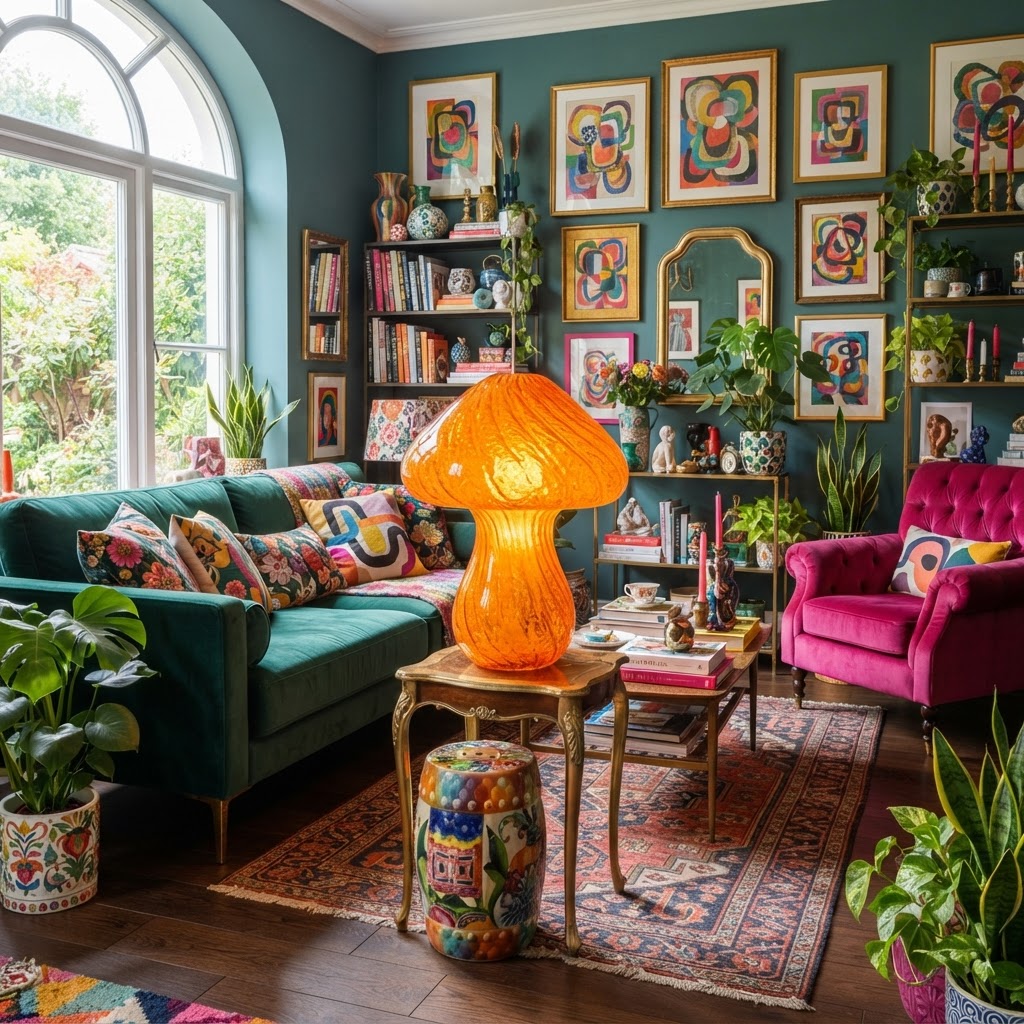
Dopamine Decor Lighting: Bold Lamps to Transform Your Space

The concept of dopamine decor has taken the interior design world by storm, shifting the focus from sterile minimalism to spaces that actively spark joy. At the heart of this vibrant movement is dopamine decor lighting, a design approach that utilizes bold, sculptural, and colorful lamps to stimulate positive emotions. By replacing generic fixtures with pieces that express personality and playfulness, you can instantly lift the mood of any room. Your home should be more than just a place to sleep; it should be a sanctuary that celebrates your unique zest for life through intentional light and color.

The Psychology of Dopamine Decor Lighting

A vibrant mushroom lamp adds a playful touch to a maximalist space.

Why do we feel happier in certain environments? Environmental psychology suggests that our brains respond positively to high-contrast colors, whimsical shapes, and soft, warm light. Dopamine decor lighting taps into this by transforming a functional utility into a source of sensory delight. When you introduce a statement lamp with an unconventional form or a brilliant, unexpected hue, you are essentially curating a ‘visual treat’ for your brain.

How Light Influences Mood

Lighting is perhaps the most significant factor in how a room feels, regardless of the furniture you choose. Harsh, flat overhead lighting can make a space feel institutional and cold, which often suppresses creativity and relaxation. Conversely, layered lighting—especially when emitted from bold lamps—creates shadows and depth that encourage feelings of comfort and curiosity.

Creating a Joyful Ambiance

To achieve this, look for lamps that utilize materials that interact interestingly with light. Frosted glass, translucent resin, and colored acrylics can diffuse light into soft, dreamy washes of color. This effect mimics the natural golden hour, which is scientifically proven to boost serotonin and make us feel more at ease in our surroundings.

Choosing Bold Lamps as Focal Points

Soft pink ambient lighting creates an inviting and joyful reading nook.

The most effective way to incorporate dopamine decor is to treat your lighting fixtures as works of art. A singular, oversized, or neon-colored lamp can anchor a room and serve as a conversation starter. When selecting your pieces, don’t worry about matching your existing decor perfectly; instead, prioritize items that make you smile the moment you walk through the door.

Types of Statement Lighting to Consider

  • Sculptural Floor Lamps: Choose designs with organic, curvy shapes or architectural, geometric silhouettes that stand out against plain walls.
  • Mushroom Lamps: These mid-century modern classics remain a staple of the trend due to their soft glow and whimsical, fungi-inspired shapes.
  • Neon and LED Art Lights: Incorporate wall-mounted signs or custom light shapes that display words or symbols meaningful to you.
  • Ceramic Glazed Table Lamps: These often feature vibrant, hand-painted patterns that bring a tactile, artisanal quality to a desk or nightstand.

Mastering the Art of Maximalist Lighting

A sunny, retro task lamp brings energy and focus to any workspace.

Maximalism is the sibling of dopamine decor, encouraging us to lean into ‘more is more.’ If you have a penchant for patterns, textures, and vibrant colors, your lighting should not be the exception. Maximalist lighting often involves layering different light sources to create a rich, eclectic atmosphere that feels curated rather than cluttered.

Balancing Boldness with Cohesion

While boldness is key, you must maintain a sense of flow within the room. If your lamp is particularly loud in color, consider balancing it with neutral walls or soft-textured rugs to avoid overstimulation. The goal of dopamine decor lighting is to energize you, not to make you feel anxious or overwhelmed by visual chaos.

The Rule of Three in Lighting

Designers often use the rule of three to balance a space. Try placing a statement floor lamp in a corner, a decorative table lamp on a sideboard, and a warm-hued task light on your workstation. When these are strategically placed, the room feels intentional and balanced, even if every individual piece is a bold, artistic statement.

Incorporating Color Through Illumination

Color is the most potent tool in the dopamine decor toolkit. While standard ‘warm white’ bulbs are safe, they don’t always capture the vibrant energy of this design trend. Experimenting with smart bulbs that allow you to shift the spectrum to soft pinks, oranges, or sunset purples can dramatically alter the emotional landscape of your home.

The Impact of Colored Glass

Beyond the bulb, the lamp shade or base itself can infuse your room with color. A yellow glass lamp base acts as a ‘perpetual sunrise,’ casting a sunny glow even on the gloomiest days. By strategically choosing the color of your fixtures, you are essentially painting with light.

Sustainable Dopamine: Vintage and Thrifted Finds

One of the most rewarding aspects of this trend is that it doesn’t require buying everything brand new. Many of the most iconic bold lamps were manufactured in the 1970s and 80s, decades known for their love of color and daring shapes. Scouring local thrift shops or online marketplaces for vintage lucite, chrome, or stained glass lamps is not only eco-friendly but also ensures that your space feels truly unique.

Upcycling for a Personal Touch

If you find a lamp with a great shape but a boring color, don’t hesitate to give it a DIY makeover. High-gloss spray paint or a new, patterned fabric shade can turn a drab piece into the perfect dopamine-inducing centerpiece. This hands-on process creates a deeper emotional connection to your belongings, which further enhances the positive feelings they evoke.

Strategic Placement for Maximum Joy

Even the most expensive, bold lamp will fail to deliver its full ‘dopamine hit’ if it is placed in the wrong spot. Consider where you spend your time most. Do you need a boost of energy while working at your desk? Place a sculptural, vibrant task lamp right in your direct line of sight. Do you want your bedroom to feel like a cozy, happy retreat? Use dimmable, colored floor lamps to create a sunset effect at night.

Creating Lighting Zones

By dividing your home into specific ‘lighting zones,’ you can control your mood throughout the day. A bright, punchy lamp in the entryway signals that you have arrived in a happy place, while a softer, glowing lamp in the reading nook creates a zone of tranquility. The key is to avoid using one main light for all tasks.

Conclusion

Dopamine decor lighting is much more than a fleeting aesthetic; it is a commitment to prioritizing your happiness within your own four walls. By choosing bold lamps that speak to your soul, layering your light sources, and playing with vibrant colors, you can transform your home into a dynamic space that lifts your spirits every single day. Don’t be afraid to take risks with design—let your lighting reflect your joy, your personality, and your unique perspective on life. Ready to refresh your space? Start by swapping out one generic lamp for a bold, artistic piece today and feel the difference it makes.

Take the first step toward a happier home: pick one area of your house that feels a bit ‘flat’ and commit to finding a statement lamp that brings you pure, unadulterated joy. Your mood will thank you!

Projector Living Room Ideas for Small Apartments

Living in a small apartment often means making compromises, but your entertainment setup doesn’t have to be one of them. While massive flat-screen televisions can dominate a tiny wall and make a room feel claustrophobic, projector living room ideas offer a flexible, low-profile alternative that transforms any blank surface into a cinematic escape. Whether you are dealing with a studio apartment or a cramped living area, a projector setup provides the ultimate big-screen experience without the permanent footprint of traditional bulky electronics. This guide will show you how to master the art of the small apartment home theater.

The Benefits of Choosing a Projector Over a TV

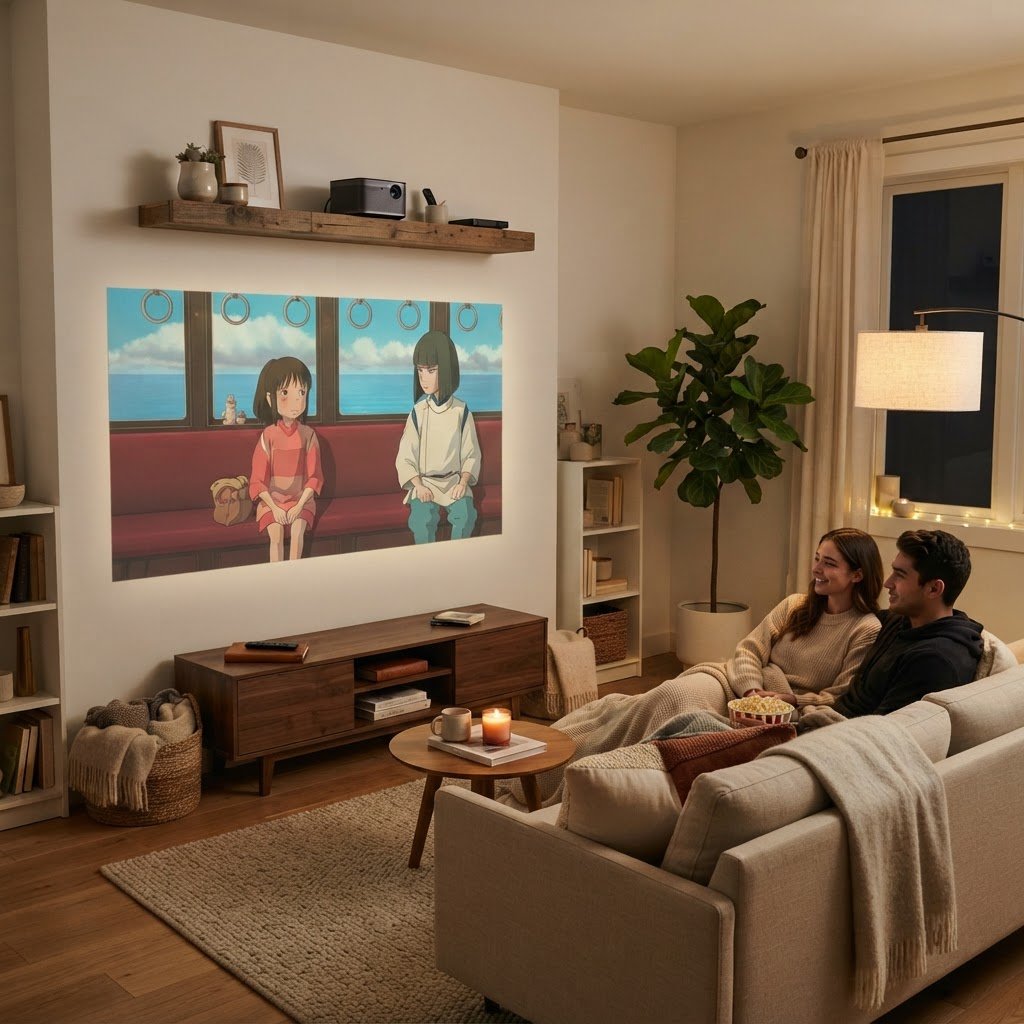
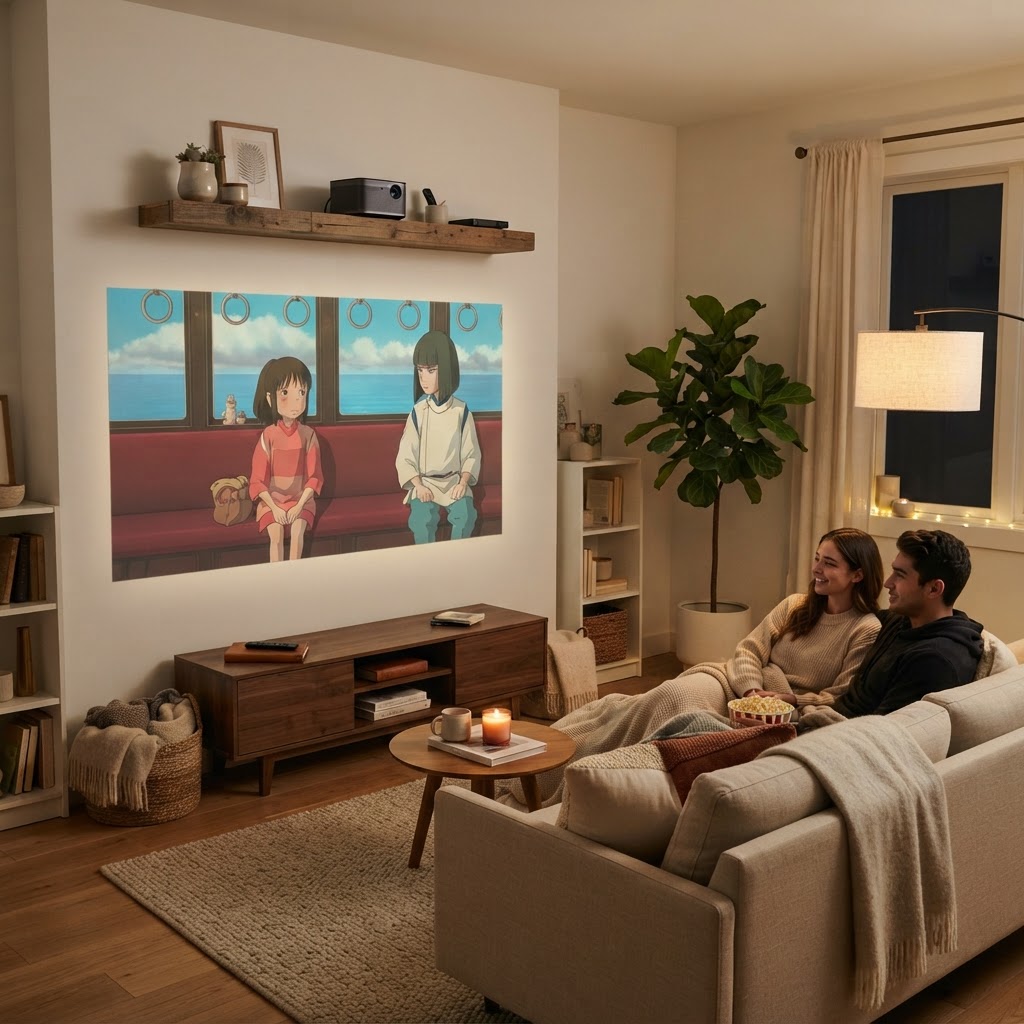
A minimalist setup using a floating shelf for the projector to save floor space.

When planning your space, the primary advantage of a projector is its physical footprint. A television requires a dedicated stand or a wall mount that permanently claims a large portion of your visual real estate. In contrast, projectors can be placed on a small bookshelf, tucked into a cabinet, or even ceiling-mounted, leaving your wall space free for decor or storage when the device is not in use.

Versatility and Portability

Modern portable projectors are incredibly compact. Many models are no larger than a stack of coasters, making them perfect for renters who move frequently. You can easily transition from a “movie night” setup to a clean, minimalist living room in seconds. This flexibility is the cornerstone of successful projector living room ideas, as it allows your room to serve multiple functions throughout the day.

Maximizing Limited Wall Space

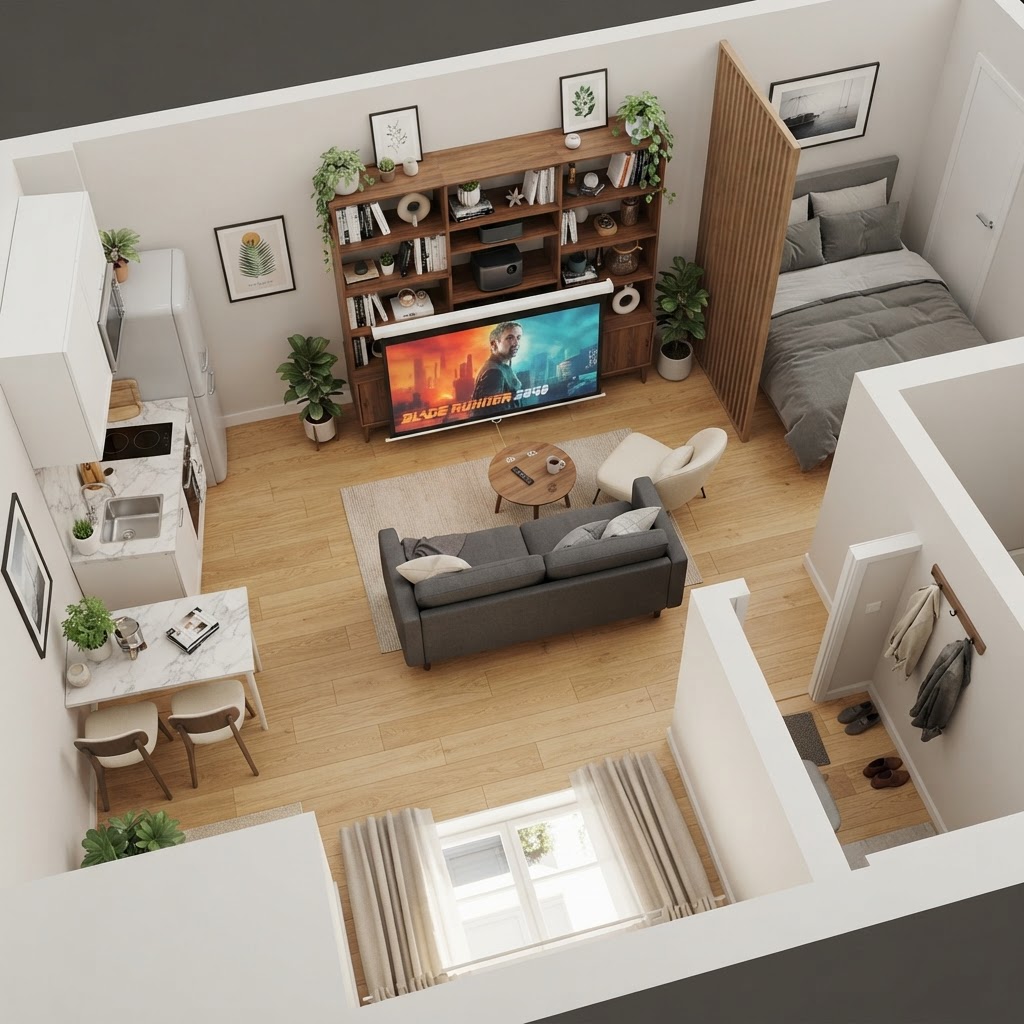
Floor-based projector screens offer versatility for small studio layouts.

If you have limited wall space, you might worry that a 100-inch screen is impossible. However, the secret lies in choosing the right surface. You do not necessarily need a bulky, retractable screen housing. A high-quality projector paint or a tension-mounted fabric screen can be applied directly to a wall, effectively disappearing when the projection is turned off.

Choosing the Right Projection Surface

If you prefer not to paint your walls, consider a pull-up screen that sits on the floor. These can be hidden behind a sofa or under a bed when not in use. Another creative solution involves using a plain white blackout curtain as a screen. It is lightweight, cheap, and can be hung from a simple tension rod, making it a landlord-friendly option for your small apartment home theater.

Lighting and Environment Control

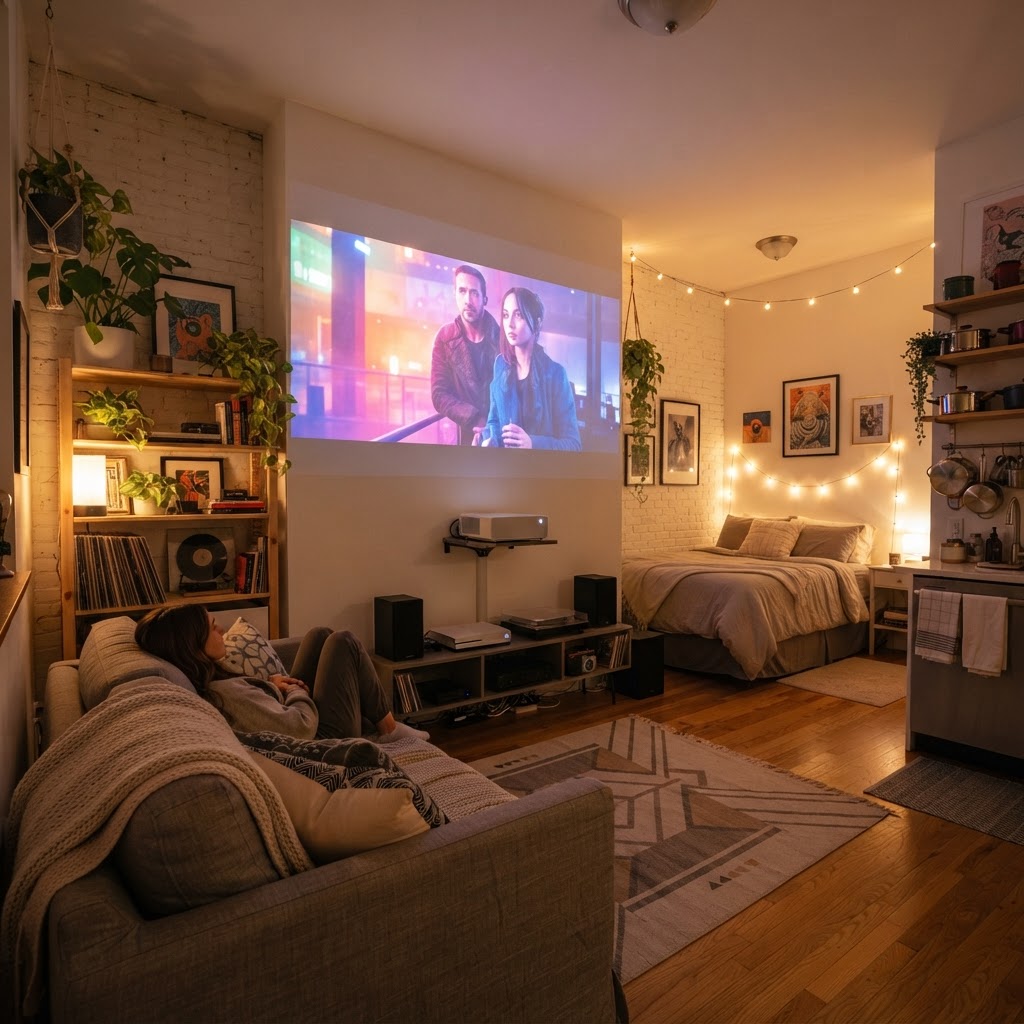
Warm lighting and comfortable seating turn any corner into a theater.

One of the biggest challenges in projector setups is ambient light. Small apartments often have large windows, which can wash out the projected image. To achieve the best picture quality, you must manage the light levels in your living area effectively.

Light Blocking Solutions

Blackout curtains are an essential investment for anyone interested in projector living room ideas. They effectively seal the room from streetlights and daytime sun, allowing your projector to output a deep, rich contrast. If curtains don’t fit your aesthetic, consider smart light bulbs that can dim or turn off completely when you initiate your ‘movie mode’ scene.

Cable Management for Clean Aesthetics

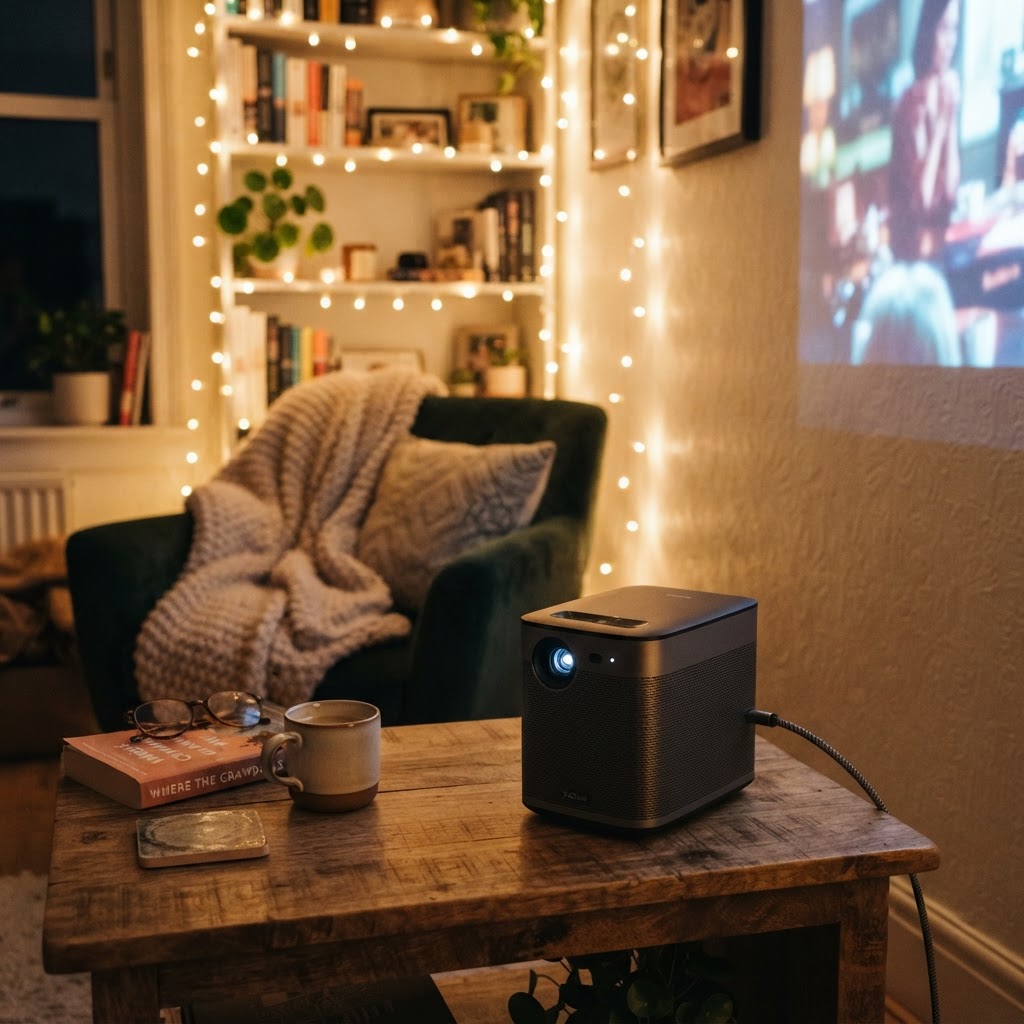
Clean cable management makes the projector setup look intentional and elegant.

In a small apartment, cable clutter is the enemy of interior design. When you have a projector, the cables running to the power outlet and audio source can easily become an eyesore. A minimalist approach is necessary to keep your living room looking intentional rather than chaotic.

Hidden Wiring Techniques

Use adhesive cable clips along the baseboards to route your HDMI and power cables out of sight. If your projector is on a shelf, use a cable management box to hide the power strip and excess cord slack. By keeping the lines clean, you maintain the visual calm that is so important for small, multifunctional living spaces.

Audio Solutions for Compact Spaces

Good sound is half the experience, but large surround sound systems are rarely practical in small apartments. Instead of bulky speakers, look into soundbars that can be mounted beneath your projection surface or wireless Bluetooth speakers that can be placed strategically around the seating area.

Wireless Connectivity

Wireless audio is a game-changer. Modern projectors often support Bluetooth, allowing you to connect a high-quality portable speaker or a set of wireless headphones. This eliminates the need for long speaker wires running across your floor, which is essential for maintaining safety and style in a cramped layout.

Decorating Around Your Setup

Integrating your technology into your decor makes your small apartment feel like a cohesive home. Use floating shelves to house your projector, which doubles as display space for books or plants when the device is inactive. Think of your projector setup as a piece of furniture that contributes to the room’s atmosphere.

Creating a Cozy Ambiance

Don’t let the technical aspects overshadow the comfort. Add floor cushions, a soft area rug, and layered throw blankets to create a cozy nook. Since projectors create a soft, cinematic light rather than the harsh glare of a backlit screen, they actually enhance the ‘nesting’ feeling of a small apartment, making it feel more like a private theater than a sterile tech hub.

Essential Setup Checklist for Renters

To ensure your project succeeds, follow this simple checklist:

  1. Measure your throw distance to ensure the projector fits the space.
  2. Choose a projector with keystone correction for off-angle placement.
  3. Invest in blackout curtains to control ambient light.
  4. Prioritize a portable or wall-mounted screen system.
  5. Use cable management accessories to hide all wires.
  6. Opt for wireless sound systems to save floor space.

Conclusion

Implementing these projector living room ideas proves that you do not need a massive square footage to enjoy a high-end cinematic experience. By prioritizing portability, hidden cable management, and effective light control, you can create a small apartment home theater that is both functional and beautiful. It is time to reclaim your walls and start enjoying movies the way they were meant to be seen. Are you ready to upgrade your living room? Start by measuring your wall space today and see which projector model fits your vision!

Warm White vs Orange Glow: Best Lighting for Cozy Homes

The quest for the perfect home environment often starts with a single light switch. Choosing between warm white vs orange glow can completely alter the way your living room, bedroom, or kitchen feels at the end of a long day. While cool lights are functional for tasks, the secret to a truly inviting home lies in the embrace of warmer color temperatures that mimic the soft, flickering light of a sunset or a crackling fire.

The Psychology of Home Lighting

Warm lighting turns any living room into a relaxing retreat.

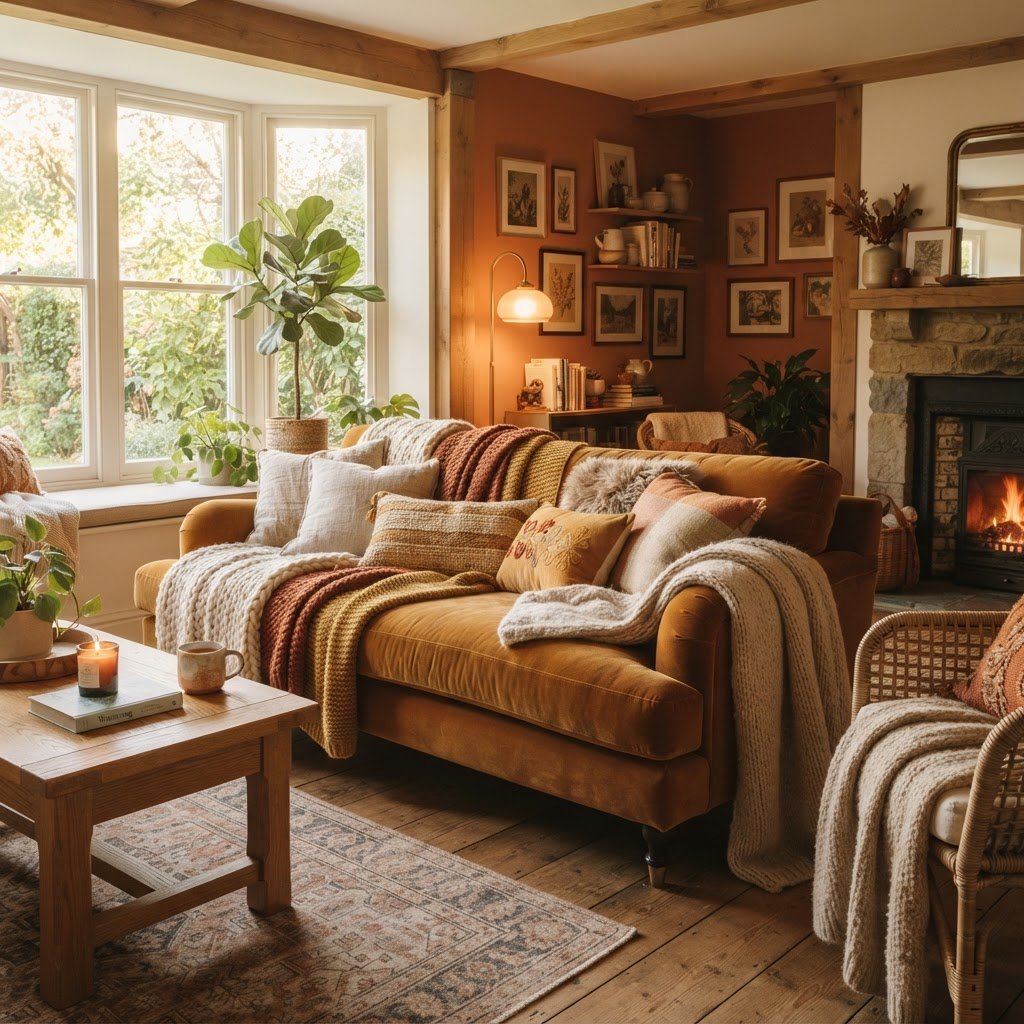
Light is more than just visibility; it is a biological signal that dictates our mood and energy levels. When you compare warm white vs orange glow, you are essentially choosing between productivity and relaxation. Warm white light, typically found in the 2700K to 3000K range, provides a soft, yellow-toned illumination that feels welcoming and natural to the human eye. It softens the sharp edges of your furniture and adds depth to your interior design.

Orange-toned light, which dips closer to 2000K or 2400K, leans into the nostalgia of candlelight and fireside evenings. This type of light is deeply associated with rest because it signals to our brains that it is time to wind down. By choosing the right spectrum, you can turn a cold, sterile house into a sanctuary of peace. Understanding this psychology is the first step toward mastering your home aesthetic.

Understanding Color Temperature (Kelvins)

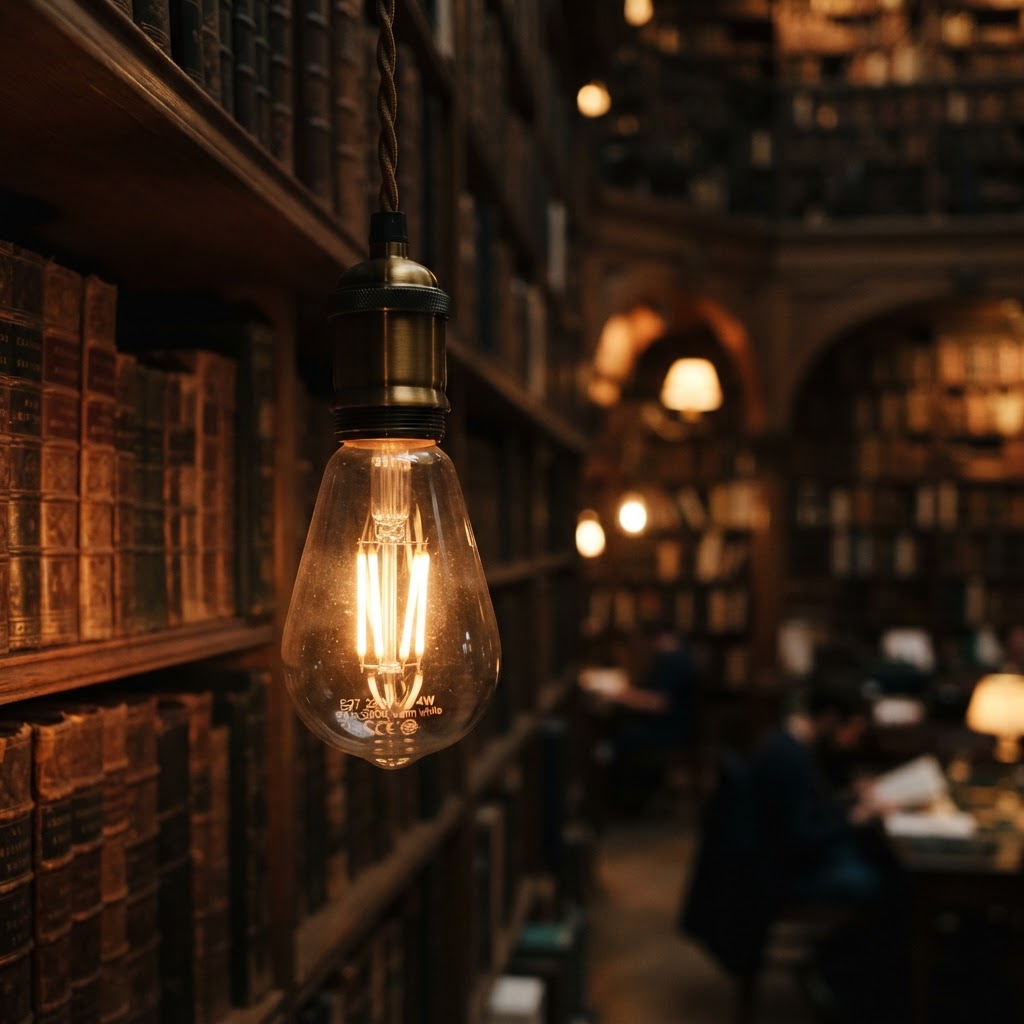
Selecting the right LED filament is key to that cozy glow.

To become an expert at selecting bulbs, you must understand the Kelvin (K) scale. The higher the number, the ‘cooler’ or bluer the light appears, whereas lower numbers represent warmer, ‘cozier’ light. For a cozy home, you want to stay in the lower end of this spectrum to maintain that soothing ambiance.

Why 2700K is the Sweet Spot

Most interior designers agree that 2700K is the gold standard for residential spaces. It is warm enough to feel comfortable, yet bright enough to read by without straining your eyes. It is the perfect balance for most households looking to avoid the overly clinical look of standard office lighting.

The Allure of 2200K for Mood Lighting

If you are looking to create a true ‘orange glow’ effect, look for bulbs rated around 2200K. These bulbs provide a deep, golden light that is perfect for accent lamps or wall sconces. They are not meant to light an entire room for cleaning, but they are unmatched for creating an intimate atmosphere during a movie night or a romantic dinner.

Warm White vs Orange Glow: A Side-by-Side Comparison

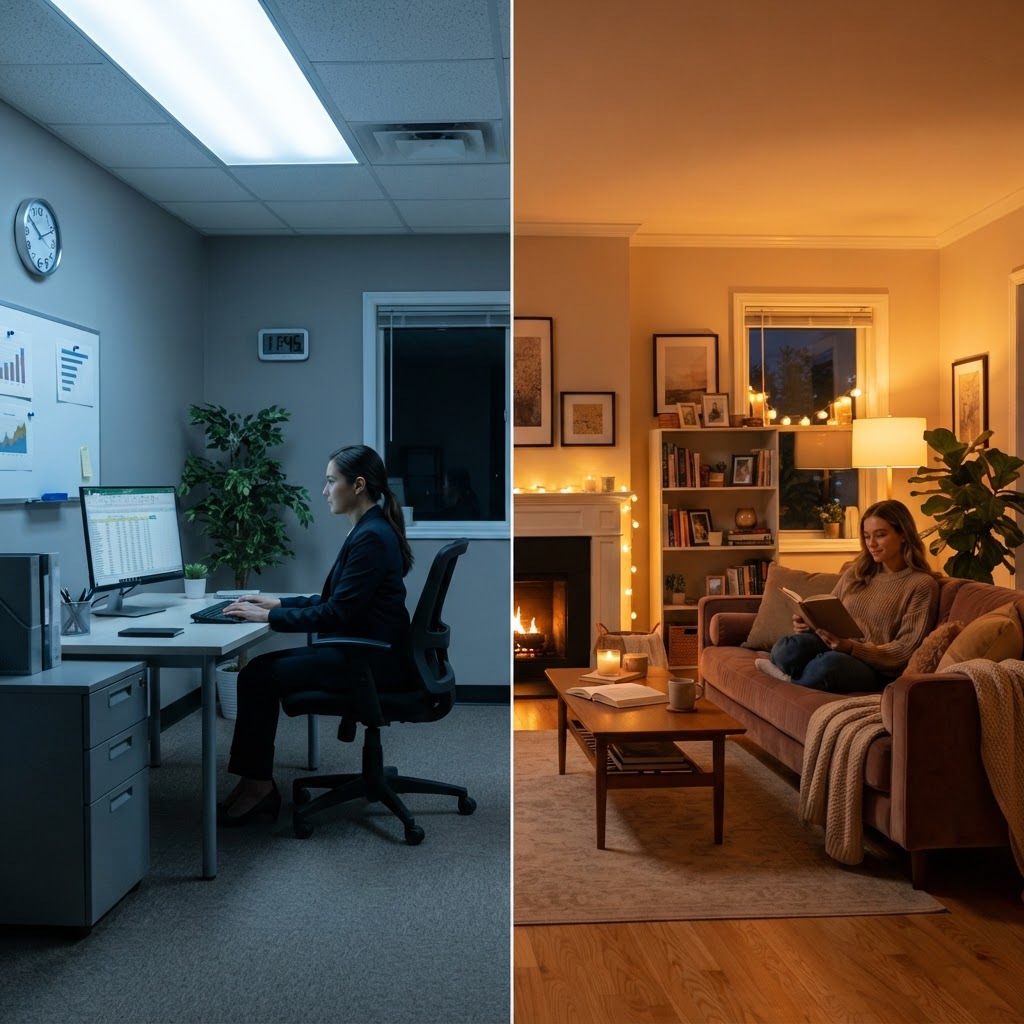
The visual difference between cool lighting and warm, cozy lighting.

Choosing the right lighting is often about deciding on the function of the room. Warm white is versatile, while orange glow is purely atmospheric. Consider the following table to help you decide which is better for your specific needs.

| Feature | Warm White (2700K-3000K) | Orange Glow (2000K-2400K) |

| :— | :— | :— |

| Primary Vibe | Cozy and welcoming | Intimate and nostalgic |

| Best Use | Living rooms, hallways, kitchens | Bedroom, accent lamps, evening lounge |

| Brightness | Sufficient for general tasks | Best for ambient glow |

| Mood Impact | Promotes comfort and safety | Encourages rest and relaxation |

How to Layer Your Lighting Like a Pro

One of the biggest mistakes homeowners make is relying on a single, harsh ceiling light. To master the art of cozy interiors, you must layer your lighting. This means combining ambient, task, and accent lighting to create depth. By mixing light sources, you can easily shift from a productive afternoon to a cozy, dimly lit evening.
Ambient Lighting Basics

Ambient light acts as the foundation of your room. Using warm white LED bulbs in your overhead fixtures ensures that the entire space feels unified and warm. However, you should never have this as your only source of light. It should act as the ‘base coat’ upon which you build more specialized lighting choices.

The Power of Task Lighting

Task lighting is meant for specific activities like reading or cooking. While you might want an orange glow in your living room, you may prefer a slightly crisper warm white in your kitchen to see what you are chopping. Always ensure your task lights are positioned to avoid glare, keeping them directed toward your workspace rather than your eyes.

Choosing the Right Fixtures for Your Glow

Once you have selected your bulbs, the fixtures themselves play a massive role in how that light is diffused. A glass shade will allow for a bright, clean output, while a fabric lamp shade will soften the light, making even a white bulb feel more like an orange glow. Consider the material of your light fixtures as a filter for the color temperature.

The Role of Dimmer Switches

Installing dimmer switches is perhaps the most important tip for achieving a cozy home. Dimmers allow you to control the intensity of your warm white lighting, effectively letting you slide down into that ‘orange glow’ territory at the end of the night. It gives you total control over the atmosphere without needing to swap out your light bulbs.

Troubleshooting Common Lighting Mistakes

Many people struggle with lights that look ‘off’ even when they choose warm bulbs. This is often due to mixing color temperatures in the same space. If you have one bulb that is 2700K and another that is 5000K, the clashing light will make your home look messy. Always try to keep your bulbs within the same 500-Kelvin range for consistency.

Avoiding the ‘Clinical’ Look

If your home feels like a hospital, it is time to audit your bulbs. Look at the packaging on your existing LEDs; anything labeled ‘Daylight’ or 5000K+ should be reserved for garages or workbenches. Switch these to 2700K bulbs, and you will notice an immediate change in how your home ‘feels.’

Embracing Shadows

Cozy lighting is not just about where the light hits; it is also about where the shadows fall. Do not be afraid of dark corners. Shadows create mystery and depth, making a room feel more intimate. Place lamps in specific areas to create ‘puddles of light’ rather than lighting the room evenly from wall to wall.

Frequently Asked Questions About Home Lighting

  1. Can I use smart bulbs to manage color temperature? Yes, smart bulbs allow you to adjust the Kelvin temperature via an app, which is the perfect solution for those who want both warm white and an orange glow.
  2. Do LEDs get hot like old incandescent bulbs? No, LEDs remain cool to the touch, making them safer for use in fabric shades or near furniture.
  3. Should I change my lights based on the season? Many people enjoy switching to warmer, lower-Kelvin bulbs during the winter months to compensate for the lack of natural sunlight.

Conclusion: Start Your Lighting Transformation

Creating a cozy home is a journey of intentionality. By choosing between warm white vs orange glow based on your specific needs, you can curate an environment that supports your mental well-being and enhances the comfort of your living space. Start small by updating your bedside lamps or adding a dimmer to your main living room fixture. You will be amazed at how such a small change can completely redefine your home experience. Ready to make the switch? Check your current bulb temperatures today and see how much more inviting your home can feel tonight.

Aesthetic Mood Lighting Ideas for Modern Apartment Living Rooms

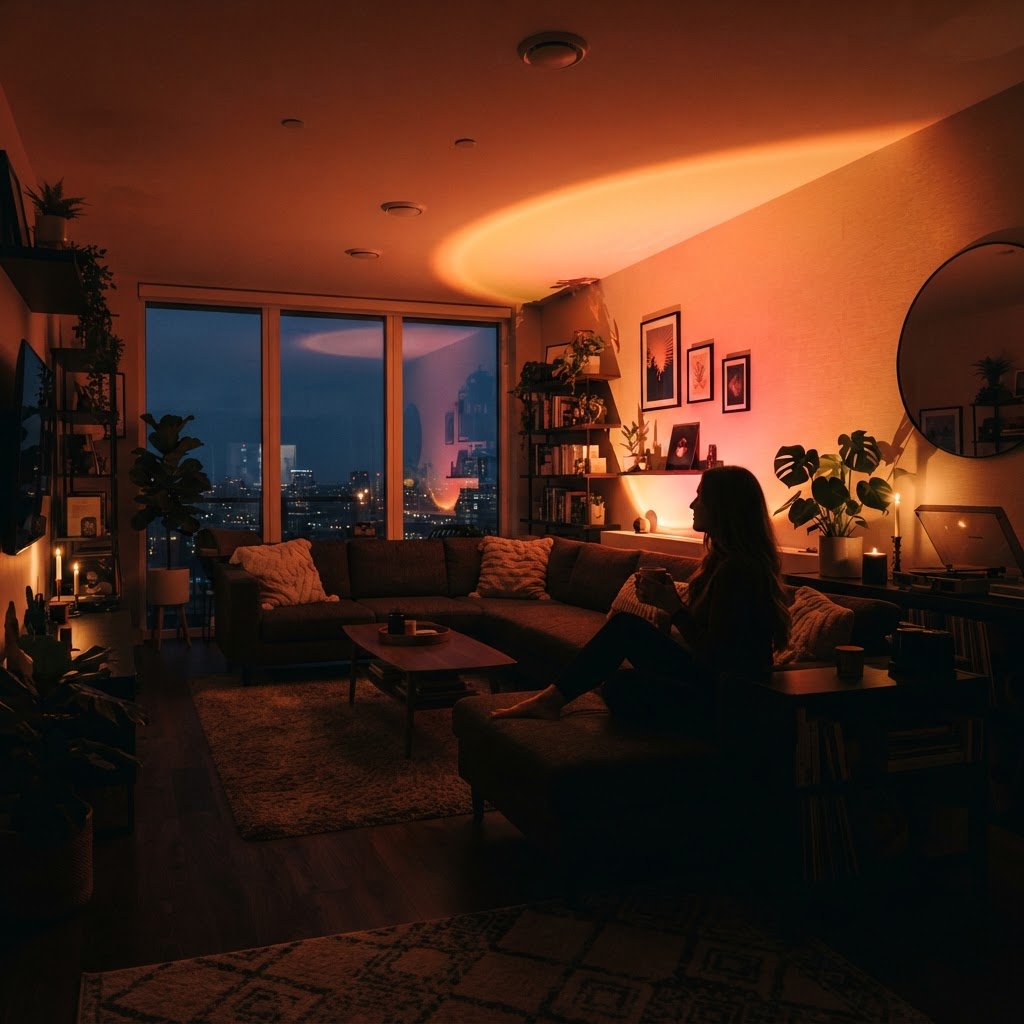
Transforming your home into a sanctuary requires more than just furniture and decor; it requires the right ambiance. Aesthetic mood lighting ideas for modern apartment living rooms are essential for turning a standard rental or condo into a personalized retreat. Lighting dictates how we feel in a space, shifting a room from a cold, sterile box to a warm, inviting haven after a long workday.

The Philosophy of Layering Light

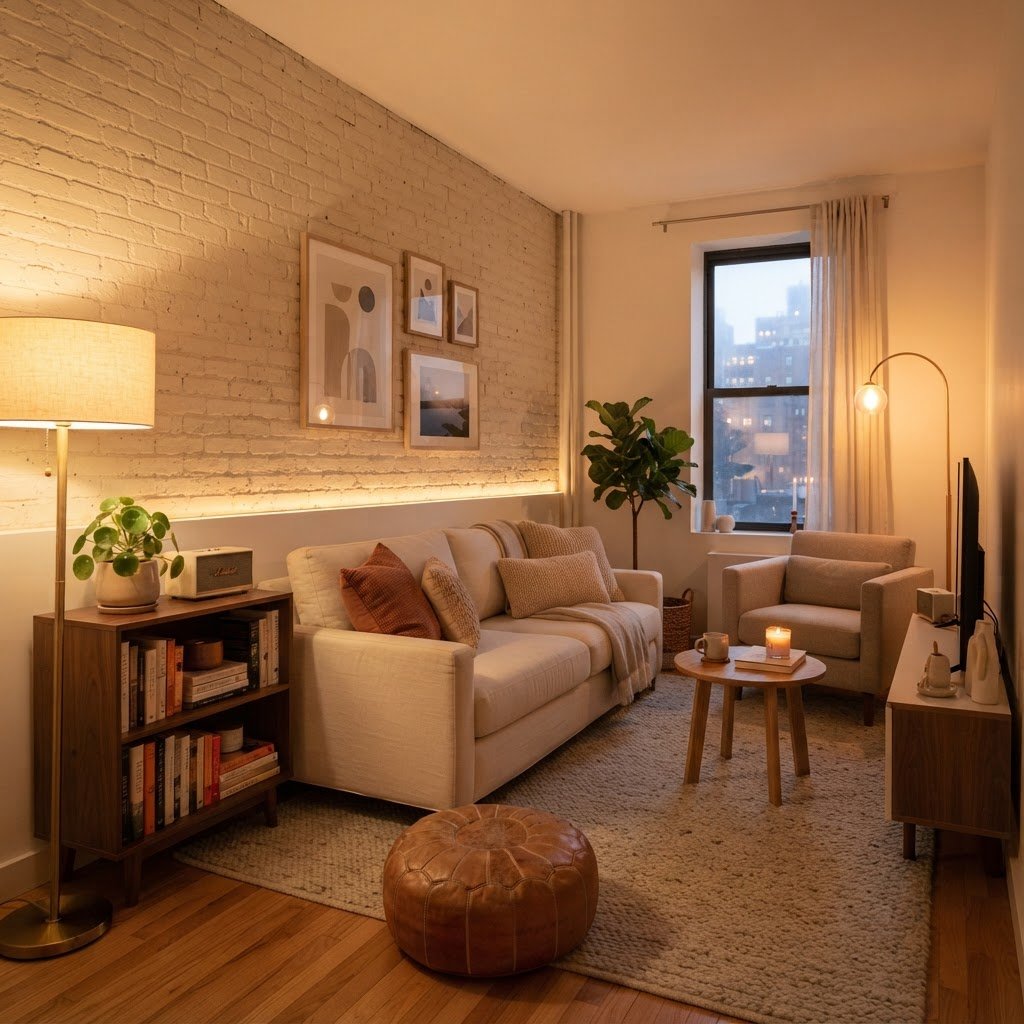
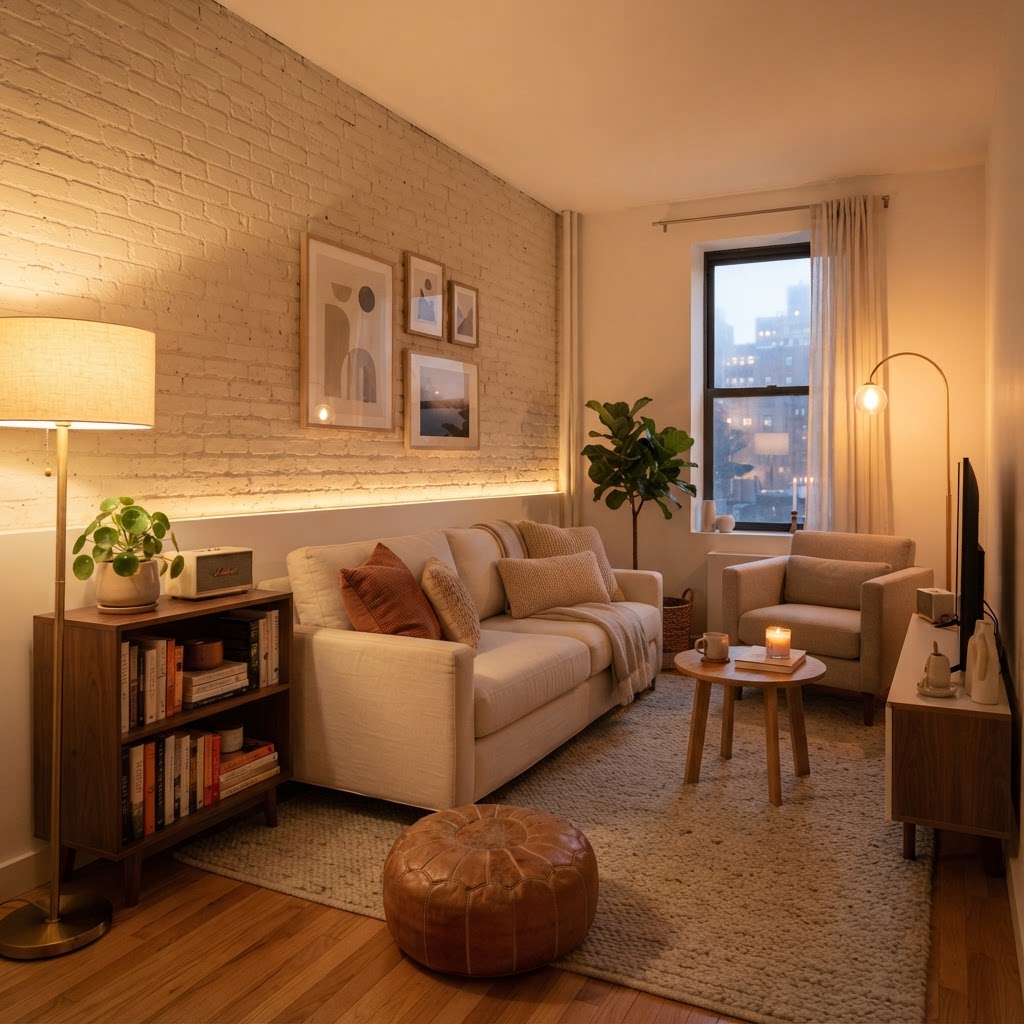
Warm floor lamps create an instant sense of home in modern apartments.

To master your lighting, you must first understand the three layers of light: ambient, task, and accent. Ambient lighting provides general illumination, while task lighting helps you focus on specific activities like reading or working. Accent lighting adds character, highlighting architectural features or artwork to create a more sophisticated aesthetic mood in your modern apartment living room.

Most apartment dwellers rely solely on a single overhead “boob light,” which is the enemy of ambiance. By turning off the main ceiling fixture and utilizing smaller, localized light sources, you create depth and shadow. This creates an immediate feeling of luxury and comfort, regardless of your square footage.

Incorporating Warmth with Floor Lamps

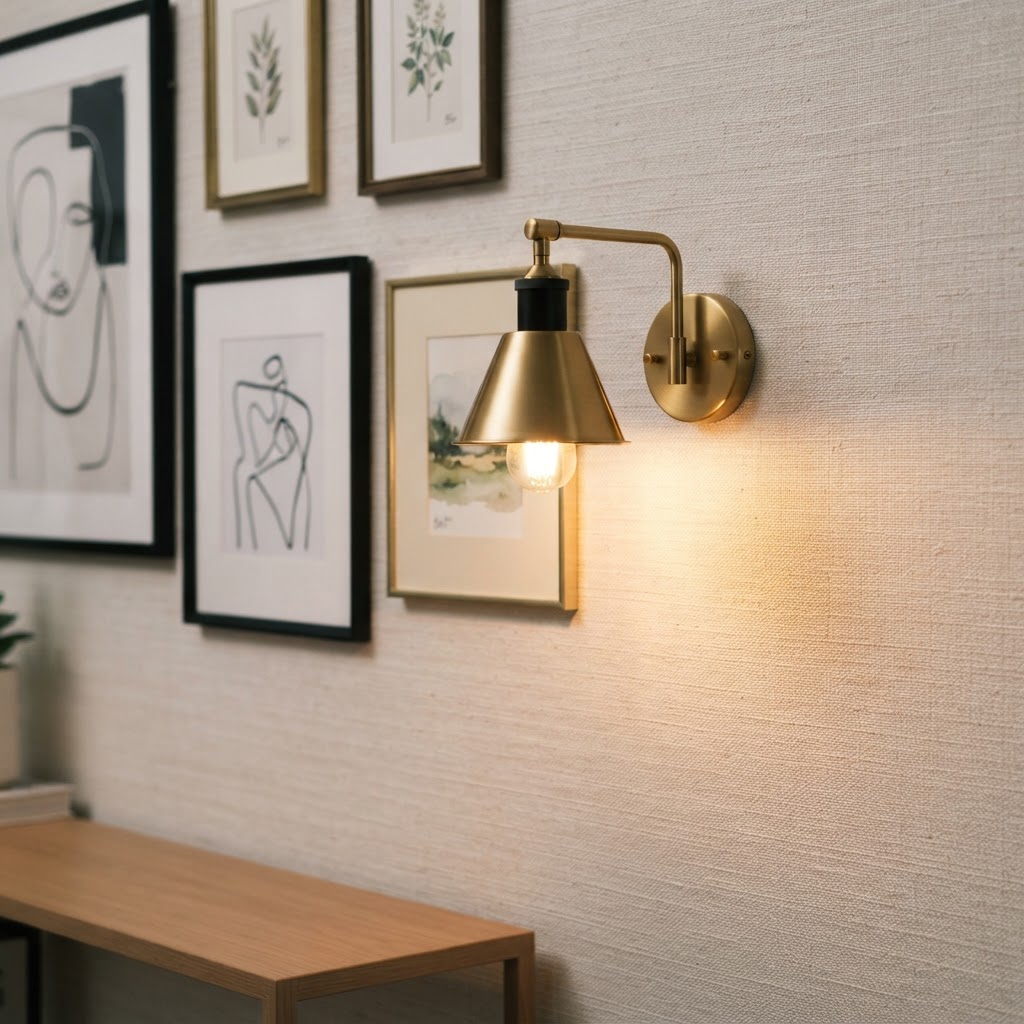
Wall sconces add a sophisticated, hotel-like touch to any wall.

Floor lamps are the workhorses of mood lighting. For small spaces, opt for slim profiles or tripod-style lamps that take up minimal floor space while providing significant height. Placing a floor lamp in a dark corner of your living room can instantly pull that corner into the main layout, making the room feel larger and more connected.

Choose lamps with fabric shades to soften the glow, or look for brass and matte black finishes that reflect current interior design trends. If your ceiling height allows, an arched floor lamp is a perfect way to bring light over a sofa without requiring complex electrical installation, which is a major benefit for apartment renters.

The Magic of Table Lamps and Accent Pieces

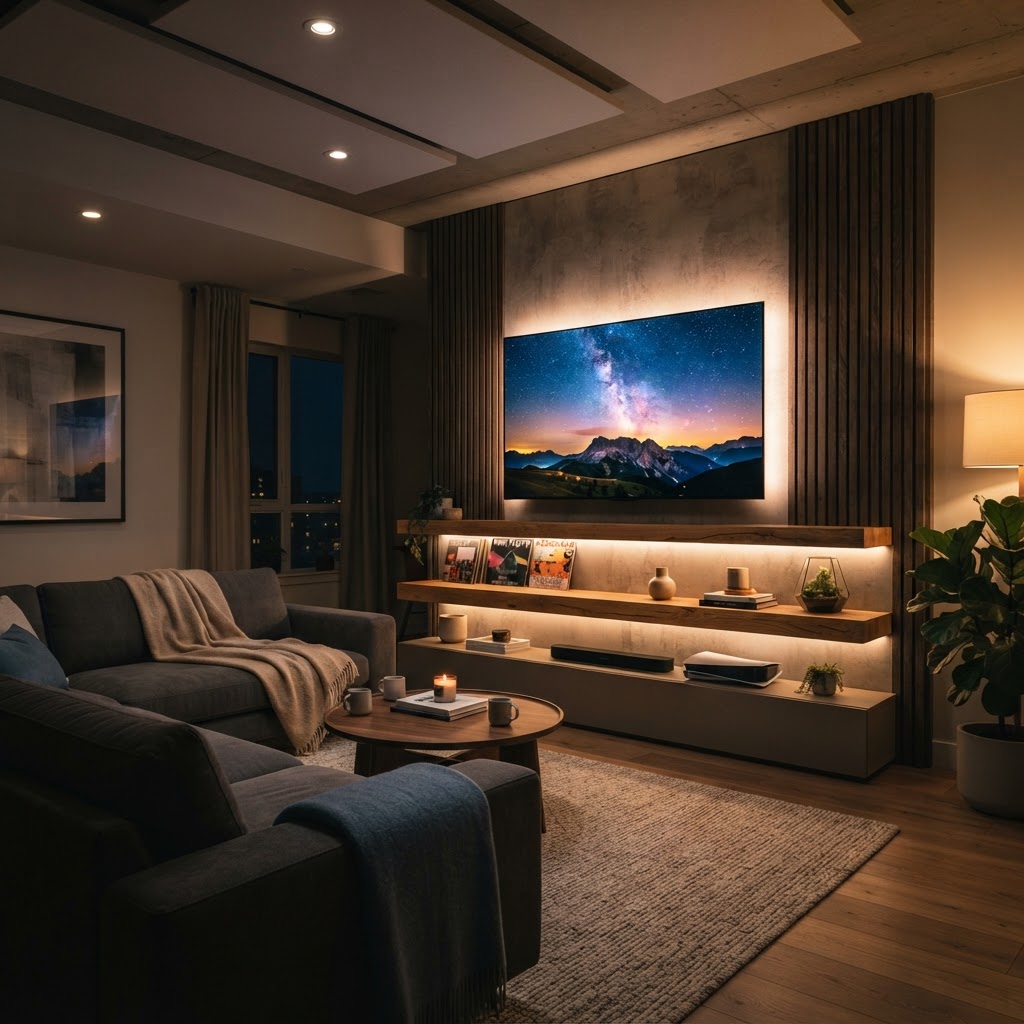
Indirect LED lighting creates a cinematic and modern atmosphere.

Table lamps are the jewelry of your living room. They act as sculptural elements during the day and provide intimate pockets of light at night. For the best aesthetic mood lighting ideas, aim for symmetry by placing matching lamps on side tables flanking your sofa.

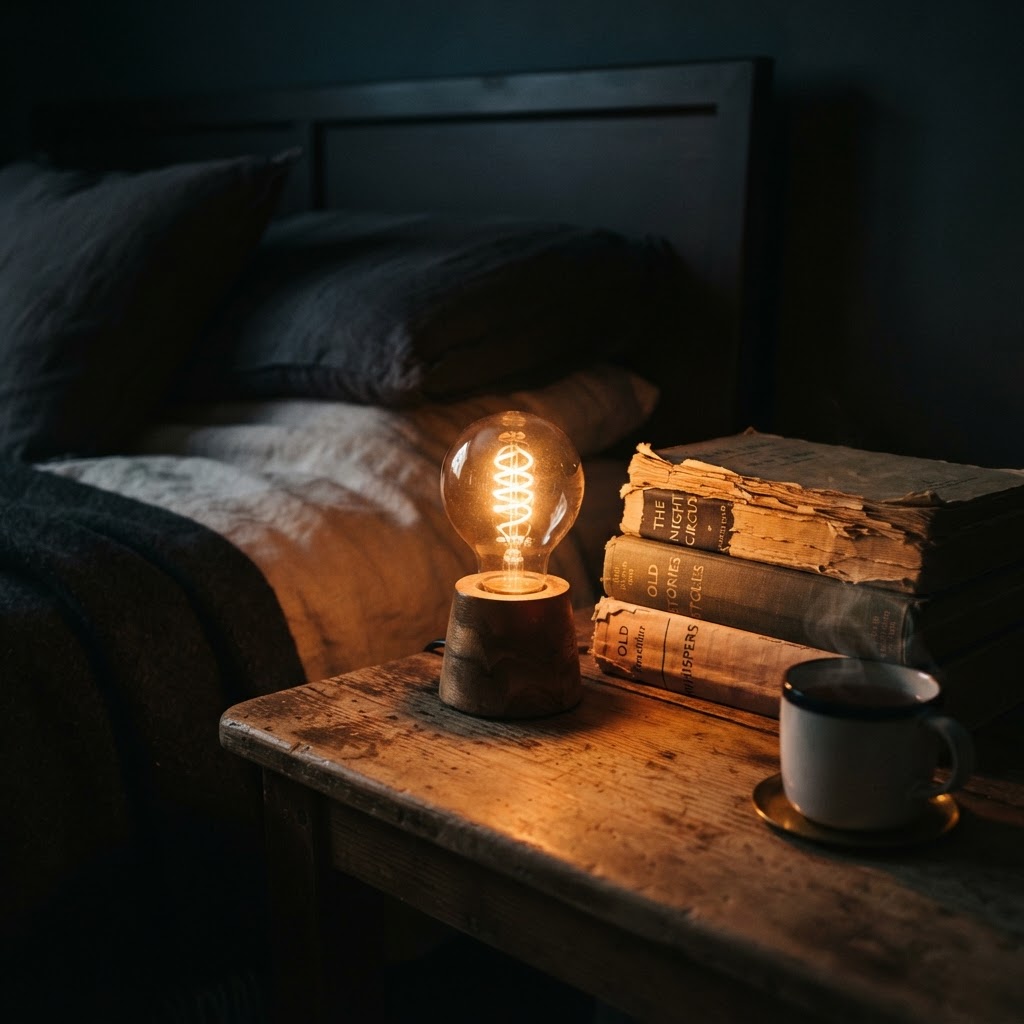
Alternatively, use decorative accent lamps on open shelving or console tables. These lower-level lights draw the eye down, creating a sense of intimacy that is perfect for movie nights or quiet evenings. Consider using vintage-style Edison bulbs to introduce a warm, nostalgic glow that adds texture to your walls.

Embracing Smart Lighting Solutions

Create a dedicated reading nook with focused, warm accent lighting.

Smart lighting has revolutionized modern apartment living. With smart bulbs or light strips, you can control the color temperature and brightness of your space via a smartphone app or voice command. This is particularly useful for renters who want to change the mood of their room instantly without changing fixtures.

Install LED light strips behind your television or under floating shelves to create a “floating” effect. This indirect light is soft on the eyes and provides a high-end, cinematic feel. Many smart systems also allow for scheduling, meaning your apartment can automatically transition to a warmer, dimmer setting as the evening progresses.

Vertical Light and Wall Accents

Wall sconces are often overlooked, but plug-in wall sconces are a game-changer for renters. They provide a high-end look without needing to call an electrician. Mounting these on either side of a piece of artwork or a mirror serves double duty by highlighting your decor while contributing to the overall ambient glow.

If you prefer not to drill holes, look for rechargeable magnetic sconces that attach to metallic surfaces. Using light to wash walls in color or soft white light makes the perimeter of the room feel more expansive. This technique is often used by designers to make tiny apartments feel significantly more open.

Benefits of Vertical Lighting

  1. It draws the eye upward, making ceilings look higher.
  2. It highlights wall textures like brick or gallery art.
  3. It reduces glare compared to traditional downlighting.
  4. It creates a soft bounce-back light that is very flattering.

Choosing the Right Bulb Temperature

Bulb temperature is measured in Kelvins (K). For a cozy, inviting atmosphere, you should stick to “warm white” bulbs, usually falling in the 2700K to 3000K range. Avoid “daylight” bulbs or anything above 4000K, as these create a blue, clinical light that mimics office buildings or hospitals.

When testing lighting, buy a few different types of bulbs and swap them out throughout the evening. You will notice that the right color temperature can make wood tones in your furniture look richer and wall colors appear more intentional. Consistency in color temperature across your lamps is key to a cohesive, professional look.

Curating Your Cozy Nook

Every apartment living room benefits from a dedicated “nook.” This might be a reading chair in a corner or a window seat. By focusing your mood lighting specifically on this area, you create a “room within a room.” Use a dedicated task lamp here that is slightly brighter than the rest of the living room lighting.

Pair this with a dimmable light source nearby to balance the brightness. The goal is to ensure that your eyes don’t struggle to adjust when you look away from your task. A well-lit nook is the ultimate way to utilize your space for relaxation during the evening hours.

Conclusion

Mastering aesthetic mood lighting ideas for your modern apartment living room is all about experimentation and intentionality. By layering your light sources, focusing on warm color temperatures, and integrating smart technology, you can elevate your space into a stunning, cozy environment. Don’t be afraid to mix styles and heights to see what works best for your specific floor plan.

Start your lighting transformation today by replacing one overhead bulb with a warm-toned option or adding a simple floor lamp to your darkest corner. Share your progress and show us how you’ve brightened your space!

How to Create Soft Chaos Cozy Lighting in a Small Space

Creating a sanctuary within a tiny footprint requires more than just furniture arrangement; it demands a shift in atmosphere. When you learn how to create soft chaos cozy lighting in a small space, you are not just illuminating a room, you are curating an emotional experience that makes even the smallest corner feel expansive and deeply personal. This design aesthetic, often referred to as ‘soft chaos,’ celebrates the beauty of lived-in textures, unexpected light sources, and a lack of rigid symmetry, making it perfect for small living areas.

The Philosophy of Soft Chaos Lighting

Layering different light sources creates an inviting soft chaos in any small space.

Soft chaos is about intentionally layering light to create an environment that feels collected rather than decorated. In a small apartment, overhead lighting often feels sterile and clinical, effectively shrinking the room’s visual boundaries. Instead, this approach favors a collection of low-level, warm-toned light sources that create pockets of brightness and shadow, softening the corners of the room.

By embracing this look, you move away from the ‘matchy-matchy’ aesthetic of catalog furniture. Instead, you create a space that feels organic and inviting. Think of it as a thoughtful gathering of lanterns, fairy lights, and vintage lamps, all working together to cast a gentle, diffused glow that makes your home feel like a warm hug after a long day.

Establishing Layers of Ambiance

Warm Edison bulbs provide the perfect golden hue for a cozy evening vibe.

To master this look, you must understand the three fundamental layers of lighting. Ambient lighting is your base, typically provided by your primary fixtures. Task lighting is focused, necessary for activities like reading or cooking. Accent lighting is where the magic happens—it highlights textures, corners, and art, adding the depth required for a cozy, small-room vibe.

Breaking the Symmetry Rules

One of the biggest mistakes in small-room design is trying to achieve perfect symmetry. Symmetry creates a sense of formality that often feels rigid and cold. Soft chaos thrives on asymmetry. Place a tall floor lamp in one corner and a table lamp on a low stack of books on the opposite side. This imbalance creates a dynamic visual flow that makes the eye wander across the room, effectively tricking the brain into perceiving more space.

Selecting the Right Bulbs and Color Temperatures

Using vertical space and plants allows for creative, layered lighting placements.

The secret to that iconic warm aesthetic lies almost entirely in the color temperature of your light bulbs. For a truly cozy atmosphere, you want to avoid anything labeled ‘cool white’ or ‘daylight.’ These hues are too harsh for small spaces and can make surfaces look blue and clinical.

Instead, seek out bulbs in the 2200K to 2700K range. These provide a soft, golden-yellow glow that mimics the warmth of sunset. When choosing your hardware, always look for dimmable options. Being able to drop the intensity of your lights allows you to adjust the room’s mood from a functional workspace during the day to a serene, candlelit retreat in the evening.

Creative Light Sources for Small Corners

Mirrors help amplify your light sources and visually expand your small living area.

When floor space is at a premium, look for creative ways to introduce light that doesn’t rely on bulky hardware. Use the verticality of your room to your advantage. Wall sconces that plug into existing outlets are a game changer for small spaces because they free up precious surface area on side tables and desks.

Here are some unconventional light sources to consider:

  • Warm LED fairy lights woven into houseplants or bookshelves.
  • Plug-in industrial wall sconces with Edison-style bulbs.
  • Battery-operated vintage lanterns for flexible placement.
  • Salt lamps to provide a soft, natural, and warm glow.
  • Projection lights that wash a ceiling or wall in soft colors.

The Impact of Textures and Reflective Surfaces

Lighting does not exist in a vacuum; it interacts with every surface it touches. In a small space, you can amplify the effectiveness of your soft chaos cozy lighting by utilizing materials that diffuse or reflect light in interesting ways. Velvet, wool, and linen curtains act as soft buffers, absorbing harsh light and creating a gentle, hazy aura around your lamps.

Conversely, strategic placement of mirrors can make a massive difference. If you place a mirror opposite a window or a cluster of string lights, you are effectively doubling the source of your illumination without adding any electrical clutter. This creates an optical illusion of depth, making your room feel far more spacious than the architectural blueprints would suggest.

Mastering Shadows and Depth

Many people are afraid of shadows in a small room, thinking they make the area feel cramped. However, when you learn how to create soft chaos cozy lighting in a small space, you realize that shadows are actually your best friends. A room that is perfectly lit everywhere is flat and boring. A room with ‘pockets’ of light is mysterious and inviting.

Focus on highlighting textures. Point a small accent light at a piece of textured artwork or a stack of books. By lighting specific objects rather than trying to illuminate the entire floor, you create a sense of intrigue. This contrast between light and dark is the defining characteristic of a professional, cozy interior.

Common Pitfalls to Avoid

One of the biggest mistakes is relying on a single ‘big’ light source. Relying on one ceiling-mounted fixture will make your walls feel closer together. Another error is neglecting the corners. Dark corners act like black holes that define the boundaries of your room, making it look smaller. Make sure every corner of your small space has some form of illumination, whether it’s a small floor lamp or a hidden LED strip behind a bookshelf.

Finally, avoid exposed bright bulbs. If you use decorative Edison bulbs, ensure they are placed in a location where they won’t be shining directly into your eyes when you are sitting on the couch or lying in bed. Always look for ways to diffuse the light through shades, frosted glass, or by bouncing it off a wall.

Conclusion

Creating a home that feels like a refuge is a process, not a destination. By experimenting with these lighting techniques, you can master the art of soft chaos and make your home feel intentional, warm, and deeply personal. Start by swapping your brightest bulbs for warmer, lower-wattage alternatives, and begin layering your light sources in a way that creates the cozy, inviting environment you deserve.

Are you ready to transform your living space? Start by picking up one warm-toned floor lamp or a set of fairy lights today, and watch how quickly your small room begins to transform into the cozy sanctuary of your dreams.

Orange Sunset Lamp Ideas: Elevate Your Living Room Decor

Creating the perfect ambiance in your living room often comes down to lighting, and nothing achieves a warm, nostalgic glow quite like orange sunset lamp ideas. These trendy lighting solutions have captured the hearts of interior design enthusiasts by mimicking the golden hour light that makes everything look softer and more inviting. By choosing the right sunset projection lamp or ambient lighting fixture, you can turn a plain, stark living space into a sanctuary of relaxation and golden-hued comfort. Understanding how to integrate this warm light is key to upgrading your home aesthetic.

The Rising Popularity of Sunset Lighting

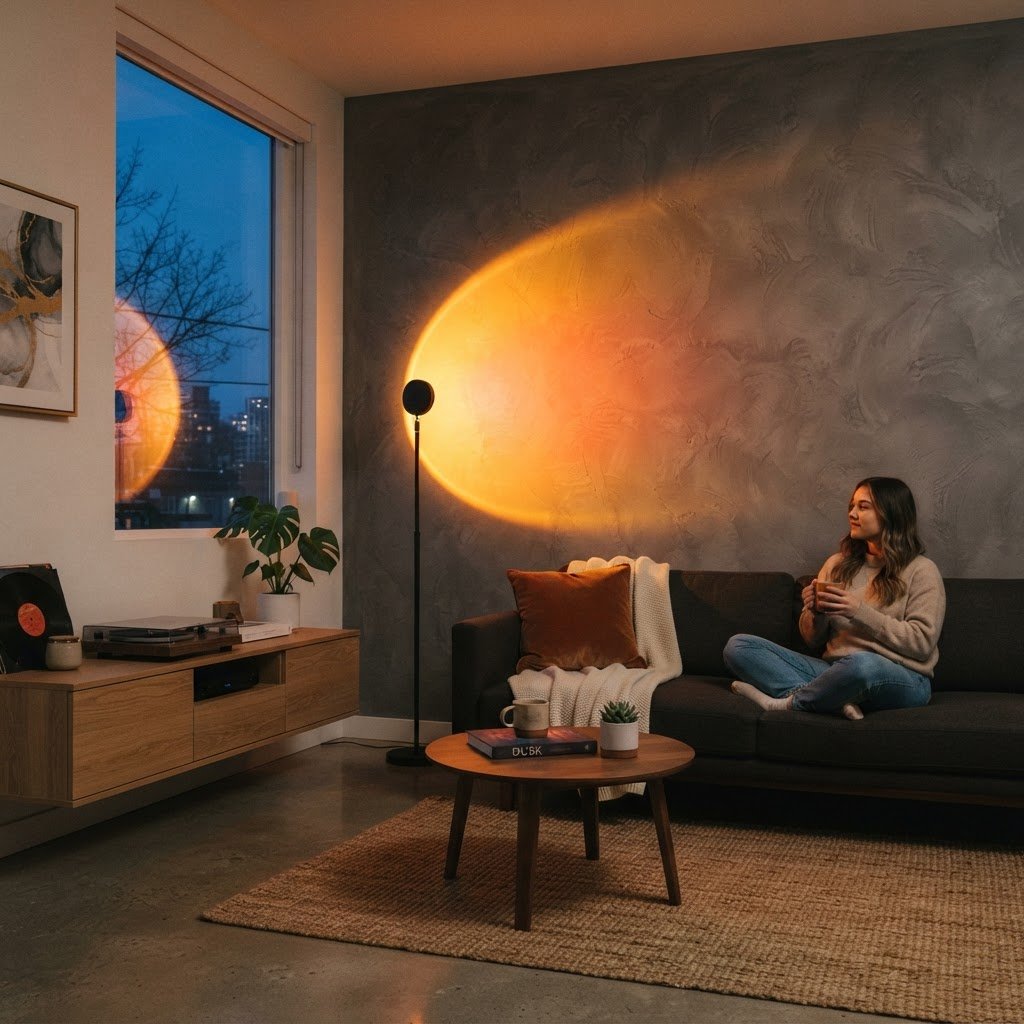
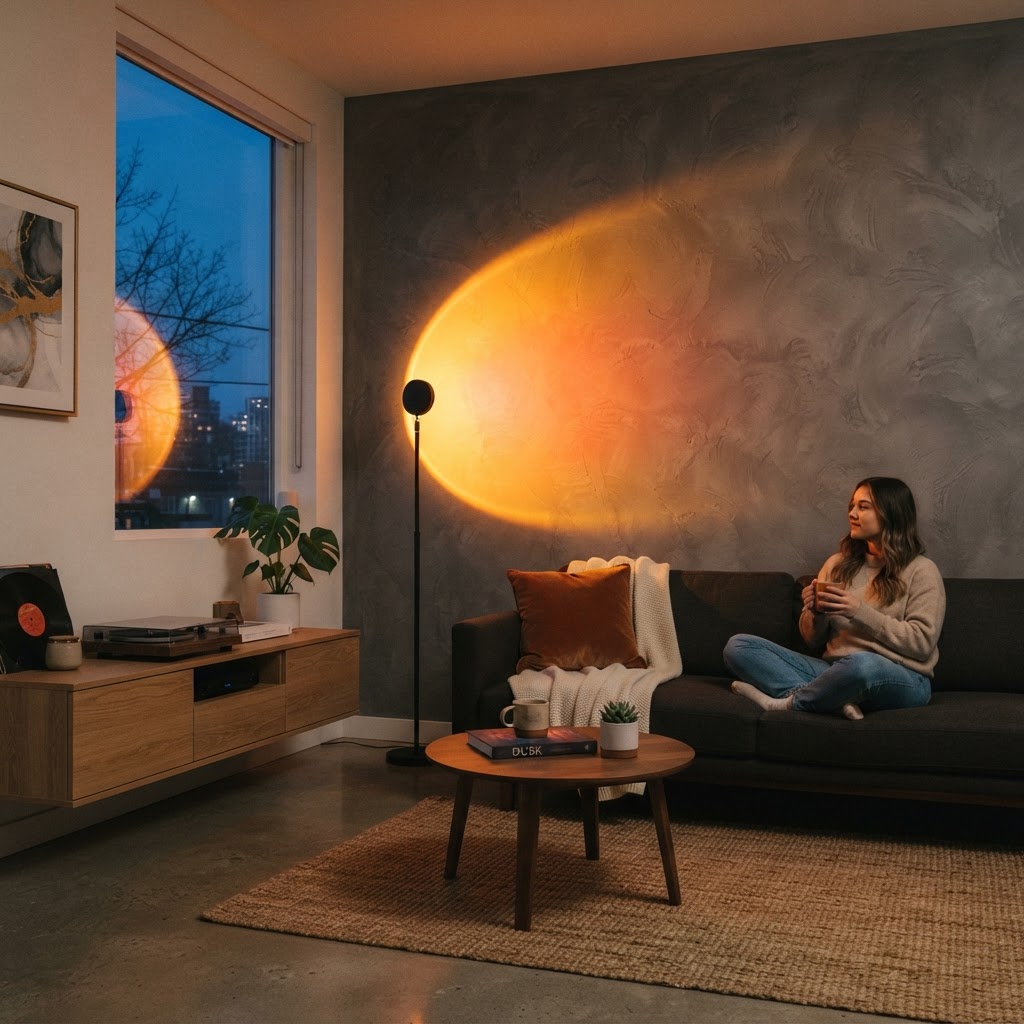
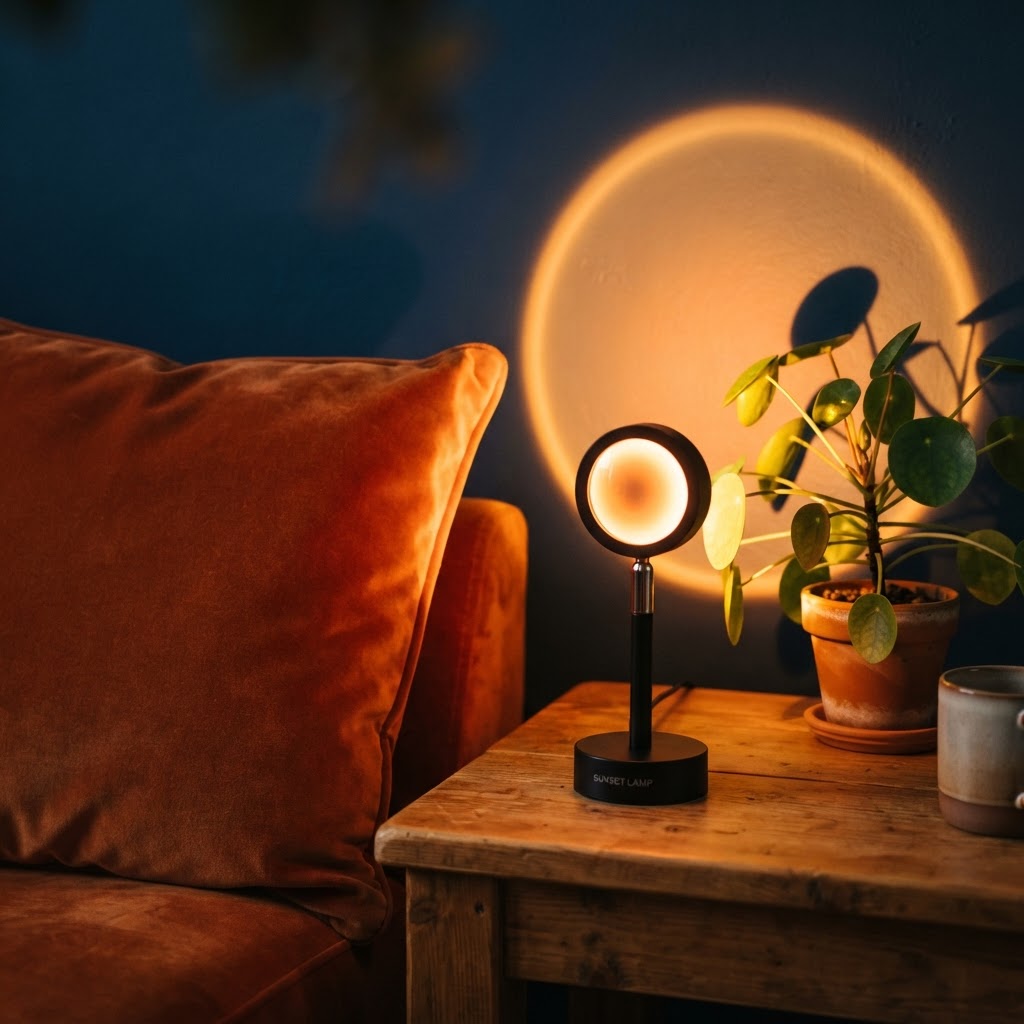
A sunset lamp creates a warm, inviting glow on a living room wall.

The obsession with sunset lamps started as a social media phenomenon, but it has quickly transitioned into a staple of modern interior design. Homeowners are moving away from harsh, clinical overhead lights in favor of layered ambient lighting that mimics natural cycles. Orange sunset lamps provide a focused, saturated color palette that shifts the mood of an entire room within seconds.

Why the Golden Hour Aesthetic Matters

Psychologically, the colors of a sunset trigger a sense of calm and transition, signaling to our brains that it is time to unwind. When you incorporate these lamps into your living area, you are essentially creating an artificial ‘golden hour’ that persists regardless of the weather outside. This is particularly effective during winter months when daylight is scarce and the need for warmth is at its peak.

Choosing the Right Sunset Lamp for Your Space

Soft orange light from a sunset lamp highlights home decor textures.

Before you dive into styling, you need to select the right device for your living room’s specific dimensions. Not all projection lamps offer the same intensity or color spectrum, so being selective is vital to achieving the high-end look you desire. You want a lamp that offers adjustable brightness and, ideally, a variety of color filters to suit different moods.

Key Features to Consider

  • Adjustable projection angle for flexibility
  • Dimmable light settings for evening relaxation
  • RGB color range for custom sunset variations
  • Sturdy base for safety on various surfaces

Styling Tips for Maximum Impact

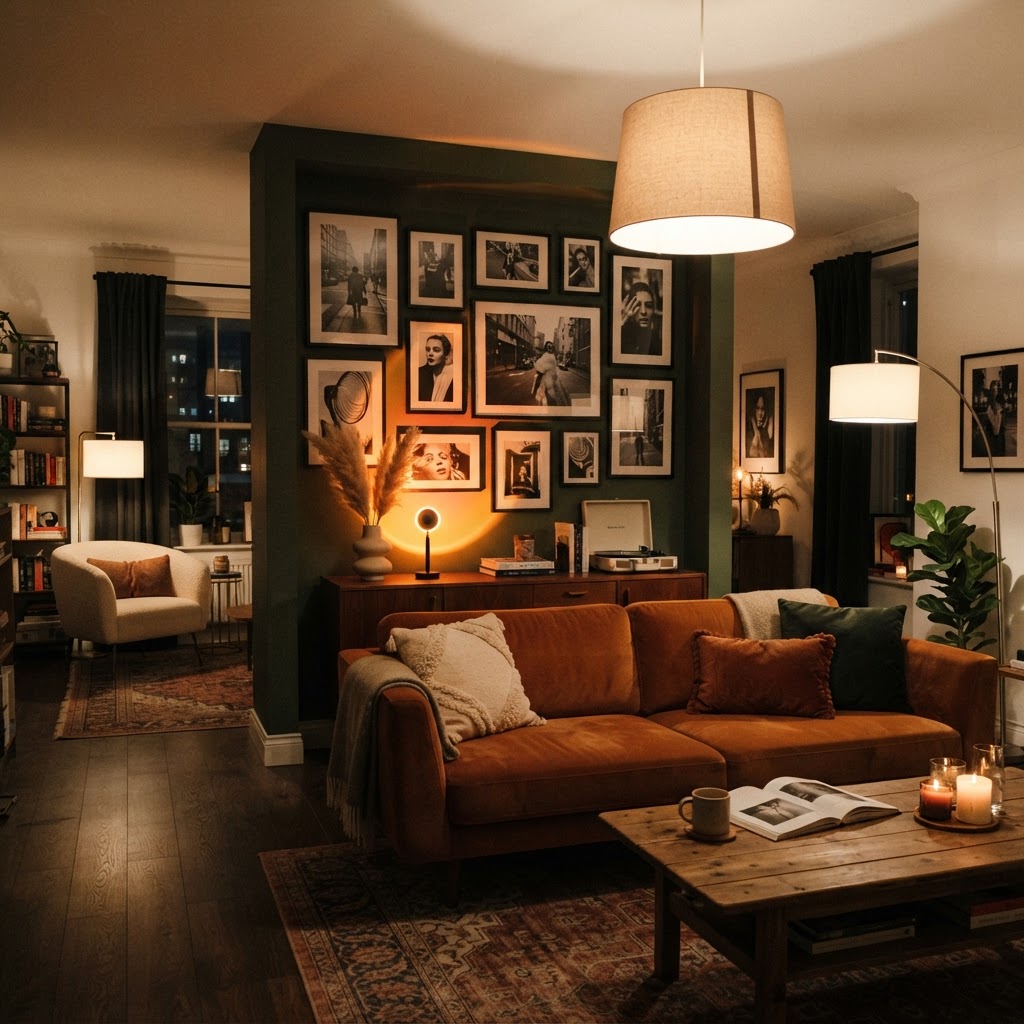
Transforming a living room with layered ambient sunset lighting.

Integration is where most people struggle, but the secret lies in placement. You should never place a sunset lamp in the center of the room where it will compete with other light sources. Instead, aim to treat it as a secondary accent light that paints one specific wall or a cluster of decor items in a warm glow.

Creating a Focal Point

Try aiming the light toward a neutral-colored wall behind your sofa. This turns your wall into a canvas of color, adding depth and dimension without cluttering the floor space. If you have artwork or plants, positioning the orange glow to catch these items creates a dramatic silhouette that feels professional and curated.

Combining Sunset Lamps with Other Light Sources

Using a sunset lamp to create a dramatic, artistic focal point.

To truly elevate your living room, you must master the art of lighting layers. An orange sunset lamp should serve as the ‘mood’ layer, while task lighting and general lamps handle the functional requirements. By mixing cool-toned lamps with the warmth of a sunset projection, you create a dynamic contrast that keeps the room feeling balanced.

Balancing Warmth and Functionality

For a truly sophisticated look, use a combination of floor lamps with warm white bulbs alongside your sunset projector. This prevents the orange light from becoming overwhelming while ensuring the corners of your room remain illuminated. Think of the sunset lamp as the sunset itself, and the other lights as the ambient twilight filling in the remaining gaps.

Sunset Lamp Placement Strategies

Placement isn’t just about where the light lands; it is about how it interacts with the textures in your home. Velvet cushions, wooden furniture, and indoor plants react beautifully to the warm hues of an orange sunset lamp. Experiment with placing the lamp at different heights to see how it changes the shadows in your room.

High vs. Low Positioning

Low positioning, such as placing the lamp on a bookshelf or the floor, creates long, dramatic shadows that feel cozy and intimate. High positioning, perhaps placed on a mantel or high shelf, creates a more expansive wash of color that feels like a sunset descending upon the whole room. Both methods offer unique ways to enjoy your orange sunset lamp ideas.

Common Mistakes to Avoid

While sunset lamps are versatile, there are common pitfalls that can diminish their effect. Overloading a room with too much color can make a space feel frantic rather than relaxing. Additionally, choosing a lamp with a weak projector can result in a blurry mess instead of a crisp, beautiful sunset effect.

Tips for Long-Term Success

Ensure your lamp is compatible with your room’s layout. If you have a small living room, choose a compact model that can be easily tucked away. Keep the lens clean from dust, as this will significantly impact the sharpness of the light projection over time.

Embracing the Sunset Trend Long-Term

As interior design trends shift, the desire for ‘warmth’ in our living environments remains constant. Using orange sunset lamps is a low-cost, high-impact way to keep your home feeling modern. Whether you use them for reading, hosting intimate gatherings, or simply relaxing after work, these devices provide a transformative experience that standard overhead bulbs simply cannot match.
Conclusion

Integrating orange sunset lamp ideas into your home is one of the easiest ways to refresh your living space with minimal effort. By carefully selecting your equipment, mastering placement, and balancing the light with existing decor, you can turn your living room into an oasis of warmth and relaxation. Start small, experiment with different angles and colors, and see how much the right light can change your daily mood. Ready to transform your living space? Browse our top recommended lamp models today and bring the golden hour home.
7 Easy IKEA FADO Lamp Hacks for Instant Cozy Vibes

The IKEA FADO lamp has long been a favorite among interior design enthusiasts for its minimalist, orb-like silhouette and soft, diffused glow. While its simplicity is part of its charm, many homeowners are looking for ways to personalize this affordable fixture to better suit their unique aesthetic. Fortunately, the world of IKEA FADO lamp hacks is vast, offering endless opportunities to turn a standard piece into a custom statement light that radiates cozy vibes throughout your space.

Whether you are a seasoned DIYer or a beginner looking for a weekend project, the FADO lamp’s glass globe acts as the perfect blank canvas. From rustic textures to modern metallic accents, these transformations require little more than basic craft supplies and a bit of creativity. Let’s dive into how you can elevate your lighting game without breaking the bank.

Why Choose the FADO Lamp for DIY Projects?

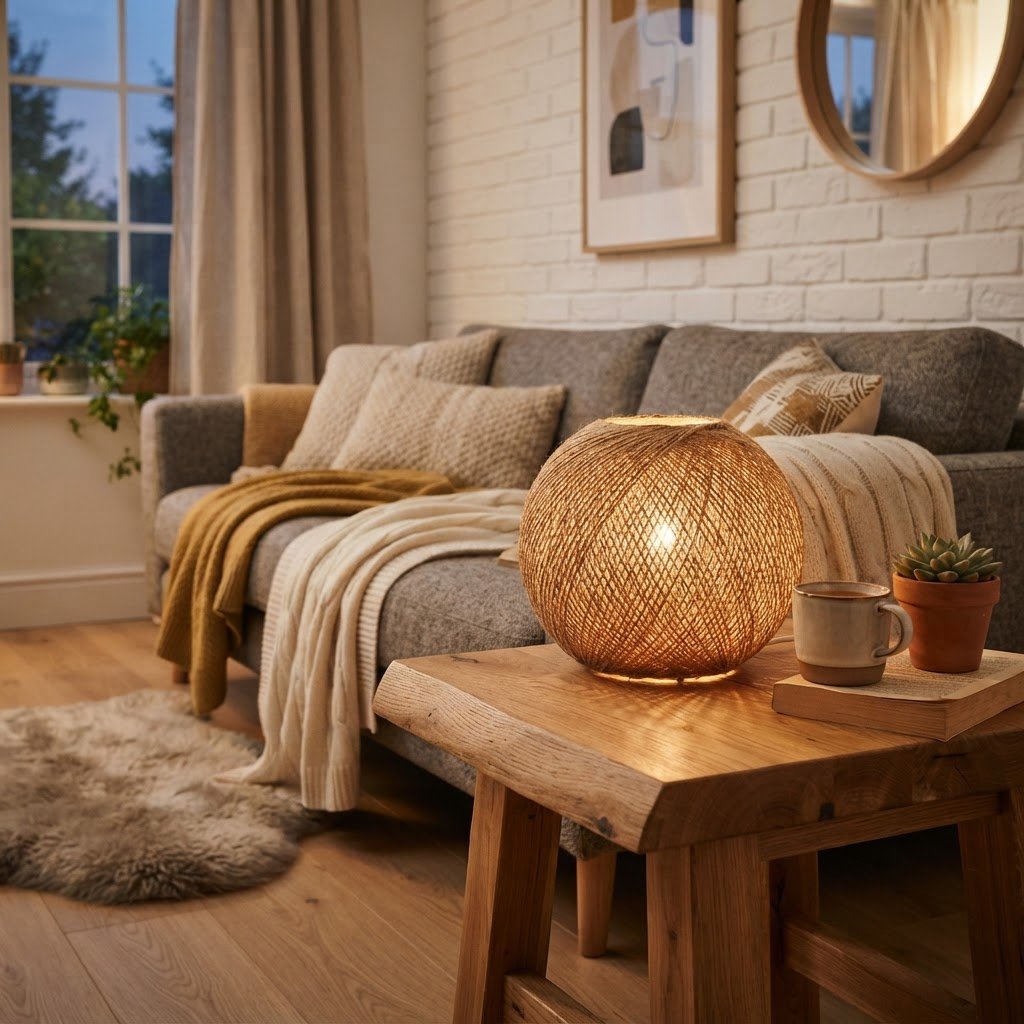
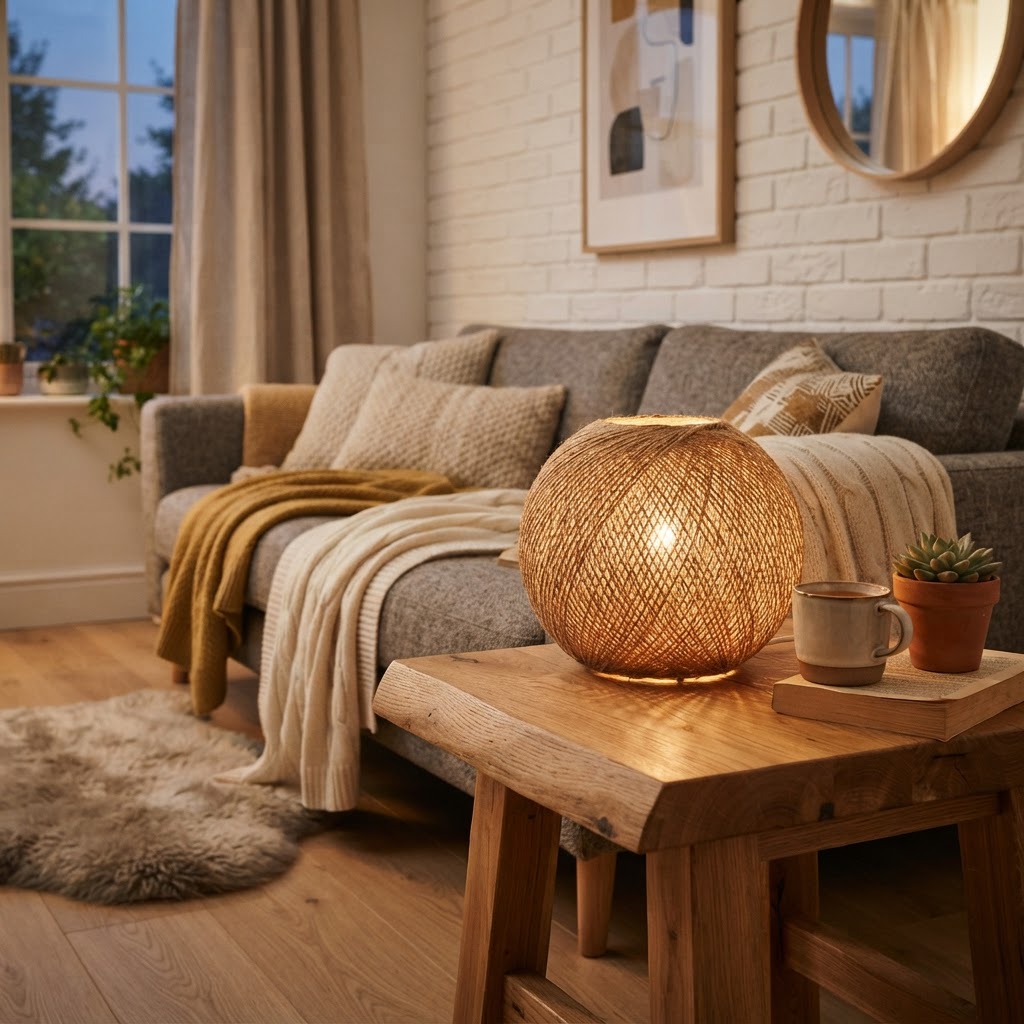
The rattan-wrapped FADO lamp creates a rustic, organic glow.

The primary appeal of the FADO lamp lies in its timeless, spherical shape. Because it is made of smooth, white glass, it provides an even light distribution that creates an inviting atmosphere in any room. It is essentially a high-quality light source available at a fraction of the price of boutique designer lamps.

Durability and Versatility

Unlike plastic fixtures that can yellow or become brittle over time, the glass construction of the FADO ensures it will last for years. The shape is also incredibly versatile, fitting into Scandinavian, mid-century modern, or even eclectic bohemian styles with just a few small changes. This durability makes it the perfect candidate for permanent modifications like painting, gluing, or wrapping.

Because the lamp is quite sturdy, you don’t have to worry about the heat from a standard LED bulb damaging your DIY handiwork, provided you follow basic safety precautions. This confidence allows you to get bold with your materials, knowing your custom creation will remain both safe and functional.

The Classic Bohemian Rattan Wrap

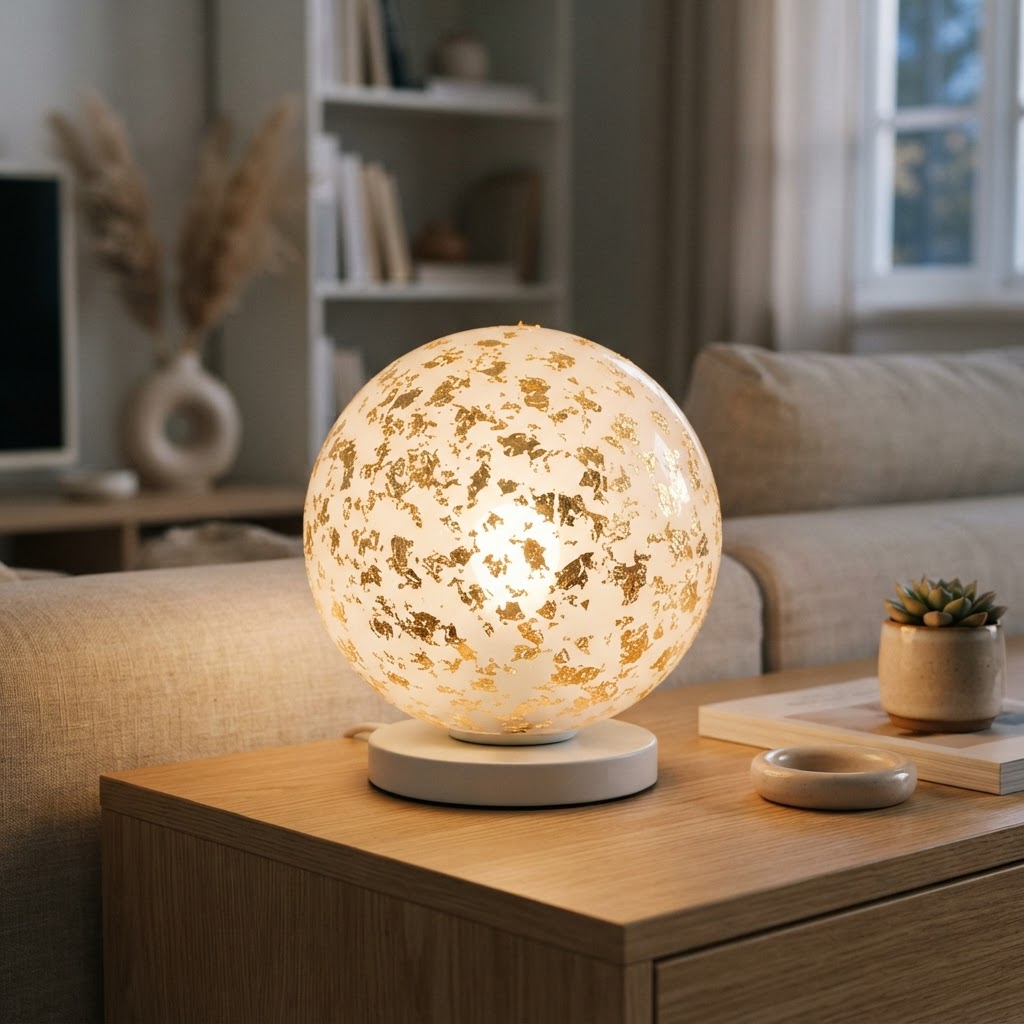
Gold leaf accents add a touch of high-end sophistication to the lamp.

One of the most popular ways to add warmth to a room is by introducing natural materials. A rattan or jute wrap is a fantastic way to break up the sterile white of the glass and introduce a touch of organic texture that instantly signals ‘cozy.’

To achieve this look, you will need a long spool of thin rattan reed or natural jute twine, a reliable clear-drying adhesive, and a steady hand. Start at the base of the lamp and slowly wind your chosen material around the glass globe, securing it with small dots of glue as you go. You can choose to cover the entire globe for a fully textured look or create patterns by leaving intentional gaps.

Why This Works for Mood Lighting

When the light shines through the gaps in your weaving, it casts beautiful, intricate shadows on your walls. This creates a secondary layer of visual interest that a plain lamp simply cannot provide, effectively turning your lighting fixture into an art installation.

Adding Geometric Patterns with Washi Tape

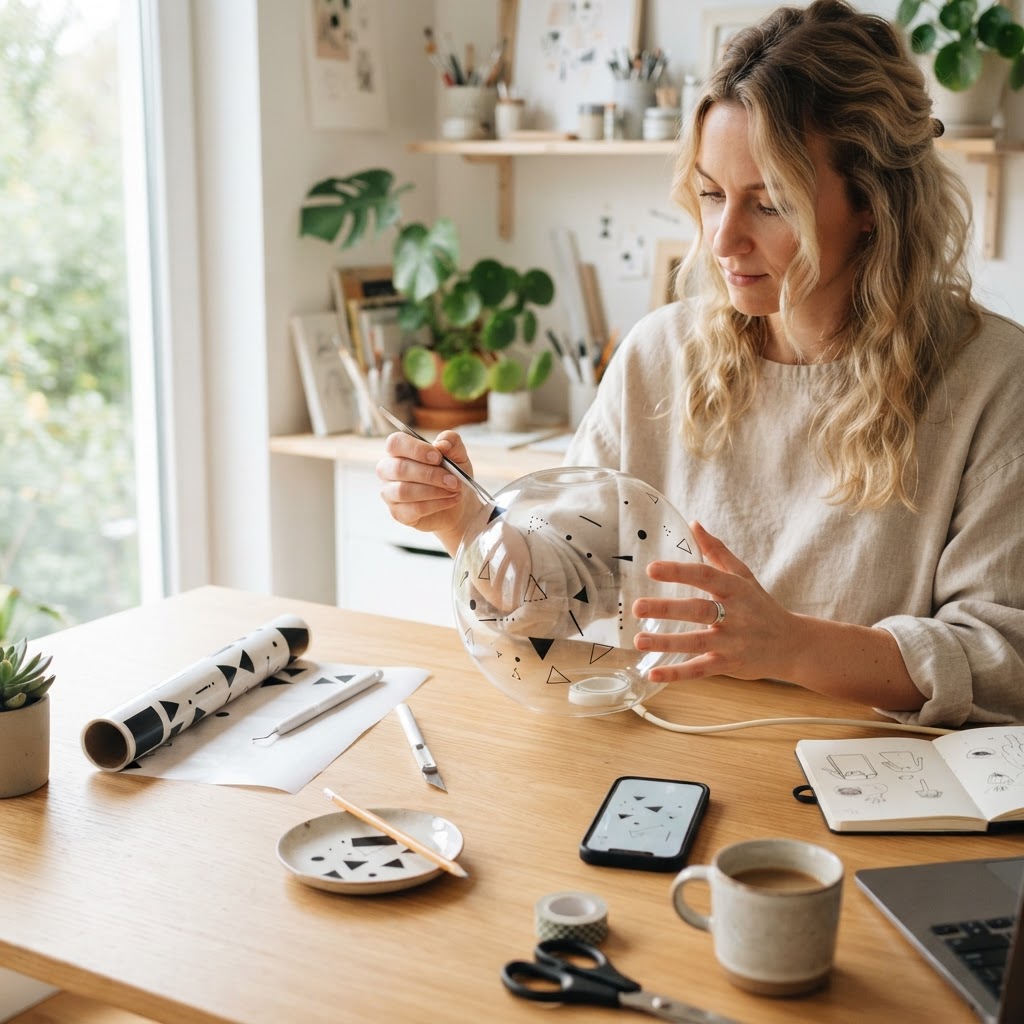
Vinyl decals offer a clean and modern way to customize your lamp.

If you prefer a clean, graphic look, washi tape is your best friend. It is inexpensive, comes in thousands of patterns, and is fully removable if you decide to change up your decor later on. This is perhaps the easiest of all IKEA FADO lamp hacks for those who want a quick update.

Step-by-Step Tape Application

  1. Thoroughly clean the glass surface with alcohol to remove any fingerprints or dust.
  2. Cut strips of washi tape into various lengths or geometric shapes like triangles and diamonds.
  3. Apply the tape directly to the globe, pressing down firmly to ensure no air bubbles are trapped.
  4. If you want a more permanent look, you can seal the tape with a light spray of matte clear acrylic sealer.

This method allows you to experiment with ‘color blocking’ or ‘constellation’ themes without any long-term commitment. It is a fantastic way to involve children in a craft project, as it is mess-free and safe.

The ‘Cloud’ Look with Textured Sprays

For those who love the look of expensive, organic-shaped paper lamps, textured spray paint is a secret weapon. By using a ‘stone’ or ‘granite’ finish spray paint, you can disguise the smooth glass and give your lamp an earthy, monolithic appearance that looks like it came from a high-end design gallery.

When applying textured spray, ensure you are in a well-ventilated area. Hold the can about 12 inches away from the lamp and use light, overlapping strokes. Do not try to get full coverage in one coat; instead, layer the texture gradually until you reach the desired ‘cloudy’ or ‘stone’ effect.

Applying Gold Leaf for Subtle Glamour

If your home decor leans toward the luxurious, adding metallic accents to your FADO is an excellent strategy. Gold or copper leaf provides a refined touch that turns the simple globe into a sophisticated statement piece, perfect for a bedside table or a reading nook.

The Gilding Process

Start by applying a very thin layer of adhesive ‘size’ to specific areas of the globe. Once the size becomes tacky, carefully apply the gold leaf sheets using a soft brush. Don’t worry about perfect coverage; sometimes, an imperfect, distressed finish looks more expensive and intentional.

Once the leaf is applied, you can burnish it gently with a dry brush to remove the excess. The result is a lamp that glitters softly even when the light is turned off, and glows with a warm, metallic hue once switched on.

Creating a ‘Space Age’ Look with Vinyl Decals

Vinyl decals are perfect for those who want a sharp, professional finish. You can use a cutting machine to create custom vinyl stickers, such as planetary rings, minimalist faces, or abstract line art, and apply them to the lamp.

This is one of the most effective IKEA FADO lamp hacks for creating a ‘designer’ aesthetic. Because vinyl is durable and heat-resistant, it holds up beautifully against the lamp’s surface, allowing for intricate designs that would be impossible to paint by hand.

Final Tips for Success

Before you embark on your DIY journey, consider the following checklist to ensure your project goes smoothly:

  • Always use LED bulbs: They emit significantly less heat, making them much safer for lamps that have been modified with adhesives or paper materials.
  • Clean the base: Don’t forget that the base of the FADO is also customizable! A quick spray paint in matte black or brushed nickel can make the entire lamp look brand new.
  • Mind the cord: If the white plastic cord clashes with your design, consider wrapping it in yarn or using a fabric cord cover to blend it into your wall.
  • Test your adhesive: Always try your glue on a small, hidden spot on the underside of the lamp to ensure it doesn’t cloud or melt the surface material.

Conclusion

The IKEA FADO lamp is more than just a budget lighting solution; it is a platform for your creativity. By utilizing these simple IKEA FADO lamp hacks, you can breathe new life into an ordinary object and curate a home that feels uniquely yours. From the tactile warmth of a rattan wrap to the modern edge of vinyl decals, the possibilities are limited only by your imagination.

Don’t let your lighting be an afterthought. Pick a project from this list, gather your materials, and start crafting today. Once you see how a simple DIY can transform the mood of your living room or bedroom, you will never look at a standard store-bought lamp the same way again. Happy crafting!

Rooms That Feel Like a Warm Hug: Lighting + Texture Secrets

Have you ever walked into a space and felt an immediate sense of relief, as if the room itself was giving you a warm hug? Creating a home that feels like a warm hug is about more than just expensive furniture; it is about the intentional marriage of lighting and texture. When these two design pillars work in harmony, they create an atmosphere that cradles the senses and signals to your nervous system that it is time to rest. Whether you are looking to renovate your entire house or simply tweak a corner of your bedroom, the art of coziness is accessible to everyone.

The Psychology of the Warm Hug Aesthetic

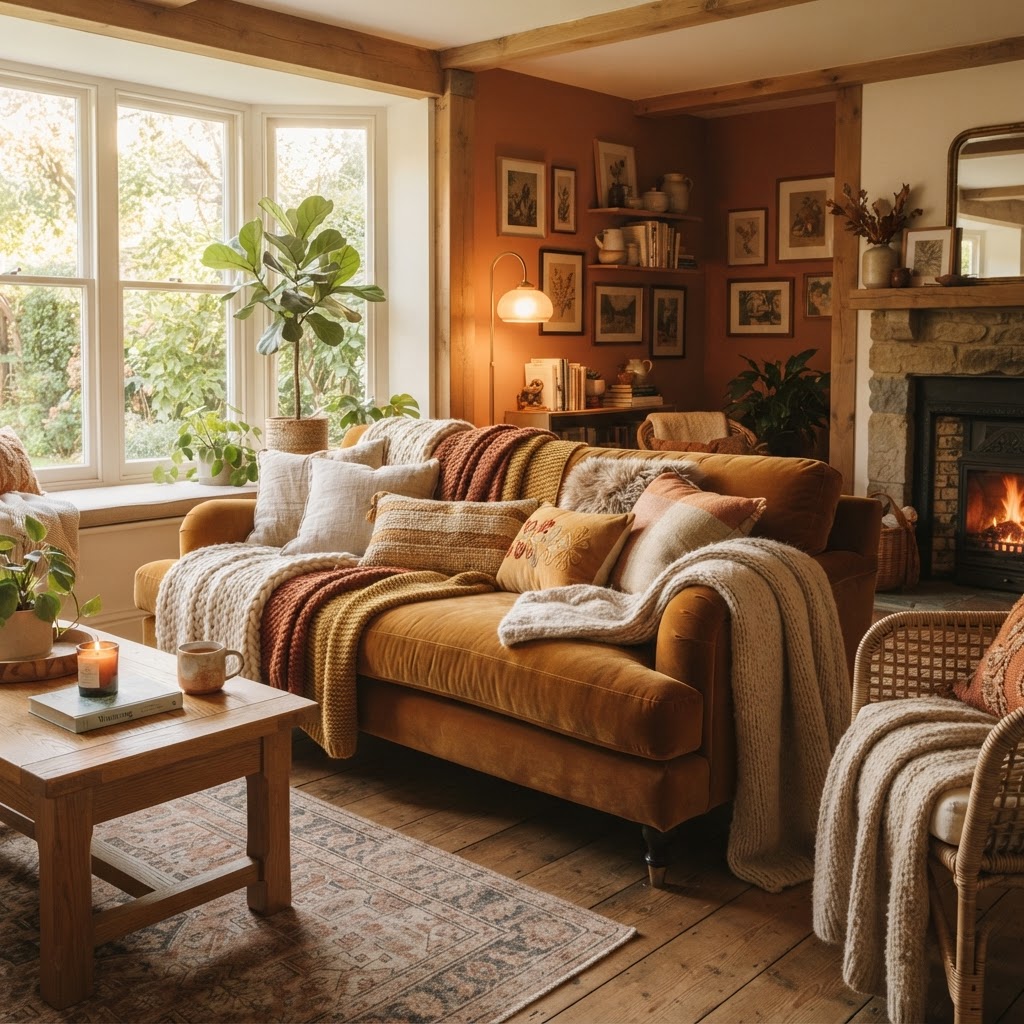
Layering plush textures creates an immediate sense of warmth in any living space.

Designers often refer to “sensory comfort” when discussing spaces that feel inherently safe. This concept taps into our biological need for shelter and warmth, which is why we gravitate toward soft fabrics and low-level lighting when we are stressed. A room that feels like a warm hug isn’t just visually appealing; it is emotionally restorative.

Why Lighting Matters

The way we light our homes dictates our circadian rhythms and our mood. Harsh, overhead lighting can make a space feel clinical and sterile, which is the antithesis of a warm, inviting environment. Instead, focus on multi-layered lighting that mimics the soft glow of a sunset or a crackling fire.

The Power of Ambient Illumination

Ambient light is the foundation of your lighting scheme. By utilizing lamps with warm-toned bulbs—ideally in the 2700K to 3000K range—you immediately soften the hard edges of your furniture. This is the first step toward achieving that elusive “warm hug” feeling in any room.

Texture: The Tactile Secret to Comfort

Focused lighting is the secret to creating a cozy, restorative reading nook.

If lighting is the soul of a room, texture is the skin. Texture provides depth and visual interest while inviting physical interaction. When a room lacks texture, it often feels flat or “hollow,” regardless of how much decoration is present.

Layering for Maximum Coziness

To make a space feel truly enveloping, you must layer your textures. Think about the way different materials interact: a nubby wool throw over a smooth leather armchair, or a velvet pillow sitting against a linen sofa. These contrasts create a sensory journey that makes people want to linger longer.

Curating Your Material Palette

  1. Natural woods for warmth and grounding.
  2. Plush velvet or bouclé for soft touch points.
  3. Chunky knits for added visual weight.
  4. Brushed metals to add subtle, non-reflective glimmers.
  5. Organic stone or ceramics to anchor the design.

Mastering the Art of Layered Lighting

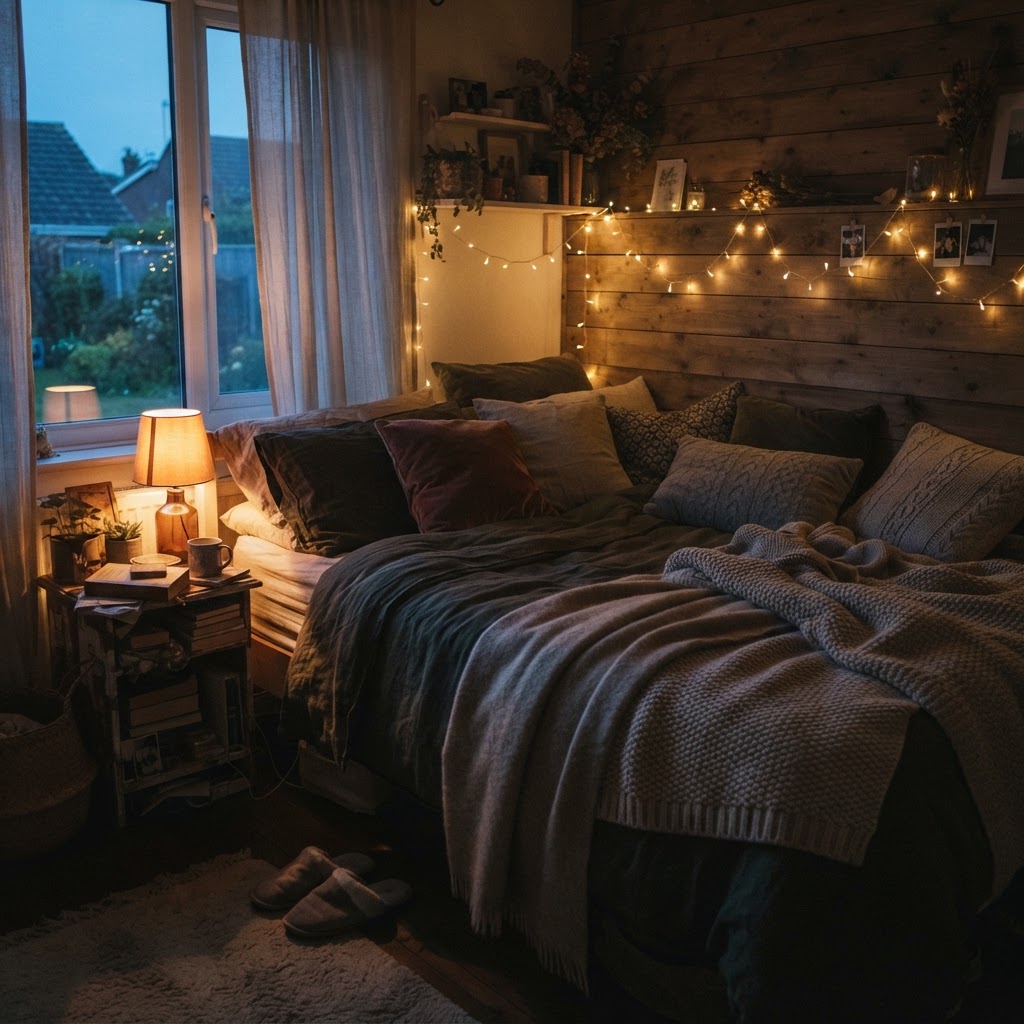
Layered lighting and soft fabrics work together to create a sanctuary-like bedroom.

Creating a sanctuary requires you to move away from relying on a single light source. Designers use the “three-level” rule: ambient, task, and accent lighting. When these three layers are balanced, the room gains a three-dimensional quality that feels incredibly sophisticated yet entirely welcoming.

The Role of Warm-Tone Bulbs

Never underestimate the temperature of your light. Cool blue light is often linked to high alertness and office environments. For a room designed to feel like a warm hug, opt for “warm white” or “soft white” bulbs. This small change acts as a filter for the entire room, turning average furniture into cozy features.

Selecting Textiles That Embrace You

When choosing fabrics, ask yourself: Does this invite a touch? If the answer is no, it is likely not contributing to the cozy atmosphere you desire. Focus on materials that offer a sense of physical weight and softness.

The Importance of Rugs and Soft Goods

A bare floor can make a room feel unfinished and cold. Placing a high-pile, plush area rug in your main living space serves as a literal cushion for the feet and a visual anchor for the room. When you combine this with oversized pillows and weighted blankets, you create a physical barrier against the outside world.

Creating Inviting Corners for Quiet Reflection

Sometimes, the best way to make an entire house feel like a warm hug is to curate smaller, more intimate “nests.” These are pockets of space designed for singular activity, such as reading, journaling, or simply sipping coffee.

Elements of a Perfect Nook

  • A comfortable, structured armchair.
  • A side table for a hot beverage.
  • A dedicated floor lamp for task lighting.
  • A single soft throw blanket draped over the arm.

Personal Touches That Warm the Soul

To truly complete the atmosphere, add items that hold sentimental value. A handmade vase, a framed memory, or a specific scent can ground the space in your personal history. These elements take the room from a “design concept” to a personal sanctuary.

The Seasonal Evolution of Your Sanctuary

Your home should breathe with the seasons. A room that feels like a warm hug in the dead of winter might need to shift slightly for the heat of summer. However, the core principles of light and texture remain constant; you just adjust the intensity.

Transitioning Between Seasons

During warmer months, swap out heavy wools for breathable linens while maintaining the same layered lighting. In the autumn, bring back the deeper textures and perhaps add candlelight. Keeping your base furniture neutral allows these textile swaps to transform the mood of the room without requiring a complete overhaul.

Avoiding Common Design Pitfalls

Even with the best intentions, it is easy to over-clutter or misjudge the lighting. A room that feels like a warm hug should never feel claustrophobic. If you feel like your space is becoming “heavy” or messy, return to the balance of negative space.

Striking the Right Balance

Ensure that every texture has a purpose. Too many conflicting patterns or materials can create visual noise, which distracts from the feeling of peace. Keep your color palette somewhat cohesive to allow the textures and light to shine through without fighting for attention.

Conclusion

Creating a home that feels like a warm hug is a process of curation and intention. By focusing on the warmth of your light sources and the tactile quality of your textiles, you are building more than just a house—you are building a sanctuary that supports your well-being. Start small by adding a new lamp or a soft rug, and feel the transformation begin. What is one corner of your home you are planning to cozy up this weekend? Let us know in the comments below!

Best Warm Lighting Setups for Tiny Apartments in 2026

Creating an inviting atmosphere in a compact home often feels like a challenge, but the secret lies in mastering the best warm lighting setups for tiny apartments in 2026. As our living spaces become more multifunctional, the way we illuminate them significantly impacts our mood, productivity, and the overall perception of size. By moving away from harsh, overhead fluorescent lights and embracing layered, warm-toned illumination, you can make even the smallest studio feel like a spacious, high-end retreat.

The Psychology of Warm Lighting in Small Spaces

Layered lighting creates a cozy atmosphere in small spaces.

Warm lighting, typically defined by color temperatures between 2200K and 3000K, mimics the golden glow of a sunset. In a tiny apartment, this spectrum of light is essential for softening sharp corners and creating a sense of intimacy. When the light is too cool, small spaces can feel clinical, cold, or sterile. Conversely, a warm glow makes textures appear richer and surfaces more welcoming, effectively turning a cramped area into a cozy sanctuary.

Why Temperature Matters

Color temperature is the most critical factor when selecting bulbs. For a small living room or bedroom, aim for the 2700K mark. This specific Kelvin rating is the sweet spot for relaxation. It provides enough visibility to navigate your home safely while ensuring the light feels soft on the eyes. As we move into 2026, advancements in LED technology have made it easier than ever to find flicker-free, warm-toned bulbs that save energy without sacrificing the aesthetic quality of incandescent lighting.

Layering Your Lighting for Depth

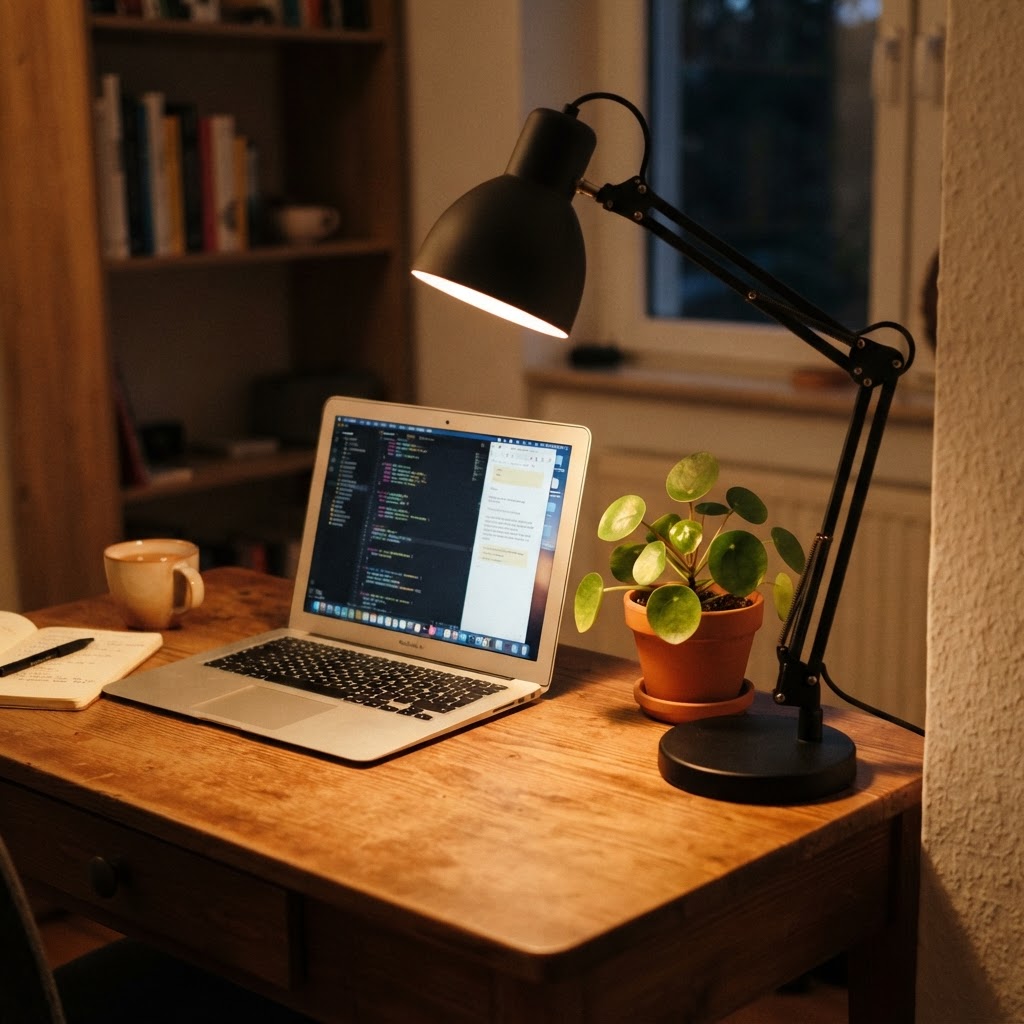
Task lighting is essential for a productive and comfortable workspace.

One of the most common mistakes in small-space design is relying on a single, central light source. This creates flat, uninteresting shadows that emphasize the boundaries of your walls, making the room feel smaller. The best warm lighting setups for tiny apartments in 2026 focus on three specific layers: ambient, task, and accent lighting.

Ambient Lighting Basics

Ambient light is your base layer. Instead of a single ceiling fixture, try using multiple sources scattered throughout the room. Think floor lamps with fabric shades, wall-mounted sconces, or even indirect LED strips tucked behind shelves. By distributing light at different heights, you draw the eye around the room, which adds a sense of depth and dimension.

Task Lighting for Productivity

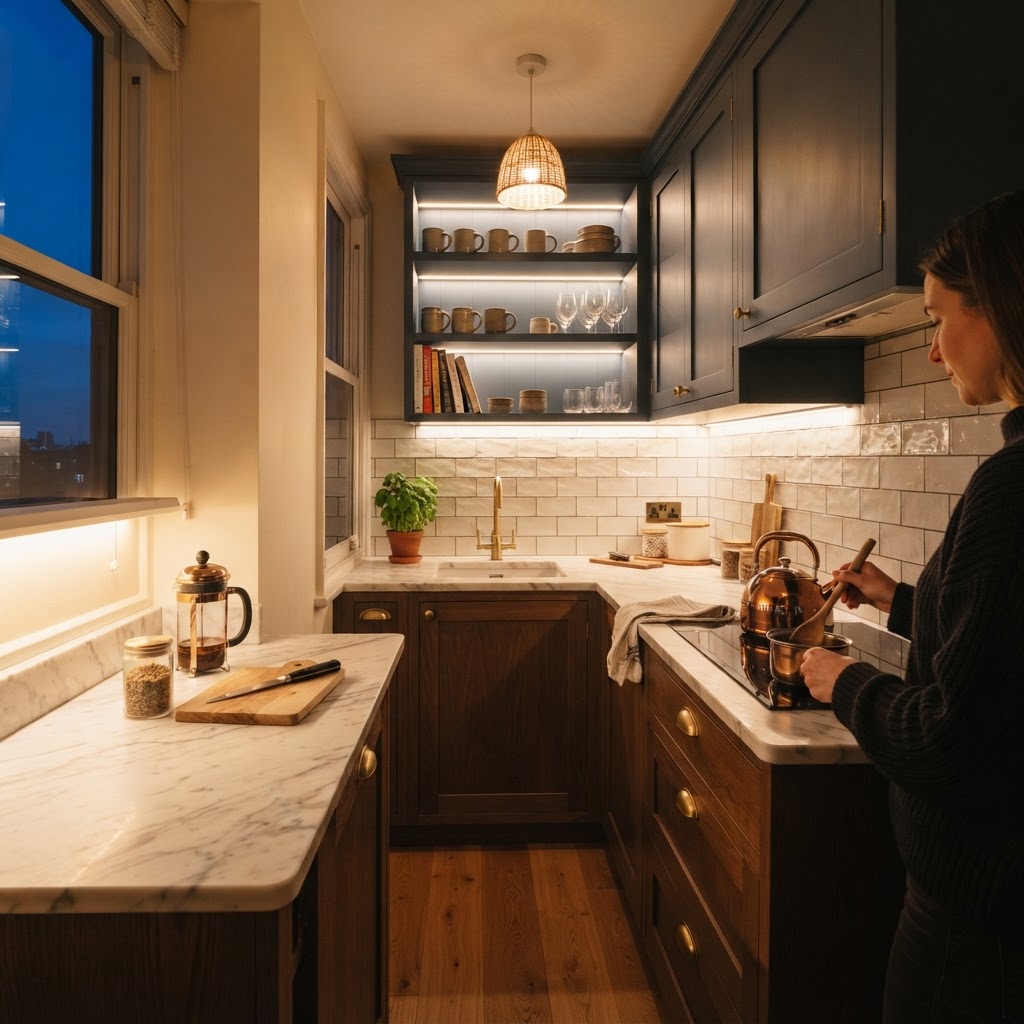
Under-cabinet lighting adds both functionality and depth to small kitchens.

In a tiny apartment, your dining table often doubles as a home office. Task lighting is essential for these multifunctional areas. When choosing task lamps, look for adjustable arms that allow you to direct the warm light exactly where you need it. This keeps your workspace functional without the need for additional bulky equipment.

Precision Placement Tips

  • Position desk lamps to the side of your dominant hand to avoid annoying shadows.
  • Use clamp-on lamps for surfaces where space is at an absolute premium.
  • Consider touch-dimmable fixtures to switch between focused work light and a softer ambient glow.

Accent Lighting to Highlight Features

Accent lighting is where you get to add personality. By highlighting a piece of art, a plant, or a collection of books, you add visual interest that detracts from the small scale of the room. Small, battery-operated puck lights or thin light strips placed under cabinets can make a huge impact on your kitchen or bookshelf aesthetic.

Creating Focal Points

Think about the “corners” of your apartment. Lighting these dark spots often makes the room appear larger because you are visually pushing the boundaries of the walls outward. A simple floor lamp placed in a dark corner can open up the space remarkably well. Experiment with light placement to see which areas create the most welcoming visual balance for your unique floor plan.

Smart Lighting Solutions for 2026

The technological landscape for home lighting has changed drastically by 2026. Smart bulbs and integrated systems now allow you to control the color, intensity, and schedule of your lights via voice commands or mobile apps. For tiny apartment dwellers, this means you can have a “daylight” mode for working and a “warm sunset” mode for winding down in the evening, all from the same fixture.

Automation Benefits

Automation is a game changer. Set your lights to dim gradually as the evening progresses, signaling to your brain that it is time to sleep. This biological synchronization is much easier to achieve when you have full control over the warm light levels in your living area. Look for systems that integrate with your existing smart home hub to keep your setup clutter-free.

Selecting the Right Fixtures

When space is limited, the fixture itself is part of the decor. Choose pieces that don’t overwhelm the room visually. Slim profiles, transparent glass shades, and wall-mounted options that free up floor space are your best friends. Keep the visual weight of your lighting fixtures light and airy.

Material Considerations

  • Fabric shades provide a soft, diffused light that is inherently warm.
  • Brass and gold finishes reflect light in a way that feels luxurious and inviting.
  • Frosted glass covers eliminate harsh glare, ensuring a smooth spread of warm light.

Budget-Friendly Hacks for Tiny Homes

You don’t need a massive renovation to achieve the best warm lighting setups for tiny apartments in 2026. Simple swaps, such as replacing existing cool-toned bulbs with warm-tone LEDs, offer the highest return on investment. Furthermore, painting your walls a light, warm neutral can help reflect your lighting throughout the space, doubling the impact of your existing fixtures.

DIY Lighting Ideas

  • Wrap fairy lights around a curtain rod to create a soft, ethereal backdrop.
  • Use light diffusers over existing harsh overhead fixtures to soften the output.
  • Repurpose old lamp bases with new, modern shades to update your look for a fraction of the cost.

Conclusion

Mastering the art of illumination is the fastest way to transform a small residence into a comfortable home. By focusing on layered, warm-toned light, you can manipulate the perception of space while enhancing your daily comfort. Experiment with these setups, invest in smart technology to suit your lifestyle, and watch your tiny apartment become the cozy sanctuary you have always wanted. Start by replacing just one harsh bulb today and experience the difference for yourself!