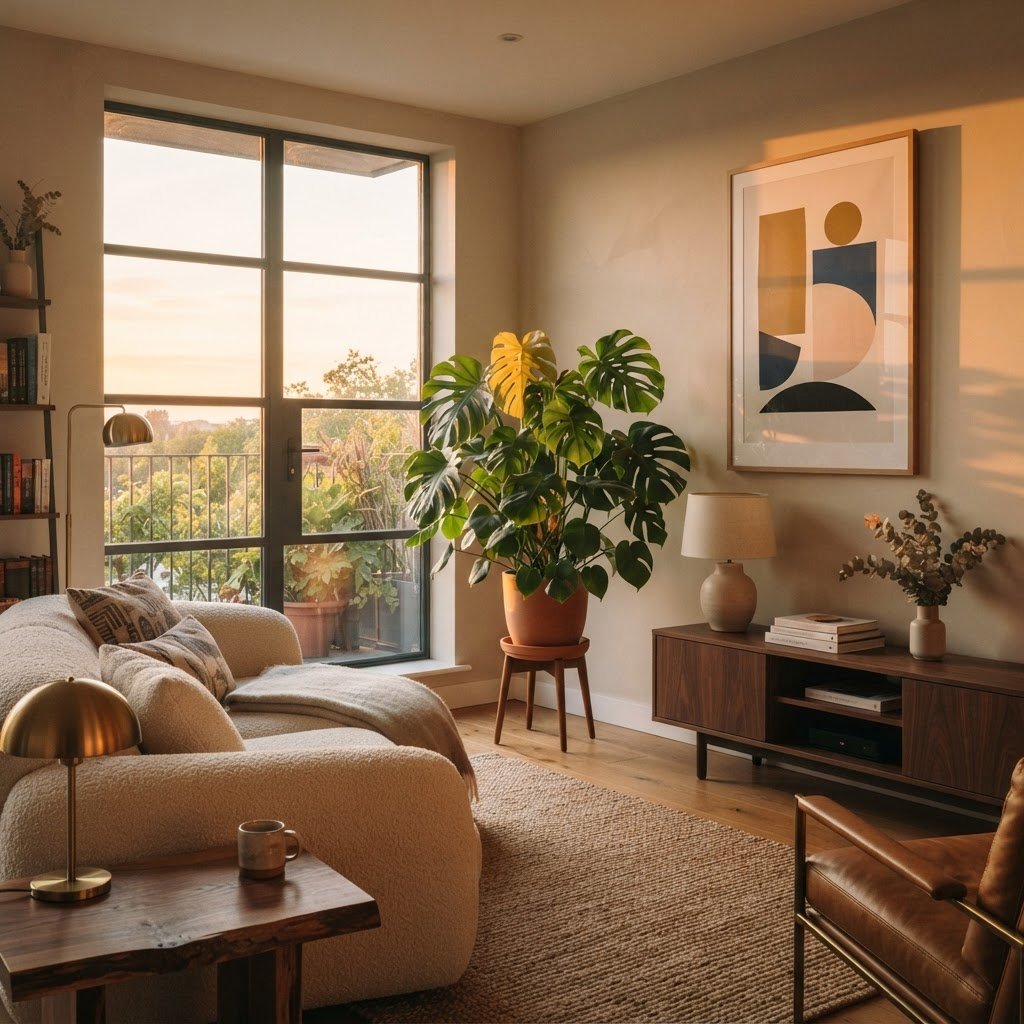
Creating a home that feels like a sanctuary is an art form, and the secret often lies in the trinity of atmosphere: lighting, nature, and personal expression. If you have been wondering how to style warm lights with plants and art for maximum vibe, you are on the path to creating a space that is not only visually stunning but also emotionally restorative. Warm lighting serves as the foundation, setting the tone for relaxation, while plants inject life, and art provides the narrative. When these three elements are carefully curated, they work in harmony to elevate your living space from mundane to magical.
The Power of Warm Lighting Foundations
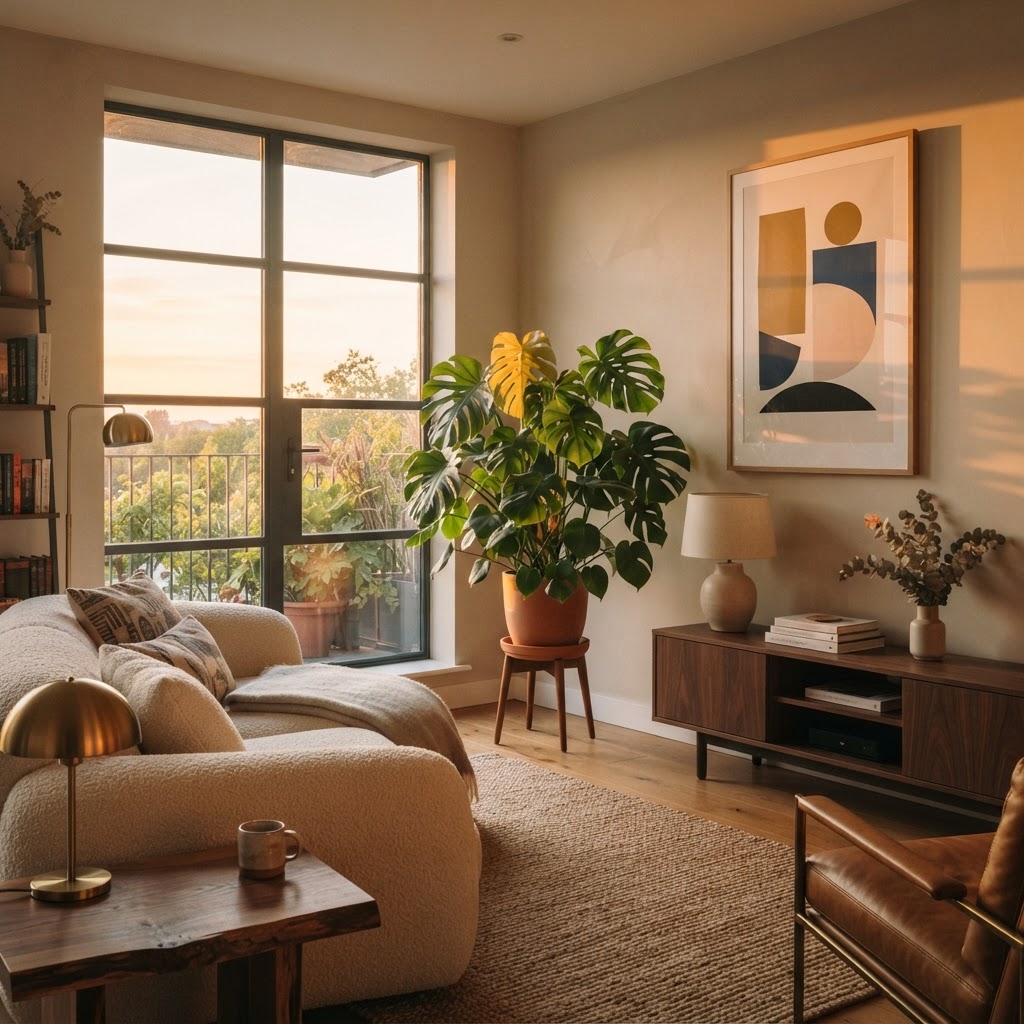
Before you hang a single frame or pot a plant, you must address the glow of your room. Warm light, typically measured between 2000K and 3000K, mimics the golden hour of sunset. It softens harsh corners, hides imperfections, and creates an immediate sense of intimacy that cool-toned bulbs simply cannot replicate. When you combine warm lights with plants and art, the light acts as a unifying agent, pulling the disparate elements of your room into a cohesive scene.
Why Color Temperature Matters
To achieve the perfect atmosphere, avoid mixing color temperatures. If your main overhead light is a clinical, cool white, it will clash with the soft, amber glow of your accent lamps. Swap out your bulbs for “warm white” or “soft white” versions. This simple change is the most cost-effective way to transform the mood of a room. Once you have established this baseline of warm illumination, your foliage will look richer, and your art will feel more inviting.
Strategic Layering of Light Sources
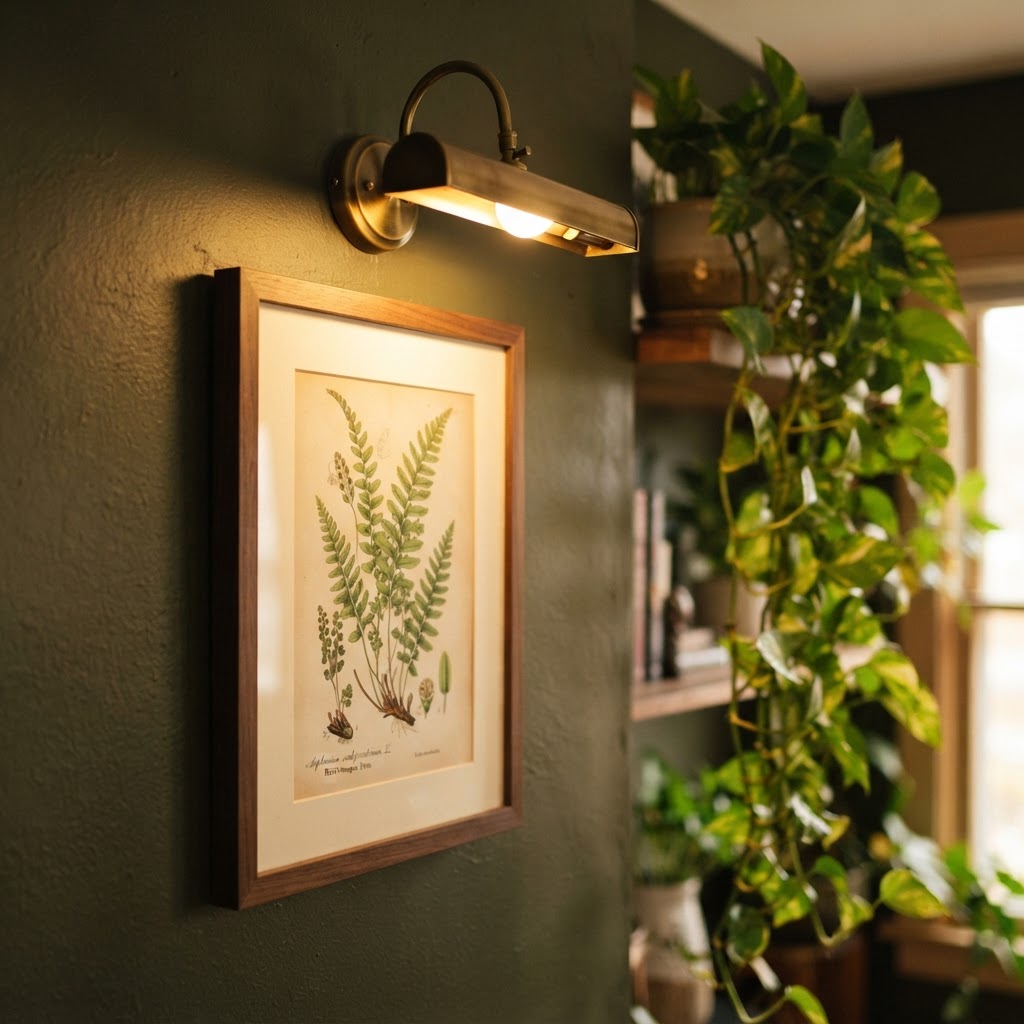
Never rely solely on a single overhead light. To achieve a professional aesthetic, you need layers. A high-vibe room typically features at least three points of light at different heights: floor level, eye level, and surface level. Think of floor lamps tucked near tall fiddle leaf figs, table lamps resting on sideboards, and wall-mounted picture lights casting a gentle glow over your favorite prints.
Creating Light Cascades
Place your floor lamps behind a large potted plant, such as a Monstera, to create dramatic shadows on the wall. This technique, known as “silhouetting,” adds depth and mystery. The light filters through the leaves, projecting intricate patterns that dance across your wall art, effectively turning your plants into living light diffusers. This creates a dynamic, ever-changing backdrop that feels sophisticated and organic.
Incorporating Plants as Decorative Sculptures
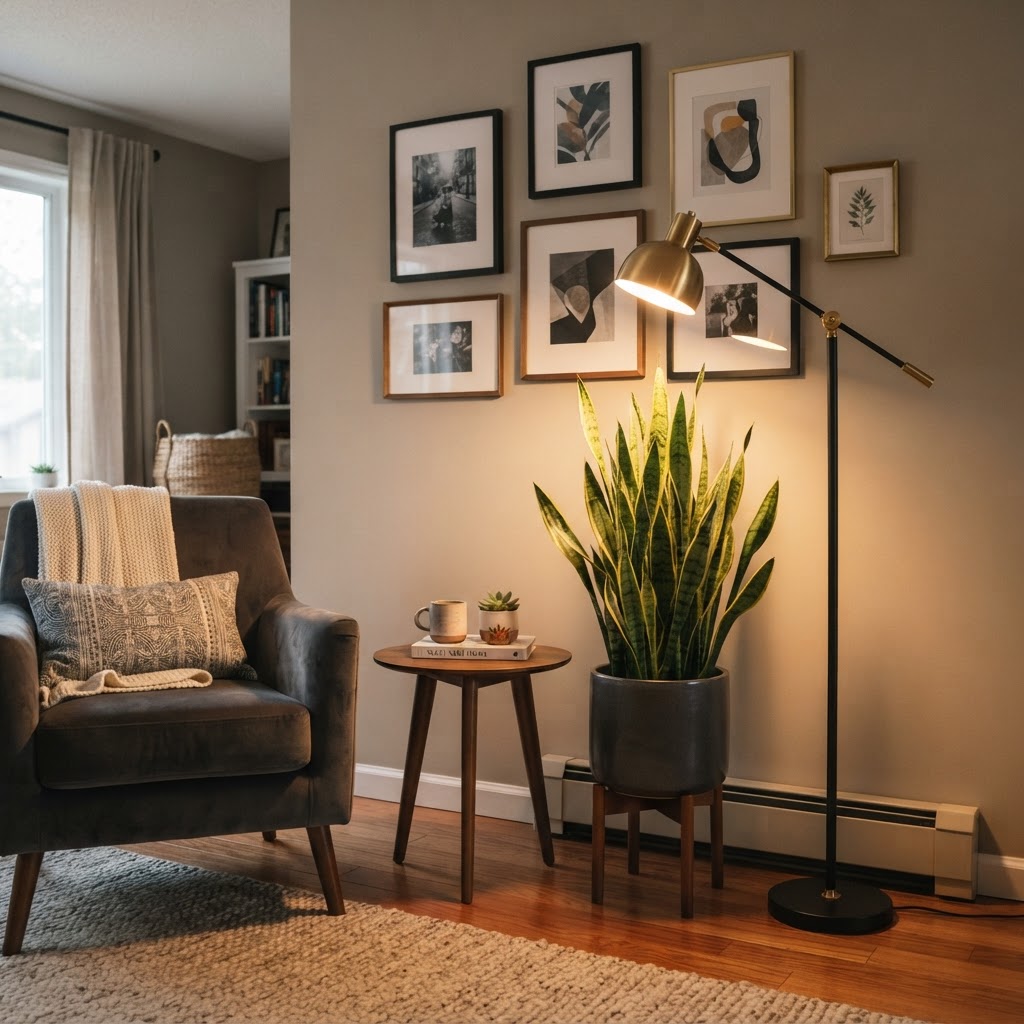
Plants are not just fillers; they are organic sculptures. When you style warm lights with plants and art, you should treat your greenery as three-dimensional art pieces. Consider the shape, texture, and scale of your plants. A trailing Pothos looks best on a bookshelf where it can drape naturally, while a structural Snake Plant makes a bold statement in a corner, especially when accented by a directional warm-toned spotlight.
Matching Foliage to Lighting Needs
While aesthetic is important, plant health is paramount. Use the light from your lamps to highlight your plants, but ensure the plant is getting the natural light it needs to thrive. Use small grow-light bulbs in your decorative lamps if you are placing them in darker corners. This ensures that you can style warm lights with plants and art without sacrificing the health of your botanical companions. A wilting plant, no matter how well-lit, will never contribute to a high-vibe aesthetic.
Curating Art for Ambient Glow
Wall art acts as the focal point, but it often needs help to shine. The mistake most people make is hanging art in shadows. By using dedicated picture lights or strategically aiming nearby floor lamps, you can draw the eye to your collection. Warm light makes colors like deep blues, earthy greens, and terracotta look much more vibrant, which is exactly why it is the perfect complement to nature-inspired art.
The Rule of Proportional Balance
When hanging art near plants, balance is key. If you have a massive, leafy plant, avoid placing a busy, oversized gallery wall directly behind it; it will feel cluttered. Instead, pair a single, minimalist print with a large, statement plant, or use a series of smaller pieces alongside more delicate, wispy greenery. This balance ensures that your eyes have a place to rest, preventing sensory overload while still maintaining that warm, “maximum vibe” aesthetic.
Practical Tips for Small Spaces
Living in a small apartment doesn’t mean you have to skip the decor. In fact, compact spaces are perfect for this trio. Use vertical space: hanging planters and wall-mounted shelves allow you to incorporate nature without sacrificing floor space. When you style warm lights with plants and art in a small room, use mirrors to bounce that warm glow around, making the space feel larger and more luminous.
Multi-Functional Decor Items
Look for pieces that serve double duty. An arched floor lamp can hang over a small reading chair where you also keep a side table with a trailing plant and a small stack of art books. This creates a concentrated “vibe zone” that feels intentional and cozy. The warm lamp provides the light to read by, the plant adds oxygen and life, and the art books provide a tactile, curated feel that invites guests to linger.
Avoiding Common Decor Mistakes
Even with the best intentions, it is easy to veer into “clutter territory.” To keep your space looking editorial rather than chaotic, follow these rules:
- Avoid over-decorating: Leave some negative space so the eye can breathe.
- Watch the cords: Visible wires ruin the vibe, so use cable management clips to keep them hidden.
- Stick to a theme: If your art is mid-century modern, keep your plant pots in terracotta or ceramic that matches that era.
- Prioritize warmth: If you notice a “cold” feeling, add another light source or change a bulb.
Maximizing the Cozy Aesthetic Year-Round
This styling method is timeless because it focuses on organic elements and soft illumination. During the winter, the warm light combats the gloom of early sunsets, while the plants provide a constant reminder of growth and life. During the summer, you can swap out heavier art for lighter, botanical-themed prints to keep the space feeling airy. The core principles of styling warm lights with plants and art remain the same, regardless of the season, providing you with a foundation that is easy to refresh.
By layering textures—the smooth glass of a lightbulb, the porous terracotta of a pot, the tactile canvas of a painting—you create an environment that feels rich and lived-in. It is not about buying expensive items, but about curating what you love in a way that respects the interplay of light and shadow. Take the time to experiment with the positioning of your lamps and the placement of your frames. You will be surprised by how much of a difference an inch of movement can make in the way light hits your favorite leaves or colors.
Conclusion
Mastering how to style warm lights with plants and art is a journey of trial and error, but the reward is a home that feels uniquely yours. By prioritizing the warmth of your lighting, the health and placement of your plants, and the narrative of your art, you create a space that breathes. Start today by dimming your main lights, turning on your accent lamps, and looking at your room with fresh eyes. What area needs a bit more life? What corner is begging for a warm glow? Choose one space to start and watch how your home transforms into the sanctuary you deserve. Remember to tag us in your progress photos on social media; we would love to see how you are styling your own high-vibe haven!

Leave a Reply