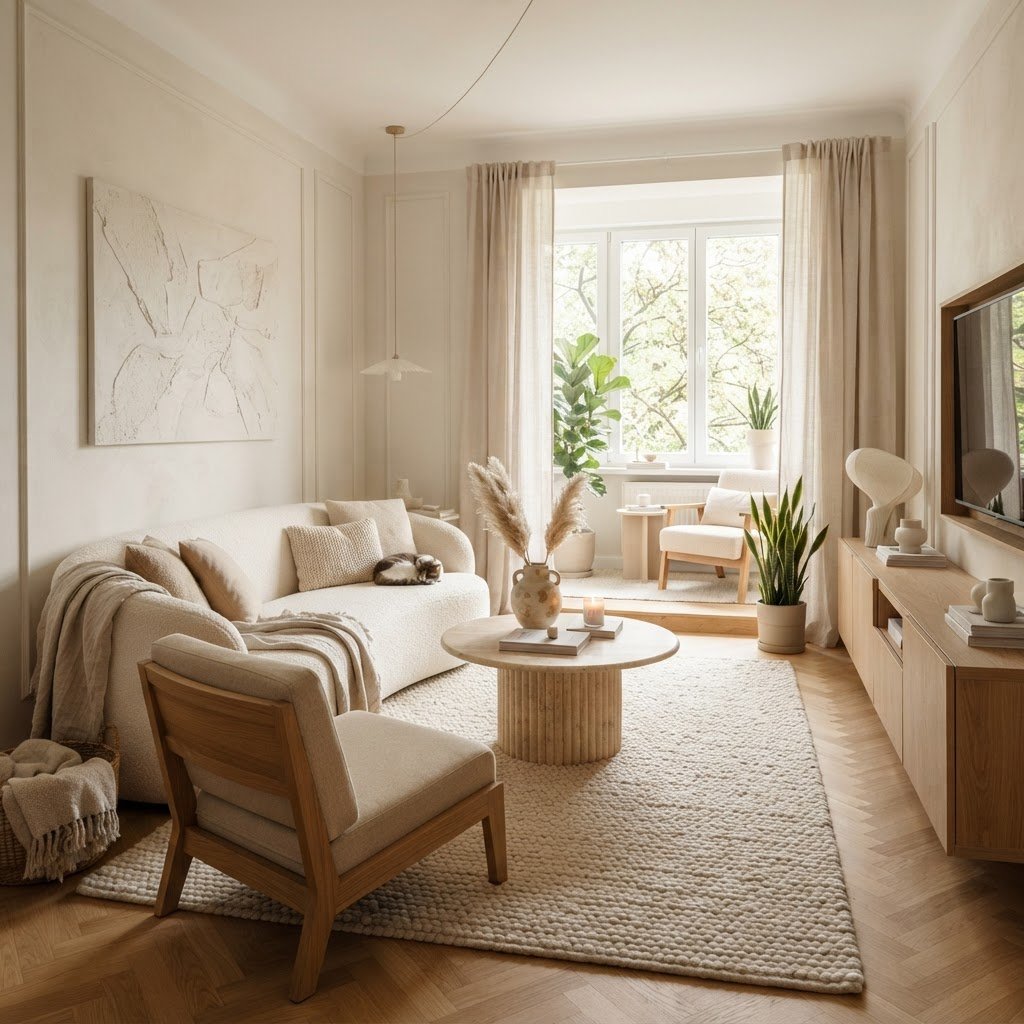
Living in a compact residence does not mean you have to sacrifice personal style or settle for boring white walls. Choosing the right paint color can completely transform the atmosphere of your home, turning a cramped area into a cozy sanctuary. When you select the perfect color palette, you are not just choosing hues for your furniture or walls; you are curating an environment that reflects your personality while maximizing the perceived square footage of your residence. Whether you are living in a cozy studio apartment or a modest city flat, understanding how light and tone interact with your interior design is the secret to successful home styling.
The Impact of Color on Small Spaces
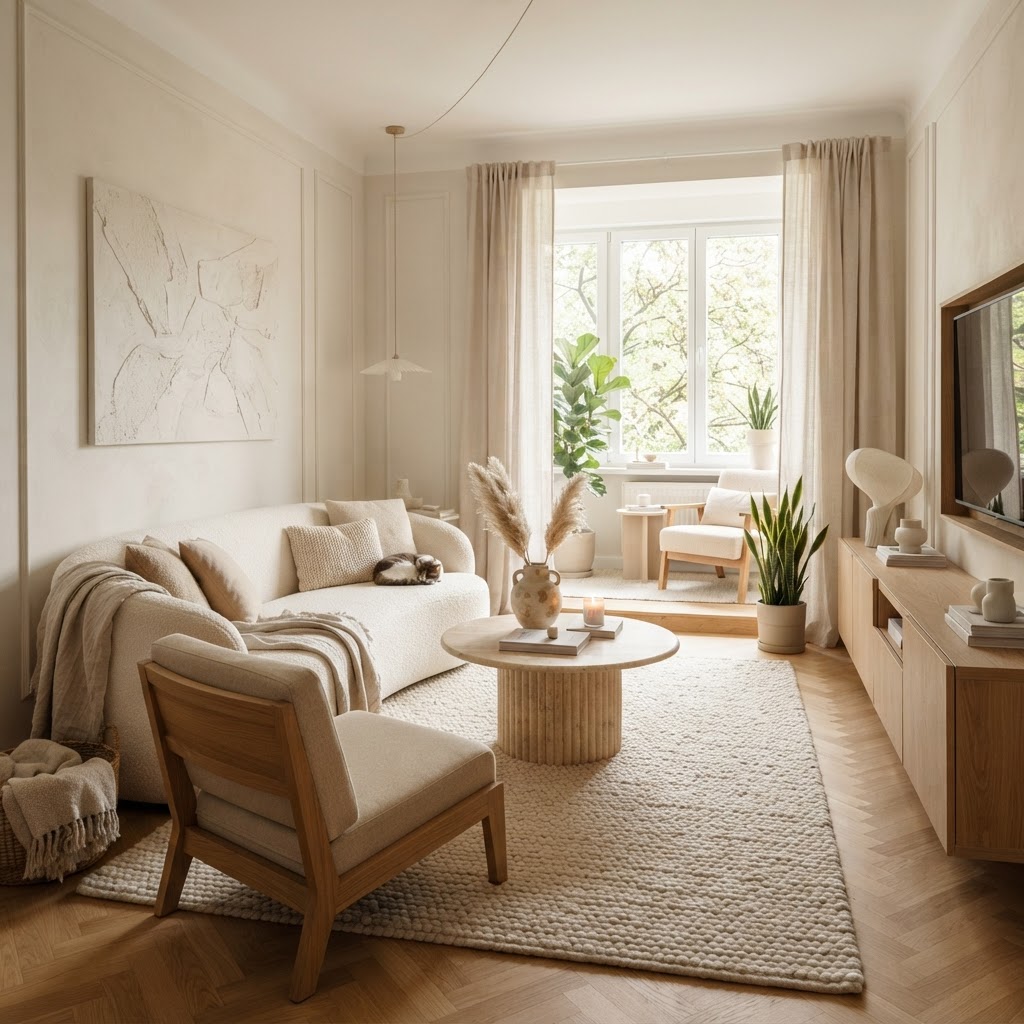
Many people mistakenly believe that small rooms must be painted stark white to appear larger. While white is a classic choice, it is certainly not the only option for a small space. The goal is to use color to manipulate depth, bounce light, and create a seamless transition between zones in your home. By selecting a thoughtful color scheme, you can blur the boundaries of your walls, which helps the room feel larger and more open to the eye.
When planning your renovation, consider the “flow” of your home. A cohesive transition between the living area and the sleeping nook in a studio apartment is vital. Using a consistent palette across different zones prevents the eye from stopping abruptly, which often happens when you use too many jarring colors in a limited area. Think of your home as a single canvas where every hue works in harmony to support your daily life.
What Are the Best Colors for a Small Apartment?
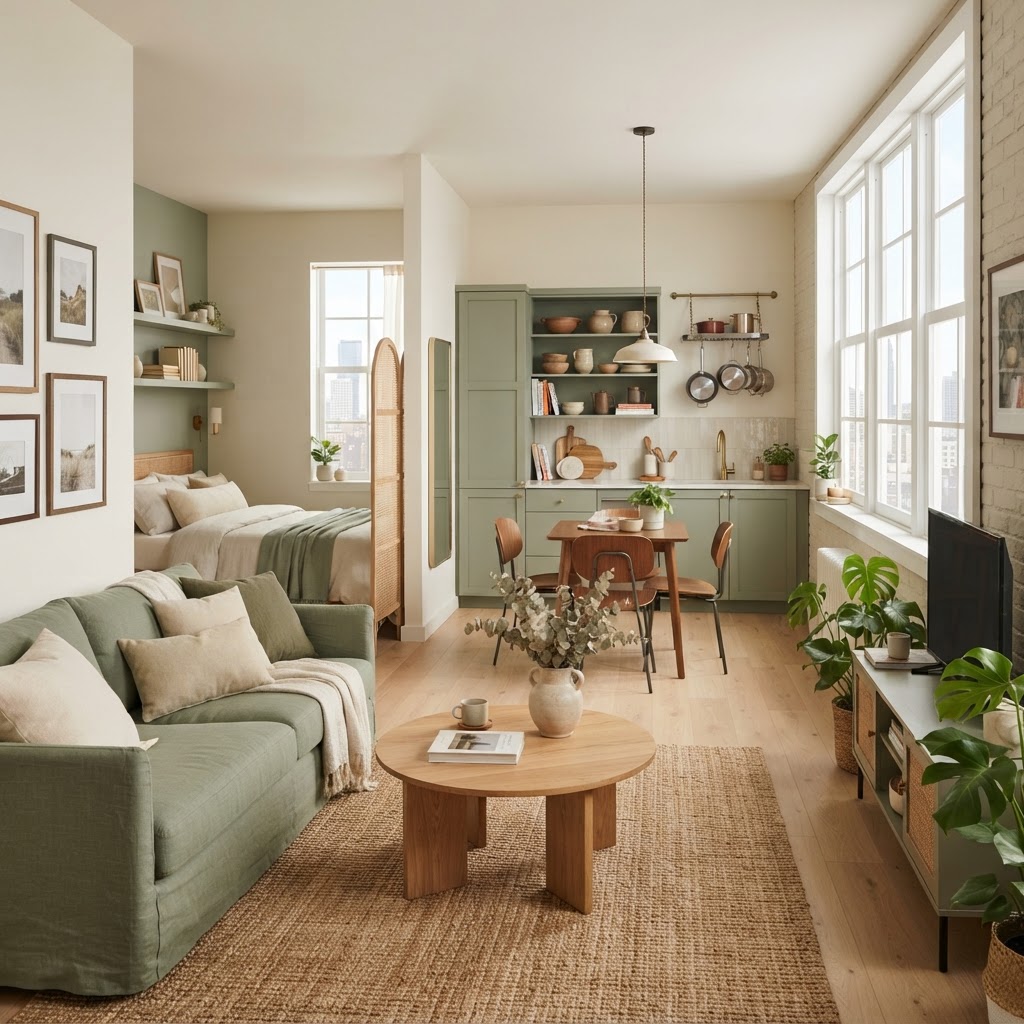
If you are wondering what are the best colors for a small apartment, the answer lies in the balance of brightness and saturation. Soft, neutral tones are a staple for a reason. Shades of warm beige or light gray can provide a sophisticated backdrop that makes a room feel airy and sophisticated. These colors act as a neutral foundation that allows your furniture and art to become the focal points of the room.
Beyond simple neutrals, muted jewel tones like sage green, dusty blue, or even a soft blush can work wonders. The key is to keep the saturation low. A high-saturation color can feel overwhelming, but a muted version of the same color provides depth without closing in the walls. Remember that the right colors depend heavily on the natural light your space receives throughout the day.
Exploring Apartment Color Palettes for Every Style
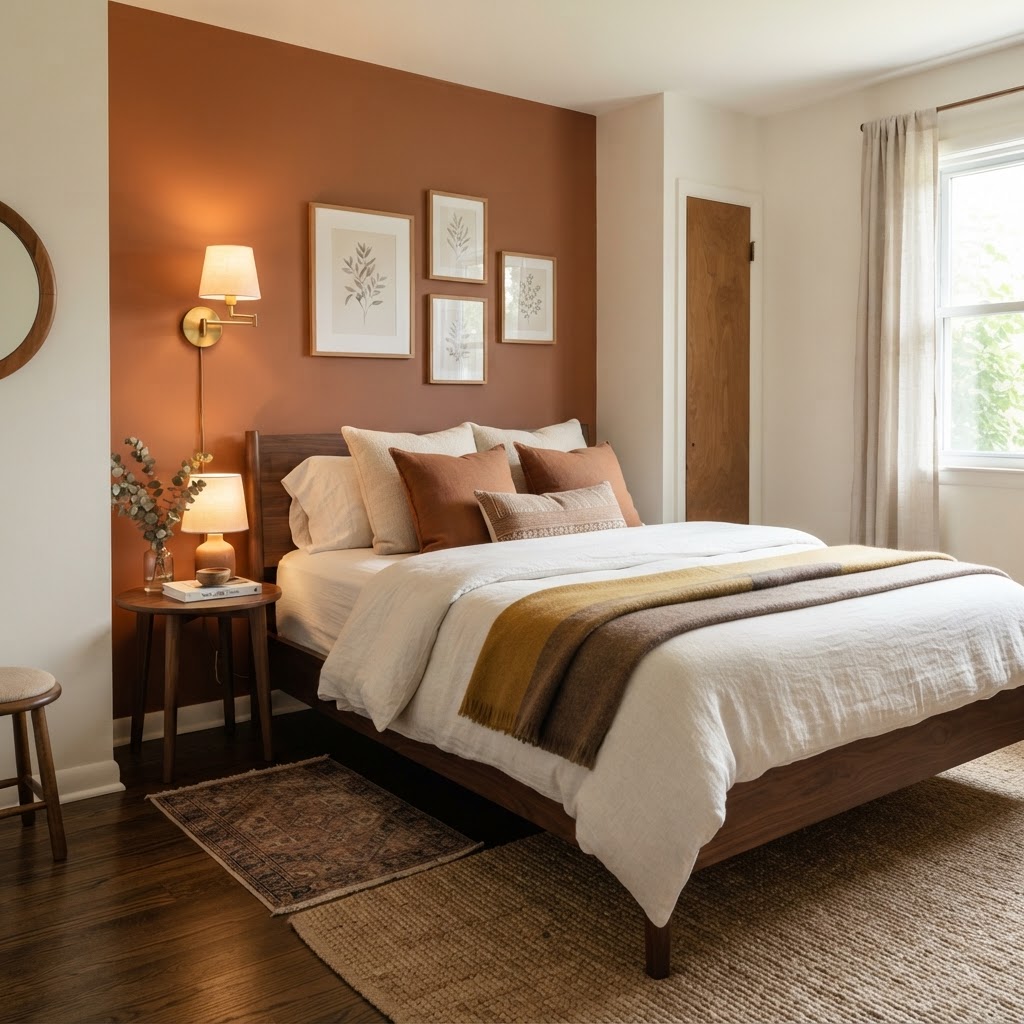
What colors are good for an apartment color palette? The best palettes often involve a monochromatic approach or a subtle triadic scheme. A monochromatic palette uses various shades of a single color. For example, you might use a light cream on the ceiling, a slightly darker tan on the walls, and a deep brown for your accent pieces. This layering technique adds immense depth and a professional interior design feel.
Another approach is the “analogous” scheme, where you pick colors that sit next to each other on the color wheel, such as blue, blue-green, and green. This creates a tranquil and cohesive room feel that is perfect for relaxation. Because these colors are related, they do not compete for attention, helping your small area maintain a clean, organized look.
Trends and Shifts in Interior Design
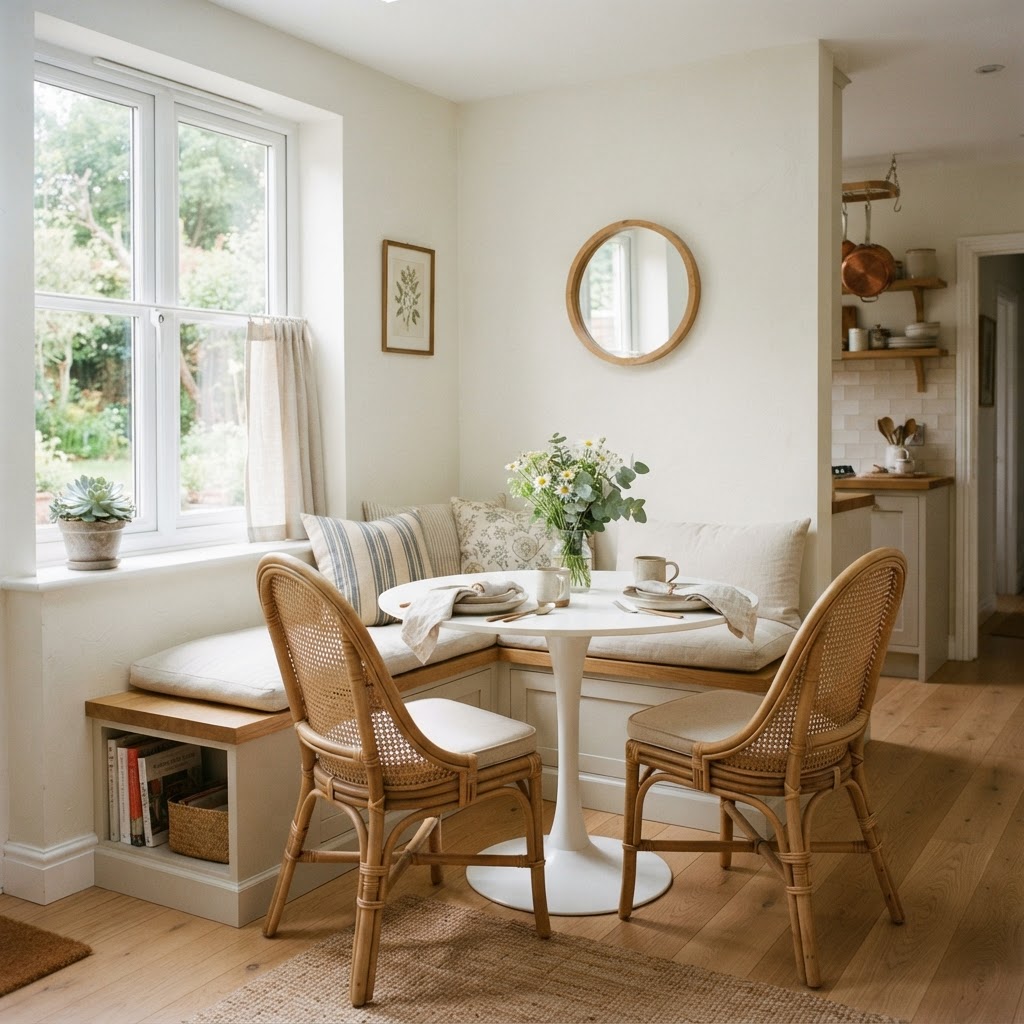
Many design enthusiasts often ask, what color is replacing gray in 2026? As we move toward warmer aesthetics, “greige” and complex, earthy browns are taking center stage. Benjamin Moore has been at the forefront of this, highlighting colors that feel organic and grounded. These warmer tones help bridge the gap between industrial minimalism and comfortable, lived-in luxury.
By moving away from cold, clinical grays and toward these softer, warmer alternatives, you create an apartment feel that is much more inviting. These colors have a chameleon-like quality, shifting slightly with the time of day, which keeps your home feeling fresh and dynamic. If you want to experiment, try testing paint samples on one wall first to see how they look at different times of the day.
Expert Strategies for Painting Small Rooms
When applying your chosen paint color, placement is everything. If you have a small room, you might consider painting your trim and doors the same color as your walls. This eliminates visual breaks, allowing the eye to travel continuously, which effectively makes the space feel bigger. For those who want to be bold, painting a single feature wall in a deeper hue can add a focal point without darkening the entire room.
Another pro tip is to pay attention to your finishes. In a small space, using a satin or eggshell finish on the walls can provide a subtle glow that reflects light, while matte finishes can hide imperfections. Always remember to consider the quality of the paint; Benjamin Moore offers excellent coverage options that ensure your color payoff is rich and even, even in tricky corners or tight hallways.
Answering Common Questions About Color
What are some good color palettes for small rooms? Start with a base of warm neutrals, then add layers of texture through textiles. Use a palette of light sage, cream, and soft terracotta to bring in natural elements without overwhelming the senses. This combination is particularly effective for those who want their home to feel like a curated boutique.
If you prefer a darker aesthetic, do not be afraid of deep colors, but use them strategically. A dark navy or charcoal can actually push the walls outward if you paint the ceiling and baseboards to match, creating a “jewel box” effect. This is a bold choice, but it can make a room feel cozy, intimate, and intentional rather than cramped.
Achieving a Cohesive Look Across Your Home
To ensure your apartment feels intentional, try to keep the flooring consistent throughout. When your floors match, the space automatically feels more unified. From there, your wall color choices can become the thread that stitches the entire apartment together. You do not need to use the exact same color in every room, but you should select colors that share similar undertones to maintain that sense of unity.
If you live in a studio apartment, use area rugs to define different “rooms.” A rug can act as a visual anchor that separates the sleeping area from the dining area. Choose a rug that coordinates with your wall color to keep the entire space feeling light and airy. This level of coordination is what separates a cluttered apartment from a well-designed home.
Conclusion
Finding the right color palette for your small apartment is an exciting journey of discovery. By prioritizing light, continuity, and warm undertones, you can transform even the smallest corner into a stylish, functional, and expansive sanctuary. Don’t be afraid to experiment with paint samples and observe how different hues interact with your natural lighting throughout the day. Your home should be a reflection of your unique style, and with these expert strategies, you are well on your way to creating a space you love. Start small, stay consistent, and watch your apartment reach its full potential. Ready to start your transformation? Grab a paint brush and begin by sampling your favorite shades today!

Leave a Reply