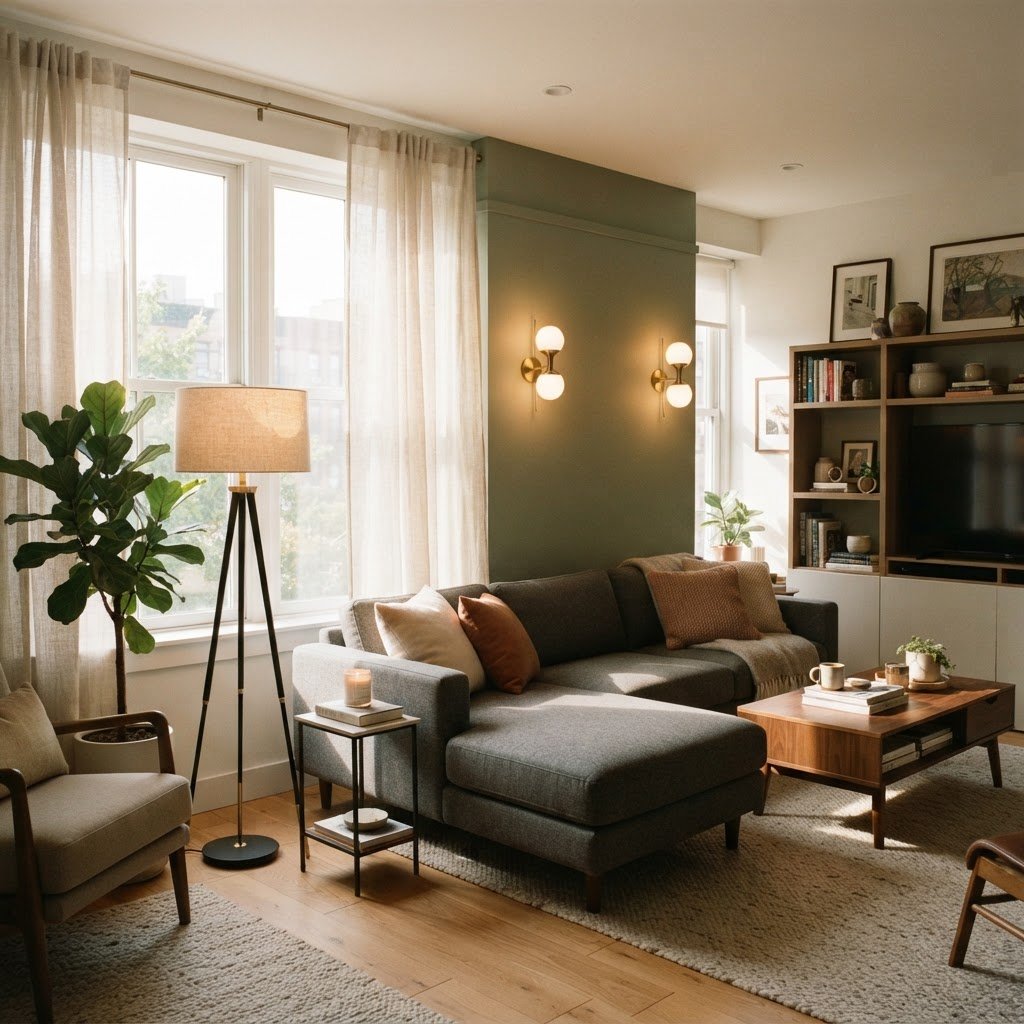
Living in a compact apartment presents a unique set of design challenges, but the secret to expanding your horizons often lies not in knocking down walls, but in shifting how you illuminate your surroundings. When you master the art of lighting, you can effectively make a small space look bigger without spending a fortune on renovations. Strategic illumination changes the depth and perception of a room, allowing you to manipulate shadows and highlights to your advantage. By understanding how light interacts with surfaces, you can ensure your home feels airy rather than restricted.
The Power of Layering Your Lighting
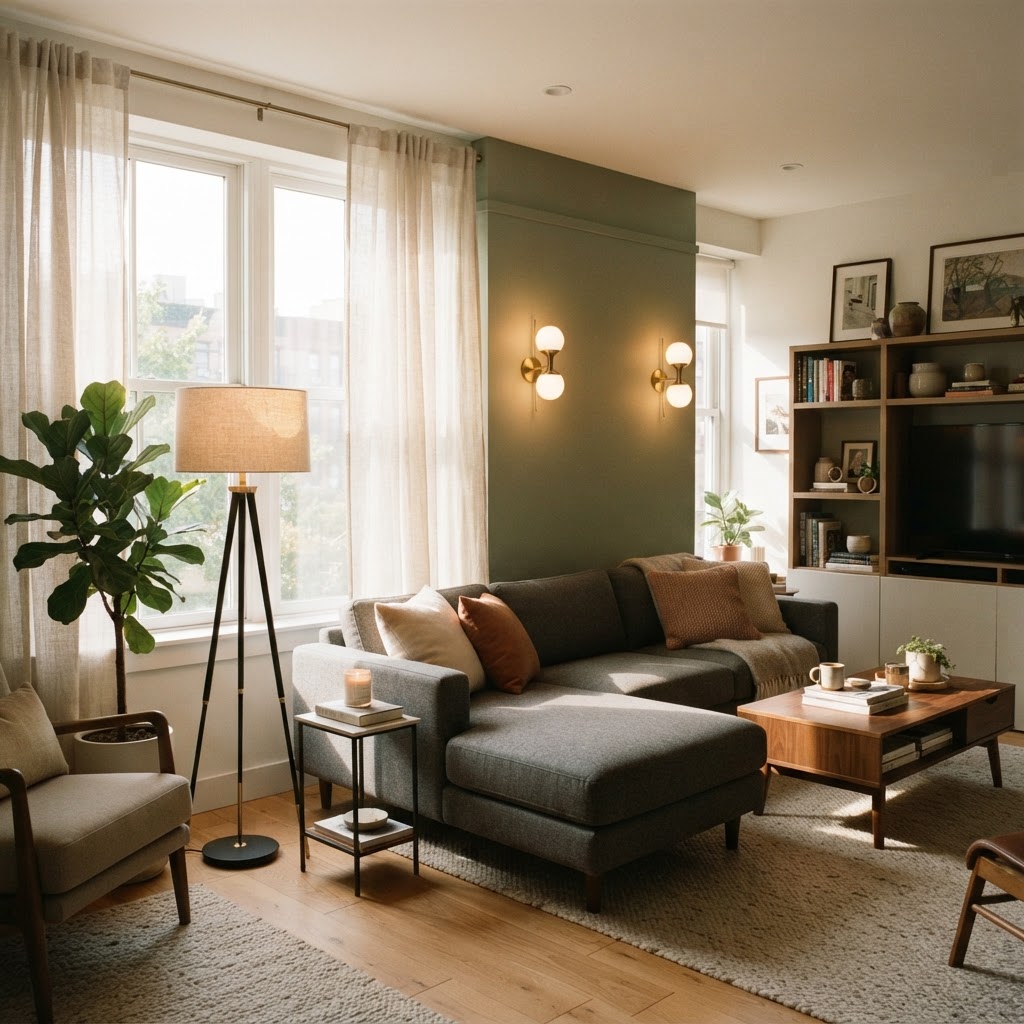
Many people make the mistake of relying solely on a single overhead light source, which often casts harsh shadows and shrinks the visual boundaries of a room. To make a small space look bigger, you must embrace the concept of layered lighting. By combining ambient, task, and accent lighting, you create depth that draws the eye across the room rather than trapping it in a single corner.
Start with a base of ambient light provided by ceiling fixtures or track lighting, then introduce floor lamps and table lamps to fill in the dark spots. When every corner of the room is illuminated, the walls seem to recede, giving you more breathing room. This method is essential to ensure that your space looks polished and intentional, avoiding the dreaded cave-like effect that happens in poorly lit apartments.
Utilize Reflective Surfaces and Mirrors
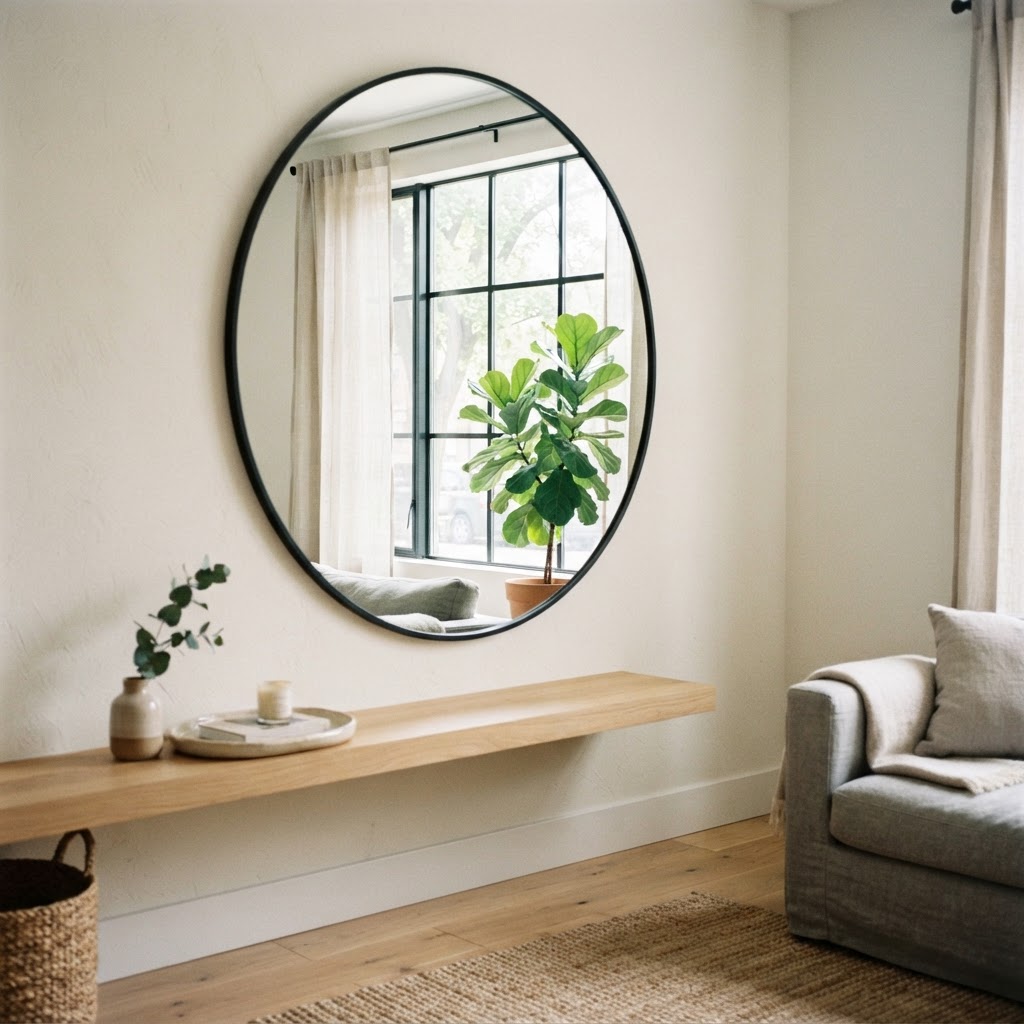
One of the most effective ways to make a room feel expansive is to pair light sources with reflective surfaces. Mirrors are a classic designer tool, but they work best when placed strategically opposite a window or a light fixture. When light bounces off a mirror, it effectively doubles the amount of illumination in the space, which in turn makes the room feels more open and bright.
Consider incorporating furniture with metallic or glass finishes, such as a coffee table with a mirrored top or chrome-based lighting fixtures. These elements act as secondary light sources, reflecting the natural light from windows during the day and artificial glow at night. This technique is a proven way to make a space look bigger while adding a touch of modern sophistication to your home.
Maximizing Natural Light Sources
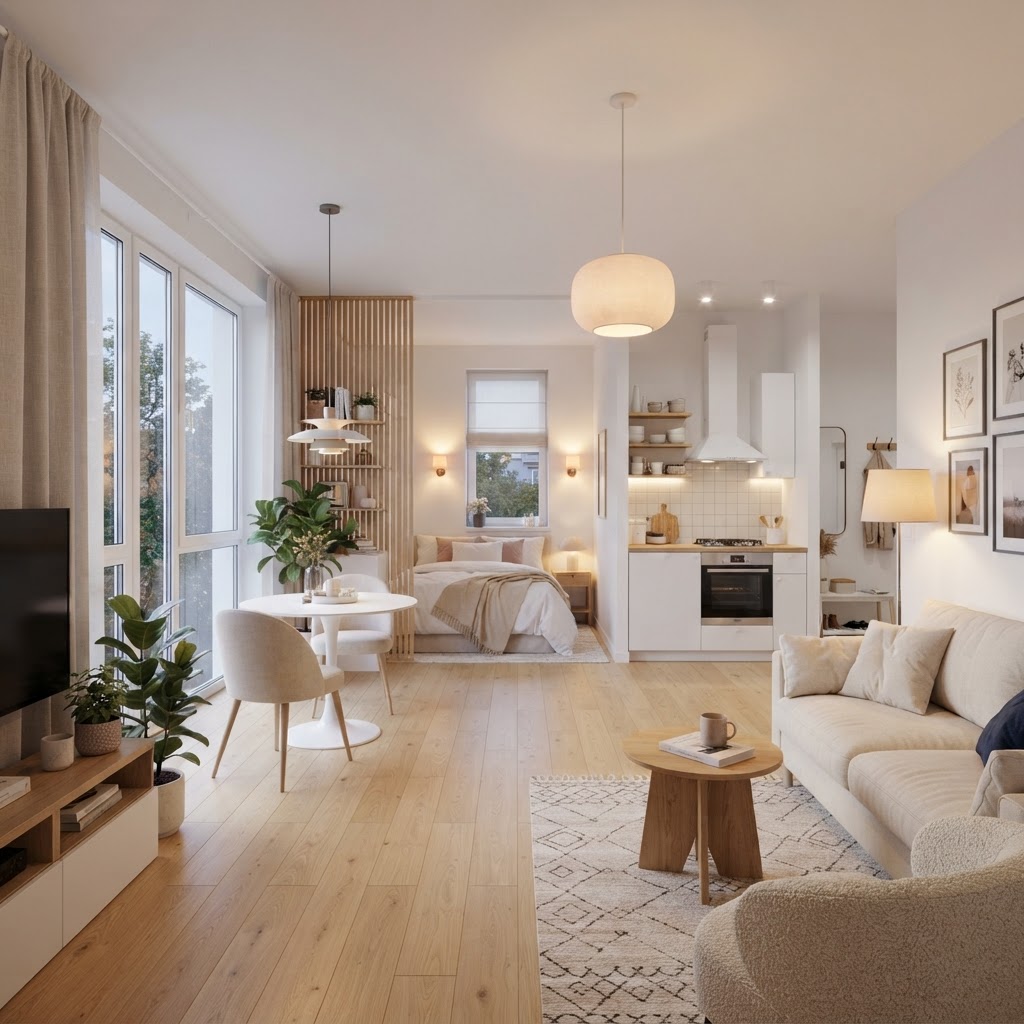
Before you invest in bulbs, look at how you manage the light that already enters your apartment. Natural sunlight is the ultimate tool to help make a small space feel airy. If your windows are covered by heavy, dark curtains, you are effectively cutting off your room’s main source of life. Switch to sheer, light-filtering fabrics that allow daylight to permeate the interior while maintaining privacy.
Keep your windows clean and free from obstruction. If you have tall furniture near the windows, shift it away to ensure the light can travel as far as possible into the room. When the space looks naturally bright, you avoid that common feeling of being trapped in a cramp, enclosed environment. The more you can brighten the corners, the more expansive the entire area will appear.
Selecting the Right Bulbs for Every Corner
Not all light is created equal, and the temperature of your bulbs plays a massive role in how the space feels. For a small room, opt for light bulbs that mimic natural daylight, typically in the 3000K to 4000K range. Warmer, yellow-toned lights can sometimes feel cozy, but they can also make a tight space feel dingy or overly intimate. Cooler, brighter light helps create the illusion of a more open, crisp atmosphere.
Be mindful of the wattage as well. Using bulbs that are too dim will only highlight clutter and make the room feels cluttered. A well-lit room hides the signs of everyday disorganization better than a dimly lit one, as shadows often emphasize mess. By ensuring even, bright distribution, you help the space look cleaner and more spacious.
Using Accent Lighting to Define Zones
In a small apartment, you might have one area that serves as a living room, dining room, and home office. This lack of clear boundaries can make the space feel chaotic. Use lighting to carve out these specific zones, which actually helps the brain perceive the room as having more “rooms” within it. Wall sconces or dedicated task lamps over specific areas draw the focus to functional zones.
By highlighting artwork or bookshelves with subtle LED strips or directed accent lights, you push the eye toward the perimeter of the room. This makes the space look bigger by emphasizing the full footprint rather than just the center. When you direct light toward walls rather than just the floor, you expand the visual boundaries of your home significantly.
Avoiding Common Lighting Mistakes
Even with the best equipment, common habits can prevent your apartment from feeling its best. One of the biggest offenders is clutter; when lamps are crowded by stacks of paper or bulky decor, the light cannot diffuse properly. Keep your surfaces clear so that light can hit them and bounce back into the room. Another mistake is using fixtures that are too bulky for the size of the room.
If your apartment is petite, choose slim floor lamps and wall-mounted sconces that don’t take up precious floor space. When you minimize the physical footprint of your lighting fixtures, you make a room feel less weighed down. Every inch matters, and by choosing sleek, minimalist designs, you ensure that the fixtures enhance the room rather than dominating it.
Conclusion
Transforming your living environment is well within your reach when you apply these lighting principles. By layering your light, embracing reflective surfaces, and choosing the right color temperatures, you can easily make a small space look bigger. Remember, the goal is to eliminate shadows that make a room feel tight and replace them with a balanced, airy glow. Start small by updating your bulbs or clearing your windows, and notice how quickly the energy of your home shifts. Do you have a favorite lighting hack? Try these tips today and see the transformation for yourself!

Leave a Reply