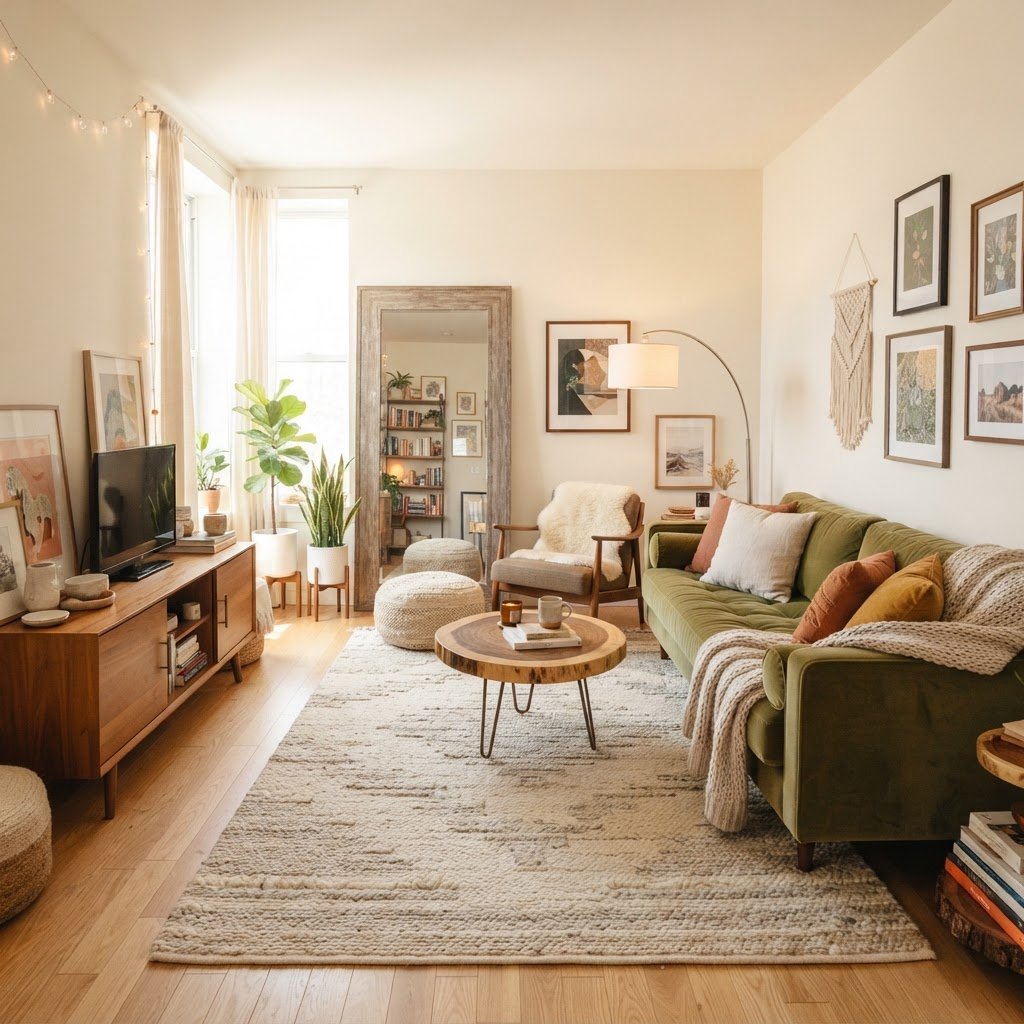
Budget renter hacks include using peel-and-stick wallpaper to cover drab walls, swapping standard cabinet hardware for modern alternatives, and layering ambient lighting to replace harsh overhead fixtures. These high-impact, non-permanent modifications allow you to customize your space while staying within lease terms and protecting your security deposit without requiring professional construction or high costs.
The Psychology of Temporary Design
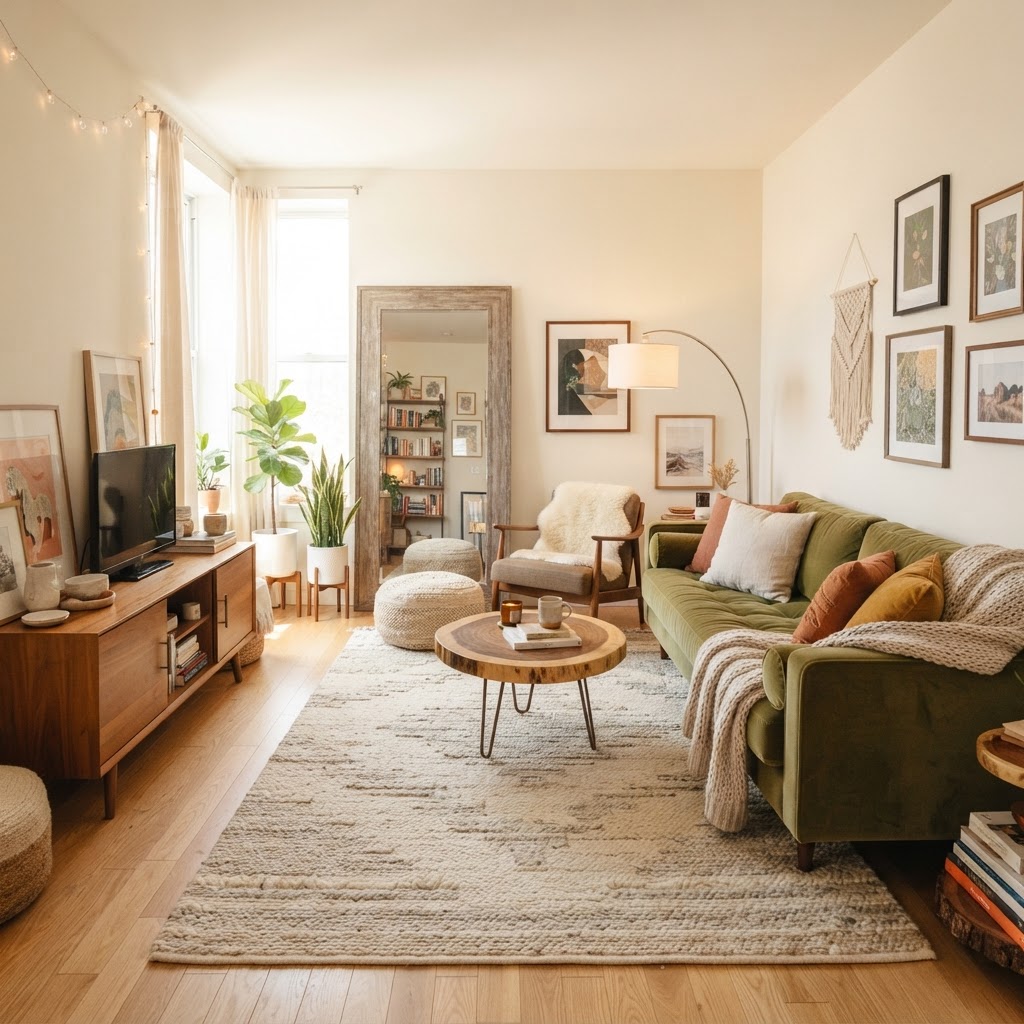
When you rent, you are essentially living in a space designed for the masses. The goal of landlord-friendly updates is to counteract the ‘generic’ aesthetic without causing a single scratch or hole that could cost you your security deposit. It is about understanding that your home is an evolution, not a final product. Focus on creating an intentional environment that improves your mental well-being by reducing visual clutter and injecting personal style. Research suggests that personalized living spaces can improve mood and productivity by up to 20% compared to sterile, institutional environments. By shifting your mindset from “temporary housing” to “current sanctuary,” you make choices that prioritize comfort. These high-impact changes are fully reversible, meaning you can pack your investments into a few boxes for your next move, ensuring that no budget is wasted on non-reclaimable property improvements.
Maximizing Space Through Layout Shifts
Small apartments often suffer from bad flow, where the furniture dictates how you live rather than your needs dictating the furniture. The most effective way to transform a room is to rethink the floor plan entirely by identifying the ‘traffic lane’—the natural path you walk through the room every day. Start by floating your sofa at least 6-12 inches away from the wall to create a more sophisticated, designer-like layout that improves airflow and creates visual depth. Use area rugs, sized at least 5×8 feet for living zones, to anchor furniture and define distinct rooms in an open-concept studio. By keeping at least 30 inches of clearance for main walkways, you prevent the cramped feeling typical of small urban apartments. This strategic furniture placement is free, reversible, and instantly makes a space feel custom-tailored to your lifestyle without drilling a single hole.
Wall Treatments That Leave No Trace
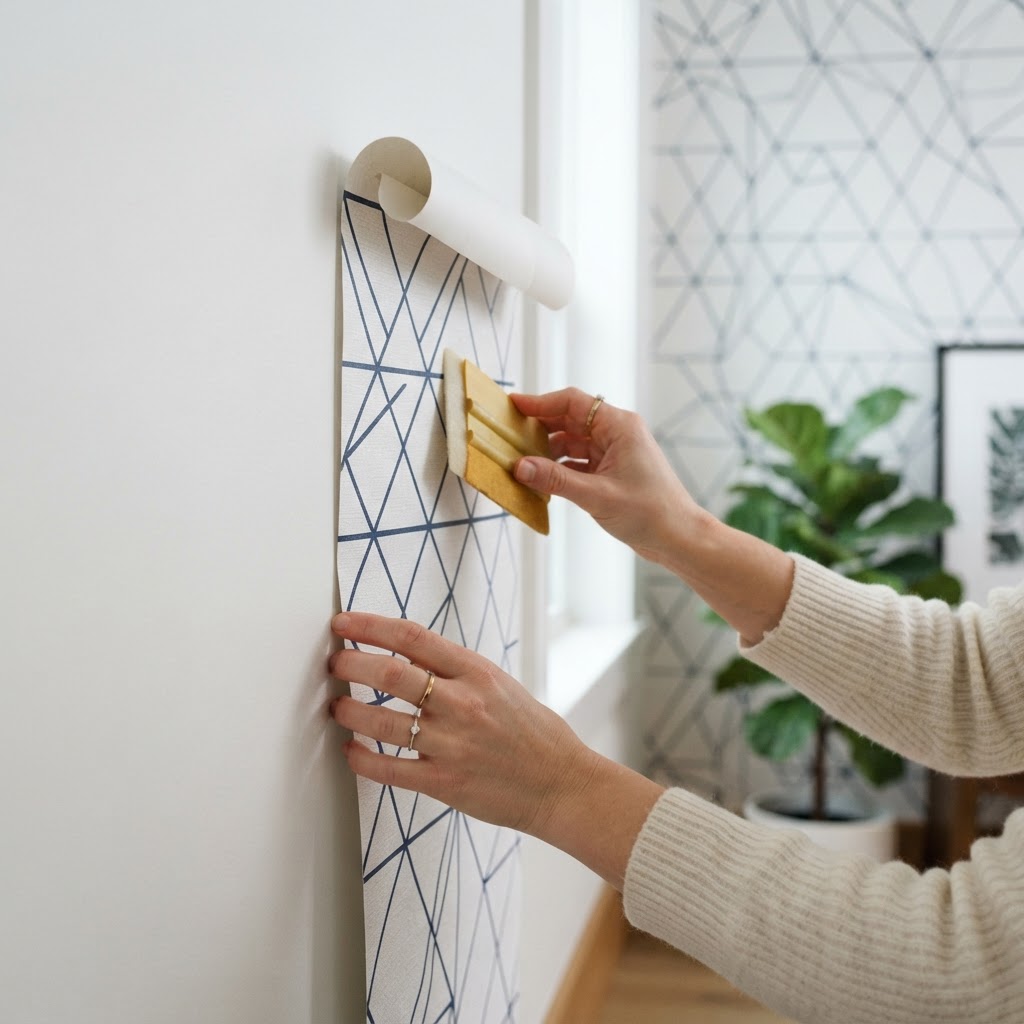
One of the biggest pain points for renters is the inability to paint, but modern peel-and-stick wallpaper offers a realistic, renter-safe solution. Quality removable wallpaper uses low-tack adhesive technology designed to release cleanly from drywall for up to 3 years. When installing, always order 10% more material than the total wall square footage to account for pattern matching. For those who want a less intensive option, large-scale art prints held by heavy-duty Command strips are the industry standard for wall decor. Leaning a large mirror, ideally over 60 inches in height, against a wall creates a dramatic focal point that bounces natural light into dark corners, increasing the perceived size of a room by nearly 40%.
Choosing the Right Adhesive
Not all wallpaper is created equal. Look for ‘renter-friendly’ or ‘removable’ backing to ensure that the adhesive does not pull off the drywall finish when you move out. Always buy an extra roll for matching patterns.
Other Wall Alternatives
Beyond wallpaper, consider using oversized art prints or gallery walls. Use heavy-duty command strips to avoid nails entirely. If you have a large mirror, leaning it against the wall instead of mounting it creates a dramatic, high-end design element that reflects light and makes your tiny room feel twice as large.
Lighting: The Secret Ingredient for Ambiance
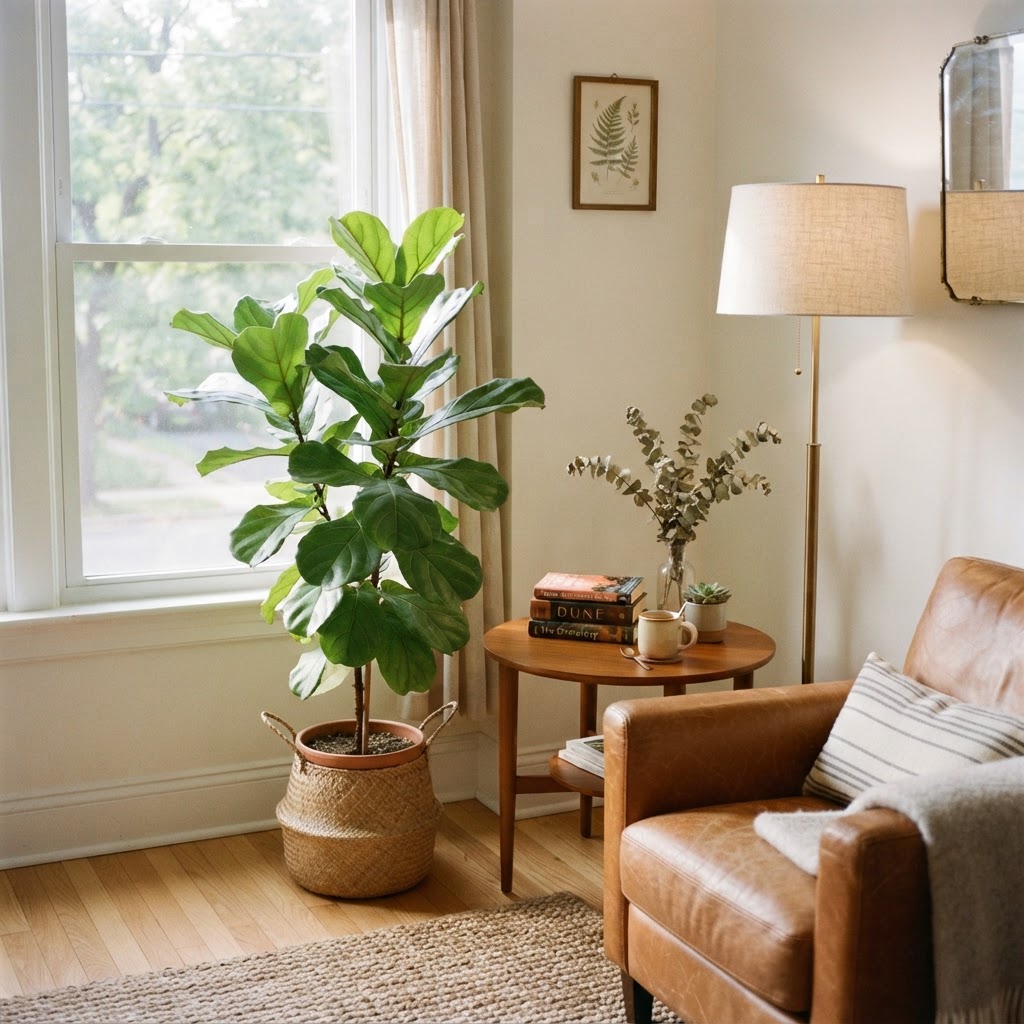
Apartment lighting is often limited to a single, harsh overhead fixture, but you can counteract this by layering at least three light sources at varying heights. Standard “big light” fixtures often use 5000K daylight bulbs, which can be jarring; replacing these with 2700K-3000K warm-toned LED bulbs instantly softens the space. Place a floor lamp in one corner to illuminate the ceiling, a table lamp on a side table for mid-level tasks, and battery-operated puck lights inside bookcases to create depth. This “layering” technique mimics professional interior design standards. Investing in smart bulbs that can change color temperature allows you to transition the room from a productive office space to a relaxing evening lounge for under $50 total. By bypassing the harsh overhead light entirely, you shift the mood of the entire home for a fraction of the cost of a full renovation.
Upgrading Fixtures Without Renovating
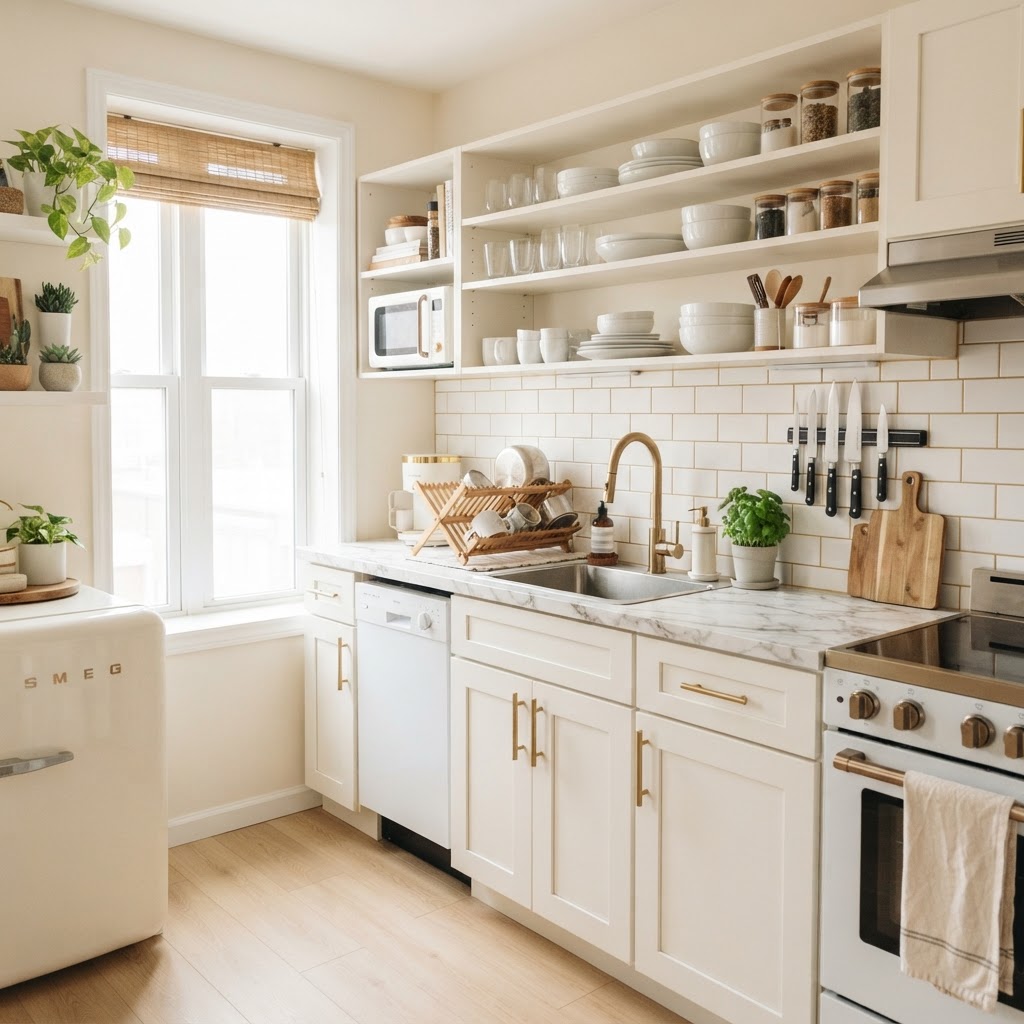
Landlords rarely upgrade cabinet hardware or faucets, but you can swap these features to modernize a kitchen in under an hour. Replace standard plastic or dated brass knobs with matte black or brushed gold hardware, which usually costs between $3 and $7 per handle. Keep the original hardware in a clearly labeled Ziploc bag taped inside the cabinet so you can revert the changes upon move-out to ensure your deposit remains secure. For bathrooms, a high-quality, 72-inch long fabric shower curtain hung from a tension rod installed at ceiling height will draw the eye upward, creating the illusion of higher ceilings. This simple “visual trick” can make a 5×8 foot bathroom feel significantly larger. If the faucet itself is unsightly, focused styling with luxury hand soaps and vanity trays can distract the eye from the fixture.
Soft Furnishings and Textile Layers
Nothing says ‘temporary’ like a room full of hard surfaces, so you must incorporate soft textures to improve acoustics and comfort. Layer a large rug over existing wall-to-wall carpet to introduce pattern and color, which is especially effective in rentals with worn flooring. Use velvet, blackout, or linen floor-to-ceiling curtains to add a sense of luxury and architectural interest to windows. Mix textures like wool, cotton, and faux fur through throw pillows to make the space feel curated rather than mass-produced. Plants are essential for organic movement in a rigid apartment; a tall Fiddle Leaf Fig or trailing Pothos can fill empty corners and naturally clean the air. Research indicates that indoor plants can reduce stress levels by up to 15%, making them a functional design element for your mental health as well as your home’s aesthetic.
Organizing the Invisible Clutter
Clutter is the fastest way to make a space feel smaller, so every storage solution must be aesthetically pleasing. If your storage is visible, choose uniform baskets made from natural fibers like seagrass or rattan to maintain a cohesive, clean look. Invest in floor-to-ceiling shelving units that use vertical space rather than floor space, effectively doubling your storage footprint in a tight studio. When selecting furniture, prioritize pieces with hidden storage, such as ottomans or bed frames with drawers, to keep “invisible clutter” out of sight. Keep your floor surface as clear as possible; studies show that having 60% of floor space visible makes a room feel significantly more spacious and orderly to the human eye, regardless of actual square footage.
The Vertical Advantage
When you cannot build out, build up. Use tall bookcases or wall-mounted tension rods to store items higher up. Keeping the floor clear makes a room feel expansive and breathable, which is essential for studio living.
Addressing Kitchen and Bath Boredom
Kitchens and bathrooms are often the most boring parts of an apartment, but you can mask dated surfaces using non-permanent contact paper and tile stickers. Apply high-quality vinyl contact paper to laminate countertops to mimic a marble or wood grain finish; ensure it is rated for heat resistance to prevent bubbling. For backsplashes, peel-and-stick adhesive tiles provide a realistic texture that can withstand bathroom humidity and kitchen grease. If you have unsightly vinyl flooring, cover it with a large-format area rug or a runner; this not only hides the dated material but also protects the original flooring from damage. A budget of $100-$200 is typically sufficient to refresh the aesthetic of a standard 10×10 kitchen using these methods, providing a dramatic change without violating your lease agreement.
FAQ
Q: Does peel-and-stick wallpaper damage apartment walls?
Most high-quality, renter-friendly wallpapers use water-based adhesives that are specifically designed to peel off without damaging the drywall surface or paint underneath. Always test a small, hidden corner of the wall for 48 hours before applying to ensure the paint type is compatible.
Q: What is the best way to light a rental without overhead fixtures?
Use a combination of floor lamps, table lamps, and smart LED strips to create layers of light at varying heights. By using warm 2700K bulbs and focusing light on walls or artwork, you can eliminate the need for the harsh, cold “big light” found in most rental units.
Q: Can I change the hardware on my apartment cabinets?
Yes, you can safely replace cabinet knobs and handles as long as you keep the original hardware and reinstall it before you move out. This is a non-permanent update that does not require drilling new holes, making it a perfectly acceptable modification for most lease agreements.
Q: How do I cover ugly rental floors without installing new ones?
Use large area rugs or peel-and-stick vinyl floor tiles to cover dated flooring. Area rugs are the most renter-friendly option as they require no adhesive, while high-quality vinyl tiles can be installed over existing hard surfaces and removed with a bit of heat from a hairdryer.
Q: What are the best ways to hang art without nails?
Use heavy-duty adhesive strips like Command strips, which are rated for various weights and can be removed without pulling off paint. For very heavy mirrors or large art pieces, consider leaning them against the wall on a sturdy console table or directly on the floor for a high-end designer look.

Leave a Reply