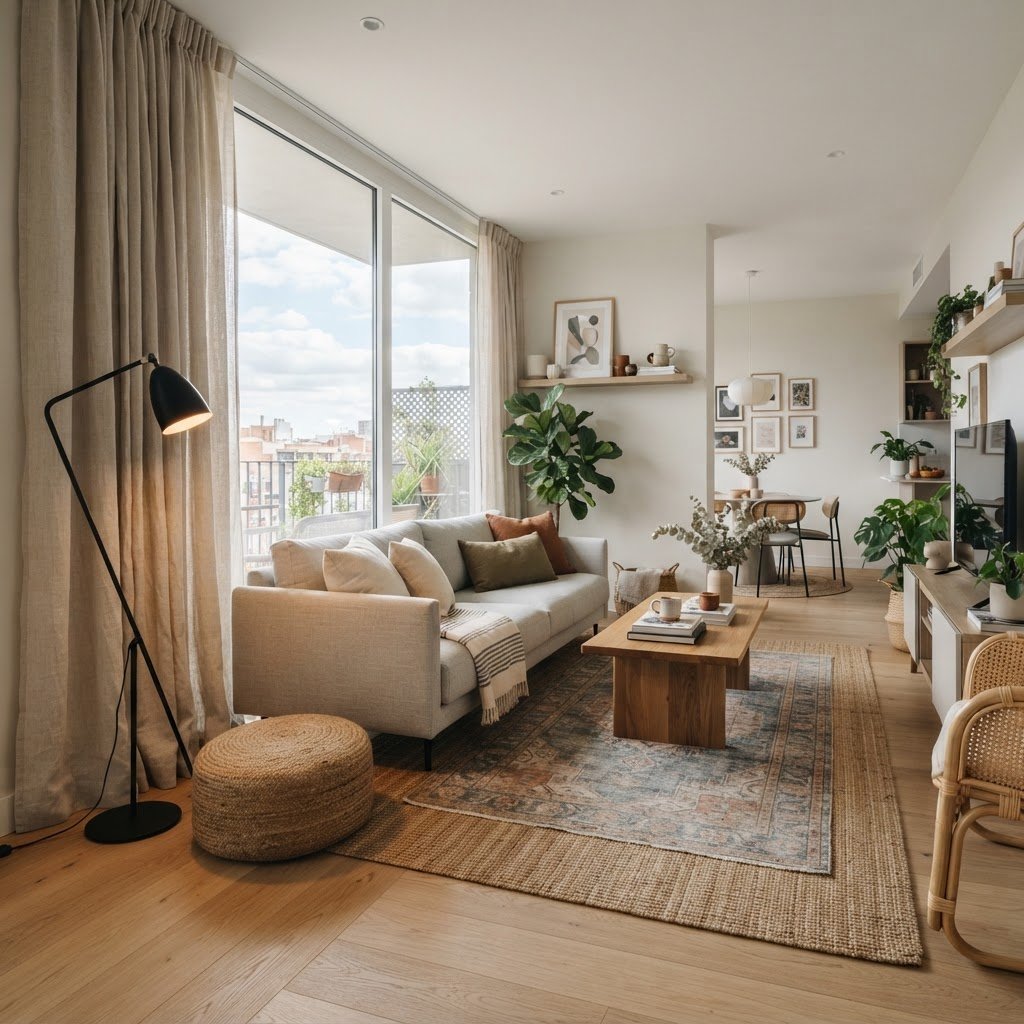
Cheap changes that make rentals look expensive include upgrading hardware, installing peel-and-stick wallpaper, layering lighting, and using high-quality textiles like floor-to-ceiling curtains. These reversible modifications allow renters to enhance their space’s aesthetic without damaging walls or forfeiting security deposits, effectively turning builder-grade units into high-end, curated living environments.
Rethink Your Lighting Strategy
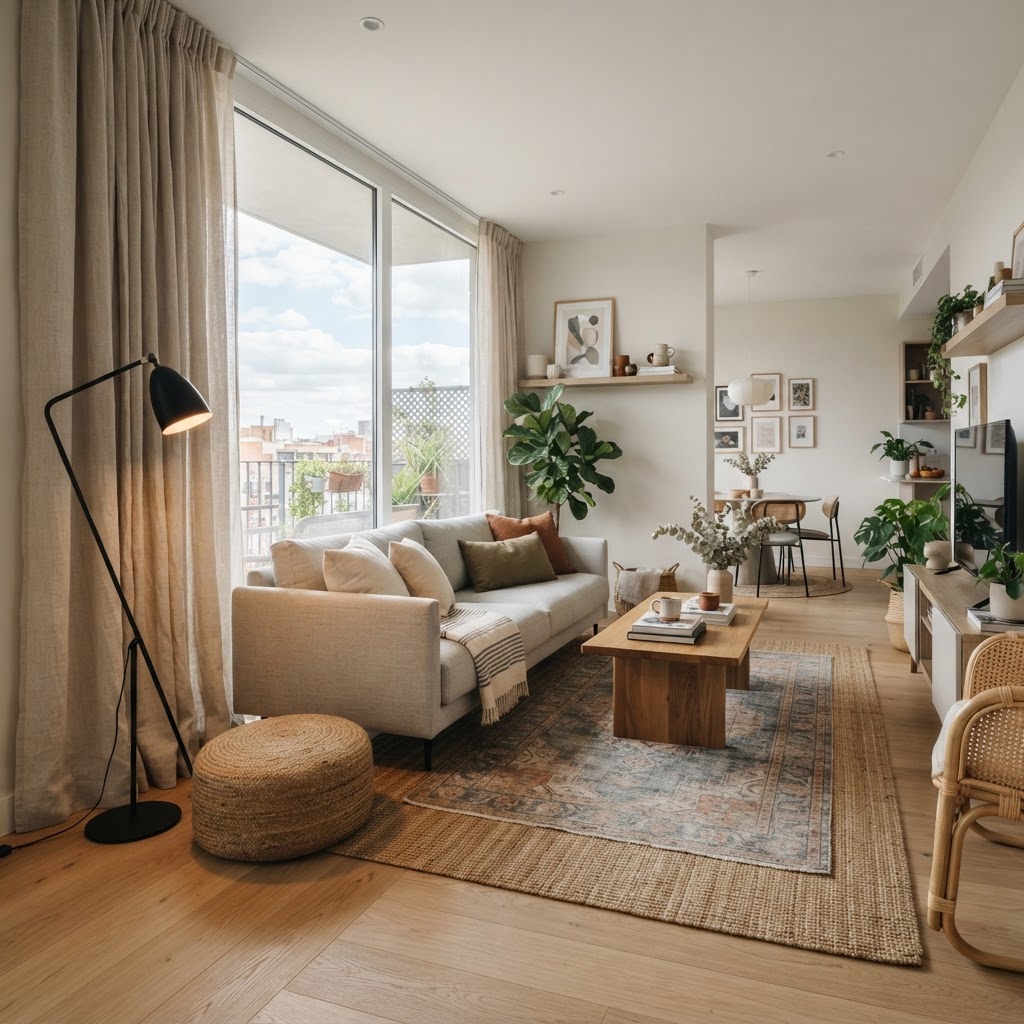
Replacing standard “builder-grade” lighting fixtures is the single most effective way to elevate a rental space from sterile to sophisticated. Most apartments feature glaring flush-mount lights that lack character; swapping these for stylish alternatives, like a modern pendant or chandelier, immediately changes the room’s architecture. Since these installations are temporary, store the original hardware in a labeled box to reinstall before move-out. To maximize the luxury effect, focus on “layering” your light sources by incorporating at least three levels of illumination: ambient, task, and accent. For example, pair a primary ceiling light with floor lamps in corners and wall sconces near seating areas. This avoids the flat, clinical look of overhead lighting and mimics the warm, inviting atmosphere found in high-end hotels.
The Power of Warm Bulbs
One of the cheapest changes that make rentals look expensive is simply switching out harsh, cool-toned fluorescent bulbs for soft, warm white LEDs. A Kelvin rating between 2700K and 3000K creates an ambient glow that instantly mimics high-end hotel lighting. Avoid the clinical blue light that exposes every imperfection and instead opt for bulbs that flatter your furniture and decor.
Elevate Your Walls Without Paint
Rental apartments often feature bland, “landlord-white” walls that can be transformed into sophisticated design features using non-permanent treatments. Removable peel-and-stick wallpaper is the industry standard for renters; it offers high-impact pattern and texture without the labor or permanent commitment of traditional wallpaper. When choosing a brand, look for options that are “breathable” and feature a non-residue adhesive to ensure zero damage to the underlying drywall. Beyond wallpaper, ceiling-mounted drapery is a secret weapon for architectural elevation. By installing a tension rod or a removable command-strip curtain hook as close to the ceiling as possible, you draw the eye upward, creating an illusion of increased ceiling height. Using heavy, floor-length velvet or linen curtains adds a tactile, luxurious weight to the room that standard plastic blinds simply cannot achieve, effectively masking the mundane window frames found in most rental units.
Creative Wall Treatments
Consider using large-scale art or gallery walls to distract from unappealing paint colors. Using adhesive strips instead of nails minimizes wall repair costs when you move. Textured wall hangings or large-scale mirrors can further break up the monotony of blank walls, adding a custom, intentional feel to the space.
Upgrade Hardware and Small Fixtures
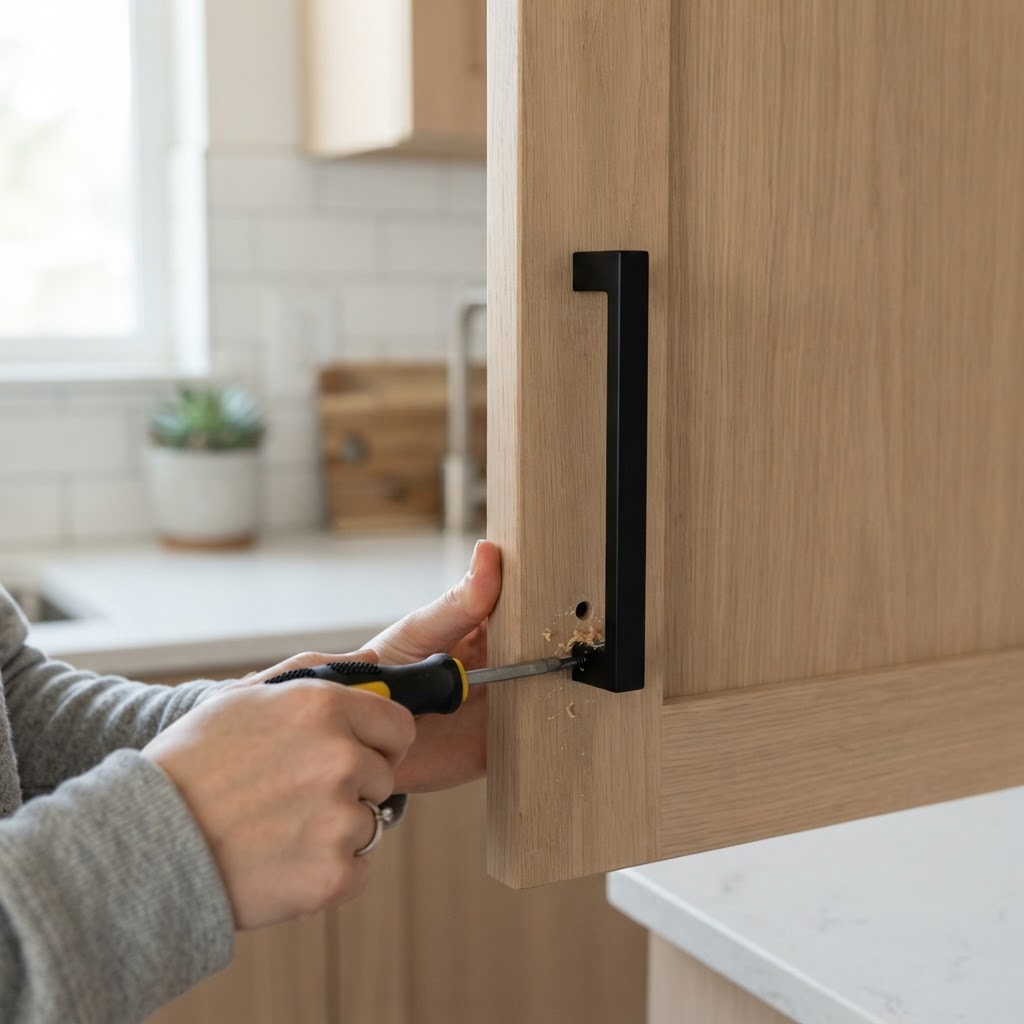
Replacing standard, mass-produced cabinet pulls and drawer knobs is a high-ROI upgrade that makes a massive difference in your kitchen and bathroom. Builders typically install low-cost, plastic, or flimsy metal hardware; by swapping these for solid brass, matte black, or brushed nickel options, you introduce a tactile quality that signals luxury. These small, tactile upgrades indicate attention to detail, which is a hallmark of high-end design. The installation process is straightforward, requiring only a screwdriver, and you can store the original builder-grade hardware in a secure bag for easy replacement upon moving out. To ensure a cohesive look, try to match the finish of your new hardware to other metallic accents in the room, such as lighting fixtures or bathroom faucets.
Cabinet Transformations
For cabinets with dated finishes, temporary vinyl contact paper serves as an excellent, budget-friendly aesthetic fix. Simply measure your drawer fronts, cut the contact paper to size, and apply with a squeegee to remove air bubbles. This is fully reversible and can modernize a kitchen in under three hours.
Introduce High-End Textiles
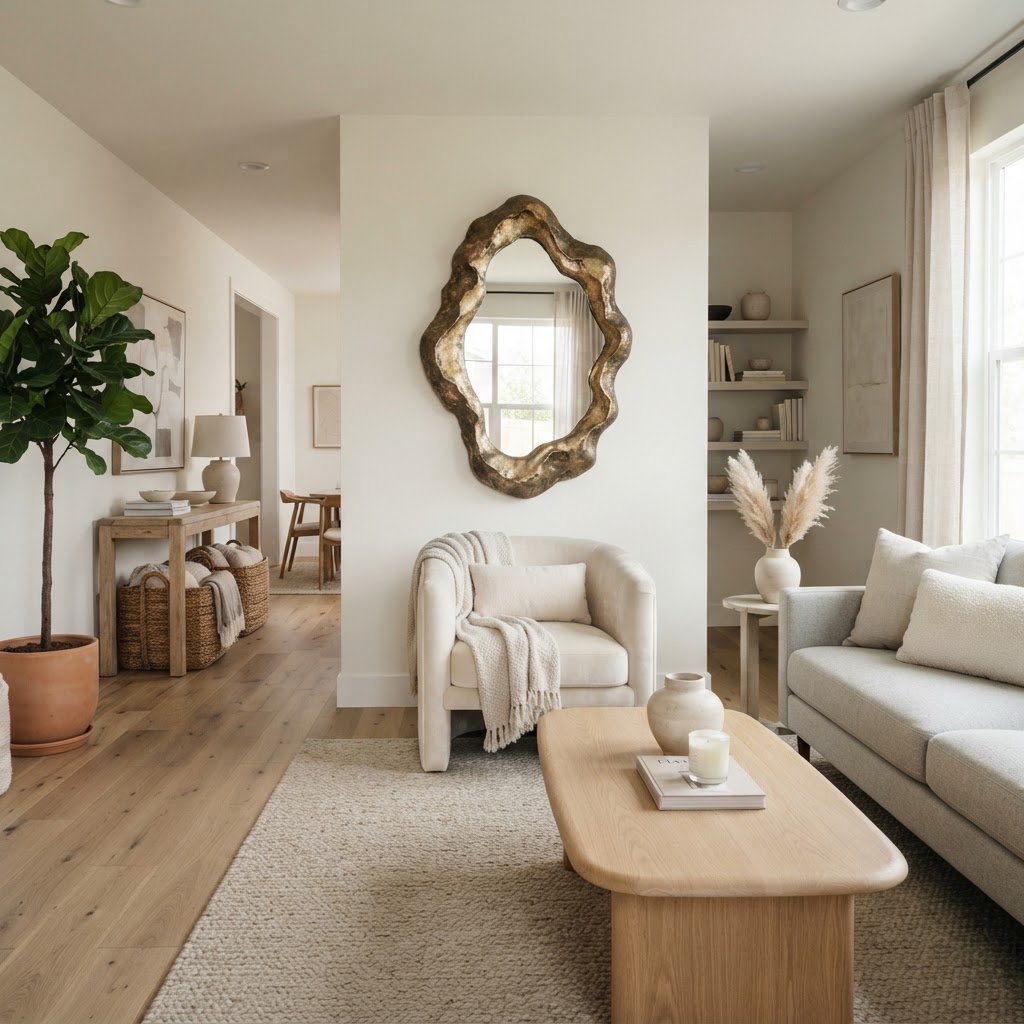
High-end homes are defined by a sophisticated layering of textures, which is a technique easily replicated in rentals using rugs, pillows, and throws. A large, high-pile area rug is essential for masking scratched or outdated rental flooring, effectively grounding your furniture and creating a “zone” that feels intentional rather than haphazard. Aim for a rug size that allows at least the front legs of all major seating pieces to sit on the fabric, which expands the perceived volume of the floor space. To achieve a professional interior design look, layer a neutral, large-scale natural fiber rug (such as jute or sisal) underneath a smaller, patterned or vintage-style rug. This combination adds depth and visual interest, covering more square footage at a fraction of the cost of one massive, high-end designer carpet.
The Art of Layering
Complement your rugs with high-quality throw pillows and blankets. Fabrics such as velvet, boucle, and heavy linen add significant luxury. To keep the look intentional, stick to a monochromatic or complementary color palette to avoid visual clutter and ensure the room feels curated.
Refresh the Bathroom Aesthetic
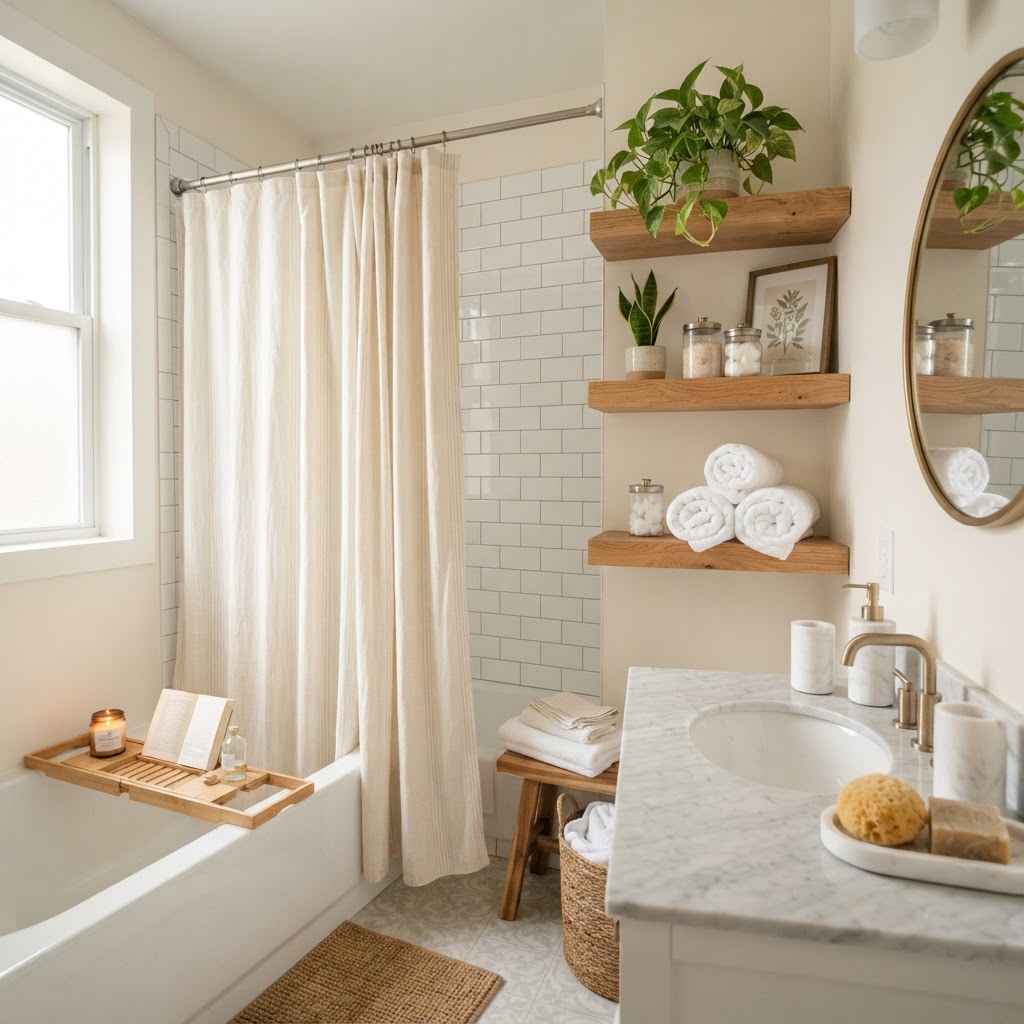
Bathroom transformations often yield the highest satisfaction for renters because these small rooms are easily overhauled with minor accessories. The biggest offender in a rental bathroom is usually the shower space; replace the standard clear or flimsy plastic liner with a floor-length, heavy-fabric shower curtain. Ensure it is hung on a high-quality rod, which creates a hotel-like experience. To further elevate the space, introduce a matching set of accessories, such as marble or ceramic soap dispensers, to hide the branding on generic plastic bottles. Adding a bamboo bath mat or an over-the-toilet storage unit can provide both utility and a sense of warmth, transforming a sterile bathroom into a private, spa-like sanctuary that reflects your personal style rather than the landlord’s original vision.
Spa-Like Details
Focus on cohesion by matching your metal finishes. If your hardware is chrome, ensure your towel bars and vanity lighting match. Keeping your toiletries organized in clean, minimalist containers also prevents the “cluttered” look that makes rental bathrooms feel small.
Invest in Statement Furniture
Budget-conscious design doesn’t mean purchasing cheap, flimsy furniture; instead, invest in one or two “hero” pieces that serve as the focal point of a room. A high-quality piece, such as an architectural velvet armchair, a solid stone side table, or an oversized sculptural floor mirror, elevates the surrounding pieces by association. When you anchor a space with a premium-looking item, the eye is drawn to that feature, which creates a “halo effect” that makes even less expensive furniture feel intentional. For example, a heavy, dark-wood coffee table or a high-back upholstered dining chair can make an otherwise plain apartment feel like a permanent, custom-designed home. If you are on a tight budget, look for these “hero” items at estate sales or online marketplaces where high-quality vintage items are often priced lower than modern mass-market alternatives.