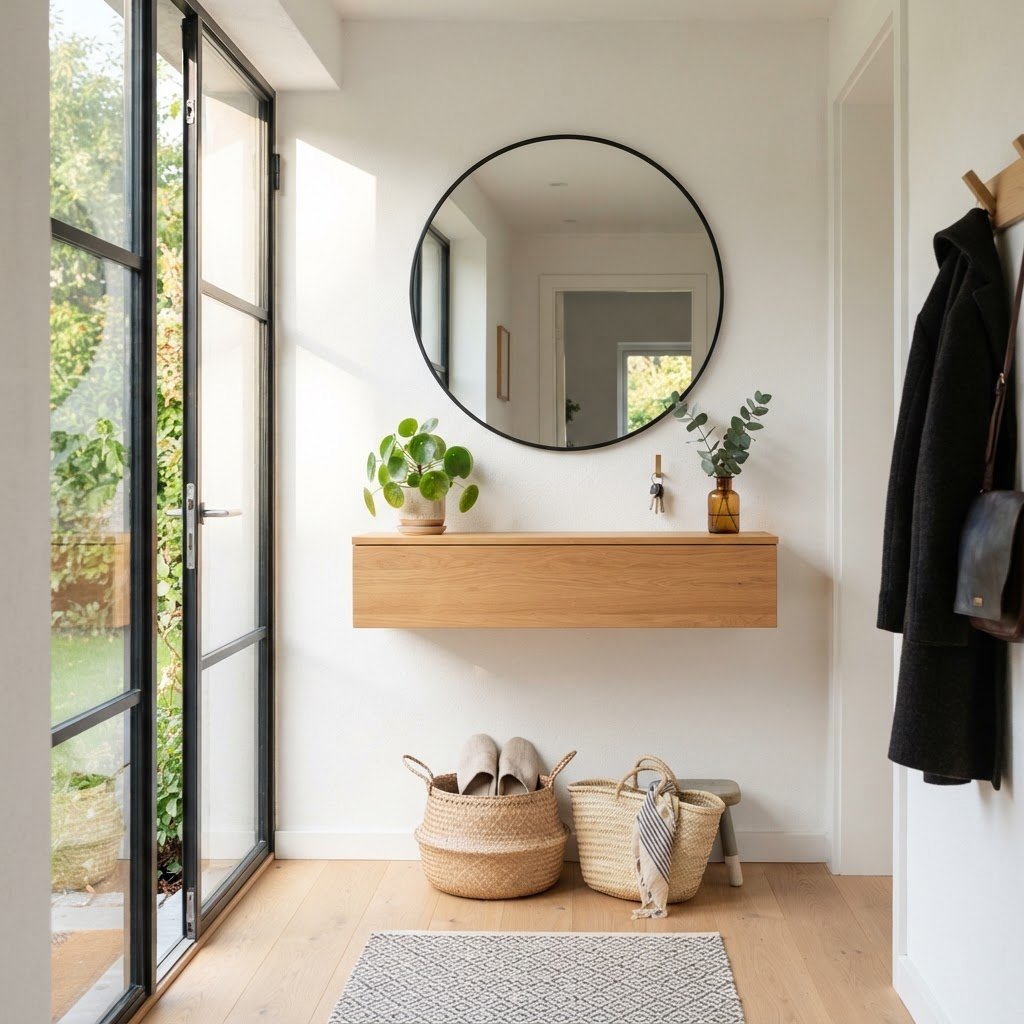
Tiny Entryway Makeovers That Transform Your Apartment
To transform a tiny entryway, prioritize vertical storage, wall-mounted surfaces, and high-impact lighting to eliminate clutter while maximizing floor space. By replacing floor-standing furniture with floating consoles and using mirrors to reflect light, you create a functional, organized transition zone that makes small apartments feel significantly larger and more inviting.
The Psychology of the Entryway
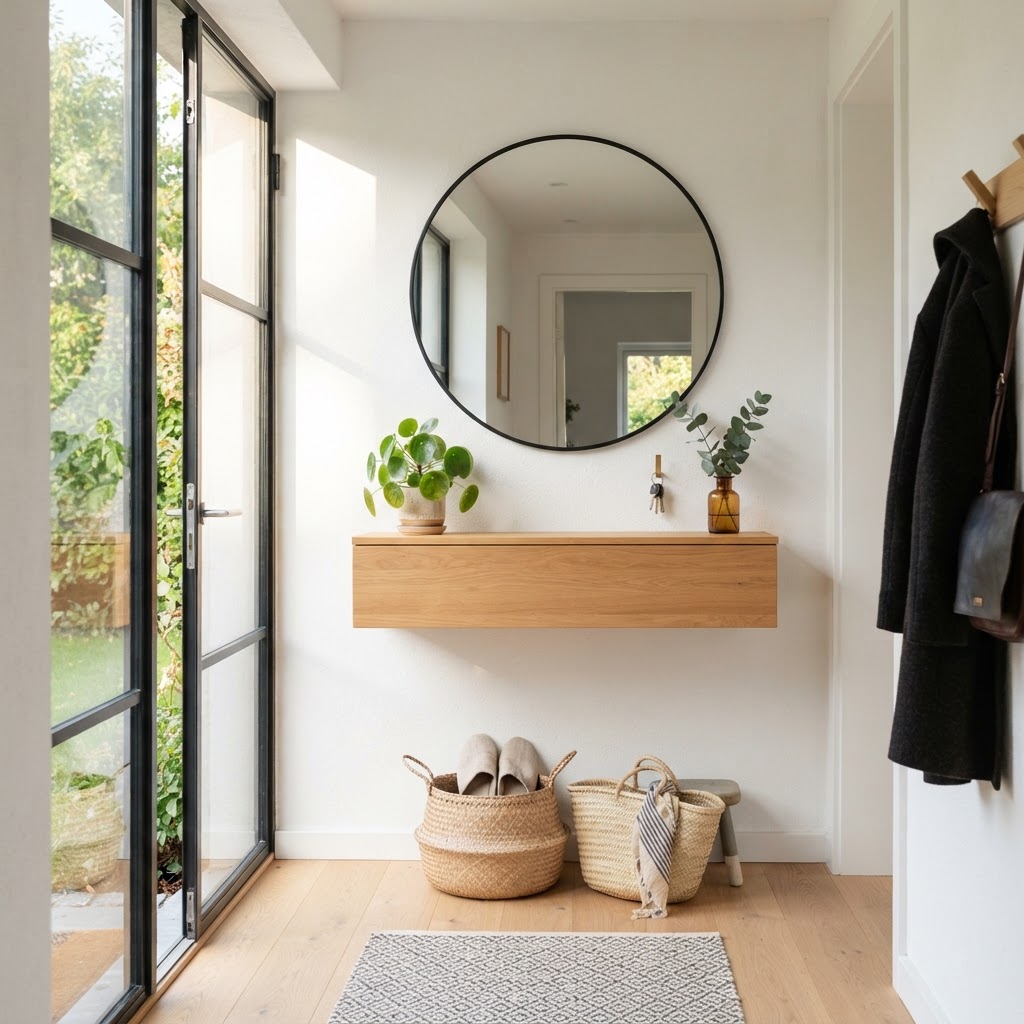
The entryway serves as a psychological airlock between the chaos of the outside world and the sanctuary of your home. When this space is clogged with shoes, bags, and mail, it subconsciously raises your stress levels; studies suggest that clear visual pathways reduce cortisol levels by creating a sense of immediate order upon arrival. Tiny entryway makeovers focus on reducing this visual noise so your brain can instantly relax. By curating what is visible, you create a sense of calm that ripples throughout your entire apartment.
Start by assessing the “landing zone” needs of your household. Do you need a place for keys, a drop-off spot for mail, or a bench for putting on shoes? Identifying these requirements allows you to prioritize functionality over purely decorative items. Remember, in apartments where every square inch counts, nothing should exist in a small entryway without a specific purpose or a significant aesthetic contribution. Aim to keep surfaces at least 70% clear to maintain that airy, organized feeling.
Essential Storage Solutions for Small Spaces
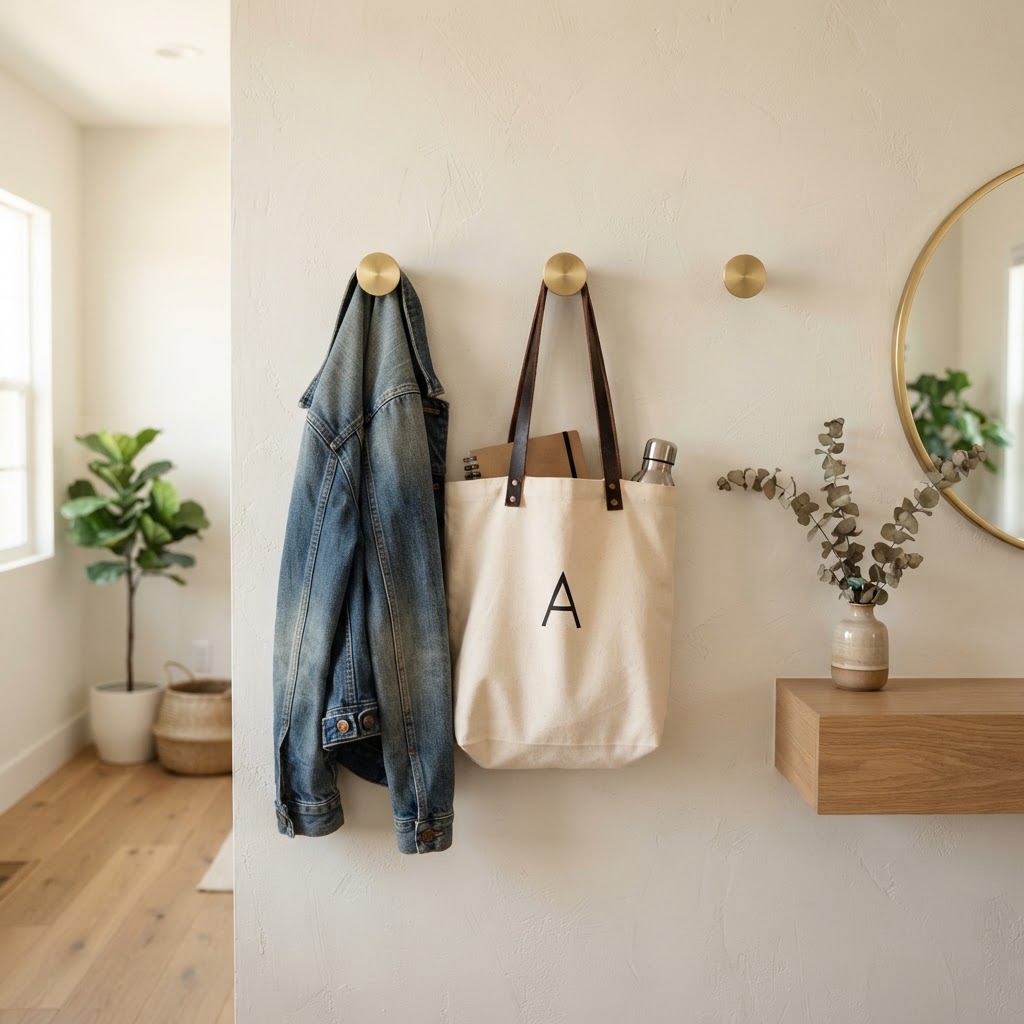
Verticality is your best friend when space is at a premium, requiring you to look upward rather than outward to solve storage deficits. If you cannot expand your entryway outwards, you must expand it upwards by utilizing wall-mounted coat hooks, floating shelves, or tall, narrow cabinets that reclaim floor space while providing ample storage for daily essentials. Efficient storage design ensures that your belongings are off the ground, which makes cleaning easier and the room look larger.
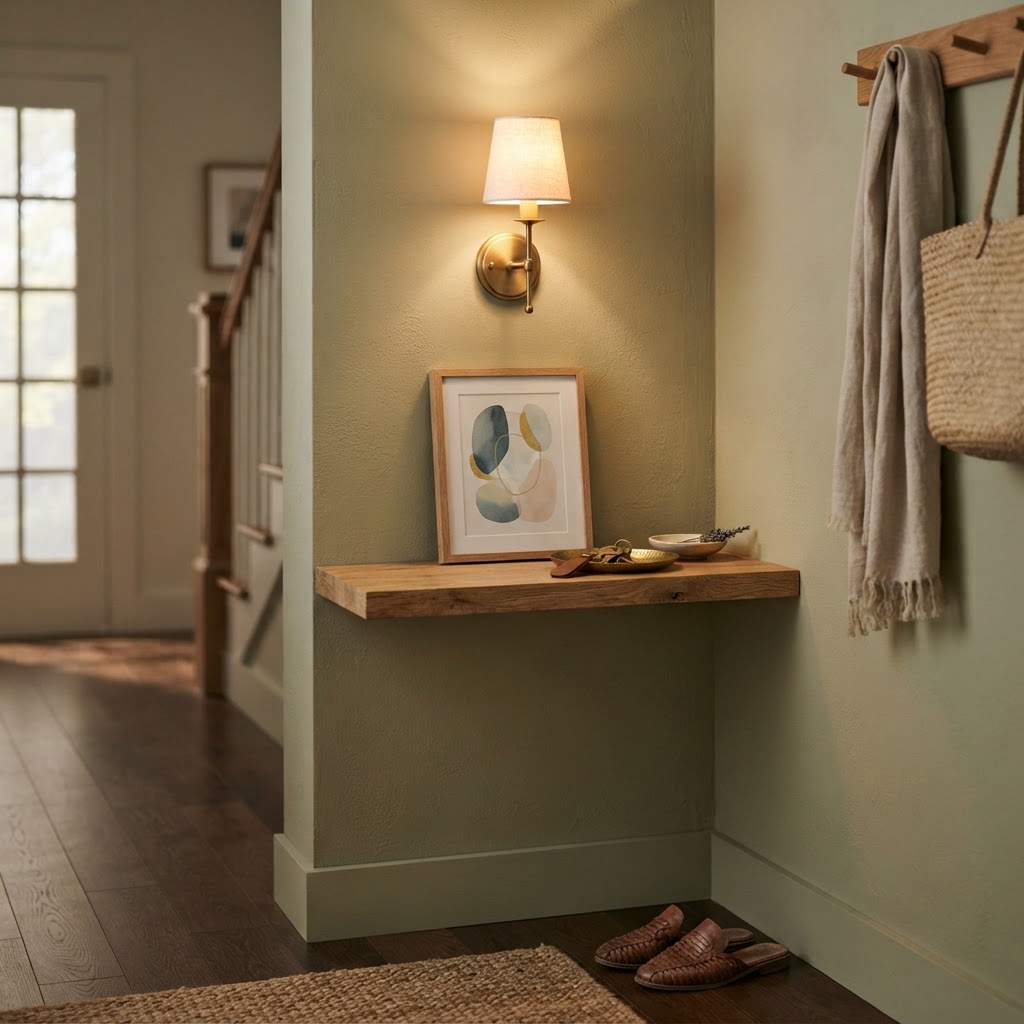
Apartment hallways are notoriously dark, often lacking windows or adequate overhead fixtures, but you can instantly transform the mood by layering your lighting sources to create depth and warmth. Poor lighting makes a small space feel even more cramped and depressing; replacing a standard “boob light” with a 3000K (warm white) LED pendant or flush mount creates a softer, more professional aesthetic.
If you have a ceiling fixture, swap it out for a statement piece that reflects your personality. Complement this with task lighting, such as a sleek wall sconce or a small table lamp on your console. If wiring is an issue, look into battery-operated motion-sensor lights that illuminate your path as soon as you step inside, providing a welcoming glow without the need for an electrician. These motion-sensor solutions are highly affordable, often costing under $25, and provide an immediate safety and comfort upgrade. By bouncing light off walls and mirrors, you can visually expand the room by several square feet.
Strategic Use of Mirrors
There is no design trick more effective for small spaces than the strategic use of mirrors to double the perceived depth of the room. A large mirror can effectively double the perceived size of your entryway by reflecting light and creating the illusion of extra depth, especially when placed opposite a doorway or window. Beyond the spatial benefits, a mirror serves a practical purpose, allowing you to do a final check of your appearance before you head out the door.
Choose a frame that complements your apartment’s overall style, whether that is modern, rustic, or industrial. For a more dramatic effect, consider a floor-to-ceiling mirror or a cluster of smaller decorative mirrors that create a gallery-style feature wall. This approach turns a utilitarian item into a bold focal point, reinforcing the theme of your tiny entryway makeovers. When mounting, ensure the center of the mirror is at 57 inches from the floor, which is the industry standard for optimal viewing height.
Organization Hacks for the Entryway
Maintaining your new entryway requires a strict “one in, one out” policy, especially when dealing with limited storage. Utilize decorative baskets or bins to corral smaller items like sunglasses, gloves, and pet leashes, which tend to create visual clutter when left loose on surfaces. By assigning every item a permanent home, you ensure that the entryway does not revert to a junk drawer.
Implement a “drop zone” tray on your console or shelf specifically for keys, mail, and other pocket clutter. By keeping these items contained, you ensure that they never migrate to other areas of your home, keeping your apartment feeling organized and purposeful from the moment you step through the door. Keeping surfaces clean of “paper creep” is vital for maintaining a modern aesthetic in tight spaces.
Incorporating Personal Touches and Decor
A small entryway does not have to be clinical or strictly functional; it is the perfect place to make a big impact with limited decor. Since the space is small, you can afford to use bolder colors, patterns, or artwork that might feel overwhelming in a larger living area without breaking your budget.
Consider adding a small, durable rug or runner to define the space and add texture. A patterned runner can also draw the eye through the hallway, making the area feel longer and more intentional. Add a small plant or a piece of framed artwork to inject life and color into the space, reinforcing the idea that your entryway is a welcoming transition zone.
Ensure that the colors you choose harmonize with the rest of your apartment. Using a consistent color palette between the entryway and the main living space creates a cohesive flow, making the transition feel seamless rather than abrupt. Using a high-gloss finish on a small console or door frame can also help bounce light, adding to the illusion of extra space.
FAQ
Q: How do I make a tiny entryway look bigger?
Using a large mirror, light-reflecting paint, and keeping the floor clear of items are the fastest ways to expand a small entryway. By mounting storage to the walls and utilizing glass or acrylic furniture, you remove visual barriers that make the space feel cramped.
Q: What is the best storage for small entryways?
Wall-mounted hooks and floating shelves are the best storage solutions for tiny entryways. They move your daily essentials off the floor, which creates an open, clean look while maintaining full functionality for your keys, coats, and mail.
Q: How can I brighten a dark apartment entryway without electricity?
Use a large mirror opposite an existing light source to reflect brightness into the dark corners of the hall. You can also add battery-operated motion-sensor LED strips or lamps, which are inexpensive, wire-free, and provide immediate, welcoming light when you arrive home.
Q: Should I use a rug in a small entryway?
A runner rug is ideal for a small entryway because it defines the space as a distinct zone and adds texture to the room. Opt for a low-pile, washable rug to ensure it fits under the door and remains easy to clean as people walk in and out.
Q: What is the “one in, one out” rule?
The “one in, one out” rule means that for every new item you bring into your entryway, such as a new pair of shoes or a bag, you must remove or store an old item elsewhere. This prevents clutter buildup and maintains the minimalist aesthetic of your home.

Leave a Reply