10 Best Peel-and-Stick Wallpaper Ideas for Small Apartments
The best peel-and-stick wallpaper ideas for small apartments include utilizing light-colored minimalist patterns to increase perceived brightness, applying vertical stripes to raise ceiling heights, and incorporating textured faux-finishes to add depth without clutter. These solutions provide high-impact, renter-friendly design transformations that protect your security deposit while maximizing cramped living quarters.
Understanding the Magic of Temporary Wallpaper
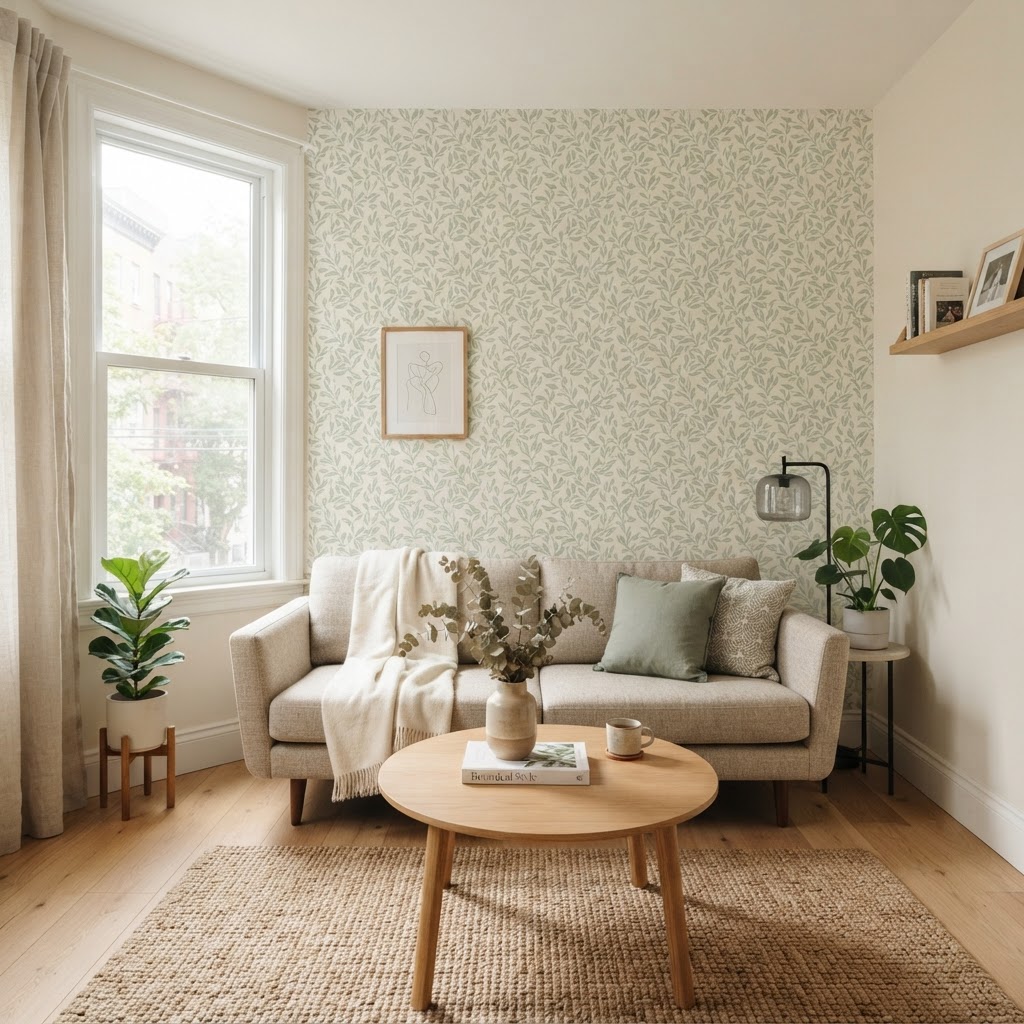
Peel-and-stick wallpaper, often referred to as self-adhesive or removable wallpaper, has revolutionized the world of renter-friendly home decor by eliminating the need for permanent pastes or tools. Unlike traditional wallpaper that requires glue, water, and specialized labor, these products function like a large sticker, allowing for DIY installation and damage-free removal in under two hours for an average 10×10 foot wall. They are the ideal choice for studio apartments or compact urban units because they allow tenants to customize space without violating lease agreements. The versatility of these materials allows you to cover up to 50 square feet per standard roll, which typically costs between $30 and $70 depending on the brand and material quality. Whether you are dealing with sterile blank walls or outdated textured surfaces, there is a design solution that can anchor your room. For small spaces, the goal is often to create depth, add light, or define specific zones within an open-concept layout, making temporary wallpaper one of the most cost-effective ways to increase the perceived value of your home.
The Power of Light and Bright Patterns
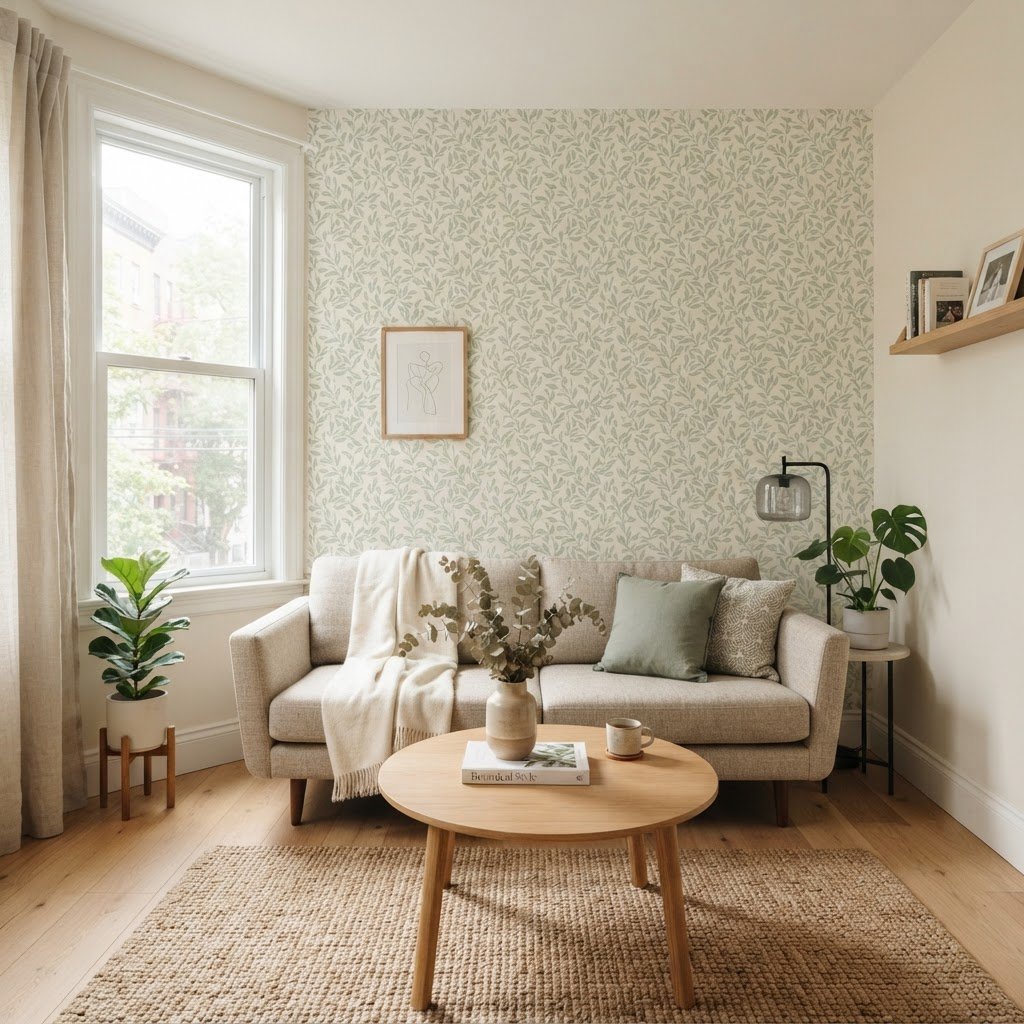
When working with limited square footage, choosing light-colored or reflective peel-and-stick wallpaper can significantly expand the feeling of a windowless bedroom or cramped hallway. You should prioritize designs with soft botanicals, neutral minimalist geometric patterns, or high-sheen finishes that help bounce natural light across the surface. By selecting colors like off-white, champagne, or light sage, you can prevent the ‘closed-in’ effect often caused by dark colors in small apartments. Research indicates that rooms with light, monochromatic wallpaper patterns can feel up to 15% more spacious than those with deep, saturated colors or busy, high-contrast prints. Furthermore, reflective surfaces in metallic or pearlescent finishes can act as a secondary light source, which is particularly beneficial in apartments with limited natural sunlight. Always aim for a color palette that complements your existing flooring and furniture to create a cohesive look that doesn’t overwhelm the eye.
Selecting the Right Scale for Your Walls
One common mistake in small-space design is choosing patterns that are too dense or busy, which can make a room feel claustrophobic. In a confined space, a large-scale mural or a very intricate repeating pattern often overwhelms the eye; instead, opt for “breathable” patterns that provide significant negative space. These designs allow the wall to act as a background rather than the primary focal point, ensuring the room feels airy and open rather than cluttered. A good rule of thumb is to maintain a ratio of 60% negative space to 40% pattern to ensure the aesthetic remains balanced.
Defining Zones with Accent Walls
Creating a dedicated accent wall is a proven technique for segmenting multi-purpose rooms in small apartments where the living, working, and sleeping areas overlap. By visually demarcating a space—such as placing a sophisticated, patterned wallpaper behind your bed or dining table—you create a psychological boundary that signals a shift in room function. This “zoning” strategy is highly effective in studio apartments under 500 square feet, where open-concept layouts often lack natural separation. Using a high-contrast or textured wallpaper for the accent area can turn a standard corner into a boutique-style focal point that feels intentional rather than accidental. This method effectively separates the room into distinct quadrants, which can improve your mental clarity and organization. Studies on interior space planning suggest that visual dividers can increase the functional utility of a room by defining specific “use cases” for different wall sections.
Creating a Home Office Nook
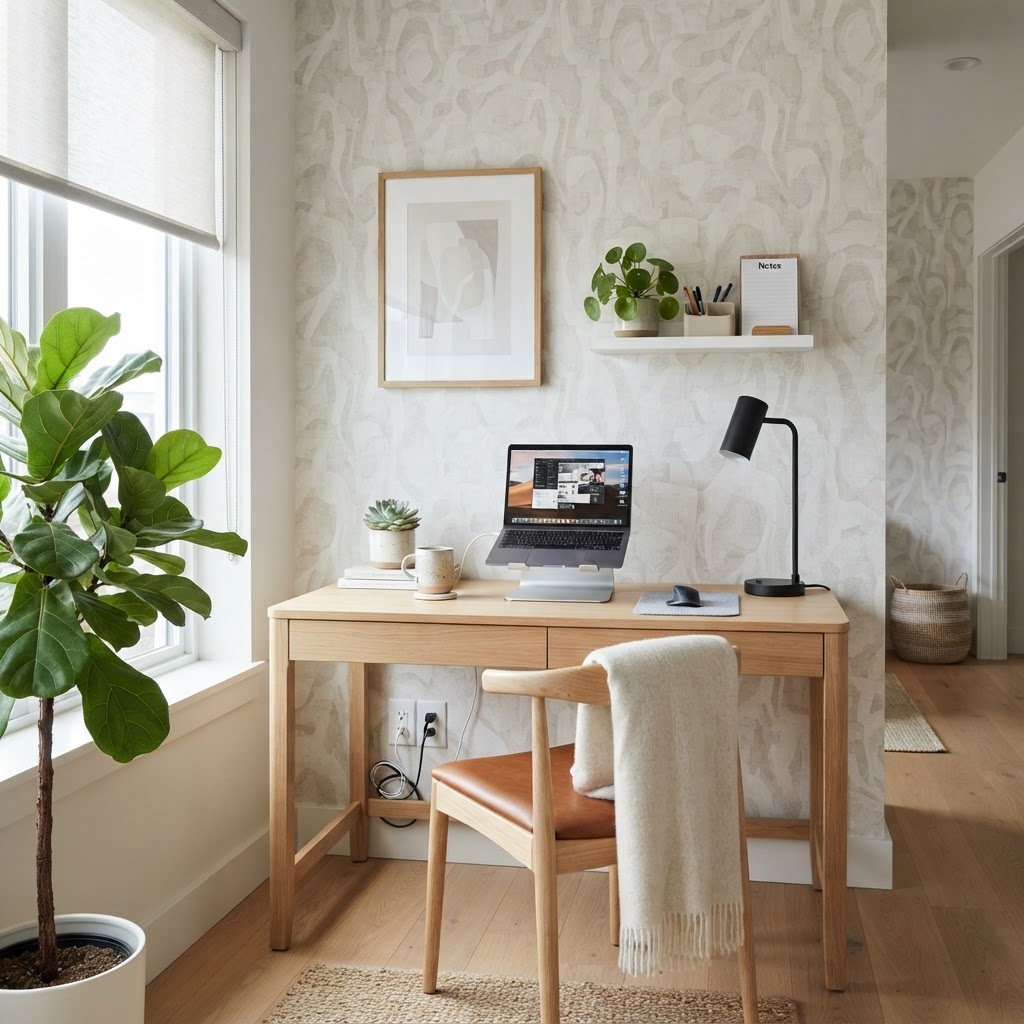
If you work from home, the psychological boundary provided by a change in wall decor is invaluable for maintaining work-life balance. Use a clean, professional print, such as a subtle pinstripe or a soft herringbone, to frame your desk area and separate your “office” from your living space. This DIY project can be completed for less than $50 and helps signal the end of the workday when you leave the designated ‘wallpapered zone.’
Maximizing Vertical Space with Stripes
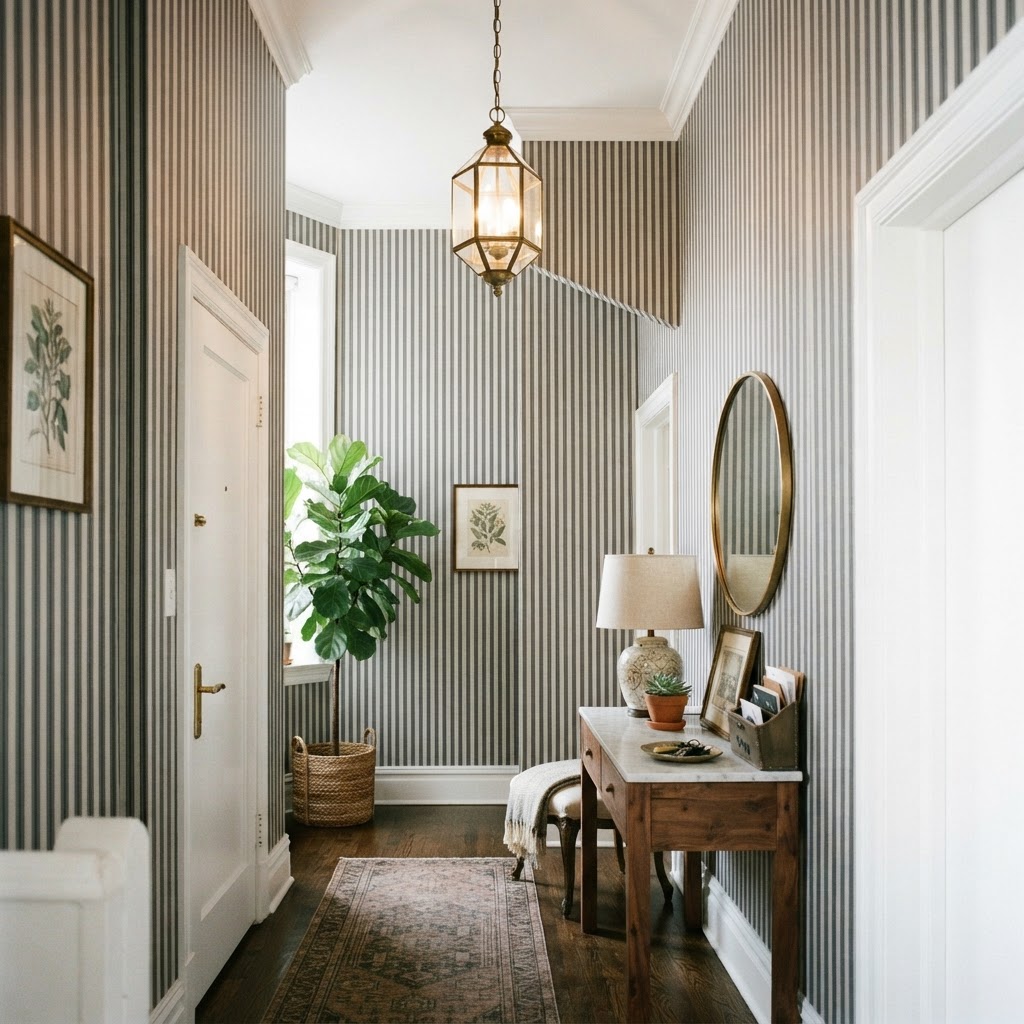
Vertical stripes are the most effective way to address low ceilings, as they create an optical illusion that draws the eye upward, making any apartment feel significantly taller. When searching for the right peel-and-stick options, look for muted, vertical-heavy patterns in soft color palettes like creams, greys, or muted pastels to prevent the design from becoming too aggressive or visually fatiguing. If your apartment has standard 8-foot ceilings, using vertical stripes can add the perception of an extra 6 to 12 inches of height, which significantly changes the room’s proportions. This technique is particularly powerful in smaller rooms where horizontal furniture placement tends to dominate the visual field, drawing focus away from the floor and toward the ceiling. By maintaining a soft color contrast—where the stripe and the background are close in hue—you achieve the height effect without sacrificing the serene, minimalist aesthetic required for small-space living.
The Vertical Effect in Entryways
An entryway is often the most neglected space, but applying vertical striped paper in a narrow foyer immediately upgrades it from a storage pass-through to a formal arrival point. This design choice creates a sophisticated first impression that feels curated. Because entryways are usually small, you can typically complete this transformation using only 1-2 rolls of wallpaper, keeping your total project budget under $100 while significantly elevating your home’s interior design.
Creative Uses for Furniture and Shelving
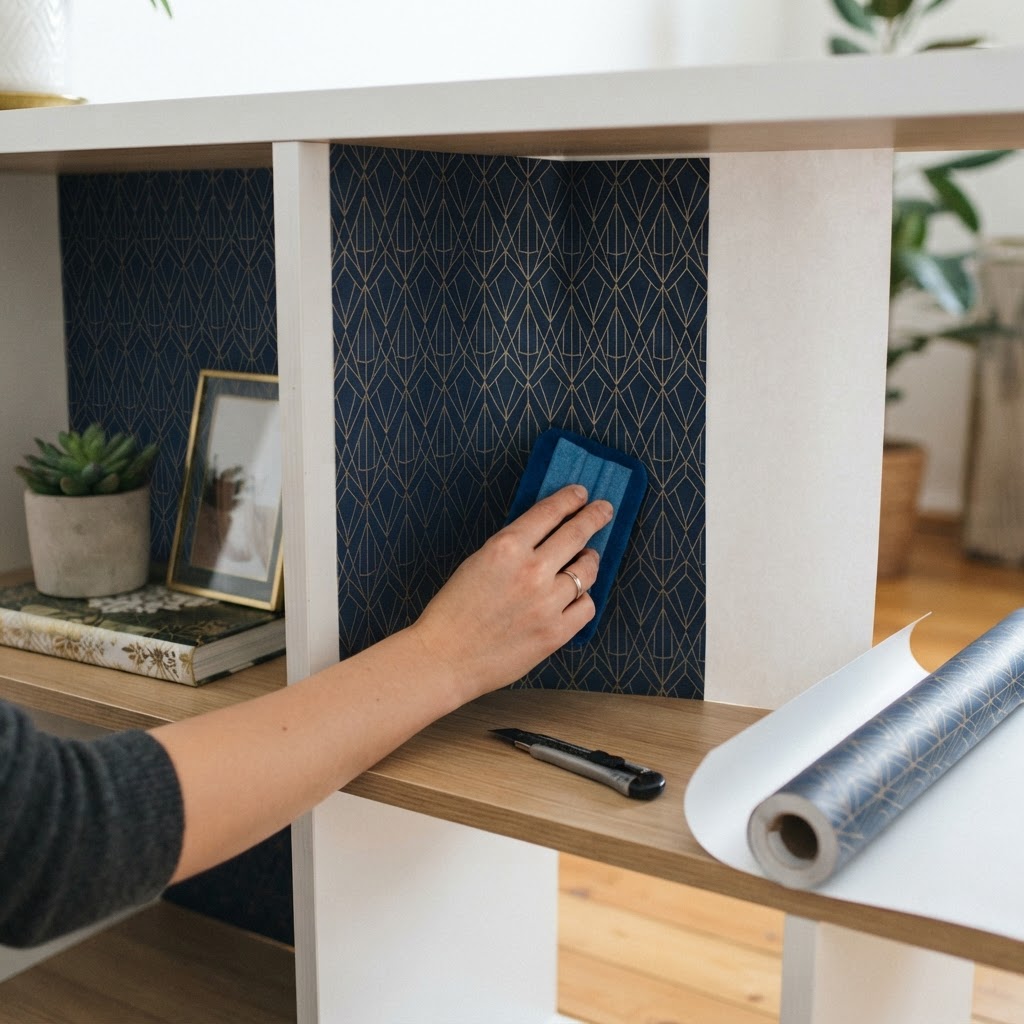
Applying wallpaper to furniture and shelving is a highly effective way to add personality to a room without overwhelming the space with wall-to-wall patterns. By wallpapering the back of a bookshelf, the front of a dresser drawer, or even the top of a coffee table, you introduce a custom, designer touch that mimics expensive, bespoke furniture. This technique is perfect for refreshing big-box store items, allowing you to turn a $100 bookshelf into a $300-value statement piece. The process requires only minimal adhesive film and a sharp utility knife, making it an accessible project for beginners. Furthermore, using wallpaper on furniture allows for bolder, more vibrant patterns that might be too intense for an entire wall, providing that desired ‘pop’ of color while maintaining a clean, airy room aesthetic.
Incorporating Texture for Depth
Texture is the secret ingredient for making a modern apartment feel grounded and warm, especially when architectural details like crown molding or fireplaces are absent. Opting for high-resolution, faux-textured wallpaper—such as grasscloth, faux brick, or wood-look designs—adds a tactile, luxury feel that simple flat patterns cannot replicate. High-quality faux textures can make a cramped kitchen backsplash look like a $500 tile renovation for only a fraction of the cost. When selecting these materials, verify that the print quality is high-resolution; look for images that show subtle organic imperfections to ensure the wall doesn’t look like a repeating, flat photograph. Texture also helps absorb sound better than smooth, non-porous surfaces, which is an added acoustic benefit for apartment dwellers living near noisy neighbors or busy streets.
Practical Tips for Renter-Friendly Installation
To ensure your project remains truly temporary and damage-free, adhere to these four industry-standard installation steps:
- Prep the Surface: Clean your wall thoroughly with a mixture of water and mild dish soap to remove dust, as adhesive bonds 30% stronger to clean surfaces.
- Patch Test: Apply a 4×4 inch piece in an inconspicuous area (like behind a door) and leave it for 48 hours to confirm that the adhesive does not lift the paint upon removal.
- Measure Twice, Cut Once: Always add an extra 2-3 inches to each strip for ceiling and baseboard trimming to ensure a seamless fit.
- Avoid Humid Areas: If applying in a bathroom, ensure the room remains dry; humidity above 60% can cause edges to peel over time, regardless of the brand quality.
Elevating Your Living Experience
Applying wallpaper is a transformative act that turns a rental unit into a personal sanctuary, allowing you to reclaim your space and express your style. The versatility of peel-and-stick products means you can swap out patterns as your taste evolves or as seasons change, providing ultimate creative freedom. With the ability to install and remove designs in an afternoon, you can refresh your living environment annually, keeping your apartment at the forefront of interior design trends without ever losing your security deposit.
FAQ
Q: Does peel-and-stick wallpaper ruin apartment walls?
Most high-quality peel-and-stick wallpapers are designed to be removable without damaging standard drywall, provided the wall was properly primed before the original paint job. Always perform a patch test in an hidden area to confirm your specific wall surface and paint type are compatible.
Q: How much does it cost to wallpaper a small apartment room?
For a typical small bedroom or office space, you can expect to spend between $100 and $250 on materials. This budget covers 3-5 rolls of adhesive wallpaper, a smoothing tool, and a sharp utility knife, which is significantly cheaper than a professional paint job.
Q: Can I put peel-and-stick wallpaper in a bathroom?
Yes, but you must choose a moisture-resistant or vinyl-coated product to prevent peeling caused by steam. Ensure your bathroom has adequate ventilation or an exhaust fan to minimize humidity levels and prolong the life of the adhesive.
Q: How long does peel-and-stick wallpaper last?
When installed correctly on a clean, dry, and flat surface, peel-and-stick wallpaper can last for 3 to 5 years. It is designed to be a semi-permanent solution, making it ideal for renters who want a long-term look that can be easily removed when moving out.
Q: What is the best pattern for a very small apartment?
Minimalist, light-colored, and “breathable” patterns with ample negative space work best for very small apartments. These designs avoid overwhelming the eye, creating an illusion of space that makes compact rooms feel significantly more open, airy, and bright.

Leave a Reply