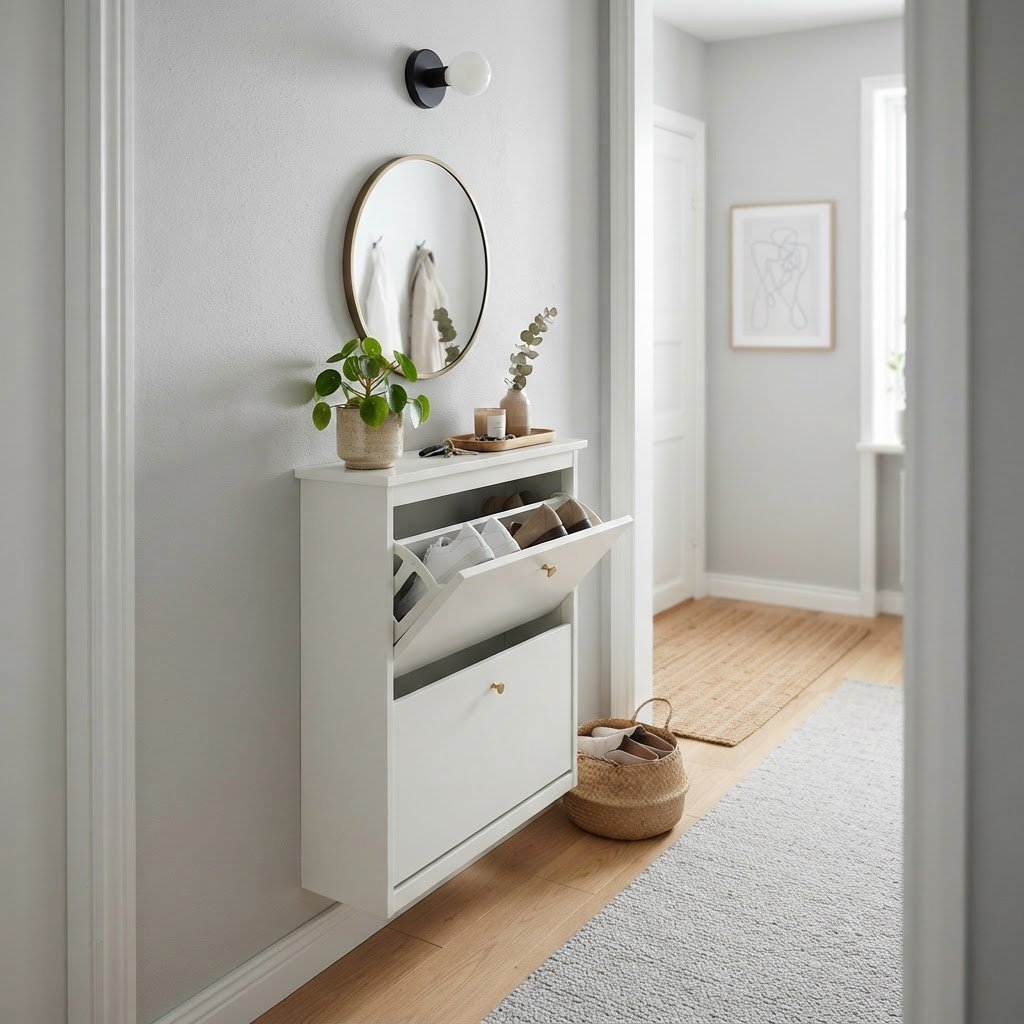
To hide all your shoes in a narrow entryway, utilize slim-profile tilt-out shoe cabinets less than 10 inches deep, install vertical wall-mounted racks to clear floor space, and implement a seasonal rotation system to limit the number of pairs stored in your hallway at any one time.
Assessing Your Entryway Constraints
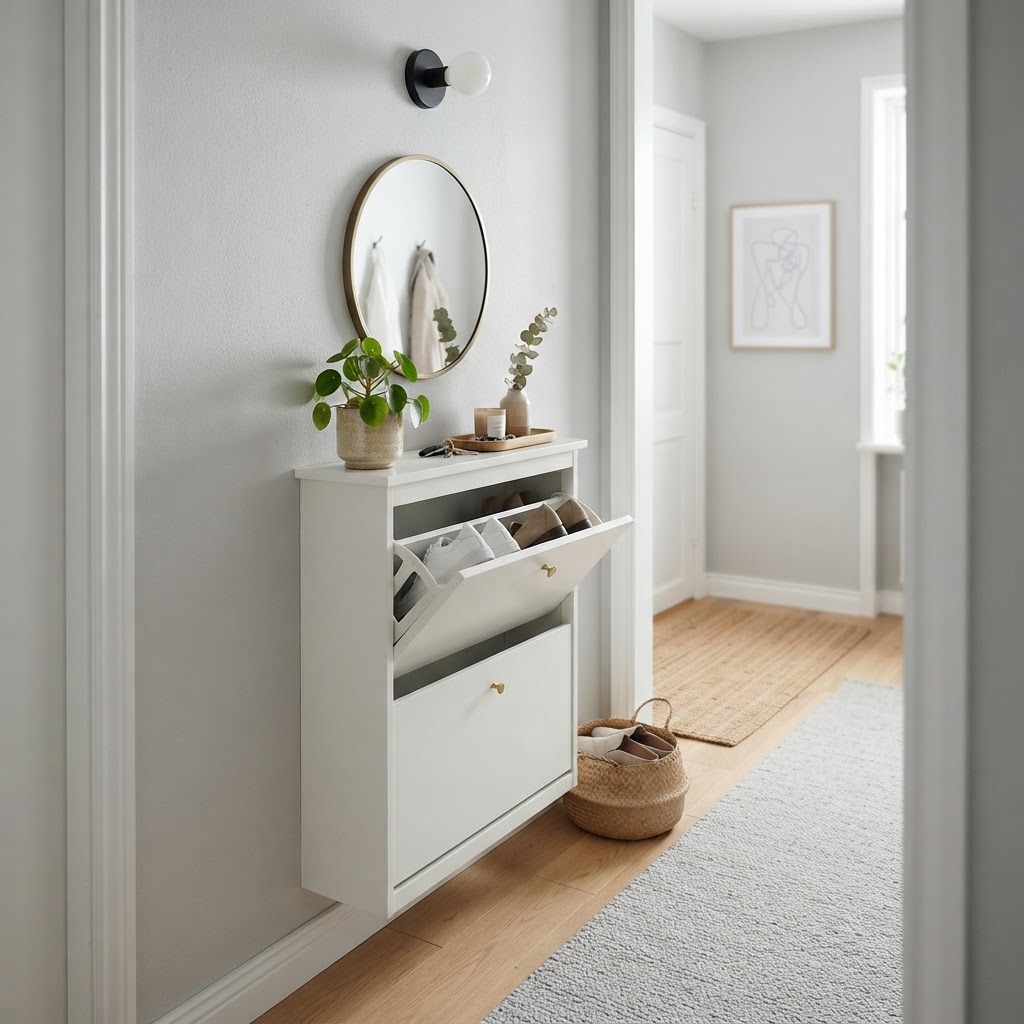
The first step in mastering storage is understanding your specific limitations, as measuring your space accurately is essential before purchasing organizational tools. A hallway that is only 30 inches wide requires a very different approach than one that is 40 inches wide, and your success depends on clearing the area to take precise measurements of the floor space, wall height, and the distance from the wall to the door swing.
It is vital to ensure that any storage unit you introduce does not prevent the front door from opening fully, especially in corridors with limited clearance. Consider whether you have a recess in the wall or an awkward corner that is currently going unused. These small, often ignored architectural quirks—frequently measuring 12 to 18 inches in width—are often the secret to finding the perfect home for a slim piece of furniture. When planning, prioritize units that maintain at least 32 inches of walking clearance to ensure your entryway remains compliant with standard accessibility flow.
Choosing the Right Slim Furniture
When you are tight on space, standard shoe racks are rarely the best solution; instead, you should look for furniture specifically designed for vertical efficiency, such as slim shoe cabinets which are the gold standard for small spaces. These units typically feature tilt-out drawers that allow shoes to stand vertically, significantly reducing the depth required compared to traditional shelves, often taking up only 6 to 9 inches of floor space.
When shopping for these units, look for models that are less than 10 inches deep. You can easily find options that mount to the wall, which keeps the floor clear and makes the room feel larger. By opting for a cabinet with a flat top, you also gain a surface area for keys, mail, and a small decorative bowl, effectively turning your storage solution into a functional console table that provides both utility and aesthetic value.
Benefits of Wall-Mounted Storage
Wall-mounted storage is a game-changer in narrow hallways because elevating your storage solutions off the ground increases visible floor space, which is a classic interior design trick to make a room appear wider than it actually is. Furthermore, cleaning becomes significantly easier when your storage does not have legs that accumulate dust and hair. By utilizing wall-mounted systems, you also protect your baseboards and flooring from scuffs caused by traditional heavy shoe racks.
Utilizing Vertical Wall Space
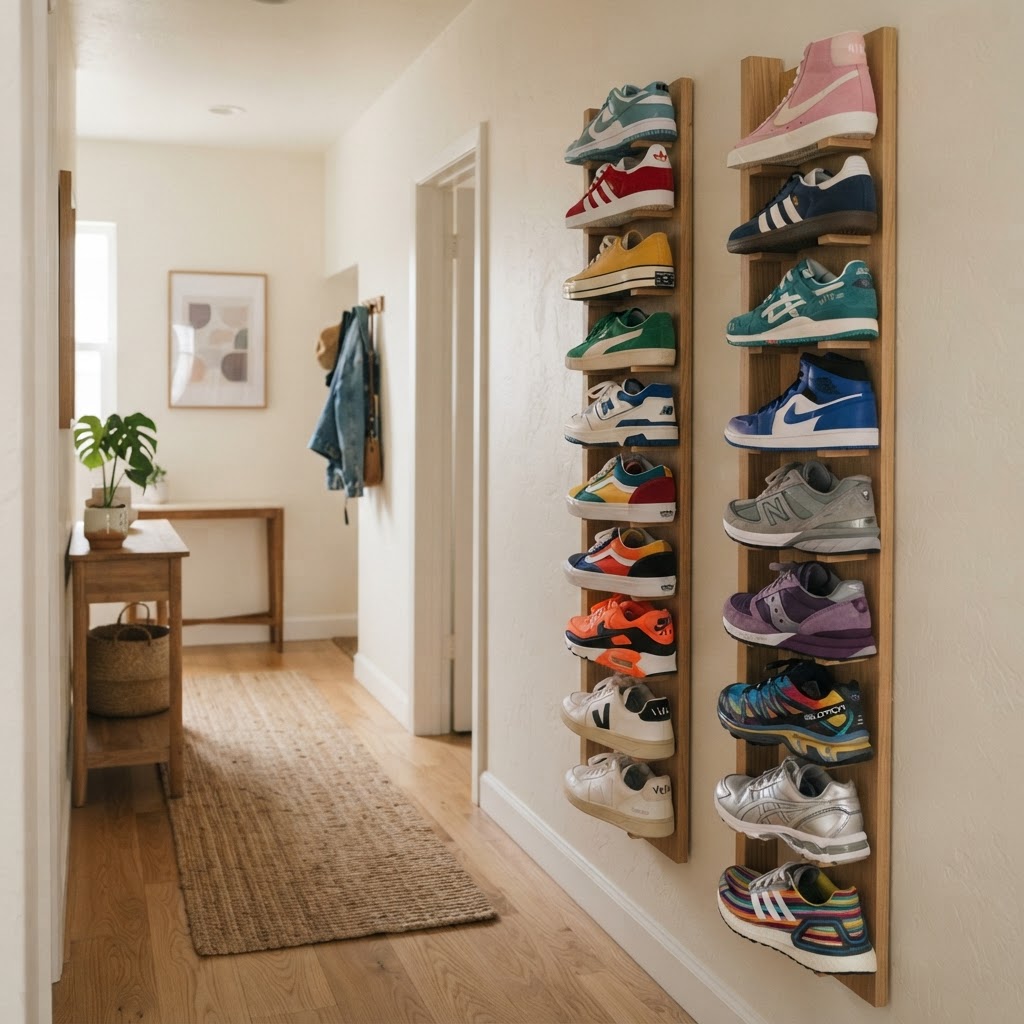
If floor space is non-existent, it is time to look up, as your walls represent the most underutilized real estate in your home. By installing hooks, floating shelves, or wall-mounted cubbies, you can keep your most frequently worn pairs organized without sacrificing a single inch of floor depth, effectively managing vertical zones up to 7 feet high.
Consider installing a series of staggered wall hooks at varying heights. Not only does this look artistic, but it also allows you to stagger boots and flats so they do not crowd each other. Another excellent option is a slim, wall-mounted rack that folds flat when not in use. These are particularly useful for guests who may drop off their shoes during a visit but do not need permanent storage space. By utilizing wall space, you can often increase your storage capacity by 40% compared to floor-only solutions, keeping entryways clear and visually balanced.
Creative Hidden Storage Ideas
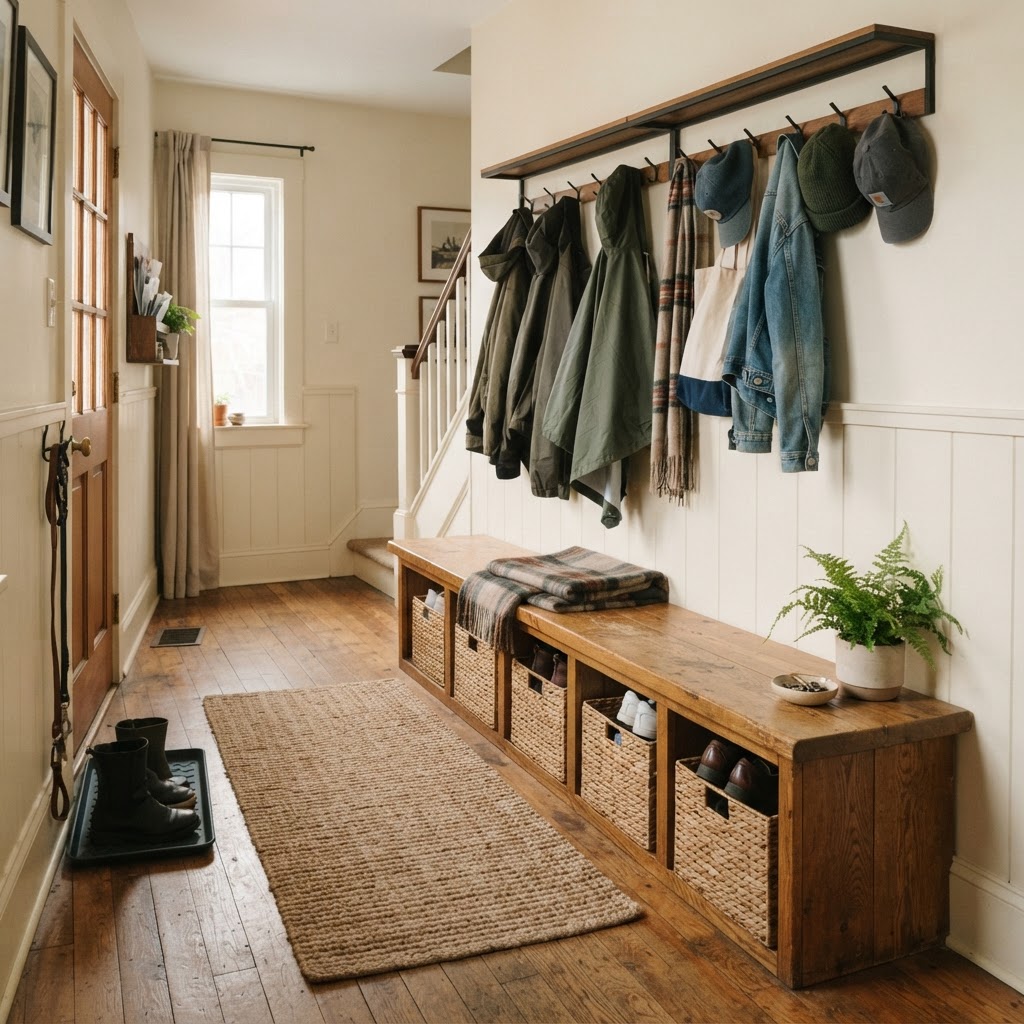
Sometimes the best way to hide all your shoes in a narrow entryway is to use furniture that serves a double purpose, such as benches that offer deep internal storage or ottomans that can slide completely under a wall-mounted console table. By choosing items that pull “double duty,” you reduce the total number of objects competing for your limited square footage, which is crucial in entryways smaller than 25 square feet.
Another clever trick is to place a shallow storage bench at the very end of your hallway if the layout allows. This acts as a visual anchor while providing a designated spot to sit down while putting on shoes. If your bench is long enough—typically 36 to 48 inches—you can even install dividers inside to keep shoes from becoming a jumbled pile. For those who are handy with DIY, consider building a shallow, custom “locker” system that blends into the wall color, making the storage practically disappear into the architecture.
Rotational Systems for Small Closets
If you have a coat closet in your entryway, do not ignore its potential, but instead implement a rotation system to prevent the bottleneck created by storing too many items in a limited space. Only keep the shoes you wear three to four times a week in the entryway; for all other pairs, use a “seasonal storage” bin in another part of the house—such as under your bed or in a bedroom closet—for shoes that do not match the current weather.
By thinning out the population of shoes in your entryway, you naturally make it easier to maintain an organized, clean look, effectively reducing daily clutter by up to 60%. Treat your entryway like a transition zone rather than a long-term storage facility. Essential tips include using over-the-door organizers for sandals, placing a small basket for errant socks, and purging shoes you have not worn in the last 6 months.
Dealing with Boots and Bulky Items
Boots are notoriously difficult to store in narrow spaces because they are tall and wide, and attempting to force them into a slim shoe cabinet usually results in damaged leather or bent shafts. For these, consider a dedicated corner spot with a vertical boot tray or a wall-mounted boot rack that hangs them upside down, which preserves the shape of the boot shaft and prevents creases.
If you must keep boots in the entryway, try to place them in the most hidden, darkest corner of the space. When you elevate boots off the floor using a small rack, they look less like clutter and more like a deliberate design choice. Keeping the floor clear of large, bulky items is the primary way to maintain the illusion of a spacious, organized home, especially in hallways where floor space is the most valuable commodity.
Maintaining a Clutter-Free Habit
Storage furniture is only one part of the equation, as to truly hide all your shoes in a narrow entryway, you must commit to a routine. It is all too easy to get home after a long day and kick your shoes off in the middle of the hallway; therefore, you must establish a strict rule where shoes are immediately placed into their designated spot.
Think of this as a ritual of arriving home. By taking the extra ten seconds to tuck your shoes into the cabinet, you ensure that you are greeted by an orderly, peaceful space the next morning. If you live with others, place a small basket in the hallway that can serve as a temporary landing pad for shoes that need to be put away later in the day, keeping the floor clean while allowing for a moment of flexibility in your busy schedule.
FAQ
Q: What is the best depth for a narrow shoe cabinet?
A: The best depth for a narrow shoe cabinet is between 6 and 10 inches. This profile allows for vertical tilt-out storage that accommodates most shoe sizes without obstructing the walking path of your hallway.
Q: How do I store tall boots in a small entryway?
A: Store tall boots using a vertical boot rack that hangs them upside down or place them on a shallow boot tray in a corner. Hanging them upside down prevents the shafts from slouching and saves precious floor space.
Q: Can I hide shoes in a hallway less than 30 inches wide?
A: Yes, you can hide shoes in a narrow hallway by utilizing wall-mounted floating shelves or slim hooks. These solutions require zero floor footprint and keep the walkway clear for easy movement.
Q: How many shoes should I keep in my entryway at once?
A: Limit your entryway to the shoes you wear 3 to 4 times per week to prevent clutter. Rotating your collection seasonally allows you to keep only relevant footwear at the door.

Leave a Reply