Best Shoe Storage Benches for Small Apartment Entryways
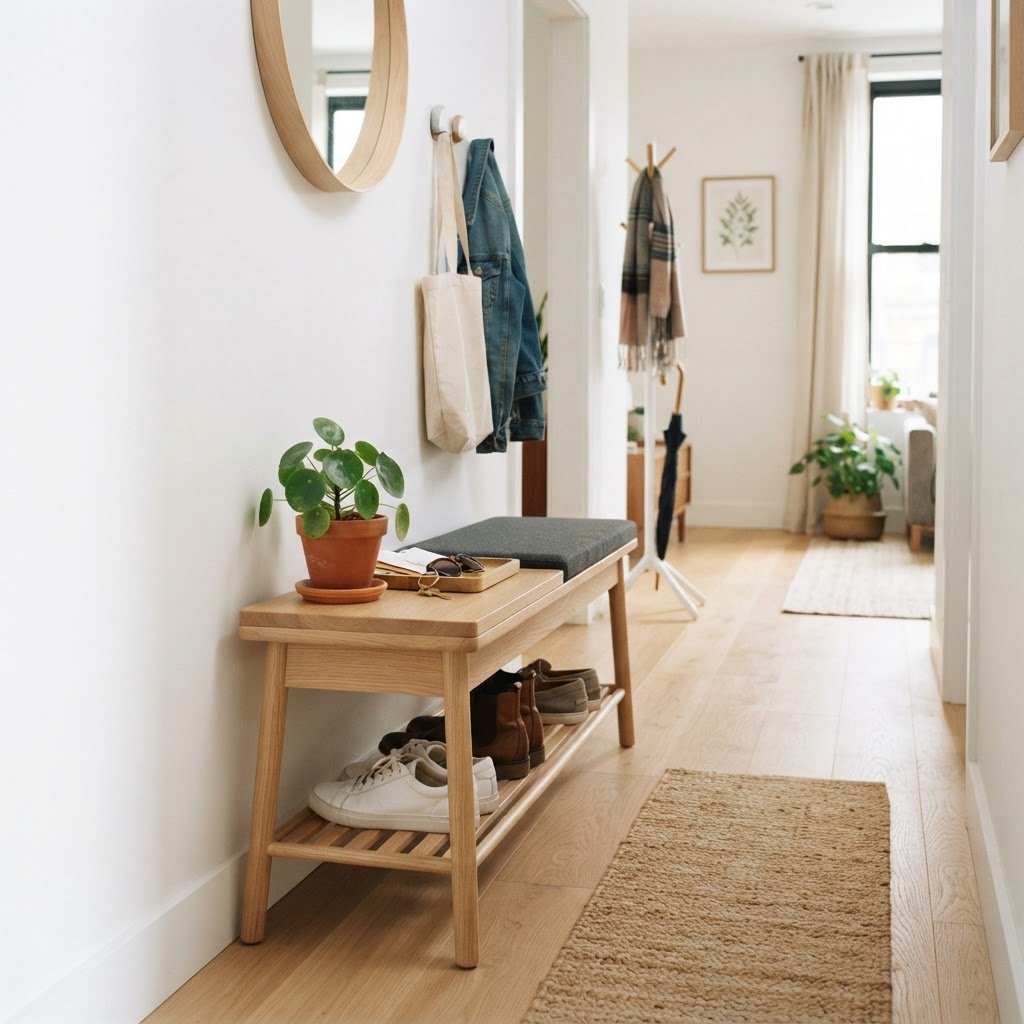
To maximize a small apartment entryway, the best shoe storage benches feature a slim profile between 12 and 15 inches deep with integrated vertical storage. Choosing high-performance materials like moisture-resistant wood or powder-coated steel ensures your bench remains durable while keeping your transition space organized and clutter-free.
The Importance of Functional Entryway Furniture
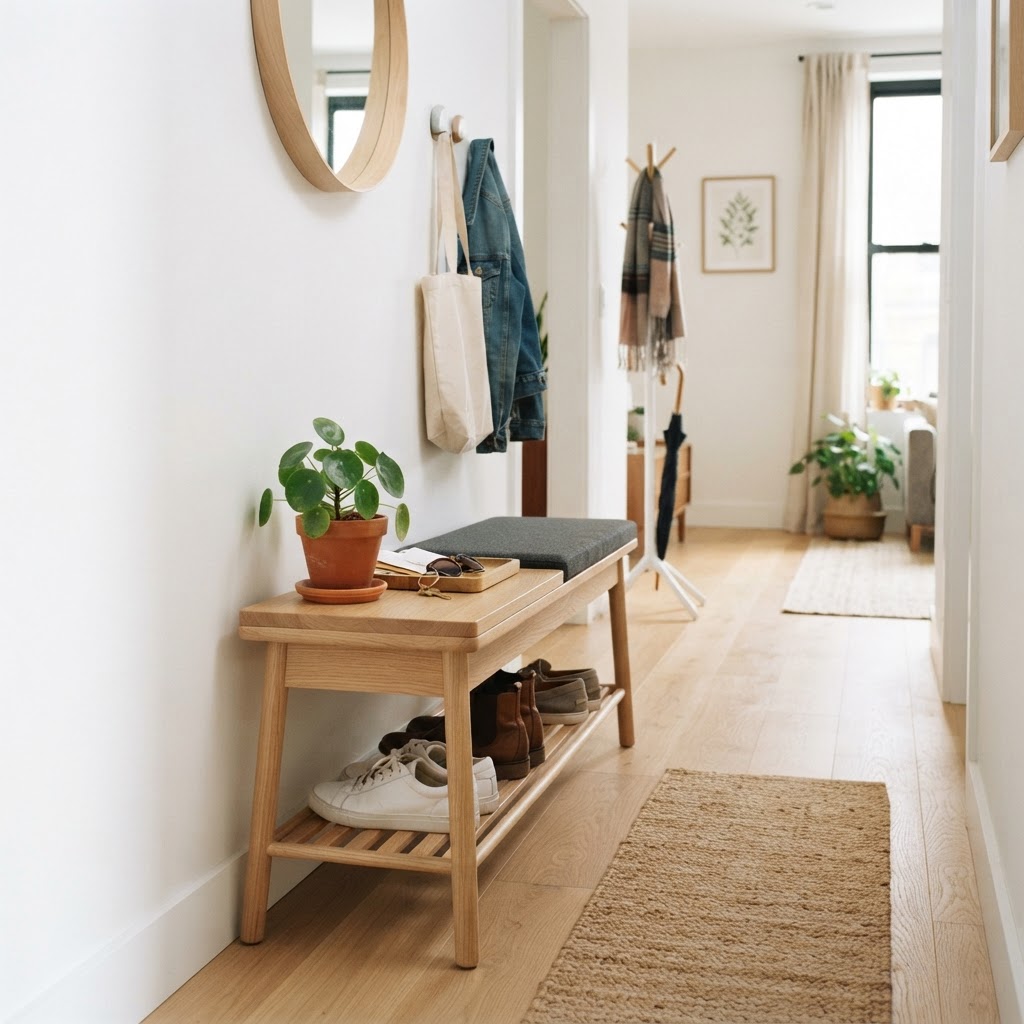
Functional entryway furniture serves as the vital threshold between outdoor chaos and indoor serenity. By utilizing a dedicated storage bench, you effectively eliminate “trip hazards”—the piles of sneakers, boots, and heels that commonly occupy floor space in tight foyers. An organized entryway is not merely about aesthetics; it is an exercise in intentional living that optimizes limited square footage.
When your home lacks a dedicated mudroom, a multifunctional bench acts as a dual-purpose hero, offering a stable surface for seating and an efficient system for shoe management. Vertical thinking is essential here; by choosing furniture that maximizes height rather than floor depth, you maintain flow in high-traffic zones. Incorporating furniture with elevated legs creates a visual illusion of openness, making even the smallest 3×3 foot entryway feel significantly more spacious. Implementing these professional organization strategies ensures your landing pad remains a tranquil home-entry experience rather than a source of daily stress.
Key Features to Consider Before You Buy
Selecting the correct shoe storage bench requires measuring your entryway with precise dimensions to avoid obstructing doors or walkways. Start by confirming your available floor depth; standard doors usually require a clearance of at least 30 inches, meaning a 12-inch or 14-inch deep bench is the optimal “slim profile” choice to maintain code-compliant egress while providing ample internal storage capacity.
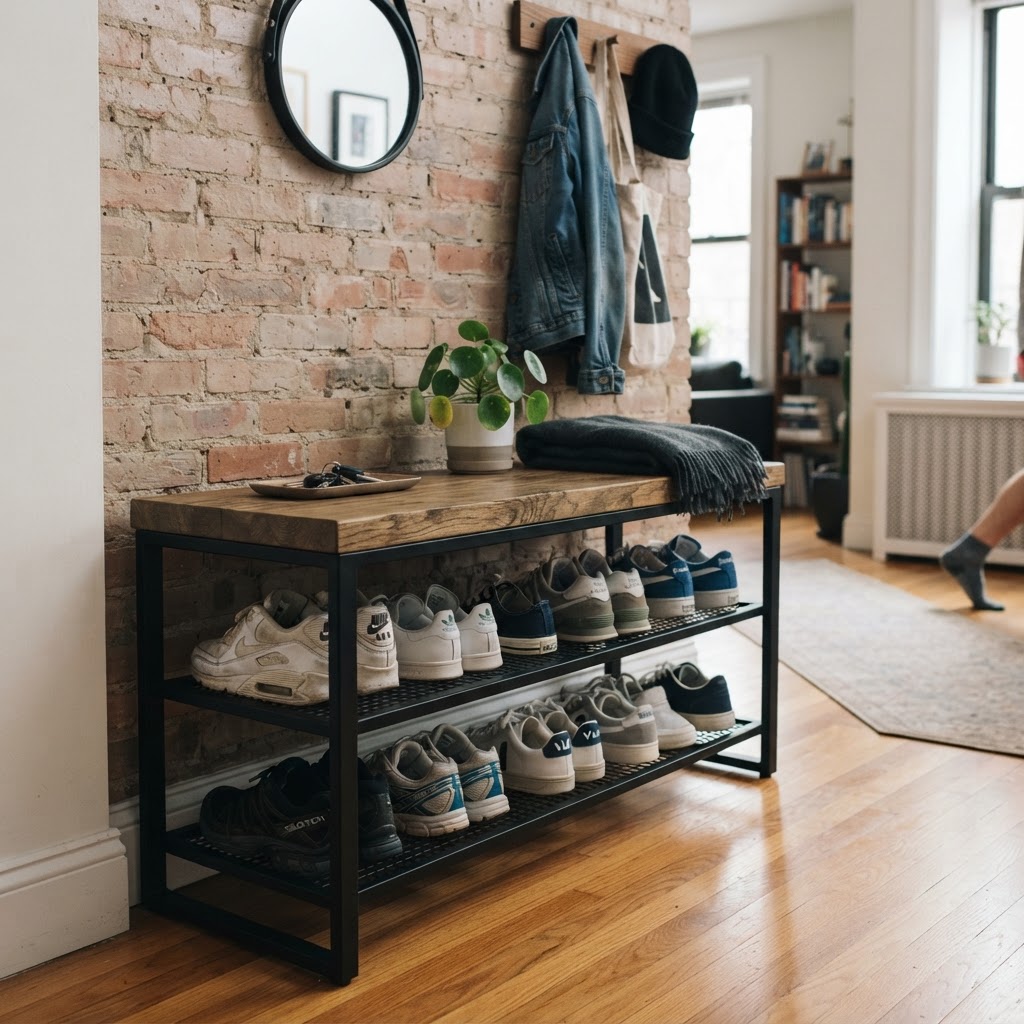
Accessibility vs. capacity remains a critical design trade-off. If you live in an urban environment with frequent rain, prioritize benches with open slats, which facilitate air circulation, preventing odor buildup from damp footwear. Conversely, if you prefer a gallery-like appearance, enclosed cabinetry is the superior choice to conceal visual clutter. Look for features like soft-close hinges or modular cubbies, which allow you to customize the internal storage dimensions to fit everything from flat ballet slippers to bulky winter combat boots without wasting a single cubic inch.
Top Styles for Modern Apartment Living
Selecting a style that harmonizes with your interior design is the final step in elevating a utility piece into a focal point. Mid-Century Modern designs, characterized by tapered walnut-stained legs and neutral upholstery, offer an airiness that prevents small rooms from feeling claustrophobic. These pieces often feature elevated frames, which expose floor space and enhance the “open” aesthetic favored by contemporary apartment dwellers.
Industrial styles, conversely, leverage powder-coated steel and reclaimed wood, providing extreme durability in high-traffic households. These benches often lack backing, which can be beneficial if your bench is positioned against a radiator or outlet, as the open design prevents overheating and maintains accessibility to wall fixtures. Regardless of the aesthetic, verify that your chosen bench supports a weight capacity of at least 250 pounds to ensure it serves safely as a seat for guests. Utilizing high-contrast materials—such as black metal frames against light oak wood—can also create a sophisticated visual depth, drawing the eye toward the bench and away from the small scale of the surrounding entryway walls.
Strategic Placement for Maximum Space
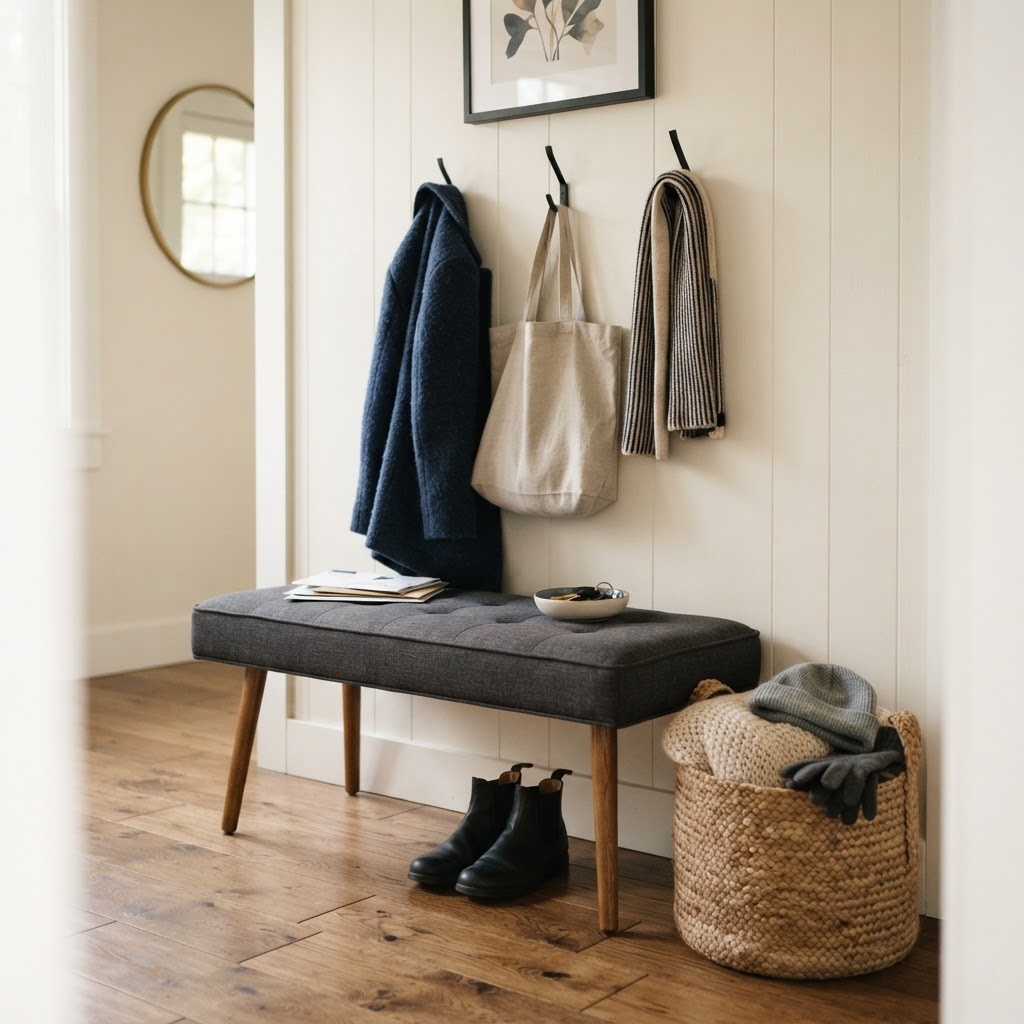
Strategic placement is the secret weapon for optimizing a landing zone, as the furniture must feel intentional rather than an obstacle. In narrow, elongated hallways, positioning the bench against the farthest wall acts as a “destination point,” successfully drawing the eye through the space and making the entire entryway appear more elongated and expansive.
If you have a square foyer, consider corner-tucking to define the zone without encroaching on the central walking path. Always aim for a 36-inch clearance around your primary entry door to maintain accessibility during emergency exits or when carrying heavy groceries. Integrating wall-mounted storage directly above your bench—such as brass hooks for bags or a floating shelf for mail—creates a vertical “landing strip” that keeps your floor entirely clear of bags and keys. This vertical stacking method consolidates your “clutter zone” into one compact, high-utility area, allowing the rest of your apartment to feel like a tranquil oasis rather than a drop-off center for outdoor gear. Always ensure your placement does not conflict with electrical outlet access or HVAC intake vents, as blocking these will impact your apartment’s energy efficiency and climate control.
Maintaining Order with Organization Habits
Consistent maintenance is required to ensure that even the best storage bench doesn’t become a catch-all for clutter. Implementing a seasonal rotation system is the most effective way to maintain order; move off-season footwear to under-bed storage containers to ensure your daily-use bench only holds items currently in rotation.
Assigning specific cubbies or tiers to each family member prevents the “everything in the pile” scenario that plagues high-traffic apartments. For upholstery maintenance, stick to high-performance textiles like Crypton or faux leather, which can withstand the friction of shoe removal and are easily sanitized with a damp cloth. By treating the area under your bench with the same cleaning frequency as your main living room rug, you prevent the buildup of grit and street debris that tends to accumulate in entryways. Establishing a rule where no shoes stay on the floor overnight—they must be in a cubby, on a shelf, or in a closet—will transform your routine and maintain the clean, “model home” look that makes a small space feel remarkably well-appointed.
Maintenance and Cleaning Tips
Daily wear and tear on your shoe storage bench requires proactive cleaning, especially given its role as the transition point between the outdoors and indoors. If your bench features open shelving, utilize a handheld vacuum to remove dirt and pebble accumulation at least once a week; neglecting this leads to dust migration into your living areas.
For closed cabinets, periodically wipe down the interior hinges and tracks with a silicone-based lubricant to ensure they remain whisper-quiet and smooth-operating. If you have chosen an upholstered bench, apply a fabric protector spray every six months to repel liquids and dirt. This simple step is vital for furniture in the entryway, where rain-drenched boots and wet umbrellas often make contact. Leather-based benches are particularly resilient, requiring only an annual conditioning treatment to prevent cracking from temperature fluctuations caused by opening and closing the front door. By dedicating just ten minutes every Sunday to wiping down your storage furniture, you extend the lifespan of your investment and ensure your apartment always presents a polished, professional facade to visitors.
Comparing Bench Types
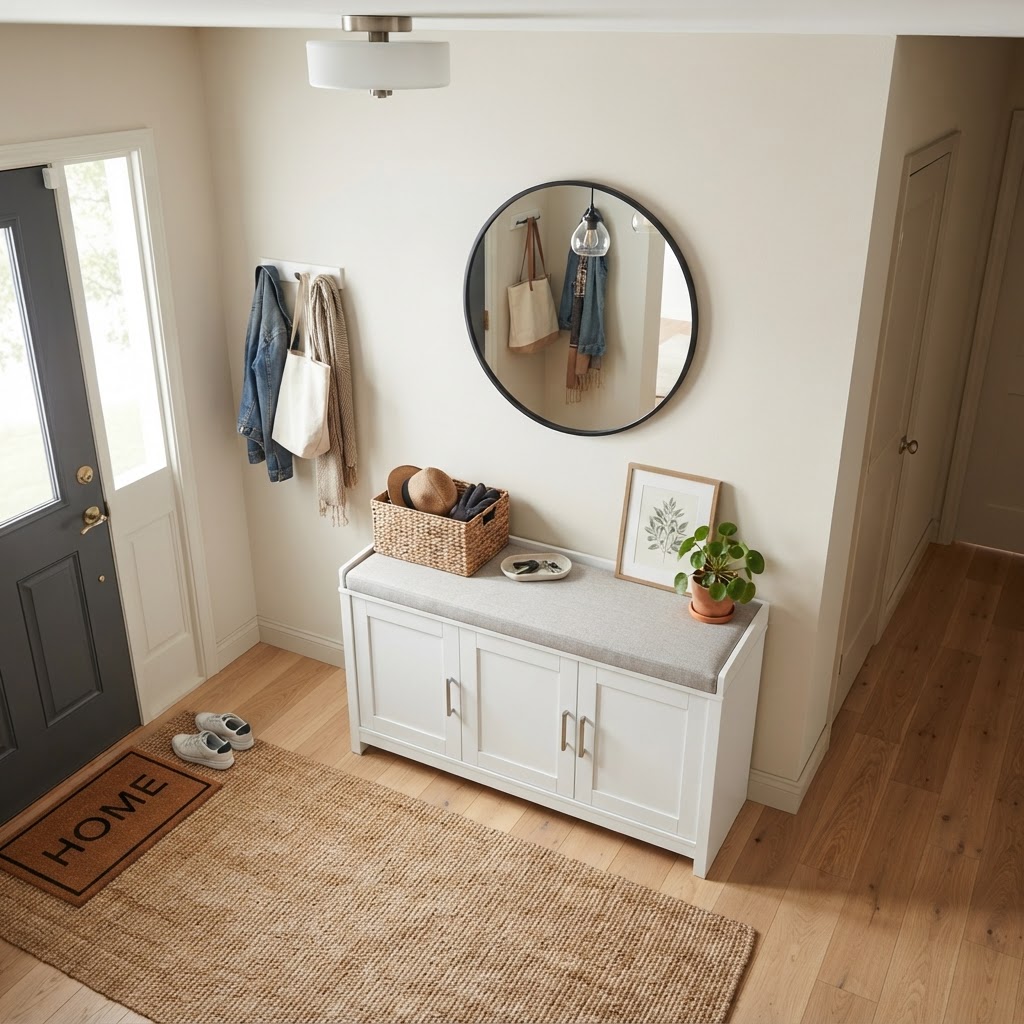
Understanding the nuanced differences between bench types allows you to select the best option for your specific daily lifestyle and available apartment space. Enclosed cabinet benches offer the cleanest visual aesthetic by completely hiding the “clutter” of footwear, which is ideal if your entryway shares an open-concept flow with your main living space.
Open-cubby benches prioritize rapid access and ventilation, making them the preferred choice for athletes or active households where gym sneakers need to dry quickly after heavy use. While open benches are often more affordable and easier to assemble, they do require a higher level of daily tidiness to keep the entrance looking organized. Consider your personal habits honestly: if you are a person who prefers to hide everything behind a closed door, the enclosed style is non-negotiable for your peace of mind. If you are a high-efficiency user who needs to grab shoes and dash out the door in under ten seconds, the open-cubby design will provide a much higher satisfaction rate in your daily workflow.
FAQ
Q: What is the ideal depth for a shoe storage bench in a small entryway?
An ideal depth for a small entryway shoe storage bench is 12 to 15 inches. This slim profile ensures the furniture provides adequate storage for standard-sized adult shoes without blocking high-traffic walking paths or preventing the front door from opening fully.
Q: How can I keep my entryway bench from smelling like shoes?
To prevent odors, prioritize benches with open-slat shelving to encourage natural airflow and prevent moisture buildup. You can also place activated charcoal bags or cedar shoe trees inside the storage areas to neutralize odors and absorb excess humidity from damp footwear.
Q: Are upholstered benches a good idea for entryways?
Upholstered benches are excellent for comfort but require specific fabric choices to remain durable. Opt for high-performance materials like faux leather, polyester blends, or stain-resistant linens that can be easily wiped clean with a damp cloth and withstand high-traffic, daily use.
Q: Should I choose a bench with open shelves or enclosed cabinets?
Choose enclosed cabinets if your entryway opens directly into your living room to keep the area looking tidy and minimal. Choose open shelves if you prefer quick access to your footwear and need maximum air circulation to dry wet or active-wear shoes daily.
Q: How much weight should an entryway bench support?
Always ensure your entryway bench supports at least 250 pounds of weight. This safety threshold guarantees the furniture is sturdy enough for adults to sit down comfortably while putting on or removing shoes without the risk of structural failure or wobbling.

Leave a Reply