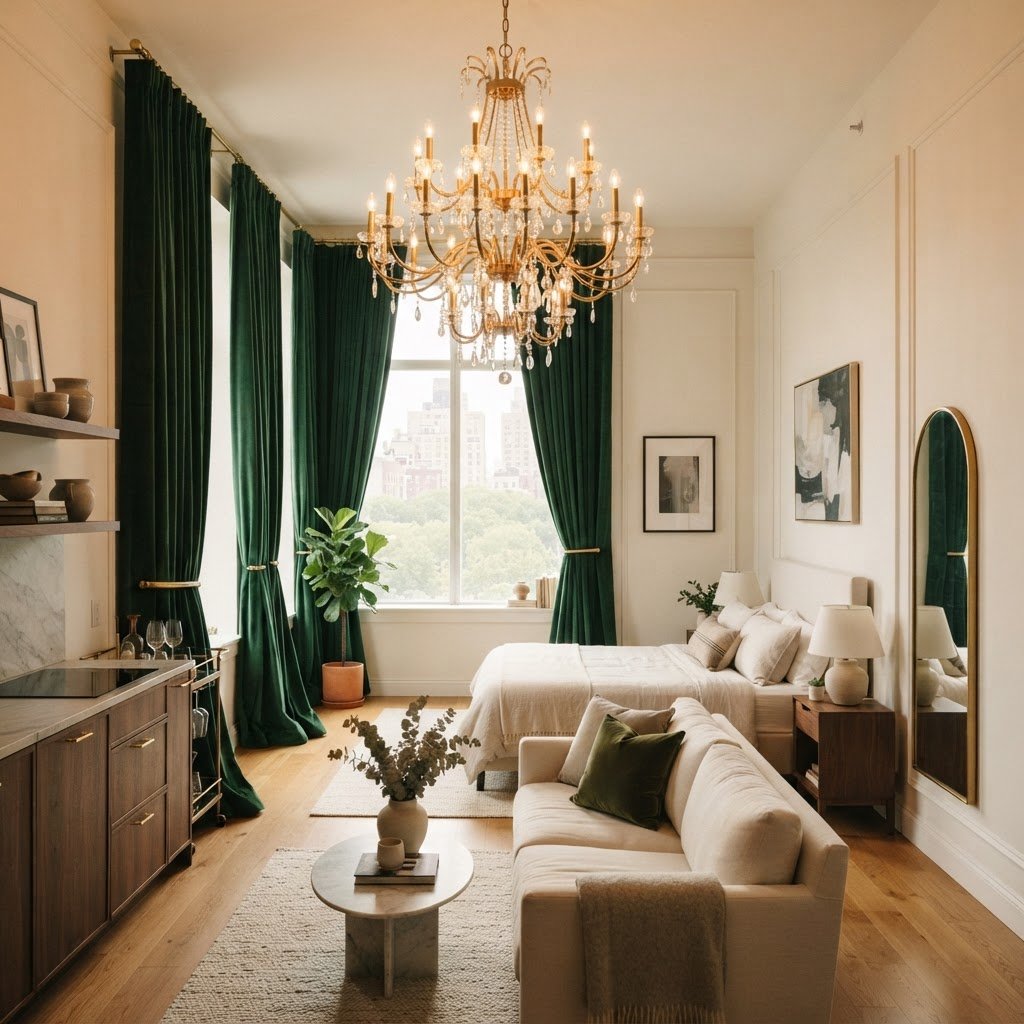
Reversible finds that make tiny apartments look expensive include high-end peel-and-stick wallpaper, statement lighting fixtures, and temporary architectural trim like PVC crown molding. These upgrades improve the perceived value and scale of a rental without violating lease agreements, as they can be easily removed or taken when you relocate.
The Philosophy of Non-Permanent Luxury
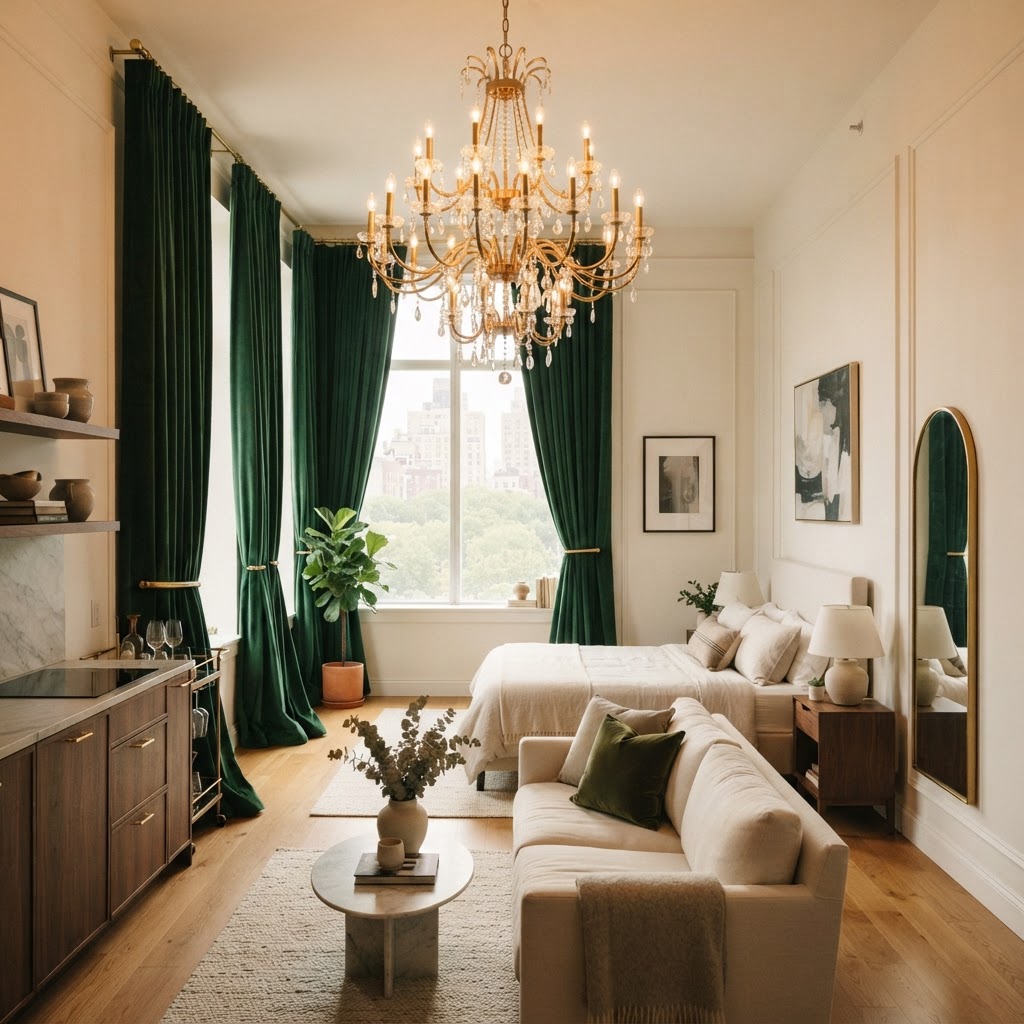
Designing a small space requires a strategic approach where every item serves a dual purpose: aesthetic elevation and functional flexibility. When we talk about reversible finds that make tiny apartments look expensive, we are referring to items that possess architectural weight and high-quality materiality without needing invasive installation methods. This design philosophy focuses on layering textures, lighting, and modular elements that fool the eye into seeing custom, high-value interiors. By investing in items that feel bespoke, you transform a generic apartment unit into a curated home. The goal is to obscure the “cookie-cutter” elements often found in modern rentals with pieces that reflect intention and taste. A key metric for luxury in small spaces is maintaining a 70/30 ratio of negative space to decor, which prevents visual clutter and allows high-end features to breathe, ensuring the apartment feels intentionally designed rather than accidental.
Why Temporary Decor Matters
Many people hesitate to invest in their rentals, fearing that money spent on walls or floors is money lost. However, high-quality, temporary items act as an investment in your daily quality of life and can often be taken with you to your next residence. Choosing pieces that can be reused in future apartments creates long-term financial efficiency. Consider the following comparison to help prioritize your budget for maximum visual impact:
Transforming Walls with Removable Sophistication
One of the most effective ways to change the mood of a room is through wall treatments that add depth and texture. Traditional paint is often prohibited by landlords, but peel-and-stick wallpaper and temporary wall moldings serve as the ultimate game-changers for renters looking to add architectural character to flat, sterile surfaces. When selecting these materials, prioritize heavy-gauge vinyl or fabric-based wallpapers, as they provide a richer, more expensive tactile experience than cheap, thin paper alternatives. A single feature wall behind a bed or sofa can immediately define a focal point, grounding the room and distracting from a lack of square footage.
Using Peel-and-Stick for Architectural Interest
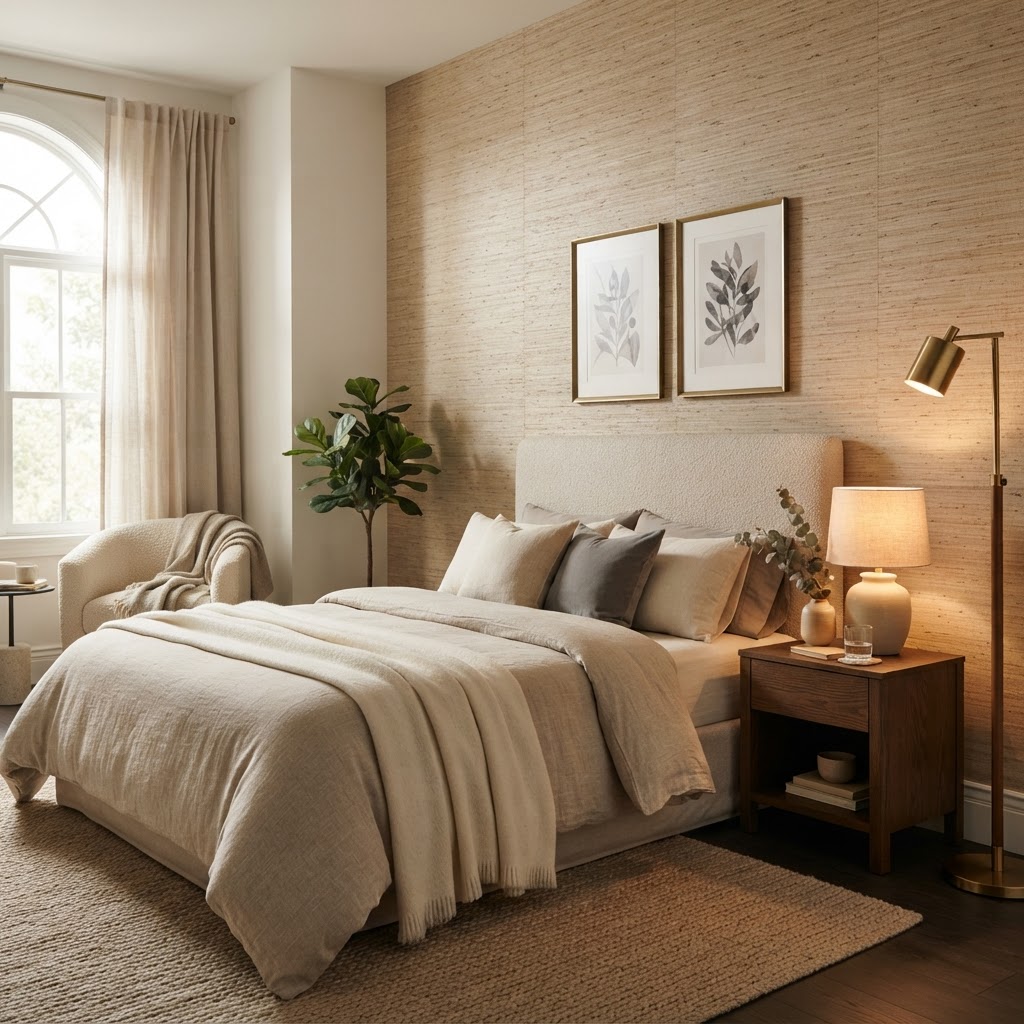
Don’t settle for simple patterns; look for high-end textures like grasscloth, faux linen, or subtle geometric prints. A single accent wall featuring a sophisticated texture can serve as the focal point of a living room, immediately making the entire apartment feel more custom and expensive. When applying these, focus on vertical lines to draw the eye upward, creating the illusion of higher ceilings. Research suggests that vertical patterns can make ceilings appear up to 10% higher than they actually are. Ensure walls are cleaned with a mild degreaser before application to guarantee the adhesive holds securely for the duration of your lease.
Temporary Trim and Moldings
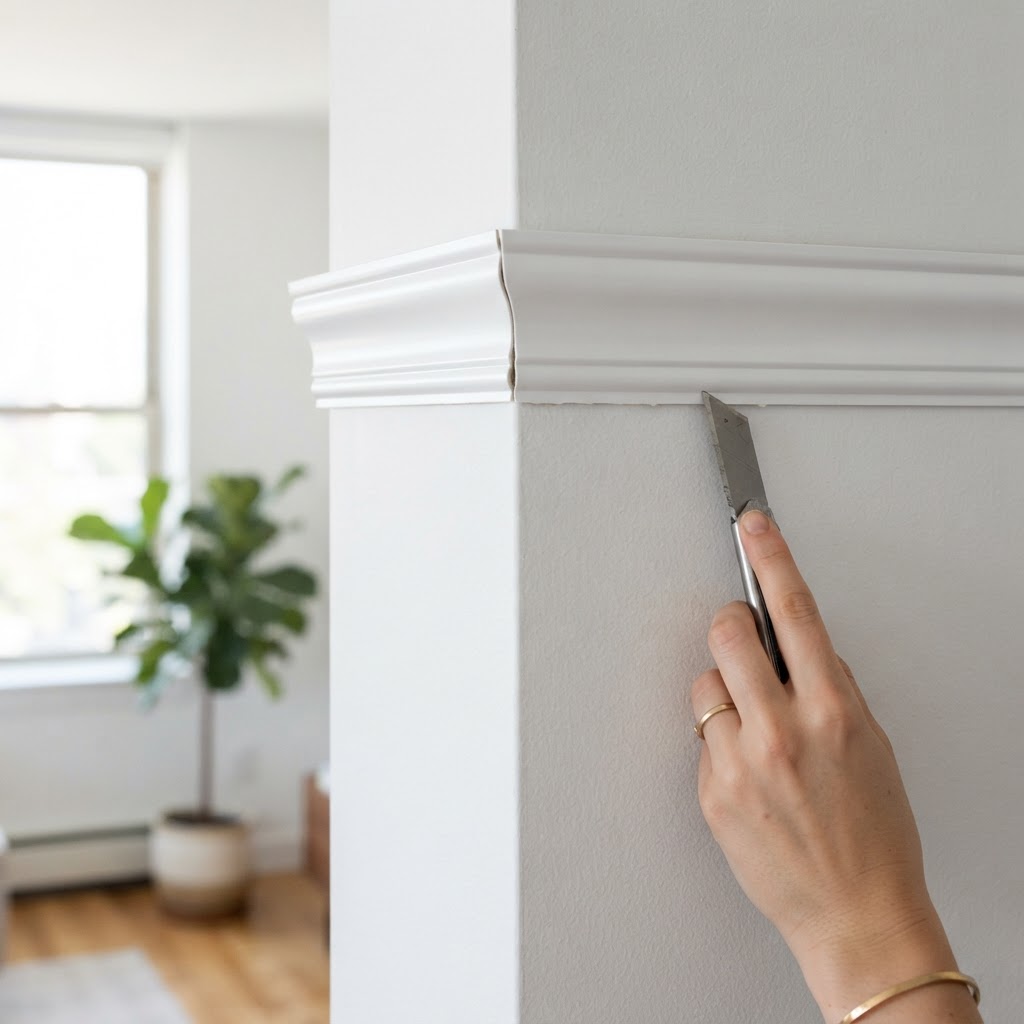
Did you know you can apply lightweight foam or PVC crown molding and wainscoting using double-sided adhesive strips? This is one of the most powerful reversible finds that make tiny apartments look expensive. By adding architectural detailing to a basic wall, you create a sense of history and permanence that instantly makes a small apartment feel like a luxury boutique hotel. Using high-bond mounting tape (like 3M VHB) allows these elements to stay firmly in place while ensuring they can be removed without damaging the underlying drywall or paint finish when you eventually move out.
Lighting: The Invisible Luxury Multiplier
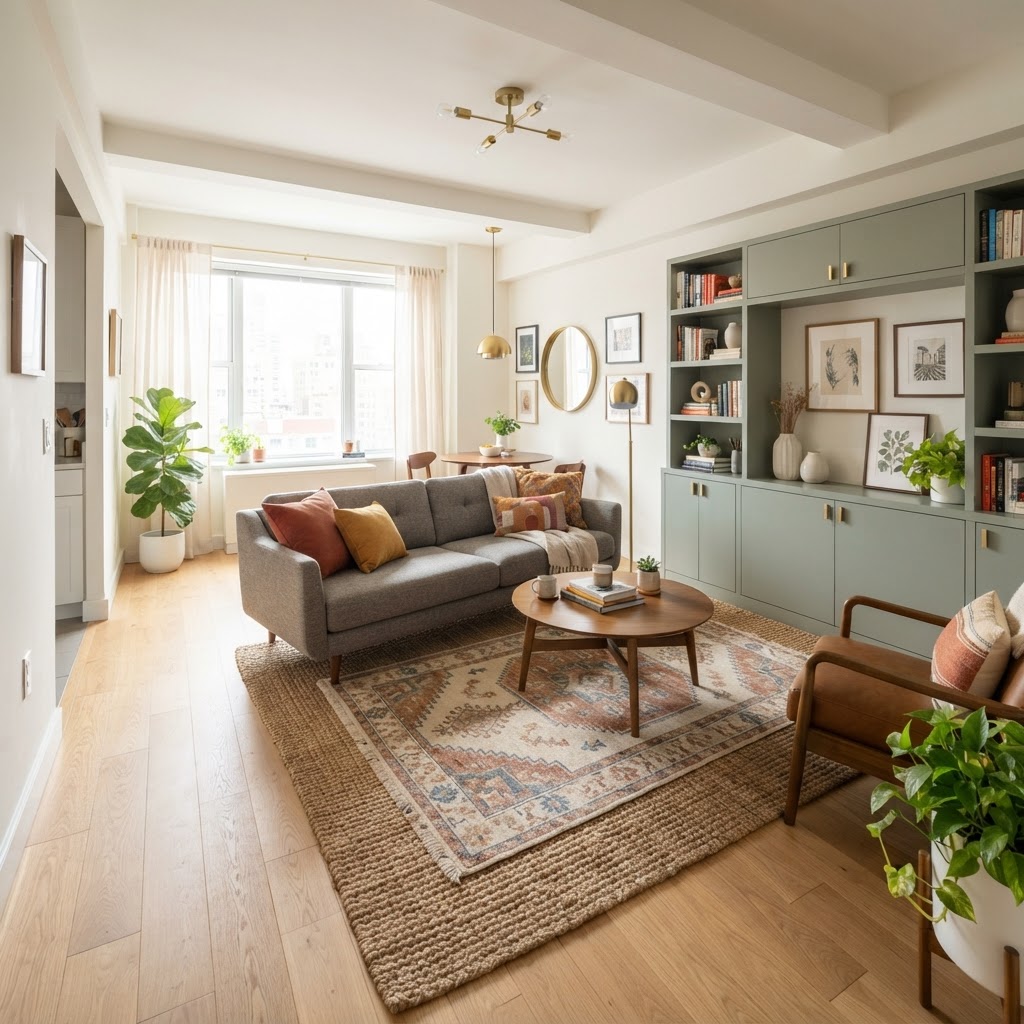
Poor lighting is the fastest way to make a space feel cheap and small, as generic “boob-light” fixtures cast a harsh, flat glow that highlights every flaw in a room. Replacing these with curated statement pieces or adding layers of secondary lighting is the single most effective way to improve the ambiance of any tiny square footage. Designers suggest a minimum of three light sources per room to create a “warm pool” effect that emphasizes cozy, expensive-feeling atmosphere. By moving from overhead-only lighting to a layered scheme, you effectively eliminate dark corners that make rooms appear smaller.
Elevating the Vibe with Statement Fixtures
Always store the original light fixtures in a labeled box under your bed so you can reinstall them before you move out. Swap standard ceiling mounts for brass chandeliers, sculptural pendants, or matte black industrial fixtures. When choosing these pieces, consider the scale carefully; in a tiny apartment, one large, well-placed statement light is far more expensive-looking than multiple small, cluttered lamps. Look for fixtures with adjustable stems, as they provide flexibility for varying ceiling heights found in rental units, ensuring the piece fits perfectly without requiring permanent drilling or structural modifications.
Layering for Warmth
Luxury design is rarely about a single light source, so integrate floor lamps, sculptural table lamps, and even smart LED strips hidden behind headboards or media consoles. Warm-toned bulbs (around 2700K) are essential for creating an expensive, cozy, and high-end atmosphere that feels intentionally designed rather than accidental. Utilizing smart plugs or dimmable bulbs allows you to control the intensity of light, transforming a functional living area into a sophisticated evening lounge with a simple voice command or app setting, which adds a layer of modern convenience to your rental.
Flooring and Surface Upgrades
If you are stuck with stained carpet or unattractive linoleum, you are not out of options, as modern flooring solutions provide a high-end look without needing permanent adhesives. High-quality peel-and-stick vinyl tiles or large area rugs can completely overhaul the appearance of a room. For renters dealing with damaged floors, layering rugs is a highly effective strategy; experts recommend choosing a rug that is large enough to have at least two legs of your furniture sitting on it to define zones. This creates a psychological boundary in open-concept studios that makes the space feel intentionally segmented and curated.
Luxury Vinyl and Area Rug Layering
High-quality peel-and-stick vinyl floor tiles are excellent for kitchens and bathrooms. They can be placed directly over existing flooring and removed with a hairdryer and a bit of patience when it is time to move. Alternatively, layering large, high-quality area rugs over existing carpet can define zones in an open-concept studio apartment, making the space feel intentionally segmented and curated. When choosing materials, look for natural fibers like jute or wool blends, which provide a premium weight and texture compared to synthetic options. A heavy-weight rug will also stay in place better and prevent the buckling that often occurs with cheaper, thinner materials.
Smart Furniture Placement and Modular Pieces
In a tiny apartment, clutter is the enemy of luxury, so focus on pieces that serve a dual purpose to maintain a clean, curated aesthetic. Expensive-looking spaces feel “curated,” meaning every item has been chosen for its beauty and utility. Reversible finds that make tiny apartments look expensive often include modular storage that hides the “noise” of everyday living, such as ottomans with interior compartments, bed frames with drawers, or wall-mounted floating shelves. Aim to keep surfaces clear to create a visual calmness that makes a small room feel significantly larger. High-end design thrives on negative space, and providing a designated “home” for every item ensures your apartment stays looking refined even in limited footprints.
The Power of Hidden Storage
Invest in furniture that doubles as storage, such as ottomans with interior compartments, bed frames with drawers, or wall-mounted floating shelves. Keeping surfaces clear creates a visual calmness that makes a small room feel significantly larger. High-end design thrives on negative space, and providing a “home” for every item ensures your apartment stays looking refined. For an extra touch of luxury, use concealed storage boxes made of leather or fabric to organize items within shelves, as this mimics the high-end “closet design” aesthetics found in luxury homes. Avoid transparent storage bins, as they visually contribute to a cluttered look.
Curating Textiles and Hardware
Never underestimate the transformative power of touchpoints, as replacing builder-grade hardware can have a major impact for a minimal cost. Replacing standard, builder-grade cabinet pulls and door handles is a low-cost, high-impact move. Choose polished brass, matte black, or brushed nickel hardware to bring a custom feel to your kitchen or bathroom cabinets. It is a subtle change, but one that signals intentionality to everyone who enters your home. These small pieces of jewelry for your apartment create a consistent narrative of quality that elevates the perception of even the most modest kitchen.
Textiles as Sophistication Anchors
Heavy, floor-to-ceiling curtains are a classic designer trick to make windows look larger and ceilings higher. Choose materials with a slight sheen or heavy weight, like velvet or linen blends. When installed on a ceiling-mounted track or a decorative rod, they add a layer of softness and sophistication that cheap blinds simply cannot provide. Pair these with textured throw pillows and high-quality blankets to layer the space with warmth and luxury. Ensure that curtains are wide enough to cover the entire window frame plus 6-10 inches on each side to create the illusion of a larger, grander window profile.
The Secret to a High-End Finish: Cohesion
When implementing these reversible upgrades, the most important rule is to maintain a cohesive color palette. Mixing too many competing patterns or styles in a small space will lead to visual chaos, which is the antithesis of a luxury look. Stick to a “hero” color or texture and repeat it throughout the space to create a harmonious, designer-led flow. A simple way to achieve this is the 60-30-10 rule: 60% of the room should be a primary color, 30% a secondary color, and 10% an accent color. This balanced distribution keeps the eye moving throughout the space without feeling overwhelmed by conflicting designs.
FAQ
Q: Does peel-and-stick wallpaper damage apartment walls?
Generally, no; high-quality peel-and-stick wallpaper is designed to be removed cleanly without leaving residue or pulling off paint, provided it is installed on a smooth, primed surface. Always test a small, hidden corner of your wall before covering a large area to ensure compatibility.
Q: What is the most cost-effective way to make a rental look expensive?
Updating your lighting fixtures and replacing cabinet hardware provide the highest visual impact for the lowest investment. These two changes immediately remove the “builder-grade” feeling of most rental units and give the space a personalized, custom appearance that is entirely reversible.
Q: Can I use peel-and-stick tiles on existing bathroom floors?
Yes, you can install vinyl tiles over most smooth surfaces like linoleum or existing tile. Ensure the surface is perfectly clean and dry before application to maximize adhesion, and use a heat gun or hair dryer to soften the edges during removal when moving out.
Q: How do I choose curtains for a small apartment?
Opt for floor-to-ceiling curtains made of heavier materials like velvet or linen blends to create a sense of height and luxury. Installing the rod as close to the ceiling as possible draws the eye upward, making the ceiling feel higher and the room appear more spacious.
Q: Are temporary moldings worth the effort in a rental?
Yes, temporary moldings add a level of architectural depth and historical character that generic apartments lack. Using adhesive strips allows you to create high-end wainscoting or crown molding that can be removed in minutes, significantly increasing the perceived value and sophistication of the living area.

Leave a Reply