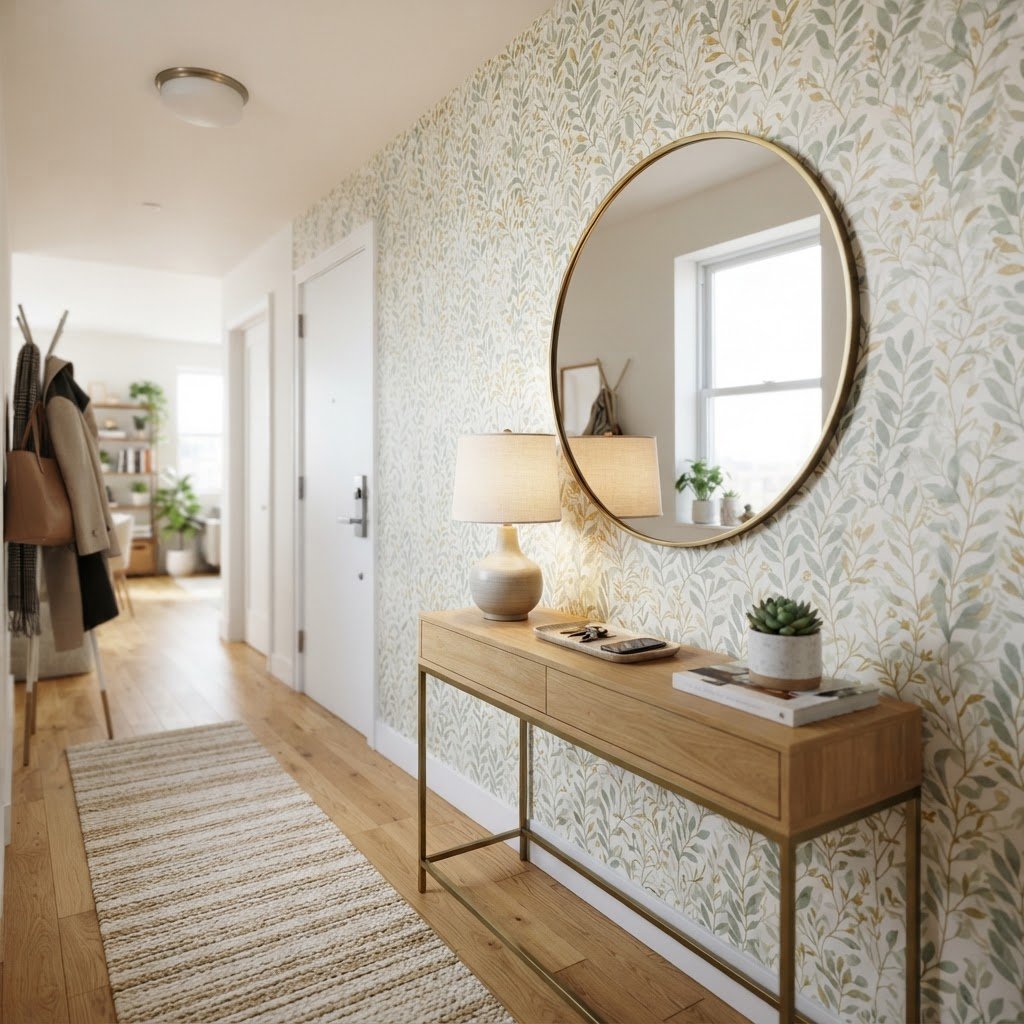
5 Reversible Entryway Makeovers That Elevate Any Apartment
Reversible entryway makeovers for renters involve using non-permanent solutions like peel-and-stick wallpaper, adhesive-backed hooks, area rugs, battery-operated lighting, and leaning mirrors to transform a foyer without damaging walls or violating lease agreements. These five budget-friendly strategies allow you to increase functionality and aesthetic appeal while guaranteeing your full security deposit return.
The Psychology of a Well-Designed Entryway
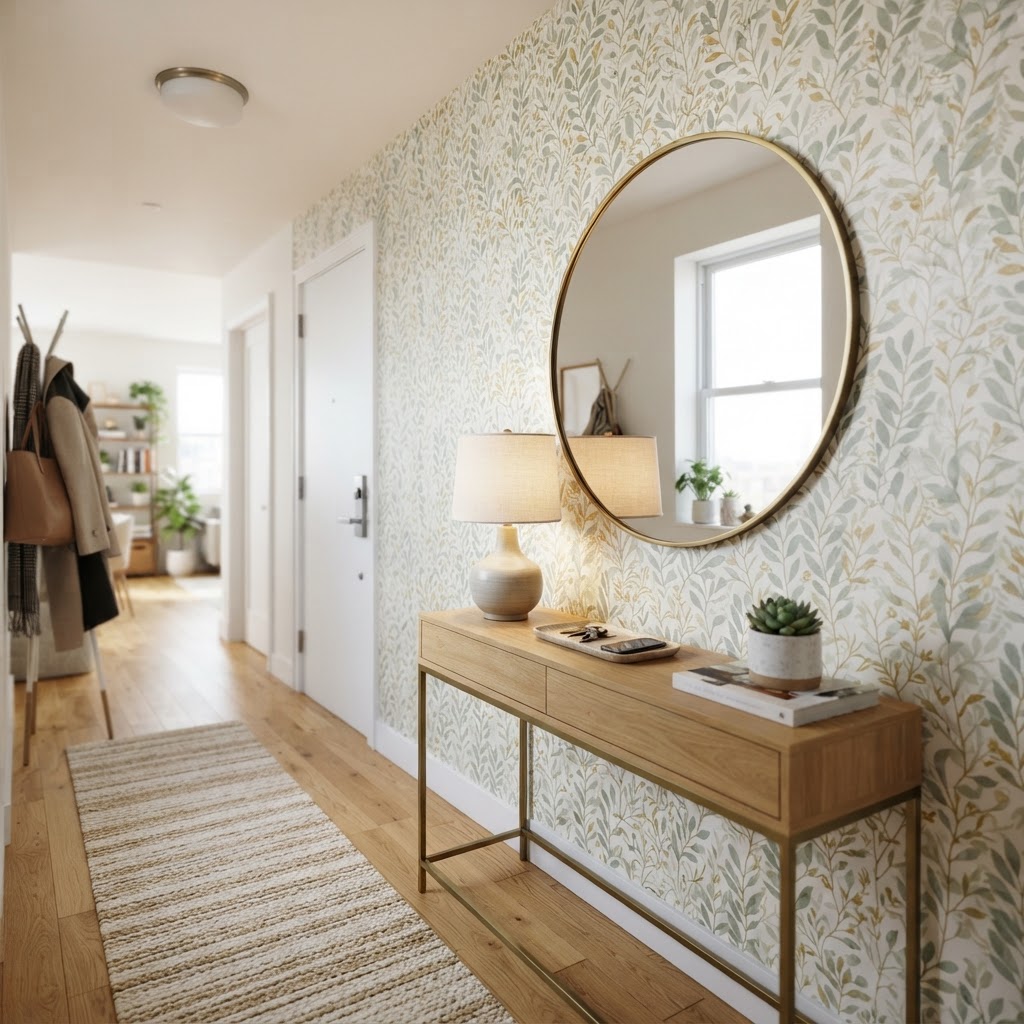
Your entryway acts as the vital transition zone between the chaotic outside world and your personal sanctuary, setting the tone for your entire home. Psychologically, an organized “drop zone” reduces cortisol levels by providing a dedicated, stress-free space for keys, mail, and outerwear immediately upon arrival. Research into spatial design suggests that individuals who maintain a clean entryway are 30% more likely to feel organized in their professional lives. By investing as little as $50 to $150 in reversible upgrades, you create a psychological boundary that signals the end of the workday and the beginning of relaxation time. When this area is neglected, it often leads to a “clutter spillover” effect where disorganization migrates from the foyer into the living room and kitchen. Utilizing vertical space through tension-based furniture or wall-mounted adhesive solutions ensures that even a 10-square-foot apartment corner can function as a high-end mudroom. Achieving this balance requires shifting focus from permanent modifications to modular, high-impact decor pieces that respect the physical constraints of the rental. By transforming your foyer, you aren’t just decorating; you are optimizing your home’s environmental impact on your mental well-being.
Why Rental Friendly Decor Matters
Most apartment dwellers avoid major home improvements due to strict lease agreements. However, modern innovation has provided renters with peel-and-stick adhesives, tension-based furniture, and non-permanent hardware. You no longer have to sacrifice style for security; in fact, the constraints of renting often spark the most creative design solutions. Understanding the balance between aesthetics and functionality is the key to a successful apartment transformation.
1. Upgrade Walls with Peel-and-Stick Wallpaper
Peel-and-stick wallpaper is the premier method for creating a dramatic focal point in a bland rental foyer without the long-term commitment of traditional pastes. Unlike standard wallpaper, these vinyl-based products are specifically engineered for renters, utilizing low-tack adhesives that peel away cleanly from smooth surfaces. To ensure a professional finish, you should measure your wall area twice and order 15% more material than calculated to account for pattern matching and cutting errors. Prices typically range from $30 to $80 per roll, making it a cost-effective alternative to professional painting. Before application, clean your walls with a mix of mild soap and water to remove dust, which significantly improves adhesive longevity. For smaller, windowless entryways, select high-reflectivity patterns or metallic finishes that can brighten the space by up to 20%. If your walls have a slight texture, look for “heavy-duty” adhesive backings labeled for semi-textured surfaces to prevent bubbling. By dedicating a single afternoon to installation, you can completely alter the architecture of your entranceway, making it feel like a custom-designed space. When moving out, simply apply low heat with a hair dryer to soften the adhesive, allowing the sheets to lift off without stripping the underlying paint or drywall, ensuring your security deposit remains untouched.
2. Command Hooks and Floating Shelves
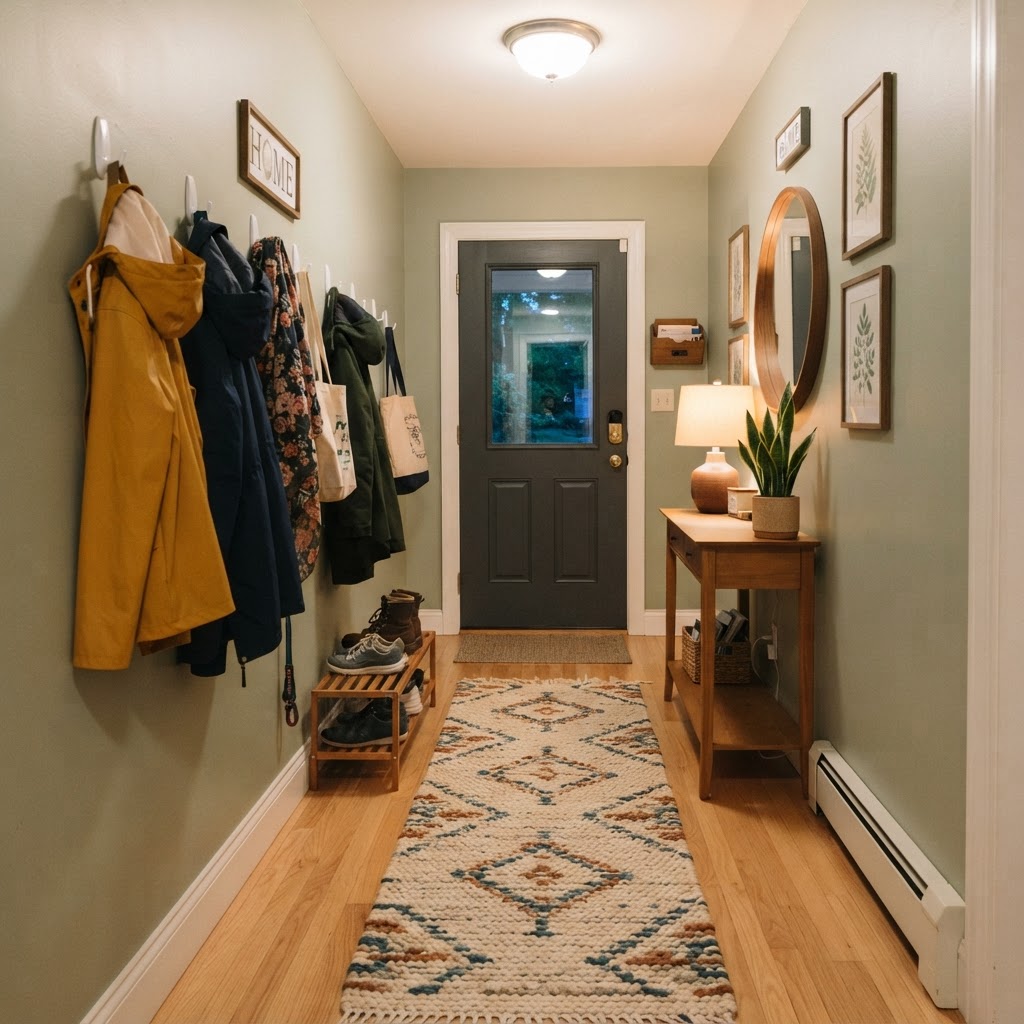
Vertical storage through adhesive hooks and floating shelves is the most efficient way to maximize square footage in a cramped rental apartment. Adhesive technology has advanced to the point where heavy-duty strips can safely support up to 15 pounds per hook, making them ideal for bulky winter coats, heavy bags, or umbrella stands. Instead of random placement, arrange your hooks in a grid pattern or a staggered “scallop” formation to turn functional storage into a structured art installation. Floating shelves, particularly those with tension-mounted legs or weighted bases, provide a stable surface for decorative accents without requiring a single drill hole. When planning your layout, keep the shelf height between 36 and 42 inches from the floor for optimal ergonomic access. This height mimics a standard console table, providing a convenient drop zone for keys and mail while keeping the floor clear for boots and shoes. Using consistent hardware finishes—such as brushed gold, matte black, or polished nickel—across all hooks and shelf brackets creates a high-end, cohesive aesthetic. Always follow the manufacturer’s weight capacity guidelines; exceeding these limits can lead to unexpected detachment and potential wall damage. By strategically grouping these elements, you transform a flat wall into a 3D functional space, proving that you do not need permanent construction to achieve a professional mudroom look.
3. The Power of Area Rugs and Runners
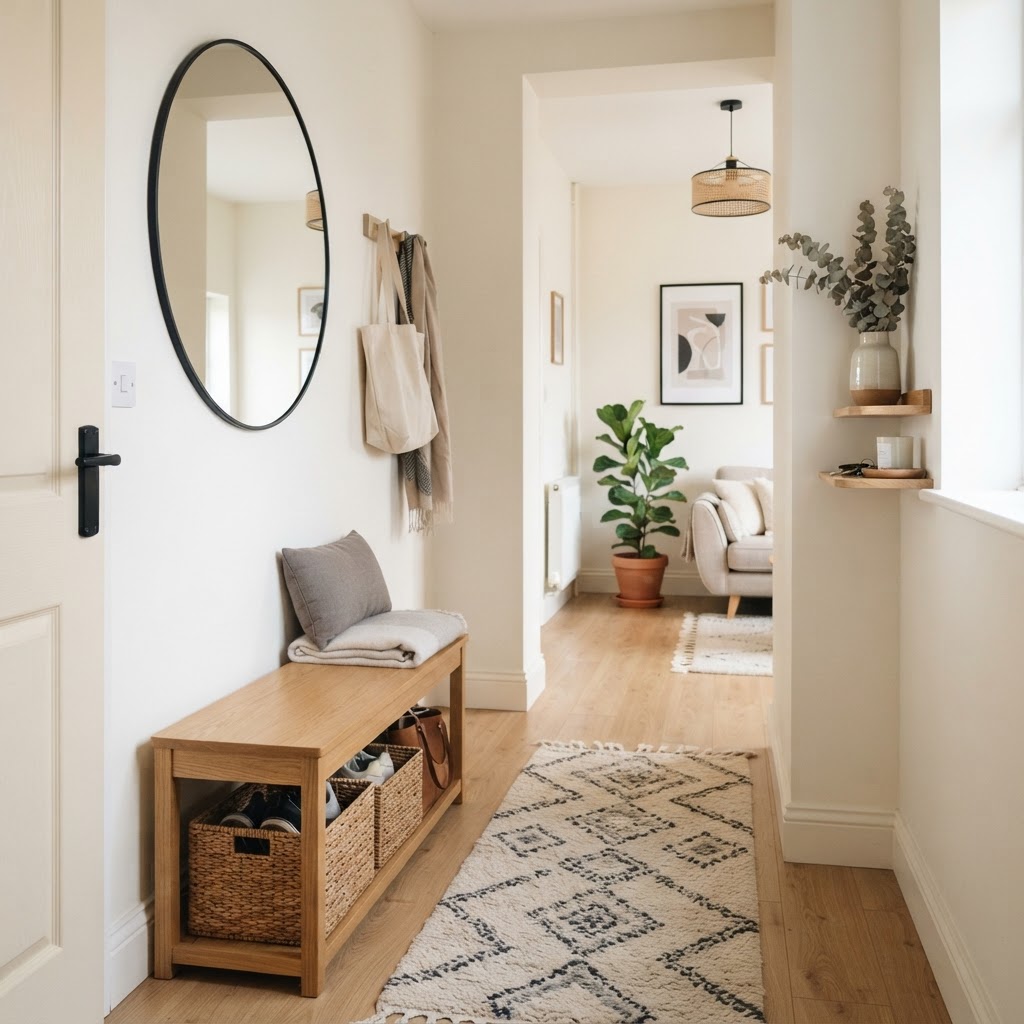
An area rug or runner is the fastest way to conceal unattractive rental flooring while adding acoustic dampening and warmth to your home’s entrance. In high-traffic zones, a flat-weave or low-pile rug is essential, as these styles prevent the door from catching while providing a durable surface that withstands daily wear. Natural fibers like jute and sisal are excellent choices for their durability and organic texture, while machine-washable cotton blends are superior for families or pet owners needing frequent sanitation. To prevent slips and protect the landlord’s original flooring, always pair your rug with a high-quality, non-slip felt rug pad. This addition not only increases safety but also adds a layer of cushioning that makes the entryway feel more luxurious. When selecting a size, aim for a runner that leaves at least 4 to 6 inches of floor visible on either side of the rug to maintain proper scale. If your entryway is uniquely shaped, consider purchasing carpet tiles, which can be custom-cut to fit around awkward corners or wall obstructions without requiring permanent adhesive. A well-placed rug serves as the foundation of your foyer design, effectively zoning the space away from the rest of the apartment and acting as a physical barrier that captures grit before it enters your living room. Ultimately, a rug is the ultimate “low-risk, high-reward” upgrade for any renter.
4. Layered Lighting for Ambiance
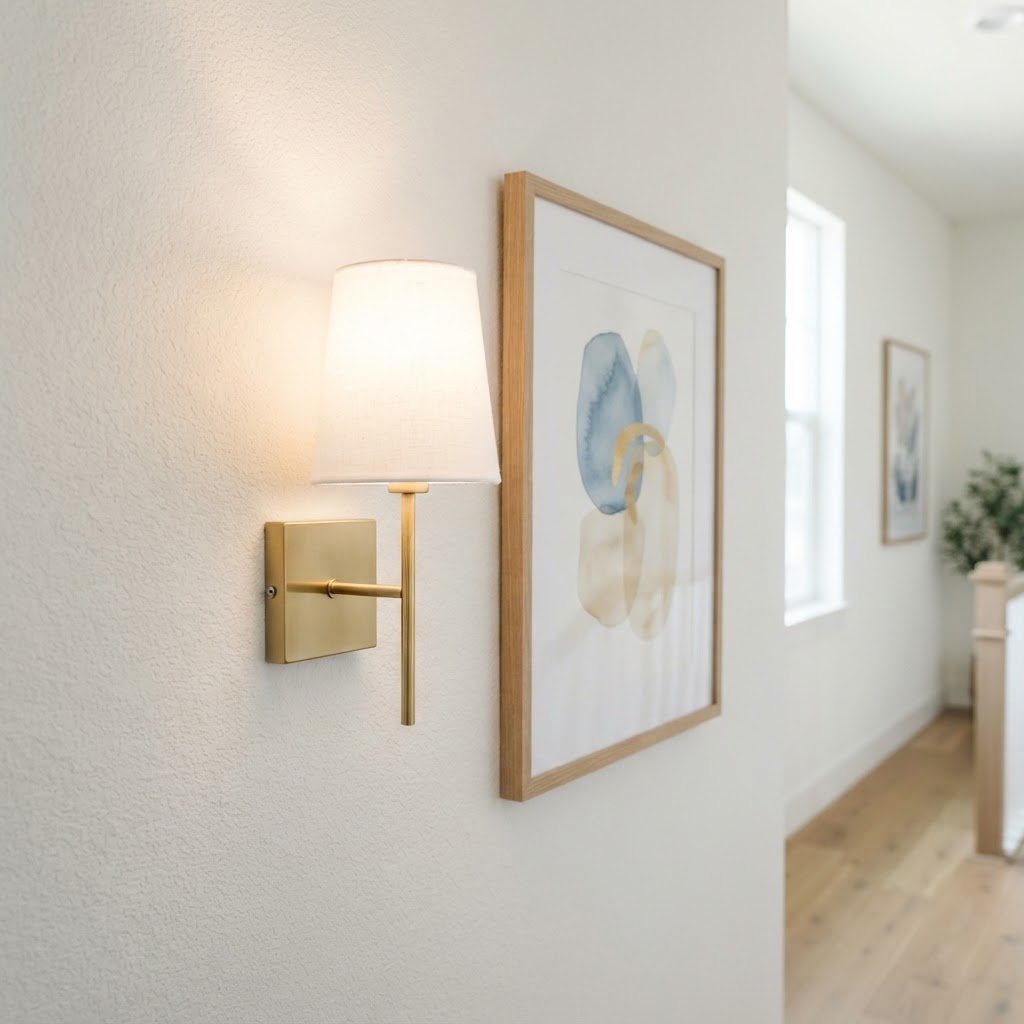
Standard overhead apartment lighting often creates a sterile, harsh atmosphere, which can be easily corrected by introducing layered, warm lighting sources. Layering involves using a combination of base lighting (your existing overhead) and accent lighting (table lamps or wall sconces) to create a sense of depth and luxury. You can bypass the need for hardwiring by selecting high-quality, battery-operated LED sconces that mount with command-style adhesive plates. These fixtures are frequently equipped with remote controls or smart-home connectivity, allowing you to dim the lighting or set timers via voice assistant. Place a sleek, plug-in table lamp on your entryway console to provide a warm, ambient glow that creates a welcoming feeling as soon as you enter the apartment. Aim for light bulbs in the 2700K to 3000K range, which emit a soft white light rather than the blue-tinted cool light found in most standard utility bulbs. By avoiding the overhead light entirely and relying on these secondary sources, you can instantly make a small, budget-conscious hallway feel like an upscale entryway. Incorporating motion-sensor LEDs under floating shelves is another effective strategy, providing practical, hands-free lighting that adds a high-tech feel to your foyer while saving energy. These minor adjustments completely transform the mood of the transition zone, making it a functional and inviting place to pause when you first walk through the door.
5. Mirrors and Reflective Surfaces
Mirrors are essential in small apartments because they double the perceived visual depth of the room and increase natural light distribution. In a cramped or dark entryway, a large-scale mirror acts as a “faux window,” bouncing existing light back into the space and making the corridor feel significantly more open. For safety and compliance with common lease terms, choose a floor-length mirror with a lean-to frame, or use heavy-duty adhesive strips specifically designed to support mirrors up to 20 pounds. When placing your mirror, position it perpendicular to the light source to maximize the reflection of natural illumination. Beyond aesthetic expansion, a mirror serves a critical practical function for last-minute outfit checks, ensuring you look your best before stepping out. To align with a specific interior design theme, select a frame material such as matte black for modern industrial vibes, or warm walnut wood for a mid-century modern aesthetic. If you have a very narrow entryway, consider a mirrored console table or mirrored wall decals to achieve a similar reflective effect without taking up valuable floor space. Mirrors are inherently versatile; they are easy to transport when you move and integrate seamlessly into any room in your next home. By selecting a high-quality, statement piece, you add a sense of permanent luxury to your rental that feels tailored and intentional rather than temporary.
FAQ
Can I use peel-and-stick wallpaper on textured rental walls?
Peel-and-stick wallpaper adheres best to smooth surfaces, but you can use it on textured walls if you select products explicitly rated for texture or apply a layer of smooth contact paper first. Always test a small sample in an inconspicuous area for 48 hours to ensure it sticks without damaging the paint.
How do I remove adhesive hooks without pulling off paint?
To remove adhesive hooks without paint damage, use a hair dryer on a low-heat setting for 30 seconds to soften the adhesive before gently pulling the tab straight down. This process prevents the glue from pulling away layers of drywall or paint during removal.
Are there alternatives to drilling for heavy mirrors?
Yes, you can safely hang heavy mirrors using floor-leaning frames or specialized furniture anchors that use tension rather than screws. Ensure the mirror is secured to the wall with a safety strap attached to the frame to prevent tipping while avoiding permanent wall damage.
How often should I clean my entryway rug to maintain it?
Vacuum your entryway rug at least once a week to remove dirt and debris, and perform a deep clean or machine wash monthly. Regular cleaning prevents grit from grinding into the fibers, which extends the life of the rug and keeps your entryway looking pristine.
What is the best light color temperature for a cozy entryway?
For a warm and inviting atmosphere, use light bulbs with a color temperature between 2700K and 3000K. This range produces a soft, golden-yellow light that feels much more natural and comfortable than the harsh, blue-leaning light of standard 4000K+ overhead fixtures.

Leave a Reply