7 Damage-Free Ways to Add Personality to Blank White Walls
You can add personality to blank white walls without damaging them by using removable peel-and-stick wallpaper, adhesive-backed hooks, large-scale fabric tapestries, leaning floor mirrors, washi tape wall murals, tension-mounted shelves, and string light photo displays. These methods protect your security deposit while allowing for complete creative freedom in rental spaces.
Using Removable Peel-and-Stick Wallpaper
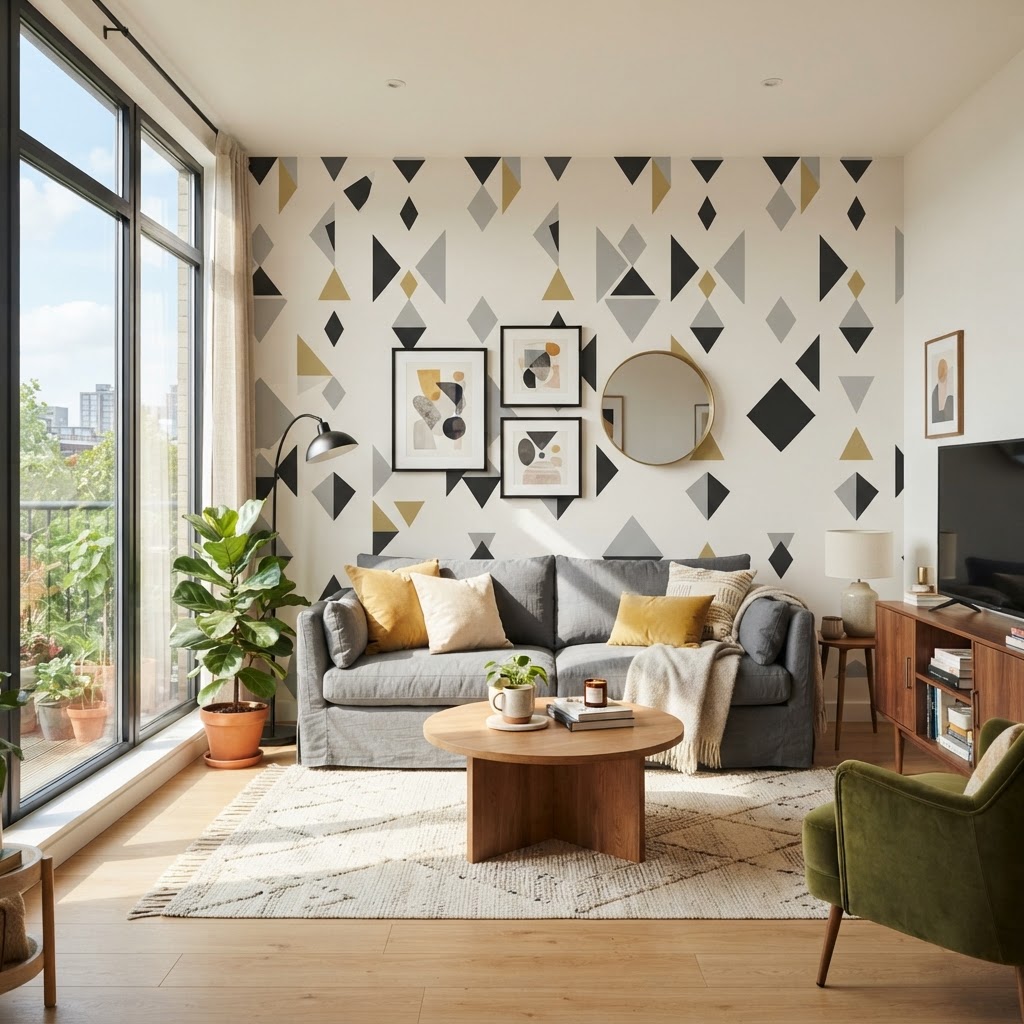
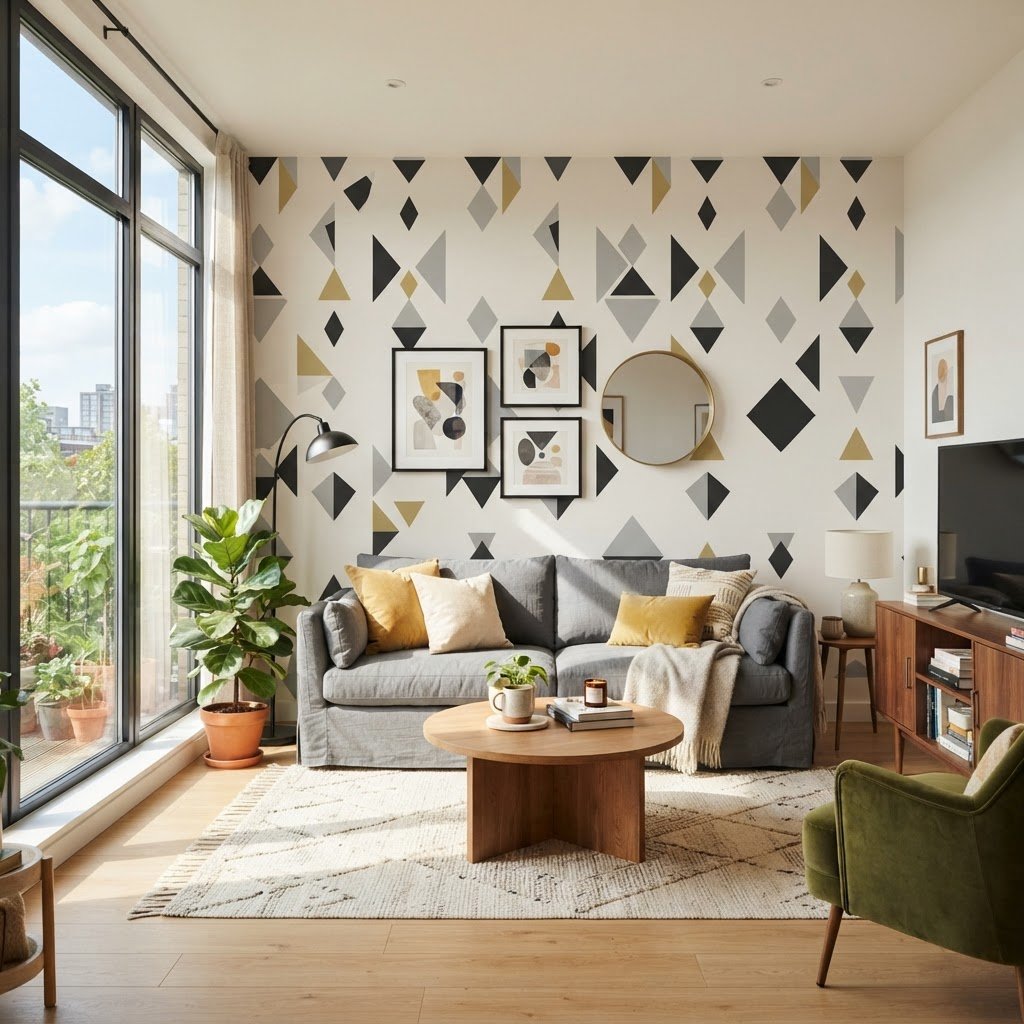
Peel-and-stick wallpaper is the premier choice for renters because it offers the aesthetic impact of traditional paper with a non-permanent, vinyl-based adhesive backing that leaves no residue behind. Unlike paste-applied options that require professional installation and can strip paint upon removal, high-quality peel-and-stick products are designed to last for three to five years before they require replacement or removal. They serve as a durable focal point in living rooms or bedrooms, effectively transforming a sterile white wall into a bold statement piece.
To ensure success, clean your wall thoroughly before application with a mixture of mild soap and water to remove dust and oils, as even minor particles can compromise the bond. Always order 10% to 15% more material than your wall dimensions suggest to account for pattern matching. Use a plastic smoothing tool to press firmly from the center outward, eliminating air bubbles immediately to ensure a professional-grade finish.
Elevating Style with Command Strips and Adhesive Hooks
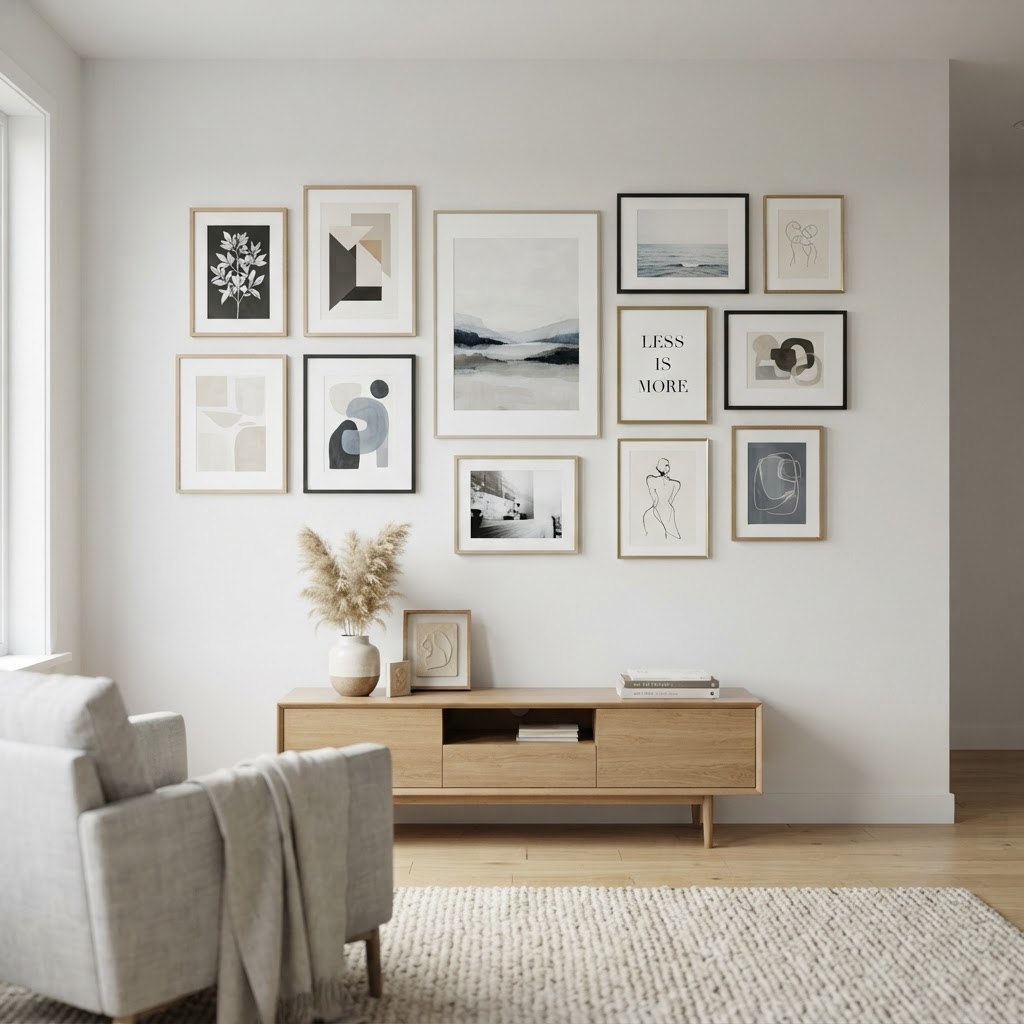
Adhesive hooks and heavy-duty picture-hanging strips are the most reliable, damage-free ways to add personality to blank white walls, allowing you to build gallery walls that support up to 16 pounds per pair of large strips. The modern development of high-performance polymer adhesives means you no longer have to fear holes or paint chips. By utilizing a mix of small and large adhesive strips, you can arrange mirrors, art prints, and decorative plates in dynamic layouts that fill large gaps in your decor scheme.
It is essential to strictly follow the weight limits specified on the manufacturer’s packaging to avoid accidental detachment. For a gallery wall, lay your arrangement out on the floor first to test the visual balance and spacing before moving to the wall. This trial run ensures you avoid the frustration of repetitive peeling and sticking, which can eventually weaken the adhesive. Swapping out decor seasonally is simple: pull the adhesive tab slowly downward—parallel to the wall—to release the tension and remove the strip without leaving a single trace behind.
Making a Statement with Large Scale Tapestries
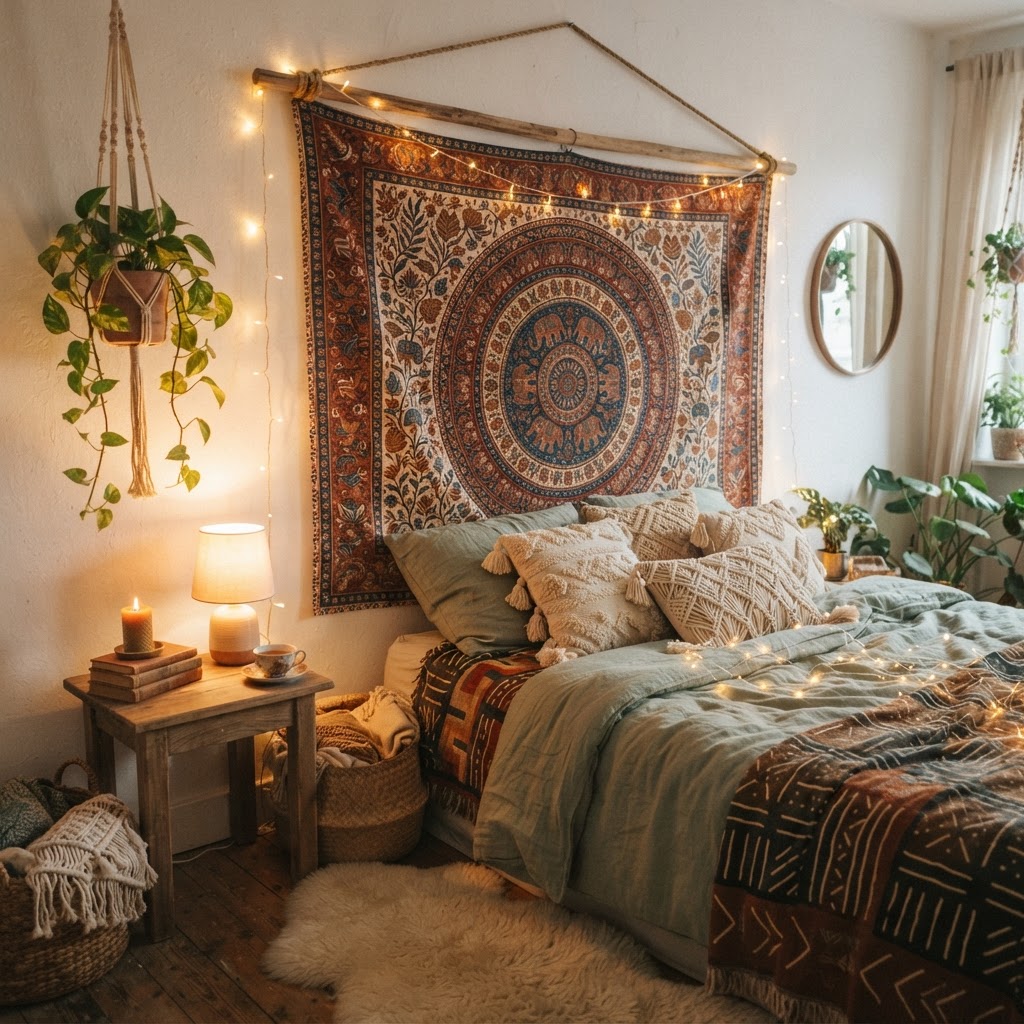
Wall tapestries provide a soft, textural alternative to rigid framed art, making them ideal for renters who want to add warmth or dampen acoustics in echoey rooms. Because they are typically made of lightweight cotton or polyester blends, they can be hung easily using adhesive-backed decorative clips, tension rods, or a simple wooden dowel pinned to the wall with clear thumbtacks. Tapestries effectively fill large, empty spaces, providing a substantial visual impact without the heavy mounting hardware required for framed canvases.
Using a tapestry is one of the most effective damage-free ways to add personality to blank white walls when you want to absorb sound or soften the acoustics of an echoey space. Consider choosing a design that complements your existing textiles, such as your rugs or curtains, to create a cohesive and curated look. When it is time to move, simply fold the fabric; this makes them highly portable, unlike fragile glass frames that can shatter during a transition. A standard tapestry is often the most cost-effective way to cover a large square-footage area, usually costing significantly less than multiple pieces of framed wall art.
Incorporating Leaner Mirrors and Art
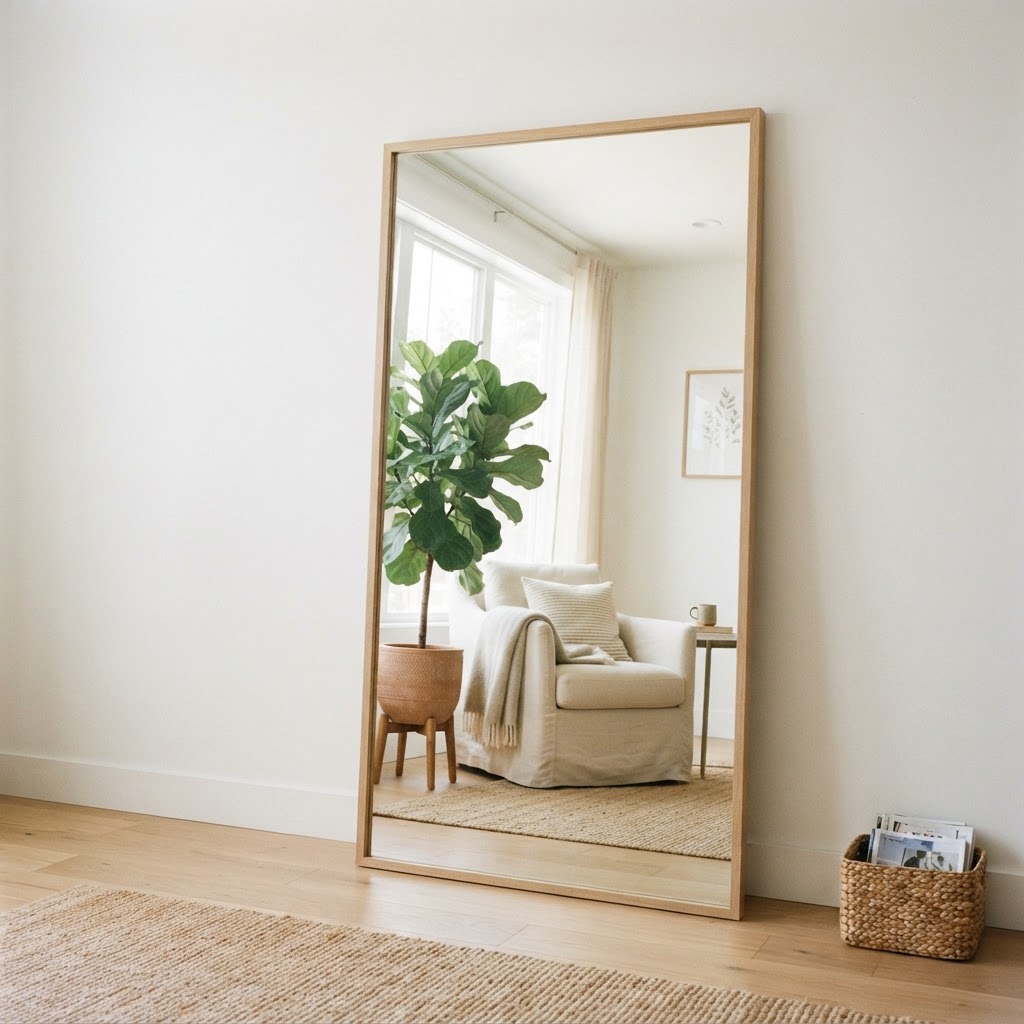
Sometimes the most effective way to address a blank wall is to avoid hanging anything at all by opting for floor-based decorative elements. Large floor mirrors or oversized canvas art leaned against a wall create a relaxed, curated vibe that defines a space while keeping your security deposit entirely safe. This design technique works exceptionally well in dining areas or bedrooms, where an oversized mirror can increase the perceived depth of a room by reflecting natural light and architectural details.
By leaning a floor mirror, you avoid the need for wall anchors, though safety remains paramount. Always ensure the item is placed on a level surface and consider using anti-tip furniture straps if you have children or pets to prevent accidental falls. This “undecorated” look is a staple of modern Scandinavian and industrial design styles, emphasizing minimalism while making the room appear significantly larger. It allows for effortless rearranging; you can move a large floor mirror to a different corner of the house in seconds without any tools or repair work.
Creative Use of Washi Tape Designs
For those who love DIY customization, washi tape acts as a versatile, low-tack, and repositionable medium for creating geometric murals or custom frames. This decorative paper tape comes in an infinite array of colors and patterns, allowing you to create complex grid patterns, mountains, or architectural borders at a very low price point—usually between $2 and $5 per roll. Because the adhesive is lightweight, you can modify your wall design as frequently as your mood changes without leaving any sticky residue on the wall surface.
It is particularly popular in home offices or children’s rooms, where whimsy and frequent updates are encouraged. You can use it to create faux-frames around your favorite photographs or create constellations that span the entire room. Because washi tape is slightly transparent, you can layer colors to create depth and custom gradients. This method offers the most flexibility of any on this list, requiring only a pair of scissors and a steady hand to elevate a plain white wall into a piece of custom interactive art.
Displaying Shelving Without Drills
While traditional floating shelves require aggressive drilling into drywall studs, tension-based systems and high-strength adhesive shelves offer a damage-free way to incorporate vertical storage. These specialized shelves are designed to hold small potted plants, succulents, or decorative knick-knacks, generally supporting weights between 2 to 5 pounds. They provide the depth and layering that flat wall art simply cannot replicate, adding both functionality and personality to small, cramped quarters.
When choosing these items, stick to lightweight materials like hollow-core wood or clear acrylic to ensure they remain secure. These functional pieces add both personality and storage to small spaces, making them a dual-purpose solution for your decor needs. For maximum stability, ensure you are mounting these shelves on a smooth, flat surface. Avoid textured or porous walls, as these surfaces significantly reduce the efficacy of adhesive-mounted systems.
Layering with String Lights and Photo Displays
Lighting is often the final piece of a well-designed room, and string lights or LED photo clips can transform a cold, white wall into a warm, inviting sanctuary. You can drape these lights in a zig-zag pattern, outline a specific area of the room, or hang them in a soft cascading wave to create a focal point. Many of these lighting solutions come with integrated, damage-free clip-on holders, allowing you to showcase your favorite memories and polaroids without needing expensive custom framing.
This is a highly personal approach that feels intimate and inviting, making it perfect for dorms or temporary living situations where you want to highlight personal history. Because these systems are extremely lightweight, they can be held up with basic command clips or small clear adhesive hooks. LED options are preferred, as they generate minimal heat and consume significantly less energy than traditional incandescent strings, allowing you to leave your display lit for hours without concern.
FAQ
Can peel-and-stick wallpaper damage drywall?
No, high-quality peel-and-stick wallpaper is designed for easy, residue-free removal on properly primed and painted drywall. However, you should always test a small corner of your wall first to ensure the adhesive does not lift any existing loose paint or top layers.
What is the weight limit for adhesive hooks?
Most standard adhesive hooks support between 1 and 16 pounds depending on the size and type of the adhesive strip. Always check the specific packaging, as weight capacities vary significantly between light-duty utility hooks and heavy-duty picture-hanging strips.
How do I remove residue from walls?
If any adhesive residue remains after removing wall decor, gently rub the area with a small amount of rubbing alcohol or a mild adhesive remover. Always wipe the wall down with a damp cloth afterward to ensure no chemicals are left on the surface.
Are tension-mounted shelves stable?
Yes, tension-mounted shelves are stable provided they are used on flat, solid walls and not overloaded beyond their specified weight limit. These systems work by exerting pressure against a surface and are ideal for lightweight decor like small plants, books, or trinkets.

Leave a Reply