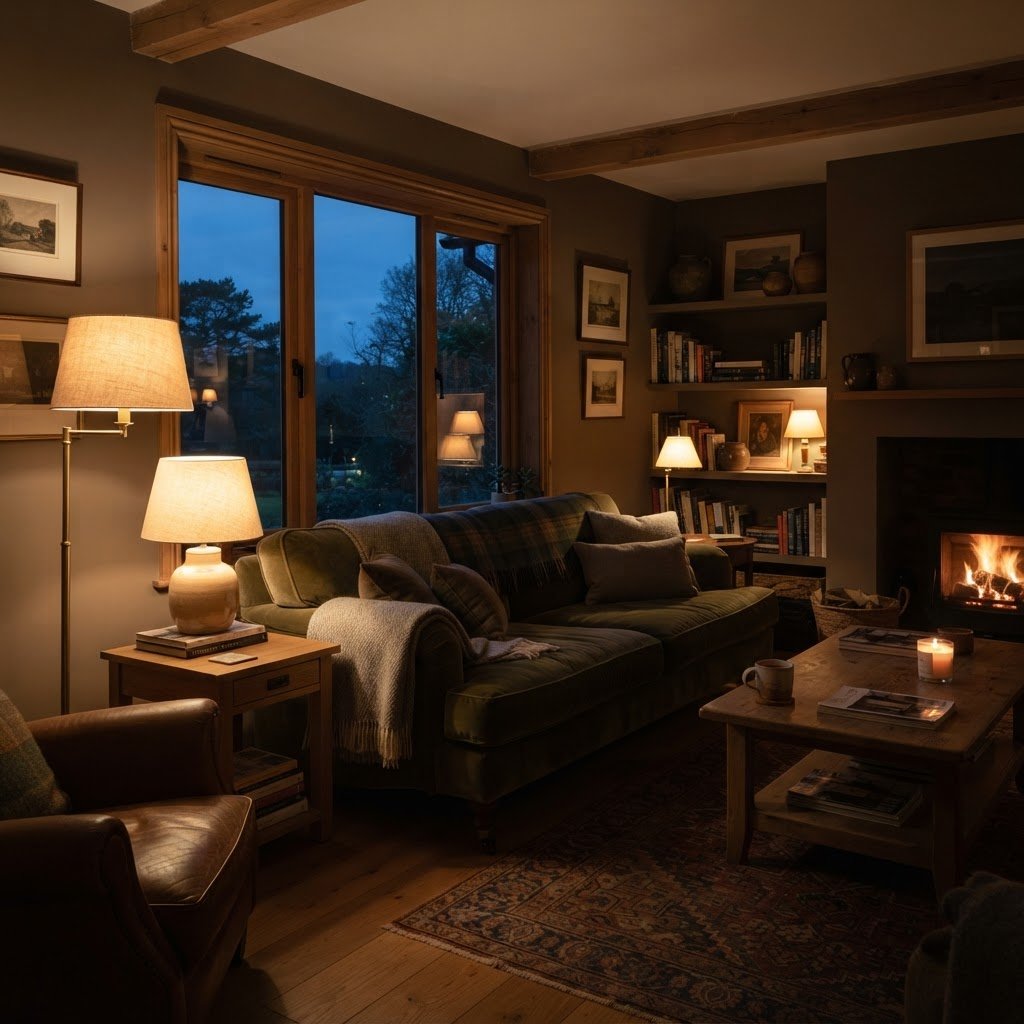
Warm Mood Lighting: Transform Your Room into a Cozy Escape
To transform your home into a cozy escape using warm mood lighting, prioritize bulbs with a color temperature between 2200K and 3000K while layering light sources to eliminate harsh overhead glare. This approach mimics natural sunset cycles, signaling your nervous system to release melatonin and shift into a restorative, relaxed state.
The Science Behind Warm Lighting and Relaxation
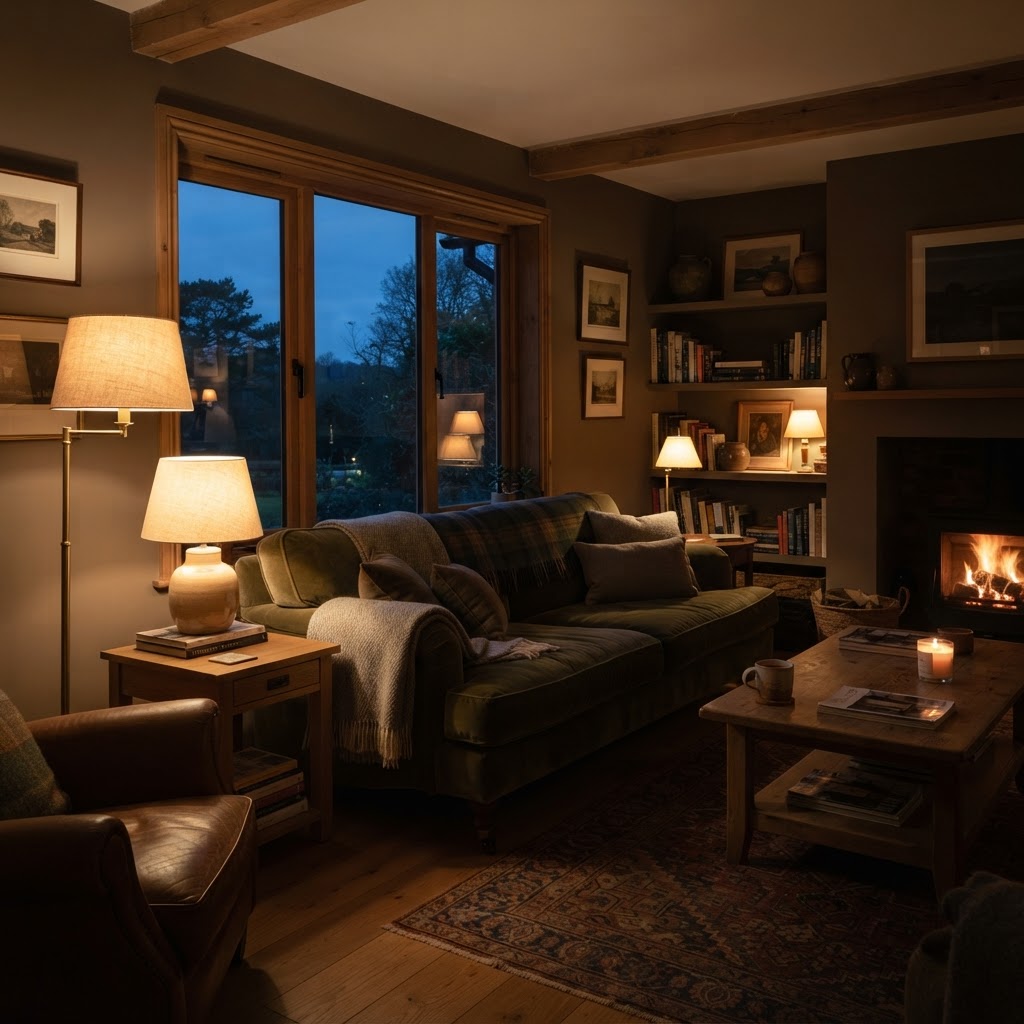
Human biology is intricately linked to the light spectrum, as our circadian rhythms are dictated by the transition from high-intensity daylight to the warm hues of sunset. Research shows that exposure to light above 4000K suppresses melatonin, whereas light between 2200K and 3000K promotes relaxation by mirroring firelight. When you swap clinical overhead lighting for warmer alternatives, you move from a state of alertness to one of decompression. This “invisible architecture” of lighting is scientifically proven to reduce cortisol levels, allowing the brain to prepare for restorative sleep. Rather than investing in expensive furniture, simply adjusting your light source creates a more immediate, measurable shift in your physiological comfort. By curating a home environment that respects your internal clock, you foster a space that actively improves sleep hygiene and daily mood regulation.
Understanding Color Temperature and Kelvins
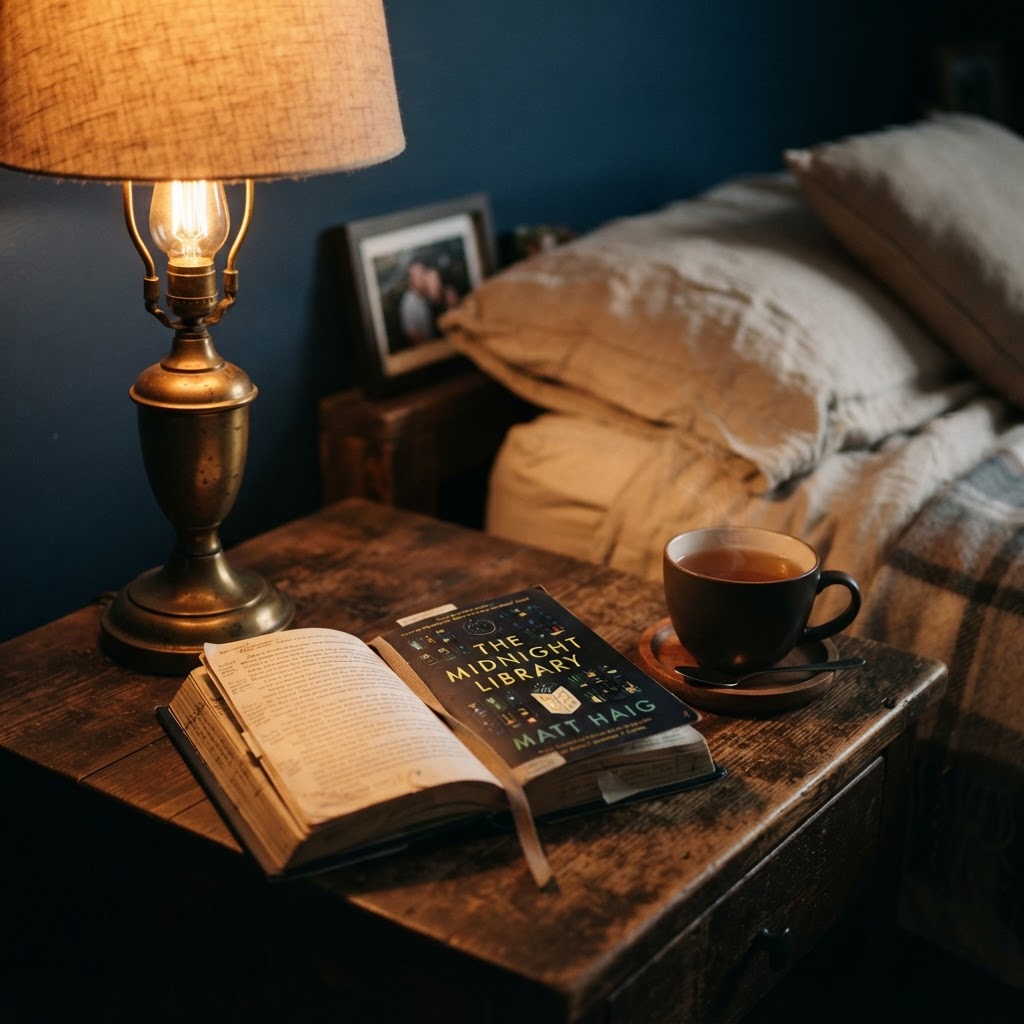
Mastering home lighting requires navigating the Kelvin (K) scale, which measures the color appearance of light rather than brightness. For a cozy atmosphere, select bulbs within the 2200K to 3000K range, as anything exceeding 4000K introduces blue light that disrupts circadian cycles.
Using 2700K is the industry gold standard for general living areas because it provides enough visibility for social interaction without feeling sterile. In contrast, 3000K is ideal for workspaces where focus is required, as it provides slightly more blue-spectrum light to boost clarity while still avoiding the harshness of daylight bulbs. Consistency is key; by sticking to a single Kelvin range within an open-concept room, you avoid visual dissonance that occurs when different light temperatures clash. Aim for 2200K-2400K for supplemental accent lighting to add depth and create an intimate, cave-like feel during evening hours.
The Art of Layering Your Light
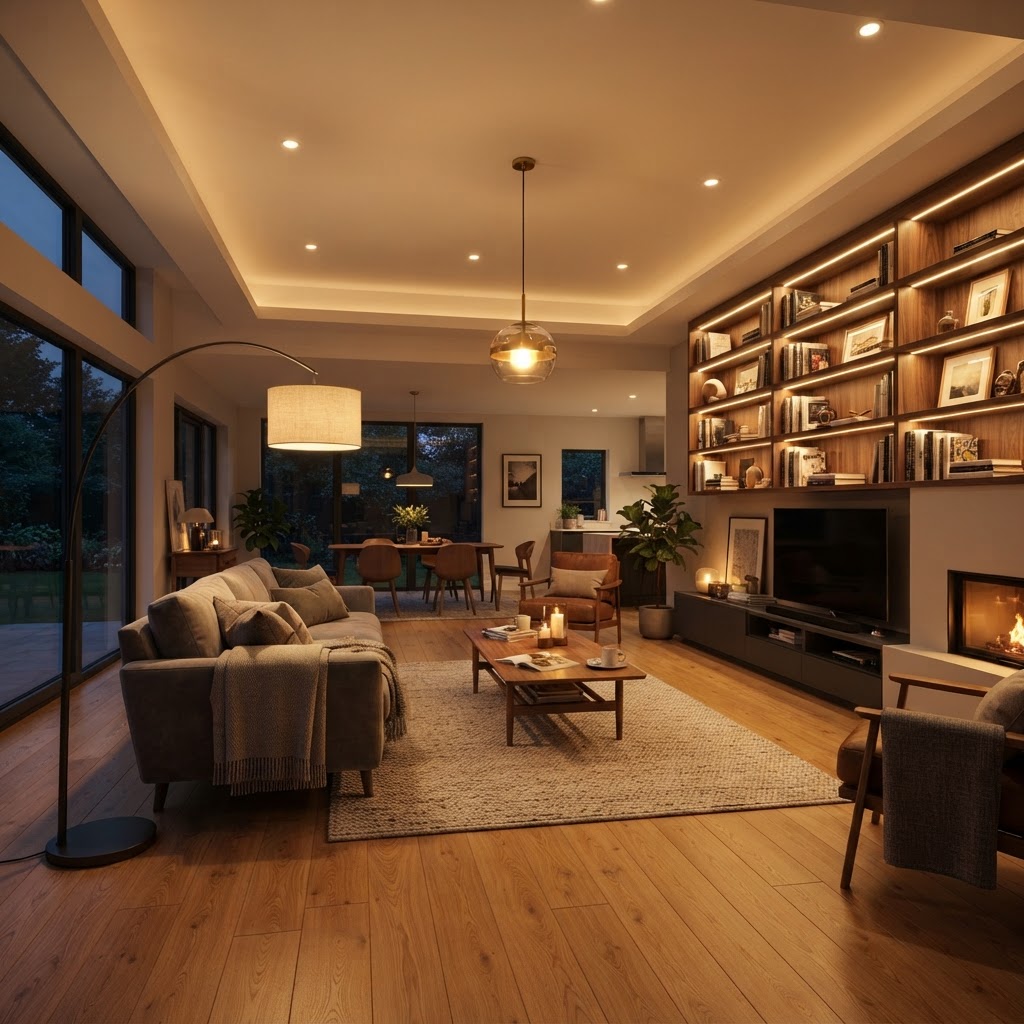
Professional lighting designers utilize the “three-layer” rule to eliminate flat, clinical shadows and create a multi-dimensional, cozy environment. The mistake of relying solely on a center-ceiling light creates high-contrast glare that stresses the eyes; instead, you should distribute light across different heights and intensities.
Ambient, Task, and Accent Lighting
- Ambient Lighting: Provides the base level of illumination for safe movement, typically through soft overhead fixtures or large, shaded floor lamps.
- Task Lighting: Delivers focused illumination for specific jobs, such as a 3000K desk lamp for work or an under-cabinet light for food preparation.
- Accent Lighting: Acts as the “jewelry” of a room, highlighting art, architectural nooks, or bookshelves to draw the eye toward decorative features.
To achieve the perfect balance, incorporate at least two of these layers into every room. By placing light sources at varying heights—floor, table, and eye-level—you break up the space into intimate “pockets” of light. This technique reduces the intensity of any single beam, creating gentle shadows that add texture and warmth to your home’s interior design.
Choosing the Right Fixtures for Your Vibe
Choosing the correct fixture is as critical as the bulb itself because the housing determines how light is diffused across a room. For maximum comfort, avoid bare bulbs or clear glass fixtures, which produce harsh glare that can cause visual fatigue. Instead, utilize fixtures crafted from fabric, frosted glass, or paper, as these materials act as filters that turn harsh beams into a soft, diffused glow.
Orientation also plays a significant role in atmosphere. Upward-facing floor lamps are particularly effective because they bounce light off the ceiling, creating an indirect glow that fills the room without direct ocular irritation. Downward-facing pendants, conversely, are perfect for creating focal points; use these over dining tables or dedicated reading chairs to define specific zones. By mixing these fixture styles, you create a dynamic, multi-layered environment that feels intentional rather than static. Aim to balance the structural geometry of the fixtures—such as combining a round frosted globe with a tapered fabric shade—to add visual interest while maintaining the primary goal of soft, warm distribution throughout the living space.
Smart Lighting: The Ultimate Control
Smart lighting systems provide the ultimate mechanism for home ambiance by offering granular control over intensity and warmth. With smart bulbs or plug-in dimmers, you can easily transition a room from a productive workspace at 2:00 PM to a dim, intimate lounge at 8:00 PM. Many modern smart systems allow for automation, where lights automatically shift to a 20% brightness and 2200K temperature as the evening progresses, mirroring the natural descent of the sun.
This level of control addresses the fundamental need for adaptability in a multi-use space. If you cannot hardwire a dimmer switch, smart bulbs function as a drop-in replacement that gives you full control via voice assistants or mobile apps. Beyond just convenience, these systems improve sleep hygiene by reducing blue light exposure during your wind-down period. Research indicates that users who automate their lighting to shift colors throughout the day report significantly higher levels of subjective home satisfaction. Start by integrating smart switches or bulbs in high-traffic areas like the living room to experience the immediate impact of dynamic brightness control on your nightly routine.
Common Lighting Pitfalls to Avoid
Avoiding common lighting errors is essential for maintaining a cohesive and relaxing atmosphere. The most frequent mistake is the use of mismatched bulb temperatures in the same space, such as a cool 4000K task lamp sitting beside a warm 2700K floor lamp, which causes the eye to strain and the room to feel disjointed.
Another significant oversight is the failure to utilize dimmers; without them, you are limited to binary on/off settings, which rarely capture the nuance required for a “cozy” mood. If installing a hardwired dimmer is not feasible, budget-friendly plug-in dimmers or smart bulbs provide the same utility. Furthermore, ensure that light sources are not positioned to create direct glare on screens or reflective surfaces, as this forces the eyes to constantly adjust and disrupts the feeling of relaxation. By auditing your current setup for these specific pitfalls, you can immediately elevate your home’s comfort. Prioritize consistent temperatures, prioritize dimmability, and verify that your fixture placements aren’t creating unwanted, distracting reflections.
Transforming Specific Rooms
Designing specific rooms for coziness requires understanding their primary function and tailoring light intensity accordingly. In the bedroom, the goal is to induce sleepiness; therefore, favor extremely low-level lighting and avoid central ceiling fixtures that can feel overwhelming. Utilize bedside lamps with warm, fabric-covered bulbs to create a gentle halo effect, and consider placing hidden LED strips behind a headboard to add depth to the room without increasing raw brightness.
In the living room, focus on zones rather than a uniform glow. Place floor lamps in dark corners to expand the perceived size of the room and use smaller table lamps to anchor your seating areas. Adding battery-operated LED puck lights inside bookshelves or cabinets can highlight decor while adding a secondary source of warmth. When evaluating each room, ask yourself if the lighting is serving the intended function. If you are reading, do you have adequate task light? If you are hosting, is there enough ambient glow to see guests without feeling like you are in a spotlight? By addressing the unique needs of each space, you move beyond generic lighting and create a home environment that is both functional and emotionally supportive.
FAQ
Q: What is the best Kelvin temperature for a cozy room?
For a cozy, relaxing atmosphere, the best Kelvin temperature is between 2200K and 3000K. This range mimics the warm, comforting glow of firelight and sunset, which encourages the body to release melatonin and relax after a busy day.
Q: Can I mix different light bulb temperatures in one room?
It is generally recommended to avoid mixing different Kelvin temperatures in the same room. Mismatched lights create visual dissonance and can feel unsettling; choose one primary temperature (ideally 2700K) for a cohesive and soothing visual flow.
Q: How do I make a room feel cozy without changing the light fixtures?
If you cannot change your fixtures, simply swap your existing bulbs for dimmable 2700K LED warm bulbs and add a plug-in dimmer switch. These two inexpensive changes allow you to adjust the light intensity to your preference, immediately creating a warmer, more inviting ambiance.
Q: What is the main difference between ambient and task lighting?
Ambient lighting acts as the room’s base layer to ensure general visibility, while task lighting provides focused illumination for specific activities like reading or cooking. Combining both creates a layered lighting scheme that eliminates harsh shadows and improves visual comfort.
Q: Are smart bulbs worth it for mood lighting?
Smart bulbs are highly recommended for mood lighting because they allow for both dimming and color temperature adjustments via apps or voice. This flexibility enables you to automate your lighting to match your natural circadian rhythm, helping you wind down for sleep in the evening.

Leave a Reply