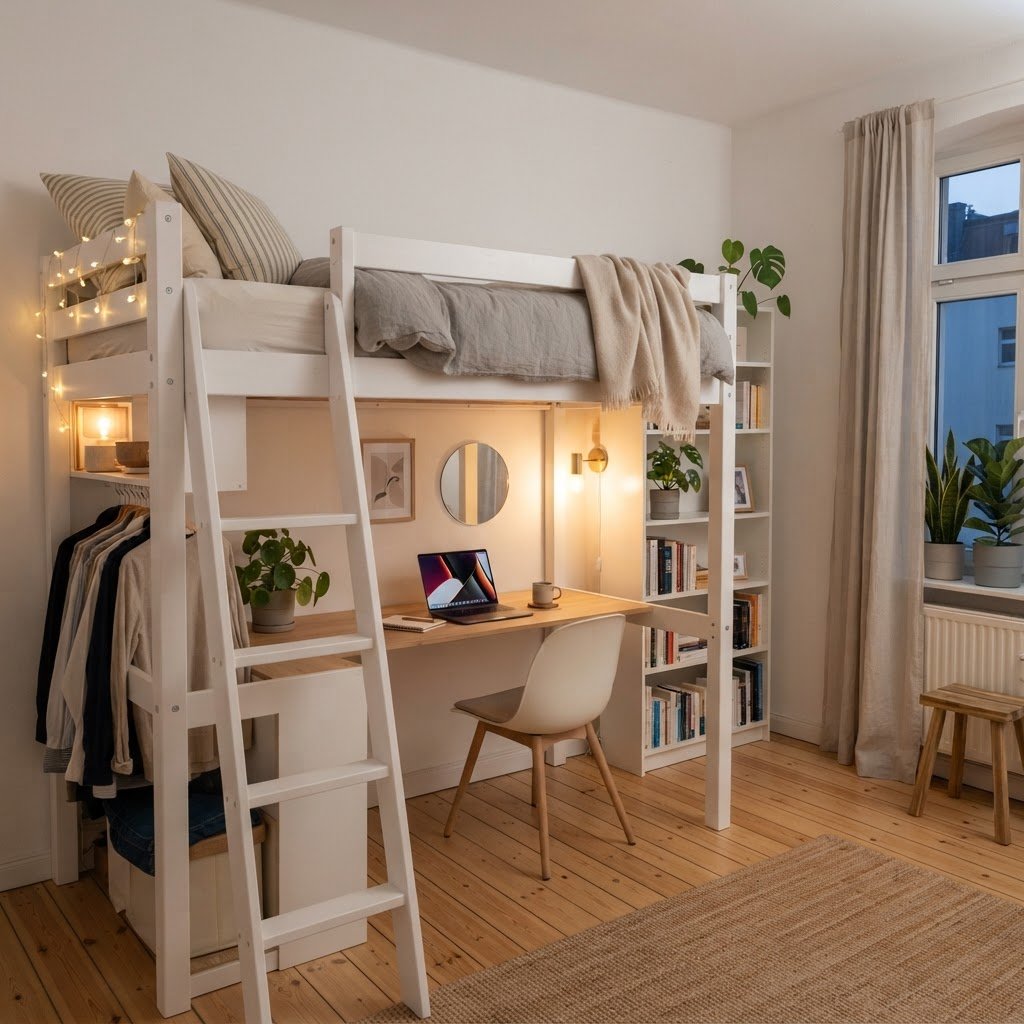
26 Space-Saving Small Bedroom Ideas for a Cozy & Organized Look
To maximize a small bedroom, prioritize multi-functional furniture, utilize vertical wall storage, and incorporate reflective surfaces like mirrors to create an illusion of space. By replacing bulky items with slim-profile pieces and clearing floor clutter, you can transform a cramped bedroom into an airy, organized, and highly functional sanctuary.
Rethink Your Furniture Choices
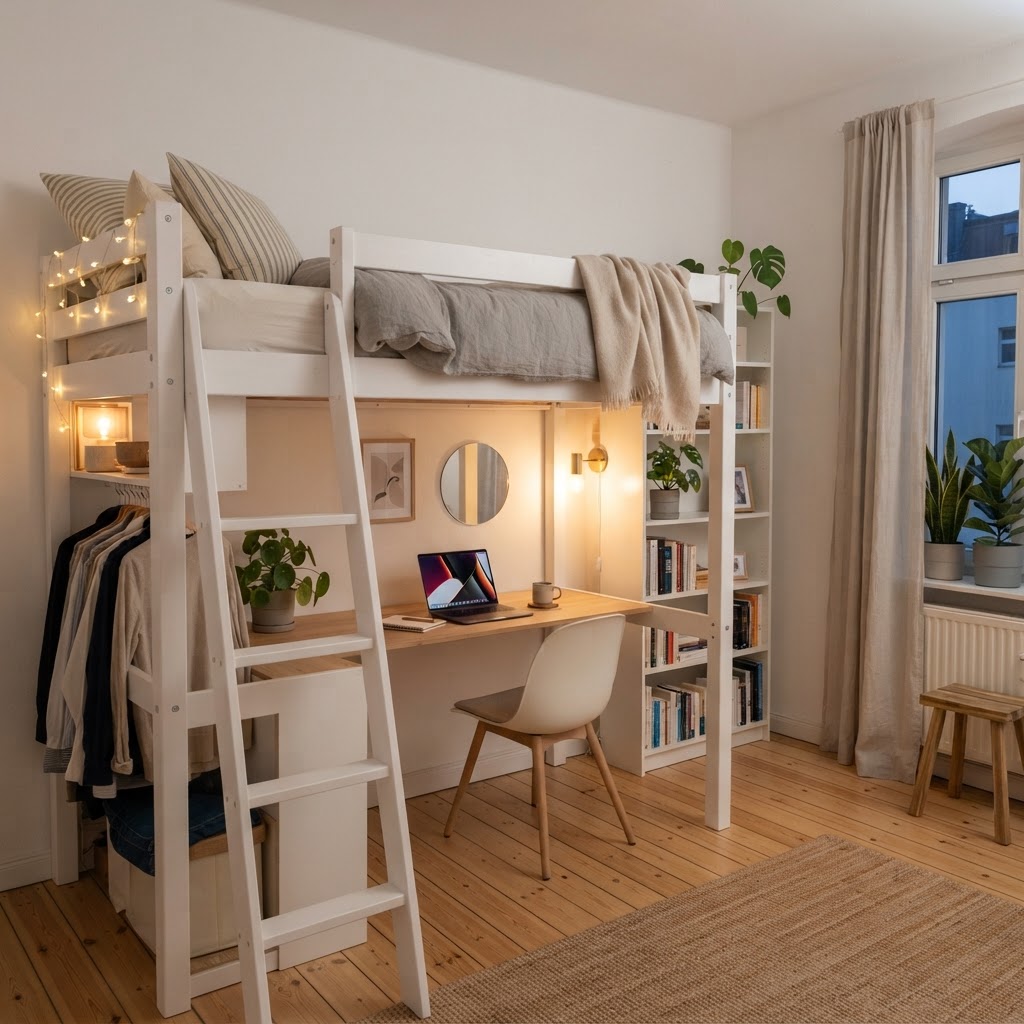
The most effective way to reclaim square footage is to replace bulky furniture with pieces that provide dual utility or a minimal footprint. In rooms under 100 square feet, opting for a bed frame with integrated drawers or a slim-profile headboard can increase usable floor space by up to 20% compared to traditional suites. When selecting furniture, calculate the “visual weight” of items; pieces raised on tapered legs, rather than solid blocks, allow light to travel underneath, which tricks the brain into perceiving more open floor space. Replacing a traditional oversized dresser with a sleek, vertical chest or a wall-mounted floating vanity maintains essential storage while removing obstructive bulk from high-traffic areas. By selecting items that serve two functions, such as an ottoman that acts as both seating and blanket storage, you eliminate the need for redundant furniture that contributes to room crowding.
Prioritize Multi-Functional Pieces
Think beyond the traditional nightstand. Consider using a small chest of drawers or a wall-mounted shelf instead to free up floor space. When you minimize the “visual weight” of your furniture, the entire room feels larger.
Look for ottomans that open up for hidden storage or vanity desks that double as bedside tables. These small adjustments prevent clutter from accumulating on visible surfaces, keeping the room looking clean and inviting.
Utilize Vertical Space Effectively
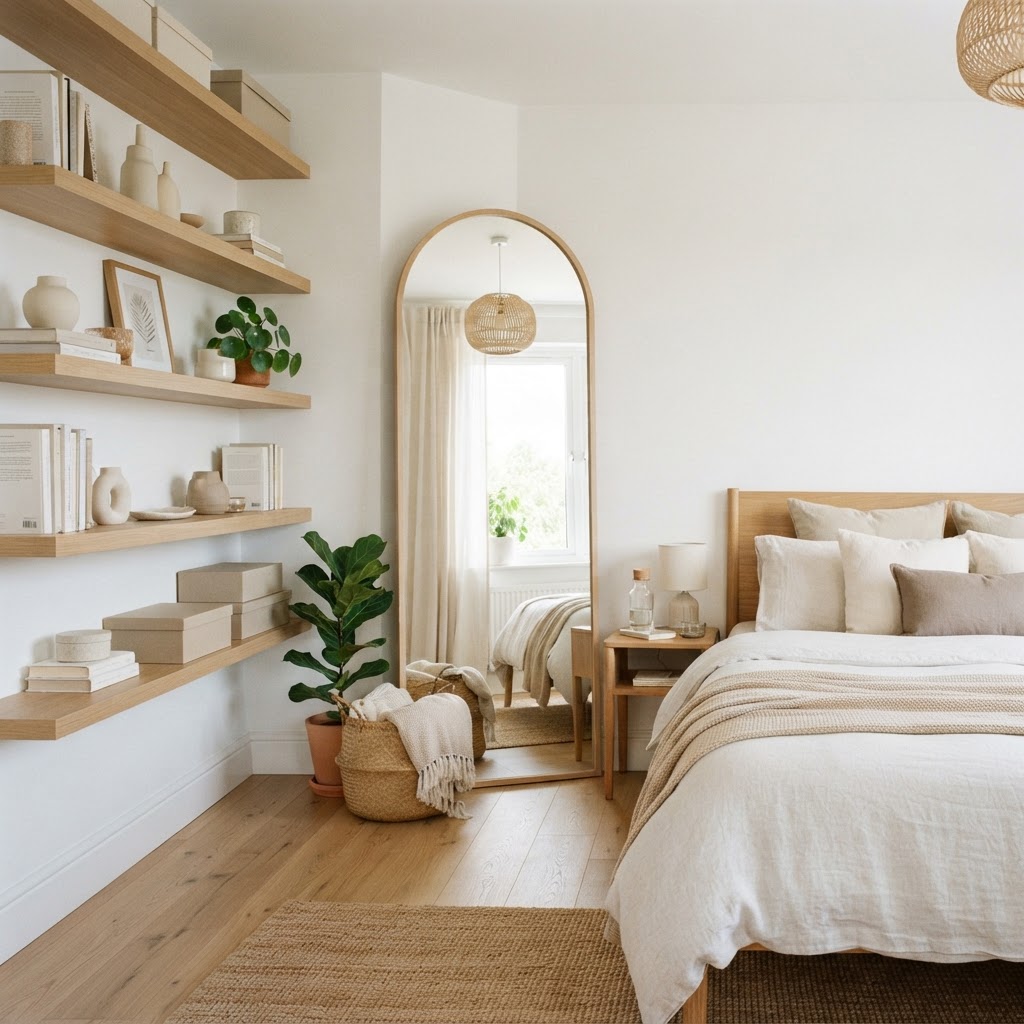
When your floor footprint is restricted, the only way to expand storage capacity is to move upward toward the ceiling. Walls are your best friend when looking for smart space-saving small bedroom ideas. By installing floating shelves 6 to 12 inches below the ceiling line, you draw the eye upward, which increases the perceived height of the room. Full-height bookshelves or floor-to-ceiling cabinetry effectively turn a single wall into a command center for books, seasonal decor, and personal items without consuming precious walking space. Consider using over-the-door hanging systems or vertical wall tracks to hold electronics and lamps. To maintain a cohesive aesthetic, align shelf depths to be no more than 10 inches; this ensures the room remains uncluttered while providing enough surface area to store 90% of standard bedroom essentials. Utilizing the space above your bedroom door or headboard for decorative shelving is a pro-level technique that utilizes “dead” wall zones often ignored in interior design.
Optimize Under-Bed Storage
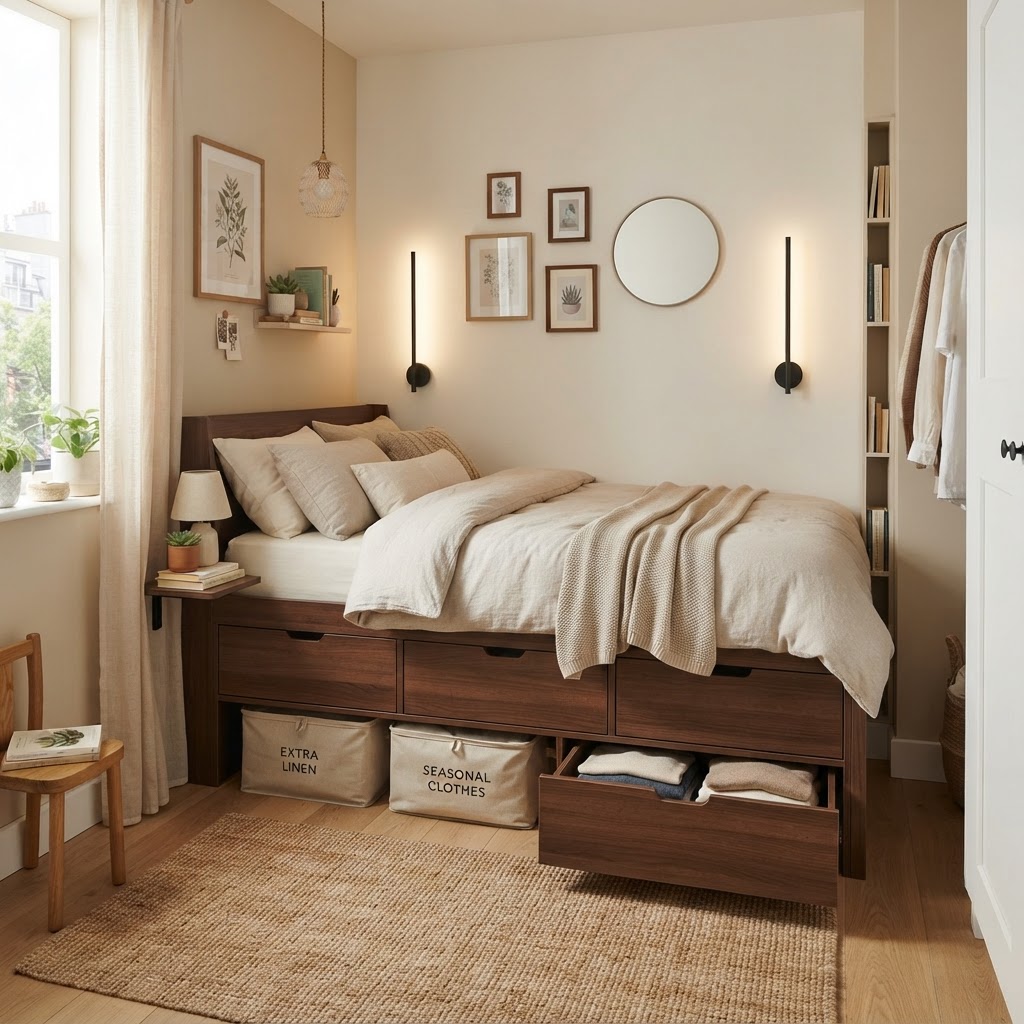
Your bed is likely the largest piece of furniture in the room, so it should be the hardest working. If your bed frame is low, consider using bed risers to gain valuable clearance underneath. Once elevated, you can utilize rolling bins or vacuum-sealed bags for out-of-season clothing and linens. To maximize efficiency, choose storage containers that are exactly 1 to 2 inches shorter than the clearance height of the frame. This prevents friction against the underside of the bed while allowing for a smooth sliding motion. For those with under-bed clearance of at least 8 inches, specialized modular rolling bins are significantly more ergonomic than standard plastic tubs. Research indicates that utilizing under-bed storage can free up enough closet space to eliminate the need for one full-sized standalone dresser, dramatically opening up the visual flow of a room. Always ensure your chosen containers are breathable, especially when storing textiles like wool or cotton, to prevent moisture buildup in areas with limited airflow.
Choosing the Right Containers
Invest in uniform storage bins that slide easily under the frame. This keeps the look cohesive and prevents a “junk drawer” aesthetic from forming under your bed. If you have an adjustable base, explore specialized under-bed organizers designed to accommodate the unique mechanics of your mattress frame.
Master the Art of Lighting
Lighting plays a critical role in how a room’s size is perceived, with effective illumination capable of expanding the feeling of a space by 10 to 15%. In a small bedroom, bulky floor lamps are often impractical because they take up vital corner space. Instead, install wall sconces near your headboard to free up space on your nightstands. Alternatively, pendant lights can hang from the ceiling, adding a touch of elegance while keeping surfaces completely clear. Layering your light is key to removing shadows that make rooms feel claustrophobic. By using a combination of a central ambient ceiling light (providing 3000K warm white output), task-oriented sconces for reading, and LED strip lighting behind the headboard or under furniture, you create depth. Bright, well-lit spaces always feel larger, while dim corners can make a room feel closed in. LED strips, which cost under $30 and are easy to install, can transform the atmosphere of a room instantly.
Keep Your Closet Organized
A disorganized closet can make a small bedroom feel chaotic, making the room seem smaller than its actual physical dimensions. To optimize your storage, implement a “one-in, one-out” policy for your wardrobe, which keeps total inventory stable and prevents over-stuffing. Use vertical organizers, double-hanging rods, or door-mounted racks to increase your usable shelf and hanging space by up to 50%. A closet system with adjustable shelving is the gold standard for versatility, as it allows you to adapt the storage layout for seasonal changes. Using slim velvet hangers can save approximately 30% more space compared to traditional plastic or wood hangers, effectively allowing you to fit more garments into the same linear space. Additionally, utilize the “dead” space at the bottom of the closet for a small shoe rack or a rolling bin for seasonal sports gear.
Consider these essential organization tips:
- Install a closet system with adjustable shelves to fit your specific needs.
- Use slim velvet hangers to save up to 30% more space in your wardrobe.
- Use baskets on high shelves to store accessories, hats, or scarves.
- Install hooks on the inside of the closet door for belts, bags, or bathrobes.
Declutter and Simplify Your Decor
Minimalism is a powerful tool when you are short on space, as a room cluttered with too many knick-knacks will inevitably feel confined. Stick to a curated selection of decor items that bring you joy, and avoid overcrowding your walls or dresser tops, as surface area is precious. A room with clear, flat surfaces feels naturally more organized and calm. Mirrors are the oldest trick in the designer’s book for a reason; placing a large floor-length mirror across from a window can reflect light and create the visual depth of an extra room. By placing a mirror strategically, you can double the light output in the room, making it feel significantly brighter. A leaning floor mirror, which typically measures about 60-70 inches in height, adds a focal point that draws the eye vertically without requiring permanent hardware or complex wall installation.
Strategic Color Palettes
While white is a classic choice for small bedrooms because it reflects light, you don’t have to be limited to stark, sterile tones. Soft neutrals like light greys, muted blues, or warm beiges can create a soothing atmosphere while keeping the space feeling open. If you crave bold colors, try using them on a single accent wall or through soft textiles like curtains and rugs rather than painting the entire room a dark hue. Dark colors have a tendency to absorb light, which can visually bring walls “inward” and make a room feel smaller; conversely, painting your trim and ceiling the same color as the walls creates a seamless line that masks the actual room boundaries. To maximize the sense of airiness, prioritize paints with a satin or eggshell finish, which reflect slightly more light than flat or matte paints, adding a subtle glow to the surface of the walls.
FAQ
How can I make a tiny bedroom look bigger?
To make a tiny bedroom appear larger, use light color palettes, incorporate large floor-to-ceiling mirrors, and keep floor space clear of clutter. Maximizing natural light and using multi-functional furniture with exposed legs can help reduce the ‘visual weight’ of the room, creating an airy, open feel.
What furniture is best for a small bedroom?
Opt for multi-functional pieces such as bed frames with integrated storage, wall-mounted floating nightstands, and nesting tables. These pieces reduce physical footprint while providing the same utility as larger, traditional furniture items, keeping the floor area open and easy to navigate.
Where should I store things in a small bedroom?
Utilize vertical wall space with floating shelves, install closet organizers for double-hanging storage, and maximize the area under your bed with rolling bins. By keeping items off the floor and surfaces, you maintain a cleaner, more organized look in limited square footage.
Does painting a small bedroom white make it bigger?
Painting a small bedroom in white or soft, cool-toned neutrals helps reflect light and creates an illusion of openness. While white is highly effective, using a monochromatic color scheme—painting walls, trim, and ceilings the same color—can blur corners and make the room appear more expansive.

Leave a Reply