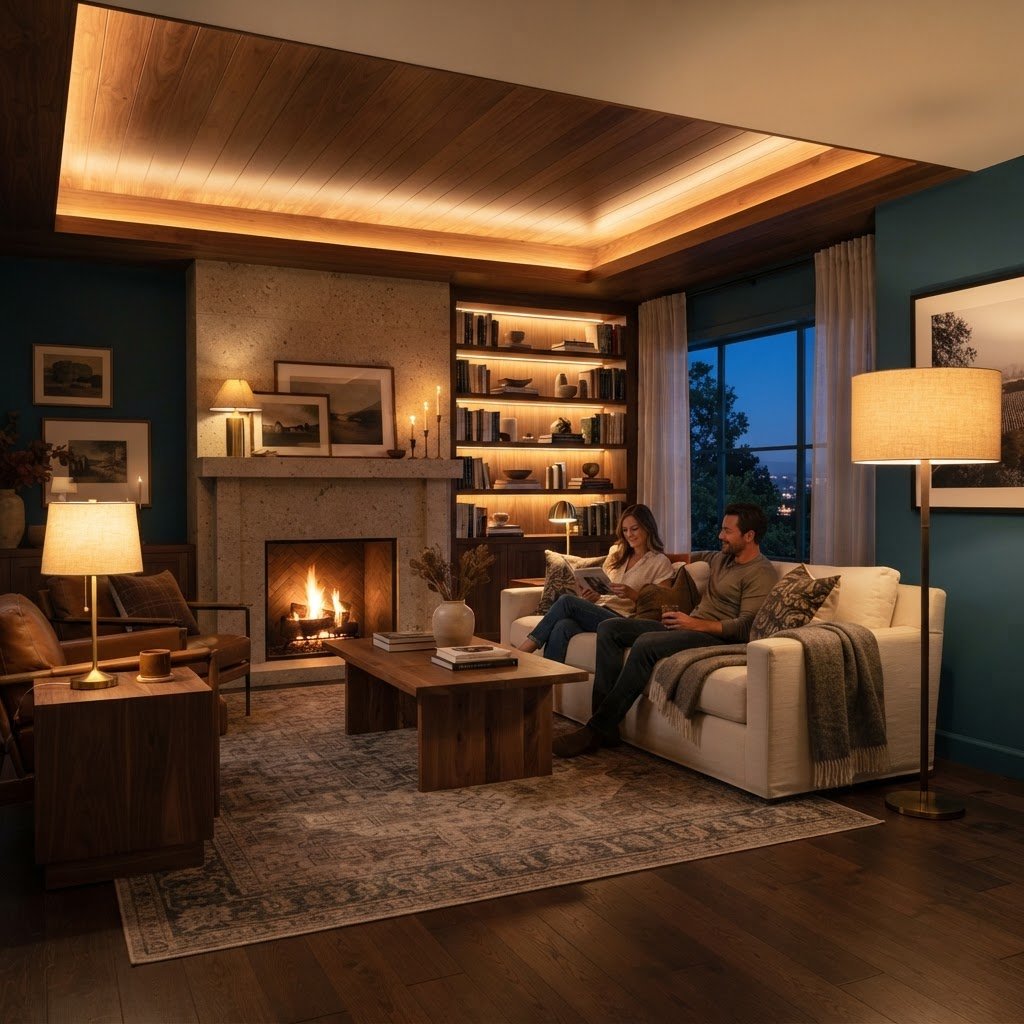
To style warm lighting for a cozy home sanctuary, prioritize using bulbs rated between 2200K and 2700K to mimic the golden glow of sunset. Achieve a professional, layered look by combining ambient, task, and accent light sources, ensuring all bulbs in a single room remain within 300K of each other for visual harmony.
The Science and Psychology of Warmth
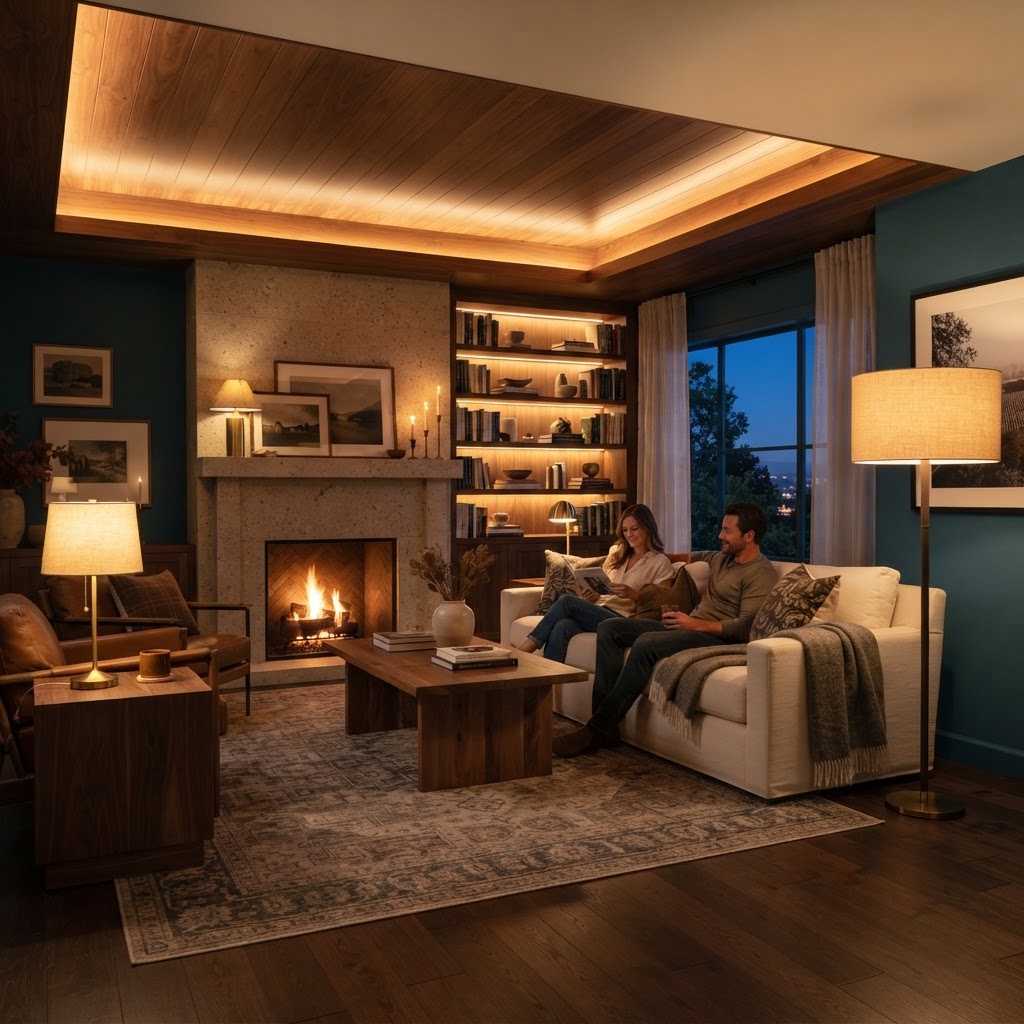
Color temperature is the primary driver of domestic comfort, measured in Kelvins (K) to define how ‘warm’ or ‘cool’ light appears to the human eye. Warm light, generally defined between 2000K and 3000K, supports the body’s natural circadian rhythm by signaling the brain to release melatonin, the sleep hormone. Conversely, cool lighting above 4000K mimics blue-heavy daylight, which suppresses melatonin and increases alertness, making it unsuitable for relaxation. By selecting bulbs in the lower Kelvin range, you physically lower the cortisol levels in your environment, creating a physiological trigger for safety and rest.
Why Kelvins Matter
When shopping for bulbs, always look at the Kelvin rating on the packaging. For a space that feels like a hug, stick to the 2200K to 2700K range. Anything higher starts to look clinical and stark. This simple shift in bulb temperature is the foundation of creating a space that feels permanent, safe, and deeply relaxing.
Establishing the Three Layers of Light
Professional interior designers utilize a ‘tri-layer’ lighting strategy to eliminate flat, sterile environments and replace them with depth and character. The core concept relies on distributing light sources across three distinct categories: ambient, task, and accent. Ambient lighting provides the overall floor-to-ceiling illumination, ideally through dimmable sconces or cove lights that wash surfaces in soft glows. Task lighting serves functional needs, such as reading lamps or under-cabinet strips, while accent lighting acts as the room’s jewelry, drawing the eye toward specific textures, art, or architectural features. By balancing these three, you ensure that no single corner remains dark or overly harsh, creating a cohesive visual flow that mimics the complexity of natural light.
Ambient Lighting
Ambient light is your base layer, providing overall illumination. In a warm-styled room, this should be dimmable and soft. Consider using wall sconces or cove lighting rather than harsh recessed ceiling lights. If you must have overhead lights, ensure they are on a dimmer switch so you can dial back the intensity whenever you desire a more intimate setting.
Task Lighting
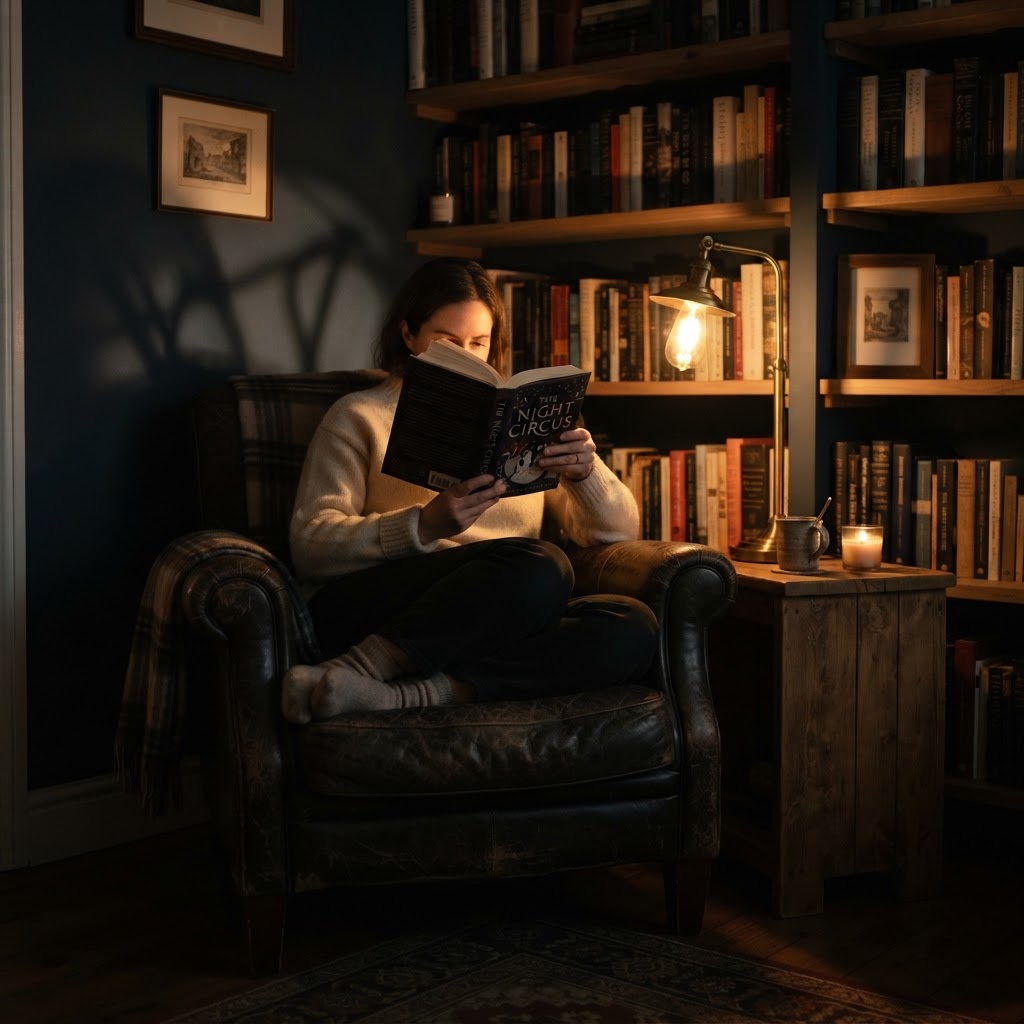
Task lighting is functional but must maintain the aesthetic. This includes reading lamps, desk lights, or under-cabinet kitchen lighting. The key here is to keep the light source focused on the work area while maintaining the warm color temperature. Using a brass-toned reading lamp with a warm-hued bulb is a perfect example of merging function and mood.
Accent Lighting
This is where the “never want to leave” feeling truly happens. Accent lighting highlights architectural details, artwork, or your favorite decorative pieces. Think of picture lights above a painting or LED strips hidden behind a television or bookshelf. These small touches add dimension and visual interest without overwhelming the senses.
Choosing the Right Fixtures for Your Style
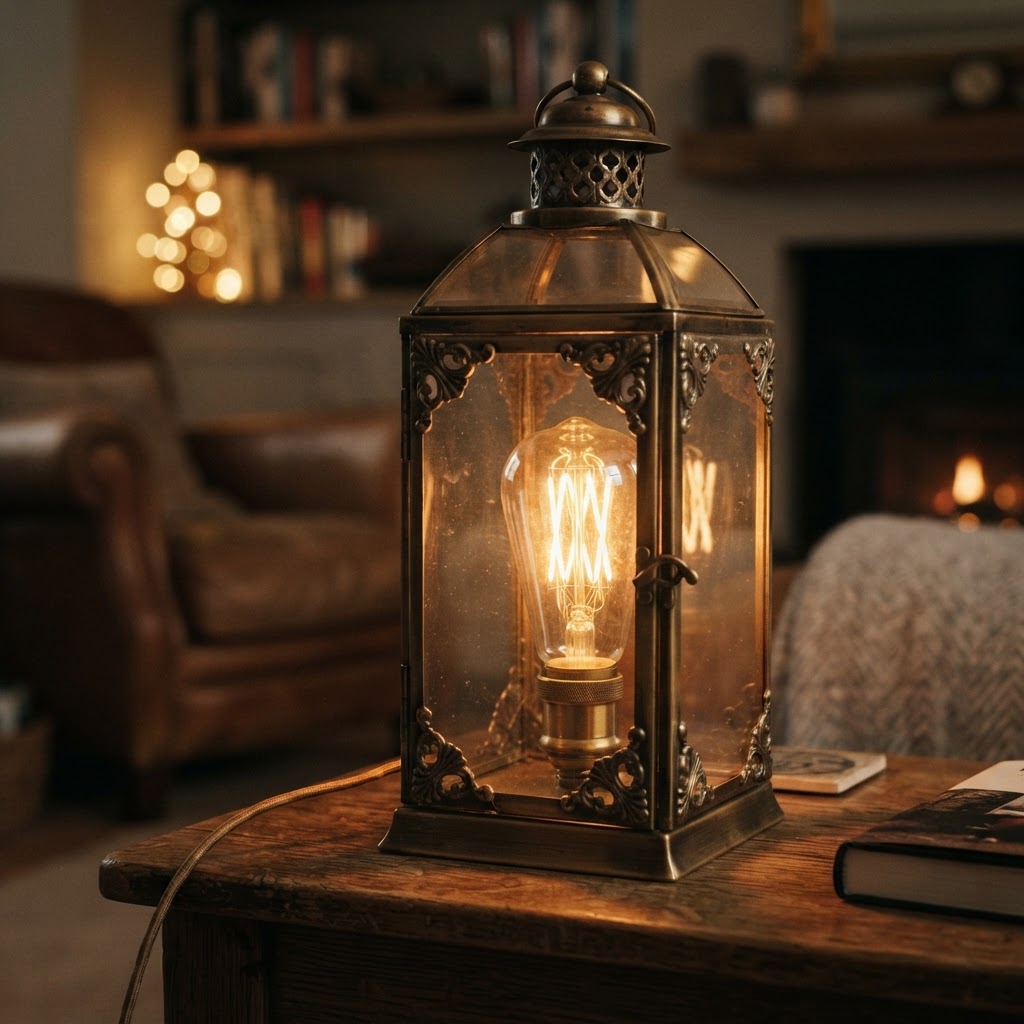
Selecting the correct fixture hardware is essential because materials act as a secondary filter, modifying how light is dispersed and perceived within your sanctuary. Brass, gold, and antique bronze finishes are superior for warmth, as they contain high-copper content which naturally reflects light in a honeyed, golden spectrum compared to cool-toned chrome or nickel. When choosing shades, opt for textured linen or heavy cotton in cream, oatmeal, or terracotta hues to dampen the raw intensity of LED bulbs. Additionally, glass globe fixtures in amber or ‘smoked’ finishes can physically filter out blue light wavelengths, ensuring that the light reaching your eyes remains soft, diffused, and comfortable for extended evening use.
Material Considerations
- Fabric Shades: These are excellent for diffusing harsh light into a soft glow. Linen or cotton shades in cream or beige tones further enhance the warm effect.
- Glass Globes: Opt for amber or frosted glass to prevent the bulb from being too piercing.
- Wood and Rattan: These materials naturally impart a warm, organic feel that complements the golden quality of warm bulbs.
The Impact of Dimmer Switches
Dimmer switches are the single most important utility for achieving a flexible sanctuary because they allow for real-time adjustments to your room’s mood and biological impact. Most modern LED dimmers work by ‘chopping’ the electrical wave, which not only lowers intensity but, in ‘warm-dim’ technologies, can shift the color temperature further toward an orange, candle-like glow. Without a dimmer, a 2700K bulb may feel too energetic during late-night relaxation; with one, you can reduce the lumen output by up to 90%, creating a gentle, twilight atmosphere. Integrating smart dimmers also allows for automation, enabling your home to transition from a productive cool-morning setting to a restorative, warm-evening glow without you ever touching a switch.
Incorporating Candles and Decorative Light
Warm lighting does not always have to be electric. In fact, some of the best lighting for a cozy home is flickering, organic, and imperfect. Candles provide a level of intimacy that no electronic device can replicate.
Scatter pillar candles on coffee tables or use tapers in the dining room to ground your space. The dancing flame creates movement and shadows, which are essential for visual interest. If you prefer a safer alternative, there are now high-quality LED candles that mimic the color and movement of real flames almost perfectly. Combine these with your fixed lighting for a multi-sensory experience.
Troubleshooting Common Lighting Mistakes
Many homeowners struggle because they mix too many color temperatures in a single room. A common mistake is having a warm floor lamp next to a stark, cool-white overhead bulb. This conflict creates visual discord and makes the room feel chaotic.
Check Your Consistency
- The 300-Kelvin Rule: Try to keep all bulbs within the same room within 300K of each other. If your lamp is 2700K, your overhead light should be between 2400K and 3000K.
- Avoid the Hospital Look: If your room feels uninviting, check for any “Daylight” or “Cool White” bulbs (4000K+). Swapping these for “Warm White” or “Soft White” (2700K) is often the only change needed to fix a cold-feeling space.
- Balance the Shadows: Don’t let your corners go dark. Use a small corner lamp to push light into hidden spaces, which prevents the room from feeling closed in or cave-like.
Creating Your Personal Lighting Sanctuary
To really nail how to style warm lighting, take a “light walk” through your home at night. Turn off every light, then turn them on one by one. Where do you feel the urge to sit? Where do you feel exposed or cold? Adjust the placement of your lamps until the light flows naturally from one zone to the next, like a gentle stream.
Remember that lighting is about the experience of living, not just seeing. It is about how the light hits your coffee mug in the morning and how it reflects off your walls as you prepare for bed. When you treat lighting as a design element rather than a utility, your home transforms.
FAQ
Q: What is the best Kelvin rating for a cozy bedroom?
For a cozy bedroom, choose bulbs rated between 2200K and 2700K. This range produces a soft, amber-toned light that mimics sunset, helping to trigger the body’s natural melatonin production for better sleep quality.
Q: Can I mix warm and cool light bulbs in the same room?
It is generally recommended to avoid mixing warm and cool bulbs in the same room to prevent visual discord. A 300K variance is the maximum acceptable difference to keep the room’s atmosphere feeling cohesive and intentional.
Q: Why do my overhead lights make my room feel clinical?
Overhead lights often feel clinical because they are likely ‘Daylight’ bulbs (4000K-6500K) which contain high amounts of blue light. Replacing these with 2700K ‘Warm White’ bulbs will instantly soften the space and eliminate that harsh, institutional appearance.
Q: Are dimmer switches compatible with all light bulbs?
Not all light bulbs are compatible with dimmer switches. You must specifically purchase ‘Dimmable’ LED bulbs, as standard LEDs will flicker or fail if used with a traditional dimmer switch, potentially damaging the bulb’s internal circuitry.
Q: How many light sources should I have in a living room?
A well-lit living room should feature at least three to five light sources at different heights. This typically includes a primary ambient fixture, one or two task lamps for reading, and subtle accent lighting to highlight decor.

Leave a Reply