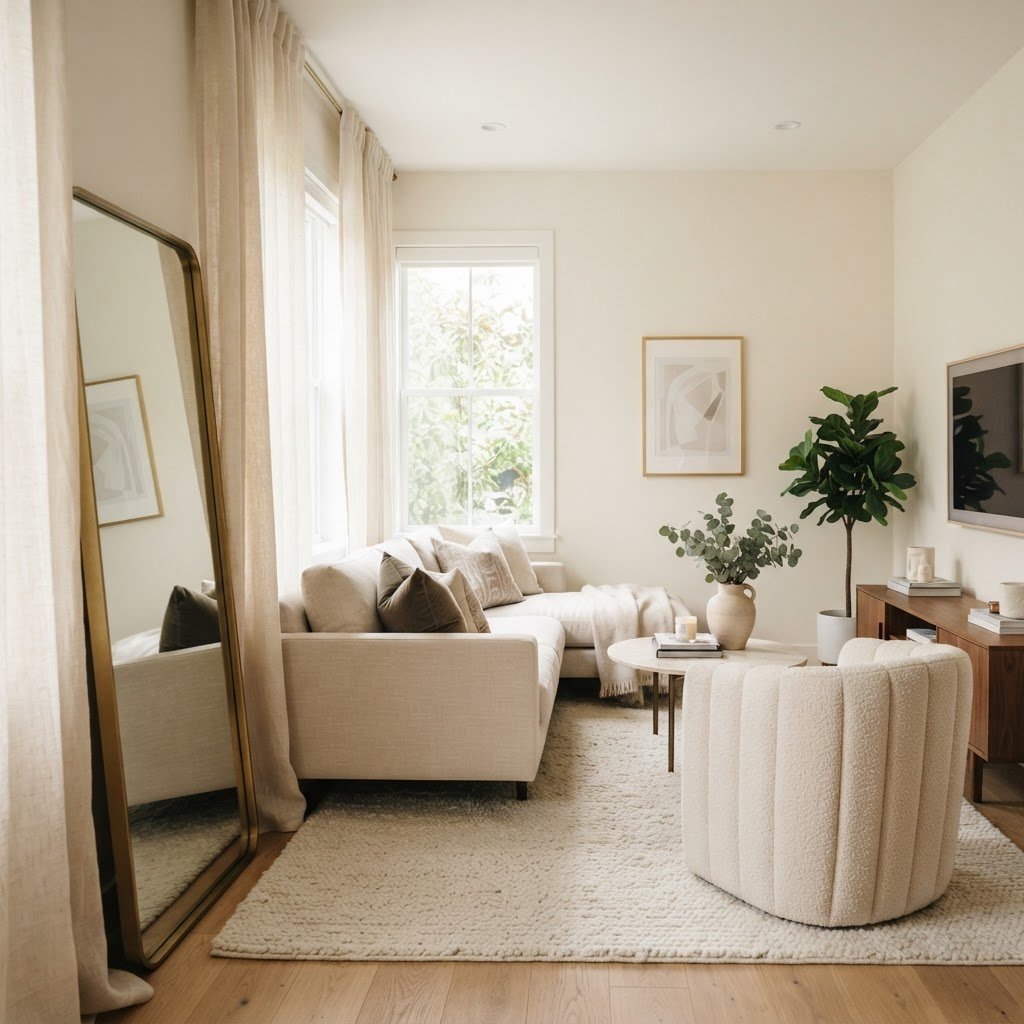
10 Affordable Renter Hacks to Make Small Spaces Look Expensive
To make a small rental space look expensive on a budget, prioritize high-impact, non-permanent upgrades like swapping builder-grade hardware, installing floor-to-ceiling curtains, and utilizing oversized mirrors to create depth. These strategic changes manipulate scale and light, tricking the eye into perceiving a more curated, luxurious, and spacious environment.
Lighting Tweaks for Instant Elegance
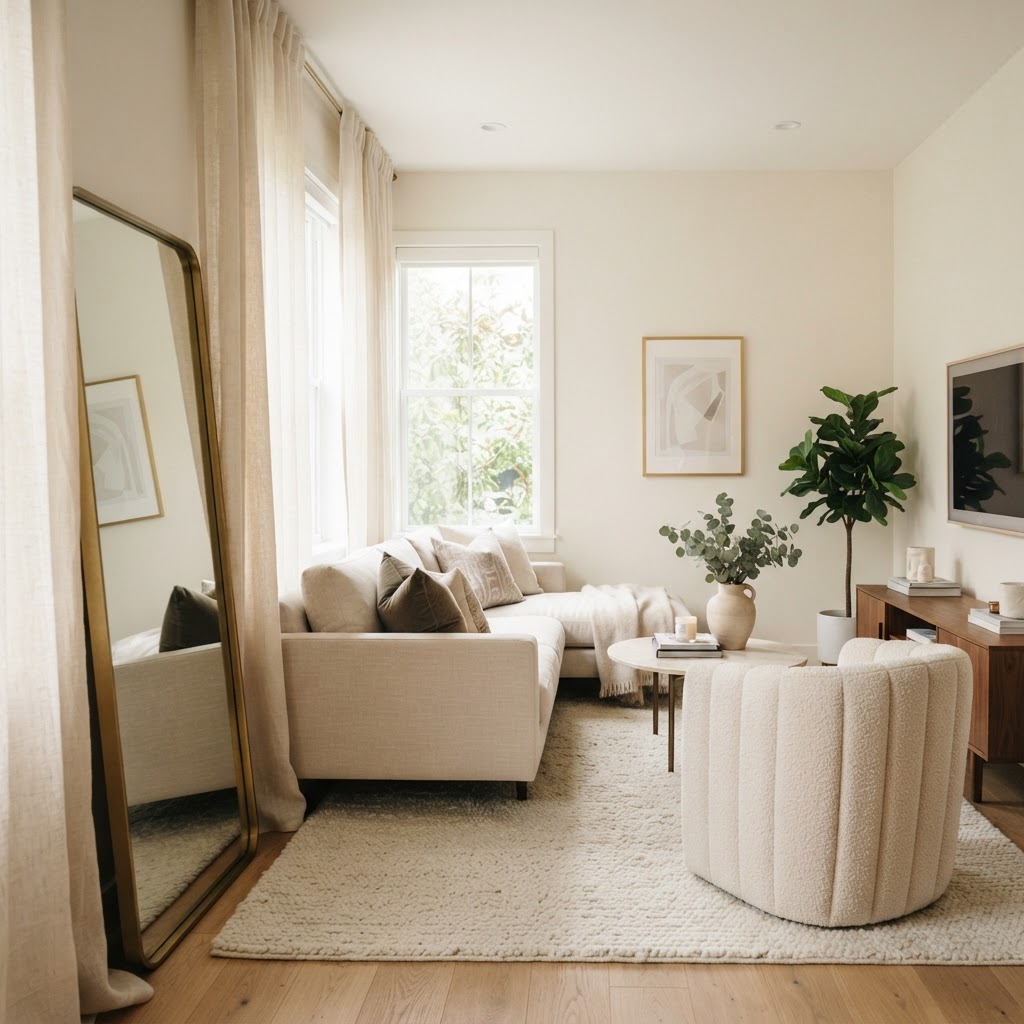
Replacing standard, builder-grade overhead lighting is the single most effective way to eliminate the clinical, flat glow common in rental properties. If your lease prohibits changing permanent fixtures, use architectural statement lamps to define the room’s character; a high-quality brass or matte black floor lamp serves as both a light source and a sculptural art piece.
Layering Your Light Sources
Layering lighting is the secret to high-end design, and in a 500-square-foot apartment, you should aim for at least three distinct light sources per room. By mixing floor lamps for ambient light, table lamps for task lighting, and wall-mounted sconces for mood, you eliminate harsh shadows and create the depth found in luxury hotel suites. Avoid harsh blue-toned bulbs; opt for warm white LED bulbs between 2700K and 3000K to create a cozy, premium atmosphere.
High-End Window Treatments
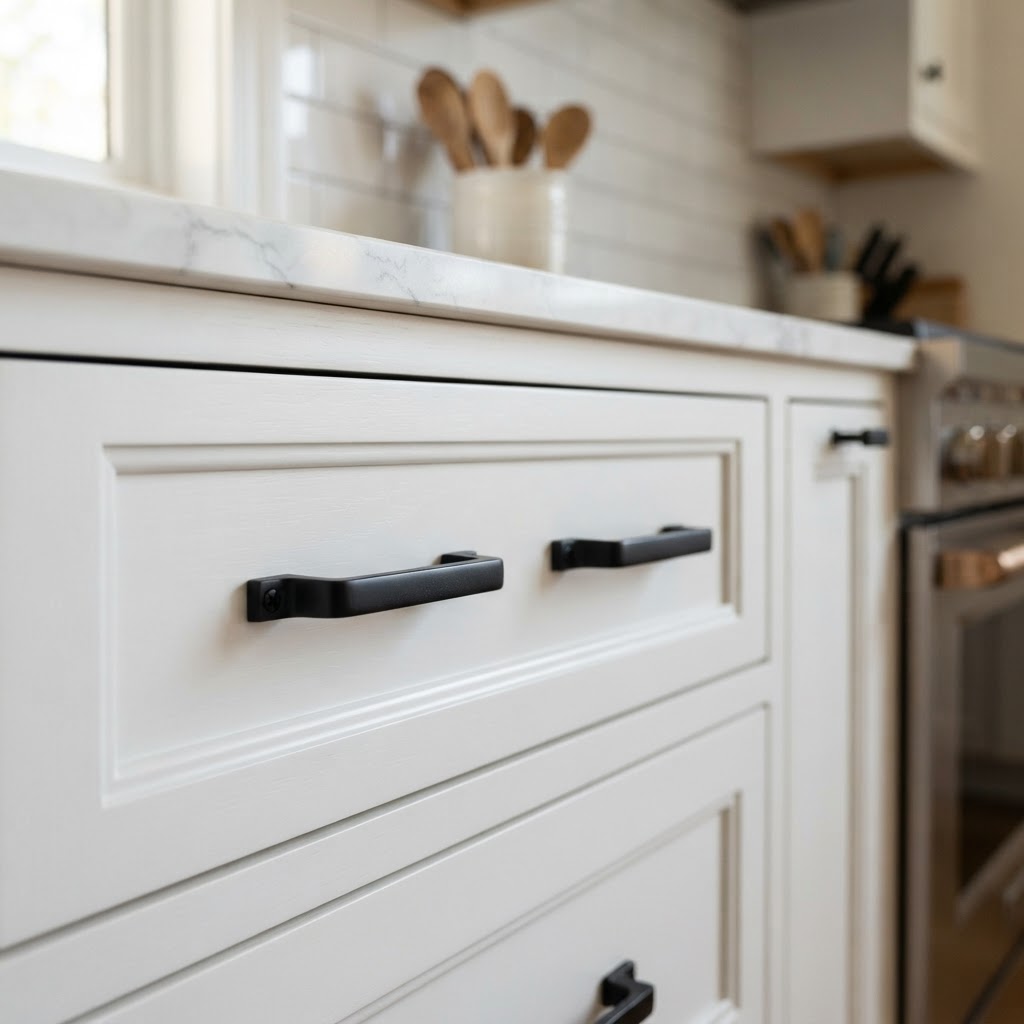
Swapping cheap plastic mini-blinds for floor-to-ceiling curtains is a high-leverage hack that instantly increases the perceived ceiling height and architectural sophistication of any room. When installing curtains, mount the rod 4 to 6 inches above the window frame or directly against the ceiling; this trick draws the eye upward, making standard 8-foot ceilings appear much taller.
Select heavy, high-quality fabrics like linen blends, cotton velvet, or weighted polyester-silk to achieve a professional finish. Using a double curtain rod—placing sheer panels closest to the window and heavy, opaque drapes on the outside—allows you to control privacy while maintaining a lush, layered look. Ensure the fabric width is at least 2 to 2.5 times the width of the window to ensure the drapes look full and expensive, rather than thin and stretched.
Upgrading Hardware and Fixtures
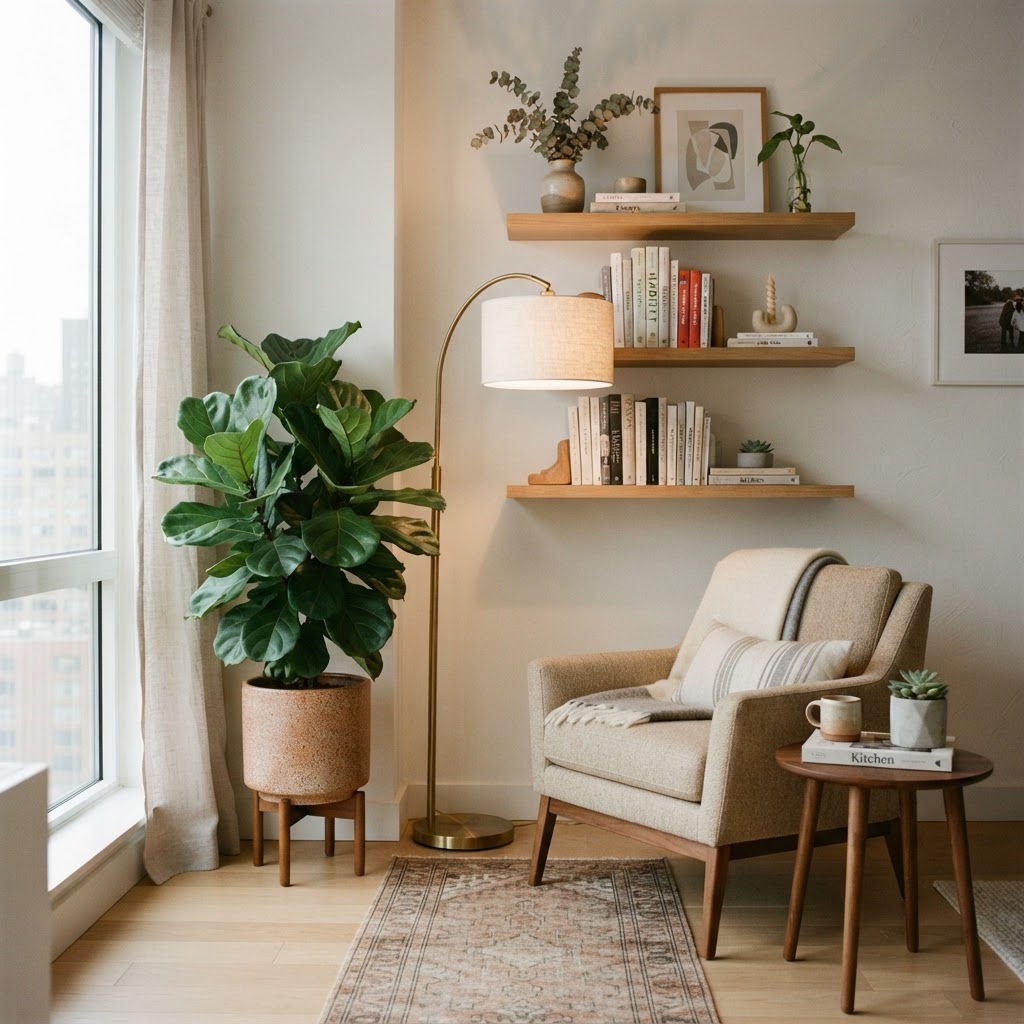
Kitchen and bathroom hardware in rentals is usually basic, but you can swap these for high-quality alternatives in minutes using only a screwdriver. Replacing standard chrome pulls with brushed gold, matte black, or oil-rubbed bronze hardware provides an immediate visual upgrade that makes cabinets appear custom-built. Always store the original pieces in a Ziploc bag taped inside the vanity to ensure your full security deposit return.
Consider upgrading to a pull-down kitchen faucet or a high-arc bathroom faucet. Modern models are often available for under $100 and can be installed without professional plumbing help in many cases, provided you keep the original unit. These tactile, high-touch points are what guests notice first when entering your kitchen or bathroom, and they contribute significantly to the perceived “quality” of the entire unit.
Curating Your Furniture Layout
Furniture arrangement determines the flow of a room; in small spaces, floating your furniture away from the walls is the hallmark of sophisticated, intentional design. Most renters push furniture against the perimeter, which creates an empty “dead zone” in the center that feels like a waiting room. Pulling the sofa forward, even just 6 inches, adds airiness and allows for better traffic flow.
Anchor your living area with a large, appropriately sized area rug; a common mistake is using a rug that is too small, which visually shrinks the room. Aim for at least an 8×10 rug in a standard living space so the front legs of all furniture pieces can sit on it. When choosing furniture, prioritize pieces with exposed legs. By allowing the floor to be seen beneath the furniture, you reduce the “visual weight” of the items, making the floor area appear larger than it actually is.
Utilizing Vertical Space and Mirrors
When square footage is limited, look up and utilize your vertical surfaces to draw the eye away from the narrow floor footprint. Floating shelves offer a clean way to display curated decor without sacrificing square footage, but be sure to keep them organized—over-cluttering leads to a messy aesthetic rather than a luxurious one. Aim to leave 20% of shelf space empty for a “breathable” look.
Mirrors are the oldest trick in the book for expanding space, but the secret is in the placement. Hang a large-scale mirror opposite a window to capture and bounce natural light throughout the room, effectively doubling the brightness. For a high-end look, avoid frameless mirrors and opt for oversized pieces with metallic or architectural frames that anchor the room as a true focal point.
Incorporating Textures and Art
Monochromatic rooms look expensive only when they utilize a variety of textures; without texture, a room feels flat and uninspired. Combine high-contrast materials such as a jute rug beneath a soft velvet sofa, or wool throw pillows paired with silk curtains. This layering creates depth and tactile interest that signals a professional, intentional design approach.
Art placement should follow the 57-inch rule: the center of your artwork should be roughly 57 inches from the floor, which is the standard eye-level for museum galleries. Avoid scattered, small pieces, which can make a wall look cluttered. Instead, commit to one large-scale oversized print or a cohesive gallery wall with uniform frames, which gives the space a sense of permanence and intentionality.
Adding Life and Greenery
Plants are a cost-effective way to add organic life to a sterile rental environment. Choose “architectural” plants like a fiddle leaf fig, snake plant, or bird of paradise, which grow vertically and serve as living sculptures. The container is just as important as the plant itself; replace basic plastic nursery pots with heavy ceramic, terracotta, or woven baskets to elevate the look from “temporary” to “designed.”
Affordable Renter Hacks Checklist
- Replace generic hardware in the kitchen and bath with modern metals.
- Hang floor-to-ceiling curtains 4-6 inches above the window frame.
- Invest in an 8×10 or larger area rug to anchor furniture.
- Swap overhead lighting for statement floor lamps.
- Add floor-length mirrors to reflect natural light.
- Style bookshelves with 20% negative space.
- Use large-leafed plants in heavy ceramic pots.
FAQ
Can I make a rental look expensive without permanent renovations?
Yes, you can significantly elevate your rental’s aesthetic by focusing on non-permanent, “swappable” upgrades like changing cabinet pulls, adding floor-to-ceiling curtains, and incorporating strategic layered lighting. These items can be easily removed and packed up when you move out, ensuring you keep your full security deposit while upgrading the space.
How do I make a small room feel larger?
To make a small room feel larger, prioritize furniture that shows the floor, such as pieces with raised legs, and use a large area rug to define the space rather than several small ones. Additionally, hanging large mirrors and using light, neutral colors will help bounce light around, creating an airy, open feel.
What is the best way to handle rental lighting?
The best approach for rental lighting is to avoid the standard “big light” and instead layer your space with at least three smaller light sources, such as floor lamps, table lamps, and sconces. Using warm-toned bulbs (2700K-3000K) is critical for creating a luxurious, comfortable atmosphere instead of a clinical one.
Where should I hang my curtain rods?
Always hang your curtain rods as high as possible—ideally 4 to 6 inches above the window frame or directly touching the ceiling. This draws the eye upward and creates an illusion of higher ceilings, which is a classic interior design technique used to make rooms feel more grand and custom.
How many plants are too many for a small space?
In a small space, prioritize quality over quantity by selecting one or two large, sculptural plants rather than dozens of tiny ones. This prevents the room from feeling cluttered and allows the greenery to serve as a high-end focal point that enhances the room’s overall architecture.

Leave a Reply