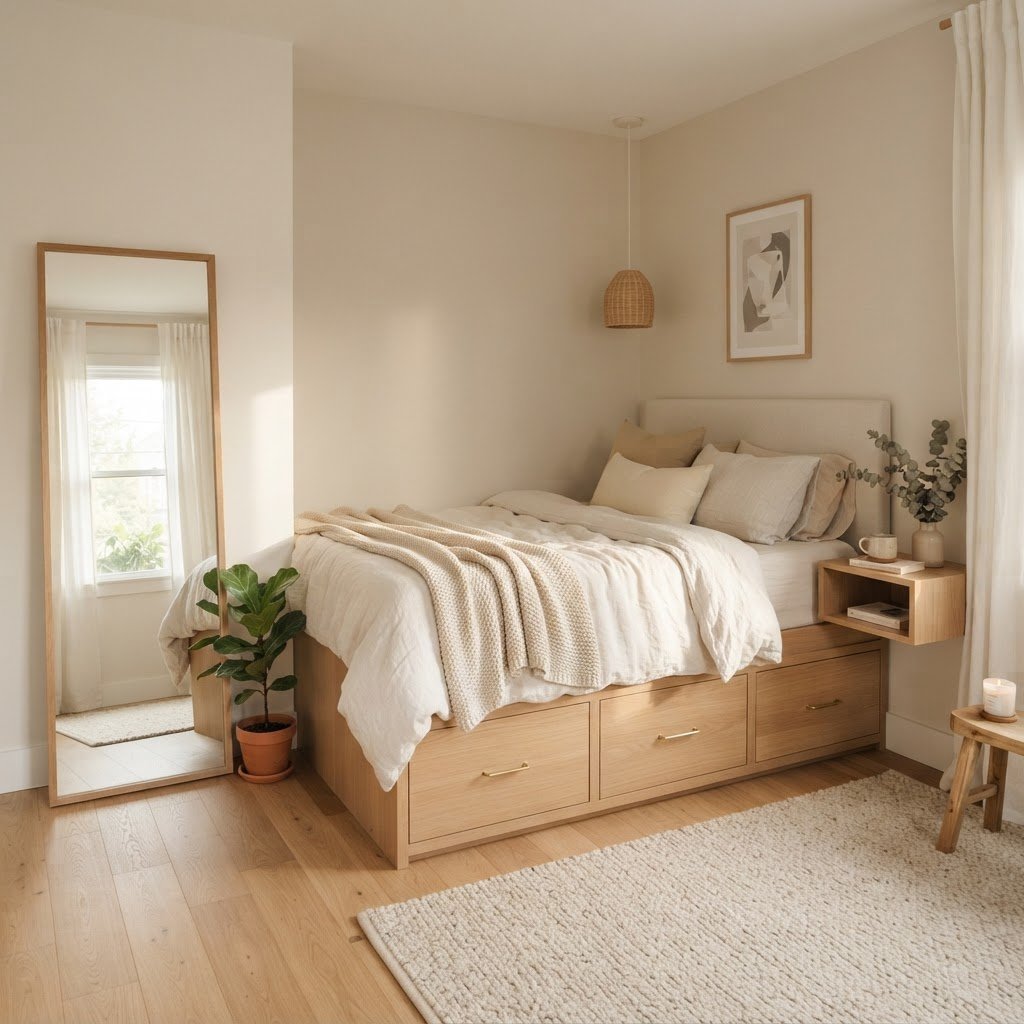
Living in a cramped room does not mean you have to sacrifice your personal style or comfort. If you are struggling to make your space feel like a sanctuary, incorporating clever aesthetic ideas for small bedrooms can completely shift the energy of your living environment. Whether you are dealing with a tiny studio apartment or a cozy spare room, the goal is to balance visual appeal with absolute functionality. By selecting furniture that earns its keep and utilizing vertical space effectively, you can turn even the smallest room into a retreat.
Rethinking Your Floor Plan for Maximum Utility
The foundation of any successful small room design is the floor plan. Before you buy new furniture, look at the flow of your room. Many people make the mistake of pushing all their furniture against the walls, which can actually make a small room feel boxed in. Instead, try pulling your bed slightly away from the wall to create a more sophisticated, hotel-like feel.
The Power of Multi-Functional Furniture
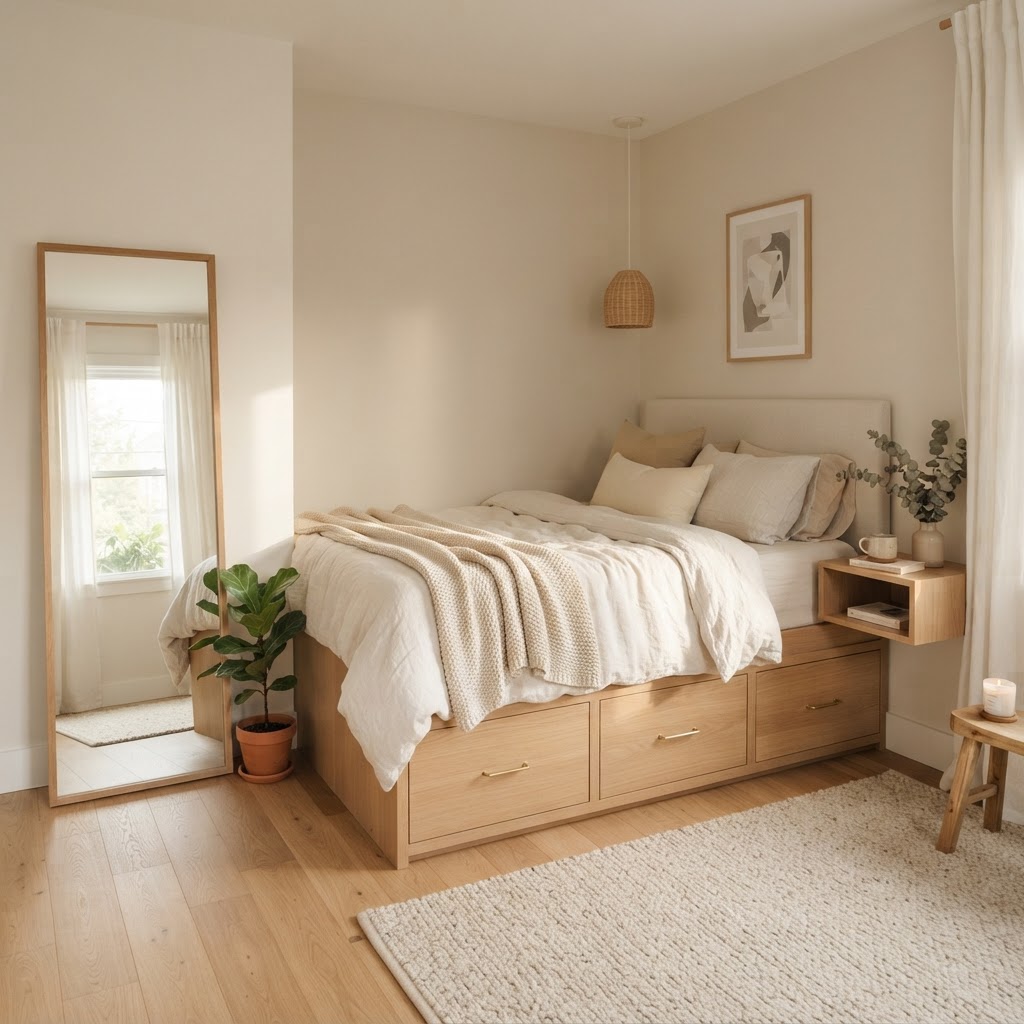
When square footage is a luxury, every piece of furniture must serve more than one purpose. Think about your bed frame: is it just a place to sleep, or could it be a storage unit? Bed frames with built-in drawers are a game-changer for those who need to store seasonal clothing or extra linens without cluttering the closet.
- Ottoman storage: Use a stylish velvet ottoman at the foot of your bed to store blankets.
- Wall-mounted desks: A folding desk keeps floor space clear when you are not working.
- Nightstand shelves: Floating nightstands free up the floor, making the room appear larger.
Light and Color: The Visual Expansion Trick
Color psychology plays a massive role in how we perceive the size of a room. To make a small bedroom feel open and airy, lean into a lighter color palette. Whites, soft creams, and pale grays reflect natural light better than dark colors, essentially tricking the eye into believing the walls are further apart than they actually are.
Creating Depth with Texture
While a light color scheme is a standard recommendation, avoid making the room feel like a cold hospital ward. You can maintain a cozy aesthetic by layering textures. A chunky knit throw, a linen duvet cover, or a sisal rug can add personality and depth. These elements contribute to the overall vibe of aesthetic ideas for small bedrooms without adding visual weight to the room.
Maximizing Vertical Space Through Creative Storage
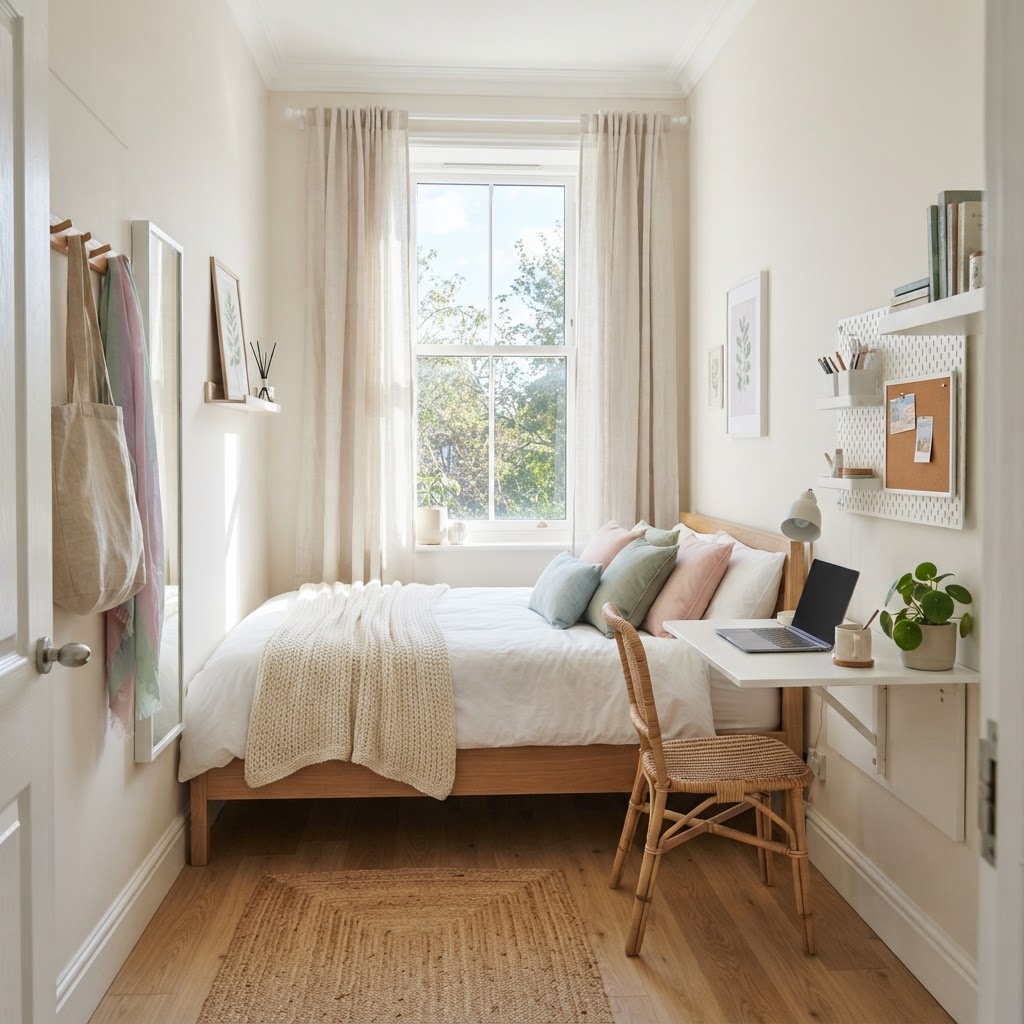
When your floor is full, look up. Walls are your best friend when it comes to organizing a tiny space. Installing shelves above your door frame or using wall-mounted garment racks can free up valuable closet space and floor room. This approach turns your storage into part of your decor, allowing your favorite bags or books to double as styling pieces.
Vertical Gallery Walls
Art is not just for large homes. By grouping smaller frames vertically, you draw the eye upward, highlighting the ceiling height rather than the lack of floor width. This simple design technique makes the room feel taller and more curated, adding to the overall aesthetic appeal of your personal sanctuary.
The Art of Minimalist Decorating
Minimalism is often misunderstood as having nothing, but in the context of small rooms, it is really about intentionality. Only keep items that serve a purpose or bring you genuine joy. Clutter is the enemy of a small bedroom, so prioritize hidden storage solutions that keep surfaces clean and clear.
Selecting the Right Lighting
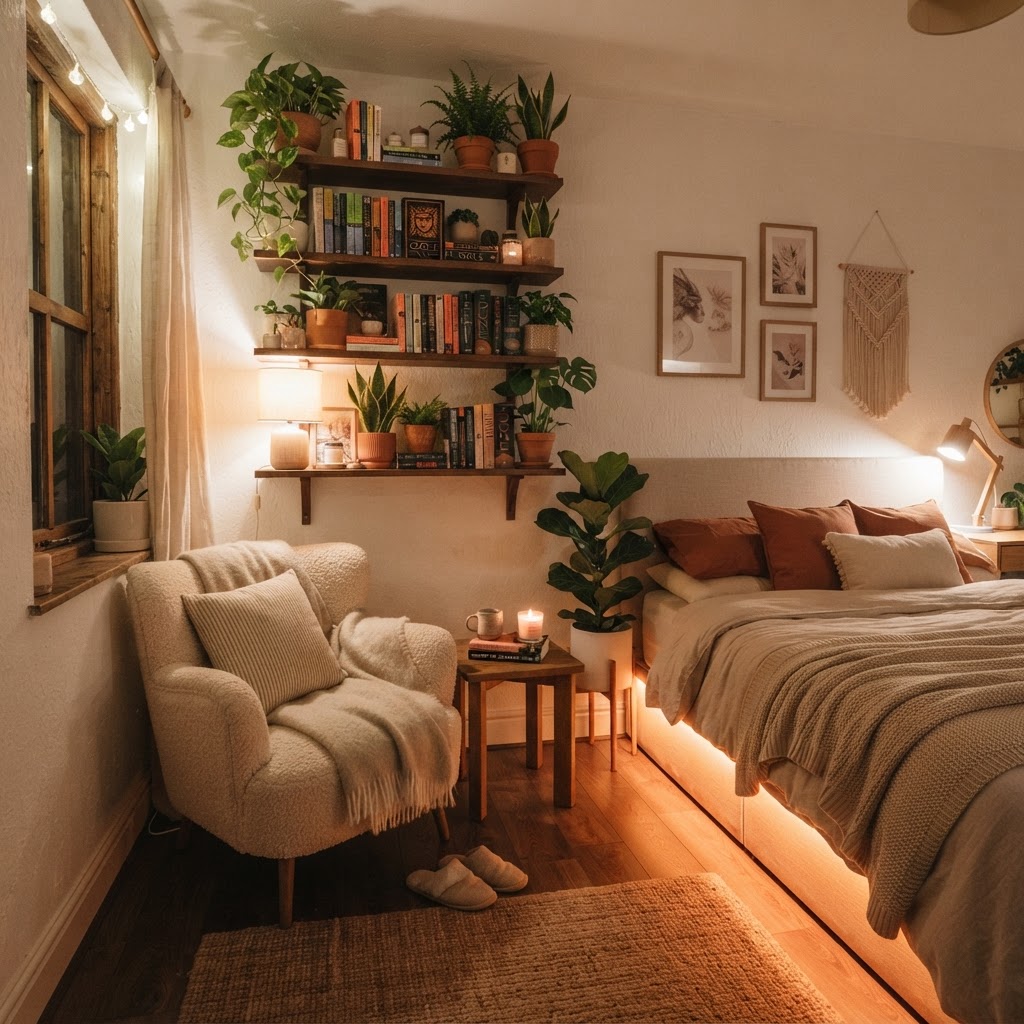
Lighting can transform a room from a storage closet into an aesthetic oasis. Instead of a single, harsh overhead light, layer your lighting. Use a floor lamp for height, a small table lamp for task lighting, and LED strips behind your headboard for a dreamy, ambient effect. Dimmable lights are particularly effective, allowing you to change the mood of the room instantly.
Cozy Nooks and Window Treatments
Never underestimate the power of window treatments. Hanging your curtain rods closer to the ceiling rather than just above the window frame can make your windows look larger and your ceilings appear higher. Use light, translucent fabrics to allow sunlight to stream in while still providing necessary privacy.
Creating a Reading Corner
Even in a tiny room, you can carve out a dedicated space for relaxation. A small armchair tucked into a corner with a floor lamp creates a micro-environment for reading or meditation. This small addition makes the bedroom feel more like a multi-purpose suite rather than just a place to lay your head.
Mirrors as Architectural Tools
Mirrors are the oldest trick in the interior designer’s playbook, yet they remain one of the most effective aesthetic ideas for small bedrooms. A large floor-length mirror leaning against a wall or a series of smaller mirrors arranged as an art piece will bounce light throughout the room. This makes the space look nearly twice its actual size and adds a touch of glamour to your decor.
The Placement Matters
Position your mirror opposite a window whenever possible. By capturing the natural light and reflecting it back into the room, you brighten dark corners and create a beautiful view that extends the visual boundaries of your space. It is a simple, cost-effective upgrade that requires no construction.
Essential Habits for Maintaining Your Small Space
Even the best design will fail if you do not keep up with maintenance. A small room gathers clutter significantly faster than a large home. Adopt a ‘one in, one out’ policy for decor items and clothing to ensure your space stays curated. Regularly evaluate what you own to keep your environment peaceful and conducive to rest.
Conclusion
Designing a small room does not mean you have to settle for basic or boring interiors. By utilizing these aesthetic ideas for small bedrooms, you can create a space that feels expansive, stylish, and perfectly tailored to your needs. Start by decluttering, invest in multi-functional furniture, and don’t be afraid to experiment with lighting and mirrors to find what works best for your layout. Your bedroom should be your happy place, no matter how many square feet it covers. Which of these design tips are you going to try first? Share your favorite transformations in the comments below!

Leave a Reply