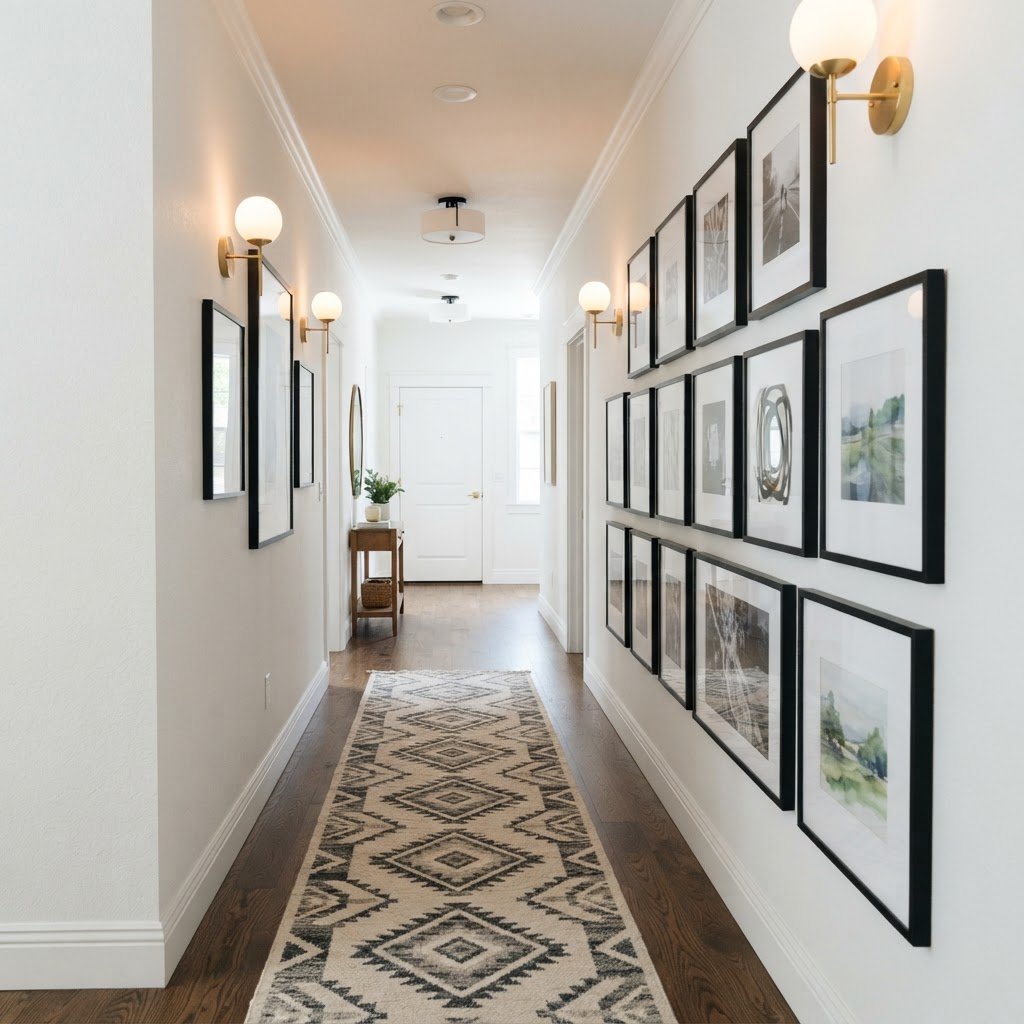
Most homes have a transit space that gets overlooked. You walk through it a dozen times a day, but you likely never stop to appreciate it. When you learn how to make a narrow hallway feel intentional, you stop seeing it as just a cramped path and start seeing it as a valuable design opportunity. A well-curated hallway sets the tone for the rest of your home, bridging the gap between your living spaces with purpose and style.
Rethink the Floor and Walls
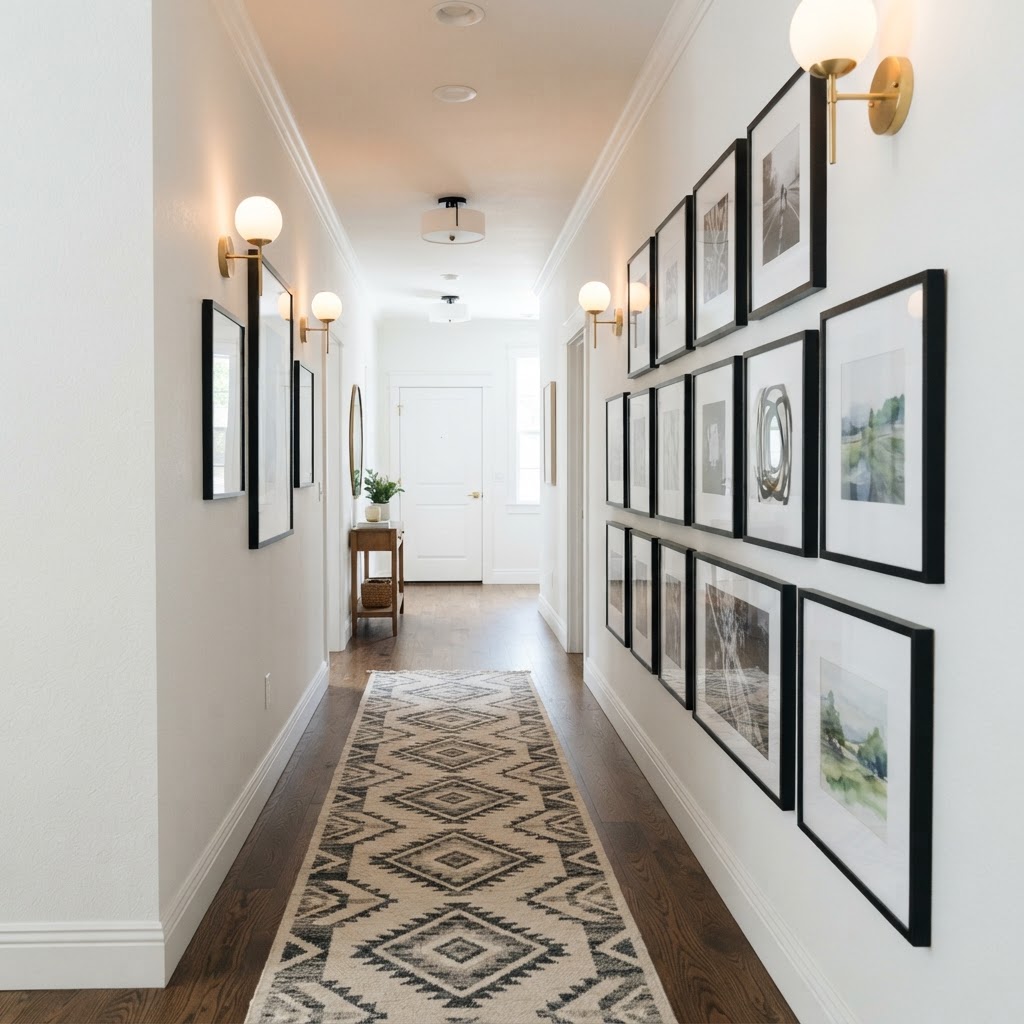
The foundation of any intentional design begins with the architectural elements. In a tight space, the walls and floors are your most prominent features, and how you treat them dictates the entire mood. Dark colors can feel sophisticated in a narrow space if you embrace the moodiness, but light, reflective colors will naturally push the walls outward visually.
Choosing the Right Flooring
When choosing flooring for a narrow corridor, directional patterns are your best friend. A runner rug with a striped pattern running parallel to the length of the hall will draw the eye forward, making the space feel longer and more deliberate. Avoid busy, chaotic patterns that can make a tight area feel cluttered and claustrophobic.
Wall Treatments That Add Depth
Texture is the secret ingredient for narrow hallways. Consider vertical shiplap or beadboard to draw the eye upward, increasing the perceived ceiling height. If you prefer wallpaper, a subtle texture or a small-scale geometric print adds character without overwhelming the senses. The key is consistency; let the wall treatment flow uninterrupted to create a cohesive look.
Mastering Hallway Lighting
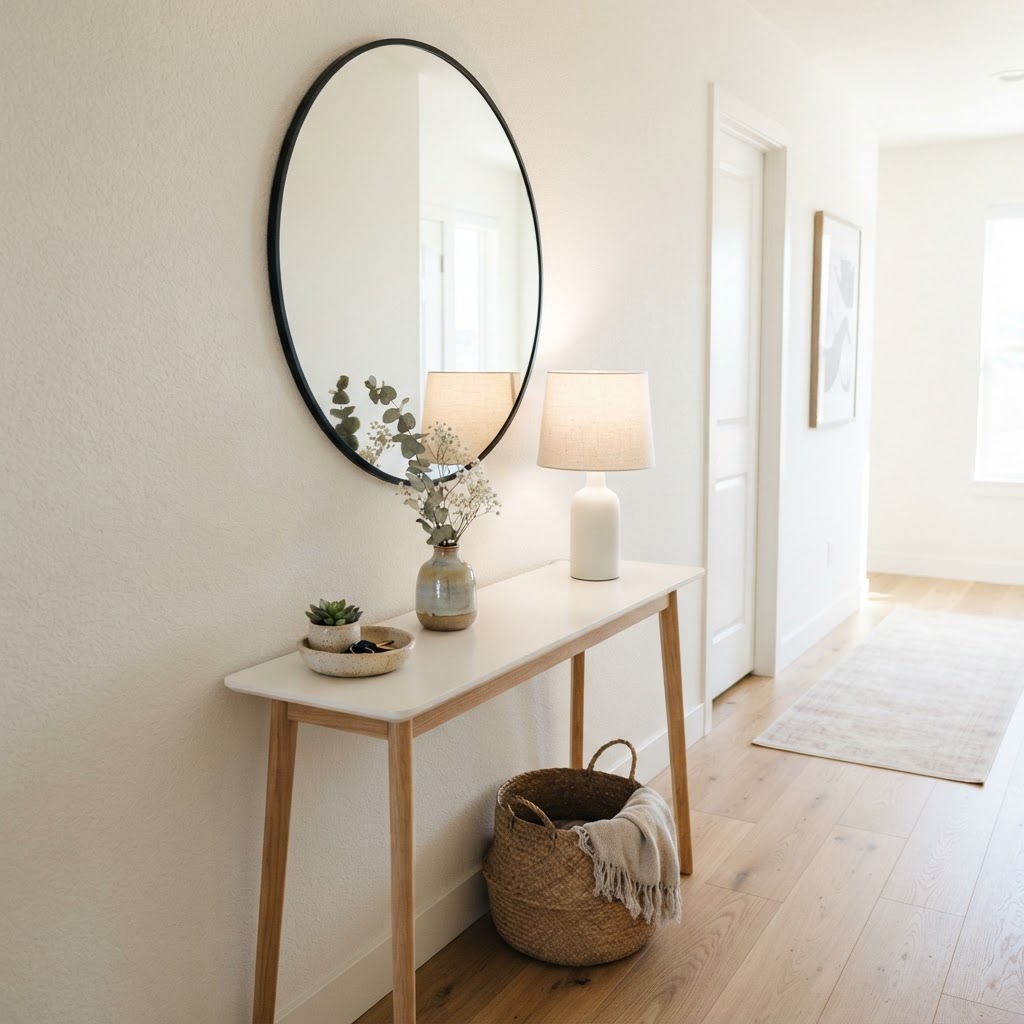
Lighting is perhaps the most critical factor when determining how to make a narrow hallway feel intentional. A single flush-mount light in the center of the ceiling is a recipe for shadows, which makes any space feel like an afterthought. You want to create layers of light that invite you into the space rather than pushing you through it quickly.
The Power of Wall Sconces
Wall sconces are the ultimate tool for narrow corridors because they provide task and ambient lighting without taking up valuable floor space. Space them evenly along the length of the hallway to create a rhythm that guides the eye. Choose fixtures that have a sleek, low profile so they don’t protrude too far into the walking path.
Creating Ambient Glows
If hardwiring is not an option, battery-operated LED sconces or slim plug-in floor lamps can provide a similar effect. Dimmable bulbs allow you to control the atmosphere, turning a utilitarian passage into a soft, glowing art gallery at night. The goal is to avoid “tunnel vision” by ensuring light is evenly distributed along the walls.
Creating a Gallery Effect
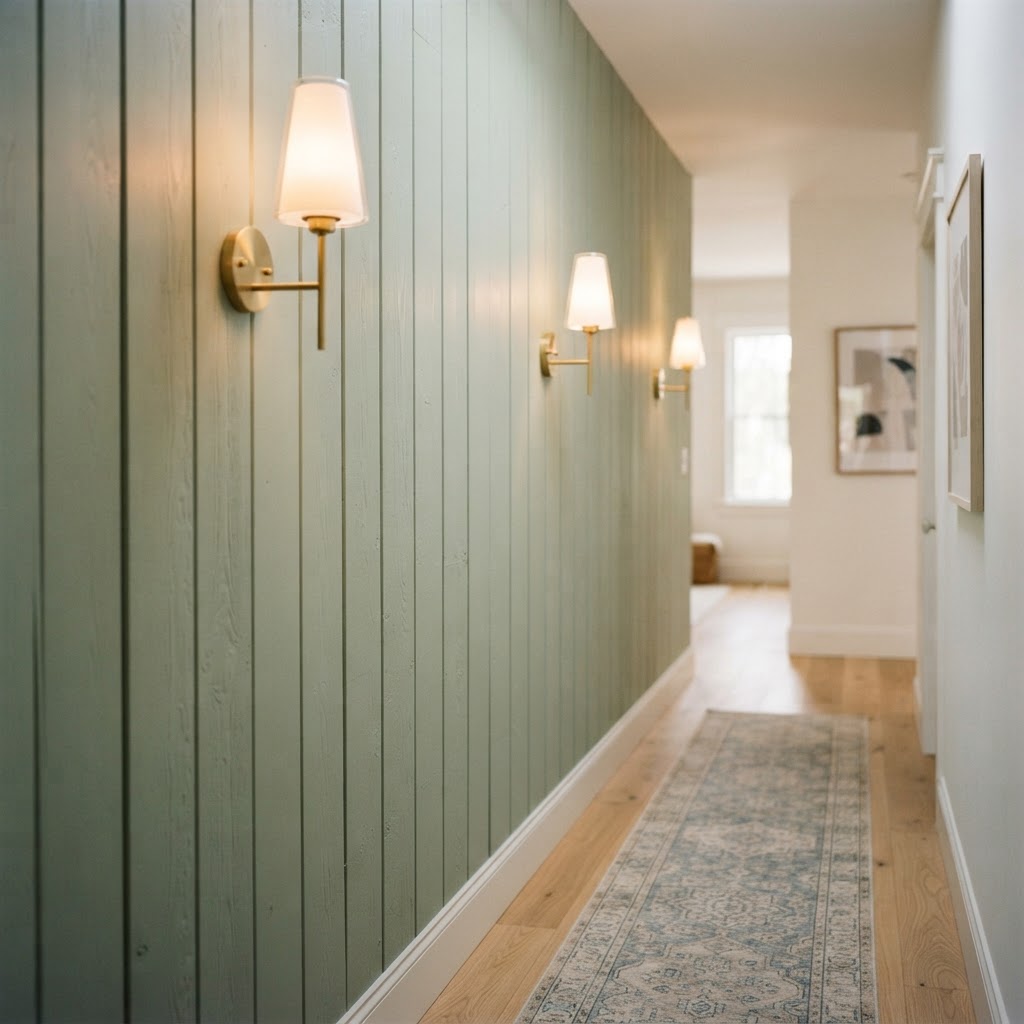
Art is the simplest way to add personality to a neglected area. Because you rarely stand in a hallway to admire art, the best approach is to create a cohesive gallery that you can appreciate while walking past. Intentionality comes from the organization and spacing of your frames.
Gallery Wall Best Practices
To make a collection feel intentional rather than haphazard, unify the frames with a consistent color or material. Matting your artwork with uniform white or cream mats also creates a clean, professional look that breathes air into a tight space. Hang the artwork at eye level to ensure it is the focal point of the transition.
Functional Storage Solutions
Often, hallways are neglected because we don’t think they have a purpose beyond movement. However, integrating subtle functionality can change how you perceive the space. The trick is to keep storage slim, streamlined, and purposeful so that it doesn’t impede traffic flow.
Slim Consoles and Benches
If width permits, a console table that is only 10 to 12 inches deep provides a perfect surface for a catch-all tray, a vase of flowers, or a lamp. A wall-mounted floating console is even better, as keeping the floor visible beneath it makes the floor area seem larger. If you need seating, look for a slim bench that can be tucked completely against the wall.
Hidden Storage Hooks
Decorative hooks can serve a dual purpose as both functional storage for coats or bags and as an architectural element on the wall. When not in use, choose sculptural or high-quality metal hooks that double as wall jewelry. This keeps the space looking clean, organized, and intentionally styled rather than cluttered.
The Role of Mirrors and Reflection
Mirrors are the oldest trick in the designer’s book for expanding small spaces, but in a narrow hallway, they must be used strategically. A large, oversized mirror placed at the end of a hallway can create the illusion of an opening, effectively doubling the length of your corridor. It draws the eye all the way through, which prevents the sense of a dead end.
Strategic Mirror Placement
Placing mirrors opposite sconces or art is another effective strategy. This reflects the decorative elements and doubles the light output without needing additional electrical work. Ensure the mirror’s frame complements the other finishes in your home, such as your hardware or light fixtures, to maintain a unified design narrative.
Bringing in Nature and Texture
To prevent a hallway from feeling sterile, you must incorporate elements that feel alive. While large floor plants are rarely feasible in a narrow space, vertical gardening and botanical accents are perfect alternatives. Plants add a vibrant pop of color and a softness that contrasts with the hard lines of the hallway walls.
Living Wall Art
Consider mounted wall planters for low-light plants like pothos or ivy. These add life without occupying any floor space. If natural light is completely absent, high-quality faux botanicals can serve the same purpose. The intentionality comes from the maintenance; ensure they remain dust-free and lush to keep the space looking cared for.
Conclusion: Your Hallway as an Intentional Space
Learning how to make a narrow hallway feel intentional is a journey of small, thoughtful decisions rather than a total renovation. By treating your hallway with the same care as your living room or bedroom, you elevate the entire home. Whether it is through a series of wall sconces, a curated gallery wall, or a simple runner rug that adds texture, you can transform these overlooked transit zones into beautiful, purposeful highlights.
Stop viewing your hallway as merely a place to pass through and start styling it as a destination in itself. Pick one of the tips from this guide, start small, and watch as your home’s character begins to shift. Ready to give your hallway the upgrade it deserves? Start by clearing the clutter and adding one layer of lighting today!

Leave a Reply