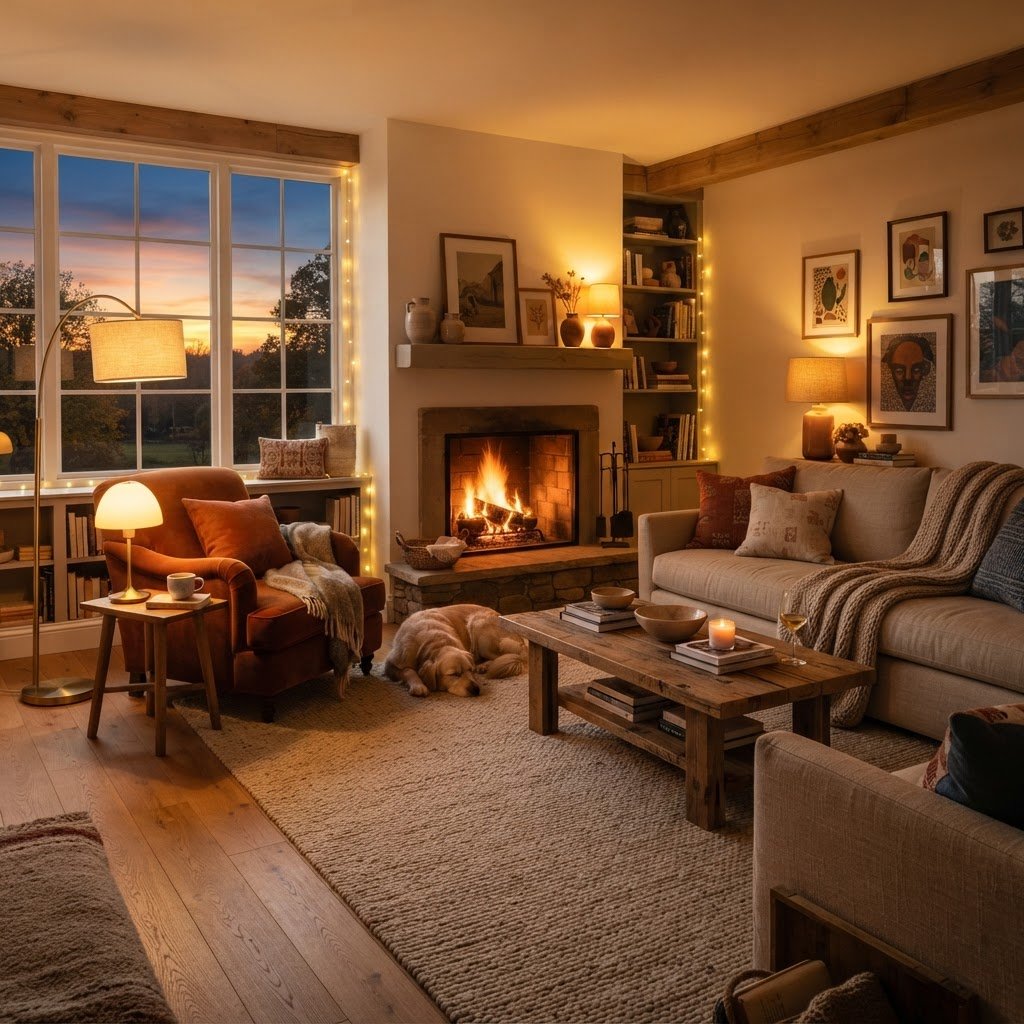
The quest for the perfect home environment often starts with a single light switch. Choosing between warm white vs orange glow can completely alter the way your living room, bedroom, or kitchen feels at the end of a long day. While cool lights are functional for tasks, the secret to a truly inviting home lies in the embrace of warmer color temperatures that mimic the soft, flickering light of a sunset or a crackling fire.
The Psychology of Home Lighting
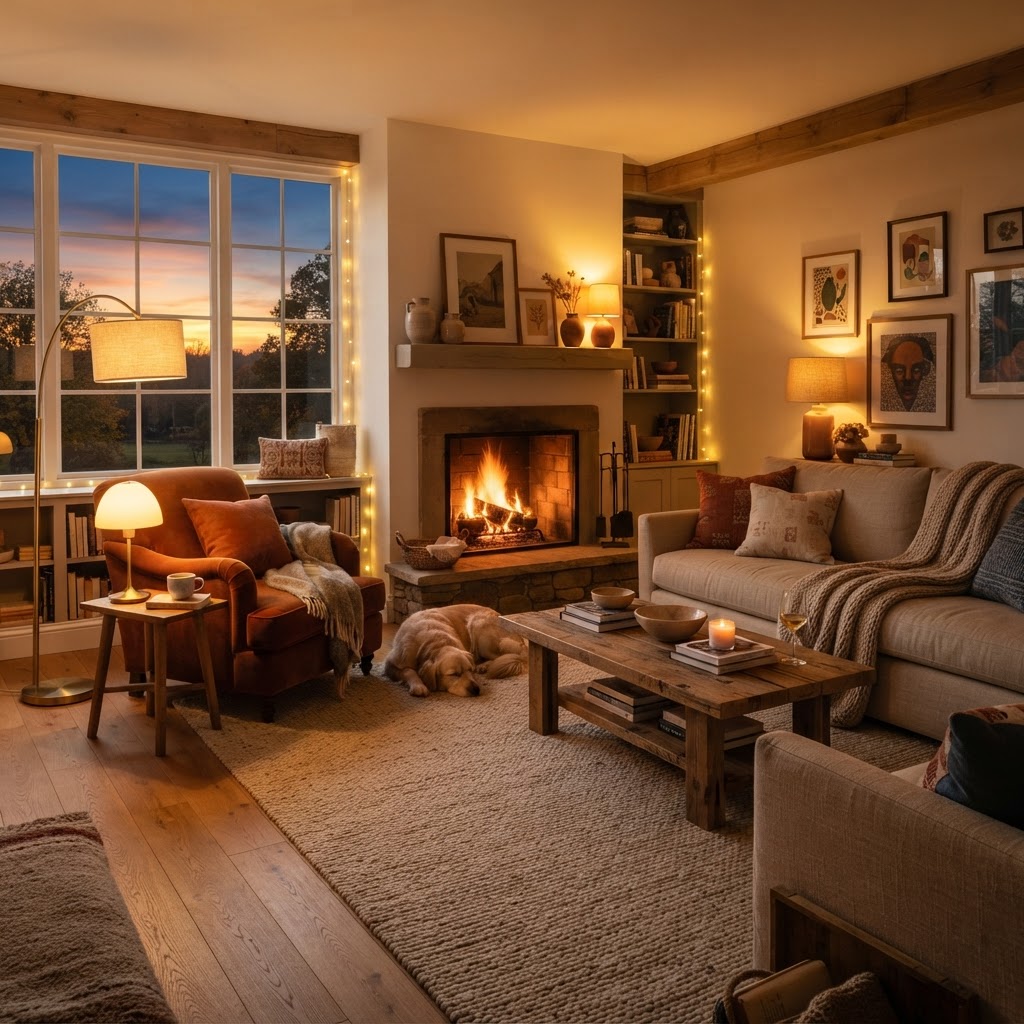
Light is more than just visibility; it is a biological signal that dictates our mood and energy levels. When you compare warm white vs orange glow, you are essentially choosing between productivity and relaxation. Warm white light, typically found in the 2700K to 3000K range, provides a soft, yellow-toned illumination that feels welcoming and natural to the human eye. It softens the sharp edges of your furniture and adds depth to your interior design.
Orange-toned light, which dips closer to 2000K or 2400K, leans into the nostalgia of candlelight and fireside evenings. This type of light is deeply associated with rest because it signals to our brains that it is time to wind down. By choosing the right spectrum, you can turn a cold, sterile house into a sanctuary of peace. Understanding this psychology is the first step toward mastering your home aesthetic.
Understanding Color Temperature (Kelvins)

To become an expert at selecting bulbs, you must understand the Kelvin (K) scale. The higher the number, the ‘cooler’ or bluer the light appears, whereas lower numbers represent warmer, ‘cozier’ light. For a cozy home, you want to stay in the lower end of this spectrum to maintain that soothing ambiance.
Why 2700K is the Sweet Spot
Most interior designers agree that 2700K is the gold standard for residential spaces. It is warm enough to feel comfortable, yet bright enough to read by without straining your eyes. It is the perfect balance for most households looking to avoid the overly clinical look of standard office lighting.
The Allure of 2200K for Mood Lighting
If you are looking to create a true ‘orange glow’ effect, look for bulbs rated around 2200K. These bulbs provide a deep, golden light that is perfect for accent lamps or wall sconces. They are not meant to light an entire room for cleaning, but they are unmatched for creating an intimate atmosphere during a movie night or a romantic dinner.
Warm White vs Orange Glow: A Side-by-Side Comparison
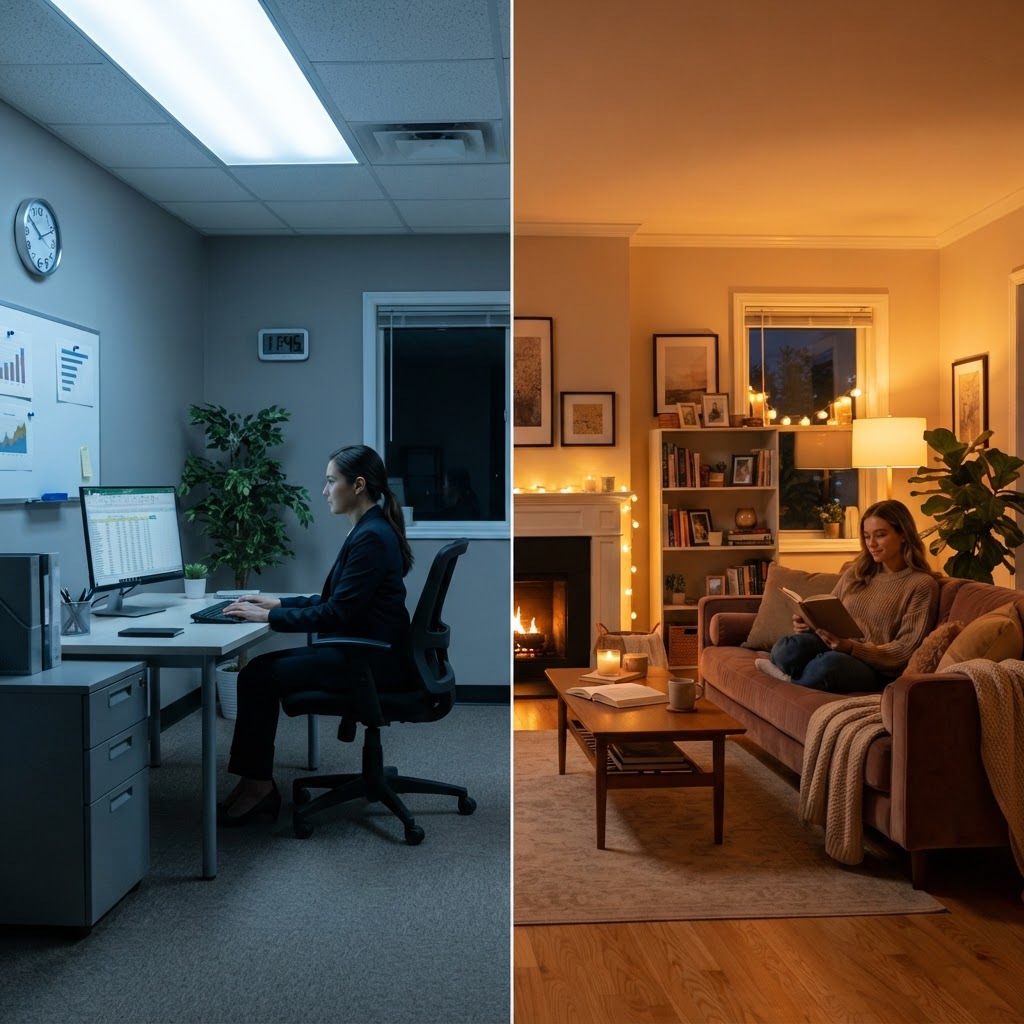
Choosing the right lighting is often about deciding on the function of the room. Warm white is versatile, while orange glow is purely atmospheric. Consider the following table to help you decide which is better for your specific needs.
| Feature | Warm White (2700K-3000K) | Orange Glow (2000K-2400K) |
| :— | :— | :— |
| Primary Vibe | Cozy and welcoming | Intimate and nostalgic |
| Best Use | Living rooms, hallways, kitchens | Bedroom, accent lamps, evening lounge |
| Brightness | Sufficient for general tasks | Best for ambient glow |
| Mood Impact | Promotes comfort and safety | Encourages rest and relaxation |
How to Layer Your Lighting Like a Pro
One of the biggest mistakes homeowners make is relying on a single, harsh ceiling light. To master the art of cozy interiors, you must layer your lighting. This means combining ambient, task, and accent lighting to create depth. By mixing light sources, you can easily shift from a productive afternoon to a cozy, dimly lit evening.
Ambient Lighting Basics
Ambient light acts as the foundation of your room. Using warm white LED bulbs in your overhead fixtures ensures that the entire space feels unified and warm. However, you should never have this as your only source of light. It should act as the ‘base coat’ upon which you build more specialized lighting choices.
The Power of Task Lighting
Task lighting is meant for specific activities like reading or cooking. While you might want an orange glow in your living room, you may prefer a slightly crisper warm white in your kitchen to see what you are chopping. Always ensure your task lights are positioned to avoid glare, keeping them directed toward your workspace rather than your eyes.
Choosing the Right Fixtures for Your Glow
Once you have selected your bulbs, the fixtures themselves play a massive role in how that light is diffused. A glass shade will allow for a bright, clean output, while a fabric lamp shade will soften the light, making even a white bulb feel more like an orange glow. Consider the material of your light fixtures as a filter for the color temperature.
The Role of Dimmer Switches
Installing dimmer switches is perhaps the most important tip for achieving a cozy home. Dimmers allow you to control the intensity of your warm white lighting, effectively letting you slide down into that ‘orange glow’ territory at the end of the night. It gives you total control over the atmosphere without needing to swap out your light bulbs.
Troubleshooting Common Lighting Mistakes
Many people struggle with lights that look ‘off’ even when they choose warm bulbs. This is often due to mixing color temperatures in the same space. If you have one bulb that is 2700K and another that is 5000K, the clashing light will make your home look messy. Always try to keep your bulbs within the same 500-Kelvin range for consistency.
Avoiding the ‘Clinical’ Look
If your home feels like a hospital, it is time to audit your bulbs. Look at the packaging on your existing LEDs; anything labeled ‘Daylight’ or 5000K+ should be reserved for garages or workbenches. Switch these to 2700K bulbs, and you will notice an immediate change in how your home ‘feels.’
Embracing Shadows
Cozy lighting is not just about where the light hits; it is also about where the shadows fall. Do not be afraid of dark corners. Shadows create mystery and depth, making a room feel more intimate. Place lamps in specific areas to create ‘puddles of light’ rather than lighting the room evenly from wall to wall.
Frequently Asked Questions About Home Lighting
- Can I use smart bulbs to manage color temperature? Yes, smart bulbs allow you to adjust the Kelvin temperature via an app, which is the perfect solution for those who want both warm white and an orange glow.
- Do LEDs get hot like old incandescent bulbs? No, LEDs remain cool to the touch, making them safer for use in fabric shades or near furniture.
- Should I change my lights based on the season? Many people enjoy switching to warmer, lower-Kelvin bulbs during the winter months to compensate for the lack of natural sunlight.
Conclusion: Start Your Lighting Transformation
Creating a cozy home is a journey of intentionality. By choosing between warm white vs orange glow based on your specific needs, you can curate an environment that supports your mental well-being and enhances the comfort of your living space. Start small by updating your bedside lamps or adding a dimmer to your main living room fixture. You will be amazed at how such a small change can completely redefine your home experience. Ready to make the switch? Check your current bulb temperatures today and see how much more inviting your home can feel tonight.

Leave a Reply