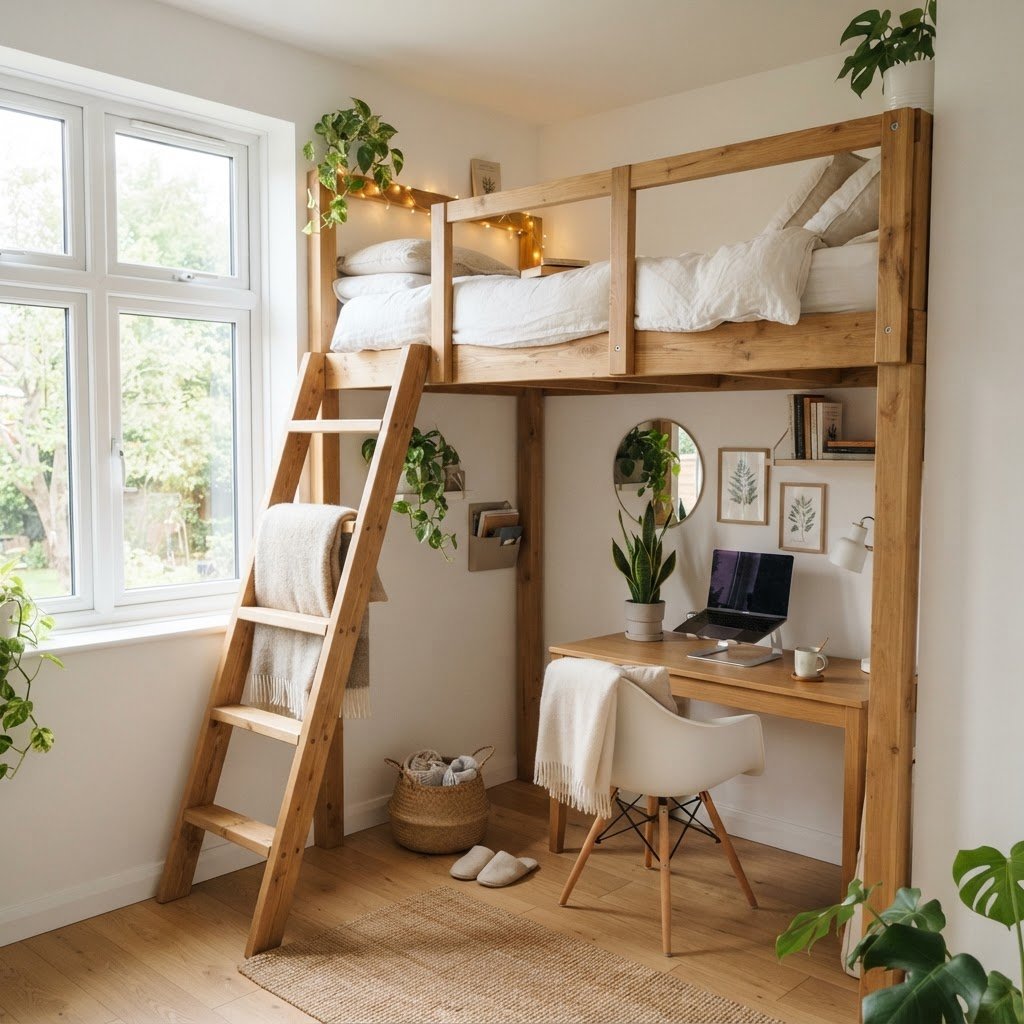
Living in a small apartment or a home with a compact floor plan often presents a unique challenge when it comes to interior design. One of the most common obstacles is discovering effective space-saving furniture placement tricks for tiny bedrooms that do not compromise on style or comfort. Whether you are dealing with a cramped studio or a secondary room that serves as a multi-purpose zone, the way you position your furniture can make or break the functionality of the environment. By rethinking traditional layouts and embracing unconventional storage solutions, you can turn your cramped sleeping area into a spacious-feeling sanctuary.
The Psychology of Small Space Design
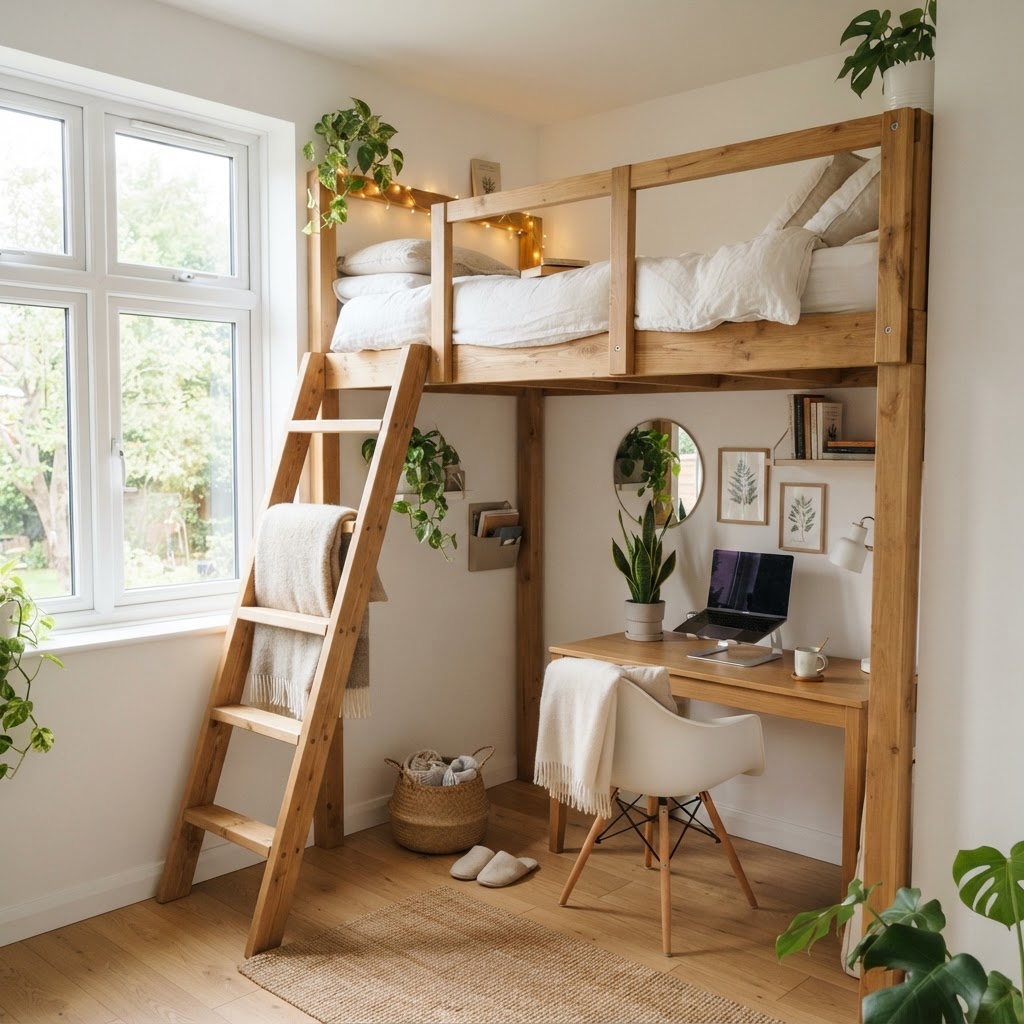
When you are working with limited square footage, the psychological impact of your layout is just as important as the physical dimensions of your furniture. A cluttered room often leads to a cluttered mind, which is the last thing you want in your personal space. The primary goal of any small bedroom design strategy is to create a visual flow that allows your eyes to travel across the room without being interrupted by large, bulky pieces of decor.
Prioritizing Traffic Flow
One of the most essential space-saving furniture placement tricks for tiny bedrooms involves prioritizing the path of movement. You should avoid placing furniture in a way that obstructs the natural walkways from the door to the bed or the closet. Keeping the center of the room as open as possible can provide an immediate sense of relief, making the bedroom feel much airier than it actually is.
The Importance of Floor Visibility
If your flooring is visible, your brain perceives the room as larger. Consider choosing bed frames with legs rather than box-style platform beds that sit flush against the floor. By seeing the expanse of the floor underneath the furniture, you effectively extend the visual boundaries of the room, which is a classic design trick used by professionals.
Maximizing Vertical Storage Potential
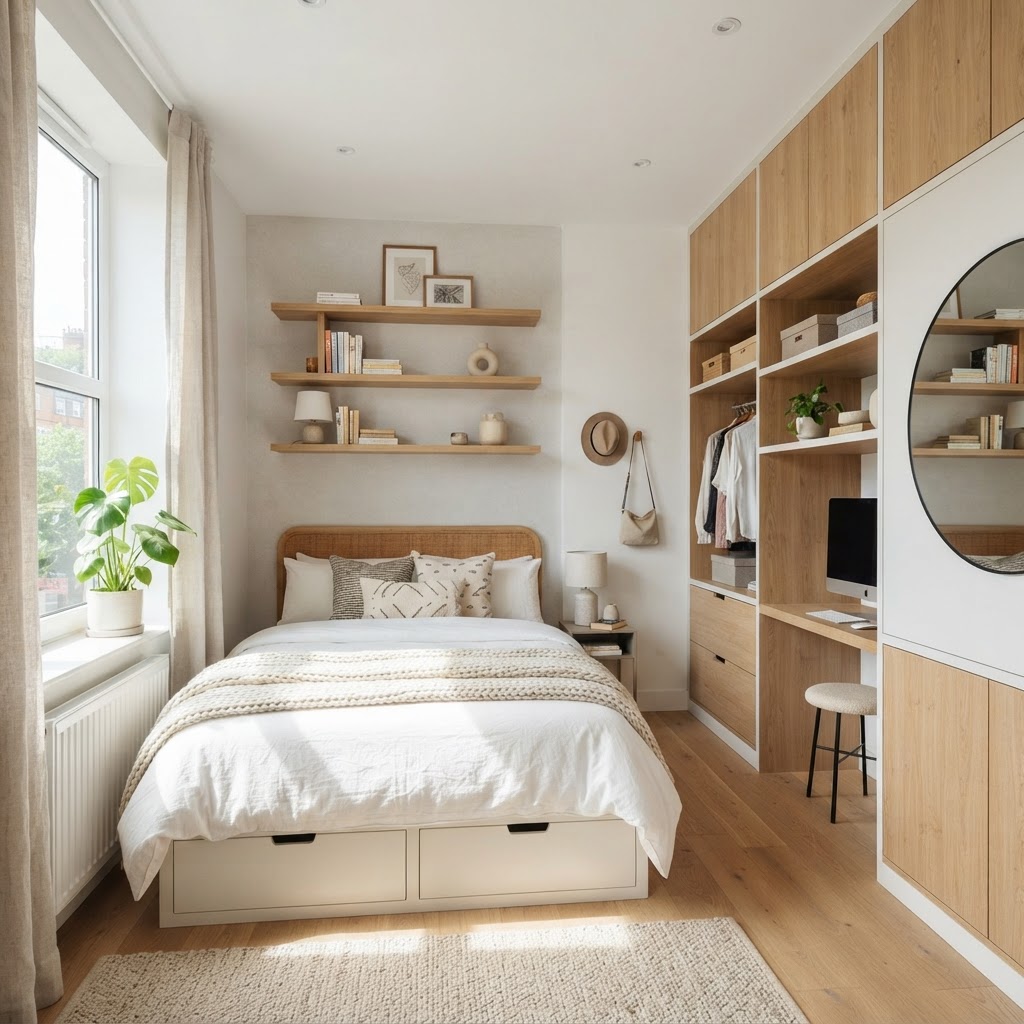
When the floor space is at a premium, the only direction you can move is up. Installing floor-to-ceiling shelving or utilizing high-wall real estate for storage units allows you to clear the floor of smaller, unnecessary items that otherwise accumulate. This approach ensures that your floor remains clear, which is the cornerstone of effective small bedroom layout ideas.
Choosing Multi-Functional Furniture
Investing in pieces that serve two purposes is a game changer. Think about ottomans that double as storage chests, or bedside tables that contain deep drawers for linens and books. By consolidating your furniture needs, you reduce the overall count of items in the room, which directly contributes to a cleaner, more organized aesthetic.
Strategic Bed Placement Techniques
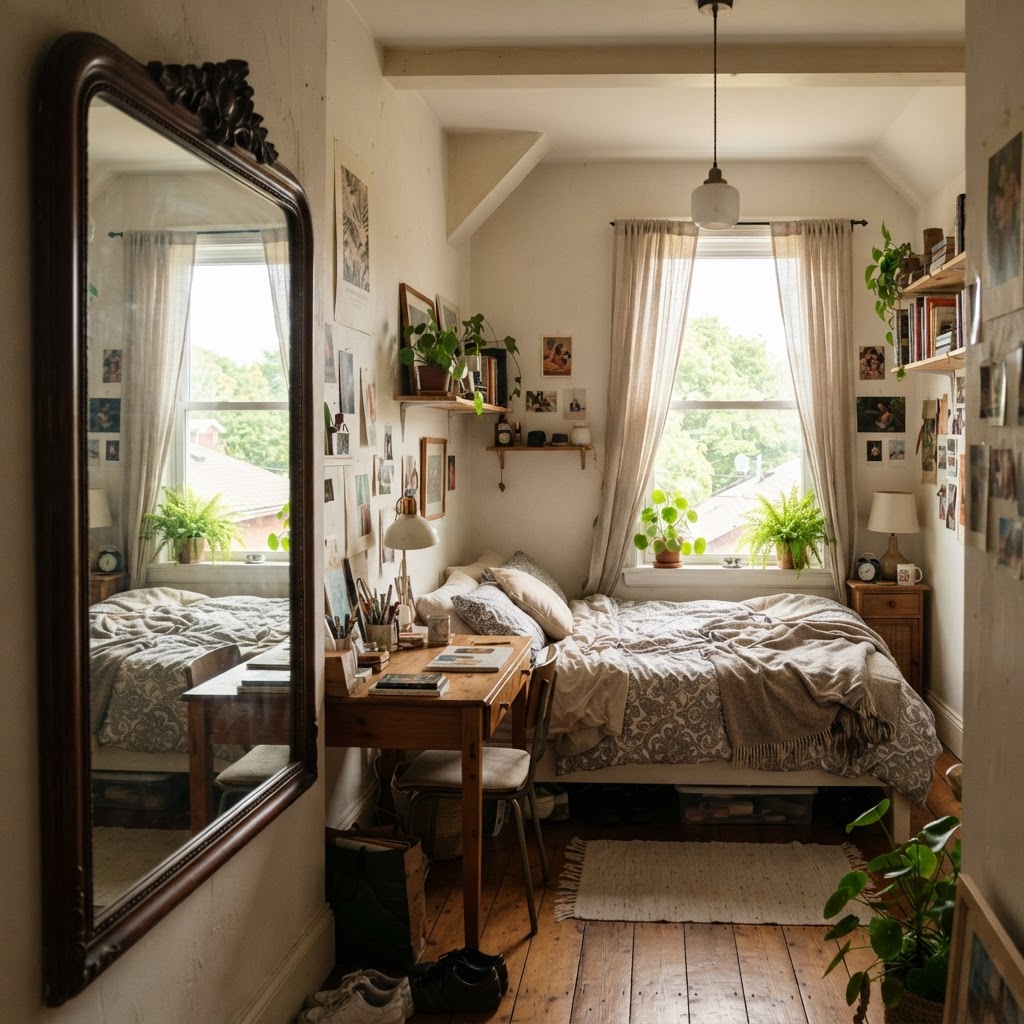
The bed is almost always the largest piece of furniture in the bedroom. In a tiny space, placing it correctly can feel like a game of Tetris. While many people believe the bed must be centered on the main wall, this isn’t always the most efficient choice for cramped rooms.
The Corner Bed Approach
In extremely tight rooms, pushing your bed into a corner can liberate a significant amount of floor space. While it might seem less conventional, this layout creates a cozy, nest-like atmosphere that works perfectly for tiny bedrooms. You can use large, plush pillows to turn the headboard and side wall into a comfortable backrest for reading or lounging during the day.
Lighting and Mirror Illusions
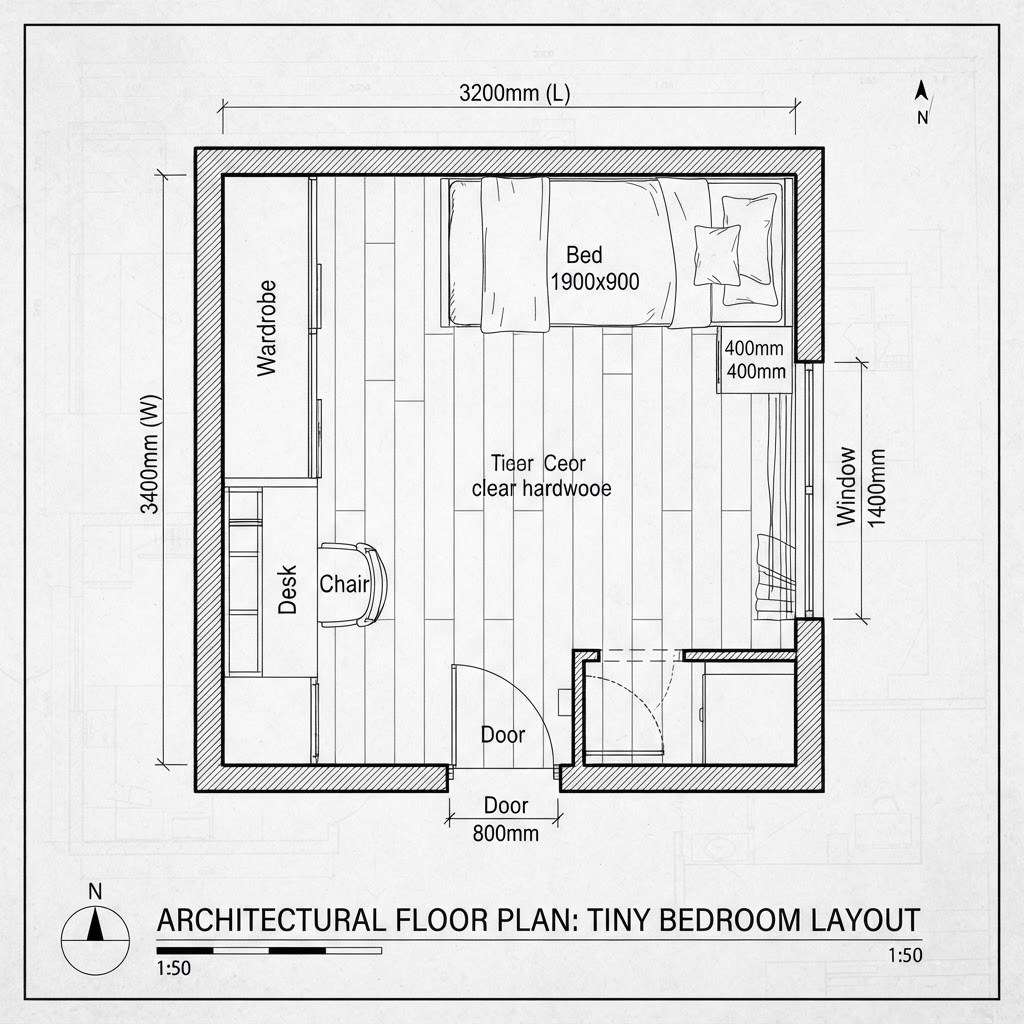
How you illuminate your space can change your perception of size. Using floor lamps instead of table lamps can free up precious surface area on your nightstands. Furthermore, installing wall-mounted sconces can provide focused light for reading while eliminating the need for bulky side tables entirely.
Using Mirrors to Expand Depth
Mirrors are among the best tools for anyone trying to maximize space in small bedrooms. By placing a large, full-length mirror opposite a window, you can double the amount of natural light that flows into the room. This bounce effect tricks the human eye into perceiving a much larger expanse, adding depth to areas that would otherwise feel claustrophobic.
Dealing with Clutter and Hidden Storage
Clutter is the enemy of the tiny bedroom. Without a strict organization system, even the best-laid furniture plan will eventually fail. The key is to find hidden storage opportunities where you least expect them.
Utilizing Under-Bed Real Estate
If your bed does not have built-in drawers, you can easily purchase risers to increase the clearance beneath the frame. Using slim, rolling containers, you can store seasonal clothing, extra bedding, or travel gear out of sight. This hidden storage is one of the most effective ways to maintain a minimalist look while retaining your essential items.
Selecting the Right Furniture Scale
One of the most frequent mistakes people make is choosing oversized furniture that overwhelms the room. Even if you love a massive, ornate headboard, it may not be appropriate for a small bedroom. Always measure your space carefully and opt for slim-profile designs that are proportionate to the dimensions of the room.
The Benefits of Transparent Pieces
Acrylic or glass furniture—such as side tables or desk chairs—can be invisible to the eye. They provide necessary utility without adding visual weight to the room. This is a subtle way to include everything you need while keeping the room feeling light and airy.
Maintaining Flexibility in Your Layout
Life changes, and your room layout should be able to adapt. If you have a small space, prioritize modular furniture that can be easily rearranged. If you decide to host a guest or need to clear space for a workout, having furniture on casters or modular shelves can make the transition quick and painless.
Conclusion
Mastering space-saving furniture placement tricks for tiny bedrooms is an ongoing process of refining, editing, and optimizing your environment. By focusing on vertical storage, multi-functional pieces, and clever lighting, you can create a beautiful room that serves all your needs without feeling cramped. Remember that the goal is not to fill every inch, but to create a space that breathes and promotes rest. If you are ready to transform your living situation, start by clearing the clutter and reassessing your furniture layout today. You will be amazed at how much potential your small bedroom truly holds when you approach it with a strategic, creative mindset.

Leave a Reply